
Book an
Appointment
Dr. Satya Saraswat - Hair Transplant Surgeon

Dr. Satya Saraswat, MBBS, MS, MCh, DNB (Gold Medalist)

Dr. Satya Saraswat, MBBS, MS, MCh, DNB (Gold Medalist), FISHRS, is a cosmetic and plastic surgeon with an experience of over 20+ years and has performed 17,000+ cosmetic and plastic surgeries. He is a Diplomate of the American Board of Hair Restoration Surgery (ABHRS) and Fellow of ISHRS, as he has been continuously attending the International conferences and adopting the latest advancements in hair restoration science, and he has also submitted his research papers. His hands-on involvement ensures a natural hairline and high graft survival.

Articles by Dr. Satya Saraswat, MBBS, MS, MCh, DNB (Gold Medalist)

7 Interesting Hair Transplant Facts
Medically Reviewed By Dr. Satya Saraswat, MBBS, MS, MCh, DNB (Gold Medalist) | Last updated: April 28, 2026

Hair loss can be a distressing experience for anyone, regardless of gender, but fortunately, hair transplants have emerged as an ultimate savior. When no other hair restoration treatments work, doctors can suggest that you undergo hair transplant surgery. However, beyond the common knowledge of the procedure, you may not be aware of many fascinating facts and statistics surrounding hair transplants. You must consider one thing before indulging in these unknown facts, and that is that only advanced clinics and board-certified, experienced doctors can provide satisfactory results for hair transplants in India. In this blog post, we are going to delve into 7 interesting hair transplant facts and statistics that will help you know more about the procedure and the reasons behind its ever-increasing popularity.

7 Interesting Hair Transplant Facts

Did you know that the first hair transplant surgery was performed almost one hundred years ago? Did you know hair transplants are one of the most popular surgeries for men? There are many other such facts that can amaze you, and let’s explore some of them in the section below.

I. The Global Hair Transplant Market is Expanding at a Rapid Pace.

The demand for hair transplants is increasing at a great speed. The global market size was estimated at $4.90 billion in 2021, and it is predicted to reach $30.13 billion by the end of 2031. It is growing at a compound annual growth rate of 20.4% from 2022 to 2030. In India, the demand for hair transplants is more noticeable. A significant number of patients with hair transplant treatments are in the age group of 25–45. The Indian hair transplant market is growing at a CAGR of 25–30% in selected metros and many Tier-I cities like Delhi, Mumbai, Agra, Bengaluru, Hyderabad, and so on.

II. 84.7% of Hair Transplant Patients are Men

According to the census of the International Society of Hair Restoration Surgery, in 2025, 84.7% of patients who underwent hair transplants were men and 15.3% were women (1). It has become a popular hair restoration choice for many people, regardless of age and gender. Nevertheless, the popularity of this procedure among women is also increasing every year. 13% of patients who underwent hair transplants were female, and this number will increase greatly in the coming years.
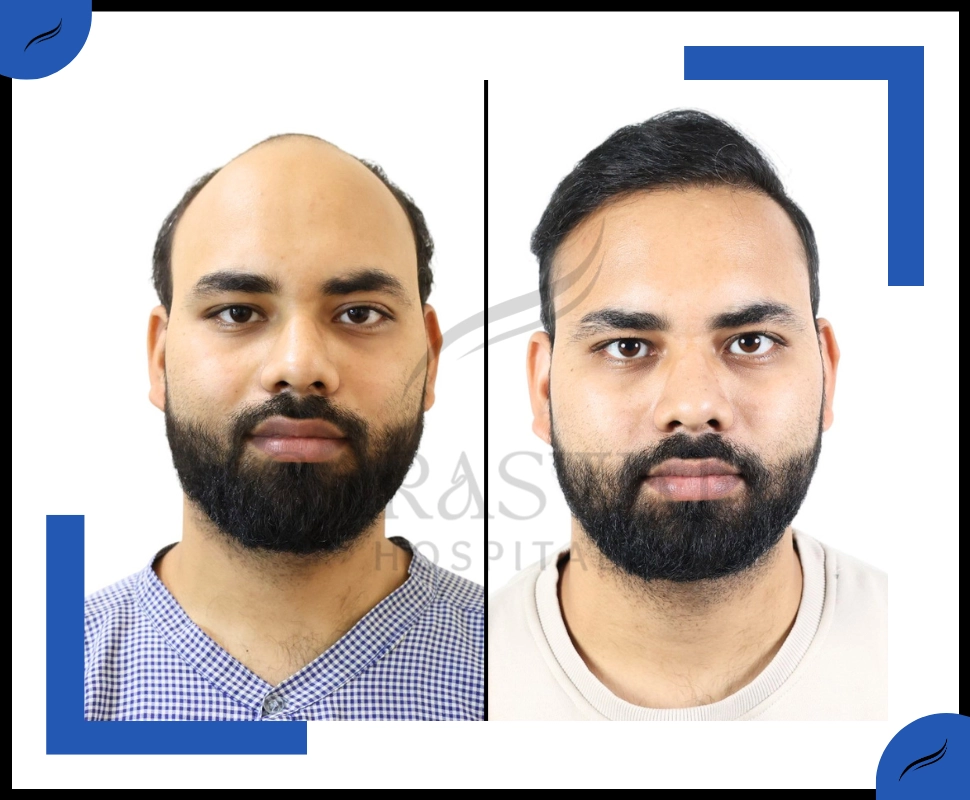
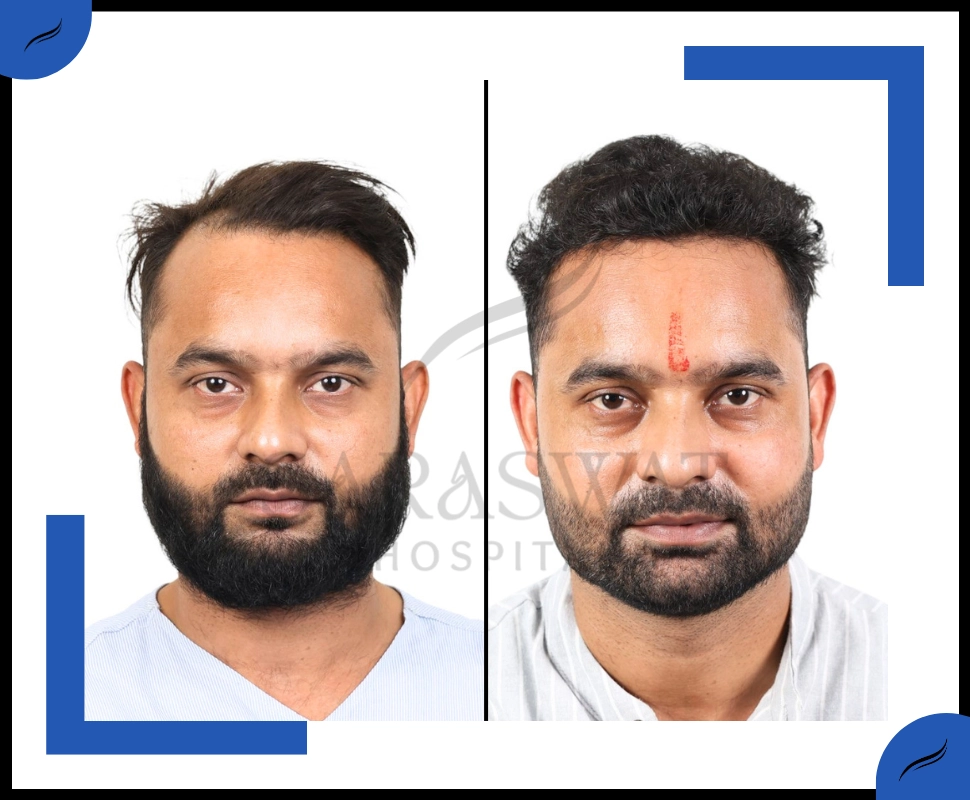
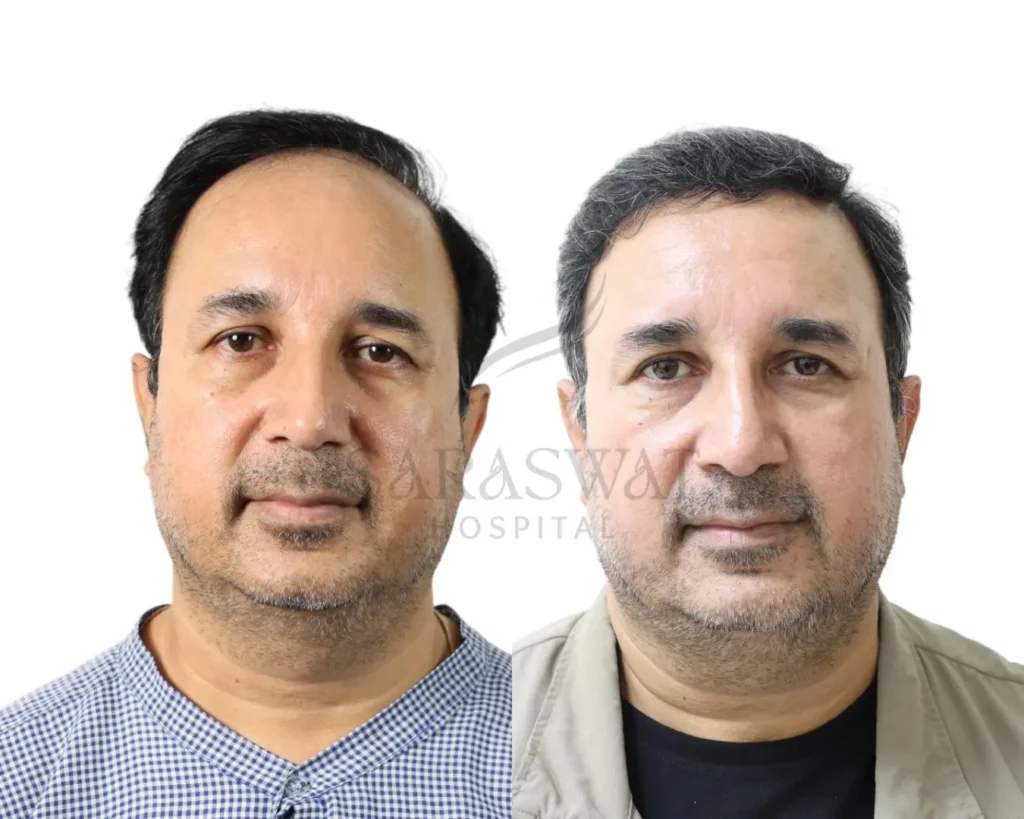
FUE hair transplant result

III. 35 Million Men and 21 Million Women Suffer from Alopecia Worldwide

As per reports of the International Society of Hair Restoration Surgery, 35 million men and 21 million women across the globe suffer from alopecia, hair loss, or thinning hair. Approximately 650,000 of them choose hair transplantation as the most effective hair loss treatment option.

IV. Asians Prefer Hair Transplants 38% More Than Europeans.

The prevalence of hair transplantation surgery also depends on the nationality of the patients. According to the reports, Asians prefer this procedure 38% more than Europeans. Reports say that surgeons perform almost 200,000 hair transplants in Asia and much fewer in Europe, nearly 75,000 annually.

V. Social and Career Concerns Are the Main Reasons for Seeking Hair Restoration

According to ISHRS physicians’ reports in 2019, 37% of patients chose hair transplants for social or dating reasons (2). And 35% of patients underwent this procedure for career or professional reasons. With the help of the internet, more people are becoming aware of the benefits of this procedure, and as a result, the demand for hair transplants is also increasing at a rapid pace.

VI. 85.4% of Total Hair Transplants are FUE.

There are two popular hair transplant procedures: follicular unit extraction (FUE) and follicular unit transplantation (FUT). In 2024, 85.4% of males and 68.2% of females chose the FUE procedure, 12.5% of males and 30% of females chose FUT, and a combination procedure was chosen by 2.1% of males and 1.9 % of females (3).

VII. Black Market Hair Transplants Lead to 10% of Repair Cases.

59% of ISHRS members reported that there are Black Market hair transplant clinics in their cities, which was 51% in 2021 (4). Also, approximately 10% of repair cases are up due to black-market hair transplant surgery. It contributed to approximately 6% of their total repair cases in 2021.

Why Choose Saraswat Hospital?

Try to get a hair transplant from a board-certified expert surgeon. For example, at Saraswat Hospital, you can get treatment from Dr. Satya Saraswat and Dr. Preeti Saraswat. They are Diplomates of the American Board of Hair Restoration Surgeons (ABHRS) and members of the International Society of Hair Restoration Surgeons (ISHRS). Dr. Preeti Saraswat is also an American Academy of Aesthetic Medicine (AAAM) associate member. So, anyone planning to get hair transplants in India can contact Saraswat Hospital and get expert treatment from internationally-certified expert doctors who have nearly 20+ years of experience.

Conclusion

Hair transplantation surgery has come a long way since its introduction in the mid-20th century. These facts also indicate its popularity among people across the globe. It is an effective solution for those experiencing hair loss or thinning. Hair transplant surgery is continuing to evolve with new technologies and techniques. Statistics also show us how both men and women have embraced this procedure and are enjoying its advantages.

Book an online consultation with our team and learn more about hair transplant, find out how many grafts are required in your case, and get a customized plan for a natural-looking hairline.

Sources:

(1) According to the ISHRS Census Report, in 2025, 84.7% of patients who underwent hair transplants were men and 15.3% were women. (ISHRS 2025 Practice Census Results)

(2) ISHRS physicians’ reports in 2019 stated that 37% of patients chose hair transplants for social or dating reasons. (ISHRS)

(3) In 2024, 85.4% of males and 68.2% of females chose the FUE procedure, 12.5% of males and 30% of females chose FUT, and a combination procedure was chosen by 2.1% of males and 1.9 % of females. (ISHRS 2025 Practice Census Results)

(4) 59% of ISHRS members reported that there are Black Market hair transplant clinics in their cities, which was 51% in 2021. (ISHRS 2025 Practice Census Results)

Follow us on:- Facebook, Instagram, Pinterest, YouTube

Medical Disclaimer →

This article is for informational purposes only and does not constitute medical advice. Plastic, cosmetic, and laser treatments — including AI-assisted previews such as those generated by the Peek AI™ app — carry risks and results vary by individual. Always consult a licensed medical professional before undergoing any procedure.
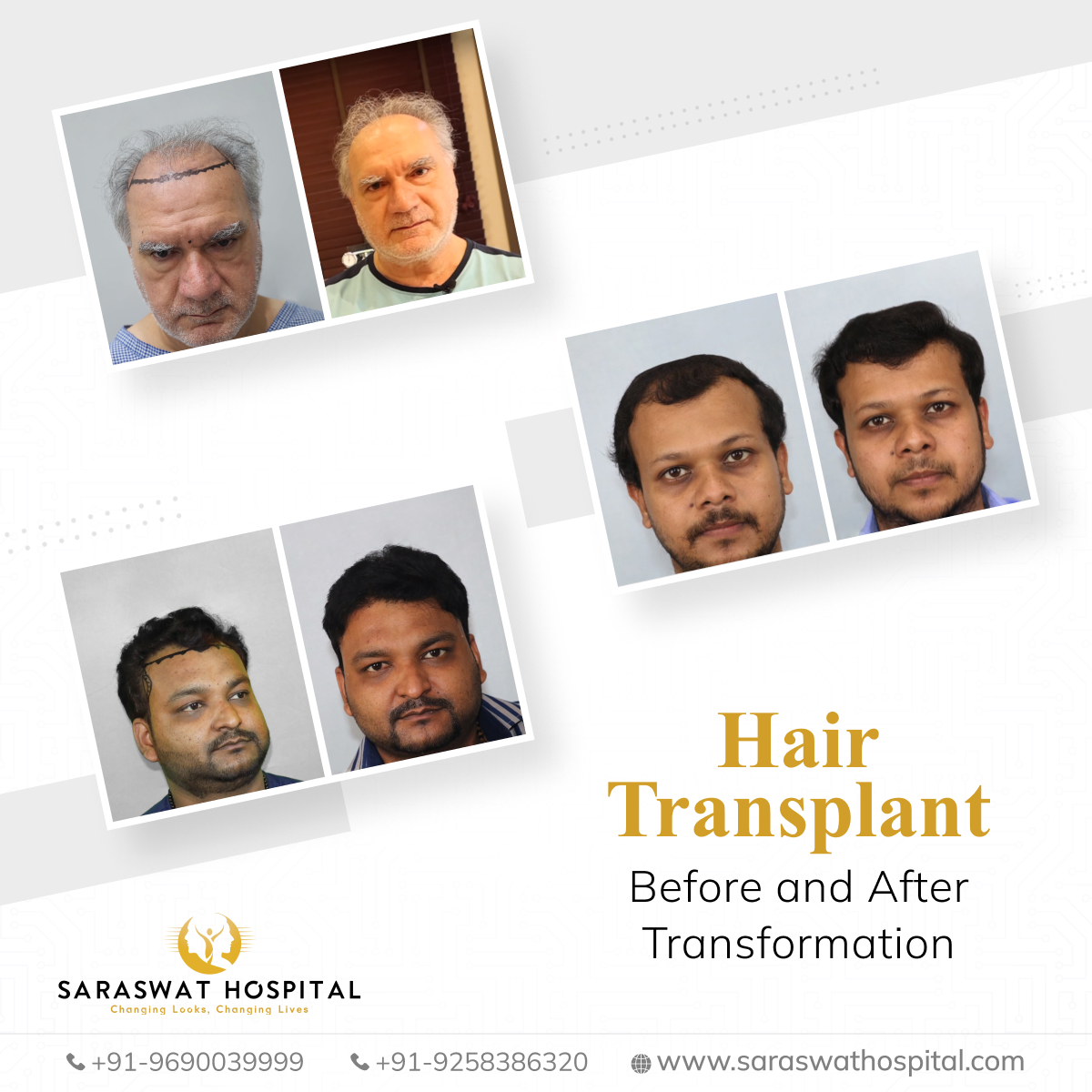
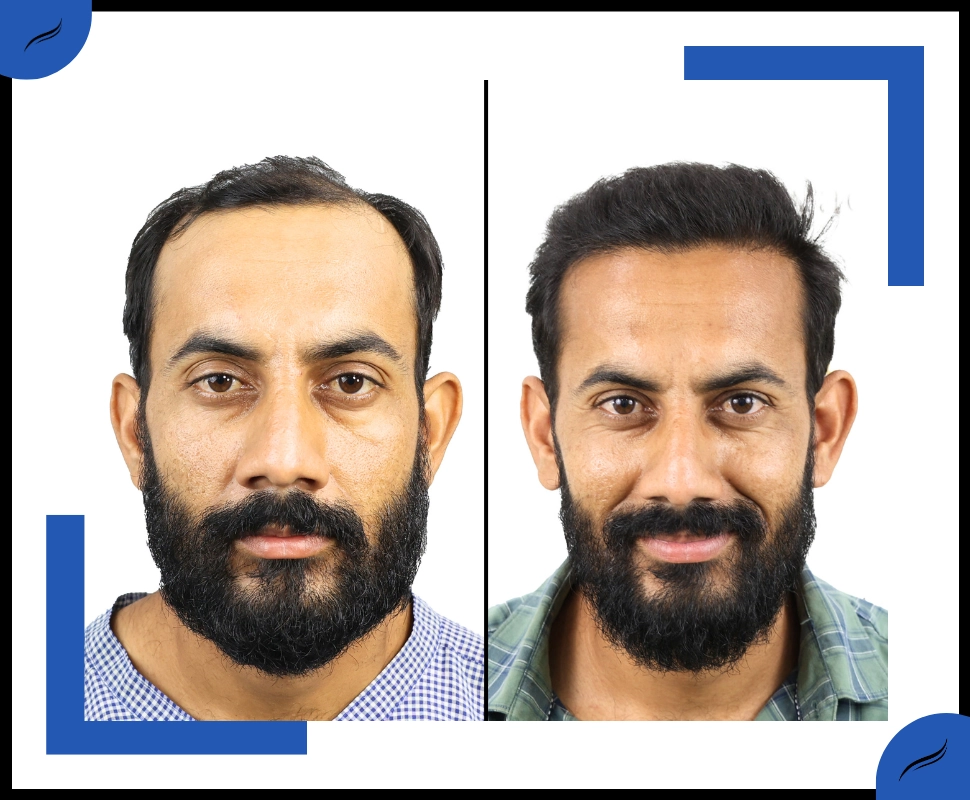
FUE Hair Transplant Before and After Results
Medically Reviewed By Dr. Satya Saraswat, MBBS, MS, MCh, DNB (Gold Medalist) | Last updated: April 28, 2026

Hair loss is a common issue that affects both men and women across the globe. It can significantly impact an individual’s personality, self-esteem, and quality of life. When seeking a permanent solution to hair loss, hair transplants seem to be the most effective. FUE, or follicular unit extraction, is a popular and effective solution for hair loss. The FUE procedure involves transplanting hair follicles from one area of the scalp to another, resulting in a head full of hair. If you have decided to undergo this procedure but are somehow reluctant about it, you must check the FUE hair transplant results of a particular clinic. It will help you develop realistic expectations and an understanding of the expertise of that clinic. Real-life results are important as they offer a clear visual representation of the procedure’s benefits, helping patients consider the treatment and make informed decisions about their options.

The Behind-the-Story of Hair Loss

Many people across the globe suffer from hair loss due to various factors, such as genetics, aging, and lifestyle, that contribute to the problem. Androgenetic alopecia, also known as male or female pattern baldness, is the most common reason for hair loss. Other reasons, like hormonal changes, medical conditions, and even medication side effects, can trigger hair loss in both men and women. Such an issue can have a significant impact on an individual’s emotional well-being, leading to reduced self-esteem, depression, and anxiety.

People try to cope with hair loss in multiple ways. Some people go for hairpieces or wigs to camouflage hair loss. Many men choose to shave their heads completely; however, most women do not like this option. People who want to get their hair back without using anything artificial most often go for hair transplants. In some cases, techniques like mesotherapy, PRP, and certain medicines like minoxidil may work. Some people are not suitable for any of these hair restoration treatments; for them, scalp micropigmentation is a great choice. It helps them camouflage balding or thinning hair.

When it comes to hair transplants, there are two popular techniques that leading hair transplant surgeons prefer to follow, such as FUE and FUT hair transplants. FUE hair transplants are a minimally invasive procedure that is becoming increasingly popular due to their high success rate and natural-looking results. It’s important to consider the emotional impact on a hair loss sufferer before undergoing the procedure and to be aware of the reasons for hair loss in order to make an informed decision. It is similarly important to choose a board-certified hair transplant surgeon with years of experience who can help manage expectations and provide personalized advice on the best approach to the procedure.

Hair Transplant Before and After

Real-Life Transformations

Exploring real-life results is essential as it provides visual evidence of the procedure’s effectiveness. By exploring the transformation results of people who have already undergone the procedure, individuals can gain insights into the potential outcome of their own FUE hair transplant. Additionally, it also helps them manage expectations as they get a better understanding of the limitations and possibilities of the procedure.

It helps prevent unrealistic expectations and disappointment with the results. Exploring a clinic’s hair transplant before and after results can provide insight into the clinic’s expertise and success rate. Consider how all these things help individuals make informed decisions and feel more confident about undergoing the procedure.

Here are some of the FUE hair transplant results from Saraswat Hospital:

Story 1:

This is the story of a person from Kanpur, India. He is one of those individuals who believes in the effectiveness of hair transplants. He started noticing hair loss in 2016, and during the pandemic period, his situation got worse. Then he decided to meet Dr. Satya Saraswat at Saraswat Hospital to learn about the best hair restoration treatment for him. Dr. Satya Saraswat and his team made him understand the entire hair transplant procedure and helped him develop realistic expectations. Then he underwent the procedure, and it was a comfortable experience for him. In the video, you can see his hair transplant results after six months. Watch this video to learn about his experience with Saraswat Hospital.

Story 2:

A person from Italy came to India to get hair transplants. He said he could have gone to Turkey or clinics in the Czech Republic for hair transplants. However, he wanted to get high-quality hair transplants and chose an India-based clinic—Twachaa. He did good research on Twachaa for at least six months to know more about its expertise and success rate. It is very important for individuals to do thorough research on a clinic before undergoing any procedure, such as a hair transplant. In the video, you can see how pleased he is with the service quality and staff behaviour of this clinic. He mentioned how Dr. Satya Saraswat and his entire team worked for him.

Story 3:

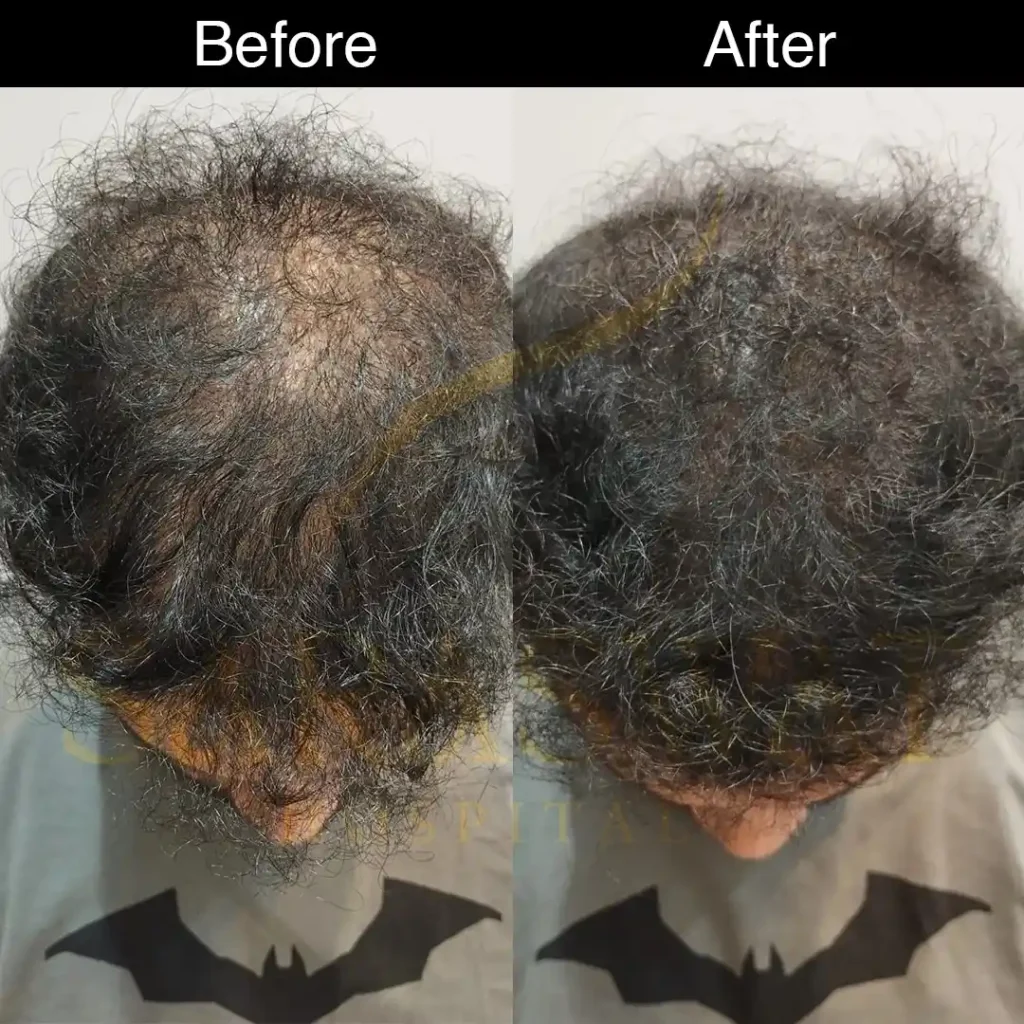
One of our male patients had been experiencing hair loss, particularly in the crown area, for quite some time. He was in search of an effective hair restoration treatment and decided to undergo a hair transplant procedure. His crown hair loss was also making him more self-conscious. Then he came to Saraswat Hospital for hair transplants. One of his relatives informed him about Dr. Satya Saraswat and Saraswat Hospital. Here, he got treatment from Dr.Satya Saraswat and his team. Within seven months after the procedure, he got satisfactory results and also praised the aftercare. Watch this full video to check out his experience with Saraswat Hospital.

Story 4:

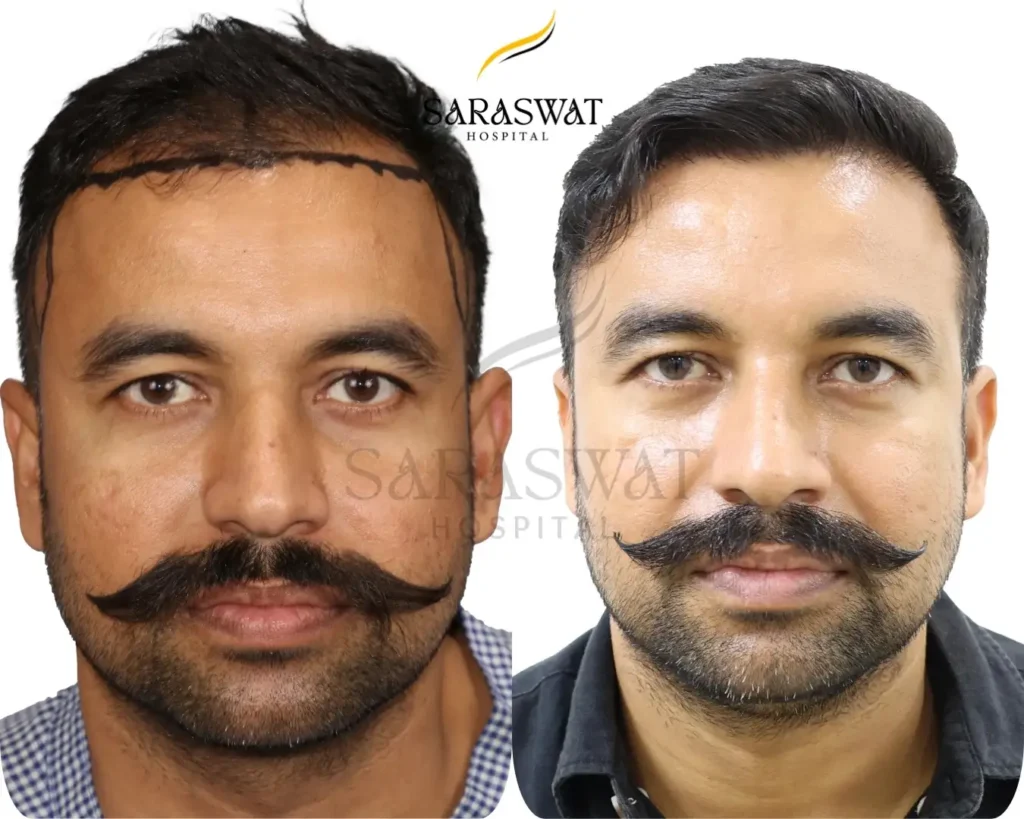
Another male patient from Agra, India, was suffering from a receding hairline and was looking for an effective hair restoration treatment. He learned about Dr. Satya Saraswat and Saraswat Hospital from his family doctor. Then he contacted Saraswat Hospital and consulted Dr. Satya Saraswat. First, he understood the procedure, its effectiveness, and the potential results, and then he underwent the procedure. Within nine months after the hair transplant procedure, he got satisfactory results. Watch this video to learn more about his experience at Saraswat Hospital.

These are four real-life hair transplant before and after results that you can explore to make an informed decision. With the advent of the latest technologies and the advancement of the healthcare industry, treating hair loss or thinning hair is no longer a challenge. With the right treatment, one can improve their hair loss condition to a satisfactory level. In order to get the best hair transplants, it is essential to choose the right clinic and the best surgeons. Always check the qualifications, achievements, and experience of the surgeons before undergoing the procedure.

Conclusion

FUT or FUE hair transplant has been a life-changing solution for many people suffering from hair loss. The hair transplant before and after results of individuals who underwent the procedure are a testament to the effectiveness of the procedure. FUE hair transplant is a popular minimally invasive procedure that yields natural-looking results with minimal downtime. In order to get satisfactory results, it is important to choose a qualified and experienced surgeon.

Book an online consultation with our team and learn more about hair transplant, find out how many grafts are required in your case, and get a customized plan for a natural-looking hairline.

FAQs

1. How to speed up hair transplant results?
Follow the recommendations of your doctor, avoid exposure to sunlight, consume a high-protein diet, ensure that you drink plenty of water, avoid smoking, and take your medications. Being patient is very important since noticeable hair growth usually starts at 3–4 months after surgery.

2. What is the fastest recovery time for a hair transplant?
Most patients return to work within 5–7 days. Scabs fall off by day 10–14. Full initial healing takes about 2–4 weeks, though final results appear after 9–12 months.

3. What are the signs of infection after a transplant?
Symptoms include excessive redness, swelling, pus formation or discharge, persistent pain, bad smell, fever, and warmth in the transplanted area. Contact your surgeon immediately if any of these symptoms develop.

4. How to avoid infection after a hair transplant?
Ensure that you keep your head clean, use the recommended medication, do not touch your scalp with unclean hands, don’t go swimming in pools, do not spend time in dusty areas, among other follow-ups.

5. Is it necessary to take antibiotics after a hair transplant?
Yes, it is common practice for doctors to give patients some antibiotics after surgery. It helps to protect against any infections.

Follow us on:- Facebook, Instagram, Pinterest, YouTube

Medical Disclaimer →

This article is for informational purposes only and does not constitute medical advice. Plastic, cosmetic, and laser treatments — including AI-assisted previews such as those generated by the Peek AI™ app — carry risks and results vary by individual. Always consult a licensed medical professional before undergoing any procedure.
5 Factors Make India a Popular Country for Hair Transplants
Medically Reviewed By Dr. Satya Saraswat, MBBS, MS, MCh, DNB (Gold Medalist) | Last updated: April 28, 2026

Millions of people across the globe visit India, each with a different and unique purpose. Some people travel to India to experience the wonders of nature, others to marvel at the ancient architecture, and many to receive advanced medical treatments such as hair transplants. India has become one of the top destinations for medical tourism due to an excellent tertiary healthcare infrastructure and has become a popular country for hair transplants, top-notch medical professionals, and relatively lower costs compared to the Western world. The same could be said about treatments such as hair transplants.

The increase in hair loss issues and the growing aesthetic sensibility of people contribute to the rise in hair transplants in India. The cost of hair transplants in some Western countries is exorbitant and discouraging for many people. As a result, individuals, mainly from the Western world, seek alternative, outstanding, and reasonably priced options for their hair transplant needs. Indian hair transplant treatments are exceptional, affordable, and designed according to all international standards.

There are various reasons why people prefer India for their hair transplant treatments. Let’s check out the reasons or factors that make India a popular country for hair transplants.

Factors that Make India a Popular Country for Hair Transplants

From advanced hair transplant procedures to the availability of medical visas, there are multiple factors:

1. Use of Advanced Hair Transplantation Technologies

Leading hair transplant clinics make use of advanced tools and technologies to ensure successful, natural-looking hair transplant results. FUE (Follicular Unit Extraction) and FUT (Follicular Unit Transplant) are two of the most popular hair transplant procedures that many clinics in India offer to their patients. Apart from these, the use of robotic technology also helps provide better precision and accuracy during hair transplantation. Additionally, advanced hair transplant techniques and modern technologies are available in many Indian hair transplant clinics. The adoption of advanced hair transplant technologies helps surgeons provide patients with more natural-looking and long-lasting results.

2. Treatments by Skilled & Experienced Surgeons

India is one of the countries with the highest number of hair restoration professionals. Many patients are aware of the fact that the result depends on the precision and accuracy of the procedure. And that’s why they always try to get treatment from expert professionals. In India, there are many skilled hair transplant surgeons who are well-trained, board-certified, and experienced in the latest techniques and procedures.

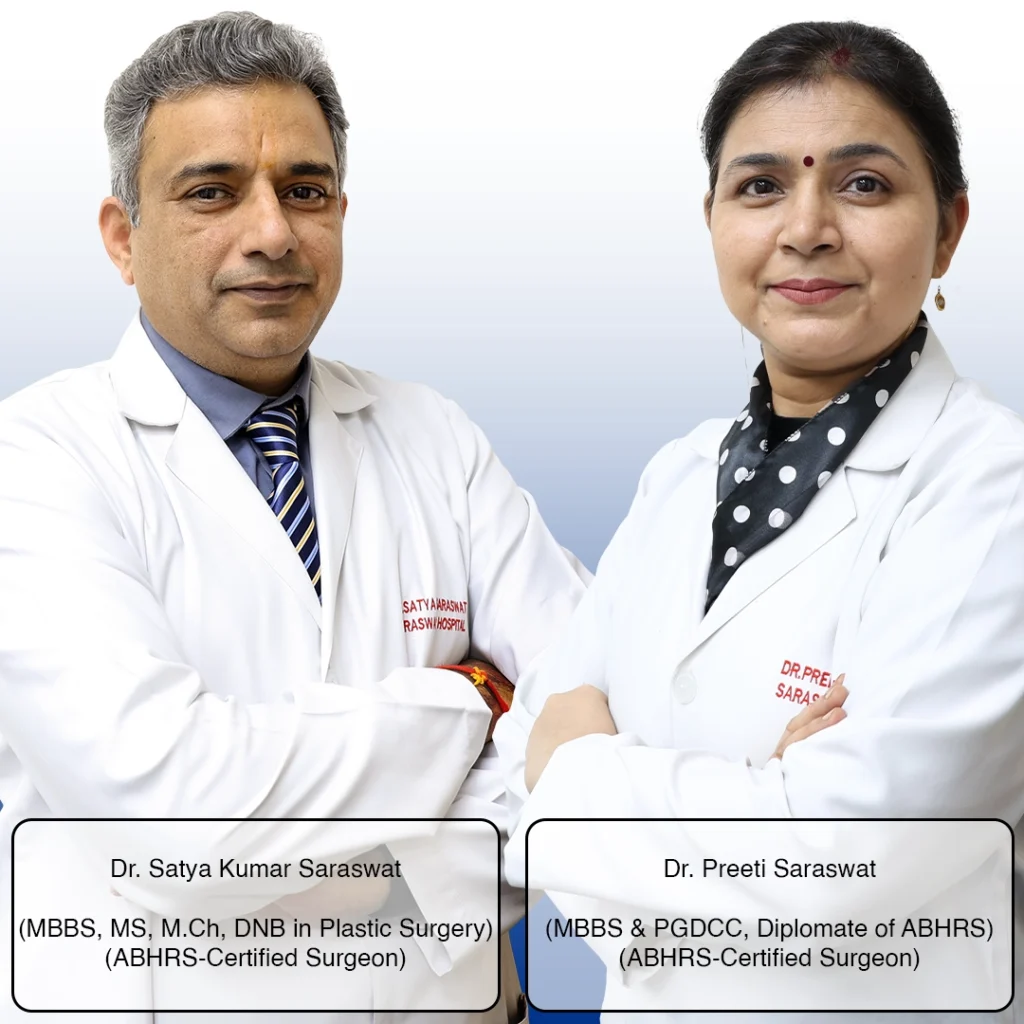
ABHRS-Certified Doctors Dr. Satya Saraswat & Dr. Preeti Saraswat

Many internationally certified hair transplant surgeons have their clinics or work in accredited clinics that follow strict medical protocols and standards to ensure safe and effective hair transplants. Most surgeons continue their studies, attend international seminars, workshops, and programs, carry out research, and do many other things to keep themselves updated with the latest trends and technologies of hair transplantation. Besides, the success rate of hair transplant surgery is also high, with many patients reporting natural-looking hair transplant results and a high level of satisfaction.

Since the success of a hair transplant surgery is also dependent on the technological advancement of the clinic, you must be careful when selecting one.

3. Easy Availability of Medical Visas

Medical tourism is about travelling to a foreign country for medical treatment. Indian medical tourism helps people enjoy advantages like lower costs, higher quality of care, etc. Over the years, India has become a popular destination for medical tourism, including hair restoration treatments. Nearly 3,50,000 hair transplant surgeries are done in India every year. Since India-based doctors have the required skills and experience to deliver natural-looking hair transplant results, medical tourism in India is on the rise. Obtaining a medical visa is relatively straightforward, allowing foreign patients to stay in India for longer periods of time for treatment. Apart from this, many comfortable and budget-friendly accommodations are available, including hotels catering to medical tourists.

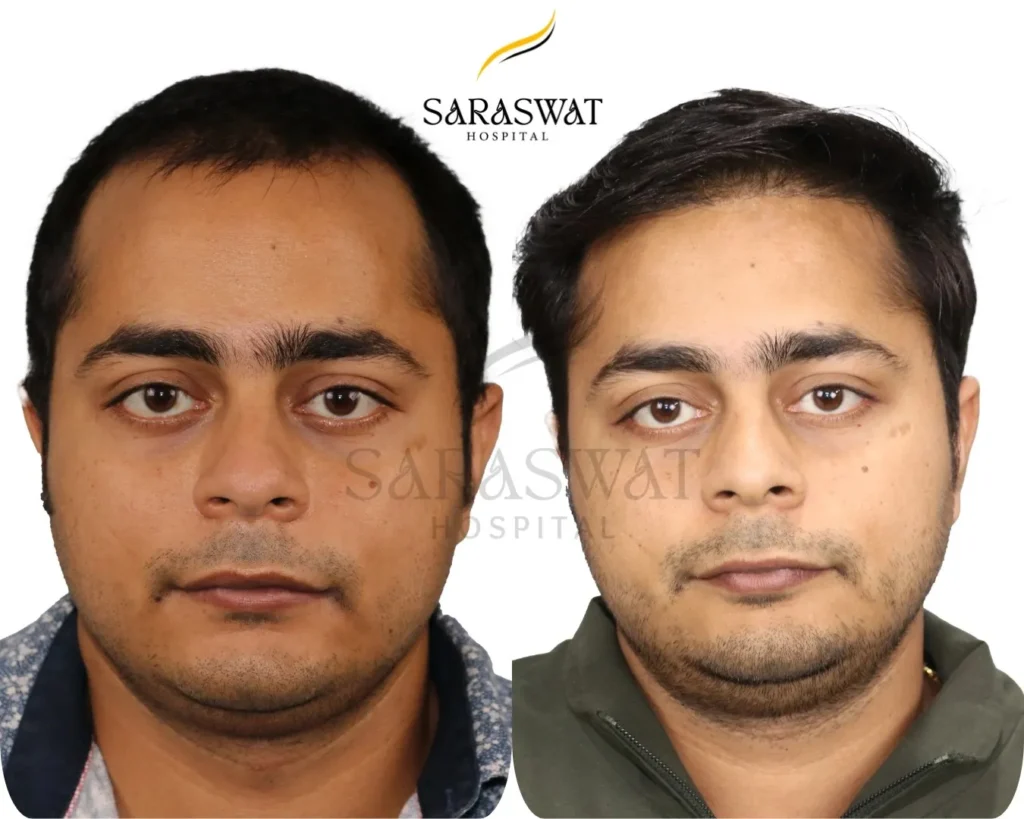
Hair Transplant Result

4. Cost-effective Hair Transplants

In comparison to many other countries, the hair transplant cost in India is lower. Patients can save a great deal of money when they choose India over other countries. Also, despite its cost-effectiveness, the treatment provided in India-based clinics is of high quality, with many skilled and experienced surgeons performing the procedure using the latest technologies. The cost of living is also lower than in many other countries, and that is reflected in the affordable prices of hair transplant surgeries. Here, patients can manage budget-friendly accommodations, transportation, and other essentials at a reduced cost. The entire cost, including treatment, transportation, accommodation, etc., will be much less than availing the same treatment in another country. However, the lower cost of hair transplant surgery in India does not compromise in any way the quality of treatment for native or foreign patients.

5. Clinics with Top-Notch Amenities

India-based hair transplant clinics follow international protocols and safety guidelines to offer safe and effective treatments to all patients. For example, Saraswat Hospital, it is equipped with top-notch international-grade amenities, advanced technologies, and internationally certified doctors. Here, a patient can get standard services at a reasonable cost.

The Bottom Line

These are some of the main factors that inspire people to go for hair transplants in India and make India a popular country for hair transplants. To consult with hair transplant experts Dr. Satya Saraswat and Dr. Preeeti Saraswat, you should connect with Saraswat Hospital.

You can book your appointment online or simply walk in. So, instead of waiting for more, connect with them, get advice, and plan your hair restoration journey accordingly.

Follow us on:- Facebook, Instagram, Pinterest, YouTube

Medical Disclaimer →

This article is for informational purposes only and does not constitute medical advice. Plastic, cosmetic, and laser treatments — including AI-assisted previews such as those generated by the Peek AI™ app — carry risks and results vary by individual. Always consult a licensed medical professional before undergoing any procedure.
7 Tips to Keep Your New Hair Healthy After a Hair Transplant
Medically Reviewed By Dr. Satya Saraswat, MBBS, MS, MCh, DNB (Gold Medalist) | Last updated: April 28, 2026

The success of a hair transplant in India depends not only on the expertise of the surgeons and the advanced infrastructure of the clinic but also on post-operative care. Within 90 to 180 days after the procedure, one can experience new hair growth. However, initially, there will be some levels of healing and recovery for you to focus on. It is important to take proper care of your scalp and newly implanted hairs to ensure long-lasting results.

For individuals who have undergone hair transplants in India or elsewhere, experts suggest following a healthy and comprehensive hair care routine so that patients can keep their hair healthy after the transplant surgery. The internet is filled with lots of home remedies and after-transplant guides, and getting confused between them is inevitable. Hence, we thought of presenting a realistic after-transplant hair care guide for all people who have undergone the procedure.

Tips To Keep Your New Hair Healthy

Ask your surgeon about post-operative care so that you can take the best care of your hair and ensure long-lasting benefits. Here are 7 Tips to Keep Your New Hair Healthy:

1. Keep the Recipient Area Moist

Your hair transplant surgeon will prescribe all essential medications and hair care products. It is important to ensure a moist environment for the newly transplanted hair follicles. You should not use anything other than the prescribed ones for moisturising purposes. Remember, not all scalp moisturisers or oils on the market are intended for hair transplant patients. You should only use Normal Saline that has been recommended by your hair transplant surgeon.

2. Sleep slightly upright

People who have just undergone the hair transplantation procedure should sleep in a slightly semi-upright position to ensure the best results. Instead of sleeping straight, following the recliner position and keeping the head slightly elevated is better. You should maintain it properly for at least three to four days after the surgery. Then, the surgeon will inform you when you can go back to your normal sleeping position. Always check with your doctor.

3. Avoid Strenuous Exercise

Your surgeon will advise you to avoid heavy physical activity for a few days after the procedure. After a week to 10 days, patients can resume non-aerobic exercises like walking and stretching. And after 2 weeks, patients can increase the intensity of their exercise. Sweating may not be a risk factor for new transplants, but intense physical activities may increase pain and inflammation.

4. Only Gentle Head Washing

Wait at least 48 hours after the hair transplant surgery to wash your head. You should ask your surgeon when you can wash your head. You should avoid washing your head under the direct water pressure of the shower. It’s better to gently clean your scalp using your hands only. Your surgeon or consultant will recommend a gentle shampoo to clean the scalp properly. If your doctor permits, you can use lukewarm water for scalp washing.

Less is more when it comes to shampooing. Using a huge quantity of your shampoo or shampooing too frequently may reduce natural hair oils and minerals, resulting in reduced shine of hair. You should use a shampoo that is free from parabens, sulfates, dyes, GMOs, and other harsh chemicals.

Hair Transplant Result

5. Softer Hair Styles

Successful hair transplants lead to denser hair growth within a few months. However, when styling your hair, you should strictly avoid chemical setting sprays, excessive heating, etc. You should avoid any product or styling option that makes your new hair transplants stiff.

6. Comb Correctly

You need to be gentle with wet hair, as it’s more fragile than dry hair. Use a soft cotton towel to dry your hair. Gently rub your hair with a cotton towel. You should comb and detangle your hair before washing it. You should never comb wet hair; otherwise, it may cause more hair breakage and split ends. Restrict the use of blow dryers, curlers, or straighteners at a high setting. When your hair is completely dry, brush it with a wide-tooth comb to detangle. This hair care tip applies to everyone (not just transplanted hair).

7. Maintaining a Healthy Diet

Having a balanced diet helps improve your overall health. A nutritious diet can help keep your new hair healthy after the transplantation procedure.

  • You can eat antioxidant-rich foods like blueberries, squash, peppers, tomatoes, and cherries.
  • Increase your liquid intake by drinking at least six to eight glasses of water every day.
  • Avoid smoking and drinking, as they can delay your healing process.
  • Vitamin B7, or biotin, is required for healthy hair and nails. Any insufficiency of this vitamin can cause brittle nails, whiplash damage, hair loss, and many other issues. Walnuts are rich in vitamin E, biotin, and fatty acids, and they help protect your hair against damage.
  • Eat foods that have good protein properties, as they are good for hair growth and boost the immune system. You can include eggs and fish such as tuna, salmon, and trout in your daily diet, as they are good sources of protein.
  • Eat more blueberries, as they are rich in vitamin C, which is vital for ensuring blood circulation to the scalp.
  • Green vegetables like spinach have folate, vitamin C, and beta-carotene, which are beneficial for the health of your scalp.

Get more quick hair transplant recovery tips here

Why Choose Saraswat Hospital?

It is one of the advanced clinics where you will get various types of hair transplant treatments from expert surgeons – Dr. Satya Saraswat and Dr. Preeti Saraswat, who happen to be Diplomats of the American Board of Hair Restoration Surgeons (ABHRS). Saraswat Hospital is equipped with state-of-the-art infrastructure and uses advanced tools and technologies to ensure optimum hair transplant results.

Conclusion

Following these tips will help you keep your new hair healthy. However, you shouldn’t forget to get your post-transplant hair care guide from your treatment provider. Each hair transplant case is unique and may require unique care.

Book an online consultation with our team and learn more about hair transplant, and find out how many grafts are required in your case, and get a customized plan for a natural-looking hairline.

FAQs

1. How common are infections after a hair transplant?
Postoperative infections after hair transplants are uncommon, as they occur in less than 1% of patients. The chances of an infection can be minimized through proper care, an aseptic environment during surgery, and the administration of antibiotic medication.

2. Can a hair transplant cause any disease?
No, a hair transplant does not result in disease development. Infection is possible only due to a lack of cleanliness or improper use of medical equipment by surgeons. Visiting authorized clinics and following post-operative recommendations can minimize potential hazards.

3. Why do people avoid hair transplants?
Some individuals hesitate to undergo hair transplantation because of high prices, fears of pain and scarring, a long recovery period, questionable outcomes, as well as concerns about side effects.

4. What happens if I don’t take medication after a hair transplant?
Neglecting the post-transplant medications will increase your chances of getting infected, having swelling, or having graft failures. Anti-inflammatory medicines and antibiotics are vital for proper recovery and to ensure successful outcomes from the procedure.

5. What are the red flags for a hair transplant?
Red flag indicators are extremely low costs, unlicensed surgeons, lack of consultations before surgery, sterile operating rooms, guaranteed unrealistic results, lack of before and after pictures, bad patient reviews, and undue haste in decisions.

Follow us on:- Facebook, Instagram, Pinterest, YouTube

Medical Disclaimer →

This article is for informational purposes only and does not constitute medical advice. Plastic, cosmetic, and laser treatments — including AI-assisted previews such as those generated by the Peek AI™ app — carry risks and results vary by individual. Always consult a licensed medical professional before undergoing any procedure.

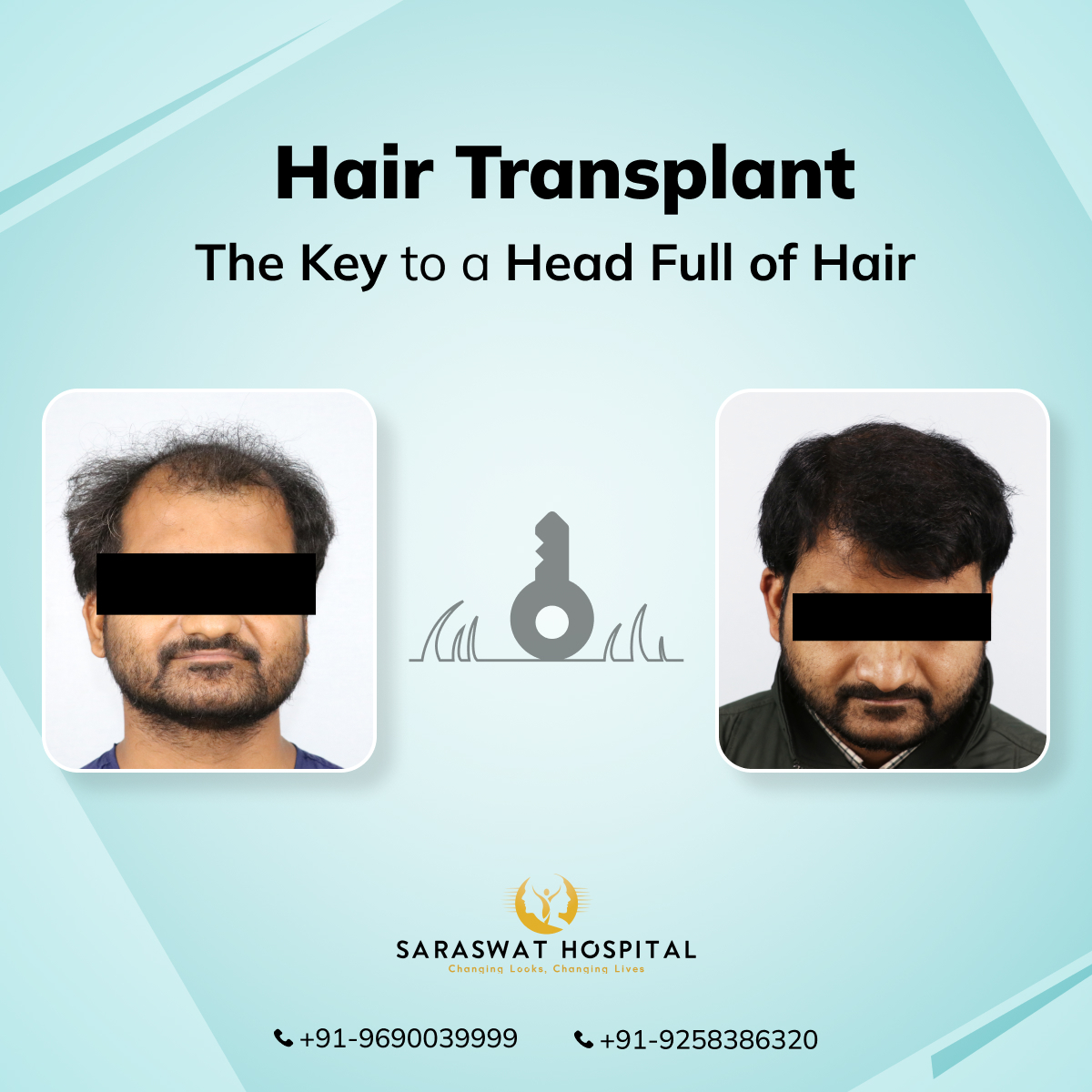
Hair Transplant- The Key to a Full Head of Hair
Medically Reviewed By Dr. Satya Saraswat, MBBS, MS, MCh, DNB (Gold Medalist) | Last updated: April 28, 2026

Hair loss concerns have been around for centuries, but it is only in modern times that lots of medical-grade and cosmetic hair loss treatments have become available. However, instead of trying over-the-counter solutions to treat hair loss issues and face adverse side effects, it is better to undergo modern procedures like hair transplants and restore one’s natural hair. Here we will discuss why more people are getting hair transplants.

Interestingly, like in any other place, hair transplants in India are becoming more popular than ever. More people are choosing this procedure, irrespective of their age and gender. The global hair transplant market, which was estimated at USD 8.4 billion in 2021, is going to reach USD 21.2 billion by the end of 2028 (1).

The First-Ever Hair Transplant Surgery in the World

In the late 1930s, a Japanese dermatologist, Dr. Okuda, designed a process to address hair loss in patients who were suffering from scalp or burn injuries. Dr. Okuda used the ‘punch technique’ for hair transplantation for such patients.

The first hair transplant for male pattern baldness was done in 1952. A dermatologist from New York named Dr. Norman Orentreich performed the first hair transplant procedure to treat male pattern baldness. Previously, it was thought that the transplanted hair would act like normal hair and fall out after a while. However, the transplantation surgery proved that hair from the donor area remained in place and helped the bald area grow natural-looking hair.

Why More People Are Getting Hair Transplants?

Hair transplant treatments are minimally invasive, safe, and highly successful. They leave minimal scars and have a shorter recovery time, which is why more people are getting hair transplants. Apart from these, there are many other reasons behind the popularity of hair transplants in India and across the world. Let’s explore them now.

1. Advancements in Medical Technology

Advancements in medical technology have resulted in a number of new techniques and methods that have made the hair transplant procedure more successful, less invasive, and more natural-looking.

FUE (Follicular Unit Extraction) is an advanced hair transplantation technique with a great success rate. This procedure involves removing individual grafts of hair from the donor area using a small punch tool. By using this procedure, you can avoid the need for a large incision or strip removal. It results in less scarring and faster recovery.

Read more about FUE hair transplant benefits

Also, to get the FUE hair transplant in India, people, including many from foreign countries, visit the Saraswat Hospital in Agra. On the other hand, the FUT procedure involves removing a strip of scalp tissue and then dividing it into multiple hair follicles.

Know which is better for you: FUE or FUT

The use of robotic technology allows for more precise and consistent hair follicular extraction and reduces the risk of surrounding tissue damage. The advent of state-of-the-art medical equipment like high-definition cameras, stereomicroscopes, and advanced lighting systems has created room for more accurate and precise hair transplantation. And for the best FUE and FUT hair transplant in India, Saraswat Hospital happens to be a reliable destination, as it offers a great patient satisfaction rate.

Additionally, the use of PRP therapy (platelet-rich plasma) along with hair transplantation stimulates hair growth and offers better and more natural-looking results.

Hair Trasplant Before and After Result

2. Changing Attitudes Toward Hair Loss and Hair Transplants

Common social attitudes toward hair loss have undergone many changes in recent years. Transplants are becoming less stigmatised and more accepted. There was a time when hair loss was often seen as a sign of ageing or a lack of virility. And people who thought of growing their hair in different ways, like transplantation, were often ridiculed. However, such perception is changing gradually, and more people, including celebrities, are embracing hair transplants. They are openly discussing their experience with excessive hair loss and baldness and have undergone hair transplant procedures.

Medical technology advancements have also contributed to the shift in attitude. The procedure is less invasive and offers more natural-looking results. As a result, hair transplants have started to become more mainstream, and many people find them a viable solution to hair loss.

The rise of social media and the increased visibility of hair transplant procedures are playing great roles in changing people’s attitudes toward hair loss. With the advent of the internet, especially the boom in social media, people have access to a lot of information in the form of photos and videos, where they can check the real results of hair transplantation. In fact, it has demystified the hair transplant procedure and made it accessible to all classes of society. According to the International Society of Hair Restoration Surgery, the total number of hair transplants has increased by nearly 20% in the past five years.

3. The Influence of Social Media and Celebrity Culture

Social media and celebrity culture are playing a significant role in the increased popularity of hair transplants. Leading social media platforms like Instagram, Facebook, etc., have made it easy for common people to learn about hair transplants and check the “before and after” results of the procedure. It helps to educate people about the benefits of undergoing a hair transplant treatment.

Apart from social media platforms, celebrity culture has also contributed to the popularity of hair transplants across the globe. Many international and Bollywood celebrities have discussed the procedure and conveyed how the treatment has helped them. They have inspired the common people and led to the normalisation of the idea of hair transplants.

Even in India, famous celebrities like Mr. Ravi Jhankal, Mr. Jitendra Bharadwaj, Mr. Raju Srestha, and many other celebrities have undergone this procedure to restore their natural-looking hair. Watch the following videos to learn about their experiences at the Saraswat Hospital:

Conclusion

All these factors are directly contributing to the increase in the popularity of hair transplants. More people have begun to trust the procedure as technology has evolved and awareness has increased through social media and celebrity culture. While this popularity or trend shows no signs of slowing down, it raises concerns about its potential impact on society.

Similarly, it is also important to consider the financial and ethical implications. Just like any other procedure, hair transplants also come with some downsides or side effects. However, if one undergoes the treatment from an advanced clinic and by board-certified expert surgeons, such as the Saraswat Hospital in Agra, they can prevent or reduce the chances of any adverse side effects.

Book an online consultation with our team and learn more about hair transplant, find out how many grafts are required in your case, and get a customized plan for a natural-looking hairline.

Sources:

(1) The global hair transplant market, which was estimated at USD 8.4 billion in 2021, is going to reach USD 21.2 billion by the end of 2028. (Global News Wire)

Follow us on:- Facebook, Instagram, Pinterest, YouTube

Medical Disclaimer →

This article is for informational purposes only and does not constitute medical advice. Plastic, cosmetic, and laser treatments — including AI-assisted previews such as those generated by the Peek AI™ app — carry risks and results vary by individual. Always consult a licensed medical professional before undergoing any procedure.

What Causes Failed Hair Transplants? | Saraswat Hospital
Medically Reviewed By Dr. Satya Saraswat, MBBS, MS, MCh, DNB (Gold Medalist) | Last updated: May 02, 2026

Why do hair transplants fail? Why did my hair transplant fail? Has your hair transplant gone wrong? What causes failed hair transplants? Can a hair transplant actually fail? – These are some questions we all think about before opting for a hair transplant procedure.

A hair transplant is a surgical procedure that is said to be a permanent solution to Androgenetic alopecia. The surgery is so advanced that anyone considering hair restoration would expect effective and long-lasting results. But if you look around you, you often see failed cases of hair transplantation. However, failed cases can often be improved via a repair hair transplant.

What is a Failed Hair Transplant?

In general terms, if the transplanted hairs do not grow properly in the recipient area to give natural-looking results, it may be called a failed hair transplant. Also, if the donor site is depleted excessively to present an unsightly appearance, it cannot be called a successful hair transplant. If you are suffering from unsightly hair transplant results, connect with an expert surgeon and plan your repair hair transplant in India or elsewhere.

Let’s Discuss What Causes Failed Hair Transplants?

The 2020 Practice Census Results by the International Society of Hair Restoration Surgery (ISHRS) describe what causes failed hair transplants, and the chances of failed hair transplants are nearly 43% (1). This study analyses the failed hair transplant rate based on the patient’s satisfaction and how transplanted hair grows after the procedure. However, advanced hair restoration clinics with next-gen technological set-ups and skilled surgeons have a failure rate of less than 2%.

1. Hairline Gone Wrong

A rule in surgery: always tread forward when you have kept your previous foot secure. Therefore, the first point would be that the hairline design should be natural-looking as per the long-term planning done for you by your doctor. It should preferably have a mature-looking hairline. Before undergoing a hair transplant procedure in India, discuss your concerns and goals with your surgeon.

2. Over-Graft Harvesting

Secondly, the harvesting should not be over-harvesting. It is suggested that a density of 40 grafts per centimetre square should be left in the donor area to avoid scalp visibility post hair transplant.

3. Hair Transplant Scar

Thirdly, unnecessary scarring in slit-making should never be seen. In order to give more than possible, there are a few clinics that make slits so near that not only did the grafts not survive, but the slits made so near led to scar formation. It is very unfortunate for the patient if it happens.

Wide scars are uncommon, yet they are a possibility as a result of improper surgical technique or poor patient compliance. It may take weeks or months for the scar to mature, leaving the wound’s strength vulnerable to patient activities.

4. Bad Angles and Directions of Grafts

Fourth is bad angles and directions of grafts. When the surgeon makes the slits in the recipient site, they have to take care of the angle of the slits, the direction of the slits, the depth, and the density of the slits. If the density of slits is increased, then instead of beautiful hair growth, an ugly scar appears on the scalp. And if the depth is greater, it may lead to damage to the blood vessels of the scalp and thus jeopardise the nourishment and oxygen needed for proper growth of transplanted hairs, leading to poor growth. If the angle and direction of the slits are improper, it may lead to ugly growth of hair, thus making the result suboptimal and unsatisfactory.

Repair Hair Transplant Result

5. Improper Handling of Grafts

Improper handling of grafts is also one of the causes of a failed hair transplant (2). Careless insertion of grafts and crushing the roots and stem cell areas can cause microscopic damage even if the grafts appear normal from the outside. Handling hair grafts is as important as harvesting them. Grafts are fragile, and they are live tissue. You need to see that the hair transplantation surgery staff where you are undergoing surgery is trained, skilled, and aware enough to take care of the delicate procedure. At Saraswat Hospital, our ABHRS-certified surgeons always prefer to use advanced tools like Choi implanter pens to avoid graft mishandling.

6. Improper Storage of Grafts

Sixthly, improper storage of grafts. Graft desiccation is the term given to the drying of grafts due to insufficient hydration available for them. Graft desiccation is the number one killer of grafts. In the surgery theatre, if the team is not vigilant enough to keep grafts hydrated at all times, the fans and air conditioning can quickly deplete the grafts of their moisture and thus destroy them.

7. Tests before hair transplant

Pre-procedure workup of the patient should be thorough, as a hair transplant is a surgery. Hence, systemic examination and medical history, surgical history, family history, social history, chief complaints, and everything should be taken into account so that patient selection is good and appropriate.

Check How to Prepare for a Hair Transplant Surgery

8. Trichoscopy

Trichoscopy, or computerised examination of the hair and scalp, should be done in order to scientifically and accurately observe the grafts at the donor site and make an accurate calculation of the number of grafts needed. For a hair transplant in India, always go for clinics that are equipped with software-based trichoscopy analysis procedures, advanced tools like Choi implanter pens, and so on.

9. Alopecia Areata, Scarring Alopecia

Alopecia Areata, trichotillomania, and scarring alopecia with poor prognosis should not be entertained as they always lead to unsatisfactory results. If the patient is taking medicines for any skin or medical problem, then they must discuss this with the doctor.

10. Long-Term Planning

Loss of hair existing before the transplant may lead to decreased density. This should not be confused with poor growth of transplanted hair. Such patients may need to undergo another session of hair transplantation to achieve the desired density.

These ten points discussed above are all the causes that can lead to a failed transplant. Additionally, there are three particular points the patient must be careful about before they decide to have a hair transplant in India or elsewhere. These are as follows:

  1. Before choosing a surgeon, search for the doctor’s credentials and experience, and then go with the best to get the best possible outcomes.
  2. See that your doctor has done long-term planning for you
  3. Get educated regarding Trichoscopy and set realistic conditions for yourself

Conclusion

Hair transplant procedures, when performed by a skilled surgeon, can successfully restore a natural-looking hairline for a patient. It offers permanent solutions to hair thinning and baldness. At Saraswat Hospital in Agra, we have ABHRS-certified hair restoration experts who have the experience and expertise to perform all kinds of hair transplant surgeries, including a repair hair transplant in India. For positive outcomes, book an appointment with our doctors.

Sources:

(1) According to the 2020 Practice Census Results by the International Society of Hair Restoration Surgery (ISHRS), the chances of failed hair transplants are nearly 43%. (ISHRS 2020 Practice Census Results)

(2) Complications of Hair Transplant Procedures. (PubMed Central)

FAQs

1. What happens if a hair transplant fails?
Hair transplant failure causes hair grafts not to grow, causing bald patches or no result at all. Corrective surgery, scalp micropigmentation, or other solutions may be suggested depending on the extent of failure.

2. How often do hair transplants fail?
Total hair transplant failure occurs in around 1–2% of hair transplant surgeries. However, partial failure is more prevalent, and it usually has something to do with improper care after the procedure or an inexperienced surgeon.

3. Can a hair transplant be done twice?
Yes, it is possible to have two hair transplant surgeries if there is enough donor hair remaining. It is often used to augment density, cover new hair loss, or fix previous hair transplant results.

4. Are hair transplants 100% successful?
No process has a guarantee of 100% success rate. On average, hair transplant surgery has a 95–98% success rate depending on the expertise of the doctor, general health, hair type, and post-op care.

5. Is it normal to lose a few grafts after a hair transplant?
It is normal for patients to experience some amount of hair loss in the first few days after hair transplant surgery. However, a significant loss may signal infection or poor technique and should be evaluated by your surgeon.

Follow us on:- Facebook, Instagram, Pinterest, YouTube

Medical Disclaimer →

This article is for informational purposes only and does not constitute medical advice. Plastic, cosmetic, and laser treatments — including AI-assisted previews such as those generated by the Peek AI™ app — carry risks and results vary by individual. Always consult a licensed medical professional before undergoing any procedure.
What is the Cost of Hair Transplant in Turkey? - Saraswat Hospital
Medically Reviewed By Dr. Satya Saraswat, MBBS, MS, MCh, DNB (Gold Medalist) | Last updated: May 02, 2026

Turkey is a beautiful country. It has some incredible sights to see, amazing landscapes, and delicious cuisine, making it a popular tourist destination across the world. Recently, there has been a trend of a lot of people from Europe, the USA, and the Middle East choosing to have their hair transplant in Turkey. The country has many good doctors who are accredited and credentialed with premium organizations like the American Board of Hair Restoration Surgery and ISHRS members who are doing some great work. In this blog, we will be discussing Hair Transplant in Turkey and the Cost of Hair Transplant in Turkey.

For some time now, we have been seeing a lot of patients who have had their hair transplant done from a clinic in Turkey. Many are also confused about getting hair transplants in India or Turkey. Many times, we have seen that these patients have been promised a very new technique, something path-breaking, which that particular clinic has devised, invented, or improvised to give world-class results. But the results definitely tell us a different story.

Techniques of Hair Transplant

Please remember that there are only two techniques to harvest the roots or the grafts from the donor side. These are FUE (Follicular Unit Excision) and FUT (Follicular Unit Transplantation). Any advancement over these is not possible because then it signifies that another third method has been devised to extract the hair roots.

Check, FUE or FUT: which is ideal for you?

There may be some modifications in the time interval in which the roots that have been extracted are implanted back. Or the grafts or the roots have been preserved in a special holding solution to increase their longevity. Or a different technique has been used to make the slits for the insertion, or a different insertion technique has been used. Please note that all these techniques are in use everywhere in the world, such as hair transplants in India. If a clinic lures you or anyone else with a specialised technique, don’t forget to ask in detail.

Average Cost of Hair Transplant in Turkey

Regarding the cost of hair transplants in Turkey, please note that clinics offer these services from 1500 to 1800 Euros and up to six to seven thousand Euros, depending on the number of grafts and the technique used.

Also, check the per-graft cost of hair transplant in India.

Resources for Hair Transplant Research

If a clinic tells you of some new technique, then make sure to cross-reference those techniques with authentic websites like ISHRS. This is one of the most authentic websites belonging to our parent organization – the International Society for Hair Restoration Surgery.

Factors Deciding the Cost of Hair Transplant in Turkey

The onus is on all of us and the aspiring patients who plan to go for a hair transplant in Turkey to find out the qualifications and the credentials of the doctor who is going to perform the surgery. There are a lot of good doctors who are accredited and credentialed with premium organizations like the American Board of Hair Restoration Surgery (ABHRS) and the International Society of Hair Restoration Surgery (ISHRS) who are doing great work. But please do find out the name of the doctor. It is your right to ask for his or her certifications from the local medical governing council.

The hair transplant cost in Turkey will vary based on whether the doctor or the clinic is well credentialed, using the latest equipment, performing the majority of the procedure themselves, using specialized planning techniques like Trichoscopy, has a permanent team, and whether the doctor or the clinic is not doing more than one or two hair transplants a day.

Caution while Deciding on Hair Transplant in Turkey

It is seen that there is a trend where a single clinic is performing multiple surgeries in a single day. It is very surprising that so many procedures are performed on a daily basis in a clinic. This definitely compromises the personalized planning of a procedure with you, quality control, which should be very strict in each hair transplant procedure, and the person who is performing. Many times, it is seen that there are no doctors during the procedure. Please do inquire about all these factors.

Hair Transplant Surgery Packages in Turkey

Do not be impressed by the luring packages of a five-day stay, hotel, pick and drop, and sightseeing. This is something you can definitely plan in a separate way, and Turkey is a beautiful country where you can plan out this thing.

Best Clinics for Hair Transplant in Turkey

Choose a hair transplant clinic in Turkey that does procedures in a limited number, ensuring the strictest quality controls, using the best equipment, maintaining transparency about the number of grafts, where the doctors are credentialed and accredited, and there is a permanent team over there. It is also very important to ensure that the doctor has made long-term plans for you.

Sometimes, what happens is that if there is a small recession of the hairline in your early 20s, you don’t need to plan out a hair transplant. You can definitely go for a medical treatment as well. If you go for an early hair transplant at an early age and your baldness, because of genetic and hormonal factors, progresses further backwards, then you may have a very odd picture of having the grafts in the front and a bald area behind, and having no or a very limited number of grafts in your donor side because they have been harvested excessively. So, it is very prudent and essential for you to discuss the long-term planning of your hair transplant with your treating doctor, probably multiple times.

Consultation before booking a Hair Transplant in Turkey

Since the time of COVID, a lot of doctors have started giving either free or paid consultations online. The free consultations are generally limited in number and time, and a paid consultation goes on for much longer. So, you can opt for those consultations before actually booking your procedure and traveling to the country.

Conslusion

In conclusion, the above-discussed points should be kept in mind while considering the cost of hair transplant in Turkey. Please choose a good clinic with a good doctor who ensures your hair transplant is done in a standardized and proper way.

If you choose to go and have a hair transplant in Turkey, it is important for you to get a better understanding of these crucial factors to be kept in mind. You must do due diligence before choosing a hair transplant in Turkey to get the best results post-procedure.

Book an online consultation with our team and learn more about hair transplant, and find out how many grafts are required in your case, and get a customized plan for a natural-looking hairline.

Follow us on:- Facebook, Instagram, Pinterest, YouTube

Medical Disclaimer →

This article is for informational purposes only and does not constitute medical advice. Plastic, cosmetic, and laser treatments — including AI-assisted previews such as those generated by the Peek AI™ app — carry risks and results vary by individual. Always consult a licensed medical professional before undergoing any procedure.
Factors Affecting the Cost of Hair Transplants in India
Medically Reviewed By Dr. Satya Saraswat, MBBS, MS, MCh, DNB (Gold Medalist) | Last updated: May 02, 2026

If you are someone facing a receding hairline problem, then it is possible that you have already looked at some web search options for the cost of hair transplants in India. You must have come across multiple options of different hair transplant clinics and seen the different prices charged by each of them.

During your search, you may have come across terms like ‘charges per graft’, charges per hair’, ‘charges per hair follicle’, or ‘hair transplant package cost’. Looking at all of these might be confusing for someone without any medical knowledge.

In this blog, we look at some of the most prominent factors affecting the cost of hair transplants in India. Getting an understanding of these will help you to get an estimate for your final hair transplant price.

What is a Hair Transplant?

Hair transplantation is a surgical procedure that moves healthy hair follicles from areas of thick growth—typically the back or sides of your scalp—to areas experiencing hair loss or thinning. If you’re dealing with baldness, hair fall, or noticeable thinning, this procedure offers a way to regain a fuller, natural-looking head of hair.

Factors Affecting the Final Cost

There are several factors that affect the final cost of hair transplants in India. We take a close look at each of them below.

1. Credentials of Hair Transplant Doctors

It is very important to choose an expert surgeon to perform your hair transplant. Nowadays, you will find plenty of hair transplant clinics around, but you should be looking at the credentials of the doctors. Your doctor should ideally be MBBS, MS, or MCh in Plastic and Cosmetic Surgery.

There will be some doctors who are diplomats of the American Board of Hair Restoration Surgery (ABHRS). Being an ABHRS-certified doctor means being one of the most skilled and capable doctors in the hair transplantation field. Most patients prefer to get hair transplant treatments from doctors who are experienced and ABHRS-certified.

Being a member of the International Society of Hair Restoration Surgery is also a good sign to spot someone capable and skillful. Make sure your hair transplant doctor is updated with the recent advancements in the field and employs the latest technology and tools in his/her way of operating. You shall choose doctors who are dedicated to learning more about the new technologies so they can offer the most advanced solutions to their patients. The hair transplant price in India will be higher for doctors with the right credentials.

2. Credibility of the Doctor

Before choosing a hair transplant surgeon, make sure you meet them and see their approach and consultation style. As a doctor, it is their duty to inform you of all the available treatment options and guide you on the latest techniques. They must devise a treatment plan that is customized for you to treat your individual hair fall condition. While looking for hair transplant doctors, you must check previous patient reviews on Google. This will give you confidence in the credibility of the doctor you are choosing. Patient reviews are a good measure to check the credibility of the doctor and the hair transplant clinic. When you go with the best option for treatment, expect your hair transplant cost to go a little higher.

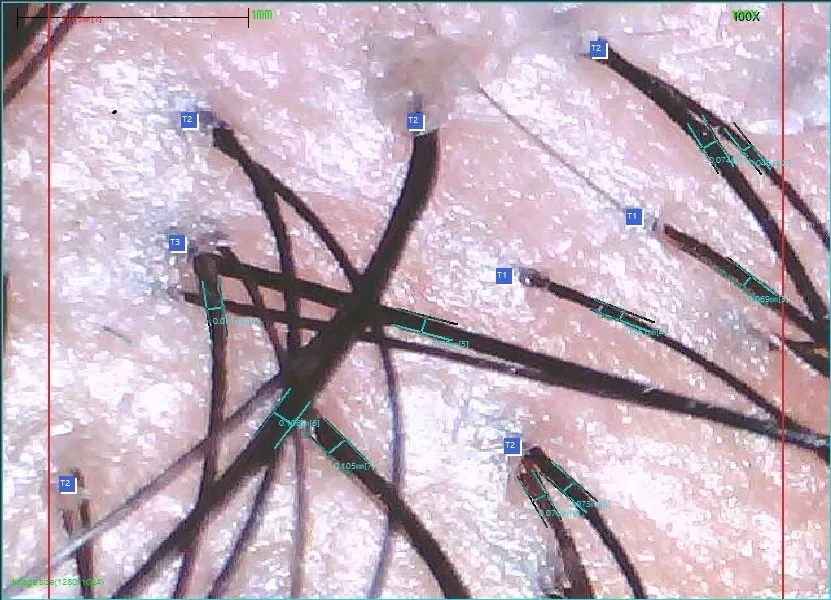
3. Trichoscopy

Choose a hair transplant clinic where Trichoscopic Analysis is done for the patient at the very first consultation. This is a software-based computerized hair analysis, which is a great way to examine the patient’s hair characteristics. This examination gives an estimate of how successful a hair transplant might be for an individual, the availability of the size of the donor area, the density of hair follicles in the donor area, the thickness and texture of the donor hairs, and so on. The results of a Trichoscopic Analysis let the surgeon know if the patient is eligible for a hair transplant or not. It also helps doctors in determining how many sittings will be required for a successful hair transplant. Since this is an advanced examination, it increases the final price of hair transplant in India.

Follicle units on the scalp

4. Planning of Hair Transplant

As part of the pre-surgery consultation, a good and credible doctor must take the time to explain each and every step of the procedure to the patient. Ideally, the doctor should present both FUE and FUT as an option to the patient and explain the pros and cons of each procedure. But most clinics in India focus on only one technique of hair transplant, so they offer only one solution to their patients. It is recommended to choose a clinic that performs both FUE and FUT procedures with successful results. But going to such clinics might be costlier.

5. Consumables and Punches

This is an important factor in hair transplant costs. In any type of surgery, the patient is charged for the consumables or instruments that are used during the procedure. In a hair transplant surgery, the consumables must be standardized, specialized, and of the best quality. Punches are a specialized tool that are attached to the FUE machine and are used for harvesting the hair grafts. These punches are usually imported, and only the best quality should be used. It is very important to ensure that a new punch is used for every new patient. You must confirm that the punches used in your hair transplant procedure are never recycled or reused. Make sure that the clinic you opt for uses only imported and good-quality punches. While this will increase the price, it is necessary if you want satisfactory results.

6. FUE Machine & Counter

In many sub-par clinics, dental drills with 35000 rotations per minute (RPM) are used for FUE procedures. This is a harmful practice as the rapid rotations from such drills can damage the hair roots and follicles while harvesting and lead to follicular transection. A good FUE machine must be functional at a low RPM speed. Low-RPM machines generate minimum torque and can extract the hair follicle gently without putting any extra force or pressure.

A good FUE machine comes with a 600 to 1200 RPM value. It must also have a counter function. This feature keeps a count of the hair grafts collected during the procedure. The counter on the FUE machine makes the process transparent and is also very helpful in calculating hair transplant costs per graft in India. It ensures that the patient only pays for the grafts that have been extracted.

7. Type of OT Facility

While choosing a clinic, you must make sure the place has properly sanitized and fumigated OT facilities. Keeping in line with the COVID protocol, the OT facilities must adhere to all disinfection and sterilization norms. There must also be the availability of auto-cleared OT gowns, PPE kits, emergency kits, multi-para monitors, defibrillators, a central supply of oxygen, and so on. All of these are in line with the international norms for all kinds of surgical procedures.

A hair transplant surgery needs very delicate handling of hair grafts by the staff. To get better results, the surgeon and the support technicians should be wearing high-quality magnification loops. It is recommended that high-grade products like Carl Zeiss magnification lenses be used by the medical team, which enables them to do good work. In clinics where the FUT technique is performed, the operating microscope shall also be fitted with a Carl Zeiss lens. Using these high-quality tools and devices ensures better handling of the hair grafts. Since Carl Zeiss is a reputed German company, the price of using such magnification devices directly impacts the hair transplant cost in India.

8. Team performing the procedure

In addition to choosing a credible hair transplant surgeon, it is equally important to choose an experienced surgical team. Performing a hair transplant is a team job. There are different aspects to the surgery where different skill sets are needed. You must choose a reputable and trustworthy hair transplant clinic where the surgeon is supported by a skilled and experienced medical staff.

Saraswat Hospital Team

A hair transplant procedure can be divided into three stages. The first stage is recipient site creation, and the second stage is graft or follicular harvesting. Both these steps require the expertise of a skilled surgeon. The third stage is graft insertion, in which the hair grafts are inserted into the pre-made slits in the recipient area. This step also needs skilled hands, but it is often done with the assistance of the surgical team. There can be no tolerance for the manhandling of grafts during this step of the surgery, and hence, the team must be qualified, trained, and experienced for this part of the job.

In a good hair transplant clinic, the support staff is usually permanent, ensuring that they are adequately trained and skilled. Such clinics, while a bit more expensive, guarantee successful results.

9. Proper Receipt of Procedure with Taxes

When visiting a clinic, you must enquire about their payment system. Make sure that the clinic gives you a proper receipt that shows the 5% GST levied on your final payment. If you’re looking for ways to cut down the cost of hair transplants in India, not asking for a receipt can help you save some money as the clinic gets exempted from paying its share of taxes. But do not take this route. Firstly, it is illegal and unethical. And secondly, without a receipt, you will have no record of your treatment at the clinic. If a situation arises where there are any complications or side effects, the clinic can refuse to take any responsibility.

10. Hidden Cost Charges

When you get a price quotation from any clinic or hospital for a hair transplant, make sure you confirm if the quoted price is calculated per hair or per graft. One hair graft can comprise between 1 to 4 hair follicles or hair roots. When a clinic charges hair transplant cost per graft in India, they are charging the patient for every graft extracted from the donor site. If a clinic charges for a hair transplant per hair, then they are demanding more money. One hair means one follicular unit, while one graft means follicular units. These are some technical terms that the patient needs to sit down and clarify with the hospital administration.

11. Expertise in Special Area Hair Transplant

This refers to doctors or clinics that have the skills and expertise in performing special cases of hair transplants. This includes repair hair transplant, beard hair transplant, eyebrow hair transplant, beard to scalp transplant, or body to scalp transplant. For this type of specialized hair transplant procedure, specialized tools, punches, and equipment have to be used. This invariably increases the hair transplant price in India.

Conclusion

There is a very wide spectrum for hair transplant price estimation in India. It ranges between Rs. 10 to 15 per graft to Rs. 100 to 150 per graft. When choosing a hair transplant clinic, you must take the above-discussed points into consideration. Any clinic that meets the maximum of these above factors will surely give you positive and successful results post a hair transplant.

Book an online consultation with our team and learn more about hair transplant, and find out how many grafts are required in your case, and get a customized plan for a natural-looking hairline.

FAQs

1. Can transplanted hair still turn gray?
Yes, because the transplanted hair will have the ability to age like regular hair due to having the natural properties of the hair obtained from the donor site.

2. Which hair color is best after a hair transplant?
After hair transplant surgery, you should avoid dyeing your hair for a few weeks. Once you’ve healed, you may choose gentle ammonia-free dyes. Follow your surgeon’s guidance for proper results.

3. Can I travel after a hair transplant?
If you have to travel, it’s best to wait between 5-7 days after your hair transplant surgery. Avoid going on long journeys during the first week.

4. Can I wear a hat immediately after a hair transplant?
It is not advisable to do so within at least 7 to 14 days after surgery because the hat may cause friction that may lead to graft displacement and infection before it becomes well-established in the scalp. However, you can wear a surgical cap.

5. What is not allowed after a hair transplant?
Do not smoke, drink alcoholic beverages, exercise vigorously, swim, expose yourself directly to the sun, and scratch your scalp for at least two to four weeks.

Follow us on:- Facebook, Instagram, Pinterest, YouTube

Medical Disclaimer →

This article is for informational purposes only and does not constitute medical advice. Plastic, cosmetic, and laser treatments — including AI-assisted previews such as those generated by the Peek AI™ app — carry risks and results vary by individual. Always consult a licensed medical professional before undergoing any procedure.
Can Hair Transplants Lead to Scars & How to Remove Them?
Medically Reviewed By Dr. Satya Saraswat, MBBS, MS, MCh, DNB (Gold Medalist) | Last updated: May 02, 2026

Hair transplant is a very popular treatment for Androgenetic Alopecia, especially for those suffering from advanced baldness. It gives natural-looking and permanent results as it successfully restores hair in the balding areas of the scalp. But sometimes, one thinks, “Can hair transplants lead to scars?”, and a few patients might suffer from wide post-transplant scars. It is recommended to consult with qualified and experienced doctors who have the expertise and skills to ensure successful results while causing minimal scarring. Patients can schedule a visit to the best place for hair transplant in India at Saraswat Hospital, Agra. Headed by ABHRS-certified hair transplant surgeons, the clinic promises successful and promising results.

What is a Hair Transplant?

A hair transplant is a hair restoration procedure. The surgeon extracts hair follicles from the donor part of the scalp and then implants them into the recipient site. These transplanted follicles restart the hair growth cycle in the balding regions and gradually result in full coverage of the scalp.

Understand the Risks and Outcomes of Hair Transplant

Hair transplants are a popular solution for hair loss, offering hope to those seeking a fuller head of hair. However, a common concern among potential candidates is about the scar. The answer is nuanced, as scarring depends on various factors, including the technique used, the surgeon’s expertise, and the patient’s healing process. In this blog, we’ll explore the potential for scarring in hair transplants and how to minimize it for optimal results.

Types of Hair Transplant and Their Scarring Potential

The nature of scarring in a hair transplant surgery depends on the technique used for the procedure. Removing the follicles from the donor area can be done in two ways:

FUE – Follicular Unit Excision

In this, the surgeon extracts the hair follicles directly from the scalp. The surgeon has a specialised tool or a round punch device that can manually remove each follicle one by one. FUE hair transplant causes minimal dot-like scarring in the donor part of the scalp.

FUT – Follicular Unit Transplantation

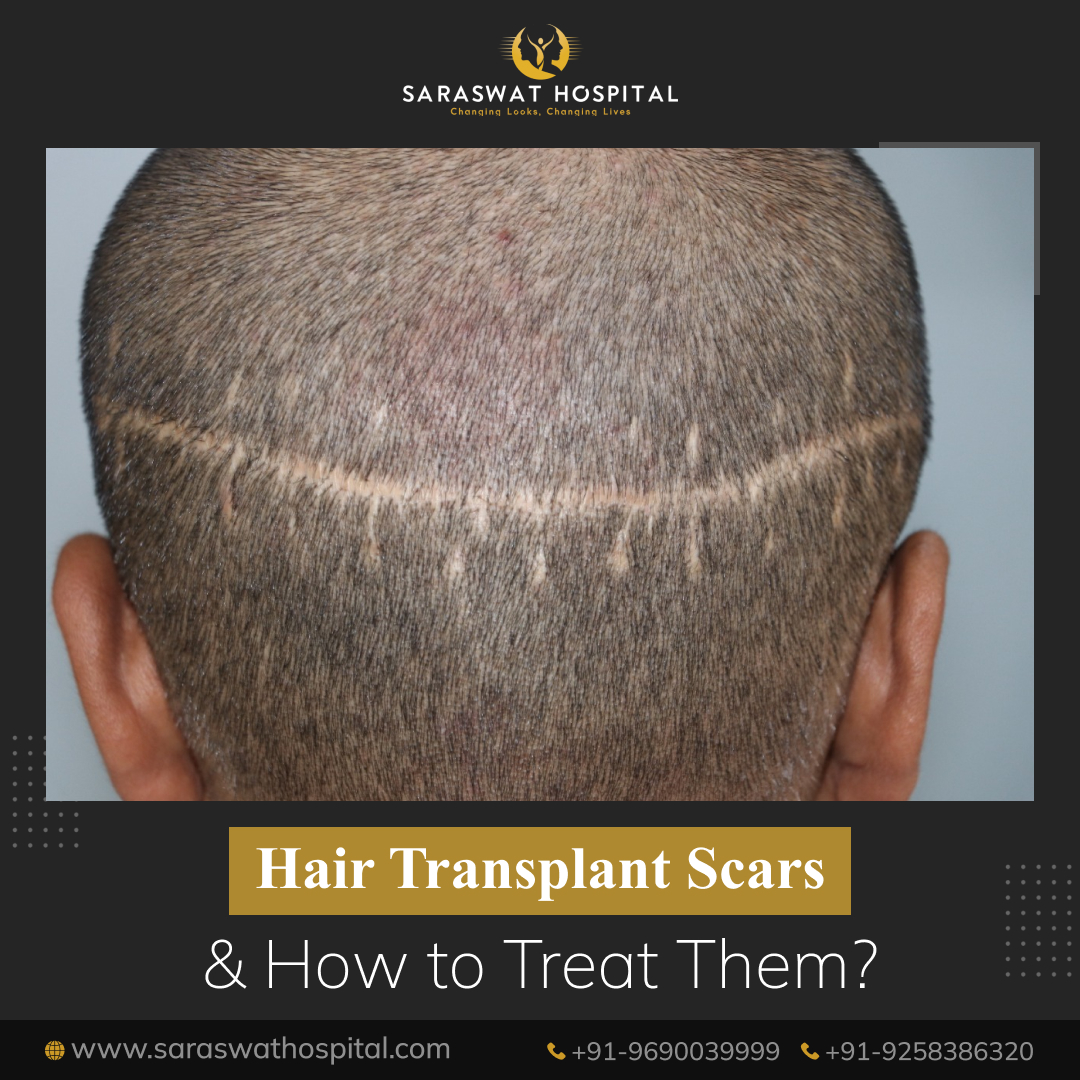
This is also known as the ‘strip surgery’ method. The surgeon removes a strip of skin containing healthy hair follicles from the donor area of the scalp. The strip is then placed under a microscope, and the follicles are removed by hand. FUT hair transplant procedures usually result in a linear scar on the back of the head.

However, scarring is still a potential complication. Keloid scarring is one such complication of hair transplant, as it is usually associated with the strip method rather than FUE (Follicular Unit Extraction) (1).

FUE hair transplant result

How to Deal with FUE Scars?

The FUE scars are very negligible and nothing to be worried about. They can be easily camouflaged by keeping hair longer than 1 inch.

In the case of overharvesting, scalp micropigmentation can be used to hide the scars seen in the donor area.

How to Deal with FUT Scars?

At Saraswat Hospital, our surgeons use a Trichophytic closure while performing FUT hair transplant in India. This is a special type of suturing done, which ensures that the linear scar on the donor area is thin and not prominently visible.

Another precaution to prevent a bad FUT scar is to make sure that the width of the strip is not more than 1.2 centimetres. Making a wider incision on the scalp will only lead to a wider scar, so the surgeon must stick to the recommended strip width.

Sometimes, a patient can have a tendency for keloid scar formation. So, if someone has a thick or big scar from a minor injury, they must disclose this information to the doctor beforehand.

In the case of wide FUT scars, scalp micropigmentation is the best way to hide them. To see how the procedure can help, check out this video.

What is Scalp Micropigmentation?

Scalp micropigmentation is a non-surgical cosmetic procedure. It gives the appearance of a denser and fuller-looking scalp. Microneedles are used to inject natural-looking pigment into the scalp. The process is similar to getting a tattoo.

The shape of the needle used in this procedure is jagged and not round. This ensures that micro pigments look the same as the natural shape of hair follicles. The pigment that is injected has to be customized to match the patient’s real hair color.

Scalp micropigmentation is used to treat hair transplant scars. The micro pigments can successfully camouflage the scarred area by replicating the look of densely located hair follicles.  It is a non-invasive treatment. The pigment slowly fades away with time, and the procedure needs a touch-up every 3 or 4 years.

At Saraswat Hospital, we offer the best results for scalp micropigmentation in India. Our surgeons are specially trained by Finishing Touches Group, UK, one of the premier institutes in the world.

Scalp Micropigmentation Before After Result

Conclusion

Scarring is a potential outcome depending on the procedure, the surgeon’s skill, and individual healing. FUE often results in tiny, less visible scars, while FUT may leave a linear scar. With advanced techniques and expert care, the risk of noticeable scarring can be minimized. Always consult a professional to understand if a hair transplant can lead to scars in your specific case, and make an informed choice

Book an online consultation with our team and learn more about hair transplant, and find out how many grafts are required in your case, and get a customized plan for a natural-looking hairline.

Sources:

(1) Keloid scarring is one such complication of hair transplant, as it is usually associated with the strip method rather than FUE (Follicular Unit Extraction). (PubMed Central)

FAQs

1. Does shock loss happen to everyone after a hair transplant?
Not really. This phenomenon is experienced only by some people because of surgical trauma.

2. Does minoxidil prevent shock loss after a hair transplant?
The use of minoxidil may decrease the occurrence of shock loss, but it is not always helpful. Minoxidil stimulates the circulation of the follicles and improves their condition.

3. What happens if I don’t use minoxidil after a hair transplant?
This decision will not ruin everything, but there is a chance that you may experience slow initial hair growth with a higher risk of losing surrounding native hair.

4. Do you have to take medication after a hair transplant forever?
Not always. Transplanted hair does not need any medications, as it is permanent. Nonetheless, continuous treatments with minoxidil or finasteride are advised to save your own hair from further loss.

5. Is it possible to regrow hair without minoxidil?
Certainly, proper nutrition, scalp care, PRP (platelet-rich plasma) & GFC treatment, natural remedies, scalp massage, and laser treatment are effective in stimulating hair growth. Minoxidil speeds up the process, but there is still another way to increase hair density.

Follow us on:- Facebook, Instagram, Pinterest, YouTube

Medical Disclaimer →

This article is for informational purposes only and does not constitute medical advice. Plastic, cosmetic, and laser treatments — including AI-assisted previews such as those generated by the Peek AI™ app — carry risks and results vary by individual. Always consult a licensed medical professional before undergoing any procedure.
Hair Transplant Infections Causes & Treatments
Medically Reviewed By Dr. Satya Saraswat, MBBS, MS, MCh, DNB (Gold Medalist) | Last updated: May 04, 2026

Hair transplants are a simple and painless procedure to restore your natural hairline and get permanent coverage for a thinning scalp and baldness. A study concluded that every 13th man opts to have a hair transplant surgery (1). If you, too, are suffering from advanced hair thinning or baldness problems, it is best to consult a specialist for a positive outcome of natural-looking and flawless hair transplant results.

What Is a Hair Transplant Procedure?

A hair transplant is a cosmetic surgery done to restore one’s natural hairline. During the surgery, hair is taken out from one part of the scalp to cover the balding areas. The patient is administered local anaesthesia to numb the scalp region. Hair follicles are extracted from the donor part of the scalp and implanted into the recipient part of the scalp.

For the implantation of the hair grafts, the surgeon creates tiny channels on the recipient site. Each graft is inserted inside these channels to complete the transplant procedure. The usual recovery period for a hair transplant surgery is between 3-5 days. The patient must follow certain restrictions, as guided by the doctor.

Hair Transplant Before and After

What are the Chances of Hair Transplant Infections?

The chances of hair transplant infections are absolutely minimal. Less than one percent of patients face a post-procedure infection from a hair transplant. It is a rare occurrence and not at all common. The risk factors for a hair transplant infection are:

1. Poor hygiene and unsanitary surgical conditions

Medical guidelines insist that all surgical procedures must be performed in a clean and sterile environment. This means ensuring the surgical room contains zero bacteria. Unfortunately, this cannot be the case for a hair transplant surgery. Even the best hair transplant clinic in India cannot give you a sterile environment because hair always contains some bacteria.

Since a hair transplant surgeon is operating on hair and dealing with hair grafts, the absence of bacteria cannot be guaranteed. So, to ensure a safe procedure, the medical team must maintain a clean and hygienic surgical environment. The equipment and surgical tools should be properly sanitized. The surgeon and the rest of the team should be wearing clean, disinfected gloves and medical gowns. Unsanitary conditions could lead to higher chances of contracting an infection post-procedure.

To know about the safety protocols followed at Saraswat Hospital, check out this video.

2. Excessive Crust Formation

Crusting and scabbing are a part of the natural healing process. As the wounds heal, crusts will appear on the operated areas of the scalp. Usually, they disappear 5 to 10 days after the scabs have formed.

But excessive crust formation can lead to higher levels of itchiness, which can be difficult to control. If a patient touches the scabs, germs and bacteria can potentially be transferred from one’s fingers to the wounds. This could lead to hair transplant infections.

3. Pre-existing Medical Conditions

Some patients may have underlying medical factors that could make them more vulnerable to getting infected. For example, people with diabetes are at a higher risk of getting post-procedure infections.

To prevent this, it is very important for the patient to undergo multiple medical examinations to rule out any risk factors. A person with pre-existing medical conditions like diabetes, hypertension, HIV, or cancer is at a higher risk of contracting infections.

How to Treat a Hair Transplant Infection?

While hair transplant infections are rare, they might happen. In such an event, patients must immediately consult their hair transplant doctor.

Minor infection

Small boils, looking like pimples, may appear on the operated region after a hair transplant. This is more commonly seen in patients who have an oily scalp. Such an infection is self-limiting in nature. It goes away on its own.

There is no medical treatment needed for minor infections like these. The small boils will go away after 3-5 days on their own accord. If the patient feels itching or any pain, they can apply hot fermentation on the area. Take a towel dipped in lukewarm water and place it on the infected region.

Medicinal side effects

Sometimes, a patient may experience pimples on the scalp due to the use of Minoxidil. This is a side effect and not an infection, but the symptoms might look the same. It is advised to discontinue the topical potion for some days if such a side effect occurs. The boils will go away 3-5 days after the patient stops using Minoxidil.

To know more about some possible side effects of Minoxidil, check out this video.

Serious infection

The only available treatment for a hair transplant infection is taking antibiotics as prescribed by the doctor. Medical treatment is necessary and should not be delayed. A hair transplant infection of a serious nature has to be treated like a skin infection. It needs the necessary and prompt guidance from someone qualified. Patients must consult a doctor at the earliest to avoid further complications.

Conclusion

Hair transplants are a fairly simple and safe procedure. It is popular as it gives natural-looking and permanent results for successful hair restoration. At Saraswat Hospital in Agra, we have ABHRS-certified doctors who are experts in performing all kinds of hair transplant procedures. Book an appointment to know more about the procedure and find out how to minimize the chances of infection after a hair transplant.

Sources:

(1) Every 13th man opts to have a hair transplant surgery, according to the Bookimed Study. (PRWeb)

FAQs

1. How often do hair transplants get infected?
Hair transplant infections are quite uncommon, with an incidence rate of less than 1%. Advanced sterile techniques, appropriate aftercare, and the use of preventive medications have minimized the chances of infection at authorized hair transplant clinics.

2. How to know if a hair transplant is infected?
Excessive redness, swelling, drainage of pus, fever, and crust formation are some signs of an infected hair transplant. If grafts begin falling out unusually early, consult your surgeon immediately.

3. How to avoid infection after a hair transplant?
Maintain the cleanliness of the scalp by following prescribed washes, refrain from touching transplanted areas with unclean hands, and avoid physical activities like swimming and sweating for up to 2-3 weeks after surgery.

4. Can an infection ruin a hair transplant?
Yes. An infection that is left untreated may damage the grafts, leave scars, and limit the effectiveness of the transplant procedure forever.

5. What is the most critical time after a hair transplant?
The crucial period is the first 7 to 14 days after the transplant. During this period, grafts are highly susceptible to being dislodged, developing infections, and lacking a proper blood supply. Strict aftercare and hygiene must be followed without exception.

Follow us on:- Facebook, Instagram, Pinterest, YouTube

Medical Disclaimer →

This article is for informational purposes only and does not constitute medical advice. Plastic, cosmetic, and laser treatments — including AI-assisted previews such as those generated by the Peek AI™ app — carry risks and results vary by individual. Always consult a licensed medical professional before undergoing any procedure.
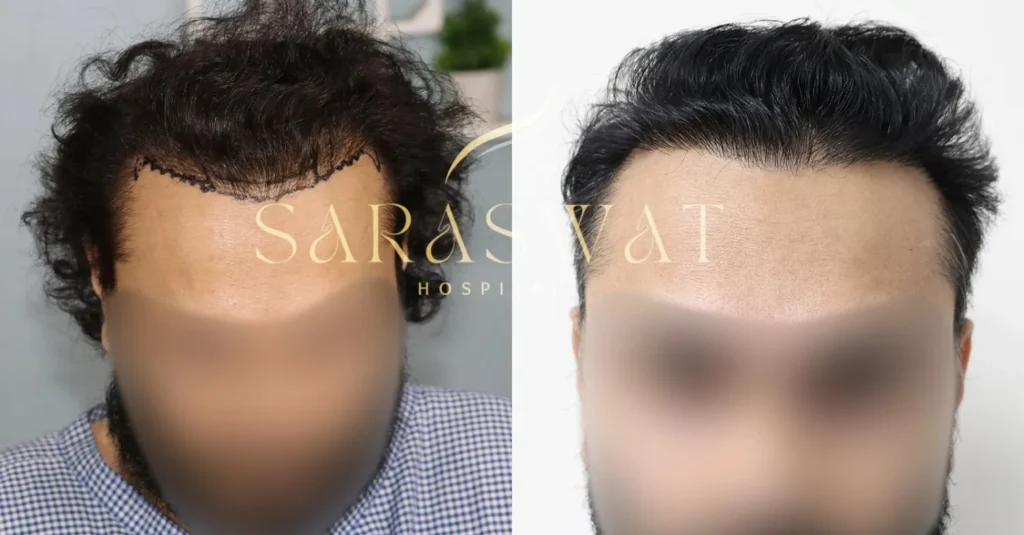
whatapp icon