
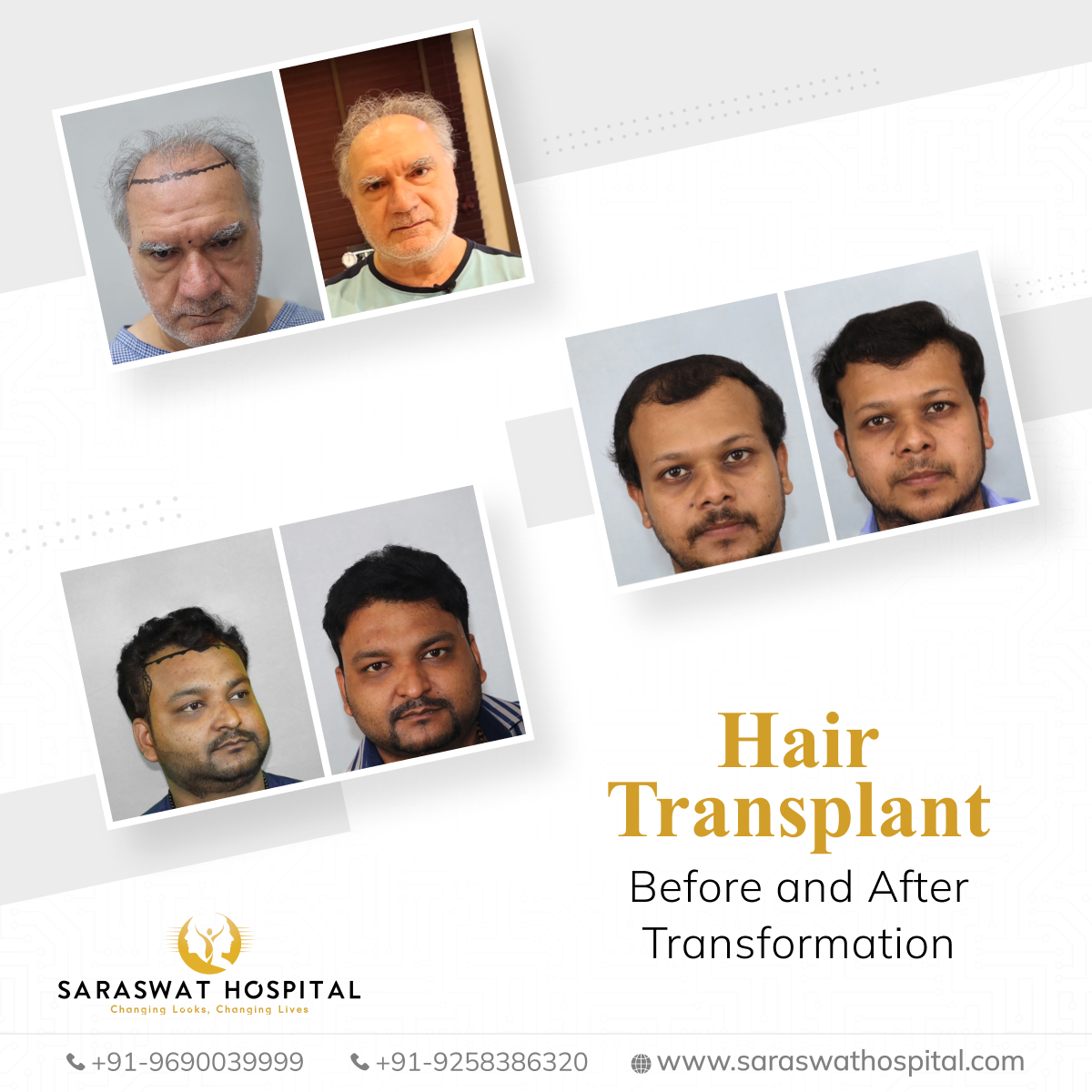
Hair loss is a common issue that affects both men and women across the globe. It can significantly impact an individual’s personality, self-esteem, and quality of life. When seeking a permanent solution to hair loss, hair transplants seem to be the most effective. FUE, or follicular unit extraction, is a popular and effective solution for hair loss. The FUE procedure involves transplanting hair follicles from one area of the scalp to another, resulting in a head full of hair. If you have decided to undergo this procedure but are somehow reluctant about it, you must check the FUE hair transplant results of a particular clinic. It will help you develop realistic expectations and an understanding of the expertise of that clinic. Real-life results are important as they offer a clear visual representation of the procedure’s benefits, helping patients consider the treatment and make informed decisions about their options.
The Behind-the-Story of Hair Loss
Many people across the globe suffer from hair loss due to various factors, such as genetics, aging, and lifestyle, that contribute to the problem. Androgenetic alopecia, also known as male or female pattern baldness, is the most common reason for hair loss. Other reasons, like hormonal changes, medical conditions, and even medication side effects, can trigger hair loss in both men and women. Such an issue can have a significant impact on an individual’s emotional well-being, leading to reduced self-esteem, depression, and anxiety.
People try to cope with hair loss in multiple ways. Some people go for hairpieces or wigs to camouflage hair loss. Many men choose to shave their heads completely; however, most women do not like this option. People who want to get their hair back without using anything artificial most often go for hair transplants. In some cases, techniques like mesotherapy, PRP, and certain medicines like minoxidil may work. Some people are not suitable for any of these hair restoration treatments; for them, scalp micropigmentation is a great choice. It helps them camouflage balding or thinning hair.
When it comes to hair transplants, there are two popular techniques that leading hair transplant surgeons prefer to follow, such as FUE and FUT hair transplants. FUE hair transplants are a minimally invasive procedure that is becoming increasingly popular due to their high success rate and natural-looking results. It’s important to consider the emotional impact on a hair loss sufferer before undergoing the procedure and to be aware of the reasons for hair loss in order to make an informed decision. It is similarly important to choose a board-certified hair transplant surgeon with years of experience who can help manage expectations and provide personalized advice on the best approach to the procedure.
Real-Life Transformations
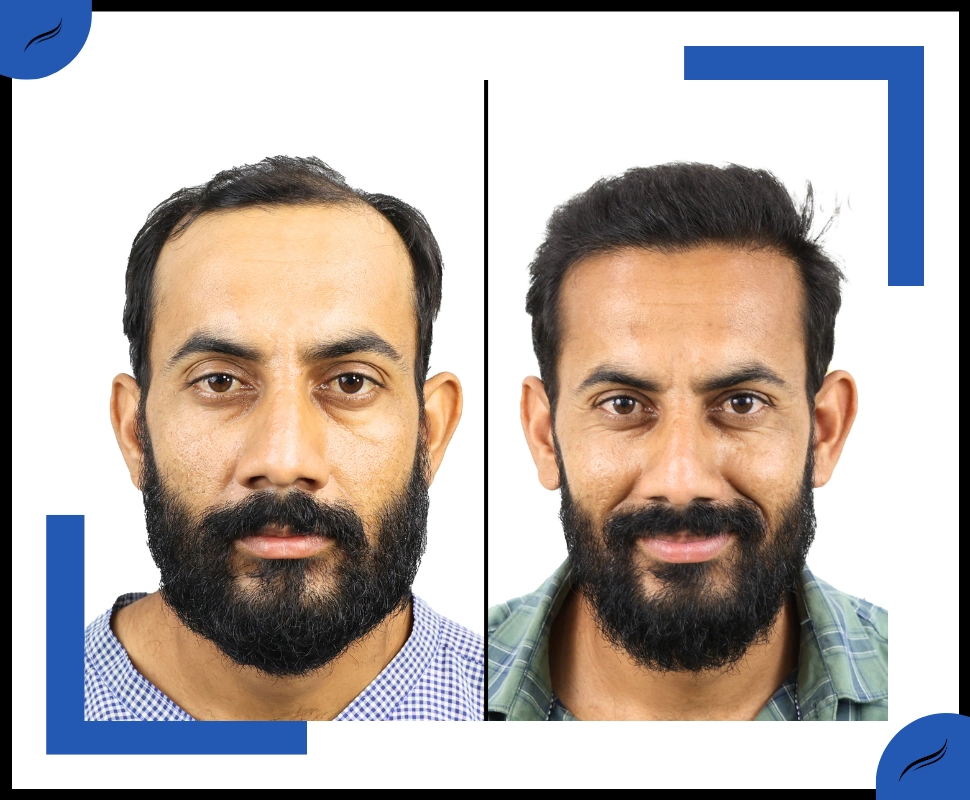
Exploring real-life results is essential as it provides visual evidence of the procedure’s effectiveness. By exploring the transformation results of people who have already undergone the procedure, individuals can gain insights into the potential outcome of their own FUE hair transplant. Additionally, it also helps them manage expectations as they get a better understanding of the limitations and possibilities of the procedure.
It helps prevent unrealistic expectations and disappointment with the results. Exploring a clinic’s hair transplant before and after results can provide insight into the clinic’s expertise and success rate. Consider how all these things help individuals make informed decisions and feel more confident about undergoing the procedure.
Here are some of the FUE hair transplant results from Saraswat Hospital:
Story 1:
This is the story of a person from Kanpur, India. He is one of those individuals who believes in the effectiveness of hair transplants. He started noticing hair loss in 2016, and during the pandemic period, his situation got worse. Then he decided to meet Dr. Satya Saraswat at Saraswat Hospital to learn about the best hair restoration treatment for him. Dr. Satya Saraswat and his team made him understand the entire hair transplant procedure and helped him develop realistic expectations. Then he underwent the procedure, and it was a comfortable experience for him. In the video, you can see his hair transplant results after six months. Watch this video to learn about his experience with Saraswat Hospital.
Story 2:
A person from Italy came to India to get hair transplants. He said he could have gone to Turkey or clinics in the Czech Republic for hair transplants. However, he wanted to get high-quality hair transplants and chose an India-based clinic—Twachaa. He did good research on Twachaa for at least six months to know more about its expertise and success rate. It is very important for individuals to do thorough research on a clinic before undergoing any procedure, such as a hair transplant. In the video, you can see how pleased he is with the service quality and staff behaviour of this clinic. He mentioned how Dr. Satya Saraswat and his entire team worked for him.
Story 3:
One of our male patients had been experiencing hair loss, particularly in the crown area, for quite some time. He was in search of an effective hair restoration treatment and decided to undergo a hair transplant procedure. His crown hair loss was also making him more self-conscious. Then he came to Saraswat Hospital for hair transplants. One of his relatives informed him about Dr. Satya Saraswat and Saraswat Hospital. Here, he got treatment from Dr.Satya Saraswat and his team. Within seven months after the procedure, he got satisfactory results and also praised the aftercare. Watch this full video to check out his experience with Saraswat Hospital.
Story 4:
Another male patient from Agra, India, was suffering from a receding hairline and was looking for an effective hair restoration treatment. He learned about Dr. Satya Saraswat and Saraswat Hospital from his family doctor. Then he contacted Saraswat Hospital and consulted Dr. Satya Saraswat. First, he understood the procedure, its effectiveness, and the potential results, and then he underwent the procedure. Within nine months after the hair transplant procedure, he got satisfactory results. Watch this video to learn more about his experience at Saraswat Hospital.
These are four real-life hair transplant before and after results that you can explore to make an informed decision. With the advent of the latest technologies and the advancement of the healthcare industry, treating hair loss or thinning hair is no longer a challenge. With the right treatment, one can improve their hair loss condition to a satisfactory level. In order to get the best hair transplants, it is essential to choose the right clinic and the best surgeons. Always check the qualifications, achievements, and experience of the surgeons before undergoing the procedure.
Conclusion
FUT or FUE hair transplant has been a life-changing solution for many people suffering from hair loss. The hair transplant before and after results of individuals who underwent the procedure are a testament to the effectiveness of the procedure. FUE hair transplant is a popular minimally invasive procedure that yields natural-looking results with minimal downtime. In order to get satisfactory results, it is important to choose a qualified and experienced surgeon.
Book an online consultation with our team and learn more about hair transplant, find out how many grafts are required in your case, and get a customized plan for a natural-looking hairline.
FAQs
1. How to speed up hair transplant results?
Follow the recommendations of your doctor, avoid exposure to sunlight, consume a high-protein diet, ensure that you drink plenty of water, avoid smoking, and take your medications. Being patient is very important since noticeable hair growth usually starts at 3–4 months after surgery.
2. What is the fastest recovery time for a hair transplant?
Most patients return to work within 5–7 days. Scabs fall off by day 10–14. Full initial healing takes about 2–4 weeks, though final results appear after 9–12 months.
3. What are the signs of infection after a transplant?
Symptoms include excessive redness, swelling, pus formation or discharge, persistent pain, bad smell, fever, and warmth in the transplanted area. Contact your surgeon immediately if any of these symptoms develop.
4. How to avoid infection after a hair transplant?
Ensure that you keep your head clean, use the recommended medication, do not touch your scalp with unclean hands, don’t go swimming in pools, do not spend time in dusty areas, among other follow-ups.
5. Is it necessary to take antibiotics after a hair transplant?
Yes, it is common practice for doctors to give patients some antibiotics after surgery. It helps to protect against any infections.
Follow us on:- Facebook, Instagram, Pinterest, YouTube
This article is for informational purposes only and does not constitute medical advice. Plastic, cosmetic, and laser treatments — including AI-assisted previews such as those generated by the Peek AI™ app — carry risks and results vary by individual. Always consult a licensed medical professional before undergoing any procedure.