
Book an
Appointment
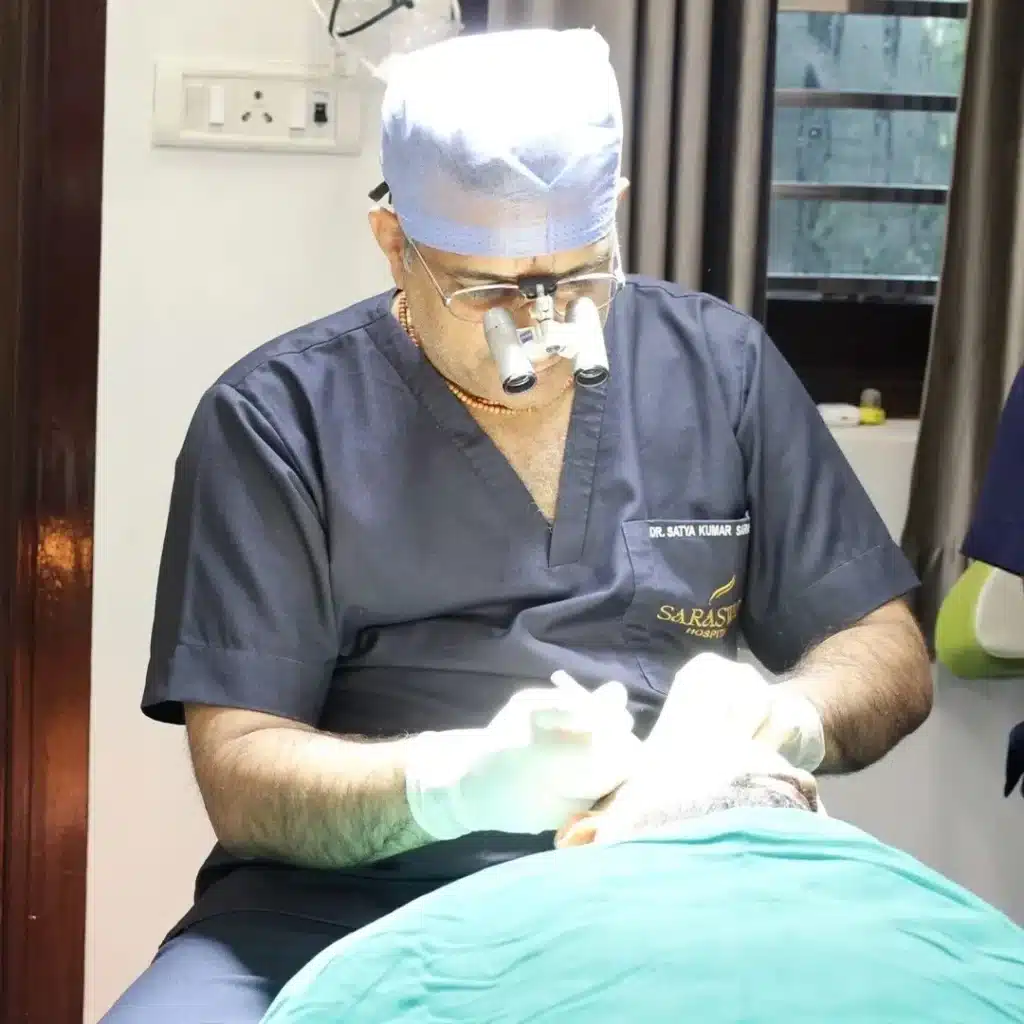
Dr. Satya Saraswat - Hair Transplant Surgeon

Dr. Satya Saraswat, MBBS, MS, MCh, DNB (Gold Medalist)

Dr. Satya Saraswat, MBBS, MS, MCh, DNB (Gold Medalist), FISHRS, is a cosmetic and plastic surgeon with an experience of over 20+ years and has performed 17,000+ cosmetic and plastic surgeries. He is a Diplomate of the American Board of Hair Restoration Surgery (ABHRS) and Fellow of ISHRS, as he has been continuously attending the International conferences and adopting the latest advancements in hair restoration science, and he has also submitted his research papers. His hands-on involvement ensures a natural hairline and high graft survival.

Articles by Dr. Satya Saraswat, MBBS, MS, MCh, DNB (Gold Medalist)

Can Grey Hair Be Transplanted? Know The Truth
Medically Reviewed By Dr. Satya Saraswat, MBBS, MS, MCh, DNB (Gold Medalist) | Last updated: May 05, 2026

For some patients with Androgenetic Alopecia, a hair transplant may be the only available solution. If the baldness is too advanced, then hair transplants are sometimes the only possible treatment. So, can grey hair be transplanted if your donor area has a lot of grey hair?

Since grey hair is mostly associated with old age, most people think of grey hair as weak and brittle. This is completely false. Grey hair can be healthy too. And they can be used for hair transplantation. If you consult the best hair specialist in Agra at Saraswat Hospital, you can be assured of a successful outcome for a hair transplant with grey hair.

What Happens in A Hair Transplant?

A hair transplant is a cosmetic procedure performed under the effects of local anaesthesia. During the surgery, hair follicles are removed from the healthy part of your scalp and implanted into the balding area.

The hair follicles are taken from a specific part of your scalp that is still unaffected by the hair loss condition. These hairs are considered healthy and viable for a transplant as they can restart the process of the hair growth cycle in the bald parts of the scalp. Consult an expert hair restoration doctor and prepare for your hair transplant journey.

Can Grey Hair Be Transplanted?

To give the short answer, can grey hair be transplanted? Yes, grey hair can be used for a hair transplant. All hair that is part of your safe donor area is viable for transplant. This includes any grey hair strands, too. Grey hair follicles can be extracted and implanted in the recipient site for a transplant. When done by the hands of an experienced surgeon, it will have a successful hair transplant before and after.

A hair transplant is a treatment for baldness. It has no relation to the greying of your hair. As long as the grey hair on your head is healthy and active in its growth phase, there is no reason why it should hamper your hair transplant procedure.
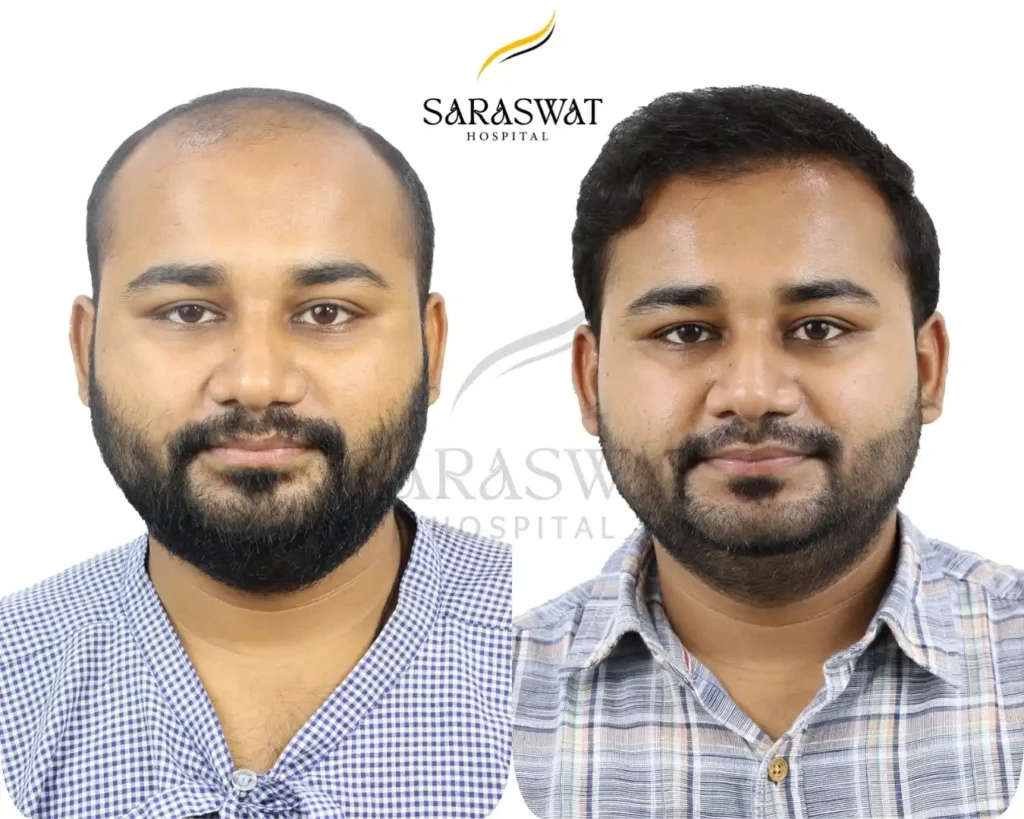
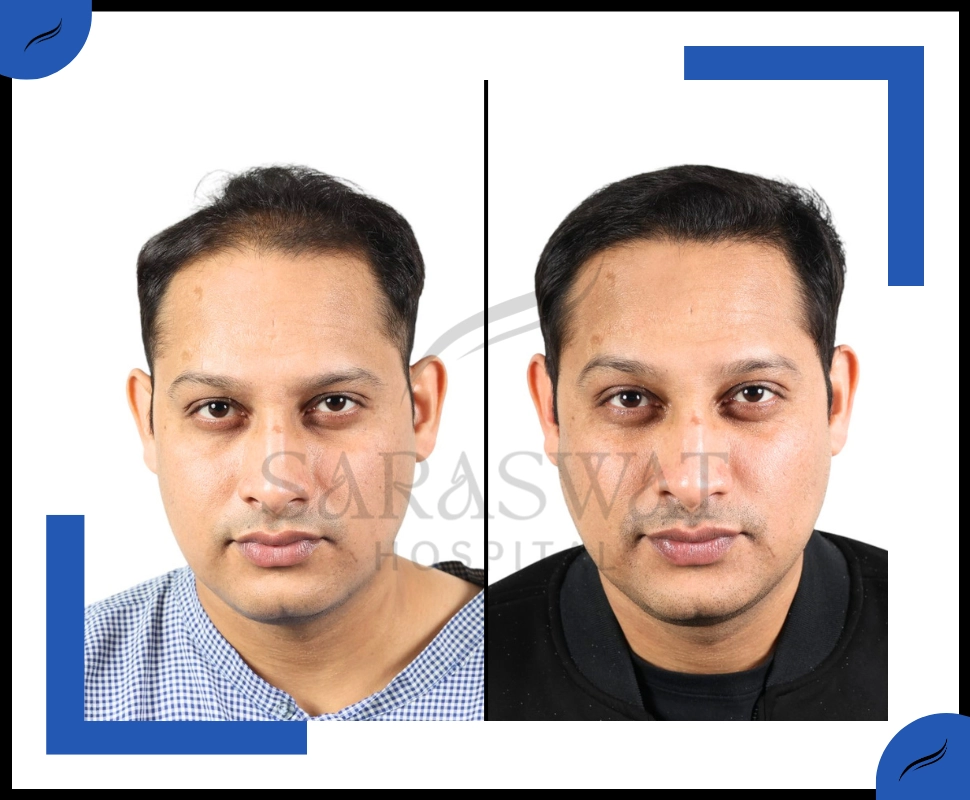
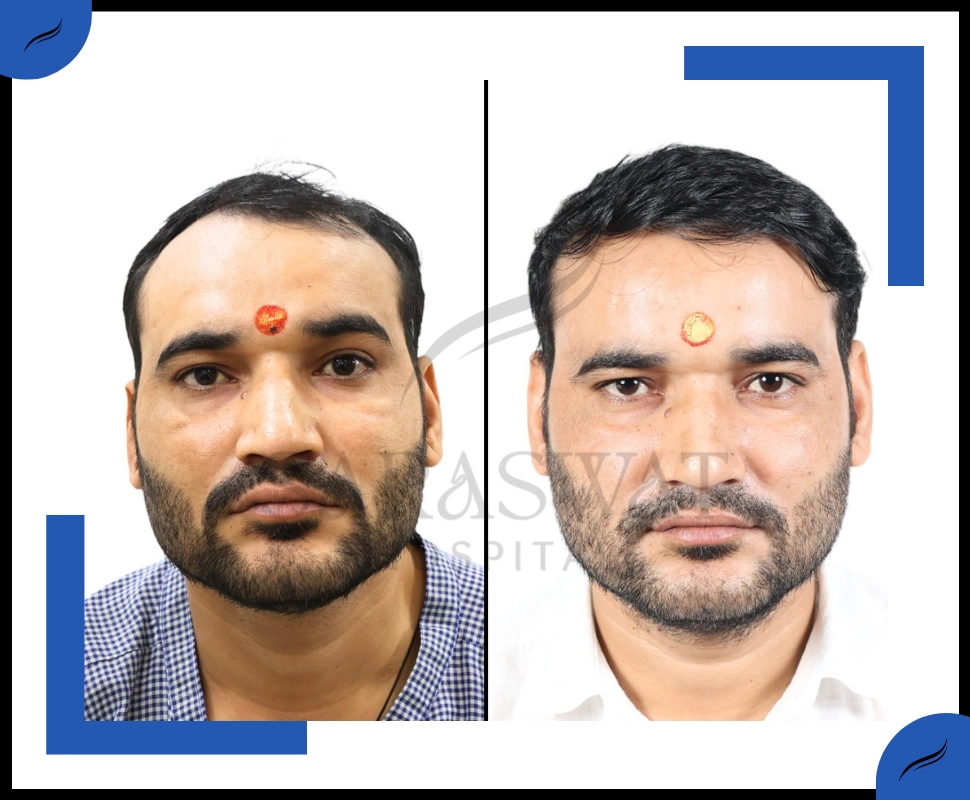
Hair Transplant Before and After Result

Why Does Hair Turn Grey?

Your hair gets its colour from pigments known as ‘melanin’. This is true for both scalp hair and body hair. The pigment for your hair is produced by cells called melanocytes that are present in the hair follicle. The amount of melanin in your hair determines how light or dark your hair colour is.

As the body ages, the pigmentation of your hair goes down (1). As the body produces less and less melanin, your hair eventually turns grey. And as the melanin production stops altogether, the hair turns completely white.

This is part of the natural cycle. It doesn’t mean that grey hair is weak or not healthy enough. As a matter of fact, it has been seen that grey hair is thicker in texture. And transplanting thicker hair gives better hair transplant before and after results.

Will The Hair Colour Match After the Hair Transplant?

Colour mismatch is a common concern when it comes to a grey hair transplant. Especially if you have grey hair only in selective areas of your scalp. You must seek treatment from the best hair specialist in Agra at Saraswat Hospital to ensure you get favourable results only.

The surgeon needs to plan the hair transplant with precision and accuracy. Grey hair, when transplanted, will continue to grow as grey hair. So, a discussion with the patient is needed. They must be informed of the challenges and be prepared to deal with getting more grey hair on their scalp.

The hair transplant surgeon needs to have a plan of action in place to ensure that the newly planted grey hairs blend well with the rest of the hair. This is why you must go to an experienced and credible surgeon.

Conclusion

If you are facing baldness problems, then a hair transplant can provide the perfect solution. Stop worrying about the fact that you have grey hair. It will have no impact on your hair transplant outcome. Visit the best hair specialist in Agra at Saraswat Hospital and seek treatment from ABHRS-certified experts.

Book an online consultation with our team and learn more about hair transplant, find out how many grafts are required in your case, and get a customised plan for a natural-looking hairline.

Sources:

(1) As the body ages, the pigmentation of your hair goes down. (Harvard Health Publishing)

FAQs

1. Does a hair transplant work on grey hair?
Yes, hair transplant surgery works for grey hair. The hair transplant procedure moves hair irrespective of its colour. Grey hair can function just as well as pigmented hair for a successful outcome.

2. What is the 50 50 50 rule for grey hair?
The 50/50/50 rule indicates that 50% of individuals have 50% grey hair at 50 years. It is an approximate statistic showing how frequently greying hair is for a certain age group based on genes.

3. How to avoid looking old with grey hair?
Ensure your hair remains moisturised and styled. Opt for contemporary hairstyles, well-defined eyebrows, a good skin care regimen, and bright colours for your outfit.

4. What to eat for grey hair?
Foods that contain ample amounts of B12, copper, zinc, and antioxidants, like eggs, nuts, seeds, vegetables, lentils, salmon, and berries, should be eaten as such nutrients help melanin formation.

5. What vitamin is lacking for white hair?
Deficiency of Vitamin B12 has been associated with early greying of the hair, but there is a lack of vitamins such as D, copper, and biotin, which help melanin formation in hair.

Follow us on:- Facebook, Instagram, Pinterest, YouTube

Medical Disclaimer →

This article is for informational purposes only and does not constitute medical advice. Plastic, cosmetic, and laser treatments — including AI-assisted previews such as those generated by the Peek AI™ app — carry risks and results vary by individual. Always consult a licensed medical professional before undergoing any procedure.
All You Need to Know About DHI Hair Transplant
Medically Reviewed By Dr. Satya Saraswat, MBBS, MS, MCh, DNB (Gold Medalist) | Last updated: May 05, 2026

A hair transplant is one of the most recommended solutions for the advanced stage of baldness. When you’re losing your hair at an alarming rate, it often causes a dent in your self-esteem and confidence. Hair transplants are popular because they provide natural-looking and permanent results. It can give decent coverage to your bald spots and bring back your old look. But to ensure you get the best results, you need an experienced and credible surgeon to perform your hair transplant surgery.

What is a Hair Transplant?

A hair transplant surgery is an advanced form of hair restoration treatment. It is most effective for patients suffering from male pattern baldness. In this procedure, hair follicles are removed from the healthy part of the scalp and then implanted into the thinning or balding areas of the scalp. The transplanted hair follicles restart the hair growth cycle once again on the bald spots. It gives you natural-looking and permanent results.

The hair follicles are extracted from a part of the scalp known as the safe donor area. This usually refers to the two sides and the back of the head. The hairs in this region are not affected by any genetic hair loss condition. Hair follicles are usually collected in groups of 1 to 4 follicular units, which make a single hair graft.

When you consult a doctor to know about the hair transplant cost in Agra, the basic price is always calculated on a cost-per-follicle basis. Another factor influencing the cost is the type of hair transplant procedure the patient undergoes.

DHI Hair Transplant

DHI refers to the Direct Hair Implantation technique. The follicular extraction is very similar to FUE. A specialist tool is used to collect hair follicles measuring 1 mm or less in diameter directly from the scalp.

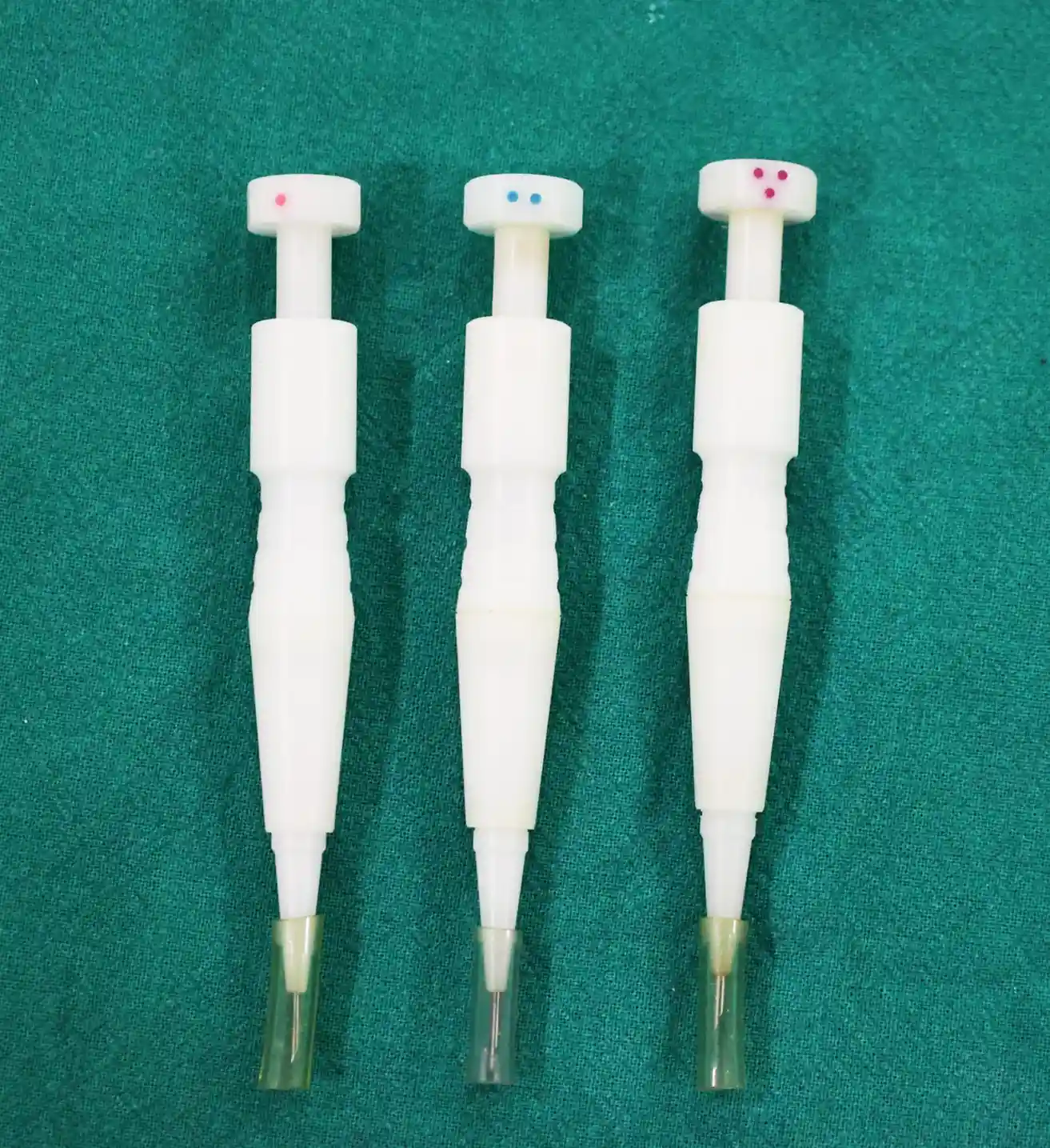
For the implantation, a Choi Implanter Pen is used. It is a patented medical device used for implanting the grafts directly into the recipient area. In the DHI hair transplant process, the Choi Implanter Pen simultaneously makes the small holes and implants the hair follicles inside them. This makes the entire procedure much more accurate and precise. It gives the surgeon an enhanced level of control and allows them to manage the angle and direction of the transplanted follicles.

Choi Implanter Pen
Choi Implanter Pen

DHI is an advanced procedure that needs the specialised skills of an expert surgeon. It gives completely natural-looking results. The procedure is safe and effective, and there are no stitches or scarring involved. DHI is also popular among surgeons because it has the highest rate of graft survival. It also has a short recovery period.

FUE

FUE refers to Follicular Unit Extraction. In this method, the hair follicles are extracted directly from the scalp. A specialized, round tool is used with low torque and low RPM. The follicles are extracted manually, and the surgeon can cherry-pick from the available donor area.

Once the extraction is done, the next stage is the graft implantation stage. The surgeon makes small holes or tiny slits in the recipient site for an FUE hair transplant. The hair grafts are implanted inside these small holes in the recipient area of the scalp. This is an advanced method of hair transplant. Opting for an FUE transplant results in minimal scarring. There are no stitches involved, and it has a quicker recovery period.

Hair Trasplant Before and After Result

FUT

FUT refers to Follicular Unit Transplantation. In this technique, a strip of skin containing healthy hair follicles is surgically removed from the scalp. The extracted strip of skin is kept under the microscope, and then the follicles are removed in the lab. Once the hair grafts are made, the implantation process in an FUT transplant is the same as in an FUE.

FUT is the more traditional method of hair transplant. It is the chosen technique for surgeons when the baldness is at an advanced stage, and they have to cover a large part of the scalp. In the FUT procedure, the cut on the scalp is closed using a Trichophytic closure method. The scar becomes almost invisible once the hair starts coming out of the cut surface. The recovery period is also very short.

FUT vs FUE vs DHI Hair Transplant

FUT and FUE are the most common hair transplant techniques used. FUE hair transplant in India is more popular because it causes minimal scarring and requires no stitches. The hair follicles are extracted directly from the scalp.

On the other hand, for FUT, a strip of skin is removed surgically from the scalp. It is kept under the microscope, and then the follicles are extracted. It requires stitches and can lead to a long linear scar. The recovery period is also longer.

In DHI, the difference lies in the implantation process. A specialised tool called the Choi Implanter Pen is used. The hair follicles are directly implanted into the recipient site for the hair transplant to be complete. It causes no scars and no stitches.

Conclusion

If you are suffering from advanced baldness, get an appointment at Saraswat Hospital at the earliest. Get the most affordable hair transplant in Agra for personalised hair restoration treatments. We have ABHRS-certified hair experts who can perform all sorts of hair transplant procedures, including FUE, FUT, and DHI hair transplants.

Book an online consultation with our team and learn more about hair transplant, find out how many grafts are required in your case, and get a customised plan for a natural-looking hairline.

FAQs

1. Is DHI more painful than FUE?
DHI and FUE have similar pain levels. Both use local anesthesia, so discomfort is minimal during the procedure. Post-surgery, DHI may cause slightly less soreness since it skips the channel-creation step.

2. How to sleep after a DHI hair transplant?
Sleep on your back with your head elevated at 45 degrees for the first week. Use a travel pillow to avoid friction on the transplanted area and prevent graft displacement. For better results, follow your surgeon’s guidance.

3. What are the disadvantages of DHI hair transplant?
DHI is more expensive than FUE, requires highly skilled surgeons, and takes longer. It has limited graft capacity per session and may not suit patients needing large-area coverage.

4. What is the Choi Implanter pen technique?
The Choi Implanter pen technique uses a hollow needle implanter to simultaneously create a channel and implant the hair graft, improving density, angle precision, and reducing graft time outside the body.

5. Do people regret having a hair transplant?
Most patients are satisfied in the long term. Regret usually stems from unrealistic expectations, choosing unqualified surgeons, poor hairline design, or unsatisfactory density, highlighting the importance of thorough research beforehand.

Follow us on:- Facebook, Instagram, Pinterest, YouTube

Medical Disclaimer →

This article is for informational purposes only and does not constitute medical advice. Plastic, cosmetic, and laser treatments — including AI-assisted previews such as those generated by the Peek AI™ app — carry risks and results vary by individual. Always consult a licensed medical professional before undergoing any procedure.
What to Expect 4 Months After Hair Transplant?
Medically Reviewed By Dr. Satya Saraswat, MBBS, MS, MCh, DNB (Gold Medalist) | Last updated: May 05, 2026

Hair transplants are a minimally invasive procedure that restores your natural hairline permanently. It is the best solution to hair loss and balding problems, as it gives permanent results without any pain or side effects. Before you decide on getting a hair transplant, you must know that it doesn’t give instant results. The complete results of a hair transplant surgery can only be seen 9-12 months after the procedure. In this article, we explain what you can expect 4 months after hair transplant surgery, including changes in the donor and recipient areas.

What Happens to the Donor Site After 4 Months?

In a hair transplant procedure, hair follicles are removed from the donor part of the scalp and implanted into the recipient site. The donor site refers to the two sides and the back of the head. The hairs in these areas of the scalp are genetically programmed to never fall out. By the time you reach 4 months after a hair transplant, the donor area typically looks completely normal, and any scarring (if present) is hidden by surrounding hair.

In FUE, the follicles are extracted directly from the scalp. In FUT, a strip of skin containing healthy follicles is removed surgically. Post the transplant, there might be chances for some mild swelling, redness, or itching in the donor area. Get the procedure done at the best hair transplant clinic in Agra and expect zero post-op side effects. The recovery period lasts for only 7 days.

The hair in the donor area grows back quite quickly. In four months, almost all the hair in the donor area is back. In cases of scarring, it gets easily covered by the surrounding long hair. The donor area goes back to looking as it was before the surgery in a period of four months.

FUE hair transplant result

What Happens to the Recipient Site After 4 Months?

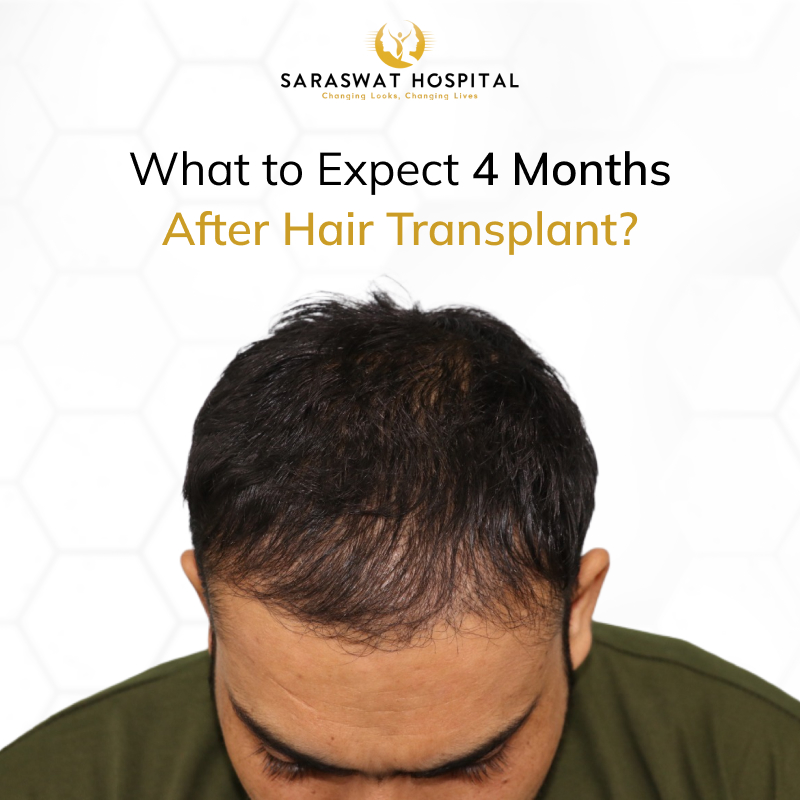
The recipient site is the balding portion of the scalp. Little incisions are made on the scalp to insert the hair grafts. Once these transplanted hair follicles start showing visible signs of hair growth, the bald spots get permanent coverage. When you are 4 months after hair transplant surgery, you can expect the recipient site to be covered in short hair. The hair roots start showing the early signs of hair growth. In the beginning, when hair comes out, it looks thin and curly. It has a wiry look, and the hair growth might look patchy. This is known as the slow hair growth phase.

But patients should not lose patience. From the fourth month onwards, the transplanted hair enters the real growth phase. As time goes by, the thin and wiry hair becomes stronger and healthier. The hair growth starts looking denser and thicker.

Expected Hair Growth After 4 Months

By the fourth month, you are almost halfway through your post-transplant hair growth timeline. At this point:

  • Around 50% of the final results can be seen.
  • The donor area has fully recovered.
  • The recipient area shows short, visible hair growth that continues to get thicker.

This stage is an encouraging sign that the procedure has worked, and more noticeable improvements will follow in the next few months.

What You Should Be Doing Now?

  • Gentle Hair Care: Use mild, sulfate‐free shampoos. Avoid harsh chemicals or heavy styling. Gentle massages may promote blood flow, but avoid vigorous scratching.
  • Protect from the Sun: UV rays can slow healing and damage delicate new hairs. Wear hats or use sunscreen when out in direct sunlight.
  • Nutrition & Lifestyle: Proper diet, enough sleep, and staying hydrated—all support hair growth. Protein, iron, vitamins like A, C, D, and Biotin are especially helpful.
  • Follow Up with Your Surgeon: Make sure to attend your post‐op appointments so your surgeon can monitor progress, remove sutures (if any), and address concerns.

Conclusion

Hair transplants offer a permanent solution to baldness. Book your appointment with the best hair transplant doctor in Agra at Saraswat Hospital for personalized treatments.

FAQs

1. Is it normal to have thin hair after a hair transplant?
Yes. Thin and wiry hair growth is common during the fourth month. Over time, hair becomes thicker and denser.

2. Can I get a haircut 4 months after a hair transplant?
Yes. By this stage, the donor and recipient areas are fully healed, so you can safely get a haircut.

3. How much hair growth should I expect post-4-month hair transplant?
You can expect to see around 40–50% of the final hair growth results.

4. Will my hair still shed after 4 months of a hair transplant?
Most shedding occurs in the first 2–3 months. By the fourth month, new growth should be more visible, and shedding usually stops.

5. When will I see full results after my hair transplant?
Complete results are typically seen between 9 and 12 months after the surgery, with continuous improvement each month.

Follow us on:- Facebook, Instagram, Pinterest, YouTube

Medical Disclaimer →

This article is for informational purposes only and does not constitute medical advice. Plastic, cosmetic, and laser treatments — including AI-assisted previews such as those generated by the Peek AI™ app — carry risks and results vary by individual. Always consult a licensed medical professional before undergoing any procedure.
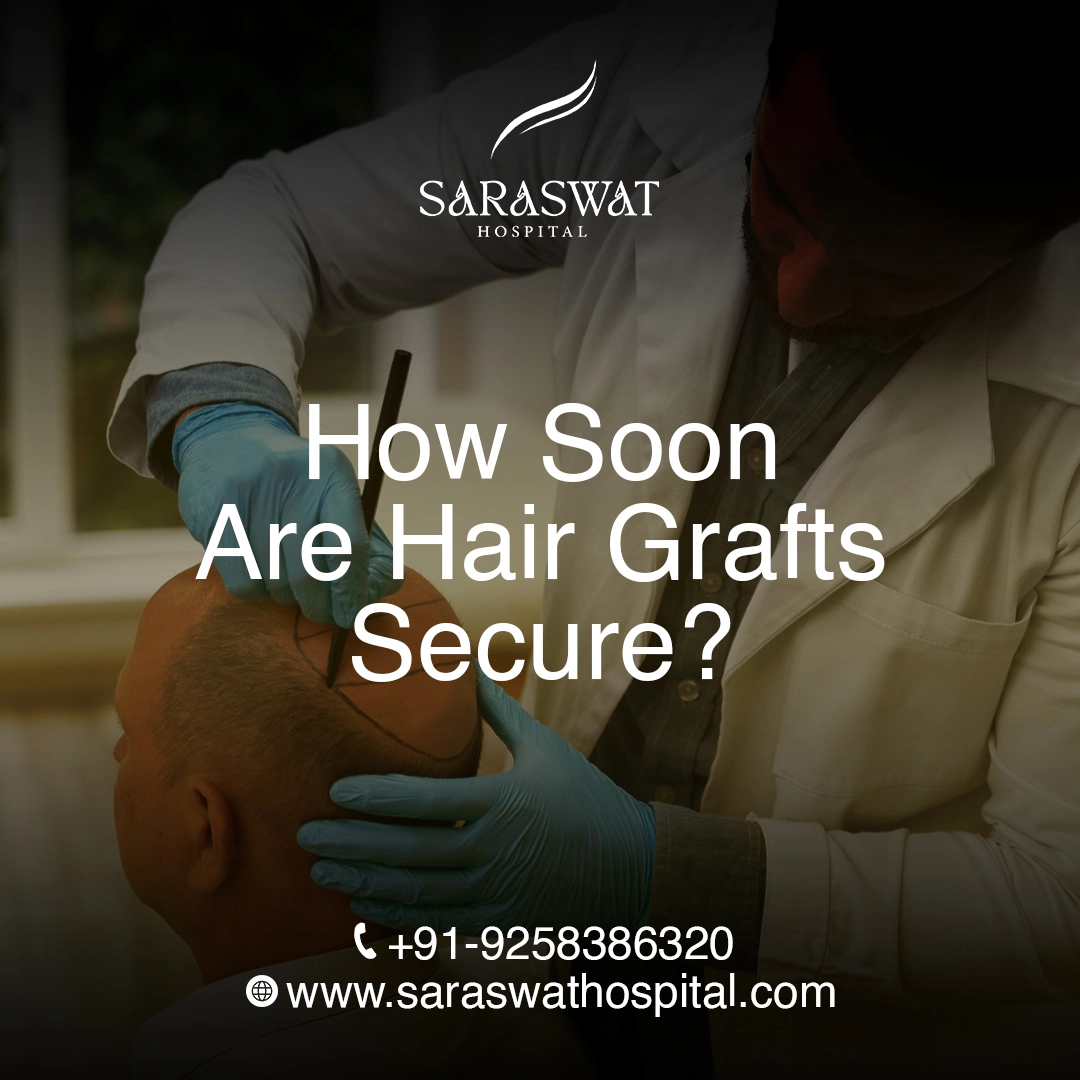
How Soon Are Hair Grafts Secure After a Hair Transplant?
Medically Reviewed By Dr. Satya Saraswat, MBBS, MS, MCh, DNB (Gold Medalist) | Last updated: May 05, 2026

Recently, hair transplants have emerged as a highly popular treatment option among many hair loss patients. Notably, this cosmetic procedure is safe, painless, and minimally invasive. To ensure a successful outcome from the procedure, consider visiting Saraswat Hospital in Agra, led by ABHRS-certified surgeons, Dr. Satya Saraswat and Dr. Preeti Saraswat.

Hair transplants are popular among patients because they give natural-looking and permanent results. But one question that all patients ask is: “How Soon Are Hair Grafts Secure”?  Before finding out the answer to this, let us first understand the hair transplant process.

What is a Hair Transplant?

A hair transplant is a cosmetic procedure performed to restore the natural hairline of a patient. Initially, for the surgery, healthy hair follicles are carefully removed from the donor area of the scalp and subsequently implanted in the recipient area. Specifically, the donor area refers to the sides and back portion of the scalp, whereas the recipient area refers to the balding areas. Once the transplanted follicles begin showing signs of hair growth, the bald portion of the scalp gradually receives coverage.
It gives natural-looking and permanent results.

How is a Hair Transplant Surgery Performed?

Hair transplant procedures are performed under the effects of local anaesthesia. Notably, this approach is completely safe and painless, with minimal side effects. Furthermore, hair transplants can be conducted using two distinct techniques:

  • FUE

    FUE, or Follicular Unit Excision, is an advanced method of hair transplant. Hair follicles are directly extracted from the scalp in this technique. No cuts or stitches are needed in this process. A specialised low-torque, low-RPM tool is used for removing the hair follicles. FUE hair transplant in India is more popular as it has a quicker recovery period.
  • FUT

    FUT, or Follicular Unit Transplantation, is the transitional method of doing a hair transplant. A strip of skin containing healthy hair follicles is surgically removed from the donor part of the scalp. This strip of skin is then placed under the microscope to extract the hair follicles. This process leaves a long and linear scar on the back of the head from where the skin has been removed. FUT hair transplant has a longer recovery period as the stitches need time to heal.
Hair Transplant Result

How Soon Do the Hair Grafts Become Secure?

The newly transplanted hair grafts take between 10 to 14 days to get firmly secured. These grafts must settle nicely into the scalp to ensure successful hair growth results.

In the initial days after the hair transplant, the grafts are still in a vulnerable stage. Any sort of disturbance during this period could potentially dislodge the grafts and hamper the results.

Post-Op Tips to Secure the Hair Grafts

It is important to follow certain restrictions after a hair transplant surgery to ensure the hair grafts do not get damaged or dislodged. When you go to the best place for hair transplant in India, your surgeon will give you a list of important don’ts.

1. Do not wash your hair

Refrain from washing your hair for the first 48 hours after a hair transplant. Afterwards, make sure you are extremely gentle with your hair washing. Do not scrub your scalp too aggressively.

2. Do not sleep flat

For the first three days after the transplant, ensure your head remains in an elevated position. For instance, you can sleep on a recliner or use several pillows to maintain an upright position. However, take care not to rub your scalp against the pillows, as this could potentially dislodge the grafts.

3. Do not wear a hat

Avoid wearing a hat or any other headgear for the first three days after the hair transplant. After three days, you can wear a loose-fitting cap to cover your scalp. But make sure it is not too tight, otherwise it may damage the grafts.

4. Do not exercise

You must not participate in any physical exercise or other strenuous activity for the first seven days after your transplant. This is to ensure that your blood pressure and heart rate remain stable. Exercise can also lead to sweating, which is not good for the hair grafts. Hence, all types of heavy physical activities must be avoided.

Conclusion

Once your hair grafts become secure, they can start the process of hair growth in the recipient site. You can start seeing short hair visible on the scalp 2-3 months after the transplant. And the complete results can be seen only 9-12 months after the hair transplant procedure. If you want to undergo an FUT or FUE hair transplant in India, book an online consultation today for the best results.

FAQs

1. Can I touch my grafts after 7 days?
By day 7, hair grafts are already stable enough, but scratching should be avoided. However, it’s better to follow your surgeon’s specific instructions for the best results.

2. What if I accidentally touch my hair grafts?
Nothing serious. It’s okay to touch grafts if you do so gently. The thing to remember is that you shouldn’t do it too often. Also, consult your surgeon if there are any signs of excess swelling or blood.

3. Can I shower normally 10 days after a hair transplant?
Yes, by day 10, most doctors let their patients shower without any problems. Warm water and a mild shampoo are recommended for washing.

4. Is it okay to sweat 10 days after a hair transplant?
Yes, light sweating is okay 10 days post-surgery. However, you need to avoid any strenuous physical activities that cause sweating. This will help prevent irritation in the area where the procedure was done.

5. Can I travel after a hair transplant?
Going out for short distances is okay. You should avoid traveling long distances during the initial week. Stay hydrated, protect your scalp from the sun, and carry prescribed medications while traveling.

Follow us on:- Facebook, Instagram, Pinterest, YouTube

Medical Disclaimer →

This article is for informational purposes only and does not constitute medical advice. Plastic, cosmetic, and laser treatments — including AI-assisted previews such as those generated by the Peek AI™ app — carry risks and results vary by individual. Always consult a licensed medical professional before undergoing any procedure.
5 Helpful Tips for Quick Hair Transplant Recovery
Medically Reviewed By Dr. Satya Saraswat, MBBS, MS, MCh, DNB (Gold Medalist) | Last updated: May 06, 2026

Hair transplants are regarded as fairly easy cosmetic procedures. They are safe, painless, and have a short downtime. And that’s why hair transplants in India and worldwide are becoming more popular each passing day. The chances of any complications arising are lower. In a hair transplant surgery, healthy hair follicles are removed from the donor area of the scalp and implanted into the recipient area. The transplanted hair follicles restart the cycle of hair growth in the balding areas and gradually lead to a head full of hair. The procedure gives you natural-looking permanent results, which help improve your appearance and boost self-confidence. We will discuss tips for quick hair transplant recovery.

What is the Recovery Period After a Hair Transplant?

The average recovery period for most hair transplant patients is between 7-10 days. FUE patients can resume work after a week, while FUT patients might need some more time to recover due to stitches. When you get treated at the best place for hair transplant in India, such as Saraswat Hospital, you are given detailed post-op instructions with a list of dos and don’ts.

5 Tips for Quick Hair Transplant Recovery

Patients who get hair transplants in India should follow these 5 tips for quick hair transplant recovery:

1. Avoid Exercise and Strenuous Activities

It is recommended to avoid physical exercise and other strenuous activities for the first 5-7 days after the procedure. The reason is to prevent an increase in blood flow to your scalp. So, it is advised to pause your regular gym sessions, jogging, or sit-up routine for a week after the hair transplant. Patients must also refrain from certain body movements. For example, you should bend down from your knees, not your waist. Any activity that causes sweating should also be avoided. An increase in blood pressure on the scalp or excessive sweating can loosen the hair grafts.

2. Don’t Wash Your Hair Immediately

It is safe to wash your hair 48 hours after a hair transplant procedure. You must not touch your scalp for the first two days after the surgery to avoid disturbing the newly planted grafts. While washing your hair, be very gentle. Pour 2-3 drops of shampoo into a cup full of water and mix it. Then, pour this solution into your head and gently massage the scalp for cleansing. Avoid direct contact of the grafts with high-pressure water. Hence, do not put your head directly under the shower for the first week.

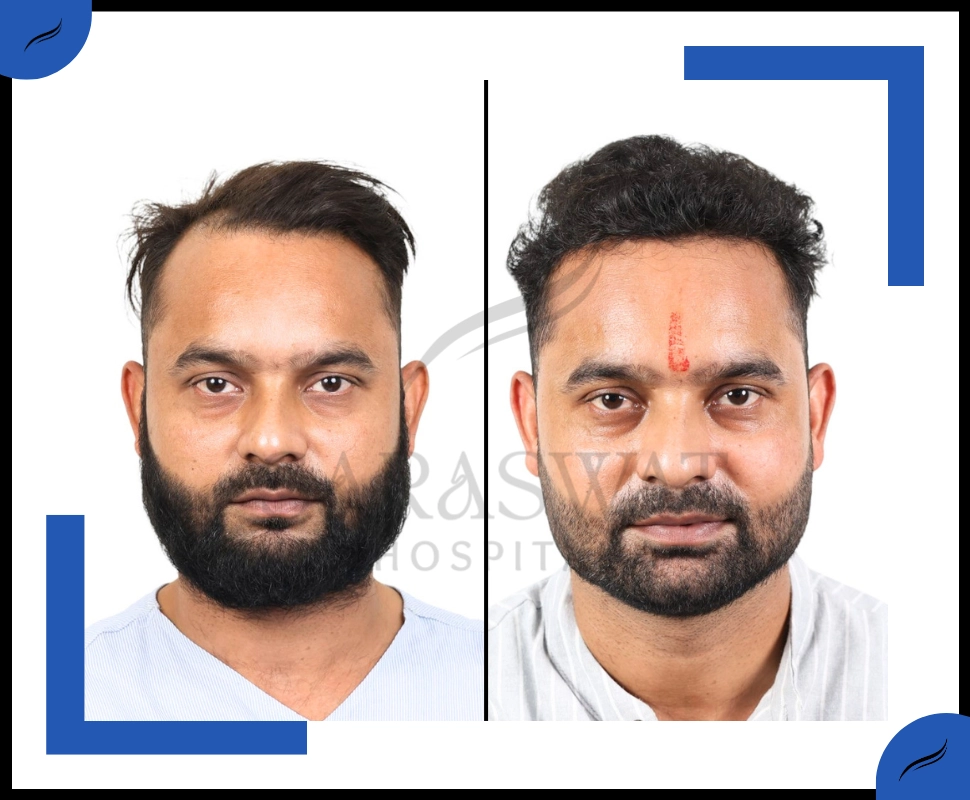
Hair Transplant Result

3. Skip Wearing a Hat

Once you undergo the hair loss treatment of a transplant procedure, it is natural to want to cover your shaved scalp. But please wait a minimum of 3 days to prevent any damage to your hair grafts. Once 3 days have passed, you can start wearing a loose-fitting hat. After 5 days of the transplant, you can wear tight-fitting headgear, such as a baseball cap.

4. Say No to Alcohol & Smoking

When you visit the best place for hair transplant in India at Saraswat Hospital, the doctor gives a list of restrictions to the patient that must be followed. Drinking alcohol leads to blood thinning and, hence, must be avoided for a week after the procedure.

Cigarettes contain nicotine, which constricts the blood vessels and decreases blood flow. Smoking can negatively impact hair growth after the hair transplant and must be avoided for four weeks after the surgery.

5. Manage Swelling, Itching, and Sun Exposure

Swelling is a normal hair transplant side effect that lasts for the first 3–4 days (1). Keep your head in an elevated position for the first 72 hours to reduce swelling. You can sleep on a recliner instead of the bed to avoid keeping your head flat.

As the wounds start healing, the scalp may become itchy. Patients must avoid scratching and allow the scabs to form naturally for a faster recovery.

Do not expose your head to direct sunlight for two weeks after the surgery. Wait for 5 days, and then you can wear a hat before going outside. Also, ask your surgeon for tips on how to keep new hair healthy after a hair transplant, and follow everything accordingly.

To know more about hair transplant side effects and complications, watch this video by Dr. Satya Saraswat:

Conclusion

Hair transplants are undoubtedly one of the best hair loss treatment options. A hair transplant successfully restores your natural hairline, providing the best results. But you need to follow these 5 tips for quick hair transplant recovery. At Saraswat Hospital in Agra, you get treated by ABHRS-certified doctors. To book an appointment for hair transplants in India, call us today at +919258386320 or send an email to saraswathospitalagra@gmail.com.

Sources:

(1) Swelling is a normal hair transplant side effect that lasts for the first 3–4 days. (PubMed Central)

FAQs

1. How to make a hair transplant heal faster?
Maintain scalp hygiene, keep out of sunlight, stick to the doctor’s drug regimen, remain hydrated, consume a high-protein diet, abstain from smoking and alcohol, and refrain from engaging in vigorous exercise for 5-7 days.

2. What should I do immediately after a hair transplant?
Relax while elevating your head, avoid touching the grafts, take recommended medicines, place ice packs around (not on) the scalp to minimize swelling, and obey your doctor’s post-surgery advice.

3. How to wash hair 10 days after a hair transplant?
On day 10, gently rinse hair with warm water and a gentle shampoo prescribed by your doctor. Gently pour water onto your head; refrain from scrubbing; only pat the scalp delicately, and leave your hair to dry naturally.

4. Can I shower 2 days after a hair transplant?
It is safe to wash your hair 48 hours after a hair transplant procedure. You must not touch your scalp for the first two days after the surgery and should skip shampoo unless advised.

5. What to expect 7 days after a hair transplant?
Swelling and reddening of the skin will decrease. The appearance of scabs on graft sites is natural. Shedding of some transplanted hair should be expected. Itching may become intense; avoid scratching.

Follow us on:- Facebook, Instagram, Pinterest, YouTube

Medical Disclaimer →

This article is for informational purposes only and does not constitute medical advice. Plastic, cosmetic, and laser treatments — including AI-assisted previews such as those generated by the Peek AI™ app — carry risks and results vary by individual. Always consult a licensed medical professional before undergoing any procedure.
How Soon Can I Do a Hair Wash After Hair Transplant?
Medically Reviewed By Dr. Satya Saraswat, MBBS, MS, MCh, DNB (Gold Medalist) | Last updated: May 06, 2026

Hair transplants are the most advanced treatment for hair loss conditions. They give you natural-looking permanent results for hair growth that sustains over a long time. It is a type of cosmetic surgery that has a direct impact on the patient’s appearance and looks. To ensure you get the best possible results, follow a hair wash after a hair transplant and visit Saraswat Hospital in Agra to be treated by the best hair specialist in Agra. Dr. Satya Saraswat and Dr. Preeti Saraswat are Diplomates of the American Board of Hair Restoration Surgery (ABHRS) with over 20+ years of experience.

To ensure the best results after a hair transplant in India or elsewhere, it is important that you strictly follow the post-op care instructions. The main worry during this period is to avoid any damage or disturbance to the hair grafts.

How Soon Can You Have a Hair Wash After Hair Transplant?

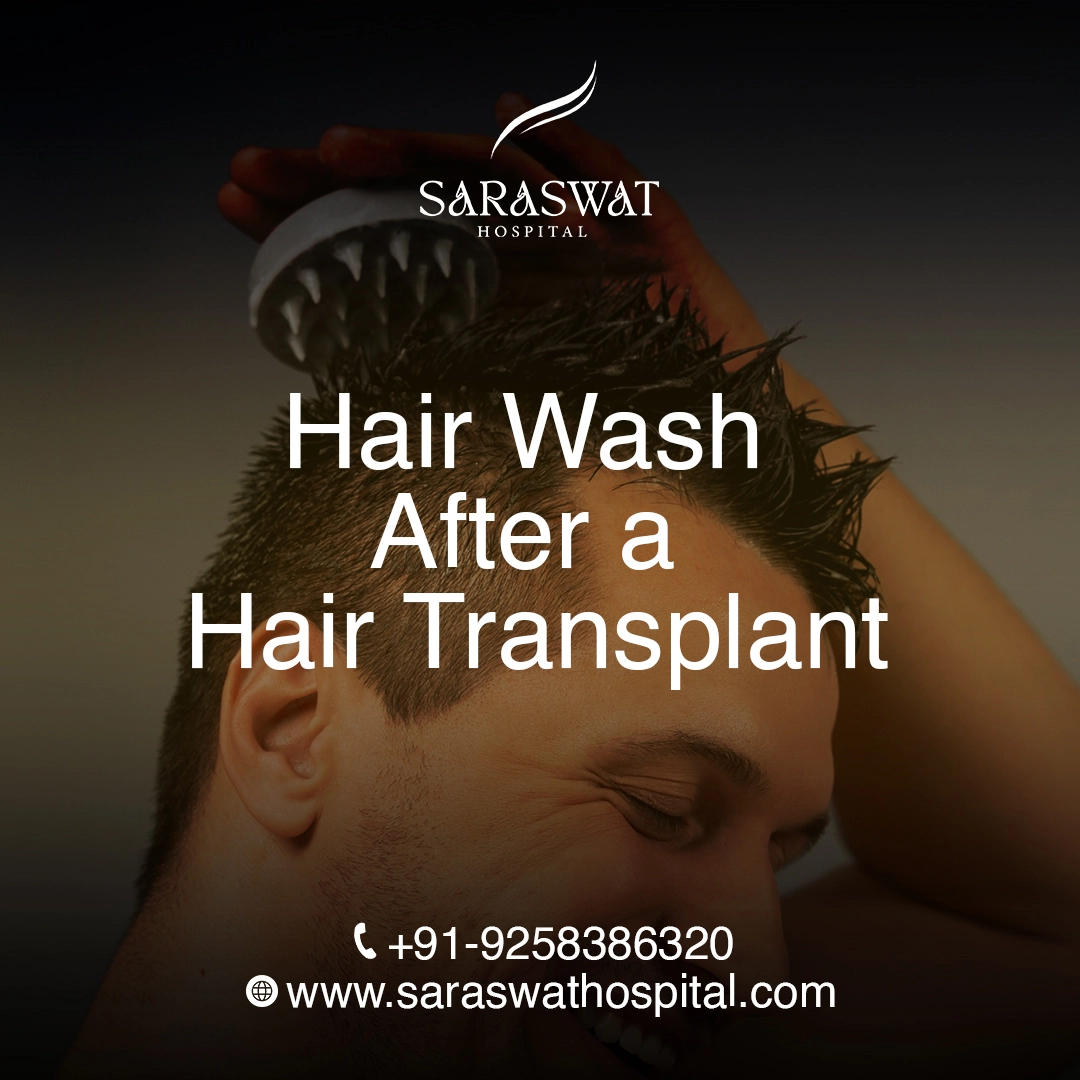
It is recommended to wait 48 hours after the surgery before you have your first hair wash after hair transplant. During these two days, you must avoid touching your scalp at all. Remember to keep the transplanted hair grafts out of harm’s way.

Before washing your hair, make sure you consult your doctor first. At our hair transplant clinic in Agra at Saraswat Hospital, our surgeons and medical team provide a detailed after-care routine for the patient. You have to be extremely gentle during the hair wash and be careful not to disturb the newly planted follicles. Even after recovery, be careful about your hair grooming and styling to enjoy the goodness of hair transplants for an extended period of time.

Patients shouldn’t wait longer than 48 hours to have their first hair wash. After the hair transplant, the scalp may have a build-up of crust or blood formation, which shouldn’t be allowed to sit for a long time.

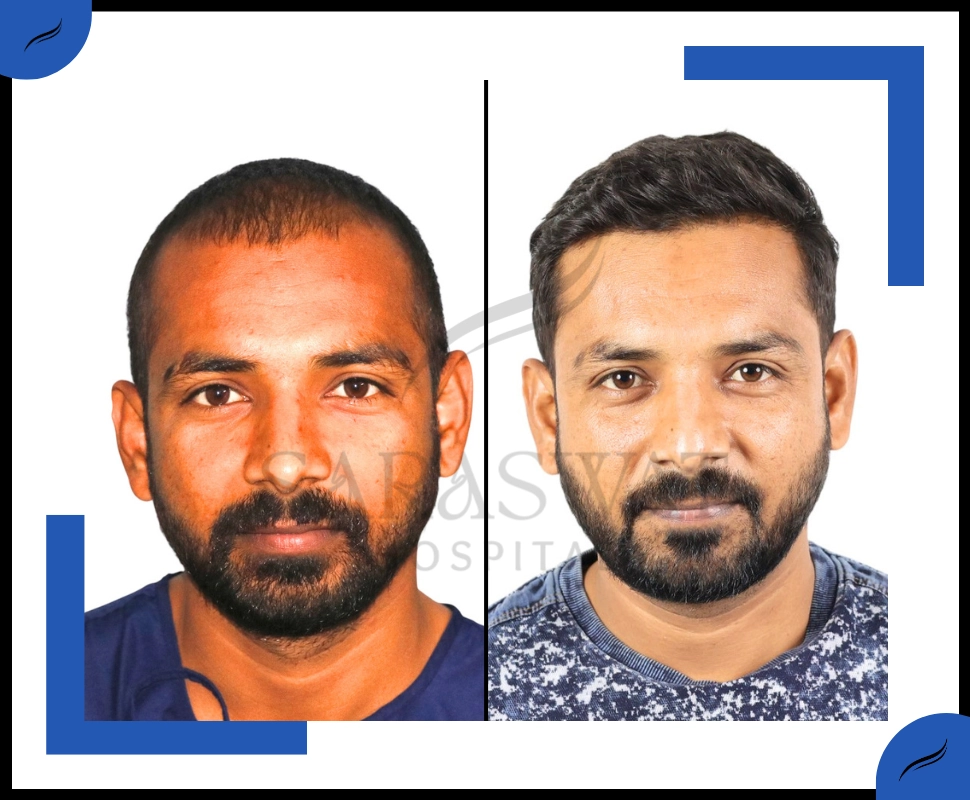
Hair Transplant Result After 9 Months

What to Expect During Your First Hair Wash?

You can wash your hair daily after the 48-hour mark is over. But remember: gentle is the name of the game. Use only your fingertips, not nails, to gently massage your head. Avoid too much scrubbing, as it can dislodge a hair graft.

For the first 5 days of hair washing, the only instruction to keep in mind is to be gentle. You must protect your recipient site and do not let any fast-flowing water directly hit the implanted grafts. This is why it is recommended not to allow your head to go directly under the showerhead. Some showers tend to have a high amount of water pressure.

At Saraswat Hospital, our best hair specialist in Agra recommends using the “pour” method for hair washing post a hair transplant. Fill a cup full of water and gently pour it over your head. Squeeze the shampoo into your palms and lather it well between your fingers before gently rubbing it onto your scalp. Or, you can pour the shampoo into the cup and mix it well with water. Then, pour this shampoo solution over your head and gently rinse the scalp clean.

It is important to keep the donor area of your scalp clean to avoid any scabs and itchiness. Be very careful while massaging the recipient area where the grafts are located. Also, don’t forget to ask your surgeon about tips for quick hair transplant recovery.

Hair Wash Dos & Don’ts

  1. During the hair wash, avoid scrubbing too hard so as not to dislodge any hair grafts.
  2. Use only your fingertips for massaging the scalp; avoid sharp nails.
  3. Do not allow high water pressure to disturb the implanted follicles on your scalp.
  4. If using a comb, do not let it touch your scalp.
  5. Do not use any hair gels or hair sprays for the first 7 days of hair washing.
  6. Do not use the blow dryer for the first 3 days of hair washing.
  7. After that, if a dryer is used, keep the heat setting at a low or medium range.

For optimal hair transplant results, you should also focus on your diet and hair care habits. Try to eat protein-rich foods, as they help with better hair growth, and avoid hair products with harsh chemicals or any heat styling. Doctors also prescribe hair supplements, gentle shampoo, and other hair care products that help keep new hair healthy after a hair transplant.

Conclusion

No matter if you go through a FUE or FUT procedure, it is important to know when to hair wash after hair transplant and to pay special attention to your doctor’s post-op instructions to ensure a full recovery after a hair transplant. Saraswat Hospital is a leading and reputable hair transplant clinic in Agra with excellent post-operative care provided to patients.

Book an online consultation with our team and learn more about hair transplant, find out how many grafts are required in your case, and get a customised plan for a natural-looking hairline.

Follow us on:- Facebook, Instagram, Pinterest, YouTube

Medical Disclaimer →

This article is for informational purposes only and does not constitute medical advice. Plastic, cosmetic, and laser treatments — including AI-assisted previews such as those generated by the Peek AI™ app — carry risks and results vary by individual. Always consult a licensed medical professional before undergoing any procedure.
Are Hair Transplant Procedures Painful?
Medically Reviewed By Dr. Satya Saraswat, MBBS, MS, MCh, DNB (Gold Medalist) | Last updated: May 06, 2026

Is hair loss becoming a growing concern for you? Are you forced to deal with receding hairlines and hair-thinning problems? Then, you must seek advice from a professional expert at the earliest. Get a personalised consultation from ABHRS-certified doctors at Saraswat Hospital in Agra. Worried about “are hair transplant procedures painful” or not? Below, we take an in-depth look at the procedure and find out if the patient feels any pain or discomfort.

What Is a Hair Transplant Procedure?

Hair transplants are cosmetic procedures that aim to restore the natural hairline of a balding person. The back side or two sides of the head are known as donor areas in the scalp. Healthy hair follicles are extracted from the donor area and transplanted to the recipient area, the balding portions of the scalp.

When you opt for a hair transplant, there are primarily two methods of performing the procedure:

FUE (Follicular Unit Extraction): In this technique, hair follicles are extracted directly from the scalp using a low-torque, low-RPM machine. There are no cuts or stitches involved in this process. This type of surgery has a quick recovery process.

FUT (Follicular Unit Transplantation): A thin strip of skin is surgically removed from the donor area of the scalp, containing healthy follicles. The strip of skin is put under the microscope, and then hair grafts are collected. Stitches are required on the scalp in the area where the skin is removed. This type of surgery has a longer recovery period.

Are Hair Transplant Procedures Painful?

Hair transplant procedures are done under the effects of local anaesthesia. Once the numbing injection is given, the patient feels no pain or discomfort during the procedure. The surgery is a completely painless experience.

Once the anaesthesia wears off, the patient may feel slight discomfort or dizziness for some time. But this is nothing to worry about. The heavy feeling goes away after a couple of hours.

Hair Transplant Procedure

What Can Be Expected During the Procedure?

Surgeons perform hair transplants using local anesthesia. They administer a numbing injection to the patient before surgery to anesthetize the scalp area. This ensures that the patient does not feel any pain or discomfort during the procedure.

FUE and FUT methods are used for the extraction of hair follicles. FUE is the most advanced and non-invasive technique for doing a hair transplant. In this, the patient feels no pain or discomfort at all.

FUT is comparatively more invasive. The process requires stitches to be performed on the scalp. This may cause pain or discomfort to the patient during the recovery period.

Do You Experience Pain in the Recovery Period?

Hair transplant patients must take it lightly for the first 3-5 days post-procedure. Avoid exercising or any strenuous activities to give your body the time to adjust and replenish after undergoing the trauma of surgery (however minor it may be).

Typically, most patients do not feel any pain during the recovery period. At most, there might be some minor discomforts like swelling or heaviness. They may also feel scalp itchiness as the scabs start to dry on the head.

In case you experience any severe pain, immediately consult your doctor. He/she will thoroughly examine you and prescribe antibiotics or painkillers to manage the pain.

Conclusion

Are you looking for a safe and trusted clinic for hair transplant in India? Choose Saraswat Hospital in Agra and get treated by ABHRS-certified experts, Dr. Satya Saraswat and Dr. Preeti Saraswat. They provide personalised treatments at affordable rates. Book an online consultation with our team and learn more about hair transplant, find out how many grafts are required in your case, and get a customised plan for a natural-looking hairline.

FAQs

1. How long does the head hurt after a hair transplant?
Mild soreness and tenderness typically last 3–5 days post-procedure. Most patients manage discomfort with prescribed medicines, and pain significantly reduces within a week.

2. How bad do hair transplants hurt?
The procedure itself is nearly safe and not painful due to local anesthesia. Afterwards, expect mild to moderate soreness, tightness, and swelling — usually manageable with over-the-counter or prescribed pain relief.

3. Do people regret hair transplants?
Most patients are satisfied with natural-looking, permanent results when a hair transplant is performed at a reputable clinic. Regret is rare but can occur due to unrealistic expectations, poor clinic choice, or continued hair loss requiring additional procedures later.

4. Is 27 a good age to get a hair transplant?
Hair loss can begin in the early 20s. Most professional doctors recommend waiting until the late 20s to early 30s because hair loss stabilises at this stage.

5. Is it hard to sleep after a hair transplant?
Yes, initially. You must sleep with your head elevated at 45° for the first few nights to reduce swelling and avoid disturbing grafts. A travel pillow helps greatly.

Follow us on:- Facebook, Instagram, Pinterest, YouTube

Medical Disclaimer →

This article is for informational purposes only and does not constitute medical advice. Plastic, cosmetic, and laser treatments — including AI-assisted previews such as those generated by the Peek AI™ app — carry risks and results vary by individual. Always consult a licensed medical professional before undergoing any procedure.

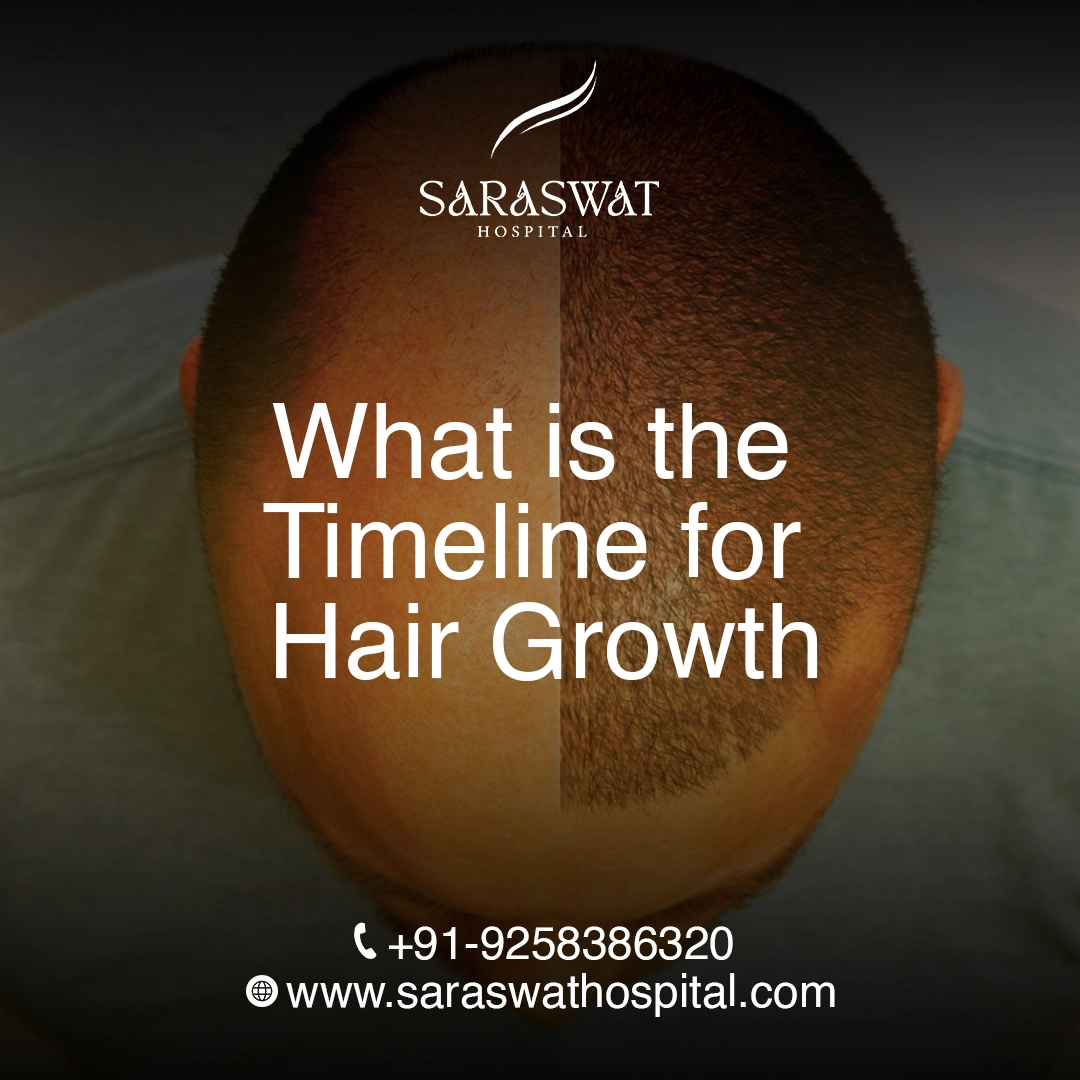
What is the Timeline for Hair Growth After Hair Transplant?
Medically Reviewed By Dr. Satya Saraswat, MBBS, MS, MCh, DNB (Gold Medalist) | Last updated: May 07, 2026

Hair transplants give you natural-looking hair growth results permanently. During the procedure, healthy hair follicles are extracted from the donor site of the scalp and implanted in the recipient site of the scalp. If everything goes as planned, the hair transplant before-and-after results will show a marked difference in the person’s scalp hair’s appearance.

What is a Hair Transplant?

Hair transplant is one of the most common surgeries where the hair follicles are removed from the donor site and then transplanted to the recipient site. There are people who suffer from Hair Loss, baldness, and thinning hair due to various reasons, and they seek to regain their hair through a hair transplant. It is a complicated surgery that must be carried out by qualified physicians. Before performing the treatment, the patient is administered local anesthesia. Therefore, hair transplant surgery is completely safe and comfortable since there is minimal or no discomfort at all felt by the patients. Note that it is not just a one-time treatment, but it might require more sessions depending on the progress of the patient on the Norwood scale of baldness.

Complete Timeline for Hair Growth

When you undergo a hair transplant surgery in India at the Saraswat Hospital, the doctor will explain the complete process of hair growth post-transplant to the patient. Hair transplant results are not instant. Typically, the timeline for hair growth is at least 9-12 months after the procedure before the full effects of a hair transplant can be seen. It is the duty of your hair doctor to tell you the timeline for hair growth after the transplant so that you can manage your expectations accordingly. It takes time and patience before any visible results start showing.

Below, we look at the complete timeline of hair growth post a hair transplant procedure:

First 7-10 Days: Recovery

The first week after the surgery, you must focus on your physical recovery. Patients get a comprehensive list of Dos and Don’ts after transplant from the doctor, which must be followed. Some common precautions include not taking a shower for the first 48 hours after the surgery, keeping your head in an elevated position while sleeping, not wearing a hat or any tight headgear for the first 3 days, and so on. At the end of the first week after the surgery, the scabs on your scalp in the donor area will begin to fall off. After this, you can expect the donor hair to grow nicely as per its normal hair growth cycle.

6-12 Weeks: Hair Shedding

The first 6-12 weeks after the surgery are the hardest for some patients. Your hair roots have just been transplanted and are in their resting phase.

In many cases, patients often experience hair loss in the recipient area. This means that instead of new hair growing in, the existing hair also falls out. This is known as the ‘shock loss’ phase. While this might be alarming, there is nothing to panic about. It is normal and totally expected. Your hair roots have gone through a shock after the surgery, and the hair loss is a reaction to that.

Depending on the area of your hair transplant, the shock loss can last longer or shorter. For example, the crown of your head may experience shock loss for up to two months. But if you have done a hairline transplant, then shock loss lasts only for a few weeks.

FUE hair transplant result

3-4 Months: Slow-Growth Phase

As you touch the 3-month mark after the surgery, the first visible signs of your hair transplant before and after results start showing. Short hair starts growing from the transplanted roots in your recipient site. In the initial stages, it might look thin and curly. Also, since your follicles are in different stages of growth, the short hair growth might look patchy. Patients are not to be worried by the wiry-looking hair, as it is expected.

4-8 Months: Real Growth Phase

The real hair growth in the transplanted area of the scalp happens 4-8 months after the surgery. The thin and wiry hairs grow and become strong and healthy. The balding portions start to fill in nicely, and your scalp shows a prominent amount of hair growth. This is the stage when your appearance starts changing slowly.

9-12 Months: Hair Growth Maturity

Depending on your natural hair growth cycle, the full results of a hair transplant start showing between 9 and 12 months after the surgery (1). Once your transplanted hair reaches the maturity stage, it starts growing at your normal hair growth rate. On average, it will grow 1-2 cm every month.

The patient’s hairline is restored, and the scalp fills in nicely. The new hair grows thicker and denser, giving incredible transformation results after the transplant.

Conclusion

If you’re thinking about getting a hair transplant in India, choose Saraswat Hospital in Agra for the best results. The clinic is run by Dr. Satya Saraswat and Dr. Preeti Saraswat. Both come with over 20+ years of experience and are Diplomates from the American Board of Hair Restoration Surgery (ABHRS). They provide personalised hair transplant treatments based on the patient’s hair loss condition and expectations.

Book an online consultation with our team and learn more about hair transplant, find out how many grafts are required in your case, and get a customised plan for a natural-looking hairline.

Sources:

(1) The full results of a hair transplant start showing between 9 and 12 months after the surgery. (American Academy of Dermatology Association)

FAQs

1. How long does it take to grow hair after a hair transplant?
It takes a period between 6-12 weeks to shed hair. Growth starts from months 3-4, and results become noticeable during months 6-9. You can see full mature results usually within 9-12 months.

2. How can I speed up hair growth after a transplant?
Follow the post-transplantation guidelines of your doctor, do not expose yourself to sunlight, and give up smoking. Consume proteins in high amounts, stay hydrated, apply Minoxidil solution, and relieve yourself from any kind of stress.

3. How to trigger new hair growth?
You can encourage hair growth through a balanced diet, massage therapy to improve blood flow, utilizing scientifically-backed solutions such as Minoxidil or Finasteride, sticking to your sleep schedule, lowering stress levels, and taking care of your scalp health.

4. What vitamins help hair grow faster?
Some of the essential vitamins include Biotin (B7), Vitamin D, Vitamin E, Iron, Zinc, and Omega-3 Fatty Acids. These support follicle strength, reduce shedding, and promote faster, healthier hair growth when taken consistently.

Follow us on:- Facebook, Instagram, Pinterest, YouTube

Medical Disclaimer →

This article is for informational purposes only and does not constitute medical advice. Plastic, cosmetic, and laser treatments — including AI-assisted previews such as those generated by the Peek AI™ app — carry risks and results vary by individual. Always consult a licensed medical professional before undergoing any procedure.
Precautions to Take Before a Hair Transplant Surgery
Medically Reviewed By Dr. Satya Saraswat, MBBS, MS, MCh, DNB (Gold Medalist) | Last updated: May 16, 2026

A hair transplant is a cosmetic procedure that gives a permanent solution to hair loss problems. Men and women, across all age groups, suffer from varying degrees of hair loss caused by different factors. This could be due to genetics, hormonal changes, nutrient deficiency, stress, medicinal side effects, or any other reason. When you seek a professional consultation, you will be given a personalised hair loss treatment plan specially designed to suit your condition.

Vital precautions include maintaining detailed medical and surgical history documentation, ensuring all allergies and current medications are disclosed during consultation, keeping your scalp clean but avoiding harsh treatments, abstaining from alcohol consumption before surgery, avoiding any harsh styling products, and scheduling a complete health evaluation with vital signs monitoring to rule out any contraindications

What is a Hair Transplant?

A hair transplant is an advanced treatment plan for hair loss and baldness. Healthy hair follicles are extracted from the donor area of the scalp and then implanted in the recipient areas to cover your balding spots. The follicles extracted are typically taken from the back of the head. The hairs in this region are genetically programmed to never fall off. Hence, when new hair grows from the transplanted follicles, the hair growth becomes permanent.

If you are thinking of getting a hair transplant surgery in India, undergoing the procedure has the following benefits.

  1. Restores natural hairline
  2. Improves visual appearance
  3. Minimum maintenance
  4. Natural-looking and permanent results

Precautions to Follow Before a Hair Transplant

A hair transplant is a safe and minimally invasive procedure. But there are certain precautions a patient must follow before the surgery:

1. No smoking or drinking

Patients must stop smoking and drinking two weeks before the procedure. Smoking introduces nicotine into your body, which narrows the blood vessels and reduces the blood flow to your scalp. The carbon monoxide also decreases the oxygen capacity of your blood, which means incisions take longer to heal. Hence, smoking should be strictly avoided. Drinking alcohol is also restricted.

2. Stop taking certain medicines

Ten days before the hair transplant surgery, patients must stop taking certain medications. The restricted list includes painkillers and anti-inflammatory drugs such as aspirin, Advil, Ibuprofen, Vitamin B and E tablets, and any type of herbal or natural medicines.

3. Do not consume any blood thinners or steroids

Consuming steroids or blood thinners before the hair transplant procedure can increase the risk of bleeding during the surgery. Hence, avoid such substances before the procedure.

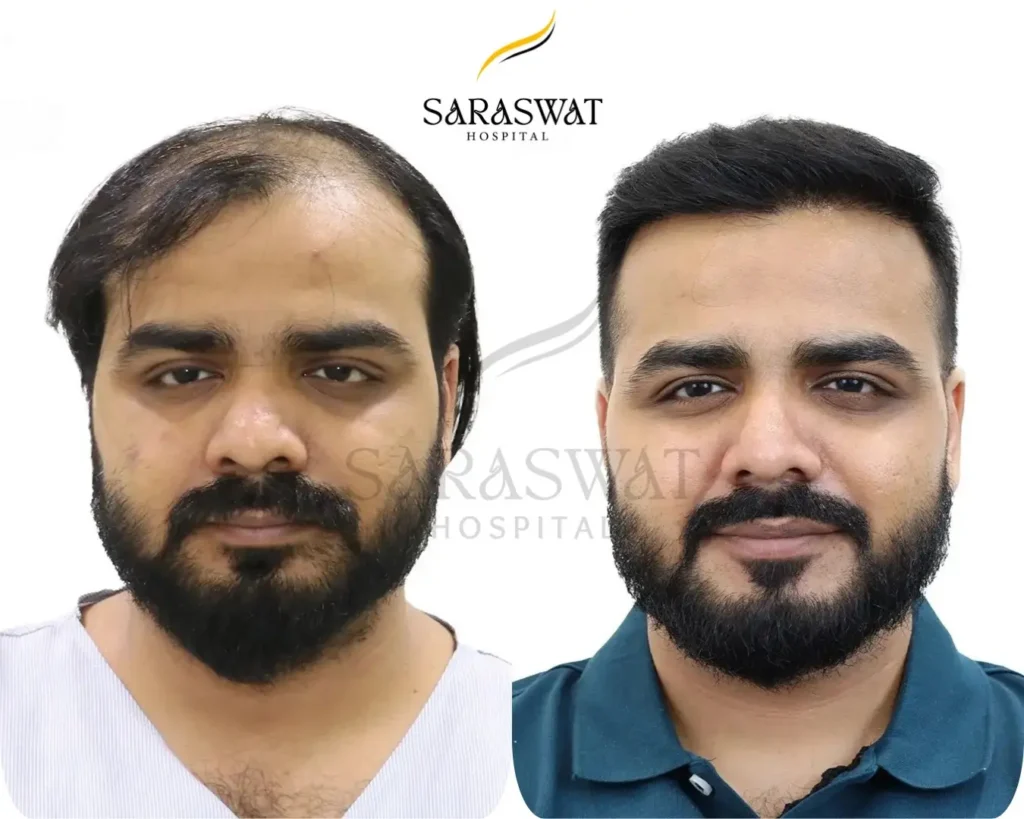
Hair Trasplant Before and After Result

4. Inform the doctor of any allergies

If you’re undergoing hair transplant surgery, then you must inform your doctor of any allergies you may have. Some patients may react negatively to anaesthesia or certain pain meds. The medical team should be aware of any such condition to reduce the risk of any complications during the surgery.

5. Avoid any styling products on the day of surgery

In preparation for the surgery, patients are advised to wash their hair thoroughly a day before the procedure or on the day itself. Also, discontinue the use of hair sprays, hair gels, wax, and other styling products (1).

Conclusion

Whether you opt for a hair transplant surgery in India or outside, patients have to follow a few guidelines both pre- and post-procedure. Following these hair transplant precautions helps ensure a full and quick recovery. Book an online consultation with our team and learn more about hair transplant, find out how many grafts are required in your case, and get a customised plan for a natural-looking hairline.

Sources:

(1) Patient Instruction Before the Surgery. (National Center for Biotechnology Information)

Follow us on:- Facebook, Instagram, Pinterest, YouTube

Medical Disclaimer →

This article is for informational purposes only and does not constitute medical advice. Plastic, cosmetic, and laser treatments — including AI-assisted previews such as those generated by the Peek AI™ app — carry risks and results vary by individual. Always consult a licensed medical professional before undergoing any procedure.
What are the Commonly Asked Questions for a Hair Transplant?
Medically Reviewed By Dr. Satya Saraswat, MBBS, MS, MCh, DNB (Gold Medalist) | Last updated: May 18, 2026

Hair loss is one of the most common problems of the modern age. Many people across the globe are suffering from hair loss issues. Hair transplant surgery is an advanced treatment procedure that offers a permanent solution to hair loss and baldness problems. Still, many people are hesitant about choosing this path. After all, it is a surgery with a direct impact on how one looks. And a botched-up result could do more harm than good. Below, we answer a few hair transplant FAQs that most people have regarding hair transplant procedures.

What is a Hair Transplant Surgery?

In a hair transplant procedure, hair follicles are taken from the donor part of the scalp and implanted into the recipient part of the scalp. The donor area generally refers to the back portion of the head. The hairs in this region are genetically programmed to never fall off. Hence, when these follicles are transplanted to one’s balding spots, the new hair that grows is permanent. So, hair transplants provide natural-looking and long-lasting hair growth results.

Hair Transplant FAQs

Many people considering hair restoration have questions about the procedure, so let’s address some common hair transplant FAQs. A hair transplant involves moving hair follicles from a donor area, typically the back of the scalp, to areas experiencing hair loss. The procedure is generally safe, with techniques like FUE (Follicular Unit Extraction) and FUT (Follicular Unit Transplantation) being the most popular. Below are some commonly asked hair transplant FAQs:

What are the types of Hair Transplant Surgery?

Hair transplants can be performed using two techniques.

Follicular Unit Extraction, or FUE, is the most advanced method for a hair transplant. Hair follicles are directly extracted from the scalp using a specialised FUE machine. Hair grafts are made and then transplanted to the recipient part of the scalp. There are no stitches involved, which means minimal scarring and a quick recovery.

Follicular Unit Transplantation, or FUT, is the traditional way of doing a hair transplant. A narrow strip of skin is removed surgically from the donor area of the scalp. Hair follicles are collected from this strip to prepare the grafts for the procedure. Stitches are used to close this incision, which results in a linear scar. It also has a longer recovery period.

FUE hair transplant result

Who is an Eligible Candidate for a Hair Transplant?

When you visit Saraswat Hospital, the patient is made to go through several tests and physical check-ups to make sure he/she is a viable candidate for the procedure.

The general criteria followed are as follows:

  • The person must be 21 years old or above
  • People having a well-defined pattern of baldness (both male and female)
  • People who grade 6 or above on the Norwood-Hamilton hair loss scale
  • People who have lost hair due to scarring, cosmetic surgery, or scalp injuries
  • People who have a clean bill of health with no medical complications

Is a Hair Transplant Painful?

A hair transplant is performed under the effects of local anaesthesia. Before starting the surgery, the patient is given an anaesthetic injection to numb the scalp region. This makes sure the patient feels zero pain or discomfort during the entire procedure. It is completely safe and painless.

How long does a Hair Transplant Take?

The time taken for a hair transplant procedure depends on the type of technique being used and the number of hair grafts needed. But generally, a standard hair transplant surgery shall take between 3 to 6 hours. Sometimes, a few patients may need multiple sessions of transplant, depending on the severity of their hair loss condition.

What is the average Cost of a Hair Transplant in India?

The base price is calculated by the cost per graft multiplied by the number of hair grafts used in the procedure. Other external factors that influence the cost are the experience and credibility of your hair transplant surgeon, the reputation of the clinic, the technique and equipment being used, and the number of sittings required. All these factors are taken into consideration to decide the final cost of hair transplant in India.

 Are there any Hair Transplant Side Effects?

A hair transplant surgery comes with minimal side effects. To prevent any complications, one must avoid taking medications like aspirin, anti-inflammatory drugs, steroids, or blood thinners before the surgery. Some common hair transplant side effects include mild headaches, numbness, swelling, scalp itchiness, bleeding, and infections. All of these can be managed by medications and some careful post-op instructions.

Does a Hair Transplant Cause Scarring?

Scarring after a hair transplant depends on the type of technique being used. An FUE procedure leaves very minimal dot-like scars. But for a FUT procedure, a long linear scar on the back of the head is one of the expected hair transplant side effects. Luckily, this scar can be easily camouflaged once your hair grows out.

When can I return to work after a Hair Transplant?

Hair transplant patients can return to work 14 days after the procedure. Till then, they are expected to follow all the post-op restrictions, like no exercise or lifting heavy things.

When can I see results after a Hair Transplant?

The speed and density of a patient’s hair growth after a hair transplant surgery depend on their body’s natural hair growth cycle. Typically speaking, the transplanted follicles start growing hair 3-4 months after the surgery. And the complete results of a head full of hair can be seen 9-12 months after the procedure.

Conclusion

Your chances of getting a successful hair transplant result depend on the surgeon and the clinic that you choose. If you want a qualified and experienced hair transplant surgeon to perform your procedure, then book a consultation with the best hair doctor in Agra at Saraswat Hospital.

Follow us on:- Facebook, Instagram, Pinterest, YouTube

Medical Disclaimer →

This article is for informational purposes only and does not constitute medical advice. Plastic, cosmetic, and laser treatments — including AI-assisted previews such as those generated by the Peek AI™ app — carry risks and results vary by individual. Always consult a licensed medical professional before undergoing any procedure.
whatapp icon