A hair transplant is one of the most recommended solutions for the advanced stage of baldness. When you’re losing your hair at an alarming rate, it often causes a dent in your self-esteem and confidence. Hair transplants are popular because they provide natural-looking and permanent results. It can give decent coverage to your bald spots and bring back your old look. But to ensure you get the best results, you need an experienced and credible surgeon to perform your hair transplant surgery.
What is a Hair Transplant?
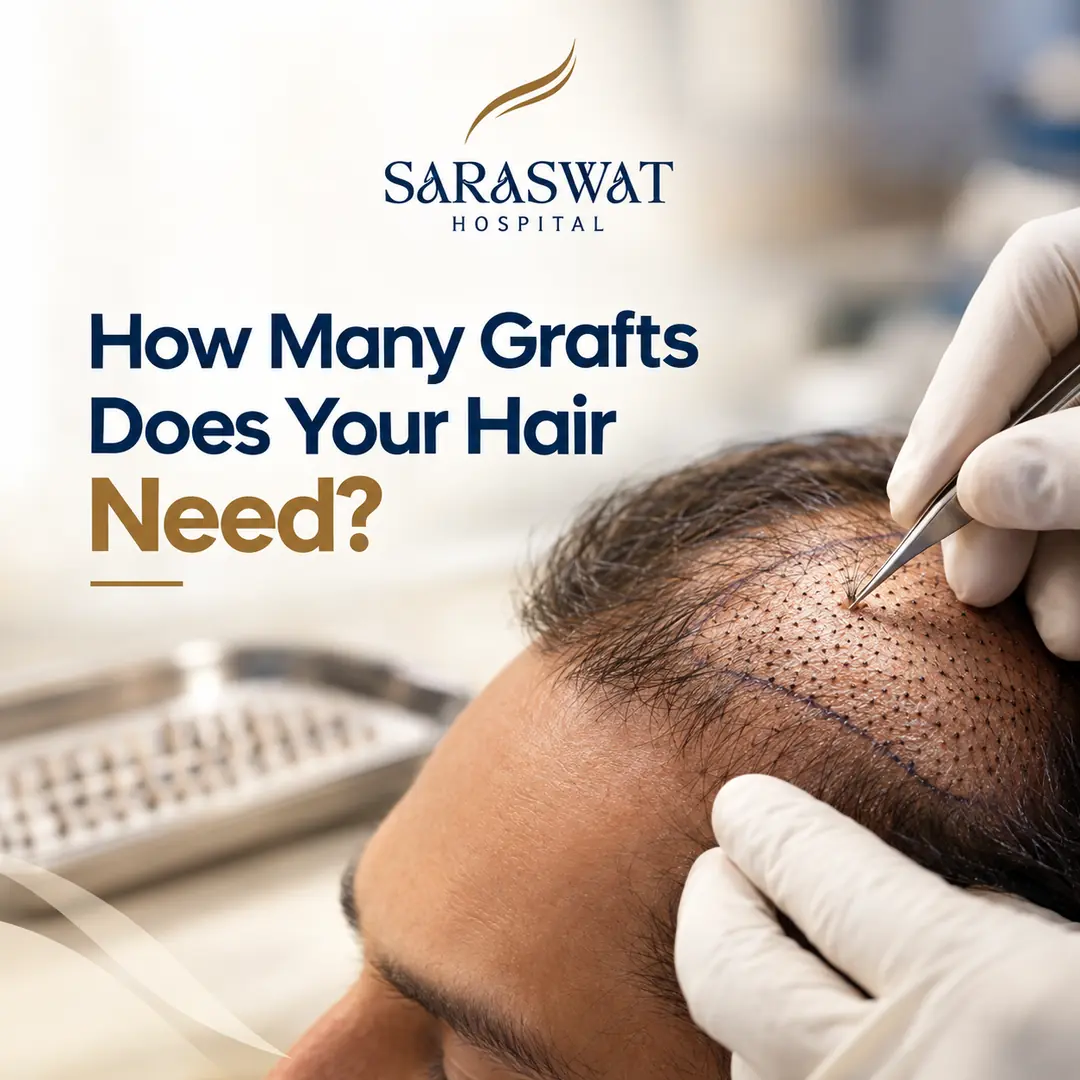
A hair transplant surgery is an advanced form of hair restoration treatment. It is most effective for patients suffering from male pattern baldness. In this procedure, hair follicles are removed from the healthy part of the scalp and then implanted into the thinning or balding areas of the scalp. The transplanted hair follicles restart the hair growth cycle once again on the bald spots. It gives you natural-looking and permanent results.
The hair follicles are extracted from a part of the scalp known as the safe donor area. This usually refers to the two sides and the back of the head. The hairs in this region are not affected by any genetic hair loss condition. Hair follicles are usually collected in groups of 1 to 4 follicular units, which make a single hair graft.
When you consult a doctor to know about the hair transplant cost in Agra, the basic price is always calculated on a cost per follicle basis. Another factor influencing the cost is the type of hair transplant procedure the patient undergoes.
DHI Hair Transplant
DHI refers to the Direct Hair Implantation technique. The follicular extraction is very similar to FUE. A specialist tool is used to collect hair follicles measuring 1 mm or less in diameter directly from the scalp.
For the implantation, a Choi Implanter Pen is used. It is a patented medical device used for implanting the grafts directly into the recipient area. In the DHI hair transplant process, the Choi Implanter Pen simultaneously makes the small holes and implants the hair follicles inside them. This makes the entire procedure much more accurate and precise. It gives the surgeon an enhanced level of control and allows them to manage the angle and direction of the transplanted follicles.

DHI is an advanced procedure that needs the specialised skills of an expert surgeon. It gives completely natural-looking results. The procedure is safe and effective, and there are no stitches or scarring involved. DHI is also popular among surgeons because it has the highest rate of graft survival. It also has a short recovery period.
FUE
FUE refers to Follicular Unit Extraction. In this method, the hair follicles are extracted directly from the scalp. A specialized, round tool is used with low torque and low RPM. The follicles are extracted manually, and the surgeon can cherry-pick from the available donor area.
Once the extraction is done, the next stage is the graft implantation stage. The surgeon makes small holes or tiny slits in the recipient site for an FUE hair transplant. The hair grafts are implanted inside these small holes in the recipient area of the scalp. This is an advanced method of hair transplant. Opting for an FUE transplant results in minimal scarring. There are no stitches involved, and it has a quicker recovery period.

FUT
FUT refers to Follicular Unit Transplantation. In this technique, a strip of skin containing healthy hair follicles is removed from the scalp surgically. The extracted strip of skin is kept under the microscope, and then the follicles are removed in the lab. Once the hair grafts are made, the implantation process in FUT transplant is the same as in FUE.
FUT is the more traditional method of hair transplant. It is the chosen technique for surgeons when the baldness is at an advanced stage, and they have to cover a large part of the scalp. In the FUT procedure, the cut on the scalp is closed using a Trichophytic closure method. The scar becomes almost invisible once the hair starts coming out of the cut surface. The recovery period is also very short.
FUT vs FUE vs DHI Hair Transplant
FUT and FUE are the more common hair transplant techniques used. FUE hair transplant in India is more popular because it causes minimal scarring and requires no stitches. The hair follicles are extracted directly from the scalp.
On the other hand, for FUT, a strip of skin is removed surgically from the scalp. It is kept under the microscope, and then, the follicles are extracted. It requires stitches and can lead to a long linear scar. The recovery period is also longer.
In DHI, the difference lies in the implantation process. A specialised tool called the Choi Implanter Pen is used. The hair follicles are directly implanted into the recipient site for the hair transplant to be complete. It causes no scars and no stitches.
Conclusion
If you are suffering from advanced baldness, get an appointment at Saraswat Hospital at the earliest. Get the most affordable hair transplant in Agra for personalised hair restoration treatments. We have ABHRS-certified hair experts who can perform all sorts of hair transplant procedures, including FUE, FUT, and DHI hair transplants.
Book an online consultation with our team and learn more about hair transplant, and find out how many grafts are required in your case, and get a customised plan for a natural-looking hairline.
FAQs
1. Is DHI more painful than FUE?
DHI and FUE have similar pain levels. Both use local anesthesia, so discomfort is minimal during the procedure. Post-surgery, DHI may cause slightly less soreness since it skips the channel-creation step.
2. How to sleep after a DHI hair transplant?
Sleep on your back with your head elevated at 45 degrees for the first week. Use a travel pillow to avoid friction on the transplanted area and prevent graft displacement. For better results, follow your surgeon’s guidance.
3. What are the disadvantages of DHI hair transplant?
DHI is more expensive than FUE, requires highly skilled surgeons, and takes longer. It has limited graft capacity per session and may not suit patients needing large-area coverage.
4. What is the Choi Implanter pen technique?
The Choi Implanter pen technique uses a hollow needle implanter to simultaneously create a channel and implant the hair graft, improving density, angle precision, and reducing graft time outside the body.
5. Do people regret having a hair transplant?
Most patients are satisfied long-term. Regret usually stems from unrealistic expectations, choosing unqualified surgeons, poor hairline design, or unsatisfactory density, highlighting the importance of thorough research beforehand.
Follow us on:- Facebook, Instagram, Pinterest, Youtube
This article is for informational purposes only and does not constitute medical advice. Plastic, cosmetic, and laser treatments — including AI-assisted previews such as those generated by the Peek AI app — carry risks and results vary by individual. Always consult a licensed medical professional before undergoing any procedure.