
Book an
Appointment
Dr. Satya Saraswat - Hair Transplant Surgeon

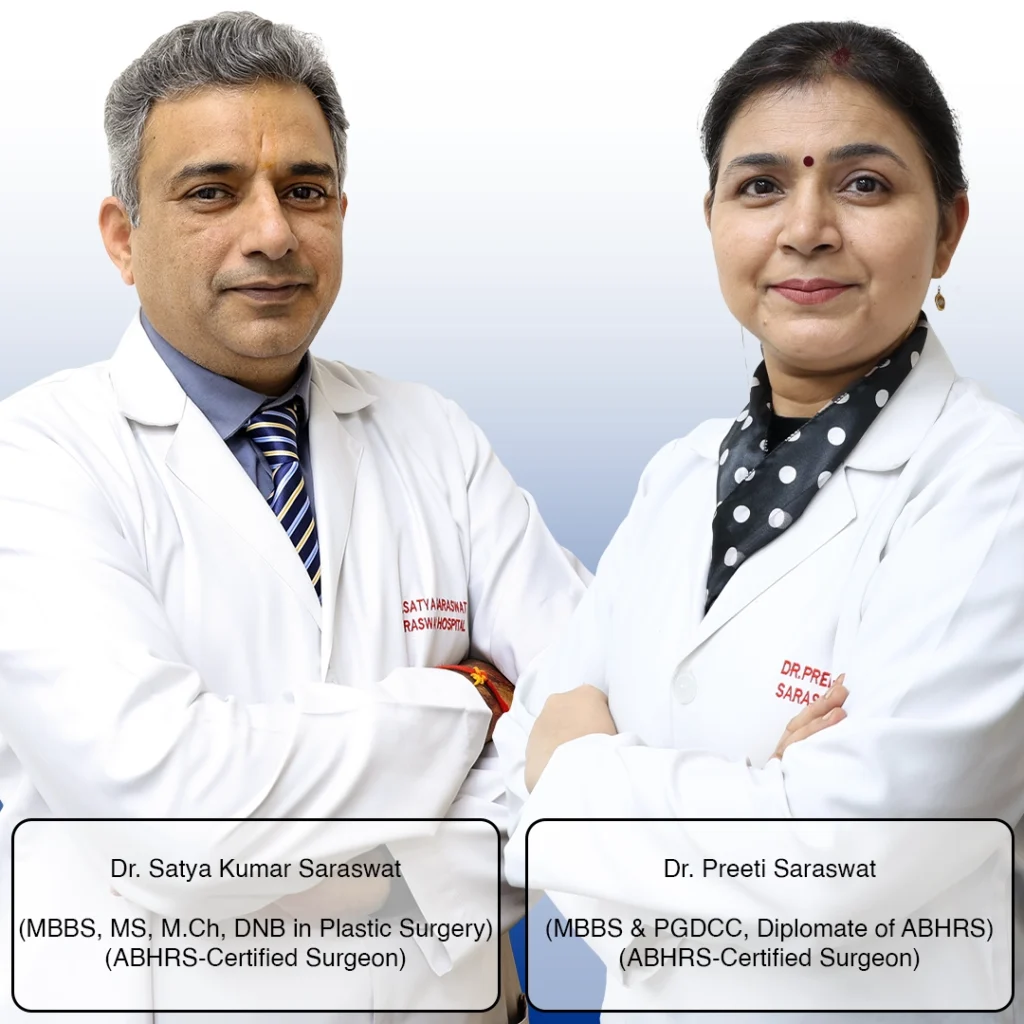
Dr. Satya Saraswat, MBBS, MS, MCh, DNB (Gold Medalist)

Dr. Satya Saraswat, MBBS, MS, MCh, DNB (Gold Medalist), FISHRS, is a cosmetic and plastic surgeon with an experience of over 20+ years and has performed 17,000+ cosmetic and plastic surgeries. He is a Diplomate of the American Board of Hair Restoration Surgery (ABHRS) and Fellow of ISHRS, as he has been continuously attending the International conferences and adopting the latest advancements in hair restoration science, and he has also submitted his research papers. His hands-on involvement ensures a natural hairline and high graft survival.

Articles by Dr. Satya Saraswat, MBBS, MS, MCh, DNB (Gold Medalist)

7 Questions to Ask at Your First Hair Transplant Consultation
Medically Reviewed By Dr. Satya Saraswat, MBBS, MS, MCh, DNB (Gold Medalist) | Last updated: April 25, 2026

People who are planning to get hair transplants have plenty of questions on their minds. Is the hair transplant procedure going to work for me? Are there any hair transplant side effects? When can I see the results? There are so many other questions that a patient wants to ask the best hair transplant doctor in India before undergoing the procedure. Nowadays, it is easier to do homework before a hair transplant with the help of the internet. Do your research using the internet, but don’t forget to ask some important questions at your first consultation with the doctor.

Asking your hair transplant surgeon the right questions will help you set realistic expectations and prepare better for the surgery. So, without further ado, let’s check out the questions that every hair transplant patient should ask their surgeon at the first consultation.

What is a Hair Transplant?

A hair transplant is a popular procedure in which surgeons take hair follicles from the donor area (such as the back or side of the scalp) and transplant the follicles to the recipient area. People who are suffering from hair Loss, baldness, or thinning hair for various reasons can aim to restore their natural hair via hair transplantation.

Questions You Must Ask at Your First Consultation

For a successful hair transplant in India or elsewhere, it is crucial to connect with the best hair transplant clinic where internationally certified surgeons are present and offer world-class treatment using state-of-the-art technologies.

1. Why am I having hair loss or baldness?

It’s highly important to know the actual reasons behind your hair loss. Without knowing your reasons for hair loss, a hair transplant surgeon cannot determine whether a hair transplant will work for you or not. Due to reasons like heredity, hormonal imbalance, stress, or medication side effects, both men and women can experience hair loss or baldness. Share your medical history and current medication with the doctor, as well as other details related to your hair loss. Knowing these things will help the doctor find out the reasons for hair loss and plan the best hair transplant in India or anywhere else.

2. Am I eligible for hair transplant surgery?

After knowing your concerns about hair loss, doctors will try to determine whether you are eligible for this procedure. Whether a person is eligible for hair transplants or not can be determined by analyzing some important factors. Doctors check the availability of healthy donor sites, the age of the patient, the type of hair, the scalp condition, and the overall health of the patient to confirm eligibility for this procedure. Consult with an expert hair transplant surgeon to check your eligibility via a detailed assessment.

3. What qualifications does my hair transplant surgeon have?

There is no shame in knowing more about the qualifications and expertise areas of your doctor at the first consultation. Many people feel hesitant to ask their doctors about their qualifications. If you feel the same, take the help of the internet to know the qualification details of your chosen doctor. On the other hand, at Saraswat Hospital, Dr. Satya Saraswat and Dr. Preeti Saraswat, Diplomates of the American Board of Hair Restoration Surgeons (ABHRS), share their qualification details with each patient during the consultation.

It’s crucial to know that your hair transplant surgeon has relevant training, skills, and certifications to ensure a safe and successful hair transplant experience. Make sure your hair transplant surgeon is certified by a reputed authority like the American Board of Hair Restoration Surgeons or the International Society of Hair Restoration Surgeons (ISHRS). At Saraswat Hospital, you can meet doctors who are not only certified by these boards but also have more than 20+ years of experience with a track record of more than 17,000 successful plastic and cosmetic surgeries.

4. FUE or FUT—which hair transplant surgery will be better for me?

There are two popular methods for hair transplants: FUE (follicular unit extraction) and FUT (follicular unit transplantation). In the FUE method, individual hair follicles are collected from the healthy donor area and then transplanted in the recipient area where your hair is thinning or bald. On the other hand, FUT involves removing a long, thin piece of tissue from the back of the scalp to dissect hair follicles using a stereo-microscope. Both methods are efficient and can offer permanent results.

FUE is a preferred method as it causes minimal scarring and ensures faster recovery. Often, FUT is also suggested based on the choice and condition of the patient. At Saraswat Hospital, one of the best hair transplant clinics in India, we also combine both methods based on the requirements to ensure optimal hair transplant results.
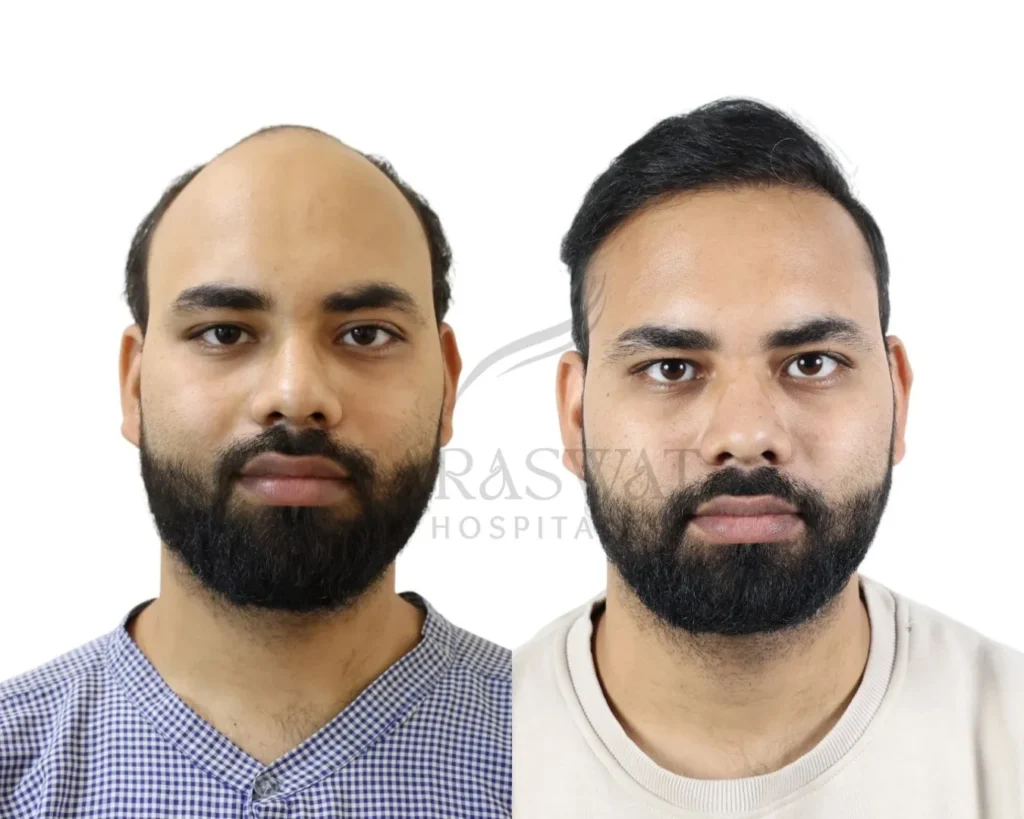
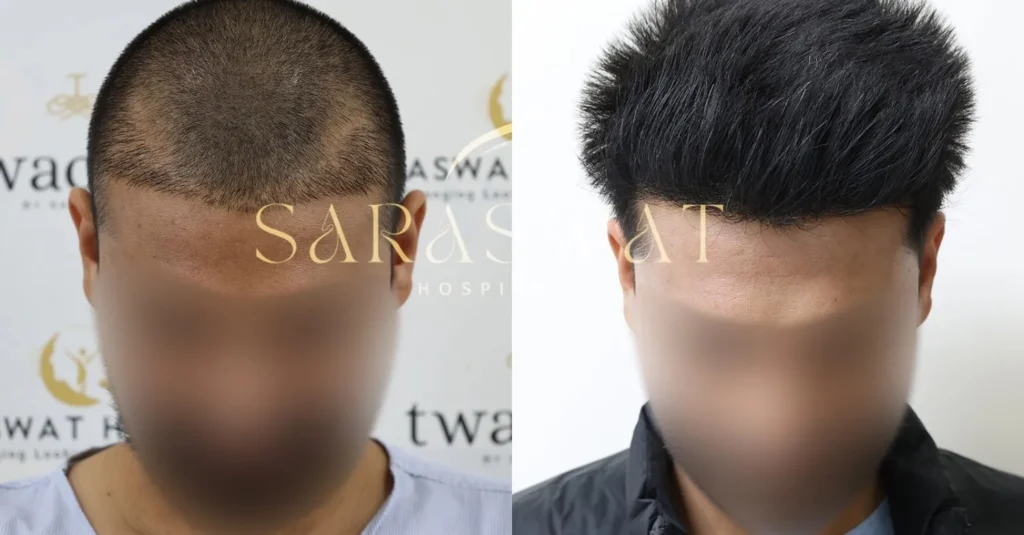
Hair Trasplant Before and After Result

5. How many days are required for complete recovery after the surgery?

Most hair transplant patients require seven to ten days of recovery. A patient must follow the post-op guidelines shared by the clinic and take all prescribed medicines accordingly to avoid any complications. A patient should avoid strenuous activity and sun exposure after the procedure and follow the correct sleeping position. Apart from this, a protein-rich diet and strictly avoiding chemical products can speed up the recovery and ensure satisfactory hair transplant results.

6. When can I see my hair transplant results?

Hair transplantation does not provide instant results. You have to be patient to witness the results of your hair transplant surgery. Generally, transplanted hair follicles start to grow after 3–4 months of the procedure. And the results, like a head full of hair, can be seen 9–12 months after the transplantation procedure (1). These time frames can differ from one patient to another. Remember, no hair transplant clinic can offer instant or quick results. So, don’t fall into the trap of the clinics that claim such results.

7. How should I prepare for my hair transplant surgery?

At Saraswat Hospital, our expert surgeons will instruct you on how to prepare for hair transplant surgery. Patients need to stop smoking and drinking at least two to three days before the surgery, and not take aspirin or blood thinners for about 14 days before the procedure, etc. You can gently massage your scalp every day for a week to increase blood flow to the scalp. Share your medical history and current medications (if any) with the doctor and get proper guidance to prepare better for the hair transplant procedure.

These are the top seven questions that every patient should ask their hair transplant surgeon at their first consultation. Ask your surgeon everything you want to know to make an informed decision. Also, don’t forget to check out this live YouTube video session where ABHRS diplomat Dr. Preeti Saraswat is answering all the top hair transplant questions:

Conclusion

Hair transplantation is an advanced procedure to restore your natural hair and let you get rid of baldness or thinning hair. It’s extremely important to choose the best doctor to ensure a successful hair transplant surgery. The success of the procedure depends on the skills and experience of the surgeon and the technological advancement of the clinic. Many people prefer to visit Saraswat Hospital to get advanced hair restoration treatments. Here, they can consult American board-certified hair transplant surgeons who provide treatment using state-of-the-art technologies and following international guidelines.

Book an online consultation with our team and learn more about hair transplant, find out how many grafts are required in your case, and get a customized plan for a natural-looking hairline.

Sources:

(1) Complete hair transplant results can be seen 9–12 months after the procedure. (American Academy of Dermatology Association)

FAQs

1. Can I sleep on my donor area after a hair transplant?
Do not lie on the transplanted hair region for 7-10 days. Rest in a supine position by elevating your head at an angle of 45 degrees using a travel pillow.

2. What questions should I ask at a hair transplant consultation?
Questions include experience, technique (FUE/FUT), number of grafts needed, success rate, total cost, recovery period, and whether you are eligible for surgery.

3. What I wish I knew before a hair transplant?
It takes from 9 to 12 months to see results. It is common to lose shock hair. One must protect oneself from sunlight, as well as have realistic expectations.

4. How many days of bed rest after a hair transplant?
Strict bed rest is not necessary; however, strenuous activities should be avoided for 7-10 days. The head should be raised when sleeping for 3-5 days to minimize swelling and safeguard newly transplanted follicles.

5. What if I accidentally touched my hair grafts?
No need to worry because an accidental light touch does not remove the grafts in the first few days. Refrain from rubbing and scratching your scalp. If bleeding or graft displacement occurs, contact your surgeon immediately.

Follow us on:- Facebook, Instagram, Pinterest, YouTube

Medical Disclaimer →

This article is for informational purposes only and does not constitute medical advice. Plastic, cosmetic, and laser treatments — including AI-assisted previews such as those generated by the Peek AI™ app — carry risks and results vary by individual. Always consult a licensed medical professional before undergoing any procedure.

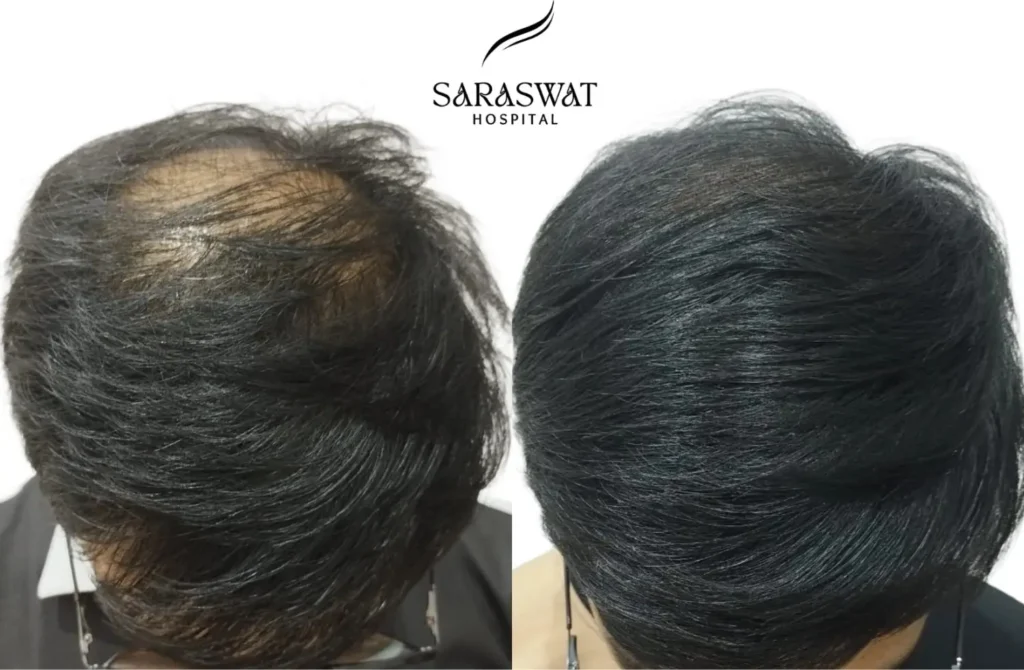
How to Choose the Right Doctor for Your Hair Loss Treatment?
Medically Reviewed By Dr. Satya Saraswat, MBBS, MS, MCh, DNB (Gold Medalist) | Last updated: April 27, 2026

A receding hairline, thinning hair, or any other type of hair loss indicates that you need to take better care of your health. There are many reasons that cause hair loss in both men and women. However, with the right doctor for your hair loss treatment, it is possible to prevent hair loss and promote new hair growth.

When hair loss conditions worsen, many people can’t decide who to consult. There are many doctors in different fields, but deciding on the best hair loss doctor is a bit challenging. Doctors with MBBS, MS, M.Ch., etc., can treat hair loss issues. However, when it comes to getting advanced hair loss treatment, you can choose a dermatologist or plastic surgeon as your best hair specialist in Agra, India, or elsewhere. Also, doctors who are certified by authorities like the American Board of Hair Restoration Surgery (ABHRS) and the International Society of Hair Restoration Surgeons (ISHRS) are ideal hair restoration doctors. There are many other factors that you need to consider to choose the right doctor for your hair loss treatment.

Factors to Consider

Choosing the right doctor for your hair loss treatment has become easier than ever with the help of the internet and social media platforms. Do a bit of research, and then you can easily decide who will be the best doctor for your hair loss treatment. While researching, consider some of these factors and choose the right one accordingly.

1. Credentials of Your Doctor

If you search online, you will see plenty of spas and medical clinics claiming to offer advanced hair loss treatments. However, not all of them offer superior treatments or are ideal for you. While selecting a doctor, check his/her qualifications. For example, at Saraswat Hospital, you can meet Dr. Satya Saraswat and Dr. Preeti Saraswat, who are Diplomates of the American Board of Hair Restoration Surgery (ABHRS). Both doctors are also members of the International Society of Hair Restoration Surgeons (ISHRS). There are many institutes where obtaining certification is just a matter of money. However, to get certified by boards like ABHRS or ISHRS, doctors need to be truly skilled in their treatments. Many hair loss treatments are technique-sensitive procedures that require special skills to perform properly. An improper method or incorrect guidance can turn your hair loss treatment into a bitter experience. So choose your hair specialist accordingly.

2. Experience of the Doctor

The next important thing is the experience of your chosen doctor. A doctor who has been in this domain for years and handled various hair loss cases can diagnose your hair loss reasons quickly and offer you effective treatment plans. At Sarawat Hospital in Agra, you can meet Dr. Satya Saraswat and Dr. Preeti Saraswat. In their 19+ years of working experience, they have successfully completed more than 17,000 cosmetic surgeries and transformed many lives.

3. Check Patient Reviews

The experiences of previous patients will also help you choose the right hair specialist. You can check SERP listings or social media platforms to see what others are saying about your chosen hair specialist or hair loss treatment clinic. It is also true that nowadays many clinics buy paid reviews. So, while checking reviews, try to be a bit wise. Generally, leading clinics have both positive and negative reviews. Choose a clinic or doctor with more positive reviews.

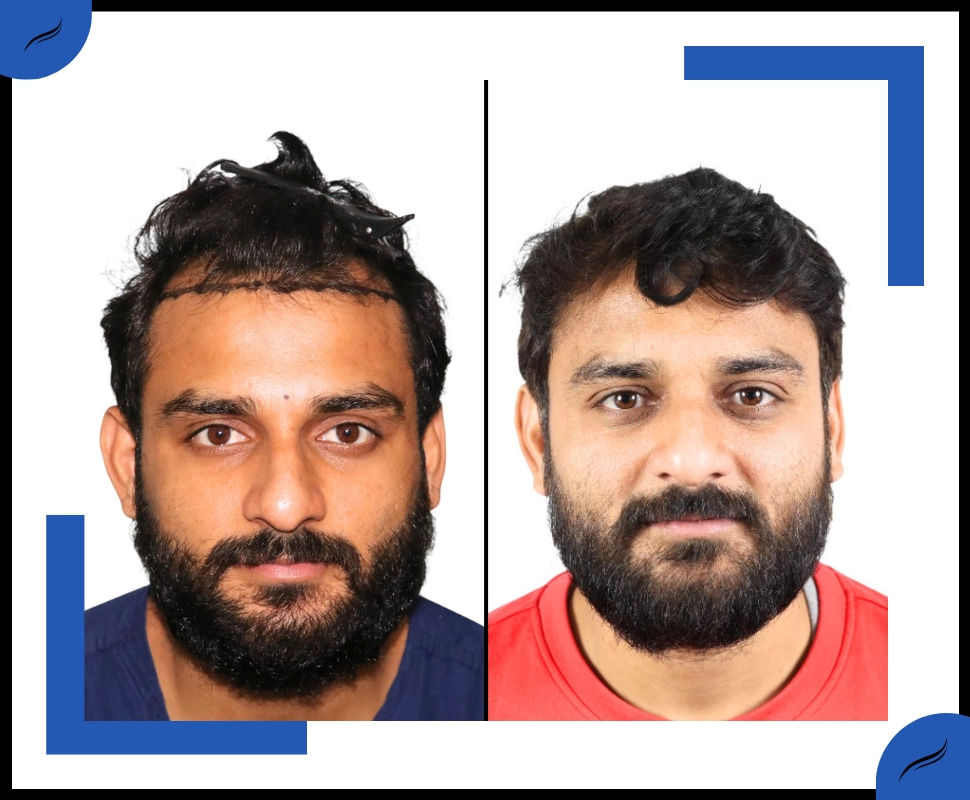
4. Go Through Before & After Treatment Images

Before and after treatment images, like hair transplant before and after images, will help a lot to understand more about the expertise and skills of the doctor. Generally, clinics share their patients’ reviews and before-and-after treatment images on platforms like Facebook, Instagram, YouTube, LinkedIn, Reddit, etc. Check your chosen clinics’ social handles and stay connected to get regular updates. It will help you understand the expertise level of your chosen doctors and their patients’ satisfaction level.

Hair Loss Before and After Result

5. Ease of Appointment Scheduling

Always choose a doctor with whom you can stay connected and who can guide you through your needs. Hair loss treatments like hair transplants need several appointments. And that’s why it is important to choose a doctor who, or his/her team, will be there for you during your time of need. At Saraswat Hospital, you can schedule an appointment at any time, and the doctors also see walk-in patients. You can simply call the clinic and schedule an appointment.

Apart from considering these five factors, you should also consider whether your chosen doctor is updated on the latest industry changes or not. Generally, the best hair specialists in Agra, India, like Dr. Satya Saraswat and Dr. Preeti Saraswat, keep a close eye on industry trends and advancements.

Don’t forget to check this video where Dr. Satya Saraswat is explaining 5 shocking reasons for early hair loss:

How Does a Hair Specialist Plan the Right Hair Loss Treatment?

Every patient has some unique concerns, and only the right hair loss specialist can help with tailored treatment. To recommend the right treatment plan, a doctor can conduct a series of tests, such as:

Blood Tests: Many doctors suggest blood tests to find underlying medical conditions that can trigger hair loss or thinning, such as thyroid problems.

Scalp Biopsy/Trichoscopy: If it’s hard to find the obvious reasons for hair loss with regular diagnosis,  doctors can suggest trichoscopy analysis (1) or scalp biopsy. Apart from the reasons behind hair loss, it helps to find other facts, such as the possible extent of further hair loss, the possibility of improvement with a specific treatment, and so on.

Hair Pull Test: For patients with telogen effluvium, doctors can conduct this test. Such a test helps to get insights into active hair shedding.

DHT Testing: For patients with male pattern baldness, doctors may recommend serum DHT tests to check the total amount of dihydrotestosterone in the bloodstream.

Ask your doctor whatever you want to know regarding your treatment and how to prepare for a hair transplant surgery. The more you know, the better you can cooperate with the doctors and ensure satisfactory results.

Conclusion

Choosing the right doctor for your hair loss is important to get the required treatment at the right time. Now, the question is when you should see a hair loss doctor. The right time to see the best hair specialist in Agra, India, is as soon as you notice any signs of hair loss. According to the American Academy of Dermatology, losing between 50 and 100 hairs a day is normal (2). If you notice more, consult a hair specialist immediately.

Book an online consultation with our team and learn more about hair transplant, find out how many grafts are required in your case, and get a customized plan for a natural-looking hairline.

Sources:

(1) Trichoscopy Analysis. (PubMed Central)

(2) According to the American Academy of Dermatology, losing between 50 and 100 hairs a day is normal. (American Academy of Dermatology)

FAQs

1. Which type of doctor is best for hair loss?
The best doctor to see for your hair loss concerns is an ABHRS or ISHRS-board-certified surgeon who specializes in hair problems and will be able to determine the reason behind the loss and provide appropriate medication or surgical procedures.

2. Is losing 700 hairs a day normal?
Losing 700 hairs in a single day is not natural. One loses only about 50–100 hairs each day on average. However, 700 may result from telogen effluvium, poor nutrition, hormone imbalances, and other medical conditions.

3. How to regrow hair 100%?
It is not easy to regrow hair 100%. However, this can be achieved through improved diet, managing stress, massaging your scalp regularly, timely treatment using medications such as minoxidil and finasteride, and medical procedures, including PRP or GFC therapy and hair transplant surgery.

4. What is the no. 1 treatment for hair loss?
The #1 treatment for hair loss is Minoxidil (Rogaine). This drug promotes hair growth and reduces hair loss. Finasteride is also one of the best treatments for hair loss among men.

5. Is minoxidil safe?
Yes, Minoxidil, and particularly in its topical form (liquid or foam), is usually considered to be safe for many individuals when taken according to the instructions given by the doctor. Some of the common side effects are scalp irritation and excessive hair growth on the face.

Follow us on:- Facebook, Instagram, Pinterest, YouTube

Medical Disclaimer →

This article is for informational purposes only and does not constitute medical advice. Plastic, cosmetic, and laser treatments — including AI-assisted previews such as those generated by the Peek AI™ app — carry risks and results vary by individual. Always consult a licensed medical professional before undergoing any procedure.
Hair Transplant Side Effects & Risks: What You Need to Know?
Medically Reviewed By Dr. Satya Saraswat, MBBS, MS, MCh, DNB (Gold Medalist) | Last updated: April 27, 2026

Hair transplants are a popular hair restoration treatment. It is effective for people who are suffering from baldness or thinning hair. Along with the successful results, some unfortunate instances of hair transplant side effects are also available on the internet that can make you think twice about the procedure. Just like any other surgical procedure, hair transplants may also come with some side effects or risks. However, if the procedure is done by expert surgeons in an advanced clinical setting using top-notch sterile medical equipment, it’s possible to lower the chances of side effects or risks.

To avoid hair transplant side effects and get satisfactory, natural-looking results, it is important to choose the right clinic and consult qualified physicians. The black market practice of hair transplants increases the chance of side effects and other complications. According to the 2022 Practice Census Results by ISHRS, nearly 25% of their repair cases are the result of previous black-market hair transplants (1). So, before undergoing this procedure, do complete research, choose the best hair transplant clinic in India (check the affiliations of the clinic and the qualifications of the doctors), read previous patients’ reviews, and then decide wisely.

Common Hair Transplant Side Effects

A hair transplant is a safe surgical procedure that should always be done by qualified and experienced surgeons. However, even successful hair transplants may cause some side effects. Any kind of discomfort should be reported to the surgeon on an immediate basis, and the patient should strictly follow the post-hair transplant guidelines provided by the clinic.

A. Swelling

Swelling, or ‘edema,” is a common hair transplant side effect. It typically occurs on the forehead and around the eyes and can last for two to five days. Swelling happens when fluid accumulates in the tissues around the forehead and eyes after the hair transplant surgery. This is a natural response to the trauma during the transplantation procedure.

How to Manage:

Patients can apply a cold compress to the swollen areas using a clean cloth or an ice pack wrapped in a towel and repeat the procedure several times a day (for 15–20 minutes). Also, patients can keep their heads elevated while resting, using pillows for proper neck and shoulder support. Hair transplant doctors also prescribe anti-inflammatory medications to help reduce swelling.

B. Mild Pain or Discomfort

Mild pain or discomfort is another common side effect of hair transplant surgery. Patients may experience mild pain in the donor and recipient areas due to the incisions and grafting processes. These processes can cause temporary inflammation and sensitivity.

How to Manage:

Generally, hair transplant surgeons prescribe painkillers to reduce pain and discomfort. Strictly follow your doctor’s recommendations for painkiller dosages and frequency. Also, patients should avoid activities that can increase pain, such as bending over, heavy lifting, or other vigorous activities.

C. Bleeding

Due to the small incisions made during the transplantation procedure, patients may experience minor bleeding at the transplant sites. It’s common for some minor oozing to be there for the first 24–48 hours of the surgery.

How to Manage:

Apply gentle pressure with a clean cloth or saline-water-soaked gauze. It can help stop bleeding in the transplant areas. If bleeding persists or worsens, contact your hair transplant doctor as soon as possible for further guidance. Patients should avoid activities that can increase blood flow to the scalp, such as strenuous exercise or bending over.

D. Redness

Redness at hair transplant sites is common. It results from the body’s inflammatory response to the surgical procedure. Actually, this is a normal part of the healing process and should disappear within a few weeks after the procedure.

How to Manage:

Keep the hair transplant area clean, avoid touching, and properly follow your doctor’s post-operative care instructions. Patients should have some patience, and the redness will subside on its own. If redness worsens or the patient experiences other symptoms such as pus or increased pain, it can indicate the chances of infection. Contact the doctor for the best help.

E. Scabbing & Crusting

When the transplant sites start to heal, patients may notice scabs or crusts forming. This is a natural part of the healing process as the body works to fill the small incisions made during the procedure. Scabs and crusts usually fall off within 10–14 days.

How to Manage:

Patients need to keep the transplant area clean. They can gently cleanse the area with mild shampoo and lukewarm water, as advised by the surgeon. Patients should not pick or scratch the scabs, as this can cause infection or damage to the newly transplanted grafts. If scabbing or crusting worsens, contact your doctor for further guidance.

F. Itching

Itching is also a common hair transplant side effect, often resulting from the healing process. When the skin recovers, new cell formation can create a sensation of itchiness. Apart from this, scabs or dryness in the transplant areas can contribute to this uncomfortable sensation.

How to Manage:

  • Keep your transplanted area clean. Gently cleanse the area using mild shampoo and lukewarm water. It will reduce irritation and the chances of infection.
  • Doctors also recommend soothing topical solutions such as aloe vera gel, coconut oil, and barrier repair cream (Twachaa Skin Repair Barrier Cream) to keep the transplanted area moisturised.
  • Patients must avoid scratching; otherwise, it can lead to infection or damage to the grafts. If you feel an irresistible feeling of itching, simply tap or pat the area to alleviate the itch.
  • Hair transplant patients should also stay hydrated. Drinking enough water can help keep your skin hydrated, which can minimise itching.

If itching is severe and persistent or you are noticing signs of infection, such as increased redness, swelling, or pus, or if you are concerned about the healing procedure, contact your hair transplant surgeon as soon as possible.

Hair Trasplant Before and After Result

Less Common Hair Transplant Side Effects

Some patients might experience less common hair transplant side effects, which we have discussed below:

A. Infection

Infection can occur if proper care and cleanliness are not maintained before, after, and during the transplantation procedure. Bacteria can enter the transplant sites, leading to infection.

Treatment:

Strictly follow your surgeon’s post-operative care instructions to keep the transplant area clean. Hair transplant doctors also prescribe antibiotics to prevent or treat infections. If you notice infection signs such as increased redness, pus, or a foul odour, inform your doctor immediately.

B. Folliculitis

Folliculitis can happen when hair follicles become inflamed. First, it may look like pimples (red, itchy bumps) around the tine pockets where each follicle grows. It can be caused by bacteria, fungus, or irritation from the hair transplantation procedure.

Treatment:

Keep the transplant area clean and avoid scratching the itchy area. Doctors also recommend OTC or prescription treatments to alleviate symptoms.

C. Numbness

Temporary numbness can occur in the donor or recipient area due to the disruption of nerves. It may last for several weeks before the sensation returns. Hair transplant does not cause brain damage; it is a safe hair restoration procedure.

Treatment:

Patients should have some patience, as numbness typically resolves on its own. If numbness persists or worsens, contact your hair transplant surgeon for further evaluation.

D. Hiccups

The exact causes of this side effect are unknown, but it can be related to anaesthesia, medications, or stress.

Treatment:

It may resolve on its own within a few days. If hiccups are persistent or severe, contact your doctor and get prescription medications to manage the symptoms. Patients can also try deep breathing or meditation to help alleviate stress-related hiccups.

Check out what ABHRS-diplomat Dr. Satya Saraswat is saying about hair transplant side effects and prevention:

Rare Hair Transplant Side Effects

It’s important to be aware of all hair transplant side effects, even if they are rare.

A. Scarring

Minimal scarring is normal, but excessive scarring can occur in rare cases, especially in patients who are prone to keloids. Scarring occurs due to healing procedures or improper surgical techniques. Get treatment from the best hair transplant doctor in India to avoid side effects like scarring. Corticosteroid local injections, silicone gel sheets, or laser therapy can help reduce the appearance of scarring. Consult your doctor to determine the most suitable treatment option for you.

B. Shock Loss

Temporary hair loss around the transplant site may occur as a response to the surgery; this is known as shock loss. Due to the trauma inflicted on the surrounding hair follicles, the transplant area may lose hair. Generally, hair grows back in that area within a few months. If the situation does not improve on its own, consult your doctor for further evaluation.

C. Graft Failure

In some rare cases, transplanted hair follicles may not take root, leading to failed growth. Graft failure can be caused by graft mishandling, infection, or inadequate blood supply to the grafts. Skin disorders like alopecia areata, lichen planopilaris, etc., can lead to poor growth. To avoid such side effects, always get treatment from an expert hair transplant surgeon who knows how to handle grafts and ensure successful results.

D. Scalp Skin Necrosis

Patients who are heavy smokers or drinkers, have uncontrolled diabetes, have some coagulation disorder, or demand very high density rarely experience skin necrosis. Patients with such health concerns should share their complete medical history beforehand with their doctors.

E. Death

Though extremely rare, there have been a few reported cases of death associated with hair transplant surgery. This can happen due to complications like anesthesia reactions, infections, or other underlying health concerns. The best way to prevent any hair transplant side effects is to choose the best hair transplant clinic in India, where patients can get treatment from board-certified and experienced hair transplant surgeons.

Conclusion

Today, we have discussed common, less common, and rare hair transplant side effects that every patient should be aware of before undergoing the procedure. Being well-informed and working with the best hair transplant doctors in India can help minimise these risks and ensure a successful outcome. It’s wise to discuss your concerns with your doctor before the procedure.

Book an online consultation with our team and learn more about hair transplant, find out how many grafts are required in your case, and get a customised plan for a natural-looking hairline.

Sources:

(1) 2022 Practice Census Results by ISHRS show nearly 25% of their repair cases are the result of previous black-market hair transplants (2022 ISHRS Practice Census Results)

Follow us on:- Facebook, Instagram, Pinterest, YouTube

Medical Disclaimer →

This article is for informational purposes only and does not constitute medical advice. Plastic, cosmetic, and laser treatments — including AI-assisted previews such as those generated by the Peek AI™ app — carry risks and results vary by individual. Always consult a licensed medical professional before undergoing any procedure.
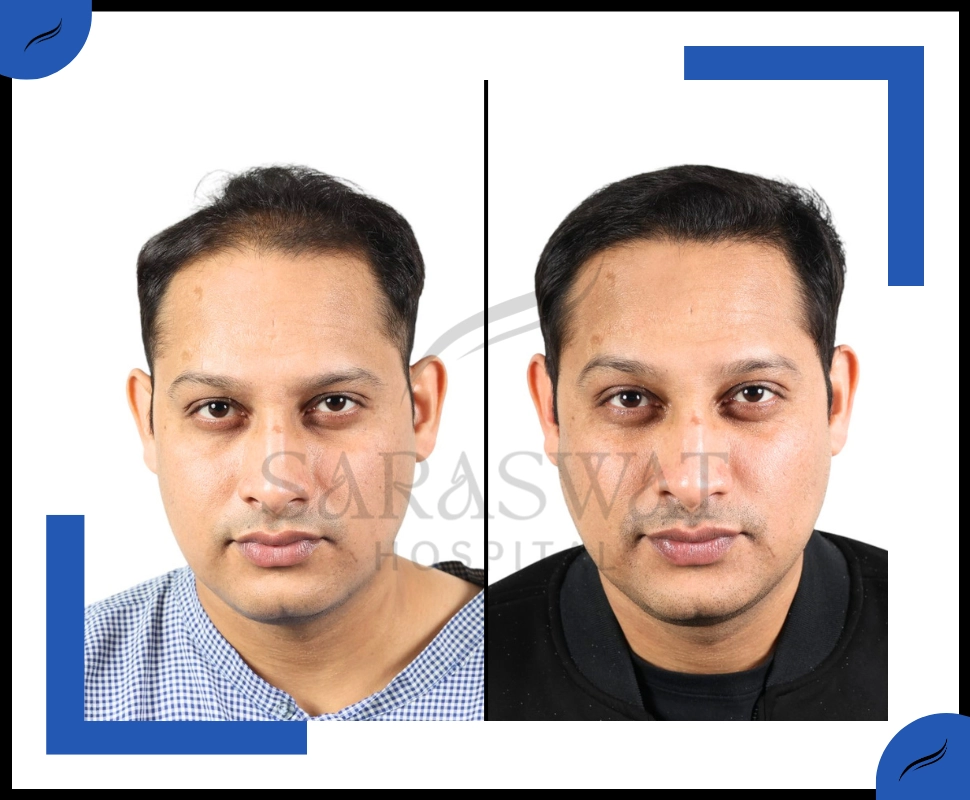
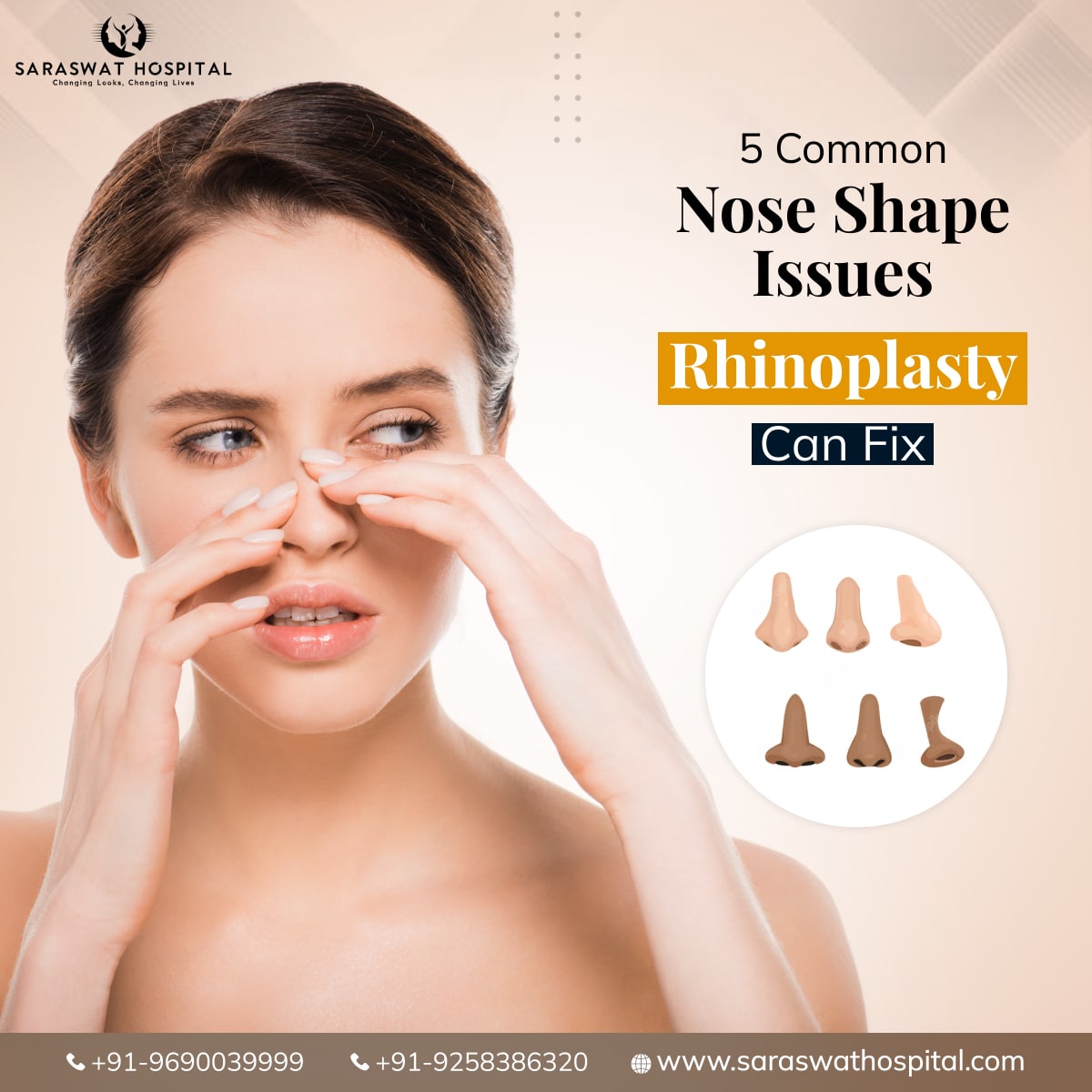
5 Problems That Rhinoplasty Can Resolve
Medically Reviewed By Dr. Satya Saraswat, MBBS, MS, MCh, DNB (Gold Medalist) | Last updated: April 27, 2026

Rhinoplasty, commonly known as a “nose job,” is a complex nose-reshaping surgery. It can address multiple aesthetic as well as functional concerns in a single procedure. If done correctly, Rhinoplasty can improve your facial symmetry by refining the size, shape, and proportion of your nose. With the help of the best rhinoplasty surgeons, you can also correct structural issues in your nose that interfere with your normal breathing. Whether it’s about changing the appearance of your nose, repairing deformities caused by an injury, or relieving breathing difficulties, always consult with board-certified rhinoplasty specialists for the best experience.

What is Rhinoplasty?

Rhinoplasty is a cosmetic procedure that can improve your facial appearance and breathing abilities. The after-surgery results, i.e., the appearance of your nose, can influence your overall look and personality. So, try to connect with the best rhinoplasty surgeon who has had profound experience working as a plastic and cosmetic surgeon for years. Only an expert and experienced rhinoplasty surgeon can ensure satisfactory results and transform your overall facial appearance. Let’s check out the top five problems that rhinoplasty surgery can fix.

5 Common Problems That Rhinoplasty Can Resolve

Rhinoplasty can fix a wide range of nose shape and functionality-related issues. However, today, we are discussing only 5 problems that rhinoplasty can resolve.

1. Irregular Nasal Bridge

The upper part of the nose is made of bone, while the lower part is made of cartilage. If the bone part angles more outward (than downward), it can cause a “hump” along the bridge of the nose. On the other hand, if the nasal bone is more downward, it may create a visible dip along the nasal bridge. An expert Rhinoplasty surgeon can help you flatten out the prominent nasal hump or improve the dip to craft a perfect, angled contour along your nasal bridge. Moreover, nose reshaping surgery can also slim out a wide nasal bridge, resulting in a better nose shape that perfectly balances with your face.

2. Wide Nostrils

Wide nostrils can make your nose look wider or larger in proportion to your face. Some people also feel their nostrils are too narrow or unsatisfying in other ways. Rhinoplasty can help you reshape the nostrils. Experienced rhinoplasty specialists always perform a nose anatomy and physiology analysis and then plan the nostril reshaping surgery. Remember, your breathing function also influences how much your nostrils can be reshaped.

Rhinoplasty is a complicated surgical procedure, and you should let only experts and experienced surgeons deal with it for you. Take care of the fact that just to enhance the nasal appearance, you can’t bring new issues. So, always get treatment from board-certified surgeons with years of experience who can help you improve both nasal appearance and breathing functionality, or at least enhance nasal appearance without causing any new issues like breathing issues.

3. Parrot Beak Nose

The parrot beak nose appearance is caused by the overdevelopment of the nasal septum. A nose with a large dorsal hump, along with a low or overgrown hanging tip, can create the appearance of a parrot beak nose. It is also known as a Polly Beak deformity of the nose. Many people are not happy with their nose’s appearance (the parrot beak nose shape), and they seek the help of rhinoplasty to improve it. An improper nose appearance can be a source of anxiety or embarrassment that sits in the middle of your face. Nose straightening can help enhance the overall appearance of the nose and make you feel and look more confident.

4. Bulbous Tip

A nose with a large bulbous tip is an aesthetic concern for many people across the globe. A more rounded nose tip can affect a person’s facial appearance. A bulbous tip makes the nose look disproportionately big or overly wide. It also creates a prominent imbalance between the upper and lower halves of the nose. Bulbous nose tip deformity is caused by thick skin at the top of the nose and ill-defined cartilage. Rhinoplasty performed by an expert plastic surgeon can easily correct a bulbous and rounded nose tip by reshaping the lower lateral cartilage.

5. Injury-related Deformity

Corrective rhinoplasty is also there to repair tissue damage, improve the nose’s appearance, and restore the natural breathing function that was affected by a traumatic injury. Due to any nose-related injury, you should act faster. Do not wait any longer to get the right treatment; otherwise, it may bring further issues like breathing issues and more. Generally, via corrective rhinoplasty, plastic surgeons move the nasal bone and correct its alignment, make sure the septum is centered and properly supported, and remove excess tissues if required.

If an injury has distorted your nose’s appearance or caused breathing issues, consider Rhinoplasty to improve your breathing abilities and restore a smoother and more linear nasal bridge.

Apart from these five problems, rhinoplasty, or a nose job, can fix many other issues. For example, it can improve a depressed nose, a cleft lip, a deviated septum, and so on. Remember, after the procedure, it can take up to one year for your nose to settle into its new shape. The rhinoplasty recovery procedure is fast; you just need to take a few days off from work. Initially, you may find it a bit difficult to breathe, but in a day or two, you will be able to breathe normally.

According to the British Association of Aesthetic Plastic Surgeons (BAAPS), some of the possible rhinoplasty side effects are numbness, nosebleeds, infection, scarring, swelling, pain, and inflammation. Etc. Discuss more about the side effects with your surgeon before undergoing the procedure.

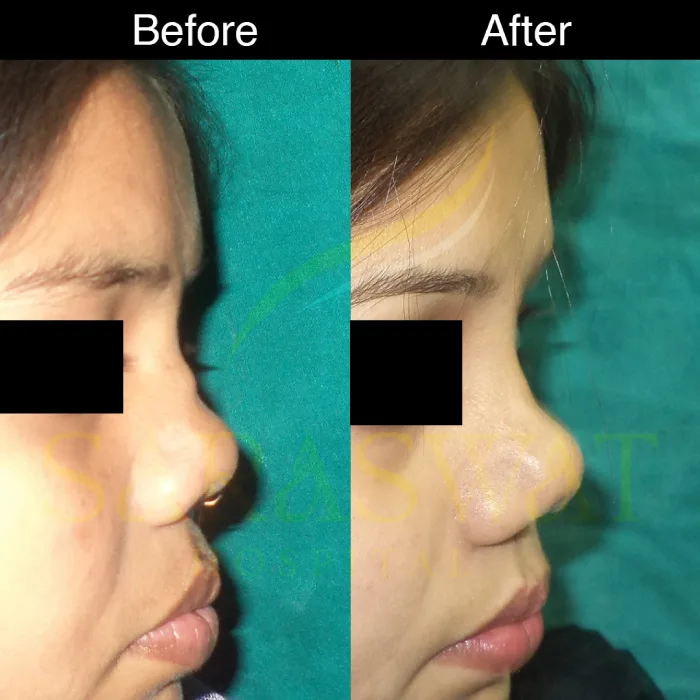
Rhinoplasty Before and After

How Can You Choose the Best Rhinoplasty Surgeon in India?

Whether you are trying to connect with the best rhinoplasty surgeon in India or elsewhere, always check some factors to ensure satisfactory rhinoplasty results.

The first and most important thing is that you must select a board-certified plastic surgeon who is a member of the American Society of Plastic Surgeons (ASPS). For example, Dr. Satya Saraswat is a member of ASPS and has more than 20+ years of experience in this field.

ASPS Members Meet the Following Standards:

  • They are certified by the American Board of Plastic Surgery.
  • They have a minimum of six years of surgical training, with at least three years of plastic surgery residency training.
  • ASPS members need to pass the comprehensive oral and written exams.
  • They also graduated from an accredited school and completed continuing medical education each year, including patient safety.
  • They also perform surgeries in accredited and state-licensed facilities on a regular basis.

Next, you need to check the experience of the surgeon and his/her area of expertise. If possible, try to check the reviews of previous patients who were treated by that surgeon. From their reviews or testimonials, you will be able to check the expertise of that surgeon. Moreover, some clinics also maintain detailed patient records along with rhinoplasty before and after images. If you connect with such a rhinoplasty surgery clinic and explore the results, it will help you develop realistic expectations.

Conclusion

An efficient rhinoplasty procedure can enhance the overall appearance of your nose and face and improve your breathing abilities. It can boost your confidence level and simply transform your life. So, don’t wait any longer; connect with a rhinoplasty surgeon and get your nose job done.

Book an online consultation with our team and learn more about the rhinoplasty procedure.

Sources:

(1) Some of the possible rhinoplasty side effects are numbness, nosebleeds, infection, scarring, swelling, pain, and inflammation. (British Association of Aesthetic Plastic Surgeons)

FAQs

1. What can rhinoplasty fix?
Rhinoplasty solves the problem of a crooked nose, hump, wide nostrils, a big tip, asymmetry, problems with breathing, and any congenital malformation of the nose.

2. Does rhinoplasty affect your face?
Yes, rhinoplasty will definitely change the nose’s shape and make your face look better. The nose is in the middle of the face, and even small alterations will help to balance out your eyes, cheeks, and lips.

3. Is rhinoplasty 100% safe?
No surgery can be completely risk-free. However, the risks connected with rhinoplasty are minimal if performed by a qualified surgeon.

4. Will my nose get smaller 4 months after rhinoplasty?
Yes, there is a significant reduction (at least 90%) in swelling within 3 to 4 months. Nevertheless, the final outcome takes 12-18 months, since all the remaining swelling dissipates.

5. How do you sleep after rhinoplasty?
One should lie down while sleeping on one’s back with an elevation of the head.

6. Who is the best rhinoplasty surgeon in India?
There are many skilled rhinoplasty surgeons in India. Dr. Satya Saraswat (Cosmetic and Plastic Surgeon) is also well known as the best rhinoplasty surgeon in India. He has performed thousands of nose jobs with natural results and accuracy.

Follow us on:- Facebook, Instagram, Pinterest, YouTube

Medical Disclaimer →

This article is for informational purposes only and does not constitute medical advice. Plastic, cosmetic, and laser treatments — including AI-assisted previews such as those generated by the Peek AI™ app — carry risks and results vary by individual. Always consult a licensed medical professional before undergoing any procedure.
7 Benefits of Choi Implanter Pens During Hair Transplant Surgery
Medically Reviewed By Dr. Satya Saraswat, MBBS, MS, MCh, DNB (Gold Medalist) | Last updated: April 27, 2026

Hair transplants are an innovative and effective solution to improve baldness, thinning hair, or any kind of hair loss. With advancements in healthcare technology and the constant effort of expert surgeons, hair transplant surgery in India has become safer and more effective than ever before. One innovation that has gained popularity in recent years is the use of the Choi implanter pen. This is an advanced tool that expert surgeons use during a hair transplant to safely implant grafts into the scalp. Choi implant pens allow for the precise placement of grafts, reducing trauma to the scalp and ensuring a higher survival rate for the grafts. This blog is going to discuss 7 Benefits of Choi Implanter Pens during hair transplants and why it has become a preferred choice for modern patients seeking hair transplants.

How Does a Choi Implanter Pen Help During Hair Transplants?

The Choi implanter pen was first developed in South Korea in 1992 to ensure accuracy and efficiency in hair transplants. It helps in achieving a high graft survival rate and natural density when performed with all the required principles (1). The pen features a hollow needle attached to a plunger apparatus and a tube. The size of the needles ranges from 0.5mm to 1.5 mm at their tips. These pens help to create natural results and allow for easy graft extraction. The earliest version of the Choi implanter pen was not effective for all hair types, but constant improvements in the design are making it usable for thinner hair structures as well. Now, the use of the Choi implanter pen has become an integral part of hair transplant surgeries held in advanced hair transplant clinics in Agra, India.

Surgeons extract grafts from the donor area using the FUE method. Careful extraction of hair follicles prevents the large scarring that can be seen with FUT surgeries. Once grafts are extracted, they will be inserted into the hollow needle of the Choi pen for implantation. Afterward, surgeons will implant grafts individually at an exact angle of 40-45 degrees.

In order to understand the mechanism of the Choi implanter pens and how they help in the hair transplantation procedure, listen to what Dr. Satya Saraswat says in this video:

Let’s Discuss 7 Benefits of Choi Implanter Pens

In order to prevent graft mishandling and increase the graft survival rate, advanced clinics always make use of advanced tools like Choi Implanter pens during hair transplants. If you explore the causes of hair transplants, you will understand the importance of proper graft handling during the hair transplant procedure. Discover the 7 benefits of Choi Implanter Pens in hair transplantation: precise graft placement, reduced downtime, less external graft exposure, improved density, reduced damage, increased efficiency, and rapid recovery.

1. Precise Graft Placement

The proper use of the Choi implanter pens allows for the precise placement of hair grafts into the scalp, reducing the risk of trauma to the extracted grafts and increasing their survival rate. Using the Choi implanter pens, surgeons can ensure the best possible results from the surgery. To retain the results for a longer period of time, you must take the required care.

Read More: Get tips to keep new hair healthy after a transplant.

2. Reduced Downtime

The use of the Choi implanter pen causes less trauma to the scalp. Thus, patients experience less postoperative pain and swelling. It leads to a faster recovery time and less downtime after the surgery.

3. Less External Graft Exposure

Choi implanters are able to implant grafts directly without making any separate incisions. Transplanted follicles won’t be left outside your body for too long. You may know that grafts generally survive for about six hours once they have been removed, or else they might expire.

4. Improved Density

The use of advanced Choi implanters eliminates the need for a hair implantation channel, and that’s why it is possible to inject grafts directly into the scalp tissue. In this way, a large amount of hair can be inserted into one location, resulting in increased density while retaining a natural appearance.

5. Reduced Damage

The Choi implanter pen makes the procedure minimally invasive and causes less damage to the scalp than traditional hair transplant methods. It means it will cause less scarring and result in more natural-looking results.

6. Increased Efficiency

The advanced Choi implanter pens allow hair transplant surgeons to work more efficiently and transplant more grafts in a single session. It effectively reduces the overall number of surgeries needed to achieve the desired results.

7. Rapid Recovery

Since Choi implant pens eliminate the need for an incision for graft insertion, the recovery time becomes shorter, and the patient can enjoy a rapid recovery. Such an advanced procedure also reduces the risk of bleeding or infection. The patient can quickly return to a busy schedule, making it a safer and more effective method for hair transplantation.

In order to get satisfactory hair transplant results, it is always important to choose a reliable hair transplant clinic. For example, Saraswat Hospital, a trusted destination for hair transplants in Agra, India, can help you get satisfactory results.

Hair Transplant Result

Advantages of Choi Implanter Pens in Hair Transplant Procedures

The goodness of Choi implanter pens is that they do not require a separate channel opening to implant the hair grafts. Both the incision and insertion can be done in one swift movement. Such incision and insertion methods help increase graft survival rates.

During the procedure, surgeons can use two to six implanter pens based on the requirements and goals of the patient. At some advanced clinics, like Saraswat Hospital, surgeons may also use a holding solution in order to preserve the donor grafts in the meantime. It effectively reduces the extra step of reducing the implant sites before the hair transplant procedure.

However, this device can cause two rare injuries, distal hooking and bulb decapitation (2). If the procedure is performed under a certified surgeon, these injuries can be contained.

Conclusion

No matter whether you are undergoing hair transplant surgery in India or elsewhere, always check the technological advancement of the clinic and the qualifications and expertise of the surgeons. As an advanced hair restoration clinic, Saraswat Hospital makes use of advanced tools like Choi implant pens, performs trichoscopy analysis, ensures robotic precision, and so on.

Book an online consultation with our team and learn more about hair transplant, find out how many grafts are required in your case, and get a customized plan for a natural-looking hairline.

Sources:

(1) Choi Implanter Pen helps in achieving a high graft survival rate and natural density when performed with all the required principles. (PubMed Central)

(2) Choi Implanter Pen can cause two rare injuries: distal hooking and bulb decapitation. (ISHRS Hair Transplant Forum)

Follow us on:- Facebook, Instagram, Pinterest, YouTube

Medical Disclaimer →

This article is for informational purposes only and does not constitute medical advice. Plastic, cosmetic, and laser treatments — including AI-assisted previews such as those generated by the Peek AI™ app — carry risks and results vary by individual. Always consult a licensed medical professional before undergoing any procedure.
6 Signs You May Need a Repair Hair Transplant
Medically Reviewed By Dr. Satya Saraswat, MBBS, MS, MCh, DNB (Gold Medalist) | Last updated: April 27, 2026

Hair transplantation is a cosmetic procedure that has taken the hair restoration industry to the next level. Many people across the globe have started believing in the goodness of this procedure. However, in the last few years, the industry has experienced an unsavoury trend of unqualified individuals performing this procedure and contributing to instances of failed hair transplants. In such cases, individuals may experience poor hair growth, scarring, or other complications and may improve them with a repair hair transplant.

A repair hair transplant is an attempt to remove botched hair transplant results by performing another surgery on the patient. Before undergoing the procedure of a repair hair transplant in India or elsewhere, you should know a few things about it. For example, you should know what the signs indicate to undergo this procedure, what steps are included in the procedure, and so on.

What Is a Repair Hair Transplant?

Just like hair transplants, repair hair transplants are also a surgical procedure that is performed for individuals who have had previous hair transplant surgery that did not yield satisfactory results. The goal of a repair hair transplant procedure is to correct issues that were not addressed during the initial procedure or to improve the overall appearance of the transplanted hair.

Most of the time, due to the wrong hair transplantation procedures, there are no healthy hair follicles or grafts left in the safe donor area. In such a situation, skilled surgeons make use of follicles collected from special areas of the body to perform the repair hair transplant. Often, using a round-punch excision plug along with the FUE method, surgeons can help patients improve the unsightly results of the initial transplant. However, patients who are prone to stretch-out scars should keep in mind that the condition might recur even if they get treated under the best circumstances. Consulting the best hair transplant doctor in India can help you get a complete overview of your condition and how a repair hair transplant can improve it.

Signs You May Need a Repair Hair Transplant

When patients get botched hair transplant results, it is one of the signs of a repair hair transplant, and the only thing they think of is how to fix everything and make the results look more natural.

1. Depleted Donor Area

The success of a hair transplantation surgery depends on efficient donor hair follicle usage, natural-looking results, and adequate coverage. When it comes to treating patients with baldness, the efficient use of follicles is crucial. Improper techniques or a lack of skills often lead to a depleted donor area and make the appearance of hair thinner in that area of the scalp. In order to improve the appearance of the donor area, surgeons perform repair hair transplants using new hair follicles collected from several body parts.

2. Improper Hairline

Since this is an aesthetic surgery, it should look absolutely natural. Often, improper techniques and inexperienced doctors place a frontal hairline that is too forward and gives an unsightly, artificial look. Such results of hair transplantation surgery might distort the natural proportions of the patient’s face. Patients who are dealing with such results or complications should seek treatment or repair hair transplant surgery from ABHRS-certified surgeons who are able to generate the most suitable hairline. Based on the requirements, surgeons often enable micropunch excision to remove grafts and re-implant them for the best results.

3. Wrong Angular Direction

After the hair transplant surgery, the new hair growth should be at the same angle as your natural hair. However, the angle of growth depends on how the surgeons have implanted the grafts. Incorrect angulation of the follicles can separate the appearance of your transplanted hair from your natural hair, creating an artificial look. Expert surgeons generally follow downward angulation for temporal hair, and for frontal hair, they follow an anterior direction.

4. Ridging on the Hairline

Ridging on the hairline is one of the most common complications caused by improper hair transplant techniques. Often, inexperienced surgeons place larger grafts close together to achieve a denser hair appearance. It often leads to unpleasant bumps, making the entire hair look artificial. For seamless, natural-looking results, get treatment from board-certified, experienced doctors who know how to implant grafts while maintaining a proper distance between grafts.

5. Unsightly FUT Scars

Follicular unit transplantation is one of the most widely used hair transplantation techniques. If done correctly, it provides satisfactory results. However, if it is not done correctly, it may leave scars on the donor site. Experts deploy techniques like scalp micropigmentation to hide bad FUT scars and ensure natural-looking results.

6. Low Density

Inexperienced doctors often use all healthy hair follicles at once, and later, the patients experience a low density of transplanted hair. In order to repair such bad hair transplant results, expert surgeons use hair follicles collected from different body parts (chest, legs, beard, etc.).

These are six signs that indicate you should go for a repair hair transplant in India by expert surgeons. Maybe you are thinking about how expert surgeons will correct the botched hair transplantation results. So, let’s take a look at the steps that experienced hair transplant surgeons like Dr. Satya Saraswat and Dr. Preeti Saraswat follow to repair unsightly hair transplant results.

7 Steps of Repair Hair Transplant

In order to achieve a satisfactory result, it is crucial to follow the steps accordingly. Each step is essential, and expert surgeons take the best care of each step.

Step 1: Trichoscopy & Biopsy

Trichoscopy is the computerised analysis of scalp and body hair. It helps to get a fair idea of the success rate of a hair transplantation procedure. When used for the repair of hair transplants, trichoscopy helps in several ways. For example, it helps to know the thickness and density of donor hair, the percentage of available single/double/triple hair, how they will create the final look, or how much coverage a patient can achieve via hair transplantation.

A biopsy helps to identify the underlying reasons that cause balding or prevent natural hair growth, especially for patients who are suffering from fibrosing alopecia or alopecia areata.

Follicle units on the scalp

Step 2: Recipient Calculation

In this step, hair transplant doctors calculate how many grafts or roots are required to be transplanted to achieve satisfactory results. For fair calculation, they divide the entire scalp into three sections: frontal, mid-scalp, and crown. Then they measure the total bald area and decide on an approximate number of grafts. The same calculation method is also applicable for body areas where hair transplantation is required.

Step 3: Torso Donor Index for Body Hair

Due to bad hair transplants, often the donor area of the scalp becomes depleted, and the doctors need to collect donor hair from other parts of the body for a repair hair transplant. Expert hair transplant surgeons often follow a special technique to perform a body-to-scalp hair transplant. This special technique is known as the Torso Donor Index. It helps to know facts like hair density, the similarity between the body and head hair, the available number of follicular units with 2-3 hair follicles, the size of the donor area, and the length of the body hair. If a patient scores less than 4 in the Torso Donor Index, he/she is unsuitable for a body hair transplant. Patients with a TDI score of 8 or more are suitable for body hair transplants.

Torso Donor Index

Step 4: Procedure Planning & Customised Approach

Generally, the best hair transplant clinics in India or elsewhere follow customised treatment approaches for each patient. The requirements and goals of each patient are unique. Enabling a personalised approach helps bring satisfactory results for each patient.

Doctors review factors like age, medical history, etc., of an individual patient and then decide the best repair hair transplant technique. They often follow combination procedures to ensure the success of a repair hair transplant, such as scalp FUE + FUT, scalp FUE + beard FUT, scalp FUE + beard FUT, or scalp + body FUE.

Step 5: Execution of the Procedure

In a repair hair transplant case, the donor area of the scalp is already compromised. That’s why expert hair transplant surgeons do everything possible to maintain the best quality of the grafts during a repair hair transplant. They use the best quality punches with minimum transaction rates, with low torque, low RPM machines equipped with a counter. If required, surgeons also perform procedures like direct hair transplantation, bio FUE or FUT, etc.

Step 6: Post-Hair Transplant Care

To ensure satisfactory repair hair transplant results, post-procedure care is also important. In the first week, the patient should avoid any kind of damage to the grafts. Doctors suggest keeping the grafts moist with saline water and avoiding touching the treatment area. Patients must inform the doctor if any inconvenience occurs.

In order to enhance the results of a repair hair transplantation, doctors often suggest treatments like low-level laser therapy, mesotherapy, and so on. Consult with your doctor to determine the best treatment for the growth of your transplanted hair.

Step 7: Nutrition & Lifestyle

For healthy hair growth, protein is a vital factor. Patients must have a protein-rich diet and take multivitamins designed for better hair growth. Leading a stress-free life is also important for healthy hair growth and preventing hair loss issues.

Repair Hair Transplant Result

Read more: 7 Tips to Keep Your New Hair Healthy After a Transplant

Conclusion

Hair transplantation is a life-changing decision for those experiencing hair loss or thinning hair. Sometimes, improper methods and inexperienced doctors may not bring the best results for a patient. Whether it’s a first-time hair transplant or a repair hair transplant in India or elsewhere, try to get it done by a highly qualified doctor with years of experience.

Book an online consultation with our team and learn more about repair hair transplant, and get rid of botched-up or failed hair transplants and get a natural-looking hairline.

FAQs

1. How do I know if I’ve damaged my hair transplant?
Symptoms may be severe redness, swelling, pus, graft displacement, or extreme pain past day 3. Missing grafts or forcefully removing scabs should trigger an urgent visit to your surgeon.

2. What are the signs of a failed hair transplant?
The lack of hair growth in 6 months, uneven distribution, prolonged redness, scarring, or non-shedding and regrowing grafts are some of the factors that signal a failed hair transplant.

3. Can I touch my grafts after 7 days?
Though grafts are more firmly fixed by the seventh day, they are not yet stable enough to endure harsh handling. Grafts fully anchor between 10 to 14 days.

4. What if I accidentally touched my hair grafts?
It is okay. An unintentional, gentle contact does not usually remove hair grafts. Stay away from repetitive contact and watch out for any signs of detachment or bleeding. Contact your surgeon if you see any signs of bleeding or detachment.

5. Is sunlight good after a hair transplant?
Not at all. Sunlight should not hit you for at least four weeks after the operation because its ultraviolet rays induce inflammation, pigmentation, and graft strain. Wear a loose hat outdoors only after a surgeon’s approval.

Follow us on:- Facebook, Instagram, Pinterest, YouTube

Medical Disclaimer →

This article is for informational purposes only and does not constitute medical advice. Plastic, cosmetic, and laser treatments — including AI-assisted previews such as those generated by the Peek AI™ app — carry risks and results vary by individual. Always consult a licensed medical professional before undergoing any procedure.
Debunk the Myths: Can Hair Transplants Cause Brain Damage?
Medically Reviewed By Dr. Satya Saraswat, MBBS, MS, MCh, DNB (Gold Medalist) | Last updated: April 28, 2026

Hair transplant surgery has come a long way in recent years. Many people across the globe undergo this procedure to restore their natural hair. Unfortunately, there are many myths and misconceptions surrounding this hair loss treatment. One of the most persistent myths is that can hair transplants cause brain damage. This myth has been circulating for years, and many people are hesitant to undergo the transplant procedure because of it. If you have also heard such myths and can’t understand whether the procedure is safe or not, you should continue reading this blog. In this blog, we are going to debunk this myth and provide evidence-based information to help people who want to make an informed decision about hair transplant surgery in India or elsewhere.

How Does Hair Transplantation Work?

In order to understand reality, you have to know the procedure first. Hair transplantation surgery is a step-by-step procedure. Doctors examine the condition of the scalp, review medical history, diagnose the reasons behind hair loss, and perform other machine-based tests (trichoscopy analysis) to determine whether a person is eligible for hair transplant surgery or not.

Generally, doctors follow two different techniques for hair transplants, such as follicular unit extraction (FUE) and follicular unit transplantation (FUT). Sometimes, they combine both procedures to achieve the best results.

To perform FUT, surgeons cut a strip of scalp from the back of the head and then separate it into small grafts under a magnifying lens. Consult your surgeon to determine whether FUT is ideal for you. On the other hand, in the FUE procedure, surgeons extract hair follicles from the back of the scalp using the micropunching technique. After that, they will make small incisions on the scalp and implant follicles in those holes.

The results or success of the hair transplant surgery depend on the expertise of the surgeons and the technological advancement of the clinic. Try to get advanced hair restoration treatments from internationally certified surgeons who have years of experience. When it comes to choosing a hair transplant clinic in India, many people contact Saraswat Hospital as their first step. Here, they get treatment from Dr. Satya Saraswat and Dr. Preeti Saraswat.

Hair Trasplant Before and After Result

Is Hair Transplant Related to Brain Damage?

Since the myth has been circulating for years, now’s the time to debunk it with the right information. Nearly all surgical procedures come with some side effects, such as swelling, pain, redness, and so on. Expert hair transplant surgeons always take the best precautions to avoid any severe side effects. They also guide patients about aftercare so that patients can recover faster and enjoy satisfactory results.

In order to cause any effect on the brain, the scalp micropigmentation procedure has to come into direct contact with it. However, a hair transplant procedure is done on the outermost part of the scalp, keeping it far more distant from the brain.

Know the Reality

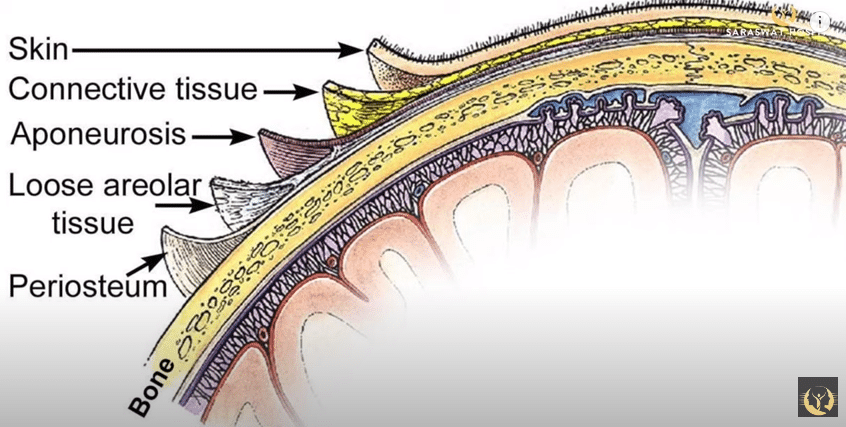
A hair transplant surgery has no relationship to the brain. The scalp has five layers: skin, connective tissue, aponeurotic, loose areolar tissue, and pericranium (1). Generally, the thickness of the scalp is 1 to 1.5 cm, and surgeons work on the outermost layer for hair transplantation. There is no chance of any kind of direct or indirect contact with the brain during the procedure. Under the scalp, there is a thick bone (1-2 cm thick). Under the bone, there are three more layers (Dura, Arachnoid, and Pia) known as meninges to protect the brain. This small glimpse of scalp anatomy will help you understand that the hair transplant procedure does not impact the brain or its functions in any way.

five layers of Scalp

The brain is one of the most protected parts of the human body. If you have no prior brain issues, the hair transplant won’t cause any new issues. However, before performing the surgery, doctors always check the medical history of a patient and then decide whether the person can undergo the procedure or not.

So, if you are planning to get hair transplant surgery, don’t forget to share your entire medical history with the surgeons and clear all your hair transplantation queries during the consultation. Always get treatments from clinics that have technologically advanced setups to do tests like trichoscopy analysis prior to the transplantation procedure.

Check out what ABHRS-certified Dr. Satya Saraswat has shared about “can hair transplants cause brain damage” in this video. The more you research, the better you can learn about the procedure and make an informed decision.

Conclusion

Hair transplantation is an effective hair loss treatment to get rid of balding or thinning hair. If done correctly, it can grow natural-looking hair that blends seamlessly with the existing hair on the head. The constant technological advancement in the industry and the continuous effort of expert surgeons have made hair transplants more effective and accessible for common people across the globe. Whenever you encounter a myth, try to know the actual reality instead of believing it. Double-check every fact you hear about hair transplants and then make informed decisions.

Book an online consultation with our team and learn more about hair transplant, and find out how many grafts are required in your case, and get a customized plan for a natural-looking hairline.

Sources:

(1) The scalp has five layers: skin, connective tissue, aponeurotic, loose areolar tissue, and pericranium. (National Library of Medicine)

FAQs

1. What are the dangers of a hair transplant?
The dangers are infections, scarring, poor appearance, folliculitis, shock loss, and graft rejection. Taking all precautions during the procedure and following post-operative advice helps avoid these dangers.

2. Can stage 7 baldness be treated with a hair transplant?
Treatment of stage 7 (severe) baldness is complicated because of insufficient donor hair available. The hair transplantation will only improve the baldness situation slightly. Combining treatment options is usually advised.

3. What if I accidentally touched my hair grafts?
A soft touch does not cause any problems. One should try to avoid rubbing or scratching. In case of apparent displacement of the graft, it would be wise to contact the surgeon.

4. What are the worst days after a hair transplant?
The toughest days tend to be days 2 through 5, as the pain and other symptoms are at their highest levels. The scabs will start forming on days 5 through 7. Avoid strenuous activity and follow your surgeon’s care protocol closely.

5. How many days of bed rest after a hair transplant?
There is no absolute need for full bed rest; however, avoid heavy activities for about 7 to 10 days. Sleep with your head raised for 3 to 5 days after surgery. Most patients can return to light activity after 4-5 days, although we recommend taking 5-7 days of rest for healing of scabs and swelling.

Follow us on:- Facebook, Instagram, Pinterest, YouTube

Medical Disclaimer →

This article is for informational purposes only and does not constitute medical advice. Plastic, cosmetic, and laser treatments — including AI-assisted previews such as those generated by the Peek AI™ app — carry risks and results vary by individual. Always consult a licensed medical professional before undergoing any procedure.
7 Interesting Hair Transplant Facts
Medically Reviewed By Dr. Satya Saraswat, MBBS, MS, MCh, DNB (Gold Medalist) | Last updated: April 28, 2026

Hair loss can be a distressing experience for anyone, regardless of gender, but fortunately, hair transplants have emerged as an ultimate savior. When no other hair restoration treatments work, doctors can suggest that you undergo hair transplant surgery. However, beyond the common knowledge of the procedure, you may not be aware of many fascinating facts and statistics surrounding hair transplants. You must consider one thing before indulging in these unknown facts, and that is that only advanced clinics and board-certified, experienced doctors can provide satisfactory results for hair transplants in India. In this blog post, we are going to delve into 7 interesting hair transplant facts and statistics that will help you know more about the procedure and the reasons behind its ever-increasing popularity.

7 Interesting Hair Transplant Facts

Did you know that the first hair transplant surgery was performed almost one hundred years ago? Did you know hair transplants are one of the most popular surgeries for men? There are many other such facts that can amaze you, and let’s explore some of them in the section below.

I. The Global Hair Transplant Market is Expanding at a Rapid Pace.

The demand for hair transplants is increasing at a great speed. The global market size was estimated at $4.90 billion in 2021, and it is predicted to reach $30.13 billion by the end of 2031. It is growing at a compound annual growth rate of 20.4% from 2022 to 2030. In India, the demand for hair transplants is more noticeable. A significant number of patients with hair transplant treatments are in the age group of 25–45. The Indian hair transplant market is growing at a CAGR of 25–30% in selected metros and many Tier-I cities like Delhi, Mumbai, Agra, Bengaluru, Hyderabad, and so on.

II. 84.7% of Hair Transplant Patients are Men

According to the census of the International Society of Hair Restoration Surgery, in 2025, 84.7% of patients who underwent hair transplants were men and 15.3% were women (1). It has become a popular hair restoration choice for many people, regardless of age and gender. Nevertheless, the popularity of this procedure among women is also increasing every year. 13% of patients who underwent hair transplants were female, and this number will increase greatly in the coming years.

FUE hair transplant result

III. 35 Million Men and 21 Million Women Suffer from Alopecia Worldwide

As per reports of the International Society of Hair Restoration Surgery, 35 million men and 21 million women across the globe suffer from alopecia, hair loss, or thinning hair. Approximately 650,000 of them choose hair transplantation as the most effective hair loss treatment option.

IV. Asians Prefer Hair Transplants 38% More Than Europeans.

The prevalence of hair transplantation surgery also depends on the nationality of the patients. According to the reports, Asians prefer this procedure 38% more than Europeans. Reports say that surgeons perform almost 200,000 hair transplants in Asia and much fewer in Europe, nearly 75,000 annually.

V. Social and Career Concerns Are the Main Reasons for Seeking Hair Restoration

According to ISHRS physicians’ reports in 2019, 37% of patients chose hair transplants for social or dating reasons (2). And 35% of patients underwent this procedure for career or professional reasons. With the help of the internet, more people are becoming aware of the benefits of this procedure, and as a result, the demand for hair transplants is also increasing at a rapid pace.

VI. 85.4% of Total Hair Transplants are FUE.

There are two popular hair transplant procedures: follicular unit extraction (FUE) and follicular unit transplantation (FUT). In 2024, 85.4% of males and 68.2% of females chose the FUE procedure, 12.5% of males and 30% of females chose FUT, and a combination procedure was chosen by 2.1% of males and 1.9 % of females (3).

VII. Black Market Hair Transplants Lead to 10% of Repair Cases.

59% of ISHRS members reported that there are Black Market hair transplant clinics in their cities, which was 51% in 2021 (4). Also, approximately 10% of repair cases are up due to black-market hair transplant surgery. It contributed to approximately 6% of their total repair cases in 2021.

Why Choose Saraswat Hospital?

Try to get a hair transplant from a board-certified expert surgeon. For example, at Saraswat Hospital, you can get treatment from Dr. Satya Saraswat and Dr. Preeti Saraswat. They are Diplomates of the American Board of Hair Restoration Surgeons (ABHRS) and members of the International Society of Hair Restoration Surgeons (ISHRS). Dr. Preeti Saraswat is also an American Academy of Aesthetic Medicine (AAAM) associate member. So, anyone planning to get hair transplants in India can contact Saraswat Hospital and get expert treatment from internationally-certified expert doctors who have nearly 20+ years of experience.

Conclusion

Hair transplantation surgery has come a long way since its introduction in the mid-20th century. These facts also indicate its popularity among people across the globe. It is an effective solution for those experiencing hair loss or thinning. Hair transplant surgery is continuing to evolve with new technologies and techniques. Statistics also show us how both men and women have embraced this procedure and are enjoying its advantages.

Book an online consultation with our team and learn more about hair transplant, find out how many grafts are required in your case, and get a customized plan for a natural-looking hairline.

Sources:

(1) According to the ISHRS Census Report, in 2025, 84.7% of patients who underwent hair transplants were men and 15.3% were women. (ISHRS 2025 Practice Census Results)

(2) ISHRS physicians’ reports in 2019 stated that 37% of patients chose hair transplants for social or dating reasons. (ISHRS)

(3) In 2024, 85.4% of males and 68.2% of females chose the FUE procedure, 12.5% of males and 30% of females chose FUT, and a combination procedure was chosen by 2.1% of males and 1.9 % of females. (ISHRS 2025 Practice Census Results)

(4) 59% of ISHRS members reported that there are Black Market hair transplant clinics in their cities, which was 51% in 2021. (ISHRS 2025 Practice Census Results)

Follow us on:- Facebook, Instagram, Pinterest, YouTube

Medical Disclaimer →

This article is for informational purposes only and does not constitute medical advice. Plastic, cosmetic, and laser treatments — including AI-assisted previews such as those generated by the Peek AI™ app — carry risks and results vary by individual. Always consult a licensed medical professional before undergoing any procedure.
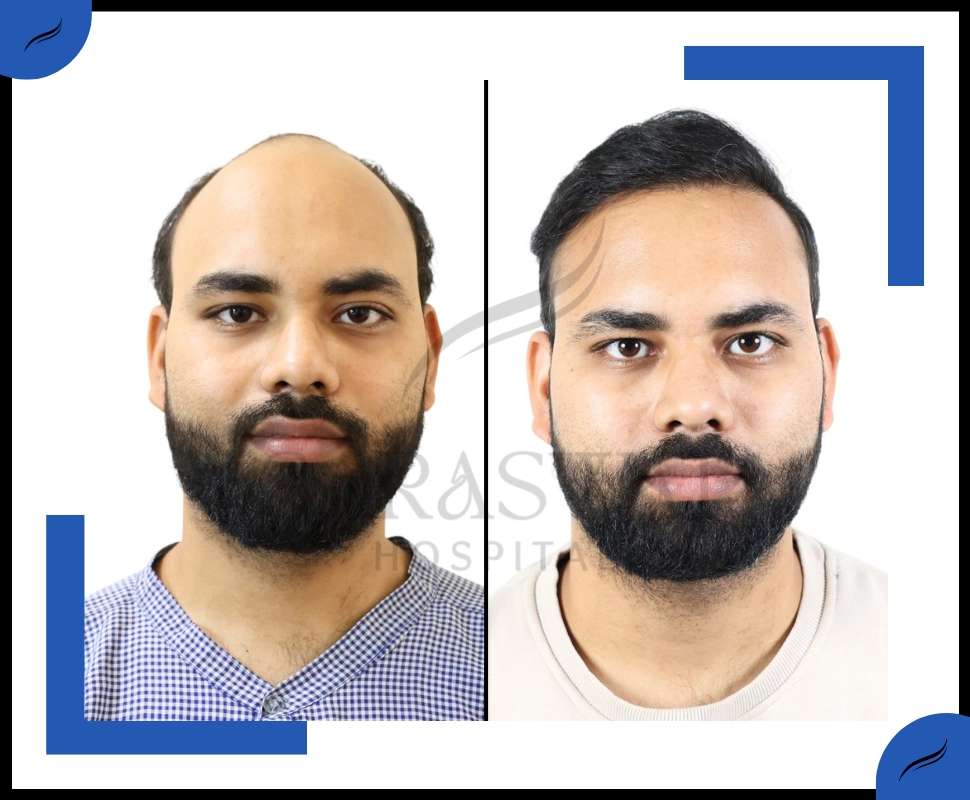
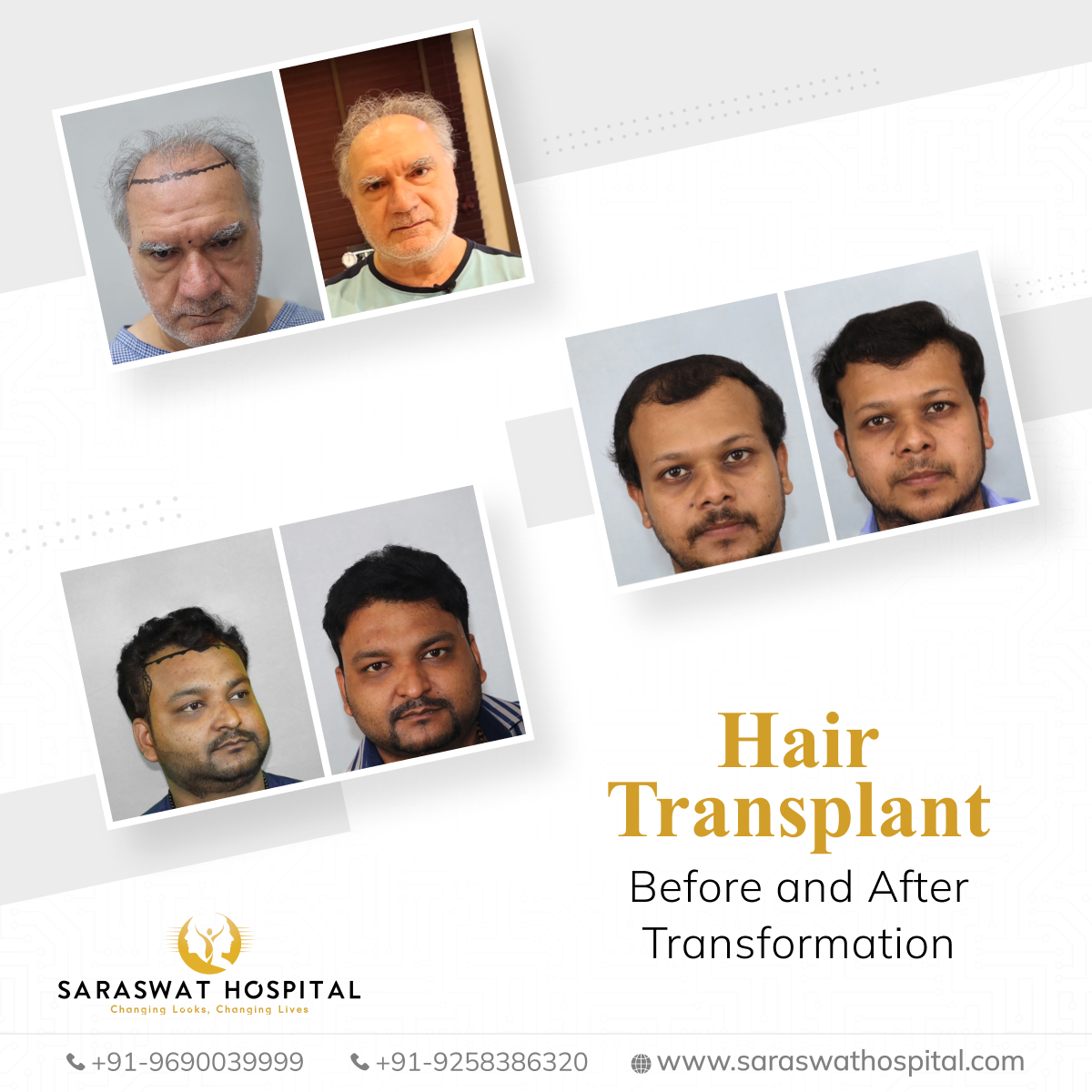
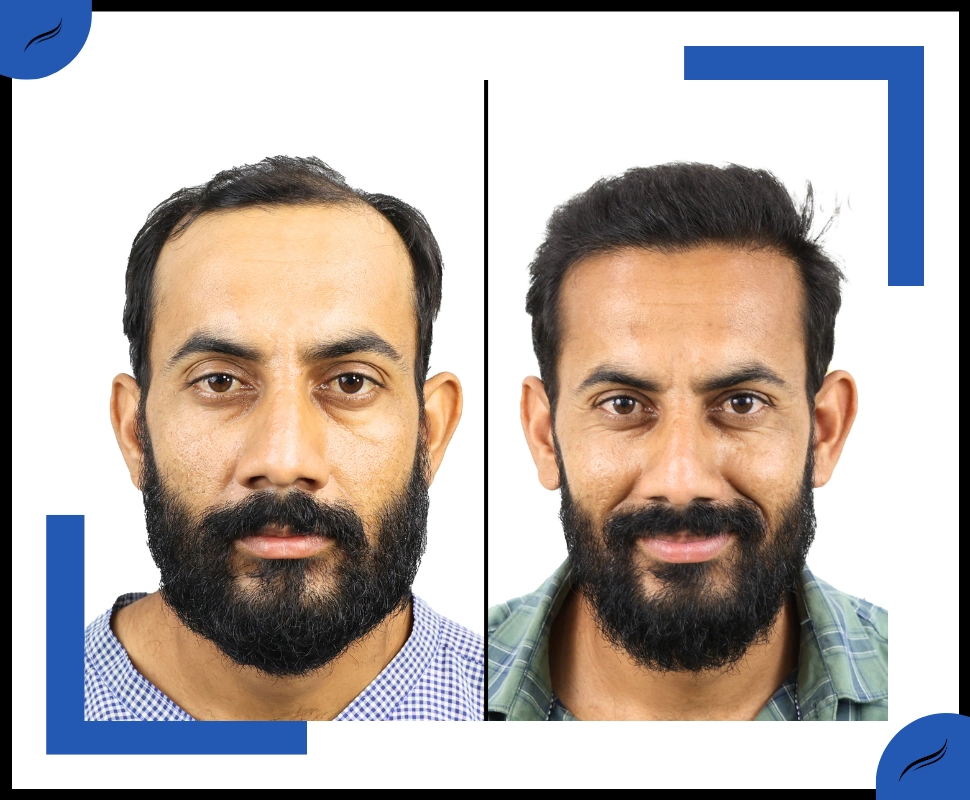
FUE Hair Transplant Before and After Results
Medically Reviewed By Dr. Satya Saraswat, MBBS, MS, MCh, DNB (Gold Medalist) | Last updated: April 28, 2026

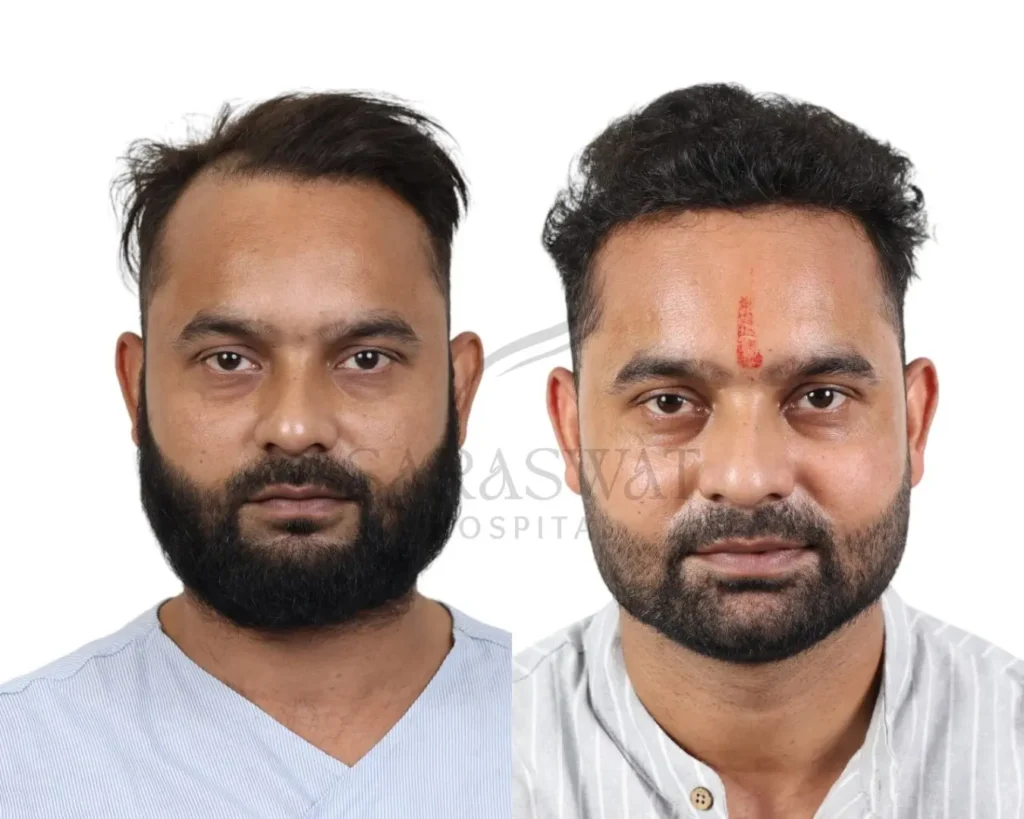
Hair loss is a common issue that affects both men and women across the globe. It can significantly impact an individual’s personality, self-esteem, and quality of life. When seeking a permanent solution to hair loss, hair transplants seem to be the most effective. FUE, or follicular unit extraction, is a popular and effective solution for hair loss. The FUE procedure involves transplanting hair follicles from one area of the scalp to another, resulting in a head full of hair. If you have decided to undergo this procedure but are somehow reluctant about it, you must check the FUE hair transplant results of a particular clinic. It will help you develop realistic expectations and an understanding of the expertise of that clinic. Real-life results are important as they offer a clear visual representation of the procedure’s benefits, helping patients consider the treatment and make informed decisions about their options.

The Behind-the-Story of Hair Loss

Many people across the globe suffer from hair loss due to various factors, such as genetics, aging, and lifestyle, that contribute to the problem. Androgenetic alopecia, also known as male or female pattern baldness, is the most common reason for hair loss. Other reasons, like hormonal changes, medical conditions, and even medication side effects, can trigger hair loss in both men and women. Such an issue can have a significant impact on an individual’s emotional well-being, leading to reduced self-esteem, depression, and anxiety.

People try to cope with hair loss in multiple ways. Some people go for hairpieces or wigs to camouflage hair loss. Many men choose to shave their heads completely; however, most women do not like this option. People who want to get their hair back without using anything artificial most often go for hair transplants. In some cases, techniques like mesotherapy, PRP, and certain medicines like minoxidil may work. Some people are not suitable for any of these hair restoration treatments; for them, scalp micropigmentation is a great choice. It helps them camouflage balding or thinning hair.

When it comes to hair transplants, there are two popular techniques that leading hair transplant surgeons prefer to follow, such as FUE and FUT hair transplants. FUE hair transplants are a minimally invasive procedure that is becoming increasingly popular due to their high success rate and natural-looking results. It’s important to consider the emotional impact on a hair loss sufferer before undergoing the procedure and to be aware of the reasons for hair loss in order to make an informed decision. It is similarly important to choose a board-certified hair transplant surgeon with years of experience who can help manage expectations and provide personalized advice on the best approach to the procedure.

Hair Transplant Before and After

Real-Life Transformations

Exploring real-life results is essential as it provides visual evidence of the procedure’s effectiveness. By exploring the transformation results of people who have already undergone the procedure, individuals can gain insights into the potential outcome of their own FUE hair transplant. Additionally, it also helps them manage expectations as they get a better understanding of the limitations and possibilities of the procedure.

It helps prevent unrealistic expectations and disappointment with the results. Exploring a clinic’s hair transplant before and after results can provide insight into the clinic’s expertise and success rate. Consider how all these things help individuals make informed decisions and feel more confident about undergoing the procedure.

Here are some of the FUE hair transplant results from Saraswat Hospital:

Story 1:

This is the story of a person from Kanpur, India. He is one of those individuals who believes in the effectiveness of hair transplants. He started noticing hair loss in 2016, and during the pandemic period, his situation got worse. Then he decided to meet Dr. Satya Saraswat at Saraswat Hospital to learn about the best hair restoration treatment for him. Dr. Satya Saraswat and his team made him understand the entire hair transplant procedure and helped him develop realistic expectations. Then he underwent the procedure, and it was a comfortable experience for him. In the video, you can see his hair transplant results after six months. Watch this video to learn about his experience with Saraswat Hospital.

Story 2:

A person from Italy came to India to get hair transplants. He said he could have gone to Turkey or clinics in the Czech Republic for hair transplants. However, he wanted to get high-quality hair transplants and chose an India-based clinic—Twachaa. He did good research on Twachaa for at least six months to know more about its expertise and success rate. It is very important for individuals to do thorough research on a clinic before undergoing any procedure, such as a hair transplant. In the video, you can see how pleased he is with the service quality and staff behaviour of this clinic. He mentioned how Dr. Satya Saraswat and his entire team worked for him.

Story 3:

One of our male patients had been experiencing hair loss, particularly in the crown area, for quite some time. He was in search of an effective hair restoration treatment and decided to undergo a hair transplant procedure. His crown hair loss was also making him more self-conscious. Then he came to Saraswat Hospital for hair transplants. One of his relatives informed him about Dr. Satya Saraswat and Saraswat Hospital. Here, he got treatment from Dr.Satya Saraswat and his team. Within seven months after the procedure, he got satisfactory results and also praised the aftercare. Watch this full video to check out his experience with Saraswat Hospital.

Story 4:

Another male patient from Agra, India, was suffering from a receding hairline and was looking for an effective hair restoration treatment. He learned about Dr. Satya Saraswat and Saraswat Hospital from his family doctor. Then he contacted Saraswat Hospital and consulted Dr. Satya Saraswat. First, he understood the procedure, its effectiveness, and the potential results, and then he underwent the procedure. Within nine months after the hair transplant procedure, he got satisfactory results. Watch this video to learn more about his experience at Saraswat Hospital.

These are four real-life hair transplant before and after results that you can explore to make an informed decision. With the advent of the latest technologies and the advancement of the healthcare industry, treating hair loss or thinning hair is no longer a challenge. With the right treatment, one can improve their hair loss condition to a satisfactory level. In order to get the best hair transplants, it is essential to choose the right clinic and the best surgeons. Always check the qualifications, achievements, and experience of the surgeons before undergoing the procedure.

Conclusion

FUT or FUE hair transplant has been a life-changing solution for many people suffering from hair loss. The hair transplant before and after results of individuals who underwent the procedure are a testament to the effectiveness of the procedure. FUE hair transplant is a popular minimally invasive procedure that yields natural-looking results with minimal downtime. In order to get satisfactory results, it is important to choose a qualified and experienced surgeon.

Book an online consultation with our team and learn more about hair transplant, find out how many grafts are required in your case, and get a customized plan for a natural-looking hairline.

FAQs

1. How to speed up hair transplant results?
Follow the recommendations of your doctor, avoid exposure to sunlight, consume a high-protein diet, ensure that you drink plenty of water, avoid smoking, and take your medications. Being patient is very important since noticeable hair growth usually starts at 3–4 months after surgery.

2. What is the fastest recovery time for a hair transplant?
Most patients return to work within 5–7 days. Scabs fall off by day 10–14. Full initial healing takes about 2–4 weeks, though final results appear after 9–12 months.

3. What are the signs of infection after a transplant?
Symptoms include excessive redness, swelling, pus formation or discharge, persistent pain, bad smell, fever, and warmth in the transplanted area. Contact your surgeon immediately if any of these symptoms develop.

4. How to avoid infection after a hair transplant?
Ensure that you keep your head clean, use the recommended medication, do not touch your scalp with unclean hands, don’t go swimming in pools, do not spend time in dusty areas, among other follow-ups.

5. Is it necessary to take antibiotics after a hair transplant?
Yes, it is common practice for doctors to give patients some antibiotics after surgery. It helps to protect against any infections.

Follow us on:- Facebook, Instagram, Pinterest, YouTube

Medical Disclaimer →

This article is for informational purposes only and does not constitute medical advice. Plastic, cosmetic, and laser treatments — including AI-assisted previews such as those generated by the Peek AI™ app — carry risks and results vary by individual. Always consult a licensed medical professional before undergoing any procedure.
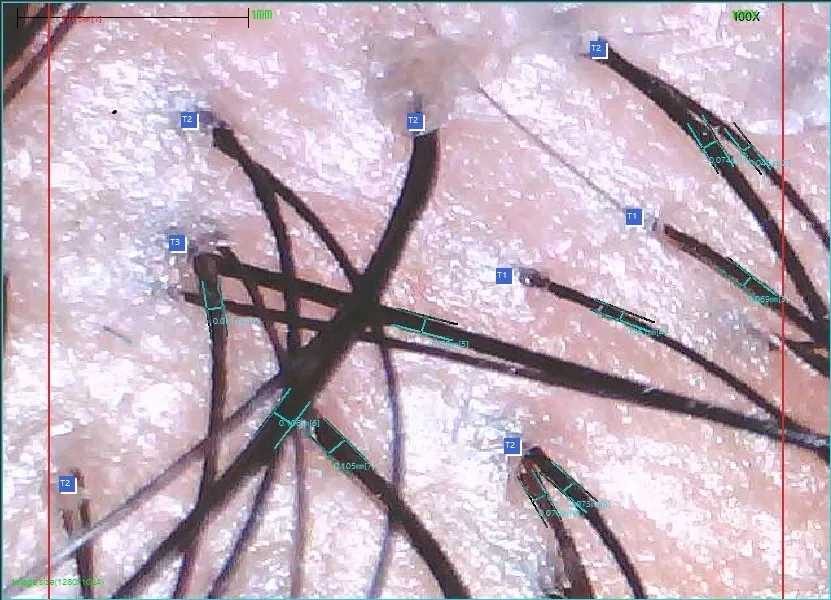
5 Factors Make India a Popular Country for Hair Transplants
Medically Reviewed By Dr. Satya Saraswat, MBBS, MS, MCh, DNB (Gold Medalist) | Last updated: April 28, 2026

Millions of people across the globe visit India, each with a different and unique purpose. Some people travel to India to experience the wonders of nature, others to marvel at the ancient architecture, and many to receive advanced medical treatments such as hair transplants. India has become one of the top destinations for medical tourism due to an excellent tertiary healthcare infrastructure and has become a popular country for hair transplants, top-notch medical professionals, and relatively lower costs compared to the Western world. The same could be said about treatments such as hair transplants.

The increase in hair loss issues and the growing aesthetic sensibility of people contribute to the rise in hair transplants in India. The cost of hair transplants in some Western countries is exorbitant and discouraging for many people. As a result, individuals, mainly from the Western world, seek alternative, outstanding, and reasonably priced options for their hair transplant needs. Indian hair transplant treatments are exceptional, affordable, and designed according to all international standards.

There are various reasons why people prefer India for their hair transplant treatments. Let’s check out the reasons or factors that make India a popular country for hair transplants.

Factors that Make India a Popular Country for Hair Transplants

From advanced hair transplant procedures to the availability of medical visas, there are multiple factors:

1. Use of Advanced Hair Transplantation Technologies

Leading hair transplant clinics make use of advanced tools and technologies to ensure successful, natural-looking hair transplant results. FUE (Follicular Unit Extraction) and FUT (Follicular Unit Transplant) are two of the most popular hair transplant procedures that many clinics in India offer to their patients. Apart from these, the use of robotic technology also helps provide better precision and accuracy during hair transplantation. Additionally, other advanced hair transplant techniques like Direct Hair Implantation (DHI) are also available in many India-based hair transplant clinics. The adoption of advanced hair transplant technologies helps surgeons provide patients with more natural-looking and long-lasting results.

2. Treatments by Skilled & Experienced Surgeons

India is one of the countries with the highest number of hair restoration professionals. Many patients are aware of the fact that the result depends on the precision and accuracy of the procedure. And that’s why they always try to get treatment from expert professionals. In India, there are many skilled hair transplant surgeons who are well-trained, board-certified, and experienced in the latest techniques and procedures.

ABHRS-Certified Doctors Dr. Satya Saraswat & Dr. Preeti Saraswat

Many internationally certified hair transplant surgeons have their clinics or work in accredited clinics that follow strict medical protocols and standards to ensure safe and effective hair transplants. Most surgeons continue their studies, attend international seminars, workshops, and programs, carry out research, and do many other things to keep themselves updated with the latest trends and technologies of hair transplantation. Besides, the success rate of hair transplant surgery is also high, with many patients reporting natural-looking hair transplant results and a high level of satisfaction.

Since the success of a hair transplant surgery is also dependent on the technological advancement of the clinic, you must be careful when selecting one.

3. Easy Availability of Medical Visas

Medical tourism is about travelling to a foreign country for medical treatment. Indian medical tourism helps people enjoy advantages like lower costs, higher quality of care, etc. Over the years, India has become a popular destination for medical tourism, including hair restoration treatments. Nearly 3,50,000 hair transplant surgeries are done in India every year. Since India-based doctors have the required skills and experience to deliver natural-looking hair transplant results, medical tourism in India is on the rise. Obtaining a medical visa is relatively straightforward, allowing foreign patients to stay in India for longer periods of time for treatment. Apart from this, many comfortable and budget-friendly accommodations are available, including hotels catering to medical tourists.

Hair Transplant Result

4. Cost-effective Hair Transplants

In comparison to many other countries, the hair transplant cost in India is lower. Patients can save a great deal of money when they choose India over other countries. Also, despite its cost-effectiveness, the treatment provided in India-based clinics is of high quality, with many skilled and experienced surgeons performing the procedure using the latest technologies. The cost of living is also lower than in many other countries, and that is reflected in the affordable prices of hair transplant surgeries. Here, patients can manage budget-friendly accommodations, transportation, and other essentials at a reduced cost. The entire cost, including treatment, transportation, accommodation, etc., will be much less than availing the same treatment in another country. However, the lower cost of hair transplant surgery in India does not compromise in any way the quality of treatment for native or foreign patients.

5. Clinics with Top-Notch Amenities

India-based hair transplant clinics follow international protocols and safety guidelines to offer safe and effective treatments to all patients. For example, Saraswat Hospital, it is equipped with top-notch international-grade amenities, advanced technologies, and internationally certified doctors. Here, a patient can get standard services at a reasonable cost.

The Bottom Line

These are some of the main factors that inspire people to go for hair transplants in India and make India a popular country for hair transplants. To consult with hair transplant experts Dr. Satya Saraswat and Dr. Preeeti Saraswat, you should connect with Saraswat Hospital.

You can book your appointment online or simply walk in. So, instead of waiting for more, connect with them, get advice, and plan your hair restoration journey accordingly.

Follow us on:- Facebook, Instagram, Pinterest, YouTube

Medical Disclaimer →

This article is for informational purposes only and does not constitute medical advice. Plastic, cosmetic, and laser treatments — including AI-assisted previews such as those generated by the Peek AI™ app — carry risks and results vary by individual. Always consult a licensed medical professional before undergoing any procedure.
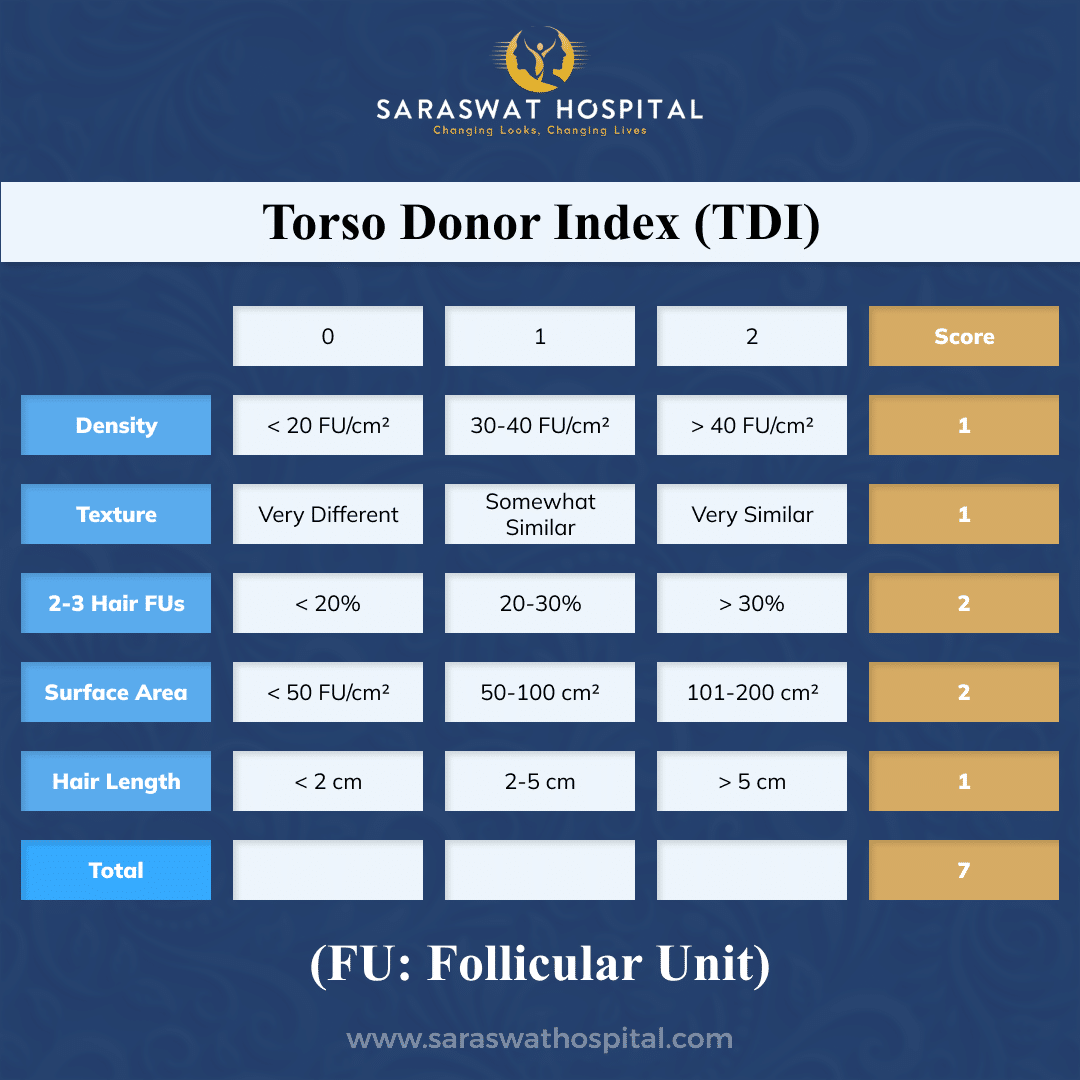
whatapp icon