
Book an
Appointment
Avatar photo

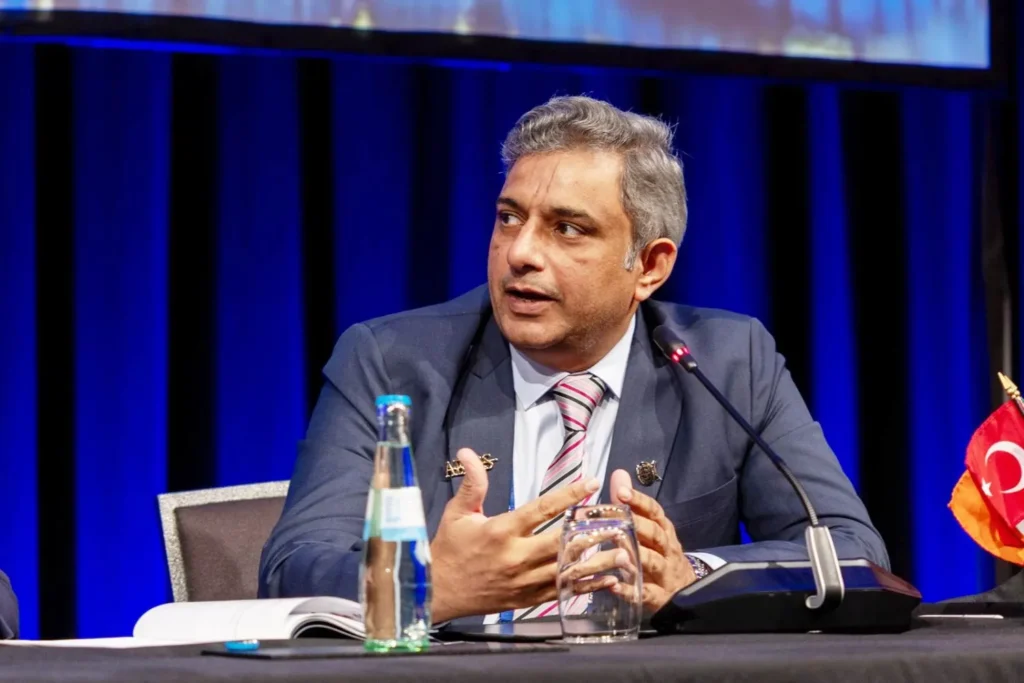
Dr. Satya Saraswat, MBBS, MS, MCh, DNB (Gold Medalist)

Dr. Satya Saraswat, MBBS, MS, MCh, DNB (Gold Medalist), FISHRS, is a cosmetic and plastic surgeon with an experience of over 20+ years and has performed 17,000+ cosmetic and plastic surgeries. He is a Diplomate of the American Board of Hair Restoration Surgery (ABHRS) and Fellow of ISHRS, as he has been continuously attending the International conferences and adopting the latest advancements in hair restoration science, and he has also submitted his research papers. His hands-on involvement ensures a natural hairline and high graft survival.

Articles by Dr. Satya Saraswat, MBBS, MS, MCh, DNB (Gold Medalist)

Debunking Body Hair Transplant Myths in India: Facts & Insight

Body hair transplants in India have emerged as a transformative solution for those grappling with hair loss. This procedure, known for its effectiveness and affordability, has gained widespread recognition. However, as with any medical innovation, myths and misconceptions have sprouted alongside the growing interest. Let’s debunk body hair transplant myths in India, shedding light on the facts and realities of this increasingly popular hair restoration option.

Myth 1: Body Hair Transplants Are Only for the Rich and Famous

One of the Body Hair Transplant Myths in India is that they are exclusively for celebrities or the wealthy. In reality, body hair transplants in India are becoming more accessible to a broader range of individuals. The affordability of these procedures, along with the competitive pricing offered by many clinics, has made it a viable option for people from various economic backgrounds.

Myth 2: Body Hair Transplants Are Painful and Risky

Another misconception is the belief that body hair transplants are incredibly painful and risky. Modern medical techniques and anesthesia options have significantly reduced the discomfort associated with the procedure. Skilled surgeons in India ensure that the process is minimally invasive and safe, with a focus on patient comfort and safety.

Myth 3: Results Are Unnatural and Unappealing

Some people fear that body hair transplants result in an unnatural and unappealing appearance. In reality, the success of the procedure largely depends on the skill of the surgeon. In the hands of an experienced practitioner, the results of a body hair transplant in India can be remarkably natural and satisfying. It’s essential to choose a reputable clinic and surgeon for the best outcomes.
Myth 4: All hair types are suitable for hair transplant as donors

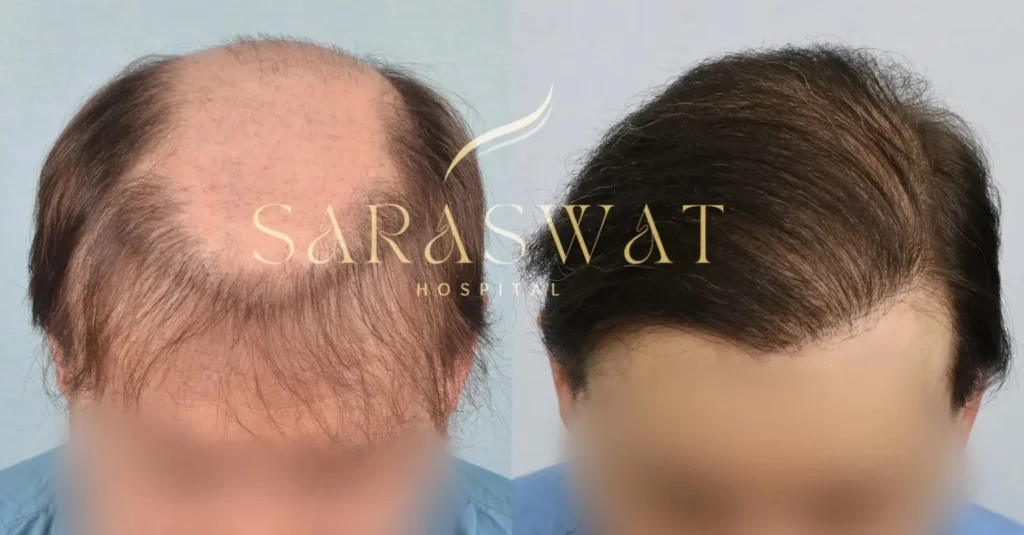
This is untrue. The Torso Donor Index is a crucial factor. Only if this index is favorable should an individual be regarded as a suitable candidate for a Body Hair Transplant.

Myth 5: The Recovery Period Is Extremely Long

Another myth concerns the recovery period following a body hair transplant. While some downtime is necessary to allow for healing and the growth of transplanted hair, the recovery period is not as lengthy as some may think. Patients can typically resume their normal activities within a few days to a week, depending on individual factors.

Myth 6: Body Hair Transplants in India Lack Quality and Expertise

Some people mistakenly assume that opting for body hair transplants in India means compromising on quality and expertise. In reality, India has gained recognition as a hub for medical tourism, attracting skilled surgeons and state-of-the-art facilities. Many clinics in India adhere to international standards and offer world-class care to their patients.

Myth 7: Results Are Instantaneous

It’s essential to understand that body hair transplant results are not immediate. Transplanted hair takes time to grow and mature, typically over several months. Patients need to be patient and realistic in their expectations. The final results are often worth the wait, as they provide a natural-looking and lasting solution.

Conclusion – Dispelling the Myths

Body hair transplants in India offer a promising solution for individuals seeking to restore their hair. While misconceptions persist, it’s crucial to base decisions on accurate information. By choosing a reputable clinic with experienced surgeons, individuals can achieve natural-looking results that enhance their self-esteem and overall appearance. Don’t let myths deter you from exploring this effective hair restoration option.

Follow us on:- FacebookInstagramPinterestYoutube

Tips to Reduce Scalp Itching After a Hair Transplant?

Undergoing a hair transplant is no doubt an amazing journey, as you know, you’re on the brink of finding an effective method to fix your baldness. Like any other surgical procedure, a hair transplant also comes with a recovery period. During the recovery period, patients may feel a bit of discomfort. Scalp itching is a common thing that many patients experience after hair transplants. Such a condition is benign and can resolve on its own. However, it can be uncomfortable for the patient.

For a successful hair transplant in India, it’s crucial to consult an experienced doctor. During the consultation, patients should ask about post-procedure care, including tips to reduce scalp itching.

Why Does My Scalp Itch After a Hair Transplant Session?

After hair transplants, patients may feel itching in the donor and recipient areas. The itching sensation is actually a symptom of healing, and it can resolve on its own. Our body releases certain chemicals that trigger the itchy feeling during the healing procedure. When the skin is injured, it bleeds, depending on the severity of the wound. After a while, the bleeding will stop, and blood clots and a protective scrape will develop over the wound. It ensures that both donor and recipient areas have a minimal chance of getting bacterial and other infections. At this point, the body’s natural immunity system also helps protect against infection.

Some patients may also experience a certain amount of tenderness and swelling. These are also common side effects that can be resolved on their own. After that, the skin or scalp will be repaired by white blood cells and platelets. With time, new tissue will fill the wound, and you will grow new skin. When the new tissue starts to form, the skin becomes itchy, and the scabs start to fall off.

With proper care, it is possible to manage scalp itchiness after a hair transplant. Discuss with your doctor how you can control scalp itching and ensure satisfactory hair transplant results. At Saraswat Hospital, doctors prescribe medication to reduce pain and antibiotics to prevent infection risks. Based on the requirements, doctors also suggest anti-inflammatory medications to reduce swelling. The transplanted hair will fall out in two to three weeks after the procedure to make way for new hair growth. Most people start to notice new hair growth after three to six months.

Tips to Reduce Scalp Itching After a Hair Transplant

For some people, scalp itching becomes a major concern. In order to ease itching, patients should refrain from scratching or applying random haircare products. Generally, hair transplant surgeons educate patients on how to manage scalp itching. However, if it feels unbearable, though it’s rare, connect with your doctor for the best help. Some suggestions for managing scalp itching are listed below:

1. Don’t Scratch the Treatment Area

It might feel tempting to scratch the treatment area to get some relief. You can gently pat the area. You should gently pat it and not put any pressure on it. However, it is best to refrain from touching or scratching the treatment area. Scratching the donor or recipient area may lead to skin infections, folliculitis, or hair follicle infections.

2. Use Saltwater Spray

After the hair transplant surgery, you should not wash your head for at least 48 hours. Ask your hair transplant surgeon when you can wash your scalp. Often, doctors recommend using saltwater spray, as it can nourish the implanted hair while removing dirt and debris. Keeping the scalp clean may reduce itching and ensure the success of the hair transplant procedure.

3. Take an Anti-Histamine Medicine

During the healing process after the hair transplant surgery, the body starts to release histamine. Histamine can increase scalp itching and make the patient uncomfortable. In order to manage scalp itchiness, doctors may prescribe anti-histamine medicines to reduce the amount of histamine produced by the body.

4. Use Medicated Shampoos

Hair transplant doctors also recommend medicated shampoos to keep the scalp clean and prevent dandruff and itchiness. Medicated shampoos, such as ketoconazole-based shampoos, are recommended for patients who have been experiencing itchiness for more than two weeks.

5. Take Prescribed Steroid Medication

If a patient has been suffering from itchiness for more than three to four weeks, the doctor may prescribe an effective steroid scalp medication. Follow your doctor’s instructions while applying the steroid medication.

In order to learn more about post-hair transplant care, you can watch this video by Dr. Satya Saraswat, an ABHRS diplomate with more than 20+ years of experience in this field:

Which Clinics Offer Successful Hair Transplants with Pre- and Post-Care?

When it comes to getting successful hair transplants, it’s crucial to connect with a reliable hair transplant clinic. Many people across India and other parts of the world come to Saraswat Hospital to get their hair transplants done. Here, they can consult with two eminent hair transplant surgeons, Dr. Satya Saraswat and Dr. Preeti Saraswat. They have an amazing track record of performing more than 13,000+ plastic and cosmetic surgeries in their more than 20+ year career. Both doctors are diplomates of the American Board of Hair Restoration Surgeons (ABHRS). They are also members of the International Society of Hair Restoration Surgeons (ISHRS). Together, they have transformed the lives of many people. If you are suffering from baldness or thinning hair, consult these expert hair restoration doctors to get the best treatment.

Apart from the expert doctors, there is another major reason that leads patients to visit this clinic. Saraswat Hospital is equipped with state-of-the-art tools and technologies. For successful hair transplants, it is important to use next-gen tools with precision and accuracy. The entire hair transplant team is trained and licensed, and team members take proper care of every patient. The team will also guide patients on what they should do before and after a hair transplant to ensure the success of the procedure.

Conclusion

Managing scalp itching after hair transplants will be easy if patients follow all these tips to reduce scalp itching and the instructions from their doctor. After a hair transplant in India or elsewhere, it’s crucial to take proper care of the newly transplanted grafts and the scalp. Touching the scalp or scratching it randomly can dislodge the grafts, leading to infection or failure of the procedure.

If any kind of discomfort takes a severe form, inform your hair transplant doctor immediately. At Saraswat Hospital, patients get the procedure done by expert doctors. The medical team remains in touch with all patients to ensure better patient satisfaction and the success of the hair transplant procedure. So, if you are looking for a hair transplant clinic where experienced doctors will perform the procedure and guide you throughout the journey, Saraswat Hospital can be the ideal solution.

Follow us on:- FacebookInstagramPinterestYoutube

Is Laser Hair Removal Safe for All Skin Types?

Laser hair removal is a widely popular method to get rid of unwanted facial and body hair. It offers long-term relief from unwanted hair and keeps the skin soft and smooth. However, some people think Is Laser Hair Removal Safe for All Skin Types? Anyone with darker skin tones often hesitates to try this treatment, assuming it only works well on lighter skin. Thanks to advancements in laser technologies, it is now possible to safely treat all skin types. Outdated technologies may not work effectively, but the latest devices ensure safe and satisfactory results for everyone.

For laser hair removal in Agra, India, choose a reputed clinic equipped with advanced technology to ensure safety and effectiveness across different skin tones.

What Is Laser Hair Removal, and How Does It Work?

Laser hair removal for all skin types is an FDA-approved, painless procedure designed to remove unwanted hair from the face and body. It has become a trusted part of advanced aesthetic treatments worldwide.

Unlike traditional methods such as waxing, shaving, threading, or tweezing—which can cause redness, rashes, itching, or pigmentation issues—laser treatment offers a smoother, long-term solution.

Laser hair reduction is different. It is a painless hair removal method, and only 4 to 6 sessions can help you get the desired results. The laser works by targeting melanin in hair follicles, destroying follicular cells permanently. This treatment is suitable for multiple areas, including:

  • For women: upper lip, chin, underarms, arms, legs, bikini line, and sideburns
  • For men: shoulders, back, beard area, chest, and even ears

Laser Hair Removal Agra, India | Saraswat Hospital

Is Laser Hair Removal Suitable for All Skin Types?

The suitability of laser hair removal for all skin types depends largely on the type of laser technology used. Not every device works equally well across different skin tones. Modern dermatologists prefer using Diode and Nd: YAG lasers.

Diode Laser for Fair to Medium Skin Tones

  • Emits longer wavelengths that target melanin effectively.
  • Works best for darker hair on lighter skin.
  • Ideal for individuals with fair to medium skin tones due to the higher contrast between hair and skin.

Nd: YAG Laser for Darker Skin Tones

  • Penetrates deeper into the skin, reducing the risks of burns or pigmentation changes.
  • Safely targets coarse, thick hair on darker skin.
  • Particularly effective for individuals with higher melanin content.

For the best outcomes, leading clinics combine both Diode and Nd: YAG lasers depending on the patient’s needs. This dual approach ensures safe, effective, and personalized treatment for every skin type.

How to Choose the Best Laser Hair Removal Clinic in Agra

If you are considering laser hair removal for all skin types in Agra, the quality of your results depends on the expertise of the clinic and doctors.

At Saraswat Hospital, patients are treated under the guidance of:

1. Dr. Preeti Saraswat – Associate Member of the American Academy of Aesthetic Medicine (AAAM) and an experienced clinical cosmetologist.

2. Dr. Satya Saraswat – A Gold Medalist Plastic and Cosmetic Surgeon with 20+ years of expertise, also a member of the Indian Association of Cosmetic Laser Surgeons.

With a track record of over 13,000+ successful cosmetic and plastic surgeries, Saraswat Hospital is recognized as one of the best destinations for safe and effective laser hair removal in Agra.

How Much Does Laser Hair Removal Cost in India?

Previously, cosmetic treatments like laser hair removal were considered expensive and accessible only to celebrities. Today, with technological advancements and increased accessibility, the cost of laser hair removal in India is affordable.

The cost of laser hair removal depends on:

  • Treatment area (face, underarms, full body, etc.)
  • Skin type
  • Number of sessions required
  • Type of laser technology used

To know the exact number of sittings and cost for your skin type and goals, you can consult expert doctors at Saraswat Hospital, Agra. A personalized skin and hair analysis will be conducted before planning your treatment.

Conclusion

Laser hair removal for all skin types is a safe, effective, and painless method to achieve long-term smoothness and freedom from unwanted hair. To ensure the best results, always consult qualified cosmetologists at a reputable clinic.

If you are looking for laser hair removal in Agra, India, Saraswat Hospital offers world-class treatment at affordable costs under the care of highly experienced doctors. 

Follow us on:- FacebookInstagramPinterestYoutube

Can You Get Donor Hair From a Family Member?

A hair transplant is effective to reverse hair loss, get a head full of hair, and restore confidence. In the hair transplantation procedure, surgeons remove healthy hair follicles from the donor area and then transplant them to the graft area. Many people wonder if they can get donor hair from a family member who has great hair density. When baldness reaches its peak or the patient has poor-quality hair, he/she might think of using someone else’s hair for a successful hair transplant in India or elsewhere.

So, is it possible to get donor hair follicles from a family member? A hair transplant is different from an organ transplant. In an organ transplantation procedure, close family members can often donate organs. The procedure is different when it comes to a hair transplant, and it depends on autografts. For a successful hair transplantation procedure, doctors collect safe and healthy hair follicles from the side and back of the patient’s scalp only, using advanced punch excision tools.

Can One Get Donor Hair from a Family Member?

Hair transplants are a great way to get your natural hair back. However, there are many people who do not have any hair left on the head or have very little hair present on the head. In such cases, often a scarcity of healthy donor hair follicles occurs, and patients wonder whether they can take donor hair from a family member.

Doctors prefer to use the patient’s own hair for hair transplants to avoid rejection by the recipient area and future infections. If doctors use someone else’s hair or scalp tissue for you, your body will automatically develop an immune response to reject the foreign hair or tissue. It may lead to infection, and the transplanted hair won’t grow. So, there’s no benefit to using someone else’s hair for a hair transplant procedure.

Organ transplants require proper preparation of the recipient. The recipient needs to take various medications to suppress rejection. These drugs or medications can have side effects and pose long-term risks in the future. Regardless of the prior preparation, failure can still happen—the recipient’s body can reject the transplanted organ. The risk of immunosuppression can outweigh the benefits in the case of hair transplants, and that’s why it is impossible to get donor hair follicles from someone else.

How Can a Person with Total Baldness Get Hair Transplants?

Individuals who are badly affected by hair loss often experience complete baldness. Losing all hair can affect one’s appearance as well as emotional well-being. Dealing with baldness for a longer period of time can lead to anxiety, depression, and many other emotional challenges.

Patients who have no healthy hair present on the scalp can opt for a body hair transplant in India. Body hair transplants are suitable for individuals who do not have enough hair follicles on the donor area of the scalp. In such cases, doctors can collect the required healthy hair follicles from various parts of the body, such as the shoulder, beard, arms, legs, stomach, chest, etc.

For a successful body hair transplant surgery in India, it is crucial to consult the best hair transplant doctor. Search for the best hair transplant clinic in India, where you can consult board-certified surgeons and get successful hair transplants.

At leading hair transplant clinics like Saraswat Hospital, doctors first perform a thorough physical examination to determine whether a person is eligible for body hair transplants or not. They enable software-based Trichoscopy analysis to evaluate scalp and hair health and get an estimate of the number of follicles required to achieve the desired hair density. This analysis also helps doctors determine whether a patient can undergo a body hair transplant or not.

Some common indications for body hair transplants are:

  • Patients who are suffering from grade 6 or above on the Norwood Hamilton Hair Loss Scale
  • Patients who have experienced failed hair transplantation before
  • Patients can hide donor area scars caused by FUT hair transplants
  • Patients often need to combine both regular hair transplants and body hair transplants to improve coverage and hair density

Advantages of Body Hair Transplants:

  • Body hair transplants also come with some exciting benefits that ensure an increased patient satisfaction rate. Some of the major benefits are:
  • Body hair transplants ensure a larger source of donor hair, helping patients improve severe baldness.
  • Always have enough donor hair left for future use if a patient requires multiple sessions.
  • It lets doctors create a definitive design because body hair follicles have a finer texture.
  • Faster recovery time and no linear scarring.
  • And definitely a great use of unwanted body hair.

An Exceptional Situation When One Can Get Donor Hair from Someone Else

Generally, it is impossible to get donor hair from a family member. However, there is an exception. A bone marrow transplant can replace your blood and immune system. This procedure is suggested for people with severe illnesses, such as cancer. According to Research published by Dermatologic Surgery, an individual who has gone through a successful bone marrow transplant can receive donor hair from the same person. In such cases, the recipient’s body won’t reject the transplanted hair.

Where Can You Get Successful Hair Transplants in India?

To ensure the success of a hair transplant procedure, it is important to consult with an expert doctor with years of experience. Also, you should choose a clinic where doctors use state-of-the-art tools and technologies.

When it comes to getting hair transplants in India, many people prefer to consult Dr. Satya Saraswat or Dr. Preeti Saraswat at Saraswat Hospital. Both doctors have profound knowledge and more than 20+ years of experience in this domain. They have a track record of performing more than 13,000+ plastic and cosmetic surgeries and transforming thousands of lives. These eminent doctors are also diplomates of the American Board of Hair Restoration Surgeons (ABHRS) and members of the International Society of Hair Restoration Surgeons (ISHRS).

Anyone suffering from severe hair loss or baldness, now is the right time to connect with these eminent doctors and get the best hair restoration treatment. As a common patient, you don’t need to collect donor hair from someone else. You can make use of your body hair and get a head full of natural-looking hair.

Conclusion

For a successful hair transplant in India or elsewhere, the availability of donor hair is crucial. In many patients, doctors can collect donor hair from the back and sides of the scalp. However, some patients suffer from complete baldness, and hair transplants seem a bit challenging for them. Thanks to body hair transplants, that let doctors can make use of the unwanted body hair of the patient and achieve desired results. Moreover, body hair transplants have an endless pool of donor hair and include no linear scarring. Extreme baldness can be reversed this way, and a patient can get his/her confidence back.

Follow us on:- FacebookInstagramPinterestYoutube

Psychological Benefits of HT

Let’s remember the famous quote of great player Deion Sanders: “If you look good, you feel good, and if you feel good, you play good”. A good life can begin with looking good. When we are satisfied with our appearance and productivity, we become more confident and enjoy a quality of life. You can have a psychological impact of hair transplants like improved self-confidence, renewed energy level, long-lasting relief, and a better personal life.

People who suffer from hair loss or baldness go through emotional hardship. Hair loss can negatively impact an individual’s psyche. They feel more self-conscious, frustrated, embarrassed, etc. Is there any way to get over these? Yes, one who is suffering from baldness can try hair transplants in India and get his/her natural hair back. After successful hair transplants, doctors notice drastic changes in the patient’s behaviour; they become happier and more energetic.

Is Hair Transplantation Effective to Restore Natural Hair?

Hair transplantation is effective for restoring natural hair growth that has been affected by one or several reasons. The success rate of hair transplants depends on factors like the expertise and experience of the surgeon and the patient’s availability of donor hair. According to the American Society of Plastic Surgeons (ASPS), successful hair transplantation can offer modest changes in hair density.

Hair transplantation is a technique-sensitive surgical procedure, and patients should only get it done by experts. In this procedure, surgeons collect hair follicles from the donor area and then transplant the follicles into the recipient area.

Surgeons generally perform this procedure in two ways: FUT (Follicular Unit Transplant) and FUE (Follicular Unit Extraction). In order to determine the most suitable hair transplant technique, doctors need to consider some factors, such as the condition of the scalp, the presence of dandruff, the type of hair loss, the percentage of hair that is likely to fall, and so on.

In order to boost hair transplant results, surgeons also suggest getting platelet-rich plasma (PRP) therapy. PRP can improve hair density and healing. In order to maintain long-lasting results, patients may require touch-up procedures. To ensure the best results, patients should follow their surgeon’s post-procedure instructions.

Psychological Impact of Hair Transplants

HT-Psychological Effects

Source: Psychology of hair transplants published by ISHRS

Hair transplant surgery can affect many aspects of a patient’s life. It can potentially reverse the psychological problems associated with baldness or hair loss. People who experience hair loss at an early age while involved in an active social life are more susceptible to the negative effects of balding. They can benefit the most from hair restoration procedures.

1. Improved Self-Confidence

Successful hair transplant surgery can improve an individual’s confidence level and self-esteem. This restored confidence can help people do better in their personal and professional areas. A lack of confidence can affect every aspect of our lives, and slowly, our trust in our abilities starts to fade away. So, if you find that due to hair loss, you are becoming more self-conscious and losing confidence, consult with a hair restoration expert for the best results.

2. Renewed Energy Level

After a successful hair transplant surgery, individuals are recommended to adopt a healthier way of life, including a balanced diet and regular exercise. Taking proper care of your overall health can also improve your hair’s health. Successful hair transplants can improve your facial as well as your overall appearance. When a person looks and feels better, they automatically gain new vigour and become more productive.

3. Better Personal Life

Hair transplants can help people get a head full of hair. They can overcome the fear of losing more hair and looking older than their actual age. When individuals restore their hair via transplants, they can also improve their trust and well-being. Lack of confidence, stress, anxiety, etc., can affect our mood and interpersonal relationships. Successful hair transplants not only let us achieve a head of natural-looking hair but also help us get rid of emotional suffering. If we can eliminate stress, anxiety, self-consciousness, etc., we can improve various crucial aspects of our lives and bring balance back.

4. Long-Lasting Relief

People who are losing excess hair or experiencing baldness often tend to use randomly available hair restoration products. Most of them may not be suitable and can only offer short-term results. Once the individual stops using those products, their hair loss problem may return. It seems like a never-ending battle that can make hair loss sufferers emotionally tired. Instead of investing valuable time and money in these products, going for hair transplantation is a wise choice. It can help them get long-term relief from the constant fear of losing their hair. Generally, hair transplant results are permanent. With proper care and touch-up sessions, you can enjoy your transplanted hair for a longer period of time. You can also check out what ABHRS-diplomate Dr. Satya Saraswat says about hair transplant results in this video:

A Reliable Clinic to Get Successful Hair Transplants in India

Successful hair transplants can help get rid of stress, anxiety, and reduced self-confidence caused by hair loss. In order to ensure the success of the procedure, it’s crucial to find the No. 1 hair transplant clinic in India where you can consult board-certified hair transplant surgeons. When it comes to getting satisfactory hair transplants in India, many people connect with Saraswat Hospital. Here, they can consult with two eminent hair transplant surgeons, Dr. Satya Saraswat and Dr. Preeti Saraswat. Both doctors are diplomates of the American Board of Hair Restoration Surgeons (ABHRS) and have more than 20+ years of experience. They are also members of the International Society of Hair Restoration Surgeons (ISHRS). They have an amazing track record of performing more than 13,000+ plastic and cosmetic surgeries successfully. With their profound knowledge and skills, they can perform your hair transplants successfully.

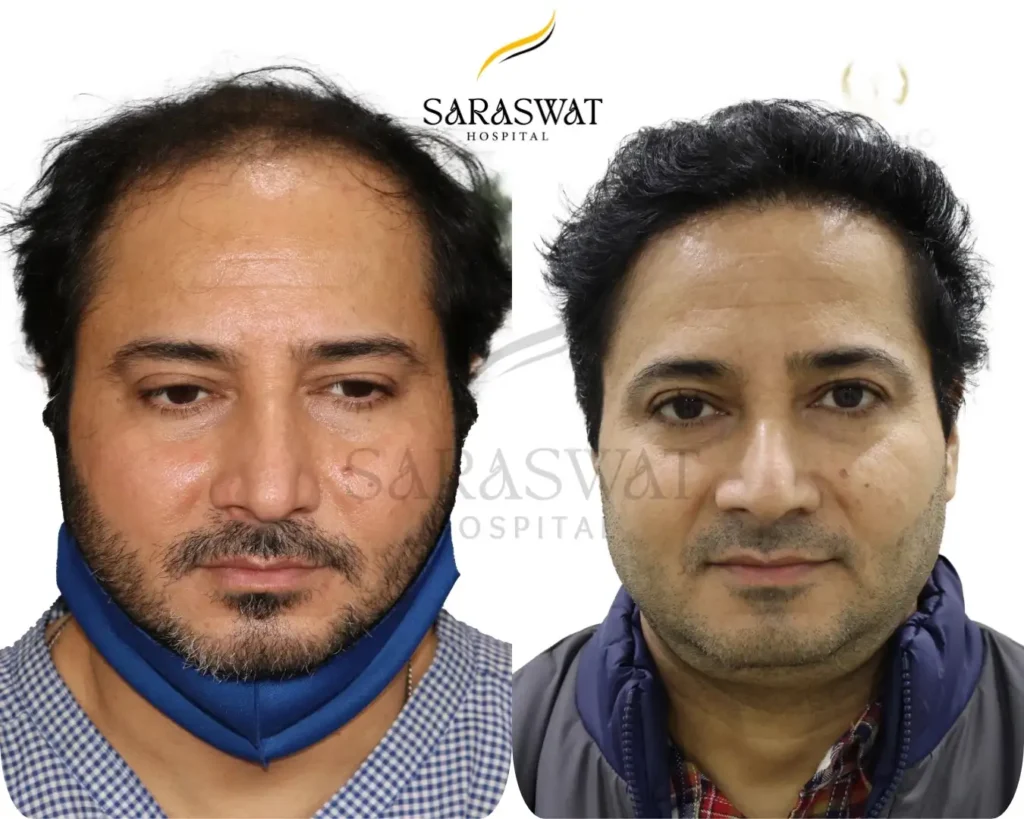
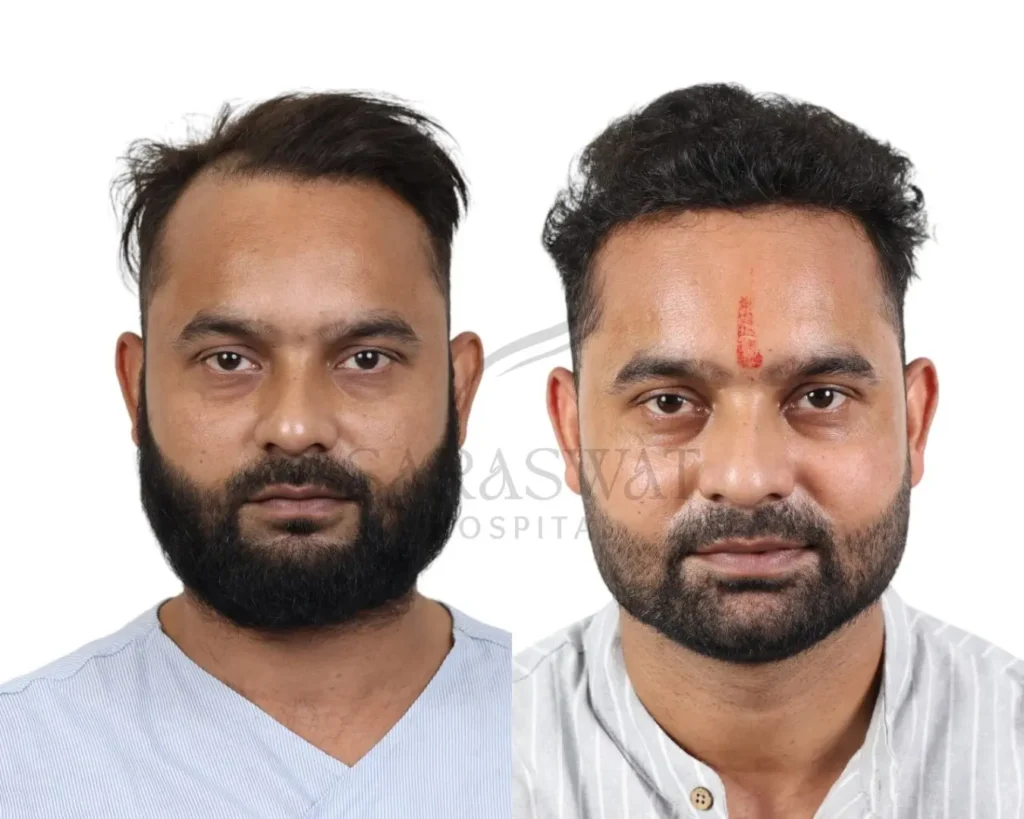
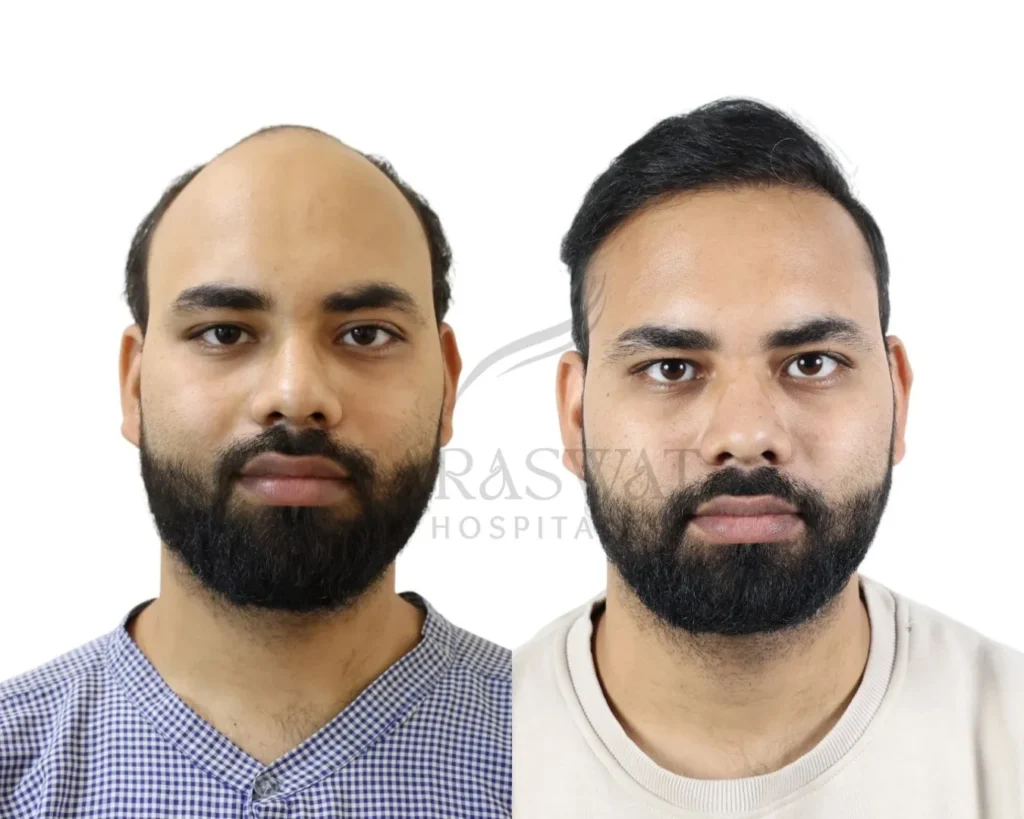
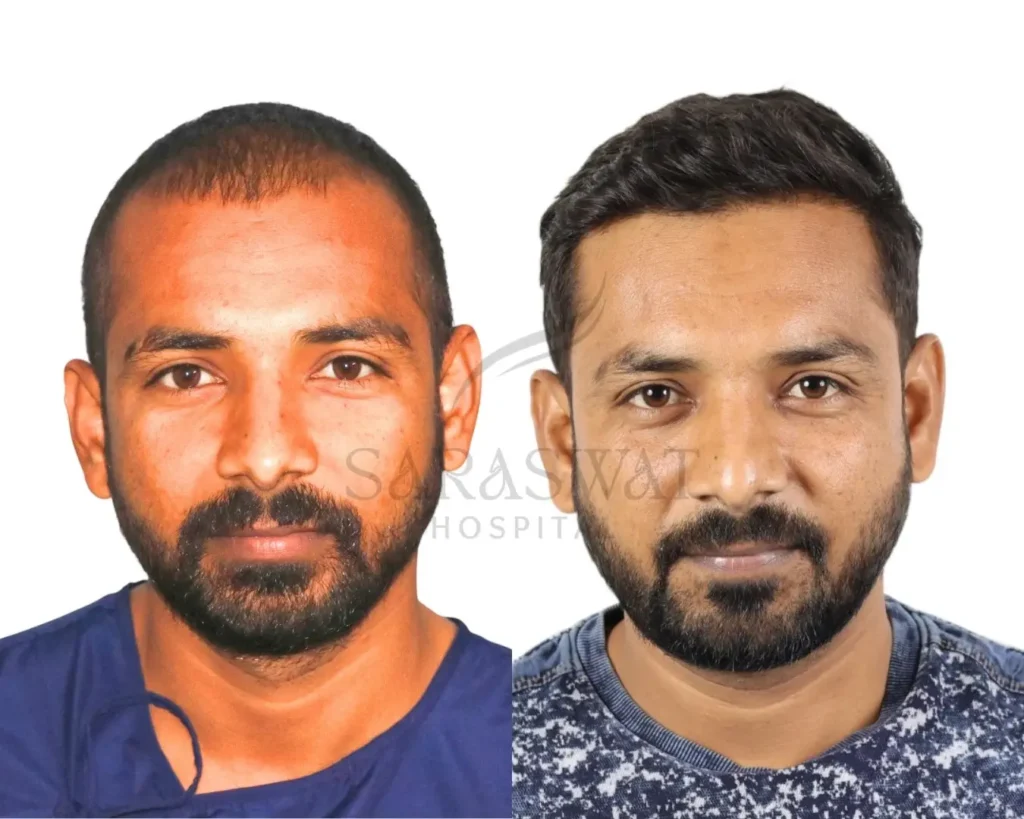
Also, Saraswat Hospital is equipped with state-of-the-art tools and technologies required to perform surgeries smoothly and ensure patients’ comfort. Check out real hair transplant before and after images of patients who got their procedures done at Saraswat Hospital.

Conclusion

Hair transplantation is an effective way to fix baldness or thinning hair and can help individuals get their confidence back. Hair restoration can boost one’s self-esteem and help lead a quality of life. Here, the most important thing is that to get successful hair transplants in India or elsewhere, you have to consult with an expert hair transplant surgeon. Saraswat Hospital is one of those platforms where you can meet board-certified doctors who can help you fix your hair loss problems and transform your life.

Follow us on:- FacebookInstagramPinterestYoutube

Post-Laser Hair Removal Skincare Guide by Saraswat Hospital

Laser hair removal is a saviour for people who are tired of using painful methods like waxing, tweezing, or shaving, offering a transformative post-laser hair removal skincare guide to maintain results. Most importantly, traditional hair removal methods need to be repeated every month and come with side effects. It also means you need to deal with those side effects repeatedly. In order to avoid all these side effects and get silky smooth, hair-free skin, there is no better way than laser hair removal, complemented by a proper post-laser hair removal skincare guide to ensure long-lasting, radiant results.

For successful laser hair removal in Agra, India, choose a clinic where you can get the treatment under the supervision of an expert cosmetologist or dermatologist. However, did you know the success of laser hair removal sessions also depends on how you care for your skin after the procedure? To maintain the goodness of laser hair removal sessions, it’s crucial to follow the aftercare instructions. Following the right aftercare process, such as protecting your skin and choosing the right products, can help the treated area heal quickly and completely.

How Is Laser Hair Removal Done at Clinics?

Laser hair removal is a safe procedure that should only be done by experts. The laser can be dangerous in inexperienced hands. Improper handling may lead to burns, permanent skin discoloration, and so on. Choose a clinic where board-certified cosmetologists perform the treatment using state-of-the-art tools and technologies.

At a leading clinic like Saraswat Hospital, cosmetologists use two types of USFDA-approved laser hair removal machines. One is the long-pulse Nd: YAG laser, and the second is the Diode laser. A diode laser is designed for lighter skin. Based on the requirements, doctors use the best one, and often they deploy both types of machines to ensure optimal results.

  • The procedure starts with cleaning the treatment area and marking it.
  • Next, the hair in the treatment area will be trimmed.
  • Doctors apply a gel to the treatment area. The gel acts as a medium between the handpiece and the treatment area.
  • Doctors set the machine parameters based on the requirements
  • Next, they start delivering laser shorts. Based on the hair density and size of the treatment area, they may deliver different types of shots.
  • The fluency and frequency of laser shots depend on the skin type and hair type.
  • Patients may experience mild redness after the procedure
  • Doctors may suggest a mild steroid cream to treat the redness

In order to understand the process in detail, watch this video by AAAM-certified clinical cosmetologist, Dr. Preeti Saraswat:

How to Care for Your Skin After Laser Hair Removal Treatment

Knowing how to care for the skin after a laser hair reduction session is the key to minimising discomfort, preventing side effects, and maximising the results. Do not follow any random tips; ask your cosmetologist about your post-laser hair removal skincare guide.

1. Avoid Makeup

If you have tried facial laser hair removal, you should avoid applying any makeup products for at least 24 hours after the procedure. Only apply the medication suggested by the doctor. Not only makeup products, but you should also not use any chemical beauty products. Makeup or beauty products that contain chemicals might irritate a laser-treated area.

2. Don’t Take Hot Showers

After a long, tiring day, it feels good to take a warm shower. However, you should avoid it for a few days after a laser hair removal session. Exposing your skin to high temperatures can irritate the treated area. You should avoid hot showers, hot tubs, and saunas for at least 48 hours. You can take cool showers after the procedure.

3. Avoid Sun Exposure

After a laser hair reduction session, you should strictly avoid sun exposure. Harmful UV rays can irritate your treated area and lead to side effects. If possible. Refrain from going out in the sun for at least a week after the procedure. Or, take proper physical sun protection before stepping out of your home. Apply a broad-spectrum sunscreen to the treatment area, and always carry an umbrella to protect your skin. Also, you can wear clothes or scarves to cover up your treatment area and protect it from direct sun exposure.

4. Don’t Apply Deodorant

Directly spraying deodorant on sensitive areas like underarms is not recommended. If you have tried underarm laser hair removal, you should avoid applying deodorant or any lotions with fragrances. Otherwise, these grooming products may cause skin irritation, redness, or discoloration.

5. Don’t Use Body Scrubs

In order to remove dead skin cells, many people use body scrubs. Many have adopted it as their regular skincare regimen. However, after a laser hair reduction session, you should not use body scrubs. Even mild scrubs can irritate the laser-treated area and cause side effects like redness.

6. Pause Your Swim Classes

You know that most swimming pools are filled with chlorinated water. Chlorinated water can cause irritation in the treatment area. Be it swimming pools with chlorinated water or natural pools, you should avoid swimming for at least one week after a laser hair removal session.

7. Treat the Initial Discomfort

After a laser hair reduction session, patients may experience slight irritation and redness. However, such side effects or discomforts fade away within a few hours. Ice and cold packs can help reduce this discomfort. Apart from this, doctors at Saraswat Hospital also prescribe mild steroid creams to manage redness and initial discomfort. In order to get a safe and effective laser hair removal treatment and avoid any kind of side effects, it’s crucial to connect with a technologically advanced clinic where board-certified cosmetologists monitor the entire procedure.

8. Space Out Recurring Treatments

To achieve satisfactory results, one may need 4–6 laser hair reduction sessions. Laser hair removal treatment is most effective for hair that is in the anagen phase. Not all hair is in the anagen phase at any given time. Each laser hair removal session can destroy only a fraction of the hair that is in the anagen phase.

It is advisable to space out each laser hair removal session no sooner than four to six weeks apart. Talk to your cosmetologist or dermatologist to decide how many sessions you need or how you can space out each session. Based on the treatment area, the total number of sessions may vary. For example, laser treatment for facial hair removal may require more sessions compared to arm laser hair removal.

Conclusion

Laser hair removal is an effective way to get rid of unwanted facial and body hair. However, it should be done under the supervision of expert dermatologists or cosmetologists. For safe and effective laser hair removal in Agra, India, many people prefer to consult Dr. Preeti Saraswat or Dr. Satya Saraswat at Saraswat Hospital. Dr. Preeti Saraswat is a clinical cosmetologist and a member of the American Academy of Aesthetic Medicine (AAAM). Both Doctors are members of the Indian Association of Cosmetic Laser Surgeons and have years of experience in this field. Dr. Satya Saraswat is also a Gold Medalist Plastic and Cosmetic surgeon and has been delivering life-changing treatment solutions over the years. So, if you are looking for a clinic where you can get advanced laser hair reduction sessions by eminent doctors, Saraswat Hospital in Agra can be the best solution.

Follow us on:- FacebookInstagramPinterestYoutube

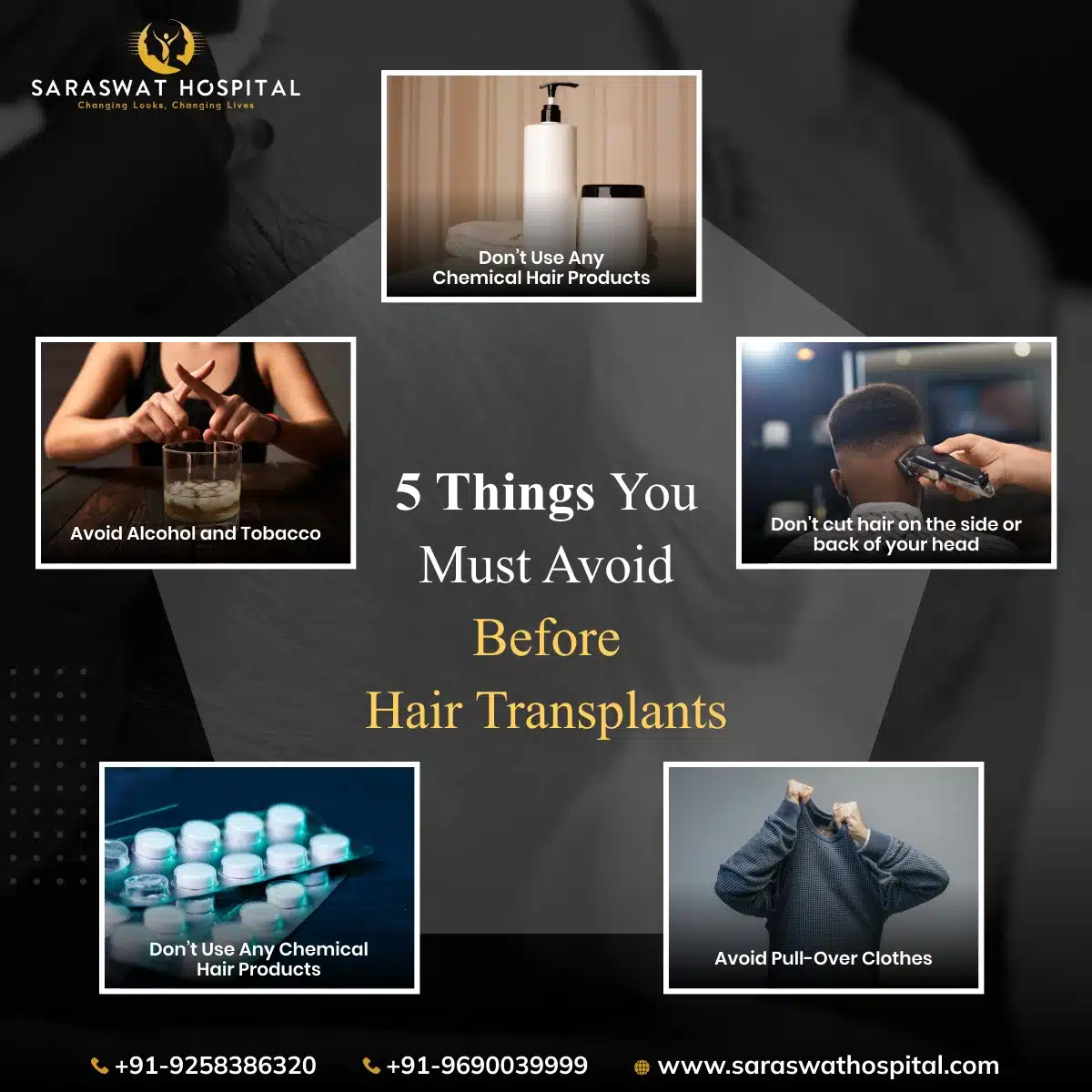
5 Things You Should Never Do Before Hair Transplants

Hair transplantation can help you get rid of baldness and get your natural hair back. It has emerged as a revolutionary hair restoration method that millions of people worldwide are embracing. A hair transplant is one of those life-changing decisions that requires both careful consideration and adequate preparation. The success of hair transplants does not entirely depend on the procedure itself; it begins long before patients enter the operating room. Consulting the best hair transplant doctor in India or elsewhere is crucial. A patient also needs to take care of a few things to ensure the success of their hair transplants. Today, we will talk about the things that patients should not do before a hair transplant. A single mistake by the patient can lower the chances of success, even if the doctor tries his/her heart and soul.

Understand the Hair Transplant Procedure

Hair transplantation is a technique-sensitive procedure that should only be done by qualified doctors. You should stay away from the black market practices that tempt patients to get the procedure done for half the actual price.

Hair transplantation is a surgical procedure in which qualified surgeons remove healthy hair follicles from the donor area and then transplant them into the recipient area. The entire procedure needs to be done with precision and accuracy, which can only be achieved by expert surgeons with years of experience. The hair transplant procedure is virtually painless, and patients get anaesthesia before the procedure. There are two popular hair transplant procedures: FUE (Follicular Unit Extraction) and FUT (Follicular Unit Transplant). After analysing your scalp condition, the availability of donor hair, overall health condition, decreasing rate of overall body hair, etc., surgeons can determine whether you are eligible and which hair transplant technique they can follow.

Things That Patients Should Never Do Before Hair Transplants

For a patient who has been suffering from baldness or thinning hair for years, a hair transplant is a pretty exciting matter. A hair transplant can help you get a head full of hair. However, in a hurry or out of excitement, you should not commit any mistake that can reduce the chance of success of this procedure.

1. Avoid Alcohol and Tobacco

We all know that smoking and alcohol consumption are not good for our health. However, doctors strictly recommend avoiding these before hair transplant surgery. Alcohol and tobacco can reduce the body’s ability to heal after a surgical procedure. Smoking can cause blood vessels to constrict, reduce blood flow to the scalp, and inhibit the delivery of oxygen and nutrients required for healing. On the other hand, smoking and alcohol consumption can increase the risk of complications during and after anaesthesia. Smoking can affect lung function, and the patient can become more sensitive to anaesthesia. People who consume alcohol may experience nausea, vomiting, and respiratory problems after anaesthesia. In order to avoid all these complications and make the hair transplant procedure smooth and successful, doctors recommend avoiding alcohol consumption and smoking for a few days before and after the surgery.

2. Avoid Anti-Inflammatory Medicines or Aspirin

You should stop taking medicines or vitamin supplements that contain aspirin, ibuprofen, or herbs that increase blood flow or thin the blood. These medications can increase the chance of bleeding during the hair transplant procedure. Excess bleeding makes graft harvesting and transplanting challenging. Also, it can delay your healing. When planning a hair transplant procedure, you should share your current medications with your doctor. The doctor will guide you accordingly on which medications you can take and which you need to pause for a while. Following the surgeon’s instructions is the key to ensuring the success of the procedure. Choose a knowledgeable hair transplant surgeon with years of experience for the best experience.

3. Don’t Use Any Chemical Hair Products

Many of us have the habit of using chemical hair products such as serums, hair setting sprays, and so on. On the day of the hair transplant, you should wash your hair using a mild shampoo, and after that, you should not use any chemical products. Also, you should not use any hair styling tools on that day. You have to keep your hair and scalp clean to avoid hair transplant side effects and ensure the success of the procedure.

4. Don’t Cut the Side or Back Hair of Your Head

Hair transplant surgeons recommend not cutting the side or back hair of the head before a hair transplant surgery. These areas mainly serve as the donor sites from which doctors collect healthy hair follicles for transplantation. Cutting them short or shaving them entirely may limit the availability of grafts, leading to compromised transplant density and coverage. Leave the hair on those areas as they are, as it allows the surgeon to precisely extract and transplant follicles. Also, leaving the side and back hair untouched can ensure a seamless blend with the transplanted hair. The patient will achieve a natural and undetectable outcome.

5. Avoid Pull-Over Clothes

A hair transplant is an outpatient procedure. The patient can return home on the same day. On the day, a patient should wear loose-fitting clothes or those with buttons. Clothes that need to be worn through the head and are tight-fitting can disturb the delicate grafts and impede the healing process. After the procedure, transplanted grafts will be sensitive and prone to irritation. You need to avoid everything that might irritate your scalp and grafts. Choose clothes that can be easily worn without pulling them over the head. In this way, you can reduce the risk of friction and dislodging grafts. On the day of the hair transplant, you can wear clothes with buttons so that after the procedure, you can wear the clothes easily and go home.

Also, don’t forget to inform your doctor if you have any allergies. Patients with such conditions may react negatively to pain management medicines and anaesthesia. Inform the medical team if you have any allergies and let them plan how to reduce the risk of any complications during the surgical procedure.

Where Can You Find the Best Hair Transplant Doctor in India?

We all know that the success of a hair transplant procedure greatly depends on the skills and precision of the surgeon. And that’s why it is important to find a truly skilled and experienced doctor for your procedure. When it comes to getting successful hair transplant surgery in India, many people, even foreigners, prefer to consult Dr. Satya Saraswat and Dr. Preeti Saraswat at Saraswat Hospital.

Both doctors are board-certified and internationally recognised. For more than 20+ years, they have been helping patients improve their appearance and get their confidence back. They are the diplomates of the American Board of Hair Restoration Surgeons (ABHRS). Dr. Satya Saraswat and Dr. Preeti Saraswat are also members of the International Society of Hair Restoration Surgeons (ISHRS). They have successfully performed more than 13,000+ plastic and cosmetic surgeries. If you are looking for an expert hair transplant surgeon who can perform the procedure for you with precision and ensure natural-looking results, you can consult Dr. Satya Saraswat or Dr. Preeti Saraswat.

In order to check the real patients’ hair transplant before and after results achieved by these eminent doctors, you can follow us on our YouTube channel.

Conclusion

A hair transplant is a technique-sensitive procedure and should be done by experts only. A patient should follow the instructions that we have discussed in this blog. During the initial consultation with the best hair transplant doctor in India, you should accordingly share your health condition, medical history, current medications, goals, etc. When the doctors know the entire scenario, it becomes easier to plan a successful transplant procedure. If you need more information on hair transplants and want to check your eligibility for this procedure, kindly connect with Saraswat Hospital, an ideal destination to solve all your hair loss-related problems.

Follow us on:- FacebookInstagramPinterestYoutube

5 Things You Should Know Before Getting Bikini Laser Hair Removal

The demand for bikini laser hair removal is rising rapidly, especially during the beach season. Laser hair removal is no doubt a great way to get rid of unwanted facial and body hair. It brings long-term results and makes the skin soft and smooth. However, is it suitable for sensitive areas like bikini lines? Is bikini laser hair removal safe? There are a few important factors that you should know before undergoing laser hair removal in Agra, India, or elsewhere.

In order to get satisfactory laser hair removal results, visit a clinic where expert cosmetologists take the best care of the entire process. Choose a clinic that is also technologically advanced and uses both diode and Nd: YAG technologies to ensure optimal results for the patients.

Things You Must Know About Bikini Laser Hair Removal

Bikini hair removal is no longer a hassle. You can ditch all old methods like razors, waxing, shaving, etc. Traditional methods often bring side effects like irritation, ingrown hairs, redness, and bumps. If done by expert and experienced cosmetologists, laser hair reduction is safe and can bring long-term benefits.

1. Bikini Laser Hair Removal Isn’t a One-Time Thing

It is a non-invasive procedure that concentrates light via an energy source. Then the light gets absorbed by the pigment present in the hair follicle. It can damage the hair follicles and prevent hair regrowth. In order to get satisfactory results, one may require more than one setting (4 to 6) to reduce hair by 60–80%. However, the result may vary from one person to another. The result depends on skin type, hormonal imbalance, the colour of hair and skin, and individual hair growth patterns.

There are four different phases in the hair growth cycle: anagen, catagen, telogen, and exogen. Laser hair reduction is most effective for hair that is in the anagen, or growth phase. Not all hair is in the anagen phase at any given time; at one point in time, about 30% of the entire hair population could be in the anagen phase. Each laser hair reduction session can destroy only a fraction of the hair that is in the anagen phase. And that’s why multiple sessions are required to get the desired results.

2. Your Hair Growth May Not Stop Completely

Laser hair reduction works differently from person to person. The result of laser hair removal can also vary from one body part to another. Many people notice that after laser hair reduction treatment, hair growth has disappeared from their legs and arms, but they often experience very fine growth on their underarms, face, and bikini area. Fortunately, the hairs are barely visible in such cases. However, maintenance is important, and one may require top-up sessions once in a while.

3. Laser Hair Removal Isn’t Painful

Many people say that their laser hair removal procedure wasn’t painless; they felt much discomfort and pain. The pain or level of discomfort depends on the type of technology your chosen clinic is using for laser hair removal. At Saraswat Hospital, we use Zimmer air cooling technology to make laser hair removal for women and men virtually painless. We use this technology if the patient wants to get treatment from the Nd: YAG JOY laser. The only thing a patient can feel is a rubber band snapping or a little warm skin sensation. Based on the requirements of the patient, we also cool the skin further to keep the session comfortable. On the other hand, the new diode laser device comes with a cool tip, and no external cooling is required.

4. You Can’t Randomly Wax Between Sessions

Many people think that they will wax and get laser sessions alternatively to reduce hair growth, but this won’t work, and there is also a chance of severe side effects. Cosmetologists ask not to pluck or wax between laser sessions, as it can disrupt the root of the hair follicles. In between sessions, you can shave. However, to do that, get permission from your cosmetologists first.

5. Lots of Precautions Are There

The patient must avoid waxing, plucking, or bleaching the hair for six weeks prior to treatment. You need to reserve the root and pigment of the hair to ensure the success of the procedure. After a laser hair reduction session, a patient might experience redness and swelling. You need to take the best care of the treatment area after laser hair removal. These are temporary side effects that will fade away within a few hours.

After two to three weeks of a laser hair reduction session, 10–20% of the treated hair may fall out. During the healing phase, you should take proper care of the treated area. You should not rub or scratch, and avoid hot showers, steam baths, and saunas. You should pause your swimming practices for a while, as chlorinated water can affect your laser-treated skin. Most importantly, keep the treatment area moist, apply sunscreen, and avoid direct sunlight exposure to prevent laser hair removal side effects. If you notice any signs of infection, like pus, tenderness, or fever, you should immediately connect with your cosmetologist.

These are the five most important things that you should know before undergoing a laser hair removal session. During the consultation, you should share your lifestyle, upcoming plans, etc. with the cosmetologist. It will help the doctor craft a perfect treatment plan based on your requirements and goals.

Conclusion

For successful laser hair removal in Agra, India, many people prefer to visit Saraswat Hospital. Here, they consult with Dr. Preeti Saraswat, an eminent clinical cosmetologist with years of experience. She is an associate Member of the American Academy of Aesthetic Medicine (AAAM). Patients can also meet Dr. Satya Saraswat, a Gold Medalist Plastic and Cosmetic surgeon. Both doctors are also members of the Indian Association of Cosmetic Laser Surgeons. In order to know more about bikini hair removal or bikini laser hair removal costs, call us at +919258386320 or +919690039999.

Follow us on:- FacebookInstagramPinterestYoutube

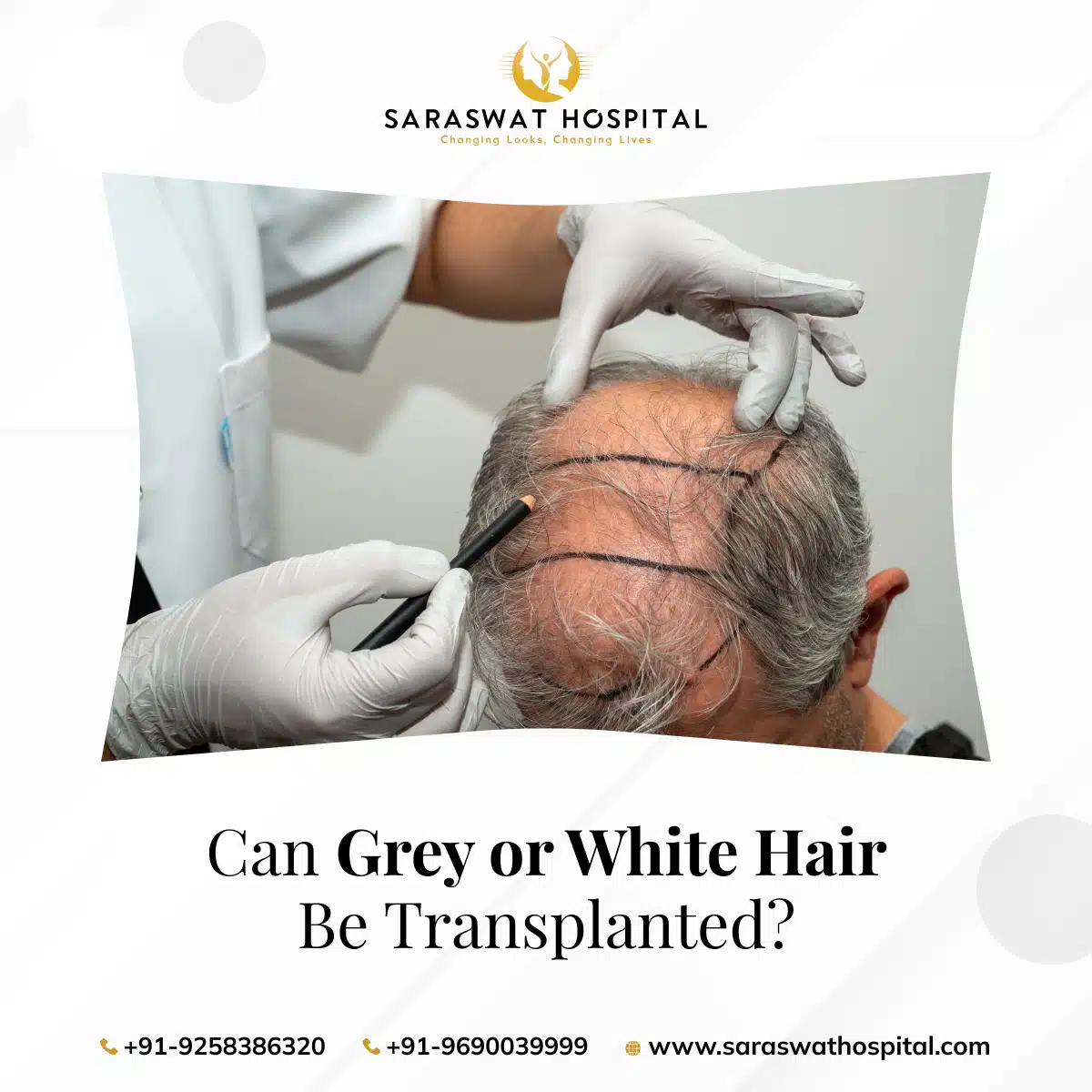
Is White or Grey Hair Eligible for Transplants?

Hair transplantation is an amazing way to restore natural hair and get rid of baldness or thinning hair. People across the globe are embracing this revolutionary hair loss treatment to get their confidence back. However, there is a question that we hear from many of our patients, and that is, “Is white or grey hair eligible for transplants? Can the colour of the hair be a barrier to hair transplantation? This blog is going to unveil the truth for our readers and let them make informed decisions.

In order to experience the best hair transplant in India or elsewhere, you should get all your answers from your doctor before the procedure. Once you are confident about the procedure and can set realistic expectations, only then should you proceed with it.

Can White or Grey Hair Be Transplanted?

This is the most common concern for people with greying or white hair who want hair transplants for a transformed look. According to the International Society of Hair Restoration Surgeons (ISHRS), grey or white hair can be transplanted safely and successfully. Many people have the misconception that when their hair turns grey, they are no longer healthy. The rationale for successful hair transplants is to move healthy hair follicles from the donor area to the recipient area to promote healthy hair growth. Transplantation of grey hair can be successful, as grey hair is healthy and produced by healthy hair follicles.

Why Does Our Hair Turn Grey?

Melanocytes present in hair follicles produce melanin, which is the source of our hair colour. Both the quality and quantity of melanin are determined by genes inherited from your parents. At a certain point in life, the melanocytes may reduce melanin production or completely stop, leading to greying or white hair. Decreased melanin production leads to grey hair, and total absence can cause white hair.

Other Causes of Grey or White Hair:

  • B12 Deficiency
  • Hormonal Disorders
  • Poor Diet
  • Alcohol Consumption
  • Smoking
  • Harsh Chemicals in Hair Products
  • Conditions Such as Pernicious Anaemia, Albinism, etc.

Why Do Melanocytes Reduce/Stop Producing Melanin?

The exact reason why melanocytes reduce or stop producing melanin is not known yet. However, there can be a biological clock controlled by genetics that determines when melanocytes stop or reduce producing melanin. We all know that getting grey is a sign of normal ageing. However, some greying of the hair is also associated with various diseases or congenital abnormalities. Generally, greying of the hair starts at about age forty to fifty, but some people may experience it as early as their 20s and 30s. By age 35, nearly 25% of men and women can experience grey hair. By age 50, greying can be seen in about half of the population. Fair-haired individuals may notice less greying. People with black or brown hair often experience greying as a “salt-and-pepper” appearance. The process of greying generally starts at the temples and gradually spreads over the entire scalp.

With age, the sebaceous cells may reduce the production of lubricating oil. It may cause grey or white hair to be drier compared to pigmented hair. Taking the right care of your hair after transplantation is important to ensure good hair health.

Is Hair Transplantation Safe and Successful for Older Patients with Grey/White Hair?

Age or hair colour are not the sole factors that determine whether a person is eligible for hair transplants or not. The factors doctors consider for a young patient’s hair transplant eligibility are also the same for an older patient. In order to determine whether a person with grey or white hair is eligible for transplants or not, doctors determine factors like the cause of hair loss, overall health, medical history, scalp condition, pattern of hair loss, and the goals of the patient.

Before undergoing a grey hair transplant in India or elsewhere, one should discuss the final outcome with the doctor. A patient whose hair is still in the grey process but is not totally grey should discuss the possible appearance after the hair transplants.

Will the Hair Colour Match After the Transplants?

The fear of colour mismatch is common in grey hair transplants, especially if the patient has grey hair only in selective areas of the scalp. If you have white or grey hair in certain areas of your scalp, the transplanted hair may be of a different colour than the previous hair in the recipient area. In order to avoid colour mismatch, you should plan your grey hair transplants with the No. 1 hair transplant clinic in India.

The hair transplant doctor needs to plan the entire hair transplant procedure with precision and accuracy. If grey hair follicles are transplanted, they will continue to grow as grey hair. Many doctors prefer to use the follicular unit extraction (FUE) method to randomly collect healthy hair follicles individually from the back or side of the head. In this way, doctors can prevent colour mismatching, and the newly transplanted hair will perfectly blend in. Based on the requirements and goals of the patient, doctors may also perform follicular unit transplantation (FUT) or both procedures.

Conclusion

The success of a hair transplant procedure does not depend on the colour of the hair. So, if your hair is greying, don’t worry; consult with the best hair transplant doctor in India and then proceed with the surgery. Make sure your chosen hair transplant doctor is skilled, experienced, and has recognition in the field. Whenever it comes to the best hair transplant in India, many people come to Saraswat Hospital. So, if you are looking for ways to make your grey hair transplants successful and avoid colour mismatch, contact Saraswat Hospital today and consult with Dr. Satya Saraswat and Dr. Preeti Saraswat.

Follow us on:- FacebookInstagramPinterestYoutube

How to Prevent Hair Loss in the Monsoon?

The monsoon feels so good; nature becomes greener, and we get relief from the scorching heat. Everything seems good and beautiful in the monsoon except for one thing. In this season, many experience increased hair fall. Losing nearly 50 to 100 strands of hair in a day is normal. However, if you are losing more hair than normal and facing other issues like an itchy scalp, dandruff, infections, etc., you should go for an effective hair loss treatment as soon as possible.

It’s frustrating to see that your hair is shedding faster than raindrops! Losing a lot of hair can affect your overall appearance and confidence level. However, you don’t need to worry, as we are here with an expert-backed quick guide on how to prevent hair loss in the monsoon.

Reasons Behind Increased Hair Loss in the Monsoon

There can be various reasons behind increased hair fall in the monsoon, such as increased humidity, fungal infections, hormonal imbalance, nutrient deficiency, and so on. If your hair fall condition worsens, consult with the best hair doctor in Agra, India, or elsewhere and get the right treatment.

  • Fungal Infections

The monsoon season brings a humid environment that promotes the growth of fungi and bacteria. These microorganisms can cause infections like ringworm, dandruff, etc., leading to more hair fall. Also, itchy and irritated scalp conditions can weaken the hair roots, making them prone to breakouts or fall.

  • Excessive Humidity

Due to high humidity, our scalp can get oily and sticky, causing clogged hair follicles. Clogged follicles also weaken hair roots and cause more hair fall. The increased moisture present in the air can also weaken the hair shaft and make it more prone to breakage.

  • Weakened Hair Roots

The fluctuation in weather and humidity during the monsoon can cause stress to your hair roots. The constant changes in temperature and moisture levels can also weaken hair roots and cause more hair fall.

  • Oil Imbalance

The humidity and uncertain changes in weather can affect the natural oil balance of the scalp. It may cause more oil secretion and clog hair follicles. On the other hand, applying oil in this season can increase the growth of Malassezia, which causes dandruff and scalp inflammation, leading to more hair fall.

  • Lack of Nutrition

During the rainy season, many people experience a change in appetite and eating habits and tend to consume more fried and junk foods. It can cause a lack of nutrition in the body and hair loss. Poor nutrition can affect your overall health. Due to poor nutrition, hair loss can occur in any season. Be careful about food intake, follow a balanced diet, and avoid foods that can cause gastrointestinal issues.

In order to learn more about hair loss causes and treatment, watch this video by Dr. Preeti Saraswat (ABHRS-diplomat).

How To Prevent Hair Loss in the Monsoon?

Preventing increased hair fall in the monsoon is not a challenge if you follow a few simple tips. Even after trying many things, if you are not getting rid of increased hair fall, take the help of a doctor. Often, one or more internal factors can contribute to more hair fall. Before it gets delayed, consult an expert hair restoration doctor and get the best hair loss treatment. Here are some tips on how to prevent hair loss in the monsoon:

1. Keep Your Hair Dry and Clean

In this humid weather, keep your hair dry and clean to prevent excessive hair fall. We all feel a bit more lethargic during the rainy season and often take less care of our hair. To maintain good hair health and reduce hair fall, you should follow a healthy hair care routine regardless of the season. In order to reduce hair breakage and fall, keep your hair dry and clean.

Do not use hair dryers to dry your hair after a wash. You can use a lightweight microfiber towel to gently soak up the water. Don’t rub your hair hard; do it gently.

2. Use a Mild Shampoo

Use a mild shampoo to wash your hair. You can go for a mild shampoo that is free from harsh chemicals such as parabens and sulphates. Ask your dermatologist to prescribe a gentle shampoo suitable for your scalp and hair type. Many people experience increased dandruff this season, and they can use ketoconazole-infused shampoo for relief. Before using any medicated hair product, consult with an expert doctor.

3. Always Wash Away the Rainwater

If you get drenched in the rain, try to wash your hair immediately afterward. Rainwater may contain pollutants and chemicals from the air, which can damage the hair bulb and clog hair follicles. This can cause your hair to become dull, thin, dry, and brittle.

4. Do not Comb Wet Hair

There is no benefit to combing your wet hair. It takes more time and causes more hair to fall. When hair is wet, it is weaker and more vulnerable to breakage, split ends, and damage. Let your hair dry naturally, and then use a wide-tooth comb to detangle it.

5. Stay Hydrated

If you are not hydrated, your body will signal you that in various ways—increased hair fall is one of those signals. According to the International Society of Hair Restoration Surgery (ISHRS), if you don’t drink enough water on a regular basis, it can lead to more hair fall. In the summer, we generally drink more water, and many people reduce their water intake in the monsoon as the heat gets lower. You should drink enough water, keep your digestive system healthy, and stay hydrated to ensure better hair health.

6. Follow a Balanced Diet

Taking care of your diet and protein intake is vital for preventing hair fall in the monsoon. You should follow a balanced diet that contains nutrients like vitamins (A, C, and E) and minerals (iron and zinc) to promote hair health. Incorporate protein-rich foods like eggs, nuts, leafy vegetables, fruits, etc., in your diet. Protein is the building block of your hair, so take care of your protein intake.

Conclusion

Following these simple tips on how to prevent hair loss in the monsoon, you can reduce hair fall. If your hair fall issue continues season after season, you should seek the help of expert hair restoration doctors. Many people come to Saraswat Hospital to get the best hair loss treatment in Agra. Here, you can consult with Dr. Satya Saraswat and Dr. Preeti Saraswat, diplomats of the American Board of Hair Restoration Surgeons (ABHRS). They are also members of ISHRS (the International Society of Hair Restoration Surgeons) and have more than 19 years of experience. If your hair loss condition is getting out of control, consult with these eminent doctors as soon as possible.

Follow us on:- FacebookInstagramPinterestYoutube

whatapp icon