
Body hair transplants in India have emerged as a transformative solution for those grappling with hair loss. This procedure, known for its effectiveness and affordability, has gained widespread recognition. However, as with any medical innovation, myths and misconceptions have sprouted alongside the growing interest. Let’s debunk body hair transplant myths, shedding light on the facts and realities of this increasingly popular hair restoration option.
Myths About Cost, Comfort, and Recovery
Body hair transplants (BHT) have become a practical solution for people whose scalp donor area isn’t dense enough for a traditional transplant. Yet the procedure is still surrounded by outdated assumptions about who it’s for, how much it hurts, and how long it takes to recover. Let’s clear up the most common ones.
Myth 1: Body Hair Transplants Are Only for the Rich and Famous
One of the body hair transplant myths in India is that they are exclusively for celebrities or the wealthy. In reality, body hair transplants in India are becoming more accessible to a broader range of individuals. The affordability of these procedures, along with the competitive pricing offered by many clinics, has made it a viable option for people from various economic backgrounds.
Myth 2: Body Hair Transplants Are Painful and Risky
Another misconception is the belief that body hair transplants are incredibly painful and risky. Modern medical techniques and anesthesia options have significantly reduced the discomfort associated with the procedure. Skilled surgeons in India ensure that the process is minimally invasive and safe, with a focus on patient comfort and safety.
Myth 3: Results Are Unnatural and Unappealing
Some people fear that body hair transplants result in an unnatural and unappealing appearance. In reality, the success of the procedure largely depends on the skill of the surgeon. In the hands of an experienced practitioner, the results of a body hair transplant can be remarkably natural and satisfying. It’s essential to choose a reputable clinic and surgeon for the best outcomes.
Myths About Results, Donor Suitability, and Quality
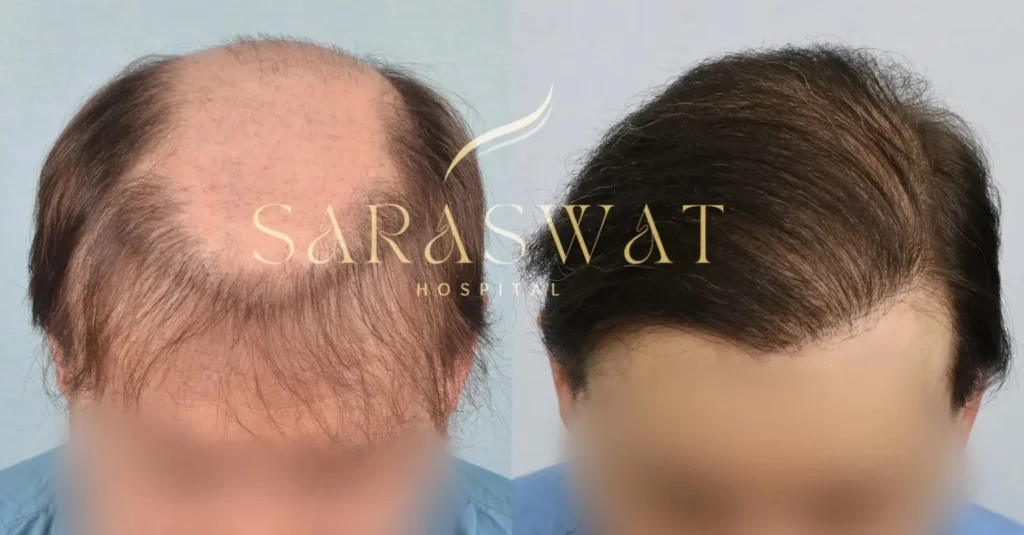
Beyond the practical concerns, a second set of myths centres on the outcome — whether the results look natural, who qualifies as a donor, and whether Indian clinics can match international standards. Here’s what the evidence actually shows.
Myth 4: All hair types are suitable for hair transplant as donors
This is untrue. The Torso Donor Index is a crucial factor. Only if this index is favorable should an individual be regarded as a suitable candidate for a body hair transplant.
Body hair transplantation can be used alone or in combination with scalp hair for people facing an advanced grade of baldness (1).
Myth 5: The Recovery Period Is Extremely Long
Another myth concerns the recovery period following a body hair transplant. While some downtime is necessary to allow for healing and the growth of transplanted hair, the recovery period is not as lengthy as some may think. Patients can typically resume their normal activities within a few days to a week, depending on individual factors.
Myth 6: Body Hair Transplants in India Lack Quality and Expertise
Some people mistakenly assume that opting for body hair transplants in India means compromising on quality and expertise. In reality, India has gained recognition as a hub for medical tourism, attracting skilled surgeons and state-of-the-art facilities. Many clinics in India adhere to international standards and offer world-class care to their patients.
Myth 7: Results Are Instantaneous
It’s essential to understand that body hair transplant results are not immediate. Transplanted hair takes time to grow and mature, typically over several months. Patients need to be patient and realistic in their expectations. The final results are often worth the wait, as they provide a natural-looking and lasting solution.
Conclusion
Body hair transplants offer a promising solution for individuals seeking to restore their hair. While misconceptions persist, it’s crucial to base decisions on accurate information. By choosing a reputable clinic with experienced surgeons, individuals can achieve natural-looking results that enhance their self-esteem and overall appearance. Don’t let myths deter you from exploring this effective hair restoration option.
Book an online consultation with our team and learn more about hair transplant, find out how many grafts are required in your case, and get a customized plan for a natural-looking hairline.
Sources:
(1) Body hair transplantation can be used alone or in combination with scalp hair for people facing an advanced grade of baldness. (PubMed Central)
FAQs
1. Is body hair good for hair transplant?
Yes, body hair can be used for hair transplants and is an effective alternative for hair transplantation, especially if you have a limited donor area.
2. Can you transplant body hair?
Yes, the hair on your chest, back, or beard region can be transplanted using FUE hair transplant surgery. However, it may not give consistent results due to the different behavior of body hair compared to scalp hair.
3. What should I avoid for 7 days post-transplant?
You should not drink alcohol, smoke, exercise intensely, swim, expose your scalp to the sun, scratch your scalp, or wear tight hats for the first 7 days post-transplant.
4. When can I wash my donor area?
You can wash your donor site 48 to 72 hours after surgery using shampoo under the supervision of your surgeon.
5. Is 40 too old for a hair transplant?
Age 40 is not too old for a hair transplant procedure. In fact, many patients who undergo hair transplant surgery are successful at ages 40 to 60 years old.
Follow us on:- Facebook, Instagram, Pinterest, YouTube
This article is for informational purposes only and does not constitute medical advice. Plastic, cosmetic, and laser treatments — including AI-assisted previews such as those generated by the Peek AI™ app — carry risks and results vary by individual. Always consult a licensed medical professional before undergoing any procedure.