
Book an
Appointment
Dr. Satya Saraswat - Hair Transplant Surgeon

Dr. Satya Saraswat, MBBS, MS, MCh, DNB (Gold Medalist)

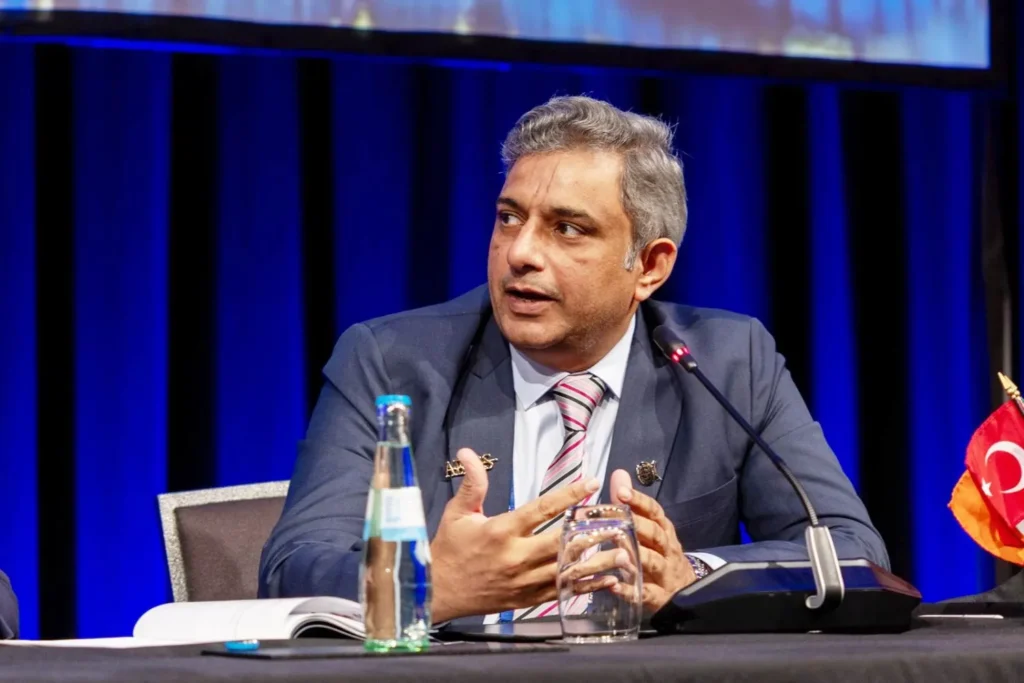
Dr. Satya Saraswat, MBBS, MS, MCh, DNB (Gold Medalist), FISHRS, is a cosmetic and plastic surgeon with an experience of over 20+ years and has performed 17,000+ cosmetic and plastic surgeries. He is a Diplomate of the American Board of Hair Restoration Surgery (ABHRS) and Fellow of ISHRS, as he has been continuously attending the International conferences and adopting the latest advancements in hair restoration science, and he has also submitted his research papers. His hands-on involvement ensures a natural hairline and high graft survival.

Articles by Dr. Satya Saraswat, MBBS, MS, MCh, DNB (Gold Medalist)

What Sets the Best Hair Transplant Clinics Apart?
Medically Reviewed By Dr. Satya Saraswat, MBBS, MS, MCh, DNB (Gold Medalist) | Last updated: April 22, 2026

In the realm of hair restoration, the pursuit of excellence has led to the development of cutting-edge techniques that redefine the possibilities of successful hair transplants. For those seeking the best hair transplant in India, understanding the innovative approaches employed by leading clinics becomes paramount. In this exploration, we unravel the distinctive features that set the best hair transplant clinics apart, with a focus on the pioneering practices that contribute to their success.

How Do the Best Clinics Achieve Flawless Results?

The gap between an average hair transplant and an undetectable one rarely comes down to the equipment in the room — it comes down to how the surgical team uses that equipment. The leading clinics distinguish themselves through surgical control: the consistency with which a skilled team extracts, handles, and places every graft. Two factors do most of the heavy lifting here.

Precision in Grafting

At the forefront of cutting-edge techniques is the precision in grafting that distinguishes the best hair transplant clinics. This harmonization of art and science ensures that the transplanted hair aligns seamlessly with the patient’s natural hair growth patterns, resulting in undetectable, natural-looking results.

Hair Transplant Result

Advanced Implantation Techniques

Implantation techniques play a pivotal role in achieving natural aesthetics. The best clinics employ advanced implantation methods, such as the Choi Implanter Pen and Sapphire Blade technique, which enhance the accuracy and control of hair placement.

Utilizing the Sapphire Blade technique, precision slit making is employed for hair transplant procedures, ensuring meticulous and refined incisions for optimal results. These techniques enable surgeons to replicate the natural angle, direction, and density of hair growth, ensuring that the transplanted hair seamlessly integrates with the existing strands.

The Diagnostic Difference: Tailoring Treatment to Every Scalp

Cutting-edge surgery only delivers when it’s built on an accurate diagnosis. The best clinics don’t reach for a scalpel before they’ve fully understood the scalp in front of them — they measure, map, and plan first. This diagnostic rigour is often the clearest dividing line between a clinic chasing graft counts and one engineering a long-term result.

Trichoscopy in Personalised Treatment Plans

Trichoscopy plays a pivotal role in crafting personalised treatment plans for hair transplant procedures. By delving into the intricate details of scalp and hair health, this technique allows for tailored solutions, ensuring individualized approaches that meet the specific needs of each patient, resulting in more effective and satisfying outcomes.

Personalized Treatment Plans

What sets the best hair transplant clinics apart is their commitment to personalized treatment plans. A thorough assessment of each patient’s unique hair loss condition, expectations, and desired outcomes informs the development of a customized approach. This individualized strategy ensures that the chosen techniques align with the specific needs of the patient, maximizing the effectiveness of the transplant.

Conclusion

The best clinics for hair transplant, such as Saraswat Hospital, set themselves apart by embracing cutting-edge techniques that redefine the landscape of hair restoration. Through precision in grafting, robotic-assisted procedures, advanced implantation techniques, stem cell therapy, and personalized treatment plans, these clinics exemplify a commitment to excellence.

Book an online consultation with our team and learn more about hair transplants, find out how many grafts are required in your case, and get a customized plan for a natural-looking hairline.

FAQs

1. How to choose the best hair transplant clinic?
Consider board-certified surgeons, verified results before and after surgery, advanced procedures like FUE or FUT, clear cost information, positive testimonials from past clients, and a proper evaluation process prior to selecting any clinic.

2. Which is better, GFC or PRP?
GFC, or Growth Factor Concentrate, tends to be more effective compared to PRP because it is rich in pure growth factors without red blood cells, ensuring better hair regrowth outcomes.

3. Are 3 sessions of PRP enough?
A 3-session plan spread out within 4 to 6 weeks is usually adequate. Nevertheless, maintaining regular treatment once every six to twelve months will ensure continued hair growth benefits.

4. Is 1 graft equal to 1 hair?
Absolutely not. Each hair graft consists of a follicular unit that has one to four hair strands, with an average number of two to two and a half hairs per graft.

5. Can stage 7 baldness be treated with a hair transplant?
Stage 7 (most severe) is challenging due to limited donor hair. Even at Norwood 7, you can get a hair transplant, although you won’t get a full head of hair immediately, but you can get a natural-looking hairline.

Follow us on:- Facebook, Instagram, Pinterest, YouTube

Medical Disclaimer →

This article is for informational purposes only and does not constitute medical advice. Plastic, cosmetic, and laser treatments — including AI-assisted previews such as those generated by the Peek AI™ app — carry risks and results vary by individual. Always consult a licensed medical professional before undergoing any procedure.
Is a Hair Transplant Right for You? - Saraswat Hospital
Medically Reviewed By Dr. Satya Saraswat, MBBS, MS, MCh, DNB (Gold Medalist) | Last updated: April 22, 2026

Embarking on the journey of a hair transplant is a significant decision that requires careful consideration. For individuals in India seeking the best place for a hair transplant, the choice can be overwhelming. As a hair transplant clinic in India, Saraswat Hospital stands as a beacon of excellence in the field of cosmetic and plastic surgery, offering unparalleled expertise and state-of-the-art facilities.

Understanding Your Hair Loss Journey

Before delving into the decision-making process, it’s essential to understand your unique hair loss journey. Hair loss can be attributed to various factors, including genetics, hormonal changes, and lifestyle. Assess the extent of your hair loss, its impact on your self-esteem, and your willingness to undergo a transformative procedure.

Consultation: The First Step Towards Clarity

The initial step in determining whether a hair transplant is right for you involves seeking professional advice. At Saraswat Hospital, we prioritize thorough consultations where our experienced doctors, Dr. Satya Kumar Saraswat and Dr. Preeti Saraswat, evaluate your individual case. With over 20+ years of experience and certification from international boards, including the American Board of Hair Restoration Surgery (ABHRS), our doctors bring unparalleled expertise to the table.

Considering Expectations and Realities

During the consultation, it’s crucial to align expectations with the potential realities of a hair transplant. Saraswat Hospital emphasizes transparent communication, ensuring that individuals have a clear understanding of what the procedure can achieve. Whether it’s restoring a receding hairline or addressing thinning crown areas, realistic expectations form the foundation of a successful hair transplant journey.

Assessing Candidacy

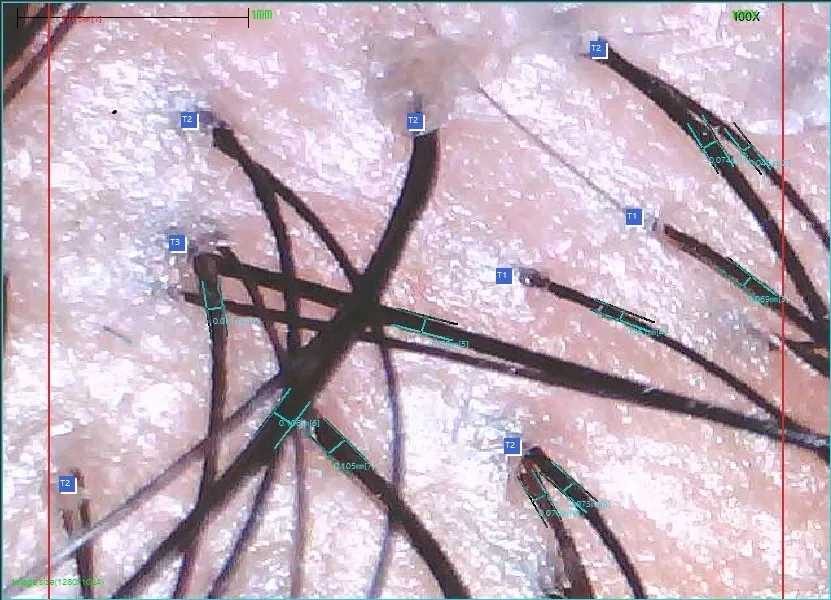
Not everyone is an ideal candidate for a hair transplant. Saraswat Hospital employs a comprehensive approach to assess candidacy, taking into account factors such as overall health, the extent of hair loss, and the quality of donor hair. This personalized evaluation ensures that individuals receive tailored recommendations based on their unique circumstances. Moreover, Trichoscopy, a computerized examination of the scalp and hair, serves as a valuable tool for developing long-term treatment plans.

Follicle units on the scalp
Computerized Image of a Trichoscopy Showing Hair Grafts and Scalp

The Saraswat Hospital Advantage

It is pivotal to choose a certified clinic with experienced surgeons to ensure a positive and successful experience. Saraswat Hospital is distinguished by its commitment to excellence. Our hospital is equipped with the latest technology, ensuring that our patients receive cutting-edge and customized plastic and cosmetic surgeries.

Conclusion

The decision to undergo a hair transplant is a personal one that requires careful thought and consideration. As a pioneer in the field of cosmetic and plastic surgery, our hospital is dedicated to helping individuals embark on their transformative journey with confidence and trust. Your transformation begins at Saraswat Hospital – where excellence meets personalized care.

Book an online consultation with our team and learn more about hair transplant, find out how many grafts are required in your case, and get a customized plan for a natural-looking hairline.

Follow us on:- Facebook, Instagram, Pinterest, YouTube

Medical Disclaimer →

This article is for informational purposes only and does not constitute medical advice. Plastic, cosmetic, and laser treatments — including AI-assisted previews such as those generated by the Peek AI™ app — carry risks and results vary by individual. Always consult a licensed medical professional before undergoing any procedure.
Debunking Body Hair Transplant Myths in India: Facts & Insight
Medically Reviewed By Dr. Satya Saraswat, MBBS, MS, MCh, DNB (Gold Medalist) | Last updated: April 22, 2026

Body hair transplants in India have emerged as a transformative solution for those grappling with hair loss. This procedure, known for its effectiveness and affordability, has gained widespread recognition. However, as with any medical innovation, myths and misconceptions have sprouted alongside the growing interest. Let’s debunk body hair transplant myths, shedding light on the facts and realities of this increasingly popular hair restoration option.

Myths About Cost, Comfort, and Recovery

Body hair transplants (BHT) have become a practical solution for people whose scalp donor area isn’t dense enough for a traditional transplant. Yet the procedure is still surrounded by outdated assumptions about who it’s for, how much it hurts, and how long it takes to recover. Let’s clear up the most common ones.

Myth 1: Body Hair Transplants Are Only for the Rich and Famous

One of the body hair transplant myths in India is that they are exclusively for celebrities or the wealthy. In reality, body hair transplants in India are becoming more accessible to a broader range of individuals. The affordability of these procedures, along with the competitive pricing offered by many clinics, has made it a viable option for people from various economic backgrounds.

Myth 2: Body Hair Transplants Are Painful and Risky

Another misconception is the belief that body hair transplants are incredibly painful and risky. Modern medical techniques and anesthesia options have significantly reduced the discomfort associated with the procedure. Skilled surgeons in India ensure that the process is minimally invasive and safe, with a focus on patient comfort and safety.

Myth 3: Results Are Unnatural and Unappealing

Some people fear that body hair transplants result in an unnatural and unappealing appearance. In reality, the success of the procedure largely depends on the skill of the surgeon. In the hands of an experienced practitioner, the results of a body hair transplant can be remarkably natural and satisfying. It’s essential to choose a reputable clinic and surgeon for the best outcomes.

Body Hair Transplant Result

Myths About Results, Donor Suitability, and Quality

Beyond the practical concerns, a second set of myths centres on the outcome — whether the results look natural, who qualifies as a donor, and whether Indian clinics can match international standards. Here’s what the evidence actually shows.

Myth 4: All hair types are suitable for hair transplant as donors

This is untrue. The Torso Donor Index is a crucial factor. Only if this index is favorable should an individual be regarded as a suitable candidate for a body hair transplant.

Body hair transplantation can be used alone or in combination with scalp hair for people facing an advanced grade of baldness (1).

Myth 5: The Recovery Period Is Extremely Long

Another myth concerns the recovery period following a body hair transplant. While some downtime is necessary to allow for healing and the growth of transplanted hair, the recovery period is not as lengthy as some may think. Patients can typically resume their normal activities within a few days to a week, depending on individual factors.

Myth 6: Body Hair Transplants in India Lack Quality and Expertise

Some people mistakenly assume that opting for body hair transplants in India means compromising on quality and expertise. In reality, India has gained recognition as a hub for medical tourism, attracting skilled surgeons and state-of-the-art facilities. Many clinics in India adhere to international standards and offer world-class care to their patients.

Myth 7: Results Are Instantaneous

It’s essential to understand that body hair transplant results are not immediate. Transplanted hair takes time to grow and mature, typically over several months. Patients need to be patient and realistic in their expectations. The final results are often worth the wait, as they provide a natural-looking and lasting solution.

Conclusion

Body hair transplants offer a promising solution for individuals seeking to restore their hair. While misconceptions persist, it’s crucial to base decisions on accurate information. By choosing a reputable clinic with experienced surgeons, individuals can achieve natural-looking results that enhance their self-esteem and overall appearance. Don’t let myths deter you from exploring this effective hair restoration option.

Book an online consultation with our team and learn more about hair transplant, find out how many grafts are required in your case, and get a customized plan for a natural-looking hairline.

Sources:

(1) Body hair transplantation can be used alone or in combination with scalp hair for people facing an advanced grade of baldness. (PubMed Central)

FAQs

1. Is body hair good for hair transplant?
Yes, body hair can be used for hair transplants and is an effective alternative for hair transplantation, especially if you have a limited donor area.

2. Can you transplant body hair?
Yes, the hair on your chest, back, or beard region can be transplanted using FUE hair transplant surgery. However, it may not give consistent results due to the different behavior of body hair compared to scalp hair.

3. What should I avoid for 7 days post-transplant?
You should not drink alcohol, smoke, exercise intensely, swim, expose your scalp to the sun, scratch your scalp, or wear tight hats for the first 7 days post-transplant.

4. When can I wash my donor area?
You can wash your donor site 48 to 72 hours after surgery using shampoo under the supervision of your surgeon.

5. Is 40 too old for a hair transplant?
Age 40 is not too old for a hair transplant procedure. In fact, many patients who undergo hair transplant surgery are successful at ages 40 to 60 years old.

Follow us on:- Facebook, Instagram, Pinterest, YouTube

Medical Disclaimer →

This article is for informational purposes only and does not constitute medical advice. Plastic, cosmetic, and laser treatments — including AI-assisted previews such as those generated by the Peek AI™ app — carry risks and results vary by individual. Always consult a licensed medical professional before undergoing any procedure.
Tips to Reduce Scalp Itching After a Hair Transplant?
Medically Reviewed By Dr. Satya Saraswat, MBBS, MS, MCh, DNB (Gold Medalist) | Last updated: April 22, 2026

Undergoing a hair transplant is no doubt an amazing journey; as you know, you’re on the brink of finding an effective method to fix your baldness. Like any other surgical procedure, a hair transplant also comes with a recovery period. During the recovery period, patients may feel a bit of discomfort. Scalp itching is a common thing that many patients experience after hair transplants. Such a condition is benign and can resolve on its own. However, it can be uncomfortable for the patient.

For a successful hair transplant in India, it’s crucial to consult an experienced doctor. During the consultation, patients should ask about post-procedure care, including tips to reduce scalp itching.

Why Does Scalp Itch After a Hair Transplant Session?

After hair transplants, patients may feel itching in the donor and recipient areas. The itching sensation is actually a symptom of healing, and it can resolve on its own. Our body releases certain chemicals that trigger the itchy feeling during the healing process. When the skin is injured, it bleeds, depending on the severity of the wound. After a while, the bleeding will stop, and blood clots and a protective scrape will develop over the wound. It ensures that both donor and recipient areas have a minimal chance of getting bacterial and other infections. At this point, the body’s natural immune system also helps protect against infection.

Some patients may also experience a certain amount of tenderness and swelling. These are also common side effects that can be resolved on their own. After that, the skin or scalp will be repaired by white blood cells and platelets. With time, new tissue will fill the wound, and you will grow new skin. When the new tissue starts to form, the skin becomes itchy, and the scabs start to fall off.

With proper care, it is possible to manage scalp itchiness after a hair transplant. Discuss with your doctor how you can control scalp itching and ensure satisfactory hair transplant results. At Saraswat Hospital, doctors prescribe medication to reduce pain and antibiotics to prevent infection risks. Based on the requirements, doctors also suggest anti-inflammatory medications to reduce swelling. The transplanted hair will fall out in two to three weeks after the procedure to make way for new hair growth. Most people start to notice new hair growth after three to six months.

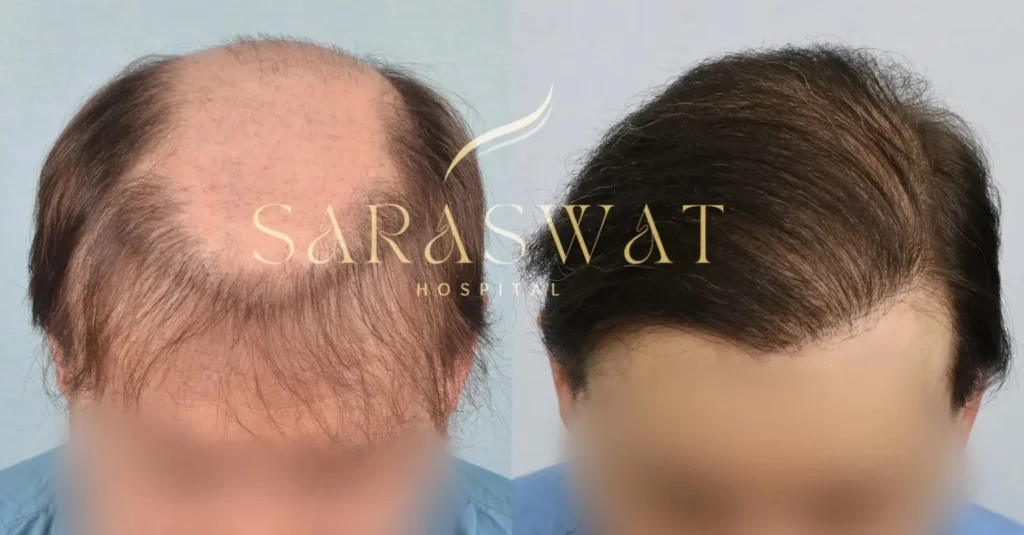
FUE Hair Transplant Result

Tips to Reduce Scalp Itching After a Hair Transplant

For some people, scalp itching becomes a major concern. In order to ease itching, patients should refrain from scratching or applying random hair care products. Generally, hair transplant surgeons educate patients on how to manage scalp itching. However, if it feels unbearable, though it’s rare, connect with your doctor for the best help. Some suggestions for managing scalp itching are listed below:

1. Don’t Scratch the Treatment Area

It might feel tempting to scratch the treatment area to get some relief. You can gently pat the area. You should gently pat it and not put any pressure on it. However, it is best to refrain from touching or scratching the treatment area. Scratching the donor or recipient area may lead to skin infections, folliculitis, or hair follicle infections.

2. Use Saltwater Spray

After the hair transplant surgery, you should not wash your head for at least 48 hours. Ask your hair transplant surgeon when you can wash your scalp. Often, doctors recommend using saltwater spray, as it can nourish the implanted hair while removing dirt and debris. Keeping the scalp clean may reduce itching and ensure the success of the hair transplant procedure.

3. Take an Anti-Histamine Medicine

During the healing process after the hair transplant surgery, the body starts to release histamine. Histamine can increase scalp itching and make the patient uncomfortable. In order to manage scalp itchiness, doctors may prescribe antihistamine medicines to reduce the amount of histamine produced by the body.

4. Use Medicated Shampoos

Hair transplant doctors also recommend medicated shampoos to keep the scalp clean and prevent dandruff and itchiness. Medicated shampoos, such as ketoconazole-based shampoos, are recommended for patients who have been experiencing itchiness for more than two weeks.

5. Take Prescribed Steroid Medication

If a patient has been suffering from itchiness for more than three to four weeks, the doctor may prescribe an effective steroid scalp medication. Follow your doctor’s instructions while applying the steroid medication.

In order to learn more about post-hair transplant care, you can watch this video by Dr. Satya Saraswat, an ABHRS diplomate with more than 20+ years of experience in this field:

Which Clinics Offer Successful Hair Transplants with Pre- and Post-Care?

When it comes to getting successful hair transplants, it’s crucial to connect with a reliable hair transplant clinic. Many people across India and other parts of the world come to Saraswat Hospital to get their hair transplants done. Here, they can consult with two eminent hair transplant surgeons, Dr. Satya Saraswat and Dr. Preeti Saraswat. They have an amazing track record of performing more than 17,000+ plastic and cosmetic surgeries in their more than 20+ year career. Both doctors are diplomates of the American Board of Hair Restoration Surgeons (ABHRS). They are also members of the International Society of Hair Restoration Surgeons (ISHRS). Together, they have transformed the lives of many people. If you are suffering from baldness or thinning hair, consult these expert hair restoration doctors to get the best treatment.

Apart from the expert doctors, there is another major reason that leads patients to visit this clinic. Saraswat Hospital is equipped with state-of-the-art tools and technologies. For successful hair transplants, it is important to use next-gen tools with precision and accuracy. The entire hair transplant team is trained and licensed, and team members take proper care of every patient. The team will also guide patients on what they should do before and after a hair transplant to ensure the success of the procedure.

Conclusion

Managing scalp itching after hair transplants will be easy if patients follow all these tips to reduce scalp itching and the instructions from their doctor. After a hair transplant, it’s crucial to take proper care of the newly transplanted grafts and the scalp. Touching the scalp or scratching it randomly can dislodge the grafts, leading to infection or failure of the procedure.

If any kind of discomfort takes a severe form, inform your hair transplant doctor immediately. At Saraswat Hospital, patients get the procedure done by expert doctors. The medical team remains in touch with all patients to ensure better patient satisfaction and the success of the hair transplant procedure. So, if you are looking for a hair transplant clinic where experienced doctors will perform the procedure and guide you throughout the journey, Saraswat Hospital can be the ideal solution.

Book an online consultation with our team and learn more about hair transplant, find out how many grafts are required in your case, and get a customized plan for a natural-looking hairline.

Follow us on:- Facebook, Instagram, Pinterest, YouTube

Medical Disclaimer →

This article is for informational purposes only and does not constitute medical advice. Plastic, cosmetic, and laser treatments — including AI-assisted previews such as those generated by the Peek AI™ app — carry risks and results vary by individual. Always consult a licensed medical professional before undergoing any procedure.
Can You Get Donor Hair From a Family Member?
Medically Reviewed By Dr. Satya Saraswat, MBBS, MS, MCh, DNB (Gold Medalist) | Last updated: April 23, 2026

A hair transplant is effective to reverse hair loss, get a head full of hair, and restore confidence. In the hair transplantation procedure, surgeons remove healthy hair follicles from the donor area and then transplant them to the graft area. Many people wonder if they can get donor hair from a family member who has great hair density. When baldness reaches its peak, or the patient has poor-quality hair, he/she might think of using someone else’s hair for a successful hair transplant in India or elsewhere.

So, is it possible to get donor hair follicles from a family member? A hair transplant is different from an organ transplant. In an organ transplantation procedure, close family members can often donate organs. The procedure is different when it comes to a hair transplant, and it depends on autografts. For a successful hair transplantation procedure, doctors collect safe and healthy hair follicles from the side and back of the patient’s scalp only, using advanced punch excision tools.

Why You Can’t Use Another Person’s Hair for a Hair Transplant?

Hair transplants are a great way to get your natural hair back. However, there are many people who do not have any hair left on the head or have very little hair present on the head. In such cases, often a scarcity of healthy donor hair follicles occurs, and patients wonder whether they can take donor hair from a family member.

Doctors prefer to use the patient’s own hair for hair transplants to avoid rejection by the recipient area and future infections. If doctors use someone else’s hair or scalp tissue for you, your body will automatically develop an immune response to reject the foreign hair or tissue. It may lead to infection, and the transplanted hair won’t grow. So, there’s no benefit to using someone else’s hair for a hair transplant procedure.

Organ transplants require proper preparation of the recipient. The recipient needs to take various medications to suppress rejection. These drugs or medications can have side effects and pose long-term risks in the future. Regardless of the prior preparation, failure can still happen—the recipient’s body can reject the transplanted organ. The risk of immunosuppression can outweigh the benefits in the case of hair transplants, and that’s why it is impossible to get donor hair follicles from someone else.

How Can a Person with Total Baldness Get Hair Transplants?

Individuals who are badly affected by hair loss often experience complete baldness. Losing all hair can affect one’s appearance as well as emotional well-being. Dealing with baldness for a longer period of time can lead to anxiety, depression, and many other emotional challenges.

Patients who have no healthy hair present on the scalp can opt for a body hair transplant. Body hair transplants are suitable for individuals who do not have enough hair follicles on the donor area of the scalp. In such cases, doctors can collect the required healthy hair follicles from various parts of the body, such as the shoulder, beard, arms, legs, stomach, chest, etc.

For a successful body hair transplant, it is crucial to consult the best hair transplant doctor. Search for a certified and proven hair transplant clinic, where you can consult board-certified surgeons and get successful hair transplants.

At leading hair transplant clinics like Saraswat Hospital, doctors first perform a thorough physical examination to determine whether a person is eligible for body hair transplants or not. They enable software-based Trichoscopy analysis to evaluate scalp and hair health and get an estimate of the number of follicles required to achieve the desired hair density. This analysis also helps doctors determine whether a patient can undergo a body hair transplant or not.

Hair Transplant Result

Some common indications for body hair transplants are:

  • Patients who are suffering from grade 6 or above on the Norwood Hamilton Hair Loss Scale
  • Patients who have experienced failed hair transplantation before
  • Patients can hide donor area scars caused by FUT hair transplants
  • Patients often need to combine both regular hair transplants and body hair transplants to improve coverage and hair density

Advantages of Body Hair Transplants:

  • Body hair transplants also come with some exciting benefits that ensure an increased patient satisfaction rate. Some of the major benefits are:
  • Body hair transplants ensure a larger source of donor hair, helping patients improve severe baldness.
  • Always have enough donor hair left for future use if a patient requires multiple sessions.
  • It lets doctors create a definitive design because body hair follicles have a finer texture.
  • Faster recovery time and no linear scarring.
  • And definitely a great use of unwanted body hair.

When Can One Get Donor Hair from Someone Else?

Generally, it is impossible to get donor hair from a family member. However, there is an exception. A bone marrow transplant can replace your blood and immune system. This procedure is suggested for people with severe illnesses, such as cancer. According to Research published by Dermatologic Surgery, an individual who has gone through a successful bone marrow transplant can receive donor hair from the same person (1). In such cases, the recipient’s body won’t reject the transplanted hair.

Where Can You Get Successful Hair Transplants in India?

To ensure the success of a hair transplant procedure, it is important to consult with an expert doctor with years of experience. Also, you should choose a clinic where doctors use state-of-the-art tools and technologies.

Anyone suffering from severe hair loss or baldness, now is the right time to connect with these eminent doctors and get the best hair restoration treatment. As a common patient, you don’t need to collect donor hair from someone else. You can make use of your body hair and get a head full of natural-looking hair.

Conclusion

For a successful hair transplant in India or elsewhere, the availability of donor hair is crucial. In many patients, doctors can collect donor hair from the back and sides of the scalp. However, some patients suffer from complete baldness, and hair transplants seem a bit challenging for them. Thanks to body hair transplants, that let doctors can make use of the unwanted body hair of the patient and achieve desired results. Moreover, body hair transplants have an endless pool of donor hair and include no linear scarring. Extreme baldness can be reversed this way, and a patient can get his/her confidence back.

Book an online consultation with our team and learn more about hair transplant, and find out how many grafts are required in your case, and get a customized plan for a natural-looking hairline.

Sources:

(1) An individual who has gone through a successful bone marrow transplant can receive donor hair from the same person. (PubMed)

Follow us on:- Facebook, Instagram, Pinterest, YouTube

Medical Disclaimer →

This article is for informational purposes only and does not constitute medical advice. Plastic, cosmetic, and laser treatments — including AI-assisted previews such as those generated by the Peek AI™ app — carry risks and results vary by individual. Always consult a licensed medical professional before undergoing any procedure.
Psychological Benefits of HT
Medically Reviewed By Dr. Satya Saraswat, MBBS, MS, MCh, DNB (Gold Medalist) | Last updated: April 23, 2026

Let’s remember the famous quote of great player Deion Sanders: “If you look good, you feel good, and if you feel good, you play good”. A good life can begin with looking good. When we are satisfied with our appearance and productivity, we become more confident and enjoy a quality of life. Hair transplants can have a psychological impact such as improved self-confidence, renewed energy level, long-lasting relief, and a better personal life.

People who suffer from hair loss or baldness go through emotional hardship. Hair loss can negatively impact an individual’s psyche. They feel more self-conscious, frustrated, embarrassed, etc. Is there any way to get over these? Yes, one who is suffering from baldness can try hair transplants in India and get his/her natural hair back. After successful hair transplants, doctors notice drastic changes in the patient’s behaviour; they become happier and more energetic.

Is Hair Transplantation Effective to Restore Natural Hair?

Hair transplantation is effective for restoring natural hair growth that has been affected by one or several reasons. The success rate of hair transplants depends on factors like the expertise and experience of the surgeon and the patient’s availability of donor hair. According to the American Society of Plastic Surgeons (ASPS), successful hair transplantation can offer modest changes in hair density.

Hair transplantation is a technique-sensitive surgical procedure, and patients should only get it done by experts. In this procedure, surgeons collect hair follicles from the donor area and then transplant the follicles into the recipient area.

Surgeons generally perform this procedure in two ways: FUT (Follicular Unit Transplant) and FUE (Follicular Unit Extraction). In order to determine the most suitable hair transplant technique, doctors need to consider some factors, such as the condition of the scalp, the presence of dandruff, the type of hair loss, the percentage of hair that is likely to fall, and so on.

In order to boost hair transplant results, surgeons also suggest getting platelet-rich plasma (PRP) therapy. PRP can improve hair density and healing. In order to maintain long-lasting results, patients may require touch-up procedures. To ensure the best results, patients should follow their surgeon’s post-procedure instructions.

Psychological Impact of Hair Transplants

HT-Psychological Effects

Source: Psychology of hair transplants, published by ISHRS (1)

Hair transplant surgery can affect many aspects of a patient’s life. It can potentially reverse the psychological problems associated with baldness or hair loss. People who experience hair loss at an early age while involved in an active social life are more susceptible to the negative effects of balding. They can benefit the most from hair restoration procedures.

1. Improved Self-Confidence

Successful hair transplant surgery can improve an individual’s confidence level and self-esteem. This restored confidence can help people do better in their personal and professional areas. A lack of confidence can affect every aspect of our lives, and slowly, our trust in our abilities starts to fade away. So, if you find that due to hair loss, you are becoming more self-conscious and losing confidence, consult with a hair restoration expert for the best results.

2. Renewed Energy Level

After a successful hair transplant surgery, individuals are recommended to adopt a healthier way of life, including a balanced diet and regular exercise. Taking proper care of your overall health can also improve your hair’s health. Successful hair transplants can improve your facial as well as your overall appearance. When a person looks and feels better, they automatically gain new vigour and become more productive.

There are several available pieces of evidence that support the use of Vitamins D, Iron, and Vitamin C, helps in boosting hair growth (2).

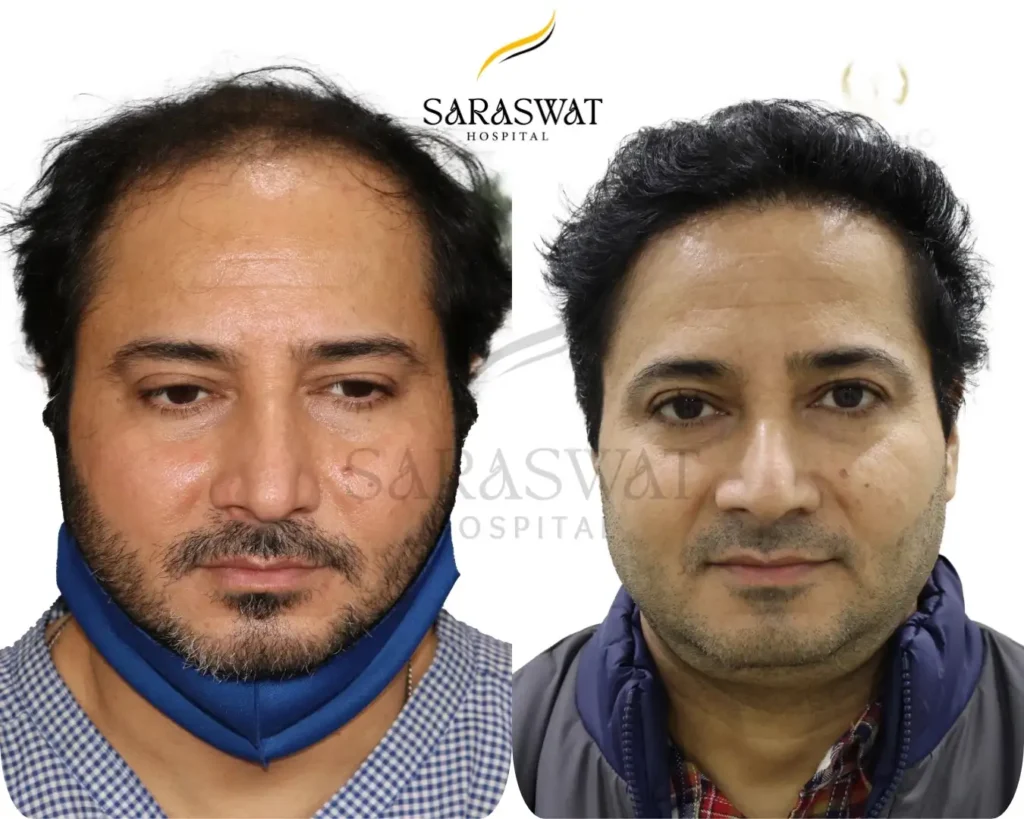
Hair Trasplant Before and After Result

3. Better Personal Life

Hair transplants can help people get a head full of hair. They can overcome the fear of losing more hair and looking older than their actual age. When individuals restore their hair via transplants, they can also improve their trust and well-being. Lack of confidence, stress, anxiety, etc., can affect our mood and interpersonal relationships. Successful hair transplants not only let us achieve a head of natural-looking hair but also help us get rid of emotional suffering. If we can eliminate stress, anxiety, self-consciousness, etc., we can improve various crucial aspects of our lives and bring balance back.

4. Long-Lasting Relief

People who are losing excess hair or experiencing baldness often tend to use randomly available hair restoration products. Most of them may not be suitable and can only offer short-term results. Once the individual stops using those products, their hair loss problem may return. It seems like a never-ending battle that can make hair loss sufferers emotionally tired. Instead of investing valuable time and money in these products, going for hair transplantation is a wise choice. It can help them get long-term relief from the constant fear of losing their hair. Generally, hair transplant results are permanent. With proper care and touch-up sessions, you can enjoy your transplanted hair for a longer period of time. You can also check out what ABHRS-diplomate Dr. Satya Saraswat says about hair transplant results in this video:

A Reliable Clinic to Get Successful Hair Transplants in India

Successful hair transplants can help get rid of stress, anxiety, and reduced self-confidence caused by hair loss. In order to ensure the success of the procedure, it’s crucial to find a hair transplant clinic where you can consult board-certified hair transplant surgeons. When it comes to getting satisfactory hair transplants in India, many people connect with Saraswat Hospital. Here, they can consult with two eminent hair transplant surgeons,

Dr. Satya Saraswat and Dr. Preeti Saraswat. Both doctors are diplomates of the American Board of Hair Restoration Surgeons (ABHRS) and have more than 20+ years of experience. They are also members of the International Society of Hair Restoration Surgeons (ISHRS). They have an amazing track record of performing more than 17,000+ plastic and cosmetic surgeries successfully. With their profound knowledge and skills, they can perform your hair transplants successfully.

Also, Saraswat Hospital is equipped with state-of-the-art tools and technologies required to perform surgeries smoothly and ensure patients’ comfort. Check out real hair transplant before and after images of patients who got their procedures done at Saraswat Hospital.

Conclusion

Hair transplantation is an effective way to fix baldness or thinning hair and can help individuals get their confidence back. Hair restoration can boost one’s self-esteem and help lead a quality of life. Here, the most important thing is that to get successful hair transplants in India or elsewhere, you have to consult with an expert hair transplant surgeon.

Book an online consultation with our team and learn more about hair transplant, and find out how many grafts are required in your case, and get a customised plan for a natural-looking hairline.

Sources:

(1) Psychology of hair transplants, published by ISHRS. (ISHRS Hair Transplant Forum)

(2) The use of Vitamins D, Iron, and Vitamin C helps in boosting hair growth. (ISHRS)

FAQs

1. What are the negative effects of a hair transplant?
Some of the complications that may occur during or post-surgery are infections, scarring, inflammation, itching, shock loss, unnatural appearance, and folliculitis. There could be times when the hair doesn’t grow, necessitating more surgeries.

2. What happens 20 years after a hair transplant?
Hair transplanted tends to be permanent because hair follicles are harvested from resistant regions. But there could still be a thinning effect around the transplanted hair, which would then require more hair restoration.

3. Is balding 100% genetic?
It is not always a matter of genetics alone. Balding is caused mainly by genetics, but other triggers include hormonal factors, poor diet, psychological pressure, diseases, medication, and other external factors.

4. What vitamins help prevent baldness?
Some vitamins useful for preventing hair loss include biotin (B7), Vitamin D, Vitamin E, iron, zinc, and omega-3 fatty acids. They keep your follicles healthy and also prevent you from losing too much hair by helping grow thick hair.

5. What blood test is done for hair loss?
Commonly performed blood tests for determining hair loss include a CBC blood test, TSH/T3/T4 levels, a Vitamin D test, zinc, and a hormone test for DHT and testosterone.

Follow us on:- Facebook, Instagram, Pinterest, YouTube

Medical Disclaimer →

This article is for informational purposes only and does not constitute medical advice. Plastic, cosmetic, and laser treatments — including AI-assisted previews such as those generated by the Peek AI™ app — carry risks and results vary by individual. Always consult a licensed medical professional before undergoing any procedure.
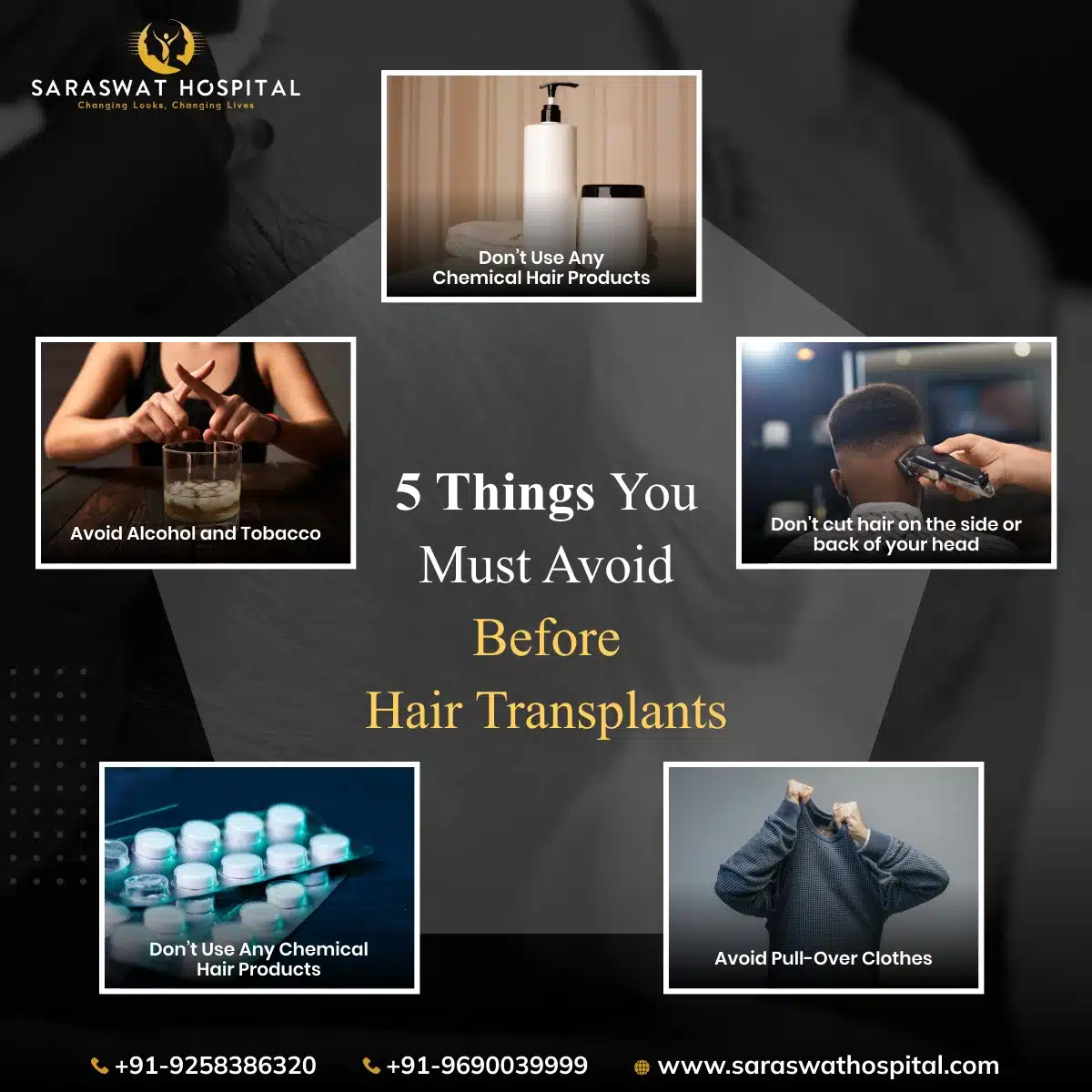
5 Things You Should Never Do Before Hair Transplants
Medically Reviewed By Dr. Satya Saraswat, MBBS, MS, MCh, DNB (Gold Medalist) | Last updated: April 23, 2026

Hair transplantation can help you get rid of baldness and get your natural hair back. It has emerged as a revolutionary hair restoration method that millions of people worldwide are embracing. A hair transplant is one of those life-changing decisions that requires both careful consideration and adequate preparation. The success of hair transplants does not entirely depend on the procedure itself; it begins long before patients enter the operating room. Consulting a hair transplant doctor in India or elsewhere is crucial. A patient also needs to take care of a few things to ensure the success of their hair transplant. Today, we will talk about the things that patients should not do before a hair transplant. A single mistake by the patient can lower the chances of success, even if the doctor tries his/her heart and soul.

Understand the Hair Transplant Procedure

Hair transplantation is a technique-sensitive procedure that should only be done by qualified doctors. You should stay away from the black market practices that tempt patients to get the procedure done for half the actual price.

Hair transplantation is a surgical procedure in which qualified surgeons remove healthy hair follicles from the donor area and then transplant them into the recipient area. The entire procedure needs to be done with precision and accuracy, which can only be achieved by expert surgeons with years of experience. The hair transplant procedure is virtually painless, and patients get anaesthesia before the procedure. There are two popular hair transplant procedures: FUE (Follicular Unit Extraction) and FUT (Follicular Unit Transplant). After analysing your scalp condition, the availability of donor hair, overall health condition, decreasing rate of overall body hair, etc., surgeons can determine whether you are eligible and which hair transplant technique they can follow.

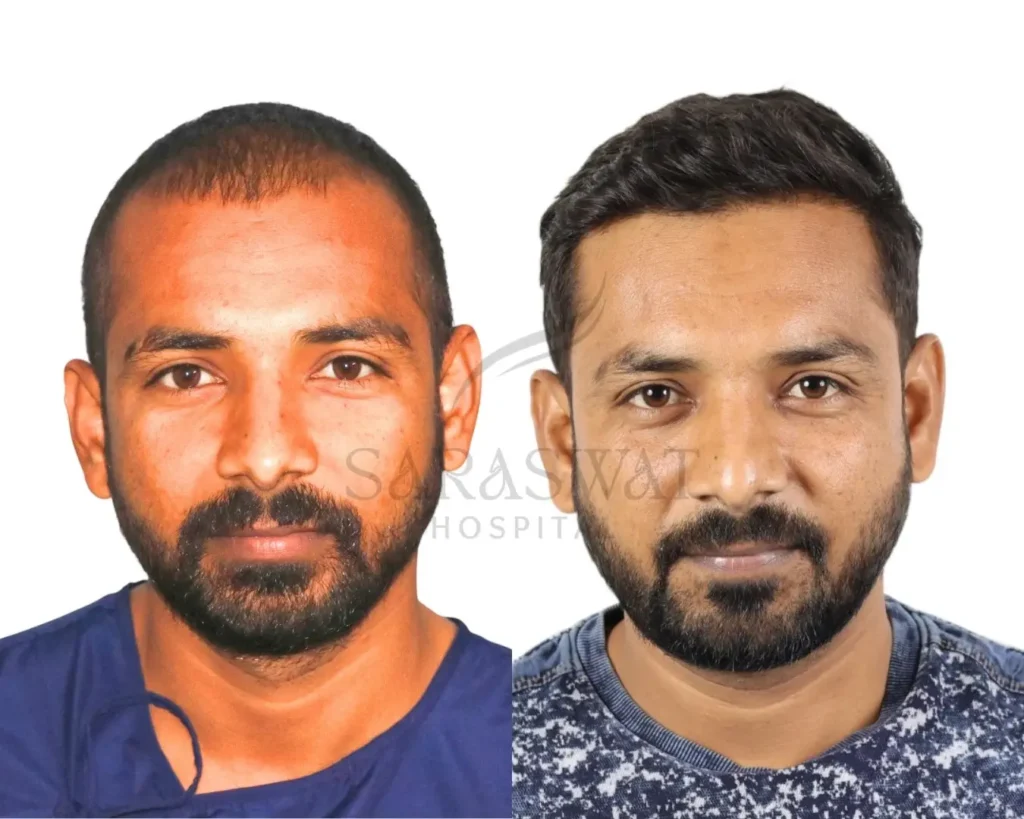
Hair Transplant Result

Things That Patients Should Never Do Before Hair Transplants

For a patient who has been suffering from baldness or thinning hair for years, a hair transplant is a pretty exciting matter. A hair transplant can help you get a head full of hair. However, in a hurry or out of excitement, you should not commit any mistakes that can reduce the chance of success of this procedure.

1. Avoid Alcohol and Tobacco

We all know that smoking and alcohol consumption are not good for our health. However, doctors strictly recommend avoiding these before hair transplant surgery. Alcohol and tobacco can reduce the body’s ability to heal after a surgical procedure. Smoking can cause blood vessels to constrict, reduce blood flow to the scalp, and inhibit the delivery of oxygen and nutrients required for healing. On the other hand, smoking and alcohol consumption can increase the risk of complications during and after anaesthesia. Smoking can affect lung function, and the patient can become more sensitive to anaesthesia. People who consume alcohol may experience nausea, vomiting, and respiratory problems after anaesthesia. In order to avoid all these complications and make the hair transplant procedure smooth and successful, doctors recommend avoiding alcohol consumption and smoking for a few days before and after the surgery.

2. Avoid Anti-Inflammatory Medicines or Aspirin

You should stop taking medicines or vitamin supplements that contain aspirin, ibuprofen, or herbs that increase blood flow or thin the blood. These medications can increase the chance of bleeding during the hair transplant procedure. Excess bleeding makes graft harvesting and transplanting challenging. Also, it can delay your healing. When planning a hair transplant procedure, you should share your current medications with your doctor. The doctor will guide you accordingly on which medications you can take and which you need to pause for a while. Following the surgeon’s instructions is the key to ensuring the success of the procedure. Choose a knowledgeable hair transplant surgeon with years of experience for the best experience.

3. Don’t Use Any Chemical Hair Products

Many of us have the habit of using chemical hair products such as serums, hair setting sprays, and so on. On the day of the hair transplant, you should wash your hair using a mild shampoo, and after that, you should not use any chemical products. Also, you should not use any hair styling tools on that day. You have to keep your hair and scalp clean to avoid hair transplant side effects and ensure the success of the procedure.

4. Don’t Cut the Side or Back Hair of Your Head

Hair transplant surgeons recommend not cutting the side or back hair of the head before a hair transplant surgery. These areas mainly serve as the donor sites from which doctors collect healthy hair follicles for transplantation. Cutting them short or shaving them entirely may limit the availability of grafts, leading to compromised transplant density and coverage. Leave the hair on those areas as they are, as it allows the surgeon to precisely extract and transplant follicles. Also, leaving the side and back hair untouched can ensure a seamless blend with the transplanted hair. The patient will achieve a natural and undetectable outcome.

5. Avoid Pull-Over Clothes

A hair transplant is an outpatient procedure. The patient can return home on the same day. On the day of the procedure, a patient should wear loose-fitting clothes or those with buttons. Clothes that need to be worn through the head and are tight-fitting can disturb the delicate grafts and impede the healing process. After the procedure, transplanted grafts will be sensitive and prone to irritation. You need to avoid everything that might irritate your scalp and grafts. Choose clothes that can be easily worn without pulling them over the head. In this way, you can reduce the risk of friction and dislodging grafts. On the day of the hair transplant, you can wear clothes with buttons so that after the procedure, you can easily put on the clothes and go home.

Also, don’t forget to inform your doctor if you have any allergies. Patients with such conditions may react negatively to pain management medicines and anaesthesia. Inform the medical team if you have any allergies and let them plan how to reduce the risk of any complications during the surgical procedure.

Where Can You Find the Best Hair Transplant Doctor?

We all know that the success of a hair transplant procedure greatly depends on the skills and precision of the surgeon. And that’s why it is important to find a truly skilled and experienced doctor for your procedure. When it comes to getting successful hair transplant surgery in India, many people, even foreigners, prefer to consult Dr. Satya Saraswat and Dr. Preeti Saraswat at Saraswat Hospital.

Both doctors are board-certified and internationally recognised. For more than 20+ years, they have been helping patients improve their appearance and get their confidence back. They are the diplomates of the American Board of Hair Restoration Surgeons (ABHRS). Dr. Satya Saraswat and Dr. Preeti Saraswat are also members of the International Society of Hair Restoration Surgeons (ISHRS). They have successfully performed more than 17,000+ plastic and cosmetic surgeries.

Conclusion

A hair transplant is a technique-sensitive procedure and should be done by experts only. A patient should follow the instructions that we have discussed in this blog. During the initial consultation with the best hair transplant doctor in India, you should accordingly share your health condition, medical history, current medications, goals, etc. When the doctors know the entire scenario, it becomes easier to plan a successful transplant procedure. If you need more information on hair transplants and want to check your eligibility for this procedure, kindly connect with Saraswat Hospital, an ideal destination to solve all your hair loss-related problems.

Book an online consultation with our team and learn more about hair transplant, and find out how many grafts are required in your case, and get a customised plan for a natural-looking hairline.

Follow us on:- Facebook, Instagram, Pinterest, YouTube

Medical Disclaimer →

This article is for informational purposes only and does not constitute medical advice. Plastic, cosmetic, and laser treatments — including AI-assisted previews such as those generated by the Peek AI™ app — carry risks and results vary by individual. Always consult a licensed medical professional before undergoing any procedure.
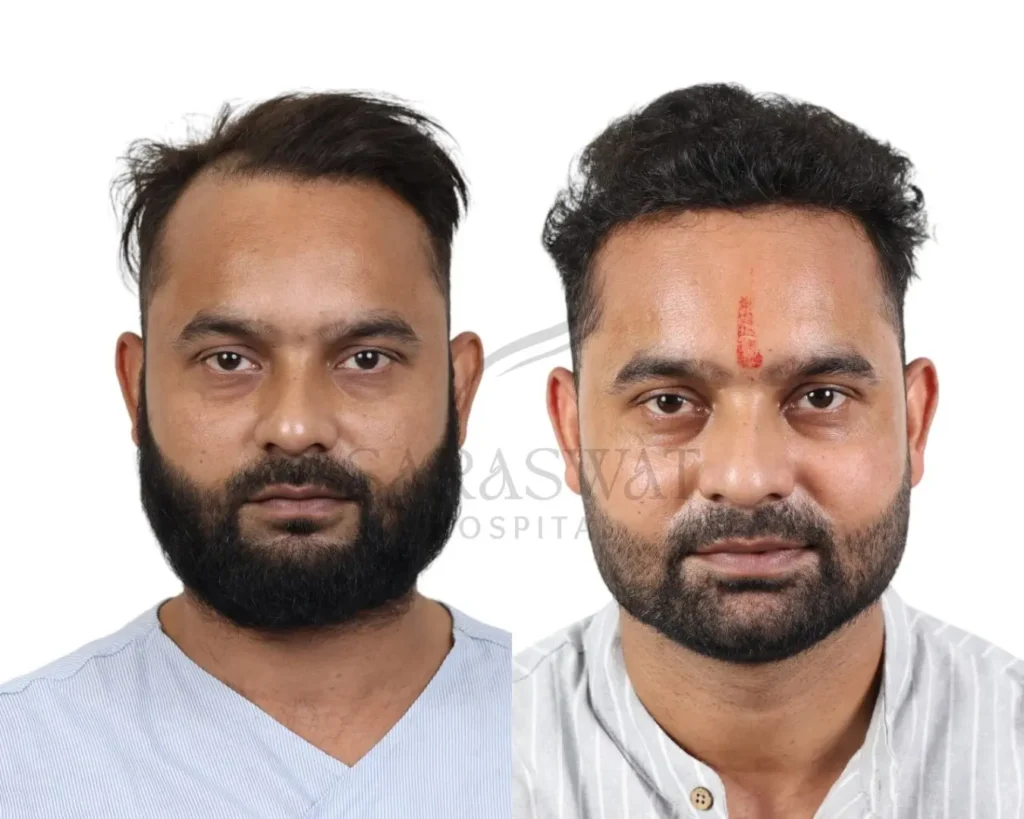
Is White or Grey Hair Eligible for Transplants?
Medically Reviewed By Dr. Satya Saraswat, MBBS, MS, MCh, DNB (Gold Medalist) | Last updated: April 25, 2026

Hair transplantation is an amazing way to restore natural hair and get rid of baldness or thinning hair. People across the globe are embracing this revolutionary hair loss treatment to get their confidence back. However, there is a question that we hear from many of our patients, and that is, “Is white or grey hair eligible for transplants? Can the colour of the hair be a barrier to hair transplantation? This blog is going to unveil the truth for our readers and let them make informed decisions.

In order to experience the best hair transplant in India or elsewhere, you should get all your answers from your doctor before the procedure. Once you are confident about the procedure and can set realistic expectations, only then should you proceed with it.

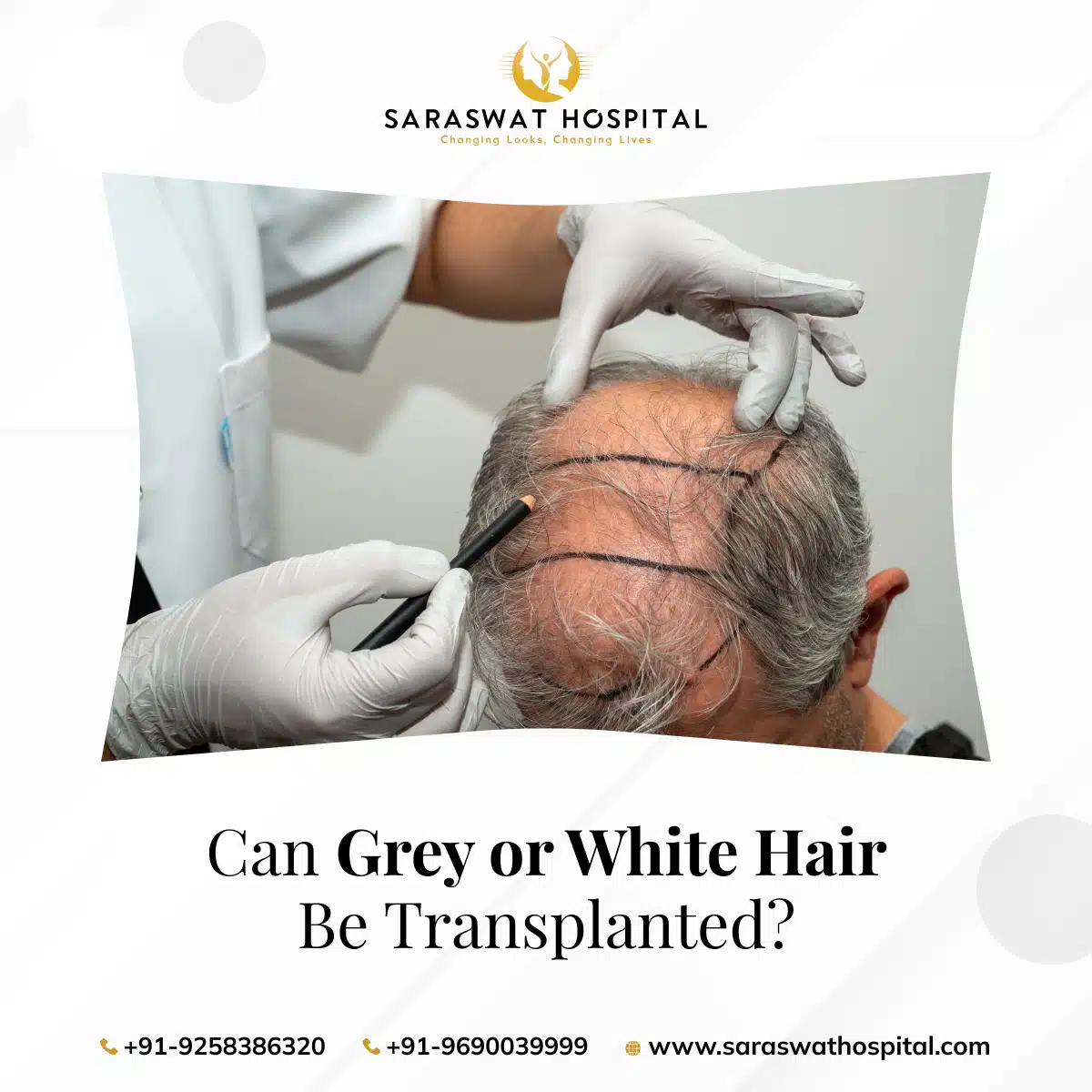
Can White or Grey Hair Be Transplanted?

This is the most common concern for people with greying or white hair who want hair transplants for a transformed look. According to the International Society of Hair Restoration Surgeons (ISHRS), grey or white hair can be transplanted safely and successfully (1). Many people have the misconception that when their hair turns grey, they are no longer healthy. The rationale for successful hair transplants is to move healthy hair follicles from the donor area to the recipient area to promote healthy hair growth. Transplantation of grey hair can be successful, as grey hair is healthy and produced by healthy hair follicles.

Why Does Our Hair Turn Grey?

Melanocytes present in hair follicles produce melanin, which is the source of our hair colour. Both the quality and quantity of melanin are determined by genes inherited from your parents. At a certain point in life, the melanocytes may reduce melanin production or completely stop, leading to greying or white hair. Decreased melanin production leads to grey hair, and total absence can cause white hair.

Other Causes of Grey or White Hair:

  • B12 Deficiency
  • Hormonal Disorders
  • Poor Diet
  • Alcohol Consumption
  • Smoking
  • Harsh Chemicals in Hair Products
  • Conditions Such as Pernicious Anaemia, Albinism, etc.
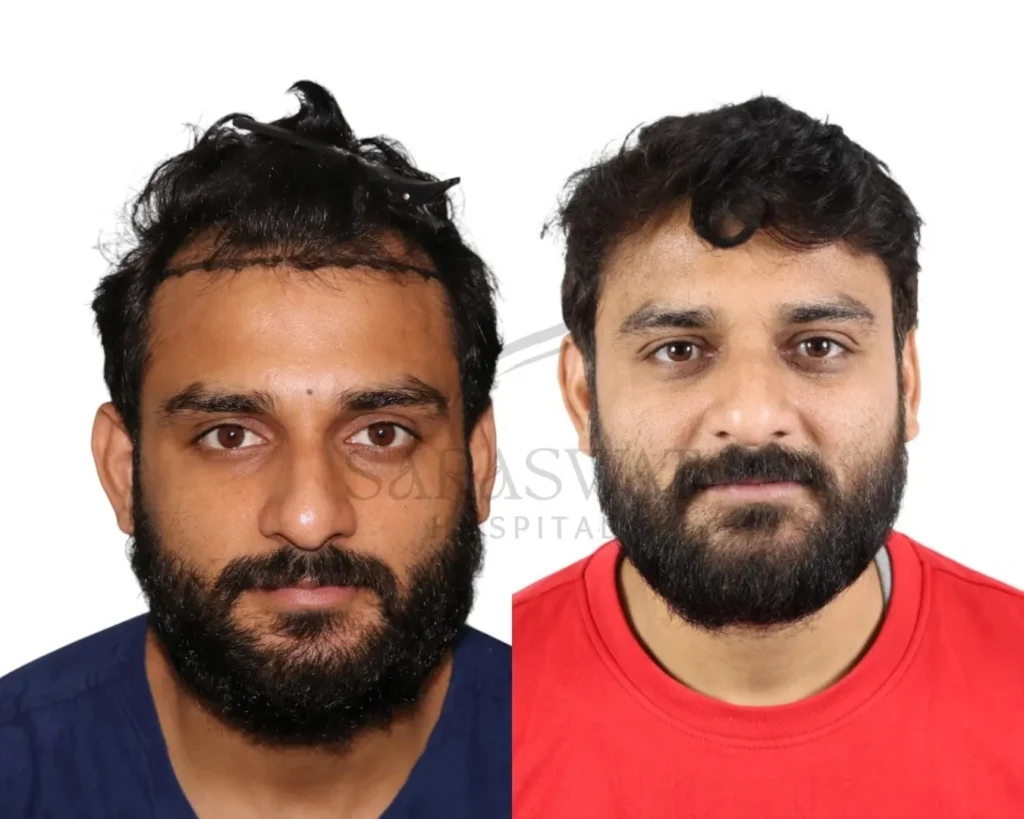
Hair Trasplant Before and After Result

Why Do Melanocytes Reduce/Stop Producing Melanin?

The exact reason why melanocytes reduce or stop producing melanin is not known yet. However, there can be a biological clock controlled by genetics that determines when melanocytes stop or reduce producing melanin. We all know that getting grey is a sign of normal ageing. However, some greying of the hair is also associated with various diseases or congenital abnormalities. Generally, greying of the hair starts at about age forty to fifty, but some people may experience it as early as their 20s and 30s. By age 35, nearly 25% of men and women can experience grey hair. By age 50, greying can be seen in about half of the population. Fair-haired individuals may notice less greying. People with black or brown hair often experience greying as a “salt-and-pepper” appearance. The process of greying generally starts at the temples and gradually spreads over the entire scalp.

With age, the sebaceous cells may reduce the production of lubricating oil. It may cause grey or white hair to be drier compared to pigmented hair. Taking the right care of your hair after transplantation is important to ensure good hair health.

Is Hair Transplantation Safe and Successful for Older Patients with Grey/White Hair?

Age or hair colour are not the sole factors that determine whether a person is eligible for hair transplants or not. The factors doctors consider for a young patient’s hair transplant eligibility are also the same for an older patient. In order to determine whether a person with grey or white hair is eligible for transplants or not, doctors consider factors like the cause of hair loss, overall health, medical history, scalp condition, pattern of hair loss, and the goals of the patient.

Before undergoing a grey hair transplant in India or elsewhere, one should discuss the final outcome with the doctor. A patient whose hair is still in the grey process but is not totally grey should discuss the possible appearance after the hair transplants.

Will the Hair Colour Match After the Transplants?

The fear of colour mismatch is common in grey hair transplants, especially if the patient has grey hair only in selective areas of the scalp. If you have white or grey hair in certain areas of your scalp, the transplanted hair may be of a different colour than the previous hair in the recipient area.

The hair transplant doctor needs to plan the entire hair transplant procedure with precision and accuracy. If grey hair follicles are transplanted, they will continue to grow as grey hair. Many doctors prefer to use the follicular unit extraction (FUE) method to randomly collect healthy hair follicles individually from the back or side of the head. In this way, doctors can prevent colour mismatching, and the newly transplanted hair will perfectly blend in. Based on the requirements and goals of the patient, doctors may also perform follicular unit transplantation (FUT) or both procedures.

Conclusion

The success of a hair transplant procedure does not depend on the colour of the hair. So, if your hair is greying, don’t worry; consult with the best hair transplant doctor in India and then proceed with the surgery. Make sure your chosen hair transplant doctor is skilled, experienced, and has recognition in the field.

Book an online consultation with our team and learn more about hair transplant, find out how many grafts are required in your case, and get a customised plan for a natural-looking hairline.

Sources:

(1) According to the International Society of Hair Restoration Surgeons (ISHRS), grey or white hair can be transplanted safely and successfully. (ISHRS)

FAQs

1. Can I get a hair transplant with grey hair?
The grey colour won’t be an issue, as the hair transplantation method will work equally well regardless of the hair colour. Transplantation of grey hair follicles will produce grey hair at the recipient site.

2. Is 27 too early for a hair transplant?
You could be considered too young, as many surgeons prefer to wait until the late 20s or early 30s. It is advisable to wait for the stabilisation of hair loss, which usually occurs after 30 years old.

3. Does vitamin B12 reverse grey hair?
Supplements of B12 might assist in colouring the hair naturally again, but only if hair greying occurred due to a B12 deficiency. Otherwise, genetics-related or age-associated hair greying cannot be reversed or prevented with B12 intake.

4. Which deficiency causes grey hair?
The deficiencies that usually result in early grey hair include a lack of vitamin B12, iron, copper, and vitamin D. However, B12 deficiency is the most common reason for early greying of hair among all other deficiencies.

5. At what age is grey hair normal?
Normal greying of hair starts in the mid-30s to early 40s, as most people experience significant greying by the age of 50. Premature greying is said to occur if one starts turning grey before the age of 20 years in whites and 25 years in Asians or Africans.

Follow us on:- Facebook, Instagram, Pinterest, YouTube

Medical Disclaimer →

This article is for informational purposes only and does not constitute medical advice. Plastic, cosmetic, and laser treatments — including AI-assisted previews such as those generated by the Peek AI™ app — carry risks and results vary by individual. Always consult a licensed medical professional before undergoing any procedure.

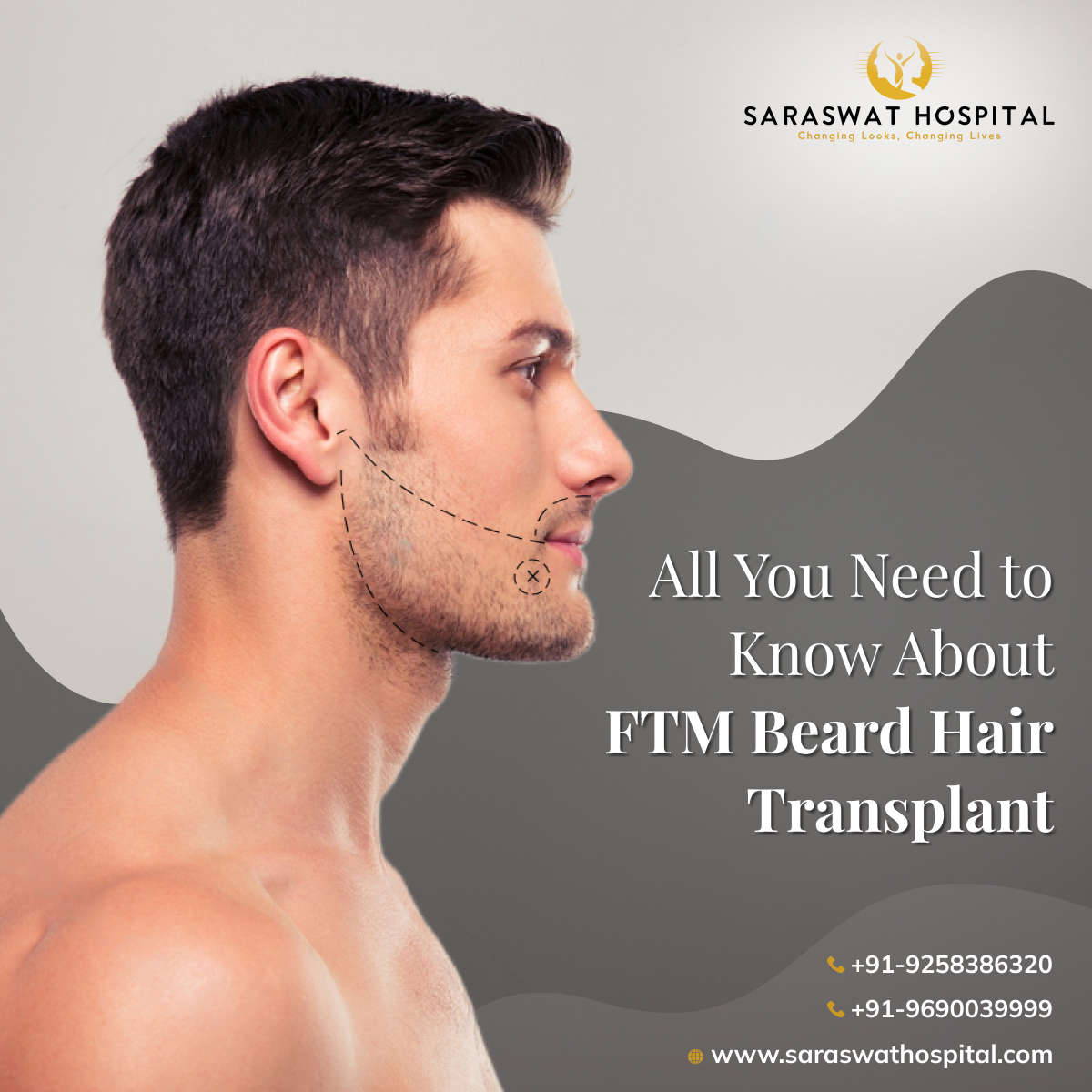
All You Need to Know About FTM Beard Hair Transplant
Medically Reviewed By Dr. Satya Saraswat, MBBS, MS, MCh, DNB (Gold Medalist) | Last updated: April 25, 2026

On the journey of self-discovery and personal expression, many individuals embark on transformative paths to align their physical appearance with their true selves. For many transgender men (FTM), the growth of beards is crucial to shaping their true identity. Even after having hormone replacement treatments, not all transgender men experience natural hair growth. It can lead to dysphoria and lower self-esteem. This is where an FTM beard hair transplant comes into play. This is a groundbreaking solution that can transform the lives of FTM individuals and let them embrace their true identities.

For successful beard hair transplants in India or elsewhere, it’s highly important to consult eminent hair transplant surgeons. A hair transplant is a technique-sensitive surgical procedure, and only skilled surgeons can help you achieve the desired results.

Which Factors Affect Facial Hair Growth for FTM Patients?

Irrespective of gender, most people have facial hair. Certain hormones impact the appearance of facial hair, as men generally have thicker, darker, and longer hair on their faces. Genetics also plays a key role in the thickness and amount of facial hair.

Both hormonal and genetic factors can influence the volume of facial hair that an FTM transgender person will develop. If an FTM person’s parents or siblings have a natural affinity for full beards, he is likely to achieve prominent facial hair growth.

Many FTM patients also take the help of hormone replacement therapy to kickstart their beard growth and get a masculine appearance. Taking testosterone as prescribed by the doctor during transition can start a second puberty, leading to new facial hair growth. Testosterone can promote new facial hair growth in transgender men, but not everyone experiences the same.

What Is a Gender Reassignment FTM Beard Hair Transplant?

Men who are struggling to grow a beard can take the help of a beard hair transplant in India. This is a type of hair restoration procedure. In this procedure, doctors collect hair follicles from one area of the body and then transplant them into the recipient area. The transplanted hair can permanently grow in the recipient area. Hair follicles are harvested from the patient’s own body, and that’s why there is zero to little risk of rejection.

FTM hair transplant is a transformative solution for individuals who want to achieve natural facial hair growth. During the procedure, hair follicles should be harvested carefully, adhering to international guidelines. A successful beard hair transplant can result in a fuller, more masculine beard, perfectly aligning the physical appearance with the individual’s gender identity.

Which is the Best Beard Hair Transplant Procedure?

A hair transplant is a safe and effective procedure that should only be done by qualified surgeons. We know there are two hair transplant methods: FUT (follicular unit transplantation) and FUE (follicular unit extraction). However, for beard hair transplants, doctors prefer to follow the FUE method. The FUE method is popular among patients as it has minimal downtime and no side effects like scars or bleeding. This is an outpatient procedure; the patient can return home on the same day.

For a successful beard or body hair transplant in India, it is crucial to find a technologically advanced clinic where you can meet expert doctors. At Saraswat Hospital, you can consult with Dr. Satya Saraswat and Dr. Preeti Saraswat, two eminent surgeons with more than 20+ years of experience in this field. They are diplomates of the American Board of Hair Restoration Surgeons (ABHRS) and members of the International Society of Hair Restoration Surgeons (ISHRS).

Best Hair Transplant Surgeon in India

FTM Beard Hair Transplants at Saraswat Hospital in Agra?

Based on the requirements and goals of the patient, doctors decide on the hair transplant procedure. For a successful beard hair transplant and to ensure an aesthetic look, doctors take care of certain design characteristics. It may include the formation of a strong goatee and sideburns. It is actually a choice between a wide or high cheek portion and a narrower strap beard that runs along the jawline.

Next, surgeons will identify the “stable zone area”, typically located at the back and sides of the scalp. It is the donor area from which healthy hair follicles will be collected for a beard hair transplant. In order to achieve natural-looking beard transplant results, finer hair is preferred, and the donor area is often found on the sides of the head. If a patient is experiencing complete baldness or thinning hair. Body hair can be used for transplantation (for example, chest hair).

Follicular unit extraction (FUE) is considered the most effective beard hair transplant technique. This is a minimally invasive surgical procedure performed under local anesthesia, ensuring a swift recovery.

At Saraswat Hospital, our expert doctors use specialised tools known as “punches” for smooth graft harvesting. The size and shape of these punch tools depend on the follicle type. For finer hair, it is important to use smaller punches. The entire extraction process is discreet and virtually undetectable.

Before starting the procedure, doctors will administer local anesthesia to the facial areas. After that, they perform the transplantation procedure with dedication and precision. We prefer to implant one follicle at a time to ensure the correct angle for optimal density and natural-looking results.

Gender Reassignment FTM Beard Hair Transplant at Saraswat Hospital

This is the story of Mr. Pet Carnes, who flew from the USA to India to get a beard hair transplant. He tried hair transplants in the USA before, but was not satisfied with the results. After that, he decided to come to India and get hair transplants at Saraswat Hospital.

Mr. Carnes mentioned that there are lots of differences between his hair transplants in the USA and in India. In his previous transplantation, there was not much discussion about the results or aftercare. During his hair transplantation session in India, he discussed a more natural look based on his facial structure and how the final outcome would look. Also mentioned he felt truly guided, and the entire procedure was transparent for him, as he was informed about each step in detail.

For FTM beard hair transplants, patients need a very comfortable environment where everyone can understand their concerns and support their transition. At Saraswat Hospital, Mr. Pet found that the environment was welcoming and supportive, and it was worth travelling from the USA to India. He also mentioned that his experience was gender-affirming, and the entire team took the best care of him throughout the procedure. To check out his beard transplant before and after results, watch this video:

Conclusion

FTM beard hair transplant in India is a life-transforming procedure that gives transgender individuals the opportunity to align their physical appearance with their true identity. Just like any other surgical procedure, a beard hair transplant also carries its own risks and complications. Patients might notice swelling in both the donor and recipient areas. In order to avoid side effects and ensure a quick beard transplant recovery time, one should follow all the instructions provided by the doctor.

Book an online consultation with our team and learn more about hair transplant, find out how many grafts are required in your case, and get a customized plan for a natural-looking hairline.

Follow us on:- Facebook, Instagram, Pinterest, YouTube

Medical Disclaimer →

This article is for informational purposes only and does not constitute medical advice. Plastic, cosmetic, and laser treatments — including AI-assisted previews such as those generated by the Peek AI™ app — carry risks and results vary by individual. Always consult a licensed medical professional before undergoing any procedure.

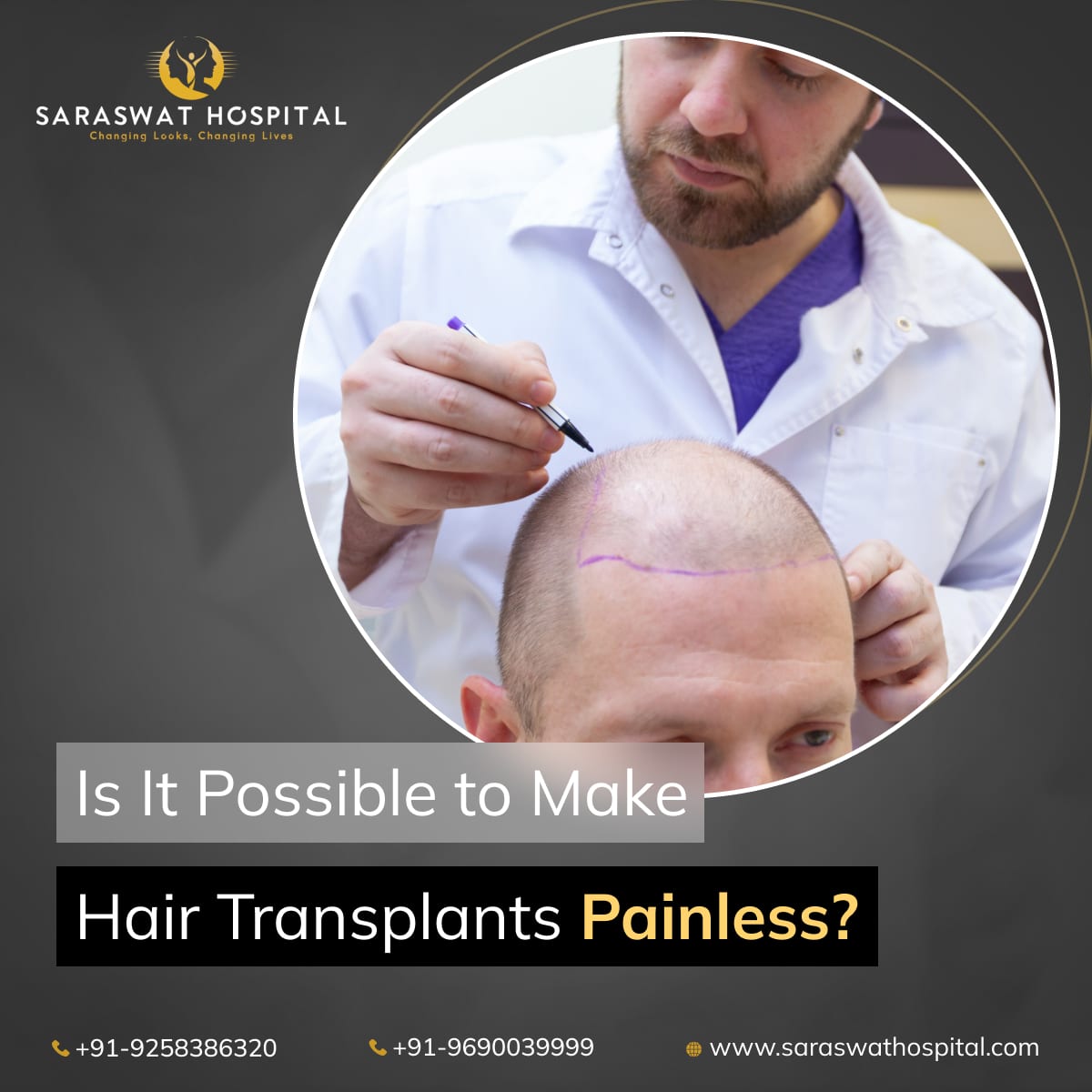
Is It Possible to Make Hair Transplants Completely Comfortable?
Medically Reviewed By Dr. Satya Saraswat, MBBS, MS, MCh, DNB (Gold Medalist) | Last updated: April 25, 2026

In the quest for regaining a head full of natural-looking hair, many individuals find themselves pondering over a question: Are hair transplants painful? The fear of pain associated with surgical procedures is common, but it often leads to hesitation and many doubts. If you are planning to get hair transplants in India or elsewhere, you should first separate fact from fiction to uncover the reality.

Hair transplants are an effective way to get your natural hair back and permanently get rid of baldness or thinning hair. Nowadays, many people are aware of the benefits of hair transplants in India and the rest of the world, with the help of the internet and major social media platforms. Just like the benefits, many myths and misconceptions are also circulating nowadays surrounding this hair loss treatment. So, it’s better to know the reality now, as it will help you make an informed decision.

What Is a Hair Transplant, and How Is It Done?

A hair transplant is a surgical procedure in which expert doctors remove hair follicles from the safe donor area and then transplant them to the recipient area (where the patient has baldness or hair thinning). Hair transplants are suitable for both men and women. In 2021, 703,183 hair transplant procedures were performed globally, according to ISHRS (1). In India, approximately 3,50,000 hair transplant procedures take place every year (2). The demand for successful hair transplants in India and other countries has been rising rapidly.

Two popular methods of hair transplantation are follicular unit extraction (FUE) and follicular unit transplantation (FUT). These procedures differ from each other and should be performed only by qualified surgeons with years of experience.

The FUE procedure involves extracting individual hair follicles from the donor site using a specialised punch tool, and then they are transplanted in the recipient area. In FUT, surgeons cut a thin strip of scalp containing hair follicles, typically from the side and back of the scalp. After that, the strip is dissected into smaller grafts and transplanted into the recipient site.

Both hair transplant procedures require careful planning and advanced skills and expertise to ensure natural-looking results. Before the procedure, doctors will administer anesthesia to keep the procedure pain-free or discomfort-free for patients. The hair transplant recovery period may vary from one patient to another, but most patients can resume their work within one to two weeks.

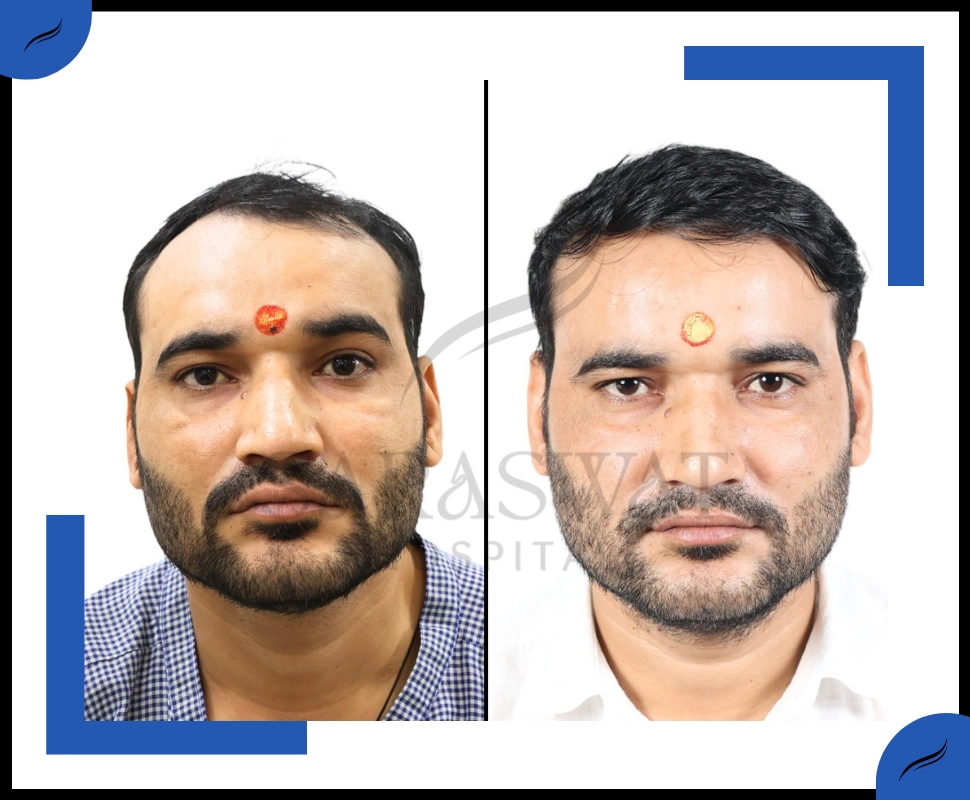
Hair Trasplant Before and After Result

Are Hair Transplants Painful?

Now we come to the actual concern of whether the procedure is painful or not. Every surgical procedure has its own complexity and may cause pain for the patient. Whether you need to face pain or discomfort depends on how your doctor has planned the procedure for you. At Saraswat Hospital, Dr. Satya Saraswat, Dr. Preeti Saraswat, and their team always take the best measures to keep the entire procedure pain-free for patients.

Doctors should educate the patient about the entire procedure, including the hair transplant side effects, to help them make an informed decision. Many patients feel anxious before the procedure, and expert doctors know how to make their patients feel confident and set up a positive mindset.

Doctors start the hair transplant procedure with local anesthesia. They directly inject the numbing solution into the scalp using a fine and sterile needle to prevent patients from feeling any sort of pain during the procedure. At Saraswat Hospital, doctors also use vibration devices to reduce pain sensations. This is the only step where a patient may feel a bit of pain during the entire procedure.

Can One Experience Pain After the Hair Transplant Procedure?

After the hair transplant procedure, a patient might feel mild discomfort or pain.

  • Once the effect of anesthesia fades away, patients might feel mild discomfort or dizziness for some time. The heavy feeling will go away after a few hours.
  • The mild pain or discomfort may last for three to five days. Doctors prescribe painkillers and suggest other pain management methods to ensure comfort and a faster recovery for the patient.
  • Generally, most patients do not feel pain during the recovery phase. Some minor discomforts, like swelling or heaviness, can be present. When the scabs start to dry, the patient might experience itchiness.
  • Also, note that some people have higher pain thresholds and may experience zero to little pain during or after the procedure. Patients with lower pain thresholds may experience more pain. However, advancements in anesthesia techniques and the skills of the surgeon keep the procedure pain-free for patients.

If you experience severe pain or abnormal swelling, immediately inform your doctor. The doctor may prescribe antibiotics or painkillers to manage the pain and ensure the success of the procedure.

Where Can You Get a Completely Comfortable Hair Transplant in India?

Hair transplants are effective in restoring your natural hair and getting rid of baldness. However, the procedure should also be easy and discomfort-free for patients. For successful hair transplants and pain management, it is crucial to choose the right hair transplant doctor. You should get the procedure done by doctors who are qualified and have years of experience.

Conclusion

Just like any surgical procedure, a hair transplant might also cause little discomfort or pain. However, an expert surgeon can plan the treatment accordingly and keep the journey pain-free for the patients. In order to get successful hair transplants in India, Saraswat Hospital is an ideal platform.

Book an online consultation with our team and learn more about hair transplant, and find out how many grafts are required in your case, and get a customized plan for a natural-looking hairline.

Sources:

(1) In 2021, 703,183 hair transplant procedures were performed globally. (ISHRS 2022 Practice Census Results)

(2) In India, approximately 3,50,000 hair transplant procedures take place every year. (Times of India)

FAQs

1. Can I touch my grafts after 7 days?
After 7 days, your grafts are stable, but you shouldn’t scratch or rub your scalp. It is fine to wash your hair, but refrain from aggressively touching any loose grafts. Follow your surgeon’s guidelines carefully.

2. How do I sleep after a hair transplant?
For the first week after surgery, rest your head at an angle of 45°. You can use a travel pillow or a reclining chair. This will prevent swelling and grafts from coming into contact with the pillow surface.

3. Who is a bad candidate for a hair transplant?
Candidates who have diffuse hair loss, inadequate donor hair, unpredictable hair loss, unrealistic goals, and skin conditions such as psoriasis or alopecia are not good candidates for hair transplants.

4. Is balding 100% genetic?
No. Genetics is important, but other factors like hormone levels (DHT), stress, poor nutrition, medical disorders, and medications can all play roles. Genetics only indicates vulnerability, not inevitability.

5. Will I go bald if my mom’s dad is?
No. The genes of your maternal grandfather do play a part due to inheritance via the X chromosome, but hair loss is polygenic and inherited on both sides of the family tree.

Follow us on:- Facebook, Instagram, Pinterest, YouTube

Medical Disclaimer →

This article is for informational purposes only and does not constitute medical advice. Plastic, cosmetic, and laser treatments — including AI-assisted previews such as those generated by the Peek AI™ app — carry risks and results vary by individual. Always consult a licensed medical professional before undergoing any procedure.
whatapp icon