
Book an
Appointment
Best Cosmetic Surgeon in India | Dr. Preeti Saraswat

Dr. Preeti Saraswat (MBBS, ABHRS)

Dr. Preeti Saraswat is a leading Hair Transplant and Cosmetic Surgeon with 20+ years of experience. She holds an MBBS from Kanpur and a Postgraduate Diploma in Clinical Cosmetology from the University of Greifswald, Germany, and is a diplomate of the American Board of Hair Restoration Surgery (ABHRS). She is an active member of IMA, IACLS, and AAAM. She specializes in scalp micropigmentation, skin rejuvenation, laser treatments, and hair restoration, and is also the founder of Twachaa by Saraswat, a premium skincare and hair care brand. She practices at Saraswat Hospital, Agra.

Articles by Dr. Preeti Saraswat (MBBS, ABHRS)

What Causes Sudden Hair Loss in Females? - Know the Truth
Medically Reviewed By Dr. Preeti Saraswat, MBBS, ABHRS | Last updated: April 13, 2026

While mild hair shedding is perfectly normal, sudden hair loss in females can feel truly alarming. Unexpectedly, it may strike without warning, resulting in visible thinning or even bald patches that can deeply shake your confidence, alter your appearance, and erode your self-esteem. Fortunately, finding the early cause will help in preventing long-term damage.

Understand Hair Loss in Females

Hair loss in females results from various factors like hormonal changes, stress, and lack of nutrition. Unlike thinning, sudden hair loss can occur rapidly, within a few weeks. Specialists assess these cases individually to isolate the precise triggers and develop a targeted treatment for the root cause.

Is Sudden Female Hair Shedding Causes Telogen Effluvium?

Telogen effluvium is a scalp disorder characterized by the premature entry of hair follicles into the resting phase. This condition usually results in the shedding of over 100 hairs per day, often triggered by systemic shocks such as high fever, surgery, or extreme psychological distress. Most patients observe significant thinning across the entire scalp rather than localized patches. Clinical diagnosis requires distinguishing this temporary shedding from permanent endocrine-driven changes.

How Do PCOS and Menopause Trigger Hair Loss?

Androgenetic alopecia in females is frequently driven by an imbalance between estrogens and androgens during menopause or PCOS. Increased levels of dihydrotestosterone (DHT) shorten the hair growth cycle and shrink the hair follicles (1). This miniaturization leads to thinner, shorter strands that eventually stop penetrating the scalp surface. These hormonal fluctuations often act in tandem with elevated systemic stress markers.

Causes of Hair Loss in Females

Can Cortisol-Induced Stress Freeze Hair Growth Cycles?

Elevated cortisol levels disrupt the signaling molecules necessary to transition hair follicles from the resting phase back into the growth phase. Research indicates that the protein gas6 is suppressed during periods of chronic stress, effectively “freezing” the regenerative capacity of hair stem cells. This biological pause results in a noticeable decrease in hair volume over three to six months. When stem cell activity is compromised, the body also becomes more sensitive to existing nutritional gaps.

Which Micronutrient Deficiencies Cause Female Alopecia?

Iron deficiency, specifically low serum ferritin, is the most common nutritional trigger for non-scarring hair loss in women. Follicular cells are highly metabolically active, requiring specific levels of Vitamin D and Zinc to maintain DNA synthesis and structural integrity (2). Maintaining ferritin levels above 50 ng/mL is often recommended to support optimal hair regrowth. Without these building blocks, the scalp becomes more vulnerable to external pharmaceutical or autoimmune interference.

Do Autoimmune Disorders and Medications Cause Thinning?

Alopecia areata is an autoimmune condition where the body’s immune system misidentifies hair follicles as foreign threats and attacks them. Furthermore, certain medications used for hypertension, depression, and hormonal therapy can induce drug-induced telogen effluvium as a secondary side effect. Professional scalp analysis is required to differentiate between immune-mediated loss and pharmaceutical reactions. Physical trauma from styling can exacerbate these underlying medical sensitivities.

Does Traction Alopecia Result from Chemical Processing?

Tight hairstyles like braids or extensions exert a persistent pulling force on the hair roots, causing traction alopecia. Frequent use of chemical relaxers and high-heat styling tools breaks the disulfide bonds within the hair shaft, leading to breakage and follicular scarring. If the inflammation becomes chronic, the hair loss may become permanent due to cicatricial (scarring) changes (3). Proactive intervention is the only way to reverse the damage before scarring occurs.
What Causes Sudden Hair Loss in Females?

What Are Clinically Proven Hair Loss Prevention Strategies?

To maintain follicular health and prevent visible thinning, follow these clinically grounded steps:

  • Early screening for iron and thyroid abnormalities allows for corrective action before visible thinning manifests.
  • Utilizing sulfate-free cleansers maintains the scalp’s natural lipid barrier, preventing secondary fungal or bacterial inflammation.
  • Evidence-based prevention requires a multifaceted approach involving scalp hygiene, dietary optimization, and the avoidance of mechanical tension.
  • Once active shedding begins, advanced clinical therapies are necessary to restore density.

Which Medical Therapies Halt Active Female Shedding?

Saraswat Hospital provides various proven treatments to reduce hair loss. Some of these include:

  • Medical Treatments: Medical treatments varies patients to patient according to hair and scalp condition.
  • Hair therapies: It boosts hair growth in your hair follicles.
  • Mesotherapy: Mesotherapy is best for providing essential nutrients.
  • Low-Level Laser Therapy (LLLT): Low-Level Laser Therapy improves blood flow and strengthens hair roots.

Final Thoughts

Multiple physiological factors trigger sudden hair loss and cause significant distress; ignoring clinical treatment often exacerbates the condition. Therefore, if you are struggling with hair loss, don’t wait until it worsens. For advanced trichoscopy and diagnosis of your hair loss, book an appointment and begin your journey toward confident, beautiful hair again.

Sources:

(1) Increased levels of dihydrotestosterone (DHT) shorten the hair growth cycle and shrink the hair follicles. (National Center for Biotechnology Information)
(2) Follicular cells are highly metabolically active, requiring specific levels of Vitamin D and Zinc to maintain DNA synthesis and structural integrity. (PubMed)
(3) If the inflammation becomes chronic, the hair loss may become permanent due to cicatricial (scarring) changes. (PubMed Central)

FAQs

1. When to worry about female hair loss?
Although it is normal to lose 50 to 100 strands of hair each day. But if you are noticing a sudden increase in the loss of hair strands, it is advised to consult a doctor.

2. How does Saraswat Hospital treat hair loss in females?
Dr. Preeti Saraswat looks for the reason for hair loss and offers customized treatment to every patient.

3. What signs indicate that hair loss needs medical evaluation?
When you experience continuous hair loss for weeks and start noticing patches, consult an expert hair doctor for timely treatment.

4. How do I stop female hair loss?

You can control female hair loss with a combination of a nutrient-rich diet, gentle hair care, stress management, and finding the best medical treatment.

5. What deficiency causes hair loss?

In modern times, hair loss is frequently caused by a deficiency of vitamin D, iron, biotin, and vitamin B12.

Follow us on:- FacebookInstagramPinterestYoutube

Medical Disclaimer

This article is for informational purposes only and does not constitute medical advice. Plastic, cosmetic, and laser treatments — including AI-assisted previews such as those generated by the Peek AI app — carry risks and results vary by individual. Always consult a licensed medical professional before undergoing any procedure.
Receding Hairline: Stages, Causes, and Effective Prevention Tips
Medically Reviewed By Dr. Preeti Saraswat, MBBS, ABHRS | Last updated: April 14, 2026

Losing hair is one of the most common issues that affects men and others as they age. However, knowing the stages, causes, and some of the most efficient preventive measures in case of hair loss can be of great help to anyone who starts perceiving a hairline recession, whether they have dealt with the problem for many years. This blog will give a clear outlook of the type of hairline regression, look at the most common causes of receding hairline, and, most importantly, actionable measures that can be taken to prevent hairline regression. 

What Defines a Receding Hairline?

Androgenetic alopecia is a genetically determined disorder characterized by the gradual conversion of terminal hair follicles into smaller vellus follicles. This biological shift primarily targets the frontal hairline and temples, leading to a visible change in the facial frame. Clinical diagnosis requires a physical examination to differentiate between a “maturing” hairline and active pathological recession. Identifying the specific pattern of this transition is essential for selecting a staging protocol.

How Does the Norwood Scale Classify Recession?

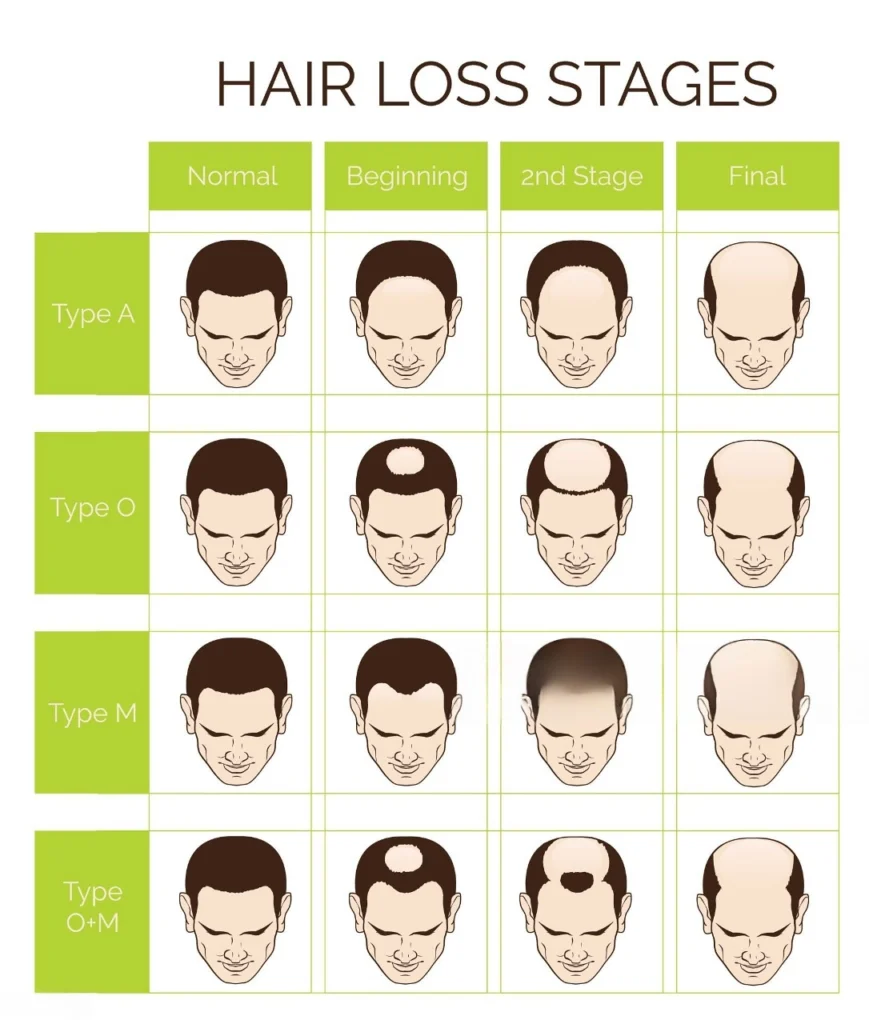
The Hamilton-Norwood Scale classifies male pattern baldness into seven distinct stages based on the severity of follicular loss. Stage 1 involves no significant hair loss, whereas Stage 2 marks a symmetrical recession at the temples, often identified as a mature hairline. Stage 3 is the earliest stage of clinically significant balding, typically presenting as a deep “M,” “U,” or “V” shape at the frontal border. Accurate staging dictates whether a patient requires preventative medical therapy or surgical intervention.

Why Does the Hairline Recede Genetically?

Dihydrotestosterone (DHT) acts as the primary androgen responsible for follicular miniaturization in individuals with a genetic predisposition to hair loss. This hormone attaches to receptors in the scalp, progressively shortening the anagen (growth) phase of the hair cycle. As the growth phase diminishes, the resulting hair shafts become thinner and shorter until the follicle becomes dormant. Understanding this hormonal mechanism is critical for evaluating effective pharmacological interventions.

Which Medical Interventions Prevent Further Recession?

  • Topical Minoxidil 5% is the primary vasodilator used to extend the anagen phase and increase the diameter of thinning hair follicles (1).
  • Clinical data from 2025 suggest that combining this topical treatment with Low-Level Laser Therapy (LLLT) enhances follicular density more effectively than using either treatment in isolation (2).
  • Diet and lifestyle factors, such as high cortisol levels from chronic stress, can exacerbate these genetic tendencies by disrupting the hair cycle.

These preventative measures aim to stabilize the hairline before considering permanent restorative procedures.

When is a Hair Transplant Clinically Indicated?

Hair restoration surgery is typically indicated for patients at Norwood Stage 3 or higher who have achieved stability through medical therapy. Modern Follicular Unit Extraction (FUE) utilizes individual graft harvesting to reconstruct a natural-looking hairline with high-density placement. Current 2026 surgical standards emphasize the importance of donor area management to ensure long-term viability and natural angulation of the transplanted follicles. Successful outcomes depend on the surgeon’s ability to mimic the patient’s original hair exit angles and distribution.

Receding Hairline Stages

Causes of a Receding Hairline

Several factors contribute to this problem, from genetics, such as male and female pattern hair loss, to issues like pollution and global warming. Now let’s have a look at some of the main causes of hairline recession:

1. Genetics (Hereditary Factors)

The most common reasons people develop recessed hairlines include hereditary factors. This is more so for those whose families have had occurrences of male or female pattern baldness; their chances of having a receding hairline are pretty high. This is so because hair loss is often a result of genetics, and hormones play a central role in this matter.

2. Hormonal Changes

Hormonal imbalances are another usual cause of the condition. In men, the hormone called dihydrotestosterone or DHT causes hair follicles to shrink in size and therefore thin the hairline. A woman can also lose hair around the hairline at some point in her life, for instance, during pregnancy or menopause.

3. Poor Diet and Lifestyle

A nutritionally depleted diet and an undesirable mode of living also lead to hair fall. They include poor nutrition, stress, late nights, smoking cigarettes, and too much alcohol, which also affects hair growth. 

The further loss of hair can thus be checked, besides making amendments to the above habits by taking standard meals that are rich in vitamins and minerals.

4. Stress and Anxiety

Here, it is important to understand that stress, especially chronic stress, affects the hair greatly. Stress generates cortisol, which interferes with the hair’s growth cycle, resulting in thinning of hair. Avoiding hair loss can also be managed through early education about stress control measures like meditation and exercise.

5. Medical Conditions

Inadequate dieting and nutrient deficiency, hormones, thyroid problems, autoimmune disorders, scalp infections, and hereditary factors tend to cause hair thinning and a low hairline. It is, therefore, important to consult your doctor if you think you have a medical condition that impacts hair.

Prevention Tips

It is often quite impossible to stop hairline recession completely; however, the points below will help you reduce further decline and enhance hair growth health:

Use Hair Growth Products

Several over-the-counter remedies actively combat hair loss and promote hair growth. Minoxidil, one of the most popular treatments, effectively boosts hair regrowth and slows further hair loss. Start using these products early for the best results.

Opt for a Healthy Diet

Rates also highlighted that proper nutrition can very much help in promoting hair health. The diet is directed to hair follicles, and hair loss includes foods with vitamins and minerals such as Vitamin E, B-complex, and Iron. This is the reason why consuming more green vegetables, nuts, and proteins is said to improve your hair health.

Avoid Stress

Earlier on, we made a point that stress may worsen the condition of hair loss. Attempt to include some things in your life that help your stress level come down. Constant stress harms hair; however, with regular physical activities, deep breathing, and mindfulness meditation, you take a step towards decreasing stress.

Consider a Consultation Before opting for Hair Restoration Treatments

If you want to stop hair loss, you may need a hair specialist team. Our treatment portfolio embraces hair transplant services that can help you regain the frontal hair zone.

Protect Your Scalp

It is therefore important to start taking good care of your scalp if you do not want the hair loss situation to get worse. Do not make up your hair in styles that put pressure on hair follicles, do not use heat tools too often, and do not use hair bands that keep your hair too tight. 

Maintain a healthy scalp regimen with a gentle shampoo and conditioner that will provide your hair with the nutrition it needs.

Conclusion

For anyone who is experiencing hair loss, it can be very tough, but at least knowing all the foregoing stages, causes, and ways that can prevent this condition is better. Therefore, if you want to find the best solution for hair loss, book an appointment and find many such successful stories. 

Sources:

(1) Topical Minoxidil 5% is the primary vasodilator used to extend the anagen phase and increase the diameter of thinning hair follicles. (Science Direct)
(2) Clinical data from 2025 suggest that combining this topical treatment with Low-Level Laser Therapy (LLLT) enhances follicular density more effectively than using either treatment in isolation. (PubMed Central)

FAQs

1. Can clinical interventions effectively restore a slowly receding hairline?

Yes, hairline issues can be, most of the time, halted or corrected through treatment like hair transplants, medicines, and better eating habits, among others.

2. When is a receding hairline observed?

Hairline begins to recede along the forehead and temples, forming an “M” shape.

3. When does a man begin to experience a receding hairline?

Male hairline ‘receding’ can start in the late teens, while in early adulthood or during the late 30s and 40s, this is normal.

4. What can a man with hair loss expect from a remedy?

Shampoos, hair transplants, PRP therapy, medicine like minoxidil, eating healthy foods, avoiding smoking, and taking alcohol also cure it.

5. When should one go to a doctor when they have minor trouble?

Any person who experiences a lot of hair loss or who decides to shave his/her head should consult experts. An experienced doctor will give them ideas on how to manage this, which is provided by the experts at Sarawat Hospital.

Follow us on:- FacebookInstagramPinterestYoutube

Medical Disclaimer

This article is for informational purposes only and does not constitute medical advice. Plastic, cosmetic, and laser treatments — including AI-assisted previews such as those generated by the Peek AI app — carry risks and results vary by individual. Always consult a licensed medical professional before undergoing any procedure.
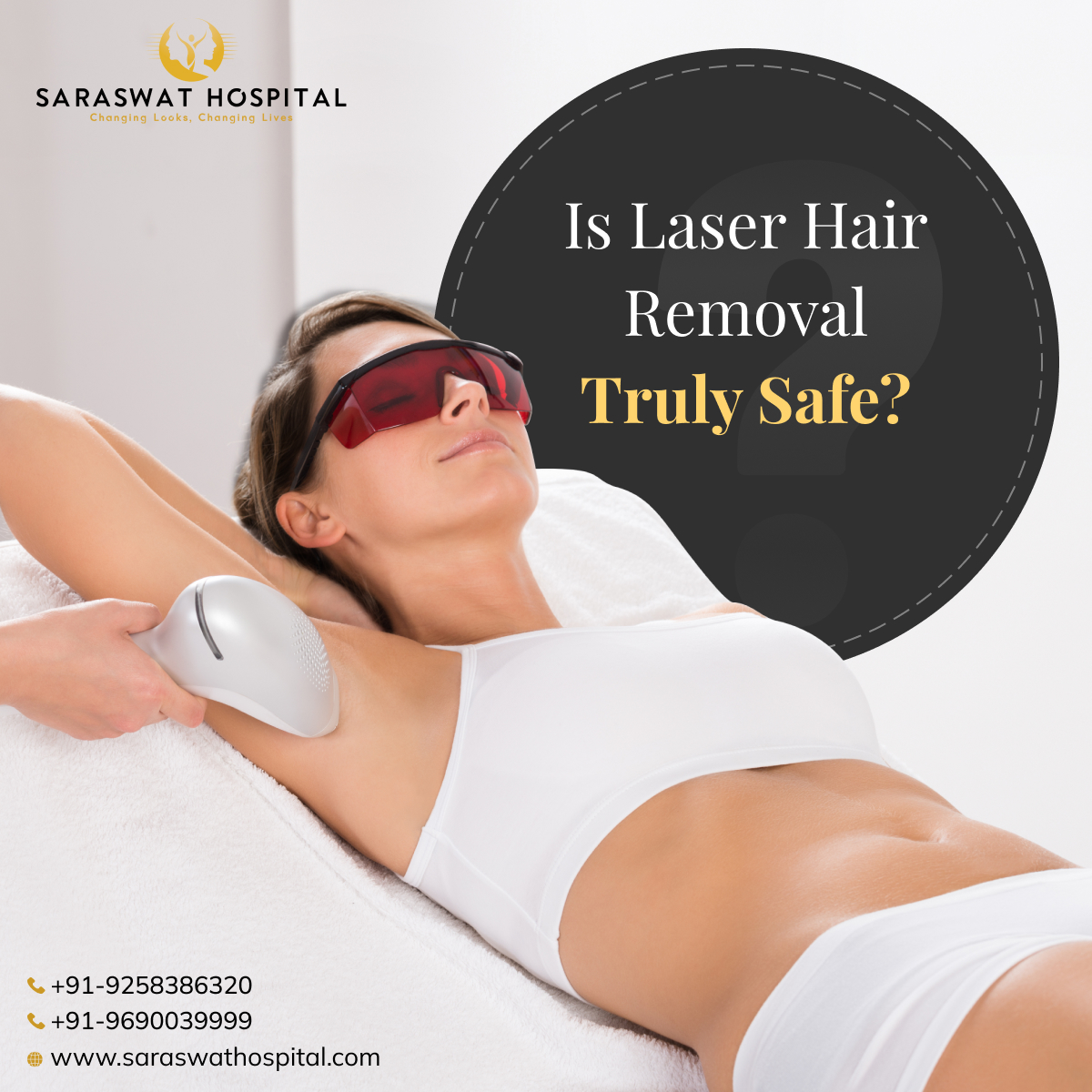
Is Laser Hair Removal Safe for All Skin Types?
Medically Reviewed By Dr. Preeti Saraswat, MBBS, ABHRS | Last updated: April 22, 2026

Laser hair removal is a widely popular method to get rid of unwanted facial and body hair. It offers long-term relief from unwanted hair and keeps the skin soft and smooth. However, some people think, “Is it safe for all skin types?” Anyone with darker skin tones often hesitates to try this treatment, assuming it only works well on lighter skin. Thanks to advancements in laser technologies, it is now possible to safely treat all skin types. Outdated technologies may not work effectively, but the latest devices ensure safe and satisfactory results for everyone.

For laser hair removal in Agra, India, choose a reputed clinic equipped with advanced technology to ensure safety and effectiveness across different skin tones.

What Is Laser Hair Removal, and How Does It Work?

Laser hair removal for all skin types is an FDA-approved, painless procedure designed to remove unwanted hair from the face and body. It has become a trusted part of advanced aesthetic treatments worldwide.

Unlike traditional methods such as waxing, shaving, threading, or tweezing—which can cause redness, rashes, itching, or pigmentation issues—laser treatment offers a smoother, long-term solution.

Laser hair reduction is different. It is a painless hair removal method, and only 4 to 6 sessions can help you get the desired results. The laser works by targeting melanin in hair follicles, destroying follicular cells permanently. This treatment is suitable for multiple areas, including:

  • For women: upper lip, chin, underarms, arms, legs, bikini line, and sideburns
  • For men: shoulders, back, beard area, chest, and even ears
Laser Hair Removal Agra, India | Saraswat Hospital

Is Laser Hair Removal Suitable for All Skin Types?

The suitability of laser hair removal for all skin types depends largely on the type of laser technology used. Not every device works equally well across different skin tones. Modern dermatologists prefer using Diode and Nd: YAG lasers.

Diode Laser for Fair to Medium Skin Tones

  • Emits longer wavelengths that target melanin effectively.
  • Works best for darker hair on lighter skin.
  • Ideal for individuals with fair to medium skin tones due to the higher contrast between hair and skin.

Nd: YAG Laser for Darker Skin Tones

  • Penetrates deeper into the skin, reducing the risks of burns or pigmentation changes.
  • Safely targets coarse, thick hair on darker skin.
  • Particularly effective for individuals with higher melanin content.

For the best outcomes, leading clinics combine both Diode and Nd: YAG lasers depending on the patient’s needs. This dual approach ensures safe, effective, and personalized treatment for every skin type.

How to Choose the Best Laser Hair Removal Clinic in Agra

If you are considering laser hair removal for all skin types in Agra, the quality of your results depends on the expertise of the clinic and doctors.

At Saraswat Hospital, patients are treated under the guidance of:

1. Dr. Preeti Saraswat– Associate Member of the American Academy of Aesthetic Medicine (AAAM) and an experienced clinical cosmetologist.

2. Dr. Satya Saraswat– A Gold Medalist Plastic and Cosmetic Surgeon with 20+ years of expertise, also a member of the Indian Association of Cosmetic Laser Surgeons.

With a track record of over 17,000+ successful cosmetic and plastic surgeries, Saraswat Hospital is recognized as one of the best destinations for safe and effective laser hair removal in Agra.

How Much Does Laser Hair Removal Cost in India?

Previously, cosmetic treatments like laser hair removal were considered expensive and accessible only to celebrities. Today, with technological advancements and increased accessibility, the cost of laser hair removal in India is affordable.

The cost of laser hair removal depends on:

  • Treatment area (face, underarms, full body, etc.)
  • Skin type
  • Number of sessions required
  • Type of laser technology used

To know the exact number of sittings and cost for your skin type and goals, you can consult expert doctors at Saraswat Hospital, Agra. A personalized skin and hair analysis will be conducted before planning your treatment.

Conclusion

Laser hair removal for all skin types is a safe, effective, and painless method to achieve long-term smoothness and freedom from unwanted hair. To ensure the best results, always consult qualified cosmetologists at a reputable clinic.

If you are looking for laser hair removal in Agra, India, Saraswat Hospital offers world-class treatment at affordable costs under the care of highly experienced doctors. 

Book an online consultation with our team and learn more about laser hair removal, and find the best treatment for you.

FAQs

1. Does laser hair removal work on all skin types?
Modern lasers suit most skin types. It can be used on all types of skin if performed by a skilled healthcare professional.

2. Who is not eligible for laser hair removal?
Pregnant women, patients with photosensitive medication, those with active skin infection, keloid scars, or grey hair do not make suitable candidates for laser hair removal.

3. Is laser hair removal 100% safe?
Nothing in medicine is ever completely safe. While laser hair removal is safe with a certified professional, there are some risks, such as pigmentation issues, redness, or irritation.

4. Who should avoid laser hair removal?
People with active skin infections, hormonal issues, photosensitive medication like Accutane, past cases of skin cancer, or conditions such as eczema and psoriasis should not consider laser hair removal.

5. What are the negatives of laser hair removal?
Costly treatments, multiple sittings, temporary redness, burning, or pigmentation risks, inability to treat light hair, and regrowth over time are potential negatives associated with laser hair removal.

Follow us on:- FacebookInstagramPinterestYoutube

Medical Disclaimer

This article is for informational purposes only and does not constitute medical advice. Plastic, cosmetic, and laser treatments — including AI-assisted previews such as those generated by the Peek AI app — carry risks and results vary by individual. Always consult a licensed medical professional before undergoing any procedure.
Post-Laser Hair Removal Skincare Guide by Saraswat Hospital
Medically Reviewed By Dr. Preeti Saraswat, MBBS, ABHRS | Last updated: April 23, 2026

Laser hair removal is a saviour for people who are tired of using painful methods like waxing, tweezing, or shaving, offering a transformative post-laser hair removal skincare guide to maintain results. Most importantly, traditional hair removal methods need to be repeated every month and come with side effects. It also means you need to deal with those side effects repeatedly. In order to avoid all these side effects and get silky smooth, hair-free skin, there is no better way than laser hair removal, complemented by a proper post-laser hair removal skincare guide to ensure long-lasting, radiant results.

For successful laser hair removal in Agra, India, choose a clinic where you can get the treatment under the supervision of an expert cosmetologist or dermatologist. However, did you know the success of laser hair removal sessions also depends on how you care for your skin after the procedure? To maintain the goodness of laser hair removal sessions, it’s crucial to follow the aftercare instructions. Following the right aftercare process, such as protecting your skin and choosing the right products, can help the treated area heal quickly and completely.

How Is Laser Hair Removal Done at Clinics?

Laser hair removal is a safe procedure that should only be done by experts. The laser can be dangerous in inexperienced hands. Improper handling may lead to burns, permanent skin discoloration, and so on. Choose a clinic where board-certified cosmetologists perform the treatment using state-of-the-art tools and technologies.

At a leading clinic like Saraswat Hospital, cosmetologists use two types of USFDA-approved laser hair removal machines. One is the long-pulse Nd: YAG laser, and the second is the Diode laser. A diode laser is designed for lighter skin. Based on the requirements, doctors use the best one, and often they deploy both types of machines to ensure optimal results.

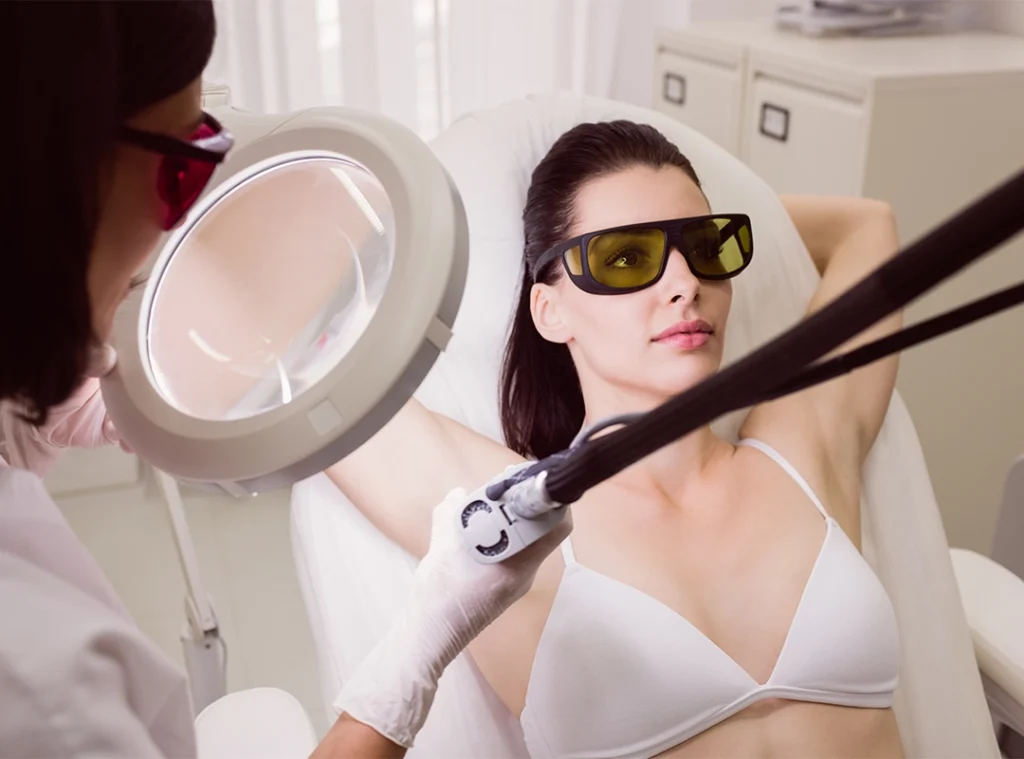
  • The procedure starts with cleaning the treatment area and marking it.
  • Next, the hair in the treatment area will be trimmed.
  • Doctors apply a gel to the treatment area. The gel acts as a medium between the handpiece and the treatment area.
  • Doctors set the machine parameters based on the requirements
  • Next, they start delivering laser shorts. Based on the hair density and size of the treatment area, they may deliver different types of shots.
  • The fluency and frequency of laser shots depend on the skin type and hair type.
  • Patients may experience mild redness after the procedure
  • Doctors may suggest a mild steroid cream to treat the redness

In order to understand the process in detail, watch this video by AAAM-certified clinical cosmetologist, Dr. Preeti Saraswat:

How to Care for Your Skin After Laser Hair Removal Treatment

Knowing how to care for the skin after a laser hair reduction session is the key to minimising discomfort, preventing side effects, and maximising the results. Do not follow any random tips; ask your cosmetologist about your post-laser hair removal skincare guide.

1. Avoid Makeup

If you have tried facial laser hair removal, you should avoid applying any makeup products for at least 24 hours after the procedure. Only apply the medication suggested by the doctor. Not only makeup products, but you should also not use any chemical beauty products. Makeup or beauty products that contain chemicals might irritate a laser-treated area.

2. Don’t Take Hot Showers

After a long, tiring day, it feels good to take a warm shower. However, you should avoid it for a few days after a laser hair removal session. Exposing your skin to high temperatures can irritate the treated area. You should avoid hot showers, hot tubs, and saunas for at least 48 hours. You can take cool showers after the procedure.

3. Avoid Sun Exposure

After a laser hair reduction session, you should strictly avoid sun exposure. Harmful UV rays can irritate your treated area and lead to side effects. If possible. Refrain from going out in the sun for at least a week after the procedure. Or, take proper physical sun protection before stepping out of your home. Apply a broad-spectrum sunscreen to the treatment area, and always carry an umbrella to protect your skin. Also, you can wear clothes or scarves to cover up your treatment area and protect it from direct sun exposure.

4. Don’t Apply Deodorant

Directly spraying deodorant on sensitive areas like underarms is not recommended. If you have tried underarm laser hair removal, you should avoid applying deodorant or any lotions with fragrances. Otherwise, these grooming products may cause skin irritation, redness, or discoloration.

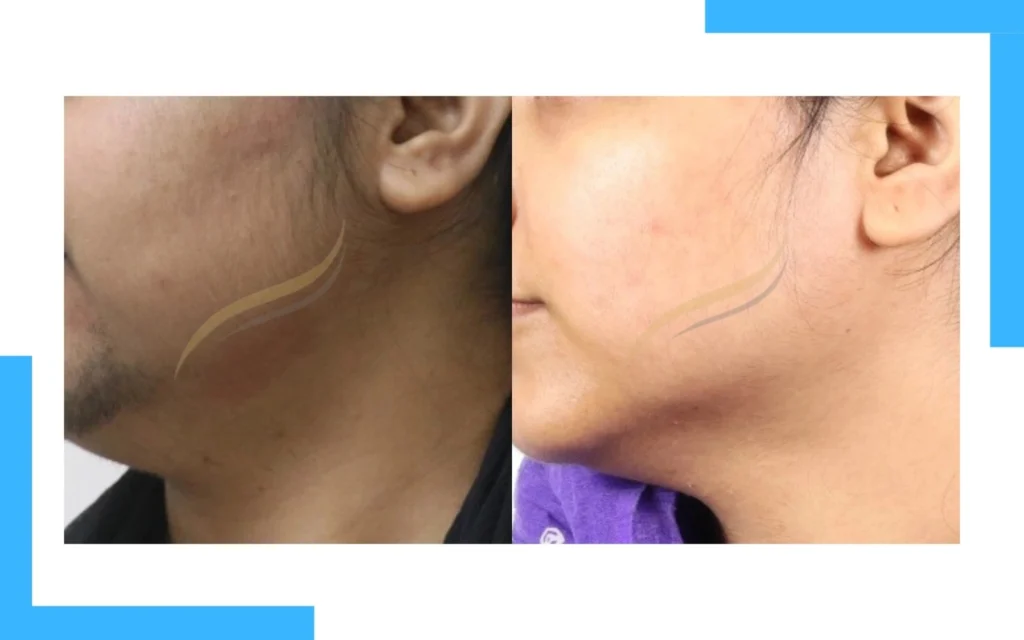
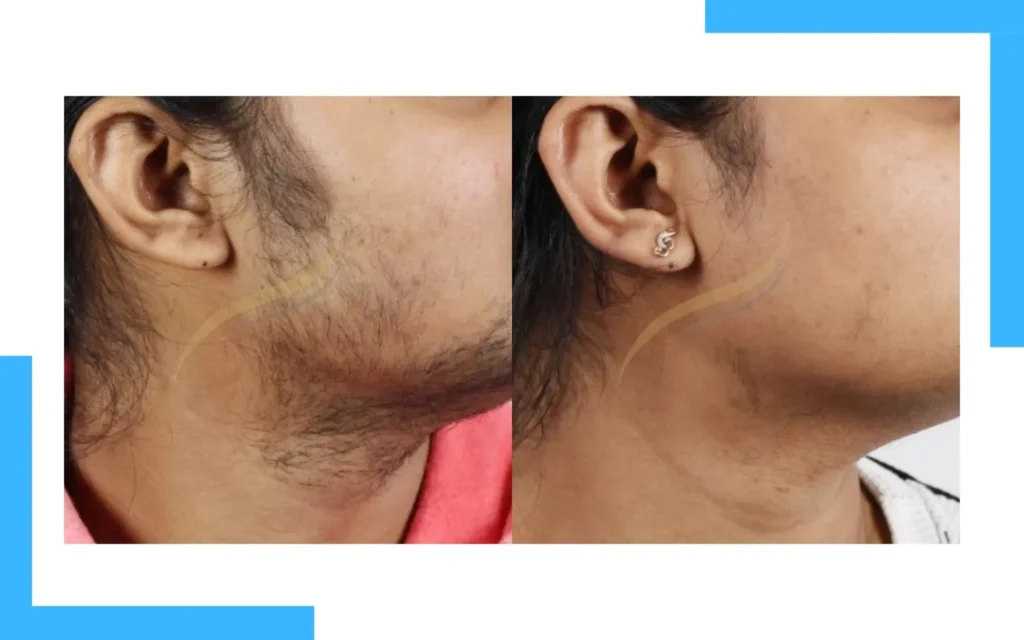
Facial Laser Hair Removal Result

5. Don’t Use Body Scrubs

In order to remove dead skin cells, many people use body scrubs. Many have adopted it as their regular skincare regimen. However, after a laser hair reduction session, you should not use body scrubs. Even mild scrubs can irritate the laser-treated area and cause side effects like redness.

6. Pause Your Swim Classes

You know that most swimming pools are filled with chlorinated water. Chlorinated water can cause irritation in the treatment area. Be it swimming pools with chlorinated water or natural pools, you should avoid swimming for at least one week after a laser hair removal session.

7. Treat the Initial Discomfort

After a laser hair reduction session, patients may experience slight irritation and redness. However, such side effects or discomforts fade away within a few hours. Ice and cold packs can help reduce this discomfort. Apart from this, doctors at Saraswat Hospital also prescribe mild steroid creams to manage redness and initial discomfort. In order to get a safe and effective laser hair removal treatment and avoid any kind of side effects, it’s crucial to connect with a technologically advanced clinic where board-certified cosmetologists monitor the entire procedure.

8. Space Out Recurring Treatments

To achieve satisfactory results, one may need 4–6 laser hair reduction sessions. Laser hair removal treatment is most effective for hair that is in the anagen phase. Not all hair is in the anagen phase at any given time. Each laser hair removal session can destroy only a fraction of the hair that is in the anagen phase.

It is advisable to space out each laser hair removal session no sooner than four to six weeks apart. Talk to your cosmetologist or dermatologist to decide how many sessions you need or how you can space out each session. Based on the treatment area, the total number of sessions may vary. For example, laser treatment for facial hair removal may require more sessions compared to arm laser hair removal.

Conclusion

Laser hair removal is an effective way to get rid of unwanted facial and body hair. However, it should be done under the supervision of expert dermatologists or cosmetologists. For safe and effective laser hair removal in Agra, India, many people prefer to consult Dr. Preeti Saraswat or Dr. Satya Saraswat at Saraswat Hospital. So, if you are looking for a clinic where you can get advanced laser hair reduction sessions by eminent doctors, Saraswat Hospital in Agra can be the best solution.

Book an online consultation with our team and learn more about laser hair removal, and find the best treatment for you.

FAQs

1. Does a laser really remove hair permanently?
Hair removal through lasers causes long-lasting results, rather than being totally permanent. Most people achieve 70-90% hair reduction when the procedure is finished. It’s normal for fine growth to appear eventually, necessitating repeat treatment.

2. Will hair grow back if I stop lasering?
Hair will regrow if one stops mid-procedure. Hair removal using lasers will leave some follicles inactive, which may cause hair regrowth. The regrown hair will be less dense than the original hair.

3. What are the negatives of laser hair removal?
The main cons of laser hair removal include skin reddening, irritation, changes in skin color, and, rarely, burning. Laser hair removal can be expensive, takes many sessions, and functions best with dark hair.

4. What happens if I stop laser hair removal after 2 sessions?
Not many follicles would be deactivated. Hair would grow back, but it might be a bit thinner. No significant changes would be observed unless you complete the number of sessions advised, which are 4-6.

5. What not to do 24 hours after laser hair removal?
You should not expose yourself to sunlight, hot baths, steam rooms, swimming, or tight clothes. You shouldn’t use scented items, scrubs, or makeup on the treated area.

Follow us on:- FacebookInstagramPinterestYoutube

Medical Disclaimer

This article is for informational purposes only and does not constitute medical advice. Plastic, cosmetic, and laser treatments — including AI-assisted previews such as those generated by the Peek AI app — carry risks and results vary by individual. Always consult a licensed medical professional before undergoing any procedure.
5 Things You Should Know Before Getting Bikini Laser Hair Removal
Medically Reviewed By Dr. Preeti Saraswat, MBBS, ABHRS | Last updated: April 23, 2026

The demand for bikini laser hair removal is rising rapidly, especially during the beach season. Laser hair removal is no doubt a great way to get rid of unwanted facial and body hair. It brings long-term results and makes the skin soft and smooth. However, is it suitable for sensitive areas like bikini lines? Is bikini laser hair removal safe? There are a few important factors that you should know before undergoing laser hair removal in Agra, India, or elsewhere.

In order to get satisfactory laser hair removal results, visit a clinic where expert cosmetologists take the best care of the entire process. Choose a clinic that is also technologically advanced and uses both diode and Nd: YAG technologies to ensure optimal results for the patients.

Things You Must Know About Bikini Laser Hair Removal

Bikini hair removal is no longer a hassle. You can ditch all old methods like razors, waxing, shaving, etc. Traditional methods often bring side effects like irritation, ingrown hairs, redness, and bumps. If done by expert and experienced cosmetologists, laser hair reduction is safe and can bring long-term benefits.

1. Bikini Laser Hair Removal Isn’t a One-Time Thing

It is a non-invasive procedure that concentrates light via an energy source. Then the light gets absorbed by the pigment present in the hair follicle. It can damage the hair follicles and prevent hair regrowth. In order to get satisfactory results, one may require more than one setting (4 to 6) to reduce hair by 60–80%. However, the result may vary from one person to another. The result depends on skin type, hormonal imbalance, the colour of hair and skin, and individual hair growth patterns.

There are four different phases in the hair growth cycle: anagen, catagen, telogen, and exogen. Laser hair reduction is most effective for hair that is in the anagen, or growth phase. Not all hair is in the anagen phase at any given time; at one point in time, about 30% of the entire hair population could be in the anagen phase. Each laser hair reduction session can destroy only a fraction of the hair that is in the anagen phase. And that’s why multiple sessions are required to get the desired results.

2. Your Hair Growth May Not Stop Completely

Laser hair reduction works differently from person to person. The result of laser hair removal can also vary from one body part to another. Many people notice that after laser hair reduction treatment, hair growth has disappeared from their legs and arms, but they often experience very fine growth on their underarms, face, and bikini area. Fortunately, the hairs are barely visible in such cases. However, maintenance is important, and one may require top-up sessions once in a while.

3. Laser Hair Removal Isn’t Painful

Many people say that their laser hair removal procedure wasn’t painless; they felt much discomfort and pain. The pain or level of discomfort depends on the type of technology your chosen clinic is using for laser hair removal. At Saraswat Hospital, we use Zimmer air cooling technology to make laser hair removal for women and men virtually painless. We use this technology if the patient wants to get treatment from the Nd: YAG JOY laser. The only thing a patient can feel is a rubber band snapping or a little warm skin sensation. Based on the requirements of the patient, we also cool the skin further to keep the session comfortable. On the other hand, the new diode laser device comes with a cool tip, and no external cooling is required.

Laser Hair Removal Result

4. You Can’t Randomly Wax Between Sessions

Many people think that they will wax and get laser sessions alternatively to reduce hair growth, but this won’t work, and there is also a chance of severe side effects. Cosmetologists ask not to pluck or wax between laser sessions, as it can disrupt the root of the hair follicles. In between sessions, you can shave. However, to do that, get permission from your cosmetologists first.

5. Lots of Precautions Are There

The patient must avoid waxing, plucking, or bleaching the hair for six weeks prior to treatment. You need to reserve the root and pigment of the hair to ensure the success of the procedure. After a laser hair reduction session, a patient might experience redness and swelling. You need to take the best skin care after laser hair removal. These are temporary side effects that will fade away within a few hours.

After two to three weeks of a laser hair reduction session, 10–20% of the treated hair may fall out. During the healing phase, you should take proper care of the treated area. You should not rub or scratch, and avoid hot showers, steam baths, and saunas. You should pause your swimming practices for a while, as chlorinated water can affect your laser-treated skin. Most importantly, keep the treatment area moist, apply sunscreen, and avoid direct sunlight exposure to prevent laser hair removal side effects (1). If you notice any signs of infection, like pus, tenderness, or fever, you should immediately connect with your cosmetologist.

These are the five most important things that you should know before undergoing a laser hair removal session. During the consultation, you should share your lifestyle, upcoming plans, etc. with the cosmetologist. It will help the doctor craft a perfect treatment plan based on your requirements and goals.

Conclusion

For successful laser hair removal in Agra, India, many people prefer to visit Saraswat Hospital. Here, they consult with Dr. Preeti Saraswat, an eminent clinical cosmetologist with years of experience. She is an associate Member of the American Academy of Aesthetic Medicine (AAAM).

Book an online consultation with our team and learn more about laser hair removal, and find the best treatment for you.

Sources:

(1) Keep the treatment area moist, apply sunscreen, and avoid direct sunlight exposure to prevent laser hair removal side effects. (Mayo Clinic)

FAQs

Q1: Can I use sunscreen before laser hair removal?
It is not advisable to apply sunscreen on the day of your procedure. However, sunscreen application leading up to the day of your treatment is highly recommended for better outcomes.

Q2: Do I need to avoid the sun after laser hair removal?
Yes. Sun exposure should be avoided for about two weeks after undergoing laser hair removal treatment since it causes irritation and even skin burn and discoloration of treated areas.

Q3: Can I wash my face after laser hair removal?
Yes, but it should be done six to twelve hours after treatment. You can clean your face using warm or cool water and a fragrance-free cleanser.

Q4: Does pigmentation get darker after laser?
Temporarily, yes. Post-inflammatory hyperpigmentation is common, particularly right after the treatment. It typically clears up after a couple of weeks. Sunscreen use and good care practices minimize its occurrence.

Q5: What to expect after 1st laser hair removal?
Redness, swelling, and sunburn will occur in the 24–48 hours following the procedure. Hair loss starts one week after the laser treatment. The process is gradual; several treatments are required to achieve permanent hair removal.

Follow us on:- FacebookInstagramPinterestYoutube

Medical Disclaimer

This article is for informational purposes only and does not constitute medical advice. Plastic, cosmetic, and laser treatments — including AI-assisted previews such as those generated by the Peek AI app — carry risks and results vary by individual. Always consult a licensed medical professional before undergoing any procedure.
How to Prevent Hair Loss in the Monsoon?
Medically Reviewed By Dr. Preeti Saraswat, MBBS, ABHRS | Last updated: April 25, 2026

The monsoon feels so good; nature becomes greener, and we get relief from the scorching heat. Everything seems good and beautiful in the monsoon except for one thing. In this season, many experience increased hair fall. Losing nearly 50 to 100 strands of hair in a day is normal. However, if you are losing more hair than normal and facing other issues like an itchy scalp, dandruff, infections, etc., you should go for an effective hair loss treatment as soon as possible.

It’s frustrating to see that your hair is shedding faster than raindrops! Losing a lot of hair can affect your overall appearance and confidence level. However, you don’t need to worry, as we are here with an expert-backed quick guide on how to prevent hair loss in the monsoon.

Hair Loss Before and After Result

Reasons Behind Increased Hair Loss in the Monsoon

There can be various reasons behind increased hair fall in the monsoon, such as increased humidity, fungal infections, hormonal imbalance, nutrient deficiency, and so on. If your hair fall condition worsens, consult with the best hair doctor in Agra, India, or elsewhere and get the right treatment.

  • Fungal Infections

    The monsoon season brings a humid environment that promotes the growth of fungi and bacteria. These microorganisms can cause infections like ringworm, dandruff, etc., leading to more hair fall. Also, itchy and irritated scalp conditions can weaken the hair roots, making them prone to breakouts or fall.
  • Excessive Humidity

    Due to high humidity, our scalp can get oily and sticky, causing clogged hair follicles. Clogged follicles also weaken hair roots and cause more hair fall. The increased moisture present in the air can also weaken the hair shaft and make it more prone to breakage.
  • Weakened Hair Roots

    The fluctuation in weather and humidity during the monsoon can cause stress to your hair roots. The constant changes in temperature and moisture levels can also weaken hair roots and cause more hair fall.
  • Oil Imbalance

    The humidity and uncertain changes in weather can affect the natural oil balance of the scalp. It may cause more oil secretion and clog hair follicles. On the other hand, applying oil in this season can increase the growth of Malassezia, which causes dandruff and scalp inflammation, leading to more hair fall.
  • Lack of Nutrition

    During the rainy season, many people experience a change in appetite and eating habits and tend to consume more fried and junk foods. It can cause a lack of nutrition in the body and hair loss. Poor nutrition can affect your overall health. Due to poor nutrition, hair loss can occur in any season. Be careful about food intake, follow a balanced diet, and avoid foods that can cause gastrointestinal issues.

In order to learn more about hair loss causes and treatment, watch this video by Dr. Preeti Saraswat (ABHRS-diplomat).

How To Prevent Hair Loss in the Monsoon?

Preventing increased hair fall in the monsoon is not a challenge if you follow a few simple tips. Even after trying many things, if you are not getting rid of increased hair fall, take the help of a doctor. Often, one or more internal factors can contribute to more hair fall. Before it gets delayed, consult an expert hair restoration doctor and get the best hair loss treatment. Here are some tips on how to prevent hair loss in the monsoon:

1. Keep Your Hair Dry and Clean

In this humid weather, keep your hair dry and clean to prevent excessive hair fall. We all feel a bit more lethargic during the rainy season and often take less care of our hair. To maintain good hair health and reduce hair fall, you should follow a healthy hair care routine regardless of the season. In order to reduce hair breakage and fall, keep your hair dry and clean.

Do not use hair dryers to dry your hair after a wash. You can use a lightweight microfiber towel to gently soak up the water. Don’t rub your hair hard; do it gently.

2. Use a Mild Shampoo

Use a mild shampoo to wash your hair. You can go for a mild shampoo that is free from harsh chemicals such as parabens and sulphates. Ask your dermatologist to prescribe a gentle shampoo suitable for your scalp and hair type. Many people experience increased dandruff this season, and they can use ketoconazole-infused shampoo for relief. Before using any medicated hair product, consult with an expert doctor.

3. Always Wash Away the Rainwater

If you get drenched in the rain, try to wash your hair immediately afterward. Rainwater may contain pollutants and chemicals from the air, which can damage the hair bulb and clog hair follicles. This can cause your hair to become dull, thin, dry, and brittle.

4. Do not Comb Wet Hair

There is no benefit to combing your wet hair. It takes more time and causes more hair to fall. When hair is wet, it is weaker and more vulnerable to breakage, split ends, and damage. Let your hair dry naturally, and then use a wide-tooth comb to detangle it.

5. Stay Hydrated

If you are not hydrated, your body will signal you that in various ways—increased hair fall is one of those signals. According to the International Society of Hair Restoration Surgery (ISHRS), if you don’t drink enough water on a regular basis, it can lead to more hair fall (1). In the summer, we generally drink more water, and many people reduce their water intake in the monsoon as the heat gets lower. You should drink enough water, keep your digestive system healthy, and stay hydrated to ensure better hair health.

6. Follow a Balanced Diet

Taking care of your diet and protein intake is vital for preventing hair fall in the monsoon. You should follow a balanced diet that contains nutrients like vitamins (A, C, and E) and minerals (iron and zinc) to promote hair health. Incorporate protein-rich foods like eggs, nuts, leafy vegetables, fruits, etc., in your diet. Protein is the building block of your hair, so take care of your protein intake. Biotin is also recommended by hair loss experts to control hair fall (2).

Conclusion

Following these simple tips on how to prevent hair loss in the monsoon, you can reduce hair fall. If your hair fall issue continues season after season, you should seek the help of expert hair restoration doctors.

Book an online consultation with our team and learn more about hair loss, and get the best treatment for hair loss.

Sources:

(1) If you don’t drink enough water on a regular basis, it can lead to more hair fall. (ISHRS)

(2) Biotin is also recommended by hair loss experts to control hair fall. (ISHRS)

FAQs

1. What foods prevent hair fall in monsoons?

Consume eggs, spinach, beans, nuts, and fish. These are high in proteins, iron, zinc, and omega-3 fatty acids, promoting strong roots and avoiding hair loss during monsoons.

2. What are the 5 signs of vitamin D deficiency to not ignore?

They include uncontrolled hair loss, exhaustion, bone ache, recurrent infections, and feeling low. A lack of vitamin D affects follicle strength and interferes with the natural hair growth cycle.

3. Which vitamin is good for hair fall control?

These include biotin (vitamin B7), vitamin D, vitamin E, and vitamin C. They promote hair follicle strength, improve scalp circulation, protect against oxidative stress, and encourage keratin formation.

4. How to thicken hair naturally?

Scalp massage with castor or rosemary oil, eating foods high in protein, drinking plenty of water, avoiding heat treatment on the hair, and using aloe vera can make the hair more voluminous.

5. What is the best antioxidant for hair?

The most important antioxidant for hair is Vitamin E. This helps get rid of free radicals in the body and helps promote healthy and shiny hair growth.

Follow us on:- FacebookInstagramPinterestYoutube

Medical Disclaimer

This article is for informational purposes only and does not constitute medical advice. Plastic, cosmetic, and laser treatments — including AI-assisted previews such as those generated by the Peek AI app — carry risks and results vary by individual. Always consult a licensed medical professional before undergoing any procedure.
Is Laser Hair Reduction Safe?- Check What Experts Say
Medically Reviewed By Dr. Preeti Saraswat, MBBS, ABHRS | Last updated: April 25, 2026

Are you tired of the constant battle against unwanted facial and body hair? Laser hair reduction can be the best solution you are looking for. Many on social media platforms share their positive experiences with laser hair removal in Agra, India, or elsewhere. However, Is Laser Hair Reduction Safe? It’s a question that’s been on the minds of many, and rightfully so. In order to get honest answers, why not explore what experts say about this?

It’s time to understand laser hair reduction and separate the myths from the truth. The more you know about laser hair reduction, the better you can prepare for the procedure.

What Is Laser Hair Removal?

Laser hair removal is an advanced medical procedure that uses a concentrated beam of laser to reduce unwanted facial and body hair. During the procedure, a laser emits a beam of light that is absorbed by the pigment, or melanin, present in hair follicles. This light energy converts into heat and then damages the hair follicles within the skin, resulting in no or delayed future hair growth. Multiple laser hair reduction sessions are required for optimal results.

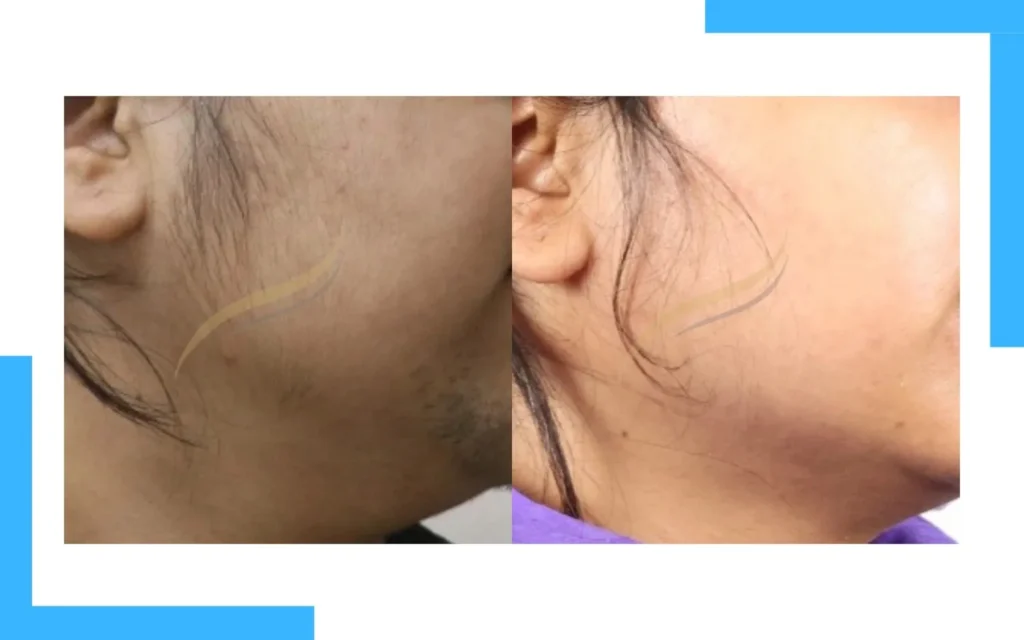
Facial Laser Hair Removal Result

Is Laser Hair Removal Safe?

Laser hair reduction is a safe and effective way to get rid of unwanted facial and body hair. For painless hair removal, a lot of people prefer laser hair removal. Lasers are effective in reducing unwanted facial and body hair. Common treatment areas include the upper lip, chin, legs, armpits, hands, and the bikini line for women. Men also get laser hair reduction sessions to remove unwanted hair from the back, chest, shoulders, neck, etc.

There are countless benefits to laser hair removal for both men and women. Generally, laser hair removal procedures are safe if offered by dermatologists, cosmetologists, or any qualified physician. The procedure is not likely to have any long-term side effects. Still, discussions about laser hair removal side effects abound. Some temporary or minor side effects may occur after the procedure, but other effects are rare.

In order to get a safe and effective laser hair reduction session, it is always important to get the treatment at an advanced clinic. Choose a clinic where expert doctors are present, and they should use state-of-the-art machines and tools for the laser hair removal procedure. For the best laser hair removal in Agra, many people prefer to visit Saraswat Hospital. Here, they get the treatment under the supervision of Dr. Preeti Saraswat and Dr. Satya Saraswat.

So, whenever you need laser hair reduction, contact a clinic where you can get safe procedures from expert doctors. According to the American Academy of Dermatology Association, laser hair reduction can be dangerous in inexperienced hands and lead to burns, scars, and permanent changes to your skin colour (1).

Are There Any Laser Hair Removal Side Effects?

Laser hair reduction works by using small, high-heat lasers and may cause temporary side effects immediately after the procedure. The risk of side effects generally varies with skin type, hair colour, the expertise of the doctors, the quality of the laser machine, the treatment plan, and adherence to pre-and post-treatment care.

There are some common laser hair removal side effects that one can experience after the procedure. However, the right cosmetologist can help you avoid or manage them after the procedure. You should strictly follow your cosmetologist’s pre-and post-procedure instructions to ensure optimal results.

Redness

This is a temporary side effect that you may experience after the laser hair removal procedure. It may last for a few minutes to several hours and then fade away on its own. At Saraswat Hospital, doctors provide a mild steroid cream to treat the redness.

Swelling

A patient may also notice slight swelling in the treatment area, which can return to normal within a few hours. Doctors prescribe mild steroid creams to reduce the swelling. You can also use ice wrapped in a soft cotton cloth to reduce swelling.

Folliculitis

If a patient’s hair is thick, dark, and coarse, it may absorb more laser energy. After 24 to 48 hours of the procedure, the patient may develop symptoms like pustules, papules, etc. In order to combat folliculitis, doctors prescribe antibiotics and mild steroid creams.

Pigmentation

After a hair reduction session, you should not go under direct sunlight. Always apply broad-spectrum sunscreen when you go outside during the day. Otherwise, it may result in pigment changes. Ask your doctor to prescribe a good sunscreen that you can use after your laser hair removal sessions.

Skin Burn

If the clinic uses subpar machines or the doctors follow improper techniques, it may lead to burns or blisters. You should not get laser hair reduction sessions from inexperienced hands. Always choose a clinic where state-of-the-art laser machines are used by expert doctors.

Check out what Dr. Preeti Saraswat says about laser hair removal and its side effects in this video:

Conclusion

Laser hair reduction is a safe and effective way to get rid of unwanted facial and body hair. For the best laser hair removal in Agra, India, choose a reliable clinic like Saraswat Hospital. Here, you will get the sessions under the supervision of Dr. Preeti Saraswat. Be it full-body laser hair removal or facial hair removal, you will get a satisfactory session here. Most importantly, the cost of laser hair removal is also low compared to the cost required for repetitive hair removal with traditional methods.

Book an online consultation with our team and learn more about laser hair removal, and find the best treatment for you.

Sources:

(1) According to the American Academy of Dermatology Association, laser hair reduction can be dangerous in inexperienced hands and lead to burns, scars, and permanent changes to your skin colour. (American Academy of Dermatology Association)

FAQs

1. Can laser hair removal last 10 years?
Absolutely, laser hair removal can last for 10+ years or even forever. On average, most individuals require 4-6 sessions to achieve results, followed by touch-ups every several years.

2. What to expect after 4 sessions of laser hair removal?
After 4 sessions of laser hair removal, you should expect hair reduction in the range of 50-70%. Hair growth becomes less and finer.

3. Will hair grow back if I stop lasering?
There is always a possibility of hair regrowth if you stop lasering before the end of your treatment course.

4. Is laser hair removal better than waxing?
Yes, since hair removal through lasers is a permanent solution, less painful compared to waxing, and devoid of ingrown hair problems.

5. What is the most effective hair removal method?
The most effective hair removal technique is laser hair removal, as it involves the permanent removal of the hair follicle.

Follow us on:- FacebookInstagramPinterestYoutube

Medical Disclaimer

This article is for informational purposes only and does not constitute medical advice. Plastic, cosmetic, and laser treatments — including AI-assisted previews such as those generated by the Peek AI app — carry risks and results vary by individual. Always consult a licensed medical professional before undergoing any procedure.
Understanding Causes of Female Hair Loss & Advanced Treatments
Medically Reviewed By Dr. Preeti Saraswat, MBBS, ABHRS | Last updated: April 28, 2026

Hair loss can be a distressing experience for anyone, especially women. While male pattern baldness is a well-known phenomenon, hair loss in women is less talked about but is no less common. In fact, about one-third of women experience hair loss at some point in their lives, and two-thirds suffer from hair thinning or bald spots (1). Hair loss or thinning can severely affect a woman’s well-being and quality of life. There can be various causes of hair loss, including genetics, hormonal changes, stress, medical conditions, etc. With the best hair loss treatment for females, hair regrowth is possible in some cases. In this blog, we will learn the direct causes of female hair loss and the different treatment options available in reputable hair restoration clinics like Saraswat Hospital.

Normal Hair Fall vs. Hair Loss

Losing 50 to 100 strands of hair in a day is normal (2). There is a balance between hair fall and new hair growth. However, it can turn out to be a concern if the balance is interrupted and one experiences more hair fall than new hair growth. Remember, hair loss is a gradual process that leads to thinning hair or bald spots.

If a woman finds her partings widening, has bald spots, or is shedding more than 100 strands of hair in a day, she must seek professional help as soon as possible.

Direct Causes of Female Hair Loss

There are various causes of female hair loss. Some of them can be diagnosed by medical tests, while a few are diagnosed by exclusion. Reasons that are diagnosed have a better prognosis, though how much hair can be retrieved cannot be predicted in any case.

1. Nutritional Deficiencies

Nutritional deficiencies can be a common cause of female hair loss. When the body lacks certain essential nutrients, it can affect the growth and health of hair follicles. For example, deficiencies in vitamins D3, B12, and folate, as well as iron, protein, calcium, etc., can trigger hair loss in women. Vitamin B12 is important for healthy red blood cells. It carries oxygen to the scalp and hair follicles. On the other hand, vitamin D3 helps with the hair follicle cycle and growth, and calcium and protein are important building blocks for hair. Folate contributes to cell growth and division. Iron is essential for healthy blood flow and provides oxygen to the hair roots.

2. Hormonal Changes and Metabolic Disorders

A metabolic condition known as Polycystic Ovarian Syndrome (PCOS), which may or may not be seen with facial hair and acne, may trigger hair loss owing to its hormonal imbalance status. Apart from this, hormonal changes during pregnancy, childbirth, and menopause can contribute to hair loss in women. Problems with the thyroid gland can cause temporary or permanent female hair loss as well.

3. Alopecia Areata

Alopecia areata is an autoimmune disorder that causes hair loss in women. This disorder occurs when the immune system attacks the hair follicles, leading to hair loss in round patches on the scalp and sometimes other parts of the body. The exact reason behind this autoimmune disorder is still unknown, but it is believed to be related to genetic and environmental factors.

4. Scalp Infections

Scalp infections like ringworm or severe acne often cause hair loss in women. Ringworm is a fungal infection that affects the scalp and causes scaly patches. It can be itchy or painful. Due to a fungal attack, hair follicles become brittle and break off, resulting in hair loss. Sometimes, it can cause permanent hair loss if the hair follicles are badly damaged beyond repair.

5. Trichotillomania

It is a mental health condition that causes a person to have an irresistible urge to pull out their hair, often resulting in noticeable hair loss. Women are more likely to suffer from trichotillomania compared to men. Such a condition can make hair patchy, uneven, or thin.

6. Hair Styling and Chemicals

Hairstyles like very tight braiding or pulling often lead to traction alopecia. Similarly, chemical treatments such as those for permanent hair loss and smoothing can cause hair loss. Excessive use of heat during hair styling can also damage hair and cause more hair fall.

7. Stressful Events

Stressful events can cause hair loss. For example, an acute illness like viral fever, typhoid, pneumonia, COVID, surgery, childbirth, etc., may cause hair loss in women. However, with a little care for overall health, one can regain normal hair growth in such cases.

8. Fibrosing Alopecia

Scarring hair loss occurs when hair follicles are destroyed and replaced by scar tissue. It is a rare form of alopecia that affects women, often leading to permanent hair loss. Fibrosing alopecias like FFP, LP, and CCP may cause gradual hair loss accompanied by itching, tingling, burning, or tenderness on the scalp.

9. Trauma, Burn, or Radiation Therapy

Trauma, burns, or radiation therapy are also causes of female hair loss. In these cases, hair follicles can be damaged and fall out as a result. Radiation therapy used to treat conditions like cancer may cause temporary or permanent hair loss.

10. Female Pattern Hair Loss

Finally, the most common—about one-third of women experience female pattern hair loss, which is multifactorial and & may be hereditary too. It is the female counterpart of male pattern baldness. It may cause thinning of the hair in women with increased scalp visibility.

Advanced Female Hair Loss Treatments

Dealing with hair loss and low confidence levels is not a choice. If lifestyle modification, a balanced diet, and other OTC treatments like the use of minoxidil, low-laser therapy, etc., do not offer the desired hair growth, you should go for advanced female pattern hair loss treatments. Hair transplantation is an effective hair growth treatment for women. Apart from this, mesotherapy is also effective for female hair loss treatments. Some patients do not respond to any of these treatments. They can undergo a scalp micropigmentation procedure to camouflage bald spots and thinning hair, giving the appearance of a head full of hair.

Hair Transplantation

Hair transplantation is a popular hair loss treatment for women. It is an advanced surgical procedure to transfer healthy hair follicles from one area (donor area) of the scalp to another area (recipient area) that is experiencing hair loss or thinning. The procedure can be performed using various techniques, including follicular unit transplantation (FUT) and follicular unit extraction (FUE).

In the FUE procedure, surgeons take individual hair follicles out of the skin and implant them elsewhere in the body. Surgeons follow procedures like micropunching to extract single follicles and move them without leaving any sign of extraction. FUT is a less invasive procedure and is effective at covering bald spots caused by hair loss. Here, the hair transplant surgeon cuts a strip of skin from the back or side of the head and then extracts individual hair follicles. After that, surgeons implant the extracted follicles into the balding parts of the skin. However, the results of hair transplants depend on the expertise of the surgeons and the advanced equipment used in the clinic.

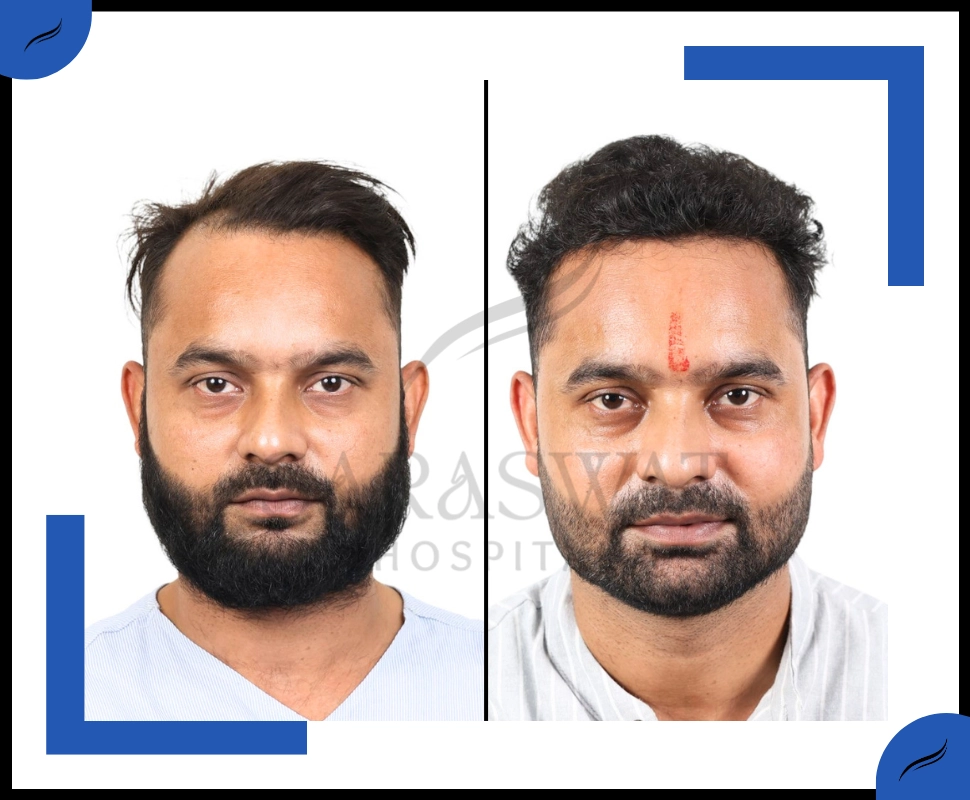
Hair Transplant Result

Mesotherapy

Mesotherapy is another popular female pattern baldness treatment. This procedure concentrates on providing nourishment to hair roots. Doctors inject vitamin boosters and cocktails of serums into the mesoderm layer. It helps transform weak hair roots into healthy ones to boost healthy hair growth. Mesotherapy helps improve the blood circulation of the scalp and boosts the growth of hair follicles.

Scalp Micropigmentation

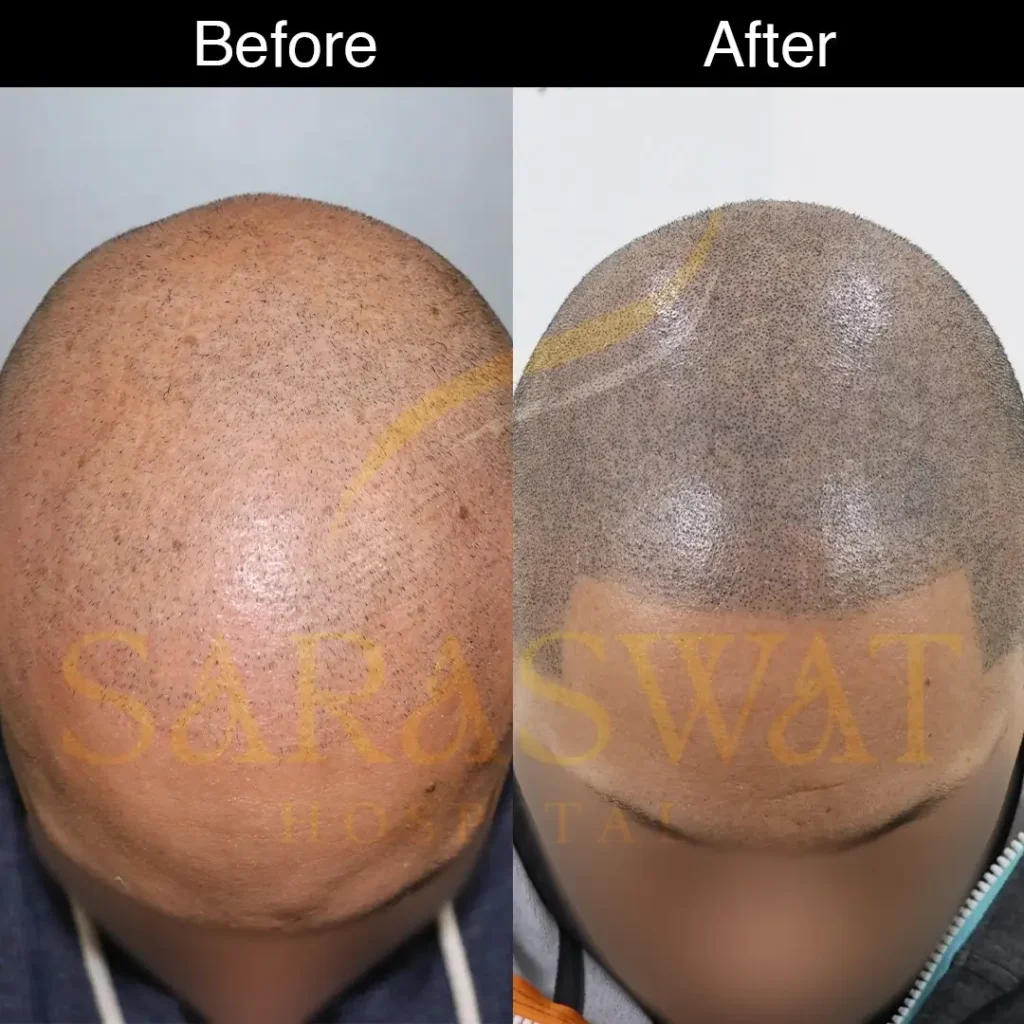
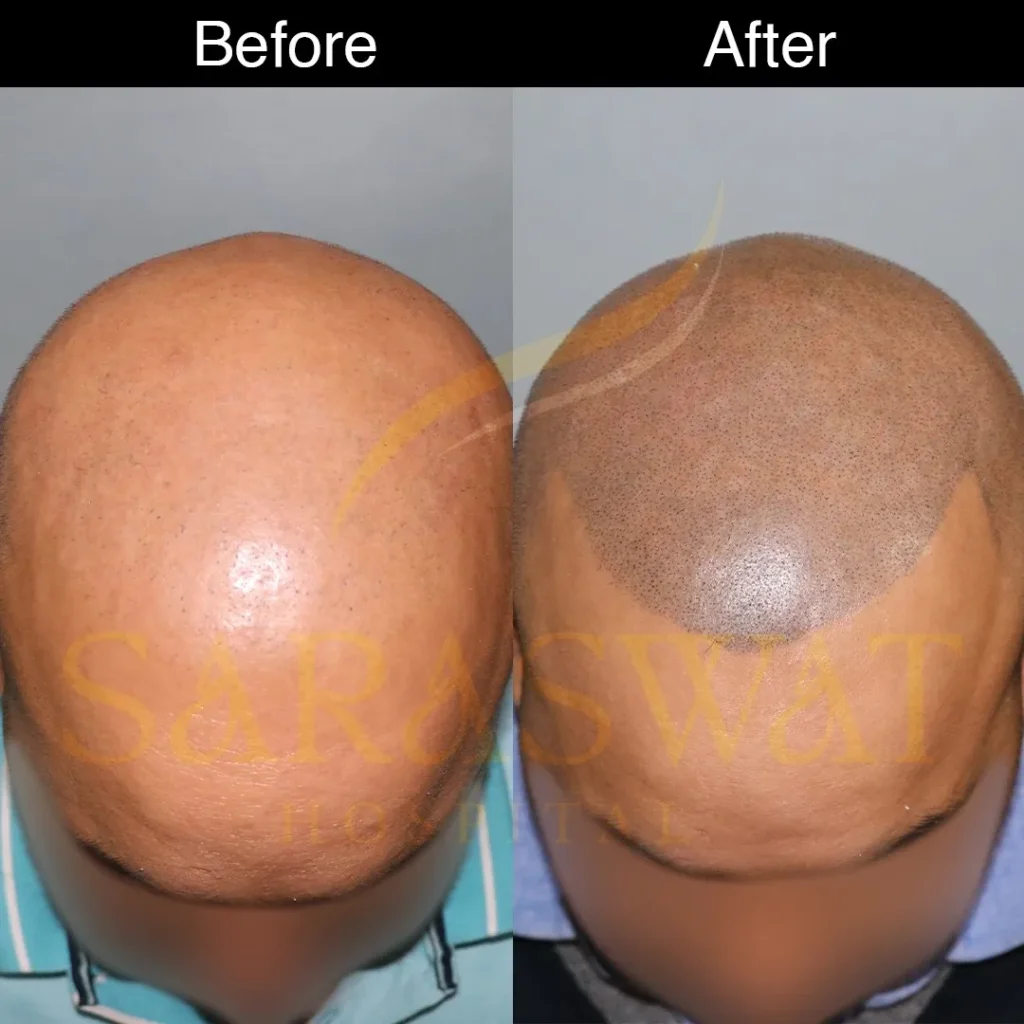
Scalp Micropigmentation, or SMP, does not boost hair growth or prevent hair fall. It is an effective way to get the appearance of a head full of hair. SMP is a cosmetic procedure that mimics the appearance of hair follicles. This is a quick and virtually painless procedure. One can get satisfactory results in one to three sessions, depending on the treatment area and scalp condition.

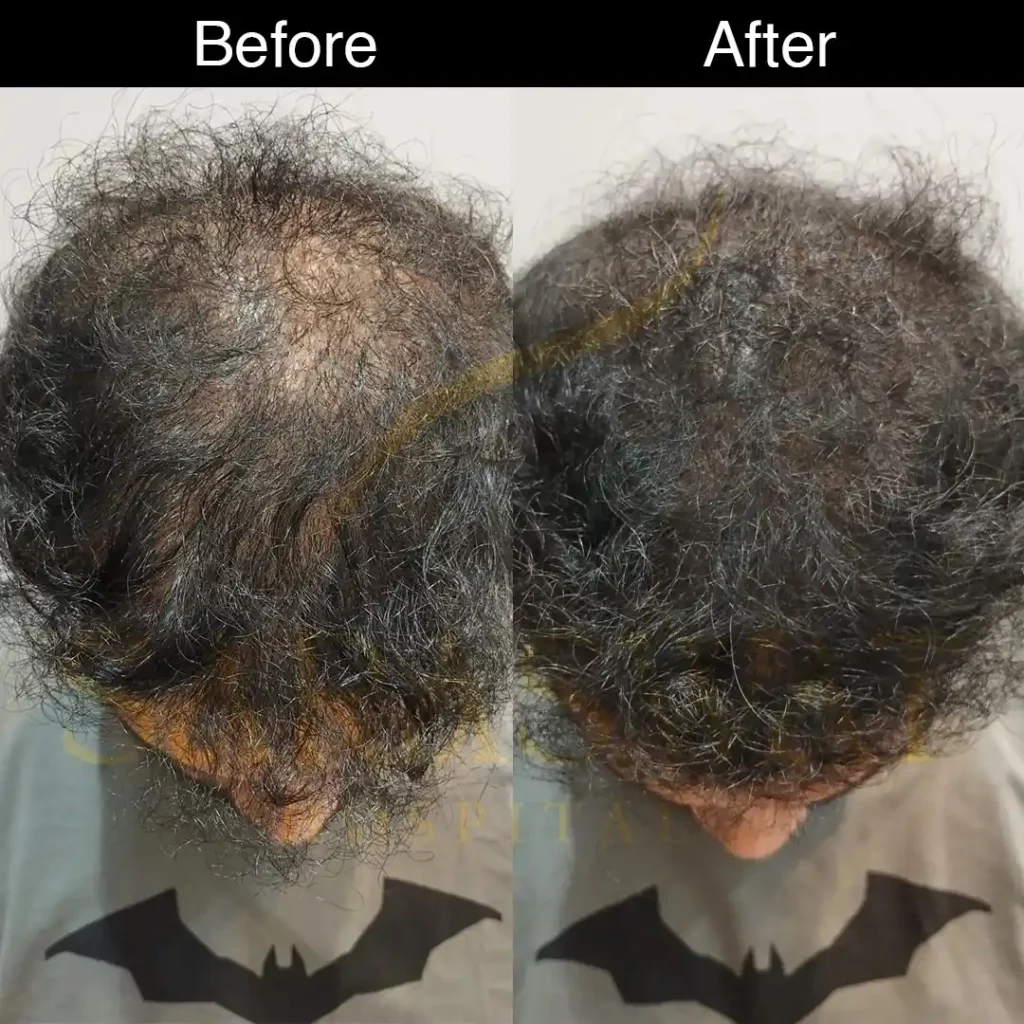
Scalp Micropigmentation Before After Result

Conclusion

Without a doubt, female hair loss is an emotionally distressing condition. However, with the right treatment, one can address it and restore confidence. In order to get the best hair restoration solutions, book an appointment with Saraswat Hospital in Agra.

Sources:

(1) One-third of women experience hair loss at some point in their lives, and two-thirds suffer from hair thinning or bald spots. (Harvard Health Publishing)

(2) Losing 50 to 100 strands of hair in a day is normal. (NHS.UK)

FAQs

1. Which vitamin reduces hair fall?
Biotin (Vitamin B7) is most efficient in preventing hair fall. Vitamins D, E, and C promote hair growth and prevent hair fall by ensuring healthy follicles, better blood circulation, and less oxidation.

2. Which hormone causes hair loss in females?
Dihydrotestosterone (DHT), a form of testosterone, is responsible for causing hair loss in women. Lower levels of estrogen during menopause or postpartum lead to major hair fall.

3. What’s the best oil for hair growth?
Rosemary oil has been proven to be the most effective among all oils. Castor, coconut, and peppermint oils promote hair growth, too.

4. What is the biggest reason for female hair loss?
Female pattern hair loss (FPHL), due to hormone imbalance and genetics, is the major cause. Other significant causes include nutritional deficiency, thyroid problems, and stress.

5. How to stop losing so much hair as a female?
Use minoxidil (5%) solution, take high-protein foods, manage stress, refrain from pulling hair tightly, and use mild hair care products. It is also advisable to visit an experienced doctor to eliminate hormone-related and thyroid problems that might be responsible for hair loss.

Follow us on:- FacebookInstagramPinterestYoutube

Medical Disclaimer

This article is for informational purposes only and does not constitute medical advice. Plastic, cosmetic, and laser treatments — including AI-assisted previews such as those generated by the Peek AI app — carry risks and results vary by individual. Always consult a licensed medical professional before undergoing any procedure.
6 Benefits of Scalp Micropigmentation No One Will Tell You
Medically Reviewed By Dr. Preeti Saraswat, MBBS, ABHRS | Last updated: April 28, 2026

Do you suffer from thinning hair or bald spots? Do you need a treatment that will provide long-lasting results with minimal maintenance? Scalp micropigmentation can be an effective treatment for those seeking to restore the appearance of full-head hair. SMP treatment is becoming increasingly popular as it provides satisfactory results without involving any invasive procedures or messy products.

Reasons Why SMP Is a Popular Treatment for Baldness

Scalp micropigmentation can be done on individuals suffering from various hair loss conditions, such as hair thinning, male and female pattern baldness, receding hairlines, alopecia, crown hair loss, and many others.

Some people who have poor donor areas do not get the best results with hair transplantation. Also, if someone is facing hair thinning or baldness due to autoimmune diseases, hair transplant treatment may not be the ideal one. However, many people desirous of having denser hair without undergoing hair transplantation can opt for SMP.

Not only can scalp micropigmentation hide baldness or hair thinning, but it can also effectively conceal accidental scars and FUE/FUT scars. It can offer a promising and lasting result and bring the lost confidence back.

Benefits of Scalp Micropigmentation

SMP can provide you with an extensive list of astonishing benefits. Before connecting with the best scalp micropigmentation clinics in India, you must know the potential benefits of scalp micropigmentation. The effectiveness of treatment may vary from person to person.

1. Minimally invasive procedure

One of the benefits of scalp micropigmentation is that it is a non-invasive treatment procedure. It does not cause any pain or discomfort. There is no downtime required after the treatment. The most important fact is that, with minimal aftercare, you can retain the results for a longer period of time. The procedure involves using sterile micro-needles to deposit ink into the treatment area. Completely bald scalps will get a fresh buzz-cut look. SMP can camouflage the visibility of the scalp and give a denser look to hair.

Factors That Can Affect the Level of Pain During an SMP Session

2. Safe and affordable

SMP is a non-surgical and safe procedure. No serious side effects have been reported yet. Many people can’t get hair transplantation treatment due to poor donor areas and other reasons, but most of them can easily undergo SMP. It is a quick procedure, and you can notice differences from the very first session.

Compared to other hair restoration treatments, SMP is quite affordable. Moreover, Saraswat Hospital is trying to make SMP treatment accessible to all people. You can get bulk SMP sessions at a much-reduced price and get amazing results.

3. Fast procedure with immediate results

Scalp micropigmentation is popular for offering immediate results. You can see visible changes from the first session. The SMP procedure does not take a lot of time; it may require three to four hours, depending on the treatment area. For example, to cover small patches, the SMP expert may require more or less one hour, but for hairline reconstruction, specialists may require four to five hours.

Each patient will get a unique SMP treatment plan. You should not choose a clinic that offers one-size-fits-all solutions for all patients. Every patient has unique concerns and goals. And that’s why it is important to provide them with personalised treatment plans.

Generally, experts suggest getting three treatment sessions spaced two to four weeks apart to get the best results. The appearance of hair density will increase with each treatment session. Experts will ensure that the pigment is distributed evenly across the scalp, resulting in a naturally layered effect.

4. Semi-permanent & natural-looking results

Many people are not ideal candidates for hair transplantation, as previously stated, and can benefit from SMP as an alternative treatment. Scalp micropigmentation offers semi-permanent results. The use of the closest-matching pigment ensures a blended and denser hair look.

If done correctly, scalp micropigmentation results can last for three to five years. How long SMP lasts depends on the quality of the ink, the expertise of the SMP specialists, the type of scalp, and sun exposure.

Scalp Micropigmentation Before After Result

5. Work well with other hair restoration treatments

Many people try hair transplantation to conceal baldness or thinning hair. However, the FUE/FUT treatment can leave a visible scar behind the head. The scar indicates that you have undergone some procedure. Apart from hair transplantation and scar repair, you can also disguise scars caused by accidents.

So, once the hair transplantation has been completed, you can opt for scalp micropigmentation. But if you are undergoing any other skin or scalp treatments, you must communicate that with us during the consultation, and then we will plan your SMP treatment accordingly.

6. Quick recovery time

One of the major benefits of SMP is that it does not come with any downtime. You can pause your work for a while, get an SMP sitting, and then resume the work without facing any complications. Before each sitting, you must wash your scalp, as after the treatment, you should not wet your scalp for four days.

During the treatment, our experts will apply topical numbing solutions to the treatment area. Our SMP specialists are trained enough to offer the best treatment while ensuring zero to minimal discomfort for the patient. We also use emergency medical resuscitation in order to continuously monitor the patient during any treatment procedure.

How does SMP work?

Scalp micropigmentation is a safe and non-surgical procedure to give the appearance of a full head of hair. This is a quick procedure and offers immediate results. There is no downtime needed after a treatment session. Using sterile microneedles, experts implant tiny ink dots to mimic the appearance of real hair follicles and create the look of healthy hair growth. SMP is suitable for people of all genders. Anyone who is suffering from alopecia, male or female pattern hair loss, hair thinning, crown hair loss, or wants to conceal scars on the head can opt for SMP.

The benefits of scalp micropigmentation include semi-permanent results that can last three to five years with minimal aftercare. This non-invasive treatment usually requires three sessions to achieve the best outcome, with visible improvements after each visit. The density and natural appearance of your hair gradually increase with every session, making the benefits of scalp micropigmentation a reliable and long-lasting solution for hair loss.

Women with long hair can also undergo SMP treatment and get a denser hair look. Many people wonder whether scalp micropigmentation for long hair is possible or not. SMP is perfectly suitable for women. In order to get the best scalp micropigmentation for women with long hair, you must choose a reputable clinic. Achieving the natural look is a bit tough, and only skilled specialists can ensure the best results.

You can share your concerns, goals, and health history with us to get a personalised treatment plan. We do not offer one-size-fits-all solutions to all patients. We craft personalised treatment plans based on the scalp condition, health condition, and requirements of the patient.

Who is eligible for scalp micropigmentation, and who is not?

Scalp micropigmentation is a revolutionary treatment to mask baldness and hair thinning. It is suitable for people of all genders and ages. Generally, a normal person has approximately 2000 hairs per square inch. However, hair problems like thinning, baldness, crown hair loss, etc., can result in premature aging, depression, and dogmas. This is where SMP seems like the most fruitful way to fix everything. People who are suffering from alopecia, baldness, and other forms of hair loss can undergo this treatment procedure to get a denser hair look.

If someone has undergone FUE/FUT hair transplantation and has a scar on the scalp, he/she can conceal it via SMP. No one will be able to understand whether the person has undergone any procedure or not. SMP provides amazing FUT scar repair results.

However, some people are not suitable for the SMP procedure. For example, if one has active scalp acne or skin diseases like keloids, psoriasis, etc., they should avoid SMP during a breakout. It is hard to apply pigment to the inflamed scalp areas, and it does not bring the desired results.

Men who face frontal hair loss and want to craft a hairline via SMP while keeping the rest of their hair long should not go for SMP. Men with a fully bald crown area are not suitable for scalp micropigmentation, as it won’t provide a natural look. During active hair fall, you should not undergo the SMP treatment. Once your hair fall has stabilized, only then can you opt for scalp micropigmentation.

Scalp Micropigmentation Before and After

Risks and Side Effects of Scalp Micropigmentation

The most dangerous aspect of scalp micropigmentation is selecting an unlicensed or untrained practitioner for the procedure. An inexperienced practitioner may not know about the necessary precautions, and improper SMP techniques may lead to various side effects.

Possible risks are:

  • Allergic reaction due to the cosmetic pigment.
  • Infection from unsterile microneedles.
  • Unnatural appearance after the treatment.

However, some risks are completely avoidable, such as infection outbreaks due to the use of unsterile needles, contaminated inks, or improper scalp micropigmentation techniques. Unsterile equipment can spread diseases like HIV, hepatitis, and many other skin diseases. The SMP clinic must take proper caution to avoid these risks. We at Saraswat Hospital always use best-grade sterile needles, high-quality ink, and imported SMP machines for a safe and successful SMP session.

To know more about scalp micropigmentation side effects and how you can avoid them, watch this video:

How to fix SMP regrets?

Apart from side effects like infection and redness, there are some other SMP regrets. Improper SMP procedures and the use of nonstandard equipment can lead to an unnatural look.

Examples of bad scalp micro pigmentation results:

  • Ink dots are visible and extend outside your normal hairline.
  • Botched and insight results due to less focus on the size of the treatment area.
  • The pigment is different from your natural hair colour.
  • Even after multiple SMP sessions, your scalp still looks bald.
  • Improper dots and unnatural hairline.

Many people come to us to know how to fix scalp micropigmentation gone wrong. We follow the best procedures to improve scalp micropigmentation results. For scalp micropigmentation removal, we suggest two methods. One is the Q-Switch laser procedure, and the second is the salt and saline method. You should consult us to decide which technique will be suitable for your bad scalp micropigmentation removal.

You can know in detail about the causes of bad scalp micropigmentation and how to improve them directly from Dr. Preeti Saraswat, in this video:

Where can you get the best SMP treatment in India?

To get the most promising results and visible changes just after one session, it is critical to choose the best scalp micropigmentation clinics in India. If you search online, you will find plenty of names. However, not all of them are credible or use superior procedures to make the treatment successful. While choosing, you should check three major factors: the reputation of that clinic, the qualifications and expertise of the practitioners, and the scalp micropigmentation cost.

Explore the Aspects of the Final Cost of SMP

Watch this video to learn more about our cost factors:

Conclusion

The benefits of scalp micropigmentation make it a highly effective solution for baldness, hair thinning, alopecia, a receding hairline, and scarring. This safe and semi-permanent treatment offers a natural-looking hairline, boosts confidence, and delivers immediate results without downtime. When performed at advanced clinics like Saraswat Hospital, the benefits of scalp micropigmentation include realistic, long-lasting outcomes, making it an excellent choice for anyone seeking a fast and reliable way to conceal baldness.

To enjoy the best scalp micropigmentation treatment, book an online consultation with our team and learn more about SMP.

FAQs

1. Is it worth getting scalp micropigmentation?
Yes, it’s worth having scalp micropigmentation because this procedure is easy to maintain, and you will immediately get the effect of a fuller shaved head without going through any surgery.

2. Does scalp micropigmentation regrow hair?
Scalp micropigmentation won’t help you regrow your hair because it’s only a cosmetic treatment that imitates follicles. If you need to grow more hair, consider using Minoxidil or PRP.

3. Will I regret scalp micropigmentation?
Most clients don’t regret it. However, choosing an unskilled practitioner or unrealistic expectations can lead to dissatisfaction. Research thoroughly and consult a specialist before committing to the procedure.

4. Can I shower after scalp micropigmentation?
Do not immerse the scalp in water for three to four days following the procedure. Once that period is over, wash your hair with tepid water and mild, unscented products.

5. How to sleep after SMP on the scalp?
Use a clean and soft pillowcase and avoid touching the treated area with force while sleeping. Sleeping on your back is recommended. Do not sweat excessively because sweat may interfere with pigment fixation.

6. Can you tell if someone has scalp micropigmentation?
When done by a skilled specialist, SMP is virtually undetectable. It closely mimics real follicles. The dots produced appear just like regular follicles.

Follow us on:- FacebookInstagramPinterestYoutube

Medical Disclaimer

This article is for informational purposes only and does not constitute medical advice. Plastic, cosmetic, and laser treatments — including AI-assisted previews such as those generated by the Peek AI app — carry risks and results vary by individual. Always consult a licensed medical professional before undergoing any procedure.
What is the Laser Hair Removal Process & How It's Done?
Medically Reviewed By Dr. Preeti Saraswat, MBBS, ABHRS | Last updated: May 02, 2026

Do you have unwanted body hair? Are you looking for a long-term solution to get rid of your unwanted hair? Then, laser hair removal is the perfect solution for you. Waxing and shaving only give temporary results. The process has to be repeated every few weeks, which becomes time-consuming as well as costs a lot of money. This is why more people nowadays are opting for the laser hair removal process. The procedure is safe, painless, and effective, which reduces your unwanted hair over time permanently.

In this blog, we take a closer look at the benefits of laser hair removal. You will also find a step-by-step guide on how laser hair removal is done.

What is Laser Hair Removal?

Laser hair removal is a simple and straightforward procedure to get rid of your unwanted body hair with long-term results. The laser hair removal machine targets the hair roots underneath the skin and permanently destroys them. In the future, the destroyed hair root cannot grow any new hair, thus giving you clear and hairless skin.

At Saraswat Hospital, you can opt for safe and painless laser hair reduction in Agra. We use the latest technology and have skilled doctors to ensure positive and desirable results. Also, our team guides each patient to take proper care after laser hair removal.

Laser Hair Removal Result

The Benefits of the Laser Hair Removal Process:

  • Saves time
  • Painless
  • Gives precise results
  • Stops hair ingrowth
  • Personalised treatment
  • Cost-effective in the long term

What Laser Is Used for This Procedure?

The laser machine used for the procedure is a Diode Cool-tip machine with a wavelength of 850 nanometres. Diode laser hair removal is good for lighter skin (1). Another machine that can be used is the Nd: YAG Joy laser with a wavelength of 1064 nanometres, which is good for dark skin. In many cases, a combination of both types of lasers is used.

What is the Laser Hair Removal Process?

Discover the laser hair removal process: marking the area, trimming hair, applying gel, setting machine parameters, delivering targeted laser shots, and applying steroid cream to soothe mild redness for smooth, hair-free skin. The laser hair reduction process follows the steps in precise order.

Step 1: Marking

The intended body area is marked with a red marking pen.

Step 2: Trimming

Trimming is done on this marked area with a zero trimmer.

Step 3: Gel Application

Next, a contact gel is applied between the handpiece and the skin.

Step 4: Machine Parameters

Machine parameters on the laser machine are set to suit each patient.

Step 5: Laser Shots Delivered

Laser shots are delivered to the marked area. Stamp mode is used for small areas, and running mode is used for larger areas. The fluency and frequency of shots depend upon the skin type and the type of unwanted hair. The laser energy delivered in these shots is absorbed by the hair roots, and they are destroyed.

Step 6: End of Procedure

Mild redness is seen where the hair roots are destroyed. This is common, and it should not be taken as a complication.

Step 7: Steroid Crem Applied  

A mild steroid cream is applied for the redness. Once it’s done, it finishes the procedure.

Conclusion

The laser hair removal process is simple and doesn’t require any downtime. But before you decide to go ahead with it, you must clear all your doubts and queries with the doctor. At Saraswat Hospital, we are one of the premium clinics offering laser hair removal in Agra at affordable rates. To get the best laser treatment, book an appointment with us today.

Sources:

(1) Diode laser hair removal is good for lighter skin. (PubMed Central)

FAQs

1. How painful is laser hair removal?
Pain associated with this procedure can be described as that of a rubber band snapping onto the skin. The level of discomfort differs from one person to another, depending on body parts and sensitivity. Numbing creams are typically used before this procedure to reduce any pain.

2. How does laser hair removal work step by step?
The process involves cleansing of the treatment area, application of gel, and firing laser beams towards hair follicles, requiring 4-6 sessions for hair reduction. You also need to follow post-care for the best results.

3. Is laser hair removal 100% safe?
This method is relatively safe if administered by a trained practitioner. However, there can be some side effects, such as redness and swelling. Burns and changes in skin color are unlikely occurrences.

4. Can a laser remove hormonal chin hair?
Yes, laser hair removal does work well on hormonal chin hair. offering long-term reduction and smoother skin.

5. Who should avoid laser hair removal?
Women who are pregnant, taking photosensitive medication, suffering from skin infections, or have some skin diseases must not undergo laser hair removal treatment.

Follow us on:- FacebookInstagramPinterestYoutube

Medical Disclaimer

This article is for informational purposes only and does not constitute medical advice. Plastic, cosmetic, and laser treatments — including AI-assisted previews such as those generated by the Peek AI app — carry risks and results vary by individual. Always consult a licensed medical professional before undergoing any procedure.
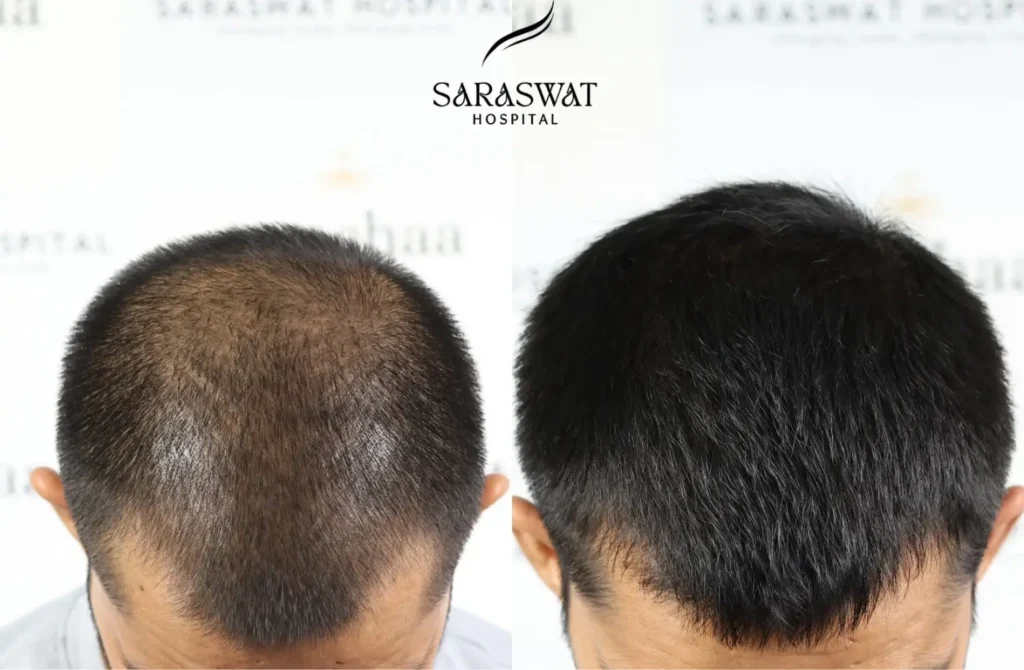
whatapp icon