
Book an
Appointment
Dr. Satya Saraswat - Hair Transplant Surgeon

Dr. Satya Saraswat, MBBS, MS, MCh, DNB (Gold Medalist)

Dr. Satya Saraswat, MBBS, MS, MCh, DNB (Gold Medalist), FISHRS, is a cosmetic and plastic surgeon with an experience of over 20+ years and has performed 17,000+ cosmetic and plastic surgeries. He is a Diplomate of the American Board of Hair Restoration Surgery (ABHRS) and Fellow of ISHRS, as he has been continuously attending the International conferences and adopting the latest advancements in hair restoration science, and he has also submitted his research papers. His hands-on involvement ensures a natural hairline and high graft survival.

Articles by Dr. Satya Saraswat, MBBS, MS, MCh, DNB (Gold Medalist)

Top Rules to Follow Post a Hair Transplant Surgery
Medically Reviewed By Dr. Satya Saraswat, MBBS, MS, MCh, DNB (Gold Medalist) | Last updated: July 21, 2026

Hair transplant surgery is an aesthetic procedure that renders permanent results. However, this is also an outpatient procedure where the patient is allowed to go home immediately after the surgery once the effects of the local anaesthesia start to slow down. Now, to get the best results out of the procedure, you must follow post-surgical instructions and ensure you don’t add stress to the recently implanted grafts after the procedure.

Why Follow the Post-Surgical Instructions by the Doctors?

The success of a hair transplant surgery depends on several factors. Starting from how experienced the doctors are to the techniques used for the surgery, the range is all-inclusive. However, since this aesthetic surgery is an outpatient procedure where the patients are allowed to go home the same day of the surgery once the effects of the local anaesthesia wear off, it is crucial for you, as a patient, to follow a list of instructions given by the professionals to get the best results.

Manhandling the recently implanted grafts or picking at them might ruin the surgery completely, and you will end up with a failed transplant that might require further corrective measures in the future. Following post-surgical instructions, thus, is vital to the success of a hair transplant surgery. At this point, you should note that visiting the best hair transplant clinic in India, like Saraswat Hospital, can give you access to a well-trained team of after-care experts who will monitor your recovery period.

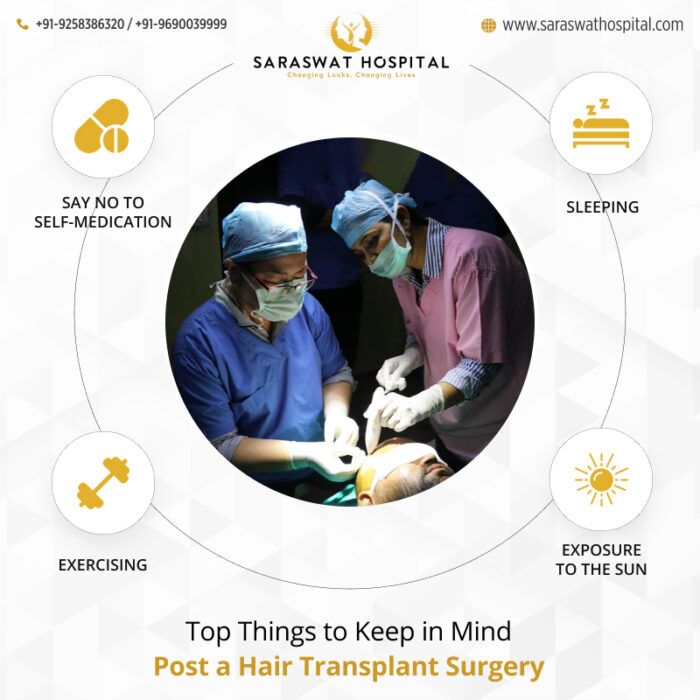
Top Things to Keep in Mind Post-Surgery

Now that you know that after getting a hair transplant surgery, you have to follow all the rules recommended by the professionals, let us check out a few things you should keep in mind during this period:

  1. Say No to Self-Medication: Two of the most common after-effects of any hair transplant surgery are redness and scarring. The patches stay on for quite a few days post-surgery till the new follicles start growing. At this point, you should not use any type of generic scar-reducing creams until and unless they have been recommended by the surgeons. Such prescribed medications would reduce swelling on the scalp.
  2. Sleeping: Once you are back home after a hair transplant surgery, you might feel drowsy, all thanks to the anaesthesia. Now, you have to be extremely careful while lying down to not disturb the follicles. You are allowed to lie down in a semi-upright position on a reclining chair with two pillows to elevate the head.
  3. Exercising: As a fitness freak, once you have undergone the surgery, you cannot stop the itch to go back to the gym, right? However, it is advised that you avoid visiting the gym immediately post-procedure. This is because strenuous exercise can cause physical stress on your follicles. For at least 10 days, try not to engage in any sweaty activities before resuming them after a discussion with professionals.
  4. Exposure to the Sun: During this time, you also need to avoid exposure to the sun as much as possible. The harmful ultraviolet rays of the sun can damage the follicles, rendering unsatisfactory results. In case you need to go outside and you don’t have any other option, try using high-SPF sunscreen and wearing a hat to protect the follicles.
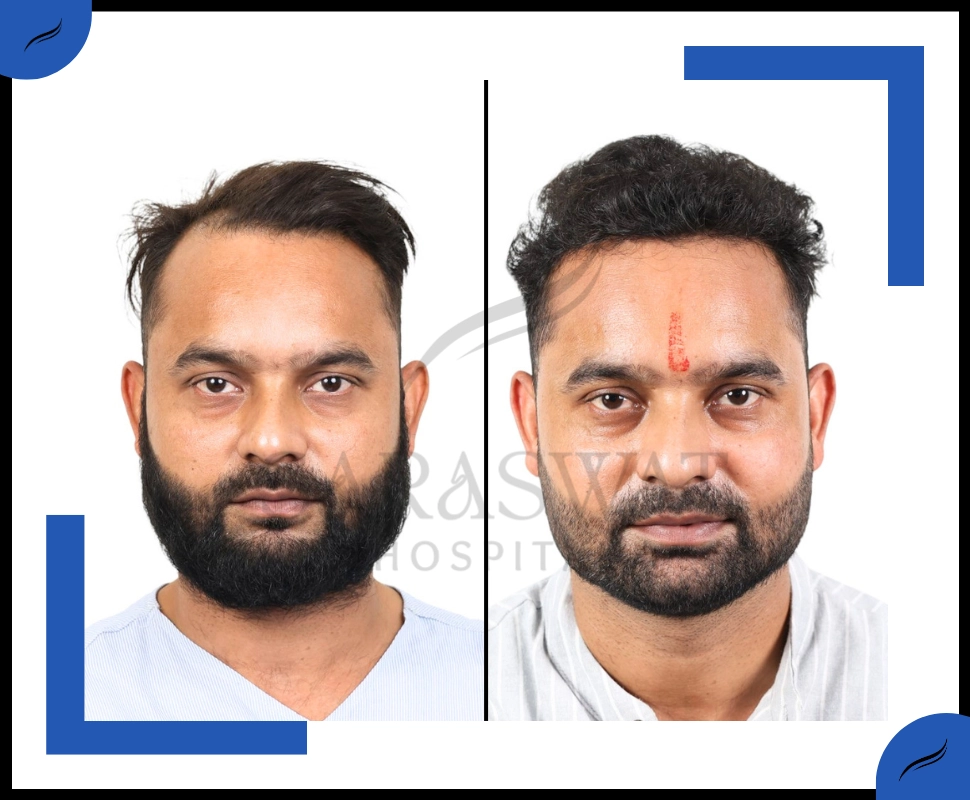
FUE hair transplant result

Why Consult the Experts at Saraswat Hospital for the Surgery?

Saraswat Hospital is run by a team of ABHRS (American Board of Hair Restoration Surgery) and ISHRS (International Society of Hair Restoration Surgeons) certified doctors.

Dr Satya Kumar Saraswat is an MBBS with MS, M.Ch, and DNB (Plastic Surgery) degrees to his credit. As a member of several international boards, Dr Saraswat has left his mark in the plastic surgery sector. He is known to specialise in various kinds of hair restoration surgeries and has also presented his take on a modified FUT technique at the 24th World Congress of ISHRS.

Conclusion

As you follow a balanced diet and let your body and the recently implanted follicles adjust to the changes, you will see your body getting back to its normal routine in a week. Following this, you can go back to your regular life without any such restrictions. To know more about the hair transplant, book an appointment with us.

Follow us on:- Facebook, Instagram, Pinterest, YouTube

Medical Disclaimer →

This article is for informational purposes only and does not constitute medical advice. Plastic, cosmetic, and laser treatments — including AI-assisted previews such as those generated by the Peek AI™ app — carry risks and results vary by individual. Always consult a licensed medical professional before undergoing any procedure.
FUE vs FUT: Which Hair Transplant Surgery Should You Choose?
Medically Reviewed By Dr. Satya Saraswat, MBBS, MS, MCh, DNB (Gold Medalist) | Last updated: July 21, 2026

Hair transplant surgery has become one of the most popular solutions for people struggling with hair loss. When it comes to permanent hair restoration, the two leading techniques are FUE and FUT. If you’re considering a hair transplant, you may be wondering which procedure is better for you. Both methods have their own pros and cons, and the right choice depends on your specific needs, goals, and preferences. In this article, we’ll compare FUE vs FUT in detail to help you make an informed decision.

Hair transplants in India are performed by ABHRS (American Board of Hair Restoration Surgery) certified doctors at Saraswat Hospital, who ensure customized treatment for all patients. However, it is crucial for you, as a patient, to understand the types of hair transplant surgeries and which ones would be beneficial for your condition before consulting experts.

What is a Hair Transplant Surgery Procedure?

Hair transplant surgery is a procedure through which healthy grafts or follicles are extracted from the back or sides of the patient’s head that are resistant to genetic hair loss (or hormonal changes) and implanted in the areas that see scanty growth. This procedure is performed primarily in one of two techniques: FUE (Follicular Unit Excision) or FUT (Follicular Unit Transplantation). Nowadays, more people are getting hair transplants as an effective hair loss treatment. Awareness among common people has contributed to the increase in the total number of hair transplants in India and the rest of the world.

Understanding FUE vs FUT Hair Transplant

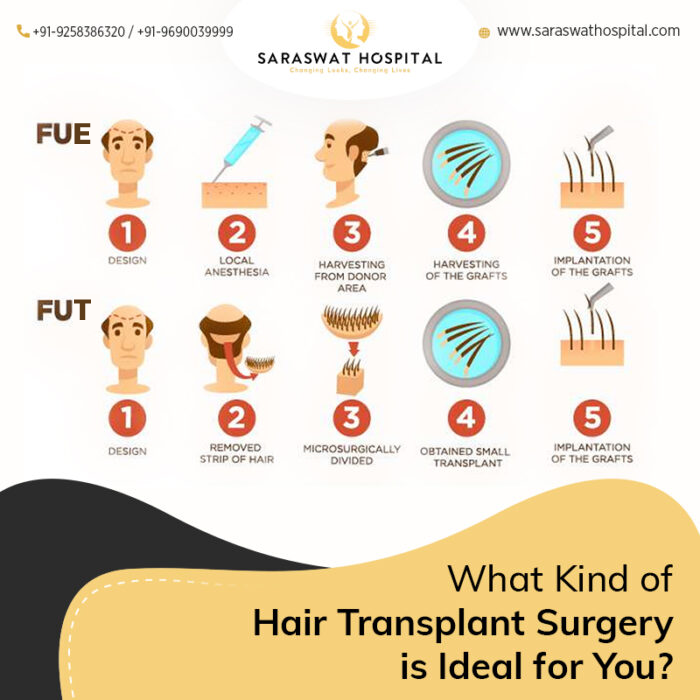
Before deciding between FUE vs FUT, it’s important to understand what each method involves. In the FUE technique, a special low-RPM and low-torque punch device is used to extract the healthy grafts individually and directly from the scalp for transplantation. It is a precise procedure that requires a lot of time but leaves no linear scar in the process.

In the FUT technique, now known as the Linear Excision Method, a strip of scalp is cut from the back of the head, and the area is sutured in a Trichophytic closure. The strip is placed under a medical-grade microscope for further dissection and extraction of the individual follicles for implantation.

This method actively creates a scar in the donor area, which, however, can be concealed through scalp micropigmentation, a repair hair transplant, or new hair growth. Moreover, at Saraswat Hospital, ABHRS-certified doctors, boasting over 20+ years of experience and expertise, perform India’s best FUE and FUT hair transplants.

What are the Advantages of Choosing FUE vs FUT?

Now that you are aware of how either of the procedures works, let’s find out the advantages of opting for FUE vs FUT.

  1. FUT: Through the FUT procedure, the experts can cover a larger area of baldness in fewer sittings. The resection rate is also lower in this technique, which leaves superior rates.
  2. FUE: Since the FUE procedure doesn’t involve taking a strip of scalp from the donor area, there are no stitches, thereby ensuring that the recovery period is quicker, and the patient is left with no linear scar.

Both these procedures are performed by experts in the field with enough experience to customize the treatment per patient requirements to get the best results. They are performed under the effects of a ring block local anaesthesia that allows the patient to be awake throughout the surgery but feel no pain.

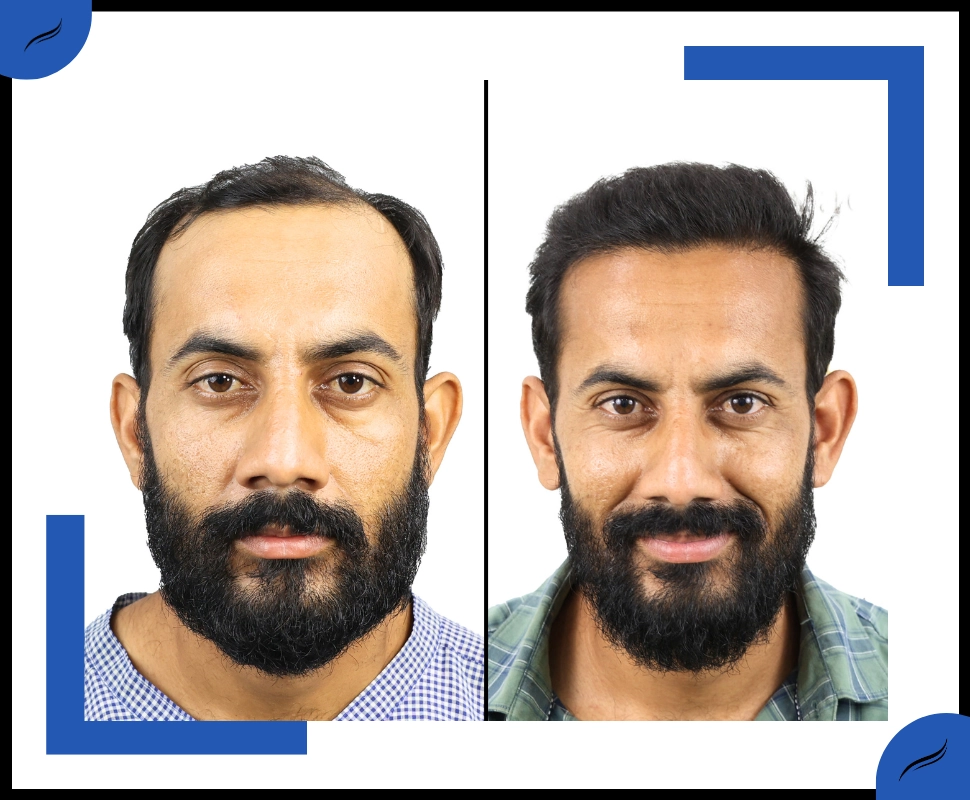
Hair Transplant Before and After

Who Should Opt for FUE vs FUT?

Experts who perform FUT or FUE hair transplants best determine the eligibility criteria. At Saraswat Hospital in India, professionals conduct a series of blood tests, physical tests, and a Trichoscopy Analysis to identify eligible candidates and decide the treatment plan. On average, individuals with larger bald areas to cover in one session and who are unbothered by stitches or a prolonged recovery period should opt for FUT surgery. In contrast, those with smaller areas of baldness, who lead active lifestyles, prefer shorter hairstyles and seek a faster recovery, should always choose FUE surgery.

Key Differences Between FUE vs FUT

While both techniques restore hair, FUE vs FUT differ in several key areas:

AspectFUEFUT
ScarringTiny dot scarsLinear scar
Healing Time7–10 days10–14 days
Pain LevelMinimalSlightly higher
Graft SurvivalVery highVery high
CostSlightly higherUsually lower

Understanding these differences can help you decide whether FUE or FUT is the right fit for your hair restoration journey.

Cost of FUE vs FUT Hair Transplant

The hair transplant cost of FUE vs FUT varies depending on factors such as the clinic’s expertise, location, number of grafts required, and technology used. On average, FUE tends to be slightly more expensive due to its precision and time-consuming nature. However, both FUE and FUT offer permanent results, making them a long-term investment in your appearance and confidence.

Why Consult the Experts at Saraswat Hospital Before Making a Decision?

Saraswat Hospital is run by a team of ABHRS-certified doctors that offers hair transplant surgery in India. The surgeons have over 20+ years of experience and thus are eligible to provide customized FUT and FUE hair transplant surgery plans based on patient requirements.

Conclusion

Choosing between FUE vs FUT can feel overwhelming, but understanding the techniques, benefits, and differences will make your decision easier. If you want minimal scarring and a faster recovery, FUE might be your best choice.

Hair transplant surgery is one of the best techniques that one should opt for when it comes to treating hair loss or Androgenetic Alopecia. Saraswat Hospital is one of the most renowned places in Agra that offers hair transplants in India at attractive rates and has a high success rate. To know which hair transplant method would be best for you, book an appointment with the team at Saraswat Hospital.

FAQs

1. Which is less painful – FUE or FUT?
Doctors perform both procedures under local anesthesia, but FUE typically involves less invasiveness and causes less discomfort after surgery.

2. Which provides better results – FUE vs FUT?
Both can produce equally natural results when performed by an experienced surgeon. The choice depends more on your hair loss pattern and personal preferences.

3. Does FUE or FUT leave scars?
Yes, but in different ways. FUE leaves tiny dot scars that are hardly noticeable, while FUT leaves a linear scar that can be hidden under longer hair.

4. Is FUE or FUT more expensive?
FUE is usually slightly more expensive due to the time and precision required, while FUT may be more cost-effective for large sessions.

5. How long do results from FUE vs FUT last?
Both procedures offer permanent results as the transplanted hair follicles are resistant to future hair loss.

Follow us on:- Facebook, Instagram, Pinterest, YouTube

Medical Disclaimer →

This article is for informational purposes only and does not constitute medical advice. Plastic, cosmetic, and laser treatments — including AI-assisted previews such as those generated by the Peek AI™ app — carry risks and results vary by individual. Always consult a licensed medical professional before undergoing any procedure.
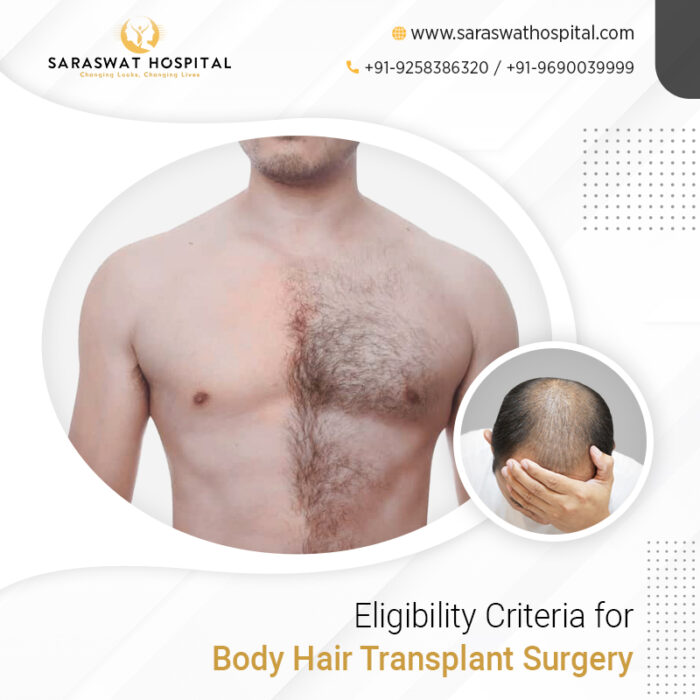
Best Candidate for a Body Hair Transplant India
Medically Reviewed By Dr. Satya Saraswat, MBBS, MS, MCh, DNB (Gold Medalist) | Last updated: July 21, 2026

If you didn’t know yet, the hair present in your underarms, pubic region, chest, and beard is ideal for a body-to-head hair transplantation procedure. This is when the donor follicles in your scalp aren’t enough to achieve the required results. When it comes to the body-to-head transplant, the beard and chest hair are more viable. This technique is chosen by professionals when the patient is suffering from Norwood-Hamilton Grade 6 or Grade 7 baldness and requires full scalp coverage in one sitting. Body hair transplant is performed by the ABHRS-certified experts at Saraswat Hospital with successful results due to the 20+ years of experience they have in the field.

Why are Beard and Chest Hair Ideal for Body Hair Transplant?

When you don’t have enough hair on your scalp, the second and third-best options for a successful hair transplant surgery are your beard and chest hair. Now, the reason for choosing the beard above any other part is that the hair cycle in that area is similar to that of scalp hair. This refers to the long anagen phase, a larger number of viable grafts, negligible formation of scar, and a thicker hair calibre. With beard hair follicle extraction, professionals can get around 3000 to 5000 grafts.

Chest hair, on the other hand, has high transaction rates. When compared to the beard, the antigens are relatively short, as they tend to stay much longer in the shedding phase. Here, you might be left with some post-inflammatory hyper- or hypo-pigmentation. The chest should be shaved around 7 days before the surgery to get the best results.

Body hair transplant result

Who is the Ideal Candidate for Body Hair Transplant?

The ideal candidate for a body hair transplant procedure is one who:

  1. Wants full coverage of their scalp in one sitting
  2. Has a poor donor area on the scalp
  3. Has a history of failed hair transplants and is left with a depleted donor site on the scalp
  4. Have retrograde scalp donor area thinning

As you consult the experts at Saraswat Hospital for a body hair transplant in India, you will be taken through a computerized hair and scalp Trichoscopy analysis that will determine if you are eligible for the procedure.

How is Body to Head Hair Transplant Surgery Performed?

The body-to-head hair transplant surgery is performed through the FUE (Follicular Unit Excision) technique. Here, a sharply serrated punch is used for direct extraction of the individual follicular grafts from the donor area for minimal scarring. For faster-growing grafts, especially when the experts are using chest hair, the area needs to be shaved around 7 days before the surgery. The rest of the surgery, that is, the implantation procedure, is performed as it would have been for any other hair transplant technique.

Why Consult the Experts at Saraswat Hospital for the Surgery?

Saraswat Hospital is run by a team of experts certified by ABHRS (American Board of Hair Restoration Surgery) that offers body hair transplant in India. The surgeons have over 20+ years of experience and thus have the expertise in providing customized surgery according to patient requirements.

Conclusion

Body hair transplant is the ideal procedure chosen by experts when there is a dearth of viable donor grafts on the scalp for the surgery. Saraswat Hospital is a one-of-a-kind aesthetic clinic run by professionals who use modern equipment to provide the best surgery in India. To know more about the subject, you can book a consultation with the experts by getting in touch with the team today.

Follow us on:- Facebook, Instagram, Pinterest, YouTube

Medical Disclaimer →

This article is for informational purposes only and does not constitute medical advice. Plastic, cosmetic, and laser treatments — including AI-assisted previews such as those generated by the Peek AI™ app — carry risks and results vary by individual. Always consult a licensed medical professional before undergoing any procedure.
Hair Implants vs Hair Transplant Surgery
Medically Reviewed By Dr. Satya Saraswat, MBBS, MS, MCh, DNB (Gold Medalist) | Last updated: July 22, 2026

Androgenetic Alopecia, also known as genetic baldness, is a common reason most people, be they men or women, suffer from hair loss. While losing 100 to 150 strands of hair regularly is normal, if it goes beyond this rate, it should be a cause for concern, thereby prompting you to opt for a treatment. However, with scientific innovation and the advancements of medicine, several techniques can be helpful; two of the most common ones are hair implants & hair transplants. To choose the one that works best for you, though, you would have to understand the difference between them.

The Basic Contrast between Hair Implants & Hair Transplant

Hair implants & hair transplant surgery are both options one can choose to gain new hair in the thinning areas. However, the processes both these treatments follow are different and thus have distinct results. Through a hair transplant surgery, a donor area from the scalp (back or sides) is determined from where healthy hair follicles are extracted. The follicles are then stored in a holding solution for the best effects before implanting them in the balding area in a natural pattern. Through the hair implant process, on the other hand, experts implant artificial hair to the thinning area; the difference between the real hair and the artificial hair implanted in this treatment is thus stark. Due to their nature of causing skin infections, hair implants are also banned in a few countries.

The Final Result Derived from Both the Procedures

If we think of it with a holistic point of view, both procedures are surgical, and only when performed with extreme precision by experienced professionals can they derive natural-looking results. In the hair implant process, since the hairs implanted are chemically treated and artificial, the results might not look nice and certainly not match the natural colour of your hair, thereby causing skin infections. In the hair transplant surgery, though, since the donor follicles are extracted from the patient’s scalp and then implanted in the recipient area, the results are more natural, thereby ensuring no one can even guess you’ve undergone surgery once you have absolutely recovered.

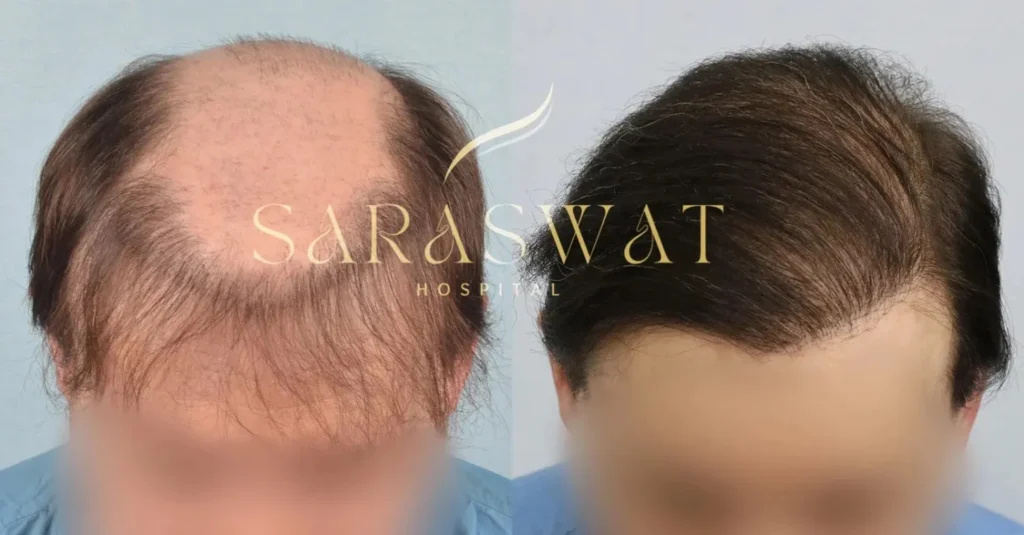
Some glimpse of how the results derived from hair transplant surgery can look post-complete recovery:

Hair transplant result

Click Here To Discover More Hair Transplant Results

The Hair Grooming Techniques in Hair Implants & Hair Transplant

Once the hair transplant surgery is complete, you will have to care for your new hair as much as (and even more than) your real hair. This will ensure that your hair looks natural and grows to a fine length. As far as grooming is concerned, you can cut your hair whenever you wish and get a hairstyle according to your preferences, easily. When it comes to hair implants, however, the implanted hair will never grow like natural hair, thereby leaving you with a basic hairstyle for the rest of your life, which you would have to maintain. You might also end up with a terrible infection on your scalp.

Adaptability by the Body upon Reaching Complete Recovery

Once the hair transplant surgery is over, the newly implanted hair takes some time to adjust to its new surroundings and go through a period of shock loss. Following this, the hair starts going back to its natural growth cycle (Anagen-Catagen-Telogen). Since the donor hair follicles and the recipient area belong to the same patient, they adapt to the body cycle. However, when it comes to hair implants, the implanted hair is artificial, and so the body might reject it, thereby leaving you to go back to your balding stage soon enough.

Why Consult ABHRS Certified Doctors for Hair Transplant Surgery?

Saraswat Hospital is run by a team of experts led by certified ABHRS (American Board of Hair Restoration Surgery) surgeons. The surgeons have over 20+ years of experience and thus have the expertise in providing customized surgery according to patient requirements.

Dr. Satya Kumar Saraswat has an MBBS with MS, M.Ch, and DNB (Plastic Surgery) degrees to his credit. As a member of several international boards, Dr. Saraswat has left his mark on the plastic surgery sector. He is known to specialize in various kinds of hair restoration surgeries and has also presented his take on a modified FUT technique at the 24th World Congress of ISHRS.

Conclusion

As you might have understood from these points, hair transplant surgery is a superior process for those suffering from Androgenetic Alopecia because it has a higher adaptability rate, along with leaving natural results without any side effects. In case you want to know more about hair transplants, feel free to book an appointment with Saraswat Hospital.

Follow us on:- Facebook, Instagram, Pinterest, YouTube

Medical Disclaimer →

This article is for informational purposes only and does not constitute medical advice. Plastic, cosmetic, and laser treatments — including AI-assisted previews such as those generated by the Peek AI™ app — carry risks and results vary by individual. Always consult a licensed medical professional before undergoing any procedure.

Crown Hair Transplant Surgery in India
Medically Reviewed By Dr. Satya Saraswat, MBBS, MS, MCh, DNB (Gold Medalist) | Last updated: July 22, 2026

If you are suffering from hair thinning on the top of your head, fret not; you’re not the only one. Androgenetic Alopecia, or genetic hair loss, is a condition that affects men and women across the world, and one of the common experiences that most of them face is balding on the crown area. While there are several treatment options available for the same, the only permanent remedy is crown hair transplant surgery. And to avail such a crown hair transplant surgery in India, you may consult ABHRS-certified doctors. This blog will take you through the intricate details of the condition and the procedure.

What is Crown Hair Transplant Surgery?

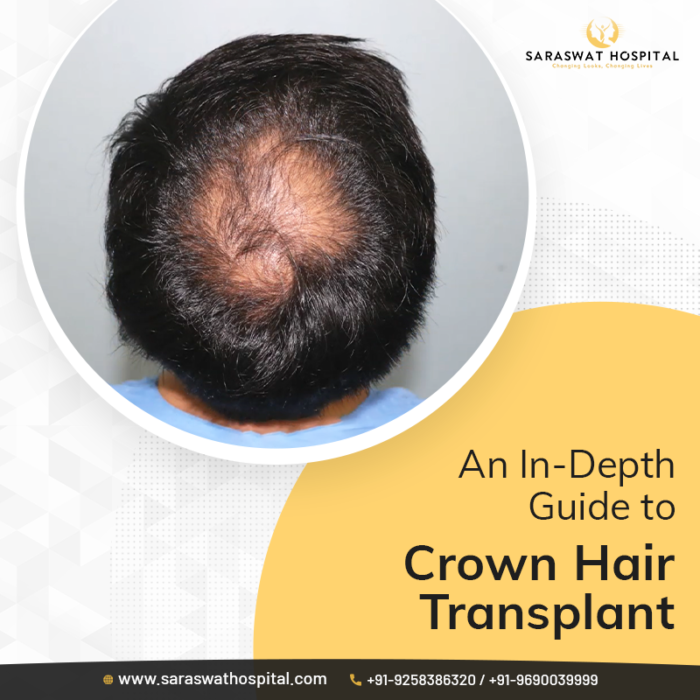
Crown hair transplant surgery is a specialized hair restoration procedure that targets the crown or vertex area of the scalp. The crown has a spiral-like growth pattern, which makes this surgery slightly more complex than frontal hairline restoration. The goal of the procedure is to recreate a natural-looking hair pattern that blends seamlessly with the existing hair.

Leading clinics in India use advanced tools and high-precision techniques to ensure optimal results. The process generally involves extracting healthy hair follicles from the donor area (usually the back or sides of the head) and implanting them into the crown region.

Which Area is known as the Crown?

The Vertex, or the crown of your hair, is the highest point present on top of the head. The hair that grows from this area typically congregates around the scalp in a hair whorl or, in simple words, a circular formation. Some people might also have a double crown, where you see two such hair whorls, and that is absolutely normal.

How to Identify Crown Hair Thinning?

This is especially easy when you are suffering from male-pattern baldness. As a sign, you will start to see your hair becoming thin at the crown. This happens because the DHT (dihydrotestosterone) targets the hair present on your scalp, thereby shrinking the follicles to make them more brittle. The presence of high levels of DHT is also capable of making the hair growth process longer once the old hair sheds. The Norwood-Hamilton Scale of hair loss, used to depict the stage of hair thinning in men, is an accurate representation of crown hair thinning. The Stage 3 Vertex is the stage at which you need to consult professionals.

The pattern for hair loss might be different in every man, depending on several factors, especially in the case of Androgenetic Alopecia. While some men experience a slowly receding hairline that turns to complete baldness, others might find their crown thinning and balding more quickly than the front. A crown hair loss treatment in Agra, India, can be the best option when the crown has stopped thinning or has gone bald to get the best results from the treatment.

Losing hair from the front of the head is a more common sign of Androgenetic Alopecia seen in men (apart from the overall thinning seen in women). However, crown hair loss can appear extremely different from that. Since you look at somebody’s crown from a steep angle, you can see the hair vertically, thereby making it possible for you to see more scalp. When you see more scalp than hair, you must immediately consult the best hair transplant doctor in India.

This video will guide you through how this procedure is performed, in real-time:

What are the Important Aspects of a Crown Hair Transplant Procedure?

Crown hair transplant is a highly specialized procedure that should only be performed by experienced professionals who are certified by ABHRS (American Board of Hair Restoration Surgery). The first thing you need to note to become eligible for the procedure is having a considerable number of donor hair follicles. This will help the surgeon cover more area on the crown, thereby making the signs of hair loss far less obvious.

Some of the important things that your surgeons will take note of to come up with a customized treatment plan include the texture of your hair, the number of healthy hair follicles in the donor area, the number that can be extracted, and the number of sessions that would be required to perform the same and get the best results. The technique used for the treatment is finally decided by the surgeon performing the same, based on the findings mentioned above. The success of the surgery, however, depends mainly on the after-care of the procedure because you need to be extremely careful throughout the recovery process.

Why Choose Crown Hair Transplant Surgery in India?

There are several reasons why people from around the world prefer Crown Hair Transplant Surgery in India:

  • Experienced Surgeons: India is home to internationally trained and ABHRS-certified surgeons who specialize in crown restoration.
  • Cost-Effectiveness: Crown Hair Transplant Surgery in India costs significantly less than in Western countries, while providing equal or superior quality.
  • Advanced Techniques: Clinics in India offer modern hair transplant techniques, including Follicular Unit Extraction (FUE), performed by experienced surgeons based on individual patient needs.
  • High Success Rate: Most patients experience a 90–95% graft survival rate and long-lasting results.

Benefits of Crown Hair Transplant Surgery in India

Choosing Crown Hair Transplant Surgery in India offers several benefits:

  • Natural-Looking Results
  • Permanent Solution
  • Minimal Downtime
  • Boost in Confidence
  • Affordable Treatment

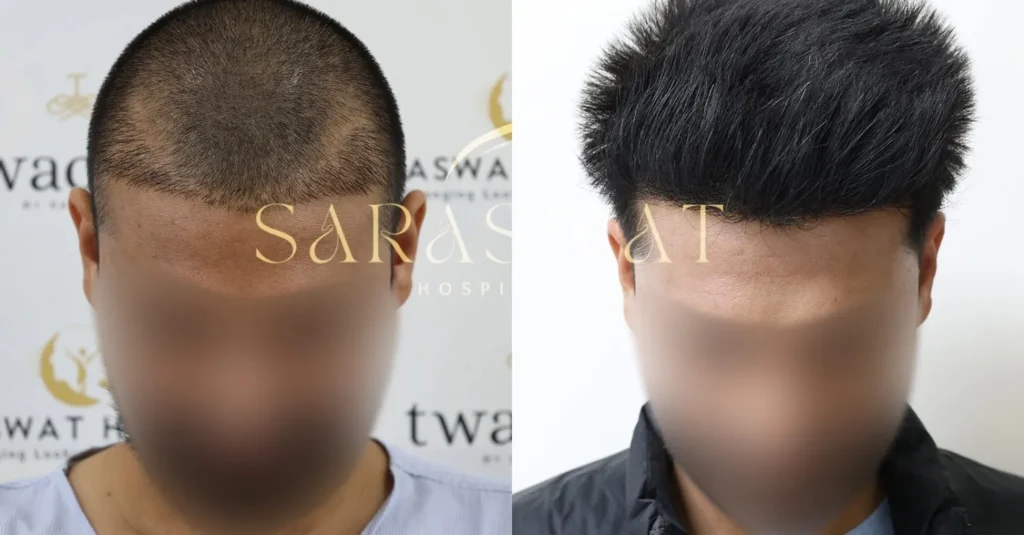
You can take a look at these hair transplant before and after pictures of patients who have undergone a crown hair transplant procedure at Saraswat Hospital.

FUE hair transplant result

Conclusion

If crown baldness is affecting your confidence, Crown Hair Transplant Surgery in India can be a life-changing solution. Now that you are aware of the various aspects of the crown hair transplant procedure, it should be easier for you to decide to undergo it. To know more about crown hair transplant, book an appointment with the experts at the hospital today.

Follow us on:- Facebook, Instagram, Pinterest, YouTube

Medical Disclaimer →

This article is for informational purposes only and does not constitute medical advice. Plastic, cosmetic, and laser treatments — including AI-assisted previews such as those generated by the Peek AI™ app — carry risks and results vary by individual. Always consult a licensed medical professional before undergoing any procedure.
Reach the Ideal Density with High Density Hair Transplant
Medically Reviewed By Dr. Satya Saraswat, MBBS, MS, MCh, DNB (Gold Medalist) | Last updated: July 22, 2026

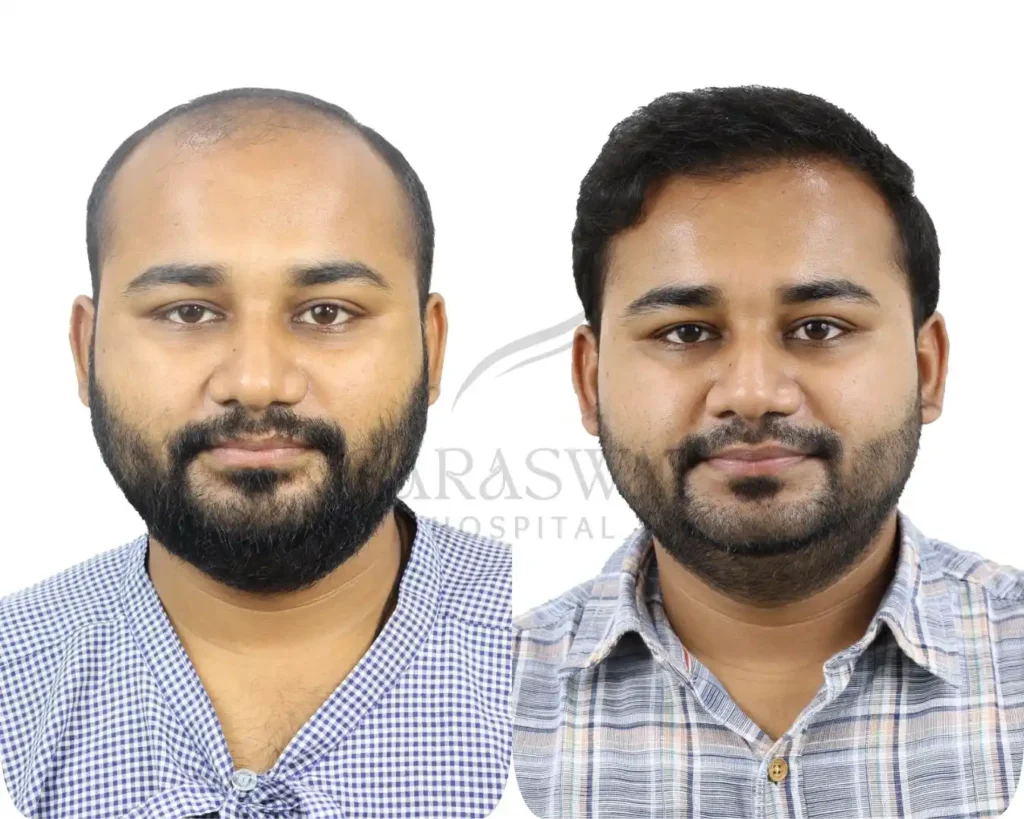
The main aim of performing a hair transplant surgery is to achieve the appropriate density and to replenish the balding spots with newly implanted hair follicles. Typically, with a FUT or FUE hair transplant surgery, 30 to 40 follicular units per square centimetre are achieved. However, when the area is larger, and the surgeons opt for a high-density hair transplant in India, they can offer up to 45 to 50 follicular units instead. This surgery provides high viability rates when performed by experts and is known to be one of the most sought-after procedures in India. So, today, let us find out the best way to achieve an ideal density with the procedure according to patient requirements!

Which surgical technique is used to perform a high-density hair transplant?

In general, surgeons prefer to perform the FUT (Follicular Unit Transplantation), also known as the Linear Excision Method, when it comes to high-density hair transplants because it helps obtain several grafts in a single session. This is performed via the harvesting technique of linear incision following a Trichophytic suture to close the donor area. The strip of scalp extracted from the area contains several grafts that are dissected precisely by the surgeon under a microscope before placing them in the balding or thinning areas. The surgery is performed in an infection-free environment where the standard hygiene measures are followed to get the best outcomes.

What is the role of magnification in High Density hair transplant?

When it comes to performing a high density hair transplant in India, the role of magnification cannot be underestimated because it is the reason why doctors can get the highest possible number of viable grafts in a single sitting. Magnification is allowed during the dissection step, where German microscopes are used to get an optimum view of the grafts. This process helps in getting individual viable grafts from the strip of the scalp for implantation.

FUE hair transplant result

What is the favourable type of graft for the procedure?

Surgeons with several years of experience in the field would confirm that chubby or thick grafts are favourable during a high-density hair transplant in India. Obtaining them is only possible through a successful magnification stage during the dissection process. These chubby grafts are more compatible when you are thinking of covering the bald areas with the most natural results.

What is important for performing High Density hair transplants?

As you opt for a high density hair transplant surgery, the doctors would check if you have a healthy donor area, especially in the parietal and occipital region of the scalp. The donor area provides the healthy grafts for the restoration procedures, and thus should always be free from any autoimmune disorder or instability so that the surgery can be performed flawlessly. In case the patient has an inconsistent or thin donor area, the FUE (Follicular Unit Excision) technique, combined with the BHT (Body Hair Transplant), is used to perform the surgery.

Why Contact the Experts at Saraswat Hospital, Agra?

As the most sought-after clinic for high-density hair transplant in India, Saraswat Hospital is run by experienced doctors certified by ABHRS (American Board of Hair Restoration Surgery) and are constantly aware of the recent developments in the field of medicine.

Conclusion

The most important thing that you would have to note when you want to opt for a high-density hair transplant in India and get the best results out of the same is consulting a trustworthy surgeon. In case you want to know more, feel free to book an appointment with Saraswat Hospital today.

Follow us on:- Facebook, Instagram, Pinterest, YouTube

Medical Disclaimer →

This article is for informational purposes only and does not constitute medical advice. Plastic, cosmetic, and laser treatments — including AI-assisted previews such as those generated by the Peek AI™ app — carry risks and results vary by individual. Always consult a licensed medical professional before undergoing any procedure.
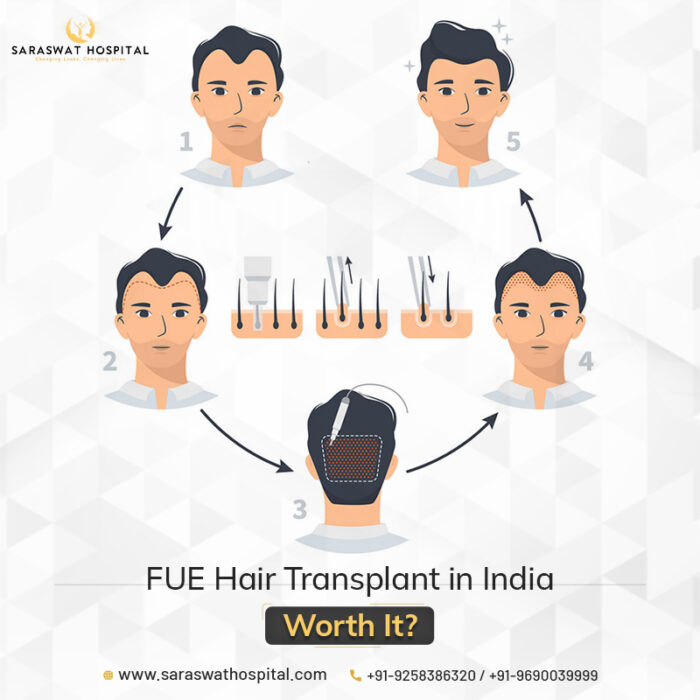
Is Undergoing FUE Hair Transplant in India Worth It
Medically Reviewed By Dr. Satya Saraswat, MBBS, MS, MCh, DNB (Gold Medalist) | Last updated: July 23, 2026

Anyone who is about to undergo a hair transplant surgery is understandably worried about the cost of the procedure, especially when it is performed with FUE techniques. Follicular Unit Excision, or FUE, is known as one of the most effective and specialized treatments performed by experts in hair transplant that has no side effects or linear scars and a quicker recovery time. However, the price for the same is far from cheap, and you need to find out if undergoing an FUE hair transplant in India is worth it before undergoing the same. How do you do so? Let’s find out!

What is an FUE Hair Transplant?

Follicular Unit Extraction, FUE (earlier called Follicular Unit Extraction) is a hair transplant surgery where follicular units are extracted and then implanted in the area of reduced hair density. Follicular units are extracted individually with the use of specialized punch needles of 0.6 to 1mm in diameter in combination with micro forceps from the donor area, while the patient remains under local anesthesia. As this procedure consists of individual extraction of the follicular units, there will be no scar tissue left on the head of the patient.

Top Things to Look at in a Hair Transplant Hospital in India

FUE is a specialized procedure that is performed for hair transplantation by doctors, but it is also a very expensive surgery. Now, most people think that they can opt for cheaper alternatives and start looking for options that could give them value for their money. However, the low cost of the surgery doesn’t guarantee that you will get the best services. This is why you should always check out all your options before investing in any one aspect. If you are looking to travel abroad and get an FUE hair transplant in India, you must keep in mind several other considerations that go beyond the price. All these factors include:

  1. Travel Time and Costs: When you are opting for an FUE transplant in India, you will have to keep in mind the additional expenses for travel and boarding at the place. Several hospitals offer Medical Tourism facilities where a patient coordinator takes care of your hospital visit and the place for you to stay in the near vicinity of the clinic. This would also include the cost for additional or follow-up treatments during recovery.
  2. Standards of Treatment: Especially if you are travelling from other parts of the world, the healthcare standards are different. As you are looking for the best clinic for the treatment, you need to look for the best standard of treatment, which includes the usage of technology and equipment within your budgetary requirements.
  3. Communication Barriers: It is crucial for you, as a patient, to look for the mode of communication when you visit India for treatment. Health professionals typically are well-versed in English for ease of communication, but not all might have a good grasp of the subject, which might make it difficult for you. As you are arranging a face-to-face consultation with the surgeon presiding over your case, you must ensure that you are comfortable with them and that you have no doubts.
  4. Credentials of the Doctor: Talking about the surgeon, you must always conduct thorough research on the doctor whom you are consulting, in India or abroad. This would include their experience, the successful outcomes in their career, and the expertise they have in their subject, which will be visible if you look at their qualifications. Ask the doctor questions about all the steps and see if he/she can answer them to your satisfaction or not.
Hair Transplant Result

Why Should You Undergo FUE Hair Transplant at Saraswat Hospital?

Saraswat Hospital is one of the most popular clinics for FUE hair transplant in India, run by surgeons certified by ABHRS (American Board of Hair Restoration Surgery) and constantly aware of the recent developments in the field of medicine.

Dr Satya Kumar Saraswat is an MBBS with MS, M.Ch, FISHRS, and DNB (Plastic Surgery) degrees to his credit. As a member of several international boards, Dr Saraswat has left his mark in the plastic surgery sector.

Conclusion

FUE hair transplant in India is a procedure performed by top hair restoration surgeons to get the most natural-looking results without any side effects. Saraswat Hospital, Agra, has an experienced medical tourism team in place that takes care of your entire treatment, visit, and recovery from the surgery. In case you want to know more, book an online consultation today.

Follow us on:- Facebook, Instagram, Pinterest, YouTube

Medical Disclaimer →

This article is for informational purposes only and does not constitute medical advice. Plastic, cosmetic, and laser treatments — including AI-assisted previews such as those generated by the Peek AI™ app — carry risks and results vary by individual. Always consult a licensed medical professional before undergoing any procedure.
Top Things to Know Before FUT Hair Transplant in India
Medically Reviewed By Dr. Satya Saraswat, MBBS, MS, MCh, DNB (Gold Medalist) | Last updated: July 23, 2026

Men and women across the world often fall prey to a common condition of genetically induced hair loss – also known as Androgenetic Alopecia. The cause for the same is often attributed to the body’s autoimmune response to the cells that produce hair follicles. While most people take several remedial steps in the form of over-the-counter products, only undergoing an FUE or FUT hair transplant in India can act as a permanent solution.

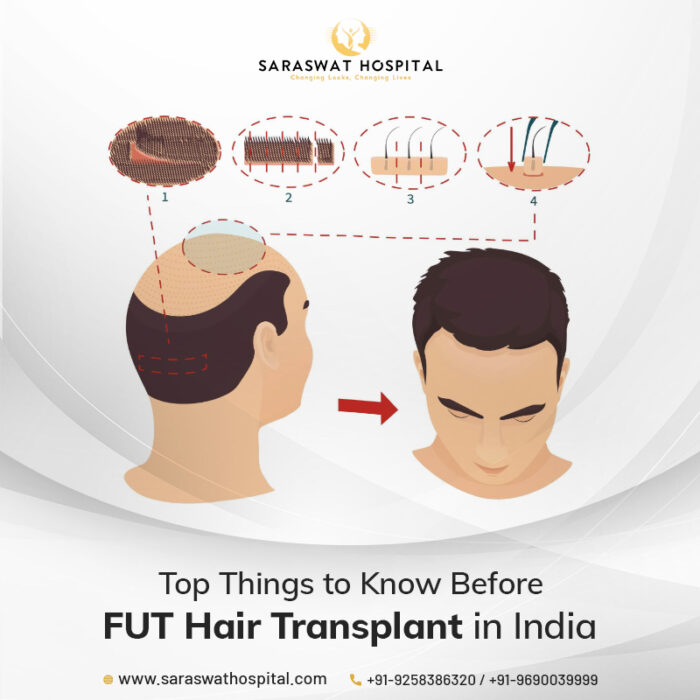
What is the FUT hair transplant procedure? 

FUT, an acronym for Follicular Unit Transplantation, also known as strip surgery or the Linear Excision Method, is one of the most popular techniques used for hair restoration. Through this procedure, a strip of scalp with healthy hair follicles is extracted from the back or sides of the scalp (whichever is a feasible donor zone), and the area is then sutured in a Trichophytic closure so that hair can re-grow in the area.

The strip of the scalp is taken under a microscopic device to then be slivered into tiny individual follicular units, which are then used for the implantation procedure. The experienced hair transplant surgeon makes small incisions on the recipient zone to form a proper hairline to which the individual grafts are implanted.

Top Factors to Consider Before Undergoing Surgery

The FUT hair transplant in India is a specialized procedure that leaves natural results and thus should always be performed by experts in the field to avoid any botched results. However, before undergoing the surgery, you would have to consider several factors that would determine if you are eligible for the same and what the results would turn out to be. Some of those factors include:

  • The Cost of Hair Transplant: Undergoing a hair transplant surgery gives everyone life-altering results, and thus, the expense should always be seen as an investment opportunity. As you find the best clinic for the procedure, you must conduct thorough research to find the best price for the treatment without compromising on the aesthetic value of the procedure.
  • Qualifications and Expertise of the Doctor: Since the procedure leaves visible results, you must always get in touch with professionals in the field who have had several years of experience, a high success rate, and certifications from specialized international boards. This will ensure that you are operated on using the most advanced techniques, thereby leaving no side effects after the surgery is complete.
  • The Reputation of the Clinic: This falls in line with the reputation of the surgeon performing the procedure. While you decide to undergo such a surgery, you must ensure that the hospital you choose is equipped with the latest machinery and technology, including the after-care facilities, to ensure you get the absolute best service and all-around care there.
  • All-around Information about the Procedure: As you are opting for one of the biggest surgeries of your life, you must be completely aware of the technique being used for the surgery. Thorough information about the method your surgeon is going to use for the same and the pre- and post-surgical instructions you need to follow can help you get absolute clarity from the get-go.
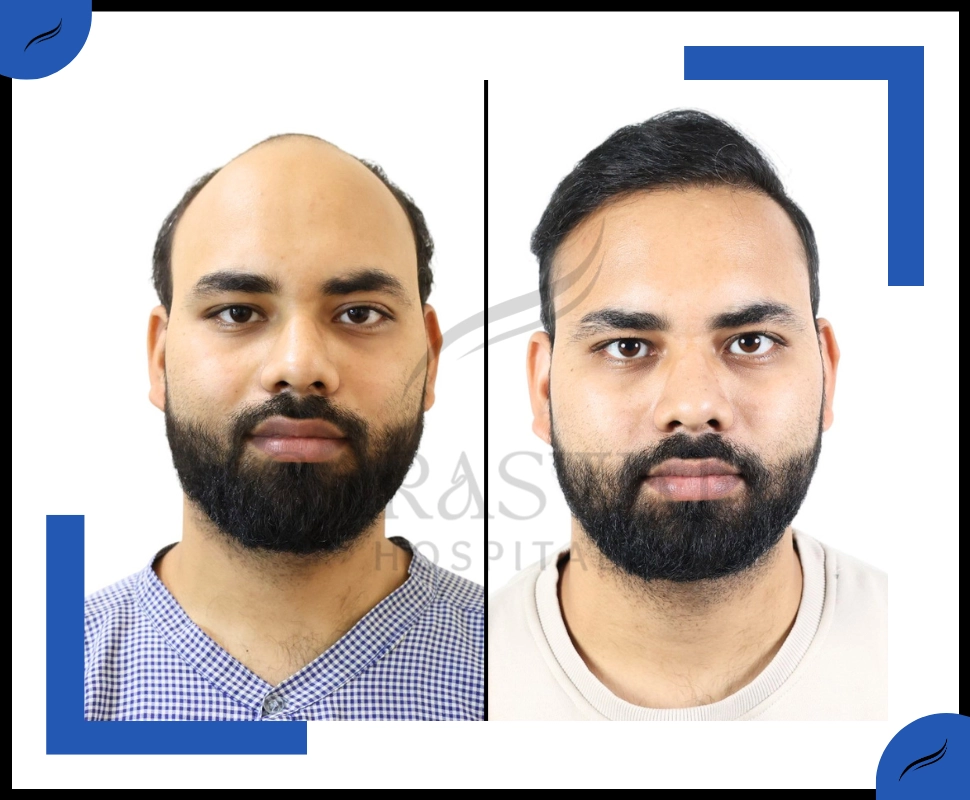
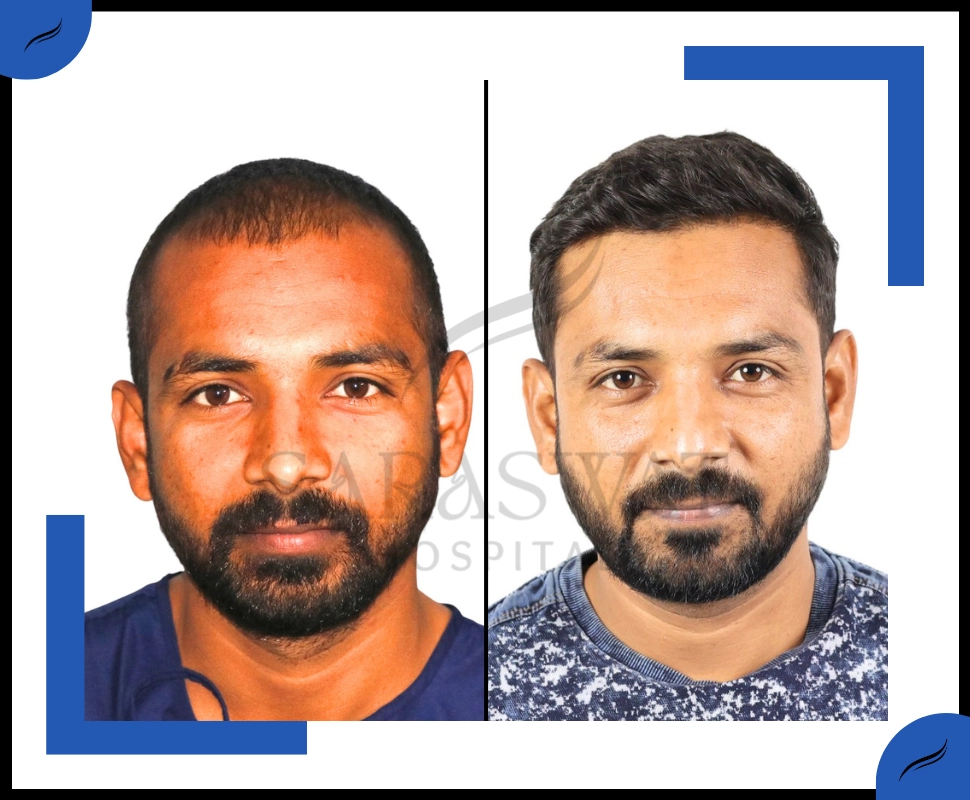
FUE hair transplant result

Why Choose ABHRS Certified Doctors?

Saraswat Hospital is run by experienced doctors who are certified by ABHRS (American Board of Hair Restoration Surgery) and are constantly aware of the recent developments in the field of medicine.

Dr Satya Kumar Saraswat is an MBBS with MS, M.Ch, and DNB (Plastic Surgery) degrees to his credit. As a member of several international boards, Dr Saraswat has left his mark in the plastic and cosmetic surgery sector.

Dr Preeti Saraswat is an MBBS with a PGDCC degree from the University of Greifswald, Germany. She is known for the scalp micropigmentation treatments that she has been rendering to her patients over the years. She is also a member of the American Academy of Aesthetic Medicine (AAAM). She is constantly aware of the latest developments in the field by being in touch with several international boards.

Conclusion

When you are opting for aesthetic procedures that leave visible results, it is always better to be safe than sorry. The doctors at Saraswat Hospital have over 20+ years of experience in the field, making them ideal surgeons for FUT hair transplant in India. In case you want to know more about FUT hair transplant, book an appointment today.

Follow us on:- Facebook, Instagram, Pinterest, YouTube

Medical Disclaimer →

This article is for informational purposes only and does not constitute medical advice. Plastic, cosmetic, and laser treatments — including AI-assisted previews such as those generated by the Peek AI™ app — carry risks and results vary by individual. Always consult a licensed medical professional before undergoing any procedure.

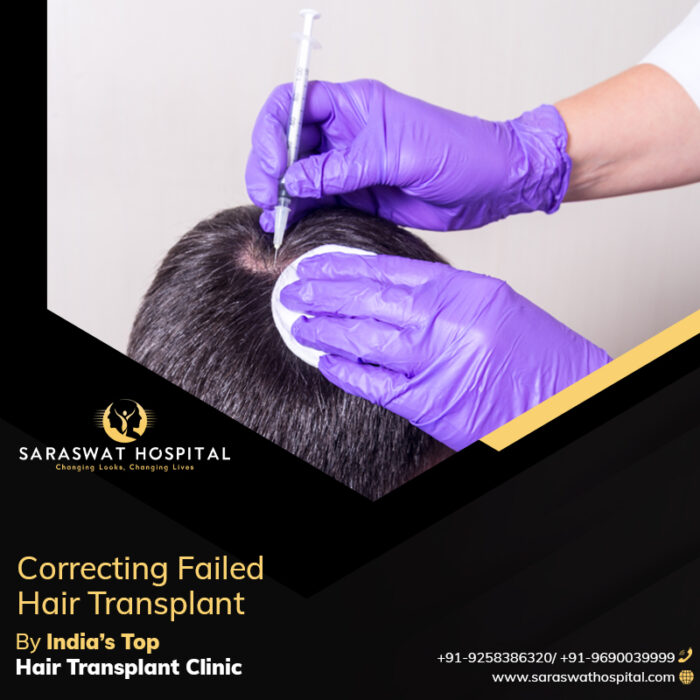
Hair Transplant Clinic in India Correct a Failed Hair Transplant
Medically Reviewed By Dr. Satya Saraswat, MBBS, MS, MCh, DNB (Gold Medalist) | Last updated: May 23, 2026

If we look at the statistics over the years, then we will see that around 80% of the recently transplanted hair will fully grow into a strand of hair within the first few months if the surgery is performed by experts. However, if you visit inexperienced doctors for the treatment, the results might not be as fruitful as you want them to be. With recent advancements in medicine, ABHRS-certified doctors in India actively perform hair transplant repairs to reverse the effects of a failed transplant. How? Let’s find out!

What do you mean by a Failed Hair Transplant?

Hair transplant offers the best solution for those with Androgenetic Alopecia. In this procedure, surgeons extract healthy follicles from a part of the scalp with thicker hair growth and graft them to areas with thinning or balding. The results typically appear within 2 to 3 months. However, if no results are shown by the 4th month, the transplant is considered a failure.

What are the reasons for a Failed Hair Transplant?

Hair transplant, to speak of, is traditionally a painless procedure performed only after administering local anaesthesia to the patient. Some of the reasons why you may suffer from a failed hair transplant, however, are as follows:

  1. Inexperienced Doctors: It is natural for you to search on the internet and opt for the services that offer cheap deals. But, as the saying goes, all that glitters is not gold, and so, going for cheap deals wouldn’t guarantee the best results. Inexperienced surgeons wouldn’t be aware of the correct procedures and thus expose you to scarring and infections.
  2. Insufficient Post-Treatment Care: A crucial part of getting the best results out of hair transplant surgery is the post-operative care that you receive from the surgeons. If you don’t follow the instructions properly or the clinic doesn’t give you clear protocols, there is a high chance of you landing with a botched-up result.
  3. Dormant Hair Follicles: The key to a successful hair transplant is the health of the donor follicles used to perform the surgery. If you have dormant hair follicles that don’t have the strength to grow new hair, and yet the doctor uses them for the procedure, the results, needless to say, would be disastrous.

Common Signs of a Failed Hair Transplant

As we understand now, if you consult less skilled doctors for hair transplant surgery, you may face two common issues: an unsightly appearance from hair plugs and progressive hair loss later. The indicative signs of a failed hair transplant include:

  1. Ridging on the hairline.
  2. Wrong angular direction.
  3. The low density of the results.
  4. Lack of an aesthetic look at the treated area and the hairline.
  5. Prominent scarring on both the donor and recipient areas.
  6. No sign of hair growth after a few months of post-surgery.
  7. Unnatural results due to the use of larger grafts for the procedure.
Repair Hair Transplant Result

Ideal Techniques of Hair Transplant Repair in India

Hair transplant repair, performed by ABHRS-certified doctors in the field, is the ideal way to reverse the effects of a botched-up surgery. This procedure is performed by the doctors, customized according to the current condition of the patient, to get the best results, and might primarily include three of these techniques:

  1. Scalp Revision: This procedure includes scalp micropigmentation or SMP to cover the unsightly appearance of scars on the scalp due to the failed surgery by tattooing pigments on the area in small dots.
  1. Hairline Restoration: This procedure includes a second round of hair transplant surgery to restore the natural look of the hairline. Professionals might also extract donor hair from other parts of the body if the donor site in the scalp is depleted.
  2. Wrong Graft Extraction: This procedure includes the extraction of the wrong grafts placed, resulting in a haphazard plug-like appearance to even out the scalp and leave a natural look for the patient.

Why Get in Touch with Experienced Professionals at Saraswat Hospital?

Saraswat Hospital is run by professionals certified by the American Board of Hair Restoration Surgery (ABHRS), and with over 20+ years of experience, they ensure customized services for every patient

Conclusion

You don’t have to panic if you see disastrous results from a previously undergone surgery, as it is, more often than not, damage that can be fixed as you visit our clinic. Book an appointment now to fix your failed hair transplant and get the best outcome.

Follow us on:- Facebook, Instagram, Pinterest, YouTube

Medical Disclaimer →

This article is for informational purposes only and does not constitute medical advice. Plastic, cosmetic, and laser treatments — including AI-assisted previews such as those generated by the Peek AI™ app — carry risks and results vary by individual. Always consult a licensed medical professional before undergoing any procedure.
Male Pattern Baldness FAQ's
Medically Reviewed By Dr. Satya Saraswat, MBBS, MS, MCh, DNB (Gold Medalist) | Last updated: July 23, 2026

Hair loss is known to be an extremely common issue that both men and women face over the years, due to several reasons. The condition is also most prominently seen in men than in women and can affect them at a very young age. However, the ideal way to solve the problem permanently is to consult a doctor in a timely manner. So, today, let’s find out the frequently asked male pattern baldness questions and how undergoing a hair transplant surgery can help with the same.

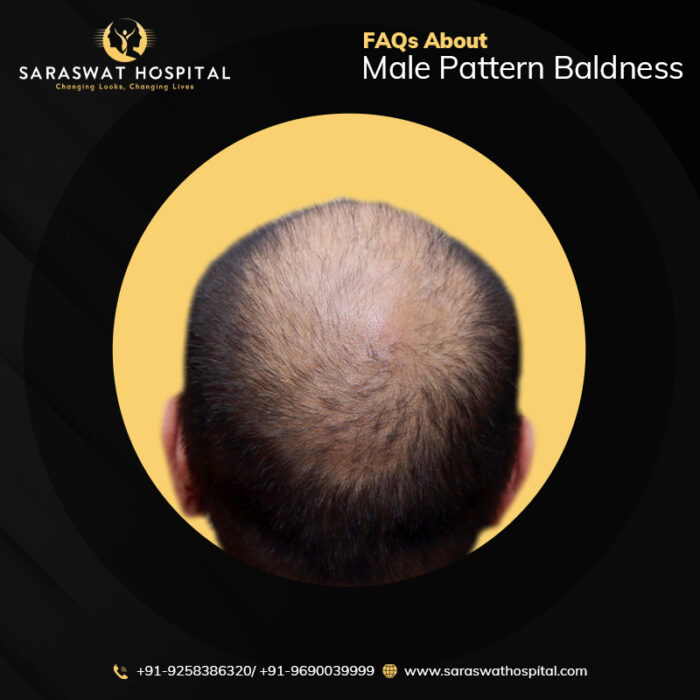
How to Define Male Pattern Baldness?

Male pattern baldness, also known as male pattern hair loss, results in the gradual loss of hair from the scalp. Commonly seen in men, this can often lead to bald spots or balding and is usually genetic. There are several over-the-counter drugstore products that claim to solve the condition, but most of them only give temporary solutions and have side effects. A permanent solution to the same, however, is in the form of the best hair transplant in India.

What Causes Male Pattern Baldness?

It is seen that around 95% of hair loss is caused by genetics and is known as Androgenetic Alopecia. Exposure to the harmful rays of the sun, extreme levels of stress, and a haphazard lifestyle can also act as extra elements that aid the process. The condition, however, is permanent, and one must always choose a permanent solution to the same as well.

When Do the Male Pattern Baldness Symptoms Start?

Male pattern baldness, typically, can be seen in men in the age group of 40 to 90. However, men in the young age group of 20 to 30 can also suffer from pattern baldness, especially since it is genetic. The problem, though, is gradual, and even when it first affects the hairline, it can recede to varying degrees. As you visit a professional undergoing hair transplant surgery, he or she would be able to tell you the exact stage of your hair loss based on the Norwood-Hamilton scale. Women might also face hair loss, but most of the time, it shows as thinning and not complete baldness like men.

How can Hair Transplant Surgery help with the Condition?

The best hair transplant in India, performed by experts, is a technique used to extract healthy hair follicles unharmed by the effects of pattern baldness from one part of the scalp and implant them in the balding site. Experts ensure that the implantation is done in a way that the new hair growth from the recipient site looks natural. Depending on the results of the Trichoscopy analysis, a customized plan is curated for each patient. Since the procedure involves implanting healthy hair follicles to the recipient site, the results are permanent, leaving you with a head full of hair.

Why Consult The Best Hair Transplant Doctor in India for the Surgery?

Saraswat Hospital is one of the most widely known places run by one of the best hair transplant doctors in India. Certified by the American Board of Hair Restoration Surgery (ABHRS) and FISHRS with over 20+ years of experience, they ensure customized services for every patient.

Conclusion

Male pattern baldness is a problem that can cause a lot of men to become under-confident with very low self-esteem if not treated at the right time. Saraswat Hospital, as a centre known to provide the best hair transplant in India, can provide customized services to all patients. The excellent after-care team and the use of modern equipment to perform the surgeries ensure natural-looking results in no time. In case you want to know more, feel free to book an appointment with Saraswat Hospital today.

Follow us on:- Facebook, Instagram, Pinterest, YouTube

Medical Disclaimer →

This article is for informational purposes only and does not constitute medical advice. Plastic, cosmetic, and laser treatments — including AI-assisted previews such as those generated by the Peek AI™ app — carry risks and results vary by individual. Always consult a licensed medical professional before undergoing any procedure.
whatapp icon