
Book an
Appointment
Dr. Satya Saraswat - Hair Transplant Surgeon

Dr. Satya Saraswat, MBBS, MS, MCh, DNB (Gold Medalist)

Dr. Satya Saraswat, MBBS, MS, MCh, DNB (Gold Medalist), FISHRS, is a cosmetic and plastic surgeon with an experience of over 20+ years and has performed 17,000+ cosmetic and plastic surgeries. He is a Diplomate of the American Board of Hair Restoration Surgery (ABHRS) and Fellow of ISHRS, as he has been continuously attending the International conferences and adopting the latest advancements in hair restoration science, and he has also submitted his research papers. His hands-on involvement ensures a natural hairline and high graft survival.

Articles by Dr. Satya Saraswat, MBBS, MS, MCh, DNB (Gold Medalist)

Can Transplanted Hair Grow Long?
Medically Reviewed By Dr. Satya Saraswat, MBBS, MS, MCh, DNB (Gold Medalist) | Last updated: July 13, 2026

It is a popular misconception that a hair transplant is only for men and that it is only possible to have short hair after undergoing the surgery. However, the reality is far from that. Hair transplant is an advanced cosmetic procedure that offers natural and undetectable hair transplant results permanently, and patients can grow long hair after the surgery. If you are suffering from Androgenetic Alopecia or genetic hair loss, and are committed to long-term hair loss treatment, then you may contact renowned clinics like Saraswat Hospital in Agra that perform hair transplant surgeries on their patients with a high success rate. In this blog, we will discuss hair growth after a hair transplant surgery.

How Does a Hair Transplant Work?

A hair transplant is a surgical procedure to extract healthy hair follicles from the donor area and transplant them to the recipient area. The hair in the donor area is not susceptible to genetic hair loss, and it retains its natural characteristics even after the transplant. As a result, the newly grown hair from the transplanted grafts is also not affected by DHT. So, the hair grows naturally, and the transplanted area does not get bald again.
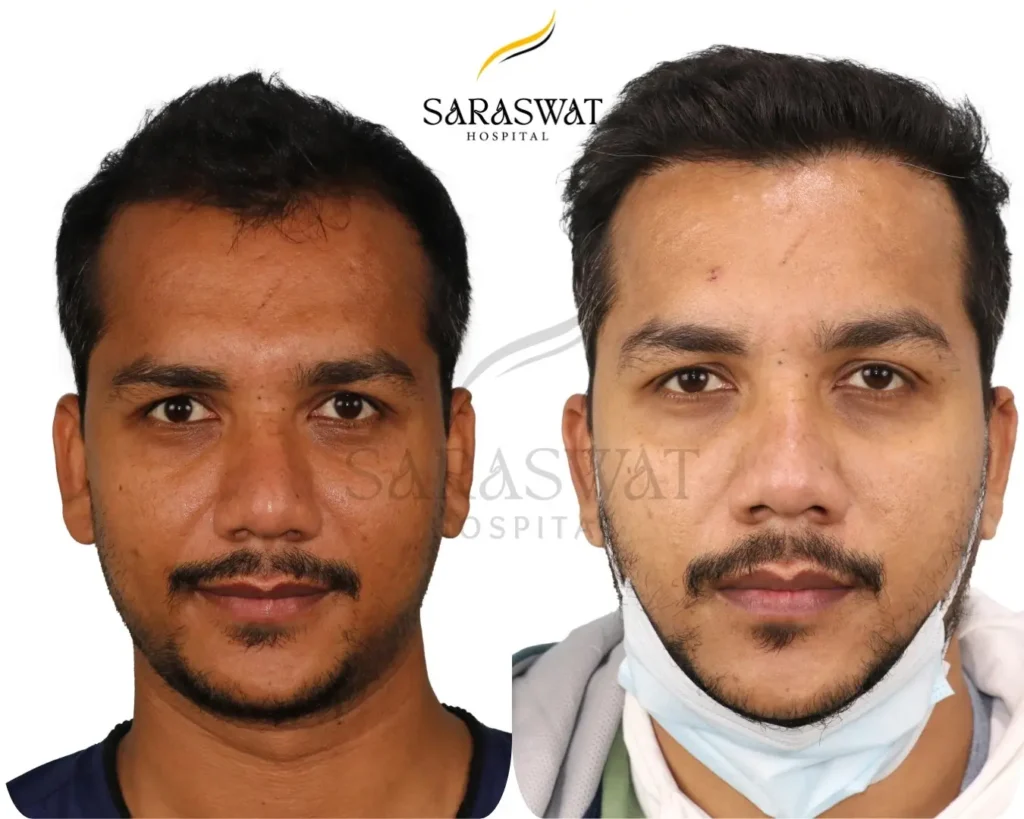
Hair Transplant Result

What Happens to the Transplanted Hair after Surgery?

Hair transplant is a gradual process of hair growth, and it happens through several phases after the surgery, such as:

Normal shedding: You can grow long hair after a hair transplant surgery, but it is not the transplanted hair that grows long. The transplanted hair goes into a phase of normal shedding first. This phase starts within two to four weeks after the transplant, and it may continue for up to four months.

Hair growing: You can visibly notice the growth of transplanted hair from the fourth month onwards. In the initial stage, the newly grown hair is thinner and less dense. However, over time, they achieve the desired thickness and density. Generally, the new hair goes into the Anagen phase within three to four months after the transplant. After that, the hair continues to grow consistently every month.

For most patients, 80% of the transplanted hair comes out within eight months. In an FUE hair transplant in India, a head full of hair is generally achieved within twelve to fifteen months, while in an FUT procedure, it takes twelve to eighteen months. Afterwards, it continues to grow long, thick, and healthy at a natural pace. So, you can definitely have long hair after undergoing a hair transplant surgery.

About the Doctors at Saraswat Hospital

Saraswat Hospital in Agra is one of the most reliable clinics for FUT and FUE hair transplant in India that specializes in hair transplant surgeries. The ABHRS-certified surgeons at the clinic use state-of-the-art equipment combined with their skills to provide the best post-surgery results to all patients.

Dr. Satya Kumar Saraswat is an MBBS, MS, M.Ch., and a gold medallist in DNB in plastic and cosmetic surgery, which he was awarded in 2007 by the Health Minister of India. As one of the best hair transplant doctors in India and a member of several international boards and associations, he specialises in all types of hair restoration procedures and has more than 20+ years of experience in the field.

Conclusion

If you have long hair but are suffering from hair loss and hair thinning in the crown area, do not hesitate to undergo a hair transplant surgery. Book an appointment with the experts at Saraswat Hospital to know your options for hair transplant and hair loss treatment, as well as the expected outcomes of the procedures. Send an email to saraswathospitalagra@gmail.com.

Follow us on:- Facebook, Instagram, Pinterest, YouTube

Medical Disclaimer →

This article is for informational purposes only and does not constitute medical advice. Plastic, cosmetic, and laser treatments — including AI-assisted previews such as those generated by the Peek AI™ app — carry risks and results vary by individual. Always consult a licensed medical professional before undergoing any procedure.
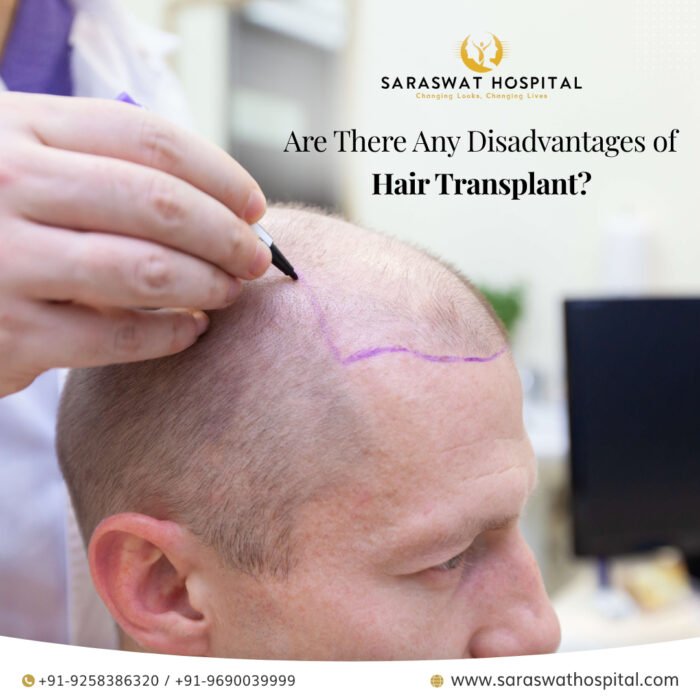
What Are the Disadvantages of Hair Transplant?
Medically Reviewed By Dr. Satya Saraswat, MBBS, MS, MCh, DNB (Gold Medalist) | Last updated: July 13, 2026

When it comes to genetic hair loss, a hair transplant surgery is undoubtedly the best solution that offers natural results permanently. However, even though the surgery is very safe and simple, some people are still scared to undergo the procedure, being concerned about side effects. It’s essential to know the disadvantages of hair transplant before making a decision. Being aware of the potential risks, limitations, and side effects will help you set realistic expectations and make an informed choice.

In this guide, we’ll break down the top disadvantages of hair transplant, explain why they occur, and provide helpful tips to reduce risks.

Understanding Hair Transplant Procedures

Before discussing the disadvantages of hair transplant, it’s important to understand the two main techniques used:

  • FUT (Follicular Unit Transplantation) involves removing a strip of skin from the donor area and extracting grafts.

  • FUE (Follicular Unit Extraction) involves removing individual follicular units using a punch tool.

Both methods have their pros and cons, but they also share common disadvantages of hair transplant that every patient should know.

What are the Disadvantages of Hair Transplant?

Hair transplant does not generally have any side effects or disadvantages. Only 10% of people may face some temporary swelling after the surgery, but it heals fast with proper aftercare.

The most important thing about hair transplant surgery is to choose a reliable clinic with an experienced cosmetic surgeon, a skilled medical team, and advanced technology. By choosing the right clinic with the right doctor, you can avoid having any side effects after the surgery, and there will be no long-term disadvantages either. Apart from performing the surgery skilfully, these clinics take sanitisation seriously as well to avoid infections. In the worst-case scenario, the issues you may face are:

  • Bleeding: Hair transplant is a surgical procedure, and it may have some risk of bleeding during the surgery. Your doctor and the medical team will take care of it.
  • Swelling: The recipient area can swell in some rare cases due to the formation of fluid, and it may lead to some pain and inconvenience. However, it should subside within a couple of days. Visit the clinic if it persists longer than that.
  • Scars: In an FUT procedure, improper trichophytic closure of the donor area can create a linear scar. The healing process determines the scar’s visibility, but growing hair can conceal it.
  • Pain: A hair transplant is performed under local anaesthesia, and the pain felt by the patient is minimal and bearable.
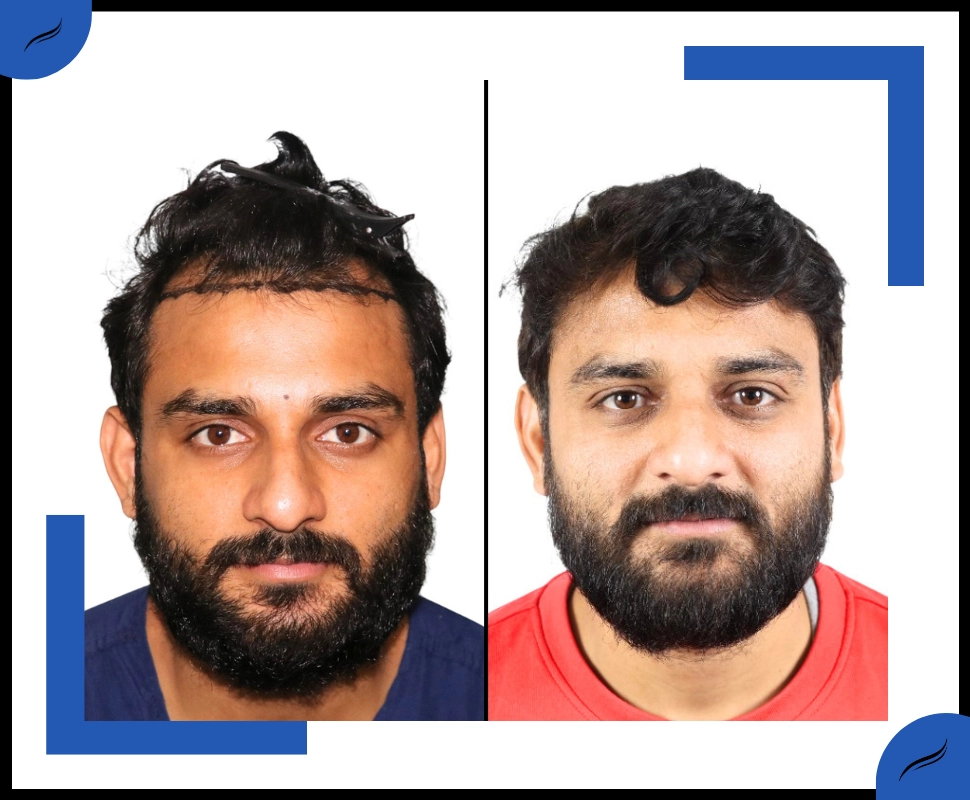
Hair Trasplant Before and After Result

Waiting for visible results can take several months. This long waiting period is one of the emotional disadvantages of hair transplant for many patients.

Most of the side effects are caused by graft mishandling. If your doctor fails to extract, hold, or transplant the hair follicles properly, it may lead to complications. This is why it is crucial to find an experienced doctor when you are going to have surgery for the first time. Keep in mind that the first hair transplant is the most important. You can have follow-up transplants or repair transplants, but they are not to be considered as an option during the first time. So, research well before you contact a clinic.

Psychological Disadvantages of Hair Transplant

Aside from physical side effects, some patients face psychological challenges. Disappointment from slow growth or unsatisfactory results can cause stress, making this one of the overlooked disadvantages of hair transplants.

Financial Disadvantages of Hair Transplant

Because multiple sessions may be required and high-quality procedures are costly, budgeting can be difficult. This financial burden is one of the most significant disadvantages of hair transplants for people seeking affordable options.

Tips to Minimize the Disadvantages of Hair Transplant

  • Choose a qualified and experienced surgeon with a proven track record.
  • Follow all post-operative care instructions strictly to avoid infections.
  • Maintain realistic expectations about the results and timeline.
  • Ensure you have a healthy donor area for long-term success.

These steps can reduce most of the common disadvantages of hair transplant and lead to better results.

Why Should You Choose Saraswat Hospital?

Saraswat Hospital is one of the best hair transplant clinics in India. Led by a group of ABHRS-certified doctors with more than 20+ years of experience in the cosmetic field, the clinic offers customised hair transplant plans to its clients.

Conclusion

Hair transplant surgery can deliver life-changing results, but it is not without drawbacks. Understanding the disadvantages of hair transplant, such as scarring, high cost, discomfort, multiple sessions, and graft failure, helps you make an informed decision.

So, you do not have to worry about a hair transplant if you choose the right doctor and the right clinic for your hair transplant surgery. If you have any confusion about the surgery, you may book a consultation with the experts or drop an email at saraswathospitalagra@gmail.com.

Follow us on:- Facebook, Instagram, Pinterest, YouTube

Medical Disclaimer →

This article is for informational purposes only and does not constitute medical advice. Plastic, cosmetic, and laser treatments — including AI-assisted previews such as those generated by the Peek AI™ app — carry risks and results vary by individual. Always consult a licensed medical professional before undergoing any procedure.
Can Hair Transplants Go Wrong
Medically Reviewed By Dr. Satya Saraswat, MBBS, MS, MCh, DNB (Gold Medalist) | Last updated: July 13, 2026

A hair transplant surgery is a perfect solution to genetic hair loss because the procedure uses the patient’s own hair follicles from their donor area to ensure natural-looking, permanent results. But many people ask the question: Can hair transplants go wrong? Modern techniques like FUE (Follicular Unit Extraction) and FUT (Follicular Unit Transplantation) achieve high success rates, but complications may arise if you don’t take proper precautions. Saraswat Hospital in Agra is one of the top clinics that offers repair hair transplant in India with a high success rate. In this blog, we will focus on the reasons behind a failed hair transplant.

Understand the Risks

So, can hair transplants go wrong? Yes, in rare cases, things may not go as planned. While most procedures are safe and successful, several factors can lead to poor results. These include:

Not being an ideal candidate

Hair transplant can be a life-changing procedure, but only for those who are good candidates to undergo the surgery. It is important to obtain the medical history and information about a patient’s genetics before the surgery in order to clarify topics like the surgical procedure and the post-operative stage. The clinic conducts several tests to evaluate indicators like hair loss classification and future implications of hair loss patterns. These determine whether a patient is a good candidate for the time being or if they should wait longer. If you continue to suffer from hair loss continuously, then going for a hair transplant surgery too soon is not a good idea. It is important to wait for the right time, or hair thinning will continue even after the surgery, causing the results of the surgery to be in vain.

The inexperience of the surgeon

Even though a hair transplant is a simple and minor cosmetic surgery without any complications, it requires knowledge, high skills, and experience. A doctor can only perform the surgery successfully when they are skilled and experienced enough. There are many steps in a hair transplant surgery, including the extraction of hair follicles, designing the hairline, creating the incisions in the scalp, holding the grafts securely before the transplant, and transplanting them at the right angle and depth. All these steps require high skills that are not developed overnight, but from years of practice. If your doctor is not experienced enough, then the surgery may end up badly for you.

Improper post-surgery care

Aftercare of a hair transplant is just as important as the surgery itself. Once you undergo the procedure, your doctor will provide you with comprehensive information on the post-operative treatment, as well as aftercare instructions. You must follow the guidelines for the following days and weeks. Scratching, improper hair washing, or inadequate aftercare significantly impact graft survival and surgical outcomes.

How to Prevent a Hair Transplant from Going Wrong?

While it’s natural to ask, Can hair transplants go wrong?, there are ways to minimize risks:

  • Choose a Board-Certified Surgeon – Look for doctors certified by reputable boards like ABHRS (American Board of Hair Restoration Surgery).
  • Research the Clinic – Check before-and-after photos, patient reviews, and success rates.
  • Follow Post-Op Care Instructions – Proper aftercare helps prevent infection and ensures graft survival.
  • Have a  Realistic Plan – Discuss your goals with your surgeon to set achievable expectations.

The Solution – Repair Hair Transplant at Saraswat Hospital

Saraswat Hospital is one of the best cosmetic clinics for hair transplants in Agra that performs repair hair transplants, as well as all other kinds of hair transplant procedures. Led by a group of internationally recognized ABHRS-certified surgeons with more than 20+ years of experience in the field, the clinic offers customized solutions for hair loss problems to its clients.

Conclusion

If your hair transplant surgery has gone wrong, do not be disheartened, as things can be better with a repair hair transplant. Book an appointment to have an expert consultation or write to saraswathospitalagra@gmail.com.

Follow us on:- Facebook, Instagram, Pinterest, YouTube

Medical Disclaimer →

This article is for informational purposes only and does not constitute medical advice. Plastic, cosmetic, and laser treatments — including AI-assisted previews such as those generated by the Peek AI™ app — carry risks and results vary by individual. Always consult a licensed medical professional before undergoing any procedure.
Do Hair Transplants Leave Scars?
Medically Reviewed By Dr. Satya Saraswat, MBBS, MS, MCh, DNB (Gold Medalist) | Last updated: July 15, 2026

Hair transplant is one of the safest surgeries and the most preferred option when it comes to dealing with genetic hair loss. However, one of the most common questions people have is: Do hair transplants leave scars? Thankfully, the scars are not something that you have to put up with for a long time if you choose the right doctor. Renowned and reliable clinics like Saraswat Hospital in Agra make sure to perform the surgery with utmost care and minimal pain and scarring. In this blog, we will discuss scars left by different hair transplant procedures.

Understanding Why Hair Transplants Leave Scars

No matter which technique you choose, hair transplants leave scars because the procedure involves removing hair follicles from the donor area (usually the back of your scalp) and implanting them into thinning areas. The degree of scarring, however, depends on the method used, your skin type, and your surgeon’s skill.

There are two major techniques when it comes to hair transplant: FUT or strip surgery, and FUE.

  • FUT (Follicular Unit Transplantation)

    In FUT, a strip of scalp is removed, and individual follicular units are separated and transplanted. Since this involves cutting a strip of skin, a hair transplant leaves scars in the form of a thin, linear scar at the back of the head. Skilled surgeons can make this scar almost invisible by closing it neatly and recommending proper aftercare.
  • FUE (Follicular Unit Extraction)

    In FUE, individual hair follicles are extracted using micro punches, leaving tiny dot-like scars. These are much less noticeable and often fade over time. While hair transplants leave scars even with FUE, they are scattered and barely visible, especially if your hair grows out.

So, the idea of hair transplant being a scarless procedure is incorrect, but when it is performed by a qualified surgeon, the surgery leaves very little evidence that it was ever even performed. Apart from trichophytic closure and growing hair, the scars can also be covered through Scalp Micropigmentation. Organic black ink is implanted into the scalp through this technique, which helps in creating the impression of natural hair follicles. As it covers the bareness of the scar, the evidence of ever having undergone a hair transplant surgery is concealed.

Factors That Affect How Hair Transplants Leave Scars

The visibility of scars can vary depending on several factors:

  • Surgical Technique – FUT tends to leave more noticeable scars, whereas FUE scars are tiny and spread out.
  • Surgeon’s Experience – A skilled surgeon ensures minimal scarring and natural results.
  • Skin Type & Healing Ability – People with certain skin types may scar more easily.
  • Post-Operative Care – Following aftercare instructions reduces scar visibility.

Conclusion

So, do hair transplants leave scars? The answer is yes, but modern techniques make them far less noticeable than ever before. If you are hesitating about undergoing a hair transplant surgery in fear of scars, you have nothing to worry about. The scars can be concealed easily, and they are no longer visible once your hair grows. The experts at Saraswat Hospital make sure to provide you with the best results at the end of the surgery. If you are struggling with hair transplant scars, modern technology in Saraswat Hospital has evolved and helped many get their desired solution. Book an appointment to know more and get your hair trichoscopy done today.

Follow us on:- Facebook, Instagram, Pinterest, YouTube

Medical Disclaimer →

This article is for informational purposes only and does not constitute medical advice. Plastic, cosmetic, and laser treatments — including AI-assisted previews such as those generated by the Peek AI™ app — carry risks and results vary by individual. Always consult a licensed medical professional before undergoing any procedure.
How to Fix Hair Transplant Failure with Repair Hair Transplant?
Medically Reviewed By Dr. Satya Saraswat, MBBS, MS, MCh, DNB (Gold Medalist) | Last updated: July 15, 2026

Hair transplant is the ideal solution for people who are suffering from Androgenetic Alopecia and want a permanent solution to hair loss. However, although very rare, a hair transplant surgery can still fail due to various reasons, such as technical errors and faults in surgical methods. In case of failure, the patient can visit Saraswat Hospital, which offers the best repair hair transplant in India. In this blog, we will discuss how to fix hair transplant failure and how a repaired hair transplant can help.

What Are The Major Reasons behind the Failure of a Hair Transplant Surgery?

There can be many reasons behind a failed hair transplant surgery. First, if the patient is not the right candidate for a hair transplant, the surgery will not provide satisfactory results. There can be faults during the procedure as well, such as drying grafts due to exposure to the air for more than 20 seconds, grafts left out of the body for an extended time, rough handling of grafts, and implantation of grafts too deep into the scalp. You also need to consider aftercare. A hair transplant surgery can fail if you do not take care of your hair and scalp well for at least two weeks after the surgery, until the area heals completely.

How to Fix Hair Transplant Failure?

Fixing a hair transplant failure requires a tailored approach based on the specific issue. Below are practical steps to address the problem and achieve the desired results.

1. Consult a Reputable Hair Transplant Specialist

The first step in fixing a failed hair transplant is to consult a board-certified, experienced hair restoration surgeon. Look for a specialist with a proven track record in corrective procedures. They will:

  • Assess the damage: Evaluate the donor and recipient areas to determine the extent of the failure.
  • Identify the cause: Pinpoint whether the issue stems from surgical errors, poor graft survival, or patient-specific factors like scalp health.
  • Recommend solutions: Suggest corrective techniques such as additional grafts, scar revision, or alternative treatments.

2. Consider a Revision Hair Transplant

A revision or corrective hair transplant is often the most effective way to fix a failed procedure. This involves:

  • Adding more grafts: To address sparse or patchy areas, additional hair follicles can be transplanted from the donor area (typically the back of the scalp).
  • Redesigning the hairline: If the original hairline looks unnatural, a skilled surgeon can create a more aesthetically pleasing design.
  • Camouflaging scars: Techniques like FUE can be used to transplant hair into scarred areas, making them less noticeable.

3. Address Scarring with Advanced Techniques

Visible scarring, especially from older techniques like Follicular Unit Transplantation (FUT), can be a significant concern. To fix this:

  • Scalp Micropigmentation (SMP): Scalp Micropigmentation is a technique that involves tattooing tiny dots on the scalp to mimic hair follicles, camouflaging scars or sparse areas.
  • Scar revision surgery: A surgeon can excise and minimize linear scars from previous procedures.
  • Laser therapy: Fractional laser treatments can reduce scar visibility and improve skin texture.

4. Explore Non-Surgical Treatments

If a revision transplant isn’t an immediate option (due to limited donor hair or other factors), non-surgical treatments can help improve the appearance of your hair and scalp:

  • Minoxidil: This topical treatment can stimulate hair growth in areas with thinning or poor graft survival.
  • Low-Level Laser Therapy (LLLT): This non-invasive treatment uses laser light to stimulate hair follicles and enhance growth.

5. Optimize Post-Operative Care

Poor post-operative care is a common cause of hair transplant failure. To prevent further issues during a corrective procedure, follow these guidelines:

  • Follow your surgeon’s instructions: Adhere strictly to post-op care protocols, including avoiding sun exposure, heavy exercise, or touching the grafts.
  • Maintain scalp hygiene: Keep the scalp clean to prevent infections that could compromise graft survival.
  • Stay hydrated and eat well: A nutrient-rich diet with vitamins like biotin, zinc, and vitamin D supports hair growth.
  • Avoid smoking and alcohol: These can impair blood flow to the scalp, reducing graft survival rates.

When Should You Go for a Repair Hair Transplant?

You should consider a repair hair transplant if you notice any of the signs mentioned below:

  • Defective hairline: In cases of unnatural hairline design and low or high-lying placement, the forehead may look too small or too large after the patient recovers. It gives the forehead an unnatural appearance. Hence, the patients end up being dissatisfied with the procedure.
  • Wrong density and angulations: Hair transplant is a highly precise procedure that must always be performed by experienced experts. However, when surgery fails, the hair may look less dense where the scalp is visible. You can implant new hair follicles in the visible parts to reverse the effects through repair hair transplants in India. The angulations of the newly implanted grafts are also crucial when it comes to obtaining natural-looking results from the transplantation.
  • Bushy temples: The temples of every patient usually have fine and light-coloured hair compared to the other areas of the scalp. When you undergo a hair transplant surgery, the results must maintain the same pattern. However, if the surgery is performed by inexperienced doctors, you may end up with an increased density in the temples. Hence, it will leave a bushy look that will require redesign and fixing through a repair hair transplant.

Repair Hair Transplant Methods

A fundamental technique of repair hair transplant is replacing the unsightly grafts with smaller follicular units or micro-grafts for a more natural look. It is the best option if the patient is dealing with a limited portion of the hair. However, it cannot restore hair that has been transplanted very low on the forehead, and thus, it can be used in conjunction with the graft excision method.

Graft excision is a popular method of repair hair transplant. In this process, the abnormal grafts that were implanted in the previous surgery are removed from the scalp carefully. Afterwards, the grafts are distributed into the individual follicular units. They are then re-implanted in the right locations. The overall appearance is improved because the underlying scarred tissues are removed as well during the procedure.

The methods are also combined in some cases of failed hair transplants. In such a case, the larger grafts are first extracted and replanted, and then micro-grafts are used to cover the entire area.

Where Should You Go for a Repair Hair Transplant in India?

You must choose a skilled and experienced doctor for a repair hair transplant. Saraswat Hospital in Agra is run by ABHRS-certified doctors with more than 20+ years of experience in the field, and the clinic has a high success rate in hair transplant surgeries.

Conclusion

A failed hair transplant can be disheartening, but it’s not the end of the road. By understanding how to fix hair transplant failure? Through consultation with a skilled specialist, revision procedures, non-surgical treatments, and proper care, you can achieve the fuller, natural-looking hair you envisioned. If you are suffering from a failed hair transplant, do not wait for the situation to get worse. To consult the experts at Saraswat Hospital, book an appointment or write to the team at saraswathospitalagra@gmail.com.

Follow us on:- Facebook, Instagram, Pinterest, YouTube

Medical Disclaimer →

This article is for informational purposes only and does not constitute medical advice. Plastic, cosmetic, and laser treatments — including AI-assisted previews such as those generated by the Peek AI™ app — carry risks and results vary by individual. Always consult a licensed medical professional before undergoing any procedure.
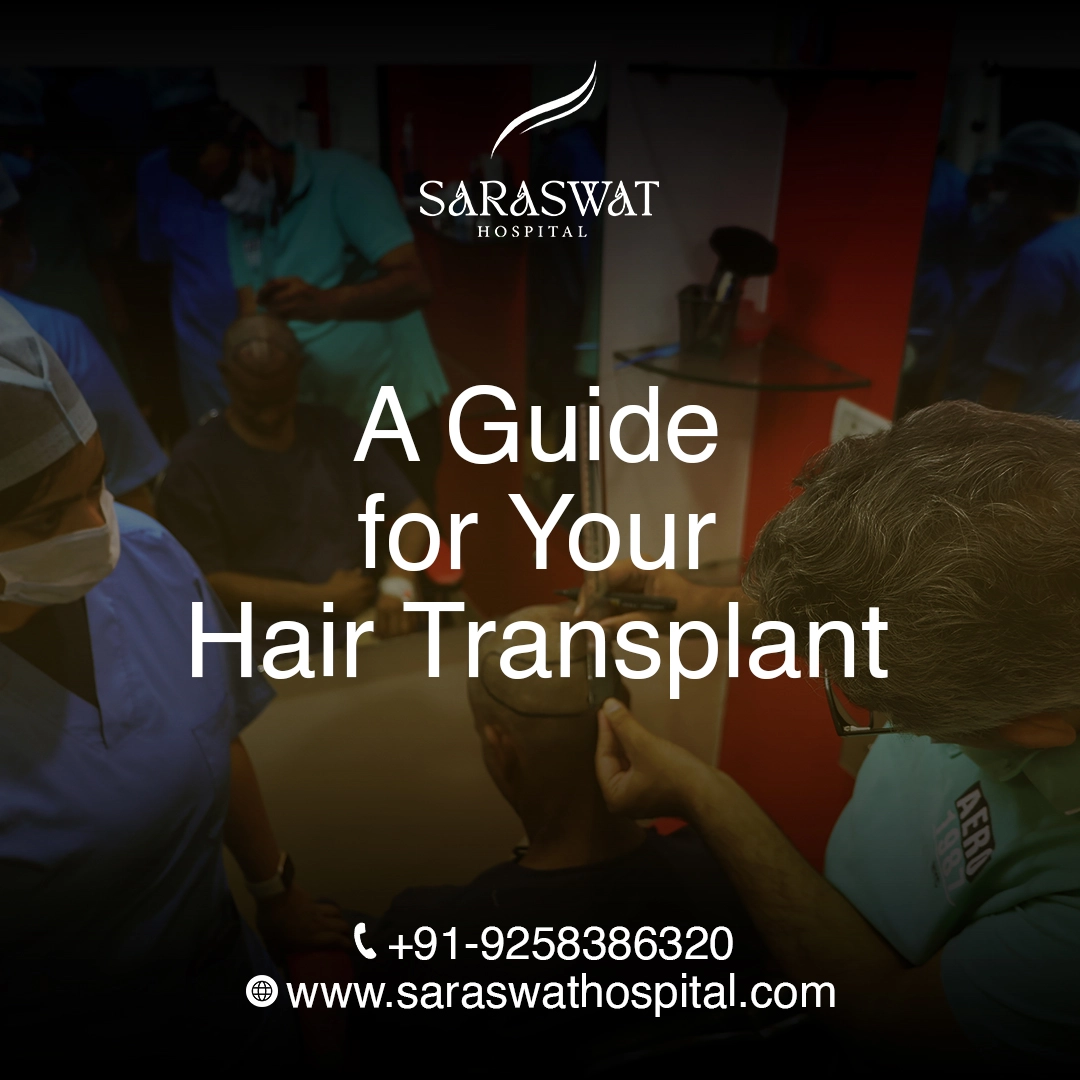
A Guide to Preparing for Your Hair Transplant Surgery
Medically Reviewed By Dr. Satya Saraswat, MBBS, MS, MCh, DNB (Gold Medalist) | Last updated: July 15, 2026

Hair transplant surgery is very important for most patients, as it is the permanent solution to genetic hair loss. So, it is crucial to consult a doctor before deciding on anything so you can take the right steps accordingly. The last thing you would want is for the surgery to fail due to any mistake on your end. Saraswat Hospital in Agra offers proper guidance and performs hair transplant surgeries under the supervision of Dr Satya Saraswat, the best hair transplant doctor in India. By following this comprehensive guide for hair transplant, you’ll be well-equipped to achieve the best results.

Why is preparation key in this Guide for Hair Transplant?

A hair transplant, whether Follicular Unit Transplantation (FUT) or Follicular Unit Extraction (FUE), involves transferring hair follicles to areas of hair loss. Proper preparation, as outlined in this guide for hair transplant, reduces complications, enhances graft survival, and supports faster healing. Let’s dive into the steps you need to follow in this guide for hair transplant preparation.

Step-by-Step Guide for Hair Transplant Preparation

1. Choose a Qualified Surgeon

The success of your procedure depends on your surgeon’s expertise. This guide for hair transplant emphasizes researching board-certified dermatologists or plastic surgeons with proven experience. Check reviews, credentials, and before-and-after photos. During your consultation, discuss your goals and medical history to ensure the surgeon tailors the procedure to your needs, as recommended in this guide.

2. Understand the Procedure

Educating yourself is a cornerstone of this guide. Learn the differences between FUT and FUE, the number of grafts required, and the timeline for results (typically 6–12 months). Ask your surgeon about the best technique for you.

3. Adopt a Healthy Lifestyle

A healthy body supports better outcomes, as noted in this guide for hair transplants. In the weeks before your procedure:

  • Eat nutrient-rich foods: Focus on proteins, vitamins (A, C, E), and zinc to promote healing and hair growth.
  • Stay hydrated: Proper hydration supports skin health.
  • Exercise moderately: Light activity boosts circulation, but avoid intense workouts close to the procedure date.

4. Mental Preparation

Hair transplants require patience, as full results take time. This guide for hair transplant encourages setting realistic expectations and discussing concerns with your surgeon to feel confident.

FUE hair transplant result

Are Any Blood Tests Required?

Depending on each patient’s condition, they may need to have some routine blood tests before undergoing hair transplant surgery. Your hair transplant clinic will let you know if you need any. Some simple tests usually recommended by doctors are CBC, HHCV, PT, APTT, bleeding time, clotting time, HIV ELISA, and ECG (EKG). These tests are done to make sure that the patient does not have any undetected medical issues that may complicate the surgery. According to ISHRS, it’s crucial to share your medical history with hair restoration physicians before undergoing the treatment procedure. It helps them plan better and ensure optimal results.

What Precautions Must a Patient Take before Surgery?

You should take some precautions before a hair transplant surgery if you want the best results, such as:

  1. It is a must to stop smoking a few days before the procedure. Refrain from smoking for at least two weeks before the day of your hair transplant surgery.
  2. Wash your hair with shampoo for a couple of days before the surgery.
  3. Do not have any spicy food the day before the surgery.
  4. Disclose all medications you take to your doctor. Some medications may have to be stopped until the surgery is over.
  5. Make sure to inform your doctor if you have any allergies.

Getting Ready for the Day of Hair Transplant

There is no need to be tense about a hair transplant surgery. It is a very simple, painless, minimally invasive surgery that uses local anaesthesia. It means that you can go home the same day, right after the surgery is over. However, it is recommended to avoid any strenuous activities for a few days until your scalp heals. Here are some tips you can follow:

  1. There are no restrictions on eating before the surgery. You can have your breakfast or lunch before coming to the clinic.
  2. If you are coming from outside Agra, you can come on the same day in the morning, or you can arrive a day before the surgery, as per your choice. You can also travel back on the same day or the night after the surgery, as you wish.
  3. Even if you live in Agra, make proper transport arrangements to go home after the surgery. Keep in mind that you cannot drive, and you cannot use public transport either. It would be best to rent a cab service.
  4. You may also bring a companion or attendant with you to the clinic on the day of the surgery if you want.

Aftercare is very important after a hair transplant surgery. So, make sure to focus on everything your doctor advises you, and follow it for the next few days.

Why Should You Choose Saraswat Hospital?

Led by internationally recognized doctors with more than 20+ years of experience in the field of hair restoration, Saraswat Hospital in Agra is well known for providing all kinds of hair transplant surgeries using top-notch equipment.

Conclusion

Going for a hair transplant surgery may seem stressful to many of you, but in reality, it is a very simple treatment with a high success rate. This guide for hair transplant preparation is your roadmap to a successful procedure. Even hair transplants can be done with grey hair. You just need to follow the doctor’s instructions well for the surgery to be a success. Book an appointment with the professionals for more information.

Follow us on:- Facebook, Instagram, Pinterest, YouTube

Medical Disclaimer →

This article is for informational purposes only and does not constitute medical advice. Plastic, cosmetic, and laser treatments — including AI-assisted previews such as those generated by the Peek AI™ app — carry risks and results vary by individual. Always consult a licensed medical professional before undergoing any procedure.
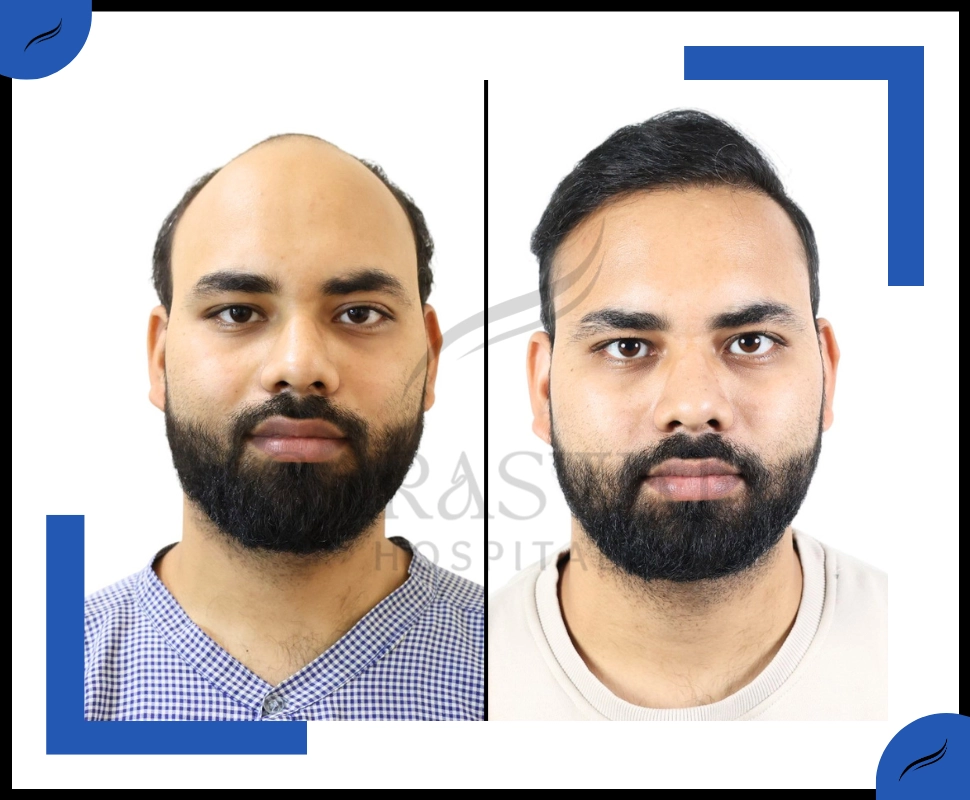
How a Hair Transplant Surgery Fixes Baldness?
Medically Reviewed By Dr. Satya Saraswat, MBBS, MS, MCh, DNB (Gold Medalist) | Last updated: July 20, 2026

Although a large number of people suffer from genetic hair loss in India, many are prejudiced against hair transplants. It is because they think that the cosmetic procedure cannot offer a natural hairline. However, contrary to popular belief, a hair transplant involves implanting natural hair follicles extracted from the donor area of the patient. ABHRS-certified experts at Saraswat Hospital in Agra specialize in offering FUT and FUE hair transplants in India with a high success rate. Let’s look into how hair transplant surgery fixes baldness.

What Is a Hair Transplant and How Does It Work?

A hair transplant surgery is a minimally invasive cosmetic procedure that involves extracting hair follicles from a certain part of the scalp, known as the donor site. The grafts are then transplanted onto the balding part of your scalp, called the recipient area. In a nutshell, a hair transplant stands for taking your own natural hair that is not affected by DHT and moving it to areas that are balding or thinning.

The Science Behind How Hair Transplant Surgery Fixes Baldness

Hair transplant surgery involves transferring hair follicles from a donor site—typically the back or sides of the head, where hair is resistant to balding—to areas experiencing hair loss.

The Science Behind How Hair Transplant Surgery Fixes Baldness

Hair transplant surgery involves transferring hair follicles from a donor site—typically the back or sides of the head, where hair is resistant to balding—to areas experiencing hair loss. This is where hair transplant surgery fixes baldness by relocating healthy hair follicles to balding areas, ensuring natural, lasting growth.

DHT is the primary hormone that causes baldness. However, not all of the hair on our head is affected by it, and that is the reason hair transplant is an effective solution to genetic hair loss. By transplanting DHT-resistant hair from the back of your head to the crown area, you can have a fuller head of thicker hair.

However, the method is a lot more sophisticated today. Surgeons can extract hair follicles using FUE or FUT methods and transplant them in groups of one to three hairs after creating a natural-looking hairline.

What Is the Difference between FUT and FUE?

FUT (Follicular Unit Transplantation) and FUE (Follicular Unit Excision) are two of the most popular hair transplant methods. The results produced by both methods are similar, with only a few differences. However, the main difference between the two methods is the way hair follicles are extracted.

In an FUT method, a strip bearing hair follicles is taken from the safe donor area at the back of the scalp. On the contrary, the FUE method involves extracting hair follicles directly and individually from the safe donor area. The advantage of the FUE method is that it does not leave a linear scar. Instead, hundreds of tiny scars are created during the extraction, and these scars are a lot less visible after healing. The linear scar after FUT is less visible too after trichophytic closure, so much so that hair shafts are seen coming out of the scar.

Success Rate of Hair Transplant

A hair transplant is your perfect option if you want a permanent solution to hair loss. If you are the right candidate to undergo the surgery and follow the pre- and post-surgery instructions mentioned by the surgeon properly, the surgery is most likely to be a success. Hair transplant clinics offer both FUE and FUT techniques with a high success rate of hair transplants. However, make sure to rest for a few days after the surgery. Please follow the post-operation instructions shared by the surgeon and his team at the end of the procedure.

How Can the Experts at Saraswat Hospital Help?

Led by a team of ISHRS and ABHRS-certified doctors, Saraswat Hospital in Agra is one of the best hair transplant clinics in India. With more than 30+ years of experience in the field, the surgeons offer custom treatment plans based on the patient’s requirements.

Dr. Satya Kumar Saraswat holds an MBBS, MS, M.Ch, and DNB degree in plastic surgery. He specializes in various types of hair restoration surgeries and is also a member of several international boards. He presented his view on a modified DUT method at the 24th World Congress of ISHRS.

Dr. Preeti Saraswat is an MBBS and PGDCC from the University of Greifswald, Germany. Apart from being a member of ISHRS, she is also a diplomate of ABHRS. Well-known in the field of scalp micropigmentation treatments, she has more than 12+ years of experience in hair transplant surgeries.

Conclusion

For those struggling with hair loss, hair transplant surgery fixes baldness by delivering a permanent, natural-looking solution. Once you decide to get rid of baldness permanently, hair transplant surgery is what you should opt for. International board-certified doctors are your best option for consultation.

Follow us on:- Facebook, Instagram, Pinterest, YouTube

Medical Disclaimer →

This article is for informational purposes only and does not constitute medical advice. Plastic, cosmetic, and laser treatments — including AI-assisted previews such as those generated by the Peek AI™ app — carry risks and results vary by individual. Always consult a licensed medical professional before undergoing any procedure.
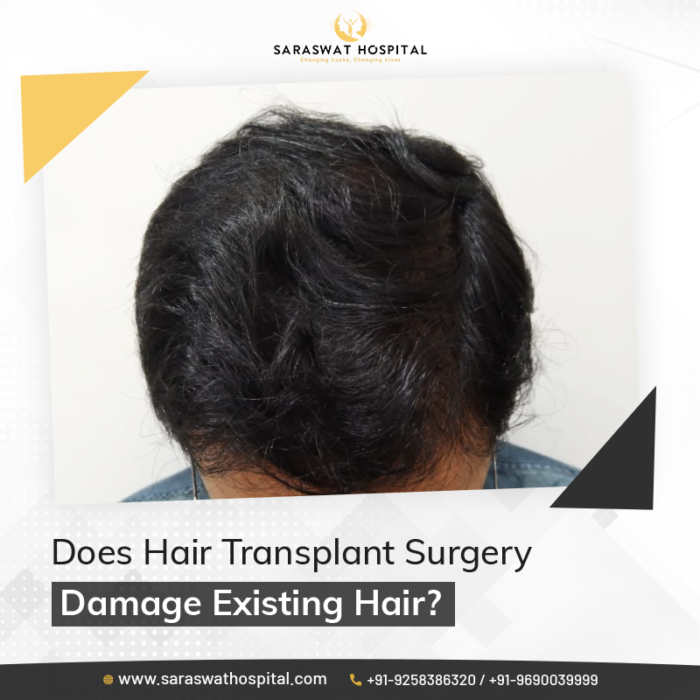
Will Undergoing Hair Transplant Surgery Damage the Existing Hair
Medically Reviewed By Dr. Satya Saraswat, MBBS, MS, MCh, DNB (Gold Medalist) | Last updated: July 20, 2026

The whole thought of undergoing a life-changing surgical process, such as a hair transplant, might be extremely overwhelming. Not knowing how it will turn out and what the consequences will be can also bring a lot of stress to the patient. You can rest assured, though. The medical and technological advancements in the field have ensured higher success rates and natural results for both FUE and FUT hair transplants. Hair loss can be a distressing experience, prompting many to consider hair transplant surgery as a solution. However, a common concern among potential candidates is whether hair transplant surgery causes damage to existing hair, which is a significant risk. Today, let’s take a look at the process and see if the surgery can damage your already existing.

Understanding Hair Transplant Surgery

Hair transplant surgery is a procedure where hair follicles are moved from a donor area (typically the back or sides of the scalp) to areas experiencing hair loss. Techniques like Follicular Unit Transplantation (FUT) and Follicular Unit Extraction (FUE) are the most common methods. While these techniques are advanced, the fear of hair transplant surgery’s damage to existing hair persists among prospective patients.

Does Hair Transplant Surgery Damage Existing Hair?

The short answer is that hair transplant surgery does not damage existing hair when performed by a skilled surgeon. However, there are scenarios where temporary or, in rare cases, some damage can occur.

  • Shock Loss (Telogen Effluvium)
  • Improper Surgical Technique
  • Overharvesting in the Donor Area
  • Infection or Complications
  • Pre-existing Hair Conditions

What is the Natural Hair Cycle Like?

Hair typically grows from the hair follicles present in the skin. The protein cells present at the bottom of the follicles are where the hair growth happens. These follicles are supplied with blood vessels that promote the healthy growth of hair to maintain the natural cycle. The cycle we are talking about is divided into 4 major stages: Anagen (Growth), Catagen (Transition), Telogen (Resting), and Exogen (Shedding).

When the hair starts to slowly grow from the follicles, it starts to pierce through several layers of the skin before it becomes visible. These follicles are supplied with sebaceous glands that supply the essential oils to keep them lubricated. There are moments when, due to genetic predisposition, aggravated by lifestyle issues, the follicles are damaged permanently. This prevents hair growth from the follicle and thereby results in hair thinning or baldness.

What Happens to the Existing Hair During the Surgery?

Hair across the scalp is not affected by hair loss at the same time, but when they are hit by genetic baldness, the results are striking. The best solution to Androgenetic Alopecia (genetic hair loss) is through a permanent FUT or FUE hair transplant. In India, this procedure is performed by experts at Saraswat Hospital to provide natural-looking results without any side effects.

Through this surgery, healthy hair follicles are first extracted from the donor area and then implanted into the balding or thinning area. The existing hair present in the balding area (recipient zone) undergoes something known as miniaturization. To get the best results, professionals perform the implantation through miniaturized hair.

This condition typically occurs when working on the recipient site where the grafts have been implanted, as it cuts the circulation around the scalp, and the miniaturized hair starts falling (during the shedding phase). Once that period is over, the new hair follicles go back to their growth cycle, and you can start seeing results. The one thing doctors have to keep in mind is the proper placement of the grafts to ensure they stay in place throughout the recovery period.

FUE hair transplant result

When Might Your Existing Hair Be Damaged?

While the shedding period is a common sight after a hair transplant procedure, it is when you see prolonged hair damage that you should realize that the surgery wasn’t successful. Some of the most common reasons that your existing hair has been damaged from the surgery include:

  1. Lack of Expertise: Hair transplant is known as an aesthetic procedure that should be performed by experienced doctors with steady hands. If you get it done by someone who isn’t experienced in the domain, you might experience sustained hair thinning, permanent scarring, and hair fall.
  2. Trauma to the Follicles: Since hair transplant is an outpatient procedure where the patients are allowed to go home post-treatment, it is the aftercare that plays a vital role in getting successful results. While the doctors provide a list of instructions to follow once you get home, if you aren’t careful, the results might be adverse.

If you’re witnessing massive hair loss even after the hair transplant surgery, the reason might be an unprecedented reaction to the medication. In this case, consulting the doctor is the first step you should take.

Factors That Minimize Hair Transplant Surgery Damage

To reduce the risk of hair transplant surgery damage, several factors are crucial:

Choosing a Qualified Surgeon: A board-certified surgeon with experience in hair restoration minimizes complications. Researching credentials and patient reviews is essential.

Advanced Technology: Clinics using state-of-the-art tools, like robotic FUE systems, enhance precision and lower the chances of hair transplant surgery damage.

Post-Operative Care: Following the surgeon’s aftercare instructions, such as avoiding harsh shampoos or excessive touching of the scalp, protects both transplanted and existing hair.

Healthy Lifestyle: Proper nutrition and stress management support hair regrowth and reduce the risk of complications post-surgery.

Why the Concern About Hair Transplant Surgery Damage?

The concern about hair transplant surgery damage often stems from misinformation or outdated techniques. Earlier methods were less precise, leading to visible scarring or harm to existing hair. However, advancements in hair transplant technology have significantly reduced these risks. By choosing a reputable clinic and following proper protocols, the likelihood of hair transplant surgery damage is minimal.

Why Contact the ABHRS Certified Surgeons for Hair Transplant Surgery?

Saraswat Hospital is run by a team of experts certified by ABHRS (American Board of Hair Restoration Surgery) that provides the best hair transplant in India using the latest equipment and modern technologies.

Conclusion

Hair transplant surgery is a safe and effective solution for hair loss when performed by a skilled professional. While concerns about hair transplant surgery damage are valid, modern techniques and proper care significantly reduce risks. Going through a hair transplant surgery might be a very stressful situation for a lot of you, but when you are investing as much money into this aesthetic procedure, you should always get in touch with professionals for the same. For more information, book a consultation with the experts today.

Follow us on:- Facebook, Instagram, Pinterest, YouTube

Medical Disclaimer →

This article is for informational purposes only and does not constitute medical advice. Plastic, cosmetic, and laser treatments — including AI-assisted previews such as those generated by the Peek AI™ app — carry risks and results vary by individual. Always consult a licensed medical professional before undergoing any procedure.
Is Undergoing One Hair Transplant Surgery Enough for a Lifetime
Medically Reviewed By Dr. Satya Saraswat, MBBS, MS, MCh, DNB (Gold Medalist) | Last updated: July 20, 2026

If we take a look at people, one of the most crucial parts of appearance is a person’s hair. Since genetic hair loss (Androgenetic Alopecia) is a pretty common form of balding and hair thinning for men and women, gravitating towards restorative procedures like hair transplants has become all the more common. However, one question will always bug individuals about the surgical treatment – are the results permanent? Today, through this blog by experts, let’s find out the answer to this question!

What to Expect Post Hair Transplant Surgery?

One of the most common mistakes that patients make when it comes to undergoing a hair transplant surgery is expecting immediate results. Well, to be true, it takes quite a few weeks (and months, depending on your hair growth cycle) to show noticeable results. The recovery process post-surgery is subjective and completely dependent on the patient’s body, apart from the type of surgery performed. The recovery period starts with a bit of numbness in the scalp for a week, following which you are to undergo a period of shock loss (shedding phase). Once that period is over, you’ll start noticing hair growth, and complete results will show up in 1 year.

Will the Results Last a Lifetime?

As a surgical procedure through which you can alter your look, this treatment is performed by ABHRS (American Board of Hair Restoration Surgery) certified doctors. Now, the quality and potential of the transplanted follicles play a very big role in the longevity of the results. However, since the surgery revolves around extracting healthy hair follicles from one part of the scalp and implanting them into the balding area, the results are permanent. This is because the follicles extracted are the ones that aren’t affected by the genetic hair loss condition and retain their characteristics even after being implanted into a new zone.

Hair Transplant Result

How Can the Surgery Go Wrong?

Similar to how several factors are responsible for the success of a hair transplant surgery, its failure depends on several aspects, too. The most common reasons behind a failed hair transplant surgery might include getting it done by an inexperienced surgeon, you not being eligible for the same, and the lack of aftercare. You can understand that the surgery has failed if you face a pluggy appearance in the hair or hair falling out in a few months instead of growing. At this moment, however, you can visit Saraswat Hospital and discuss the possibilities of a repair hair transplant in India, depending on your condition.

When Would You Require a 2nd Hair Transplant Surgery?

It is a viable option for patients to opt for a 2nd hair transplant surgery in a few years if they’re not happy with the appearance and density derived from the first one. Typically, if you consult the best doctors in the specialty, you would get the best results in the first session itself, and there will be no requirement to go for a second one.

Having said that, there are a few limitations to getting the second hair transplant surgery, as the surgeon might suggest you wait for 1 year or so before even considering the same. Now, since hair loss is caused by genetic reasons, you might also require a second surgery when you start seeing hair loss in another part of your scalp that had been untreated in the first go.

Why Should You Contact ABHRS Certified Professionals for the Same?

Saraswat Hospital is run by a team of experts certified by ABHRS (American Board of Hair Restoration Surgery) that offers the best hair transplant in India.

Dr Satya Kumar Saraswat is an MBBS with MS, M.Ch, and DNB (Plastic Surgery) degrees to his credit. As a member of several international boards, Dr Saraswat has left his mark in the plastic surgery sector. He is known to specialize in various kinds of hair restoration surgeries and has also presented his take on a modified FUT technique at the 24th World Congress of ISHRS.

Dr Preeti Saraswat is an MBBS with a PGDCC degree from the University of Greifswald, Germany. She is known for the scalp micropigmentation treatments that she has been rendering to her patients over the years. She is also a member of the American Academy of Aesthetic Medicine (AAAM).

Conclusion

It goes without saying that a single session of hair transplant surgery is enough to get satisfactory results in 90% of cases. It all depends on your choice of doctor, the clinic, and the eligibility criteria for the same. Saraswat Hospital is one of the finest clinics in the country that offers customized hair transplant treatments for patients. For more information, feel free to get in touch with the team and book a consultation with Saraswat Hospital today.

Follow us on:- Facebook, Instagram, Pinterest, YouTube

Medical Disclaimer →

This article is for informational purposes only and does not constitute medical advice. Plastic, cosmetic, and laser treatments — including AI-assisted previews such as those generated by the Peek AI™ app — carry risks and results vary by individual. Always consult a licensed medical professional before undergoing any procedure.
Hair Loss Types: Get the Best Hair Loss Treatment from Experts
Medically Reviewed By Dr. Satya Saraswat, MBBS, MS, MCh, DNB (Gold Medalist) | Last updated: July 21, 2026

Does combing your hair or going for a shampoo feel like a nightmare at the moment? Are you looking at more hair entwined in your fingers and the comb than on your scalp? Well, this is enough of a sign that you are suffering from some type of hair loss. Whether it’s thinning hair, bald patches, or excessive shedding, understanding the types of hair loss is the first step toward finding the best hair loss treatment tailored to your needs. Today, let us check out the various kinds of hair loss and understand what you might be suffering from at the moment.

What is Hair Loss?

Hair loss is the partial or complete loss of hair from areas of the body where it typically grows, such as the scalp, eyebrows, or other regions. Hair loss can be temporary or permanent. It may stem from genetic factors, hormonal changes, medical conditions, medications, stress, nutritional deficiencies, or mechanical damage to hair follicles.

What are the Basics of Hair Growth?

To understand the type of hair loss you’re suffering from, you need to get the basics of hair growth right. Now, on average, the scalp contains around 1,00,000 to 1,50,000 hairs. The usual cycle of a hair’s life lasts for almost 2 to 3 years, within which the hair is in its Anagen (Growth), Catagen (Rest), and Telogen (Shed) phases. This means, at any given point in time, around 90% of the hair on the scalp is in the growth phase, and 10% is in the resting phase. In 2 to 3 months, the resting hair is shed, and new hair growth starts happening in its place. You will lose around 100 to 150 strands every day, and that is absolutely normal. However, when you shed more than 150 strands, there is cause for concern, and you might be suffering from a form of Alopecia.

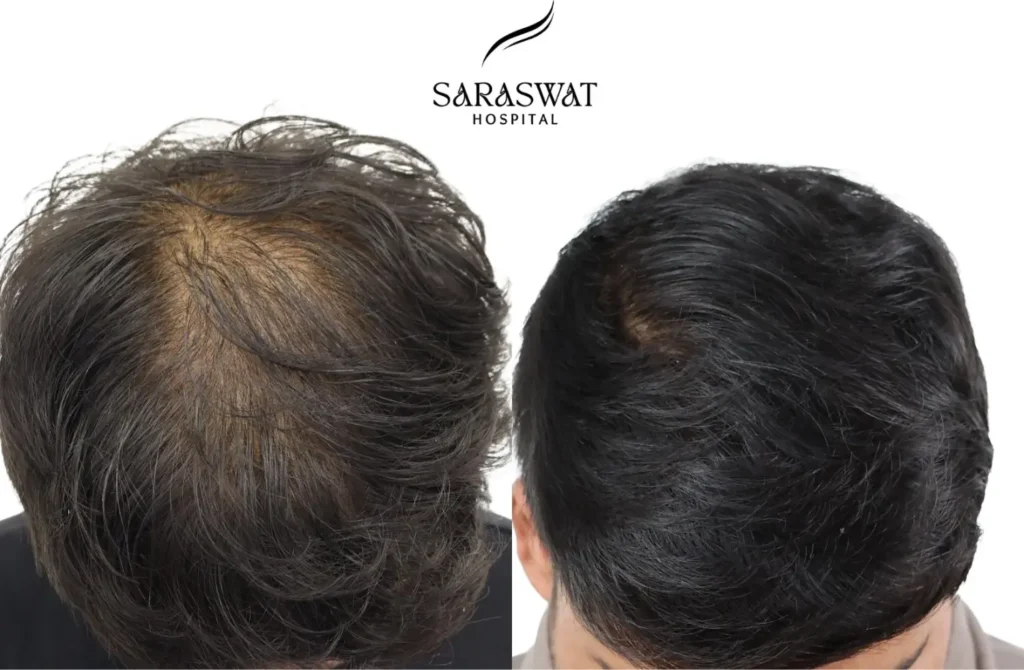
Hair Loss Result

Types of Hair Loss

Now, the word ‘Alopecia’ literally means hair loss, and there are several kinds of Alopecia that you might be suffering from. Some of the most common forms of Alopecia and their causes are:

1. Telogen Effluvium

This is when you experience temporary hair loss for quite some time after a stressful episode like severe illness, sudden weight loss, or childbirth. It happens due to changes found in the typical growth cycle and is a sign that a large number of hairs are in the resting phase at the same time, instead of the usual 10%.

2. Male & Female Pattern Baldness (Androgenetic Alopecia)

Now, if you are a man who is suffering from a receding hairline and no hair in the crown, you might be suffering from male pattern baldness. Women can identify this condition by noticing thinning hair across the entire scalp and a progressively wider parting. Known as Androgenetic Alopecia, genetics cause this condition, leading follicles to produce shorter, thinner, and more brittle hair with weaker shafts. The best treatment for this condition is hair transplant surgery.

3. Patchy Hair Loss

Also known as Alopecia Areata, patchy hair loss is mostly seen in arms, facial hair, legs, and eyebrows, and is often sudden in onset, where the hair might grow back in a year. The one thing to note about this condition is that when hair grows back in one patch, it might fall out from another side. If you are facing a completely bald scalp, you might be suffering from Alopecia Totalis.

4. Tinea Capitis

This type of hair loss typically affects school-age children and goes away at puberty, as it is a fungal infection of the scalp. In this condition, the skin might become red and swollen with round and scaly areas consisting of pus-filled sores known as kerion. This is extremely rarely seen in adults, and since the infection can be cured with proper medical attention, the hair on the area grows back.

You might also suffer from hair loss due to the pressure on the hair because of sporting particular hairstyles that cause localized areas of hair loss. This is known as Traction Alopecia.

Why Consult Experts for the Best Hair Loss Treatment?

Saraswat Hospital is run by a team of ABHRS (American Board of Hair Restoration Surgery) and ISHRS (International Society of Hair Restoration Surgeons) certified doctors who provide the best hair loss treatment in Agra. Consulting an expert doctor ensures you receive the best hair loss treatment based on a thorough diagnosis.

Dr Satya Kumar Saraswat is an MBBS with MS, M.Ch, and DNB (Plastic Surgery) degrees to his credit. As a member of several international boards, Dr Saraswat has left his mark in the plastic surgery sector. He is known to specialize in various kinds of hair restoration surgeries and has also presented his take on a modified FUT technique at the 24th World Congress of ISHRS.

Dr Preeti Saraswat is an MBBS with a PGDCC degree from the University of Greifswald, Germany. She is known for the scalp micropigmentation treatments that she has been rendering to her patients over the years. She is also a member of the American Academy of Aesthetic Medicine (AAAM).

Conclusion

Once you have identified the type of hair loss you are suffering from, getting in touch with a professional will be easier than ever. The experts always utilize state-of-the-art equipment and cutting-edge technology to deliver top-quality surgery to patients at transparent rates, ensuring minimal downtime and no side effects. For further details, book an appointment now.

FAQs

1. What is the most effective treatment for hair loss?
The best hair loss treatment depends on the type and cause of hair loss. Minoxidil and finasteride actively treat androgenetic alopecia as FDA-approved options, while hair transplants effectively address advanced cases. Consult an expert for a tailored plan.

2. Can hair loss be reversed?
Some treatments can reverse types of hair loss, like telogen effluvium or early-stage alopecia areata, with the most effective hair loss solutions. However, scarring alopecia may result in permanent loss, making early intervention critical.

3. How long does it take to see results from hair loss treatments?
Results vary by treatment and individual. Minoxidil may show results in 3–6 months, while hair transplants can take 6–12 months. Consistency and expert guidance are key to achieving the best hair loss treatment outcomes.

4. Are natural remedies effective for hair loss?
Natural remedies like essential oils or herbal supplements may support hair health, but are often less effective than medical treatments. For the best hair loss treatment, combine natural approaches with expert-recommended therapies.

5. When should I see a doctor for hair loss?
If you notice sudden, excessive shedding, bald patches, or thinning that persists beyond a few months, consult a specialist. They can diagnose the cause and recommend the best hair loss treatment for you.

Follow us on:- Facebook, Instagram, Pinterest, YouTube

Medical Disclaimer →

This article is for informational purposes only and does not constitute medical advice. Plastic, cosmetic, and laser treatments — including AI-assisted previews such as those generated by the Peek AI™ app — carry risks and results vary by individual. Always consult a licensed medical professional before undergoing any procedure.

whatapp icon