
Book an
Appointment
Avatar photo

Dr. Satya Saraswat, MBBS, MS, MCh, DNB (Gold Medalist)

Dr. Satya Saraswat, MBBS, MS, MCh, DNB (Gold Medalist), FISHRS, is a cosmetic and plastic surgeon with an experience of over 20+ years and has performed 17,000+ cosmetic and plastic surgeries. He is a Diplomate of the American Board of Hair Restoration Surgery (ABHRS) and Fellow of ISHRS, as he has been continuously attending the International conferences and adopting the latest advancements in hair restoration science, and he has also submitted his research papers. His hands-on involvement ensures a natural hairline and high graft survival.

Articles by Dr. Satya Saraswat, MBBS, MS, MCh, DNB (Gold Medalist)

Factors Affecting the Cost of Hair Transplants in India

If you are someone facing a receding hairline problem, then it is possible that you have already looked at some web search options for the cost of hair transplants in India. You must have come across multiple options of different hair transplant clinics and seen the different prices charged by each of them.

During your search, you may have come across terms like ‘charges per graft’, charges per hair’, ‘charges per hair follicle’, or ‘hair transplant package cost’. Looking at all of these might be confusing for someone without any medical knowledge.

In this blog, we look at some of the most prominent factors affecting the cost of hair transplants in India. Getting an understanding of these will help you to get an estimate for your final hair transplant price.

Factors Affecting the Cost of Hair Transplants in India

There are several factors that affect the final cost of hair transplants in India. We take a close look at each of them below.

1. Credentials of Hair Transplant Doctors

It is very important to choose an expert surgeon to perform your hair transplant. Nowadays, you will find plenty of hair transplant clinics around, but you should be looking at the credentials of the doctors. Your doctor should ideally be MBBS, MS, or MCh in Plastic and Cosmetic Surgery.

There will be some doctors who are diplomats of the American Board of Hair Restoration Surgery (ABHRS). Being an ABHRS-certified doctor means being one of the most skilled and capable doctors in the hair transplantation field. Most patients prefer to get hair transplant treatments from doctors who are experienced and ABHRS-certified.

Being a member of the International Society of Hair Restoration Surgery is also a good sign to spot someone capable and skillful. Make sure your hair transplant doctor is updated with the recent advancements in the field and employs the latest technology and tools in his/her way of operating. You shall choose doctors who are dedicated to learning more about the new technologies so they can offer the most advanced solutions to their patients. The hair transplant price in India will be higher for doctors with the right credentials.

2. Credibility of the Doctor

Before choosing a hair transplant surgeon, make sure you meet them and see their approach and consultation style. As a doctor, it is their duty to inform you of all the available treatment options and guide you on the latest techniques. They must devise a treatment plan that is customized for you to treat your individual hair fall condition. While looking for hair transplant doctors, you must check previous patient reviews on Google. This will give you confidence in the credibility of the doctor you are choosing. Patient reviews are a good measure to check the credibility of the doctor and the hair transplant clinic. When you go with the best option for treatment, expect your hair transplant cost to go a little higher.

3. Trichoscopy

Choose a hair transplant clinic where Trichoscopic Analysis is done for the patient at the very first consultation. This is a software-based computerized hair analysis, which is a great way to examine the patient’s hair characteristics. This examination gives an estimate of how successful a hair transplant might be for an individual, the availability of the size of the donor area, the density of hair follicles in the donor area, the thickness and texture of the donor hairs, and so on. The results of a Trichoscopic Analysis let the surgeon know if the patient is eligible for a hair transplant or not. It also helps doctors in determining how many sittings will be required for a successful hair transplant. Since this is an advanced examination, it increases the final price of hair transplant in India.

4. Planning of Hair Transplant

As part of the pre-surgery consultation, a good and credible doctor must take the time to explain each and every step of the procedure to the patient. Ideally, the doctor should present both FUE and FUT as an option to the patient and explain the pros and cons of each procedure. But most clinics in India focus on only one technique of hair transplant, so they offer only one solution to their patients. It is recommended to choose a clinic that performs both FUE and FUT procedures with successful results. But going to such clinics might be costlier.

5. Consumables and Punches

This is an important factor in hair transplant costs. In any type of surgery, the patient is charged for the consumables or instruments that are used during the procedure. In a hair transplant surgery, the consumables must be standardized, specialized, and of the best quality. Punches are a specialized tool that are attached to the FUE machine and are used for harvesting the hair grafts. These punches are usually imported, and only the best quality should be used. It is very important to ensure that a new punch is used for every new patient. You must confirm that the punches used in your hair transplant procedure are never recycled or reused. Make sure that the clinic you opt for uses only imported and good-quality punches. While this will increase the price, it is necessary if you want satisfactory results.

6. FUE Machine & Counter

In many sub-par clinics, dental drills with 35000 rotations per minute (RPM) are used for FUE procedures. This is a harmful practice as the rapid rotations from such drills can damage the hair roots and follicles while harvesting and lead to follicular transection. A good FUE machine must be functional at a low RPM speed. Low-RPM machines generate minimum torque and can extract the hair follicle gently without putting any extra force or pressure.

A good FUE machine comes with a 600 to 1200 RPM value. It must also have a counter function. This feature keeps a count of the hair grafts collected during the procedure. The counter on the FUE machine makes the process transparent and is also very helpful in calculating hair transplant costs per graft in India. It ensures that the patient only pays for the grafts that have been extracted.

7. Type of OT Facility

While choosing a clinic, you must make sure the place has properly sanitized and fumigated OT facilities. Keeping in line with the COVID protocol, the OT facilities must adhere to all disinfection and sterilization norms. There must also be the availability of auto-cleared OT gowns, PPE kits, emergency kits, multi-para monitors, defibrillators, a central supply of oxygen, and so on. All of these are in line with the international norms for all kinds of surgical procedures.

A hair transplant surgery needs very delicate handling of hair grafts by the staff. To get better results, the surgeon and the support technicians should be wearing high-quality magnification loops. It is recommended that high-grade products like Carl Zeiss magnification lenses be used by the medical team, which enables them to do good work. In clinics where the FUT technique is performed, the operating microscope shall also be fitted with a Carl Zeiss lens. Using these high-quality tools and devices ensures better handling of the hair grafts. Since Carl Zeiss is a reputed German company, the price of using such magnification devices directly impacts the hair transplant cost in India.

8. Team performing the procedure

In addition to choosing a credible hair transplant surgeon, it is equally important to choose an experienced surgical team. Performing a hair transplant is a team job. There are different aspects to the surgery where different skill sets are needed. You must choose a reputable and trustworthy hair transplant clinic where the surgeon is supported by a skilled and experienced medical staff.

Saraswat Hospital Team

A hair transplant procedure can be divided into three stages. The first stage is recipient site creation, and the second stage is graft or follicular harvesting. Both these steps require the expertise of a skilled surgeon. The third stage is graft insertion, in which the hair grafts are inserted into the pre-made slits in the recipient area. This step also needs skilled hands, but it is often done with the assistance of the surgical team. There can be no tolerance for the manhandling of grafts during this step of the surgery, and hence, the team must be qualified, trained, and experienced for this part of the job.

In a good hair transplant clinic, the support staff is usually permanent, ensuring that they are adequately trained and skilled. Such clinics, while a bit more expensive, guarantee successful results.

9. Proper Receipt of Procedure with Taxes

When visiting a clinic, you must enquire about their payment system. Make sure that the clinic gives you a proper receipt that shows the 18% GST levied on your final payment. If you’re looking for ways to cut down the cost of hair transplants in India, not asking for a receipt can help you save some money as the clinic gets exempted from paying its share of taxes. But do not take this route. Firstly, it is illegal and unethical. And secondly, without a receipt, you will have no record of your treatment at the clinic. If a situation arises where there are any complications or side effects, the clinic can refuse to take any responsibility.

10. Hidden Cost Charges

When you get a price quotation from any clinic or hospital for a hair transplant, make sure you confirm if the quoted price is calculated per hair or per graft. One hair graft can comprise between 1 to 4 hair follicles or hair roots. When a clinic charges hair transplant cost per graft in India, they are charging the patient for every graft extracted from the donor site. If a clinic charges for a hair transplant per hair, then they are demanding more money. One hair means one follicular unit, while one graft means follicular units. These are some technical terms that the patient needs to sit down and clarify with the hospital administration.

11. Expertise in Special Area Hair Transplant

This refers to doctors or clinics that have the skills and expertise in performing special cases of hair transplants. This includes repair hair transplant, beard hair transplant, eyebrow hair transplant, beard to scalp transplant, or body to scalp transplant. For this type of specialized hair transplant procedure, specialized tools, punches, and equipment have to be used. This invariably increases the hair transplant price in India.

Conclusion

There is a very wide spectrum for hair transplant price estimation in India. It ranges between Rs. 10 to 15 per graft to Rs. 100 to 150 per graft. When choosing a hair transplant clinic, you must take the above-discussed points into consideration. Any clinic that meets the maximum of these above factors will surely give you positive and successful results post a hair transplant.

Follow us on:- FacebookInstagramPinterestYoutube

Can Hair Transplants Lead to Scars & How to Remove Them?

Hair transplant is a very popular treatment for Androgenetic Alopecia, especially for those suffering from advanced baldness. It gives natural-looking and permanent results as it successfully restores hair in the balding areas of the scalp. But sometimes, one thinks, “Can hair transplants lead to scars?”, and a few patients might suffer from wide post-transplant scars. It is recommended to consult with qualified and experienced doctors who have the expertise and skills to ensure successful results while causing minimal scarring. Patients can schedule a visit to the best place for hair transplant in India at Saraswat Hospital, Agra. Headed by ABHRS-certified hair transplant surgeons, the clinic promises successful and promising results.

What is a Hair Transplant?

A hair transplant is a hair restoration procedure. The surgeon extracts hair follicles from the donor part of the scalp and then implants them into the recipient site. These transplanted follicles restart the hair growth cycle in the balding regions and gradually result in full coverage of the scalp.

Can Hair Transplants Lead to Scars? Understanding the Risks and Outcomes

Hair transplants are a popular solution for hair loss, offering hope to those seeking a fuller head of hair. However, a common concern among potential candidates is, “Can hair transplants lead to scars?” The answer is nuanced, as scarring depends on various factors, including the technique used, the surgeon’s expertise, and the patient’s healing process. In this blog, we’ll explore the potential for scarring in hair transplants and how to minimize it for optimal results.

Types of Hair Transplant Techniques and Their Scarring Potential

The nature of scarring in a hair transplant surgery depends on the technique used for the procedure. Removing the follicles from the donor area can be done in two ways:

  • FUE – Follicular Unit Excision

In this, the surgeon extracts the hair follicles directly from the scalp. The surgeon has a specialised tool or a round punch device that can manually remove each follicle one by one.

FUE hair transplant causes minimal dot-like scarring in the donor part of the scalp.

  • FUE – Follicular Unit Transplantation

This is also known as the ‘strip surgery’ method. The surgeon removes a strip of skin containing healthy hair follicles from the donor area of the scalp. The strip is then placed under a microscope, and the follicles are removed by hand.

FUT hair transplant procedures usually result in a linear scar on the back of the head.

How to Deal with FUE Scars?

The FUE scars are very negligible and nothing to be worried about. They can be easily camouflaged by keeping hair longer than 1 inch.

In the case of overharvesting, scalp micropigmentation can be used to hide the scars seen in the donor area.

How to Deal with FUT Scars?

At Saraswat Hospital, our surgeons use a Trichophytic closure while performing FUT hair transplant in India. This is a special type of suturing done, which ensures that the linear scar on the donor area is thin and not prominently visible.

Another precaution to prevent a bad FUT scar is to make sure that the width of the strip is not more than 1.2 centimetres. Making a wider incision on the scalp will only lead to a wider scar, so the surgeon must stick to the recommended strip width.

Sometimes, a patient can have a tendency for keloid scar formation. So, if someone has a thick or big scar from a minor injury, they must disclose this information to the doctor beforehand.

In the case of wide FUT scars, scalp micropigmentation is the best way to hide them. To see how the procedure can help, check out this video.

What is Scalp Micropigmentation?

Scalp micropigmentation is a non-surgical cosmetic procedure. It gives the appearance of a denser and fuller-looking scalp. Microneedles are used to inject natural-looking pigment into the scalp. The process is similar to getting a tattoo.

The shape of the needle used in this procedure is jagged and not round. This ensures that micro pigments look the same as the natural shape of hair follicles. The pigment that is injected has to be customized to match the patient’s real hair color.

Scalp micropigmentation is used to treat hair transplant scars. The micro pigments can successfully camouflage the scarred area by replicating the look of densely located hair follicles.  It is a non-invasive treatment. The pigment slowly fades away with time, and the procedure needs a touch-up every 3 or 4 years.

At Saraswat Hospital, we offer the best results for scalp micropigmentation in India. Our surgeons are specially trained by Finishing Touches Group, UK, one of the premier institutes in the world.

Conclusion

In conclusion, the question “Can hair transplants lead to scars?” is valid, as scarring is a potential outcome depending on the procedure, the surgeon’s skill, and individual healing. FUE often results in tiny, less visible scars, while FUT may leave a linear scar. With advanced techniques and expert care, the risk of noticeable scarring can be minimized. By selecting a qualified surgeon and adhering to post-operative instructions, patients can reduce the likelihood of prominent scars while achieving natural results. Always consult a professional to understand if a hair transplant can lead to scars in your specific case and make an informed choice.

Follow us on:- FacebookInstagramPinterestYoutube

Hair Transplant Infections Causes & Treatments

Hair transplants are a simple and painless procedure to restore your natural hairline and get permanent coverage for a thinning scalp and baldness. A study concluded that every 13th man opts to have a hair transplant surgery (1). If you, too, are suffering from advanced hair thinning or baldness problems, it is best to consult a specialist for a positive outcome of natural-looking and flawless hair transplant results.

What Is a Hair Transplant Procedure?

A hair transplant is a cosmetic surgery done to restore one’s natural hairline. During the surgery, hair is taken out from one part of the scalp to cover the balding areas. The patient is administered local anaesthesia to numb the scalp region. Hair follicles are extracted from the donor part of the scalp and implanted into the recipient part of the scalp.

For the implantation of the hair grafts, the surgeon creates tiny channels on the recipient site. Each graft is inserted inside these channels to complete the transplant procedure. The usual recovery period for a hair transplant surgery is between 3-5 days. The patient must follow certain restrictions, as guided by the doctor.

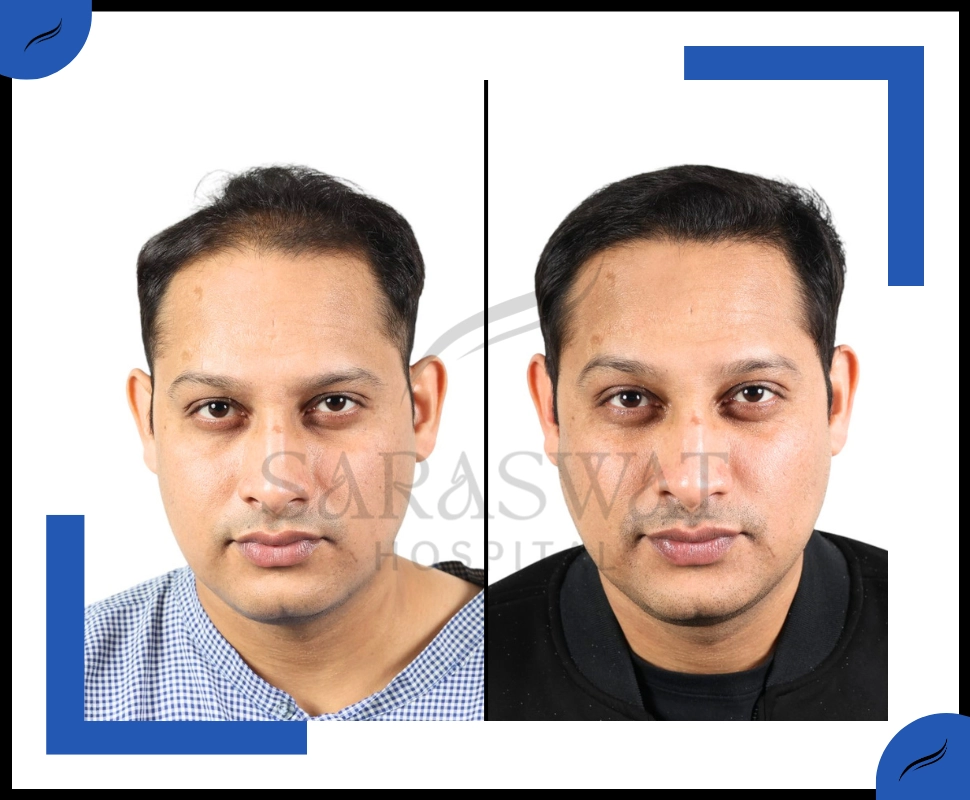
Hair Transplant Before and After

What are the Chances of Hair Transplant Infections?

The chances of hair transplant infections are absolutely minimal. Less than one percent of patients face a post-procedure infection from a hair transplant. It is a rare occurrence and not at all common.

The risk factors for a hair transplant infection are:

  • Poor hygiene and unsanitary surgical conditions

Medical guidelines insist that all surgical procedures must be performed in a clean and sterile environment. This means ensuring the surgical room contains zero bacteria. Unfortunately, this cannot be the case for a hair transplant surgery. Even the best hair transplant clinic in India cannot give you a sterile environment because hair always contains some bacteria.

Since a hair transplant surgeon is operating on hair and dealing with hair grafts, the absence of bacteria cannot be guaranteed. So, to ensure a safe procedure, the medical team must maintain a clean and hygienic surgical environment. The equipment and surgical tools should be properly sanitized. The surgeon and the rest of the team should be wearing clean, disinfected gloves and medical gowns. Unsanitary conditions could lead to higher chances of contracting an infection post-procedure.

To know about the safety protocols followed at Saraswat Hospital, check out this video.

  • Excessive crust formation

Crusting and scabbing are a part of the natural healing process. As the wounds heal, crusts will appear on the operated areas of the scalp. Usually, they disappear 5 to 10 days after the scabs have formed.

But excessive crust formation can lead to higher levels of itchiness, which can be difficult to control. If a patient touches the scabs, germs and bacteria can potentially be transferred from one’s fingers to the wounds. This could lead to hair transplant infections.

  • Pre-existing medical conditions

Some patients may have underlying medical factors that could make them more vulnerable to getting infected. For example, people with diabetes are at a higher risk of getting post-procedure infections.

To prevent this, it is very important for the patient to undergo multiple medical examinations to rule out any risk factors. A person with pre-existing medical conditions like diabetes, hypertension, HIV, or cancer is at a higher risk of contracting infections.

How to Treat a Hair Transplant Infection?

While hair transplant infections are rare, they might happen. In such an event, patients must immediately consult their hair transplant doctor.

  • Minor infection

Small boils, looking like pimples, may appear on the operated region after a hair transplant. This is more commonly seen in patients who have an oily scalp. Such an infection is self-limiting in nature. It goes away on its own.

There is no medical treatment needed for minor infections like these. The small boils will go away after 3-5 days on their own accord. If the patient feels itching or any pain, they can apply hot fermentation on the area. Take a towel dipped in lukewarm water and place it on the infected region.

  • Medicinal side effects

Sometimes, a patient may experience pimples on the scalp due to the use of Minoxidil. This is a side effect and not an infection, but the symptoms might look the same. It is advised to discontinue the topical potion for some days if such a side effect occurs. The boils will go away 3-5 days after the patient stops using Minoxidil.

To know more about some possible side effects of Minoxidil, check out this video.

  • Serious infection

The only available treatment for a hair transplant infection is taking antibiotics as prescribed by the doctor. Medical treatment is necessary and should not be delayed. A hair transplant infection of a serious nature has to be treated like a skin infection. It needs the necessary and prompt guidance from someone qualified. Patients must consult a doctor at the earliest to avoid further complications.

Conclusion

Hair transplants are a fairly simple and safe procedure. It is popular as it gives natural-looking and permanent results for successful hair restoration. At Saraswat Hospital in Agra, we have ABHRS-certified doctors who are experts in performing all kinds of hair transplant procedures. Book an appointment to know more about the procedure and find out how to minimize the chances of infection after a hair transplant.

Sources:

(1) Every 13th man opts to have a hair transplant surgery, according to the Bookimed Study. (PRWeb)

Follow us on:- FacebookInstagramPinterestYoutube

What are the Popular Non-Surgical Hair Loss Treatments?

Hair loss is not rare. It is experienced by a majority of men and women across the world. But the causes of hair loss and the nature of it can vary from person to person. Hair fall can be caused by genetic factors, hormonal imbalances, poor diet, pollution, stress, medicinal side effects, and more. Book an appointment at Saraswat Hospital with the best hair doctor in Agra and get popular non-surgical hair loss treatments if you are facing signs of advanced hair loss.

If a person is losing more than 100 hair strands a day regularly, then it is usually deemed a hair loss condition. Genetic hair loss, also known as Androgenetic Alopecia, often causes a loss of hair that may be permanent. This condition weakens the hair follicle and eventually stops the hair growth cycle completely, which can potentially lead to baldness. You need to seek the best hair loss treatment in Agra from experts if you see any signs of a receding hairline or a thinning crown area.

Popular Non-Surgical Hair Loss Treatments

Androgenetic alopecia, or male pattern baldness, can be classified into different stages based on the extent of hair loss that occurs. If caught in the early stages, the condition can be prevented from further progression with the right treatment. Some of the popular non-surgical hair loss treatments are:

1. Oral medications

As part of the initial treatment, the doctor will prescribe certain medications like multi-vitamins and Finasteride to promote better hair growth. These drugs can be highly potent and must be taken only after consulting with a hair doctor. Finasteride is an oral tablet to be taken daily. The drug has shown positive results with repeated consumption for up to one year. It can produce hair growth results even in bald patches.

2. Minoxidil

Minoxidil is a topical liquid solution that is applied to the bald areas of the scalp. Make sure you consult a doctor first before using this medication. Apply 1-2 drops daily on the affected area and get positive results with repeated usage. It is known to have given hair growth results within 6-8 months of regular usage.

3. Low-Level Laser Therapy

Low-level laser therapy is a non-invasive treatment for stimulating dormant hair follicles. It is highly effective in preventing hair loss and baldness. In this method, the patient is administered low-level laser therapy on the scalp for about 15-20 minutes per session. Several studies have shown that the light energy emanated during laser therapy can be helpful in enhancing hair growth. It is believed to stimulate the hair follicles, which can help promote better hair growth.

4. Mesotherapy

In this treatment, a meso serum is injected into the bald patches on the scalp. The meso serum is a rejuvenating cocktail made of vitamins, minerals, amino acids, and botanical growth extracts. This serum, when injected into the scalp, nourishes the hair follicles and promotes hair growth. It prevents further hair loss and makes hair stronger.

5. Derma Rollers

A derma roller is a specialised tool with tons of tiny needles. It is generally used on the skin to create micro-puncture wounds. Derma rollers for hair regrowth are used along with some essential oils. Apply your choice of essential oil to the scalp, massage for a few minutes, and then use the derma roller on the scalp. It will create micro wounds on the scalp, allowing the oil to penetrate deeper into the follicles. The objective is to aid in better hair growth.

Conclusion

Hair loss continues to be a problem that most people struggle with. If you are going through advanced signs of a hair loss condition, visit the best hair doctor in Agra to stop your hair loss condition. Choose popular non-surgical hair loss treatments like oral medication, low-level laser therapy, etc.

We have ABHRS-certified hair restoration experts who offer personalised treatment for each patient based on the underlying cause of their hair loss. Get the best hair loss treatment in Agra and restore your confidence and looks.

Follow us on:- FacebookInstagramPinterestYoutube

Can Women Have Hair Transplants?

Dealing with hair loss can be absolutely devastating for women. The loss of hair sometimes feels like a loss of identity. When women experience above-average hair fall, they often go into panic mode and start trying several home remedies at once. One question many ask is, “Can women have hair transplants?” The answer is yes – thanks to medical advancements, female hair transplant surgery in India is becoming increasingly popular and effective.

Causes of Hair Fall in Women

Hair loss in women can occur due to several reasons, including genetics, hormonal imbalance, nutritional deficiencies, styling products, excessive heat, pollution, and more. It is always recommended to consult a certified hair loss expert to determine the exact cause. Based on the diagnosis, a customized hair restoration plan can be created. In most cases, women suffer from Androgenetic Alopecia, which leads to genetic hair loss.

How Female Hair Loss Differs from Male Hair Loss

Male pattern baldness usually appears in a U-shape, with thinning on the crown or a receding hairline that gradually spreads across the top of the head.
Female pattern hair loss, on the other hand, typically causes diffuse thinning in the frontal and crown regions but rarely affects the frontal hairline. The progression is generally slower compared to men.

Who is Eligible for a Female Hair Transplant?

If you are wondering, “Can women have hair transplants?”, the answer depends on a detailed scalp analysis. At the best place for hair transplant in India, such as Saraswat Hospital, the process begins with a Trichoscopy Analysis. This test evaluates the density of the safe donor area and determines how many follicles are required for a successful transplant.

Women who suffer from androgenetic alopecia and have thinning at the top of the scalp but maintain healthy hair at the back and sides are usually ideal candidates. Women with traction alopecia, scarring alopecia, or hair loss due to trauma or injury may also be eligible.

Procedures for Female Hair Transplant

Hair transplant surgery involves extracting hair follicles from a donor area (usually the back of the head) and implanting them into thinning or bald areas. This allows the follicles to restart the natural hair growth cycle, resulting in thicker, fuller hair.

Surgeons typically use one of two methods for female hair transplant surgery:

  • FUE (Follicular Unit Extraction): A minimally invasive method where a specialized punch device extracts individual follicles (1–4 hairs) and implants them in the recipient site.
  • FUT (Follicular Unit Transplantation): A strip of scalp is surgically removed from the donor area, and follicular units are dissected under a microscope before being implanted.

The best technique is chosen based on the patient’s diagnosis and donor area condition.

Female Hair Transplant Success Rate

The success rate of female hair transplant surgery is generally very high when performed by experienced surgeons using advanced techniques like FUE or FUT. The overall success depends on factors such as the patient’s donor hair quality, the type of hair loss, the surgeon’s skill, and adherence to post-operative care. When women choose a reputable clinic with ABHRS-certified surgeons, the chances of achieving natural-looking, long-lasting results increase significantly.

What to Expect After a Female Hair Transplant

After the procedure, you will be asked to attend follow-up sessions. Within the first three weeks, the transplanted hairs shed (a normal phase known as “shock loss”). New hair growth becomes noticeable after 3–4 months, with complete results visible within 9–12 months.

Get Your Hair Back With a Female Hair Transplant

So, can women have hair transplants? Absolutely. Female hair transplants are a safe, effective solution for women experiencing hair loss. Instead of stressing over hair fall, consult experienced hair restoration specialists at Saraswat Hospital. Our ABHRS-certified surgeons offer advanced female hair transplant surgery in India to help you regain confidence with natural-looking results.

FAQs

1. Can women have hair transplant surgery?
Yes, women can have hair transplant surgery. With modern techniques like FUE (Follicular Unit Extraction) and FUT (Follicular Unit Transplantation), hair restoration is now a safe and effective option for women suffering from thinning hair or bald patches.

2. Who is a good candidate for a female hair transplant?
Women with hair thinning at the top of the scalp but with healthy donor hair on the back and sides are ideal candidates. Those with androgenetic alopecia, traction alopecia, scarring alopecia, or hair loss due to trauma or injury can also be eligible.

3. Is a female hair transplant different from a male hair transplant?
Yes, the approach can differ slightly. While men usually have receding hairlines or bald spots, women experience diffuse thinning across the scalp. Surgeons design the transplant pattern carefully to maintain a natural-looking, feminine hairline.

4. How long does it take to see results after a female hair transplant?
The transplanted hair sheds within the first few weeks after surgery, which is normal. New growth starts around 3–4 months, and full results with thicker, denser hair can usually be seen within 9–12 months.

5. Is a female hair transplant permanent?
Yes, hair transplant results are considered permanent because the transplanted hair is taken from the “safe donor zone,” which is genetically resistant to hair loss. However, proper aftercare and follow-ups are important to maintain results.

Follow us on:- FacebookInstagramPinterestYoutube

Can Grade 7 Baldness be Treated with a Hair Transplant?

More than 80% of men worldwide suffer from male pattern baldness. This condition, also known as Androgenetic Alopecia, is a form of hair loss triggered by genetic reasons. The hair loss caused due to male pattern baldness gradually increases over time. So, if you seek hair loss treatment at the right time, then baldness can be prevented or slowed down.

What is Male Pattern Baldness?

Pattern baldness, also known as Androgenetic Alopecia, is a type of genetic hair loss condition. Some of the early symptoms to look out for are a receding hairline, a thinning crown area, and a diffused pattern of hair thinning.

The hair loss condition is developed by a specific gene that causes the hair follicles to develop an increased sensitivity towards the DHT hormone, a type of androgen. This leads to hair loss and eventual baldness.

The symptoms of male pattern baldness gradually progress with time and age. So, one must immediately go for male pattern baldness treatment from a reputable clinic if you experience any of the symptoms.

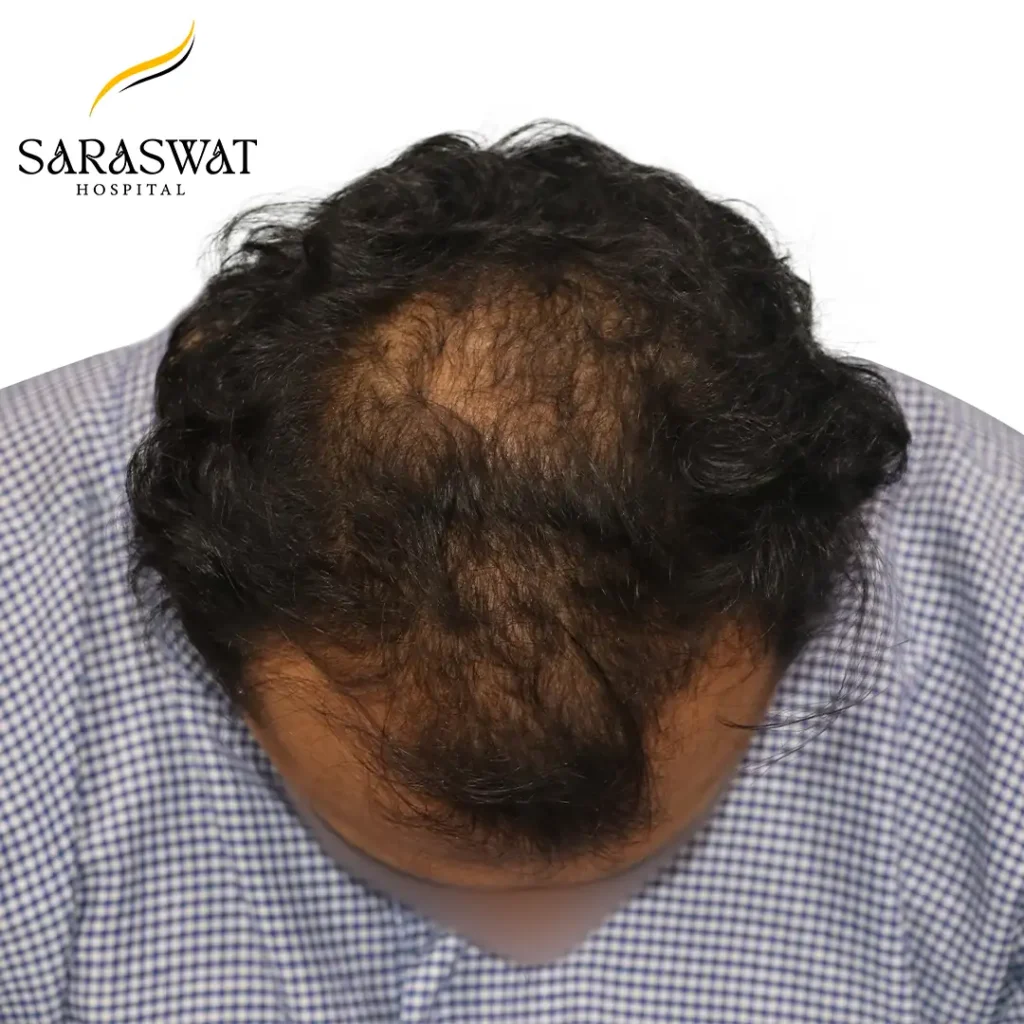
FUE Hair Transplant Result

What are the 7 Stages of Baldness?

The seven stages of baldness are measured as per the Hamilton-Norwood Scale of Hair Loss. It is the industry standard for evaluating the degree of hair loss suffered by a patient. The Norwood Scale is made up of seven levels that categorize the different stages of male pattern baldness.

  • Norwood Type 1

This is the first stage before your hair loss condition sets in. You still have a full head of hair at this point. There are no signs of a receding hairline or a thinning crown area.

  • Norwood Type 2

At this stage, you see the first signs of hair loss. The frontal hairline starts receding from the sides near the temples. The crown of the head is still unaffected. While being visible, this type of hair loss is still very mild.

  • Norwood Type 3

The hair loss starts being much more visible. The hairline starts receding and takes on an M or V shape. Hair at the front of the scalp and near the temples seems to have receded significantly. Some men also start experiencing hair loss at the crown region. At this stage, the hair loss becomes difficult to hide.

  • Norwood Type 4

The hair loss at this point becomes very obvious. There is little to no hair around the frontal hairline. Some men also lose significant hair in their crown region. It almost gives the impression of partial baldness.

  • Norwood Type 5

By this stage, there is not much hair remaining around your hairline and on your crown. The small band of hair separating the hairline and the crown area becomes thinner.

  • Norwood Type 6

At this point, the hair loss is extremely severe. Most of the hair that previously made up the hairline and the crown region is no longer there. Some men might still have the band of hair separating the hairline and the crown, but it will have grown sparse and thin. The hair on the back and the sides of the head develops the classic horseshoe pattern of appearance.

  • Norwood Type 7

This is the most advanced form of hair loss. At this stage, there is almost no hair left on your frontal scalp and the crown portion. You are only left with the horseshoe pattern of hair that’s there on the back and the sides of the head. This may also be lacking in density.

Can You Treat Grade 7 Baldness with a Hair Transplant?

A hair transplant surgery is the ideal choice of hair loss treatment when it comes to an advanced level of baldness. The cosmetic procedure successfully restores one’s natural hairline with promising results. In a hair transplant surgery, hair follicles are collected from the donor area and then implanted into the balding regions. This gives the patient natural-looking and permanent hair growth results.

You can check out this video below to learn more about Grade 7 Baldness Treatment at Saraswat Hospital.

Patient Review

  • Patient Name: Hemal Seth
  • Diagnosis: Grade 7 baldness
  • Operated in: November 2019

Case Presentation

Mr. Hemal Seth came from Kolkata. He had been suffering from hair loss for the last two years before visiting the clinic. His loss of hair had made him feel conscious of his looks and turned him into a recluse. He started avoiding going out to social gatherings because of his lack of confidence.

When he decided to go ahead with a hair transplant as a solution to his problems, his internet searching led him to find out about Saraswat Hospital.

Treatment Plan

The hair transplant for Mr. Hemal Seth was performed using a combination of FUE and FUT techniques. Due to the severity of Grade 7 baldness, donor hair available on the scalp was not enough for a successful restoration. Dr. Satya Saraswat and his team had to collect some donor hair from the patient’s beard.

Results

After a two-year period, the patient now has a head full of hair. The frontal hairline and the crown area, which were previously bald, are now once again covered with optimum hair.

Conclusion

Saraswat Hospital is led by ABHRS-certified doctors, Dr. Satya Saraswat and Dr. Preeti Saraswat. Both are highly skilled surgeons equipped with more than 20+years of experience. For more information on hair loss treatment, book an appointment with us.

Follow us on:- FacebookInstagramPinterestYoutube

Dos and Don’ts After a Laser Hair Removal Service

Unwanted body hair is a challenge that all women have to face. It makes them feel underconfident and unattractive and stops them from wearing their favorite dress. Of course, there is no reason one should feel like this. But the society’s harsh standards for beauty often make some people insecure. An easy solution to make yourself feel beautiful again is to opt for a laser hair removal service. It significantly reduces your unwanted body hair and gives you smoother, hairless skin to flaunt.

Laser hair reduction is a safe, painless, and quick procedure. It gives effective results with minimal discomfort. Below, we look at some essential dos and don’ts after a laser hair removal service.

What To Do?

  • Use a cold compress to cool down your skin

The laser beams heat up your skin, and cooling it down can help you ease some of the burning sensation post-procedure. Use a soft, gentle cloth dipped in old water and apply it to the affected part of your skin. Alternatively, you can also use an ice pack wrapped in a towel and apply it to the skin in case of any swelling or redness.

  • Take the medications as prescribed

If your cosmetologist has prescribed any cream or ointment to apply to the skin, make sure you use it. Similarly, if there are any anti-inflammatory drugs being given to you, take them as instructed.

  • Shield your skin from the sun

You need to keep away from direct sun exposure for at least a month after the procedure. Your skin is still sensitive at this point, and it can cause negative reactions. After the one-month period, make sure you apply lots of sunscreen before stepping out in the sun.

  • Use lukewarm water

Only take showers using lukewarm water for at least two weeks. Getting in contact with hot water can irritate your laser-affected skin. So, remember to always bathe in lukewarm water.

  • Use chemical-free and fragrance-free products

Use only natural and organic products for cleansing, scrubbing, and moisturizing. You need to treat your skin with gentle care after a laser hair reduction service. Using aloe vera gel would be your best option.

What Not To Do?

  • Do not book your next laser hair removal session till 4 to 6 weeks have passed. While multiple sessions are needed for effective results, give your skin the time to heal in between these sessions.
  • No waxing, tweezing, plucking, or shaving for a minimum of 4 weeks after the procedure. It will irritate your sensitive skin.
  • Avoid going out into the sun for one month. The exposure may increase your chances of getting a skin tan, sunburn, or hyperpigmentation. Tanning creams should also be avoided.
  • Do not use any fragrant or perfumed products, such as deodorants, body mists, or perfumes. They will end up irritating the laser-treated skin.
  • Do not use any chemically harsh products, such as moisturizers, creams, or shower gels. They may contain harsh chemicals, which will cause a negative reaction to the skin.
  • Avoid using body scrubs or other exfoliating products for at least two weeks. They will be harsh on sensitive skin.
  • Do not take any scalding hot showers for at least 7 days. Also, avoid using any sauna, steam rooms, or the jacuzzi.
  • Do not dip into the swimming pool. You must stay away from chlorine water and other harsh chemicals for at least a week.

Conclusion

Laser hair removal is a quick and effective procedure to permanently get rid of your unwanted body hair. At Saraswat Hospital in Agra, we have AAAM-certified cosmetologists who specialize in laser procedures. Patients need to follow the dos and don’ts instructions for the procedure to get successful results.

Follow us on:- FacebookInstagramPinterestYoutube

Can Grey Hair Be Transplanted? Know The Truth

For some patients with Androgenetic Alopecia, a hair transplant may be the only available solution. If the baldness is too advanced, then hair transplants are sometimes the only possible treatment. So, can grey hair be transplanted if your donor area has a lot of grey hair?

Since grey hair is mostly associated with old age, most people think of grey hair as weak and brittle. This is completely false. Grey hair can be healthy too. And they can be used for hair transplantation. If you consult the best hair specialist in Agra at Saraswat Hospital, you can be assured of a successful outcome for a hair transplant with grey hair.

What Happens in A Hair Transplant?

A hair transplant is a cosmetic procedure performed under the effects of local anaesthesia. During the surgery, hair follicles are removed from the healthy part of your scalp and implanted into the balding area.

The hair follicles are taken from a specific part of your scalp that is still unaffected by the hair loss condition. These hairs are considered healthy and viable for a transplant as they can restart the process of the hair growth cycle in the bald parts of the scalp. Consult an expert hair restoration doctor and prepare for your hair transplant journey.

Can Grey Hair Be Transplanted?

To give the short answer, can grey hair be transplanted? Yes, grey hair can be used for a hair transplant. All hair that is part of your safe donor area is viable for transplant. This includes any grey hair strands, too. Grey hair follicles can be extracted and implanted in the recipient site for a transplant. When done by the hands of an experienced surgeon, it will have a successful hair transplant before and after.

A hair transplant is a treatment for baldness. It has no relation to the greying of your hair. As long as the grey hair on your head is healthy and active in its growth phase, there is no reason why it should hamper your hair transplant procedure.

Why Does Hair Turn Grey?

Your hair gets its colour from pigments known as ‘melanin’. This is true for both scalp hair and body hair. The pigment for your hair is produced by cells called melanocytes that are present in the hair follicle. The amount of melanin in your hair determines how light or dark your hair colour is.

As the body ages, the pigmentation of your hair goes down. As the body produces less and less melanin, your hair eventually turns grey. And as the melanin production stops altogether, the hair turns completely white.

This is part of the natural cycle. It doesn’t mean that grey hair is weak or not healthy enough. As a matter of fact, it has been seen that grey hair is thicker in texture. And transplanting thicker hair gives better hair transplant before and after results.

Will The Hair Colour Match After the Hair Transplant?

Colour mismatch is a common concern when it comes to a grey hair transplant. Especially if you have grey hair only in selective areas of your scalp. You must seek treatment from the best hair specialist in Agra at Saraswat Hospital to ensure you get favourable results only.

The surgeon needs to plan the hair transplant with precision and accuracy. Grey hair, when transplanted, will continue to grow as grey hair. So, a discussion with the patient is needed. They must be informed of the challenges and be prepared to deal with getting more grey hair on their scalp.

The hair transplant surgeon needs to have a plan of action in place to ensure that the newly planted grey hairs blend well with the rest of the hair. This is why you must go to an experienced and credible surgeon.

Conclusion

If you are facing baldness problems, then a hair transplant can provide the perfect solution. Stop worrying about the fact that you have grey hair. It will have no impact on your hair transplant outcome. Visit the best hair specialist in Agra at Saraswat Hospital and seek treatment from ABHRS-certified experts.

Follow us on:- FacebookInstagramPinterestYoutube

All You Need to Know About DHI Hair Transplant

A hair transplant is one of the most recommended solutions for the advanced stage of baldness. When you’re losing your hair at an alarming rate, it often causes a dent in your self-esteem and confidence. Hair transplants are popular because they provide natural-looking and permanent results. It can give decent coverage to your bald spots and bring back your old look. But to ensure you get the best results, visit the best hair transplant clinic in Agra at Saraswat Hospital. You need an experienced and credible surgeon to perform your hair transplant surgery. We will also learn more about DHI hair transplant.

What is a Hair Transplant?

A hair transplant surgery is an advanced form of hair restoration treatment. It is most effective for patients suffering from male pattern baldness. In this procedure, hair follicles are removed from the healthy part of the scalp and then implanted into the thinning or balding areas of the scalp. The transplanted hair follicles restart the hair growth cycle once again on the bald spots. It gives you natural-looking and permanent results.

The hair follicles are extracted from a part of the scalp known as the safe donor area. This usually refers to the two sides and the back of the head. The hairs in this region are not affected by any genetic hair loss condition. Hair follicles are usually collected in groups of 1 to 4 follicular units, which make a single hair graft.

When you consult a doctor to know about the hair transplant cost in Agra, the basic price is always calculated on a cost per follicle basis. Another factor influencing the cost is the type of hair transplant procedure the patient undergoes.

DHI Hair Transplant

DHI refers to the Direct Hair Implantation technique. The follicular extraction is very similar to FUE. A specialist tool is used to collect hair follicles measuring 1 mm or less in diameter directly from the scalp.

For the implantation, a Choi Implanter Pen is used. It is a patented medical device used for implanting the grafts directly into the recipient area. In the DHI hair transplant process, the Choi Implanter Pen simultaneously makes the small holes and implants the hair follicles inside them. This makes the entire procedure much more accurate and precise. It gives the surgeon an enhanced level of control and allows them to manage the angle and direction of the transplanted follicles.

DHI is an advanced procedure that needs the specialised skills of an expert surgeon. It gives completely natural-looking results. The procedure is painless and there is no stitches or scarring involved. DHI is also popular among surgeons because it has the highest rate of graft survival. It also has a short recovery period. For best results, visit the best hair transplant clinic in Agra at Saraswat Hospital to seek treatment from ABHRS-certified surgeons.

FUE

FUE refers to Follicular Unit Extraction. In this method, the hair follicles are extracted directly from the scalp. A specialized, round tool is used with low torque and low RPM. The follicles are extracted manually, and the surgeon can cherry-pick from the available donor area.

Once the extraction is done, the next stage is the graft implantation stage. The surgeon makes small holes or tiny slits in the recipient site for an FUE hair transplant in India. The hair grafts are implanted inside these small holes in the recipient area of the scalp. This is an advanced method of hair transplant. Opting for an FUE transplant results in minimal scarring. There are no stitches involved, and it has a quicker recovery period.

FUT

FUT refers to Follicular Unit Transplantation. In this technique, a strip of skin containing healthy hair follicles is removed from the scalp surgically. The extracted strip of skin is kept under the microscope, and then the follicles are removed in the lab. Once the hair grafts are made, the implantation process in FUT transplant is the same as in FUE.

FUT is the more traditional method of hair transplant. It is the chosen technique for surgeons when the baldness is at an advanced stage and they have to cover a large part of the scalp. In the FUT procedure, the cut on the scalp is closed using a Trichophytic closure method. The scar becomes almost invisible once the hair starts coming out of the cut surface. The recovery period is also very short.

FUT vs FUE vs DHI Hair Transplant

FUT and FUE are the more common hair transplant techniques used. FUE hair transplant in India is more popular because it causes minimal scarring and requires no stitches. The hair follicles are extracted directly from the scalp.

On the other hand, for FUT, a strip of skin is removed surgically from the scalp. It is kept under the microscope, and then, the follicles are extracted. It requires stitches and can lead to a long linear scar. The recovery period is also longer.

In DHI, the difference lies in the implantation process. A specialised tool called the Choi Implanter Pen is used. The hair follicles are directly implanted into the recipient site for the hair transplant to be complete. It causes no scars and no stitches.

Conclusion

If you are suffering from advanced baldness, get an appointment at Saraswat Hospital at the earliest. Get the most affordable hair transplant cost in Agra for personalised hair restoration treatments. We have ABHRS-certified hair experts who can perform all sorts of hair transplant procedures, including FUE, FUT, and DHI hair transplants.

Follow us on:- FacebookInstagramPinterestYoutube

What to Expect 4 Months After Hair Transplant?

Hair transplants are a minimally invasive procedure that restores your natural hairline permanently. It is the best solution to hair loss and balding problems as it gives permanent results without any pain or side effects. If you are suffering from a receding hairline or a thinning crown area, then make an appointment with the best hair doctor in Agra at Saraswat Hospital. In this article, we explain what you can expect 4 months after hair transplant surgery, including changes in the donor and recipient areas.

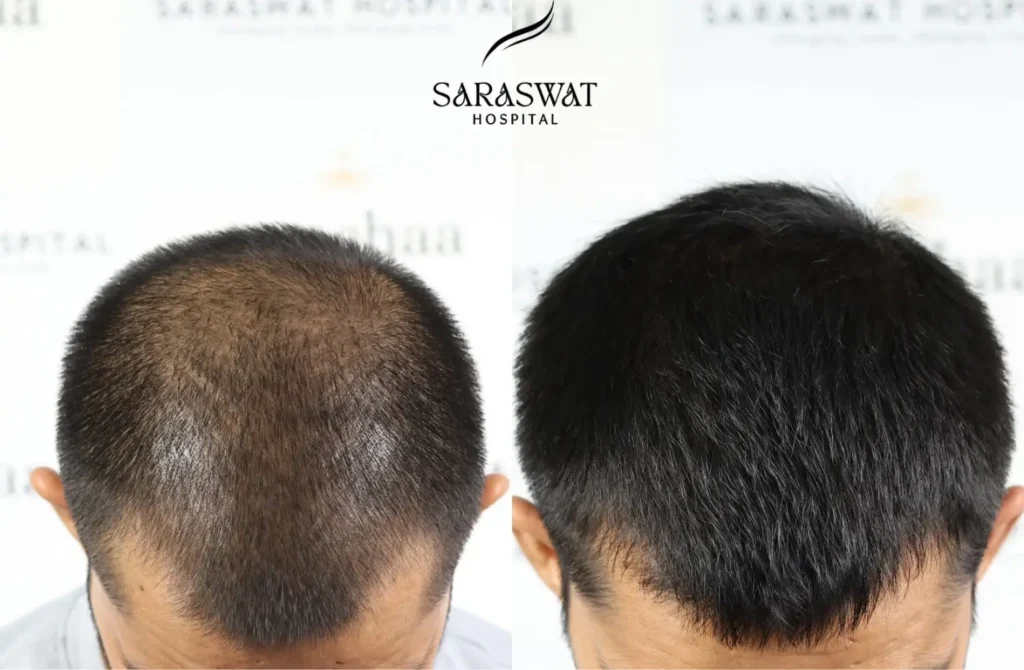
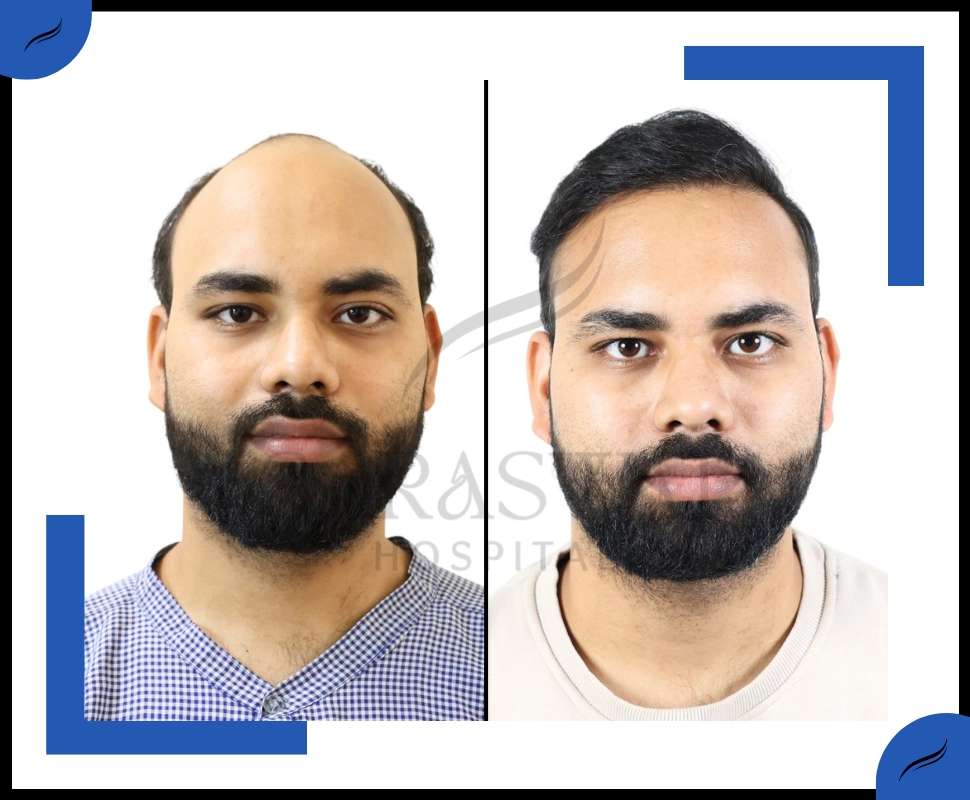
Before you decide on getting a hair transplant, you must know that it doesn’t give instant results. The complete results of a hair transplant surgery can only be seen 9-12 months after the procedure. In this blog, we see what the changes are to be expected four months after the surgery.

What Happens to the Donor Site 4 Months After Hair Transplant?

In a hair transplant procedure, hair follicles are removed from the donor part of the scalp and implanted into the recipient site. The donor site refers to the two sides and the back of the head. The hairs in these areas of the scalp are genetically programmed to never fall off. By the time you reach 4 months after hair transplant, the donor area typically looks completely normal, and any scarring (if present) is hidden by surrounding hair.

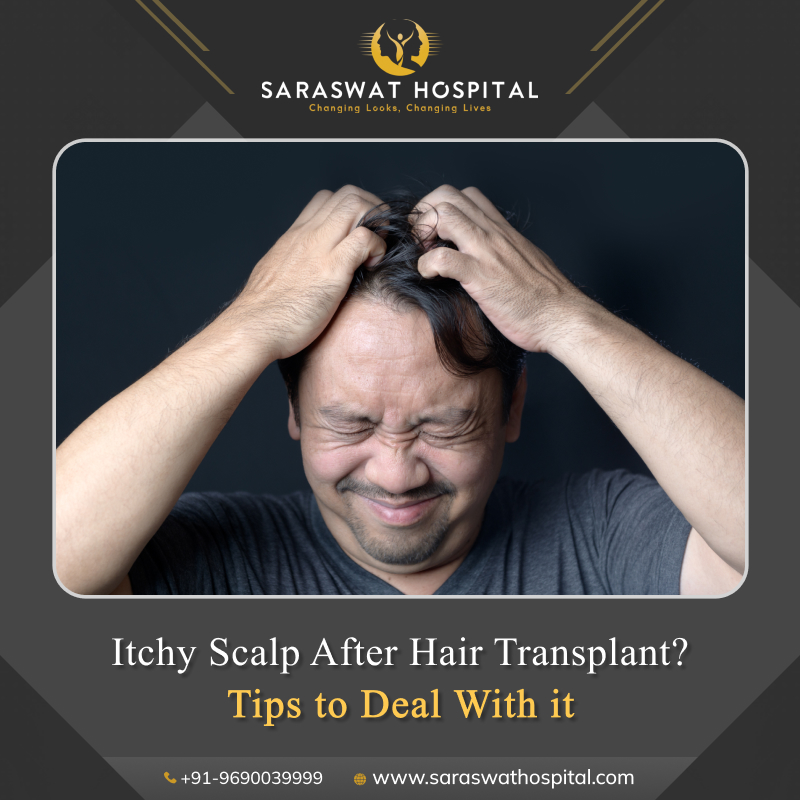
In FUE, the follicles are extracted directly from the scalp. In FUT, a strip of skin containing healthy follicles is removed surgically. Post the transplant, there might be chances for some mild swelling, redness, or itching in the donor area. Get the procedure done at the best hair transplant clinic in Agra and expect zero post-op side effects. The recovery period lasts for only 7 days.

The hair in the donor area grows back quite quickly. In four months, almost all the hair in the donor area is back. In cases of scarring, it gets easily covered by the surrounding long hair. The donor area goes back to looking as it was before the surgery in a period of four months.
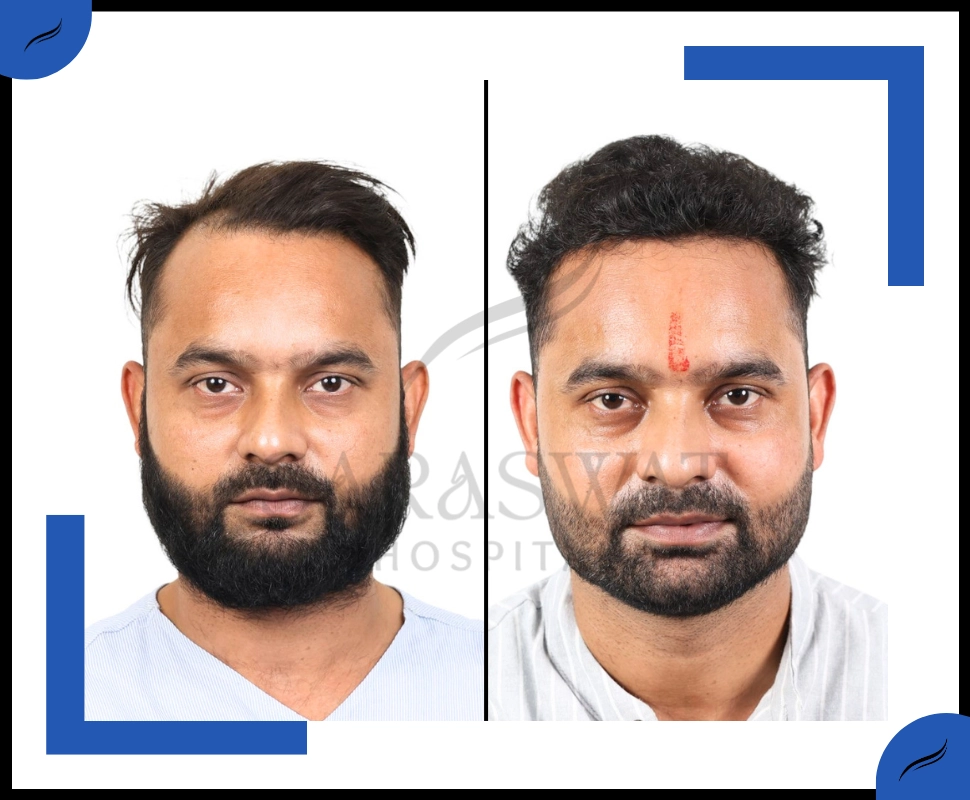
What Happens to the Recipient Site 4 Months After Hair Transplant?

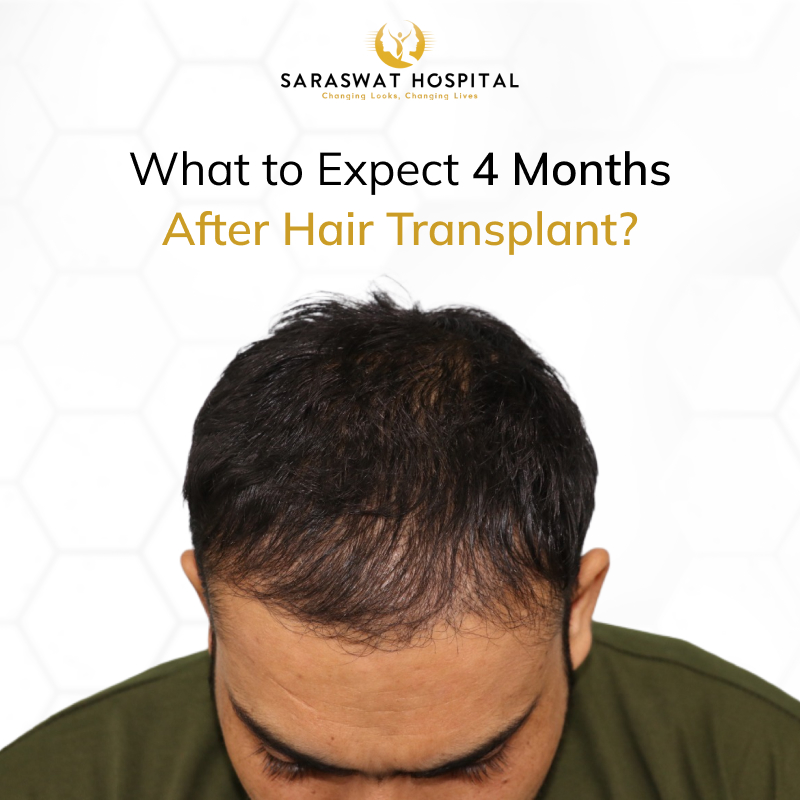
The recipient site is the balding portion of the scalp. Little incisions are made on the scalp to insert the hair grafts. Once these transplanted hair follicles start showing visible signs of hair growth, the bald spots get permanent coverage. When you are 4 months after hair transplant surgery, you can expect the recipient site to be covered in short hair. The hair roots start showing the early signs of hair growth. In the beginning, when hair comes out, it looks thin and curly. It has a wiry look, and the hair growth might look patchy. This is known as the slow hair growth phase.

But patients should not lose patience. From the fourth month onwards, the transplanted hair enters the real growth phase. As time goes by, the thin and wiry hair becomes stronger and healthier. The hair growth starts looking dense and thicker.

Expected Hair Growth 4 Months After Hair Transplant

By the fourth month, you are almost halfway through your post-transplant hair growth timeline. At this point:

  • Around 50% of the final results can be seen.
  • The donor area has fully recovered.
  • The recipient area shows short, visible hair growth that continues to get thicker.

This stage is an encouraging sign that the procedure has worked, and more noticeable improvements will follow in the next few months.

What You Should Be Doing Now

  • Gentle Hair Care: Use mild, sulfate‐free shampoos. Avoid harsh chemicals or heavy styling. Gentle massages may promote blood flow, but avoid vigorous scratching.
  • Protect from the Sun: UV rays can slow healing and damage delicate new hairs. Wear hats or use sunscreen when out in direct sunlight.
  • Nutrition & Lifestyle: Proper diet, enough sleep, staying hydrated—all support hair growth. Protein, iron, vitamins like A, C, D, and Biotin are especially helpful.
  • Follow Up with Your Surgeon: Make sure to attend your post‐op appointments so your surgeon can monitor progress, remove sutures (if any), and address concerns.

Conclusion

Hair transplants offer a permanent solution to baldness. Book your appointment with the best hair transplant doctor in Agra at Saraswat Hospital for personalized treatments.

FAQs About 4 Months After Hair Transplant

Q1. Is it normal to have thin hair 4 months after hair transplant?
Yes. Thin and wiry hair growth is common during the fourth month. Over time, hair becomes thicker and denser.

Q2. Can I get a haircut 4 months after hair transplant?
Yes. By this stage, the donor and recipient areas are fully healed, so you can safely get a haircut.

Q3. How much hair growth should I expect 4 months after hair transplant?
You can expect to see around 40–50% of the final hair growth results.

Q4. Will my hair still shed 4 months after hair transplant?
Most shedding occurs in the first 2–3 months. By the fourth month, new growth should be more visible, and shedding usually stops.

Q5. When will I see full results after my hair transplant?
Complete results are typically seen between 9–12 months after the surgery, with continuous improvement each month.

Follow us on:- FacebookInstagramPinterestYoutube

whatapp icon