
Book an
Appointment
Avatar photo

Dr. Satya Saraswat, MBBS, MS, MCh, DNB (Gold Medalist)

Dr. Satya Saraswat, MBBS, MS, MCh, DNB (Gold Medalist), FISHRS, is a cosmetic and plastic surgeon with an experience of over 20+ years and has performed 17,000+ cosmetic and plastic surgeries. He is a Diplomate of the American Board of Hair Restoration Surgery (ABHRS) and Fellow of ISHRS, as he has been continuously attending the International conferences and adopting the latest advancements in hair restoration science, and he has also submitted his research papers. His hands-on involvement ensures a natural hairline and high graft survival.

Articles by Dr. Satya Saraswat, MBBS, MS, MCh, DNB (Gold Medalist)

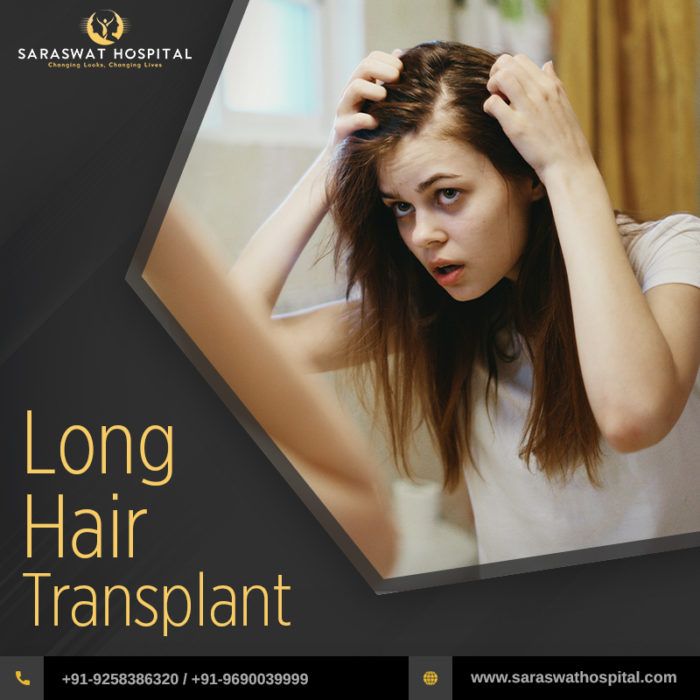
Know About Long Hair Transplant in India

Hair is one of the most important parts of your personality that helps you make an impression on people. This results in most of you spending considerable time styling the same and ensuring that it looks good. However, more often than not, the regular exposure to sunlight, the effects of stress, heat, and styling materials initiate hair fall. This is accompanied by thinning and pattern baldness in both men and women across age groups. In case you encounter such a situation, there is a chance of your self-confidence falling quite a lot. It is thus crucial to find a solution to the problem before it gets out of hand. Having said so, most hair transplants start with shaving a section of your head, and not all people are comfortable with the same because of various reasons. This blog will highlight everything that transpires when you visit a clinic in India.

What is a Long Hair Transplant?

Patients suffering from hair thinning and willing to go for hair transplant surgery might not want to shave their head for reasons such as:

1. They do not want the surgery to be so obvious.
2. Their profession might not allow a shaved head.
3. They do not have much time to let their hair grow after shaving and require immediate results.

An unshaven transplant option can be chosen for those patients suffering from hair loss in a small section of the head. The best part of an unshaven hair transplant is the reduced downtime and decreased degree of detection.

Professionals performing such long hair transplant surgeries follow an undetectable extraction process. Once the units are extracted, the experts go for the implantation into the recipient site. Right after the procedure, the patients often undergo temporary shedding, but there is nothing to worry about. This modern procedure leaves almost no visible linear scarring, ensuring only the best results.
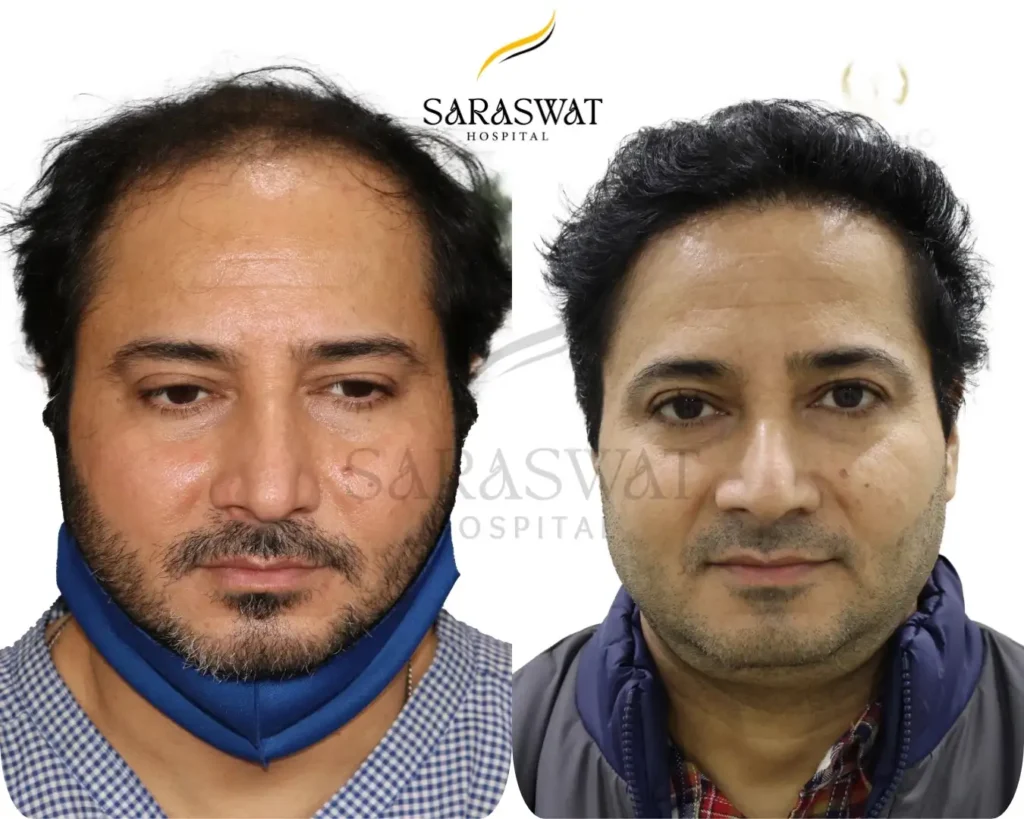
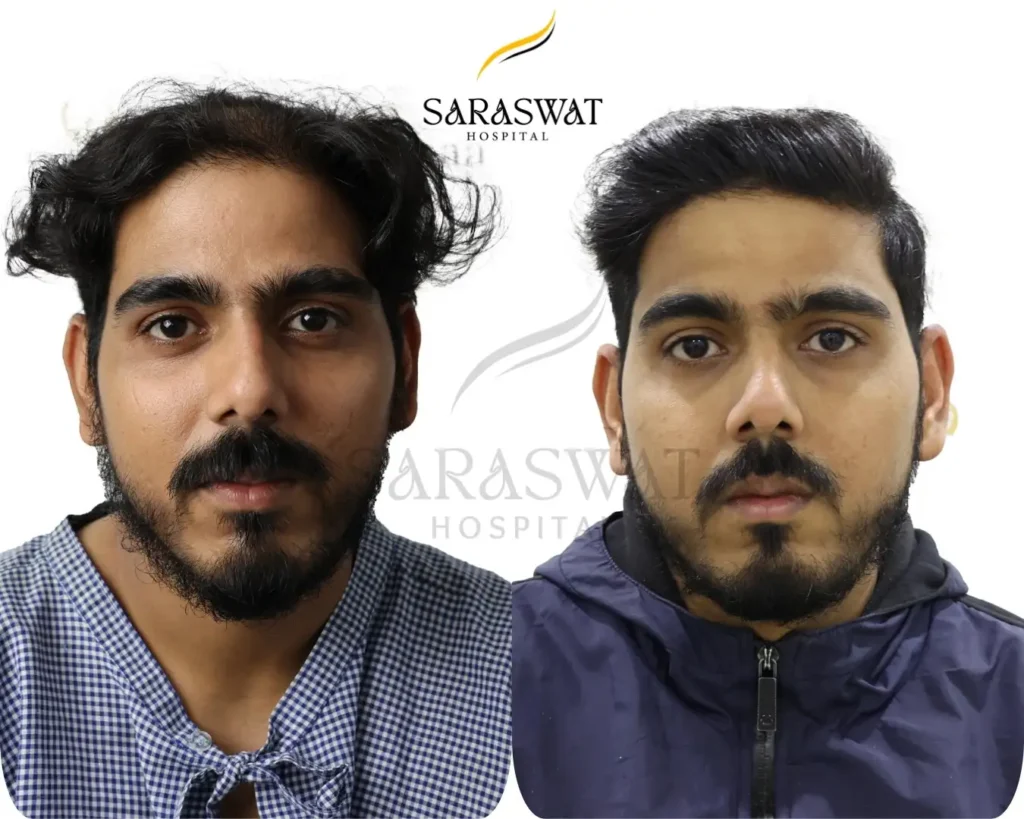
Long Hair Transplant – The Advantages and Disadvantages

This hair transplant process is similar to the follicular unit transplantation (FUT) method. When you discuss your condition with a skilled transplant surgeon, you will know about several pros and cons of the procedure. You would also realize if you are eligible for the surgery or not.

The Advantages of Long Hair Transplant are:

1. There is no shaving included in the process.
2. The post-operation donor scalp area crust is barely visible.
3. A quicker recovery time (results within 10 to 15 days).
4. One session is enough for the best results.
5. Implants are arranged to match the natural growth characteristics of existing hair follicles.

The Disadvantages are:

1. If a professional doesn’t conduct the procedure, things might go wrong.
2. Transplanted grafts might fall out sooner.
3. It takes a lot of time to complete and is labor-intensive.

What Happens at a Long Hair Transplant?

Due to the risks of the surgery and the various complexities involved, it is suggested that you visit a professional clinic that specializes in long hair transplants. During the consultation, you would go through a Tricoscopic analysis, which checks the root cause of the condition and informs you of your eligibility for the procedure.

This would also enable them to understand the various techniques for curing the same. Once done, you are given a date for the surgery and a few precautions. On the specified day, the time taken during the surgery depends on the seriousness of the condition and procedure.

ABHRS Certified Doctors Performing the Procedure

Dr. Satya Saraswat (MBBS, MS, M.Ch, and DNB) is a gold-medalist surgeon performing long hair transplant procedures at Saraswat Hospital.

Dr. Preeti Saraswat (Clinical Cosmetologist) is also a surgeon with a keen interest in hair transplant who oversees unshaven transplant procedures at the hospital.

Conclusion

Unshaven hair transplant is the ideal option for those who do not want to shave their head and make their surgery exposed to the world. As a sought-after long hair transplant clinic in India, Saraswat Hospital provides modern treatments with the latest technology. Book an appointment with our team to know more about long hair transplant.
Follow us on:- FacebookInstagramPinterestYoutube

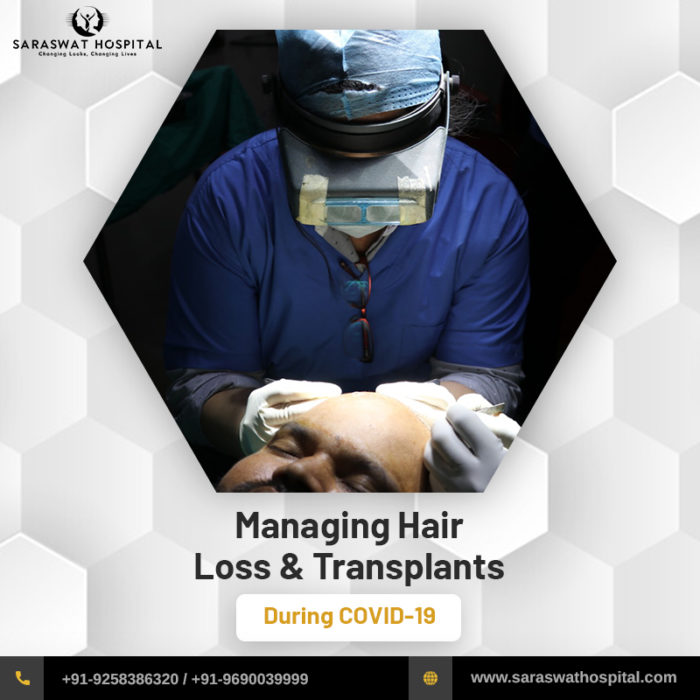
How to Manage Hair Loss & Transplants during COVID-19

The Novel Coronavirus (COVID-19) has brought about unprecedented changes in all our lives, across generations and genders, worldwide. You may wonder that all the time you are staying indoors and are not being exposed to direct sunlight or pollution, so beauty conditions like acne and hair fall would take a back seat. Many people experienced hair loss & transplants challenges during this period due to stress, illness, and lifestyle changes. But sadly, that is not the case. Like several circumstances of life, hair loss is something that doesn’t go away because of a pandemic.

Understanding Hair Loss During COVID-19

1. The Link Between COVID-19 and Hair Loss

Hair loss became a common post-COVID symptom for many individuals. The stress caused by infection, high fever, or emotional strain often leads to a condition known as telogen effluvium — a temporary form of hair loss. Managing hair loss & hair transplants during this time requires understanding this connection and taking preventive measures early.

2. Stress-Induced Hair Shedding

Psychological stress during lockdowns and isolation also played a major role in worsening hair thinning. Chronic anxiety affects hormone levels, which in turn accelerate hair fall. A balanced lifestyle and mental relaxation are crucial for managing hair loss and hair transplant successfully.

Some of the ways the lockdown can adversely affect the health of your hair are:

1. An increased amount of stress.
2. Lack of taking proper care of hair hygiene.
3. Tying your hair into tighter hairstyles at home at all times.
4. Making unhealthy dietary choices and intake of junk/oily food.

Hair Transplant Result

Hair Transplants During the Pandemic

1. Can You Undergo Hair Transplants During COVID-19?

Yes, but with strict safety protocols. Reputed clinics implemented contactless consultations, pre-surgery COVID testing, and sterilized environments to ensure patient safety. If you plan to undergo hair loss & transplants, always choose a certified clinic that follows updated COVID-19 guidelines.

2. Safety Measures for Hair Transplant Procedures

To safely proceed with hair loss & transplants, both patients and doctors must adhere to hygiene and safety measures such as:

  • Mandatory temperature checks and sanitization
  • Use of PPE by medical staff
  • Limiting visitors and maintaining social distancing in clinics
  • Proper ventilation in the operating area

These precautions make hair loss & transplants procedures safe and effective even during pandemic conditions.

Prioritize Your Hair Health Condition

These are a few ways you are still susceptible to hair thinning and hair loss. Before it gets worse and you have to visit a doctor for guided assistance, there are several techniques you can incorporate into your daily life to keep these in check. Some of them are:

1. Try to stay calm at all times.
2. Make small, achievable goals and work towards them.
3. Eat a healthy, balanced diet.
4. Stay away from hair styling/heating products and chemicals.

Visiting a Doctor for Treatment

As COVID-19 inches towards community spread, it is crucial that you keep all rules and regulations set out by the World Health Organization (WHO) in mind. This goes to both patients and the hospitals you are visiting. In the situation we are living in, it is best to visit renowned hospitals for treatment as they would keep all the safety measures in check once reopened, before even allowing patients to enter.

This process starts with going for an online consultation with your transplant surgeon. In this, the doctor would go through your medical history, your current living atmosphere, whether you have traveled recently or not, and everything they need to know to get a glimpse of your condition beforehand. Yes, a face-to-face consultation is always the best way, but according to the recent regulations, this is a much-needed step.

The first consultation often ends up with the doctor suggesting a few time-tested medications that can keep the condition in check. Such may include both supplements and shampoos, which you would have to use as directed. Regularly monitor the condition to see if there are any visible changes to the same.

If the doctor notices that you require immediate attention, you may be given a hospital visit appointment. Sanitizing yourself and wearing a protective mask are important in this scenario. Following this, you would be taken for the Tricoscopic analysis and, further, the surgery. It is always suggested that you delay the surgery till the time the surroundings have adjusted to the new normal.

Conclusion

A silver lining to the hair transplant industry is that changes and evolutions are finally in motion. Only the best doctors are able to match up to the speed of the aforesaid evolution, making them your choice for the surgery. Book an appointment with our experts for transplant surgery or hair loss treatment.

Follow us on:- FacebookInstagramPinterestYoutube

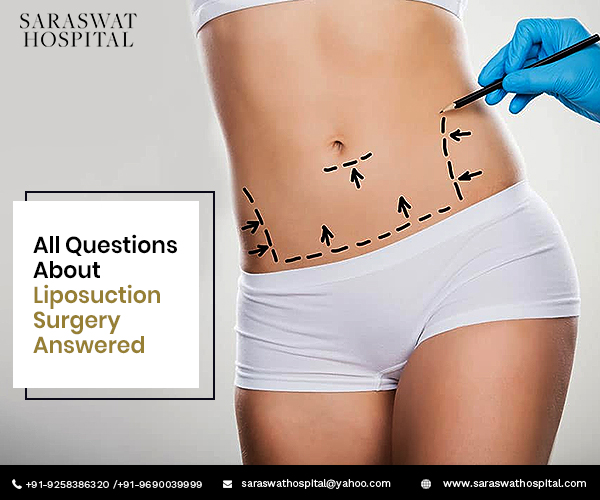
All Your Questions About Liposuction Surgery Answered

Excess body fat is a concern with most people in today’s time, bringing with it several diseases and problems in day-to-day life. Yes, following a healthy diet is extremely important, and so is exercising, but for an average person, it becomes hard to fit such a rigorous routine into their lifestyle. That is why, as a modern-day solution, most people go for liposuction surgery. This treatment, if performed by professional cosmetic surgeons, can help anyone get the body contour that they desire, as it can target areas such as the hips, thighs, and even the abdominal area. Having said all of this, not many are aware of the true potential of a liposuction procedure. Here we will discuss the liposuction procedure and also answer some questions about liposuction surgery.

What Exactly is Traditional Liposuction Surgery?

Surgeons traditionally perform liposuction as a surgical procedure, removing body fat from the desired treatment area with a suction cup. Note that it serves neither as an alternative to exercising or dieting nor as a method for weight loss. Liposuction surgery contours the body, with surgeons extracting a maximum of 5,000 milliliters (11 pounds) of fat.

In this method, surgeons use cannulas and aspirators to remove adipose cells (fat cells). These tools consist of special hollow stainless steel tubes and a suction device.

Liposuction Before and After

What are the Areas Treated by a Liposuction Procedure?

The best use of a liposuction procedure is to remove fat from the following places:

1. Double Chin
2. Abdominal Fat
3. Gynecomastia
4. Upper Arms
5. Outer Thighs
6. Back of Neck

Some additional areas where the procedure can be used are the upper back, ankles, and inner thigh. The results of the surgery on each of these areas depend on how the patients respond to exercise and diet. The skill of the surgeon also plays a part in providing the best results from the surgery.

Who is The Best Candidate for a Liposuction Surgery?

As risky and time-consuming as the procedure is, qualified surgeons would know that not all patients are suitable for liposuction surgery. The criteria that you will have to fulfill include being a healthy individual who is close to the goal weight. He or she must be over 18 years old with a full-fledged, balanced diet and exercise in place.

If you are someone who suffers from any medical problems like heart disease or diabetes, you must not go for such a surgical procedure. Older people find less visible results because the elasticity of their skin decreases with time, and that is why surgeons first test the condition of the patient’s skin before taking up the surgery. The best candidate for a liposuction surgery will preferably be a non-smoker with subcutaneous fat residing between the skin and muscles, and with elastic skin.

How Do You Prepare For Liposuction Surgery?

The perfect way to plan for a liposuction procedure is by following the instructions presented to you by the cosmetic surgeons. You can comfortably resume normal activities within two weeks of this 1 to 4-hour outpatient procedure performed under local or general anesthesia.

All you have to guarantee is that your lifestyle choices are in a way that they can help with healing and minimize any complications. Do not smoke and instead, rest well to keep your body hydrated and keep the discomfort away. If you suffer from any pain, trust your surgeons to recommend a painkiller and do not go for over-the-counter products. Some of the basic instructions also revolve around wearing compression garments in the treated areas.

Who are the Best Doctors for Liposuction in Agra?

Saraswat Hospital, a leading cosmetology, plastic surgery, cosmetic surgery, and laser hospital, is run by two well-known surgeons in the field of liposuction in Agra.

The chief consultant, Dr. Satya Saraswat, is a distinguished Plastic Surgeon who earned a prestigious Gold Medal at the Diplomate of National Board Examination in the Department of Plastic and Cosmetic Surgery, awarded by the Honorable Health Minister of India. Moreover, as a skilled reconstructive surgeon deeply involved in all forms of Cosmetic Surgery, he has performed numerous successful surgeries to date and consistently keeps himself updated with the latest advancements. Additionally, his impressive qualifications include D.N.B., M.Ch., M.S., and MBBS.

Furthermore, the chief clinical cosmetologist, Dr. Preeti Saraswat, after completing her Post Graduate Diploma in Clinical Cosmetology, has undertaken specialized training on various laser procedures so that she can give her 100% to her patients. In particular, her specializations lie in skin rejuvenation treatments.

Similarly, both doctors are members of the American Board of Hair Restoration Surgery (ABHRS) and the American Academy of Aesthetic Medicine, with several years of experience under their belts.

Conclusion

Saraswat Hospital offers the most affordable rates for liposuction in Agra and services by well-known doctors with the best results. Book an appointment to know more about the procedure.

Follow us on:- FacebookInstagramPinterestYoutube

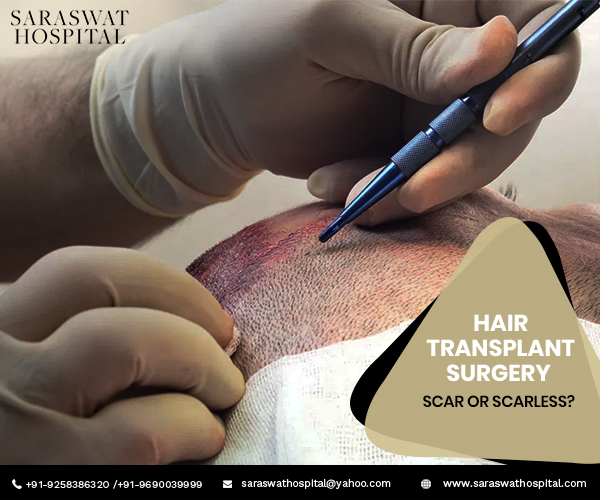
Does Hair Transplant Surgery Involve Scarring?

Experts recognize hair transplant surgery as the most widespread and only permanent solution for people experiencing hair loss, hair fall, and hair thinning. Surgeons use two techniques to perform the surgery: Follicular Unit Transplantation (FUT) and Follicular Unit Extraction (FUE). Both procedures have their pros and cons, and scarring is a normal part of them. The surgeon’s skills determine the amount of scarring in the procedures to a certain extent. That’s why experts always recommend visiting surgeons certified by the American Board of Hair Restoration Surgery for the best results.

What kind of Scarring Happens in which Procedure?

A multitude of factors—like the procedure’s technique, the pattern of hair loss, and the grade of follicles extracted from the donor area—determine whether hair transplant surgery involve scarring or not. Both FUE and FUT carry risks that can cause scarring, and surgeons choose the type of procedure for a patient after a thorough consultation.

Follicular Unit Extraction Scarring

Doctors use FUE, a hair transplant surgery method, to extract follicles from the scalp with a small, round device. This extraction leaves tiny dot-shaped scars on the donor area, visible only upon close inspection.

If the surgeon selects FUE as the treatment, carefully performed and high-quality punches for follicle extraction make the scars almost unnoticeable. The best doctor for hair transplant in India uses an appropriate punch size smaller than 0.9 mm for this procedure. Over-harvesting follicles makes the scars visible.

Follicular Unit Extraction Scar

Follicular Unit Transplantation Scarring

Doctors use FUT, an older hair transplant surgery method, to remove a strip of scalp from the donor area and then cut it to extract individual follicles. Surgeons also call this surgery the strip procedure.

If the surgeon chooses FUT, the naked eye can see a long scar because strip removal inevitably leaves one. Hair in the occipital region covers the scar, but shaving the area makes it noticeable.

Follicular Unit Transplantation Scar

Is it Possible to Reduce Scars after Hair Transplant Surgery?

The best doctor for hair transplant surgery chooses to go with a closing technique known as a “Trichophytic closure,” where he or she can optimize or improve the scar while performing FUT. This would allow hair to grow back over the area that is scarred. Having said so, it can only reduce the visibility of the scar, but cannot make it scar-free.

Surgeons in India have evolved the FUE method of hair transplantation into a widely used procedure because it prevents visible scarring and imparts a more natural look to the hair. Local anesthesia enables surgeons to perform both procedures painlessly. Patients can sport short hairstyles after FUE, but they favor long hairstyles after FUT to conceal the linear scars.

Why are ABHRS-certified Doctors Preferred for Hair Transplant Surgery?

Doctors who are certified by the American Board of Hair Restoration Surgery should be chosen for hair transplantation. They have the qualifications, skills, and expertise required for the job role they are expected to play. The doctors at Saraswat Hospital, Agra, are not only certified by ABHRS but are lifetime members of ISHRS as well, making them the most obvious choice for hair transplant surgery.

Dr Satya Saraswat, a founding member and chief plastic, laser, cosmetic, and reconstructive surgeon of the hospital, is an M.S., M.B.B.S., M.Ch., and D.N.B. He had presented a modified FUT technique at the 24th World Congress of ISHRS in the year 2016 as well. As a gold medalist awarded by the Honorable Health Minister of India, he believes in delivering a lifetime experience to his patients.

Conclusion

Hair transplant surgery leaves a mark on the donor area regardless of the chosen procedure type, and the surgeon’s skills determine its extent. Book an online consultation and find the best treatment option for yoy with a customized plan crafted for you.

Follow us on:- FacebookInstagramPinterestYoutube

Is Hair Transplant Successful in India?

Hair fall is slowly becoming one of the common problems faced by people due to a plethora of reasons, such as exposure to polluted air, stress, and heredity. As a result of this, surgeries offering a permanent solution to the problem are becoming prevalent, thereby giving rise to the sudden yet enormous demand for hair transplants in India.

What is Hair Transplantation?

Surgeons perform hair transplantation, a surgical procedure, to extract hair follicles from the scalp and transplant them to areas affected by hair loss. They conduct extraction in the donor area and insertion in the recipient area. This procedure treats hair loss and enables hair regrowth in the affected areas.

The surgeons at a hair transplantation clinic will first perform several tests to determine the exact reason that is causing the hair to fall. Some of those tests include light microscopy, biopsy of the scalp, and blood test.

Upon receiving the results of these tests, the surgeons then decide which type of surgery would best suit the condition of the patient. Broadly, there are two types of surgeries opted for by the surgeons. They are:

1. Follicular Unit Transplantation or Strip Surgery
2. Follicular Unit Extraction

The best part is that both of them provide natural-looking and permanent results.

What is The Success Rate of a Hair Transplant Surgery?

The surgeon performing the hair transplant surgery greatly determines its success rate. Doctors affiliated with the American Board of Hair Restoration Surgery (ABHRS) or the International Society of Hair Restoration Surgery (ISHRS) perform these surgeries most effectively.

Research shows that transplanted hair grows back in 80% of cases within just a few months, with results visible from the first few days. Patients can undergo hair transplant surgery if they have sufficient donor hair from any body part, such as the beard, shoulders, arms, legs, or chest.

Saraswat Hospital at Agra has two of the most successful hair transplant surgeons who are always updated with the new and rising trends of the field. The doctors at the hospital also offer a combined FUE and FUT surgery, which incorporates the best parts of both these surgeries.

Hair Transplant Result

How Much Does Hair Transplantation in India Cost?

A hair transplantation clinic finalizes the cost of a hair transplant with the surgery based on the number of grafts required. If the volume of hair loss is high, then the surgery would become expensive.

Having said so, you must also note that most of the hair transplant surgeries are performed in more than one sitting, especially when the hair loss is on the higher side.

The final cost, cumulatively, depends on factors such as:

1. Type of surgery (FUE/FUT/Combined)
2. Surgeon experience
3. Surgeon availability
4. Duration and sittings required for the surgery

Is Hair Transplant Long-Lasting?

To see the hair transplant results from the surgery, you will have to wait a few months. That is the minimum time your hair would need to grow back with the help of the newly inserted follicles. But first, you need to know that the transplanted hair might fall out within a few weeks of the surgery, and this is quite natural. In medical terms, this is called the “shedding” period.

Once the hair gets its regular pace back, you will be able to see natural-looking results, and there will be no signs of your surgery. What you need to keep in mind, right after your surgery, is that your scalp will feel tender for a few days. If you take proper care of your scalp, you will be able to achieve long-lasting and even permanent results.

How to Find The Best Hair Transplant Doctor?

The best hair transplant doctor is someone who has adequate experience in the field. He or she must be aware of all the ways a hair transplantation surgery is performed so that they can render the most desirable outcomes.

Saraswat Hospital has two extremely famous surgeons on board – Dr. Preeti Saraswat and Dr. Satya K Saraswat. Both these doctors, certified by ABHRS and lifetime members of ISHRS, are experts in performing hair transplantation in India.

Conclusion

One can never doubt the success rate of a hair transplant, especially when the procedure is performed by a certified and experienced surgeon. Book an appointment to find the exact number of grafts required in your case and get the best solution with a customized plan.

Follow us on:- FacebookInstagramPinterestYoutube

An All-Inclusive Guide On Non-Shaven Hair Transplant Surgery

“Life isn’t perfect, but your hair can be”

Hair is a very attractive part of a person’s overall being, as it can make or break anyone’s look. Good hair days are called so because they can uplift your confidence level by a huge amount. That is why most of you spend a lot of time using various products on your hair, expecting immediate results. But that is right where you go wrong because too many products mean the usage of chemicals that aren’t suitable for the scalp and can cause hair loss instead. When you are experiencing frequent hair fall, one of the most reliable ways to treat it permanently is a hair transplant surgery.

What is Non-Shaven Hair Transplant?

Hair transplant procedures require shaving off the areas that are to be considered as the “recipient” and the “donor” sites, but not many of you are comfortable with that. Rightfully so! A shaved head would not only make the surgery obvious but also lower your confidence. Fortunately, there is good news for you.

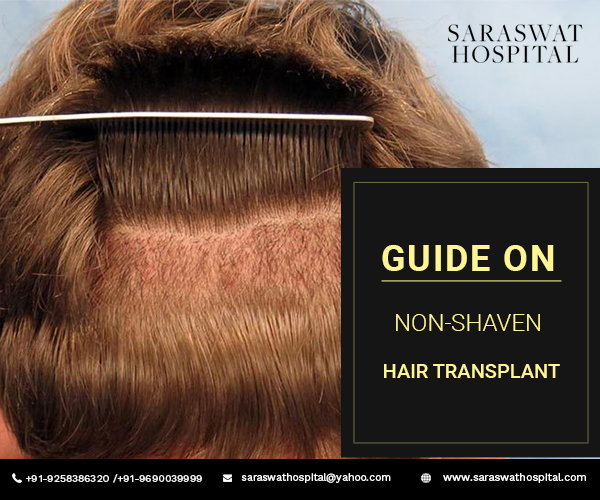
If you are one of those who are reluctant to shave your head before the procedure, or your hair strands are weak, and surgery between the hair strands is possible, your ABHRS-certified surgeon might opt for a non-shaven FUE. This is a preferred option for patients where the harvest is limited to smaller areas. Through this procedure, the effect of fuller and denser hair will be visible from the first sitting itself.

Similar to the original procedure for FUE or Follicular Unit Extraction, the surgeon uses a punch device to extract hair follicles directly from the scalp. The hair transplant surgery, further, is done with the help of implant pens where the Follicular grafts are inserted directly within the existing hair, one at a time.

Non-Shaven Hair Transplant

Pros of a Non-Shaven FUE Hair Transplant Surgery

Several advantages make the non-shaven FUE hair transplant surgery so prevalent. Some of them are:

1. You can avoid shaving completely.
2. You can also go for this procedure even if you have long hair.
3. There will be no visible signs of post-operative crust on the donor area.
4. The overall recovery time is shorter because the transplanted area is smaller.

Cons of a Non-Shaven FUE Hair Transplant Surgery

Every process has two sides to it, and even though the list of benefits in opting for non-shaven hair transplant procedures is long, there are a few challenges you are about to face.

1. It is a complicated procedure, and only experienced ABHRS-certified doctors with adequate skill can perform it the best.
2. Since the maximum number of graft transplants is lower, the density is lower as well.
3. It takes a longer time than other hair transplant procedures.
4. It is labor-intensive and expensive in contrast to other methods.

Keeping in mind all these points, you must choose certified surgeons for the procedure. Saraswat Hospital, Agra, has doctors who have years of surgical experience to administer these hair transplant procedures with the best results.

About the ABHRS-certified doctors at Saraswat Hospital

As the Director of the hospital, Dr. Satya Saraswat is an M. Ch, M.S., and D.N.B. with a Gold Medal in Plastic Surgery. He has been awarded by the Honorable Health Minister of India as well.

The Chief Clinical Cosmetologist, Dr. Preeti Saraswat, is a University of Griefswald, Germany alumnus, where she has attained a Post Graduate Diploma in Clinical Cosmetology.

Both these doctors are certified by the American Board of Hair Restoration Surgery and are members of ISHRS. Saraswat Hospital provides the best care by way of customized treatment plans according to the needs of the patients, making it the best place for hair transplant in India.

Conclusion

A procedure like non-shaven FUE can be helpful to all those people who are not able to shave their hair entirely for a hair transplant surgery, but have to go for one anyway. Get in touch with Saraswat Hospital, the go-to place for hair transplant in India, for a detailed analysis of your condition

Follow us on:- FacebookInstagramPinterestYoutube

Hair Loss Treatment in Agra, India - Diagnosis and Remedy

Hair loss and hair fall not only affect the entire look of a person, but they also take a toll on their confidence. “Alopecia Areata,” or sudden hair loss, has turned out to be a condition that can make someone a subject of ridicule in front of others. That is why it is no longer uncommon to see people opting for hair restoration procedures. Identification of the correct reasons for hair fall is the first step towards successful treatment. However, there are still many steps of diagnosis to go.

Basic Diagnosis for a Hair Restoration Surgery

The surgeons ensure they perform several tests to be sure of the type of treatment best suited for you. Before zeroing in on a type of hair restoration surgery, many tests are done to find out the exact cause of your hair fall. Some of them include:

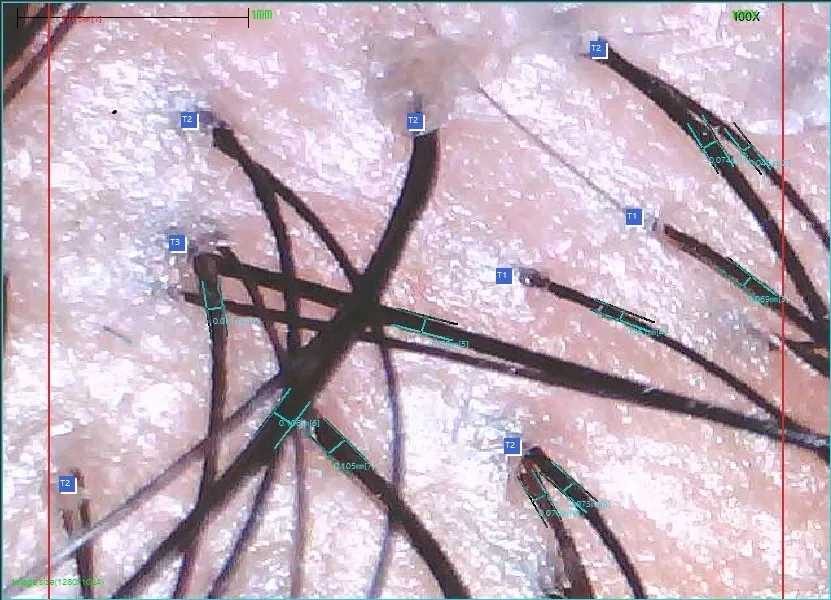
1. Trichoscopy Findings: Trichoscopy evaluates scalp and follicular health before hair transplant, assessing hair density, miniaturization, and donor area quality to ensure a precise, personalized treatment plan.

2. Blood Test: This is a tried and tested formula to find out if a problem in your inner body or abnormalities in the blood are the reasons for your sudden hair fall.

3. Pull Test: Through this test, the surgeon will pull out several dozen hairs from the existing portions of it to determine which stage you are on in the shedding process. This would help in analyzing and fixing the number of sittings that are needed.

4. Biopsy of the Scalp: After scraping samples from the skin and a few strands of hair from the scalp, the doctor undergoes a thorough examination of the scalp. This is the best way to understand if the reason for your hair loss is an infection on your scalp or not.

5. Light Microscopy: Through this process, the surgeon utilizes a specially designed instrument to examine the hair trimmed at the bases. This will help them to figure out all disorders of the hair shaft.

Follicle units on the scalp
Closer Look of Scalp Through Trichoscopy

Immediate Remedies Using Hair Restoration Procedures

There are several effective and permanent hair restoration procedures available through surgical and non-surgical means. Widely, a hair restoration surgery means the extraction of hair follicles from one part of the scalp to transplant them to the balding area. Surgeons call the place from which they extract follicles the “donor area” and the place where they insert them the “recipient area.” They can conduct the surgery using two different techniques:

1. FUE: Follicular Unit Extraction or FUE is a process where the follicles of hair are directly extracted from the scalp using a 0.9 mm round punch device. It can treat small areas as well.

2. FUT: Follicular Unit Transplantation or FUT is a method where a strip of scalp that contains hair is taken from which the follicles are extracted. This procedure leaves a scar on the scalp.

Both methods provide natural-looking permanent results. The best part of these hair restoration procedures is that they offer no side effects, as surgeons use the patient’s own follicles to perform the surgeries.

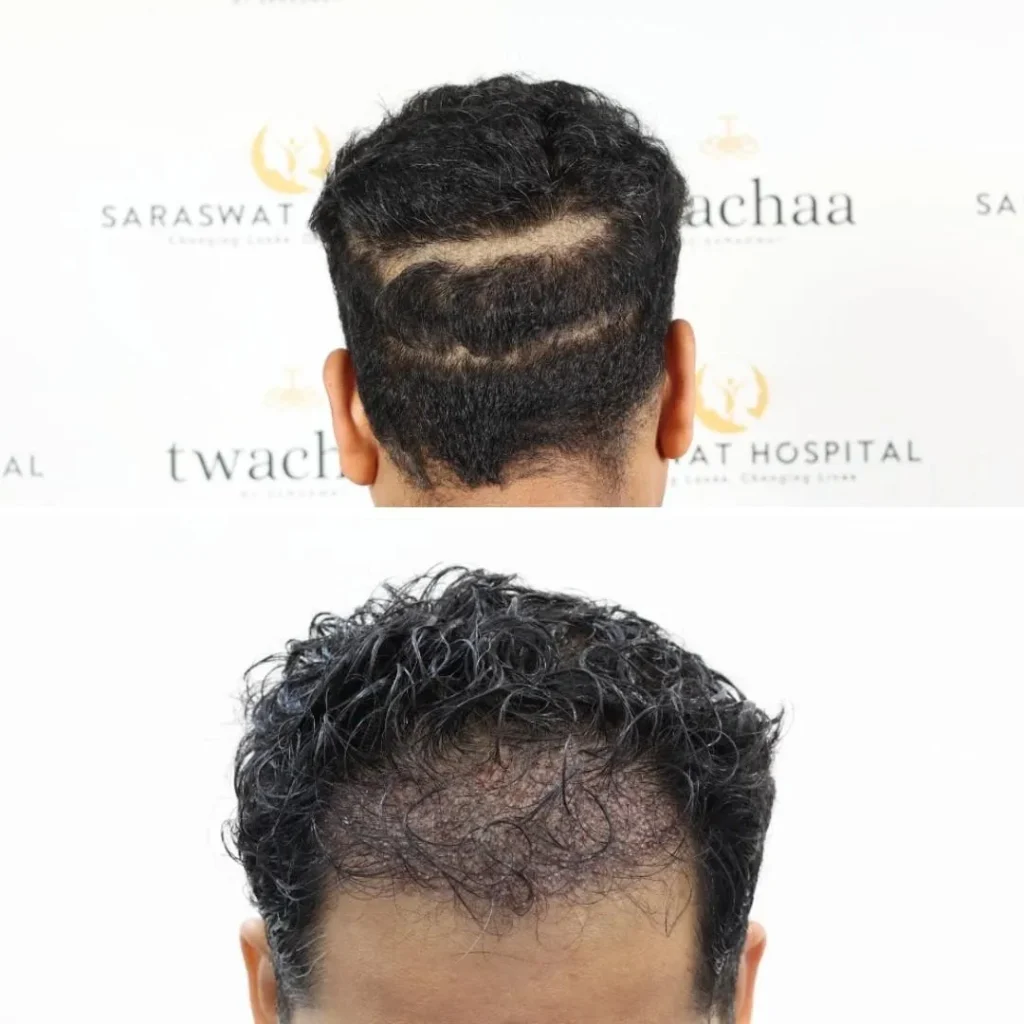
FUE Hair Transplant Result

ABHRS-certified Doctors are the Best Option

Experts recommend undergoing hair restoration surgery, which delivers permanent results, only with specialists. Saraswat Hospital provides hair loss treatment in Agra, India, by surgeons certified from the American Board of Hair Restoration Surgery (ABHRS).

Dr. Satya Saraswat is the Medical Director of the hospital, who is a gold medalist and was awarded by the Honorable Health Minister of India. He has multiple qualifications, like MBBS, D.N.B., MS, and M.Ch as well.

Conclusion

Hair fall and all the problems associated with it can become the reason for suffering for a lot of you. Take a step ahead and go for hair loss treatment. Get in touch with us through online consultation and know more.

Follow us on:- FacebookInstagramPinterestYoutube

Hair Loss Treatment India - Symptoms, Causes and Prevention

Hair loss is a common concern affecting both men and women across the globe. With today’s fast-paced lifestyle, pollution, and stress, hair fall has become more frequent than ever. Fortunately, modern hair loss treatment options available in India offer advanced, safe, and long-lasting solutions.

Sudden hair loss is termed “Alopecia Areata,” and it hits men more than women. While this is a familiar trait seen in a lot of people, not many are aware of its reasons and symptoms. This is why most people don’t do anything to counteract this medical condition.

If you can identify the cause and pattern of your hair loss, it becomes easy to prevent it, and you would no longer need scarves or hats to hide your condition. In case you are too late to recognize and stop your hair loss, you can contact the best surgeons and opt for hair restoration services as well.

What are the Symptoms of Hair Loss?

Hair fall or hair loss can affect you in several ways, and it all depends on what is causing it. It can be sudden or gradual, affecting just your scalp or your entire body. To identify hair loss better, let’s take a look at the symptoms.

Hair loosening: You might notice handfuls of hair coming out in your hand when you are combing or washing it. It can happen right after an emotional or physical shock. This symptom is one of the beginning stages of hair loss that creates thinning but not bald patches.

Hair thinning: One of the most frequent symptoms of Alopecia, it affects both men and women equally as age starts to set in. Men often find hair beginning to recede from the forehead, and women find the parting of their hair widening.

Bald spots: Small, coin-sized patches of baldness show up on the scalp that become painful and itchy before hair fall. This is one of those symptoms that you should not ignore and must treat right away. Hair restoration services, however, can treat this condition.

Scaling: Usually known as a sign of ringworm, you will notice redness and swelling on your scalp, along with broken hair and even oozing, in this situation. This condition spreads fast over the entire scalp and needs immediate medical attention.

Top Causes of Hair Loss

Hair loss is the result of a disruption in the three stages of natural growth and shedding, called the Anagen, Catagen, and Telogen phases. You can also encounter hair loss when the hair follicle is destroyed entirely or replaced with scar tissue. It can happen from a few strands to handfuls, depending on the following factors:

  • A side effect of strong medications.
  • Medical treatments like Chemotherapy.
  • Heredity.
  • Stress.
  • Excessive styling of hair and usage of chemicals.

Apart from these pointers, you can be at risk of hair loss because of your increasing age, diseases such as diabetes, and even a sudden yet significant loss in weight.

How to Prevent Hair Loss

If your cause of hair loss is genetic, you must know that it cannot be prevented at all. What you can do is visit a hair transplantation clinic like Saraswat Hospital to get the best hair loss treatment in India. However, if you recognize your symptoms to be anything other than hereditary, you can take a few steps to prevent them. Some of those steps are:

  • Avoid extremely tight hairstyles and hot treatments.
  • Don’t twist or tug at your hair.
  • Gently wash and brush your hair. Use a wide-toothed comb for prevention.
  • Avoid extremely strong medications that might cause hair loss.
  • Protect your hair from harsh sunlight.
  • Say no to smoking.
  • Put on a cooling cap to reduce the risk of hair loss if you are undergoing Chemotherapy.

The ABHRS-certified doctors at Saraswat Hospital

Saraswat Hospital is known to be the go-to place for the best hair transplant in India, which has a strong team of ABHRS-certified doctors to treat patients.

Dr. Satya Saraswat

Director of the hospital, Dr. Satya Saraswat, has a Gold Medal in plastic surgery. He is a D.N.B., M.Ch., and M.S. He has also been awarded by the Honorable Health Minister of India for his outstanding contribution to the field of medicine.

Dr. Preeti Saraswat

The Chief Clinical Cosmetologist of the hospital, Dr. Preeti Saraswat, is a Post Graduate Diploma holder in Clinical Cosmetology. A University of Greifswald alumnus, she is a member of the International Society of Hair Restoration Surgery as well.

Conclusion

Hair loss can affect your confidence, but with advanced hair loss treatment options available in India, regaining a full head of hair is entirely possible. Understanding the symptoms, causes, and prevention helps you make informed decisions about your treatment plan. You can get in touch with Saraswat Hospital for the best hair transplant in India to achieve permanent and natural-looking results.

Follow us on:- FacebookInstagramPinterestYoutube

Hair Transplant or Hair Replacement - What to Choose?

Hair loss is a very common problem that most people are facing in today’s date. The reasons for it becoming such a frequent occurrence are rising stress levels, pollution, medicinal side effects, and, to a certain extent, heredity. Along with hair loss, under-confidence and low self-esteem are also becoming very common among people. As a means to find a solution to this, there has been a sudden boost in various hair restoration procedures.

What is a Hair Transplant Procedure?

Surgeons perform a hair transplant, a simple surgical procedure, by taking hair from one part of the scalp (the donor area) and transplanting it to another part (the recipient area). Its success depends on the skills and expertise of the surgeon, and hence, you should choose a clinic with experienced and skilled doctors for the treatment.

Types of Hair Transplant

Hair transplant procedures can be of two types: FUT and FUE.

FUT, also known as Follicular Unit Transplantation, involves taking a strip of the scalp that is already producing enough hair and cutting it into thin pieces. These pieces are then transplanted to the recipient site.

FUE Hair Transplant Result

FUE, or Follicular Unit Extraction, on the other hand, involves extracting individual follicles of hair using a punch device and then transplanting them to the recipient site. When considering the hair transplant cost in India, the type of surgical process you opt for definitely affects the final treatment cost. When you visit a hair transplantation clinic, the surgeons analyze the patient in detail before choosing which option they should go for.

The results of both of these procedures are completely natural-looking hair. However, keep in mind that hair transplant surgery does not provide immediate results. Having said that, it surely is a permanent solution to your problems.

What is the Cost of a Hair Transplant?

The hair transplant cost in India primarily depends on the number of grafts being used in the surgery. Surgeons calculate the cost by multiplying the cost of each hair graft by the number of grafts used. Other factors—such as the severity of the hair loss condition, the amount of scalp area needing coverage, the number of sessions required, the transplant technique and equipment used, and the doctor’s skills and expertise—also determine the final cost. This is why you need to visit the best hair transplant clinic in India to ensure you get your money’s worth.

What is a Hair Replacement System?

As a more instant method of deriving natural results, a hair replacement system allows you to choose the type of hair you want. At times, the addition of wigs also counts as a hair replacement system. The color, density, texture, length, and even the style can be chosen by you. This is a more affordable treatment and doesn’t require any surgery. There is a zero-waiting period, and it can be an option for temporary hair loss.

Even though it appears convenient, there are many drawbacks to a hair replacement procedure. To begin with, after the process is complete, it might feel like a wig. The next thing to note is that it requires frequent cleaning. Without regular maintenance, it might end up looking ugly. Also, a hair replacement procedure will not allow a change in hairstyle.

Which Hair Restoration Procedure to Choose?

Both procedures can be chosen when it comes to bringing back hair on the scalp, but they have their pros and cons. To decide which one you should go for, you need to decide what you want. The choice is simple.

  • Hair transplant is surgical, and hair replacement is a non-surgical hair restoration procedure.
  • Hair transplant is a permanent remedy. Hair replacement, on the other hand, is temporary, and you will have to keep changing your wig from time to time.
  • While hair transplant surgery provides natural-looking results, the hair replacement system seems unnatural.
  • There is no chance of side effects in a hair transplant surgery because the procedure derives hair from your scalp for the implantation. That said, the wig in a hair replacement surgery might irritate your scalp.

You must select the best doctor regardless of the surgery type you choose. An unskilled surgeon can disrupt your entire look.

About the Doctors at Saraswat Hospital

Dr. Satya Saraswat (D.N.B., M.S., M.Ch), awarded by the Honorable Health Minister of India, presented a modified FUT technique at the ISHRS 24th World Congress, which shows ways to preserve underlying neurovascular bundles.

Dr. Preeti Saraswat (Post Graduate Diploma in Clinical Cosmetology) is a member of the International Society of Hair Restoration Surgery (ISHRS). She believes in customizing treatment based on the specific needs of a patient and creating natural-looking results.

Book an appointment to know the grafts required in your case and get a personalized plan for you.

Follow us on:- FacebookInstagramPinterestYoutube

Everything You Need to Know About Hair Restoration Procedures

A quintessential movie scene revolves around a guy or a girl peeking through the window of a running car as the wind blows his or her hair. As cliché as it might sound, this had turned to be a dream scene for many till the time hair loss became such a common problem. Due to several factors such as stress, pollution, hormonal imbalance, and smoking, regular hair fall has even taken the shape of early signs of balding in most cases. This has given rise to numerous medicated shampoos and hair oils claiming to be an antidote for hair loss. But all of them only work temporarily and harm the hair in the process. The only way one can get a permanent solution to this problem is through hair restoration procedures.

What is a Hair Restoration Procedure?

A hair restoration procedure extracts hair follicles from one part of the scalp and transplants them to the balding area. Surgeons take follicles from the donor site and insert them into the recipient site. You can use hair restoration procedures for brows, lashes, beards, and even pubic hair.

FUT Hair Transplant in India

Types of Hair Restoration Procedures

There are two techniques to perform hair restoration, such as:

  • Follicular Unit Transplantation (FUT): In Follicular Unit Transplantation, a strip of the scalp containing hair is taken from the donor area. Following this, the follicles are extracted. This is a complete surgical process that leaves a scar on the scalp. Surgeons insert the hair follicles into the concerned area to complete the procedure. Even though it is a method that is no longer widely popular, FUT is a method that brings a very natural-looking result after the surgery.
  • Follicular Unit Extraction (FUE): This method is a newer version where the units of hair follicles are directly extracted from the scalp, rather than making it a long surgical procedure. Surgeons globally use this method, which offers a faster recovery rate than FUT. They employ a round punch device, smaller than 0.9 mm in size, to treat even the smallest areas.
Hair Transplant Result

Click to View More Hair Transplant Results

Who Should Go for Hair Restoration?

While it is said that hair restoration procedures are the best bet for anyone, there are still a few people who cannot opt for the services. They are:

  • People with post-injury Keloid scars
  • Hair loss due to medication
  • Women who have patterned hair loss
  • People with few donor sites (or practically bald people) lack areas from which surgeons can remove hair for the transplant.

ABHRS-certified Doctors Provide the Best Hair Restoration Procedures

A certified hair transplant doctor is your best friend when it comes to restoring your hair. Hair transplantation procedures take around four hours to complete when an expert is handling the case. Saraswat Hospital in Agra has ABHRS-certified doctors who have enough experience to give you a new look after your hair restoration is complete.

Medical Director, Dr. Satya Saraswat, is an MS, M.Ch, D.N.B (Plastic Surgery), FISHRS, and a member of IACL (Indian Association of Cosmetic Laser). He is a gold medalist and has had the privilege of receiving an award from the Honorable Health Minister of India. His 3,000+ successful hair transplant procedures to date are a testament to his commitment to his job.

Conclusion

If you are suffering from any kind of hair problems and are thinking of going for a hair transplant, book an appointment with our team and get a customized plan created for you.

Follow us on:- FacebookInstagramPinterestYoutube

whatapp icon