Book an
Appointment
Best Hair Transplant Surgeon in India

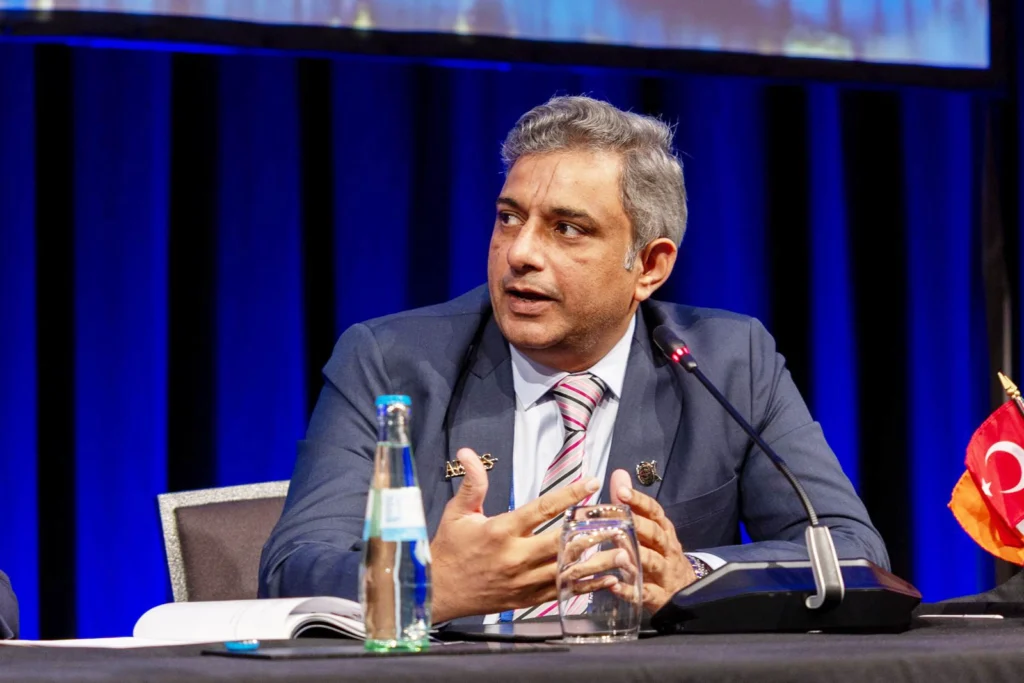
Dr. Satya Saraswat

Dr. Satya Saraswat is one of the best cosmetic and plastic surgeon in India. He has an experience of over 20+ years and has performed 17,000+ cosmetic and plastic surgeries. He is an Diplomate of the American Board of Hair Restoration Surgery (ABHRS) and Fellow of ISHRS, as he has been continuously attending the International conferences and adopting the latest advancement in hair restoration science, and he has also submitting his research papers. His hands-on involvement ensures natural hairline and high graft survival.

Articles by Dr. Satya Saraswat

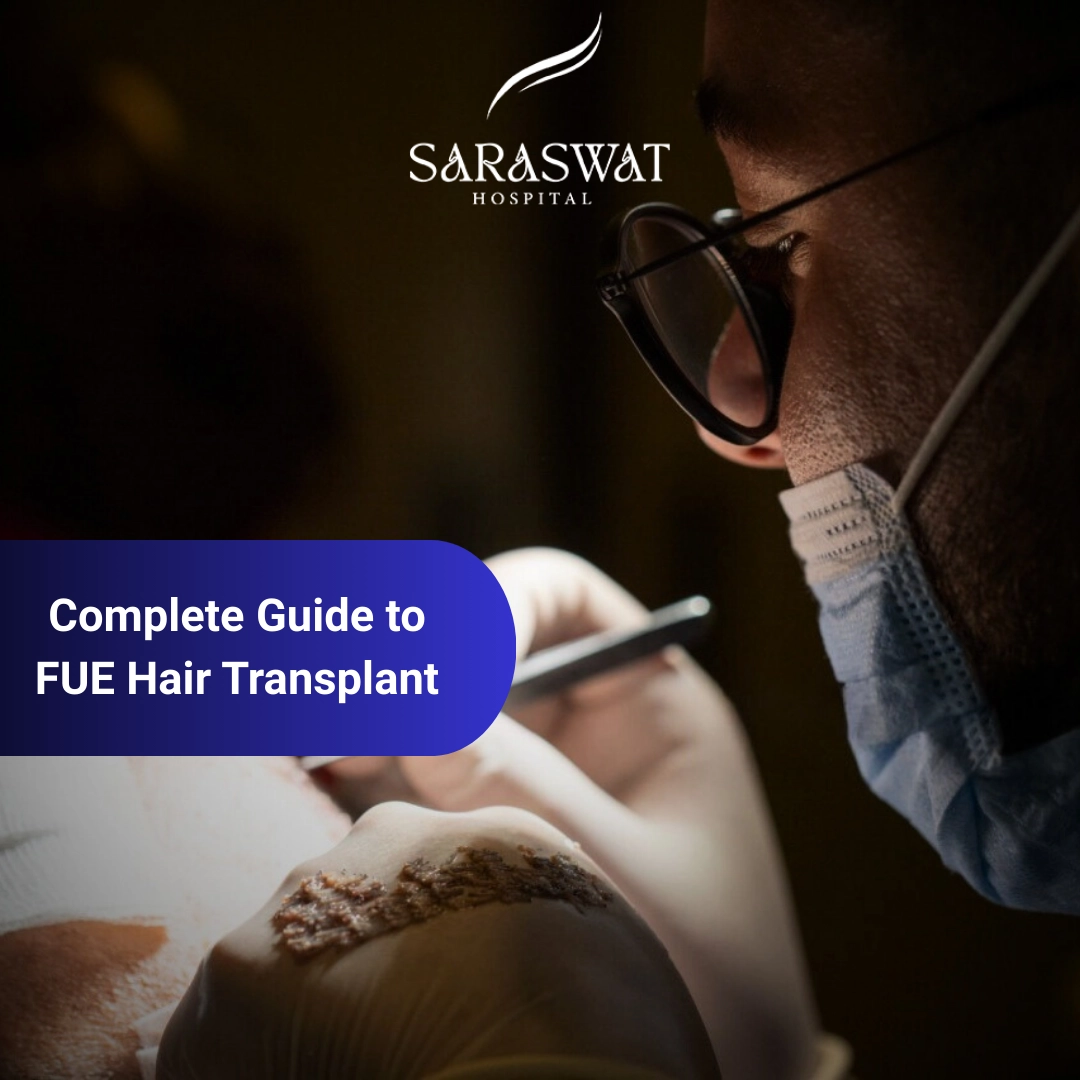
Complete Guide to FUE Hair Transplant | Procedure & Results

Hair loss is not only a physical issue; it is also a psychological experience that affects self-confidence, social interactions, and even business image. For most people, hair is a reflection of youth, energy, and confidence. When hair starts to thin and fall out, it is as if a part of one’s personality is being lost.

The good news is that due to advances in medical technology, it is now possible to reverse hair loss safely and successfully. Of all the available choices, FUE hair transplant (Follicular Unit Extraction) has been shown to be one of the most reliable and advanced choices in the world.

This guide to FUE hair transplant will take you through everything you need to know about FUE hair transplant, from the process, advantages, recovery, price, side effects, and comparisons with other procedures.

Introduction to Hair Loss

Hair loss is a concern that is on the rise today. Stress, pollution, improper lifestyle, hormonal imbalance, genetics, and health conditions have contributed to hair fall becoming a worldwide concern. Men and women are experiencing hair thinning at a younger age than before.

For men, male pattern baldness usually starts with a receding hairline or bald crown. For women, it often appears as overall thinning or widening of the parting. Either way, hair loss impacts self-image deeply.

Modern Solutions for Hair Restoration

Earlier, people relied on wigs, oils, medicines, or home remedies. These methods may slow hair fall but rarely bring back lost hair. Today, hair transplantation is the only permanent solution for baldness, and FUE is considered the most advanced and refined technique among all.

What is the FUE Procedure?

FUE is an abbreviation for Follicular Unit Extraction. It is a safe and comfortable hair transplant procedure for patients where individual hair follicles are extracted one by one from the donor site and then transplanted into the bald area.

This procedure does not involve any cutting or stitching of the scalp. Micro-punches are employed in this method, which cause dot-like scars that are barely visible after the surgery.

How FUE Differs from Traditional Methods

To make it clear, let’s take a simple example. Let’s consider an example of how you can pick some apples from a tree:

  • FUT is like uprooting the entire branch and then picking the apples later.
  • FUE is like picking the apples one by one from the tree.
  • FUE is more accurate, safe, and has a faster recovery time with no linear scar visible.

How Does FUE Work?

Hairs on the human head are always found in groups, which are called follicular units. These units consist of 1 to 4 strands of hair. They are also resistant to baldness and are genetically programmed. When these units are transplanted into bald areas, they continue to grow and maintain their original properties.

The donor area is typically the back and sides of the head because the hair in these areas is not prone to baldness. The recipient site is the area where the hair is thinning or balding.

The success of FUE hair transplants is completely dependent on the quality of the donor hair and the skill of the surgeon.

Step-by-Step Procedure

Consultation: The first step starts with the consultation, in which the condition of the scalp and the density of hair are calculated with the help of trichoscopy. The hairline is also designed, and the expectations are set. This phase is very critical as it is the key to the success of the entire process.

Donor Area Preparation and Local Anaesthesia: The donor area was cleaned while local anaesthesia is administered, making it safe.

Hair Follicle Extraction: In FUE, a micro-punch device (0.6-1 mm) is used to carefully remove individual hair follicles. This is very helpful for extreme accuracy and expertise.

Graft Preservation: The harvested hair follicles are stored in a unique medical solution that maintains them alive and healthy until the time of implantation.

Recipient Site Creation: Tiny incisions are made in the balding area, according to the natural angle of the existing hair.

Graft Implantation: Each individual hair follicle is implanted one by one in the recipient site. This calls for extreme expertise to achieve a natural-looking hairline.

Post-Operative Care: The patients are given care instructions, medications, and follow-ups for a smooth recovery and the best results.

FUE Recovery Timeline

First week after procedure, you may notice:

  • Swelling
  • Redness
  • Small scabs

These effects will resolve on their own in a couple of days.

First Month Post-Surgery: The transplanted hair may start shedding. This is called shock loss and is normal.

3 to 6 Months Growth Phase: In this phase, new hair growth starts in full swing. During this phase, you will see noticeable progress.

Final Results at 12 Months: Maximum growth and density are achieved. The hair looks natural, thick, and permanent.

Advantages of FUE Hair Transplant

Minimally Invasive Procedure: Modern hair transplant procedures are minimally invasive. This implies that there are no cuts or stitches involved. The procedure is very gentle on the scalp and does not cause much trauma.

Natural-Looking Results: The most significant benefit of contemporary hair transplant surgery is that it provides natural-looking hair transplant results. The hairline is created in a manner that suits the patient’s face, age, and hair. This ensures that the transplanted hair looks absolutely natural and blends well with the existing hair.

No Linear Scars: Contemporary hair transplant surgery does not cause linear scars.  This means that patients can sport short haircuts without any worry of scars on the scalp. The small holes where the hair is extracted heal quickly and are almost invisible.

Faster Recovery: The recovery period is relatively short for minimally invasive hair transplant procedures. Patients can easily resume their routine work in 2-3 days. Redness or swelling may be experienced, but it will resolve on its own in no time, and patients can continue with their daily activities.

Permanent Solution: Hair transplant is a permanent solution for hair loss. The transplanted hair follicles are not prone to hair fall and grow normally for an entire lifetime. With complete care, you can get long-lasting results and dense hair.

Disadvantages

Higher Cost: FUE is way costlier relative to FUT hair transplant surgery. This is because FUE requires advanced technology and more skill on the part of the surgeon and his team. In this process, individual hair follicles are extracted, which is time-consuming, and hence the cost of FUE hair transplant is higher.

Time-consuming: FUE is a time-consuming procedure, especially when the recipient needs a lot of grafts. In such situations, the surgery may take anywhere from 6 to 8 hours or even longer, as each follicle is individually implanted into the scalp.

Limited Donor Area: FUE is not an option for patients who have a limited hair growth area. This is because FUE is a procedure whereby individual follicles from the donor area are implanted into the scalp, and a limited donor area may mean that a limited number of grafts are available.

Side Effects of FUE Hair Transplant

  • Swelling
  • Redness
  • Itching on the scalp
  • Mild sensation of pain
  • Infection, which is rare
  • Poor growth (very rare)
  • Minor scarring

All these side effects are rare if the procedure is performed by a qualified surgeon.

Limitations of FUE Hair Transplant

Over-Harvesting: The first limitation of FUE hair transplant is the risk of over-harvesting. As the individual follicles are removed from the donor site, there is a risk of over-harvesting, which may lead to thinning of the donor site, making it look patchy and unnatural.

High Transection Rates: Another limitation is the high transection rate and the risk of damage to the grafts. As the follicles are removed, they may be partially or fully damaged if the procedure is not done accurately, which may affect the survival rate of the grafts and the final result.

Not Suitable For High Density: FUE hair transplant is also not suitable for high-density hair transplants because the individual follicles are extracted and separated. Therefore, it becomes quite difficult to achieve high density compared to other hair transplant procedures.

Demands a Qualified Surgeon: FUE requires a skilled hair transplant surgeon who has a lot of skill and precision.

Pre and Post Procedure Tips 

Before the Procedure

  • Quit smoking & alcohol
  • Get proper sleep
  • Take the doctor’s considerations

After the Procedure

  • Avoid any strenuous activity
  • Avoid sun exposure
  • Use the prescribed medications & shampoo
  • Regular follow-ups with the doctor

Common Mistakes to Avoid After FUE

  • Touching grafts
  • Excessive sweating
  • Smoking
  • Skipping medications

Who Is the Best Candidate for FUE?

Age and Hair Loss Pattern: Suitable for people aged 22-55 years with stable hair loss.

Health Considerations: You should be in good health condition and not have any serious medical problems.

Realistic Expectations: FUE increases density, not magic. This is very important to understand.

India offers world-class expertise at an affordable cost, making it one of the most sought-after destinations for medical tourism. At Saraswat Hospital, patients receive world-class treatment at an affordable cost.

FUE vs FUT vs DHI – Which one to Choose?

CriteriaFUE (Follicular Unit Extraction)FUT (Follicular Unit Transplantation)DHI (Direct Hair Implantation)
Procedure TypeIndividual follicles are extracted one by oneStrip of hair removed from scalpFollicles are implanted directly using a Choi pen
ScarringTiny dot scars, barely visibleLinear scar at the donor areaMinimal scarring similar to FUE
Recovery TimeFast (5–7 days)Moderate (10–14 days)Fastest (4–6 days)
Pain & DiscomfortMildModerate due to stitchesLeast discomfort
Hair DensityModerate to highHigh density possibleVery high and precise density
CostModerate to highMost affordableMost expensive
Shaving RequiredYesPartial or not alwaysYes
Suitable for Large Bald AreasGoodBestLimited
Graft Survival RateHighHighVery high
Ideal CandidateMild to moderate baldnessAdvanced baldnessSmall areas, hairline design

Why Prefer Saraswat Hospital for FUE Hair Transplant?

The importance of a certified and experienced surgeon is crucial in a hair transplant. Saraswat Hospital is better known for the following factors:

  • Advanced and latest equipment with expertise
  • Latest FUE technology
  • High magnification tools
  • International standards
  • Patient-Centric approach
  • Personalized care for patients
  • Ethical detailed counseling
  • Natural hairline creation from the doctor himself

Following aftercare is just as important as the surgery itself. FUE hair transplant is one of the safest, most effective, and most natural solutions for hair loss available today. When done by an expert like Dr. Satya Saraswat at Saraswat Hospital, it becomes a life-changing experience.

Saraswat Hospital is widely recognized for its FUE hair transplant procedure. You can get your desired result with the best success rate and minimal discomfort. Get in touch with us through online consultation and discover more information about the FUE hair transplant.

Follow us on:- FacebookInstagramPinterestYoutube

Top 5 Hair Transplant Clinics in India

Hair transplantation has become an effective remedy for individuals looking for long-term beauty enhancements and increased self-confidence. Thus, selecting an appropriate hair transplant clinic does play an effective role in reaching satisfactory hair transplant results. Among the countries and clinics that have gained popularity for hair transplantation are India, which possesses talented surgeons and standardized medical standards. As such, individuals seeking hair transplants from India and other countries have been actively researching options prior to their decision-making. This blog highlights the top 5 hair transplant clinics known for ethical practices, experienced doctors, and patient-focused care.

How to Verify Hair Transplant Clinic Credentials?

Board certification from the American Board of Hair Restoration Surgery (ABHRS) is the primary benchmark for surgical competency in this field. Patients must confirm that the lead surgeon—not just a technician—performs the critical incisions and graft site planning. Verification involves checking the surgeon’s standing with the International Society of Hair Restoration Surgery (ISHRS), which mandates strict ethical codes for its Fellows (FISHRS). This level of vetting ensures the facility adheres to sterile operating theater protocols and utilizes advanced diagnostic tools. Proper credentialing directly influences the safety of the donor site and the longevity of the transplanted follicles.

What are the ISHRS Surgical Safety Standards?

Clinical safety in hair restoration requires the presence of a full medical team trained in emergency life support and local anesthesia toxicity management. Standardized protocols include a pre-operative scalp analysis using digital trichoscopy to measure hair diameter and follicular unit density. These metrics determine the safe “extraction limit” to prevent donor area depletion or “moth-eaten” scarring.

Safety CriterionStandard RequirementMedical Benefit
Graft HandlingChilled Ringer’s Lactate SolutionExtends graft out-of-body survival time
Magnification20x Stereo-MicroscopyReduces transection rates to <3%
AnesthesiaTumescent TechniqueMinimizes bleeding and maximizes graft access

Which Indian Clinics Meet International ABHRS Standards?

Saraswat Hospital in Agra is led by Dr. Satya Saraswat and Dr. Preeti Saraswat, both of whom hold ABHRS certification and FISHRS status, ensuring international surgical standards are met. The clinic specializes in “Combined FUE + FUT” techniques, a method proven to maximize graft yield for patients with Grade VI or VII baldness. Their 95-98% success rate is supported by AI-driven planning tools that calculate the precise number of grafts required for natural-looking density.

  • Saraswat Hospital (Agra): Features ABHRS-certified leadership and specialized care for international patients.
  • Rejuvenate Hair Transplant Center: Utilizes advanced graft extraction technology with a focus on post-operative follicle preservation.
  • Chandra Hair Clinic: Emphasizes donor zone management and long-term scalp health.
  • Crown Hair Transplant (Delhi): Provides standardized surgical environments for high-volume metropolitan cases.
  • Eugenix Hair Science: Recognized for its research-oriented approach and extensive coverage planning for advanced hair loss.

Should You Choose FUE or FUT Techniques?

Follicular Unit Extraction (FUE) is the preferred method for patients seeking a scarless appearance, while Follicular Unit Transplantation (FUT) remains the gold standard for maximum hair density. Research indicates that combining these two methods allows surgeons to harvest a higher number of grafts without over-harvesting the donor zone. The choice of technique must be dictated by the patient’s “Donor-to-Recipient” ratio and the projected future hair loss.

Best Hair Transplant Clinic in India – How to Decide Wisely

The best hair transplantation clinic in India is very much a matter of individual needs and not necessarily one of popularity. Hence, personal judgment becomes imperative. Patients should look for credentials of surgeons, transparency, and safety rather than promises of speed. A good clinic will always look toward medical suitability and long-term results rather than volume-based procedures.

Factors to Consider

  • The surgeon should have a specialization in hair transplantation.
  • Infrastructure and hygiene of the clinic.
  • Pre and post-procedure care.
  • Real hair transplant results and reviews.

Conclusion

The hair transplant clinics mentioned in this list are known for trust, experience, and a patient-centric approach at very affordable pricing. Clinics in India have different strengths, and they are suited for various needs. The above clinics offer the best hair transplantation with expert guidance and support, because it becomes easy to get a satisfactory outcome. Book an appointment now to find the best hair treatment for you.

FAQs

Q1. How many sessions are usually required for a hair transplant?
Most patients require one session. However, advanced hair loss may need staged procedures, depending on coverage goals.

Q2. Are hair transplant procedures safe in India?
When an experienced surgeon performs the hair transplant, the procedure becomes safe and reliable.

Q3. How much time does it take for the final result to appear?
The growth for the initial stages takes 3-6 months, but the full result may take upto 12 months.

Q4. Do international patients get all the necessary care at these clinics?
Yes, most of the hospitals in India, including those in this list, offer dedicated patient care for international patients.

Q5. Can transplanted hair fall again?
Transplanted hair is generally permanent. However, native hair may continue to thin without maintenance care.

Follow us on:- FacebookInstagramPinterestYoutube

Best FUE Hair Transplant in the World

Choosing the best FUE hair transplant in the world has shifted from a search for the lowest price to a quest for biological precision. As of 2026, the global hair transplant market has reached a valuation of $8.44 billion, with patients increasingly prioritizing surgeon credentials over all-inclusive vacation packages. While Turkey remains the volume leader, India has emerged as the definitive hub for technical excellence and repair surgeries, fixing the unnatural hairlines often produced by high-volume, technician-led clinics elsewhere.

What are the Clinical Advantages of FUE Over FUT?

FUE (Follicular Unit Excision) currently represents 75.4% of all hair restoration surgeries performed globally as of 2024. This surgical preference is driven by the elimination of the linear donor scar associated with Follicular Unit Transplantation (FUT), allowing patients to maintain shorter hair lengths post-operatively. Clinical data confirms that while FUT can provide high graft numbers, FUE offers superior patient comfort scores and significantly reduced downtime. These technical benefits depend heavily on the extraction tool diameter, typically ranging from 0.7mm to 0.9mm to minimize trauma to the donor zone.

Why India Leads Hair Restoration in Global Ranking?

India is projected to hold a 20% share of the global medical tourism market by the end of 2026, with hair restoration acting as a primary driver. The concentration of Diplomates of the American Board of Hair Restoration Surgery (ABHRS) in India ensures that clinical protocols meet international safety and ethical standards. International patients frequently select Indian clinics because they provide a high density of MCh and MS-qualified plastic surgeons who personally perform the “stick and place” or “simultaneous extraction and implantation” steps. This surgical rigor ensures higher graft survival compared to high-volume “hair mills” found in other medical tourism hubs.

Surgical Benchmarks for World-Class FUE Outcomes

Surgical benchmarks for excellence in FUE require a follicular transection rate (FTR) of less than 5%. Achieving this requires the surgeon to possess an acute understanding of scalp laxity and the exit angle of the hair shaft to prevent internal damage to the bulb. World-class outcomes are further defined by the use of specialized holding solutions such as HypoThermosol or ATP, which maintain graft vitality outside the body. These protocols directly impact the metabolic health of the follicle during the “out-of-body” phase of the surgery.

Comparative Costs: FUE in India vs Global

The financial expenditure for a premium FUE procedure in India ranges between $1.00 and $2.50 per graft in 2025. This stands in stark contrast to the $5.00 to $12.00 per graft standard in the United States and Europe.

RegionAvg. Cost Per Graft (USD)Surgeon QualificationsTypical Technology
India$1.00 – $2.50ABHRS / FISHRSWAW/PCID/Sapphire
USA$5.00 – $12.00ABHRS / ISHRSARTAS / Manual
Turkey$0.80 – $1.50Technician-ledManual / Sapphire

Lower operational overhead in India allows for the utilization of advanced Sapphire blades and localized anaesthesia protocols without the inflated costs of Western markets. These economic factors allow patients to access 3,000+ grafts in a single session at a fraction of the global average.

What is Quantifying FUE Success Rates and Graft Survival?

Clinical success in hair restoration is defined by a 90% to 95% graft survival rate at the 12-month post-operative mark. This rate is contingent upon the surgeon’s ability to minimize “cold ischemia time,” which is the duration the graft is deprived of blood supply. Indian tertiary care centers like Saraswat Hospital implement strict “shorter window” protocols to ensure that follicles are re-implanted quickly. Success is measured not just by growth, but by the naturalness of the angulation in the hairline and the preservation of the donor zone for future needs.

What are the Follicular Unit Excision (FUE) Transection Risks?

Transection occurs when the surgical punch cuts through the hair follicle rather than around it, rendering the graft non-viable for growth. In unregulated clinics where technicians perform the extraction, transection rates can climb to 20%, effectively wasting one-fifth of the patient’s limited donor supply. Surgeons like Dr. Satya Saraswat utilize high-magnification loupes and oscillating punch systems to reduce this risk to negligible levels. Understanding the difference between “visible” growth and “total graft utilization” is critical for patients with advanced thinning.

The FISHRS/ABHRS Standard: Why Surgeon Credentials Protect You

In 2026, the “best” clinic is defined by its compliance with international bodies like the International Society of Hair Restoration Surgery (ISHRS). A disturbing trend in the 2020s was the rise of “Black Market” clinics where unlicensed technicians performed the entire surgery, leading to poor angulation and donor depletion.

Dr. Satya Saraswat (MBBS, MS, MCh, FISHRS, DNB Gold Medalist) represents the global elite. As a Fellow of the ISHRS (FISHRS)—a designation achieved by very few worldwide—his involvement ensures that every graft is handled according to protocols that maximize long-term growth and natural aesthetics.

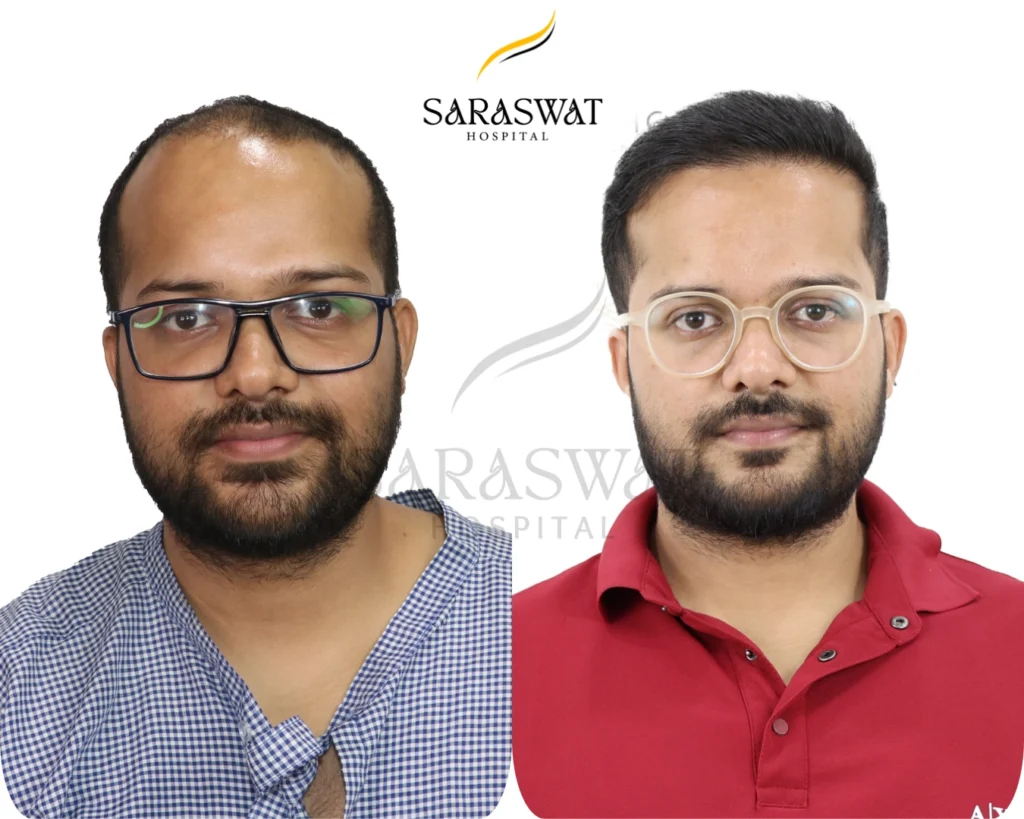
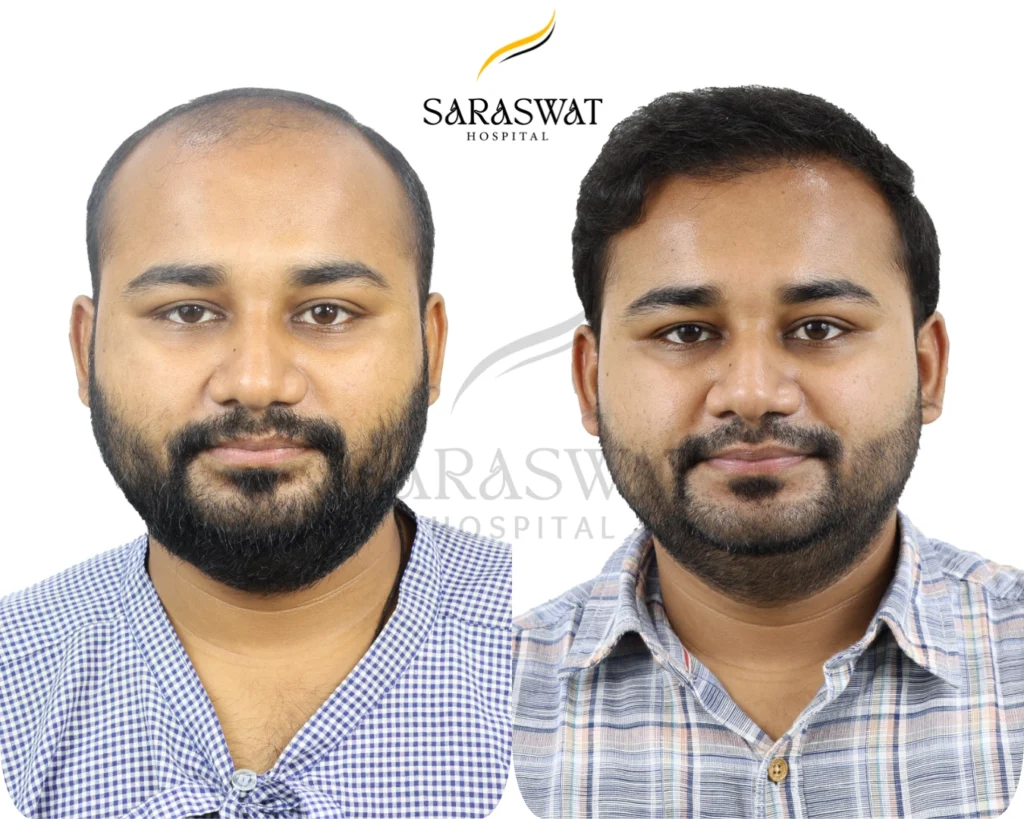
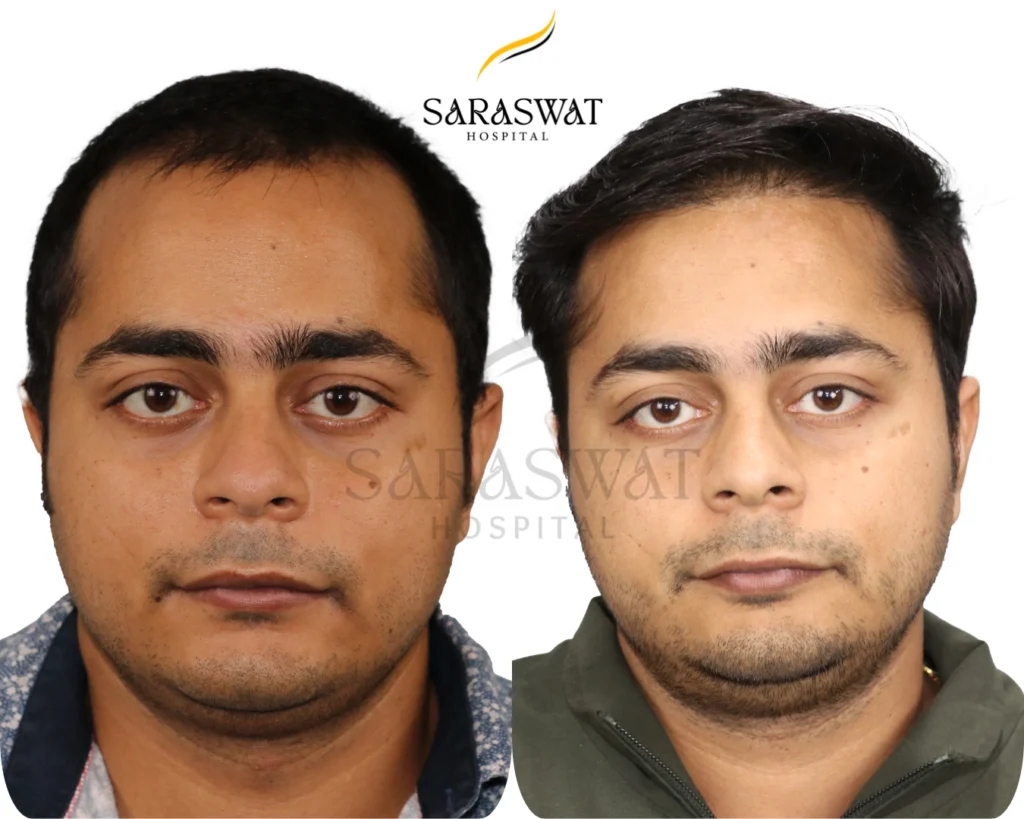
Hair Transplant Before and After

Predictive Diagnostics: The Peek AI Revolution

One of the most significant advancements for 2026 is the shift toward AI-assisted planning. Saraswat Hospital’s Peek AI App has bridged the gap between patient hope and clinical reality.

  • What it does: Uses proprietary algorithms to analyze a patient’s unique donor density and facial structure to calculate exact graft requirements.
  • The Impact: Patients receive a hyper-realistic preview of their results before stepping into the OT, reducing “post-op anxiety” and ensuring the hairline design is biologically sustainable and age-appropriate.
Best Hair Transplant Surgeon in India

Other Best Countries for Choosing FUE Hair Transplant

There are several other best countries for FUE hair transplant:

  • Spain
  • Thailand
  • Turkey
  • USA

Why Medical Tourists Choose India in 2026?

India’s dominance is fueled by a 17.12% CAGR, with the sector reaching new heights in patient satisfaction. Beyond the cost savings of 60–80% compared to the West, India offers:

  • E-Medical Visa Efficiency: Now extended to 171 countries, making the journey seamless for international patients.
  • Complex Repair Expertise: India is now the leading destination for patients seeking to fix “pluggy” hairlines or scarring from previous failed procedures in other countries.
  • Gold Medalist Precision: Clinics like Saraswat Hospital integrate 20+ years of plastic surgery expertise with hair restoration, ensuring the result isn’t just “hair growth” but true facial harmony.

Frequently Asked Questions

1. Why is FUE still the gold standard in 2026?

FUE offers the most natural, scarless results and has the fastest recovery time. When enhanced with Bio-FUE protocols, it ensures the highest possible graft survival rates.

2. How do I verify a surgeon’s global standing?

Check the ISHRS or ABHRS directories. Surgeons like Dr. Satya Saraswat, who hold “Fellow” (FISHRS) status, are vetted by the highest international standards for ethics and skill.

3. What makes India better than Turkey for FUE?

While both offer value, India’s premium clinics prioritize surgeon-led procedures over the high-volume “factory” models often found in Turkey, leading to lower complication and revision rates.

Follow us on:- FacebookInstagramPinterestYoutube

Which City is Best for Hair Transplant in India? – Find Best Options

Finding the best clinic for your hair transplant is not about the city or the geography; it is about expertise and safety with natural results. India is growing in global hair restoration, and with it, the medical tourism is also making giant strides. Still, many people search for the best city for hair transplant. This guide will help you in finding the best options.

Why Choosing the Best City for Hair Transplant Matters

A hair transplant is a procedure that requires safety, precision, and complete planning. Therefore, the city you choose, or the surgeon you select for your hair transplant, directly or indirectly affects your result. Before choosing the clinic, always check the following points:

Surgeon and Clinic

You will not find the best surgeons across all cities in India. Some locations are known for volume-based clinics, while others focus on quality-driven outcomes. Skill, ethics, and surgeon involvement matter the most in a hair transplant procedure.

The Techniques Used By the Clinic

In this modern era of hair restoration, new and advanced techniques like FUE, FUT, and combined FUE + FUT play a major role in getting desired outcomes.

Cost and Safety

A clinic should not compromise on the safety of the patient. The success rate of hair transplant mainly depends on the hygiene, equipment used in the procedure, and the postoperative care.

Is Agra a Hair Restoration Hub?

Agra serves as a primary destination for ethical hair restoration due to the presence of ABHRS-certified leadership at Saraswat Hospital. Dr. Satya Saraswat, a Gold Medalist Plastic Surgeon and ABHRS Examiner, oversees all procedures to ensure adherence to international surgical protocols. Unlike high-volume commercial centers in metro cities, specialized clinics in Agra focus on patient-centric long-term results rather than aggressive marketing. This clinical expertise is supported by advanced tools like motorized punches for FUE and microscopic dissection for FUT. Understanding the regional advantages of Agra requires a broader look at how it compares to other metropolitan hubs.

Comparing India’s Major Transplant Hubs

Metropolitan hubs such as Mumbai and Delhi offer high connectivity but often carry premium pricing due to infrastructure costs. Mumbai is recognized for its luxury infrastructure, while Delhi serves as a gateway for international medical tourists seeking DHI and Sapphire FUE techniques.

CityMarket PositioningAverage Cost Profile
Delhi NCRHigh volume, premium connectivityHigh (₹45,000 – ₹80,000 per 1k grafts)
MumbaiLuxury clinics, celebrity focusHighest (₹50,000 – ₹90,000 per 1k grafts)
AgraExpert-led, ethical specialtyModerate (High E-E-A-T focus)
BengaluruTech-driven, modern infrastructureHigh (₹45,000 – ₹85,000 per 1k grafts)

While location affects convenience, the primary driver of patient satisfaction remains the transparent breakdown of procedural costs.

Average Hair Transplant Cost in India

Hair transplant costs in India for 2026 are primarily determined by the total graft count and the complexity of the chosen technique. FUE procedures typically cost between ₹30 and ₹120 per graft, whereas FUT remains a more economical option for large-scale sessions.

  • 1,000 Grafts: ₹35,000 – ₹60,000
  • 2,000 Grafts: ₹60,000 – ₹1,20,000
  • 3,000 Grafts: ₹90,000 – ₹1,50,000
  • 4,000+ Grafts: ₹1,20,000 – ₹2,00,000+

Financial investment in a procedure is only effective if the biological survival of the transplanted hair is maximized through rigorous aftercare.

Protocol for Maximizing Graft Survival

Graft survival is time-dependent, with viability decreasing by approximately 1% for every hour the follicle remains outside the body. Research confirms that keeping “out-of-body” time under two hours yields a 95–98% survival rate. Postoperative care must include strictly following the surgeon’s cleaning protocols and avoiding mechanical trauma to the recipient site for the first 10 days. Clinics that provide comprehensive monitoring and surgeon-led follow-ups achieve higher long-term density and natural-looking hairlines.

Hair Transplant Results

Clinical Verification & Research

  • Market Growth: The Indian hair transplant market is valued at $307.83 million in 2025, with a projected CAGR of 21.26% through 2034. (Source: IMARC, 2025)
  • Technique Prevalence: Approximately 85.4% of male patients currently opt for Follicular Unit Extraction (FUE) over traditional strip harvesting. (Source: ISHRS 2025 Practice Census Results)

Conclusion

India is the only country that offers many options for hair transplant clinics, but not all clinics deliver equal value. You should compare doctors, the reputation of the clinic, hair transplant results, and safety before finalising the best city for hair transplant in India. Although Delhi, Mumbai, Bengaluru, and Hyderabad also offers best treatment, Agra is the best with a balanced and reliable option for long-term outcomes.

FAQs

1. How successful is a hair transplant?
You can get a success rate between 95% to 98% if the procedure is done by an experienced surgeon.

2. Who is the best hair transplant surgeon in Agra?
Dr. Satya Saraswat is one of the best hair transplant surgeon knwon for his two decades of experience in cosmetic and plastic surgery.

3. Is a hair transplant in Agra safe for international patients?
Yes. Clinics like Saraswat Hospital follow international safety standards and provide complete patient support.

Follow us on:- FacebookInstagramPinterestYoutube

Top 10 Hair Transplant Clinics in India - Complete List

Hair loss often feels like watching sand slip through your fingers. Slowly, quietly, and emotionally draining. Fortunately, modern hair restoration has changed the story completely. In recent times, India has made a point as the best country for safe and effective hair transplant procedures. In this piece of information, you will find the top 10 hair transplant clinics in India with skilled doctors, latest technology, and proven results.

Is India the Safest for Hair Transplants?

Medical restoration success rates in India currently exceed 90% for patients treated by specialized surgeons. The Indian hair transplant market is expanding at a 21.26% annual growth rate as of 2026, reflecting a significant shift toward standardized clinical care (1). Patients frequently select India for access to the latest graft preservation technologies and surgeons who hold international Diplomate status. Safety is further reinforced by recent NABH accreditations, which mandate strict sterile protocols and transparent surgical reporting. This clinical infrastructure supports the operations of the region’s leading medical facilities.

Which are the Top 10 Indian Hair Transplant Clinics?

Clinical excellence in India is defined by surgeon certification, surgical volume, and the use of bio-enhanced graft storage. The following clinics are recognized for adhering to ISHRS and ABHRS global standards:

1. Saraswat Hospital (Agra): Led by Dr. Satya Saraswat and Dr. Preeti Saraswat, focusing on AI-assisted hairline design.

2. Rejuvenate Hair Transplant Center: Headed by Dr. Anil Garg and Dr. Seema Garg, specializing in Body Hair Transplant (BHT).

3. Chandra Hair Clinic: Led by Dr. Urvashi Chandra, known for patient-centric, ethical consultations.

4. Crown Hair Transplant (Delhi): Directed by Dr. Mayank Singh, emphasizing luxury clinical environments and strict hygiene.

5. Eugenix Hair Sciences: Recognized for the Direct Hair Transplantation (DHT) technique and high-volume graft survival.

6. Enhance Clinics: A multi-city network founded by Dr. Manoj Khanna with decades of cosmetic experience.

7. AK Clinics: Led by Dr. Kapil Dua, focusing on patient education and high-tech follicular extraction.

8. Harleys Hair Transplant Clinic (Mumbai): Directed by Dr. Sumit Agarwal, offering precision-driven plastic surgery protocols.

9. Venkat Center for Aesthetic Health: Led by Dr. Venkatraman Mysore, a pioneer in refined strip and extraction methods.

10. Darling Buds Clinic: Headed by Dr. Tejinder Bhatti, emphasizing educational transparency and cost-clarity.

How Does Saraswat Hospital Use AI Planning?

Saraswat Hospital utilizes an AI-based application to perform 3D scalp mapping and biological forecasting. This technology quantifies follicular density per micro-zone and simulates how a hairline will age over 30 years to ensure long-term aesthetic harmony. Dr. Satya Saraswat and Dr. Preeti Saraswat, both ABHRS-certified, use these data-rich insights to determine exact graft placement and angulation. By integrating AI with human surgical skill, the clinic achieves a success rate between 95% and 98%. This precision-driven approach is critical when deciding between specific surgical harvesting methods.

Hair Transplant Before and After

Is FUE or FUT Better for Density?

FUE is the most utilized technique in 2026, due to its minimally invasive, “no-linear-scar” profile (2). Clinical studies show that while FUE offers faster recovery, FUT (strip surgery) may yield 15-20% higher graft survival in specific high-grade baldness cases due to less mechanical trauma during extraction. Combination procedures (FUE + FUT) are increasingly recommended for Norwood Grade 6 or 7 patients to maximize the available donor pool. Selecting the correct method requires a clinical evaluation of scalp laxity and donor follicle thickness. Understanding these technical differences directly informs the final surgical investment.

FeatureFUE (Follicular Unit Extraction)FUT (Follicular Unit Transplantation)
ScarringTiny “dot” scars (hidden by short hair)Linear scar (requires longer hair to hide)
Recovery3–5 days10–14 days (suture removal required)
Graft Survival85–95% (technique dependent)90–97% (gold standard for survival)
Best ForLower-grade baldness; short hairstylesExtensive baldness; high-density needs

What is the 2026 Hair Transplant Cost?

The total number of grafts, the surgeon’s expertise, and the technology’s complexity determine the final cost of a hair transplant in India. In 2026, premium clinics typically charge between ₹40 and ₹120 ($0.50 to $1.50) per graft, with rates varying based on the selection of FUE, FUT, or Long-hair FUE techniques. Clinical requirements for AI-assisted planning and supplemental Platelet-Rich Plasma (PRP) therapy to enhance graft “take” further influence the total surgical investment.

These variables ensure that pricing reflects the specific medical resources and precision required for permanent restoration. Patients should verify if the quoted price includes post-operative care and specialized kits for the 12-month recovery window. To know the final cost of a hair transplant, we recommend that you book a consultation or visit our clinic.

Conclusion

Selecting a clinic from these hair transplant clinics can give you the desired result. The clinics mentioned above offer reliable solutions with a patient-focused approach. However, before finalising, schedule a consultation and discuss your expectations with the surgeon.

Sources

(1) Indian Hair Transplant Market Summary by IMARC
(2) Paradigm Shift from Linear Strip to Follicular Unit Excision in Hair Restoration Surgery

FAQs

1. Are hair transplant results permanent?
Yes, when an ABHRS- and ISHRS-certified doctor performs a hair transplant, and you follow proper aftercare, you achieve real and natural results.

2. In how much time can I resume normal activities?
You can resume your daily activities within 8-10 days after the procedure, but it all depends on the healing progress. For better result follow your surgeon’s advice.

3. Is a hair transplant safe in India?
Qualified surgeons at reputed clinics consider the procedures safe when they perform them with proper instructions and tools.

4. When will visible hair growth begin?
Initial growth often appears in three to four months after the shedding phase. Full results take up to 9 to 12 months.

Follow us on:- FacebookInstagramPinterestYoutube

What is the Best Age for Cleft Palate Repair?

Knowing the correct time for cleft palate repair can feel overwhelming for the parents. Doctors also agree that time plays a crucial role in speech development, feeding ability, and overall facial growth of the child. Therefore, knowing the best age for cleft repair can help families make the right decision with clarity and confidence.

Why is Cleft Palate Surgery Timing Critical?

Timing is the primary determinant for the development of the velopharyngeal valve, which is necessary for separating the oral and nasal cavities during speech. Proper intervention ensures that the brain does not develop incorrect speech patterns known as compensatory articulation. Early surgery also facilitates proper middle ear drainage, preventing long-term hearing impairment. These biological factors dictate the specific window for the safest and most effective results.

What is the Best Age for Cleft Palate Repair?

The globally accepted standard for cleft palate repair is between 9 and 12 months of age. This window provides sufficient tissue growth for a tension-free closure while preceding the onset of complex speech sound production. Surgical protocols are designed to capitalize on the infant’s natural healing capacity during this timeframe (1). Understanding the anatomical impact of the condition helps parents recognize why this early window is non-negotiable.

How Does Cleft Palate Affect Infants?

A cleft palate prevents an infant from creating the intraoral suction required for efficient breastfeeding or bottle-feeding. This anatomical gap often leads to nasal regurgitation, where milk enters the nasal cavity during swallowing. Persistent feeding difficulties can result in poor weight gain and nutritional deficiencies if not managed with specialized bottles (2). Beyond nutrition, the physical gap directly interferes with the formation of early vocalizations.

Does Early Repair Improve Speech Outcomes?

Early palatoplasty significantly increases the likelihood of achieving clear, non-nasal speech by providing a functional soft palate before phoneme development begins. Children who receive surgery before 12 months show higher rates of velopharyngeal competence compared to those treated later. This proactive approach reduces the future burden of corrective speech therapy. Access to this specialized care is available regardless of a family’s financial situation.

Where is Free Cleft Surgery Available?

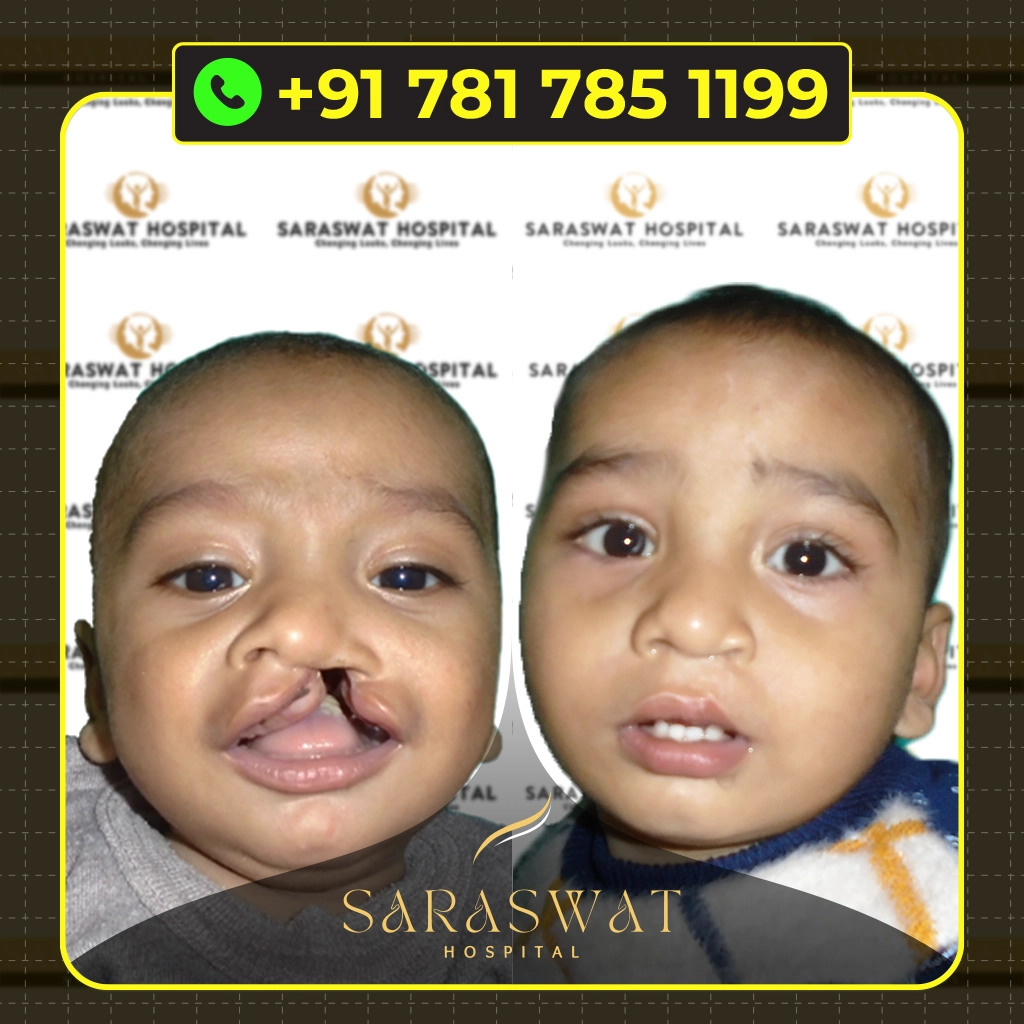
Saraswat Hospital provides comprehensive cleft lip and palate treatments at zero cost through a partnership with Smile Train India. This initiative includes the surgical procedure, anesthesia, and post-operative follow-ups for underprivileged families. The program has successfully transformed thousands of lives by removing the financial barriers to reconstructive surgery. This charitable model is spearheaded by one of the region’s most qualified specialists.

Who is India’s Top Cleft Surgeon?

Dr. Satya Saraswat is a Gold Medalist DNB surgeon and an active member of the American Society of Plastic Surgeons with over 20+ years of reconstructive experience. He has been recognized by the Governor of Sikkim for his contribution to performing 500 free surgeries in a single mission. Under the expert guidance of Dr. Satya Saraswat (MBBS, MS, MCh, FISHRS, DNB (Gold Medalist), the hospital has changed the lives of over 13,000+ patients through free cleft lip and palate treatment. Saraswat Hospital believes in serving humanity, particularly those who cannot afford expensive medical procedures.

His expertise ensures that every child receives the highest standard of cleft care using modern surgical techniques. Despite high success rates, delaying these procedures introduces significant developmental hazards. He has been performing these procedures on the children from low-income families for free with the collaboration of Smile Train India.

What are the Risks of Delaying Palate Surgery?

Delayed repair leads to permanent hypernasal speech, where air escapes through the nose during talking, making the child difficult to understand. Chronic fluid buildup in the middle ear often progresses to “glue ear,” which can cause irreversible hearing loss if the palate is not closed. Furthermore, children with unrepaired clefts often face social isolation due to visible and audible differences. Surgeons use a specific set of clinical markers to ensure the baby is healthy enough to avoid these risks.

What Determines If a Baby is Ready?

The “Rule of 10s” serves as the baseline safety metric, requiring the infant to be at least 10 weeks old, weigh 10 pounds, and have a hemoglobin level of 10g/dL. Surgeons also evaluate the child for any active respiratory infections or cardiac issues that could complicate general anesthesia. The severity and width of the cleft also influence the specific surgical technique chosen for the repair. Once these criteria are met, the family can look forward to a structured recovery.

PhaseDurationFocus Area
Immediate Post-Op1-2 DaysAirway monitoring & hydration
Initial Healing2-3 WeeksSoft diet & suture protection
Long-Term6 Months+Speech assessment & dental growth

What is the Recovery Timeline Look Like?

Recovery from palatoplasty involves a short hospital stay to ensure the infant is feeding well and managing pain effectively. The internal sutures typically dissolve on their own within three to four weeks, during which a liquid or pureed diet is mandatory. Long-term follow-ups include speech evaluations at age two to determine if further intervention is required for optimal communication.

Some Factors That Influence the Timing of the Surgery

Each and every case needs a different way because every palate case is unique. Therefore, the medical team at Saraswat Hospital consider following factors before proceeding with the surgery: 

  • Readiness of the child comes first
  • The overall health condition of the child
  • Children with low birth weight or any medical condition may need a brief delay in the surgery
  • A doctor should always ensure safety before the surgery
  • The severity of the cleft palate and sometimes the type also play a major role
  • Some cases require standard timelines without complications

Life After Cleft Palate Repair

Post-cleft palate repair surgery, the recovery usually progresses smoothly with proper care and the doctor’s guidance. After surgery, children often experience:

  • Improved speech clarity.
  • Feeding ability gets better.
  • Better dental development. 

Children gradually adapt to feeding, speech, and social interactions naturally. However, long-term support is also needed for the best outcome. Speech therapy may be recommended by doctors for optimal outcomes. Therefore, with regular follow-ups and proper care, most children lead completely normal, healthy lives.

Best Age For Cleft Palate Repair

Understanding the best age for cleft palate repair helps the parents find the best treatment for their child and take timely action for the best outcomes. Early surgery supports the healthy speech, feeding, and emotional development of a child from the beginning. With the expert care, hundreds of children get the best treatment for cleft palate at no cost.

Sources

(1) Cleft Lip and Cleft Palate Repair
(2) Persistent feeding difficulties can result in poor weight gain and nutritional deficiencies

Follow us on:- FacebookInstagramPinterestYoutube

Which is the Best Place in India for Hair Transplant?

If you are searching for hair restoration options, this question has probably crossed your mind multiple times. Choosing wisely can become overwhelming because there are so many clinics highlighted online. However, if you look for safety, expertise, and long-term hair transplant results, we rise above as the considered destination. Many patients agree through reviews and testimonials that Saraswat Hospital is the best place in India for hair transplant that offers expertise with honest care.

India attracts patients from across the world because of its advancement in hair restoration with affordable cost and great care. However, the results totally depend on the skills, ethics, and technology used by the clinic. That’s why finding the right place is more important than simply choosing the lowest price or a popular city.

Why Choose India for Hair Restoration?

Clinical transparency and cost-efficiency position India to capture a significant share of the global medical tourism market by 2026. Patients choose this destination because specialized clinics utilize the same FDA-approved technology found in Europe and the USA, but at a lower operational price point. English-speaking medical staff streamlines communication, reducing the risk of instructional errors during post-operative care. This infrastructure supports a high volume of successful cases, specifically in the field of follicular unit extraction. This global reputation for excellence leads many to ask how they can filter individual clinics for quality.

How to Evaluate Hair Transplant Clinics?

The 2024 ISHRS Practice Census indicates that the most reliable clinics are those that prioritize surgeon-led procedures over technician-only models. Patients must verify that the facility utilizes advanced storage solutions to maintain graft viability outside the body. Sterile operating environments and the availability of both FUE and FUT techniques are standard markers of a high-tier facility.

CriteriaStandard Requirement
Surgeon CredentialABHRS or ISHRS Fellowship
Graft HandlingChilled storage / Specialized holding solutions
Success Rate95% – 98% Graft Survival
TechnologyTrichoscopy-led hairline design

Is Agra a Hair Restoration Hub?

Agra has emerged as a specialized destination for medical tourism, offering advanced surgical facilities without the high overhead costs of metropolitan centers like Delhi or Mumbai. Senior consultants in India’s Tier-2 cities deliver a helpful experience and personalized care, bypassing the impersonal processing of high-volume “hair mills. The city’s connectivity via high-speed rail and expressways makes it accessible for international patients landing in the capital. This localized focus allows for rigorous adherence to clinical protocols in a less congested environment.

Within this hub, the specific qualifications of the surgical team remain the primary driver of success.

Why Prioritize ABHRS-certified Surgeons?

ABHRS certification is the only recognized credential that validates a surgeon’s specialized knowledge and ethical commitment to hair restoration. Dr. Satya Saraswat and Dr. Preeti Saraswat utilize this framework to ensure every procedure meets international benchmarks for safety and graft survival. Surgeons with this status must demonstrate a mastery of hairline aesthetics and donor area management to prevent over-harvesting. This expertise results in natural-looking density that mimics original growth patterns.

Choosing a certified expert often involves comparing the benefits of boutique care against larger, commercial metro clinics.

Metro vs. Tier-2 or Tier-3 Hair Transplant Clinics?

Clinics in cities like Agra typically offer a 30-40% cost advantage over metro-based hospitals while providing direct access to the lead surgeon. While metro clinics may have higher marketing visibility, boutique centers often focus on precision and long-term patient follow-ups.

  • Personalized Planning: Direct consultation with the operating surgeon.
  • Cost Efficiency: Lower administrative and real estate overhead is passed to the patient.
  • Focused Care: Reduced daily patient load ensures a sterile and unhurried environment.

What are Realistic Hair Transplant Outcomes?

Clinical data confirms that transplanted hair follows a specific biological timeline, with initial shedding occurring in the first three weeks, followed by new growth at three to four months. Patients typically reach final hair density and texture maturation between months 9 and 12 post-procedure. Surgeons measure success by the natural integration of the new hairline and the preservation of the donor site. Adhering to post-operative instructions is mandatory to achieve the 95-98% success rate reported by leading centers. The hair transplant results should be measured over months, not rushed weeks, and the patients should also be guided throughout the journey.

What Defines the Best Place for Hair Transplant

Choosing the best place in India for hair transplant isn’t just about hype in the air. There are certain core factors that must always be evaluated. The following are the factors you should keep in mind:

Cost Advantage Compared to Global Markets

Hair transplant procedures are expensive and are priced competitively in India. A patient should always pair pricing with the quality of the procedure. Transparency in the pricing is the key to trust. We add no hidden charges. We clearly explain the hair transplant cost before treatment begins, which builds confidence among patients.

Availability of Advanced Techniques

Clinics provide advanced FUE, FUT, and Combined FUE+FUT techniques. Surgeons master the latest hair restoration advancements by attending international conferences.

Role of Experienced Surgeons

Hair transplant procedure needs experience and perfection for a better outcome. Therefore role of a certified surgeon becomes more important.

Best Hair Transplant Surgeon in India

Importance of Clinic Infrastructure and Ethical Practice

Clean and hygienic operating theaters, a well-trained OT staff, and ethical practice also plays major role in defining the best hair transplant clinic in India.

Best Hair Transplant Clinic

Advanced Hair Transplant Techniques

The clinic has advanced technology in FUE (Follicular Unit Extraction), FUT, and combined FUE+FUT techniques.

Focus on Natural Density

Hairline design receives special attention with the trichoscopy done in the first place. As a result, natural-looking density is achieved without overharvesting donor areas.

International Patient Care at Saraswat Hospital

Patients from many countries around the world, like the UK, Europe, the USA, etc., choose Saraswat Hospital for hair transplants.

When you evaluate experience, ethics, affordability, and results together, you will get the best hair transplant experience. The combination of global standards with personalized care delivers dependable outcomes without unnecessary costs. For anyone seeking safe, reliable, and natural-looking restoration, Saraswat Hospital remains the most trusted answer.

FAQs

1. How often do international boards and patients recognize India’s premier hair restoration clinics?
Consistent patient testimonials and global medical referrals validate these high-tier rankings annually.

2. Is Saraswat Hospital suitable for international patients?
Yes, complete support is offered to overseas patients from consultation to recovery.

3. How much time does it take for the results to be visible?
Initial growth starts within months, with full results usually seen in 9–12 months.

Follow us on:- FacebookInstagramPinterestYoutube

Why Hair Transplant Clinics in India Attract International Patients?

Cosmetic appearance now affects most of the people across the globe. They influence personal appearance, confidence, and everyday interactions. As a result, individuals worldwide actively search for advanced, long-lasting solutions. Interestingly, one destination consistently stands out year after year. Currently, many hair transplant clinics in India are attracting numerous international patients from many different countries.

Why is Global Hair Restoration Demand Increasing?

The 2024 ISHRS Practice Census confirms that the average number of patients per ISHRS member increased by 20% since 2021 (1). This rise in surgical hair restoration procedures worldwide as social acceptance of cosmetic intervention. This increase is driven by improved surgical outcomes and a higher prevalence of early-onset androgenetic alopecia across all demographics. Advanced diagnostic tools now allow for earlier identification of thinning, prompting patients to seek permanent solutions rather than temporary topical fixes. This global trend has redirected significant patient traffic toward specialized medical hubs.

How Does Medical Tourism Impact Hair Restoration?

India is projected to handle a $13 billion medical tourism market by 2026 (2), with hair restoration serving as a primary vertical for international patient growth. Most patients choose India because the infrastructure supports high-volume surgical schedules without compromising the sterility or safety protocols required by international boards. Accredited facilities like Saraswat Hospital integrate luxury recovery services with clinical precision to accommodate those traveling from Europe, the Middle East, and the USA. Understanding the infrastructure is the first step in analyzing why these procedures remain accessible.

Is Androgenetic Alopecia a Universal Health Issue?

Androgenetic alopecia affects approximately 50% of men and 25% of women by age 50, making it the most common form of hair loss globally. Recent clinical data suggest that environmental factors and stress are accelerating the timeline of hair thinning in younger populations. Permanent restoration requires a surgical approach because pharmaceutical interventions often fail to revive dormant follicles in advanced stages. These medical realities necessitate a discussion on the financial feasibility of long-term treatment.

Why are Hair Transplants Affordable in India?

Operating costs for hair restoration in India are 60% to 80% lower than in the United States or the United Kingdom due to lower real estate and administrative overhead. These savings allow clinics to invest in high-end technology, such as AI-driven graft analysis and regenerative storage solutions, while maintaining competitive pricing for the patient. Lower costs do not indicate lower quality when the facility is led by internationally certified surgeons. The value proposition depends heavily on the specific credentials of the operating team.

Affordable Treatment Without Compromising Quality

One of the most important reasons is affordability in India. Hair transplant procedures in India cost much less than in the USA, Turkey, or Europe.

However, lower cost doesn’t come with lower quality. Surgeons in India use advanced equipment consistently. Therefore, patients receive excellent value for money.

Hair Transplant Cost in Western Countries and India

  • India: Affordable packages covering surgery, stay, and care
  • USA/UK: High procedure costs without additional support
  • Middle East: Limited expertise with higher pricing

Cost of Hair Transplant in India

No. of GraftsCost  in & $
1500₹35,000 – ₹1,40,000($395 – $1571)
2000₹60,000 – ₹1,90,000($675 – $2135)
2500₹65,000 – ₹2,10,000($730 – $2357)
3000₹90,000 – ₹2,40,000($1010 – $2695)
3500₹1,05,000 – ₹2,50,000($1179 – $2806)
4000₹1,20,000 – ₹3,20,000($1347 – $3590)
4500₹1,35,000 – ₹3,50,000($1515 – $3929)
5000₹1,50,000 – ₹3,90,000($1685 – $4377)

How to Identify Qualified Hair Transplant Surgeons?

The American Board of Hair Restoration Surgery (ABHRS) remains the only global certification body that mandates a rigorous multi-stage examination of both surgical skill and ethical conduct. Many surgeons possess international certifications and global exposure, like Dr Satya Saraswat (MBBS, MS, MCh, FISHRS, DNB (Gold Medalist) and Dr Preeti Saraswat (MBBS, ABHRS). Dr. Saraswat is an active member of ABHRS and a fellow of ISHRS. Patients must verify that their surgeon is a “Diplomate” or “Fellow” to ensure the latest techniques in graft survival are applied. Specialized surgeons often employ multiple methods to achieve the best density.

What are FUE, FUT, and Hybrid Techniques?

Follicular Unit Extraction (FUE) and Follicular Unit Transplantation (FUT) are the two primary methods used to harvest grafts, with Hybrid techniques combining both to maximize donor yield. Hybrid procedures are particularly effective for patients requiring over 4,000 grafts, as they utilize the maximum donor area while minimizing visible scarring. Modern graft handling techniques now maintain a survival rate of over 90%, regardless of the extraction method used (3). These technical choices directly influence the final aesthetic outcome and recovery speed.

Success Rate of Hair Transplant and Timeline of Results

With the help of modern hair restoration procedure the success rate of a hair transplant can range between 95% to 98%. Patients typically begin to see visible new growth within 3–4 months, and then the full, final results gradually appear after about 12 months.

International Standards and Global Accreditation

Many hair transplant clinics in India follow international standards on safety, hygiene, sterilization, and maintain all the standard guidelines for hair transplant. Saraswat Hospital also follows all the global standards of International clinics.

Operating theater of Saraswat Hospital for hair transplant of International patients

Less Waiting Time with Faster Procedure

Longer waiting periods sometimes frustrate many patients; therefore, clinics in India offer flexible scheduling. Procedures are planned quickly without compromising care. Therefore, patients can return home sooner with visible progress.

Comprehensive International Patient Support

International patients get all the assistance from the clinic. We at Saraswat Hospital provide online consultations, pre-procedure requirements, and all essential check-ups before moving forward. This end-to-end support reduces stress and confusion during treatment.

Why Hair Transplant Clinics in India Attract International Patients?
Word-of-Mouth and Online Reputation

Social media, Google reviews, before and after results, and patient testimonials play a major role in deciding on a clinic in India. Real patient stories inspire others, as the positive result makes to the world quickly, and attract more international patients.

Final Thoughts

Hair transplant clinics in India are gaining a healthy reputation worldwide and attracting international patients because of the larger number of surgeons available, affordability of the procedure, and end-to-end support. As the patients become more and more aware, India’s position in hair restoration will grow stronger.

Sources

(1) 2024 ISHRS Practice Census
(2) India is projected to handle a $13 billion medical tourism market by 2026
(3) Modern graft handling techniques now maintain a survival rate of over 90%

Frequently Asked Questions

1. Why is India the first choice for many international patients for hair transplant?
Because advanced treatment is offered at affordable costs with excellent success rates.

2. How safe is it to get a hair transplant in India?
A hair transplant in India is a safe procedure if you choose an experienced surgeon, because clinics in India also follow safety and hygiene protocols. Do consult with the doctor before proceeding.

3. Do Indian clinics provide post-treatment support after patients return home?
Most clinics in India offer post-procedure guidance for the best results.

Follow us on:- FacebookInstagramPinterestYoutube

Guide for Choosing the Best Hair Transplant Clinic in India

Hair loss sometimes feels like a slow leak in confidence. It starts very slowly and suddenly becomes impossible to ignore. Therefore, choosing the best hair transplant clinic becomes a crucial decision. This complete guide will help you decide which is the best clinic for your hair loss problems. Every detail has been explained. The aim is to help you decide wisely and confidently. India offers the best hair transplant procedure, but when you select the best clinic with advanced technology.

How is Hair Loss Diagnosed Clinically?

Clinical diagnosis of hair loss requires a digital trichoscopy to measure hair shaft diameter and follicular unit density. This diagnostic tool differentiates between Telogen Effluvium and Androgenetic Alopecia by identifying the percentage of vellus vs. terminal hairs. Surgeons must evaluate the “Donor Area” to ensure the permanent zone has sufficient density for extraction without causing visible thinning. Accurate diagnosis prevents surgical failure in patients with active inflammatory scalp conditions. Diagnostic accuracy determines the specific surgical approach required for extraction.

Which Hair Transplant Technique is Best?

FUE (Follicular Unit Extraction) and FUT (Follicular Unit Transplantation) serve distinct clinical needs based on the patient’s scalp laxity and required graft count. FUE involves the individual extraction of follicles using punches smaller than 1.0mm, while FUT involves removing a thin strip of tissue to harvest grafts under a microscope.

FeatureFUE (Follicular Unit Extraction)FUT (Strip Method)
ScarringMicro-dot scars (nearly invisible)Linear scar (concealed by hair)
Recovery3–5 days10–14 days
Graft QualityHigh (with skilled surgeons)Excellent (maximized survival)
Best ForShort hairstyles; minor-to-moderate lossMaximum coverage; high-grade baldness

Why Choose ABHRS Certified Surgeons?

Board certification through the ABHRS ensures the surgeon has mastered both the aesthetic design of hairlines and the medical management of hair loss. Dr. Satya Saraswat (FISHRS) and Dr. Preeti Saraswat (ABHRS) operate under these international protocols to ensure every graft is handled according to strict clinical safety benchmarks. Membership in the International Society of Hair Restoration Surgery (ISHRS) requires a commitment to continuous medical education and ethical patient care. These high standards are maintained through the use of specialised surgical infrastructure.

What Technologies Improve Graft Survival?

Graft survival is significantly enhanced by the use of regenerative medicine and specialized holding solutions during the “out-of-body” phase. Saraswat Hospital utilizes advanced magnification and precise graft storage to maintain the metabolic health of the follicles before implantation. Utilizing a specialized FUE hair transplant ensures minimal trauma to the scalp tissue. Advanced technology must be paired with transparent financial planning to ensure patient satisfaction.

How to Calculate Hair Transplant Costs?

Hair transplant pricing in India is typically calculated on a “per-graft” basis, ensuring patients only pay for the exact volume of hair moved. Transparent clinics provide a full breakdown of hair transplant cost, including surgical fees, anesthesia, and post-operative kits during the initial consultation. Clinics offering “guaranteed results” at abnormally low prices often utilize unlicensed technicians rather than certified surgeons. Financial transparency is a key indicator of the overall safety standards maintained within the region.

Is Hair Transplant in India Safe?

India maintains a high safety profile for hair restoration due to the presence of NABH-accredited facilities and surgeons with global fellowships. International protocols ensure surgeons perform procedures like FUT hair transplants in sterile, hospital-grade environments. Mandatory pre-operative blood screenings and ECGs for older patients further strengthen these safety standards.

India, with skilled doctors, advanced techniques, and a cost advantage attract patients worldwide. Metropolitan cities and tourism zones offer world-class facilities. However, not every clinic follows ethical practices. Proper research is required, and the patient should be completely informed to achieve excellent outcomes.

Things to Look for While Choosing the Clinic

This guide for choosing the best hair transplant strongly emphasizes medical expertise, surgeon credentials, certificates, and memberships of the clinic. Among all of these, the role of a doctor is central. Delegation to technicians without supervision is a red flag. The following are some of the important prospects to look for before deciding the clinic in India:

Importance of Surgeon Credentials

The surgeon should have specialised training in cosmetic or plastic surgery. Years of experience matter more than flashy advertising. International memberships such as ABHRS (American Board of Hair Restoration Surgery) or ISHRS (International Society of Hair Restoration Surgeons) and hair restoration certifications add credibility to the clinic’s reputation. Direct doctor involvement must be ensured during planning and execution.

Dr Satya Saraswat (MBBS, MS, MCh, FISHRS, DNB (Gold Medalist) and Dr Preeti Saraswat (MBBS, ABHRS) have years of experience in cosmetic and plastic surgery. As an active member of ABHRS (American Board of Hair Restoration Surgery) and ISHRS (International Society of Hair Restoration Surgeons), Dr Satya Saraswat has attended several international conferences in hair transplant restoration.

Infrastructure of the Clinic

A clinic with all the important equipment reflects the professionalism of the surgeon. Saraswat Hospital maintains all the safety and hygienic standards for a better experience for the patient.

Certifications and Memberships

Certifications and memberships show that the clinic is maintaining the standards of hair transplant set by medical regulatory bodies and international associations.

Technology and Equipment Used in Clinics

Latest technology helps in maintaining the graft survival rate, while outdated or poor methods affect the before-and-after hair transplant results. We use advanced and the latest techniques, and the clinic is equipped with all the national and international guidelines for hair transplant.

Authentic Reviews and Before-After Results

Authentic patient reviews, or testimonials, provide ground reality. Hair transplant before and after results should be consistent and unedited. Real patient journeys reflect clinic reliability and build trust between the patient and the clinic.

Hair Transplant Before and After

Why Patients Consider India a Global Leader in Hair Transplants

India leads the world in the current scenario by delivering the best hair transplant outcomes with affordability. Internationally certified surgeons from ABHRS (American Board of Hair Restoration Surgery) and ISHRS (International Society of Hair Restoration Surgeons) associations and advanced clinics with the latest and advanced techniques attract global trust. When chosen wisely, results match international standards.

Conclusion

You should never rush when selecting a hair transplant clinic. Instead, research thoroughly, proceed with patience, and seek clarity to achieve success. Therefore, choose wisely, and you will get your desired result. Book an appointment and let us guide you through your hair restoration journey.

Follow us on:- FacebookInstagramPinterestYoutube

Is Hair Transplant 100% Successful? - Risks, Tips & Success Rate

Clinical data indicate that no surgical procedure carries a guaranteed 100% success rate, though modern hair restoration achieves 95% to 98% graft survival. These high percentages depend on the viability of the harvested follicles and the surgical environment provided by the clinic. Patients must distinguish between “hair growth” and “aesthetic density,” as the former is nearly guaranteed while the latter depends on donor supply. Achieving these outcomes requires an understanding of how follicles behave once moved.

How Do Hair Follicles Survive Transplantation?

Donor dominance is the biological principle that allows transplanted hair to grow permanently in balding areas. Follicles taken from the back and sides of the scalp are genetically programmed to resist Dihydrotestosterone (DHT), the hormone responsible for androgenetic alopecia. Once integrated into the recipient site’s blood supply, these follicles continue their natural growth cycle indefinitely. This survival mechanism is the foundation of long-term restoration, yet its efficacy is influenced by external variables.

What Factors Determine Hair Transplant Success?

Donor hair density and the expertise of the surgical team are the primary determinants of a successful hair transplant outcome. Surgeons like Dr. Satya Saraswat, an ABHRS-certified diplomate, utilize microscopic dissection to ensure graft integrity during handling. High-quality donor hair provides better coverage, while poor donor management can lead to “over-harvesting,” which depletes future reserves. Following clinical protocol is essential to maintain these grafts, especially when choosing between extraction methods.

Is Hair Transplant 100% Successful?

FUE vs FUT Graft Survival Rates

Follicular Unit Extraction (FUE) and Follicular Unit Transplantation (FUT) offer distinct advantages regarding graft yield and scarring. FUE involves individual follicle harvesting, resulting in tiny circular scars and a faster recovery time for active patients. FUT involves a strip of tissue, often providing a higher volume of grafts for advanced stages of baldness. Both techniques achieve similar survival rates when transection—the accidental cutting of the follicle—is kept below 5%. This technical precision directly dictates the density visible during the final stages of growth.

FeatureFUE (Follicular Unit Extraction)FUT (Follicular Unit Transplantation)
Harvesting MethodIndividual unitsLinear strip
ScarringMinimal/Dot-likeLinear
Graft VolumeModerateHigh
Recovery Time3–5 Days10–14 Days

When Will I See Final Results?

The biological timeline for hair maturation requires 9 to 12 months for full aesthetic impact. Patients typically experience “shock loss,” where transplanted hairs shed within the first month, before entering the anagen (growth) phase around month four. Visible improvements in thickness and texture continue until the one-year mark. Understanding this timeline prevents premature concern regarding surgical efficacy.

What Are the Risks of Hair Restoration?

Post-operative complications are rare but may include temporary edema (swelling), folliculitis, or minor site infection. Adhering to a strict aftercare regimen, such as sleeping with the head elevated and avoiding strenuous exercise for 14 days, significantly reduces these risks. Patients should avoid smoking and alcohol during the initial healing phase to ensure optimal blood flow to the newly implanted grafts. High-level care post-surgery is the final step in ensuring the longevity of the procedure.

Key Factors That Influence Success Rates

Different factors affect the final outcome. A few major ones include:

  • Donor Area Health
  • Surgeon’s Experience
  • Patient Lifestyle and Expectations

How Modern Techniques Improve Outcomes

Today’s hair transplant techniques are far more advanced than older methods. They produce natural results. They also reduce healing time. Two major techniques include:

FUE vs FUT in India

  • FUE (Follicular Unit Extraction) offers minimal scarring. Recovery is faster.
  • FUT (Follicular Unit Transplantation) is ideal for people who need more grafts.

Both methods deliver excellent success rates when performed correctly.

Find the Correct Answer

No, if anyone is telling you that a hair transplant is 100% successful, then they are wrong. However, with the latest advancements and choosing top surgeons, you can get a success rate of 95% to 98%. For the growth, patients generally start to see visible growth after 3-4 months, and the complete result will take about 12 months.

How to Get the Best Results?

People with stable hair loss often see the best results. A healthy donor area helps a lot. Early treatment leads to better coverage. Patients who follow aftercare instructions get the best hair transplant results.

Hair Transplant Before and After

Possible Risks and Limitations

Although safe, a hair transplant is still a medical procedure. Minor risks include:

  • Temporary swelling
  • Mild discomfort
  • Slight infection risk
  • Uneven growth in rare cases

How to Improve Your Success Rate

Patients can maximize their results by following these aftercare tips:

Aftercare Tips

  • Take medications that are prescribed.
  • Avoid touching your transplanted area.
  • Sleep with your head elevated.

What Patients Should Avoid

  • Avoid smoking.
  • Avoid alcohol for a few days.
  • Avoid heavy workouts.
  • Avoid sun exposure.

Conclusion

Hair transplant procedure is the most effective solution for hair loss. Still, most people remain doubtful about the result because everyone wants complete and guaranteed results. In medical treatment, no procedure can promise a perfect outcome.

Nevertheless, modern transplant methods in India consistently deliver natural-looking growth and exceptional outcomes. Thanks to highly skilled surgeons, the latest advanced technology, and proper aftercare, success rates are extremely high—typically above 95%.

FAQs

1. When can I see the full hair transplant result?

Full results usually appear within 12 months. Initial growth begins around 3–4 months.

2. Are hair transplant results permanent?

Yes. The transplanted follicles are resistant to DHT. They continue growing permanently.

3. Does the procedure hurt?

Mild discomfort may occur. Local anesthesia minimizes pain.

4. Can anyone get a hair transplant?

Most people qualify. However, donor area health must be evaluated before treatment.

Follow us on:- FacebookInstagramPinterestYoutube

whatapp icon