

Knowing the correct time for cleft palate repair can feel overwhelming for parents. Doctors also agree that time plays a crucial role in speech development, feeding ability, and overall facial growth of the child. Therefore, knowing the best age for cleft repair can help families make the right decision with clarity and confidence.
Why is Cleft Palate Surgery Timing Critical?
Timing is the primary determinant for the development of the velopharyngeal valve, which is necessary for separating the oral and nasal cavities during speech. Proper intervention ensures that the brain does not develop incorrect speech patterns known as compensatory articulation. Early surgery also facilitates proper middle ear drainage, preventing long-term hearing impairment. These biological factors dictate the specific window for the safest and most effective results.
What is the Best Age for Cleft Palate Repair?
The globally accepted standard for cleft palate repair is between 9 and 12 months of age. This window provides sufficient tissue growth for a tension-free closure while preceding the onset of complex speech sound production. Surgical protocols are designed to capitalize on the infant’s natural healing capacity during this timeframe (1). Understanding the anatomical impact of the condition helps parents recognize why this early window is non-negotiable.
How Does Cleft Palate Affect Infants?
A cleft palate prevents an infant from creating the intraoral suction required for efficient breastfeeding or bottle-feeding. This anatomical gap often leads to nasal regurgitation, where milk enters the nasal cavity during swallowing. Persistent feeding difficulties can result in poor weight gain and nutritional deficiencies if not managed with specialized bottles (2). Beyond nutrition, the physical gap directly interferes with the formation of early vocalizations.
Does Early Repair Improve Speech Outcomes?
Early palatoplasty significantly increases the likelihood of achieving clear, non-nasal speech by providing a functional soft palate before phoneme development begins. Children who receive surgery before 12 months show higher rates of velopharyngeal competence compared to those treated later. This proactive approach reduces the future burden of corrective speech therapy. Access to this specialized care is available regardless of a family’s financial situation.
Where is Free Cleft Surgery Available?
Saraswat Hospital provides comprehensive cleft lip and palate treatments at zero cost through a partnership with Smile Train India. This initiative includes the surgical procedure, anesthesia, and post-operative follow-ups for underprivileged families. The program has successfully transformed thousands of lives by removing the financial barriers to reconstructive surgery. This charitable model is spearheaded by one of the region’s most qualified specialists.
Who is India’s Top Cleft Surgeon?
Dr. Satya Saraswat is a Gold Medalist DNB surgeon and an active member of the American Society of Plastic Surgeons with over 20+ years of reconstructive experience. He has been recognized by the Governor of Sikkim for his contribution to performing 500 free surgeries in a single mission. Under the expert guidance of Dr. Satya Saraswat (MBBS, MS, MCh, FISHRS, DNB (Gold Medalist), the hospital has changed the lives of over 13,000+ patients through free cleft lip and palate treatment. Saraswat Hospital believes in serving humanity, particularly those who cannot afford expensive medical procedures.
His expertise ensures that every child receives the highest standard of cleft care using modern surgical techniques. Despite high success rates, delaying these procedures introduces significant developmental hazards. He has been performing these procedures on children from low-income families for free with the collaboration of Smile Train India.
What are the Risks of Delaying Palate Surgery?
Delayed repair leads to permanent hypernasal speech, where air escapes through the nose during talking, making the child difficult to understand. Chronic fluid buildup in the middle ear often progresses to “glue ear,” which can cause irreversible hearing loss if the palate is not closed. Furthermore, children with unrepaired clefts often face social isolation due to visible and audible differences. Surgeons use a specific set of clinical markers to ensure the baby is healthy enough to avoid these risks.
What Determines If a Baby is Ready?
The “Rule of 10s” serves as the baseline safety metric, requiring the infant to be at least 10 weeks old, weigh 10 pounds, and have a hemoglobin level of 10g/dL. Surgeons also evaluate the child for any active respiratory infections or cardiac issues that could complicate general anesthesia. The severity and width of the cleft also influence the specific surgical technique chosen for the repair. Once these criteria are met, the family can look forward to a structured recovery.
| Phase | Duration | Focus Area |
| Immediate Post-Op | 1-2 Days | Airway monitoring & hydration |
| Initial Healing | 2-3 Weeks | Soft diet & suture protection |
| Long-Term | 6 Months+ | Speech assessment & dental growth |
What is the Recovery Timeline Look Like?
Recovery from palatoplasty involves a short hospital stay to ensure the infant is feeding well and managing pain effectively. The internal sutures typically dissolve on their own within three to four weeks, during which a liquid or pureed diet is mandatory. Long-term follow-ups include speech evaluations at age two to determine if further intervention is required for optimal communication.
Some Factors That Influence the Timing of the Surgery
Each and every case needs a different approach because every palate case is unique. Therefore, the medical team at Saraswat Hospital considers the following factors before proceeding with the surgery:
- Readiness of the child comes first
- The overall health condition of the child
- Children with low birth weight or any medical condition may need a brief delay in the surgery
- A doctor should always ensure safety before the surgery
- The severity of the cleft palate and sometimes the type also play a major role
- Some cases require standard timelines without complications
Life After Cleft Palate Repair
Post-cleft palate repair surgery, the recovery usually progresses smoothly with proper care and the doctor’s guidance. After surgery, children often experience:
- Improved speech clarity.
- Feeding ability gets better.
- Better dental development.
Children gradually adapt to feeding, speech, and social interactions naturally. However, long-term support is also needed for the best outcome. Speech therapy may be recommended by doctors for optimal outcomes. Therefore, with regular follow-ups and proper care, most children lead completely normal, healthy lives.
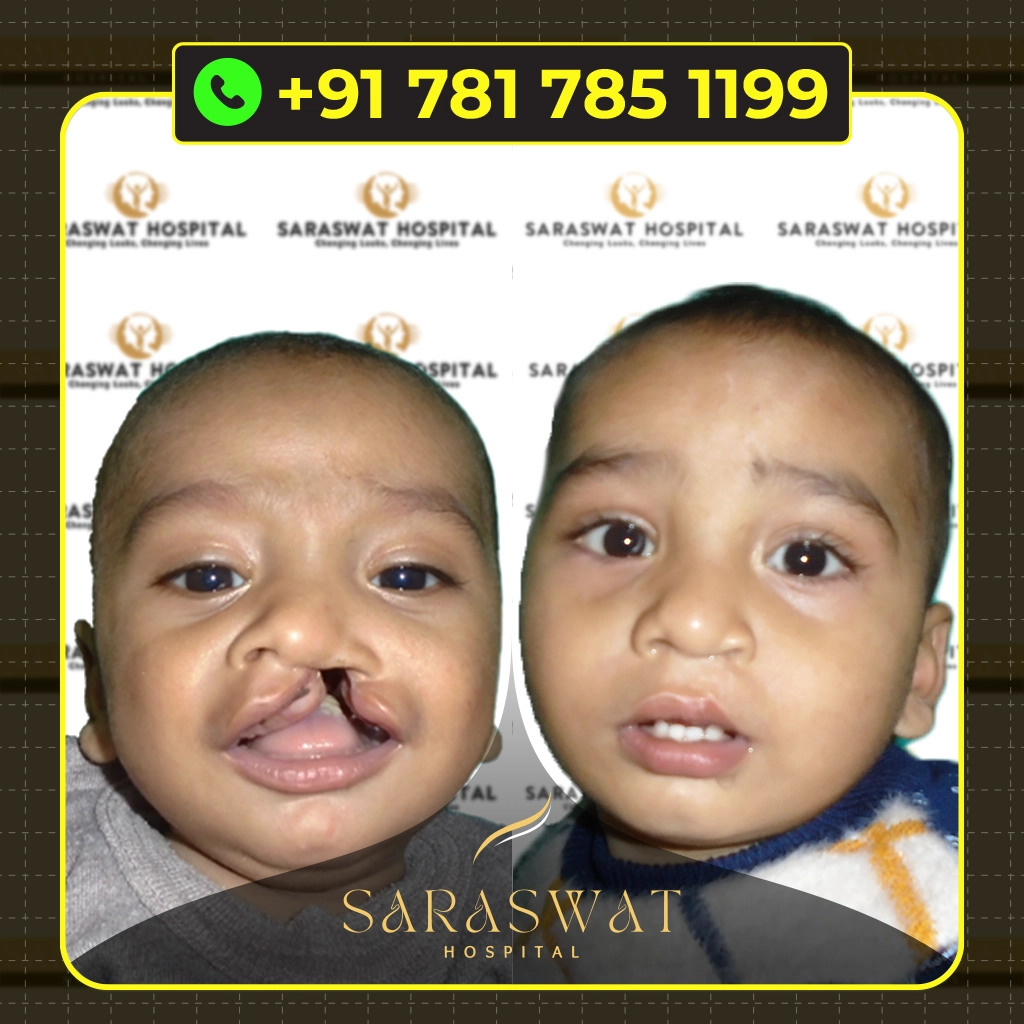
Understanding the best age for cleft palate repair helps parents find the best treatment for their child and take timely action for the best outcomes. Early surgery supports the healthy speech, feeding, and emotional development of a child from the beginning. With expert care, hundreds of children get the best treatment for cleft palate at no cost.
Sources:
(1) Surgical protocols are designed to capitalize on the infant’s natural healing capacity during this timeframe. (American Society of Plastic Surgeons)
(2) Persistent feeding difficulties can result in poor weight gain and nutritional deficiencies if not managed with specialized bottles. (NCBI)
Follow us on:- Facebook, Instagram, Pinterest, YouTube
This article is for informational purposes only and does not constitute medical advice. Plastic, cosmetic, and laser treatments — including AI-assisted previews such as those generated by the Peek AI™ app — carry risks and results vary by individual. Always consult a licensed medical professional before undergoing any procedure.