
Book an
Appointment
Best Cosmetic Surgeon in India | Dr. Preeti Saraswat

Dr. Preeti Saraswat (MBBS, ABHRS)

Dr. Preeti Saraswat is a leading Hair Transplant and Cosmetic Surgeon with 20+ years of experience. She holds an MBBS from Kanpur and a Postgraduate Diploma in Clinical Cosmetology from the University of Greifswald, Germany, and is a diplomate of the American Board of Hair Restoration Surgery (ABHRS). She is an active member of IMA, IACLS, and AAAM. She specializes in scalp micropigmentation, skin rejuvenation, laser treatments, and hair restoration, and is also the founder of Twachaa by Saraswat, a premium skincare and hair care brand. She practices at Saraswat Hospital, Agra.

Articles by Dr. Preeti Saraswat (MBBS, ABHRS)

Effective Ways to Get Clear Skin with the Best Acne Scar Treatment
Medically Reviewed By Dr. Preeti Saraswat, MBBS, ABHRS | Last updated: June 01, 2026

Simply explained, acne is caused by the build-up of bacteria, excess oil, and dead skin at the opening of your skin pores. The reason why acne is so hated by everyone is that even after they are gone, they leave stubborn scars on the face and other affected skin. But with advanced acne scar treatment available today, you can say goodbye to all your blemishes and get clear, flawless skin.

What Are Acne Scars?

Acne scars form when severe acne damages the deeper layers of skin (dermis). As the skin heals, collagen production becomes uneven, resulting in visible indentations or raised areas. Not all acne leaves scars—only severe, inflamed acne that penetrates deeply causes permanent scarring.

Types of Acne Scars

Scar TypeAppearanceCharacteristicsSeverityTreatment Difficulty
Atrophic (Depressed)Indented, sunken into skinLoss of skin tissue; most common type (80% of cases)Mild to severeModerate
Rolling ScarsWave-like, undulating surfaceBroad, shallow indentations; soft edgesMild to moderateModerate
Boxcar ScarsDeep, angular, box-like pitsWell-defined edges; steep sides; like small pox marksModerate to severeDifficult
Ice Pick ScarsDeep, narrow, puncture-like holesVery deep with sharp edges; smallest diameterMost severeVery difficult
Hypertrophic (Raised)Raised, bumpy, thickened tissueExcess collagen buildup above skin surfaceMild to moderateEasy to moderate
Keloid ScarsLarge, raised, expanding beyond original scarExcessive collagen; grows beyond acne site; darker skin more proneModerate to severeDifficult

What are the Effective Ways of Treatment for Acne Scars?

Three proven treatments effectively improve acne scars: fractional CO2 laser, traditional CO2 laser, and dermaroller (microneedling). Fractional CO2 laser is the gold standard for moderate to severe scarring, using microscopic treatment zones to ablate damaged skin while stimulating natural collagen remodeling with balanced effectiveness and recovery time. Traditional CO2 laser provides more aggressive resurfacing for severe scars but requires longer recovery, making it less popular for busy patients. Dermaroller offers a gentler, non-invasive alternative ideal for mild to moderate rolling scars through controlled micro-injuries that trigger collagen production. Dermaroller costs less and has minimal downtime compared to laser treatments, making it perfect for budget-conscious patients. The most effective approach combines these treatments for superior results. Treatment choice depends on scar type, skin tone, and available downtime. Professional consultation ensures optimal results tailored to your specific needs. The following are the best ways to treat acne scars:

1. Fractional CO2 Laser

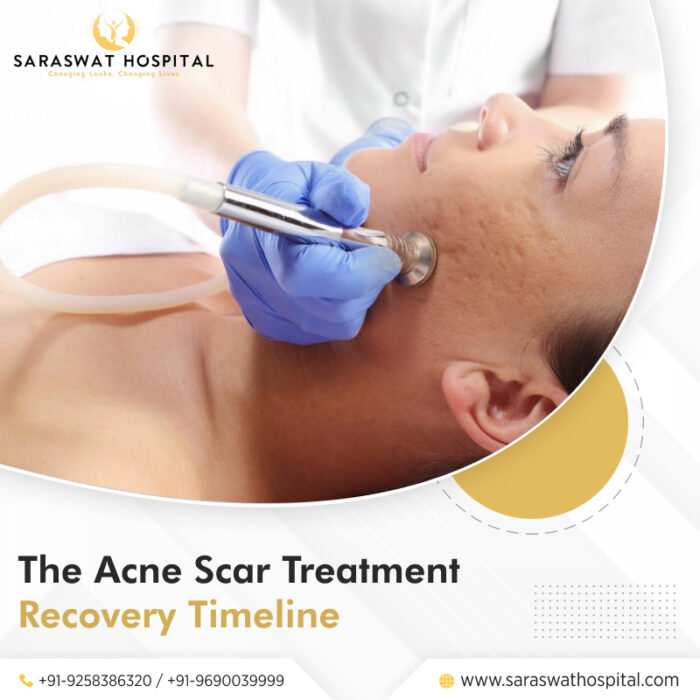
Fractional Carbon Dioxide laser is a non-surgical procedure and the most advanced acne scar treatment method. A laser shoots microbeams on the skin to create mini wounds, which are then left to heal naturally. The body produces collagen and epithelium during the healing process. The new layers of skin that appear during the natural healing process have a much more radiant and healthier look. Simultaneously, acne marks are greatly reduced or completely gone with the new layer of skin. The fractional CO2 laser is a popular method used by cosmetologists because it causes zero discomfort and is a quick process.

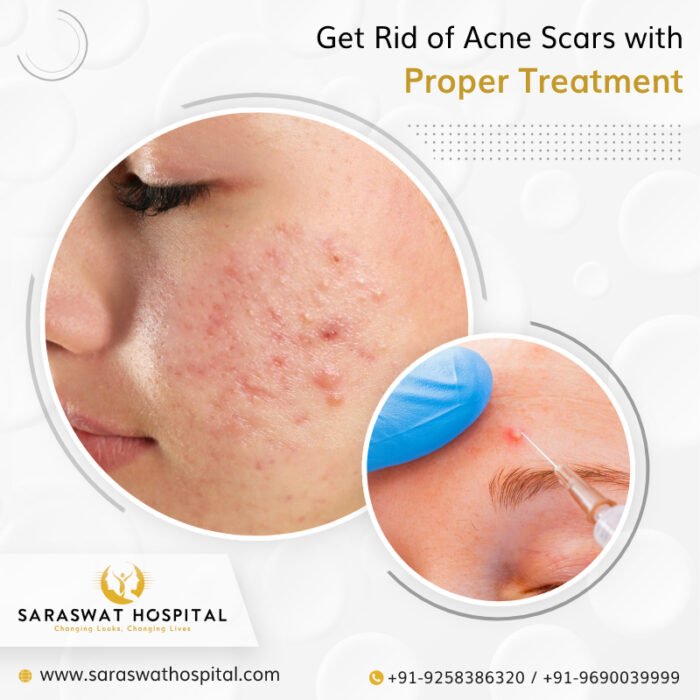
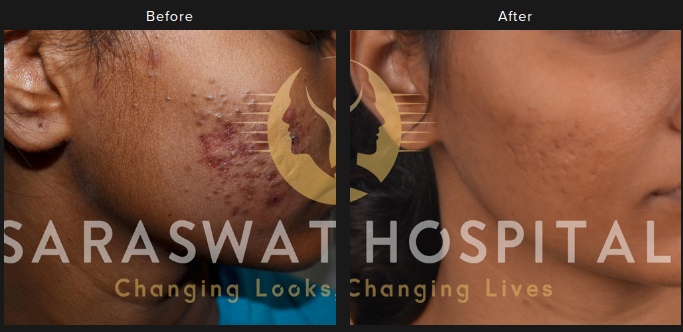
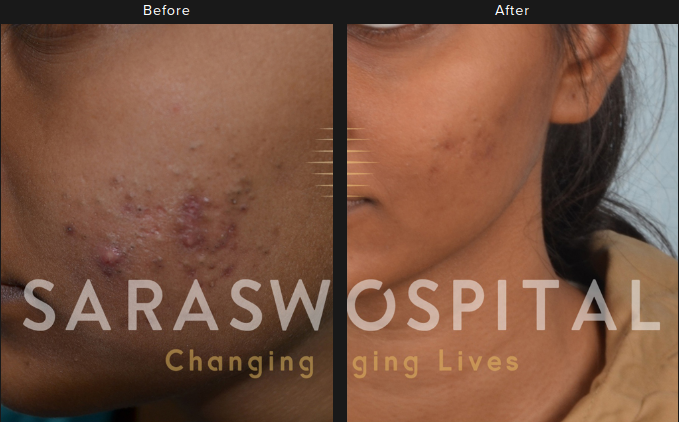
Acne Scar Treatment Results

2. CO2 Laser

The CO2 laser goes deeper into your skin, compared to the fractional CO2 laser, and it shrinks the collagen in a specific way. This method is typically applied in cases with severe acne scarring, sun damage, and heavy wrinkles. For a patient to be eligible for the CO2 laser treatment, they must be in the 40 to 70 age group.

3. Subcision with Dermarollers / Dermapen

This is one of the most trusted acne scar treatment methods. During the eruption process of the acne, fibrous bands are formed between its base and the dermal tissue. In this kind of procedure, the fibrous bands are broken using a special needle. A haematoma is formed by this process, elevating the base of the acne scars, and fibrous tissues are formed, which shallows the pits permanently. Dermapens or Dermarollers are used to create microscopic holes in the skin. As the skin naturally heals, the rest of the skin also gets rejuvenated at the same time.

Prevention: Stopping Future Acne Scarring

TipsTimingEffectivenessAction
Treat acne earlyAt first signs of acne(prevents 80% of scarring)See dermatologist within 1 month of acne onset
Avoid picking/squeezingImmediately when urge strikes(prevents 70% of scars)Keep hands away; use spot treatment instead
Use retinoidsDaily, long-term(reduces severity)Tretinoin, adapalene, or OTC retinol
Sun protectionDaily during and after acne(prevents darkening)SPF 30+ sunscreen, avoid UV exposure
Vitamin C serumDaily, during acne phase(supports healing)Use stabilized L-ascorbic acid
Silicone gel sheetsApply to healing lesions(reduces scar formation)Use for 12+ hours daily for 3 months
Chemical peelsMonthly during active acne(mild prevention)Low-strength glycolic or salicylic acid
Professional extractionsWhen absolutely necessary(prevents picking damage)Done by a specialist doctor only

Why Choose Saraswat Hospital for Acne Scar Treatment?

Saraswat Hospital in Agra is one of the leading cosmetic clinics in India. Led by a team of American Board-certified doctors, customised acne scar treatment plans are offered at affordable rates.

As the Chief Clinical Cosmetologist of the hospital, Dr. Preeti Saraswat is an MBBS with a Post Graduate Diploma degree in Clinical Cosmetology from the University of Greifswald, Germany. She is a member of the Indian Association of Cosmetic Laser Surgeons, the Indian Medical Association, and the American Academy of Aesthetic Medicine (AAAM). She has advanced medical training in laser treatments and specialises in skin rejuvenation treatments, facial rejuvenation, and acne scars.

Conclusion

If you’re suffering from stubborn acne scars that refuse to go away, book an online consultation and seek the best acne scar treatment at Saraswat Hospital in Agra. Their team of experts suggests customized treatment plans based on the patient’s skin condition.

FAQs

Q1: Which is the most effective treatment for acne scars?
Fractional CO2 laser combined with subcision works best. Combination therapy—using multiple treatments together—addresses different scar types effectively. Treatment varies by scar type, severity, and skin tone. Professional consultation ensures the optimal customized approach for your specific scarring.

Q2: Can you 100% remove acne scars?
No, but modern treatments reduce scar appearance by 70-90%, making them barely noticeable. The goal is dramatic improvement, not complete removal. Scars are permanent, but professional combination treatments transform obvious pitting into subtle, barely visible texture variations.

Q3: Can I remove acne scars naturally?
Natural remedies alone cannot remove established acne scars. Vitamin C, aloe vera, and silicone sheets support skin health but cannot rebuild lost collagen. Professional treatments like microneedling, lasers, and subcision offer dramatically superior results compared to home remedies.

Q4: Does vitamin C help fade acne scars?
Yes, Vitamin C highly supports skin health and reduces post-inflammatory redness, and it also boosts collagen, but it cannot significantly improve indented or rolling scars alone. It does not repair deep scars.

Q5: What makes acne scars worse?
Picking or squeezing acne is the biggest cause of making it worse. Sun exposure, smoking, poor nutrition, delayed treatment, and harsh skincare worsen scars. Early professional acne treatment, sun protection, and gentle skincare prevent scarring progression and reduce future damage.

Follow us on:- FacebookInstagramPinterestYoutube

Medical Disclaimer

This article is for informational purposes only and does not constitute medical advice. Plastic, cosmetic, and laser treatments — including AI-assisted previews such as those generated by the Peek AI™ app — carry risks and results vary by individual. Always consult a licensed medical professional before undergoing any procedure.
How Can You Stop Hair Loss?
Medically Reviewed By Dr. Preeti Saraswat, MBBS, ABHRS | Last updated: June 01, 2026

We all would love a scalp full of thick hair till our ripe old age, but unfortunately, hair loss is a sad reality faced by scores of men and women across the world. Now, first understand that losing about 40 to 60 strands of your hair daily is normal. Whether it’s due to genetics, stress, or lifestyle factors, understanding how can you stop hair loss is key to addressing the issue effectively. Each strand of hair on your head comes with a certain life cycle between two to five years. Once that is over, the old hair falls, and new hair will grow in its place. This is the natural cycle of hair growth. But if you experience acute hair loss, like losing more than 100 hair strands daily, it becomes a matter of concern.

The first step in every hair loss treatment is to identify the underlying cause of your hair loss. It can be due to several reasons, such as genetic factors, poor lifestyle choices, stress, bad diet, and more. Depending on what factor is causing hair loss, further treatment is planned.

In this blog, we take a look at some of the common preventive measures that are followed by experts to prevent hair loss.

Understanding Hair Loss: Why Does It Happen?

Before diving into solutions for how you can stop hair loss, it’s important to understand its causes. Hair loss, or alopecia, can stem from various factors, including:

  • Genetics: Androgenetic alopecia (male or female pattern baldness) is the most common cause.
  • Hormonal Changes: Conditions like pregnancy, menopause, or thyroid imbalances can trigger hair thinning.
  • Stress: Chronic stress can push hair follicles into a resting phase, leading to shedding.
  • Nutritional Deficiencies: Lack of essential nutrients like iron, biotin, or zinc can weaken hair.
  • Medical Conditions: Scalp infections, autoimmune disorders, or medications may contribute.
  • Lifestyle Factors: Poor diet, excessive styling, or environmental damage can worsen hair health.
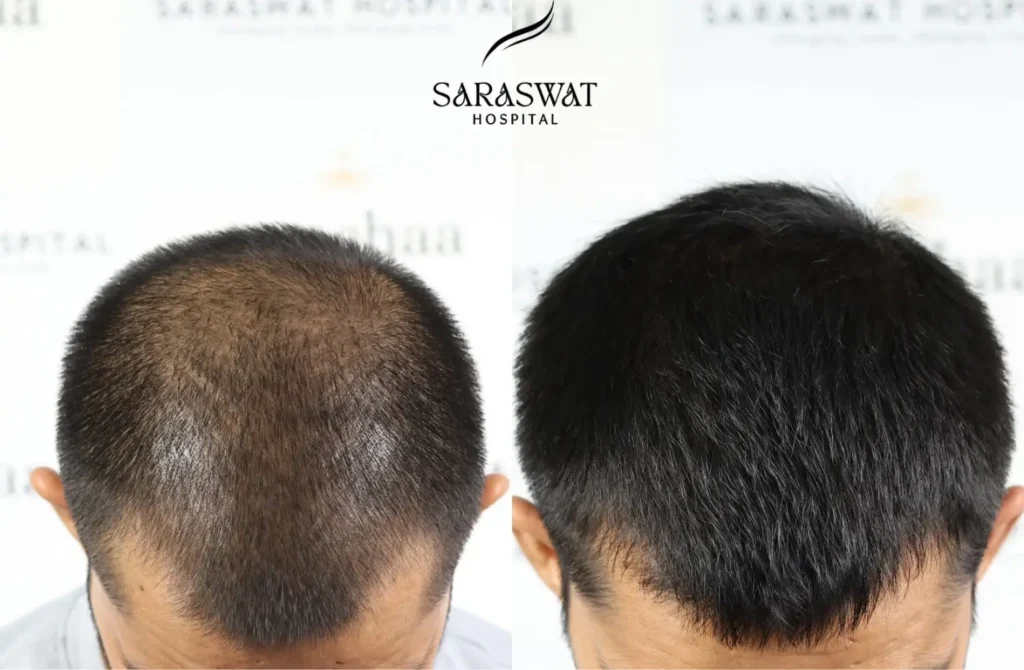
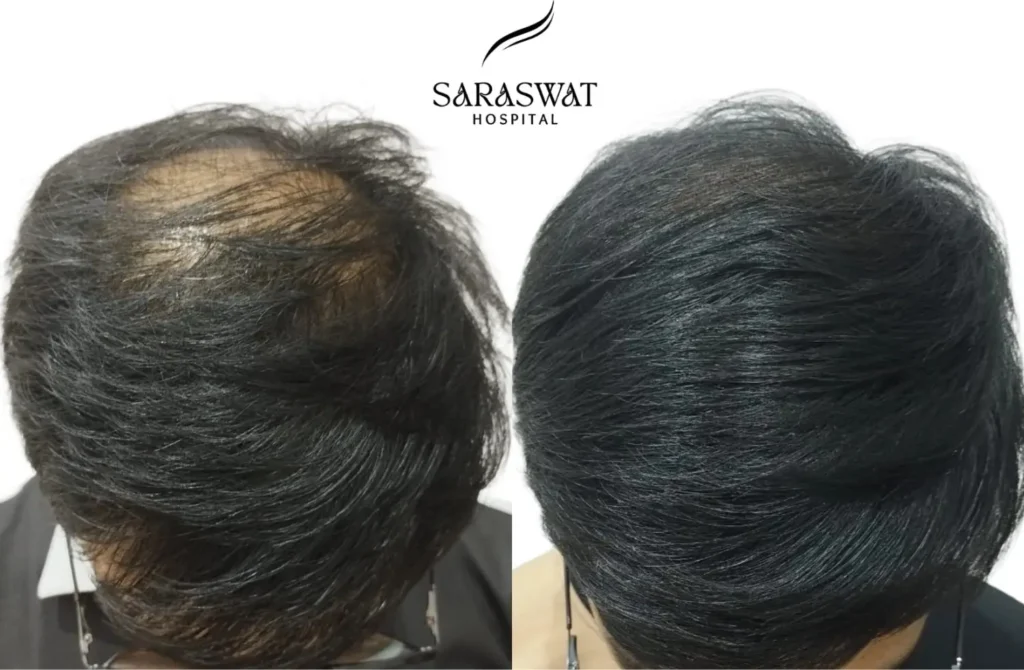
Hair Loss Before and After Result

How Can You Stop Hair Loss? Practical Solutions

Here are actionable strategies to address how can you stop hair loss and promote stronger, healthier hair:

1. Adding more protein to your diet

Studies have been conducted revealing that people experiencing hair loss also suffer from nutritional deficiencies, such as low protein and amino acids. Since our hair follicles are mostly made of a protein called keratin (1), a low protein count can result in slower hair growth. As such, eating a protein-rich diet may help prevent hair loss. Choose foods such as eggs, fish, chicken, nuts, beans, and dairy products.

2. Antioxidant-rich diet

Oxidative stress on your scalp can be one of the reasons that cause damage to your hair follicles. To prevent this, follow a diet that’s rich in antioxidants. This means adding more fruits & vegetables – beans, spinach, kale, strawberries, and blueberries to your everyday diet. The things that should be avoided are processed fats, sugar, preservatives, and alcohol, as these can add to oxidative stress.

Read More: What are the foods to eat to reduce hair fall?

3. Taking multivitamin supplements

Several studies have determined a direct relationship between nutritional deficiency and hair loss. Vitamins A, B, C, D, iron, zinc, niacin, and selenium are some important nutrients that help with hair growth and retention. You can ask your local physician to prescribe these multivitamins to you.

4. Manage Stress Effectively

Chronic stress can trigger telogen effluvium, a condition where hair prematurely enters the shedding phase. To combat stress:

  • Practice mindfulness techniques like meditation or yoga.
  • Engage in regular physical activity to reduce cortisol levels.
  • Prioritize sleep to support overall health and hair recovery.

5. Hair Transplant

Hair transplant surgery is the best hair loss treatment for those suffering from Androgenetic Alopecia (hair loss due to genetic factors). It is an outpatient procedure where healthy hair grafts are extracted from a part of the scalp that is untouched by the hair loss condition, and these hair grafts are then implanted into the bald portion of the head. Follicular Unit Extraction (FUE) and Follicular Unit Transplantation (FUT) are the two procedures used for hair transplants. Both surgeries are performed under local anaesthesia.

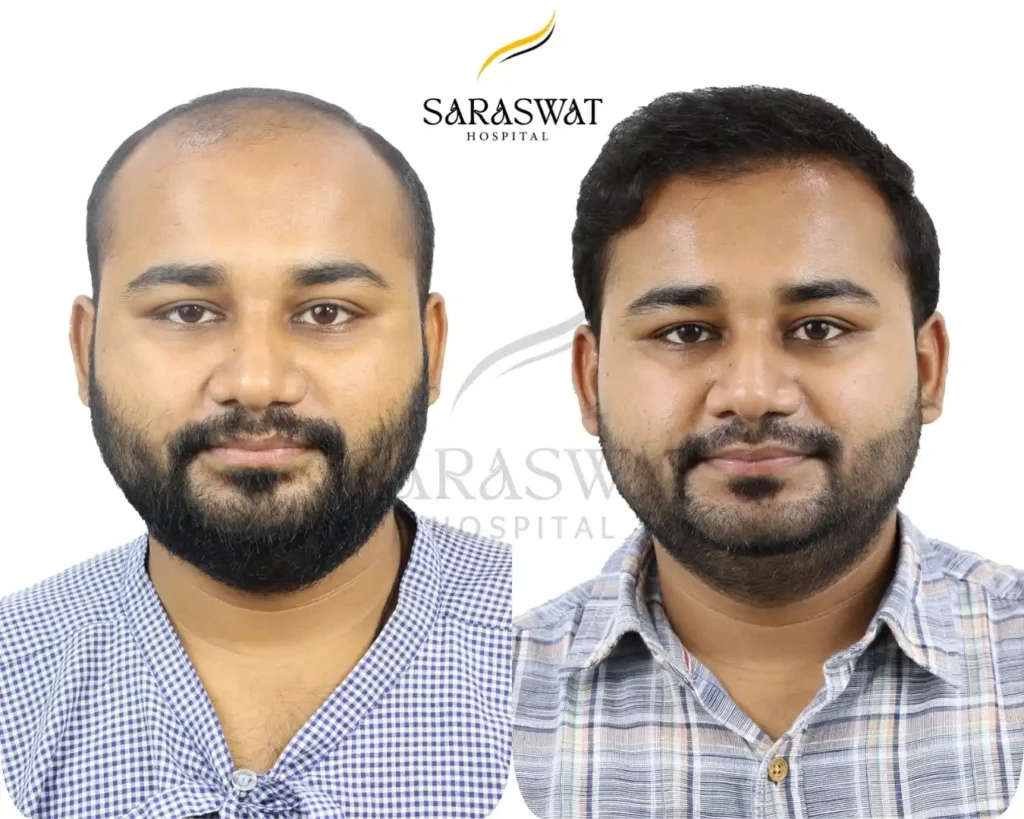
Hair Transplant Before and After Result

Lifestyle Changes to Prevent Hair Loss

In addition to the above strategies, making small lifestyle adjustments can go a long way in answering how to stop hair loss:

  1. Quit Smoking: Smoking reduces blood flow to the scalp, hindering hair growth.
  2. Stay Hydrated: Proper hydration supports overall scalp and hair health.
  3. Limit Alcohol: Excessive alcohol can deplete essential nutrients needed for hair.
  4. Protect Your Hair: Use hats or scarves to shield hair from UV rays and pollution.

Consult the Hair Transplant Experts

Saraswat Hospital is one of the most sought-after places for  hair loss treatment in Agra. Headed by a team of ABHRS-certified doctors, this hospital offers the best treatment for hair transplant surgeries in India.

Conclusion

Figuring out how you can stop hair loss starts with understanding its cause and adopting a holistic approach. While making changes to your diet and taking multivitamins can help you fight hair loss, hair transplant surgery offers a permanent solution. Book an appointment today to get hair loss treatment.

Sources:

(1) A low protein count can result in slower hair growth, since our hair follicles are mostly made of a protein called keratin. (PubMed Central)

Follow us on:- FacebookInstagramPinterestYoutube

Medical Disclaimer

This article is for informational purposes only and does not constitute medical advice. Plastic, cosmetic, and laser treatments — including AI-assisted previews such as those generated by the Peek AI™ app — carry risks and results vary by individual. Always consult a licensed medical professional before undergoing any procedure.
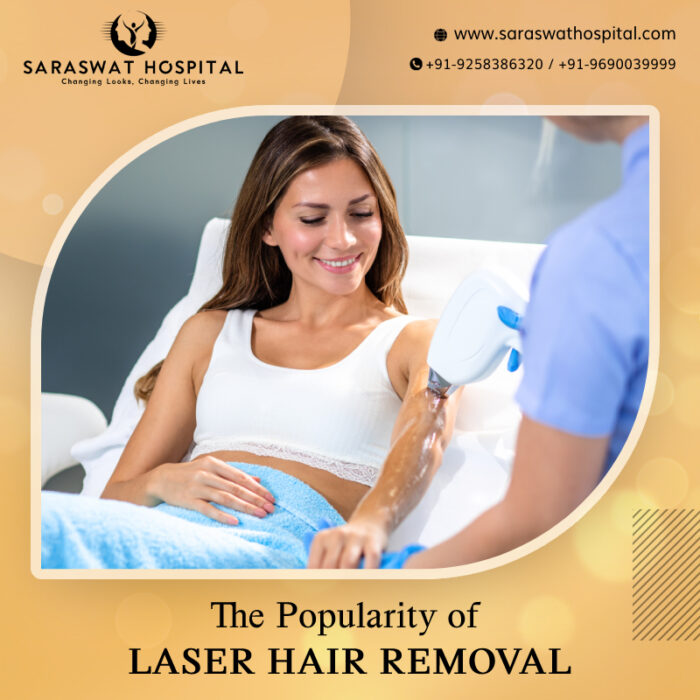
Why Is Laser Hair Removal Such a Popular Treatment?

Unwanted body hair is a part of almost every human being, and it can get irritating after a certain point in time. Especially if you’re in India, the humidity and the sweat can be extremely overwhelming. While shaving or waxing can be excellent options for the days when you want to sport sleeveless dresses, they are nothing but temporary. A more permanent solution to the same, however, is laser hair removal. In Agra, Saraswat Hospital is led by two of the finest doctors in India who provide customized treatment for every patient. Today, let’s get into the details and see why you should choose a popular laser hair removal treatment for getting rid of unwanted hair on the body.

What Does Laser Hair Removal Entail?

Through the laser hair removal treatment, various wavelengths of laser light are targeted at the melanin present in the hair follicles by penetrating inside the skin to destroy them completely, thereby rendering them incapable of future hair growth. The usage of the latest equipment and modern technology ensures that there is a cooling tip on the device to prevent burning the surrounding tissues and skin in the process. Now, laser hair removal can only target the hair in its active growth or Anagen phase, and since not all hair on the body is at this stage at the same time, you need to undergo several sessions to get the best results.

Why Should You Opt for Laser Hair Removal?

The best part about laser hair removal treatment is that it manages to cover a larger surface area by being quick and efficient. Each session you have to undergo has a few weeks in between to ensure your skin heals before another round of laser therapy. The main target of the laser hair removal treatment is to destroy the melanin present in the hair roots, and thus, it manages to even get rid of ingrown hair in the process.

Getting the treatment done from experts in the field also ensures that you have no side effects and get customized treatment based on your skin and hair colour and texture for the best results. The process is painless and almost feels like a rubber band against your skin. It is an outpatient procedure that allows you to go home immediately after the treatment.

Why is Contacting Experienced Professionals Important for the Treatment?

Saraswat Hospital is one of the most popular clinics run by international board-certified surgeons that offer highly personalized laser hair removal treatment in Agra. The team uses modern technology to provide customized treatments and get the best results.

As the Chief Clinical Cosmetologist of the hospital, Dr Preeti Saraswat is an MBBS with a Post Graduate Diploma degree in Clinical Cosmetology from the University of Greifswald, Germany. She has a lifetime membership of the Indian Association of Cosmetic Laser Surgeons and is also a member of the Indian Medical Association, ensuring that she stays updated with all the latest developments in the field to provide the best results to her patients.

Conclusion

As you are choosing any treatment procedure, it becomes crucial to ensure that you allow a professional to perform the same to get the best results right from the get-go without any side effects. You can get the best laser hair removal treatment in Agra after a thorough consultation from the experts. Feel free to book an appointment and get in touch with the hospital for more details.

Follow us on:- FacebookInstagramPinterestYoutube

What is the Success Rate of Hair Transplant?
Medically Reviewed By Dr. Preeti Saraswat, MBBS, ABHRS | Last updated: May 23, 2026

The number of people who suffer from Androgenetic Alopecia is high in India, and this is the reason why hair transplants have become so popular. People these days are very curious about the success rate of hair transplant because it involves a significant financial and emotional investment. If you want to get rid of baldness for good through a hair transplant procedure, make sure to choose a reliable clinic.

Understanding the success rate of hair transplant is crucial before deciding to undergo the procedure. In this detailed guide, we’ll discuss what factors influence success, what percentage of results you can expect, and how to maximize your outcome.

Understanding the Success Rate of Hair Transplant

The success rate of hair transplant generally refers to the percentage of transplanted hair follicles that grow successfully in the recipient area. A well-performed procedure can achieve a success rate of around 90–98%. This means that most of the transplanted grafts survive, grow naturally, and provide long-lasting results.

However, the success also depends on several key factors such as the technique used (FUE vs. FUT), surgeon experience, donor area quality, and patient aftercare.

Crucial Factors Affecting the Success Rate of Hair Transplant

For a successful hair transplant surgery, the first thing you need to do is choose a skilled and experienced surgeon. The surgeon must also be supported by a capable medical team that uses the most advanced surgical equipment. This is why you must be careful while choosing your hair transplant clinic. Other factors that influence the success rate of hair transplant are:

1. Accurate Diagnosis and Planning

It is important to find the reason behind the hair loss before planning for a hair transplant. It helps to decide on the right approach and increase the success rate of hair transplantation. For instance, if an individual’s hair loss is still continuing, then the surgery must include the areas that are soon going to lose hair as well.

2. A Healthy Extraction of Hair Follicles

It is absolutely important for the extracted hair follicles to preserve the integrity of healthy hair. So, the follicles must be collected with utmost care. This process concerns any kind of hair transplant procedure. In order not to let the hair grafts be damaged during the extraction, it is essential to be cautious about the angle and direction of each follicle.

3. Keeping the Extracted Follicles

Once the follicles are collected from the donor area, they cannot be left in the open air for a long time before being implanted into the balding area. In the FUE technique, the extracted grafts have to be kept alive for a certain period. Thus, they can be kept in a solution at +4 degrees. On the contrary, in the DHI technique, the grafts are transplanted into the recipient area immediately, within a couple of minutes after the extraction. Hence, it is not necessary to keep them at +4 degrees.

4. Implanting the Hair Follicles

This is one of the most critical parts of a hair transplant surgery that plays a huge role in the success rate of the procedure. If the grafts are not implanted at the right depth, they may end up falling out. It is also important to make sure of the right angle, direction, and density as well, or the patient may not have the natural-looking results they desire.

5. Aftercare

The success does not depend only on the doctor and the medical team. It also depends on how the patient is taking care of them after the surgery. You must follow the aftercare guidelines of your hair transplant surgery properly if you do not want the surgery to fail.

Hair Transplant Before and After Result

Average Success Rate of Hair Transplant Procedures

Most studies and clinical practices report a success rate of hair transplant ranging from 90% to 98%, provided it is performed under ideal conditions. With proper care, the transplanted hair grows naturally and permanently.

Patients usually notice new growth within 3–4 months, with full results visible after 12–18 months. A consistently high success rate of hair transplant makes it one of the most effective solutions for hair loss.

Tips to Improve the Success Rate of Hair Transplant

  • Choose a certified hair transplant surgeon – Look for ABHRS or ISHRS-certified specialists.
  • Follow pre- and post-procedure guidelines strictly.
  • Avoid smoking and alcohol before and after surgery.
  • Maintain a healthy diet with vitamins, minerals, and proteins.
  • Be patient – hair growth takes time to show visible results.

About the Doctors at Saraswat Hospital

Saraswat Hospital in Agra is led by a team of ABHRS-certified doctors with over 20+ years of experience in hair restoration, cosmetic, and laser treatments.

Dr Satya Kumar Saraswat is an MBBS with an MS, M.Ch, and DNB in plastic surgery. A specialist in all types of hair transplant procedures, he was awarded a gold medal in 2008 by the Health Minister of India for his achievements in the field of cosmetic and plastic surgery.

Dr. Preeti Saraswat completed her MBBS from GSVM Medical College in Kanpur and became a hair loss treatment doctor. Later, she pursued a postgraduate diploma in Clinical Cosmetology from the University of Greifswald, Germany. With more than seven years of experience, she is a diplomate of ABHRS and a full member of ISHRS.

Conclusion

The success rate of hair transplants is impressively high when performed by skilled surgeons and supported by proper patient care. With a success rate of around 90–98%, it remains one of the most reliable hair restoration solutions available today. Do not hesitate to give the hair transplant procedure a try if you are suffering from genetic hair loss.

Book an online consultation with our team and learn more about hair transplant. Also, find out how many grafts are required in your case, and get a customised plan for a natural-looking hairline.

Frequently Asked Questions

1. What is the average success rate of hair transplant?

The average success rate of hair transplant is about 90–98%, depending on the surgeon’s expertise and patient compliance with aftercare.

2. Does every hair transplant achieve a 100% success rate?

No, it’s unrealistic to expect a 100% success rate of hair transplant, as some grafts may not survive. However, with proper technique, most patients see excellent results.

3. Can hair transplant results fail?

Yes, if performed by an inexperienced surgeon or if aftercare is neglected, the success rate of hair transplant can drop, leading to poor growth.

4. Which technique has a higher success rate: FUE or FUT?

Both can yield high results, but FUE is slightly more popular for its quicker recovery time and minimal scarring, contributing to a high success rate of hair transplant.

5. How long does it take to see the final results?

The success rate of hair transplant is evaluated after 9–12 months, as this is when full hair growth is visible.

Follow us on:- FacebookInstagramPinterestYoutube

Medical Disclaimer

This article is for informational purposes only and does not constitute medical advice. Plastic, cosmetic, and laser treatments — including AI-assisted previews such as those generated by the Peek AI™ app — carry risks and results vary by individual. Always consult a licensed medical professional before undergoing any procedure.
What Should You Know About Acne Scar Treatment?

Everyone, at least once in their lifetime, has gone through this one big day in their lives, during which a sudden acne scar threatened to ruin it. Apart from the fact that they can practically ruin the way you look, they can be pretty hurtful and leave stubborn marks on the skin, along with redness. Having said that, there is nothing to worry about anymore, as there is a permanent acne scar treatment that acts as the best solution to the problem if performed by trained surgeons. This blog will highlight all aspects of the treatment one by one.

Fractional Co2 Laser

One of the most sought-after techniques used by cosmetologists of today’s time is opting for a Fractional Co2 laser for treating acne scars. This is a non-invasive procedure that uses lasers to remove the outer layers of dead or damaged skin. Some of the common ways the fractional Co2 laser device is used include the treatment for age spots, fine lines, wrinkles, crow’s feet, hyperpigmentation, sun damage, uneven skin tone, and warts.

Eligibility for the treatment

Once you visit a professional for a consultation, they will be able to tell you if you are eligible for the treatment or not. Such a treatment is perfect for those who want to minimize the appearance of fine lines and acne scarring. However, people who suffer from open wounds or extensive breakouts are not allowed to go for the treatment. If you are someone who suffers from a chronic medical condition, then you also would not be able to undergo the fractional co2 laser procedure.

The Laser Acne Scar Treatment

Professionals who perform the fractional co2 acne scar treatment do so in a few steps. To begin with, a local anesthetic cream is applied to the problem area and kept at rest for at least thirty minutes. The procedure, as a whole, lasts for twenty to thirty minutes at the most.

The device uses short-pulsed light energy, which is also known as the ultra pulse, that is blasted through a scanning pattern. This, in turn, removes the outer layer of thin and damaged skin. When the dead cells are eliminated from the face, the procedure then goes on to activate the production of microthermal zones that reach deep inside your skin. This ultimately replaces the damaged skin for the best results.

Acne Scar Treatment Results

Are there any Side Effects?

Since the fractional co2 laser introduces heat from the device to the skin to remove the acne scars, there may be swelling or redness in the area. Some patients might even experience scabs or discomfort, but all these side effects last for only some time, and they only get better. Some of the other most common side effects seen in patients are post-inflammatory hyperpigmentation in those with a darker skin tone and rare bacterial infections.

Pre and Post-treatment Instructions

The fascinating part of acne scar fractional co2 procedures is that you may be able to minimize the side effects by following a few pre- and post-treatment instructions provided to you by certified specialists.

The things that you need to do before the treatment include:

  1. Not using products that contain retinoids.
  2. Avoid exposure to the sun at least two weeks before the treatment.
  3. Stopping the consumption of Ibuprofen and aspirin.

Once the treatment is complete, there are a few things you need to take care of. Some of them include:

  1. The application of sunscreen whenever you leave your house.
  2. If any swelling is found in the area, apply an ice pack or compress the treated area.
  3. Avoid swimming or sweaty workouts.

Consulting Certified Specialists for the Treatment

If you are looking for the best treatment, it is always suggested that you visit specialists for the treatment. Saraswat Hospital, Agra, is a comprehensive aesthetic hospital that is run by the American Board of Hair Restoration Surgery (ABHRS), certified doctors. These specialists make use of the most modern equipment to perform the treatment for the best results.

Dr Preeti Saraswat is a Clinical Cosmetologist from the University of Greifswald who specializes in laser treatment. Her in-depth view of the subject ensures a completely customized treatment plan for all the patients.

Conclusion

Acne scars can ruin your entire look, and it is common for people to feel under-confident with stubborn marks on their skin. Having said that, you can contact the professionals who deal with laser treatments to take care of your acne scars and remove them permanently, at competitive rates. Book an appointment to consult a specialist for acne scar treatment or dial +91-9258386320 or +91-9690039999.

Frequently Asked Questions

Que 1: What types of acne scars should be treated?
When the acne scars are not flat, they are most likely one of the following three types of scars: ice pick scars, which are narrow and deep; boxcar scars, which are broad and well-defined; or rolling scars, which are soft and irregular in appearance. Hypertrophic or raised scars may occasionally be seen as well.

Que 2: What is the process of Fractional CO2 Laser in the removal of acne scars?
The Fractional CO2 Laser creates micro-wounds in the skin using microbeams of light. The body then heals the micro-wounds by producing new collagen and epithelium, thereby producing new and rejuvenated skin with the removal of the fine lines and wrinkles and the appearance of the acne scars.

Que 3: Will the acne scars become permanent if left untreated?
The healing process may cause the skin to become uneven, thereby making the scars permanent. However, the timely detection and treatment of the acne scars will prevent the damage and make the skin look fresh and healthy.

Que 4: What causes acne scars to develop on the skin?
Acne results from clogged pores caused by oil, dead skin cells, and bacteria. Acne can also develop deep in the skin. This results in scars after healing because of damage to the underlying tissues in the skin.

Que 5: Is microneedling a viable and affordable solution for treating acne scars?
Microneedling is a very affordable solution to treating acne scars. It is done using a vibrating pen-like instrument with a sterile tip that contains needles. A numbing cream is first applied to the area with acne scars. The needles are then used to target the scars. It works well for mild to moderate scars.

Follow us on:- FacebookInstagramPinterestYoutube

What to Know Before Going for an Acne Scar Treatment?

Acne is one of the most irritating scars that people with different types of skin have on their faces. When the active acne is treated, it leaves small scars on the face, which don’t look healthy. These scars are usually dark, and thus, makeup of any kind might not hide them effectively. Since the ideal example of beauty in people consists of a fresh face, a permanent solution to acne scars becomes necessary. Medical professionals often opt for lasers to execute effective acne scar treatment that offers durable results.

What are LASERS?

Laser, an acronym for “Light Amplification by Stimulated Emission of Radiation,” ranks among the most effective techniques for treating various conditions. These devices emit light that targets the skin, heals tissues, and boosts collagen production.

Things to Know About Acne Scar Treatment

Some of the most common types of lasers used in the acne scar treatment include Fractional Co2, Dermarollers/Dermapens, and IPL (Intense Pulsed Light). Having said so, there are a few things you keep in mind at all times.

Trained Professionals

The results that you derive from the procedure are the effect of how well-trained the medical practitioner is. Visiting a board-certified doctor is crucial if you want to get the most effective results at only a few sittings.

Mandatory Doctor Appointment

Never self-diagnose and decide that you would require laser treatment for the scars without consulting your doctor. The consultation with an experienced professional about your issue would also determine if lasers are the way to go or if you would require any other treatment. In that case, they would also let you know which kind of lasers would be best for you. Open up about your entire medical history so that you get the best treatment.

Sun Protection

You cannot go for laser treatment with tanned skin. The laser settings typically depend on your skin color, so you must be very careful and avoid getting tanned. Otherwise, you risk skin discoloration or burns. That’s why experts always recommend that you protect yourself from the sun before and after the treatment to maximize its benefits.

Lifestyle Changes

The effects of a laser acne scar treatment depend a lot on the lifestyle you have led so far and how you will be living immediately after the treatment. To ensure optimum results, you have to make a few adjustments to your life. Some of which include quitting smoking at least two weeks before the treatment, intake of vitamin E, aspirin, and other supplements, and usage of skincare products.

Number of Sittings

It is to note that no matter how highly trained the doctor you are visiting is, the recovery period of the treatment depends mostly on the severity of the condition. When you go for your consultation, talk to the professional about your condition and get an estimate on the number of sittings you might have to wait for results. Do not get impatient after the treatment and keep following the post-treatment instructions.

Acne Scar Treatment Results

The ABHRS Certified Doctors of Saraswat Hospital

To get quick and effortless results out of the procedure, you need to visit board-certified doctors. Saraswat Hospital, Agra, is run by Dr. Preeti and Dr. Satya Saraswat, both of whom are diplomates of the American Board of Hair Restoration Surgery (ABHRS) and trained in laser treatments.

Dr. Preeti Saraswat is a well-known cosmetologist who has received her Clinical Cosmetology degree from the University of Greifswald (Germany). Dr. Satya Saraswat, on the other hand, is a Gold Medalist plastic surgeon who has MBBS, DNB, MS, and M.Ch degrees to his name.

Conclusion

If you are looking for acne scar treatment, there is nothing better than opting for lasers. All you want to know about acne scar treatment is the above points, as they only help you get the best from the treatment. Book an appointment to get the best acne scar treatment and learn more about the treatment.

Follow us on:- FacebookInstagramPinterestYoutube

Is Laser Treatment for Hair Removal a Permanent Remedy?

Unwanted body hair is not just a barrier to achieving smooth skin, but it can also turn you into a subject of ridicule in front of others. Numerous options are available to remove unwanted hair from the body, but since most of them are temporary, people are more inclined toward the laser treatment for hair removal.

What is Laser Hair Removal?

To put it straight, the laser hair removal is a method where a powerful beam of light targets the melanin of the skin and reaches the follicles. This weakens and destroys them altogether. The laser light destroys the follicles, preventing them from producing new hair and keeping them dormant for a long time.

Some of the areas where laser hair removal produces exceptional results are:

1. Bikini area
2. Face
3. Shoulders
4. Hands
5. Legs

Permanent hair removal performed through laser is ideal for people with darker hair color and lighter skin tones. A notably swift process, laser hair removal can be completed in a few minutes, and you must always opt for ABHRS-certified doctors and trained laser technicians for the procedure.

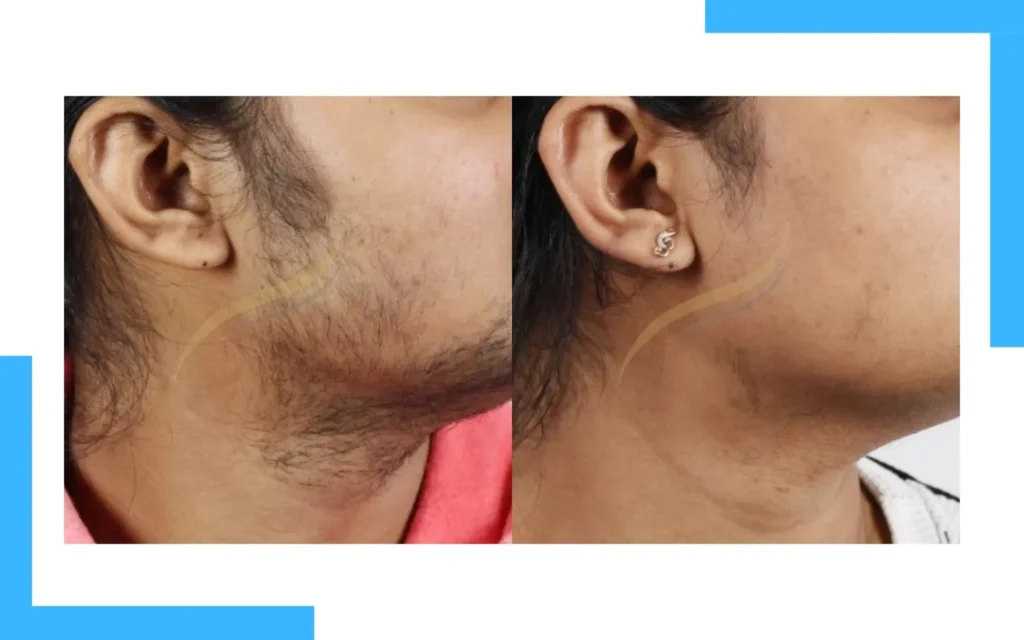
Facial Hair Removal

Why are Follow-up Sessions Needed for Laser Hair Removal?

When you are looking for permanent laser hair removal solutions, you will see experts suggesting you follow-up treatments. These extra sessions are required because each session targets the hair based on the growth phase. A full cycle of laser treatment for hair removal takes around nine months if you are targeting a bigger area.

Over time, as and when you keep attending sessions, you will see that the hair has become lighter in color and less in quantity. The hair growth phase includes stages such as:

1. Anagen

This is the time when the hair grows to around one centimeter per month. Genetics defines the amount of time hair remains in this phase, and the longer it stays, the more it will grow.

2. Catagen

This is also the transitional phase where the follicles renew themselves. Lasting around two weeks, during this time the follicle disintegrates and shrinks, cutting the strands from the blood supply.

3. Telogen

As the final resting phase, here, the follicles are inoperative for nearly four months. An intriguing point to note here is that almost fifteen per cent of hair is always in this phase. After a session of permanent hair removal in India, several people mistake this phase for the Anagen phase.

Maintenance sessions, time and again, ensure that all the hair in a particular area is treated equally.

Side Effects, Risks, and More

Laser hair removal is an effective procedure, but there are a few minor side effects that some people might face as well. Certain side effects seen in patients include temporary changes in skin color, redness, and crusting of the skin.

You must keep in mind the various pre- and post-laser treatment instructions provided by the surgeons you are consulting to ensure that you don’t turn these side effects into something severe. One such quick tip is to avoid sun exposure to be safe from scar and blister formation.

All these features and much more warrant the fact that the laser treatment for hair removal is a permanent procedure if performed by experts in the field. Saraswat Hospital, Agra, is one such center that is run by two experienced and trained surgeons.

The Doctors at Saraswat Hospital

If you are based in Agra and search for “laser hair removal near me,” you will find Saraswat Hospital to feature in the top sections of the search results. The two doctors at the helm of every treatment provided by the hospital are certified by the American Board of Hair Restoration Surgery and are excellent at their job. They are:

1. Dr. Preeti Saraswat

After passing MBBS from Kanpur, Dr. Saraswat went on to specialize in Clinical Cosmetology from the University of Greifswald, Germany. As the chief clinical cosmetologist of the hospital, Dr. Saraswat provides a personalized treatment plan to all her patients, making the treatment all the more successful.

2. Dr. Satya Saraswat

As an MBBS, DNB, MCh, and MS, Dr. Saraswat dons a ton of hats. Awarded by the Honorable Health Minister of India, Dr. Satya has been working tirelessly to provide the best services within his expertise.

Conclusion

Laser hair removal offers permanent results if you are a suitable candidate, and the treatment is performed by trained doctors. Saraswat Hospital provides the best and most affordable laser hair removal in Agra. Book an appointment for a one-on-one consultation about the same today.

Follow us on:- FacebookInstagramPinterestYoutube

Why Must You Go For Laser Hair Removal Treatment?

A thought that often pops up in the minds of women is that of smooth skin. Everyone wants skin that is smooth and soft. But the growth of unwanted hair on the hands and feet takes away the charm. There are different ways to remove hair from the skin, but none of them are permanent. That was till modern medical science came up with a technique called the laser hair removal treatment.

What are the Different Ways of Hair Removal?

The most common ways women of all ages and generations have been removing their hair are:

Waxing: A very painful option, this process actually removes hair from the roots. Usually found in both cold and hot versions, this method deals with applying wax in liquid form to the skin and then ripping it off. When wax contacts the skin, it adheres to the hair on the surface. Tugging the wax pulls the hair out, leaving the skin hair-free. Since liquid wax can cover a larger body area, it quickly removes hair in large portions. However, when the hair comes off with the wax, it causes a burning sensation on the body. Many people also experience redness and swelling in the waxed areas afterward.

Sugaring: Extremely similar to the above-mentioned process of waxing, sugaring involves the application of a gel/paste made out of sugar to work against hair growth. Even though the method is entirely natural and can be homemade, the effects of it stay for only a few days. Following this, hair regrows.

Shaving: The second most common option that women go for is shaving their hair. Here, they apply shaving cream on the skin and slowly shave it off with a razor. This is a completely painless way, but you have to be extra careful while using the razor. The skin is a very sensitive organ, and the razor, a very sharp object. If by any chance you are not attentive, you can have a scar. Shaving with a razor can cause razor burns and itchiness as well.

And Then Comes Laser Hair Removal Treatment

While these three options are used by a lot of women, there is one method that is becoming the talk of the town because of the slew of benefits it offers – permanent laser hair removal. This might be a technique that still isn’t widespread, but those who have already used it swear by this method.

The process of laser hair treatment is simple. The technicians use a laser machine and shine a bright beam of laser on the skin to burn the follicles down from the root, leaving no way hair could grow back. The whole procedure also includes hair shedding, which many might mistake for hair regrowth as well.

Since the laser hair removal treatment is a quick and simple process, there are a few things that you have to keep in mind before and after the treatment to make it successful. Especially when it comes to permanent hair removal in India, you have to properly take care of your skin and ensure you follow what the doctors have advised.

Laser Hair Removal Agra, India | Saraswat Hospital

How to Know if the Laser Will Suit Your Skin or Not?

While the other ways of hair removal can have varied results based on your skin type, with the laser, that is not the case. A very versatile treatment method, special laser technicians are trained on different types of laser instruments to use on various skin types. When you consult with the doctor, he/she will tell you the best about the type of laser he/she is about to use on you.

To talk about hair a little, laser hair removal treatments work the best on coarse and thick hair. Some of the most commonly used lasers by laser technicians are:

Nd: YAG: A long-pulse laser that is safe to use on all skin types. The Nd: YAG is for tanned skin and thicker hair.

Diode: This is a more commonly used universal type of laser, which works best on all types of skin.

If you want laser hair removal in Agra, Saraswat Hospital is a great place to visit. The hospital is presided over by two ABHRS-certified doctors. The doctors explain the whole process to you so that you are well aware of the whole process. They deal with treating their patients by providing a personalized touch to their work.

How to Know the Treatment is Working for You?

Laser hair treatment permanently removes hair, but its results don’t appear overnight. Women with more hair to remove may require additional treatment sessions compared to others.

The treatment’s effects typically become visible after four to six sessions, though careful observation may reveal some effects from the first session itself.

There is more than one sitting of laser hair treatment because hair growth happens as part of a cycle called the Anagen. Every sitting is based on one or the other active Anagen phases.

The speed of the laser hair removal treatment depends on the color of your hair, skin, hormonal imbalance, and the type of skin you have.

facial hair removal

About the ABHRS-certified doctors of Saraswat Hospital, Agra

Dr Satya Saraswat is an MS, M.Ch, D.N.B. in Plastic Surgery and a member of the Indian Association of Cosmetic Laser. He is a gold medalist in Cosmetic Surgery and has been awarded by the Honorable Health Minister of India.

Dr Preeti Saraswat has a Post Graduate Diploma in Clinical Cosmetology from the University of Greifswald, Germany, an MBBS, and is trained in laser surgery. She is also a member of the International Society of Hair Restoration Surgery (ISHRS) and the Indian Association of Cosmetic Laser Surgeons.

Both these doctors, as part of Saraswat Hospital, Agra, provide you with the most effective services of laser hair removal near you.

Conclusion

There might be a lot of ways you can opt for the removal of hair. But the permanent method of laser hair removal treatment will always be on top of the list. You can book an online consultation at Saraswat Hospital or make a call at +919258386320 for a one-on-one consultation with the doctors before making up your mind.

Follow us on:- FacebookInstagramPinterestYoutube

Pre and Post-Treatment Instructions for Laser Hair Removal

It is an oft-repeated comment that says, ‘You look beautiful when you feel confident inside.’ However, the reality of life can prove to be otherwise, with looks often becoming an important criterion to achieve success, especially when it comes to women. In fact, women are subjected to a lot of peer pressure to look good with smooth and unblemished skin. However, the presence of unwanted body hair can challenge the notion of looking good. So, one of the first things women would contemplate changing if given a chance is to get rid of all unwanted body hair. The different techniques that are generally used for this purpose are shaving, threading, and waxing, among others. But none of these remedies offers permanent results. More so, scratches, rashes, swelling, and redness are common with these procedures. This is where laser treatment for hair removal can be of help. We will help you with some instructions for laser hair removal.

Laser hair removal treatment doesn’t use any items that are harmful to the skin. It is bereft of any kind of drug, photodynamic therapy, and the like. Thus, going for laser treatments when it comes to getting rid of body hair permanently is the best possible alternative. Lasers can be a painless way of removing unwanted hair and do not cause adverse side effects. However, once you have decided that you are going for permanent laser hair removal, you must keep in mind a few things before and after the treatment.

Important Things to Keep in Mind Prior to Laser Treatment

Most of the time, we concern ourselves with things we need to do once the laser hair removal treatment is done. However, what is equally important are the measures we have to take before going for a laser treatment. Some of these are as follows:

No waxing or bleaching up to 4 weeks before the treatment. This is because hair takes time to grow, and if you have waxed before the treatment, the effect of the laser will not remain for long, thereby reducing the chances of an effective treatment.

Any direct sun exposure must be avoided. However, should you need to go out, you should apply sunscreen with a minimum SPF of 30 at least 20 minutes before stepping into the sun.

Stop using any kind of tanning beds, self-tanning creams, and sprays. A tanned body would mean the doctor doesn’t get to see the actual complexion you bear, thus affecting the overall procedure.

facial hair removal

The Day of Treatment Has Arrived. What now?

The day of treatment is a big day for patients, especially women, for they would be able to get rid of what had been bothering them for a long time, including lowering their self-esteem. During the treatment, the laser emits light that the melanin in the hair follicle absorbs. The laser beam’s energy converts to heat and damages the hair follicles. This way, it doesn’t allow the hair to regrow. On the day of the treatment, keep in mind the following:

You must shave the area of your treatment at least 24 hours beforehand. This will give the doctors a clean slate to work with.

All kinds of lotions, deodorants, and make-up must be cleaned from the area. A properly cleansed skin is what you want when you are going for permanent laser hair removal.

You must try to wear loose-fitting clothing. This will make you feel comfortable and make the area of treatment accessible to the doctor(s). Even if, post-treatment, your skin becomes sensitive, you really wouldn’t like your clothes sticking to it.

Post-Treatment Blues

Once the treatment is complete, you need to take a few steps to ensure the impact is tangible and effective. Ultimately, it is the post-treatment way of taking care of the treated area that matters. Some things that you have to make sure of are:

No hot shower for 2 to 3 days. If your skin is sensitive or dry, this treatment will keep it in a more sensitive state for a few days. In such a situation, any exposure to hot items can make you extremely uncomfortable.

Try to avoid the sun as much as possible.

Avoid waxing, bleaching, shaving, or using hair removal creams for some time.

Apply fresh Aloe Vera or use ice packs, the best soothing agents, on the treated area to reduce redness and swelling, and witness their calming effects.

Don’t confuse “hair shedding” with hair growth immediately after treatment. Hair shedding occurs when the body naturally removes treated hair.

If laser treatment breaks your skin (unlikely with a specialist), refrain from using artificial products like makeup.

However, if you have clear skin, you can start with your regular skincare and makeup routine. Once you are back home, do not forget to thoroughly clean all the makeup before you go to bed and pat your skin dry. If you rub the treated area vigorously, then it might open the pores and lead to a bad scar.

ABOUT THE DOCTORS

Dr. Satya Saraswat

He is an MBBS, MS, M.Ch, DNB( Plastic & Cosmetic Surgery Gold Medalist) & DHA (Dubai Health Authority) Licensed Specialist Plastic and Cosmetic Surgeon, performing surgeries in India, Dubai & Kenya for the past 15 years.

Dr. Preeti Saraswat

She is an MBBS doctor with a Post Graduate Diploma in Clinical Cosmetology from the University of Greifswald, Germany. She is trained in laser surgery.

A member of the American Board-certified Hair Transplant Surgeon – Diplomate of ABHRS. She is also a life member of the Indian Association of Cosmetic Laser Surgeons and an esteemed member of the Indian Medical Association and the American Academy of Aesthetic Medicine.

Conclusion

Unwanted hair growth isn’t a case of worry anymore, as you are able to get rid of it painlessly and permanently using a laser. Contact Saraswat Hospital at +919258386320 or book an appointment with ABHRS-certified doctors for your treatment.

Follow us on:- FacebookInstagramPinterestYoutube

Full Body Permanent Hair Removal For Women – The Options

Unwanted body hair can be a major concern for many women who want smooth, hair-free skin. Thankfully, modern cosmetic technologies have made hair removal for women more effective, long-lasting, and virtually comfortable. Whether it’s for your legs, arms, underarms, or even sensitive areas, there are now several advanced options for full-body permanent hair removal for women.

In this blog, we’ll explore the most popular techniques, their benefits, and how to choose the best laser hair removal method for your skin type and lifestyle.

Understanding Hair Removal for Women

Hair removal for women has evolved far beyond shaving and waxing. With new technological advancements, women can now enjoy long-term results without frequent sessions. Today, options like laser and electrolysis offer permanent hair reduction and smoother skin with minimal discomfort.

Whether you aim to remove facial hair, bikini line fuzz, or full body hair, these treatments boost your confidence and offer convenience.

How Does Laser Hair Removal in Agra Help?

In this procedure, we gently use a long-pulse Nd or diode laser to destroy hair follicles. We focus a 1064 nm wavelength laser beam on the affected area for a brief moment, allowing the melanin in the hair follicle to absorb it. The impact of the laser is such that the temperature of the focused area increases up to 700 °C, destroying the follicles permanently. Laser hair removal is a permanent and highly effective solution to get rid of unwanted hair in women, especially in areas like the upper lip, sideburns, underarms, chin, legs, arms, and bikini line. The treatment is done in phases or in multiple sittings, targeting hair in all cycles, most significantly in the anagen phase, during which the hair grows. Since the new diode laser comes with a cold tip, the person undergoing the treatment would not require any external cooling.

Facial Laser Hair Removal Result

Popular Methods of Full Body Hair Removal for Women

1. Laser Hair Removal

Laser hair removal is one of the most effective and widely used techniques for hair removal for women. It works by targeting the pigment in the hair follicles, disabling future hair growth.

Benefits:

  • Long-lasting results
  • Suitable for large areas like legs, arms, and back
  • Minimal discomfort compared to waxing

Drawbacks:

  • Requires multiple sessions
  • Works best on lighter skin with darker hair

Laser treatments are ideal for women seeking full body permanent hair removal with long-term benefits.

2. Intense Pulsed Light (IPL)

IPL is a light-based technology that works similarly to lasers but uses a broad spectrum of light. It’s popular for hair removal for women who prefer at-home solutions or professional sessions at clinics.

Benefits:

  • Covers large areas quickly
  • Less expensive than a laser
  • Reduces hair growth significantly

Drawbacks:

  • Not suitable for very dark skin tones
  • May require maintenance treatments

For women looking for affordable yet effective full-body hair removal, IPL is a great choice.

Pre and Post-Treatment Care

For successful and safe hair removal for women, follow these care tips:

Before Treatment:

  • Avoid sun exposure and tanning
  • Shave the area to be treated
  • Don’t use waxing or threading before laser sessions

After Treatment:

  • Use soothing gels or aloe vera
  • Avoid direct sunlight for a few days
  • Moisturize regularly
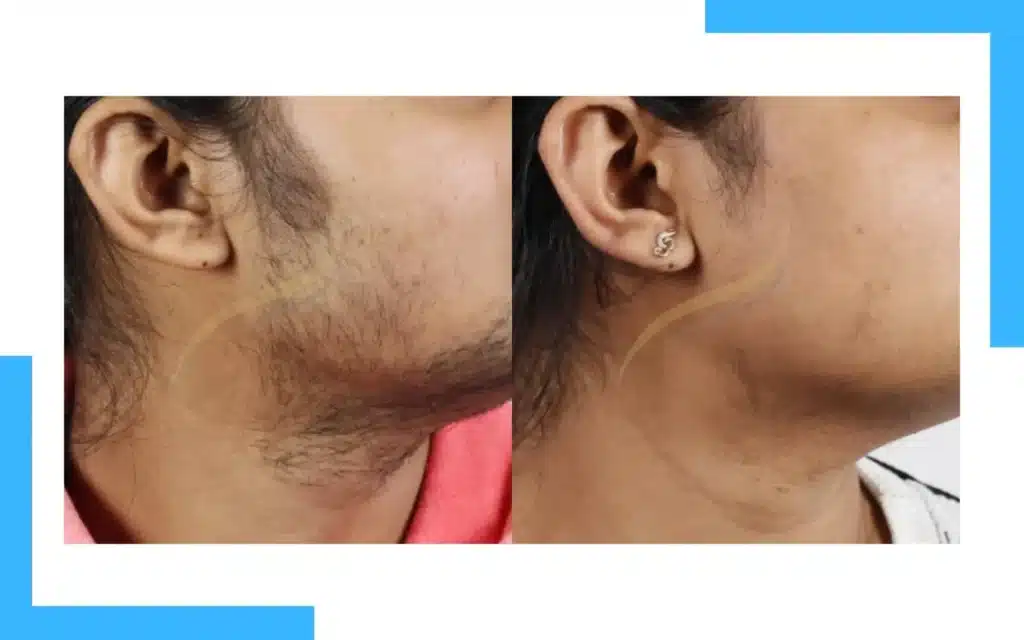
Chin Hair Removal Result

Conclusion

The removal of body hair permanently using laser should be done under the expert supervision of an expert cosmetic surgeon. The Saraswat Hospital in Agra is one such place where laser hair removal on a permanent basis is done by American-certified cosmetologists using state-of-the-art facilities. Book an appointment to get rid of unwanted hair with the best clinic in Agra.

FAQs

Q1. Is laser hair removal safe for all skin types?
Laser hair removal for women is safe, but results vary with skin tone and hair color. Newer lasers can treat a wider range of skin tones safely.

Q2. How many laser sessions are required for full body hair removal?
Typically, 6–8 sessions are needed for effective results, depending on hair density and area treated.

Q3. Is electrolysis better than laser for permanent results?
Yes, electrolysis provides permanent hair removal for women, while laser offers long-term reduction.

Q4. Does laser hair removal hurt?
Most women describe it as a mild tingling or snapping sensation. Cooling gels help minimize discomfort.

Q5. Can I do laser hair removal during pregnancy?
It’s generally not recommended during pregnancy due to hormonal changes and safety concerns.

Follow us on:- FacebookInstagramPinterestYoutube

whatapp icon