
Book an
Appointment
Best Cosmetic Surgeon in India | Dr. Preeti Saraswat

Dr. Preeti Saraswat (MBBS, ABHRS)

Dr. Preeti Saraswat is a leading Hair Transplant and Cosmetic Surgeon with 20+ years of experience. She holds an MBBS from Kanpur and a Postgraduate Diploma in Clinical Cosmetology from the University of Greifswald, Germany, and is a diplomate of the American Board of Hair Restoration Surgery (ABHRS). She is an active member of IMA, IACLS, and AAAM. She specializes in scalp micropigmentation, skin rejuvenation, laser treatments, and hair restoration, and is also the founder of Twachaa by Saraswat, a premium skincare and hair care brand. She practices at Saraswat Hospital, Agra.

Articles by Dr. Preeti Saraswat (MBBS, ABHRS)

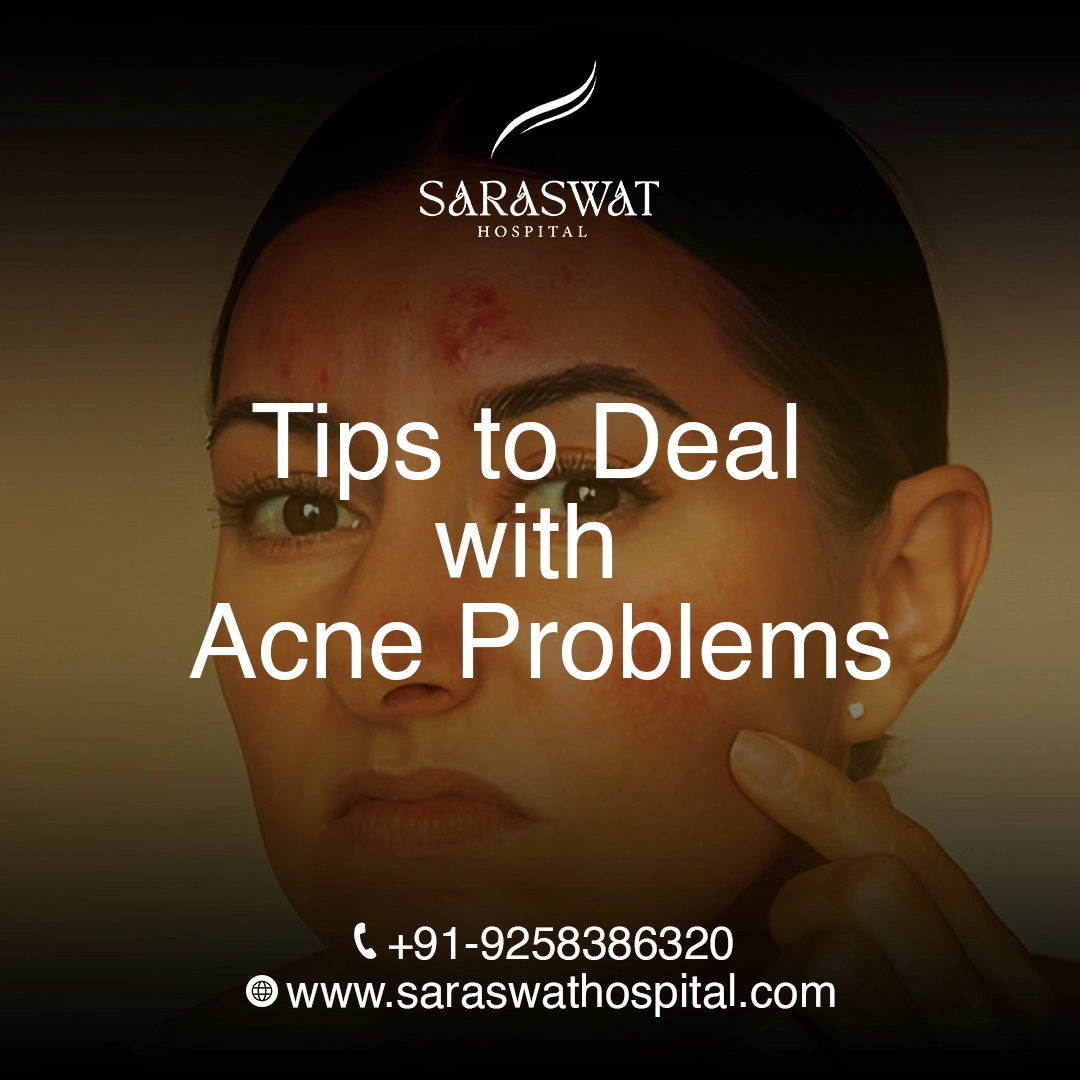
Top 10 Tips to Deal with Acne Problems in Summer
Medically Reviewed By Dr. Preeti Saraswat, MBBS, ABHRS | Last updated: May 19, 2026

The summer season in India is characterized by high temperatures, unbearable heat, and excessive sweating. Add all of this to the dust and pollution prevalent in our country, and it leads to numerous skin problems for everyone. From tanning to skin rashes, summer brings a lot of agony to your skin. For people with oily or sensitive skin, acne problems become common during these months. Excessive sweat gets mixed with the dirt and oil on your skin, clogging the pores and leading to acne breakouts. Below, we look at some effective tips to deal with acne problems during the summer.

Why Acne Gets Worse During Summer?

Summer acne is not just your imagination. Your skin actually behaves differently during hot and humid weather. As the temperature rises, your body produces more sweat and oil to cool the skin naturally. While that process helps regulate body temperature, it also creates the perfect environment for clogged pores and acne-causing bacteria.

Effective Tips to Deal with Acne

Acne can be frustrating, but the right approach can make a big difference. One of the most important tips to deal with acne is to maintain a consistent skincare routine. Cleanse your face twice a day with a gentle, non-comedogenic cleanser to remove dirt, oil, and bacteria. Avoid harsh scrubbing as it can irritate the skin and worsen breakouts. Using products with ingredients like salicylic acid or benzoyl peroxide can help unclog pores and reduce inflammation. The following are some of the tips to avoid acne:

1. Wash your face daily

During the summer, your skin accumulates an excessive amount of sweat, dirt, and oil particles. This can clog your pores and cause acne. To prevent this, it is recommended to use a deep-cleansing face wash twice a day to keep your skin clean and fresh. Use a mild and gentle formula that doesn’t cause any irritation.

2. Exfoliate once a week

Exfoliate your skin at least once every week to get rid of the dead skin cells and other impurities that can otherwise clog your pores. Use a gentle exfoliating scrub, preferably something with glycolic acid, to eliminate all toxins and clean up your skin pores. This helps to reduce the chances of acne breakouts.

 3. Apply a light moisturiser

During the summer, it is important to keep your skin hydrated. Use a light and non-oily moisturiser to maintain the moisturising balance of your skin. You can find a product with hyaluronic acid to prevent acne breakouts.

4. Opt for a light and non-sticky sunscreen

Sunscreen is of essential importance during the summer, but the heavy protective formula can often cause an extra layer of oil on your skin. This prevents the skin from breathing and clogs up your pores. It is advisable to use a mineral-based sunscreen product that has a lighter and oil-free formula. These are non-sticky and do not cause sweating.
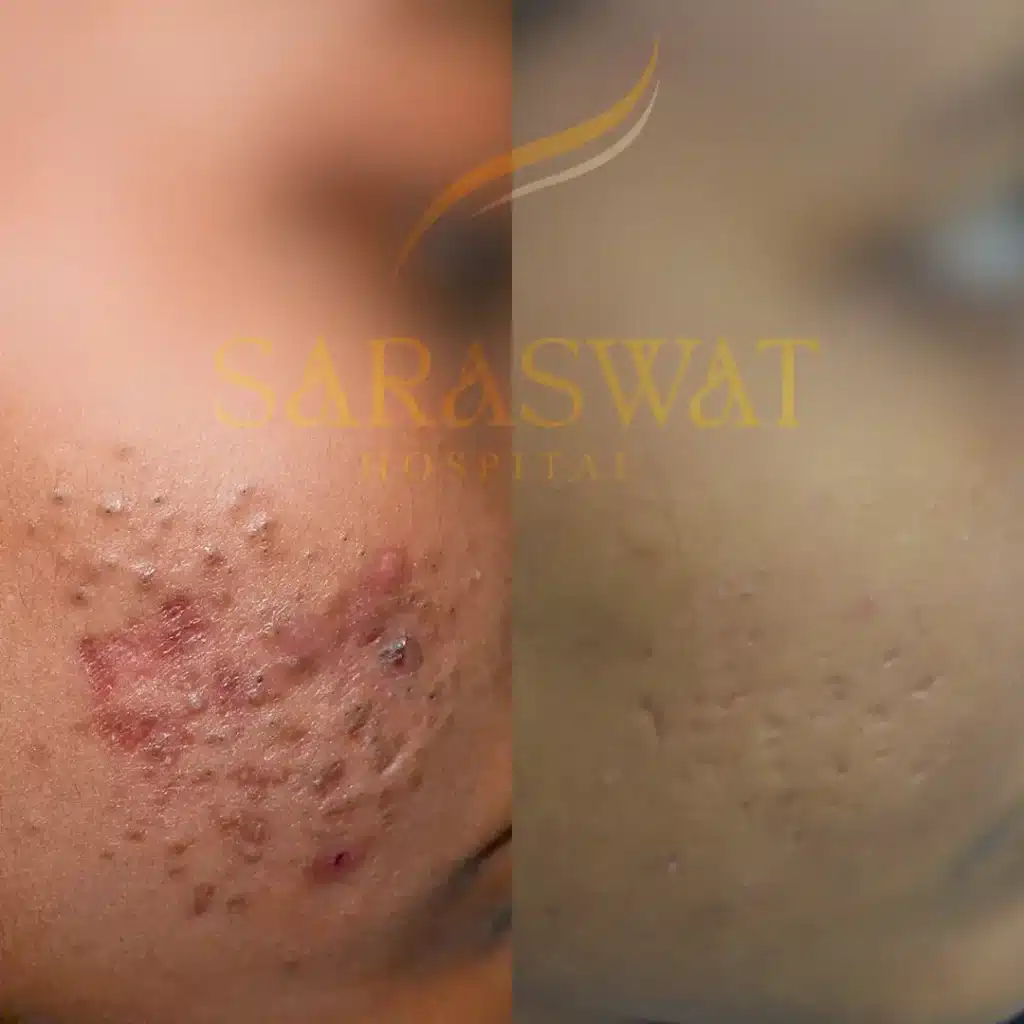
Acne Scar Treatment Results

 5. Use a Cooling Toner

Apply an astringent-based skin toner to soothe your pores. Natural astringents like rosewater or cucumber juice help to reduce your enlarged skin pores, preventing acne.

 6. Avoid carbonated drinks

The scorching heat during the summer makes us crave aerated drinks and cooling beverages. But one must avoid drinking too many sugary drinks. Aerated drinks like colas and packaged juices contain high amounts of sugar. Consuming such drinks with a high glycaemic index increases the production of insulin in your body, which also increases sebum production. This can clog the pores and cause a breakout of acne. Hence, it is better to avoid aerated and carbonated drinks.

 7. Take a shower after sweating

Sweat mixed with dust and pollution clogs your pores. It is best advised to always take a shower after your body undergoes excessive sweating. This can be after a workout session or after coming home at the end of a hard day. Taking a shower cleanses and refreshes your body.

8. Always stay hydrated

Acne occurs when the body produces more sweat and sebum. Drinking an optimum amount of water keeps the body hydrated, which helps to control excess sebum production. This prevents breakouts from happening.

 9. Maintain a cooling temperature while sleeping

Make sure you maintain a cool temperature in the room while going to sleep at night. If your body feels warm, the sweat glands will remain active and cause you to sweat during the night. The stickiness of your skin may cause acne breakouts.

 10. Opt for Fractional CO2 Laser treatment

A byproduct of acne breakouts is stubborn and nasty acne scars. If you want to permanently get rid of acne marks on your face, visit Saraswat Hospital for the best acne scar treatment. In the fractional CO2 laser method, high-powered laser microbeams are targeted on the acne-affected skin to create tiny puncture wounds. These wounds are then left to heal naturally, which increases the production of collagen in the body. The natural healing process gives birth to a new layer of skin that has visibly fewer scar marks. This treatment rejuvenates the skin as well as gets rid of scars and ageing lines.

Conclusion

Following these tips to deal with acne can help you achieve clearer, healthier skin over time. Patience is key, as results may take a few weeks to show. Acne problems during the summer are common. If you suffer from stubborn acne marks on your face, book an appointment and get the best acne scar treatment at Saraswat Hospital in Agra.

Follow us on:- FacebookInstagramPinterestYoutube

Medical Disclaimer

This article is for informational purposes only and does not constitute medical advice. Plastic, cosmetic, and laser treatments — including AI-assisted previews such as those generated by the Peek AI™ app — carry risks and results vary by individual. Always consult a licensed medical professional before undergoing any procedure.
organic skin polishing treatment in Agra
Medically Reviewed By Dr. Preeti Saraswat, MBBS, ABHRS | Last updated: May 19, 2026

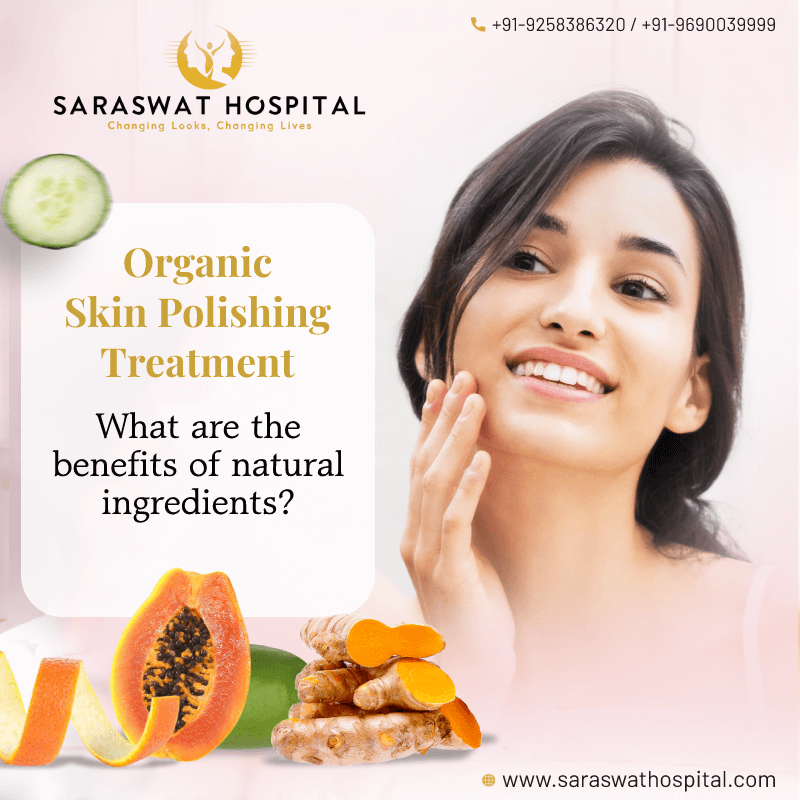
Summers are here, and the heat is already reaching unbearable temperatures. This excessive heat wave is almost always accompanied by sun tanning, sweating, and dehydration for most people. Dirt and dead skin cells also get accumulated in the skin pores. At Saraswat Hospital, you can find the best remedies for your skin and beauty, and get glowing skin with body polishing. Our organic skin polishing treatment is a great way to exfoliate your skin and remove all impurities and dead skin cells from your body.

What is Body Polishing?

Body polishing is a skincare treatment that helps remove dead skin cells, improve blood circulation, and deeply nourish the skin. It works like exfoliation therapy for the entire body, leaving the skin smooth, soft, and naturally radiant. Natural body polishing uses herbal and kitchen-based ingredients that gently cleanse and rejuvenate the skin without harsh chemicals.

How to Get Glowing Skin With Body Polishing?

Body polishing is a type of skin treatment that involves a full-body scrub to exfoliate, hydrate, and moisturize the skin. Natural and ayurvedic ingredients are used, mixed with natural essential oils, to cleanse your body with a herbal scrubbing paste that removes all dirt and dead skin cells, regenerates blood circulation, and rejuvenates the natural radiance of your skin.

At Saraswat Hospital in Agra, you can get naturally glowing skin with body polishing even in the summer with our organic skin polishing service. Below, we have a list of the natural ingredients used in this skin treatment and the benefits of each ingredient:

Papaya

Papaya is rich in antioxidants and healthy enzymes. It is a great exfoliator and helps in removing dead skin cells and damaged tissues from the surface of the skin. It gently and effectively eliminates all excess oil, dirt, and grime from your skin pores. Applying raw papaya to the skin can help with dealing with acne and pigmentation marks. It is a key element of our organic skin polishing treatment to give you clear, radiant skin.

Cucumber

When it comes to summer skin treatments, using cucumber is a must. It has hydrating and cooling properties, along with being an anti-inflammatory. It soothes the skin and prevents rashes. Rich in antioxidants and vitamin E, it also helps to reduce acne and prevent any breakouts on the skin. It also firms and tightens your skin and combats premature ageing.

Tomato

Tomato reduces sun tanning, prevents hyperpigmentation, and naturally brightens the skin tone. It is full of enzymes, which makes it a great exfoliating agent that easily gets rid of dead skin cells.  Rich in antioxidants, tomato extracts fight cellular damage and soothe the skin. It has anti-ageing properties that stimulate collagen production and reduce premature signs of ageing.

Curd

Curd is used for our organic body polishing treatment as a natural exfoliator and moisturiser. Rich in vitamin D, probiotics, and lactic acid, it removes the dullness of your skin and gives it a fresh and youthful look. It prevents excess sebum production and helps in maintaining skin elasticity. It hydrates the skin, tightens your pores, and reduces signs of ageing.

Turmeric

Turmeric is one of the top natural ingredients used in beauty packs and natural skin treatments. It brightens and lightens skin tone, reduces acne and blemishes, slows down signs of ageing, moisturises dry skin, and prevents any rashes or infections. Turmeric has powerful anti-inflammatory and anti-microbial properties. It is rich in antioxidants, which help in reducing scar marks and hyperpigmentation, and give a natural glow to the skin.

Orange zest

Orange zest is a natural exfoliator that removes dead skin cells and encourages cell regeneration. Rich in vitamin C and antioxidants. It removes sun tan, gives the skin a natural glow, and reduces acne and scars. It improves the elasticity of the skin and has anti-ageing properties that reduce wrinkles and fine lines.

Lemon zest

Lemon zest is used in our body polishing pack as it lightens skin, reduces scars, and gently exfoliates and hydrates the skin. It is rich in vitamin C, antioxidants, citric acid, enzymes, and other minerals. Using lemon zest removes dead skin cells and stimulates new skin cells with collagen production. Lemon zest also helps to reduce and lighten scars, pigmentation, and dark spots. It has anti-ageing properties that fight wrinkles.

Rice flour

Rice flour is a natural exfoliator, gentle on the skin, and helps remove dead skin cells. Rich flour reduces excess sebum production, thus reducing the oiliness and preventing acne. This treatment protects skin from sun damage, removes tan, and gives an even skin tone. It also reduces ageing signs and tightens the skin.

Gram flour

Applying gram flour removes sun tan, reduces oiliness, and fights acne. Gram flour cleanses the skin and acts as a gentle exfoliator. It helps remove dead skin cells and unwanted body hair, controls the excess sebum production, and reduces scars, dark spots, and blemishes. It promotes an even skin tone and gives a natural glow.

Conclusion

If your skin is suffering from the unbearable heat of the summer, opt for the organic skin polishing treatment and get glowing skin with body polishing at Saraswat Hospital. We use completely natural ingredients for the body polish, followed by a cooling body pack for the best results. Get naturally glowing skin using herbal treatments.

Book an appointment with Saraswat Hospital in Agra and get smooth, soft, and naturally radiant skin.

Follow us on:- FacebookInstagramPinterestYoutube

Medical Disclaimer

This article is for informational purposes only and does not constitute medical advice. Plastic, cosmetic, and laser treatments — including AI-assisted previews such as those generated by the Peek AI™ app — carry risks and results vary by individual. Always consult a licensed medical professional before undergoing any procedure.
How to Stop Hair Loss in Women?
Medically Reviewed By Dr. Preeti Saraswat, MBBS, ABHRS | Last updated: May 21, 2026

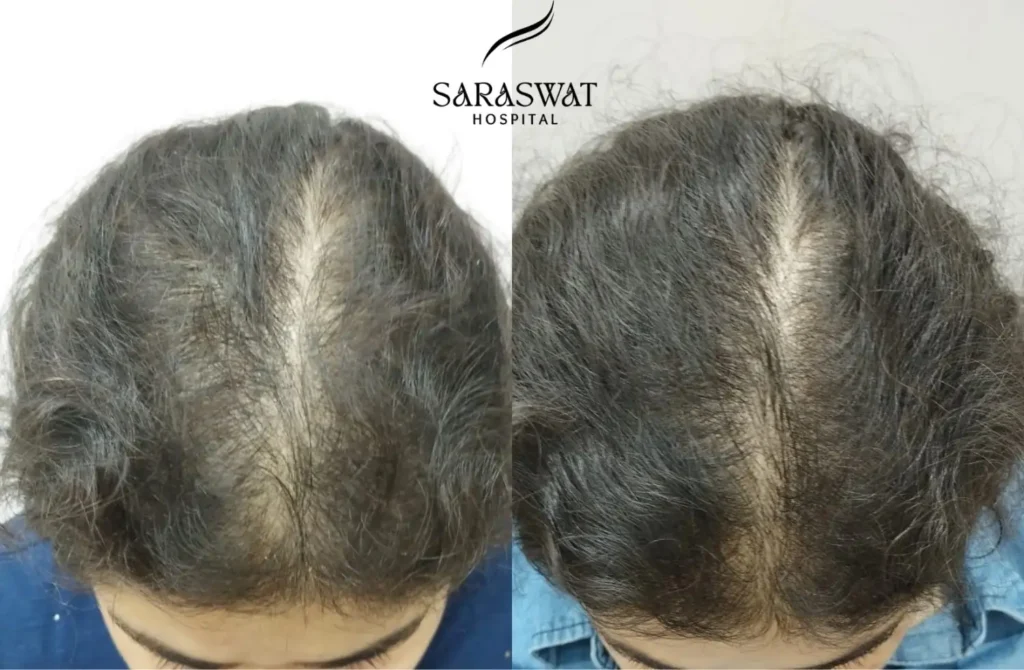
Hair thinning, or rapid hair loss, is a condition faced by several women across the world. It is estimated that about 40 per cent of women start getting affected by female pattern hair loss by the age of 50. Hair thinning is an early symptom of the onset of the female hair loss condition. While it is natural to lose between 50 to 100 hair strands daily, you must seek professional treatment if you start losing more than 100 strands daily. Consult with experienced and credible hair restoration experts who provide the best hair loss treatment.

What Causes Female Hair Loss?

The reasons for hair loss in women can be due to multiple factors. This includes hormonal changes, genetic factors, nutritional or mineral deficiency, stress, medicinal side effects, post-COVID or other serious diseases, post-pregnancy, and chemical hair treatments.

When you start losing more than 100 hair strands daily, it is time to visit the hair doctor. Depending on the cause of your hair loss, a treatment plan is devised specifically suited for you.

Women Hair Loss Result

How to Stop Hair Loss?

To address hair loss, consult a dermatologist to pinpoint the cause, as treatments vary. For genetic hair loss, medications like minoxidil or finasteride can help slow thinning and encourage regrowth. Ensure a nutrient-rich diet with iron, zinc, and protein to support hair health, and avoid damaging practices like tight hairstyles or excessive heat styling.

Better lifestyle

Improper diet, stress, and hormonal changes are common causes of hair loss. To remedy this, doctors advise patients to follow a balanced and nutritious diet. Consume foods that are rich in proteins, fibres, and healthy fats. A light exercise routine or practising yoga can also be helpful. It helps manage stress and gives your body proper rest.

Minoxidil

Minoxidil is approved by the US-FDA and is a common medication used to treat female pattern hair loss. It is a liquid solution that’s available in the market and sold in concentrations of 2 per cent, 5 per cent, and 10 per cent. Women are advised to use the solution in a concentration of either 2 per cent or 5 per cent. The prescribed dosage is to apply 1ml of Minoxidil on the top portion of the scalp every day.

Low-Level Laser Therapy

Once again approved by the US-FDA, low-level laser therapy can also treat female hair loss. The typical dosage consists of bi-weekly sessions that last for 20-25 minutes. But this can differ at different hair loss centres.

To know more about how to get healthy hair, watch this video. 

Consult with ABHRS Certified Experts for the Best Hair Loss Treatment

Saraswat Hospital offers advanced and reliable hair loss treatment in Agra by an expert team of two ABHRS-certified doctors with over 20+ years of experience. They provide personalised treatment plans based on the needs of each patient. Book an appointment to find the best solution for your hair loss today.

Follow us on:- FacebookInstagramPinterestYoutube

Medical Disclaimer

This article is for informational purposes only and does not constitute medical advice. Plastic, cosmetic, and laser treatments — including AI-assisted previews such as those generated by the Peek AI™ app — carry risks and results vary by individual. Always consult a licensed medical professional before undergoing any procedure.
Uncovering the Myths of Laser Hair Removal - Reality & Benefits
Medically Reviewed By Dr. Preeti Saraswat, MBBS, ABHRS | Last updated: May 21, 2026

The societal standards of beauty have set an expectation of having smooth and hairless arms and legs. But the hair removal process of waxing and shaving can be too cumbersome to repeat every month. It’s no wonder then that laser hair removal procedures are gaining popularity among the masses. When it comes to getting smooth, hair-free skin, laser hair removal is one of the most talked-about solutions today. Yet, despite its growing popularity, several myths of laser hair removal still make people hesitant. Let’s clear the air and reveal the truth behind these misconceptions so you can make an informed decision.

What is Laser Hair Removal?

Laser hair removal is a cosmetic treatment that uses a concentrated beam of light to target and damage hair follicles, reducing hair growth over time. Unlike shaving or waxing, it tackles the root cause of unwanted hair, leading to long-term results. The procedure can be performed on various body parts, including the face, arms, legs, underarms, chest, back, and bikini line.

What Are The Myths of Laser Hair Removal?

There are many myths surrounding laser hair removal that often create fear among people considering the treatment. Some believe the procedure is extremely painful, unsafe, or only suitable for certain skin types. Others think it causes burns or is very expensive and provides an instant, permanent result after a single session. In reality, most of these misconceptions are based on outdated information. Saraswat Hospital is the number one clinic for laser hair removal in Agra, providing safe and painless laser hair removal (LHR) treatment. Below, we look at details of some common myths of laser hair removal and uncover the truth behind them:

1. Laser hair removal is very painful

Laser hair removal causes no pain. At the most, you might feel a slight pinprick sensation that causes mild discomfort. In fact, waxing is more painful than LHR treatment.

2. Laser hair removal treatment causes burns

Some people think that exposure to lasers can result in skin burns. When you visit a reputed clinic for laser hair removal in Agra, they use the latest technology and FDA-approved equipment for the procedure. This guarantees a completely safe procedure, assuring that no burns are caused.

3. Laser hair removal increases hair growth

Every person has a natural hair growth pattern. LHR procedures cannot increase or alter this pattern. The laser beams successfully eliminate those hair follicles that are in their active hair growth phase.

4. Laser hair removal causes ingrown hair

A laser hair removal destroys the hair follicles right from the roots, thus negating the chances of ingrown hair. Such a problem is more common with waxing or shaving, not LHR procedures.

5. Laser hair removal exposes you to harmful radiation

Visit a reputed laser hair removal clinic that uses only FDA-approved laser machines, as they do not emit any harmful radiation. The laser is targeted onto a specific area only and gives effective hair removal results.

6. Laser hair removal is very expensive

Compared to waxing or shaving, which need to be repeated every 3-4 weeks, laser hair removal procedures are much more cost-effective in the long run. Cut down your expenses of monthly parlour appointments.

7. Laser hair removal can be done in beauty parlours

Laser hair removal should only be done by certified dermatologists or laser experts. This is a medical procedure and cannot be done at a beauty parlour. Doing it from the wrong place can lead to severe damage like scarring, skin discolouration, and pain and redness.

The Reality Behind the Myths

  • Modern Laser Technology: Today’s devices are faster, safer, and designed to suit multiple skin and hair types, ensuring effective results with minimal discomfort.
  • Personalised Treatments: Experienced dermatologists customise treatment settings based on your skin tone, hair texture, and sensitivity, making it safer and more effective.
  • Safety Measures Taken by Clinics: Certified professionals use protective eyewear, skin-cooling systems, and pre-treatment tests to guarantee a safe experience.

Benefits of Laser Hair Removal

  • Long-term cost savings
  • Time efficiency
  • Skin-friendly results
  • Precise treatment
  • Smoother skin
  • Reduced ingrown hairs

Who Should Avoid Laser Hair Removal?

People with very light blonde, grey, or white hair may not see desired results because lasers target pigment. Pregnant women or those with certain skin conditions should consult their doctor first.

Tips Before Undergoing Laser Hair Removal

  • Avoid sun exposure: protect your skin from tanning before treatment sessions.
  • Shave the treatment area: Shaving is usually recommended 24 hours before the procedure.
  • Avoid waxing or plucking: Hair roots should remain intact for the laser to target effectively.
  • Follow professional advice: Always follow the instructions provided by the specialist for safe and effective results.

Opt for Safe & Painless Laser Hair Removal Treatment

Saraswat Hospital is one of the most advanced clinics for laser hair removal in Agra. It is run by international board-certified surgeons who offer highly personalised laser hair removal treatments as per the client’s needs. The team uses modern technology to provide customised treatments and get the best results.

Facial Laser Hair Removal Result

As the Chief Clinical Cosmetologist of the hospital, Dr. Preeti Saraswat is an MBBS with a Post Graduate Diploma degree in Clinical Cosmetology from the University of Greifswald, Germany. She has a lifetime membership of the Indian Association of Cosmetic Laser Surgeons and is also a member of the Indian Medical Association, ensuring that she stays updated with all the latest developments in the field to provide the best results to her patients.

Conclusion

Laser hair removal is one of the most effective ways to achieve long-term smoothness, but misinformation keeps many from trying it. By clearing up the myths of laser hair removal, you can confidently decide whether this treatment suits your lifestyle. With proper preparation, aftercare, and expert guidance, it’s a safe, convenient, and cost-effective choice for hair reduction.

Book an appointment with Saraswat Hospital in Agra, as we provide safe and painless laser procedures for all types of hair removal needs.

FAQs

Q1: Is Laser Hair Removal Painful?
No, it’s relatively painless. Most people describe it as a mild tingling or snapping sensation.

Q2: How Many Sessions Are Required to achieve the desired result?
Typically, 3–6 sessions are needed to achieve long-lasting results.

Q3: Can Laser Hair Removal Be Done on Dark Skin?
Yes, modern lasers are safe and effective for darker skin tones.

Q4: Are There Any Side Effects of Laser Hair Removal?
Mild redness or swelling can occur but usually subsides within a few hours.

Q5: Is Laser Hair Removal More Cost-Effective Than Waxing?
Absolutely. Over time, you save more money compared to frequent salon waxing sessions.

Follow us on:- FacebookInstagramPinterestYoutube

Medical Disclaimer

This article is for informational purposes only and does not constitute medical advice. Plastic, cosmetic, and laser treatments — including AI-assisted previews such as those generated by the Peek AI™ app — carry risks and results vary by individual. Always consult a licensed medical professional before undergoing any procedure.
Pre & Post Holi Tips for Skin and Hair Care
Medically Reviewed By Dr. Preeti Saraswat, MBBS, ABHRS | Last updated: May 25, 2026

With the pages on the calendar turning so fast, the festival of colours is just around the corner. Holi, the festival that’s celebrated with an array of colours, sweets, and water balloons, is arriving very soon. Of course, you will play Holi on the day of the festival. But the harsh colours and chemicals can wreak havoc on your skin and hair. In this blog, we discuss some easy pre & post holi tips for skin and hair care, and tips on how to take care of your skin and hair pre- and post-Holi.

What are the Pre-Holi Tips for Skin and Hair Care?

Discover the best pre & post holi tips for skin and hair care to protect yourself from harsh colours and chemicals. Learn easy remedies, skincare hacks, and FAQs for a safe, glowing Holi.

1. Rub ice cubes

On the day of Holi, massage your face with some ice cubes for about 10-15 minutes before going out to play. The coldness will close the pores in your skin, thus preventing any colours or chemicals from penetrating your skin. This also ensures no acne or breakouts are caused after the celebrations.

2. Moisturise your skin

Apply essential oils all over your body to create a layer of protection on your skin. Coconut oil and almond oil are the best options, as they are rich in Vitamin E and hydrate your skin well. For those who have sensitive skin, tea tree oil might be a good choice. Make sure you apply the oil to your face and entire body.

If you don’t like the idea of oiling your body, you can also apply a heavy moisturiser. Lather yourself in generous amounts of moisturiser before stepping out for the festivities.

3. Apply sunscreen

Holi is usually played outdoors in open areas. This means you will be spending hours under the sun with no shade. Hence, applying a strong sunscreen with an SPF of 40 or above is an absolute must. Make sure you apply sunscreen on all the exposed areas of your body, including your neck and the back of your ears. Since Holi is often played with water, remember to use a waterproof sunscreen.

4. Paint your nails

Do not forget to protect your nails from the harsh colours. Apply a thick coat of nail paint to ensure the colour doesn’t stick to your nails.

5. Use petroleum jelly

Apply petroleum jelly on your lips, tips of your fingers and toes, and the back of your ears to protect these areas from harmful colours. Petroleum jelly will keep the skin hydrated and prevent the colours from sticking for long.

6. Consult your skin specialist

This is very important. If you have a skin condition or are currently undergoing any skin treatment, such as acne scar treatment, make sure you consult with your doctor before deciding to play Holi. Coming in contact with harsh chemicals might aggravate your skin condition, and thus, it is important to get a consultation first. If they advise against it, don’t play Holi this year.

7. Apply coconut oil to your hair

The harsh chemicals of Holi colours can cause a lot of damage to your hair, too. It is recommended to wash your hair a day before the festival. And on the day of Holi, apply a deep layer of coconut oil on your scalp and your hair. This will keep your hair from getting dry and frizzy.

Post-Holi Tips for Skin and Hair Care

1. Remove the colours

Apply coconut oil or olive oil on your face and body and let it rest for 10 minutes. Next, properly exfoliate your body with a herbal soap or a mild body wash. Scrubbing your body gently will help remove the colour as well as clear dead skin cells. Do not rub very harshly, as your skin might be sensitive after hours in the sun.

2. Moisturise your skin

The harsh colours tend to take away the moisture from your skin and leave it feeling dry and patchy. Apply moisturiser after your washing routine to ensure that your skin is well hydrated. You can also apply a home-made natural face mask to moisturise your skin.

3. A three-step hair care routine

While taking your post-Holi bath, wash your hair with a generous amount of mild cleansing shampoo. Preferably, use something organic or herbal. Follow this up with a hydrating conditioner or hair mask. Keep it for 5-10 minutes before washing it off. And finally, apply a leave-in hair serum to restore moisture to your hair.

4. Drink Plenty of Water

Hydration is crucial post-Holi. Drinking enough water will help flush out toxins and keep your skin glowing.

5. Go for a Professional Clean-Up

If you experience stubborn colour stains, rashes, or acne breakouts, consider visiting a dermatologist or skincare expert for a professional clean-up or treatment session.

Final Words

Holi is a joyful celebration filled with beautiful colours. Do not miss out on this festivity for fear of getting skin rashes or hair loss problems. Just follow the above-mentioned pre & post holi tips and be assured of healthy skin and hair even after all the colours!

If you face any severe acne problems after Holi, book an appointment with Saraswat Hospital in Agra for advanced acne scar treatment by leading experts in the country.

FAQs

Q1. What is the best oil to use before Holi?
Coconut oil is one of the best options because it nourishes the scalp and creates a protective barrier for your hair and skin.

Q2. Can I skip sunscreen if I play Holi early in the morning?
No. Even morning sun exposure can cause tanning and damage. Always use a waterproof sunscreen with SPF 40+.

Q3. How can I remove stubborn Holi colours naturally?
Mix besan (gram flour) with milk or curd and use it as a gentle scrub. This natural remedy helps remove colours without irritating the skin.

Q4. What should I do if I get a rash after Holi?
Apply aloe vera gel to soothe irritation and avoid scratching. If the rash persists, consult a dermatologist.

Q5. How soon should I wash my hair after Holi?
Wash your hair as soon as possible after playing Holi to prevent colour from settling. Use a mild, hydrating shampoo and conditioner.

Follow us on:- FacebookInstagramPinterestYoutube

Medical Disclaimer

This article is for informational purposes only and does not constitute medical advice. Plastic, cosmetic, and laser treatments — including AI-assisted previews such as those generated by the Peek AI™ app — carry risks and results vary by individual. Always consult a licensed medical professional before undergoing any procedure.
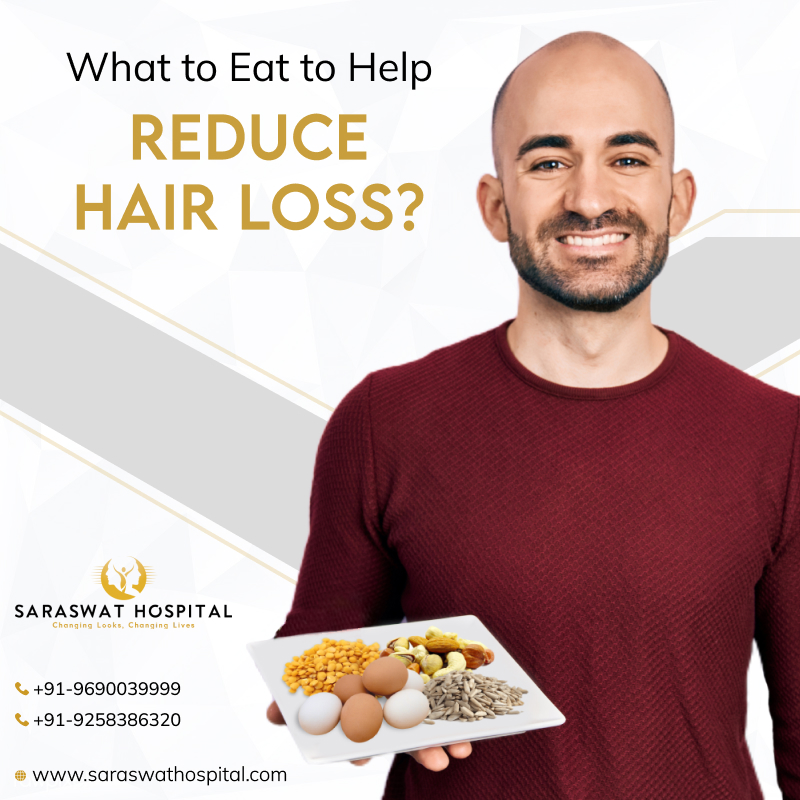
What are the Foods to Eat to Reduce Hair Fall?
Medically Reviewed By Dr. Preeti Saraswat, MBBS, ABHRS | Last updated: May 25, 2026

Hair fall has become an extremely common problem among men and women. A healthy mane is like the crown jewel of our natural beauty, and losing that can cause a lot of distress for many people. Foods to eat to reduce hair fall are one of the most important solutions if you are dealing with excessive hair shedding. Most men and women lose about 60-80 hair strands daily as per the natural hair growth cycle. But when this number exceeds 100 or more hairs daily, it might be a sign that you need to seek hair loss treatment from experts.

There are various factors that trigger hair loss. It could be due to hormonal changes, genetic factors, stress, nutritional deficiency, bad lifestyle choices, physical diseases, or medicinal side effects.  For those who suffer from hereditary hair loss, otherwise known as androgenetic alopecia, the best choice of treatment is to undergo a hair transplant procedure. It will give you natural-looking permanent results.

Hair transplant procedures should only be opted for when the hair loss condition is extreme. But if your hair fall is not caused by genetic factors, then you must take preventive actions to reverse the hair loss in its beginning stages. One of the most important things in hair loss treatment is to follow a nutrient-rich diet.

What to Eat for Healthy Hair Growth?

In today’s age of fast food dietary habits, it is very important to pay special attention to what you are eating. Experts say to increase the intake of proteins and micronutrients to reduce hair fall. Fresh fruits and green leafy vegetables must be added to your daily diet.

Eggs – The Protein Powerhouse

Eggs are a great source of protein. They also contain essential nutrients like calcium, iron, zinc, vitamin B6, vitamin B12, vitamin A, D, and E, selenium, omega-3 acids, and more. Eggs are also rich in biotin, which is needed to produce natural keratin for your hair. Eggs can be added to your diet anyway you want – boiled, scrambled, fried, and so forth.

Nuts and Seeds – Packed with Essential Nutrients

Nuts such as peanuts, almonds, and walnuts are packed with protein, vitamins, and nutrients. They contain biotin, which strengthens hair, and plenty of vitamin B6, B9, B12, vitamin E, zinc, and magnesium.  Seeds such as sunflower seeds, pumpkin seeds, flax seeds, and chia seeds contain plant-based protein, vitamin E, zinc, selenium, omega-3, and essential fatty acids.

Lentils and pulses – Iron-rich Superfoods

Lentils, pulses, and chickpeas are extremely rich in protein, biotin, zinc, and iron. They have high contents of folic acid, which increases red blood cell production in your scalp. Thus, strengthening your hair and preventing breakage. Pulses are fairly common in most Indian households and should be included in one meal per day.

For more tips to achieve healthy hair growth, watch the video below.

Additional Tips Along with Foods to Eat to Reduce Hair Fall

  • Drink enough water to stay hydrated and maintain scalp health.
  • Manage stress through yoga, meditation, or light workouts.
  • Avoid crash diets or sudden weight loss to prevent hair shedding.
  • Massage your scalp with nourishing oils to improve blood circulation.
  • Use gentle, sulfate-free shampoos to keep your scalp clean.
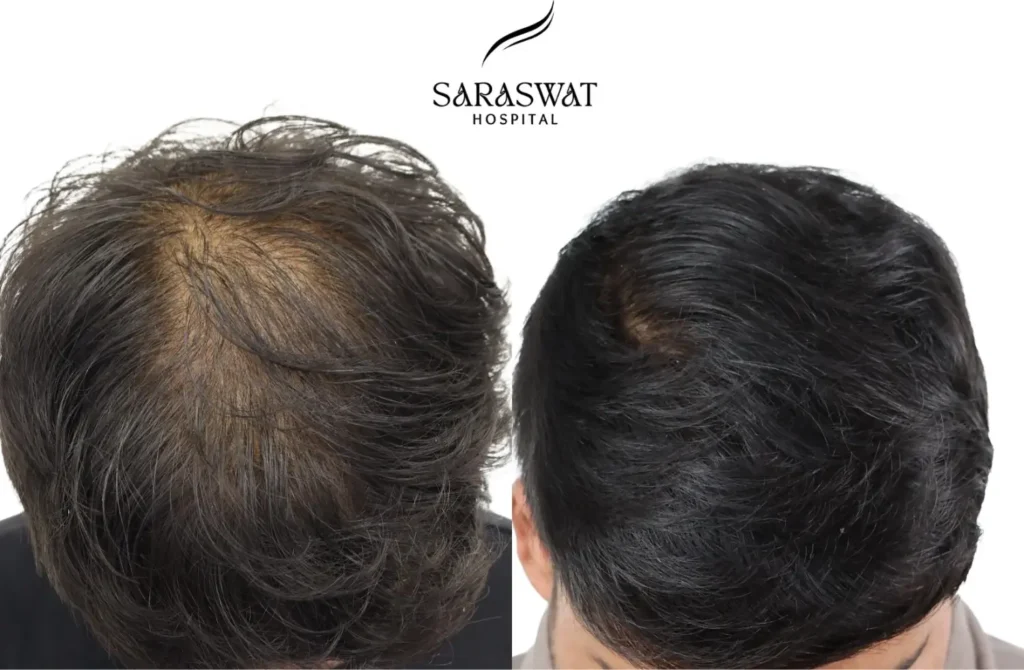
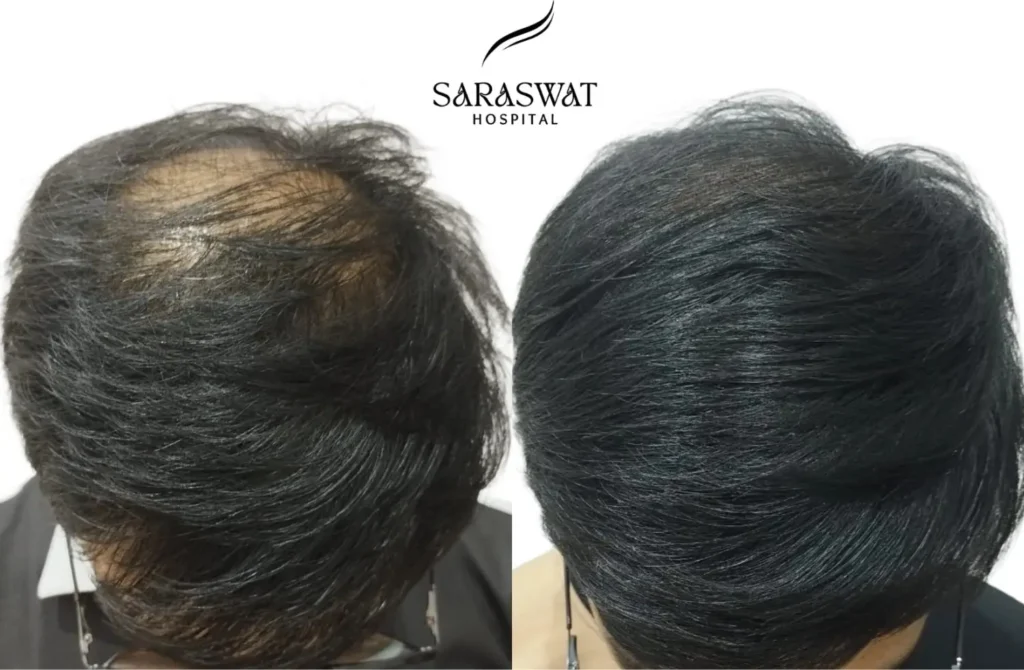
Hair Loss Before and After Result

Get the Best Hair Loss Treatment by Certified Doctors

Saraswat Hospital in Agra is led by a team of two ABHRS-certified doctors who offer customizable treatment plans based on the condition and needs of each patient. It is the best clinic for hair loss treatment in Agra.

Conclusion

If you are struggling with hair fall, focusing on foods to eat to reduce hair fall is a great first step to healthier, stronger hair. By including protein-rich foods, vitamins, and minerals in your daily diet, you can strengthen your scalp, promote hair growth, and prevent unnecessary shedding. For those facing severe or genetic hair loss, consulting experienced doctors and considering treatments like hair transplants can deliver permanent, natural results. Book an appointment to find the best solution for your hair loss today.

Sources:

(1) Eggs are also rich in biotin, which is needed to produce natural keratin for your hair. (National Institutes of Health)

FAQs

Q1. Can diet alone stop hair fall completely?
A nutrient-rich diet can reduce hair fall due to deficiencies, but genetic hair loss may require medical treatments like PRP, GFC, Exosomes therapy, or hair transplants.

Q2. How long before I notice results after changing my diet?
Visible improvements usually take 3-4 months of consistent healthy eating.

Q3. Should I take supplements along with these foods?
Supplements are helpful only if you have diagnosed deficiencies. Whole foods should always be your first choice.

Q4. Does drinking water really help prevent hair fall?
Yes, staying hydrated improves blood flow to hair follicles, keeping them nourished.

Q5. Is a hair transplant safe for everyone?
Yes, when performed by experienced surgeons like those at Saraswat Hospital, it is safe and effective, provided you are medically fit.

Follow us on:- FacebookInstagramPinterestYoutube

Medical Disclaimer

This article is for informational purposes only and does not constitute medical advice. Plastic, cosmetic, and laser treatments — including AI-assisted previews such as those generated by the Peek AI™ app — carry risks and results vary by individual. Always consult a licensed medical professional before undergoing any procedure.
Fractional CO2 Laser Acne Scar Treatment
Medically Reviewed By Dr. Preeti Saraswat, MBBS, ABHRS | Last updated: May 27, 2026

Acne can become the bane of existence for those who suffer from it. Almost every teenager in this world has to go through a terrible phase of acne during puberty. But for some people, especially those with oily skin, acne can be a lifelong condition. When the skin pores get clogged due to dead skin cells and high sebum production, it can lead to a nasty case of acne. This further results in pimples, whiteheads, and blackheads. No one likes to see their face marked by ugly scars. This is why you should opt for advanced acne scar treatment to get clear, flawless skin.

What is Fractional CO2 Laser Treatment?

Laser treatment is one of the most effective ways to deal with acne scars. The fractional CO2 laser shoots microbeams on the acne-affected area of the skin to create tiny puncture wounds. Fractional CO2 laser treatment significantly improves the quality of scars through a controlled thermal injury-induced healing mechanism (1). These are then allowed to heal through the natural process for new skin to develop. The body produces collagen and epithelium to heal wounds naturally. As the wounds get covered by a new layer of skin, the acne marks get visibly reduced or completely gone. The new skin that grows has a glowing and healthier look. The fractional CO2 laser technique is one of the best acne scar treatments.

Acne Scar Treatment Results

What are the Advantages of Fractional CO2 Laser?

Destroys the acne-causing bacteria

Since the fractional CO2 laser directly targets the acne-affected area, the high temperature of the beam completely destroys the acne-causing bacteria under the skin layers. This ensures that the acne will not come back again in the future.

Gets rid of deep scarring

The fractional CO2 laser acne scar treatment gives you the best results within just a few sessions (2). The microbeams get deep into your skin to jumpstart the collagen production, which significantly reduces the visible scars on your skin. Additionally, it also gives you firmer and more radiant skin.

Painless and Quick procedure

Laser treatments on the skin are completely safe, painless, and a quick procedure. The fractional CO2 laser targets only the affected area without harming the surrounding skin tissues. The intensity of the laser is customized as per the patient’s individual skin type, skin tone, and the severity of the condition. It is a quick process without any serious side effects.

Suitable for everyone

Fractional CO2 laser treatments are suitable for everyone, irrespective of their age, skin type, and acne condition. Anyone who is 18 years of age or above is eligible for the procedure. But to get the best results from your acne scar treatment, it is advised to get a professional consultation from an experienced skin doctor.

Choose Saraswat Hospital for Acne Scar Treatment

Saraswat Hospital in Agra is run by a team of international board-certified doctors with a combined experience of 20+ years. The clinic uses the latest technology to provide customizable acne scar treatment to all patients and deliver exceptional results.

Dr. Preeti Saraswat is the Chief Clinical Cosmetologist with an MBBS and a Post Graduate Diploma in Clinical Cosmetology from the University of Greifswald, Germany. She is a member of the American Academy of Aesthetic Medicine (AAAM), the Indian Medical Association, and the Indian Association of Cosmetic Laser Surgeons. She specialises in various laser treatment techniques, skin rejuvenation, facial rejuvenation, and acne scars.

Dr. Satya Kumar Saraswat is the Medical Director of the clinic. He is an MBBS with MS, M.Ch, and DNB (Plastic Surgery) degrees to his credit, and he also received a Gold Medal in Plastic Surgery for his exceptional work in the field. He specializes in the use of modern treatment techniques to provide patients with the best care possible.

Sources:

(1) Fractional CO2 laser treatment significantly improves the quality of scars through a controlled thermal injury-induced healing mechanism. (PubMed Central)

(2) The fractional CO2 laser acne scar treatment gives you the best results within just a few sessions. (PubMed Central)

Follow us on:- FacebookInstagramPinterestYoutube

Medical Disclaimer

This article is for informational purposes only and does not constitute medical advice. Plastic, cosmetic, and laser treatments — including AI-assisted previews such as those generated by the Peek AI™ app — carry risks and results vary by individual. Always consult a licensed medical professional before undergoing any procedure.
4 Tips for Skin Care After Laser Hair Removal
Medically Reviewed By Dr. Preeti Saraswat, MBBS, ABHRS | Last updated: May 27, 2026

Unwanted body hair is a turn-off for many people. While waxing and shaving are common ways to get rid of it, both methods give short-term results that don’t feel satisfactory.  This is why more people are now opting for laser hair reduction to eliminate unwanted body hair permanently. Your skin is exposed to a high-powered laser beam that destroys the hair follicles in that area forever, thus giving you permanent hair removal results. It is a quick, easy, and painless procedure with no side effects involved. Below, take a look at 4 tips for skin care after laser hair removal treatment.

What is the Laser Hair Removal Procedure?

Laser hair removal is a cosmetic procedure that uses a concentrated beam of light to target and damage hair follicles, reducing hair growth over time. Unlike shaving or waxing, it tackles the root cause of unwanted hair, leading to long-term results. Laser hair removal can be performed on various body parts, including the face, arms, legs, underarms, chest, back, and bikini line.

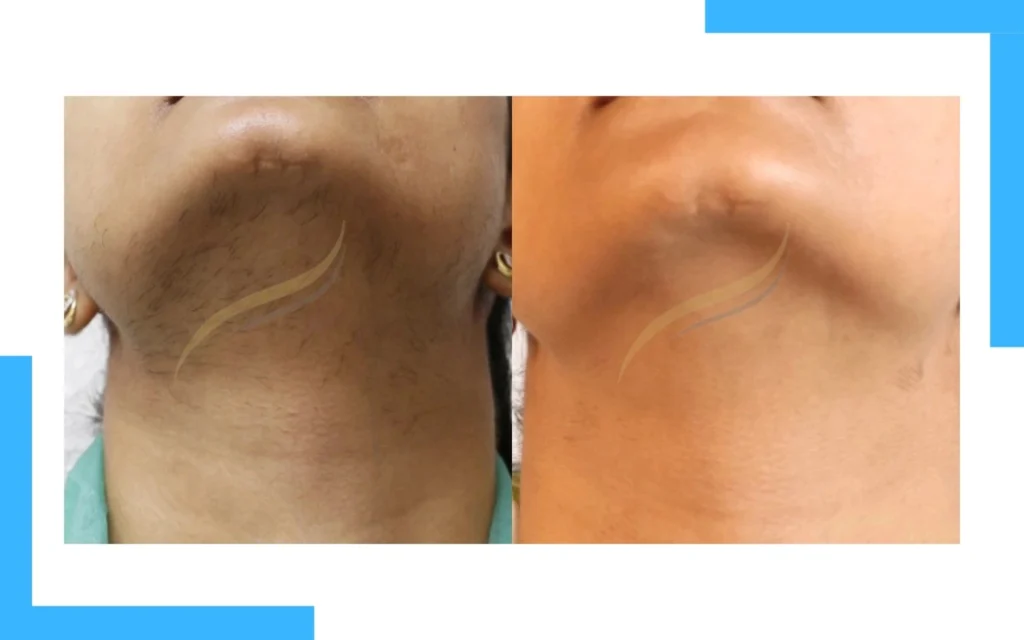
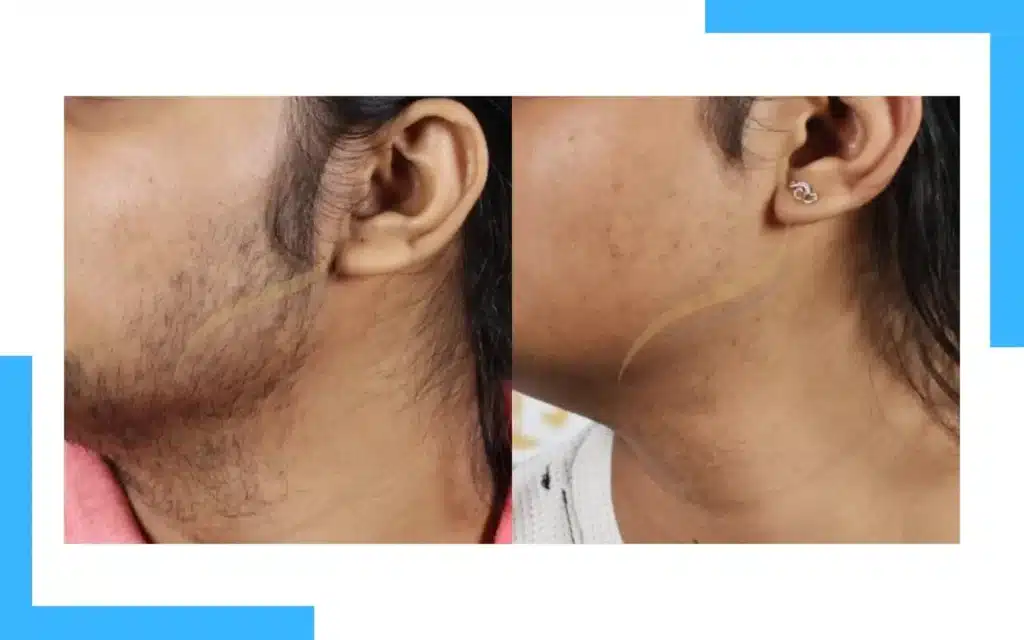
Chin Laser Hair Removal Result

Skin Care After Laser Hair Removal

Proper skin care after laser hair removal is crucial to ensure optimal healing, minimize side effects, and maintain smooth, healthy skin. Laser hair removal treatments can leave the skin sensitive, so following a tailored skin care routine is essential. Here are key steps for effective skin care after laser hair removal:

1. Avoid Sun Exposure

The sun’s harmful UV rays can irritate the skin on your treated area, and hence, exposure to the sun must be avoided. Refrain from going out in the sun for at least a week after the hair removal session. If indeed you need to step out, make sure you apply sunscreen generously all over your skin. Also, wear clothes or scarves that cover up your skin and protect you from direct exposure.

2. Avoid Make-up and Other Chemical Products

After a laser hair removal procedure, your skin is still sensitive and is undergoing a healing process. For the next 24 hours after each session, do not apply any harsh makeup or chemical beauty products that might irritate your skin when it’s still vulnerable. This includes body scrubs and deodorants. Following these after-care tips will ensure the best laser hair removal benefits for you.

3. Avoid Hot Showers

Getting exposed to a high temperature can cause irritation in your treated area. For the next 48 hours after a session, avoid taking any hot showers or getting into hot tubs and saunas. Cool showers are advised after a laser hair removal treatment.

4. Don’t go for a swim

Most swimming pools use chlorine water that can cause irritation to the skin in the treated area. Hence, it is best to avoid taking a dip in the swimming pool for at least a week after the procedure.

A few people may experience laser hair removal side effects. Check out what Dr. Preeti Saraswat is saying about side effects and how to avoid them in this video:

Seek Treatment from Laser Hair Removal Experts at Saraswat Hospital

Saraswat Hospital is one of the most advanced clinics for laser hair removal in Agra. It is run by international board-certified surgeons who offer highly personalised laser hair removal treatments as per the client’s needs. The team uses modern technology to provide customised laser hair removal treatments and get the best results.

As the Chief Clinical Cosmetologist of the hospital, Dr. Preeti Saraswat is an MBBS with a Post Graduate Diploma degree in Clinical Cosmetology from the University of Greifswald, Germany. She has a lifetime membership of the Indian Association of Cosmetic Laser Surgeons and is also a member of the Indian Medical Association, ensuring that she stays updated with all the latest developments in the field to provide the best results to her patients.

Conslusion

In conclusion, implementing diligent skin care after laser hair removal is crucial for achieving optimal results and maintaining healthy skin. First, by soothing the treated area, you can reduce discomfort effectively. Additionally, protecting and hydrating the skin helps enhance the procedure’s effectiveness while preventing irritation. Moreover, avoiding irritants is essential to minimize potential complications. Therefore, always follow your technician’s advice and prioritize gentle, consistent skin care. As a result, you can enjoy long-lasting, smooth, and radiant skin.

FAQs

1. What should I put on my skin after laser hair removal?
Right after a laser hair removal procedure, your skin will feel warm and sensitive, so use broad-spectrum sunscreen and a fragrance-free moisturizer to soothe the skin. Avoid retinoids, acids, or any active ingredients for at least 48 hours post-treatment.

2. Is laser hair removal 100% permanent?
No, it’s not 100% permanent. It is classified as a hair reduction procedure rather than hair removal. It significantly reduces hair growth, but occasional maintenance sessions may be needed as some follicles can regenerate over time.

3. What are the negatives of laser hair removal?
Possible side effects include redness, swelling, skin irritation, and pigmentation changes if performed by an unlicensed professional. It requires multiple sessions, can be costly, and may be less effective on light or fine hair.

4. Can I shower 3 hours after laser hair removal?
Getting exposed to a high temperature can cause irritation in your treated area. Avoid hot showers, steam rooms, or saunas for at least 48 hours, as heat can aggravate treated skin.

5. How can I maximize my laser hair removal results?
Shave the day of your sessions, avoid sun exposure, skip waxing or plucking between treatments, follow aftercare instructions, and attend all recommended sessions consistently for the best outcome.

Follow us on:- FacebookInstagramPinterestYoutube

Medical Disclaimer

This article is for informational purposes only and does not constitute medical advice. Plastic, cosmetic, and laser treatments — including AI-assisted previews such as those generated by the Peek AI™ app — carry risks and results vary by individual. Always consult a licensed medical professional before undergoing any procedure.

Is Hair Transplant Recommended for a 22 Year Old
Medically Reviewed By Dr. Preeti Saraswat, MBBS, ABHRS | Last updated: May 27, 2026

Hair loss can happen to both men and women at any age. There are certainly many young adults who suffer from severe hair loss problems. The easiest solution for anyone who is 21 years old or above is to opt for a hair transplant procedure. But the question is, can a 22 year old have a hair transplant? At Saraswat Hospital in Agra, you have ABHRS-certified doctors who provide customized hair restoration treatments based on the needs of each patient.

Understanding Hair Loss at Age 22

Hair loss affecting a 22-year-old typically falls into the early stages of androgenetic alopecia (male pattern baldness). While some young men experience significant recession, others face only mild thinning. The key consideration is pattern stability—understanding whether your hair loss is progressing rapidly or has stabilized.

Why Age Matters in Hair Transplant Surgery?

FactorWhy It’s Important
Pattern ProgressionHair loss patterns continue to evolve in your 20s. Aggressive patterns may worsen, potentially leaving insufficient donor hair for future needs.
Donor Hair PreservationAt 22, you have decades ahead. Using donor hair now limits options later if hair loss becomes more extensive.
Long-term ResultsTransplanted hair is permanent, but your natural hair continues aging. Planning for future loss ensures symmetrical results.
Financial InvestmentEarly transplants at 22 may require additional procedures as natural hair loss progresses.
Psychological ReadinessAge 22 decisions carry long-term consequences. Medical stability and mental clarity are crucial.

When is the Best Time to Get a Hair Transplant?

1. Age

There is no such thing as a ‘best age’ or ‘ideal age’ to get a hair transplant. Different stages of life manifest your hair loss condition in different ways, and the transplant treatment is devised accordingly to suit your current age. In your early 20s, the hair loss may not be stabilized yet. In your 30s, the hair loss condition usually stabilizes. As you reach your 40s, you may face an advanced case of hair loss with a smaller donor area. Additionally, there might also be health concerns like diabetes, hypertension, etc.

2. Long-term Medical Treatment

Patients need to be ready to commit to long-term medical therapy to be able to flaunt a head full of hair for a long time to come. A hair transplant gives incredible results for the balding portion of your head, but those areas from where the follicles were grafted can still be susceptible to hair loss. Hence, patients need to agree to long-term treatment to avoid patchy hair growth.

3. Severity of Hair Loss Condition

The extent of your hair loss usually determines when you should get a hair transplant surgery done. Getting a Trichoscopic Analysis will let the doctor know where you fall in the Norwood Hamilton hair loss scale and also reveal the thickness and density of your hair follicles in the donor area, and guide the surgeon in determining which areas are the most suitable for a successful hair transplant.

4. Social Factors

A receding frontal hairline or hair loss at the top of the head makes a person look older than their actual biological age. As a result, the person may be subjected to family pressure, social pressure, or be fuelled by potential marriage proposals to go ahead with a hair transplant in India.

5. Psychological Factors

Plenty of hair loss patients go through a lack of confidence and self-esteem due to severe hair loss and hair thinning problems. In some cases, this might even lead to suicidal tendencies. People who are going through extreme mental distress over their hair loss condition should get a hair transplant done immediately.

Understand the Norwood Grade of Scale

Before making any hair transplant decision at age 22, you need to understand your hair loss pattern. The Norwood Scale, the world’s most trusted classification system for male pattern baldness, breaks down hair loss into seven stages. Identifying your stage helps you understand your condition, assess transplant candidacy, and choose the right treatment approach for your specific situation.

Norwood StageWhat It MeansShould You Get Transplant at 22?What to Do First
Stage 1No hair lossNo—you don’t need itMonitor your hairline. Annual check-ups.
Stage 2Slight temple recessionNo, you don’t need itStart medication (minoxidil/finasteride). Monitor for 2 years.
Stage 3Temple + some crown thinningMaybe—if stableUse medication for 1-2 years. Then evaluate with a surgeon.
Stage 3VTemple + crown thinning (crown prominent)Maybe—if stableMedication first. Consult surgeon about transplant timing.
Stage 4Major temple loss + crown thinningNo—too riskyMedication first. Consult the surgeon about transplant timing.
Stage 4VMedication only. Donor hair preservation is a priority.No—not recommendedUse medication. Wait until age 25-30 to assess the pattern.
Stage 5Very extensive loss; limited donorNo—wait longerUse medication. Consider transplant only after age 28-30 if stable.
Stage 6Severe loss; very limited donorNo—not viableMedical management. Transplant has limited options.
Stage 7Extreme loss; almost no donor hairMajor loss across the entire scalpFocus on medical therapy. Transplant is not an option.

Why Prefer Medical Treatment at Age 22?

  • Non-invasive: No surgery required; reversible if side effects occur
  • Cost-effective: You can try medications as it is a most cost-effective
  • Establish stability: Medications reveal true pattern progression
  • Preserve donor hair: Allows time to assess how much natural hair you’ll lose
  • Better outcomes: Combining medication + future transplant yields superior results
  • Psychological benefit: Provides hope while you’re young and experiencing hair loss

Some Medical Treatment Options for Hair Loss

TreatmentWhat It DoesSuccess RateTime Frame
FinasterideBlocks DHT hormone that shrinks hair follicles85% halt or regrow hair3-6 months to notice
MinoxidilIncreases blood flow to wake up dormant follicles60% halt or regrow hair4-6 months to notice
Finasteride + MinoxidilDouble action: block DHT + stimulate growth80% halt or regrow hair6-12 months for full effect
PRP TherapyGrowth factors injected into scalp stimulate dormant follicles60-70% see improvement8-12 weeks between sessions
Low- Level Laser TherapyRed light stimulates hair follicle cells80% improvement3-6 months with consistent use
MicroneedlingTiny needles create channels to boost product absorptionGrowth factors injected into the scalp stimulate dormant follicles8-12 weeks

Who is a Good Candidate For a Hair Transplant at Age 22?

Age 22 is young for surgery, but that doesn’t mean it’s impossible. Some young men are perfect candidates for hair transplants. Here’s how to know if you might be one of them.

You’re likely a good fit if you check these boxes:

Your hair loss is stable: Your hairline hasn’t changed for at least a year, even with medication. You’re at Norwood Stage 3 or 3V—moderate loss, but not severe. This stability matters because it shows your pattern isn’t aggressively progressing.

You’re realistic about what to expect: You understand that a transplant won’t stop future hair loss—you’ll still need medication to protect your remaining hair. You know results take 9-12 months to fully appear, and you might need revision surgery.

Your body is ready: You’re in good health with no conditions that would slow healing. You have enough donor hair in the back and sides of your scalp to safely harvest. You can handle 6-12 months of recovery without stress.

Your mind is ready: You’re not desperate or making this decision in crisis. You’ve thought it through, and you’re prepared for a surgical procedure.

You trust a real expert: You’ve consulted with a board-certified surgeon (ABHRS or ISHRS certified) who knows young patients and has evaluated your specific case—not someone just trying to book you for surgery.

Seek Consult from the Hair Transplant Experts

For those suffering from androgenetic alopecia, Saraswat Hospital is the best hair transplant clinic in India. Led by a group of ABHRS-certified doctors with more than 20+ years of experience, the clinic offers personalized hair restoration treatment.

Conclusion

If you have been thinking, Can a 22-year-old have a hair transplant, then the answer is you need to be 21 years or above to be eligible. This is because hair loss conditions are progressive, and getting a transplant done at an early age will give you unnatural results. As your baldness increases with age, you might need to undergo a second hair transplant procedure. This is why experts recommend waiting till you turn 21 before getting a hair transplant done.

Book an appointment today to get your hair trichoscopy done and find the best solution for long-lasting results.

Follow us on:- FacebookInstagramPinterestYoutube

Medical Disclaimer

This article is for informational purposes only and does not constitute medical advice. Plastic, cosmetic, and laser treatments — including AI-assisted previews such as those generated by the Peek AI™ app — carry risks and results vary by individual. Always consult a licensed medical professional before undergoing any procedure.

Which are the Best Fruits to Stop Hair Fall?
Medically Reviewed By Dr. Preeti Saraswat, MBBS, ABHRS | Last updated: June 01, 2026

Losing your hair prematurely can put a big dent in someone’s confidence. It goes more than just looks; your hair gives you a sense of identity. Hair fall is a serious concern faced by many young men and women. Androgenetic Alopecia, or genetic factors, is one of the most common causes of hair loss. Stress, hormonal imbalance, and bad lifestyle habits could be a few other reasons. Discover the best fruits to stop hair fall naturally. Boost hair growth with guava, papaya, banana, berries & more for healthy, strong hair.

But before you decide to go ahead with a hair transplant in India, it is advisable to try other non-invasive ways to manage your hair loss. The first thing you can do is to make substantial changes to your diet. Nutritional deficiency can be one of the causes of hair fall, and you must add plenty of fruits to your daily diet to overcome this.

Why Are Fruits Important for Hair Health?

Fruits are a powerhouse of vitamins, minerals, antioxidants, and natural sugars that nourish your hair follicles from within. They improve blood circulation in the scalp, fight free radical damage, and boost collagen production, which strengthens hair roots. Consuming the right fruits regularly can also promote hair growth and prevent breakage.

Best Fruits to Stop Hair Loss

Here’s a detailed list of the best fruits to stop hair loss and improve overall hair health:

Strawberries

Strawberries are loaded with essential minerals like magnesium, copper, and manganese. They are also a rich source of Vitamin C that prevents hair fall, Vitamin B5 that helps repair hair, and antioxidants that protect your hair follicles against damage from the growth of free radicals. Strawberries also encourage iron absorption and collagen production, both of which promote natural hair growth.

Avocados

Avocados are a powerhouse of vitamins, minerals, and healthy fats. They are a rich source of Vitamin B3, Vitamin B5, Vitamin B7, Vitamin C, Vitamin E, Vitamin K, iron, magnesium, copper, potassium, and many other nutritional benefits. The Vitamin E present helps fight oxidative stress and protects your hair follicles from damage. Avocados also have a high content of essential fatty acids, which makes hair healthier and stronger.

Best Fruits to Stop Hair Fall

Banana

Bananas are loaded with potassium, natural oils, and vitamins that improve scalp health. They hydrate and nourish the scalp, making hair less prone to breakage and split ends.

Tip: Add bananas to your breakfast bowl or make a banana-honey smoothie for a hair-healthy treat.

Papaya

Papaya is a rich source of Vitamin A, Vitamin C, potassium, folic acid, copper, magnesium, antioxidants, and many other essential nutrients and minerals. Eating the fruit in its raw form can help treat baldness. Vitamin A nourishes and strengthens your hair follicles, Vitamin C prevents hair fall, and the powerful antioxidants help neutralize the free radicals and prevent oxidative stress. The folic acid and other enzymes present promote sebum production in your scalp, which promotes healthy hair growth.

Oranges

Oranges and other citrus fruits are excellent for improving iron absorption, which is essential to prevent hair thinning. They are also rich in antioxidants that protect the hair from damage.

Best Fruits to Stop Hair Fall

Making healthy changes to your diet can certainly help with hair loss problems if it is caused by external factors. But for those suffering from Androgenetic Alopecia, a hair transplant is the most effective solution.

Conclusion

If you’re looking for the best fruits to stop hair fall, include guava, papaya, banana, apples, berries, oranges, and avocados in your diet. These fruits are rich in vitamins, minerals, and antioxidants that promote scalp health, strengthen hair follicles, and reduce hair fall naturally. Pair this fruit-rich diet with proper hair care, adequate hydration, and stress management for the best results. Book an appointment to find the best solution for your hair loss today.

FAQs

Q1: Can eating fruits alone stop hair fall completely?
Not entirely. While fruits provide essential nutrients, you also need a balanced diet with proteins, healthy fats, and proper hair care routines to see the best results.

Q2: How long does it take to see results from eating these fruits?
It may take 2–3 months of consistent consumption to notice visible improvements in hair thickness and reduced hair fall.

Q3: Can I eat all these fruits together?
Yes! You can create a fruit salad or smoothie with a combination of these fruits to get a nutrient boost.

Q4: Are there any fruits I should avoid for hair health?
Generally, most fruits are good for hair, but avoid consuming fruits preserved with excess sugar or chemicals. Fresh and organic are always better.

Q5: Can applying fruits topically help with hair fall?
Yes. Hair masks with banana, avocado, or papaya can nourish your hair externally, but for long-term results, eating them is more effective.

Follow us on:- FacebookInstagramPinterestYoutube

Medical Disclaimer

This article is for informational purposes only and does not constitute medical advice. Plastic, cosmetic, and laser treatments — including AI-assisted previews such as those generated by the Peek AI™ app — carry risks and results vary by individual. Always consult a licensed medical professional before undergoing any procedure.
whatapp icon