
Book an
Appointment
Dr. Satya Saraswat - Hair Transplant Surgeon

Dr. Satya Saraswat, MBBS, MS, MCh, DNB (Gold Medalist)

Dr. Satya Saraswat, MBBS, MS, MCh, DNB (Gold Medalist), FISHRS, is a cosmetic and plastic surgeon with an experience of over 20+ years and has performed 17,000+ cosmetic and plastic surgeries. He is a Diplomate of the American Board of Hair Restoration Surgery (ABHRS) and Fellow of ISHRS, as he has been continuously attending the International conferences and adopting the latest advancements in hair restoration science, and he has also submitted his research papers. His hands-on involvement ensures a natural hairline and high graft survival.

Articles by Dr. Satya Saraswat, MBBS, MS, MCh, DNB (Gold Medalist)

Winter the Best Time to Visit a Cosmetic Surgeon Agra
Medically Reviewed By Dr. Satya Saraswat, MBBS, MS, MCh, DNB (Gold Medalist) | Last updated: July 28, 2026

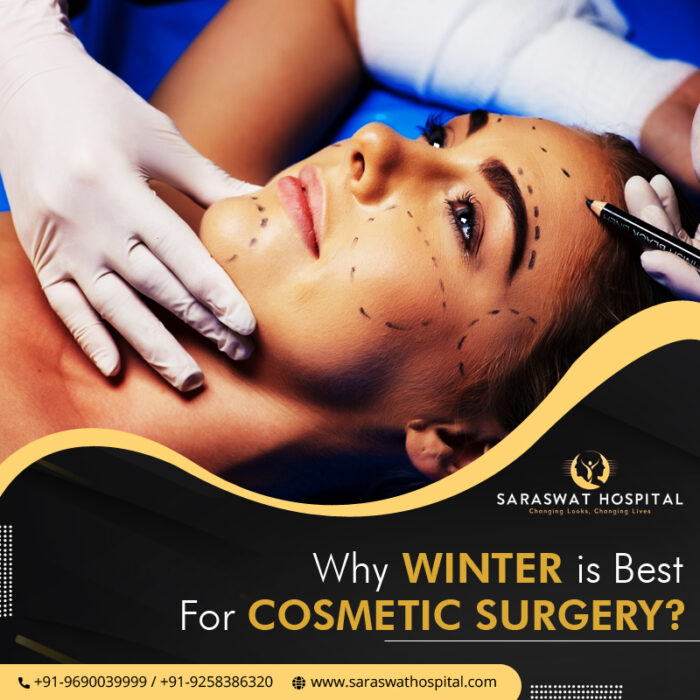
Winters automatically refer to the dryness and flakiness of the skin. Treating the same is essential if you want to get glowing skin when it comes to spring. Many people often wonder about the best time to visit a cosmetic surgeon, and the answer is simple—winter. Since you are covering your face most of the winter season, it is the perfect time to consult a cosmetic surgeon so that you return to radiant and glowing skin when you leave home in the spring. This blog will take you through the benefits of consulting such a surgeon during the winter and the effects that chemical peels can have on your skin.

What is Cosmetic Surgery?

Cosmetic surgery, in simple words, can be defined as a plastic surgery that is aimed at improving the appearance of a patient. Some of the most common cosmetic surgeries that are undergone by patients across the world include chemical peel, face or cheek lift, wrinkles, laser hair removal, neck lift, facial contouring, liposuction, breast augmentation, and laser resurfacing, among others.

Undergoing such surgery can bring drastic changes to the way a person looks, and that is why it should always be performed by experts in the subject. The ideal candidates, according to renowned cosmetic surgeons, include those who:

  1. Are aware of the realistic expectations of the same?
  2. Have all the chronic medical conditions under control.
  3. Are aware of the medical risks and the effects of the recovery healing period.
  4. Do not smoke or have alcohol for at least a month or two before and after the surgery.

Why is Winter the Best time?

Winter is one season where the weather is on your side because it is dry and cold outside. The fact that there are fewer chances of exposure to the sun and limited sunlight means that the UV levels are low as well. All these factors, mixed, can ensure that you have radiant and glowing skin by boosting the production of new collagen and the growth of healthy skin cells. Let’s find some of the reasons why winter is the preferred season to visit a cosmetic surgeon:

1. Easier Recovery in Cooler Weather

One of the main reasons winter is the best time is because of the mild weather. After cosmetic surgery, your body needs time to heal, and excessive heat can cause discomfort, swelling, or sweating that may irritate incision areas. The cooler temperatures during winter make it easier to stay comfortable, reduce inflammation, and speed up recovery.

2. More Time Indoors for Rest and Recovery

Winter is often associated with spending more time indoors; social gatherings and outdoor activities are limited, and you have more privacy and time to rest after your procedure. This downtime allows your body to heal naturally without feeling pressured to attend events or engage in strenuous activities.

3. Easier to Protect Your Skin from the Sun

Post-surgery, your skin is sensitive and must be protected from UV rays to prevent pigmentation or scarring. The reduced sun exposure during winter makes it the best time to visit a cosmetic surgeon because it lowers the risk of sun damage and helps incisions heal better, resulting in smoother and more natural-looking outcomes.

4. Perfect Preparation for the Summer Season

If you’re planning cosmetic procedures like liposuction, rhinoplasty, or a facelift, winter gives you enough time to recover and enjoy your new look by summer. Many people choose the winter season because it allows them to achieve full results before the vacation season begins, ensuring confidence and readiness for summer activities.

5. Easier Concealment During Recovery

After cosmetic surgery, some temporary swelling, redness, or bandages are normal. Winter clothing, like scarves, hats, and long sleeves, helps you easily conceal these temporary signs. This is another reason, as they allow for discreet recovery without drawing attention.

What do you mean by Chemical Peels?

In a chemical peel treatment performed by a cosmetic surgeon in Agra, the professional concocts a customized formulation of Trichloracetic Acid (TCA) that can remove the outer layers of the skin and then stimulate the production of healthy and new replacement cells. Generated from collagen, these new cells replace those that are lost during the ageing process, making way for supple skin.

Some of the most common benefits you can achieve out of such treatment include:

  1. Removal of the damaged outer layer of the skin
  2. Reduced rate of acne scars and breakouts
  3. Improvement in the hydration of the skin
  4. Improvement in the clarity, texture, tone, and colour of the skin

Why visit ABHRS-certified doctors at Saraswat Hospital?

Saraswat Hospital is known as one of the most ethical and safe aesthetic surgery clinics in India. Sitting at the helm are two of the finest cosmetic surgeons in Agra, certified by the American Board of Hair Restoration Surgery (ABHRS). With 20+ years of experience, the doctors strive to provide the best possible care to the patient by providing them with customized treatment plans according to their requirements.

Conclusion

Cosmetic surgery is all about maintaining the aesthetics of your appearance with treatments that can help you define it. Understanding the best time and then getting the treatment at the right time can help you realize your goal with the best results. In case you want to consult the experts at Saraswat Hospital, book an online consultation today.

Follow us on:- Facebook, Instagram, Pinterest, YouTube

Medical Disclaimer →

This article is for informational purposes only and does not constitute medical advice. Plastic, cosmetic, and laser treatments — including AI-assisted previews such as those generated by the Peek AI™ app — carry risks and results vary by individual. Always consult a licensed medical professional before undergoing any procedure.
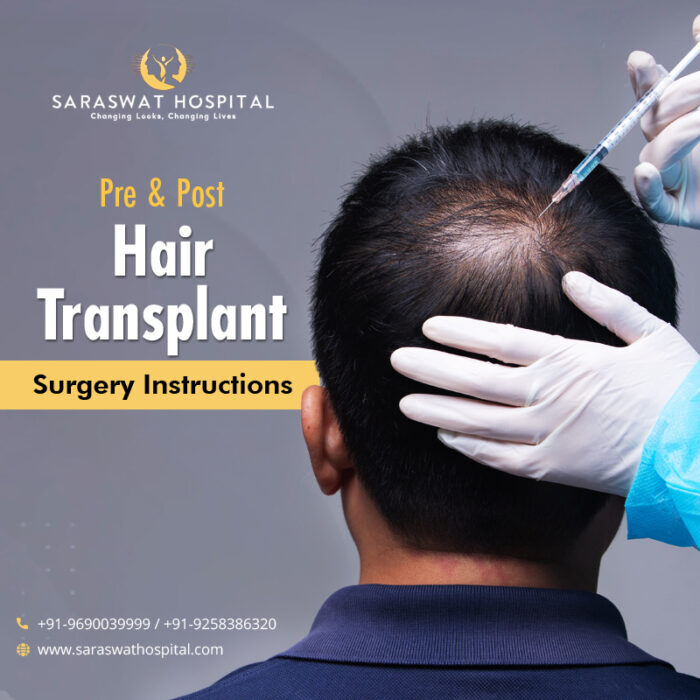
Pre and Post Hair Transplant Surgery Instructions

Hair transplant is typically an outpatient procedure where the patient is released right after the surgery. Well, more often than not, the patient gets to go back to his daily routine by the next day itself, but the doctor suggests a list of pre and post hair transplant surgery instructions the patient has to follow to get the best results. This blog will give you a brief idea about the instructions you would have to follow when it comes to undergoing the transplant surgery.

What is Hair Transplant Surgery?

Androgenetic Alopecia, or hair loss, is a condition that can happen to people across genders and age groups because of its genetic nature. Hair transplant surgery, however, is the best solution to the problem. Through this procedure, healthy hair follicles are taken from the back of the head (also known as the safe donor area) and then implanted into the recipient or balding site.

This procedure can be performed in two techniques – the FUT (Linear Excision Method), where a strip of scalp is taken from the donor area and then slivered to get the healthy hair follicles; and the FUE (Follicular Unit Excision), where a low-torque, low-RPM round punch excision device is used to extract the follicles.

In any case, if the donor area doesn’t have enough follicles to donate to the recipient site, professionals perform the surgery using follicles from different areas of the body. The results of the procedure are natural, and thus, ABHRS-certified experienced doctors should always be consulted for the surgery, who will perform several blood tests to provide customized treatment to the patients.

Pre-Hair Transplant Surgery Instructions

1. Avoid Smoking and Alcohol

One of the most important pre-hair transplant Instruction is to stop smoking and alcohol consumption at least two weeks before surgery. Nicotine restricts blood flow, which can delay healing and affect graft survival, while alcohol can increase bleeding risks.

2. Stop Certain Medications

Consult your surgeon about medications you are taking. Avoid blood thinners, aspirin, and anti-inflammatory drugs, as they can increase bleeding during surgery.

3. Maintain a Healthy Diet

Eating a nutrient-rich diet before the procedure can boost your immune system and promote faster recovery. Protein, iron, and vitamin-rich foods are highly recommended as part of your pre-hair transplant instructions.

4. Wash Your Hair Before Surgery

Wash your scalp thoroughly the night before the surgery using a mild shampoo. A clean scalp ensures a sterile environment for the procedure.

5. Avoid Caffeine and Energy Drinks

Limit caffeine intake 24 hours before surgery, as it may increase blood pressure and heart rate. This simple step ensures a smoother surgical experience.

Post Hair Transplant Surgery Instructions

1. Follow the Surgeon’s Medication Plan

After surgery, take prescribed medications such as antibiotics or pain relievers exactly as directed. This step is crucial in preventing infection and discomfort.

2. Sleep in an Elevated Position

Keep your head elevated while sleeping for the first few nights. This helps reduce swelling, a common recommendation in pre and post hair transplant surgery instructions.

3. Avoid Touching or Scratching the Grafts

Do not touch, rub, or scratch your scalp for at least a week after surgery. Protecting the grafts is one of the most essential factors to ensure successful hair growth.

4. Stay Away from Direct Sunlight

Avoid exposing your scalp to direct sunlight or excessive heat for a few weeks. Sun exposure can damage the sensitive transplanted area.

5. Refrain from Strenuous Activities

Avoid gym workouts, swimming, or heavy physical activities for at least two weeks post-surgery. This prevents excessive sweating, which can affect the healing process — a crucial part of pre and post hair transplant surgery instructions.

6. Wash Hair Gently

When your surgeon allows, wash your hair gently using a mild shampoo. Avoid high water pressure and rubbing, as advised.

7. Be Patient with Results

Hair growth takes time. Have patience and attend follow-up appointments for the best possible outcome.

Common Mistakes to Avoid

  • Ignoring these pre and post hair transplant instructions
  • Using harsh hair products after surgery
  • Resuming smoking or alcohol too soon
  • Not attending follow-up visits
  • Overexposing the scalp to sunlight

ABHRS-certified surgeons performing the procedure at Saraswat Hospital

As one of the most widely renowned hospitals for hair transplant in Agra, Saraswat Hospital is led by two of the most critically acclaimed surgeons – Dr Satya Saraswat and Dr Preeti Saraswat. With 20+ years of experience in the field, both of them are diplomates of ABHRS (American Board of Hair Restoration Surgery). Saraswat Hospital is also one of the rare places in India that offers the UGraft™ Punch method during a transplant surgery for the best results.

Conclusion

Hair transplant at Saraswat Hospital provides every patient with customized treatment plans so that they receive what they were looking for and more. The constant research the team does on the subject makes them use modern technology to cure Androgenetic Alopecia. In case you want to get in touch with the experts or book an appointment for your transplant surgery and get your customized plan today!

Follow us on:- Facebook, Instagram, Pinterest, Youtube

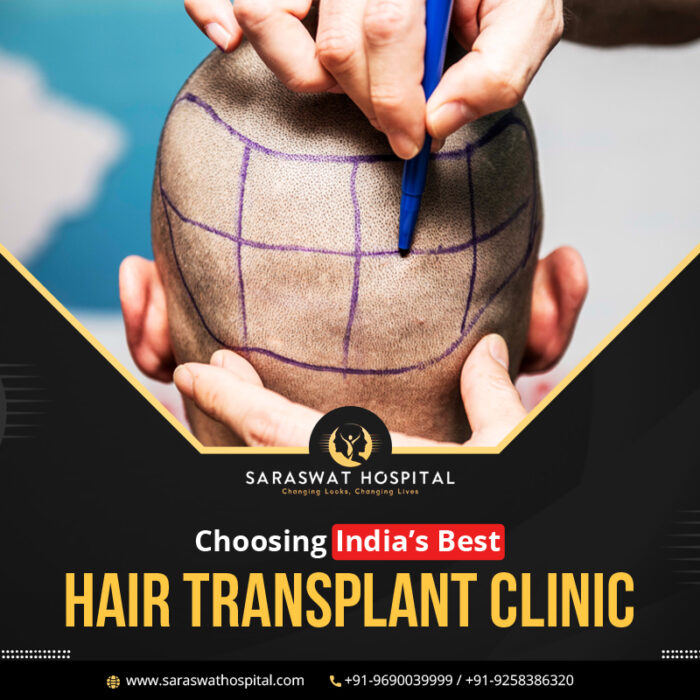
How to Choose the Best Hair Transplant Clinic in India?

Hair loss can affect your appearance, confidence, and overall self-esteem. Thankfully, with modern medical advancements, hair transplants have become a reliable and permanent solution. However, the challenge lies in finding the hair transplant clinic that ensures safety, natural results, and value for money. If you are considering undergoing a hair restoration procedure, this guide will help you understand how to choose the best hair clinic for optimal results.

Why Choose India for Hair Transplant Surgery?

India is the land that has seen several innovations in the field of science and medicine since 600 B.C. The teams of health service providers in India are thoroughly skilled and strive to provide the best services to the patients in any way they can. The medical practitioners in the country ensure natural-looking, side-effect-free procedures at affordable rates.

Things to Look for in a Hair Transplant Clinic

As you are looking for a hair transplant to find a cure for your Androgenetic Alopecia, you may want to look for a few factors. Some of them are:

1. Experienced Surgeons

The most vital factor is the qualification and experience of the surgeon. No surgery is successful without the help of experienced surgeons who have years of experience in the field. You must look for a hospital in India that is run by International board-certified doctors who have been performing hair transplant surgeries for several years before being sure of anything.

2. Success Record

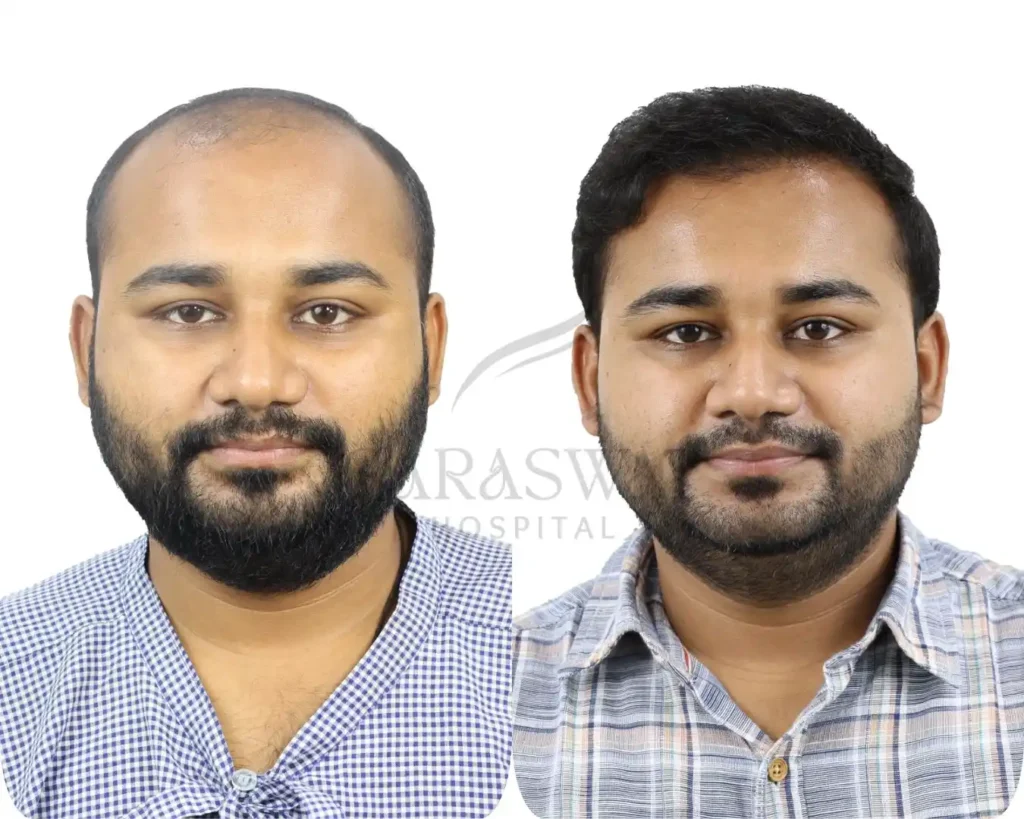
When you have found the hospitals with experienced surgeons, you may want to look for those who have an impeccable success record. Finding a doctor with a hundred percent success record is thus crucial in these scenarios. Look for those who will be able to provide before and after pictures of previous patients they have treated.

3. Technology and Techniques Used

The best hair transplant clinic will utilize advanced techniques such as FUE (Follicular Unit Extraction), FUT (Follicular Unit Transplantation), and Hybrid Hair Transplants. These technologies minimize scarring, reduce recovery time, and deliver more natural results.

4. Clinic Hygiene and Infrastructure

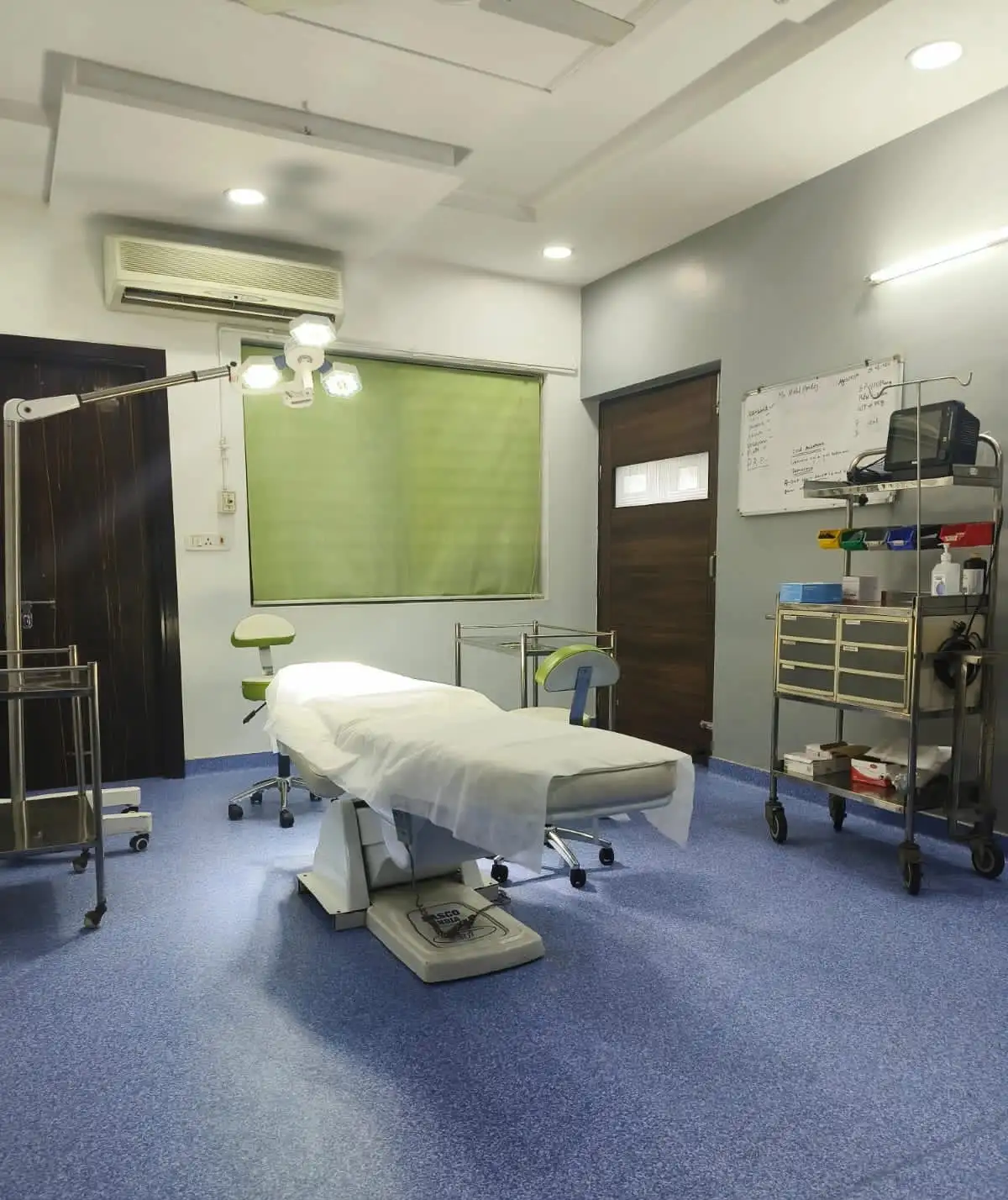
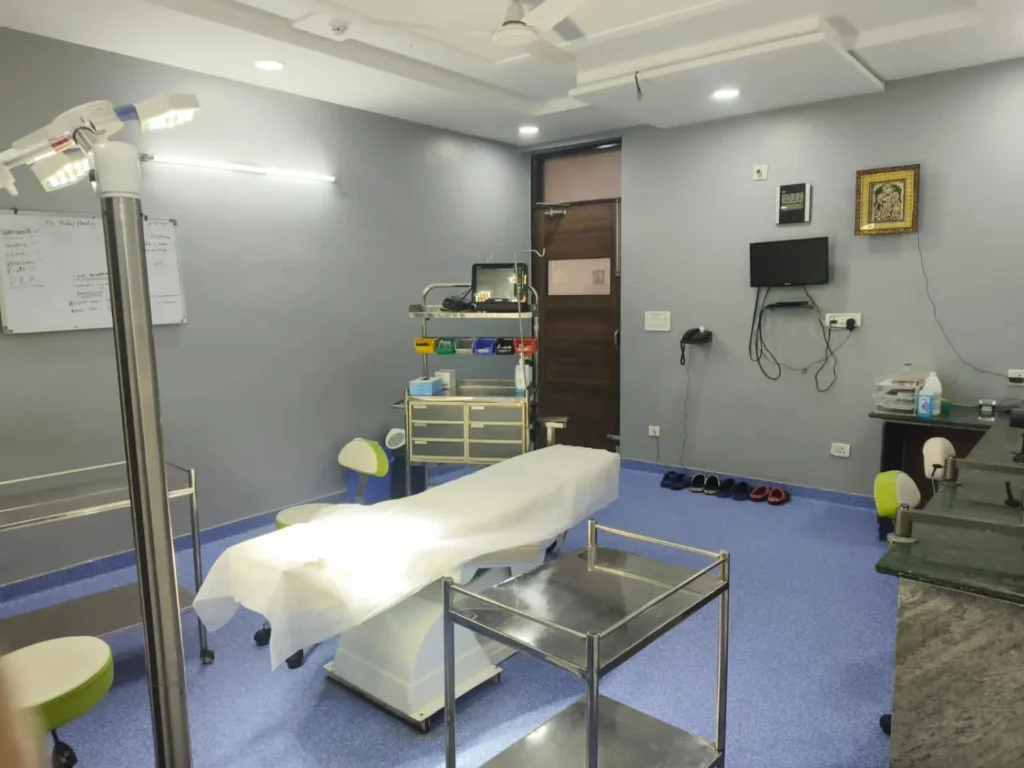
Before finalizing your decision, visit the clinic or check its virtual gallery. It maintains a sterile, well-equipped environment that meets international standards. Proper hygiene reduces infection risks and ensures a safe procedure.

5. Cost

If you compare the hair transplant cost in India with other parts of the world, you will see that the price in India is around 25% of the total expenses that you might incur in any foreign land. So, as you look for the experienced veteran surgeon with a perfect success record, don’t forget to check out the price at which they are offering their services and if the rates are transparent or not.

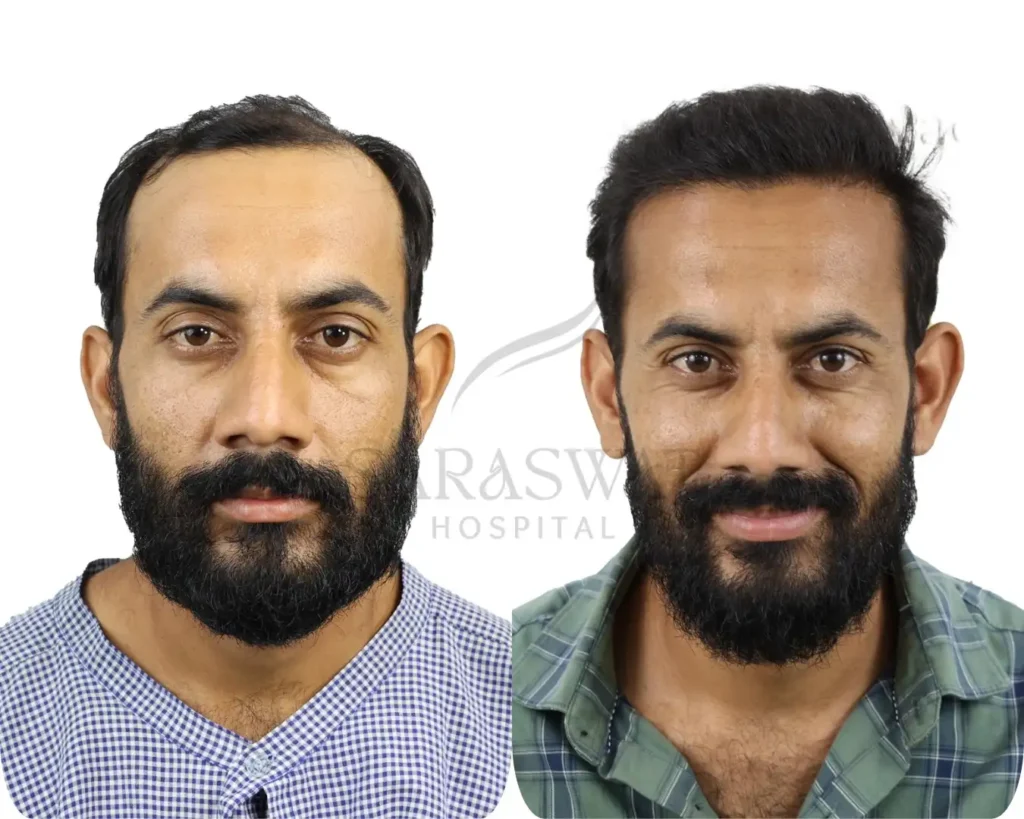
6. Before and After Results

Authentic clinics provide real hair transplant before and after photos of previous patients. Reviewing these results helps you understand the quality and consistency of their work.

Hair transplant result

7. Patient Reviews and Testimonials

Online reviews play a crucial role in identifying the best hair transplant clinic. Read testimonials on Google, clinic websites, and social media platforms. Positive feedback about professionalism, staff behavior, and post-surgery results indicates credibility.

8. Benefits

You may also want to look for a clinic that has several advantages, such as the use of modern equipment and the latest techniques in its list of offerings, before you decide to go ahead with it. The benefits of consulting a clinic in India also include the low rate of side effects of the surgery.

India is known to be a land that has a mystic quality of heritage, which might be exceptional to look at. Hospitals, thus, also provide medical tourism for the patients coming in for a consultation from abroad, so that you get to visit the land, stay at a hotel near the hospital, and yet have the perfect treatment. It will also become a mini-vacation in the country for you.

Signs of a Reputed Hair Transplant Clinic

  • Certified surgeons with strong credentials
  • State-of-the-art medical facilities
  • Real patient success stories
  • Transparent pricing policies
  • Excellent post-treatment care
  • Positive online reputation

Why India is the Hub for Hair Transplants?

India has become a global destination for medical tourism, especially for hair restoration procedures. The clinics in India combine international-quality services, affordable costs, and world-renowned surgeons. Many clinics offer results comparable to global standards, attracting patients from across the world.

Why choose Saraswat Hospital?

Saraswat Hospital is renowned as one of the top places in India that offers hair transplant surgery. The two doctors sitting at the helm of the hospital are both certified by the American Board of Hair Restoration Surgery (ABHRS) and are a team of rare doctors eligible to perform the UGraft™ method during the transplant surgeries, along with providing Medical tourism for the patients.

Conclusion

Choosing a hair transplant clinic requires careful research and consideration. Prioritize a clinic that offers experienced surgeons, modern technology, and genuine patient results. Your decision today can help you regain not only your hair but also your confidence.

Saraswat Hospital is known to use modern equipment in its state-of-the-art, ethical, and safe hospital, which follows all standard safety protocols. Book an appointment to experience the facility and expertise of the doctors today!

Follow us on:- Facebook, Instagram, Pinterest, Youtube

What are the Things You Must Know about Hair Transplant Results?

Similar to any surgical procedure, even an aesthetic surgery like hair transplantation has its risks, which a patient faces after the surgery. Consulting a professional transplant surgeon who has been performing such surgeries for quite some time now would be able to minimize them as much as possible. Such American board-certified doctors also give the patients a list of pre- and post-treatment instructions that they would have to follow for the best results. This blog will highlight all you need to know about hair transplant results.

Understanding Hair Transplant Results

When it comes to hair transplant results, patience is key. The final appearance doesn’t happen overnight. The transplanted hair goes through various growth phases before achieving the desired look. Usually, full results are visible between 9 to 12 months post-surgery.

The Hair Growth Cycle After Transplant

  • Initial Shedding (First 2–4 weeks): The transplanted hair may fall out—a normal phase known as shock loss.
  • Dormant Phase (2–3 months): The follicles rest before new hair starts growing.
  • Growth Phase (4–8 months): Fresh hair starts appearing, giving volume to your scalp.
  • Final Results (9–12 months): Natural-looking hair transplant results start to become evident.

Factors That Affect Hair Transplant Results

The success of hair transplant results varies from person to person. Several elements influence the outcome, including:

1. Surgeon’s Experience and Technique

The surgeon’s skill plays a crucial role in achieving the best results. Techniques like FUE (Follicular Unit Extraction) and FUT (Follicular Unit Transplantation), when performed by an experienced professional, provide natural density and proper graft placement.

2. Donor Area Quality

A strong donor area ensures better graft survival and optimal results. If the donor hair is weak or sparse, it may affect the overall density of the transplant.

3. Post-Operative Care

Following your surgeon’s aftercare instructions is essential, with proper scalp hygiene, avoiding sun exposure, and taking prescribed medications support healthy hair growth.

4. Patient’s Health and Lifestyle

Healthy nutrition, adequate sleep, and avoiding smoking or alcohol significantly improve your results. Poor lifestyle choices can delay healing and hair growth.

Our Motto for Hair Transplant & Cosmetic Treatments

How to Ensure You Get a Natural Outcome?

Achieving a natural looking outcome requires collaboration between you and your surgeon. Here’s how you can maximize success:

  • Choose a board-certified hair transplant surgeon with proven experience.
  • Follow all pre- and post-surgery care instructions carefully.
  • Be patient and realistic — the transformation takes time.
  • Attend regular follow-up appointments to track progress.

Expected Timeline of Hair Growth

TimelineExpected Result
0–1 MonthHair shedding begins (shock loss)
2–3 MonthsDormant phase, minimal growth
4–6 MonthsVisible new hair growth
9–12 MonthsNoticeable fullness and density
12–18 MonthsFinal, permanent Hair Transplant Results

Factors of a Hair Transplant Surgery

Let’s get this straight about hair transplant – the recovery period post the surgery depends on a lot of factors. This includes:

1. Consultation: 

First things first, since this is aesthetic surgery, you have to ensure that you visit the correct professional for the work. If the doctor is not experienced, you might end up with a botched hair transplant with an unnatural hairline and wrong angular direction, fixing which might be a problem because of the depleted donor area. So, the only thing you have to do once you decide to get this surgery is to find the best hair transplant doctor. This would help you get the most natural-looking results in a short time.

2. Quality of Treatment: 

Next up, the best doctor for the procedure would perform a flawless and precise procedure. This involves the placement of the grafts with the proper direction and spacing that it needs so that it grows like your natural hair at the same growth rate. This would ensure that you don’t need any second hair transplant surgery in that place ever again.

3. Number of Donor Grafts: 

A crucial part of the hair transplant results depends on the quality of hair present on the back of the head. This area is also known as the safe donor area because there are fewer chances that hair loss will happen there. The quality and number of donor grafts present on the patient’s head are seen right at the first consultation with a computerized software-based Trichoscopy analysis. Following this, the doctor sets a customized treatment plan for the patient that is to be followed by him and the team of technicians inside the operating room. In case there is a dearth of donor hair follicles in that area, the doctor might opt for other techniques, such as a special area hair transplant.

To get yourself ready for all the possible outcomes after the treatment is a psychological process, and so, it is always suggested that you get in touch with professionals for a thorough after-surgery checkup. Following their pre- and post-treatment instructions would help you go through the side effects with minimal to no damage at all.

ABHRS-certified doctors for the consultation

Saraswat Hospital is known to be one of the most reliable places for the best hair transplant in India. The hospital, run by two of the most successful ABHRS-certified doctors, has state-of-the-art architecture and uses modern equipment for the treatments.

Results of the Hair Transplant Surgery at Saraswat Hospital

As one of the most reputable places in Agra, India that offers hair transplant surgery, Saraswat Hospital has been privy to several success stories over the past 20+ years. A few videos of FUT, FUE, repair, and crown hair transplant surgeries completed at the hospital are:

Conclusion

Understanding your hair transplant results is vital for setting realistic expectations and achieving lasting satisfaction. Remember that patience, professional expertise, and consistent post-surgery care all contribute to successful outcomes. Book an appointment with the professionals and find out how many grafts you will need and get a customized plan today!

Follow us on:- Facebook, Instagram, Pinterest, Youtube

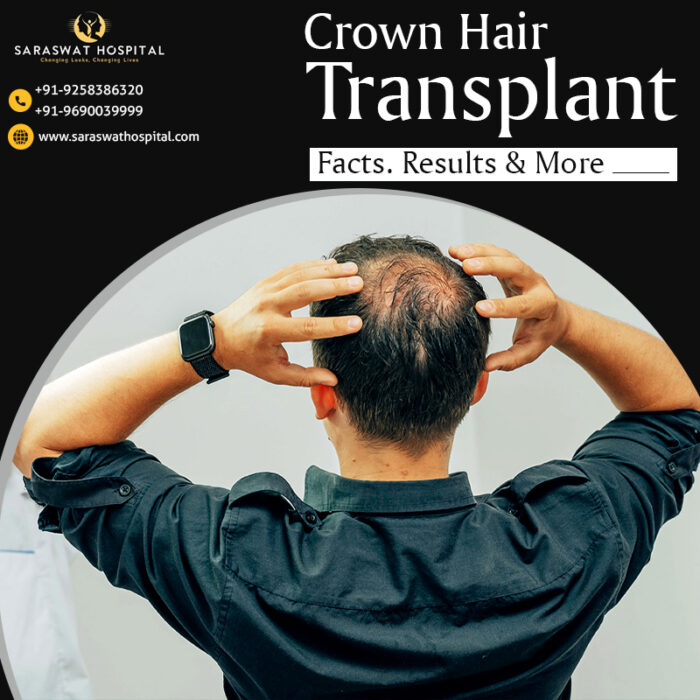
Crown Hair Loss Treatment in Agra

Sometimes referred to as the “bald spot” in the back of the scalp, the crown is one of the most commonly affected areas during Androgenetic Alopecia. Most people, thus, want to treat this zone through a hair loss treatment in Agra. But, there are several things that one has to go through to understand why crown hair loss is important, and if at all they would have to do such surgeries or not. This blog would entail all there is to know about crown hair loss treatment and the probable results of it.

What is a Crown Hair Transplant?

The area that goes beyond the point of transition, after the frontal hairline and the mid-scalp, is known as the crown. This type of transplant is typically undergone by patients who want to correct their balding problems when the scalp starts to slope downwards. Ideally performed with the help of the Linear Excision Method (FUT) or a combination of both FUT and FUE (Follicular Unit Excision), the crown hair transplant results depend a lot on the expertise of the professional performing the same.

Hair Loss in the Crown – Eligibility and Important Facts to Consider

The hair growth from the center of the crown happens in an outward direction when compared to that in other parts of the scalp. When a patient is in stages five and above of the Norwood-Hamilton hair loss stage, he or she suffers from crown hair loss. Some patients also suffer from hair loss in the crown area and not in the frontal region at all. Now, through the crown hair transplant, typically, you will be able to achieve the best results in one sitting. But, before all of that, you need to see if you are eligible for the same or not.

If you are someone below the age of thirty (preferably), the doctors might want to wait for some time before going ahead with the treatment because by then the hair thinning would stabilize. The crown hair transplant procedure should only be attempted when the hair loss is stable and isn’t an ongoing process, or else it would end up looking awkward.

The Trichoscopy analysis of the patient would show if he or she has enough donor hair for the crown transplant or not. Since one has to go through several grafts to achieve a fuller crown transplant, it takes a lot of donor follicles. If the person has an isolated crown, along with enough donor hair, he or she can undergo the process earlier than usual. The apparent density of the crown is always less than what is there in the front region because there is a high degree of separation when the hair growth starts.

A professional would always give a manual of instructions to follow rigorously throughout the time for those suffering from crown hair thinning to delay the progress, following which insulin therapy, micro-needling, or low laser therapy can also be considered for effective results.

Why choose ABHRS-certified doctors?

Saraswat Hospital is one of the most well-known clinics in Agra that offers various types of hair loss treatment in Agra. At the helm of the hospital are Medical Director and Chief Consultant, Dr Satya Saraswat, and the Chief Clinical Cosmetologist, Dr Preeti Saraswat, who has trained a special team to assist them throughout all the aesthetic and cosmetic procedures performed at the clinic. With seventeen years of experience and the use of modern equipment, the clinic is known to provide excellent results.

Conclusion

The decision to undergo a crown hair transplant is important and should only be taken when you are under the consultation of experts. Both the doctors at Saraswat Hospital are certified by the American Board of Hair Restoration Surgery (ABHRS), making sure that they are updated about the various upgrades in the field. Should you want to know more about the same, book a consultation with the experts at Saraswat Hospital today.

Follow us on:- Facebook, Instagram, Pinterest, Youtube

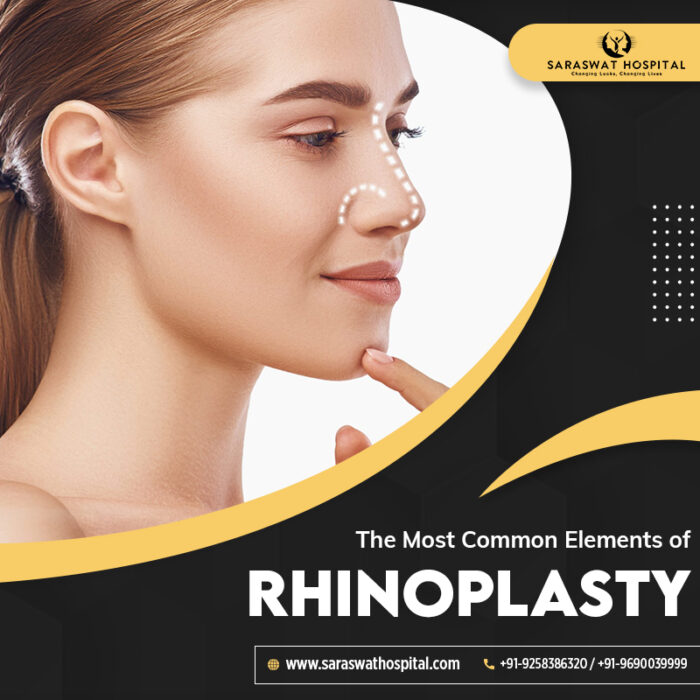
Rhinoplasty surgery in India

Also known as a nose job, Rhinoplasty or nose shaping is used to enhance the facial harmony and change the proportions of your nose. It can correct the impaired breathing if you are suffering from any structural defects in the nose as well. However, not many people are aware of the various aspects of the treatment, and it is suggested that you speak to the experts in plastic surgery before going ahead with the surgery. This blog will explain the most common elements of rhinoplasty and also inform you of the importance of visiting a professional for the same.

Understanding Rhinoplasty

Rhinoplasty is a surgical procedure designed to reshape or reconstruct the nose. In India, it combines advanced surgical technology with the artistic expertise of skilled cosmetic surgeons. The common elements of rhinoplasty include both medical and aesthetic considerations, ensuring functional improvement and natural-looking results.

The Most Common Elements of Rhinoplasty in India

Here are the common elements of rhinoplasty in India that define the procedure’s success and effectiveness:

1. Consultation and Nasal Analysis

Every successful rhinoplasty begins with a detailed consultation. Surgeons evaluate the nasal structure, facial balance, and patient expectations. This personalized approach allows surgeons to plan procedures that complement individual features.

2. Customized Surgical Planning

In India, surgeons use advanced imaging and 3D simulation tools to plan surgeries. This customized planning ensures precision and helps visualize the expected outcomes—another key aspect of the rhinoplasty.

3. Functional and Aesthetic Balance

One of the defining elements of rhinoplasty is balancing beauty and function. Surgeons ensure that the nose not only looks aesthetically pleasing but also allows proper breathing post-surgery.

4. Use of Advanced Techniques

Modern Indian surgeons use minimally invasive techniques such as closed rhinoplasty, open rhinoplasty, and septoplasty. These advanced methods are part of the rhinoplasty, reducing downtime and improving recovery speed.

5. Natural-Looking Results

Patients choose India for rhinoplasty because surgeons focus on subtle, natural enhancements rather than drastic changes. This emphasis on natural results forms a major part of rhinoplasty.

6. Cost-Effective Treatment

Affordability without compromising quality is another factor of rhinoplasty. Compared to Western countries, India offers world-class surgical standards at a fraction of the cost.

7. Post-Operative Care and Support

After surgery, proper follow-up care ensures optimal healing. Indian clinics prioritize aftercare—an integral component to monitor progress and avoid complications.

Conditions treated by Rhinoplasty

When it comes to Rhinoplasty, the first consultation with the doctor is mostly about the results you want to achieve through the procedure. Some of the most important treatments that are possible through a nose job are:

  1. Changing the size according to the facial balance
  2. Changing the width at the bridge or the position and size of the nostrils
  3. Correcting the nose profile with depressions or visible bumps on the bridge
  4. An enlarged or bulbous, upturned, hooked, or drooping nasal tip
  5. Asymmetry of the nose
  6. Large, upturned, or wide nostril

Eligibility for Such a Surgery

Since this is an aesthetic procedure, it is highly individualized and can differ for every individual. When you decide to go for it, it must be yours and not under peer pressure. To be an eligible candidate for a nose job, you have to:

  1. Have complete facial growth
  2. Be healthy, physically
  3. Not a smoker
  4. Have realistic goals and a positive outlook on the situation and on the improvement of the appearance.

Benefits of Understanding the Elements of Rhinoplasty

Knowing the common elements of rhinoplasty in India helps patients:

  • Set realistic expectations.
  • Understand each stage of the surgery.
  • Prepare mentally and physically for the recovery process.
  • Choose the right surgeon and clinic for the best results.

By learning about the common elements of rhinoplasty in India, you can approach your surgery with confidence and clarity.

How is Rhinoplasty Performed?

When you are sitting there, waiting for the nose job in India procedure to start, the doctor will first administer medication to numb the area through local anesthesia or sedatives. Once the anesthesia kicks in, the doctor will either perform a closed procedure where the incisions made would be inside the nose, or it will be an open one where the incisions will be made on the narrow tissue strip separating the nostrils.

Using these incisions, the surgeon gently lifts the skin covering the nasal cartilage or bones to access the area for reshaping. The surgeon customizes the reshaping based on your desired results. For instance, to reduce your nose, the surgeon may remove bone or cartilage. To increase its size, the surgeon may add cartilage grafts. After correcting the deviated septum, the surgeon re-drapes the nasal tissue and skin and closes the incision.

ABHRS-certified Doctors for the Rhinoplasty Surgery

Whenever you are thinking of going for a rhinoplasty surgery, the best place that you can opt for is Saraswat Hospital. The ABHRS (American Board of Hair Restoration Surgery) certified doctors of the hospital ensure only the best services when it comes to such aesthetic and cosmetic surgeries. You will be able to consult two of the most renowned surgeons at the hospital, Dr. Satya Saraswat and Dr. Preeti Saraswat, for your condition.

Dr. Satya Saraswat is a reputable plastic surgeon who has been performing surgeries for the past seventeen years. He is known for hair transplants and cleft lip and palate surgeries. He specializes in various fields of medicine and has also been awarded a Gold Medal for his achievements.

Dr. Preeti Saraswat has a Post Graduate Diploma in Clinical Cosmetology from the University of Greifswald, Germany. She has undergone several special trainings for laser treatments that allow her to provide personalized treatment plans and schedules to suit the requirements of the patient.

Conclusion

The common elements of rhinoplasty India—from expert consultations and advanced surgical planning to natural results and comprehensive aftercare—define why India is a global hub for nose reshaping procedures.

Saraswat Hospital, based in Agra, has the most modern equipment to perform all the surgeries, allowing each of these treatments to render the best results. With natural-looking results in each of these aesthetic and cosmetic procedures, Saraswat Hospital has turned out to be the top choice for patients. Book a consultation with the doctors today.

Follow us on:- Facebook, Instagram, Pinterest, Youtube

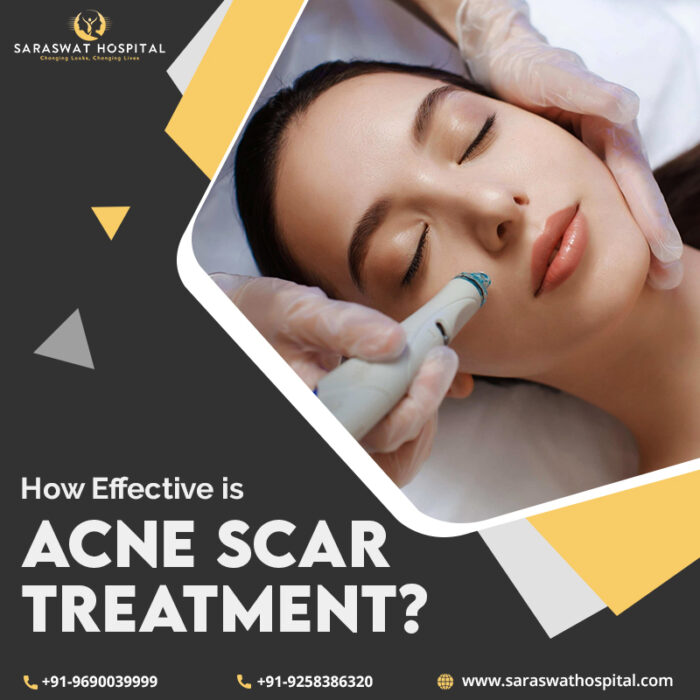
How Effective is Acne Scar Treatment?

Acne marks are one of the most common marks seen on men and women, which are not only ugly to look at but are stubborn as well. Thankfully, with modern dermatological advancements, acne scar treatment has become more effective than ever. While every second cosmetic company today is coming up with products that claim to reduce or remove those scars, most of them give temporary relief and cause side effects. If we have to talk about an effective solution to the same, medical science has come up with laser acne scar treatment. Let’s explore the effectiveness of acne scar treatment and what you can expect from it.

Understanding Acne Scars

Before diving into acne scar treatment, it’s important to understand what acne scars are. Scars form when deep acne lesions damage the skin and underlying tissue. Depending on the type, acne scars may appear as:

  • Atrophic scars (depressed scars), like ice-pick, boxcar, or rolling scars
  • Hypertrophic scars (raised scars) caused by excess collagen
  • Post-inflammatory hyperpigmentation (dark spots after acne)

Types of Acne Scar Treatment

Laser Treatments: Laser therapy is one of the most popular acne scar treatments. It uses targeted light energy to remove damaged skin layers and stimulate collagen production. Fractional CO2 and Nd: YAG lasers are among the most effective options for deeper scars.

Chemical Peels: Chemical peels use acids like glycolic or salicylic acid to exfoliate the skin and promote cell regeneration. This acne scar treatment is especially effective for mild to moderate scars and pigmentation.

Microneedling: Microneedling is a safe and effective acne scar treatment that uses fine needles to create micro-injuries in the skin, triggering collagen and elastin production. It’s suitable for various scar types and all skin tones.

Factors Affecting the Effectiveness of Acne Scar Treatment

The success of acne scar treatment depends on several factors, such as:

  • Type and depth of scars
  • Skin tone and texture
  • The treatment technique used
  • Consistency of sessions
  • Aftercare and sun protection

What is Laser, and How is it Helpful for Acne Treatment?

Laser is the acronym for the phrase, “Light Amplification by Stimulated Emission of Radiation,” which, as the phrase suggests, means treating conditions with the help of light wavelengths. The spatial coherence allows the beam of the laser light to be narrow even over great distances.

The laser acne scar treatment is all about minimizing the appearance of scars from old outbreaks on the skin by focusing light on the top layers of the skin and breaking up the scar tissue. Along with this, the procedure also encourages the growth of healthy and new skin cells that would replace the scarred tissue. The ideal candidate for laser treatment is he or she who has lighter skin with no active acne.

Once the wavelengths of laser light hit the layer where the scar has formed, it starts peeling off and makes the skin look smoother and the scar less visible. As the scar tissue breaks apart, the blood flow is drawn to the area targeted by the laser, thereby reducing the inflammation as well. All these, combined, ensure that the scars look less red and raised, thereby giving a smaller appearance, and start healing the skin in the process.

Eligibility Criteria and Side Effects of the Treatment

Professionals actively target acne scars, primarily on the face, but also treat other areas. They commonly use lasers to address scars on the upper torso, neck, arms, back, and face for optimal results. Like any procedure, acne scar removal carries several risks. Some of the side effects faced by patients are:

  1. Redness
  2. Pain
  3. Swelling

Having said that, you must also note that the pain from the laser treatment is typically gone after around two hours. Following the proper post-treatment instructions by the consulting doctor would also ensure that the swelling and redness go away in a short duration. Apart from these, there are no long-term side effects you should be worried about.

Why Should You Consult ABHRS Certified Doctors for the Same?

Since this is a procedure that has direct effects on the skin and your appearance, it is crucial for you to visit professionals with experience in the same. Saraswat Hospital, located in Agra, India, is among the leading aesthetic hospitals. Notably, it provides advanced acne scar treatment to patients. Moreover, the treatments are administered by two highly accomplished doctors, both certified by the American Board of Hair Restoration Surgery (ABHRS).

Dr Preeti Saraswat, a graduate from the University of Greifswald, Germany, is a Clinical Cosmetologist who is known for her specialization in laser treatments. She offers personalized treatment plans to her patients, ensuring that they receive the best results through all surgeries performed at the hospital.

Conclusion

Acne scar treatment is highly effective in improving skin appearance and texture when performed by skilled professionals. Modern techniques such as laser therapy, microneedling, and chemical peels can significantly reduce scars and restore confidence. The key to success lies in choosing the right acne scar treatment based on your skin type and scar condition.

Saraswat Hospital offers several aesthetic and cosmetic procedures for patients who want an overall enhancement in their appearance. Book an appointment with the doctors and get the best laser treatment for your acne scars.

Follow us on:- Facebook, Instagram, Pinterest, Youtube

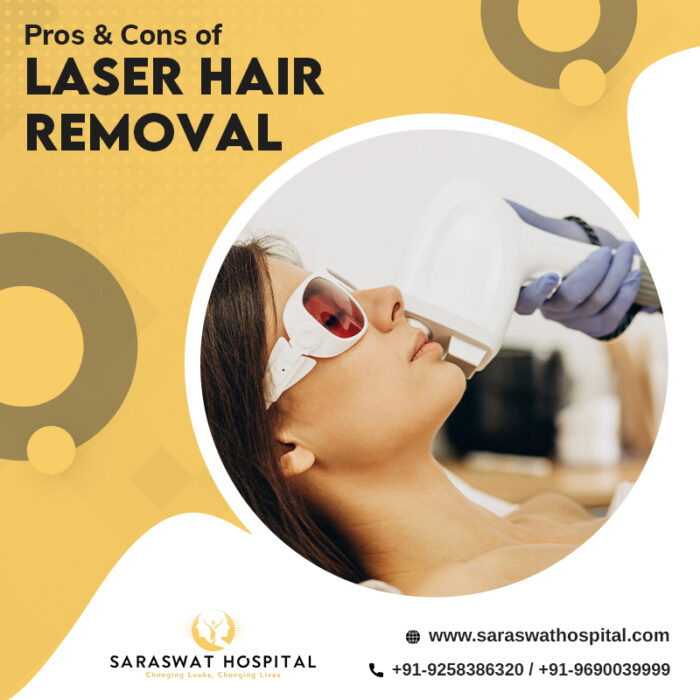
Pros and Cons of Laser Hair Removal

Have you ever been in a situation where you have shaved for an event and, in a few days, started to feel stubble growing back on your arms and legs? Have you ever dreaded that moment after a waxing procedure when the skin is red and swollen, and you cannot go to any event in that state? Well, what if I told you that there is an alternative that can get rid of all the unwanted hair from your body, permanently? Yes, I am talking about laser hair removal in Agra.

What is Laser Hair Removal?

The process of laser hair removal is pretty simple. It involves removing hair from your skin by emitting a wavelength of light and using the heat energy to reach the root of each strand and damage the follicle permanently. It ensures that there will be no further growth of hair from those follicles on your body.

The laser hair removal procedure targets hair only in its Active Anagen (hair growth) phase, and because not all hair on the body is at this phase at one point in time, you have to undergo more than one session, depending on the area targeted to get rid of them all. It is a safe procedure that works on all parts of the body equally well. This includes the hands, legs, underarms, chin, and even the bikini line.

Professionals skilled in the procedure would be able to determine which kind of laser device would work best on your skin and then use that for the treatment. The procedure works best on those with light skin and dark hair because, in that situation, the laser light can target the follicles better.

The two most commonly used devices for the procedure are Diode and Nd: YAG (specially meant for thicker hair and tanned skin).

Pros and Cons of Laser Hair Removal Procedure

Before you choose laser hair removal for your condition, you may want to know all the pros and cons of laser hair removal:

Pros of Laser Hair Removal

1. Long-Lasting Results: One of the biggest benefits of laser hair removal is its long-lasting results. After a few sessions, hair growth is significantly reduced, and some people experience permanent hair removal.

2. Time-Saving and Convenient: Unlike shaving or waxing, which need to be repeated frequently, laser hair removal requires fewer maintenance sessions. Once your treatment plan is complete, you’ll enjoy smooth skin for months or even years.

3. Precision and Effectiveness: Laser technology can precisely target dark, coarse hair without damaging surrounding skin. This makes laser treatment ideal for treating areas like the face, underarms, legs, and bikini line.

4. Minimal Discomfort: Modern devices used in laser hair removal are designed for comfort. Most patients describe the sensation as a light rubber-band snap, far less painful than waxing.

Cons of Laser Hair Removal

1. Multiple Sessions Required: You’ll need several sessions to achieve optimal results. Hair grows in cycles, and laser hair removal targets only the active growth phase, which means multiple visits are necessary.

2. Temporary Side Effects: Some people experience redness, mild swelling, or slight irritation after treatment. However, these side effects of laser hair removal usually fade within a few hours.

3. Not Suitable for All Hair Colors: The laser targets melanin (pigment) in the hair, so this process may be less effective on very light blonde, red, or gray hair.

4. Requires Skilled Professionals: To avoid skin burns or uneven results, it’s essential to choose a certified and experienced dermatologist or aesthetician for laser hair removal.

5. Upfront Cost: Although it’s economical long-term, the initial sessions of laser hair removal can be expensive, especially when treating larger body areas.

The procedure permanently removes hair from all skin types on any body part, aiming to minimize hair growth. The fact that the effects of this procedure can last a long while if you follow the pre- and post-treatment instructions well ensures that this is almost like a one-time investment. With each session, the thickness of the hair reduces and thus ensures zero hair in no time.

Coming to the cons, you may want to know that the laser hair removal procedure involves several sittings, depending on the size of the area targeted, and thus is lengthy. There is also a gap of around six weeks between each session to protect your skin from any damage.

Aftercare Tips for Laser Hair Removal

  • Avoid direct sunlight for a few days.
  • Use a soothing gel or aloe vera.
  • Refrain from using harsh skin products.
  • Follow your dermatologist’s post-care routine for the best results.

ABHRS-certified doctors performing the same

To begin with, selecting the ideal doctor is crucial for navigating the entire treatment process successfully. In this regard, Saraswat Hospital in Agra stands out as one of the finest destinations for aesthetic and cosmetic treatments. Moreover, the hospital’s treatments are conducted by two American Board of Hair Restoration Surgery (ABHRS) certified doctors.

A Clinical Cosmetologist, Dr Preeti Saraswat, is known for her brilliance in different laser-related procedures. She offers customized treatment to all her patients based on their requirements and offers excellent after-surgical care as well.

Conclusion

Understanding the pros and cons of laser hair removal is the first step to deciding if you want to opt for the treatment or not. To start with, Saraswat Hospital, one of Agra’s most successful laser hair removal clinics, utilizes state-of-the-art equipment and ensures its staff is well-trained in the latest advancements in the field. Furthermore, if you wish to learn more about the hospital or laser hair removal, book an appointment with experts today.

Follow us on:- Facebook, Instagram, Pinterest, Youtube

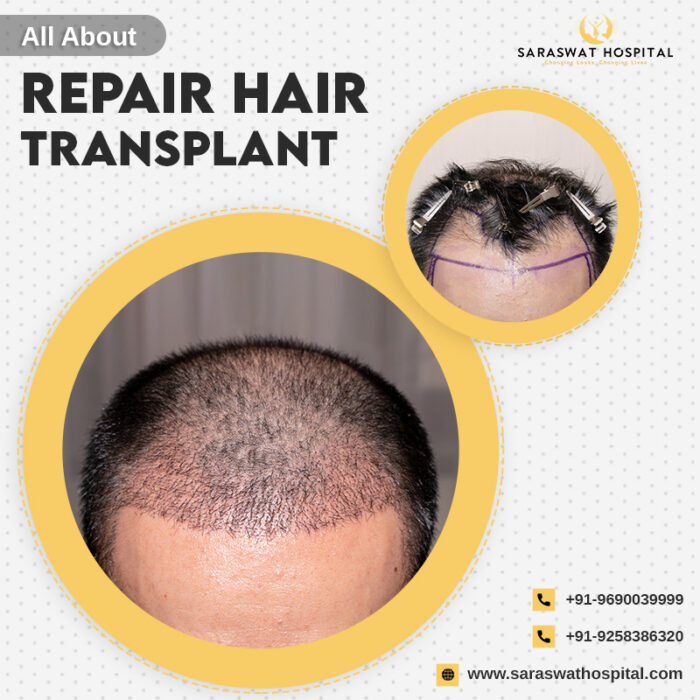
Repair Hair Transplant in India

If you are someone who has already suffered from balding hair or hair thinning, you may have often encountered products that claim to be a solution to the same problem. However, they are not only temporary but also leave side effects. The only ideal solution to hair loss or Androgenetic Alopecia is hair transplant surgery. Having said that, with the number of doctors increasing to perform the surgery, not many people are qualified enough to choose the good from the bad and end up with less than satisfactory results. This takes us to what is known in the medical field as “repair hair transplant!” Today, let us take this opportunity to know what repair hair transplant surgeries are all about!

What is a Hair Transplant?

A hair transplant is the best way to treat Androgenetic Alopecia (commonly known as hair loss), permanently. Through this procedure, the expert takes hair from the safe donor area (back of the head) and then implants it into the balding area. This aesthetic procedure is primarily done in two techniques – Linear Excision Method (also known as Follicular Unit Transplantation) and Follicular Unit Excision (FUE).

Having said so, if the hair transplant procedure is undergone by professionals who are not skilled enough, the two most common aesthetic problems the patient might face are:

  1. A progressive hair loss in the future
  2. The unsightly appearance of the hair plugs

So, if you have recently undergone hair transplantation and are facing any of these situations, you are suffering from botched-up results and would immediately need to consult an experienced surgeon for repair hair transplant.

So, what is a Repair Hair Transplant?

Repair hair transplant is the best way to get rid of a botched hair transplant by performing another surgery on the patient. Most of the time, due to the previously performed bad transplant surgery, there are no healthy hair follicular grafts left on the safe donor area. However, experts in the field make use of follicles from special areas of the body to perform the treatment and deliver results.

Using a round-punch excision plug with the FUE method, one can easily manage the appearance of the unsightly results of the transplant. Keep in mind that if you are a patient who is prone to stretch-out scars, the condition can recur, even after being treated under the best circumstances. Consulting a professional hair transplant surgeon would allow you to have a complete overview of your condition and how a repair hair transplant would be able to help you.

When do you need a Repair Hair Transplant?

When you have a botched-up hair transplant, the only thing that you think of is how to fix everything and make it look natural. So, let us take a look at the signs of a botched-up hair transplant surgery:

Depleted Donor 

The success of a hair transplant depends on the natural-looking results, efficient donor hair follicle usage, and adequate coverage. Especially when you are treating baldness in patients, the efficient use of donor follicles is crucial. Having said that, if the doctor performing the surgery did not do it carefully, the donor area might be depleted or damaged, making the hair out there look visibly thinner. Through hair transplant repair, professionals would take hair follicles from the body to perform another procedure on the donor area.

Improper Hairline 

Since a hair transplant is an aesthetic surgery, it must look absolutely natural. In most cases, inexperienced doctors fail to explain the procedure, and thus, the execution is also ruined. The patients end up having a frontal hairline that is placed too forward, making it look fake. The results of the surgery, thus, might even distort the natural proportion of the patient’s face. ABHRS-certified surgeons would be able to mark the best hairline that would look good according to the patient’s facial features. In this case, repair hair transplant would mean micro-punch excision, where the grafts would be removed and then re-implanted for the best results.

Wrong Angular Direction 

Transplant surgery usually leaves natural-looking results where the new hair growth happens at the same angle as your natural hair. However, what many people know is that it happens because of the way the professional has placed the follicles. Incorrect angulation of the follicular units would make your finished look fail drastically. The temporal hair needs to have a downward angulation, and the frontal hair should have an anterior direction. Repair hair transplant India, in this case, is mostly about revision surgery.

Ridging on the Hairline 

An extremely common complication caused by an inexperienced hair transplant surgeon is ridging on the hairline. This is caused by placing larger grafts close together to ensure a higher density. The result is an unpleasant bump that looks completely unnatural. The expert surgeon would be able to place each graft at a proper distance from the other for the best results.

Low Density

Doctors who are inexperienced tend to use most of the healthy hair follicles and end up with bad results, specifically, low density. In such scenarios, when it comes to the repair hair transplant, the professionals take hair from other parts of the body, say the chest or the legs, and use it to be transplanted to the balding area.

Bad FUT Scars

Strip surgery has been one of the most widely used options when it comes to hair transplantation, but the biggest disadvantage is the huge scar that it leaves on the donor site if not performed correctly. When it comes to repairing the scar, professionals tend to use Scalp Micropigmentation and ensure that such bad FUT scars are well hidden, along with providing natural-looking results.

ABHRS-certified doctors performing the same

It is thus always recommended that you contact professionals when suffering from a bad hair transplant because only their experience and expertise in the subject can save you from the horrors and give you natural-looking results. One of the best places in India that can offer you repair hair transplant is Saraswat Hospital, Agra. Situated in the city of love, the hospital is run by two of the most efficient and renowned American Board of Hair Restoration Surgery (ABHRS) certified surgeons, Dr Preeti Saraswat and Dr Satya Saraswat.

Dr Satya Saraswat is a Gold Medalist surgeon who practices in places across Delhi NCR and abroad with an MBBS, MS, MCh, and DNB degrees to his credit. He specializes in repair and celebrity hair transplant and is one of the very few doctors eligible to perform the UGraft™ punch method for the best results.

Conclusion

Repair hair transplant is an ideal way to take care of your botched-up hair transplant if you visit professionals who are experienced in the treatment. Saraswat Hospital, Agra, runs on state-of-the-art architecture and uses modern equipment for hair transplant in India to ensure optimum results. Should you want to book an appointment with the experts, you can give the hospital a call at +91-9258386320 or +91-9690039999.

Follow us on:- Facebook, Instagram, Pinterest, Youtube

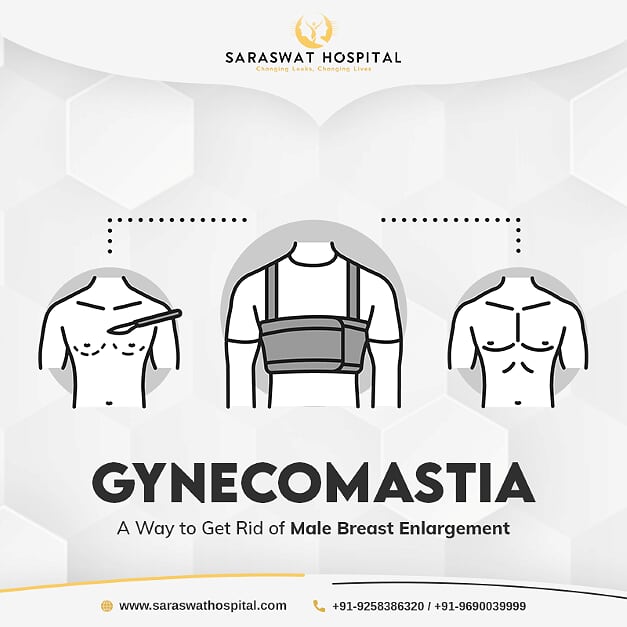
How to Get Rid of Male Breast Enlargement with Gynecomastia India?

One of the most notable features of a woman is often an area of discomfort for men – the breast! Especially seen in overweight men, breast enlargement is a common condition seen in a lot of people. The ideal way of getting rid of those who fit the society standards by having a flat chest is by going for Gynecomastia India. Performed by experts, this surgical alternative leaves exceptional results on the patient. However, not many people are aware of the same. This blog will change your perception and let you know everything there is to note about the procedure!

What are the Reasons People have Breast Enlargement?

Before heading on to know more about gynecomastia, let us understand why, as a man, you may be suffering from what is commonly known as breast enlargement:

Overweight

The fact that if you are overweight and have a heavy chest, you may think that you have boobs, which is not always the case. This is because when you are gaining a lot of weight, the body tends to deposit the fat anywhere it can, including the breast. However, if you have lost a lot of weight and still have the fat deposits in your breast area, you may be having Gynecomastia. A specialist would be able to examine you and determine the situation best.

Low testosterone

This is a condition that can only worsen over time and make you feel terrible every day. The best way to determine if you are suffering from low testosterone is by identifying symptoms in your body, such as fatigue, mood changes, attention problems, fertility problems, and Gynecomastia.

High Estrogen

While on one hand, low testosterone can be a sign of male breast enlargement, high estrogen can also be one of the causes. The symptoms of this condition also include those seen in low testosterone, along with conditions such as diabetes, fatigue, and even urinary tract infections, which you need to be extremely careful about.

So, now, what is Gynecomastia?

Once you are aware of what might cause male breast enlargement, it is time to understand what Gynecomastia is, in the first place. So, firstly, both men and women have mammary glands or breast tissues in their bodies, which are best known for the production of milk after a baby is born. Since men do not reproduce, the mammary glands of men do not mature to the time when milk can be formed and thus remain under the skin forever.

When you are suffering from gynecomastia, however, these mammary glands tend to grow till the time you have visible breast enlargement. More often than not, it also takes the shape of a woman’s breasts, giving it an unsightly appearance on a man. It can happen due to the usage of a certain type of drug and even heredity, apart from the reasons mentioned here.

Through the surgery, the doctor would reduce the size of the breast, thereby enhancing the chest contours. In some cases, the size and position of the dark skin surrounding the nipple (areola) can also be surgically improved after the reduction of the excess skin.

Causes of Gynecomastia

Before considering treatment, it’s important to understand the root causes of gynecomastia. Some of the most common factors include:

  • Hormonal Imbalance: Excess estrogen or reduced testosterone levels.
  • Obesity: Fat accumulation can mimic breast tissue.
  • Medications: Certain drugs, such as steroids or anti-androgens, can trigger gynecomastia.
  • Puberty or Aging: Natural hormonal changes during these phases.
  • Substance Use: Alcohol, marijuana, and anabolic steroids are common triggers.

Cost of Gynecomastia Surgery in India

The cost of gynecomastia in India depends on various factors such as:

  • Type and grade of gynecomastia
  • Surgical technique used
  • Experience of the surgeon
  • City and clinic reputation

On average, the gynecomastia surgery cost in India ranges between ₹40,000 and ₹90,000 per side. This makes India one of the most affordable and reliable destinations for high-quality cosmetic surgery. Book an online consultation to know the complete cost of gynecomastia with all the details.

Why Choose Gynecomastia Treatment in India?

Choosing gynecomastia surgery in India offers several benefits:

  • Highly skilled surgeons with years of experience in male cosmetic surgery.
  • Affordable costs compared to Western countries.
  • Advanced surgical techniques such as laser-assisted liposuction and minimally invasive procedures.
  • Excellent post-surgery care with faster recovery times.

Why Choose Saraswat Hospital for the Procedure?

The best treatment with no side effects can only be achieved when performed by experienced surgeons. If you are looking for the ideal professionals who perform Gynecomastia in India, you may want to opt for Saraswat Hospital. The center’s advanced facilities and the doctors’ qualifications ensure excellent results.

As a Gold Medalist Plastic Surgeon, Dr Satya Saraswat is an MS, DNB, M.Ch, and MBBS who has been in the industry for more than seventeen years. He is certified by the American Board of Hair Restoration Surgery (ABHRS) and thus provides excellent treatment.

Conclusion

Now that you are aware of what gynecomastia is and how it can get rid of your enlarged breasts forever, without any pain, it is time for you to choose the best doctor to perform the surgery. Saraswat Hospital, Agra, is one of the best in this regard when it comes to the experience of the doctors and the number of successful cases. Book an appointment and get rid of breast enlargement and feel confident in yourself.

Follow us on:- Facebook, Instagram, Pinterest, Youtube

whatapp icon