
Book an
Appointment
Dr. Satya Saraswat - Hair Transplant Surgeon

Dr. Satya Saraswat, MBBS, MS, MCh, DNB (Gold Medalist)

Dr. Satya Saraswat, MBBS, MS, MCh, DNB (Gold Medalist), FISHRS, is a cosmetic and plastic surgeon with an experience of over 20+ years and has performed 17,000+ cosmetic and plastic surgeries. He is a Diplomate of the American Board of Hair Restoration Surgery (ABHRS) and Fellow of ISHRS, as he has been continuously attending the International conferences and adopting the latest advancements in hair restoration science, and he has also submitted his research papers. His hands-on involvement ensures a natural hairline and high graft survival.

Articles by Dr. Satya Saraswat, MBBS, MS, MCh, DNB (Gold Medalist)

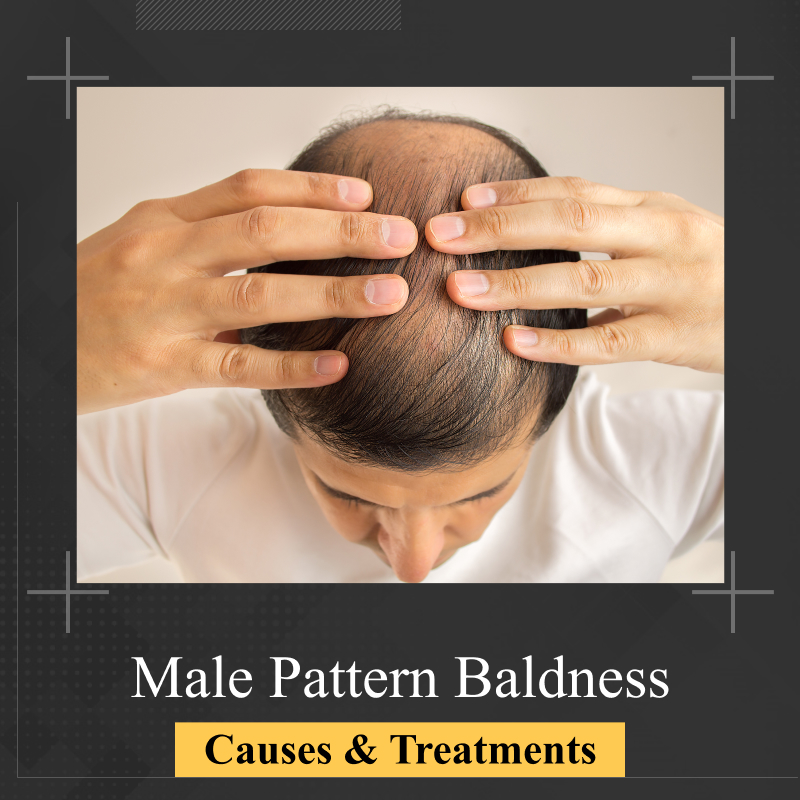
What are the Causes & Treatments for Male Pattern Baldness?
Medically Reviewed By Dr. Satya Saraswat, MBBS, MS, MCh, DNB (Gold Medalist) | Last updated: May 18, 2026

More than 50% of men in their lifetime go through a hair loss condition known as male pattern baldness. A receding hairline on the front and sides or thinning hair on the crown portion of the head are some common symptoms of baldness in men. It is advised that if a person starts losing more than 100 hairs in a day, then they must seek hair loss treatment from a hair specialist immediately.

Unfortunately, most men lose over 50% of the hair on their scalp before noticing any baldness pattern emerging. While hair loss can be attributed to several factors, such as genetics, stress, nutritional deficiency, and more, male pattern baldness is the most common cause of hair loss in men.

What is Male Pattern Baldness?

Male pattern baldness, also known as Androgenetic Alopecia, is the most frequent kind of hair loss seen in men. It is said that over 50% of men above 50 years of age are affected by male pattern baldness to some extent.

While this type of baldness is more common in middle-aged or older men, androgenetic alopecia can also affect younger men who are in their 20s and 30s. The common symptoms of male pattern baldness include a receding frontal hairline, a thinning crown area, and diffuse hair thinning affecting the entire scalp.

What Are The Causes of Male Pattern Baldness?

The most common reason for male pattern baldness is hereditary factors. Genetics plays a crucial role, and it has often been seen that those with a family history of baldness are at a higher risk of being affected by this condition.

The other major cause could be the increased levels of androgen, a male sex hormone, in your body. For example, having a high level of testosterone. The higher presence of androgens in your body can potentially disrupt the hair growth cycle of anagen-catagen-telogen and result in no new hair growing in the follicle. This leads to permanent hair loss.

Early Symptoms of Male Pattern Baldness

The most visible sign of male pattern baldness is hair loss. But on average, most people shed between 60-100 hair strands daily. This is part of the natural hair growth cycle and nothing to be alarmed about. One should consider seeking hair loss treatment from a professional in the following scenarios.

1. Receding Hairline

For those affected by male pattern baldness, the hair on the front and sides of the scalp slowly starts diminishing in volume. As a result, men gradually start sporting an M-shaped hairline.  If you start noticing any considerable change happening to your hairline, then it might be advisable to consult a specialist.
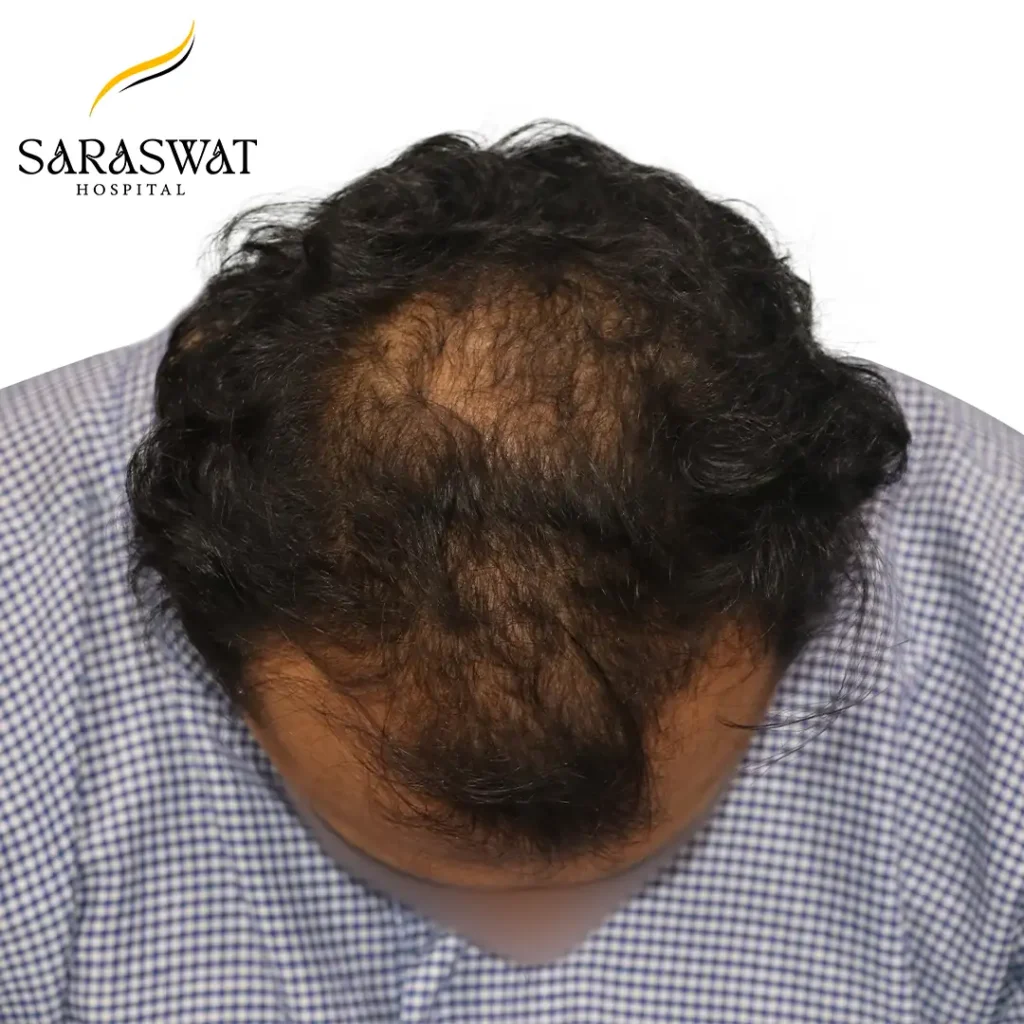
Causes of Male Pattern Baldness?

2. Thinning Crown

In some cases, male pattern baldness does not affect the hairline at all. But the hair in the crown region starts thinning and then eventually falls off completely.  Since one cannot see the top of their head, this sort of hair loss often goes undetected unless it is in an advanced stage.

3. Diffuse Thinning

This is a form of hair loss that affects the entire scalp. Visible hair thinning can be seen in different parts of the scalp, but it does not affect the hairline visually. For men who have thin hair density, this symptom is easily detected in the early stages.

Treatment Options for Male Pattern Baldness

1. Medications

When you visit a hair doctor, he/she will first try to salvage the situation by prescribing medicines such as Finasteride and Minoxidil. These are common treatments for androgenetic alopecia and is helpful in managing early stages of hair loss.

Finasteride is an oral medication, and Minoxidil is a hair solution to be applied to the affected areas of the scalp. Regular usage is known to produce guaranteed hair growth results over a period of 6-8 months. Both these medicines should only be taken based on the prescription of a doctor.
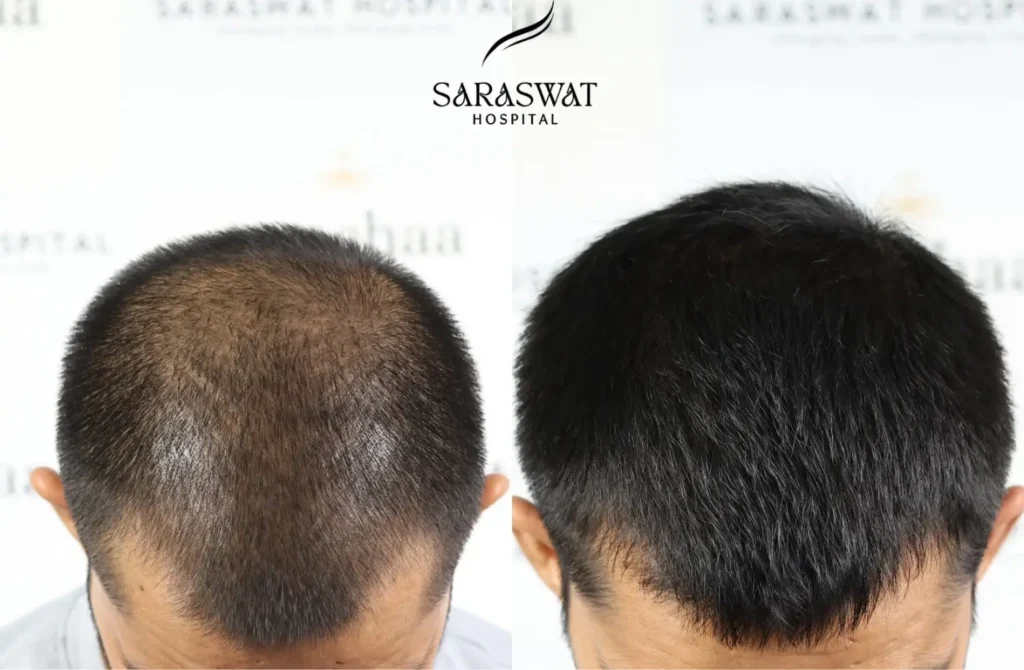
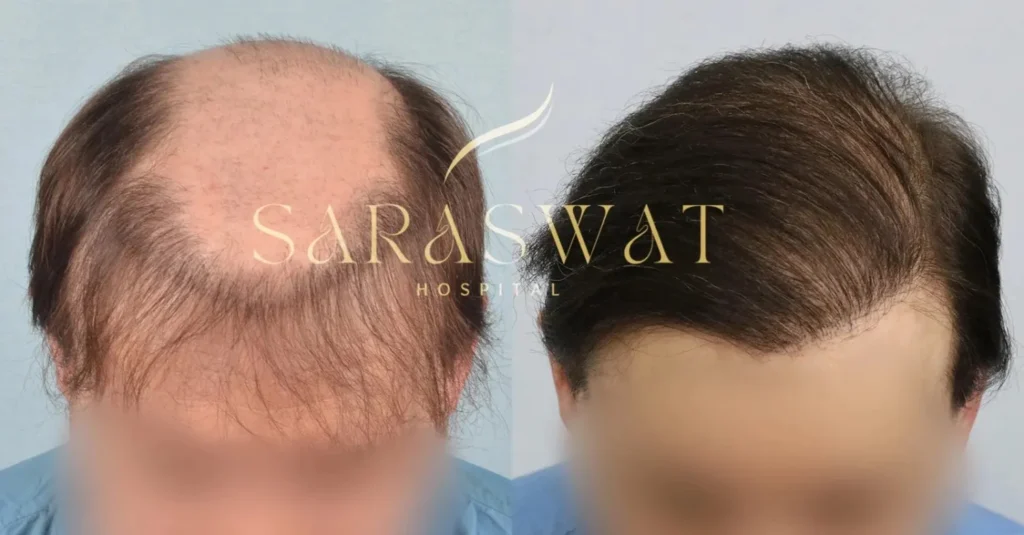
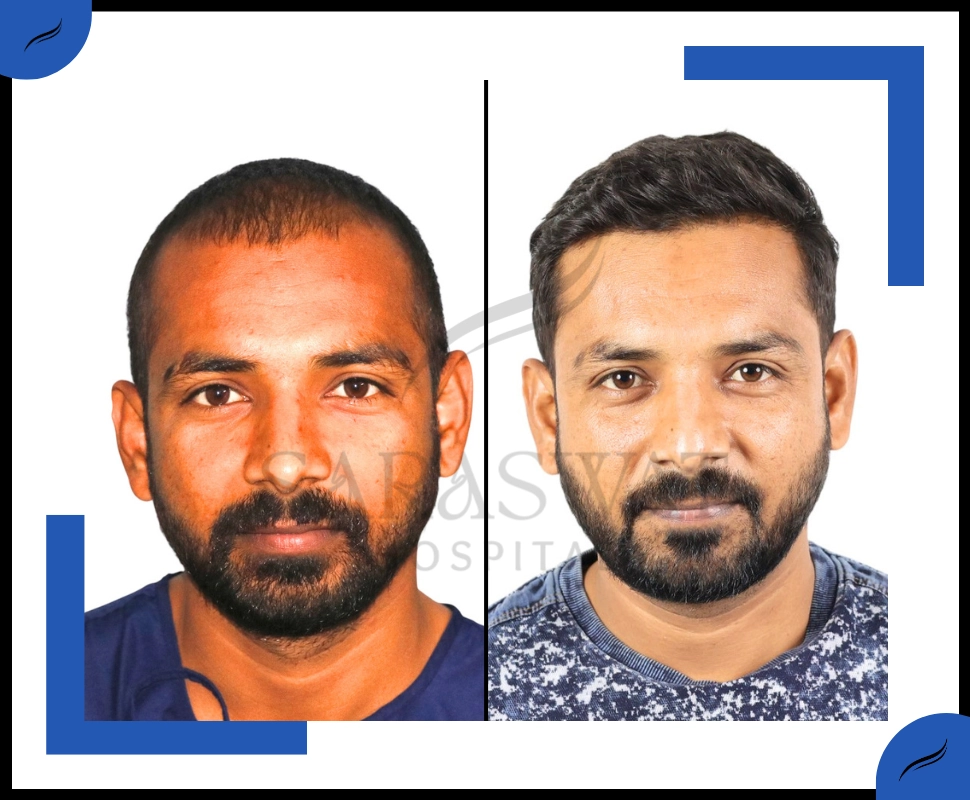
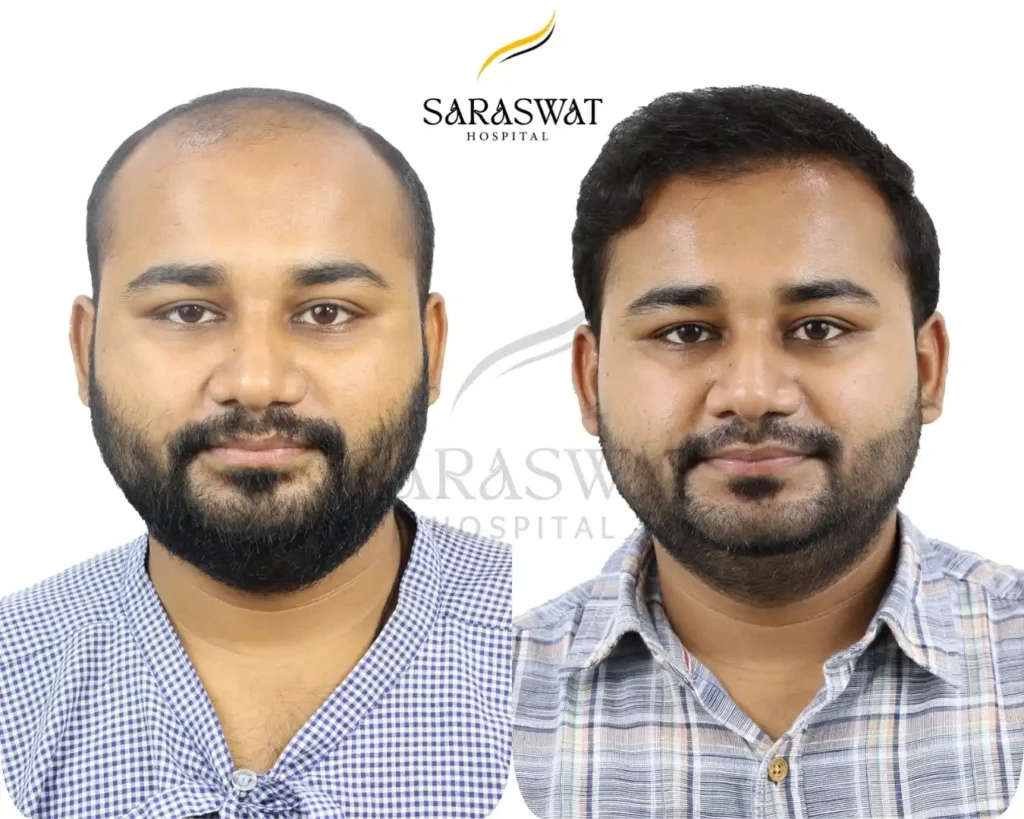
Hair Loss Before and After Result

2. Hair transplant surgery

If you’re suffering from advanced levels of hair loss, then we suggest visiting a hair transplant clinic in India. Male pattern baldness causes your hair follicles to stop growing new hair, leading to permanent hair loss.

In a hair transplant surgery, healthy hair follicles are removed from the donor part of your scalp and then transplanted onto the balding portions known as the recipient area. In most cases, hair is taken from the back or the sides of the head, as the hair in this region is genetically programmed to never fall off. When these follicles are transplanted to other parts of the scalp, the new hair that grows also never falls off. Hence, it gives a permanent solution to hair loss problems.

3. Scalp micropigmentation

For patients who are suffering from an overall thinning of hair, scalp micropigmentation could be a great solution for you. This is a cosmetic procedure where micro-needles are used to deposit pigment on one’s scalp, giving them the illusion of a fuller head of hair. This is not a real cure, but more of an aesthetic solution.

4. Low-level laser therapy

In this form of treatment, patients are exposed to multiple sessions of low-powered laser therapies on their scalp. The light energy emanated during this process stimulates the hair follicles, which, in turn, boosts new hair growth.

Conclusion

Male pattern baldness is a common hair loss condition. It can disrupt your natural hair growth cycle and stop your follicles from growing new hair. If you’re suffering from any early symptoms, we suggest consulting with the leading hair experts to receive personalised treatments for your hair loss problems.

Book an online consultation with our team and learn more about male pattern baldness and get the best treatment.

Follow us on:- Facebook, Instagram, Pinterest, YouTube

Medical Disclaimer →

This article is for informational purposes only and does not constitute medical advice. Plastic, cosmetic, and laser treatments — including AI-assisted previews such as those generated by the Peek AI™ app — carry risks and results vary by individual. Always consult a licensed medical professional before undergoing any procedure.
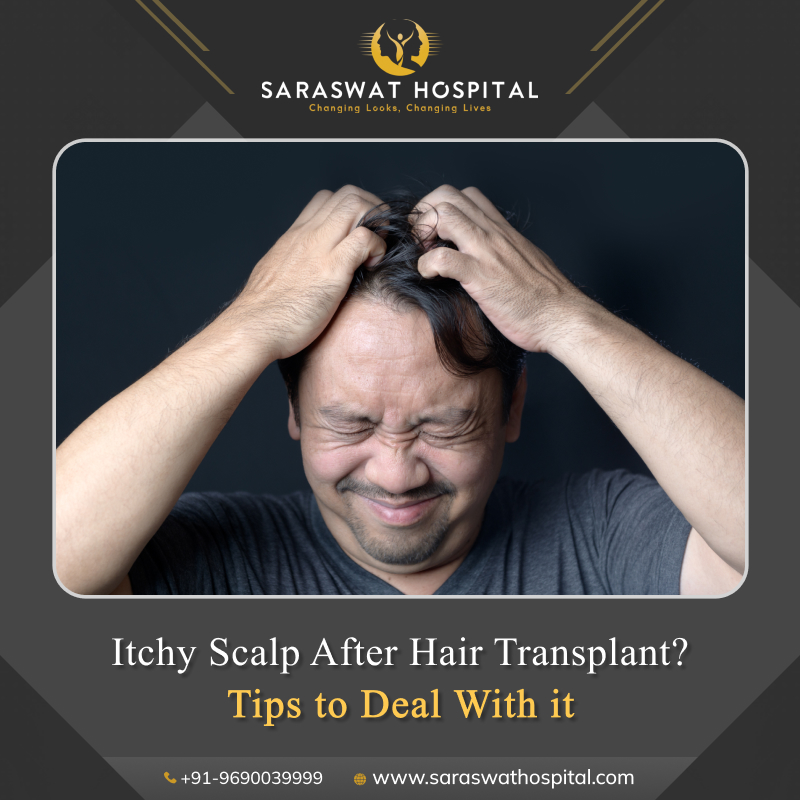
How to Deal with an Itchy Scalp after a Hair Transplant?
Medically Reviewed By Dr. Satya Saraswat, MBBS, MS, MCh, DNB (Gold Medalist) | Last updated: May 18, 2026

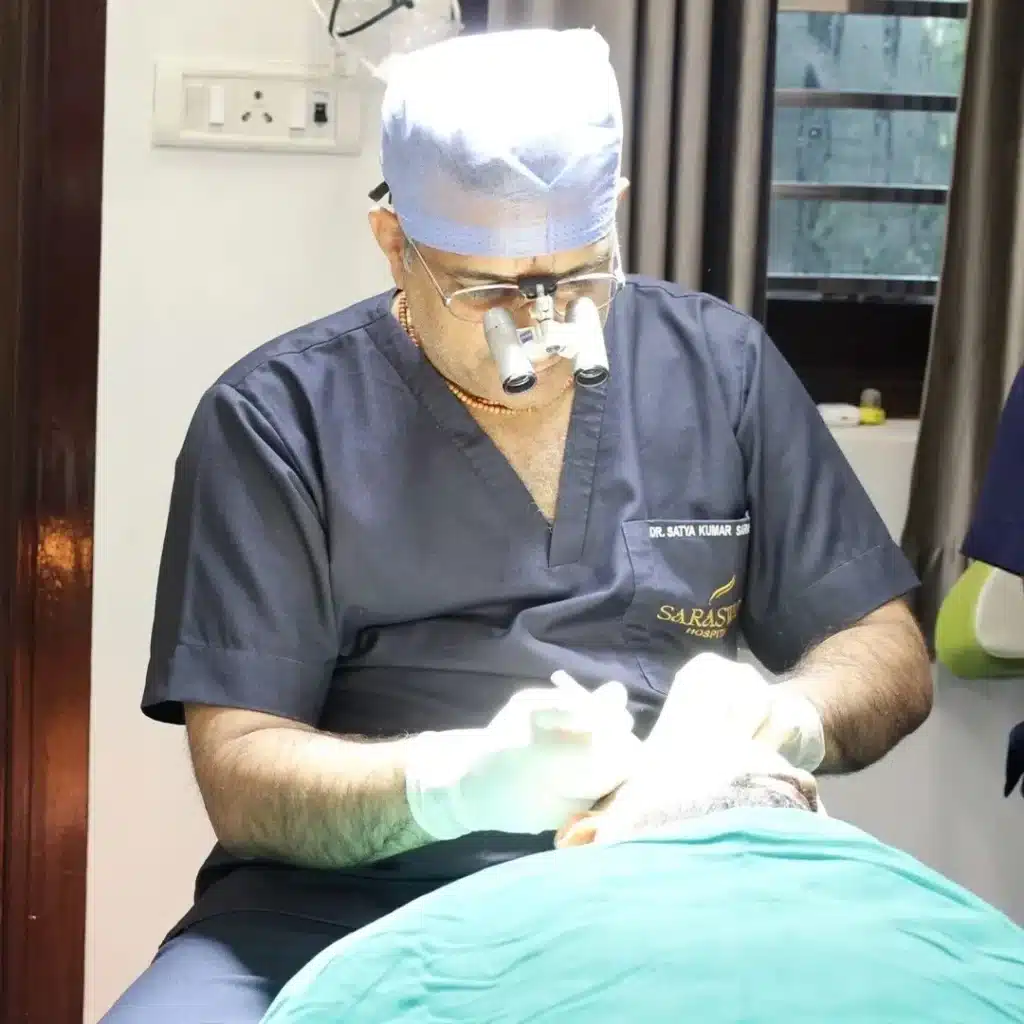
A hair transplant is a surgical procedure. Like every other post-operative situation, hair transplant patients undergo a certain recovery period. If you’re undergoing a hair transplant in India, Saraswat Hospital in Agra offers excellent pre- and post-treatment care. Patients are given a list of dos and don’ts after the surgery and have regular follow-up appointments to monitor their progress.

Is it Normal to have an Itchy Scalp after a Hair Transplant?

You may experience an itchy scalp after a hair transplant in the donor and recipient areas. It is normal to feel the itching sensation as it is a symptom of the healing process and generally resolves on its own. When wounds in our body heal, certain chemicals are released that trigger the itchy feeling.

Sometimes, the scalp may bleed in response to the wounds and stop once the clots form. Thereafter, the clot begins to dry and forms scar tissue around the area of the wound. This is exactly what happens after a hair transplant surgery. As the scalp begins to heal, scar tissue is formed, which helps to prevent infection during the process of healing.

The immune system of the body also protects the treatment area during this phase from getting any infection. Besides an itchy feeling, the patient may also experience swelling and tenderness. The white blood cells and the body’s platelets repair the surgical area, and new tissues begin to form within a few weeks. Therefore, new skin develops, and the wound scars start to disappear. This is when you may feel a certain amount of itchiness for a while as the scabs fall off.

However, with proper post-operative care, the itchy sensations can be kept under control. Therefore, selecting a good hospital for a hair transplant in India is of great importance. If you live in India, then you can trust Saraswat Hospital in Agra for safe and painless hair transplant procedures with quality post-operative care.

Hair Transplant Procedure

How to Deal with Scalp Itchiness?

Below are some suggestions from hair transplant specialists on dealing with an itchy scalp after undergoing an FUE hair transplant in India.

Do not scratch the area

It might be tempting to scratch the treatment area; however, know that it is best to restrain yourself and not scratch the area. Scratching the newly implanted hairs can lead to skin infection, folliculitis, or hair follicle infection.

Use saltwater spray

After the surgery, you will be advised not to wash the treatment area for the next four to five days. Instead, your surgeon may recommend using a saltwater spray. It helps to nourish the implanted hair and removes dirt and debris. Keeping your scalp clean reduces the itchy feeling.

Take an antihistamine

As the scalp heals after the surgery, the body releases histamine. This is a chemical produced by some of our body’s cells, which causes itchiness. To avoid feeling severe itchiness, the doctor may prescribe you some antihistamine tablets to reduce the amount of histamine produced by the body.

Medicated shampoos

The doctor may recommend a medicated shampoo, such as Ketoconazole to patients who experience itchiness for more than two weeks. Using this shampoo twice a week for two to four weeks can help reduce scalp itchiness.

Steroid scalp medication

If the itchiness persists beyond three to four weeks, your surgeon may prescribe a powerful steroid scalp medication for you. Applying this solution for the number of days the doctor has suggested can cure the itchiness. However, this medication should only be taken with a doctor’s prescription and not otherwise.

FUE hair transplant result

Conclusion

If you have been thinking of getting a hair transplant done, know that it is perfectly normal to experience an itchy scalp after a hair transplant. In fact, it is good because it’s a sign of the healing process. With the right post-op care, the itchiness can be managed easily with the above-discussed solutions.

Book an online consultation with our team and learn more about hair transplant, find out how many grafts are required in your case, and get a customised plan for a natural-looking hairline.

Follow us on:- Facebook, Instagram, Pinterest, YouTube

Medical Disclaimer →

This article is for informational purposes only and does not constitute medical advice. Plastic, cosmetic, and laser treatments — including AI-assisted previews such as those generated by the Peek AI™ app — carry risks and results vary by individual. Always consult a licensed medical professional before undergoing any procedure.
5 Questions to Ask Your Doctor Before Hair Transplant Surgery
Medically Reviewed By Dr. Satya Saraswat, MBBS, MS, MCh, DNB (Gold Medalist) | Last updated: May 19, 2026

Estimates say more than 50% of men suffer from some type of hair loss condition in their lifetime. Hair loss can be caused by several factors, such as heredity, stress, hormonal imbalance, medication side effects, etc. (1) For those who suffer from male pattern baldness, undergoing a hair transplant treatment is seen as the best course. It permanently reverses your hair loss and gives natural-looking results. If you’re looking for reliable and trusted clinics for hair transplant surgery in India, Saraswat Hospital in Agra is one of the best options to go with. The clinic is run by experienced and internationally certified hair transplant experts.

Before saying yes to a hair transplant procedure, one must make sure it is the right choice of treatment. Below are some important questions you must ask your doctor to clear your doubts.

1. Am I a suitable candidate for a Hair Transplant?

When you visit a clinic for a hair transplant in India, the first thing your doctor will do is check your eligibility as a patient. This depends on various factors such as the patient’s age, the cause of hair loss, the stage of the hair loss condition, any pre-existing medical conditions, and so on. It is important to go through this assessment stage to ensure your hair transplant procedure will have successful results.

2. Is FUE or FUT hair transplant better for me?

A hair transplant can be done using two methods. FUE refers to Follicular Unit Extraction, where individual hair follicles are removed directly from the scalp. FUT refers to Follicular Unit Transplantation, where a long and narrow strip of hair is removed to extract the follicles.

Generally, FUE is the preferred method as it involves minimal scarring and has a faster recovery. But sometimes, the FUT method is also chosen by doctors depending on the patient’s condition. Before you say yes to a hair transplant in India, find out which procedure the doctor is planning for you.

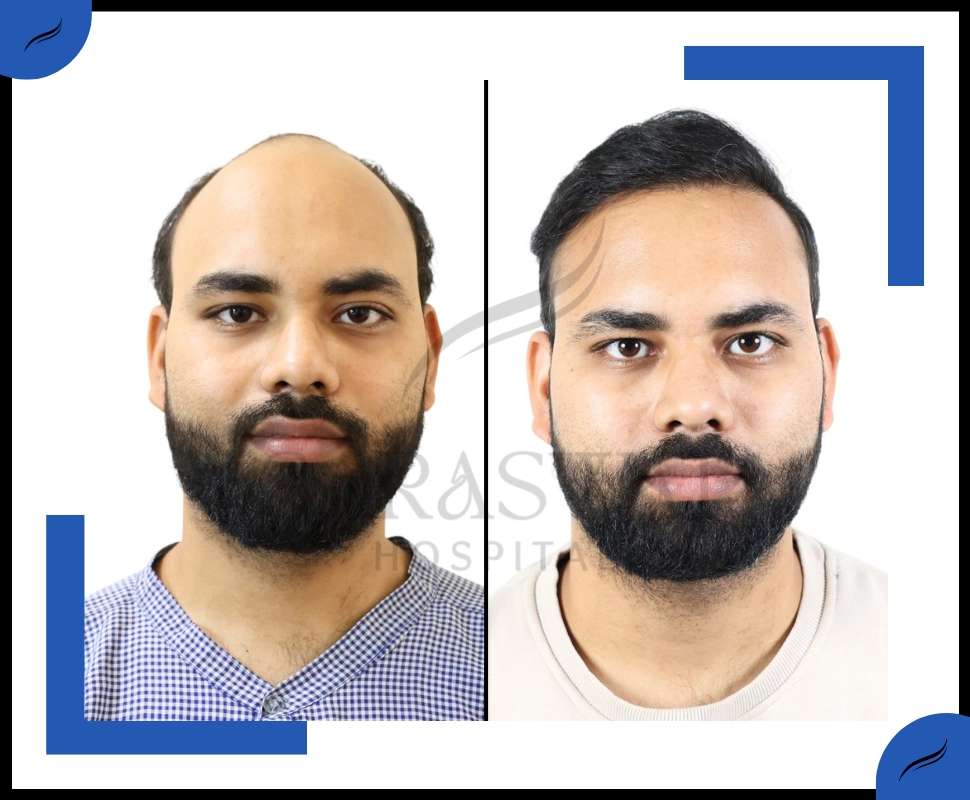
Hair Trasplant Before and After Result

Read More: FUE or FUT: Which hair transplant surgery should you choose?

3. How long will the hair transplant recovery take?

The average recovery time after a hair transplant is between 7-10 days. During this time, the patient must follow certain restrictions as prescribed by the doctor to avoid any complications. This includes the correct sleeping position, no exercise, avoiding exposure to direct sunlight, refraining from using chemical hair products, and so on. Special care must also be taken to consume a healthy and nutritious diet.

4. When can I expect to see hair transplant results?

The results of a hair transplant are not instant. It takes time, and one must be patient during this stage. Your transplanted hair follicles will start growing hair after 3-4 months of the procedure. And the desired results of having a full head of hair can only be achieved 9-12 months after the procedure. It is important to know this so the patient doesn’t have any false expectations.

5. Will I need further hair transplant surgery in the future?

A hair transplant procedure, if successful, gives permanent results. It will not need any more surgeries in the future.

If the hair loss pattern for a patient is not yet stabilised, they may face hair thinning in other areas of the scalp. In such cases, a second hair transplant might be needed to cover the other balding areas on the scalp.

To avoid multiple surgeries, patients must consult a hair specialist to evaluate the level of their hair loss pattern. Hair transplant surgeries are recommended only for people with a stabilised hair loss condition.

Read More: Is undergoing one hair transplant surgery enough for a lifetime?

Conclusion

As discussed above, there are many factors that one must consider carefully before saying yes to a hair transplant procedure. It is important that you choose a reliable and trusted surgeon who comes with credible experience in the field.

Book an online consultation with our team and learn more about hair transplant, find out how many grafts are required in your case, and get a customised plan for a natural-looking hairline.

Sources:

(1) Hair loss can be caused by several factors, such as heredity, stress, hormonal imbalance, and medication side effects. (PubMed Central)

Follow us on:- Facebook, Instagram, Pinterest, YouTube

Medical Disclaimer →

This article is for informational purposes only and does not constitute medical advice. Plastic, cosmetic, and laser treatments — including AI-assisted previews such as those generated by the Peek AI™ app — carry risks and results vary by individual. Always consult a licensed medical professional before undergoing any procedure.
What is the Best Diet after a Hair Transplant Surgery?
Medically Reviewed By Dr. Satya Saraswat, MBBS, MS, MCh, DNB (Gold Medalist) | Last updated: May 19, 2026

With hair loss becoming a major problem for both men and women, hair transplant procedures have become fairly common among many people. Undergoing a hair transplant surgery gives you permanent and natural-looking hair restoration results. But to get the best result, you need to have the best diet after a hair transplant.

Whether you get your hair transplant in Agra at Saraswat Hospital or in some other city at another clinic, it is important to follow the after-care instructions precisely for positive results. Hair transplant is a surgical procedure, and the body needs optimum rest and proper nutrition for a fast and safe recovery. Hair loss can often be attributed to a poor and imbalanced diet.  After a hair transplant, when the patient is trying to speed up their hair growth phase, it is important to have rich and nutritious foods.

What is the Best Diet After a Hair Transplant?

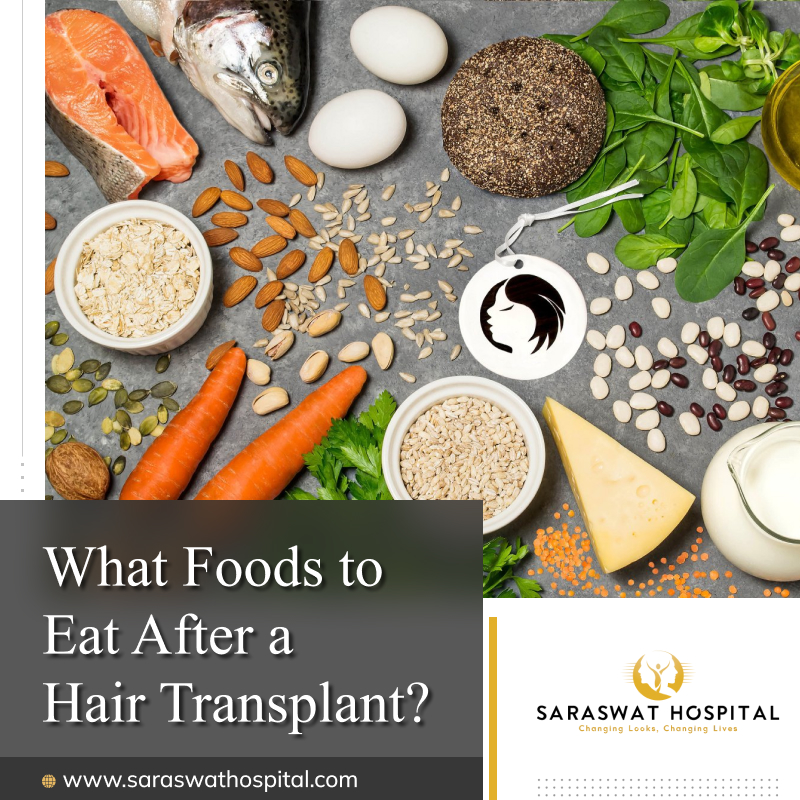
The best diet after a hair transplant should be rich in protein, vitamin A, zinc, iron, antioxidants, and essential minerals to support healing and promote healthy hair growth. Protein helps repair tissues and strengthen hair follicles, while vitamin A supports cell regeneration. Zinc and iron improve blood circulation and deliver oxygen to the scalp, boosting follicle health. Antioxidants from fruits and vegetables protect the scalp from free radical damage, ensuring better recovery. A balanced, nutrient-dense diet of the following is key to achieving long-lasting and natural-looking results:

Zinc 

Zinc is essential to maintain healthy hair. It boosts the collagen production in our body, which helps with cell regeneration and tissue repair after the surgery. Zinc also helps to balance the hormone levels and to absorb important vitamins and minerals. To add zinc to your diet, consume foods such as cashews, nuts, oysters, seafood, and whole grains.

Iron 

Iron increases the oxygen flow in your bloodstream and strengthens your body’s immune system. It also helps improve the hair texture on your scalp. The increased blood flow ensures that all vitamins and nutrients reach your hair roots effectively. Consuming iron-rich foods is good for hair growth. Add more spinach, beans, leafy vegetables, seafood, and red meat to your diet.

Vitamin B-Complex 

B-Complex vitamins such as B12 and Biotin (B7) play a key role in hair growth and in building a strong hair structure. It is essential for wound healing after hair transplant surgery, as it helps with the blood clotting process. Food that contains B-Complex vitamins includes bananas, avocados, nuts, eggs, chicken, etc.

Best Diet after a Hair Transplant Surgery

Vitamin D 

Studies have shown that people with Vitamin D deficiency are more susceptible to getting alopecia. Hair follicles can be sensitive to hormonal changes in the body, and taking Vitamin D supplements helps to balance any hormonal changes. It also helps to activate hair growth cells. Foods that are rich in Vitamin D are fish, red meat, salmon, egg yolks, and more.

Vitamin A 

Vitamin A helps with cell growth. It is also responsible for producing sebum by your hair follicles, which keeps your scalp naturally oily. Hair transplant patients must consume foods that are rich in Vitamin A to prevent a dry scalp that can cause itchiness. This includes carrots, spinach, kale, sweet potato, pumpkin, winter squash, and more.

Vitamin E 

Vitamin E is an antioxidant, which means it helps with skin repair and tissue damage. It is essential for hair transplant patients as they help in healing the skin on the scalp and also prevent scarring. It helps to rebuild damaged hair follicles. Vitamin E-rich foods include almonds, avocado, spinach, sunflower seeds, olive oil, and more.

Protein

Proteins are the building blocks of your hair and scalp tissues. A protein-rich diet helps with faster healing after the surgery and also increases hair growth for your transplanted follicles. Foods that have high amounts of protein are pulses, walnuts, eggs, fish, and chicken.

Best Diet after a Hair Transplant Surgery?

Foods to Avoid After a Hair Transplant

  • Sugary Foods & Desserts – Excess sugar can cause inflammation, slow healing, and negatively impact hair follicle health.
  • Processed & Junk Foods – Packaged snacks, fast food, and frozen meals are high in unhealthy fats and preservatives, which may hinder recovery.
  • Spicy Foods – Spices can increase sweating, which may irritate the scalp and delay scab healing.
  • Oily & Fried Foods – Deep-fried foods can increase sebum production, making the scalp oily and prone to infection.
  • Processed Meats – Sausages, salami, bacon, and deli meats contain preservatives and unhealthy fats that may slow recovery.
  • Alcohol – Alcohol can thin the blood and interfere with proper healing during the first few days after surgery.
  • Caffeine (in excess) – Too much caffeine can dehydrate the body and affect blood circulation, slowing recovery.
  • Low-Quality Dairy Products – Processed cheese or ice creams with additives can trigger inflammation

Conclusion 

The hair transplant procedure may be quick and painless, but the patient still needs to follow a proper diet after a hair transplant. Saraswat Hospital in Agra has one of the best hair transplant success rates in India because its medical team provides excellent aftercare to the patient even after surgery. They have regular appointments with the patient to monitor their progress.

Book an online consultation with our team and learn more about hair transplant, find out how many grafts are required in your case, and get a customised plan for a natural-looking hairline.

FAQs

1. What foods should I eat after a hair transplant?
After a hair transplant, focus on a balanced diet rich in protein, vitamins, and minerals. Include foods like eggs, fish, nuts, leafy greens, whole grains, and fruits. These nutrients promote faster healing and support healthy hair growth.

2. Are there any foods I should avoid after a hair transplant?
Yes, avoid junk food, processed snacks, sugary items, and oily or spicy foods as they may cause inflammation or slow the healing process. Also, limit alcohol and caffeine consumption for the first few days after surgery, as they may affect blood flow and recovery.

3. How important is protein in my post-hair transplant diet?
Protein is very important because hair is made of keratin, a type of protein. Eating protein-rich foods like chicken, eggs, beans, lentils, and tofu helps strengthen new hair follicles and improve hair growth results.

4. Do I need to take supplements after a hair transplant?
Supplements like biotin, zinc, and vitamin D may help improve hair health if you are deficient. However, consult your doctor before taking any supplements to ensure they are safe and suitable for your condition.

5. Can drinking water help in my recovery after a hair transplant?
Yes, staying hydrated is crucial after a hair transplant. Drinking enough water supports proper blood circulation, speeds up healing, and helps deliver essential nutrients to the transplanted follicles.

6. Can I eat spicy foods after a hair transplant?
It’s best to avoid spicy foods for at least the first few days after your hair transplant. Spicy food can increase sweating, which may irritate your scalp and delay scab healing.

Follow us on:- Facebook, Instagram, Pinterest, YouTube

Medical Disclaimer →

This article is for informational purposes only and does not constitute medical advice. Plastic, cosmetic, and laser treatments — including AI-assisted previews such as those generated by the Peek AI™ app — carry risks and results vary by individual. Always consult a licensed medical professional before undergoing any procedure.
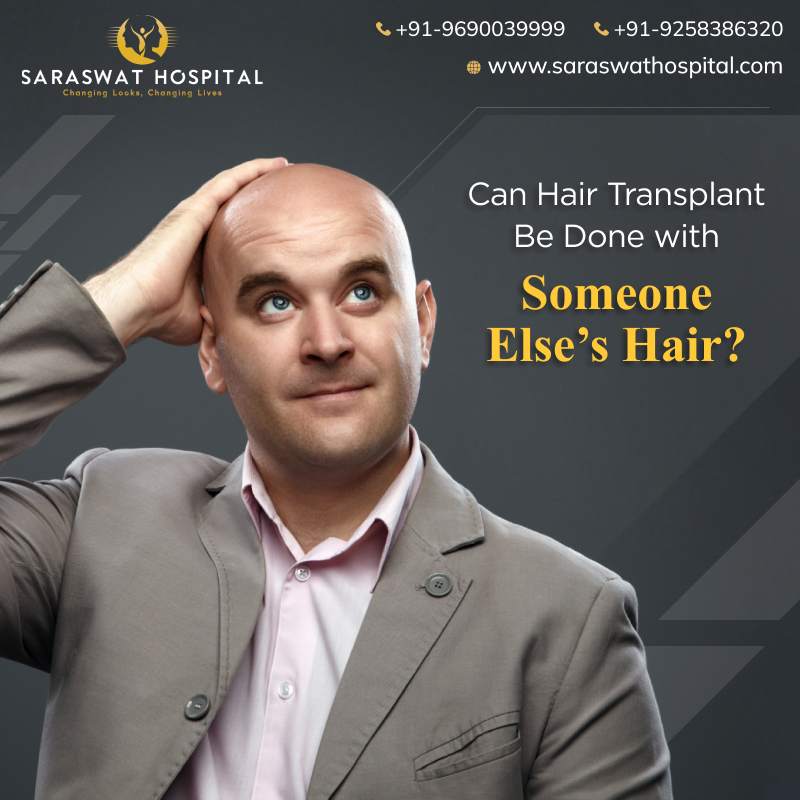
Can Hair Transplant Be Done with Someone Else’s Hair
Medically Reviewed By Dr. Satya Saraswat, MBBS, MS, MCh, DNB (Gold Medalist) | Last updated: May 19, 2026

Losing your hair can be a mentally distressing experience for most people. A receding hairline can cause a dent in someone’s self-confidence and self-worth, especially if they are still at a young age. No wonder, then, that so many people nowadays are opting for an FUE hair transplant to find a permanent solution to their hair loss problems. A successful hair transplant procedure is safe, painless, and gives natural-looking results.

In a hair transplant technique, healthy hair follicles are extracted from the donor part of your head. The hair grafts are then implanted onto the recipient area to cover your balding spots on the scalp.

Understanding the Hair Transplant Procedure

An FUE hair transplant is an advanced form of hair transplant technique. In this method, hair follicles are extracted directly from your scalp using a low-torque, low-RPM specialized punch machine. This equipment is specially designed for extracting hair follicles precisely without damaging the nearby hairs. It leaves very minimal dot-like scarring behind.

An FUE transplant is performed under local anesthesia. Hair follicles are collected in a group of 1 to 4 hairs. Hair grafts are prepared and then implanted onto the recipient area of the scalp. A surgical microneedle is used to implant the hair grafts at the correct angle and direction.

One key criterion for patients wanting to undergo hair transplants is having an optimum amount of donor hair on their scalp. Without enough donor hair available, it is impossible to go ahead with the transplant procedure.

Can someone else’s hair be used for a Hair Transplant?

No, you cannot use someone else’s hair for a hair transplant procedure. It is not the same as a liver or kidney transplant, which allows patients to accept organs from other compatible biological matches.

A hair transplant can only be successful when the donor hairs are taken from your own body. Using hair from another person might cause your body’s immune system to reject the transplanted hair grafts and result in infections.

So, the next question that arises is – what shall a hair loss patient do if they lack sufficient donor hair? Can they not undergo a hair transplant?

While it is true that you cannot have an FUE hair transplant using someone else’s hair, you can still opt for the alternative method of a body hair transplant.

What is a Body Hair Transplant?

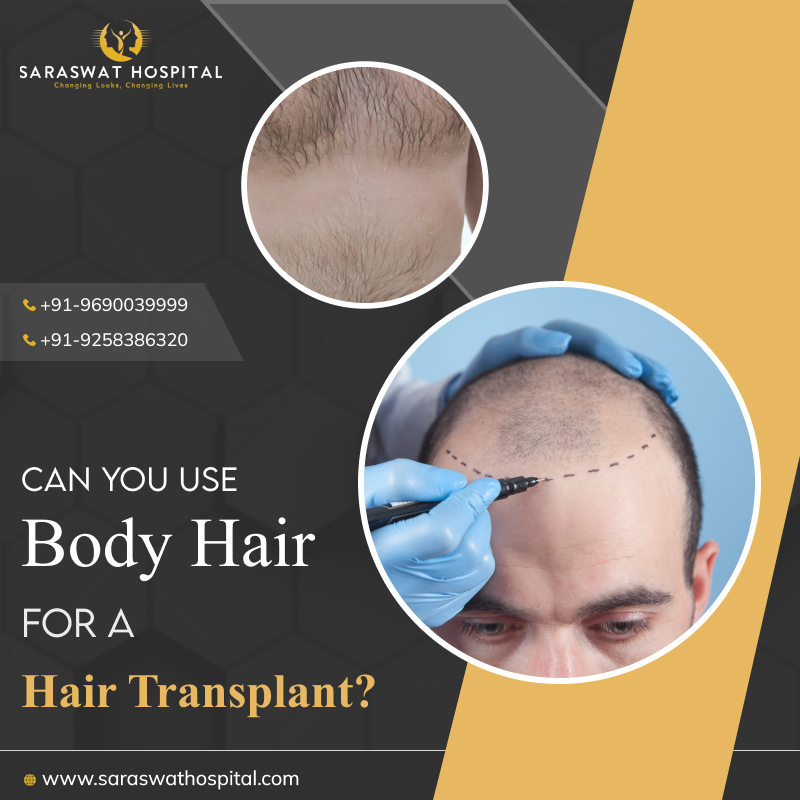
In a body hair transplant, hair grafts are collected from the rest of the body parts, such as the beard, shoulders, arms, chest, legs, stomach, etc.

Opting for a body hair transplant procedure provides the patient with large amounts of available donor hair. Since both the scalp hair and body hair come from the same individual, there are fewer chances of rejection of the follicular grafts.

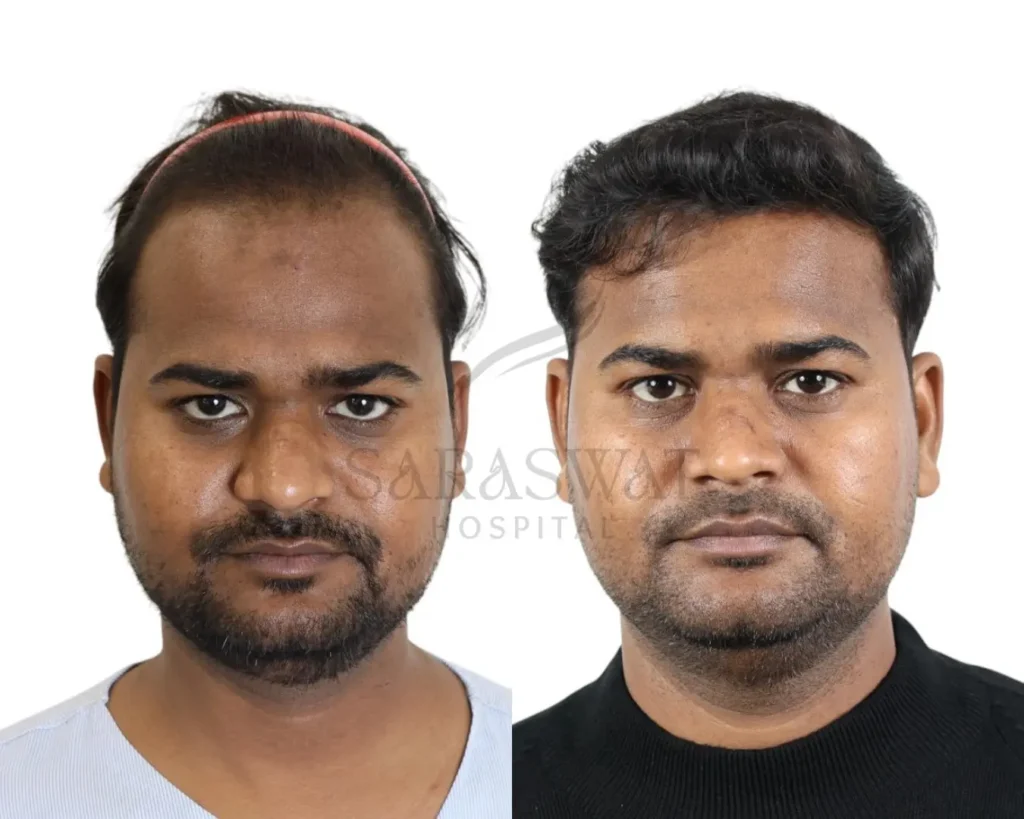
Body Hair Transplant Result

Conclusion

For successful hair transplant results, it is vital that you choose a trusted and well-reputed hair transplant clinic. Especially when it comes to getting a body hair transplant in India, a qualified and experienced surgeon is a must.

Book an online consultation with our team and learn more about hair transplant. Also, find out how many grafts are required in your case and get a customised plan for a natural-looking hairline.

Follow us on:- Facebook, Instagram, Pinterest, YouTube

Medical Disclaimer →

This article is for informational purposes only and does not constitute medical advice. Plastic, cosmetic, and laser treatments — including AI-assisted previews such as those generated by the Peek AI™ app — carry risks and results vary by individual. Always consult a licensed medical professional before undergoing any procedure.
Can Body Hair Be Used for A Hair Transplant Procedure?
Medically Reviewed By Dr. Satya Saraswat, MBBS, MS, MCh, DNB (Gold Medalist) | Last updated: May 21, 2026

Yes, body hair can be used for a hair transplant procedure in certain cases. This technique is known as Body Hair Transplant (BHT). In this method, hair follicles are extracted from areas such as the beard, chest, arms, legs, or back and transplanted to the scalp (1). Body hair is usually considered when the donor hair available on the scalp is insufficient for achieving the desired coverage. Hair transplants are rapidly becoming a popular treatment choice for hair loss problems. They give natural-looking and permanent hairline restoration results. Anyone above the age of 21 can undergo a hair transplant procedure, provided they have an optimum amount of donor hair follicles on their scalp.

An experienced and qualified surgeon is very important to ensure the success of such procedures. Saraswat Hospital in Agra is a well-reputed clinic that can assure positive results after a body hair transplant.

What is a Body Hair Transplant?

Healthy hair follicles are extracted from the donor area of the scalp to cover one’s bald spots in a hair transplant surgery. A body hair transplant is opted for when a patient does not have enough hair follicles in their donor area. In such an occurrence, hair is grafted from other parts of the body, such as the beard, chest, shoulders, arms, legs, and stomach.

When it comes to surgery, a body hair transplant is an advanced form of FUE hair transplant in India. A low-torque, low-RPM FUE machine is used to extract the hair follicles directly from your body. These follicular grafts are then implanted onto the recipient area of the scalp. The procedure causes minimal scarring and requires a very short downtime period after the surgery.

Who Should Opt for a Body Hair Transplant?

Body hair transplant is an alternative treatment chosen when the patient does not have enough donor hair follicles on their scalp. It is most common for the following:

  • Patients who measure Grade 6 or above on the Norwood Hamilton Hair Loss Scale. They usually suffer from an advanced level of hair loss with not much donor hair available.
  • Patients who have had previous hair restoration surgeries have faced a bad outcome. They will have a depleted number of hair follicles in their donor area.
  • Patients who want to hide the donor area scar on their scalp after an FUT hair transplant.
  • Patients who need to combine a regular hair transplant with a body hair transplant to improve the coverage and hair density on their scalp.
Body hair transplant result

Why Go Forward with a Body Hair Transplant?

Alopecia is a hair loss condition that is caused by hereditary reasons and often causes permanent hair loss. This can happen at a young age, and patients often suffer from self-doubt and a lack of confidence.

Hair transplant is the best course of treatment as it gives a permanent solution to such hair loss problems. But what if a patient doesn’t have enough hair follicles on their scalp? Using hair from other parts of the body allows patients to regrow their hairline and get natural-looking aesthetic results. This gives a boost to their self-confidence and increases their self-worth.  For patients who face a lack of hair follicles on the scalp, a body hair transplant gives them a second chance at successful hair restoration.

Is Body Hair Transplant Safe?

Yes, body hair transplantation is generally considered safe when performed by a qualified and experienced surgeon. Modern FUE techniques help reduce discomfort and recovery time. However, like all medical procedures, there may be temporary side effects such as redness, swelling, or mild irritation after treatment, which can be handled with medications.

Conclusion

Body hair can be successfully used for hair transplant procedures, especially in patients with limited donor hair or extensive baldness. Techniques such as Body Hair Transplant (BHT) using FUE have expanded the possibilities of modern hair restoration. Although body hair differs from scalp hair in texture and growth pattern, a skilled surgeon can use it strategically to achieve natural-looking and satisfying results.

Dr. Satya Kumar Saraswat and Dr. Preeti Kumar Saraswat are certified by the American Board of Hair Restoration Surgery (ABHRS). They are the team behind Saraswat Hospital, located in Agra. With more than 20+ years of experience, they are the best names in the field to perform body hair transplants in India.

Book an online consultation with our team and learn more about hair transplant. Also, find out how many grafts are required in your case and get a customised plan for a natural-looking hairline.

Sources:

(1) Use of body and beard donor hair in the surgical treatment of male pattern baldness. (PubMed Central)

FAQs

1. Is body hair suitable for a hair transplant?
Yes, body hair can be used in transplantations in cases where there is not enough scalp hair for a donation. Body regions, such as the beard, chest, and back, are popular donor sites for hair transplantation.

2. Is it possible to use chest hair for a hair transplant?
Yes, it can. Chest hair is an excellent choice for a supplemental hair transplant. However, chest hair differs from scalp hair in terms of its characteristics and growth cycle.

3. Are hair transplants using body hair more costly than hair transplants using scalp hair?
Generally speaking, yes. Body hair transplants are typically more costly than scalp hair transplants due to the complexity of hair extraction, multiple areas, longer surgery time, and specialized skills required when compared to standard scalp harvesting.

4. Does body hair transplantation make the hair grow slowly?
Yes, the reason behind that is that body hair follows a shorter hair growth cycle, so the results may take time to appear.

5. How to take care of a body hair transplant?
In order to get the best results possible after the procedure, you need to keep the transplanted hair clean, moisturized, and away from sun exposure; moreover, you need to follow all the directions given by your doctor, as well as avoid scratching and attend all the follow-ups. After a couple of weeks, you can return to your normal activities of washing and styling your hair.

Follow us on:- Facebook, Instagram, Pinterest, YouTube

Medical Disclaimer →

This article is for informational purposes only and does not constitute medical advice. Plastic, cosmetic, and laser treatments — including AI-assisted previews such as those generated by the Peek AI™ app — carry risks and results vary by individual. Always consult a licensed medical professional before undergoing any procedure.

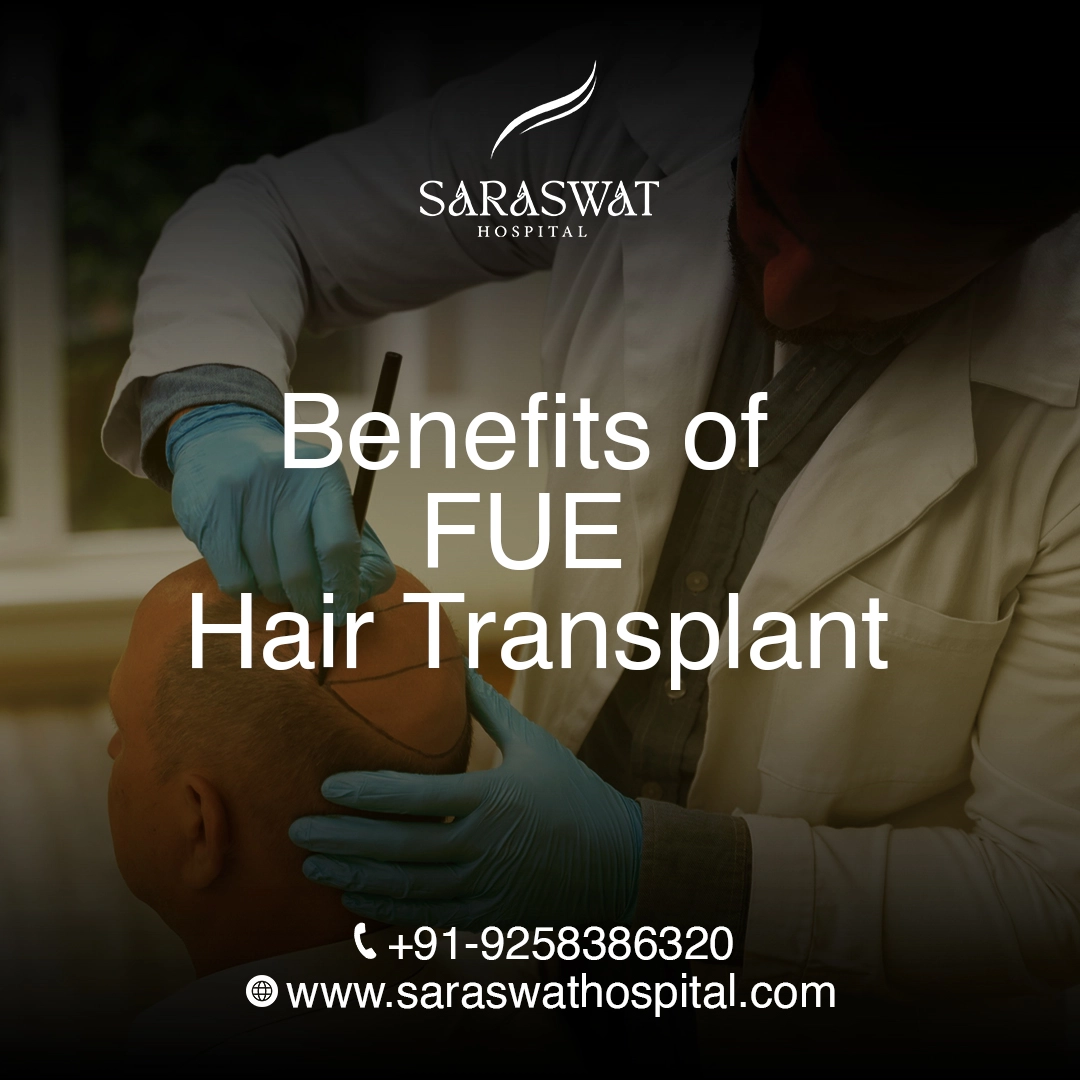
What are the Benefits of FUE Hair Transplant?
Medically Reviewed By Dr. Satya Saraswat, MBBS, MS, MCh, DNB (Gold Medalist) | Last updated: May 21, 2026

With hair loss becoming a serious concern, many people nowadays are opting for hair transplant surgeries. They are quick, easy, and effective. Most importantly, a hair transplant procedure gives natural-looking and permanent results. But patients must make sure they choose a reputable hair transplant clinic for their treatment. Primarily speaking, hair transplant surgeries are performed using two methods, Follicular Unit Excision (FUE) and Follicular Unit Transplantation (FUT). We will discuss the benefits of FUE hair transplant.

FUE vs FUT Hair Transplant

In an FUE hair transplant, hair follicles are directly extracted from the scalp in the donor area and then implanted into the recipient area. It is a minimally invasive technique with a minimal dot-like scar left behind.

In the Follicular Unit Transplantation (FUT) method, a long strip of the scalp containing healthy hair follicles is extracted. The grafts are then extracted from the hair strip. Since a part of the skin is removed from the scalp, this results in a long and narrow scar.

FUE hair transplant result

What Are The Benefits of FUE Hair Transplant?

FUE (Follicular Unit Extraction) hair transplant offers numerous benefits for those seeking a fuller head of hair. This procedure involves extracting individual hair follicles from a donor area and implanting them into thinning or balding areas, ensuring natural-looking results. The benefits of FUE hair transplant include minimal scarring, as no large incisions are made, and a quicker recovery time compared to traditional methods.

1. No Stitches Required

The FUE transplant method is an advanced technique. Since hair follicles are directly extracted from the scalp, there is no need for any cut or incision to be made. The patient doesn’t have to get any stitches during the surgery.

2. No Visible Scars

As already explained, there are no stitches involved in an FUE hair transplant procedure. It is a highly advanced and sophisticated technique where the hair follicles are directly extracted from the scalp. It leaves behind minimal dot-like scars that can be easily covered by short hair. This is one of the main reasons why FUE hair transplant in India is so popular.

3. Quick Healing

A major benefit of an FUE hair transplant is that it offers a quick recovery to all patients. Without any stitches, the downtime is much shorter, and patients can get back to their normal lives sooner. With this method, you can start doing your daily chores within 3-7 days of the procedure. Consult your doctor before doing any heavy lifting or hardcore exercise.

4. Consistent and Natural Results

FUE hair transplants offer natural and permanent results. The method is recognized all across the world for its consistency. Experienced doctors will know how to control the growth of your hair and place follicles strategically so you can have a head full of natural hair.

Cost of Hair Transplant in India

The hair transplant cost in India is based on multiple factors. The expertise and experience of the surgeon are among the influential factors, as well as the type of hair transplant technique used.

Visit Saraswat Hospital for the Best Hair Transplant Treatment

Saraswat Hospital in Agra provides personalized treatment plans for each patient, offering affordable hair transplants in India. It is run by Dr. Satya Kumar Saraswat and Dr. Preeti Saraswat, both ABHRS (American Board of Hair Restoration Surgery) certified doctors who come with more than 20+ years of experience.

Conclusion

When you’re considering undergoing a FUE hair transplant, make sure you choose a reputable and respected clinic. The experience and qualifications of the surgeon are vital factors in the success of the procedure. At Saraswat Hospital, you can be treated by leading surgeons and receive the best treatment for FUE hair transplant in India. For more details, book an appointment with our team and find out how many grafts you will require for a natural result.

Follow us on:- Facebook, Instagram, Pinterest, YouTube

Medical Disclaimer →

This article is for informational purposes only and does not constitute medical advice. Plastic, cosmetic, and laser treatments — including AI-assisted previews such as those generated by the Peek AI™ app — carry risks and results vary by individual. Always consult a licensed medical professional before undergoing any procedure.

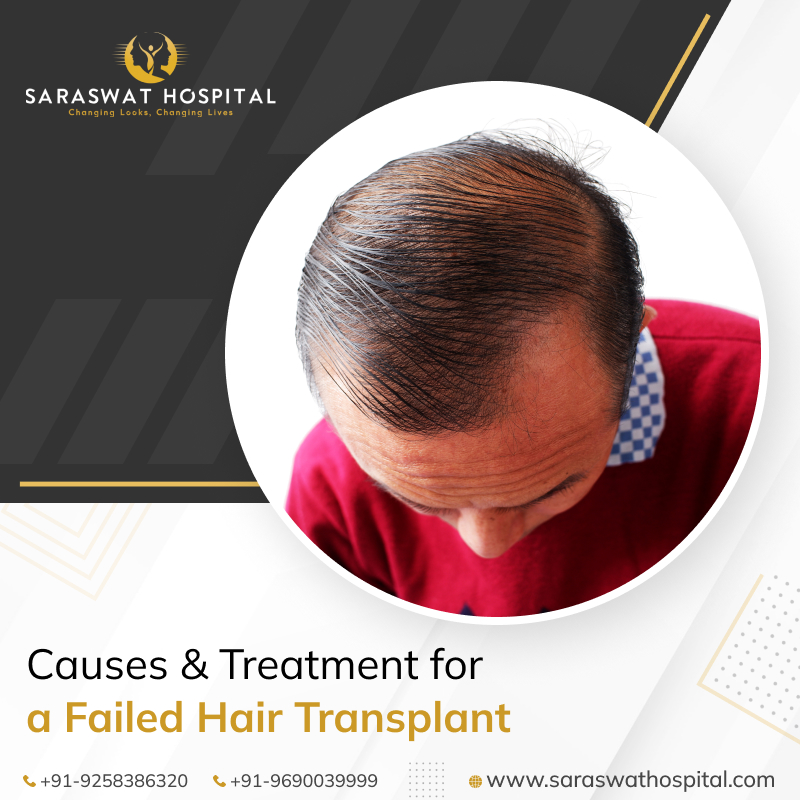
What are the Causes of Failed Hair Transplant?
Medically Reviewed By Dr. Satya Saraswat, MBBS, MS, MCh, DNB (Gold Medalist) | Last updated: May 21, 2026

Hair transplants are a permanent way to get rid of Androgenetic Alopecia. It is favoured by many hair loss patients thanks to its natural-looking results. But sometimes, the inexperience of the hair transplant surgeon can lead to unpleasant results. Nothing feels worse than having to live with a bad hair transplant job. There are many causes of failed hair transplants, and understanding them can save you from disappointment and wasted money. Let’s break it down so you can make an informed decision before going under the knife.

Understanding Hair Transplant Surgery

A hair transplant takes healthy hair follicles from the donor area (usually the back of your head) and implants them into bald or thinning areas. When done correctly, these transplanted follicles continue to grow like your natural hair.

What Are The Causes of a Failed Hair Transplant?

To begin with, a primary cause of failed hair transplants is improper surgical technique, which can result in poor graft survival or an unnatural hairline appearance. Furthermore, other factors, such as inadequate donor hair quality or insufficient post-operative care, significantly contribute to unsuccessful outcomes. Choosing an inexperienced surgeon or clinic further elevates the risk of suboptimal outcomes. These are some of the causes of failed hair transplants:

1. Depleted Donor Area

A successful hair transplant should give natural-looking results. Hair follicles are extracted from the safe donor area of the patient’s head. But if the doctor is not careful enough during the procedure, it can lead to damaged follicles in the donor area. This can result in depleted hair in your donor area, making your hair look visibly thinner. A repair hair transplant would be a good fix for such a problem.

2. Improper Hairline

The most common complaint from a failed hair transplant is a badly executed frontal hairline that ends up looking very fake. However, when doctors lack experience, they may draw a hairline that is placed too far forward, thereby distorting the natural proportions of the patient’s face. When you get a repair hair transplant in India at Saraswat Hospital, you have ABHRS-certified doctors doing the procedure. They specialise in crafting a frontal hairline that complements one’s natural features.

3. Wrong Angular Direction

To get natural-looking hair transplant results, the hair follicles must be implanted on your scalp at the right angle to match your natural hair. The temporal hair should grow out in a downward angulation, while the frontal hair should grow in the anterior direction. Wrong angulation of your follicular units will lead to severely botched hair transplant results. The hair transplant repair in this case is about getting a revision surgery done.

4. Ridging on the Hairline

An important aspect of ensuring natural-looking results is placing hair grafts at an optimum distance from each other. However, inexperienced surgeons often make the mistake of placing grafts too close together in an attempt to achieve higher density. This ends up creating a very unnatural appearance with bumps on the hairline. A repair hair transplant helps to undo these wrongs.

5. Inexperienced Surgeon

Experience matters. A surgeon with little to no specialisation in hair restoration may make errors in the angle, direction, or density of graft placement.

6. Smoking and Lifestyle Factors

Smoking reduces blood flow to the scalp, lowering graft survival. Stress, poor diet, and alcohol abuse can also hinder recovery.

How to Avoid a Failed Hair Transplant?

  • Do Proper Research
  • Consult a Qualified Surgeon
  • Follow Post-Operative Care Guidelines
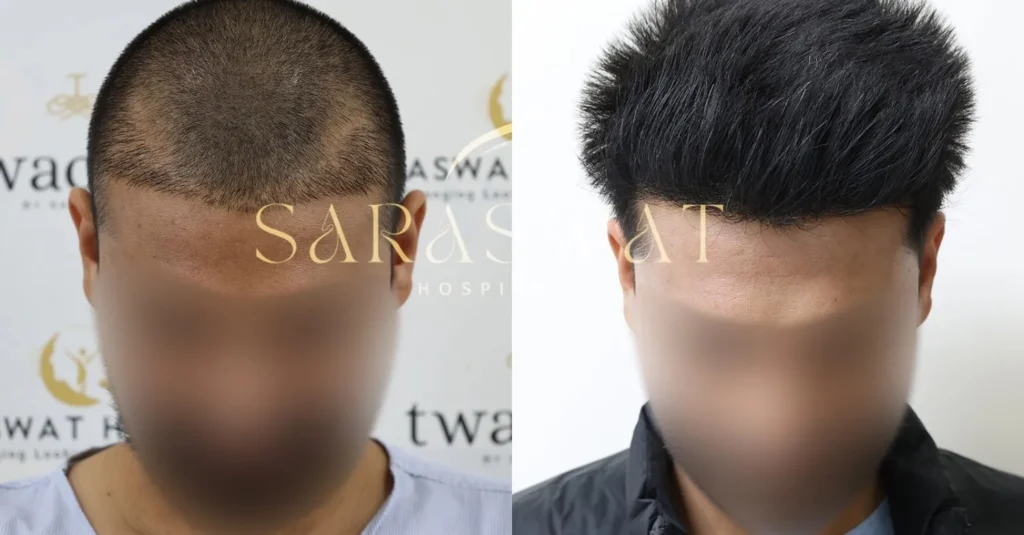
Repair Hair Transplant Result

Treatment for a Failed Hair Transplant

The hair transplant cost in India, while significantly lower than in other countries, is still a substantial amount. So, when you choose a doctor and a clinic, always opt for a reputed hair transplant clinic that has well-qualified surgeons.

Patients who suffered the results of a failed hair transplant can always opt for a repair hair transplant procedure. It is like a corrective surgery that covers up all the mistakes made in the previous surgery. So, the patient must make sure they find credible and qualified doctors for their treatment.

Conclusion

A hair transplant can be life-changing—but only if it’s done right. Understanding the causes of failed hair transplants helps you avoid costly mistakes and choose the right surgeon. Take your time, research well, and follow aftercare strictly to enjoy natural-looking results for years to come.

Book an online consultation with our team and learn more about failed hair transplants. Also, find out how many grafts are required in your case and get a customised plan for a natural-looking hairline.

FAQs

Q1: Can a failed hair transplant be fixed?
Yes! With revision surgery or SMP, many failed transplants can be corrected.

Q2: How soon can I tell if my hair transplant failed?
Typically, you can see results after 6–9 months. If there’s little or no growth by then, it may have failed.

Q3: Does smoking really affect hair transplant success?
Absolutely. Smoking reduces blood circulation, which can kill grafts and delay healing.

Q4: Are cheap hair transplant clinics risky?
Yes, because they may compromise on safety, hygiene, and technique—leading to poor results.

Q5: How can I choose the right clinic to avoid failure?
Look for certified surgeons, check before-and-after photos, read reviews, and avoid deals that seem too good to be true.

Follow us on:- Facebook, Instagram, Pinterest, YouTube

Medical Disclaimer →

This article is for informational purposes only and does not constitute medical advice. Plastic, cosmetic, and laser treatments — including AI-assisted previews such as those generated by the Peek AI™ app — carry risks and results vary by individual. Always consult a licensed medical professional before undergoing any procedure.
When Can You Exercise After A Hair Transplant? - Saraswat Hospital
Medically Reviewed By Dr. Satya Saraswat, MBBS, MS, MCh, DNB (Gold Medalist) | Last updated: May 21, 2026

For people with androgenetic alopecia, hair transplant procedures provide the best solution to hair loss problems. It is a quick and easy procedure performed under the effects of local anesthesia. A hair transplant before-and-after transformation produces remarkably great results with a restored hairline that gives natural-looking hair. The surgery is completely safe and effective with a very short recovery period. One of the most common questions patients ask is: “Can you exercise after a hair transplant?” The answer isn’t the same for everyone — it depends on your healing speed, the type of procedure you had, and the kind of exercise you want to do.

In a hair transplant procedure, healthy hair follicles are collected from your safe donor area on the scalp and then transplanted onto the recipient area to cover the bald spots. When the newly transplanted hair grows out, you can once again flaunt a head full of hair. Typically, it takes between 9 to 12 months after a transplant to start showing visible results.

Why Exercise Timing Matters After a Hair Transplant?

Jumping back into intense exercise too soon may sound tempting, but it can be a recipe for disaster. Your scalp needs time to heal, and your new hair grafts are very delicate in the first few days. Sweating excessively or putting too much strain on your body can delay recovery, dislodge grafts, or even cause infection.

When to Exercise after a Hair Transplant?

Patients must avoid exercising for 12 to 14 days after the hair transplant surgery. This is a precaution to make sure that no harm comes to the newly transplanted hair follicles on your scalp.

During your recovery period, it is better to refrain from doing exercise or any other form of physically draining tasks. Too much movement can disturb or dislocate your hair grafts, which will hamper the success of your hair transplant results. It can also increase your body’s blood pressure, which can put the grafts at risk of bleeding and hence must be avoided.

Hair Transplant Result

Understanding the Healing Process

  • First 48 Hours Post-Surgery: This is the most critical period. Your scalp will be red, swollen, and sensitive. Avoid any form of exercise — even light walking. Focus on rest and follow your doctor’s aftercare instructions strictly.
  • 1 Week After the Procedure: Mild scabbing forms around the grafts, and your scalp starts to settle. You may try short, gentle walks, but avoid sweating too much. No bending, running, or heavy lifting yet.
  • 2-4 Weeks Post-Transplant: Your scalp should look and feel much better by this stage. You can slowly resume low-intensity exercises like yoga, stretching, or light cycling — but still skip swimming, weightlifting, or high-intensity cardio.
  • After 1 Month and Beyond: Most patients can safely return to their full exercise routine after 4–6 weeks. By now, grafts are secure, and the risk of dislodging them is minimal.

When to Resume Exercising after a Hair Transplant?

You can start doing exercise and other physical tasks once the transplanted hair grafts have been firmly settled in your scalp.  It is advisable to get a doctor’s consultation before resuming your workout routine.

Risks of Exercising Too Soon

– Excessive Sweating
– Dislodging Grafts
– Delayed Healing & Infection

Safe Exercises to Do in Each Stage

– Light Walking in the First Week
– Gentle Stretching & Yoga After 2 Weeks
– Strength Training & Cardio After 4 Weeks

Activities You Must Avoid

– Swimming
– Contact Sports
– Intense Cardio or Heavy Lifting

How Does Sweating Impact Hair Transplant Results?

Sweat contains salt and toxins that may irritate fresh wounds. Too much sweating can also create a breeding ground for bacteria, potentially leading to folliculitis (infection of hair follicles).

When Can You Return to the Gym?

Most surgeons recommend waiting 3–4 weeks before stepping back into the gym. Always start slow and gradually build up your workout intensity.

Get a Hair Transplant by International Board-Certified Experts

Saraswat Hospital in Agra is the number one clinic for hair transplants. Offering customizable treatment plans, it is led by a team of two ABHRS-certified doctors with over 20+ years of experience.

Conclusion

It’s not about rushing back into your old routine — it’s about giving your scalp the care it deserves. The key is patience. Avoid exercise for the first week; start with light walking after 7 days, try yoga or stretching after 2 weeks, and resume intense workouts after 4–6 weeks with your doctor’s approval. Following these guidelines ensures your grafts heal properly and you enjoy the full benefits of your hair transplant.

Book an online consultation with our team and learn more about hair transplant. Also, find out how many grafts are required in your case and get a customised plan for a natural-looking hairline.

FAQs

1. Can I run 5 days after a hair transplant?
No, running too soon can cause sweating and increase the risk of dislodging grafts. Wait at least 2 weeks before light jogging.

2. When can I do weightlifting again after a hair transplant?
You can resume weightlifting after 4 weeks, but start with light weights and avoid straining.

3. Is yoga safe after a hair transplant?
Yes, gentle yoga is safe after 2 weeks. Avoid poses that put your head below your heart (like headstands) until 4–6 weeks post-surgery.

4. Can I go swimming 2 weeks after surgery?
No, wait at least a month before swimming to prevent infection and irritation.

5. What happens if I sweat too much after a transplant?
Excessive sweating may irritate the scalp, delay healing, and potentially lead to infection. Keep the area clean and consult your surgeon if irritation occurs.

Follow us on:- Facebook, Instagram, Pinterest, YouTube

Medical Disclaimer →

This article is for informational purposes only and does not constitute medical advice. Plastic, cosmetic, and laser treatments — including AI-assisted previews such as those generated by the Peek AI™ app — carry risks and results vary by individual. Always consult a licensed medical professional before undergoing any procedure.
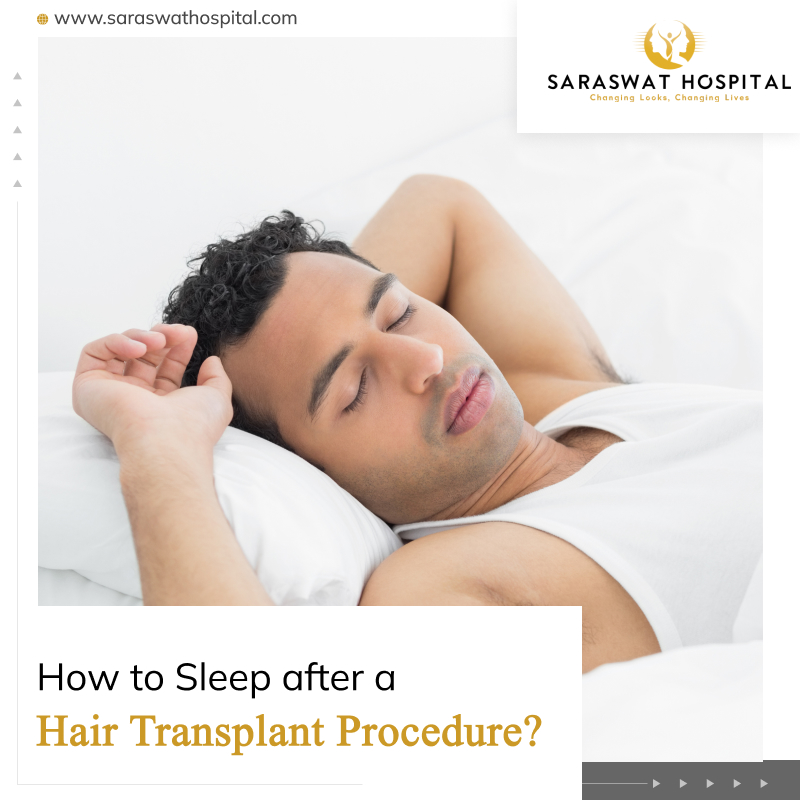
How to Sleep After a Hair Transplant Procedure? - Saraswat Hospital
Medically Reviewed By Dr. Satya Saraswat, MBBS, MS, MCh, DNB (Gold Medalist) | Last updated: May 25, 2026

With hair loss becoming a common problem, many people nowadays are opting for hair transplant procedures. It is a quick, easy, and safe method that gives you natural-looking and permanent results. However, the success of your transplant depends not only on the surgery itself but also on how well you take care of your scalp afterward — and one of the most overlooked aspects is sleep after a hair transplant. But to ensure you get successful transplant results, you must visit leading ABHRS-certified surgeons.

The patient has to follow a certain list of Dos and Don’ts after the surgery is done to ensure they get successful results from the hair transplant procedure. The most important thing is to avoid swelling in your scalp and forehead area.

Why is Sleeping Position Important After a Hair Transplant?

After the hair transplant surgery, your hair grafts are very delicate for the first few weeks. Sleeping in the wrong position or tossing and turning during sleep can damage your newly grafted roots. This can have a negative impact on your hair transplant results. Sleeping as per the doctor’s instructions is important for patients to recover successfully.

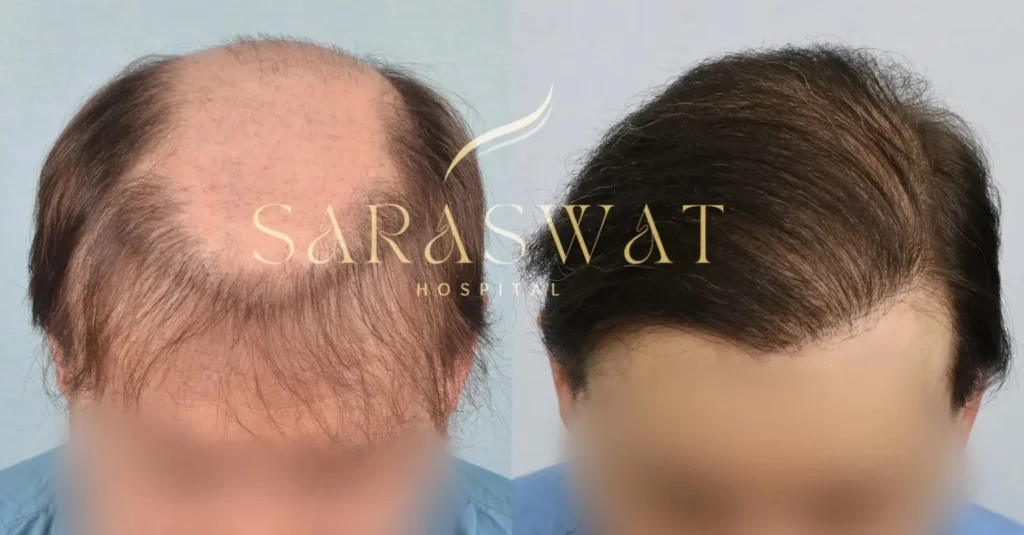
Hair Transplant Before and After Result

Step-by-Step Guide to Get the Best Results

1. Sleep with Your Head and Back Elevated

There is a risk of swelling post-surgery, even when you get a hair transplant done by leading surgeons. Patients are advised to sleep with their head and back slightly elevated for the first week after the procedure. This helps keep the swelling under control and also speeds up the recovery process. Lying on a recliner is the best option. If you’re sleeping on the bed, lie on your back and use 2-3 pillows to keep your head elevated. Avoid tossing and turning during the night, as it can displace your hair grafts.

2. Avoid Sleeping on Your Stomach

Sleeping on your stomach can increase your chances of swelling. If you’re normally used to sleeping on your stomach, change your sleeping position after the hair transplant to get effective results.

3. Cleanliness is a Must

Cleanliness is critical when it comes to sleep after a hair transplant. Avoiding infection is also very important after your hair transplant surgery. Before going to sleep, make sure you have completely clean sheets and pillowcases. Remember to use a detergent that is allergen-free. It is also advised to use soft cotton pillowcases to avoid sweating.

4. Place a Soft Towel Over Your Pillows

Post-surgery, some amount of leakage from the scalp is to be expected. To avoid staining your pillowcases or sheets, cover your pillows with a soft, dark-colored, clean towel. This will prevent stains from spoiling your bedding.

5. Maintain a Calm Sleep Environment

Stress or poor-quality sleep can delay healing. For better sleep after a hair transplant, create a calm, quiet environment:

  • Keep your room dark and at a comfortable temperature.
  • Avoid using electronic devices right before bed.
  • Practice deep breathing or light meditation to relax.

6. Follow Your Doctor’s Instructions

Each patient’s case is unique, so always follow the specific advice your surgeon gives regarding sleep after a hair transplant. Your doctor may recommend a specific duration for elevated sleep or additional aftercare tips based on your surgery type (FUE, FUT, or combined).

Conclusion

Proper sleep after a hair transplant is just as important as the procedure itself. The way you position your head, maintain cleanliness, and protect your scalp during rest can make a big difference in how well your grafts heal and how natural your final results look. By keeping your head elevated, avoiding pressure on the transplanted area, and following your doctor’s advice, you give your hair the best chance to grow strong and healthy. A little extra care during those first few nights ensures long-lasting, successful results from your hair transplant.

Book an appointment today to get your hair trichoscopy done and find the best solution for long-lasting results.

FAQs

Q1: How many days should I sleep with my head elevated after a hair transplant?
It’s recommended to sleep with your head elevated for at least 5–7 days to minimize swelling and protect your grafts.

Q2: Can I sleep on my side after a hair transplant?
It’s best to avoid side sleeping for the first week. Once your doctor confirms the grafts are secure, you can gradually return to your preferred sleeping position.

Q3: Should I use a special pillow after a hair transplant?
You can use regular pillows, but stack them to keep your head elevated. A neck pillow or travel pillow is also helpful to prevent rolling.

Q4: What happens if I accidentally touch or scratch my scalp while sleeping?
Avoid scratching or rubbing the transplanted area. If you accidentally disturb a graft, contact your surgeon for advice.

Q5: How long before I can resume normal sleep patterns?
Most patients can return to their usual sleeping position after 10–14 days, but follow your doctor’s recommendation for best results.

Follow us on:- Facebook, Instagram, Pinterest, YouTube

Medical Disclaimer →

This article is for informational purposes only and does not constitute medical advice. Plastic, cosmetic, and laser treatments — including AI-assisted previews such as those generated by the Peek AI™ app — carry risks and results vary by individual. Always consult a licensed medical professional before undergoing any procedure.
whatapp icon