
Book an
Appointment
Avatar photo

Dr. Satya Saraswat, MBBS, MS, MCh, DNB (Gold Medalist)

Dr. Satya Saraswat, MBBS, MS, MCh, DNB (Gold Medalist), FISHRS, is a cosmetic and plastic surgeon with an experience of over 20+ years and has performed 17,000+ cosmetic and plastic surgeries. He is a Diplomate of the American Board of Hair Restoration Surgery (ABHRS) and Fellow of ISHRS, as he has been continuously attending the International conferences and adopting the latest advancements in hair restoration science, and he has also submitted his research papers. His hands-on involvement ensures a natural hairline and high graft survival.

Articles by Dr. Satya Saraswat, MBBS, MS, MCh, DNB (Gold Medalist)

7 Interesting Hair Transplant Facts

Hair loss can be a distressing experience for anyone, regardless of gender, but fortunately, hair transplants have emerged as an ultimate savior. When no other hair restoration treatments work, doctors can suggest that you undergo hair transplant surgery. However, beyond the common knowledge of the procedure, you may not be aware of many fascinating facts and statistics surrounding hair transplants. You must consider one thing before indulging in these unknown facts, and that is that only advanced clinics and board-certified, experienced doctors can provide satisfactory results for hair transplants in India. In this blog post, we are going to delve into 7 interesting hair transplant facts and statistics that will help you know more about the procedure and the reasons behind its ever-increasing popularity.

7 Interesting Hair Transplant Facts

Did you know that the first hair transplant surgery was performed almost one hundred years ago? Did you know hair transplants are one of the most popular surgeries for men? There are many other such facts that can amaze you, and let’s explore some of them in the section below.

I. The Global Hair Transplant Market is Expanding at a Rapid Pace.

The demand for hair transplants is increasing at a great speed. The global market size was estimated at $4.90 billion in 2021, and it is predicted to reach $30.13 billion by the end of 2031. It is growing at a compound annual growth rate of 20.4% from 2022 to 2030. In India, the demand for hair transplants is more noticeable. A significant number of patients with hair transplant treatments are in the age group of 25–45. The Indian hair transplant market is growing at a CAGR of 25–30% in selected metros and many Tier-I cities like Delhi, Mumbai, Agra, Bengaluru, Hyderabad, and so on.

II. 87% of Hair Transplant Patients are Men

According to the census of the International Society of Hair Restoration Surgery, in 2021, 87% of patients who underwent hair transplants were men. It has become a popular hair restoration choice for many people, regardless of age and gender. Nevertheless, the popularity of this procedure among women is also increasing every year. 13% of patients who underwent hair transplants were female, and this number will increase greatly in the coming years.

III. 35 Million Men and 21 Million Women Suffer from Alopecia Worldwide

As per reports of the International Society of Hair Restoration Surgery, 35 million men and 21 million women across the globe suffer from alopecia, hair loss, or thinning hair. Approximately 650,000 of them choose hair transplantation as the most effective hair loss treatment option.

IV. Asians Prefer Hair Transplants 38% More Than Europeans.

The prevalence of hair transplantation surgery also depends on the nationality of the patients. According to the reports, Asians prefer this procedure 38% more than Europeans. Reports say that surgeons perform almost 200,000 hair transplants in Asia and much fewer in Europe, nearly 75,000 annually.

V. Social and Career Concerns Are the Main Reasons for Seeking Hair Restoration

According to ISHRS physicians’ reports in 2019, 37% of patients chose hair transplants for social or dating reasons. And 35% of patients underwent this procedure for career or professional reasons. With the help of the internet, more people are becoming aware of the benefits of this procedure, and as a result, the demand for hair transplants is also increasing at a rapid pace.

VI. 66.2% of Total Hair Transplants are FUE.

There are two popular hair transplant procedures such as follicular unit extraction (FUE) and follicular unit transplantation (FUT). In 2022, 66.2% of hair transplant cases followed the FUE procedure, 31.5% were FUT, and the rest (2.35%) followed both procedures.

VII. Black Market Hair Transplants Lead to 6% of Repair Cases.

According to the majority of ISHRS members, approximately 25% of repair cases are due to previous black-market hair transplant surgery. It contributed to approximately 6% of their total repair cases in 2022.

Why Choose Saraswat Hospital?

Hair transplantation surgery has come a long way since its introduction in the mid-20th century. These facts also indicate its popularity among people across the globe. It is an effective solution for those experiencing hair loss or thinning. Hair transplant surgery is continuing to evolve with new technologies and techniques. Statistics also show us how both men and women have embraced this procedure and are enjoying its advantages. Additionally, it is crucial to do research and choose the No. 1 hair transplant clinic in India to get the best results.

Conclusion

Try to get a hair transplant from a board-certified expert surgeon. For example, at Saraswat Hospital, you can get treatment from Dr. Satya Saraswat and Dr. Preeti Saraswat. They are diplomats of the American Board of Hair Restoration Surgeons (ABHRS) and members of the International Society of Hair Restoration Surgeons (ISHRS). Dr. Preeti Saraswat is also an American Academy of Aesthetic Medicine (AAAM) associate member. So, anyone planning to get hair transplants in India can contact Saraswat Hospital and get expert treatment from internationally-certified expert doctors who have nearly 20+ years of experience.

Follow us on:- FacebookInstagramPinterestYoutube

FUE Hair Transplant Before and After Results

Hair loss is a common issue that affects both men and women across the globe. It can significantly impact an individual’s personality, self-esteem, and quality of life. When getting a permanent solution to hair loss, hair transplants seem to be the most effective. FUE, or follicular unit extraction, is a popular and effective solution for hair loss. The FUE procedure involves transplanting hair follicles from one area of the scalp to another, resulting in a head full of hair. If you have decided to undergo this procedure but are somehow reluctant about it, you must check the FUE hair transplant before and after results of a particular clinic. It will help you develop realistic expectations and an understanding of the expertise of that clinic. Real-life results are important as they offer a clear visual representation of the procedure’s benefits, helping patients consider the treatment and make informed decisions about their options.

The Behind-the-Story of Hair Loss

Many people across the globe suffer from hair loss due to various factors, such as genetics, aging, and lifestyle, that contribute to the problem. Androgenetic alopecia, also known as male or female pattern baldness, is the most common reason for hair loss. Other reasons, like hormonal changes, medical conditions, and even medication side effects, can trigger hair loss in both men and women. Such an issue can have a significant impact on an individual’s emotional well-being, leading to reduced self-esteem, depression, and anxiety.

People try to cope with hair loss in multiple ways. Some people go for hairpieces or wigs to camouflage hair loss. Many men choose to shave their heads completely; however, most women do not like this option. People who want to get their hair back without using anything artificial most often go for hair transplants. In some cases, techniques like mesotherapy, PRP, and certain medicines like minoxidil may work. Some people are not suitable for any of these hair restoration treatments; for them, scalp micropigmentation is a great choice. It helps them camouflage balding or thinning hair.

When it comes to hair transplants, there are two popular techniques that leading hair transplant surgeons prefer to follow, such as FUE and FUT hair transplants. FUE hair transplants are a minimally invasive procedure that is becoming increasingly popular due to their high success rate and natural-looking results. It’s important to consider the emotional impact on a hair loss sufferer before undergoing the procedure and to be aware of the reasons for hair loss in order to make an informed decision. It is similarly important to choose a board-certified hair transplant surgeon with years of experience who can help manage expectations and provide personalized advice on the best approach to the procedure.

Real-Life FUE Hair Transplant Before and After Transformations

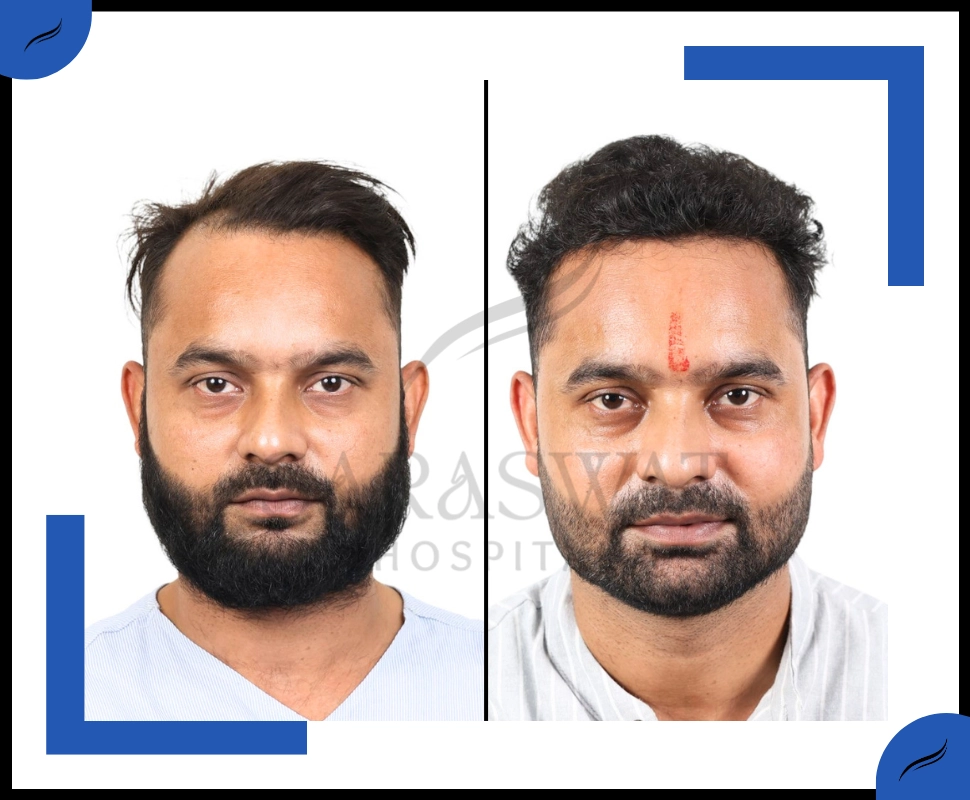
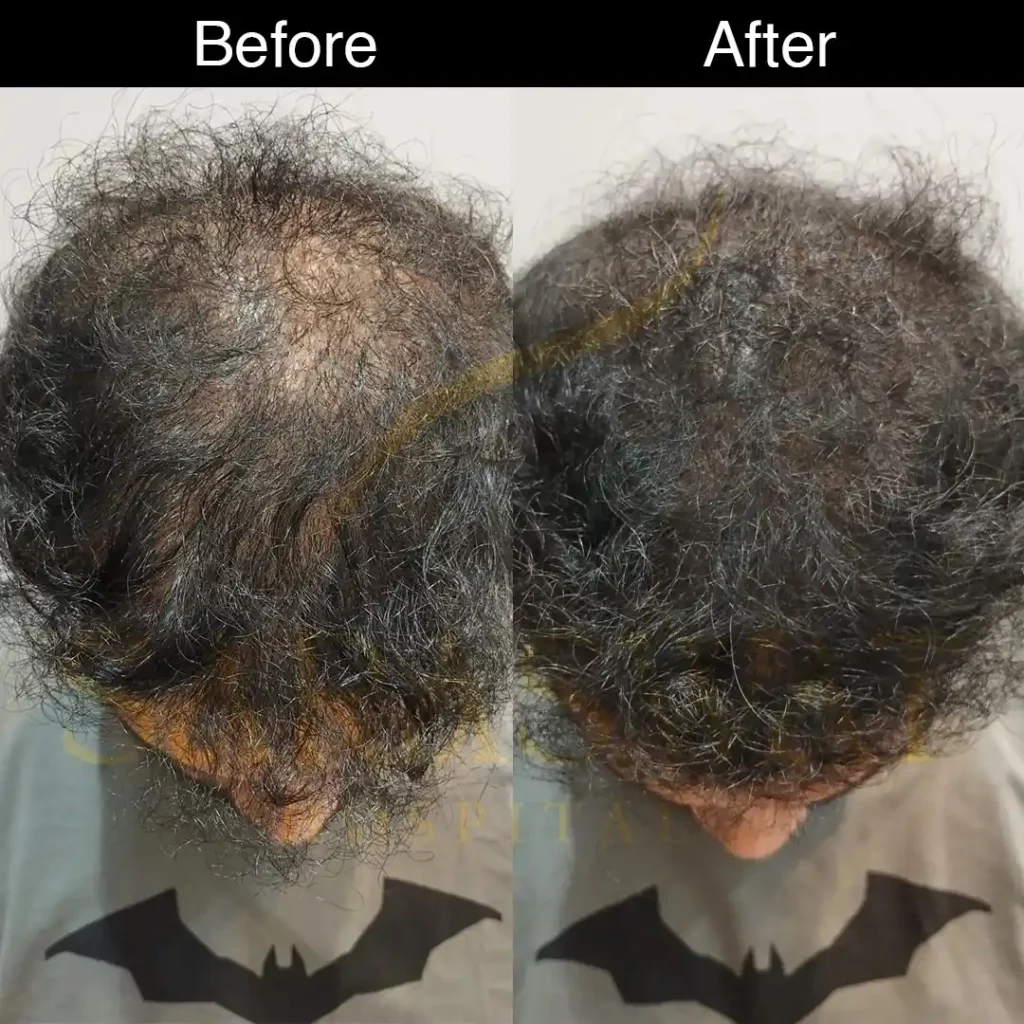
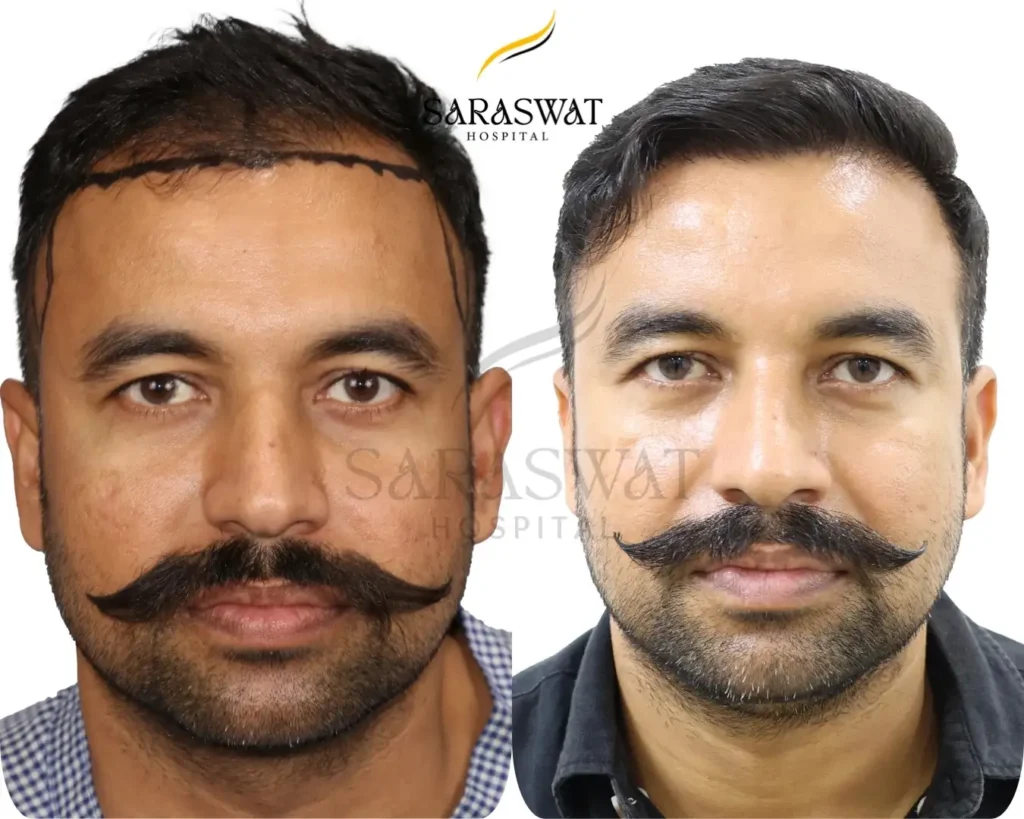
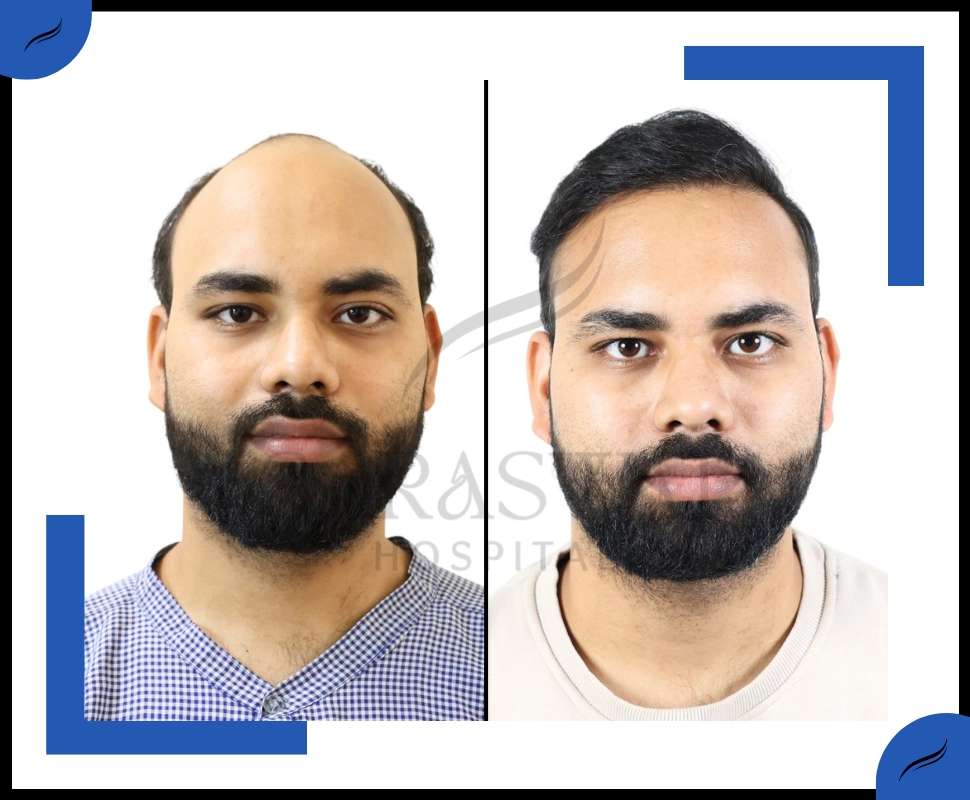
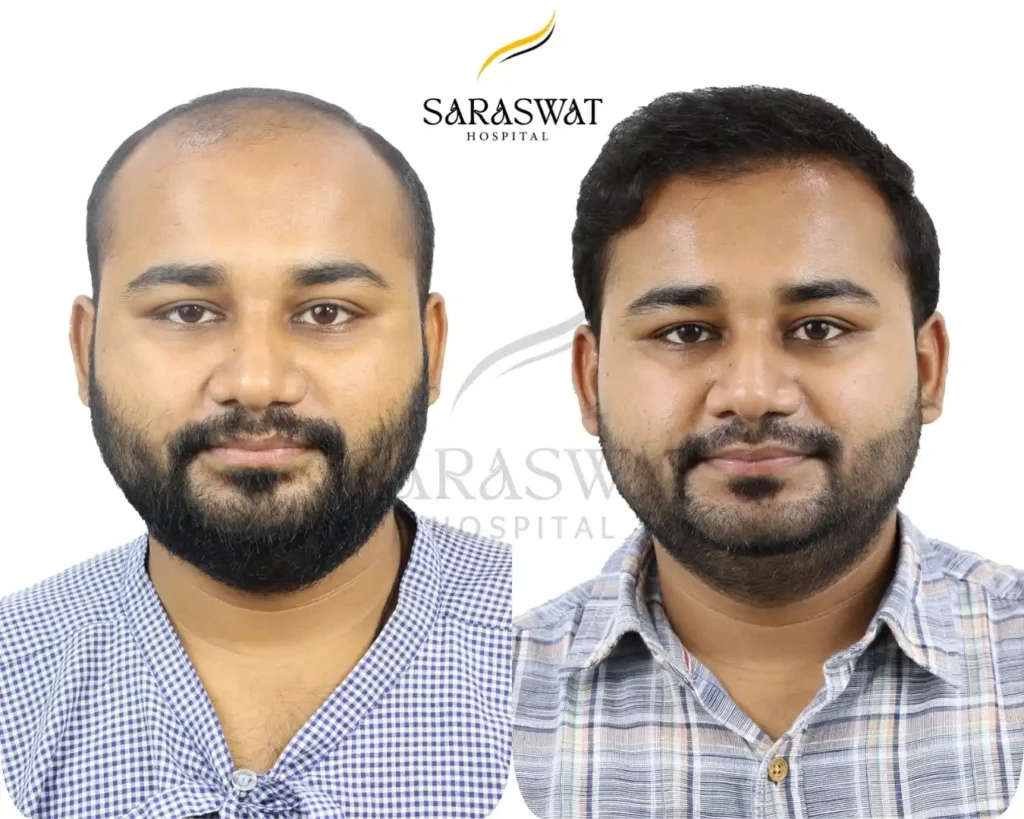
Exploring real-life FUE hair transplant before and after results is essential as it provides visual evidence of the procedure’s effectiveness. By exploring the transformation results of people who have already undergone the procedure, individuals can gain insights into the potential outcome of their own FUE hair transplant. Additionally, it also helps them manage expectations as they get a better understanding of the limitations and possibilities of the procedure.

It helps prevent having unrealistic expectations and being disappointed with the results. Exploring a clinic’s hair transplant before and after results can provide insight into the clinic’s expertise and success rate. Consider how all these things help individuals make informed decisions and feel more confident about undergoing the procedure.

Here are some of the FUE hair transplant before and after results from Saraswat Hospital:

Story 1:

This is the story of a person from Kanpur, India. He is one of those individuals who believes in the effectiveness of hair transplants. He started noticing hair loss in 2016, and during the pandemic period, his situation got worse. Then he decided to meet Dr. Satya Saraswat at Saraswat Hospital to learn about the best hair restoration treatment for him. Dr. Satya Saraswat and his team made him understand the entire hair transplant procedure and helped him develop realistic expectations. Then he underwent the procedure, and it was a comfortable experience for him. In the video, you can see his hair transplant results after six months. Watch this video to learn about his experience with Saraswat Hospital, one of the best hair transplant clinics in India.

Story 2:

A person from Italy came to India to get hair transplants. He said he could have gone to Turkey or clinics in the Czech Republic for hair transplants. However, he wanted to get high-quality hair transplants and chose an India-based clinic—Twachaa. He did good research on Twachaa for at least six months to know more about its expertise and success rate. It is very important for individuals to do thorough research on a clinic before undergoing any procedure, like a hair transplant. In the video, you can see how pleased he is with the service quality and staff behaviour of this clinic. He mentioned how Dr. Satya Saraswat and his entire team worked for him. Watch this full video to learn about his experience with Twachaa.

Story 3:

One of our male patients had been experiencing hair loss, particularly in the crown area, for quite some time. He was in search of an effective hair restoration treatment and decided to undergo a hair transplant procedure. His crown hair loss was also making him more self-conscious. Then he came to Saraswat Hospital for hair transplants. One of his relatives informed him about Dr. Satya Saraswat and Saraswat Hospital. Here, he got treatment from Dr.Satya Saraswat and his team. Within seven months after the procedure, he got satisfactory results and also praised the aftercare. Watch this full video to check out his experience with Saraswat Hospital.

Story 4:

Another male patient from Agra, India, was suffering from a receding hairline and was looking for an effective hair restoration treatment. He learned about Dr. Satya Saraswat and Saraswat Hospital from his family doctor. Then he contacted Saraswat Hospital and consulted Dr. Satya Saraswat. First, he understood the procedure, its effectiveness, and the potential results, and then he underwent the procedure. Within nine months after the hair transplant procedure, he got satisfactory results. Watch this video to learn more about his experience at Saraswat Hospital.

These are four real-life hair transplant before and after results that you can explore to make an informed decision. With the advent of the latest technologies and the advancement of the healthcare industry, treating hair loss or thinning hair is no longer a challenge. With the right treatment, one can improve their hair loss condition to a satisfactory level. In order to get the best hair transplants in India, it is essential to choose the right clinic and the best surgeons. Always check the qualifications, achievements, and experience of the surgeons before undergoing the procedure. For example, Dr. Satya Saraswat and Dr. Preeti Saraswat are diplomats of the American Board of Hair Restoration Surgeons (ABHRS) and members of the International Society of Hair Restoration Surgeons (ISHRS). Dr. Preeti Saraswat is also an associate member of the American Academy of Aesthetic Medicine (AAAM). Dr. Satya Saraswat has more than nineteen years of experience and has successfully performed more than 13,000+ cosmetic surgeries.

Conclusion

FUT or FUE hair transplant has been a life-changing solution for many people suffering from hair loss. The hair transplant before and after results of individuals who underwent the procedure are a testament to the effectiveness of the procedure. FUE hair transplant in India is a popular minimally invasive procedure that yields natural-looking results with minimal downtime. In order to get satisfactory results, it is important to choose a qualified and experienced surgeon. Dr. Satya Saraswat and Dr. Preeti Saraswat are reliable names in the world of hair transplants and cosmetic procedures. They are internationally certified and have years of experience. To consult with them, connect with Saraswat Hospital today.

Follow us on:- FacebookInstagramPinterestYoutube

Understanding Causes of Female Hair Loss & Advanced Treatments

Hair loss can be a distressing experience for anyone, especially women. While male pattern baldness is a well-known phenomenon, hair loss in women is less talked about but is no less common. In fact, about one-third of women experience hair loss at some point in their lives, and two-thirds suffer from hair thinning or bald spots. Hair loss or thinning can severely affect a woman’s well-being and quality of life. There can be various causes of hair loss, including genetics, hormonal changes, stress, medical conditions, etc. With the best hair loss treatment for females, hair regrowth is possible in some cases. In this blog, we will learn the direct causes of female hair loss and the different treatment options available in reputable hair restoration clinics like Saraswat Hospital.

Normal Hair Fall vs. Hair Loss

Losing 50 to 100 strands of hair in a day is normal. There is a balance between hair fall and new hair growth. However, it can turn out to be a concern if the balance is interrupted and one experiences more hair fall than new hair growth. Remember, hair loss is a gradual process that leads to thinning hair or bald spots.

If a woman finds her partings widening, has bald spots, or is shedding more than 100 strands of hair in a day, she must seek professional help as soon as possible.

Direct Causes of Female Hair Loss

There are various causes of female hair loss. Some of them can be diagnosed by medical tests, while a few are diagnosed by exclusion. Reasons that are diagnosed have a better prognosis, though how much hair can be retrieved cannot be predicted in any case.

1. Nutritional Deficiencies

Nutritional deficiencies can be a common cause of female hair loss. When the body lacks certain essential nutrients, it can affect the growth and health of hair follicles. For example, deficiencies in vitamins D3, B12, and folate, as well as iron, protein, calcium, etc., can trigger hair loss in women. Vitamin B12 is important for healthy red blood cells. It carries oxygen to the scalp and hair follicles. On the other hand, vitamin D3 helps with the hair follicle cycle and growth, and calcium and protein are important building blocks for hair. Folate contributes to cell growth and division. Iron is essential for healthy blood flow and provides oxygen to the hair roots.

2. Hormonal Changes and Metabolic Disorders

A metabolic condition known as Polycystic Ovarian Syndrome (PCOS), which may or may not be seen with facial hair and acne, may trigger hair loss owing to its hormonal imbalance status. Apart from this, hormonal changes during pregnancy, childbirth, and menopause can contribute to hair loss in women. Problems with the thyroid gland can cause temporary or permanent female hair loss as well.

3. Alopecia Areata

Alopecia areata is an autoimmune disorder that causes hair loss in women. This disorder occurs when the immune system attacks the hair follicles, leading to hair loss in round patches on the scalp and sometimes other parts of the body. The exact reason behind this autoimmune disorder is still unknown, but it is believed to be related to genetic and environmental factors.

4. Scalp Infections

Scalp infections like ringworm or severe acne often cause hair loss in women. Ringworm is a fungal infection that affects the scalp and causes scaly patches. It can be itchy or painful. Due to a fungal attack, hair follicles become brittle and break off, resulting in hair loss. Sometimes, it can cause permanent hair loss if the hair follicles are badly damaged beyond repair.

5. Trichotillomania

It is a mental health condition that causes a person to have an irresistible urge to pull out their hair, often resulting in noticeable hair loss. Women are more likely to suffer from trichotillomania compared to men. Such a condition can make hair patchy, uneven, or thin.

6. Hair Styling and Chemicals

Hairstyles like very tight braiding or pulling often lead to traction alopecia. Similarly, chemical treatments such as those for permanent hair loss and smoothing can cause hair loss. Excessive use of heat during hair styling can also damage hair and cause more hair fall.

7. Stressful Events

Stressful events can cause hair loss. For example, an acute illness like viral fever, typhoid, pneumonia, COVID, surgery, childbirth, etc., may cause hair loss in women. However, with a little care for overall health, one can regain normal hair growth in such cases.

8. Fibrosing Alopecia

Scarring hair loss occurs when hair follicles are destroyed and replaced by scar tissue. It is a rare form of alopecia that affects women, often leading to permanent hair loss. Fibrosing alopecias like FFP, LP, and CCP may cause gradual hair loss accompanied by itching, tingling, burning, or tenderness on the scalp.

9. Trauma, Burn, or Radiation Therapy

Trauma, burns, or radiation therapy are also causes of female hair loss. In these cases, hair follicles can be damaged and fall out as a result. Radiation therapy used to treat conditions like cancer may cause temporary or permanent hair loss.

10. Female Pattern Hair Loss

Finally, the most common—about one-third of women experience female pattern hair loss, which is multifactorial and & may be hereditary too. It is the female counterpart of male pattern baldness. It may cause thinning of the hair in women with increased scalp visibility.

Advanced Female Hair Loss Treatments

Dealing with hair loss and low confidence levels is not a choice. If lifestyle modification, a balanced diet, and other OTC treatments like the use of minoxidil, low-laser therapy, etc., do not offer the desired hair growth, you should go for advanced female pattern hair loss treatments. Hair transplantation is an effective hair growth treatment for women. Apart from this, mesotherapy is also effective for female hair loss treatments. Some patients do not respond to any of these treatments. They can undergo a scalp micropigmentation procedure to camouflage bald spots and thinning hair, giving the appearance of a head full of hair.

  • Hair Transplantation

Hair transplantation is a popular hair loss treatment for women. It is an advanced surgical procedure to transfer healthy hair follicles from one area (donor area) of the scalp to another area (recipient area) that is experiencing hair loss or thinning. The procedure can be performed using various techniques, including follicular unit transplantation (FUT) and follicular unit extraction (FUE).

In the FUE procedure, surgeons take individual hair follicles out of the skin and implant them elsewhere in the body. Surgeons follow procedures like micropunching to extract single follicles and move them without leaving any sign of extraction. FUT is a less invasive procedure and is effective at covering bald spots caused by hair loss. Here, the hair transplant surgeon cuts a strip of skin from the back or side of the head and then extracts individual hair follicles. After that, surgeons implant the extracted follicles into the balding parts of the skin. However, the results of hair transplants depend on the expertise of the surgeons and the advanced equipment used in the clinic.

Saraswat Hospital is an advanced hair restoration clinic that adheres to all international guidelines and protocols. Here, you can get treatment from expert hair transplant surgeons Dr. Satya Saraswat and Dr. Preeti Saraswat. Both of them are diplomats of the American Board of Hair Restoration Surgeons (ABHRS) and members of the Association of Hair Restoration Surgeons of India (AHRS).

  • Mesotherapy

Mesotherapy is another popular female pattern baldness treatment. This procedure concentrates on providing nourishment to hair roots. Doctors inject vitamin boosters and cocktails of serums into the mesoderm layer. It helps transform weak hair roots into healthy ones to boost healthy hair growth. Mesotherapy helps improve the blood circulation of the scalp and boosts the growth of hair follicles.

  • Scalp Micropigmentation

Scalp Micropigmentation, or SMP, does not boost hair growth or prevent hair fall. It is an effective way to get the appearance of a head full of hair. SMP is a cosmetic procedure that mimics the appearance of hair follicles. This is a quick and virtually painless procedure. One can get satisfactory results in one to three sessions, depending on the treatment area and scalp condition.

Conclusion

Without a doubt, female hair loss is an emotionally distressing condition. However, with the right treatment, one can address it and restore confidence. In order to get the best hair restoration solutions, you must consult experts like Dr. Satya Saraswat and Dr. Preeti Saraswat. They are American Board-certified and have more than 20+ years of experience. To consult them, you can book an appointment to contact the Saraswat Hospital in Agra.

Follow us on:- FacebookInstagramPinterestYoutube

5 Factors Make India a Popular Country for Hair Transplants

Millions of people across the globe visit India, each with a different and unique purpose. Some people travel to India to experience the wonders of nature, others to marvel at the ancient architecture, and many to receive advanced medical treatments such as hair transplants. India has become one of the top destinations for medical tourism due to an excellent tertiary healthcare infrastructure and has become a popular country for hair transplants, top-notch medical professionals, and relatively lower costs compared to the Western world. The same could be said about treatments such as hair transplants.

The increase in hair loss issues and the growing aesthetic sensibility of people contribute to the rise in hair transplants in India. The cost of hair transplants in some Western countries is exorbitant and discouraging for many people. As a result, individuals, mainly from the Western world, seek alternative, outstanding, and reasonably priced options for their hair transplant needs. Indian hair transplant treatments are exceptional, affordable, and designed according to all international standards.

There are various reasons why people prefer India for their hair transplant treatments. Let’s check out the reasons or factors that make India a popular country for hair transplants.

Factors that Make India a Popular Country for Hair Transplants

From advanced hair transplant procedures to the availability of medical visas, there are multiple factors that make India a popular country for hair transplants.

1. Use of Advanced Hair Transplantation Technologies

Leading hair transplant clinics in India make use of advanced tools and technologies to ensure successful, natural-looking hair transplant results. FUE (Follicular Unit Extraction) and FUT (Follicular Unit Transplant) are two of the most popular hair transplant procedures that many clinics in India offer to their patients. Apart from these, the use of robotic technology also helps provide better precision and accuracy during hair transplantation. Additionally, other advanced hair transplant techniques like Direct Hair Implantation (DHI) are also available in many India-based hair transplant clinics. The adoption of advanced hair transplant technologies helps surgeons provide patients with more natural-looking and long-lasting results.

2. Treatments by Skilled & Experienced Surgeons

India is one of the countries with the highest number of hair restoration professionals. Many patients are aware of the fact that the result depends on the precision and accuracy of the procedure. And that’s why they always try to get treatment from expert professionals. In India, there are many skilled hair transplant surgeons who are well-trained, board-certified, and experienced in the latest techniques and procedures.

ABHRS-Certified Doctors Dr. Satya Saraswat & Dr. Preeti Saraswat

Many internationally certified hair transplant surgeons have their clinics or work in accredited clinics that follow strict medical protocols and standards to ensure safe and effective hair transplants. Most surgeons continue their studies, attend international seminars, workshops, and programs, carry out research, and do many other things to keep themselves updated with the latest trends and technologies of hair transplantation. Besides, the success rate of hair transplant surgery in India is also high, with many patients reporting natural-looking hair transplant results and a high level of satisfaction.

Since the success of a hair transplant surgery is also dependent on the technological advancement of the clinic, you must be careful when selecting one. Read one of our blogs on how to find a reliable and advanced hair transplant clinic in India.

3. Easy Availability of Medical Visas

Medical tourism is about travelling to a foreign country for medical treatment. Indian medical tourism helps people enjoy advantages like lower costs, higher quality of care, etc. Over the years, India has become a popular destination for medical tourism, including hair restoration treatments. Nearly 3,50,000 hair transplant surgeries are done in India every year. Since India-based doctors have the required skills and experience to deliver natural-looking hair transplant results, medical tourism in India is on the rise. Obtaining a medical visa is relatively straightforward, allowing foreign patients to stay in India for longer periods of time for treatment. Apart from this, many comfortable and budget-friendly accommodations are available, including hotels catering to medical tourists.

4. Cost-effective Hair Transplants

In comparison to many other countries, the hair transplant cost in India is lower. Patients can save a great deal of money when they choose India over other countries. Also, despite its cost-effectiveness, the treatment provided in India-based clinics is of high quality, with many skilled and experienced surgeons performing the procedure using the latest technologies. The cost of living is also lower than in many other countries, and that is reflected in the affordable prices of hair transplant surgeries. Here, patients can manage budget-friendly accommodations, transportation, and other essentials at a reduced cost. The entire cost, including treatment, transportation, accommodation, etc., will be much less than availing the same treatment in another country. However, the lower cost of hair transplant surgery in India does not compromise in any way the quality of treatment for native or foreign patients.

5. Clinics with Top-Notch Amenities

India-based hair transplant clinics follow international protocols and safety guidelines to offer safe and effective treatments to all patients. For example, Saraswat Hospital is one of the best places for hair transplants in India. It is equipped with top-notch international-grade amenities, advanced technologies, and internationally certified doctors. Here, a patient can get standard services at a reasonable cost. One can get treatment from Dr. Satya Saraswat and Dr. Preeti Saraswat. They are diplomats of the American Board of Hair Restoration Surgeons (ABHRS) and members of the International Society of Hair Restoration Surgeons (ISHRS). Since the results of transplants depend on the advanced infrastructure of the clinic and the skills of the surgeons, choosing a clinic like Saraswat Hospital will be a wise choice. Here, a patient can experience the benefits of using advanced technologies and treatment provided by skilled, board-certified surgeons.

The Bottom Line

These are some of the main factors that inspire people to go for hair transplants in India and make India a popular country for hair transplants. To consult with hair transplant experts Dr. Satya Saraswat and Dr. Preeeti Saraswat, you should connect with Saraswat Hospital. You can book your appointment online or simply walk in. So, instead of waiting for more, connect with them, get advice, and plan your hair restoration journey accordingly.

Follow us on:- FacebookInstagramPinterestYoutube

7 Tips to Keep Your New Hair Healthy After a Hair Transplant

The success of a hair transplant in India depends not only on the expertise of the surgeons and the advanced infrastructure of the clinic but also on post-operative care. Within 90 to 180 days after the procedure, one can experience new hair growth. However, initially, there will be some levels of healing and recovery for you to focus on. It is important to take proper care of your scalp and newly implanted hairs to ensure long-lasting results.

For individuals who have undergone hair transplants in India or elsewhere, experts suggest following a healthy and comprehensive hair care routine so that patients can keep their hair healthy after the transplant surgery. The internet is filled with lots of home remedies and after-transplant guides, and getting confused between them is inevitable. Hence, we thought of presenting a realistic after-transplant hair care guide for all people who have undergone the procedure.

Tips To Keep Your New Hair Healthy After Transplant

Ask your surgeon about post-operative care so that you can take the best care of your hair and ensure long-lasting benefits. Get more quick hair transplant recovery tips here. Here are 7 Tips to Keep Your New Hair Healthy:

1. Keep the Recipient Area Moist

Your hair transplant surgeon will prescribe all essential medications and hair care products. It is important to ensure a moist environment for the newly transplanted hair follicles. You should not use anything other than the prescribed ones for moisturising purposes. Remember, not all scalp moisturisers or oils in the market are intended for hair transplant patients. You should only use Normal Saline that has been recommended by your hair transplant surgeon.

2. Sleep slightly upright

People who have just undergone the hair transplantation procedure should sleep in a slightly semi-upright position to ensure the best results. Instead of sleeping straight, following the recliner position and keeping the head slightly elevated is better. You should maintain it properly for at least three to four days after the surgery. Then, the surgeon will inform you when you can go back to your normal sleeping position. Always check with your doctor once.

3. Avoid Strenuous Exercise

Your surgeon will advise you to avoid heavy physical activity for a few days after the procedure. After a week to 10 days, patients can resume non-aerobic exercises like walking and stretching. And after 2 weeks, patients can increase the intensity of their exercise. Sweating may not be a risk factor for new transplants, but intense physical activities may increase pain and inflammation.

4. Only Gentle Head Washing

Wait at least 48 hours after the hair transplant surgery to wash your head. You should ask your surgeon when you can wash your head. You should avoid washing your head under the direct water pressure of the shower. It’s better to gently clean your scalp using your hands only. Your surgeon or consultant will recommend a gentle shampoo to clean the scalp properly. If your doctor permits, you can use lukewarm water for scalp washing.

Less is more when it comes to shampooing. Using a huge quantity of your shampoo or shampooing too frequently may reduce natural hair oils and minerals, resulting in reduced shine of hair. You should use a shampoo that is free from parabens, sulfates, dyes, GMOs, and other harsh chemicals.

5. Softer Hair Styles

Successful hair transplants lead to denser hair growth within a few months. However, when styling your hair, you should strictly avoid chemical setting sprays, excessive heating, etc. You should avoid any product or styling option that makes your new hair transplants stiff.

6. Comb Correctly

You need to be gentle with wet hair, as it’s more fragile than dry hair. Use a soft cotton towel to dry your hair. Gently rub your hair with a cotton towel. You should comb and detangle your hair before washing it. You should never comb wet hair; otherwise, it may cause more hair breakage and split ends. Restrict using blow dryers, curlers, or straighteners at a high setting. When your hair is completely dry, brush it with a wide-tooth comb to detangle. This hair care tip applies to everyone (not just transplanted hair).

7. Maintaining a Healthy Diet is also one of the Tips to Keep Your New Hair Healthy

Having a balanced diet helps improve your overall health. A nutritious diet can help keep your new hair healthy after the transplantation procedure.

  • You can eat antioxidant-rich foods like blueberries, squash, peppers, tomatoes, and cherries.
  • Increase your liquid intake by drinking at least six to eight glasses of water every day.
  • Avoid smoking and drinking, as they can delay your healing procedure.
  • Vitamin B7, or Biotion, is required for healthy hair and nails. Any insufficiency of this vitamin can cause brittle nails, whiplash damage, hair loss, and many other issues. Walnuts are rich in vitamin E, biotin, and fatty acids, and they help protect your hair against damage.
  • Eat foods that have good protein properties, as they are good for hair growth and boost the immune system. You can include eggs and fish such as tuna, salmon, and trout in your daily diet as they are good sources of protein.
  • Eat more blueberries, as they are rich in vitamin C, which is vital for ensuring blood circulation to the scalp.
  • Green vegetables like spinach have folate, vitamin C, and beta-carotene, which are beneficial for the health of your scalp.

Why Choose Saraswat Hospital?

It is one of the advanced clinics where you will get various types of hair transplant treatments from expert surgeons – Dr. Satya Saraswat and Dr. Preeti Saraswat, who happen to be the Diplomats of the American Board of Hair Restoration Surgeons (ABHRS). Saraswat Hospital is equipped with state-of-the-art infrastructure and uses advanced tools and technologies to ensure optimum hair transplant results. For a quick appointment, call +91-9258386320 or +91-9690039999.

Conclusion

Following these tips will help you keep your new hair healthy. However, you shouldn’t forget to get your post-transplantation hair care guide from your treatment provider. Each hair transplant case is unique and may require unique care. For a successful hair transplant in India, connecting with Saraswat Hospital will be a great choice for you.

Follow us on:- FacebookInstagramPinterestYoutube

Hair Transplant- The Key to a Full Head of Hair

Hair loss concerns have been around for centuries, but it is only in modern times that lots of medical-grade and cosmetic hair loss treatments have become available. However, instead of trying over-the-counter solutions to treat hair loss issues and face adverse side effects, it is better to undergo modern procedures like hair transplants and restore one’s natural hair. Here we will discuss why more people are getting hair transplants.

Interestingly, like in any other place, hair transplants in India are becoming more popular than ever. More people are choosing this procedure, irrespective of their age and gender. The global hair transplant market, which was estimated at USD 8.4 billion in 2021, is going to reach USD 21.2 billion by the end of 2028. In this blog, we discuss why more people are getting hair transplants and where you can get the best hair transplant treatment in India.

The First-Ever Hair Transplant Surgery in the World

In the late 1930s, a Japanese dermatologist, Dr. Okuda, designed a process to address hair loss in patients who were suffering from scalp or burn injuries. Dr. Okuda used to follow the ‘punch technique’ for hair transplantation for such patients.

The first hair transplant for male pattern baldness was done in 1952. A dermatologist from New York named Dr. Norman Orentreich performed the first hair transplant procedure to treat male pattern baldness. Previously, it was thought that the transplanted hair would act like normal hair and fall after a while. However, the transplantation surgery proved that hair from the donor area remained in place and helped the bald area grow natural-looking hair.

Why More People Are Getting Hair Transplants?

Hair transplant treatments are minimally invasive, safe, and highly successful. They leave minimal scars and have a shorter recovery time, which is why more people are getting hair transplants. Apart from these, there are many other reasons behind the popularity of hair transplants in India and across the world. Let’s explore them now.

1. Advancements in Medical Technology

Advancements in medical technology have resulted in a number of new techniques and methods that have made the hair transplant procedure more successful, less invasive, and more natural-looking.

FUE (Follicular Unit Extraction) is an advanced hair transplantation technique with a great success rate. This procedure involves removing individual grafts of hair from the donor area using a small punch tool. By using this procedure, you can avoid the need for a large incision or strip removal. It results in less scarring and faster recovery.

Read more about FUE hair transplant benefits

Also, to get the best FUE hair transplant in India, people, including many from foreign countries, visit the Saraswat Hospital in Agra. On the other hand, the FUT procedure involves removing a strip of scalp tissue and then dividing it into multiple hair follicles.

Know which is better for you: FUE or FUT

The use of robotic technology allows for more precise and consistent hair follicular extraction and reduces the risk of surrounding tissue damage. The advent of state-of-the-art medical equipment like high-definition cameras, stereomicroscopes, and advanced lighting systems has created room for more accurate and precise hair transplantation. And for the best FUE and FUT hair transplant in India, Saraswat Hospital happens to be a reliable destination, as it offers a great patient satisfaction rate.

Additionally, the use of PRP therapy (platelet-rich plasma) along with hair transplantation stimulates hair growth and offers better and more natural-looking results.

2. Changing Attitudes Toward Hair Loss and Hair Transplants

Common social attitudes toward hair loss have undergone many changes in recent years. Transplants are becoming less stigmatised and more accepted. There was a time when hair loss was often seen as a sign of ageing or a lack of virility. And people who thought of growing their hair in different ways, like transplantation, were often ridiculed. However, such perception is changing gradually, and more people, including celebrities, are embracing hair transplants. They are openly discussing their experience with excessive hair loss and baldness and have undergone hair transplant procedures.

Medical technology advancements have also contributed to the shift in attitude. The procedure is less invasive and offers more natural-looking results. As a result, hair transplants have started to become more mainstream, and many people find them a viable solution to hair loss.

The rise of social media and the increased visibility of hair transplant procedures are playing great roles in changing people’s attitudes toward hair loss. With the advent of the internet, especially the boom in social media, people have access to a lot of information in the form of photos and videos, where they can check the real results of hair transplantation. In fact, it has demystified the hair transplant procedure and made it accessible to all classes of society. According to the International Society of Hair Restoration Surgery, the total number of hair transplants has increased by nearly 20% in the past five years.

3. The Influence of Social Media and Celebrity Culture

Social media and celebrity culture are playing a significant role in the increased popularity of hair transplants. Leading social media platforms like Instagram, Facebook, etc., have made it easy for common people to learn about hair transplants and check the “before and after” results of the procedure. It helps to educate people about the benefits of undergoing a hair transplant treatment.

Apart from social media platforms, celebrity culture has also contributed to the popularity of hair transplants across the globe. Many international and Bollywood celebrities have discussed the procedure and conveyed how the treatment has helped them. They have inspired the common people and led to the normalisation of the idea of hair transplants.

Even in India, famous celebrities like Mr. Ravi Jhankal, Mr. Jitendra Bharadwaj, Mr. Raju Srestha, and many other celebrities have undergone this procedure to restore their natural-looking hair. Watch the following videos to learn about their experiences at the Saraswat Hospital:

Conclusion

All these factors are directly contributing to the increase in the popularity of hair transplants in India and other parts of the globe. More people have begun to trust the procedure as technology has evolved and awareness has increased through social media and celebrity culture. While this popularity or trend shows no signs of slowing down, it raises concerns about its potential impact on society. Hair transplant surgery in India or elsewhere can have a positive impact on a person’s self-confidence and physical appearance.

Similarly, it is also important to consider the financial and ethical implications. Just like any other procedure, hair transplants also come with some downsides or side effects. However, if one undergoes the treatment from an advanced clinic and by board-certified expert surgeons, such as the Saraswat Hospital in Agra, they can prevent or reduce the chances of any adverse side effects.

Follow us on:- FacebookInstagramPinterestYoutube

6 Benefits of Scalp Micropigmentation No One Will Tell You

Do you suffer from thinning hair or bald spots? Do you need a treatment that will provide long-lasting results with minimal maintenance? Scalp micropigmentation can be an effective treatment for those seeking to restore the appearance of full-head hair. SMP treatment is becoming increasingly popular as it provides satisfactory results without involving any invasive procedures or messy products. In this blog post, we are going to take a look at the benefits of scalp micropigmentation, how it works, and where you can get the best scalp micropigmentation in India.

Reasons Why SMP Is a Popular Treatment for Baldness

Scalp micropigmentation can be done on individuals suffering from various hair loss conditions, such as hair thinning, male and female pattern baldness, receding hairlines, alopecia, crown hair loss, and many others.

Some people who have poor donor areas do not get the best results with hair transplantation. Also, if someone is facing hair thinning or baldness due to autoimmune diseases, hair transplant treatment may not be the ideal one. However, many people desirous of having a denser hair without undergoing hair transplantation can opt for SMP.

Not only can SMP hide baldness or hair thinning, but it can also effectively conceal accidental scars and FUE/FUT scars. It can offer a promising and lasting result and bring the lost confidence back.

Benefits of Scalp Micropigmentation

SMP can provide you with an extensive list of astonishing benefits. Before connecting with the best scalp micropigmentation clinics in India, you must know the potential benefits of scalp micropigmentation. The effectiveness of treatment may vary from person to person.

1. Minimally invasive procedure

One of the benefits of scalp micropigmentation is that it is a non-invasive treatment procedure. It does not cause any pain or discomfort. There is no downtime required after the treatment. The most important fact is that, with minimal aftercare, you can retain the results for a longer period of time. The procedure involves using sterile micro-needles to deposit ink into the treatment area. Completely bald scalps will get a fresh buzz-cut look. SMP can camouflage the visibility of the scalp and give a denser look to hair.

Factors That Can Affect the Level of Pain During an SMP Session

2. Safe and affordable

SMP is a non-surgical and safe procedure. No serious side effects have been reported yet. Many people can’t get hair transplantation treatment due to poor donor areas and other reasons, but most of them can easily undergo SMP. It is a quick procedure, and you can notice differences from the very first session.

Compared to other hair restoration treatments, SMP is quite affordable. Moreover, Saraswat Hospital is trying to make SMP treatment accessible to all people. You can get bulk SMP sessions at a much-reduced price and get amazing results.

3. Fast procedure with immediate results

Scalp micropigmentation is popular for offering immediate results. You can see visible changes from the first session. The SMP procedure does not take a lot of time; it may require three to four hours, depending on the treatment area. For example, to cover small patches, the SMP expert may require more or less one hour, but for hairline reconstruction, specialists may require four to five hours.

Each patient will get a unique SMP treatment plan. You should not choose a clinic that offers one-size-fits-all solutions for all patients. Every patient has unique concerns and goals. And that’s why it is important to provide them with personalised treatment plans.

Generally, experts suggest getting three treatment sessions spaced two to four weeks apart to get the best results. The appearance of hair density will increase with each treatment session. Experts will ensure that the pigment is distributed evenly across the scalp, resulting in a naturally layered effect.

4. Semi-permanent & natural-looking results

Many people are not ideal candidates for hair transplantation, as previously stated, and can benefit from SMP as an alternative treatment. Scalp micropigmentation offers semi-permanent results. The use of the closest-matching pigment ensures a blended and denser hair look.

If done correctly, scalp micropigmentation results can last for three to five years. How long SMP lasts depends on the quality of the ink, the expertise of the SMP specialists, the type of scalp, and sun exposure.

5. Work well with other hair restoration treatments

Many people try hair transplantation to conceal baldness or thinning hair. However, the FUE/FUT treatment can leave a visible scar behind the head. The scar indicates that you have undergone some procedure. Apart from hair transplantation and scar repair, you can also disguise scars caused by accidents.

So, once the hair transplantation has been completed, you can opt for scalp micropigmentation. But if you are undergoing any other skin or scalp treatments, you must communicate that with us during the consultation, and then we will plan your SMP treatment accordingly.

6. Quick recovery time

One of the major benefits of SMP is that it does not come with any downtime. You can pause your work for a while, get an SMP sitting, and then resume the work without facing any complications. Before each sitting, you must wash your scalp, as after the treatment, you should not wet your scalp for four days.

During the treatment, our experts will apply topical numbing solutions to the treatment area. Our SMP specialists are trained enough to offer the best treatment while ensuring zero to minimal discomfort for the patient. We also use emergency medical resuscitation in order to continuously monitor the patient during any treatment procedure.

How does SMP work?

Scalp micropigmentation is a safe and non-surgical procedure to give the appearance of a full head of hair. This is a quick procedure and offers immediate results. There is no downtime needed after a treatment session. Using sterile microneedles, experts implant tiny ink dots to mimic the appearance of real hair follicles and create the look of healthy hair growth. SMP is suitable for people of all genders. Anyone who is suffering from alopecia, male or female pattern hair loss, hair thinning, crown hair loss, or wants to conceal scars on the head can opt for SMP.

The benefits of scalp micropigmentation include semi-permanent results that can last three to five years with minimal aftercare. This non-invasive treatment usually requires three sessions to achieve the best outcome, with visible improvements after each visit. The density and natural appearance of your hair gradually increase with every session, making the benefits of scalp micropigmentation a reliable and long-lasting solution for hair loss.

Women with long hair can also undergo SMP treatment and get a denser hair look. Many people wonder whether scalp micropigmentation for long hair is possible or not. SMP is perfectly suitable for women. In order to get the best scalp micropigmentation for women with long hair, you must choose a reputable clinic. Achieving the natural look is a bit tough, and only skilled specialists can ensure the best results.

You can share your concerns, goals, and health history with us to get a personalised treatment plan. We do not offer one-size-fits-all solutions to all patients. We craft personalised treatment plans based on the scalp condition, health condition, and requirements of the patient.

Who is eligible for scalp micropigmentation, and who is not?

Scalp micropigmentation is a revolutionary treatment to mask baldness and hair thinning. It is suitable for people of all genders and ages. Generally, a normal person has approximately 2000 hairs per square inch. However, hair problems like thinning, baldness, crown hair loss, etc., can result in premature aging, depression, and dogmas. This is where SMP seems like the most fruitful way to fix everything. People who are suffering from alopecia, baldness, and other forms of hair loss can undergo this treatment procedure to get a denser hair look.

If someone has undergone FUE/FUT hair transplantation and has a scar on the scalp, he/she can conceal it via SMP. No one will be able to understand whether the person has undergone any procedure or not. SMP provides amazing FUT scar repair results.

However, some people are not suitable for the SMP procedure. For example, if one has active scalp acne or skin diseases like keloids, psoriasis, etc., they should avoid SMP during a breakout. It is hard to apply pigment to the inflamed scalp areas, and it does not bring the desired results.

Men who face frontal hair loss and want to craft a hairline via SMP while keeping the rest of their hair long should not go for SMP. Men with a fully bald crown area are not suitable for scalp micropigmentation, as it won’t provide a natural look. During active hair fall, you should not undergo the SMP treatment. Once your hair fall has stabilized, only then can you opt for scalp micropigmentation.

Risks and Side Effects of Scalp Micropigmentation

The most dangerous aspect of scalp micropigmentation is selecting an unlicensed or untrained practitioner for the procedure. An inexperienced practitioner may not know about the necessary precautions, and improper SMP techniques may lead to various side effects.

Possible risks are:

  • Allergic reaction due to the cosmetic pigment.
  • Infection from unsterile microneedles.
  • Unnatural appearance after the treatment.

However, some risks are completely avoidable, such as infection outbreaks due to the use of unsterile needles, contaminated inks, or improper scalp micropigmentation techniques. Unsterile equipment can spread diseases like HIV, hepatitis, and many other skin diseases. The SMP clinic must take proper caution to avoid these risks. We at Saraswat Hospital always use best-grade sterile needles, high-quality ink, and imported SMP machines for a safe and successful SMP session.

To know more about scalp micropigmentation side effects and how you can avoid them, watch this video:

How to fix SMP regrets?

Apart from side effects like infection and redness, there are some other SMP regrets. Improper SMP procedures and the use of nonstandard equipment can lead to an unnatural look.

Examples of bad scalp micro pigmentation results:

  • Ink dots are visible and extend outside your normal hairline.
  • Botched and insight results due to less focus on the size of the treatment area.
  • The pigment is different from your natural hair colour.
  • Even after multiple SMP sessions, your scalp still looks bald.
  • Improper dots and unnatural hairline.

Many people come to us to know how to fix scalp micropigmentation gone wrong. We follow the best procedures to improve scalp micropigmentation results. For scalp micropigmentation removal, we suggest two methods. One is the Q-Switch laser procedure, and the second is the salt and saline method. You should consult us to decide which technique will be suitable for your bad scalp micropigmentation removal.

You can know in detail about the causes of bad scalp micropigmentation and how to improve them directly from Dr. Preeti Saraswat, in this video:

Where can you get the best SMP treatment in India?

To get the most promising results and visible changes just after one session, it is critical to choose the best scalp micropigmentation clinics in India. If you search online, you will find plenty of names. However, not all of them are credible or use superior procedures to make the treatment successful. While choosing the best scalp micropigmentation treatment clinic in India, you should check three major factors: the reputation of that clinic, the qualifications and expertise of the practitioners, and the scalp micropigmentation cost.

Explore the Aspects of the Final Cost of SMP

  • First, you should check the reputation of that company. You can check social media platforms and SERP listings to see what others are saying about their treatment sessions. It will help you understand the quality of their services and the level of expertise of the practitioners.
  • Next, you should check the qualifications and skills of the SMP specialists. SMP is different than normal hair tattooing. And that’s why SMP requires advanced training and certifications. At Saraswat Hospital, both Dr. Preeti Saraswat and Dr. Satya Saraswat are diplomats of the American Board of Hair Restoration Surgery (ABHRS) and members of the International Society of Hair Restoration Surgeons (ISHRS). So, you can rest assured that at Saraswat Hospital, you will get the best scalp micropigmentation treatment. We also provide our patients with bad SMP removal treatment.
  • The third and most important factor is the cost of scalp micropigmentation in India. The cost depends on three factors: the size and type of the treatment area, the equipment, and the expertise of the SMP specialists. Saraswat Hospital always uses imported SMP machines, best-grade sterile needles, and high-quality organic ink to ensure a natural and blended look. A glimpse of the qualifications of the doctors has already been shared. Apart from this, all other professionals are trained and certified accordingly. Each SMP session may range from 15,000 to 40,000 based on these three factors. You can contact us today to learn about your personalised treatment plan and charges.

Watch this video to learn more about our cost factors:

Conclusion

The benefits of scalp micropigmentation make it a highly effective solution for baldness, hair thinning, alopecia, a receding hairline, and scarring. This safe and semi-permanent treatment offers a natural-looking hairline, boosts confidence, and delivers immediate results without downtime. When performed at advanced clinics like Saraswat Hospital, the benefits of scalp micropigmentation include realistic, long-lasting outcomes, making it an excellent choice for anyone seeking a fast and reliable way to conceal baldness.

To enjoy the best scalp micropigmentation in India, visit Saraswat Hospital in Agra. Send your query to Saraswat Hospital at saraswathospitalagra@gmail.com.

Follow us on:- FacebookInstagramPinterestYoutube

What Causes Failed Hair Transplants? | Saraswat Hospital

Why do hair transplants fail? Why did my hair transplant fail? Has your hair transplant gone wrong? What causes failed hair transplants? Can a hair transplant actually fail? – These are some questions we all think about before opting for a hair transplant procedure.

In this blog, we will talk about ‘Why do hair transplants fail?’

A hair transplant is a surgical procedure that is said to be a permanent solution to Androgenetic alopecia. The surgery is so advanced that anyone considering hair restoration would expect effective and long-lasting results. But if you look around you, you often see failed cases of hair transplantation. However, failed cases can often be improved via a repair hair transplant in India.

What is a Failed Hair Transplant? Can a Repair Hair Transplant in India Fix It?

In general terms, if the transplanted hairs do not grow properly in the recipient area to give natural-looking results, it may be called a failed hair transplant. Also, if the donor site is depleted excessively to present an unsightly appearance, it cannot be called a successful hair transplant. If you are suffering from unsightly hair transplant results, connect with an expert surgeon and plan your repair hair transplant in India or elsewhere.

Let’s Discuss What Causes Failed Hair Transplants?

The 2020 Practice Census Results by the International Society of Hair Restoration Surgery (ISHRS) describes what causes failed hair transplants, and the chances of failed hair transplants are nearly 43%. This study analyzes the failed hair transplant rate based on the patient’s satisfaction and how transplanted hair grows after the procedure. However, advanced hair restoration clinics with next-gen technological set-ups and skilled surgeons have a failure rate of less than 2%.

1. Hairline Gone Wrong

A rule goes in surgery: always tread forward when you have kept your previous foot secure. Therefore, the first point would be that the hairline design should be natural-looking as per the long-term planning done for you by your doctor. It should preferably have a mature-looking hairline. Before undergoing a hair transplant procedure in India, discuss your concerns and goals with your surgeon.

2. Over Graft Harvesting

Secondly, the harvesting should not be over-harvesting. It is suggested that a density of 40 grafts per centimetre square should be left in the donor area to avoid scalp visibility post hair transplant.

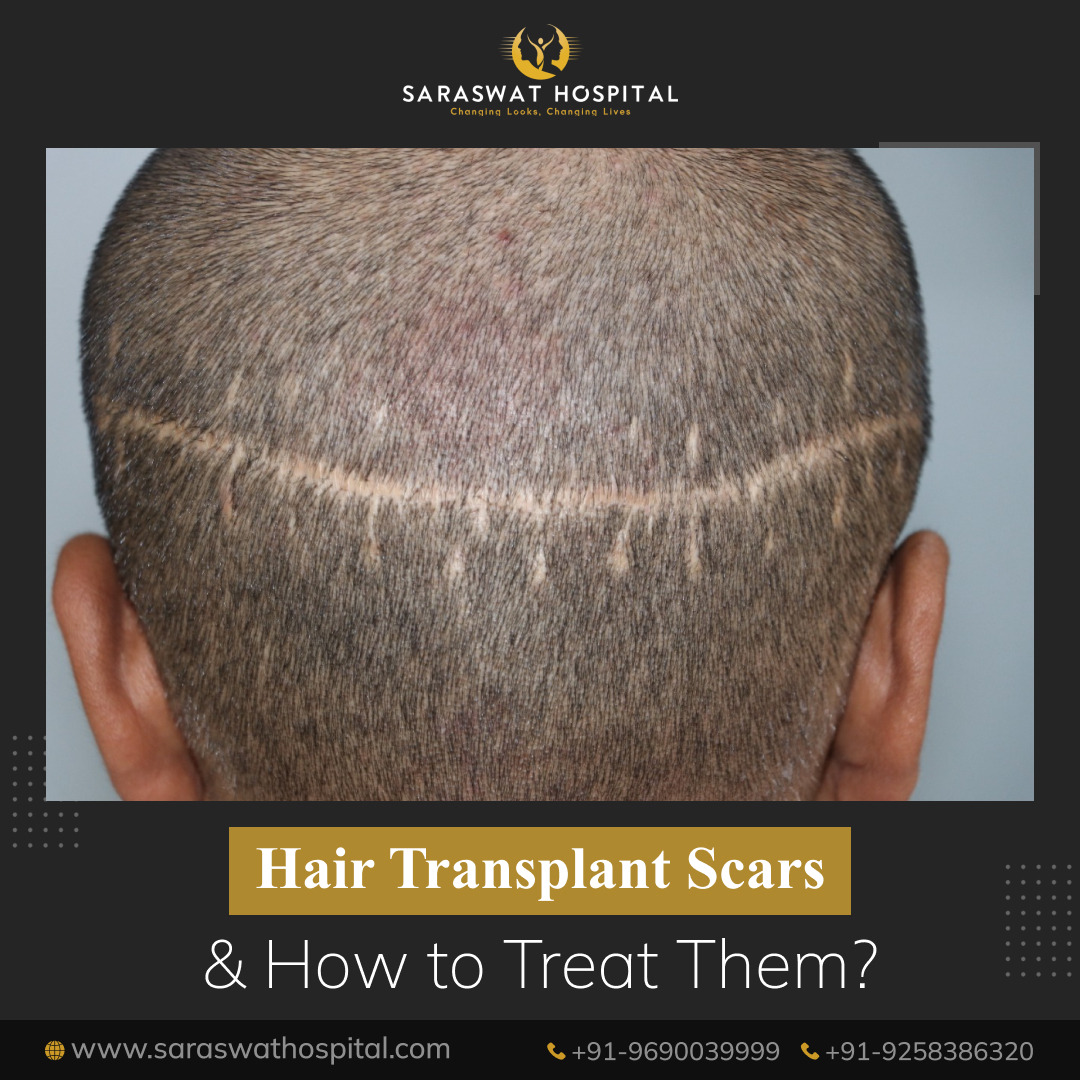
3. Hair Transplant Scar

Thirdly, unnecessary scarring in slit making should never be seen. In order to give more than possible, there are a few clinics that make slits so near that not only did the grafts not survive, but the slits made so near led to scar formation. It is very unfortunate for the patient if it happens.

Wide scars are uncommon, yet they are a possibility as a result of improper surgical technique or poor patient compliance. It may take weeks or months for the scar to mature, leaving the wound’s strength vulnerable to patient activities.

4. Bad Angles and Directions of Grafts

Fourth is bad angles and directions of grafts. When the surgeon makes the slits in the recipient site, they have to take care of the angle of the slits, the direction of the slits, the depth, and the density of the slits. If the density of slits is increased, then instead of beautiful hair growth, an ugly scar appears on the scalp. And if the depth is greater, it may lead to damage to the blood vessels of the scalp and thus jeopardise the nourishment and oxygen needed for proper growth of transplanted hairs, leading to poor growth. If the angle and direction of the slits are improper, it may lead to ugly growth of hair, thus making the result suboptimal and unsatisfactory.
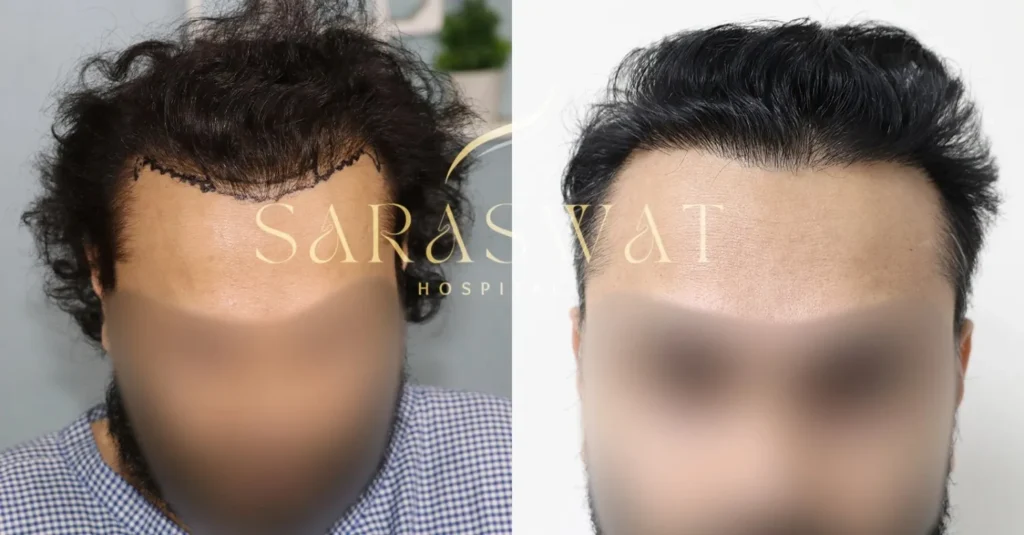
5. Improper Handling of Grafts

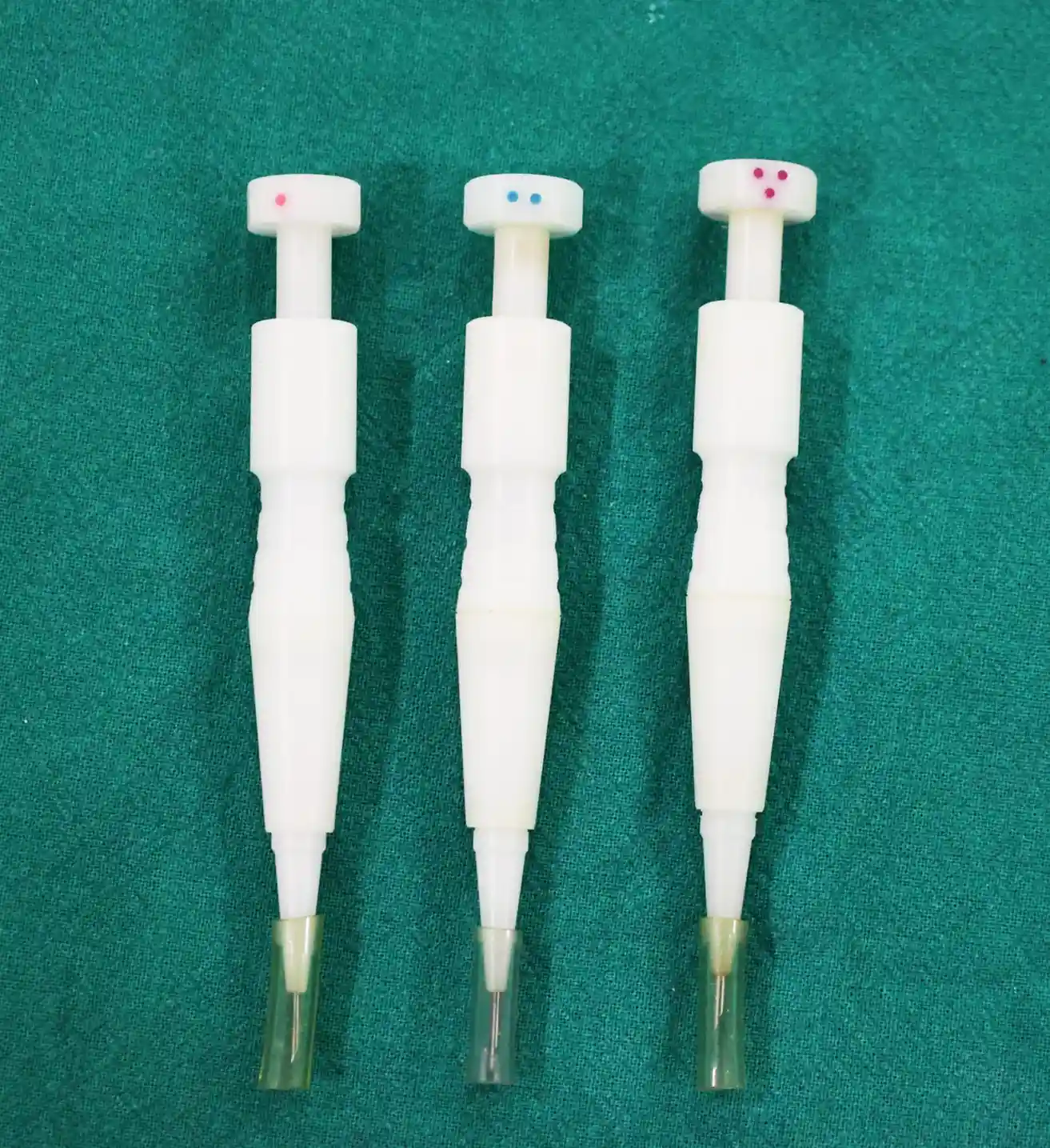
Fifthly, careless insertion of grafts and crushing the roots and stem cell areas can cause microscopic damage even if the grafts appear normal from the outside. Handling hair grafts is as important as harvesting them. Grafts are fragile, and they are live tissue. You need to see that the hair transplantation surgery staff where you are undergoing surgery is trained, skilled, and aware enough to take care of the delicate procedure. At Saraswat Hospital, our ABHRS-certified surgeons always prefer to use advanced tools like Choi implanter pens to avoid graft mishandling.

6. Improper Storage of Grafts

Sixthly, improper storage of grafts. Graft desiccation is the term given to the drying of grafts due to insufficient hydration available for them. Graft desiccation is the number one killer of grafts. In the surgery theatre, if the team is not vigilant enough to keep grafts hydrated at all times, the fans and air conditioning can quickly deplete the grafts of their moisture and thus destroy them.

7. Tests before hair transplant

Pre-procedure workup of the patient should be thorough, as a hair transplant is a surgery. Hence, systemic examination and medical history, surgical history, family history, social history, chief complaints, and everything should be taken into account so that patient selection is good and appropriate.

Check How to Prepare for a Hair Transplant Surgery

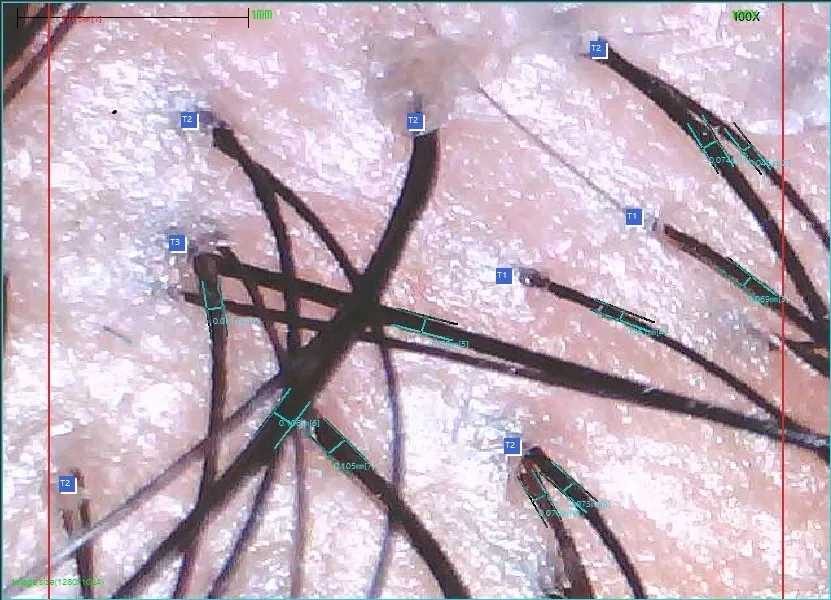
8. Trichoscopy

Trichoscopy, or computerised examination of the hair and scalp, should be done in order to scientifically and accurately observe the grafts at the donor site and make an accurate calculation of the number of grafts needed. For a hair transplant in India, always go for clinics that are equipped with software-based trichoscopy analysis procedures, advanced tools like Choi implanter pens, and so on.

9. Alopecia Areata, Scarring Alopecia

Alopecia Areata, trichotillomania, and scarring alopecia with poor prognosis should not be entertained as they always lead to unsatisfactory results. If the patient is taking medicines for any skin or medical problem, then they must discuss this with the doctor.

10. Long-Term Planning

Loss of hair existing before the transplant may lead to decreased density. This should not be confused with poor growth of transplanted hair. Such patients may need to undergo another session of hair transplantation to achieve the desired density.

These ten points discussed above are all the causes that can lead to a failed transplant. Additionally, there are three particular points the patient must be careful about before they decide to have a hair transplant in India or elsewhere. These are as follows:

  1. Before choosing a surgeon, search for the doctor’s credentials and experience, and then go with the best to get the best possible outcomes.
  2. See that your doctor has done long-term planning for you
  3. Get educated regarding Trichoscopy and set realistic conditions for yourself

Conclusion

Hair transplant procedures, when performed by a skilled surgeon, can successfully restore a natural-looking hairline for a patient. It offers permanent solutions to hair thinning and baldness. At Saraswat Hospital in Agra, we have ABHRS-certified hair restoration experts who have the experience and expertise to perform all kinds of hair transplant surgeries, including a repair hair transplant in India. For positive outcomes, get in touch with our doctors.

Follow us on:- FacebookInstagramPinterestYoutube

What is the Cost of Hair Transplant in Turkey? - Saraswat Hospital

Turkey is a beautiful country. It has some incredible sights to see, amazing landscapes, and delicious cuisine, making it a popular tourist destination across the world. Recently, there has been a trend of a lot of people from Europe, the USA, and the Middle East choosing to have their hair transplant in Turkey. The country has many good doctors who are accredited and credentialed with premium organizations like the American Board of Hair Restoration Surgery and ISHRS members who are doing some great work. In this blog, we will be discussing Hair Transplant in Turkey and the Cost of Hair Transplant in Turkey.

For some time now, we have been seeing a lot of patients who have had their hair transplant done from a clinic in Turkey. Many are also confused about getting hair transplants in India or Turkey. Many times, we have seen that these patients have been promised a very new technique, something path-breaking, which that particular clinic has devised, invented, or improvised to give world-class results. But the results definitely tell us a different story.

Techniques of Hair Transplant

Please remember that there are only two techniques to harvest the roots or the grafts from the donor side. These are FUE (Follicular Unit Excision) and FUT (Follicular Unit Transplantation). Any advancement over these is not possible because then it signifies that another third method has been devised to extract the hair roots.

Check, FUE or FUT: which is ideal for you?

There may be some modifications in the time interval in which the roots that have been extracted are implanted back. Or the grafts or the roots have been preserved in a special holding solution to increase their longevity. Or a different technique has been used to make the slits for the insertion, or a different insertion technique has been used. Please note that all these techniques are in use everywhere in the world, such as hair transplants in India. If a clinic lures you or anyone else with a specialised technique, don’t forget to ask in detail.

Average Cost of Hair Transplant in Turkey

Regarding the cost of hair transplants in Turkey, please note that clinics offer these services from 1500 to 1800 Euros and up to six to seven thousand Euros, depending on the number of grafts and the technique used.

Also, check the per-graft cost of hair transplant in India.

Resources for Hair Transplant Research

If a clinic tells you of some new technique, then make sure to cross-reference those techniques with authentic websites like ISHRS. This is one of the most authentic websites belonging to our parent organization – the International Society for Hair Restoration Surgery.

Factors Deciding the Cost of Hair Transplant in Turkey

The onus is on all of us and the aspiring patients who plan to go for a hair transplant in Turkey to find out the qualifications and the credentials of the doctor who is going to perform the surgery. There are a lot of good doctors who are accredited and credentialed with premium organizations like the American Board of Hair Restoration Surgery (ABHRS) and the International Society of Hair Restoration Surgery (ISHRS members who are doing great work. But please do find out the name of the doctor. It is your right to ask for his or her certifications from the local medical governing council.

The hair transplant cost in Turkey will vary based on whether the doctor or the clinic is well credentialed, using the latest equipment, performing the majority of the procedure himself or herself, using specialized planning techniques like Trichoscopy, has a permanent team, and whether the doctor or the clinic is not doing more than one or two hair transplants a day.

Caution while Deciding on Hair Transplant in Turkey

It is seen that there is a trend where a single clinic is performing multiple surgeries in a single day. It is very surprising that so many procedures are performed on a daily basis in a clinic. This definitely compromises the personalized planning of a procedure with you, quality control, which should be very strict in each hair transplant procedure, and the person who is performing. Many times, it is seen that there are no doctors during the procedure. Please do inquire about all these factors.

Hair Transplant Surgery Packages in Turkey

Do not be impressed by the luring packages of a five-day stay, hotel, pick and drop, and sightseeing. This is something you can definitely plan in a separate way, and Turkey is a beautiful country where you can plan out this thing.

Best Clinics for Hair Transplant in Turkey

Choose a hair transplant clinic in Turkey which is doing procedures in a limited number, ensuring the strictest quality controls, using the best equipment, maintaining transparency about the number of grafts, where the doctors are credentialed and accredited, and there is a permanent team over there. It is also very important to ensure that the doctor has made long-term plans for you.

Sometimes what happens is, if there is a small recession of the hairline in your early 20s, you don’t need to plan out a hair transplant. You can definitely go for a medical treatment as well. If you go for an early hair transplant at an early age and your baldness, because of genetic and hormonal factors, progresses further backwards, then you may have a very odd picture of having the grafts in the front and a bald area behind, and having no or a very limited number of grafts in your donor side because they have been harvested excessively. So, it is very prudent and essential for you to discuss the long-term planning of your hair transplant with your treating doctor, probably multiple times.

Consultation before booking a Hair Transplant in Turkey

Since the time of COVID, a lot of doctors have started giving either free or paid consultations online. The free consultations are generally limited in number and time, and a paid consultation goes on for much longer. So, you can opt for those consultations before actually booking your procedure and traveling to the country.

Conslusion

In conclusion, the above-discussed points should be kept in mind while considering the cost of hair transplant in Turkey. Please choose a good clinic with a good doctor who ensures your hair transplant in a standardized and proper way.

If you choose to go and have a hair transplant in Turkey, it is important for you to get a better understanding of these crucial factors to be kept in mind. You must do due diligence before choosing a hair transplant in Turkey to get the best results post-procedure.

Follow us on:- FacebookInstagramPinterestYoutube

What is the Laser Hair Removal Process & How It's Done?

Do you have unwanted body hair? Are you looking for a long-term solution to get rid of your unwanted hair? Then, laser hair removal is the perfect solution for you. Waxing and shaving only give temporary results. The process has to be repeated every few weeks, which becomes time-consuming as well as costs a lot of money. This is why more people nowadays are opting for the laser hair removal process. The procedure is safe, painless, and effective, which reduces your unwanted hair over time permanently.

In this blog, we take a closer look at what laser hair removal is and its benefits. You will also find a step-by-step guide on how laser hair removal is done.

What is Laser Hair Removal?

Laser hair removal is a simple and straightforward procedure to get rid of your unwanted body hair with long-term results. The laser machine targets the hair roots underneath the skin and permanently destroys them. In the future, the destroyed hair root cannot grow any new hair, thus giving you clear and hairless skin.

At Saraswat Hospital, you can opt for safe and painless laser hair reduction in Agra. We use the latest technology and have skilled doctors to ensure positive and desirable results. Also, our team guides each patient to take proper care of their skin after laser hair removal.

The Benefits of the Laser Hair Removal Process:

  • Saves time
  • Painless
  • Gives precise results
  • Stops hair ingrowth
  • Personalised treatment
  • Cost-effective in the long term

What Laser Is Used for This Procedure?

The laser machine used for the procedure is a Diode Cool-tip machine with a wavelength of 850 nanometres. Diode laser hair removal is good for lighter skin. Another machine that can be used is the Nd: YAG Joy laser with a wavelength of 1064 nanometres, which is good for dark skin. In many cases, a combination of both types of lasers is used.

What is the Laser Hair Removal Process?

Discover the laser hair removal process: marking the area, trimming hair, applying gel, setting machine parameters, delivering targeted laser shots, and applying steroid cream to soothe mild redness for smooth, hair-free skin. The laser hair reduction process follows the steps in precise order.

Step 1: Marking

The intended body area is marked with a red marking pen.

Step 2: Trimming

Trimming is done on this marked area with a zero trimmer.

Step 3: Gel Application

Next, a contact gel is applied between the handpiece and the skin.

Step 4: Machine Parameters

Machine parameters on the laser machine are set to suit each patient.

Step 5: Laser Shots Delivered

Laser shots are delivered to the marked area. Stamp mode is used for small areas, and running mode is used for larger areas. The fluency and frequency of shots depend upon the skin type and the type of unwanted hair. The laser energy delivered in these shots is absorbed by the hair roots, and they get destroyed.

Step 6: End of Procedure

Mild redness is seen where the hair roots are destroyed. This is common, and it should not be taken as a complication.

Step 7: Steroid Crem Applied  

A mild steroid cream is applied for the redness. Once it’s done, it finishes the procedure.

Conclusion

The laser hair removal process is simple and doesn’t require any downtime. But before you decide to go ahead with it, you must clear all your doubts and queries with the doctor. At Saraswat Hospital, we are one of the premium clinics offering laser hair removal in Agra at affordable rates. To get a consult, contact us today.

Follow us on:- FacebookInstagramPinterestYoutube

whatapp icon