

Knowledge about hair growth is relevant for anyone who has plans to acquire healthy hair. If you are interested in stopping hair loss and encouraging hair regrowth, or just want a healthy head of hair, it will help if you know how hair grows. With this blog, we will aim to decode hair growth phases and explain to you all the phases of hair growth, so that you can maintain hair that is in the best possible condition.
How Does the Hair Cycle Function?
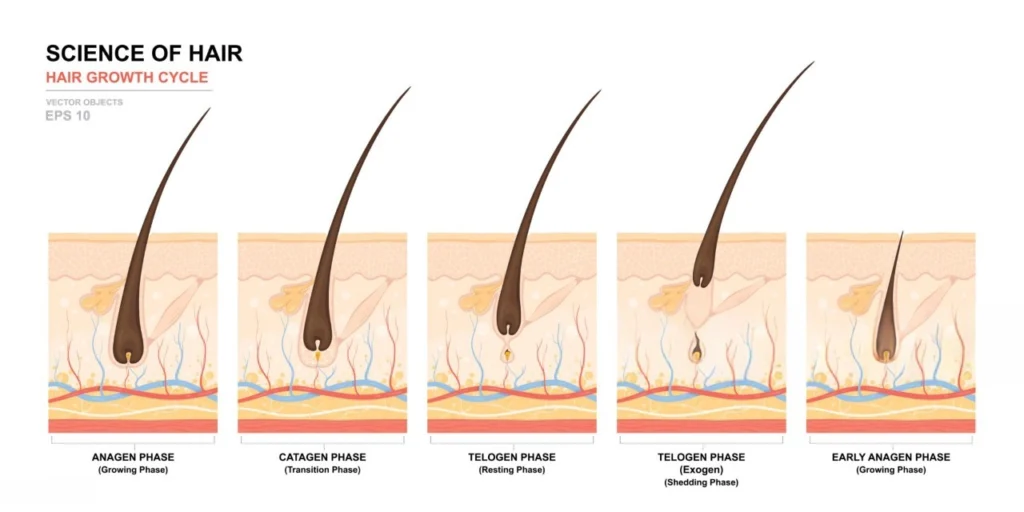
Human hair follicles undergo a recurring cycle of growth, regression, and rest. Clinical data indicate that approximately 85% to 90% of scalp follicles are in the active growth stage at any given time (1). This rhythmic progression ensures that hair density remains stable despite constant shedding. Understanding these biological transitions is the primary step in identifying pathological hair loss. This cycle begins with the most vigorous stage of development.
Hair Growth Phases are Divided into Four Stages:
Hair growth occurs in the hair growth cycle, which is not complicated but is divided into sections. All of these phases are equally important in the wellness and cosmetic look of hair and scalp. It is possible to know what to do to make your hair grow faster, healthier, and stronger through understanding the hair growth phases.
1. The Anagen Phase: The Active Growth Phase
The anagen phase represents the active proliferation of hair matrix cells and lasts between two and eight years. Genetically determined signaling molecules, such as FGF7, dictate how long a follicle remains in this productive state. Patients with longer anagen phases can grow hair to significant lengths, while shorter cycles result in perceived thinning or limited length. Maintaining this phase requires consistent nutrient delivery to the dermal papilla. Once this signaling weakens, the follicle moves into a period of rapid change.
2. The Catagen Phase: The Transitional Phase
Apoptosis-driven regression characterizes the catagen transition phase, which lasts approximately two to three weeks. During this window, the hair bulb detaches from the blood supply and moves upward toward the skin surface. Only 1% of the hair on your head is in this state at any specific moment. This detachment signifies the end of active fiber production. Following this regression, the follicle enters a state of mandatory dormancy.
3. The Telogen Phase: The Resting Phase
The telogen phase is a quiescent period where the hair shaft remains anchored but inactive for about three months. Roughly 10% to 15% of scalp hair occupies this stage under normal physiological conditions. Telogen effluvium occurs when metabolic stress or hormonal shifts force a higher percentage of follicles into this resting state simultaneously. This leads to visible thinning that often alarms patients. The conclusion of this rest leads directly to the physical release of the hair.
4. The Exogen Phase: The Shedding Phase
Exogen is the specific stage of the hair cycle where the old hair shaft is released from the follicle. Normal biological shedding involves the loss of 50 to 100 hairs per day as new anagen hairs begin to emerge (2). If you notice clumps of hair on your pillow or excessive shedding during brushing, it may indicate an asynchronous cycle. This shedding is not a sign of permanent loss but a sign of renewal. Optimizing this renewal process depends heavily on your metabolic health.

Which Nutrients Support Hair Follicle Health?
Serum ferritin and Vitamin D levels correlate directly with the ability of a follicle to re-enter the anagen phase. Clinical studies confirm that Vitamin D receptor expression is essential for follicular regeneration (3).
| Nutrient | Biological Role |
| Biotin | Keratin production |
| Iron/Ferritin | Oxygenation of matrix cells |
| Vitamin D | Anagen initiation |
A deficiency in these key markers often shortens the growth phase prematurely. This leads to a higher frequency of hair entering the final stages of the cycle.
What Causes Premature Hair Cycle Termination?
- Androgenetic alopecia shortens the anagen phase through a process known as follicular miniaturization.
- Elevated levels of Dihydrotestosterone (DHT) bind to receptors in the follicle, causing it to spend less time in growth and more time in rest.
- External stressors like high-heat styling and chemical treatments can also cause physical damage that disrupts the cycle.
- Chronic stress raises cortisol, which is clinically proven to degrade skin elements like hyaluronan and proteoglycans that support the hair follicle.
Mapping Stages of Hair Growth
If you think you are suffering from baldness or hair thinning, it will be very useful for you to get an idea about the stages of hair growth. When a follicle moves to the Catagen or Telogen stage, it is an early shift that can cause hair thinning or hair loss. The Anagen phase offers a chance to actively promote hair growth where it has weakened or stopped.
Understanding the hair growth phase, we can suggest utilizing some treatments at specific phases, which results in healthier hair tips for growth.
Conclusion
If you understand hair growth phases, then you can make better decisions in terms of hair care. In the event you are in a position where you want to avoid androgenetic alopecia, grow out the hair on your head longer, or just fill in the patches with thinning hair, the key thing to understand is the process of hair growth. For consultation and treatment, call us or schedule an appointment with us today for new and healthy hair tips for the best experience!
Sources
(1) Clinical data indicate that approximately 85% to 90% of scalp follicles are in the active growth stage at any given time.
(2) Normal biological shedding involves the loss of 50 to 100 hairs per day as new anagen hairs begin to emerge.
(3) Vitamin D receptor expression is essential for follicular regeneration.
FAQ’s
1. How long does hair grow in the Anagen phase?
The Anagen phase takes between 2 to 6 years, and during this period, the hair can grow to several inches annually.
2. Is it possible to promote healthier hair tips for growth?
Yes! There are various ways to grow hair faster, for instance, eating a healthy diet, protecting hair from heat or chemicals, and applying scalp and hair products that enhance blood flow.
3. What measures should I take to avoid hair loss?
It is advisable to take a diet full of vitamins and minerals, have low levels of stress, and follow a disciplined lifestyle regimen in order to minimize hair loss.
4. What are the symptoms of bad hair growth?
Negative characteristics of any hair growth are a higher hairline, hair loss, and hair growth that is either very slow or completely stagnant.
5. Can hair transplantation be said to be effective?
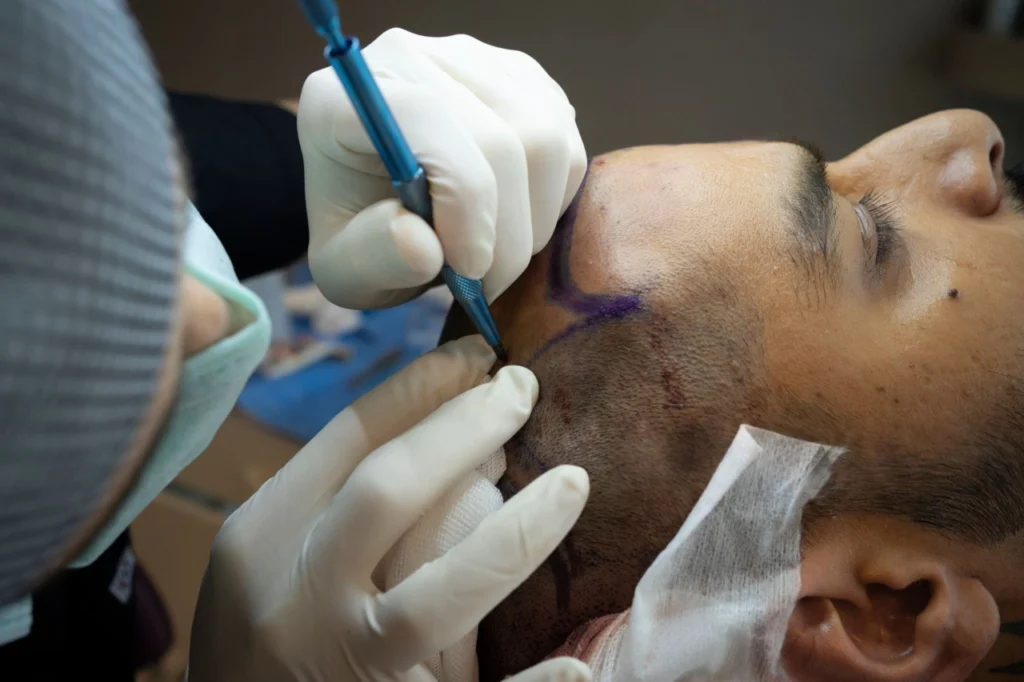
This technique goes hand in hand with growing hair to parts of the head that are devoid of hair roots. Here at Saraswat Hospital, we make use of the latest techniques to obtain the best results.