
Book an
Appointment
Avatar photo

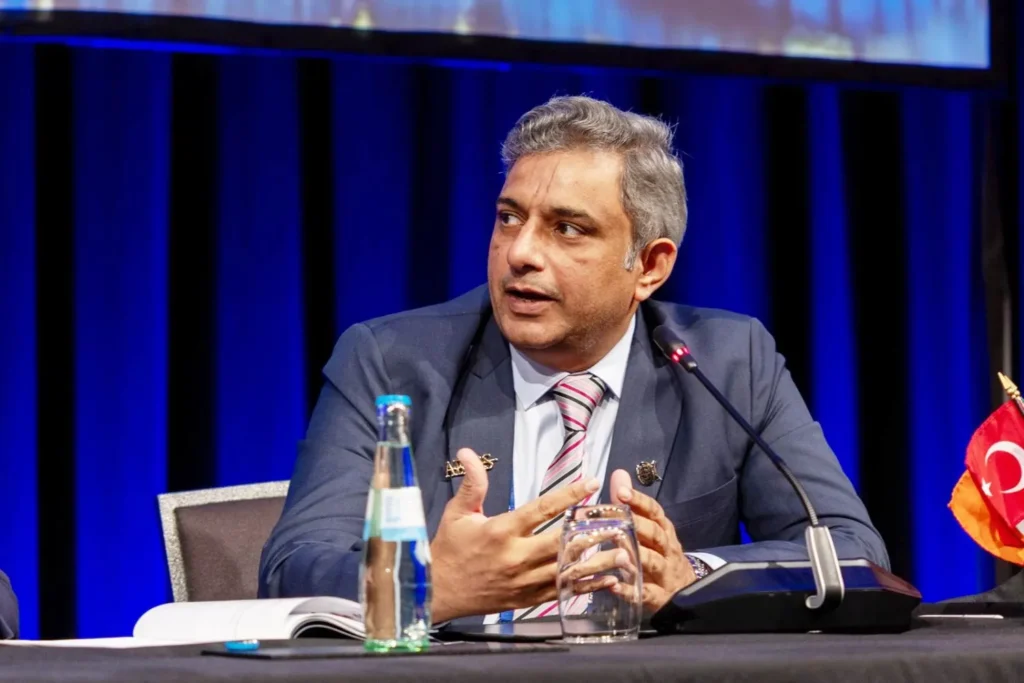
Dr. Satya Saraswat, MBBS, MS, MCh, DNB (Gold Medalist)

Dr. Satya Saraswat, MBBS, MS, MCh, DNB (Gold Medalist), FISHRS, is a cosmetic and plastic surgeon with an experience of over 20+ years and has performed 17,000+ cosmetic and plastic surgeries. He is a Diplomate of the American Board of Hair Restoration Surgery (ABHRS) and Fellow of ISHRS, as he has been continuously attending the International conferences and adopting the latest advancements in hair restoration science, and he has also submitted his research papers. His hands-on involvement ensures a natural hairline and high graft survival.

Articles by Dr. Satya Saraswat, MBBS, MS, MCh, DNB (Gold Medalist)

Top Things to Know Before FUT Hair Transplant in India

Men and women across the world often fall prey to a common condition of genetically induced hair loss – also known as Androgenetic Alopecia. The cause for the same is often attributed to the body’s autoimmune response to the cells that produce hair follicles. While most people take several remedial steps in the form of over-the-counter products, only undergoing an FUE or FUT hair transplant in India can act as a permanent solution.

What is the FUT hair transplant procedure? 

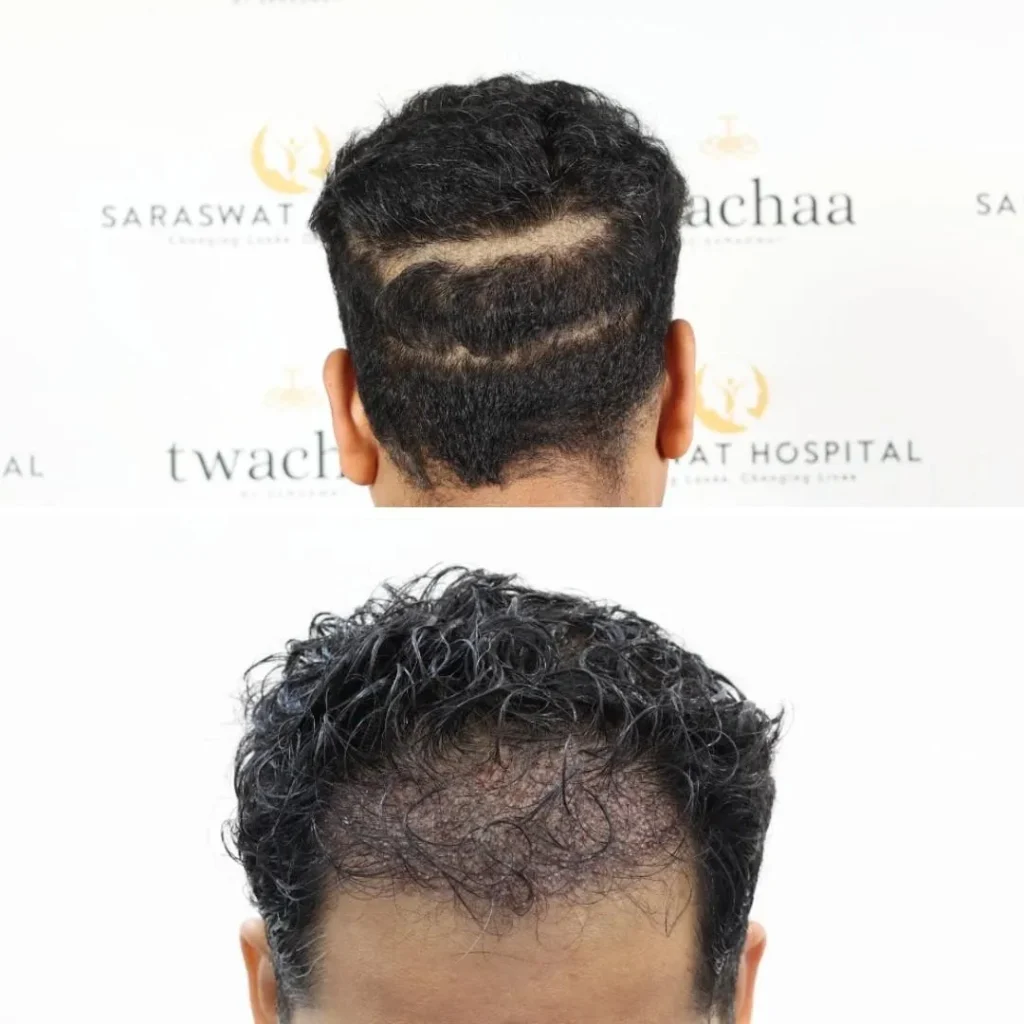
FUT, an acronym for Follicular Unit Transplantation, also known as strip surgery or the Linear Excision Method, is one of the most popular techniques used for hair restoration. Through this procedure, a strip of scalp with healthy hair follicles is extracted from the back or sides of the scalp (whichever is a feasible donor zone), and the area is then sutured in a Trichophytic closure so that hair can re-grow in the area.

The strip of the scalp is taken under a microscopic device to then be slivered into tiny individual follicular units, which are then used for the implantation procedure. The experienced hair transplant surgeon makes small incisions on the recipient zone to form a proper hairline to which the individual grafts are implanted.

Top Factors to Consider Before Undergoing Surgery

The FUT hair transplant in India is a specialized procedure that leaves natural results and thus should always be performed by experts in the field to avoid any botched-up results. However, before undergoing the surgery, you would have to consider several factors that would determine if you are eligible for the same and what the results would turn to become. Some of those factors include:

  • The Cost of Hair Transplant: Undergoing a hair transplant surgery gives everyone life-altering results, and thus, the expense should always be seen as an investment opportunity. As you find the best clinic for the procedure, you must follow thorough research to find the best price for the treatment without compromising on the aesthetic value of the procedure.
  • Qualifications and Expertise of the Doctor: Since the procedure leaves visible results, you must always get in touch with professionals in the field who have had several years of experience, a high success rate, and certifications from specialized international boards. This will ensure that you are operated on using the most advanced techniques, thereby leaving no side effects after the surgery is complete.
  • The Reputation of the Clinic: This falls in line with the reputation of the surgeon performing the procedure. While you decide to undergo such a surgery, you must ensure that the hospital you choose is equipped with the latest machinery and technology, including the after-care facilities, to ensure you get the absolute best service and all-around care there.
  • All all-around Information about the Procedure: As you are opting for one of the biggest surgeries of your life, you must be completely aware of the technique being used for the surgery. Thorough information about the method your surgeon is going to use for the same and the pre and post-surgical instructions you need to follow can help you get absolute clarity from the get-go.

Why Choose ABHRS Certified Doctors?

Saraswat Hospital is run by experienced doctors who are certified by ABHRS (American Board of Hair Restoration Surgery) and are constantly aware of the recent developments in the field of medicine.

Dr Satya Kumar Saraswat is an MBBS with MS, M.Ch, and DNB (Plastic Surgery) degrees to his credit. As a member of several international boards, Dr Saraswat has left his mark in the plastic and cosmetic surgery sector.

Dr Preeti Saraswat is an MBBS with a PGDCC degree from the University of Greifswald, Germany. She is known for the scalp micropigmentation treatments that she has been rendering to her patients over the years. She is also a member of the American Academy of Aesthetic Medicine (AAAM). She is constantly aware of the latest developments in the field by being in touch with several international boards.

Conclusion

When you are opting for aesthetic procedures that leave visible results, it is always better to be safe than sorry. The doctors at Saraswat Hospital have over 20+ years of experience in the field, making them ideal surgeons for FUT hair transplant in India. In case you want to know more about FUT hair transplant, book an appointment today.

Hair Transplant Clinic in India Correct a Failed Hair Transplant

If we look at the statistics over the years, then we will see that around 80% of the recently transplanted hair will fully grow into a strand of hair within the first few months if the surgery is performed by experts. However, if you visit inexperienced doctors for the treatment, the results might not be as fruitful as you want them to be. With recent advancements in medicine, ABHRS-certified doctors in India actively perform hair transplant repairs to reverse the effects of a failed transplant. How? Let’s find out!

What do you mean by a Failed Hair Transplant?

Hair transplant offers the best solution for those with Androgenetic Alopecia. In this procedure, surgeons extract healthy follicles from a part of the scalp with thicker hair growth and graft them to areas with thinning or balding. The results typically appear within 2 to 3 months. However, if no results are shown by the 4th month, the transplant is considered a failure.

What are the reasons for a Failed Hair Transplant?

Hair transplant, to speak of, is traditionally a painless procedure performed only after administering local anaesthesia to the patient. Some of the reasons why you may suffer from a failed hair transplant, however, are as follows:

  1. Inexperienced Doctors: It is natural for you to search on the internet and opt for the services that offer cheap deals. But, as the saying goes, all that glitters is not gold, and so, going for cheap deals wouldn’t guarantee the best results. Inexperienced surgeons wouldn’t be aware of the correct procedures and thus expose you to scarring and infections.
  2. Insufficient Post-Treatment Care: A crucial part of getting the best results out of hair transplant surgery is the post-operative care that you receive from the surgeons. If you don’t follow the instructions properly or the clinic doesn’t give you clear protocols, there are high chances of you landing with a botched-up result.
  3. Dormant Hair Follicles: The key to a successful hair transplant is the health of the donor follicles used to perform the surgery. If you have dormant hair follicles that don’t have the strength to grow new hair, and yet the doctor uses them for the procedure, the results, needless to say, would be disastrous.

Common Signs of a Failed Hair Transplant

As we understand now, if you consult less skilled doctors for hair transplant surgery, you may face two common issues: an unsightly appearance from hair plugs and progressive hair loss later. The indicative signs of a failed hair transplant include:

  1. Ridging on the hairline.
  2. Wrong angular direction.
  3. The low density of the results.
  4. Lack of an aesthetic look at the treated area and the hairline.
  5. Prominent scarring on both the donor and recipient areas.
  6. No sign of hair growth after a few months of post-surgery.
  7. Unnatural results due to the use of larger grafts for the procedure.

Idea Techniques of Hair Transplant Repair in India

Hair transplant repair, performed by ABHRS-certified doctors in the field, is the ideal way to reverse the effects of a botched-up surgery. This procedure is performed by the doctors, customized according to the current condition of the patient, to get the best results, and might primarily include three of these techniques:

  1. Scalp Revision: This procedure includes scalp micropigmentation or SMP to cover the unsightly appearance of scars on the scalp due to the failed surgery by tattooing pigments on the area in small dots.
  1. Hairline Restoration: This procedure includes a second round of hair transplant surgery to restore the natural look of the hairline. Professionals might also extract donor hair from other parts of the body if the donor site in the scalp is depleted.
  2. Wrong Graft Extraction: This procedure includes the extraction of the wrong grafts placed, resulting in a haphazard plug-like appearance to even out the scalp and leave a natural look for the patient.

Why Get in Touch with Experienced Professionals at Saraswat Hospital?

Saraswat Hospital, as the no. 1 hair transplant clinic in India, is run by professionals certified by the American Board of Hair Restoration Surgery (ABHRS), and with over 20+ years of experience, they ensure customized services for every patient

Conclusion

You don’t have to panic if you see disastrous results from a previously undergone surgery, as it is, more often than not, damage that can be fixed as you visit our clinic. Book an appointment now to fix your failed hair transplant and get the best outcome.

Follow us on:- FacebookInstagramPinterestYoutube

Male Pattern Baldness FAQ's

Hair loss is known to be an extremely common issue that both men and women face over the years, due to several reasons. The condition is also most prominently seen in men than in women and can affect them at a very young age. However, the ideal way to solve the problem permanently is to consult a doctor in a timely manner. So, today, let’s find out the frequently asked male pattern baldness questions and how undergoing a hair transplant surgery can help with the same.

Define Male Pattern Baldness

Male pattern baldness, also known as male pattern hair loss, results in the gradual loss of hair from the scalp. Commonly seen in men, this can often lead to bald spots or balding and is usually genetic. There are several over-the-counter drugstore products that claim to solve the condition, but most of them only give temporary solutions and have side effects. A permanent solution to the same, however, is in the form of the best hair transplant in India.

What Causes Male Pattern Baldness?

It is seen that around 95% of hair loss is caused by genetics and is known as Androgenetic Alopecia. Exposure to the harmful rays of the sun, extreme levels of stress, and a haphazard lifestyle can also act as extra elements that aid the process. The condition, however, is permanent, and one must always choose a permanent solution to the same as well.

When Do the Male Pattern Baldness Symptoms Start?

Male pattern baldness, typically, can be seen in men in the age group of 40 to 90. However, men in the young age group of 20 to 30 can also suffer from pattern baldness, especially since it is genetic. The problem, though, is gradual, and even when it first affects the hairline, it can recede to varying degrees. As you visit a professional undergoing a hair transplant surgery, he or she would be able to tell you the exact stage of your hair loss based on the Norwood-Hamilton scale. Women might also face hair loss, but most of the time, it shows as thinning and not complete baldness like men.

How can Hair Transplant Surgery help with the Condition?

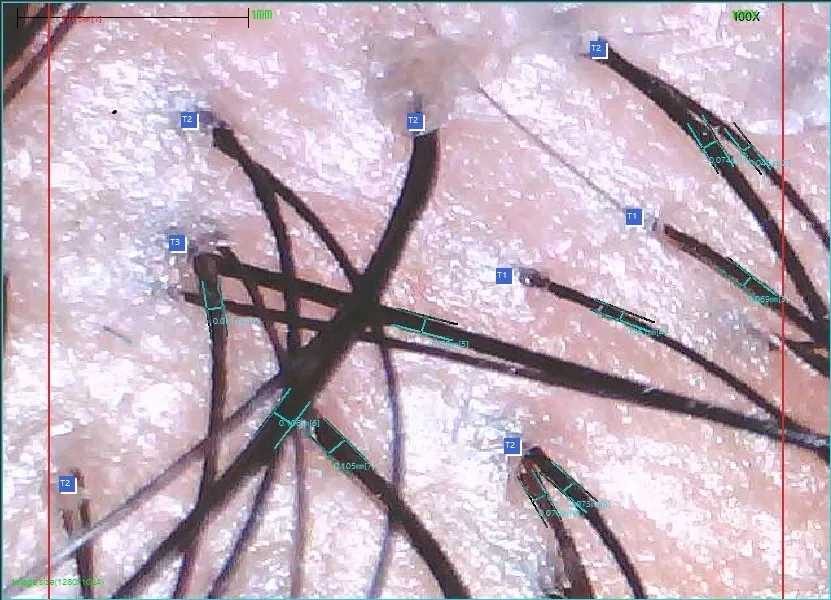
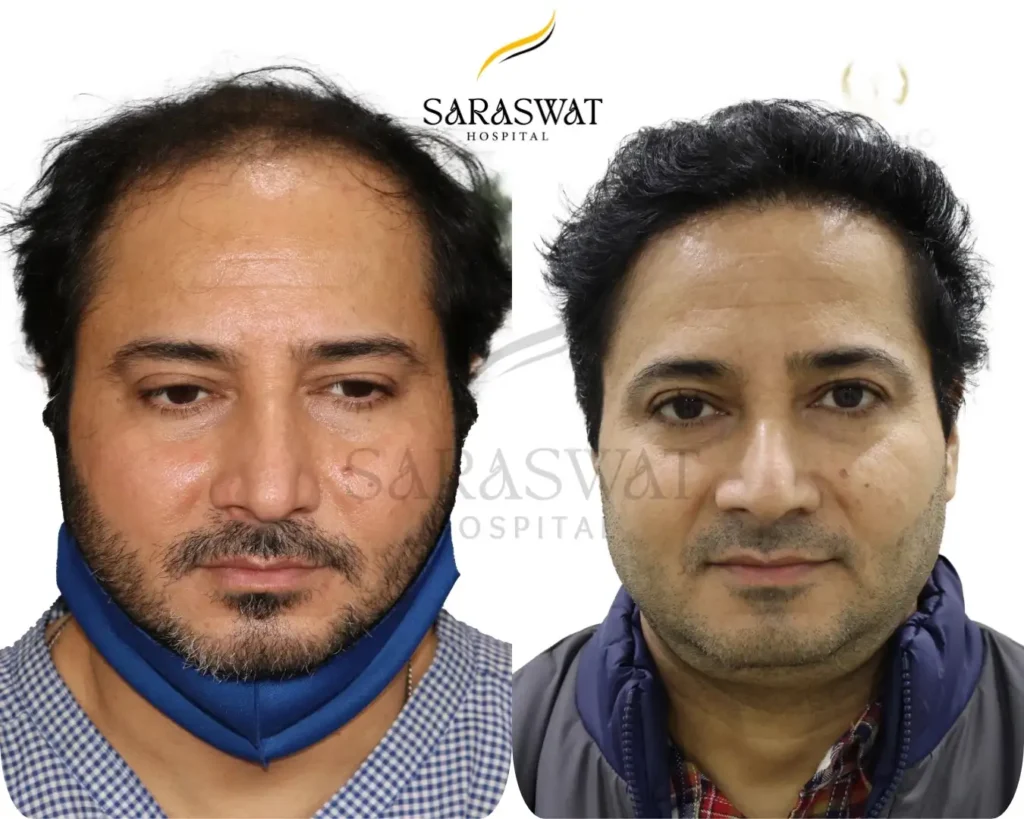
The best hair transplant in India, performed by experts, is a technique used to extract healthy hair follicles unharmed by the effects of pattern baldness from one part of the scalp and implant them in the balding site. Experts ensure that the implantation is done in a way that the new hair growth from the recipient site looks natural. Depending on the results of the Trichoscopy analysis, a customized plan is curated for each patient. Since the procedure involves implanting healthy hair follicles to the recipient site, the results are permanent, leaving you with a head full of hair.

Why Consult The Best Hair Transplant Doctor in India for the Surgery?

Saraswat Hospital is one of the most widely known places run by one of the best hair transplant doctors in India. Certified by the American Board of Hair Restoration Surgery (ABHRS) and FISHRS with over 20+ years of experience, they ensure customized services for every patient.

Conclusion

Male pattern baldness is a problem that can cause a lot of men to become under-confident with very low self-esteem if not treated at the right time. Saraswat Hospital, as a centre known to provide the best hair transplant in India, can provide customized services to all patients. The excellent after-care team and the use of modern equipment to perform the surgeries ensure natural-looking results in no time. In case you want to know more, feel free to book an appointment with Saraswat Hospital today.

Follow us on:- FacebookInstagramPinterestYoutube

Pre and Post Holi Skin and Hair Care Tips and Tricks

The festival of colours, usually played with buckets of water and dry gulal, can create a lot of havoc for your skin and hair if you don’t care for them properly. The harsh chemicals in synthetic colours can lead to dryness, irritation, breakouts, and even hair damage. That’s why following Holi skin and hair care tips before and after the celebrations is essential to keep your glow intact.

It is always advised to celebrate the festival with herbal colours, ensuring that your skin and hair are safe from the after-effects, but we often don’t have the option of buying them, and often indulge in non-certified products. These products contain harmful chemicals that can not only cause hair fall but also irritate your skin, stripping away all the moisture and leaving redness on the body. So, how can you take care of yourself? In this blog, we’ll share detailed Holi skin and hair care tips to protect and rejuvenate your skin and hair during this festive season.

Top Things to Do Before Celebrating Holi

First off, you need to start with clear skin to make the most of your celebration. If you want to get rid of the unwanted hair on your body and are looking for razors and wax strips, stop right there. These might leave after-effects such as a burn or cut marks, which might irritate even more when exposed to the colours of the festival. Instead, book a consultation for laser hair removal and permanently remove the hair so that you can enjoy the festival tension-free. Don’t forget to apply a thick layer of sunscreen before going out in the sun to celebrate.

Pre-Holi Skin Care Tips

1. Moisturize Well

One of the most important Holi skin and hair care tips is to lock in moisture. Apply a thick layer of moisturizer or coconut oil before stepping out. This creates a protective barrier, preventing colours from penetrating deep into the skin.

2. Use Sunscreen

Since Holi is usually played outdoors, apply a broad-spectrum sunscreen with at least SPF 30. This is among the top Holi skin and hair care tips to prevent tanning and sun damage.

3. Protect Sensitive Areas

Areas like lips, under-eyes, and nails are more prone to damage. Apply lip balm with SPF, petroleum jelly under your eyes, and coat your nails with clear nail polish to keep them safe.

4. Choose Comfortable Clothing

Full-sleeve cotton clothes protect your skin from direct exposure to colours and sunlight. This simple trick is one of the most effective Holi skin and hair care tips to minimise skin irritation.

Pre-Holi Hair Care Tips

1. Oil Your Hair

Oiling your hair is one of the best Holi skin and hair care tips for preventing damage. Coconut or olive oil creates a protective shield against chemicals and prevents dryness.

2. Tie Your Hair

Keep your hair tied in a bun, braid, or ponytail. This reduces exposure to harmful colours and minimises tangling.

3. Cover Your Head

Wearing a scarf or cap is a practical Holi skin and hair care tip that provides extra protection from colours and harsh sunlight.

Post-Holi Skin Care Tips

1. Gentle Cleansing

After Holi, avoid using harsh soaps. Instead, go for mild cleansers and lukewarm water. This gentle step is a must in Holi skin and hair care tips to remove colors without stripping natural oils.

2. Exfoliate Carefully

Don’t scrub aggressively. Instead, exfoliate lightly with natural scrubs like oatmeal, curd, or besan to remove leftover colors.

3. Hydrate Your Skin

Colors often leave your skin dry and flaky. Moisturize with aloe vera gel, shea butter, or hyaluronic acid-based creams—another vital part of Holi skin and hair care tips.

Post-Holi Hair Care Tips

1. Shampoo with Care

Use a mild sulfate-free shampoo to wash away the colors. Rinse your hair thoroughly and follow up with a nourishing conditioner. This is one of the golden Holi skin and hair care tips for maintaining healthy hair.

2. Deep Conditioning

Colors can cause hair dryness and breakage. Apply a hair mask or natural conditioner like yogurt or egg to restore lost moisture.

3. Avoid Heat Styling

After Holi, avoid using hair dryers, straighteners, or curlers. Giving your hair time to heal naturally is one of the smartest Holi skin and hair care tips.

Why contact certified professionals at Saraswat Hospital?

Saraswat Hospital is one of a kind, a Plastic, Cosmetic & Hair Transplant surgery centre led by two ABHRS-certified doctors in the country. With over 20+ years of experience in the field and certification from several international boards, the doctors have a team of specialized professionals to assist them through all surgeries and treatments.

Conclusion

As the festival of colours, Holi has a special place in the hearts of all Indians, and you deserve to celebrate it without having to think much about how your hair or skin would react. Following these Holi skin and hair care tips before and after the festival will keep your skin glowing and your hair healthy, even after exposure to colors. Book an appointment with the team for more details.

Follow us on:- FacebookInstagramPinterestYoutube

Choi Implanter Pen help with Hair Transplant Surgery in India

Hair transplant surgery in India is the ideal solution for those suffering from hair loss in the form of Androgenetic Alopecia (in simple terms, genetic hair loss). While there are several techniques that work towards providing the most natural-looking results for the treatment based on the results of the Trichoscopy analysis, industry-trained and experienced professionals always use the best equipment to provide such outcomes. The most popular device used for implanting the hair to the recipient site, however, is the Choi Hair Transplant Implanter Pen.

How is Hair Transplant Surgery Performed?

The word ‘transplant’ usually refers to taking something from one healthy source and implanting it into another requiring destination. Taking this concept forward, the best hair transplant in India involves extracting healthy follicles from donor scalp regions and implanting them carefully. This procedure is generally performed through two advanced techniques: Follicular Unit Transplantation (FUT) and Follicular Unit Excision (FUE), respectively. Each method utilizes its distinct follicular graft extraction process, making it suitable for different patient conditions and personalized treatment requirements. During professional consultations, surgeons typically prefer using the Choi Implanter device, ensuring smoother placement and achieving more effective hair restoration.

What are the Uses of the Choi Implanter Pen?

The Choi Hair Implanter Pen is a device featuring a hollow needle, plunger mechanism, and tube for simultaneous implantation. The physician begins the procedure by placing follicular grafts into the hollow needle tip of the pen, carefully using forceps. Next, the surgeon inserts the needle into the patient’s scalp at an angle corresponding to natural hair growth for accuracy. Simultaneously, the surgeon presses the plunger to release and implant the graft into the incision site created during insertion.

Each of these Choi Implanter Pen devices comes in various sizes that fit either single, double, or triple follicular unit grafts at once, and at one time, somewhere between two to six such pens are used together during the procedure. Professionals also use a holding solution to preserve the donor grafts in the meantime. This takes away the extra step of creating the implant sites before the procedure and thus makes it faster to perform.

What are the Benefits of Using the Choi Implanter Pen?

When it comes to performing hair transplant surgeries with the help of the Choi Implanter Pen, you get several advantages, and that includes:

1. Adequate survival rates of the graft
2. Decreased bleeding when the recipient site is being prepared
3. Reduced trauma when the graft is being handled
4. A significant decrease in the time of surgery

Why Should You Contact ABHRS Certified Experts for Hair Transplant Surgery?

Saraswat Hospital is one of the most widely sought-after centres that aim to be the best place for hair transplant in India and uses the Choi Implanter Pen. The two doctors at the helm of all surgeries at the centre are certified by the American Board of Hair Restoration Surgery (ABHRS), ensuring the best and most customized services for the patients.

Conclusion

Hair transplant is the ideal solution to Androgenetic Alopecia that leaves visible, natural-looking results when performed by professionals. The advancement of technology over the years has given rise to several new pieces of equipment in the field, and the Choi Implanter is one of the most resourceful ones for hair transplant surgery. In case you want to know more about the surgery, book a consultation with the experts regarding the same. Feel free to get in touch with Saraswat Hospital today.

Follow us on:- FacebookInstagramPinterestYoutube

How are the Hair Follicles Inserted During Hair Transplant India

Hair Transplant Surgery is a permanent solution for those suffering from hair loss because of Androgenetic Alopecia. Performed by experts who extract healthy hair follicles from the patient’s scalp and transplants them to the balding area, the hair transplant results in India look natural. However, most patients who are about to undergo the procedure are often worried about how the surgery is performed in real-time, and why they do not see the results in a few months. Well, this blog will explain the process of extracting donor follicles and implanting them into the recipient site to get the best hair transplant results in India.

Understanding Hair Transplant Basics

A hair transplant is a surgical procedure where hair follicles are taken from one part of the body (usually the back of the scalp) and transplanted to thinning or bald areas. India has gained international recognition for offering world-class treatments at affordable costs, making it a top choice for medical tourism.

Anatomy of Hair Follicles

Each follicle is more than just a strand of hair—it’s a tiny structure with roots, glands, and growth cycles. Understanding its anatomy ensures surgeons preserve its viability during extraction and insertion, resulting in natural regrowth.

The Two Main Hair Transplant Methods

FUE Method Explained

Follicular Unit Extraction (FUE) involves removing individual hair follicles directly from the donor area. Once extracted, each follicle is prepared and then inserted into the recipient site. The surgeon carefully places them at precise angles to mimic natural growth.

FUT Method Explained

In Follicular Unit Transplantation (FUT), a strip of skin with hair follicles is removed from the donor area. The strip is dissected into individual follicular units under a microscope before being inserted into the thinning area.

How is the hair extracted and inserted during the procedure?

Hair transplant surgery is performed in two major techniques, depending on the condition of the patient and requirements: FUT (Follicular Unit Transplantation) and FUE (Follicular Unit Excision). Each of these techniques has a specific method of graft extraction and insertion.

Once the hair transplant procedure begins, the area is numbed using local anaesthesia, and then donor tissue is removed from the scalp (when it comes to the FUT technique). By a team of skilled technicians, the individual follicular units are then extracted from the tissue under a stereomicroscope, and only then are the units inserted into the recipient balding site.

When the follicular units are dissected from the donor tissue, the technicians then place them in a saline solution prepared at an ideal temperature to ensure that the small grafts can also survive. The surgeon then moves on to make small incisions in the recipient area using a specialized instrument to achieve the desired results. In the FUE method, however, individual follicular grafts are directly extracted from the donor site using a round low-torque low-RPM sharp punch device before placing them into the saline solution.

Choi Implanter Pen

The direction of hair growth, both at the crown and the front line, is vital during this stage, and that is why only doctors who specialize in hair transplant are supposed to perform this step. The angle at which the follicles are placed plays a massive role in how the results will turn out once the recovery period is over. These incisions would lay out the design that the doctor has created, and the surgical team then places each graft in its designated area as fast as possible. Since the patient is awake the entire time because of the local anaesthesia, he or she can see the procedure through and even read the number of grafts required for the same on a computerized machine attached to the device.

A Choi Implanter pen is used for delicate and complex procedures that are designed to give a new look to the balding scalp by restoring the naturally growing hair. The implanter is a pen-like device that combines the act of implantation of the extracted graft and making incisions into the recipient area into one swift motion. The device features a hollow needle that is attracted to a plunger apparatus and tube to provide the best results. Forceps are used to place the graft gently into the hollow needle, and then the surgeon inserts the same at the appropriate angle in the scalp to implant the graft with the plunger.

Why should you consult ABHRS-certified surgeons of Saraswat Hospital?

Saraswat Hospital is a one-of-a-kind, ethical, and safe clinic that specializes in hair transplants in India. With state-of-the-art equipment and the skill to use modern technology, the surgeons at the hospital are certified by the American Board of Hair Restoration Surgery (ABHRS) and other international boards to provide the best surgery to all patients.

Dr Satya Kumar Saraswat is an MBBS, DNB, M.Ch., and MS, with a Gold Medal from the Honorable Health Minister of India for his outstanding work in the field of medicine. As one of the handful of doctors eligible to perform the UGraft™ punch method to provide better results during hair transplant surgery, Dr Saraswat also works with several celebrities and performs repair hair transplant surgery on patients.

Dr Preeti Saraswat is an MBBS with a PGDCC degree from the University of Greifswald, Germany. She is known for the scalp micropigmentation treatments that she has been rendering to her patients over the years. As a member of the American Academy of Aesthetic Medicine (AAAM), she is aware of the latest developments in the field.

Conclusion

Understanding how the process works is one of the first steps to getting the best hair transplant results in India. As a patient, you will then be able to know what the doctor is doing at every step and have a better understanding of your surgeon as well. To ensure excellent results at a quicker recovery time, the team at Saraswat Hospital also offers complete after-care support for the patients, coupled with regular appointments to be updated about the current condition. In case you want to know more about the services or book a consultation with experts to treat hair loss, get in touch with Saraswat Hospital today.

FAQs

1. How long does hair follicle insertion take?
It depends on the number of grafts, but the process can take 4–8 hours in a single session.

2. Does the insertion process hurt?
No, local anesthesia is used, making the procedure painless. Some mild discomfort may occur afterward.

3. What tools are used during follicle insertion?
Common tools include the Choi Implanter Pen, sapphire blades, and fine needles for precise placement.

4. How soon will transplanted hair start to grow?
New hair growth begins around 3–4 months post-procedure, with full results visible within 9–12 months.

5. Is hair follicle insertion in India safe?
Yes, when performed by certified and experienced surgeons, it is safe and yields excellent results.

Follow us on:- FacebookInstagramPinterestYoutube

What is the Correct Way to Sleep after Hair Transplant Surgery?

Modern-day hair transplant surgeries are minimally invasive and an outpatient procedure where the patient is free to go home after the operation. If you choose the no. 1 hair transplant clinic in India, you get a safe, more effective surgery that leaves natural-looking results and a quicker healing process. However, from your end, the one thing that you would have to do to ensure that the recovery process is smooth is to maintain all the post-treatment instructions given to you by the professionals. One of the most important aspects of recovery is understanding the correct way to sleep after hair transplant surgery. Sleeping improperly can disrupt the healing process, damage newly transplanted grafts, or lead to complications. This blog will guide you through the best practices for sleeping after a hair transplant, ensuring optimal results.

Why Sleeping Position Matters After a Hair Transplant?

After a hair transplant, the scalp is highly sensitive, and the newly implanted hair follicles are delicate. Incorrect sleeping positions can cause pressure, friction, or swelling, which may dislodge grafts or hinder healing. Proper sleep posture helps:

Protect the grafts: Ensures the transplanted follicles remain secure.

Minimize swelling: Reduces fluid buildup in the scalp or face.

Promote healing: Allows proper blood circulation to the scalp.

Prevent discomfort: Reduces irritation or pain in the treated area.

By following the correct way to sleep after hair transplant surgery, you can significantly improve your recovery and the overall outcome of the procedure.

The Correct Way to Sleep After Hair Transplant Surgery

Here are the key guidelines to ensure you sleep correctly during the recovery phase:

1. Sleep with Your Head Elevated

For the first 7-10 days after surgery, it’s crucial to sleep with your head elevated at a 45-degree angle.

2. Sleep on Your Back

The correct way to sleep after a hair transplant is on your back, with your head facing upward.

3. Use a Clean, Soft Pillowcase

Hygiene is critical after a hair transplant to prevent infection. Use a clean, soft pillowcase made of cotton or a similar breathable material.

4. Avoid Touching the Transplanted Area

While sleeping, you may unconsciously touch or scratch your scalp. To prevent this:

  • Keep your hands clean and avoid touching the scalp unnecessarily.
  • Consider wearing a loose, breathable head covering (if recommended by your surgeon) to protect the area.
  • Use a neck pillow to limit head movement during sleep.

5. Follow Your Surgeon’s Instructions

Every hair transplant procedure is unique; therefore, your surgeon will provide specific guidelines based on the technique used, such as FUE or FUT, and your individual case. Consequently, you should always prioritize their advice to ensure the correct way to sleep after hair transplant surgery.

Tips for Better Sleep Post-Hair Transplant

  • Stay hydrated: Drink plenty of water to support overall healing.
  • Avoid alcohol and smoking: These can impair blood flow and slow recovery.
  • Use prescribed medications: Take any prescribed painkillers or anti-inflammatory drugs to manage discomfort and help you sleep better.
  • Maintain a calm sleep environment: Keep your bedroom cool, quiet, and dark to promote restful sleep without disturbances.

Additional Tips to Sleep after a Hair Transplant Procedure

The recovery period, after undergoing a hair transplant, is typically unproblematic as you maintain a thorough aftercare routine. The one common concern that most people share about the same, however, remains the best position to sleep in to ensure no hair follicles get damaged. You will have to ensure that there is no added pressure to the newly implanted follicles so that they can grow at their natural rate without any problem. If there is any pressure on the follicles, there is a high chance of you ending up with a botched-up transplant result. Now, let’s find out the top things you need to take care of as you go to sleep after the procedure:

Choose the Right Position

At least for a week after the surgery, you need to ensure that you sleep with your back and head slightly elevated above the rest of your body. The first few nights have the highest risk of swelling, and the elevation would speed up the recovery process. In case you are lying on your back, keep your head on top of a soft pillow, and try not to toss or turn much during sleep.

Maintain Cleanliness

Since you are undergoing a procedure on your scalp, you need to be extra careful with the way you clean your sheets, pillowcases, and even your bed to avoid any infection or other risks to the incision sites. To ensure that your scalp doesn’t get irritated or too sweaty, use comfortable materials for your sheets and pillowcases, and always wash them with a detergent that doesn’t have allergens.

Cover the Pillow with a Towel

In the post-operative phase, you might find some leakage from the scalp on the pillow or sheets. As you cover your pillow with a cloth or a soft towel, you can rest assured that the bedding won’t be spoiled by stains from the leakage.

As you undergo a hair transplant in Agra, you may have to wait for around 10 days before returning to your normal activities or routines. This is because the hair grafts and incisions require a minimum of 7 days to heal once operated on. To be on the safer side, however, you can give around 14 days for the newly transplanted grafts to be securely rooted to the recipient site before you move on to resuming your normal routine.

Conclusion

Mastering the correct way to sleep after hair transplant surgery is a vital part of ensuring a successful recovery and achieving the best possible results. One of the most important things that you would have to note about undergoing a hair transplant surgery is visiting an experienced doctor for the procedure. This would ensure that you have a qualified team of experts looking after your recovery time, thereby giving you the desired results. Saraswat Hospital has a team of professionals skilled to take care of your after-hair-transplant requirements. Book an appointment with the doctors to find the best solution for your hair and get the desired result.

Follow us on:- FacebookInstagramPinterestYoutube

Ideal Age for Hair Transplant Surgery in India

Hair loss can be considered to be one of the most common problems faced by men and women across age groups, all over the world. The cause of the same is typically genetics leading to Androgenetic Alopecia, and external conditions such as pollution, stress, or bad food habits can temporarily escalate the problem as well. The bald patches on your head and the thinning usually start becoming visible as early as the twenty-something age group, and there is nothing that you could blame for the same. Discover the ideal age for hair transplant in India. Learn why ages 25–45 offer the best results, and understand the benefits and factors to achieving natural and long-lasting results.

What is a Hair Transplant Surgery?

First off, to be on the same page before we move any further, let us talk about what hair transplant surgery is all about. In this surgery, safe donor hair follicles are extracted from a part of your body, which, more often than not, is the back of your head. These hair follicles are then harvested and implanted into the balding (recipient) area. Following the procedure, done in a myriad of techniques, depending on your current condition, patients face a period of shock-loss, and the newly implanted hair starts growing in its natural hair growth rate.

Two of the most common techniques used for hair transplant surgery include Follicular Unit Excision (FUE) and Linear Excision Method or Follicular Unit Transplantation (FUT). In the former, a low-torque device with a low RPM is used to extract the donor follicles from the scar and then implanted into the pre-made incisions on the recipient site.

In the latter, a strip of scalp bearing healthy hair is taken from the donor area, which is then slivered into individual donor follicular grafts and then implanted into the recipient site. The donor site is then stitched in a Trichofiblic closure so that hair can grow around it. Along with these, hair transplant surgery can also be performed in a combination (FUT+FUE), Bio-FUE, Body Hair Transplant, Special Area Transplant, Repair Hair Transplant, and Long Hair Transplant techniques.

Ideal Age for Hair Transplant Surgery?

While there is no strict age limit, most surgeons agree that the ideal age for a hair transplant falls between 25 and 45 years. To put things simply, there is no specific age factor that is considered when it comes to hair transplant surgery. According to several studies, the results of the surgery are highly effective when the patient is above the age of forty because by then, the baldness has settled in, and there is no progression. However, if you are more than 20 years old and are rapidly losing hair, you can contact a doctor for an assessment. Even though the transplant surgery is a permanent procedure, the young patients with progressing hair loss undergoing the same might have to opt for another session in a few years if they start seeing balding from a different part of the scalp.

Every patient, irrespective of their age, has to undergo a Trichoscopy Analysis, which is a computerized software-based procedure that determines factors such as:

  1. The number of grafts present on the scalp.
  2. The number of grafts that can be extracted from them.
  3. The area to be covered during the transplant surgery is in square centimeters.
  4. The number of grafts required to reach the desired density from the procedure.

Understanding the Basics of Hair Transplant

A hair transplant is a minimally invasive procedure in which hair follicles are extracted from the donor area (usually the back or sides of the scalp) and transplanted to balding or thinning areas. While this treatment can restore a fuller, more youthful appearance, the success depends on factors such as hair loss patterns, donor hair quality, and, most importantly, the ideal age for hair transplant.

Why Age Matters in Hair Transplant Surgery

When it comes to surgical hair restoration, age plays a vital role. If the procedure is performed too early, when hair loss is still progressing, patients may face uneven results over time. On the other hand, waiting until the right stage ensures stability in the hair loss pattern, leading to better outcomes. This is why experts always highlight the significance of choosing the ideal age for hair transplant.

Factors That Decide the Ideal Age for Hair Transplant

Apart from age, certain factors also influence whether a patient is ready for surgery:

  1. Extent of hair loss – The stability of the balding pattern.
  2. Donor hair availability – Quality and density of donor follicles.
  3. General health – Medical conditions and healing capacity.
  4. Expectations – Realistic goals about density and appearance.

Therefore, while the ideal age for hair transplant is usually between 25 and 45, every individual should be assessed by an experienced surgeon.

Benefits of Choosing the Ideal Age for Hair Transplant

  • Natural-looking and lasting results.
  • Better planning for future hair loss.
  • Reduced chances of needing multiple corrective surgeries.
  • Higher satisfaction rates among patients.

Why Choose Saraswat Hospital?

Since the procedure is performed under local anaesthesia, patients face no pain during the surgery and are released from the clinic the same day. The only thing that you have to keep in mind is that you consult an international board-certified doctor for the procedure to avoid any side effects and get the most natural-looking results. Saraswat Hospital is one of the top-most clinics that offer hair transplant surgery in India and is run by the American Board of Hair Restoration Surgery (ABHRS) certified doctors. With over 20+ years of experience, Dr. Satya Kumar Saraswat and Dr. Preeti Saraswat are aware of the recent additions to hair transplant surgery and strive to provide customized treatment plans for each patient.

Key Takeaways

Deciding the right time for surgery is just as important as the procedure itself. The ideal age for hair transplant is generally between 25 and 45 years, but individual factors like hair loss stability and donor hair quality must be carefully evaluated.

The patient, when it comes to hair transplant surgery, should be of prime physical health and should not be smoking or consuming alcohol for around two weeks before the procedure to be eligible for the same. In case you want to know more, book an appointment with the team at Saraswat Hospital today.

FAQs

Q1. What is the minimum ideal age for hair transplant surgery?
The minimum ideal age for hair transplant is around 25 years, as hair loss patterns are more predictable by then.

Q2. Can someone younger than 25 undergo a transplant?
Yes, but only in rare cases. However, doctors usually recommend waiting until the ideal age for a hair transplant to avoid unpredictable results.

Q3. Is there a maximum ideal age for a hair transplant?
There is no strict upper limit. While the ideal age for hair transplant is between 25 and 45, many people above 50 still achieve good results.

Q4. Does the ideal age for hair transplant differ for men and women?
Not significantly. The ideal age for hair transplant applies to both men and women, depending on hair loss stability and donor hair availability.

Q5. How do I know if I have reached the ideal age for a hair transplant?
Consulting a qualified surgeon is the best way to determine if you are at the ideal age for a hair transplant. They will assess your hair loss pattern and overall suitability.

Follow us on:- FacebookInstagramPinterestYoutube

Things To Know Before Undergoing Rhinoplasty

Rhinoplasty is a type of plastic surgery undergone by people who wish to alter their facial aesthetics by changing the shape of their nose. It can be undergone by those who have suffered from an accident, resulting in a bent nose, or those who are suffering from breathing difficulties. However, before choosing this surgical option, there are several things you should know before making the right decision for your health, appearance, and overall well-being.

In this blog, we’ll cover the essential points of rhinoplasty that will prepare you for the procedure and recovery journey.

Top Things to Know Before Rhinoplasty Surgery

As a popular plastic surgery procedure, Rhinoplasty India can take care of breathing problems, fix broken cartilage, and even change the shape of the nose when performed by professionals. Some of the most important things you need to take note of before you visit an expert for the surgery include:

Understand the Purpose of Rhinoplasty

One of the most important things to know is why you want the surgery. People undergo rhinoplasty either for cosmetic enhancement (reshaping the nose, refining the tip, correcting asymmetry) or for medical reasons (improving breathing issues caused by a deviated septum or nasal obstruction). Having clear goals will help you and your surgeon set realistic expectations.

Types of Rhinoplasty

Typically, you can undergo two types of Rhinoplasty surgeries, depending on the results you want to achieve through the same:

  1. Open: In this form of surgery, the incision is made across the narrow tissue strip called the columella, which helps separate the nostrils.
  2. Closed: In this form of surgery, the incisions are made inside the nose, hidden from the eyes, and thus cannot be seen.

Based on the nose structure, the surgeon can either change the bone or the nasal cartilage shape to get the desired results.

The Best Doctor for the Surgery

As you are opting for nose surgery in India, you need to first have clear expectations from the procedure and express the same to yourself and the consulting plastic surgeon. One of the vital things is that rhinoplasty requires precision and artistry. To do that, check for the years of experience the professional has, before and after pictures of previous Rhinoplasty patients treated by them, and the certification they have, along with the features and facilities of the hospital where you will be operated on.

Procedure Differs According to the Patient

Given the fact that patients undergo the surgery for different reasons and have separate requirements, the technique used also changes. If the change is small, you may be allowed to leave for home the same day in just a few hours, but if the change is large, you may be on the operating table for a long time. Some patients have a quicker recovery rate, while others who don’t follow the post-op instructions tend to find themselves with a longer recovery time.

Set Realistic Expectations

Many patients expect a completely transformed nose, but it is essential to remember that rhinoplasty enhances their natural features rather than creating a “perfect” nose. One of the critical things to know before undergoing rhinoplasty is that results depend on your face structure, skin thickness, and healing ability. Discussing expectations with your surgeon beforehand will help avoid disappointment.

Consider the Recovery Period

A common concern patients overlook is recovery time. Among the key things to know before rhinoplasty is that recovery can take weeks to months. Swelling, bruising, and temporary breathing difficulties are normal in the initial phase. Following post-operative care instructions strictly will ensure faster healing and better results.

Aftercare is Important

Since we are already on the subject, a crucial factor that contributes to the success of the Rhinoplasty surgery is the after-care. The consulting plastic surgeon will give you a list of instructions to follow once the procedure is complete, and you will have to follow all the points to get the best results out of the treatment. In case of any ignorance in following the aftercare instructions, you wouldn’t get to see the desired results anytime soon.

Long-Term Results and Patience

One of the final things to know before rhinoplasty is that results take time. While initial improvements may be visible within weeks, the final shape of your nose may take up to a year to settle. Patience is crucial during this process.

Why Visit Professionals at Saraswat Hospital for the Surgery?

Rhinoplasty surgery in India is a highly technical procedure that leaves an effect on the way a person looks, and that is why it should always be performed by experts. Saraswat Hospital, based in Agra, is one of the most efficient plastic surgery hospitals in India, run by two of the most renowned doctors, with seventeen years of experience in the field.

As a Gold Medalist Plastic Surgeon and the Medical Director of the hospital, Dr. Satya Kumar Saraswat has degrees such as MBBS, MS, M.Ch, and DNB (Plastic Surgery) to his name. He specializes in hair transplant, cleft lip and palate surgeries, and is one of the handpicked surgeons certified by several international boards renowned for the same.

As the Chief Clinical Cosmetologist of the hospital, Dr. Preeti Saraswat is an MBBS with a Post Graduate Diploma degree in Clinical Cosmetology from the University of Greifswald, Germany. She has a lifetime membership of the Indian Association of Cosmetic Laser Surgeons and is also a member of the Indian Medical Association.

Conclusion

Rhinoplasty can transform both your appearance and confidence, but being fully informed is key to a successful outcome. The most important thing is to choose the right surgeon, set realistic expectations, understand the recovery process, and be aware of risks. By preparing well and following your surgeon’s guidance, you can achieve safe and satisfying results. Book an appointment and get the best rhinoplasty treatment from the best professionals.

Follow us on:- FacebookInstagramPinterestYoutube

Scalp Micropigmentation in India

Scalp Micropigmentation is known to be one of the finest techniques used to fill in the thinning spots of the scalp or hide an ugly scar after a FUT hair transplant. As scalp tattooing procedure achieves this, most patients are usually concerned about the level of pain that they have to endure during the procedure. Well, the answer to that is simple – scalp micropigmentation is not as painful as it seems.

What is Scalp Micropigmentation?

Scalp Micropigmentation is a modern cosmetic procedure where tiny pigment deposits are placed on the scalp using micro-needles. This creates the illusion of thicker, denser hair or a closely shaved head. Unlike hair transplant surgery, it does not involve cuts, stitches, or downtime, making it one of the most preferred solutions for both men and women experiencing hair thinning or baldness.

What are the factors that affect the level of pain?

Scalp Micropigmentation might sound like an uncomfortable treatment option, but if you keep these factors in mind, it surely isn’t that painful. Also, there are certain scalp micropigmentation benefits that you can enjoy. The aspects that affect the level of pain during SMP include:

  1. The Patient’s Threshold of Pain: This depends on the patient’s endurance level. While in some cases, it is seen that the patient undergoes the procedure with a slightly uncomfortable sensation, in other cases, the patient might feel extreme pain. This, however, has nothing to do with the procedure and shouldn’t hold you back.
  2. The current state of the patient: At times, it has been seen that the state of mind that the patient is in affects the pain endurance level by a lot. Having some nervousness before allowing someone to tattoo on your scalp is absolutely normal, and that is why you should always bring a distraction with you during the procedure.
  3. Area to be treated: Now, here comes the most important part that factors into the pain level of SMP treatment. You have to note that some parts of the body are more prone to pain than others, and it is the same with the skin on your scalp. The temporal area, front of the scalp, and the skin above your ears are the most sensitive out of all the areas, and undergoing SMP in any of those places might be a bit more painful than the others.

However, if you keep the pain level on the scale, on average, patients feel somewhere around three out of ten, which is less than medium. Talking to a professional doctor, thus, helps you undergo the procedure with much less worry. You may also ask your doctor to prescribe painkillers, as any other medicine with blood thinners in it can increase the bleeding and thereby damage the final results of the treatment. Before undergoing the procedure, consider all important factors, including the cost of SMP, and then make an informed decision.

Why Choose Scalp Micropigmentation in India?

  • Non-invasive solution with minimal discomfort
  • Quick recovery – no downtime required
  • Cost-effective compared to hair transplant surgery
  • Natural-looking results suitable for men and women
  • Safe and effective with qualified professionals in reputed clinics

Patients who opt for Scalp Micropigmentation in India often find the results transformative, giving them renewed confidence without undergoing surgery.

Why Should You Visit ABHRS Certified Doctors at Saraswat Hospital for the procedure?

Saraswat Hospital is known to be one of the finest places that offer scalp micropigmentation in India. As a hospital run by two of the most reputable ABHRS-certified doctors, Saraswat Hospital makes use of the latest technology to determine the current condition of each patient and come up with the best course of treatment to achieve the desired results.

Conclusion

As a hair tattooing procedure that aims to give the illusion of a fuller head, the best scalp micropigmentation in India should always be performed by experts to get the best results. Saraswat Hospital is an ethical and safe aesthetic surgery clinic that provides customised treatment plans for patients. If you want to know more about scalp micropigmentation and the cost, book a consultation at the hospital today.

Follow us on:- FacebookInstagramPinterestYoutube

whatapp icon