
Book an
Appointment
Avatar photo

Dr. Satya Saraswat, MBBS, MS, MCh, DNB (Gold Medalist)

Dr. Satya Saraswat, MBBS, MS, MCh, DNB (Gold Medalist), FISHRS, is a cosmetic and plastic surgeon with an experience of over 20+ years and has performed 17,000+ cosmetic and plastic surgeries. He is a Diplomate of the American Board of Hair Restoration Surgery (ABHRS) and Fellow of ISHRS, as he has been continuously attending the International conferences and adopting the latest advancements in hair restoration science, and he has also submitted his research papers. His hands-on involvement ensures a natural hairline and high graft survival.

Articles by Dr. Satya Saraswat, MBBS, MS, MCh, DNB (Gold Medalist)

Top Rules to Follow Post a Hair Transplant Surgery

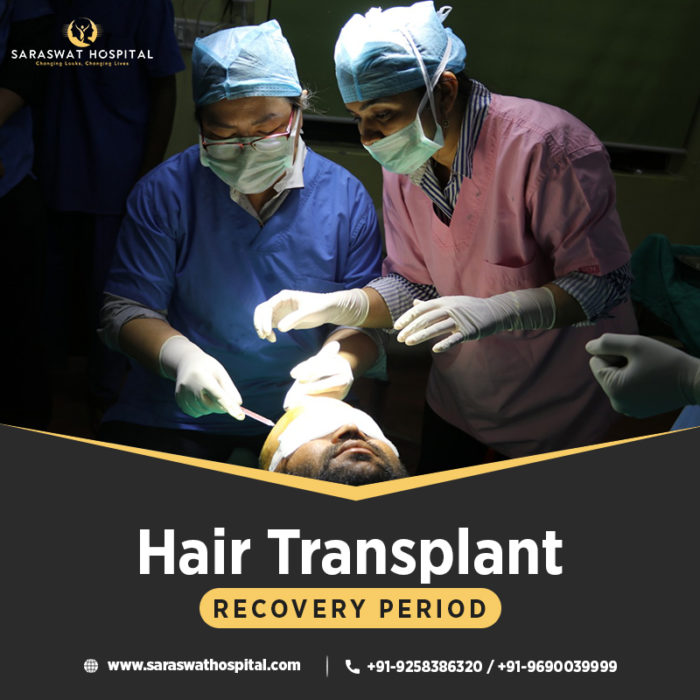
Hair transplant surgery is an aesthetic procedure that renders permanent results. However, this is also an outpatient procedure where the patient is allowed to go home immediately after the surgery once the effects of the local anaesthesia start to slow down. Now, to get the best results out of the procedure, you must follow post-surgical instructions and ensure you don’t add stress to the recently implanted grafts after the procedure.

Why Follow the Post-Surgical Instructions by the Doctors?

The success of a hair transplant surgery depends on several factors. Starting from how experienced the doctors are to the techniques used for the surgery, the range is all-inclusive. However, since this aesthetic surgery is an outpatient procedure where the patients are allowed to go home the same day of the surgery once the effects of the local anaesthesia wear off, it is crucial for you, as a patient, to follow a list of instructions given by the professionals to get the best results.

Manhandling the recently implanted grafts or picking at them might ruin the surgery completely, and you will end up with a failed transplant that might require further corrective measures in the future. Following post-surgical instructions, thus, is vital to the success of a hair transplant surgery. At this point, you should note that visiting the best hair transplant clinic in India, like Saraswat Hospital, can give you access to a well-trained team of after-care experts who will monitor your recovery period.

Top Things to Keep in Mind Post-Surgery

Now that you know that after getting a hair transplant surgery, you have to follow all the rules recommended by the professionals, let us check out a few things you should keep in mind during this period:

  1. Say No to Self-Medication: Two of the most common after-effects of any hair transplant surgery are redness and scarring. The patches stay on for quite a few days post-surgery till the new follicles start growing. At this point, you should not use any type of generic scar-reducing creams until and unless they have been recommended by the surgeons. Such prescribed medications would reduce swelling on the scalp.
  2. Sleeping: Once you are back home after a hair transplant surgery, you might feel drowsy, all thanks to the anaesthesia. Now, you have to be extremely careful while lying down to not disturb the follicles. You are allowed to lie down in a semi-upright position on a reclining chair with two pillows to elevate the head.
  3. Exercising: As a fitness freak, once you have undergone the surgery, you cannot stop the itch to go back to the gym, right? However, it is advised that you avoid visiting the gym immediately post-procedure. This is because strenuous exercise can cause physical stress on your follicles. For at least 10 days, try not to engage in any sweaty activities before resuming them after a discussion with professionals.
  4. Exposure to the Sun: During this time, you also need to avoid exposure to the sun as much as possible. The harmful ultraviolet rays of the sun can damage the follicles, rendering unsatisfactory results. In case you need to go outside and you don’t have any other option, try using high-SPF sunscreen and wearing a hat to protect the follicles.

Why Consult the Experts at Saraswat Hospital for the Surgery?

Saraswat Hospital is run by a team of ABHRS (American Board of Hair Restoration Surgery) and ISHRS (International Society of Hair Restoration Surgeons) certified doctors.

Dr Satya Kumar Saraswat is an MBBS with MS, M.Ch, and DNB (Plastic Surgery) degrees to his credit. As a member of several international boards, Dr Saraswat has left his mark in the plastic surgery sector. He is known to specialise in various kinds of hair restoration surgeries and has also presented his take on a modified FUT technique at the 24th World Congress of ISHRS.

Dr Preeti Saraswat is an MBBS with a PGDCC degree from the University of Greifswald, Germany. She is known for the scalp micropigmentation treatments that she has been rendering to her patients over the years. She is also a member of the American Academy of Aesthetic Medicine (AAAM).

Conclusion

As you follow a balanced diet and let your body and the recently implanted follicles adjust to the changes, you will see your body getting back to its normal routine in a week. Following this, you can go back to your regular life without any such restrictions. To know more about the hair transplant, book an appointment with us.

Follow us on:- FacebookInstagramPinterestYoutube

FUE vs FUT: Which Hair Transplant Surgery Should You Choose?

Hair transplant surgery has become one of the most popular solutions for people struggling with hair loss. When it comes to permanent hair restoration, the two leading techniques are FUE or FUT. If you’re considering a hair transplant, you may be wondering which procedure is better for you. Both methods have their own pros and cons, and the right choice depends on your specific needs, goals, and preferences. In this article, we’ll compare FUE vs FUT in detail to help you make an informed decision.

Hair transplants in India are performed by ABHRS (American Board of Hair Restoration Surgery) certified doctors at Saraswat Hospital, who ensure customized treatment to all patients. However, it is crucial for you, as a patient, to understand the types of hair transplant surgeries and which ones would be beneficial for your condition before consulting experts.

What is a Hair Transplant Surgery Procedure?

Hair transplant surgery is a procedure through which healthy grafts or follicles are extracted from the back or sides of the patient’s head that are resistant to genetic hair loss (or hormonal changes) and implanted in the areas that see scanty growth. This procedure is performed primarily in one of two techniques: FUE (Follicular Unit Excision) or FUT (Follicular Unit Transplantation). Nowadays, more people are getting hair transplants as an effective hair loss treatment. Awareness among common people has contributed to the increase in the total number of hair transplants in India and the rest of the world.

Understanding FUE vs FUT Hair Transplant

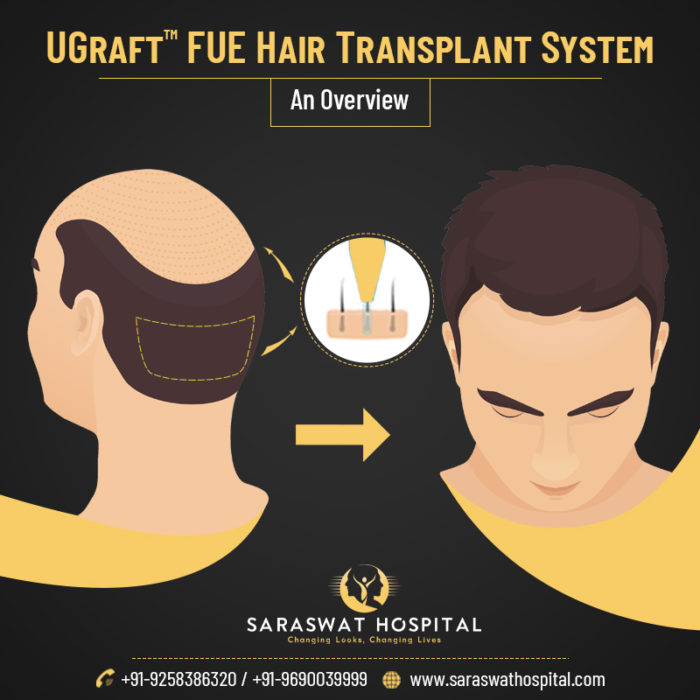
Before deciding between FUE vs FUT, it’s important to understand what each method involves. In the FUE technique, a special low-RPM and low-torque punch device is used to extract the healthy grafts individually and directly from the scalp for transplantation. It is a precise procedure that requires a lot of time but leaves no linear scar in the process.

In the FUT technique, now known as the Linear Excision Method, a strip of scalp is cut from the back of the head, and the area is sutured in a Trichophytic closure. The strip is placed under a medical-grade microscope for further dissection and extraction of the individual follicles for implantation.

This method actively creates a scar in the donor area, which, however, can be concealed through scalp micropigmentation, a repair hair transplant, or new hair growth. Moreover, at Saraswat Hospital, ABHRS-certified doctors, boasting over 20+ years of experience and expertise, perform India’s best FUE and FUT hair transplants.

What are the Advantages of Choosing FUE vs FUT?

Now that you are aware of how either of the procedures works, let’s find out the advantages of opting for FUE vs FUT.

  1. FUT: Through the FUT procedure, the experts can cover a larger area of baldness in fewer sittings. The resection rate is also lower in this technique, which leaves superior rates.
  2. FUE: Since the FUE procedure doesn’t involve taking a strip of scalp from the donor area, there are no stitches, thereby ensuring that the recovery period is quicker, and the patient is left with no linear scar.

Both these procedures are performed by experts in the field with enough experience to customize the treatment per patient requirements to get the best results. They are performed under the effects of a ring block local anaesthesia that allows the patient to be awake throughout the surgery but feel no pain.

Who Should Opt for FUE vs FUT?

Experts who perform FUT or FUE hair transplants best determine the eligibility criteria. At Saraswat Hospital in India, professionals conduct a series of blood tests, physical tests, and a Trichoscopy Analysis to identify eligible candidates and decide the treatment plan. On average, individuals with larger bald areas to cover in one session and who are unbothered by stitches or a prolonged recovery period should opt for FUT surgery. In contrast, those with smaller areas of baldness, who lead active lifestyles, prefer shorter hairstyles and seek a faster recovery, and should always choose FUE surgery.

Key Differences Between FUE vs FUT

While both techniques restore hair, FUE vs FUT differ in several key areas:

Aspect FUE FUT
Scarring Tiny dot scars Linear scar
Healing Time 5–7 days 10–14 days
Pain Level Minimal Slightly higher
Graft Survival Very high Very high
Cost Slightly higher Usually lower

Understanding these differences can help you decide whether FUE or FUT is the right fit for your hair restoration journey.

Cost of FUE vs FUT Hair Transplant

The hair transplant cost of FUE vs FUT varies depending on factors such as the clinic’s expertise, location, number of grafts required, and technology used. On average, FUE tends to be slightly more expensive due to its precision and time-consuming nature. However, both FUE and FUT offer permanent results, making them a long-term investment in your appearance and confidence.

Why Consult the Experts at Saraswat Hospital Before Making a Decision?

Saraswat Hospital is run by a team of ABHRS-certified doctors that offers hair transplant surgery in India. The surgeons have over 20+ years of experience, and thus, are eligible to provide customized FUT and FUE hair transplant surgery plans based on patient requirements.

Dr Satya Kumar Saraswat is an MBBS with MS, M.Ch, and DNB (Plastic Surgery) degrees to his credit. As a member of several international boards, Dr Saraswat has left his mark in the plastic surgery sector. He is known to specialize in various kinds of hair restoration surgeries and has also presented his take on a modified FUT technique at the 24th World Congress of ISHRS.

Dr Preeti Saraswat is an MBBS with a PGDCC degree from the University of Greifswald, Germany. She is known for the scalp micropigmentation treatments that she has been rendering to her patients over the years. She is also a member of the American Academy of Aesthetic Medicine (AAAM).

Conclusion

Choosing between FUE vs FUT can feel overwhelming, but understanding the techniques, benefits, and differences will make your decision easier. If you want minimal scarring and a faster recovery, FUE might be your best choice.

Hair transplant surgery is one of the best techniques that one should opt for when it comes to treating hair loss or Androgenetic Alopecia. Saraswat Hospital is one of the most renowned places in Agra that offers hair transplants in India at attractive rates and has a high success rate. To know which hair transplant method would be best for you, book an appointment with the team at Saraswat Hospital.

FAQs

1. Which is less painful – FUE or FUT?

Doctors perform both procedures under local anesthesia, but FUE typically involves less invasiveness and causes less discomfort after surgery.

2. Which provides better results – FUE vs FUT?

Both can produce equally natural results when performed by an experienced surgeon. The choice depends more on your hair loss pattern and personal preferences.

3. Does FUE or FUT leave scars?

Yes, but in different ways. FUE leaves tiny dot scars that are hardly noticeable, while FUT leaves a linear scar that can be hidden under longer hair.

4. Is FUE or FUT more expensive?

FUE is usually slightly more expensive due to the time and precision required, while FUT may be more cost-effective for large sessions.

5. How long do results from FUE vs FUT last?

Both procedures offer permanent results as the transplanted hair follicles are resistant to future hair loss.

Follow us on:- FacebookInstagramPinterestYoutube

Best Candidate for a Body Hair Transplant India

If you didn’t know yet, the hair present in your underarms, pubic region, chest, and beard is ideal for a body-to-head hair transplantation procedure. This is when the donor follicles in your scalp aren’t enough to achieve the required results. When it comes to the body-to-head transplant, the beard and chest hair are more viable. This technique is chosen by professionals when the patient is suffering from Norwood-Hamilton Grade 6 or Grade 7 baldness and requires full scalp coverage in one sitting. Body hair transplant is performed by the ABHRS-certified experts at Saraswat Hospital with successful results due to the 20+ years of experience they have in the field.

Why are Beard and Chest Hair Ideal for Body Hair Transplant?

When you don’t have enough hair on your scalp, the second and third-best options for a successful hair transplant surgery are your beard and chest hair. Now, the reason for choosing the beard above any other part is that the hair cycle on that area is similar to that of the scalp hair. This refers to the long antigen phase, a larger number of viable grafts, negligible formation of scar, and a thicker hair calibre. With beard hair follicle extraction, professionals can get around 3000 to 5000 grafts.

Chest hair, on the other hand, has high transaction rates. When compared to the beard, the antigens are relatively short, as they tend to stay much longer in the shedding phase. Here, you might be left with some post-inflammatory hyper- or hypo-pigmentation. The chest should be shaved around 7 days before the surgery to get the best results.

Body hair transplant result

Who is the Ideal Candidate for Body Hair Transplant?

The ideal candidate for a body hair transplant procedure is one who:

  1. Wants a full coverage of their scalp in one seating
  2. Have a poor donor area on the scalp
  3. Has a history of failed hair transplants and is left with a depleted donor site on the scalp
  4. Have retrograde scalp donor area thinning

As you consult the experts at Saraswat Hospital for a body hair transplant in India, you will be taken through a computerized hair and scalp Trichoscopy analysis that will determine if you are eligible for the procedure.

How is Body to Head Hair Transplant Surgery Performed?

The body-to-head hair transplant surgery is performed through the FUE (Follicular Unit Excision) technique. Here, a sharply serrated punch is used for direct extraction of the individual follicular grafts from the donor area for minimal scarring. For faster-growing grafts, especially when the experts are using chest hair, the area needs to be shaved around 7 days before the surgery. The rest of the surgery, that is, the implantation procedure, is performed as it would have been for any other hair transplant technique.

Why Consult the Experts at Saraswat Hospital for the Surgery?

Saraswat Hospital is run by a team of experts certified by ABHRS (American Board of Hair Restoration Surgery) that offers body hair transplant in India. The surgeons have over 20+ years of experience and thus the expertise in providing customized surgery according to patient requirements.

Conclusion

Body hair transplant is the ideal procedure chosen by experts when there is a dearth of viable donor grafts on the scalp for the surgery. Saraswat Hospital is a one-of-a-kind aesthetic clinic run by professionals who use modern equipment to provide the best surgery in India. To know more about the subject, you can book a consultation with the experts by getting in touch with the team today.

Follow us on:- FacebookInstagramPinterestYoutube

Laser Hair Removal Clinic in Agra

Over the years, people have chosen several techniques to get rid of unwanted hair from their bodies. This included hot or cold wax and razors, among other techniques, most of which offer temporary results and often cause side effects like burns or cuts. The one way you can get rid of the hair from your body, permanently, is by opting for laser hair removal. The process is not only effective but also customized based on your skin and hair colour to ensure there are no repercussions in the long run. However, below are the questions to ask before laser removal. Saraswat Hospital, in this instance, happens to be the best place for laser hair removal in Agra, run by internationally board-certified professionals.

When Should the Treatment be Started?

The answer to this depends on the requirements of the patient for the procedure. You might be someone who is headed for a holiday and is simply looking for a tiny touch-up so you can sport a bikini, or maybe you’re looking forward to a special occasion, and temporary solutions wouldn’t do the trick. Irrespective of the reasons, you need to speak to the specialist, and only upon proper examination can the correct course of action, along with the treatment starting date, be decided.

How Many Sessions are Required?

The laser hair removal procedure revolves around targeting follicles in their active growth stage with various wavelengths of light to destroy them completely. In the first few sessions, you can see an overall thinning of the hair, but only after you undergo a series of sessions can you see the best results. Every session is timed a few weeks apart from each other to ensure your surrounding skin gets time to heal before undergoing another session of laser treatment.

Will there be any Side Effects?

Laser hair removal is typically a low-risk treatment that doesn’t have any major side effects. However, whenever you visit a professional for the same, they would perform a patch test to see if there is a likelihood of reacting or not. The doctors would then, based on your skin tone, hair colour, and texture, come up with a customized treatment plan for laser hair removal.

What Technology Does the Hospital Use?

The technology used by the professionals differs from one hospital to another when it comes to laser hair removal. In Agra, the experts at Saraswat Hospital use a medical-grade FDA-approved Long Pulse Nd: YAG laser or diode laser for the procedure. The laser beam emitted from this device is of 1064nm wavelength, which gets absorbed in the melanin present in the hair follicle before increasing the temperature to around 70 degrees for destroying them permanently.

Will there be any Downtime Post Treatment?

You would have to, post-treatment, keep a check on the area. It might suffer from sensitivity for a few days, given the high degree of laser energy used for the procedure, but it shouldn’t hamper your routine as such. You need to stay out of intense sunlight or perfumed products for around 48 hours to ensure your skin heals properly and there is no burning sensation. Talking to the after-care team of experts at the hospital you consulted can help a lot when it comes to dealing with post-treatment instructions.

Why Contact the Experts at Saraswat Hospital for the Treatment?

Saraswat Hospital is one of the most popular clinics run by international board-certified surgeons that offer the best laser hair removal treatment in Agra. The professionals have over 20+ years of experience in the field, thereby ensuring the best results when it comes to such aesthetic or cosmetic surgeries.

As the Chief Clinical Cosmetologist of the hospital, Dr Preeti Saraswat is an MBBS with a Post Graduate Diploma degree in Clinical Cosmetology from the University of Greifswald, Germany. She has a lifetime membership of the Indian Association of Cosmetic Laser Surgeons and is also a member of the Indian Medical Association, ensuring that she stays updated with all the latest developments in the field to provide the best results to her patients.

Dr Satya Kumar Saraswat is an MBBS with MS, M.Ch, and DNB (Plastic Surgery) degrees to his credit. As a member of several international boards, Dr Saraswat has left his mark in the plastic surgery sector. He is known to specialize in various kinds of hair restoration surgeries and has also presented his take on a modified FUT technique at the 24th World Congress of ISHRS.

Conclusion

Laser hair removal is one of the most sought-after procedures opted for by those who want to get rid of the unwanted hair on their body permanently. Saraswat Hospital happens to provide the best laser hair removal services in Agra based on the patient’s requirements. To know more about the subject or book an appointment with the experts.

Follow us on:- FacebookInstagramPinterestYoutube

Hair Implants vs Hair Transplant Surgery

Androgenetic Alopecia, also known as genetic baldness, is a common reason most people, be it men or women, suffer from hair loss. While losing 100 to 150 strands of hair regularly is normal, if it goes beyond this rate, it should be a cause for concern, thereby prompting you to opt for a treatment. However, with scientific innovation and the advancements of medicine, several techniques can be helpful; two of the most common ones are hair implants & hair transplants. To choose the one that works best for you, though, you would have to understand the difference between them.

The Basic Contrast between Hair Implants & Hair Transplant

Hair implants & hair transplant surgery are both options one can choose to gain new hair in the thinning areas. However, the processes both these treatments follow are different and thus have distinct results. Through a hair transplant surgery, a donor area from the scalp (back or sides) is determined from where healthy hair follicles are extracted. The follicles are then stored in a holding solution for the best effects before implanting them in the balding area in a natural pattern. Through the hair implant process, on the other hand, experts implant artificial hair to the thinning area; the difference between the real hair and the artificial hair implanted in this treatment is thus stark. Due to their nature of causing skin infections, hair implants are also banned in a few countries.

The Final Result Derived from Both the Procedures

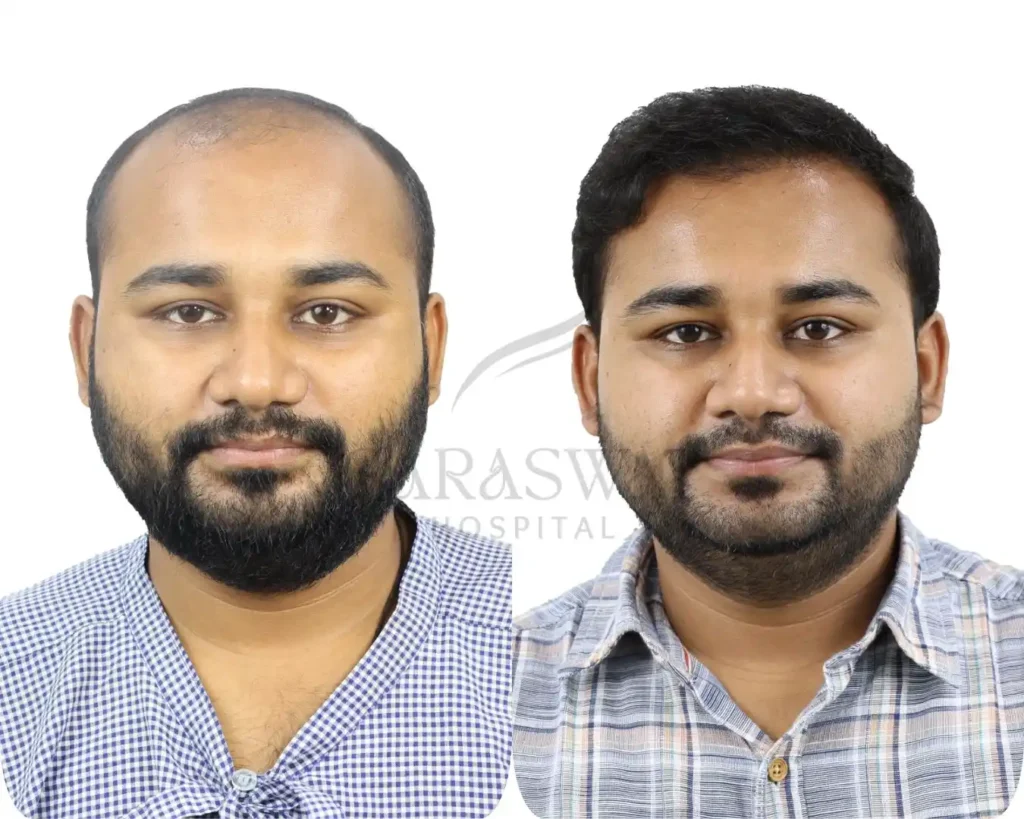
If we think of it with a holistic point of view, both procedures are surgical, and only when performed with extreme precision by experienced professionals can they derive natural-looking results. In the hair implant process, since the hairs implanted are chemically treated and artificial, the results might not look nice and certainly not match the natural colour of your hair, thereby causing skin infections. In the hair transplant surgery, though, since the donor follicles are extracted from the patient’s scalp and then implanted in the recipient area, the results are more natural, thereby ensuring no one can even guess you’ve undergone surgery once you have absolutely recovered.

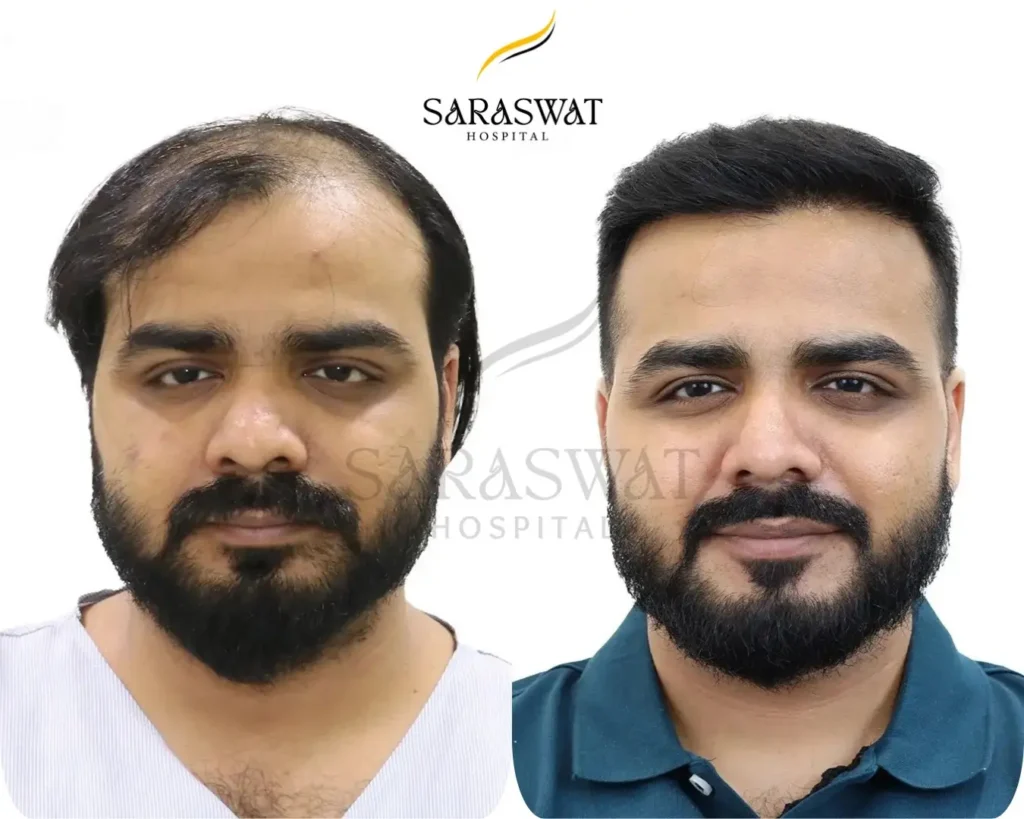
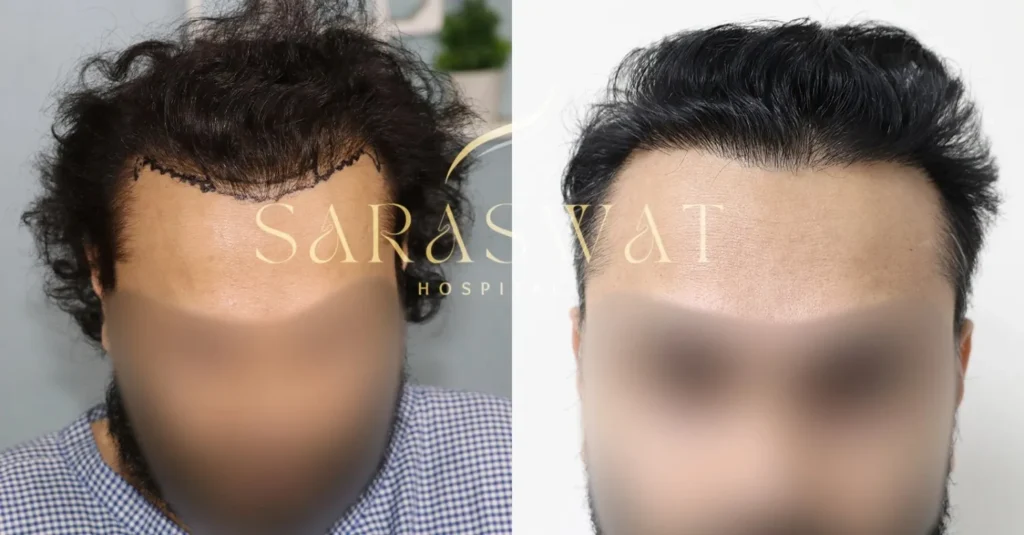
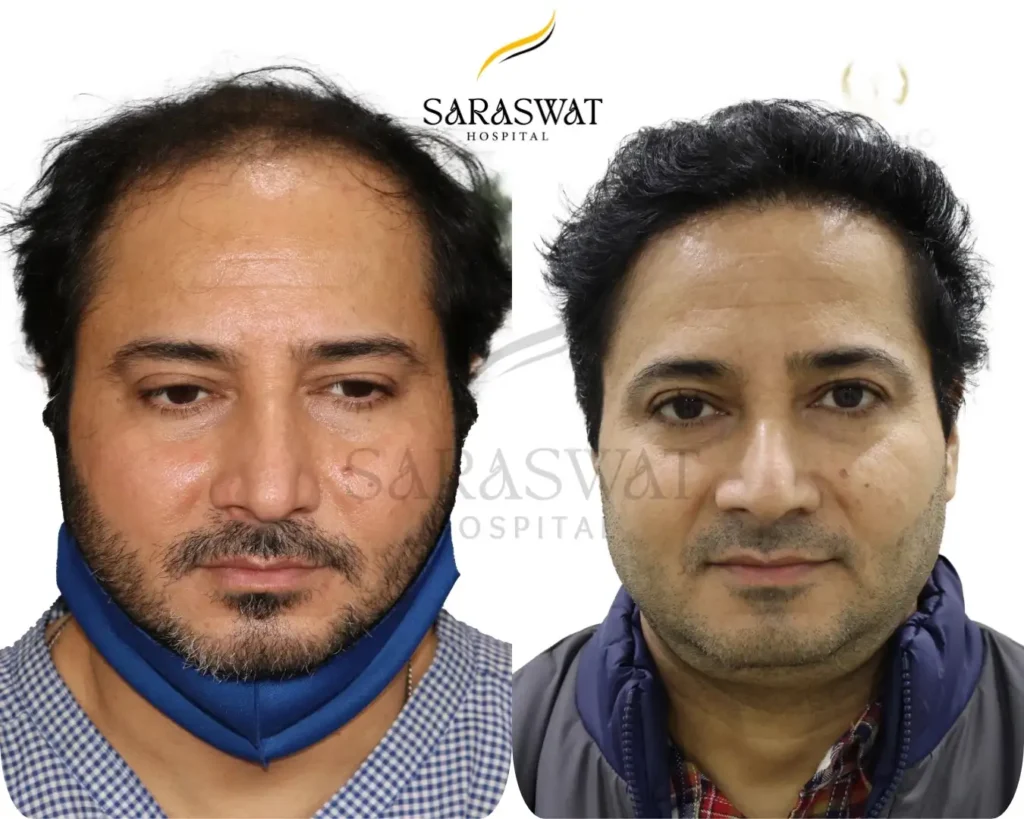
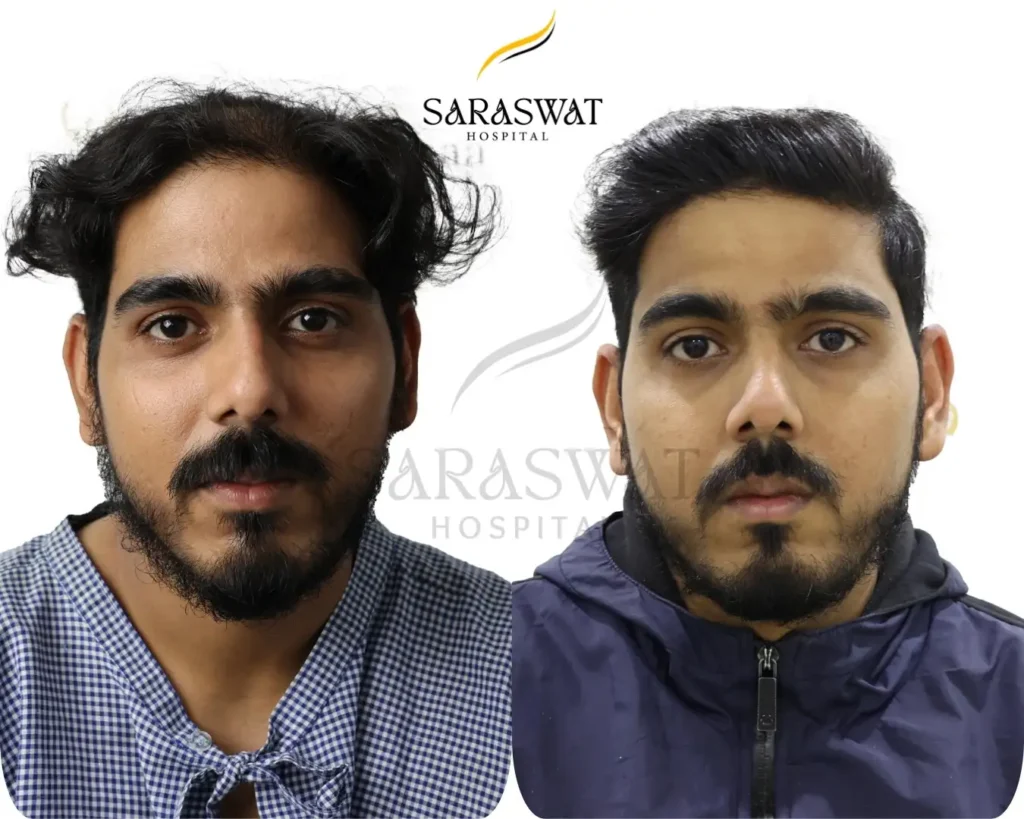
Some glimpse of how the results derived from hair transplant surgery can look post-complete recovery:

Hair transplant result

Click Here To Discover More Hair Transplant Results

The Hair Grooming Techniques in Hair Implants & Hair Transplant

Once the hair transplant surgery is complete, you will have to care for your new hair as much as (and even more than) your real hair. This will ensure that your hair looks natural and grows to a fine length. As far as grooming is concerned, you can cut your hair whenever you wish and get a hairstyle according to your preferences, easily. When it comes to hair implants, however, the implanted hair will never grow like natural hair, thereby leaving you with a basic hairstyle for the rest of your life, which you would have to maintain. You might also end up with a terrible infection on your scalp.

Adaptability by the Body upon Reaching Complete Recovery

Once the hair transplant surgery is over, the newly implanted hair takes some time to adjust to its new surroundings and go through a period of shock loss. Following this, the hair starts going back to its natural growth cycle (Anagen-Catagen-Telogen). Since the donor hair follicles and the recipient area belong to the same patient, they adapt to the body cycle. However, when it comes to hair implants, the implanted hair is artificial, and so, the body might reject it, thereby leaving you to go back to your balding stage soon enough.

Why Consult ABHRS Certified Doctors for Hair Transplant Surgery?

Saraswat Hospital is run by a team of experts led by certified ABHRS (American Board of Hair Restoration Surgery) surgeons. The surgeons have over 20+ years of experience and thus, the expertise in providing customized surgery according to patient requirements.

Dr. Satya Kumar Saraswat has an MBBS with MS, M.Ch, and DNB (Plastic Surgery) degrees to his credit. As a member of several international boards, Dr. Saraswat has left his mark on the plastic surgery sector. He is known to specialize in various kinds of hair restoration surgeries and has also presented his take on a modified FUT technique at the 24th World Congress of ISHRS.

Dr. Preeti Saraswat is an MBBS with a PGDCC degree from the University of Greifswald, Germany. She is known for the scalp micropigmentation treatments that she has been rendering to her patients over the years. She is also a member of the American Academy of Aesthetic Medicine (AAAM).

Conclusion

As you might have understood from these points, hair transplant surgery is a superior process for those suffering from Androgenetic Alopecia because it has a higher adaptability rate, along with leaving natural results without any side effects. In case you want to know more about hair transplants, feel free to book an appointment with Saraswat Hospital.

Follow us on:- FacebookInstagramPinterestYoutube

Crown Hair Transplant Surgery in India

If you are suffering from hair thinning on the top of your head, fret not, you’re not the only one. Androgenetic Alopecia, or genetic hair loss, is a condition that affects men and women across the world, and one of the common experiences that most of them face is balding on the crown area. While there are several treatment options available for the same, the only permanent remedy is crown hair transplant surgery. And to avail such a crown hair transplant surgery in India, you may consult ABHRS-certified doctors. This blog will take you through the intricate details of the condition and the procedure.

Understanding Crown Hair Transplant Surgery

Crown hair transplant surgery is a specialized hair restoration procedure that targets the crown or vertex area of the scalp. The crown has a spiral-like growth pattern, which makes this surgery slightly more complex than frontal hairline restoration. The goal of the procedure is to recreate a natural-looking hair pattern that blends seamlessly with the existing hair.

Leading clinics in India use advanced tools and high-precision techniques to ensure optimal results. The process generally involves extracting healthy hair follicles from the donor area (usually the back or sides of the head) and implanting them into the crown region.

Which Area is known as the Crown?

The Vertex, or the crown of your hair, is the highest point present on top of the head. The hair that grows from this area typically congregates around the scalp in a hair whorl or, in simple words, a circular formation. Some people might also have a double crown, where you see two such hair whorls, and that is absolutely normal.

How to Identify Crown Hair Thinning?

This is especially easy when you are suffering from male-pattern baldness. As a sign, you will start to see your hair becoming thin at the crown. This happens because the DHT (dihydrotestosterone) targets the hair present on your scalp, thereby shrinking the follicles to make them more brittle. The presence of high levels of DHT is also capable of making the hair growth process longer once the old hair sheds. The Norwood-Hamilton Scale of hair loss, used to depict the stage of hair thinning in men, is an accurate representation of crown hair thinning. The Stage 3 Vertex is the stage at which you need to consult professionals.

The pattern for hair loss might be different in every man, depending on several factors, especially in the case of Androgenetic Alopecia. While some men experience a slowly receding hairline that turns to complete baldness, others might find their crown thinning and balding more quickly than the front. A crown hair loss treatment in Agra, India, can be the best option when the crown has stopped thinning or has gone bald to get the best results from the treatment.

Losing hair from the front of the head is a more common sign of Androgenetic Alopecia seen in men (apart from the overall thinning seen in women). However, crown hair loss can appear extremely different from that. Since you look at somebody’s crown from a steep angle, you can see the hair vertically, thereby making it possible for you to see more scalp. When you see more scalp than hair, you must immediately consult the best hair transplant doctor in India.

This video will guide you through how this procedure is performed, in real-time:

What are the Important Aspects of a Crown Hair Transplant Procedure?

Crown hair transplant is a highly specialized procedure that should only be performed by experienced professionals who are certified by ABHRS (American Board of Hair Restoration Surgery). The first thing you need to note to become eligible for the procedure is having a considerable number of donor hair follicles. This will help the surgeon cover more area on the crown, thereby making the signs of hair loss far less obvious.

Some of the important things that your surgeons will take note of, to come up with a customized treatment plan, include the texture of your hair, the number of healthy hair follicles in the donor area, the number that can be extracted, and the number of sessions that would be required to perform the same and get the best results. The technique used for the treatment is finally decided by the surgeon performing the same, based on the findings mentioned above. The success of the surgery, however, depends mainly on the after-care of the procedure because you need to be extremely careful throughout the recovery process.

Why Choose Crown Hair Transplant Surgery in India?

There are several reasons why people from around the world prefer Crown Hair Transplant Surgery in India:

  • Experienced Surgeons: India is home to internationally trained and ABHRS-certified surgeons who specialize in crown restoration.
  • Cost-Effectiveness: Crown Hair Transplant Surgery in India costs significantly less than in Western countries, while providing equal or superior quality.
  • Advanced Techniques: Clinics in India offer minimally invasive methods such as FUE and DHI (Direct Hair Implantation).
  • High Success Rate: Most patients experience a 90–95% graft survival rate and long-lasting results.

Benefits of Crown Hair Transplant Surgery in India

Choosing Crown Hair Transplant Surgery in India offers several benefits:

  • Natural-Looking Results
  • Permanent Solution
  • Minimal Downtime
  • Boost in Confidence
  • Affordable Treatment

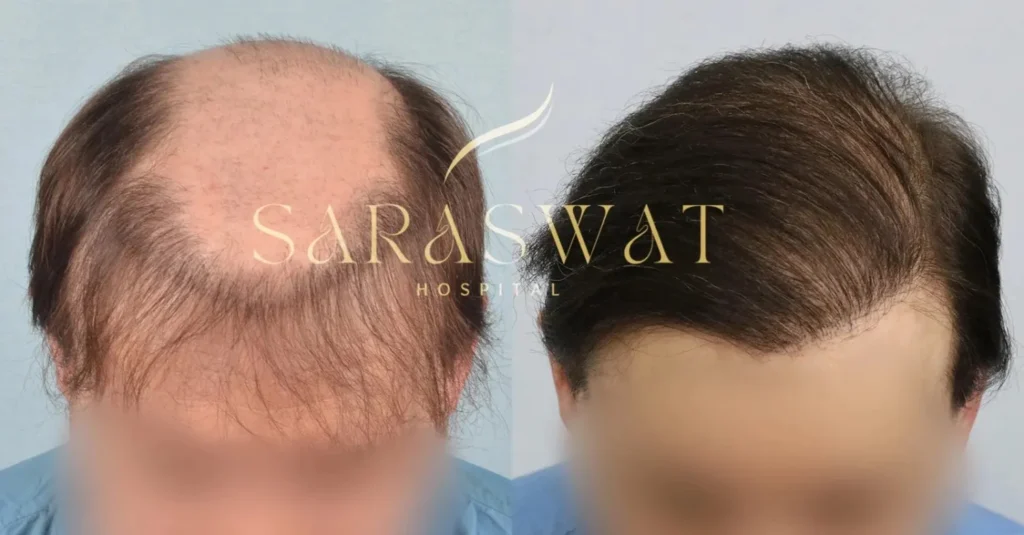
You can take a look at these hair transplant before and after pictures of patients who have undergone a crown hair transplant procedure at Saraswat Hospital.

Conclusion

If crown baldness is affecting your confidence, Crown Hair Transplant Surgery in India can be a life-changing solution. Now that you are aware of the various aspects of the crown hair transplant procedure, it should be easier for you to decide to undergo it. To know more about crown hair transplant, book an appointment with the experts at the hospital today.

Follow us on:- FacebookInstagramPinterestYoutube

Know about Female Hair Loss from the Best Hair Transplant Clinic in India

Female hair loss is a growing concern affecting millions of women worldwide. Unlike men, who typically experience a receding hairline or bald patches, women often face diffuse thinning across the scalp. This can be emotionally distressing and impact self-confidence. At the best hair transplant clinic in India, experts recommend early diagnosis and a customized treatment plan to effectively manage this condition.

In this article, you will learn the causes, symptoms, and best treatments for female hair loss, along with prevention tips from industry experts.

What is Female Hair Loss?

Female hair loss refers to excessive shedding or thinning of hair in women. While losing 50–100 hairs a day is normal, noticeable hair thinning or a widening hair part signals a deeper issue.

Specialists at the best hair transplant clinic in India highlight that addressing the root cause early can prevent further damage and promote healthy regrowth.

Top Signs of Female Hair Loss

Depending on the cause, female hair loss can be present in various ways, ranging from the gradual thinning over time to sudden, noticeable hair loss. Some of the signs of hair loss in women include:

1. Overall Thinning: Touted as one of the most common types of hair loss affecting both men and women, overall thinning in women can be noticeable when their part broadens with time.

2. Bald Spots: While it might sound unlikely, women also suffer from bald spots, ranging from circular ones to patchy ones. Based on the type of hair loss you are suffering from, the skin of your head might also feel itchy or painful right after the hair falls out.

3. A handful of Hair: This sign is what makes women under-confident the most – the sight of handfuls of hair coming out every time during a shower or as you comb. This can come suddenly after any physical or emotional trauma.

4. Complete Loss: Even though uncommon, women might also face complete loss of hair from the scalp and other parts of the body, especially when undergoing treatments such as chemotherapy.

Apart from these, conditions such as nutritional deficiency, stress, autoimmune disorders, thyroid disorders, hypopituitarism, celiac disease, Hodgkin’s disease, hair treatments, and pregnancy can cause hair loss, amongst others.

How to Treat Female Hair Loss Permanently?

Depending on your hair growth cycle, if you shed more than 100 to 150 hair strands per day, it is high time that you consult professionals. Medicine and technology, together, have come up with excellent ways to treat hair loss. One of the most popular ways to do so, however, always remains a hair transplant surgery.

The first step of the treatment, though, is always a thorough blood examination, which includes hormonal assessments and other tests to determine the reason for hair loss. Next, professionals perform a Trichoscopy hair and scalp analysis to understand the condition of the patient’s hair and how to treat it. A scalp biopsy, however, is the last and gold standard used for the diagnosis if other options aren’t conclusive.

As an ideal solution for those suffering from Androgenetic Alopecia, hair transplant surgery is performed by professionals with several years of experience in the field, mainly two techniques – FUT (Follicular Unit Transplantation) and FUE (Follicular Unit Excision).

Apart from surgery, the tried and tested therapies that work wonders for female hair loss include LLLT (Low Level Laser Therapy), Derma Rollers – Microneedling, and Meso Therapy. Scalp Micropigmentation is also a scalp tattooing non-surgical procedure that uses high-quality pigment and can give an instant illusion of fuller hair without any allergic reactions. You need to, however, discuss your condition with experts to see what works best for your condition.

Check out our YouTube live stream video to know more about female hair loss.

Symptoms of Female Hair Loss

Women experiencing female hair loss may notice:

  • Gradual thinning at the crown
  • Widening of the parting line
  • Increased shedding during combing or showering
  • Reduced overall hair density

Preventive Tips for Healthy Hair

  • Follow a balanced, nutrient-rich diet
  • Avoid frequent heat styling and harsh chemicals
  • Practice yoga, meditation, or other stress-relief techniques
  • Use gentle, sulfate-free shampoos and conditioners
  • Schedule regular scalp checkups to detect early signs of thinning

Conclusion

Female Hair loss is more common than you think, and knowing the best solution to the same at the right time will help you get the best treatment without any side effects. Saraswat Hospital uses high-tech equipment to deliver customized solutions to patients.

For expert consultation, book an appointment today and take the first step toward healthy, beautiful hair.

Follow us on:- FacebookInstagramPinterestYoutube

How to Find the Best Acne Scar Treatment for Yourself?

Acne scars can be considered to be one of the most stubborn marks found on the skin that are extremely challenging to get rid of. Even if you opt for several layers of makeup on your face, these scars don’t go away so easily and can be the cause of not only discomfort but also a low self-confidence issue as well. To find the best acne scar treatment for yourself, however, you need to visit professionals and check out a few factors.

Understanding Acne Scars

Before choosing the best acne scar treatment, it’s essential to know the kind of scars you have. Acne scars typically fall into two categories:

  • Atrophic Scars: These appear as indentations or depressions in the skin, like ice pick, boxcar, or rolling scars.
  • Hypertrophic Scars: These are raised scars that form due to excess collagen production.

Each type of scar responds differently to treatment, which is why finding the best acne scar treatment requires professional assessment.

Steps to Find the Best Acne Scar Treatment

Finding the best acne scar treatment starts with understanding your scar type and consulting a qualified dermatologist. These are the following steps to find acne-free skin:

1. Consult a Dermatologist

The first step toward finding the best acne scar treatment is consulting a qualified dermatologist. They will analyze your skin, identify your scar type, and recommend a personalized plan.

2. Consider Your Skin Type and Budget

Not all treatments are suitable for every skin type. For example, deeper laser treatments might not be ideal for darker skin tones. The cost also varies, so choosing the best acne scar treatment should be a balance between effectiveness and affordability.

3. Check Before-and-After Results

Look for real before-and-after results before committing to a procedure. This will help you set realistic expectations and select the best acne scar treatment for you.

4. Follow Post-Treatment Care

Even the most advanced procedure won’t work if you neglect aftercare. Follow your dermatologist’s advice to maintain results from the best acne scar treatment you’ve chosen.

What type of acne scars do you have?

Acne scars come in a wide range of shapes and sizes, and not all people suffer from the same type of scars. The scars might be either raised, depressed, minimal, widespread, shallow, or deep, depending on your condition. Raised scars, including keloids, are typically seen on the chest and the back. However, people of colour often develop raised scars in the face as well. Depressed scars, including shallow boxcar, rolling scars, and narrower and deeper icepick scars, are typically seen on the face.

The treatment you receive for the same depends on the type and severity of the scars and the expertise of the doctor who is about to perform the same. This is because treatments like micro-needling that are designed for the stimulation of collagen wouldn’t work on raised scars before they happen due to excess collagen. Those meant to fill in the area left by the depressed scarring wouldn’t help the raised scars as well.

What are the treatment options available for the same?

Talking about acne scar treatment, you need to consult professionals who are experienced in the field to get a customized plan without any side effects. There are, however, several types of treatments that can work well for various types of scars. Some of them include:

  1. The Fractional CO2 Lasers: Through this procedure, the fractional Co2 laser device is used to create mini-wounds on the skin with microbeams. This allows the body to naturally heal the scar by boosting the production of epithelium and collagen, thereby treating the condition without any downtime.
  2. The CO2 Lasers: In this procedure, a slightly more powerful version of the CO2 laser device is employed. Specifically, it targets sun damage and severe acne scarring. As a result, the wavelengths of light penetrate deeper into the skin, thereby shrinking the collagen.
  3. Dermarollers/Dermapen: As the acne is in the way of eruption, they form fibrous bands between the dermal tissue and their bases. Through this procedure, with an 18-gauge needle, these fibrous bands are broken during subsicion. The Dermarollers or Dermapens are used to create several microscopic holes in the skin, ranging up to 256 per cm2, that the skin tries to heal by producing collagen, thereby rejuvenating the skin in the process.

Professionals also use CROSS or the Chemical Reconstruction of Skin Scars) to treat ice pick acne scars through TCA 100%.

Benefits of Choosing the Right Acne Scar Treatment

Choosing the best acne scar treatment has multiple benefits:

  • Smoother and clearer skin
  • Boosted confidence
  • Long-lasting results
  • Improved skin texture and tone
  • Personalized solution for your unique skin needs

Why Should You Choose Professionals at Saraswat Hospital for the Treatment?

Saraswat Hospital is one of the most popular clinics run by ABHRS-certified surgeons. The professionals have over 20+ years of experience in the field, thereby ensuring the best results when it comes to such aesthetic or cosmetic surgeries.

As the Chief Clinical Cosmetologist of the hospital, Dr Preeti Saraswat is an MBBS with a Post Graduate Diploma degree in Clinical Cosmetology from the University of Greifswald, Germany. She holds a lifetime membership with the Indian Association of Cosmetic Laser Surgeons and is also a member of the Indian Medical Association. Consequently, she stays updated with the latest developments in the field, thereby ensuring she provides the best results to her patients.

Conclusion

As you consult professionals for acne scar treatment, you would be given a customized plan. Saraswat Hospital has a team of experienced cosmetologists who can take care of your acne scars with the help of modern technology and the latest equipment. In case you want to know more, get in touch with Saraswat Hospital for the best treatment and cost today.

Follow us on:- FacebookInstagramPinterestYoutube

Reach the Ideal Density with High Density Hair Transplant

The main aim of performing a hair transplant surgery is to get the appropriate density and to replenish the balding spots with newly implanted hair follicles. Typically, with a FUT or FUE hair transplant surgery, 30 to 40 follicular units per square centimetre are achieved. However, when the area is larger and the surgeons opt for a high density hair transplant in India, they can offer up to 45 to 50 follicular units instead. This surgery provides high viability rates when performed by experts and is known to be one of the most sought-after procedures in India. So, today, let us find out the best way to achieve an ideal density with the procedure according to patient requirements!

Which surgical technique is used to perform High Density hair transplant?

In general, surgeons prefer to perform the FUT (Follicular Unit Transplantation), also known as the Linear Excision Method, when it comes to high density hair transplants because it helps obtain several grafts in a single session. This is performed via the harvesting technique of linear incision following a Trichophytic suture to close the donor area. The strip of scalp extracted from the area contains several grafts that are dissected precisely by the surgeon under a microscope before placing them in the balding or thinning areas. The surgery is performed in an infection-free environment where the standard hygiene measures are followed to get the best outcomes.

What is the role of magnification in High Density hair transplant?

When it comes to performing a high density hair transplant in India, the role of magnification cannot be underestimated because it is the reason how the doctors can get the highest possible number of viable grafts in a single sitting. Magnifications are allowed during the dissection step, where German microscopes are used to get an optimum view of the grafts. This process helps in getting individual viable grafts from the strip of the scalp for implantation.

What is the favourable type of graft for the procedure?

Surgeons with several years of experience in the field would confirm that chubby or thick grafts are favourable during high density hair transplant in India. Obtaining them is only possible through a successful magnification stage during the dissection process. These chubby grafts are more compatible when you are thinking of covering the bald areas with the most natural results.

What is important for performing High Density hair transplants?

As you opt for a high density hair transplant surgery, the doctors would check if you have a healthy donor area, especially in the parietal and occipital region of the scalp. The donor area provides the healthy grafts for the restoration procedures, and thus should always be free from any autoimmune disorder or instability so that the surgery can be performed flawlessly. In case the patient has an inconsistent or thin donor area, the FUE (Follicular Unit Excision) technique, combined with the BHT (Body Hair Transplant) is used to perform the surgery.

Why Contact the Experts at Saraswat Hospital, Agra?

As the most sought-after clinic for high-density hair transplant in India, Saraswat Hospital is run by experienced doctors certified by ABHRS (American Board of Hair Restoration Surgery) and are constantly aware of the recent developments in the field of medicine.

Conclusion

The most important thing that you would have to note when you want to opt for high density hair transplant in India and get the best results out of the same is consulting a trustworthy surgeon. In case you want to know more, feel free to book an appointment with Saraswat Hospital today.

Follow us on:- FacebookInstagramPinterestYoutube

Is Undergoing FUE Hair Transplant in India Worth It

Anyone who is about to undergo a hair transplant surgery is understandably worried about the cost of the procedure, especially when it is performed with FUE techniques. Follicular Unit Excision or FUE is known as one of the most effective and specialized treatments performed by experts in hair transplant that has no side effects or linear scars and a quicker recovery time. However, the price for the same is far from cheap, and you need to find out if undergoing an FUE hair transplant in India is worth it before undergoing the same. How do you do so? Let’s find out!

Top Things to Look at in a Hair Transplant Hospital in India

FUE is a specialized procedure that is performed for hair transplantation by doctors, but it is also a very expensive surgery. Now, most people think that they can opt for cheaper alternatives and start looking for options that could give them value for their money. However, the low cost of the surgery doesn’t guarantee that you will get the best services. This is why you should always check out all your options before investing in any one aspect. If you are looking to travel abroad and get an FUE hair transplant in India, you must keep in mind several other considerations that go beyond the price. All these factors include:

  1. Travel Time and Costs: When you are opting for an FUE transplant in India, you will have to keep in mind the additional expenses for travel and boarding at the place. Several hospitals offer Medical Tourism facilities where a patient coordinator takes care of your hospital visit and the place for you to stay in the near vicinity of the clinic. This would also include the cost for additional or follow-up treatments during recovery.
  2. Standards of Treatment: Especially if you are travelling from other parts of the world, the healthcare standards are different. As you are looking for the best clinic for the treatment, you need to look for the best standard of treatment, which includes the usage of technology and equipment within your budgetary requirements.
  3. Communication Barriers: It is crucial for you, as a patient, to look for the mode of communication when you visit India for treatment. Health professionals typically are well-versed in English for ease of communication, but not all might have a good grasp on the subject, which might make it difficult for you. As you are arranging a face-to-face consultation with the surgeon presiding over your case, you must ensure that you are comfortable with them and that you have no doubts.
  4. Credentials of the Doctor: Talking about the surgeon, you must always conduct thorough research on the doctor whom you are consulting, in India or abroad. This would include their experience, the successful outcomes in their career, and the expertise they have on their subject, which will be visible if you look at their qualifications. Ask the doctor questions about all the steps and see if he/she can answer them to your satisfaction or not.

Why Should You Undergo FUE Hair Transplant at Saraswat Hospital?

Saraswat Hospital is one of the most popular clinics for FUE hair transplant in India, run by surgeons certified by ABHRS (American Board of Hair Restoration Surgery) and constantly aware of the recent developments in the field of medicine.

Dr Satya Kumar Saraswat is an MBBS with MS, M.Ch, FISHRS, and DNB (Plastic Surgery) degrees to his credit. As a member of several international boards, Dr Saraswat has left his mark in the plastic surgery sector.

Dr Preeti Saraswat is an MBBS with a PGDCC degree from the University of Greifswald, Germany. She is known for the scalp micropigmentation treatments that she has been rendering to her patients over the years. She is also a member of the American Academy of Aesthetic Medicine (AAAM).

Conclusion

FUE hair transplant in India is a procedure performed by top hair restoration surgeons to get the most natural-looking results without any side effects. Saraswat Hospital, Agra, has an experienced medical tourism team in place that takes care of your entire treatment, visit, and recovery from the surgery. In case you want to know more, book an online consultation today.

Follow us on:- FacebookInstagramPinterestYoutube

whatapp icon