
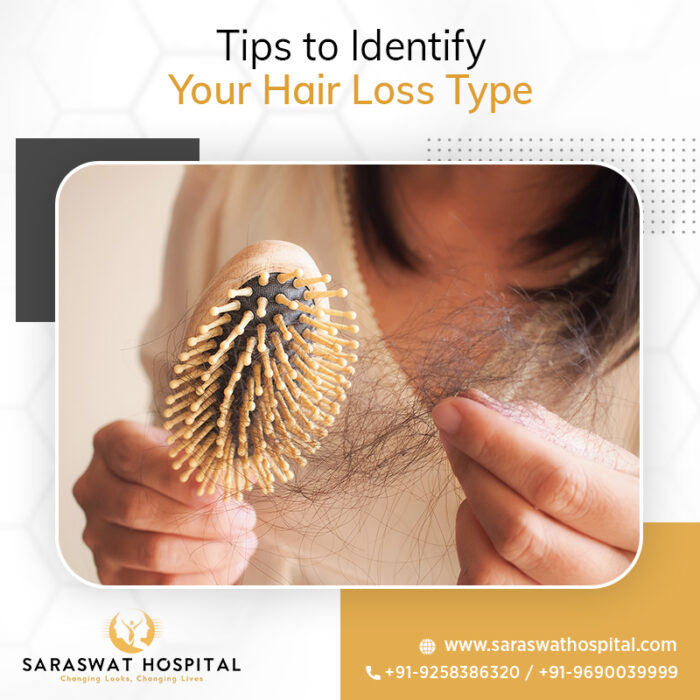
Does combing your hair or going for a shampoo feel like a nightmare at the moment? Are you looking at more hair entwined in your fingers and the comb than on your scalp? Well, this is a sign enough that you are suffering from some type of hair loss. Whether it’s thinning hair, bald patches, or excessive shedding, understanding the types of hair loss is the first step toward finding the best hair loss treatment tailored to your needs. Today, let us check out the various kinds of hair loss and understand what you might be suffering from at the moment.
What is Hair Loss?
Hair loss is the partial or complete loss of hair from areas of the body where it typically grows, such as the scalp, eyebrows, or other regions. Hair loss can be temporary or permanent. It may stem from genetic factors, hormonal changes, medical conditions, medications, stress, nutritional deficiencies, or mechanical damage to hair follicles.
Basics of Hair Growth
To understand the type of hair loss you’re suffering from, you need to get the basics of hair growth right. Now, on average, the scalp contains around 1,00,000 to 1,50,000 hairs. The usual cycle of a hair’s life lasts for almost 2 to 3 years, within which the hair is in its Anagen (Growth), Catagen (Rest), and Telogen (Shed) phases. This means, at any given point in time, around 90% of the hair on the scalp is in the growth phase, and 10% is in the resting phase. In 2 to 3 months, the resting hair is shed, and new hair growth starts happening in its place. You will lose around 100 to 150 strands every day, and that is absolutely normal. However, when you shed more than 150 strands, there is cause for concern, and you might be suffering from a form of Alopecia.
Types of Hair Loss
Now, the word ‘Alopecia’ literally means hair loss, and there are several kinds of Alopecia that you might be suffering from. Some of the most common forms of Alopecia and their causes are:
1. Telogen Effluvium
This is when you experience temporary hair loss for quite some time after a stressful episode like severe illness, sudden weight loss, or childbirth. It happens due to the changes found in the typical growth and is a sign that a large number of hairs are in the resting phase at the same time, instead of the usual 10%.
2. Male & Female Pattern Baldness (Androgenetic Alopecia)
Now, if you are a man who is suffering from a receding hairline and no hair in the crown, you might be suffering from male pattern baldness. Women can identify this condition by noticing thinning hair across the entire scalp and a progressively wider parting. Known as Androgenetic Alopecia, genetics cause this condition, leading follicles to produce shorter, thinner, and more brittle hair with weaker shafts. The best treatment for this condition is hair transplant surgery.
3. Patchy Hair Loss
Also known as Alopecia Areata, patchy hair loss is mostly seen in arms, facial hair, legs, and eyebrows, and is often sudden in onset, where the hair might grow back in a year. The one thing to note about this condition is that when hair grows back in one patch, it might fall out from another side. If you are facing a completely bald scalp, you might be suffering from Alopecia Totalis.
4. Tinea Capitis
This type of hair loss typically affects school-age children and goes away at puberty, as it is a fungal infection of the scalp. In this condition, the skin might become red and swollen with round and scaly areas consisting of pus-filled sores known as kerion. This is extremely rarely seen in adults, and since the infection can be cured with proper medical attention, the hair on the area grows back.
You might also suffer from hair loss due to the pressure on the hair because of sporting particular hairstyles that cause localized areas of hair loss. This is known as Traction Alopecia.
Why Consult Experts for the Best Hair Loss Treatment?
Saraswat Hospital is run by a team of ABHRS (American Board of Hair Restoration Surgery) and ISHRS (International Society of Hair Restoration Surgeons) certified doctors who provide the best hair loss treatment in Agra. Consulting an expert doctor ensures you receive the best hair loss treatment based on a thorough diagnosis.
Dr Satya Kumar Saraswat is an MBBS with MS, M.Ch, and DNB (Plastic Surgery) degrees to his credit. As a member of several international boards, Dr Saraswat has left his mark in the plastic surgery sector. He is known to specialize in various kinds of hair restoration surgeries and has also presented his take on a modified FUT technique at the 24th World Congress of ISHRS.
Dr Preeti Saraswat is an MBBS with a PGDCC degree from the University of Greifswald, Germany. She is known for the scalp micropigmentation treatments that she has been rendering to her patients over the years. She is also a member of the American Academy of Aesthetic Medicine (AAAM).
Conclusion
Once you have identified the type of hair loss you are suffering from, getting in touch with a professional will be easier than ever. The experts at Saraswat Hospital utilize state-of-the-art equipment and cutting-edge technology to deliver top-quality surgery to patients at transparent rates, ensuring minimal downtime and no side effects. For further details, contact the team immediately.
FAQs About Hair Loss and the Best Hair Loss Treatment
1. What is the most effective treatment for hair loss?
The best hair loss treatment depends on the type and cause of hair loss. Minoxidil and finasteride actively treat androgenetic alopecia as FDA-approved options, while hair transplants effectively address advanced cases. Consult an expert for a tailored plan.
2. Can hair loss be reversed?
Some treatments can reverse types of hair loss, like telogen effluvium or early-stage alopecia areata, with the most effective hair loss solutions. However, scarring alopecia may result in permanent loss, making early intervention critical.
3. How long does it take to see results from hair loss treatments?
Results vary by treatment and individual. Minoxidil may show results in 3–6 months, while hair transplants can take 6–12 months. Consistency and expert guidance are key to achieving the best hair loss treatment outcomes.
4. Are natural remedies effective for hair loss?
Natural remedies like essential oils or herbal supplements may support hair health, but are often less effective than medical treatments. For the best hair loss treatment, combine natural approaches with expert-recommended therapies.
5. When should I see a doctor for hair loss?
If you notice sudden, excessive shedding, bald patches, or thinning that persists beyond a few months, consult a specialist. They can diagnose the cause and recommend the best hair loss treatment for you.
Follow us on:- Facebook, Instagram, Pinterest, Youtube