
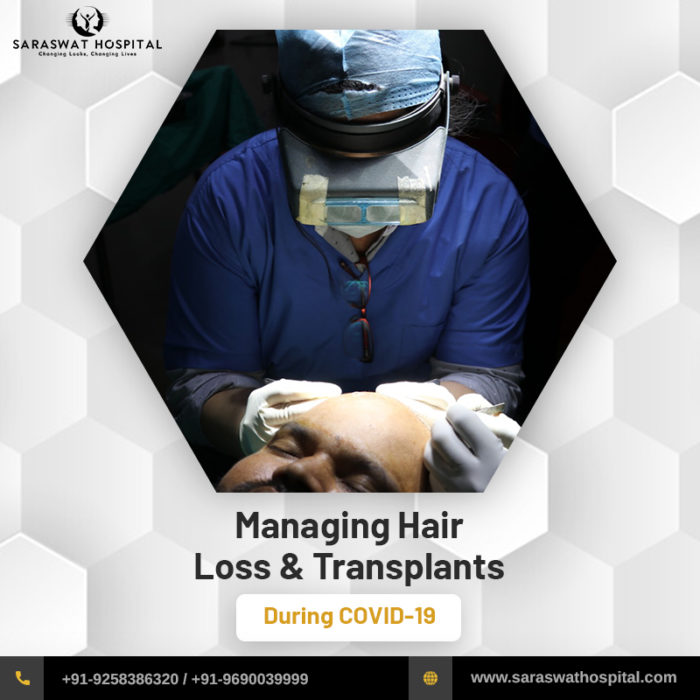
The Novel Coronavirus (COVID-19) has brought about unprecedented changes in all our lives, across generations and genders, worldwide. You may wonder that all the time you are staying indoors and are not being exposed to direct sunlight or pollution, so beauty conditions like acne and hair fall would take a back seat. Many people experienced hair loss & transplants challenges during this period due to stress, illness, and lifestyle changes. But sadly, that is not the case. Like several circumstances of life, hair loss is something that doesn’t go away because of a pandemic.
Understanding Hair Loss During COVID-19
1. The Link Between COVID-19 and Hair Loss
Hair loss became a common post-COVID symptom for many individuals. The stress caused by infection, high fever, or emotional strain often leads to a condition known as telogen effluvium — a temporary form of hair loss. Managing hair loss & hair transplants during this time requires understanding this connection and taking preventive measures early.
2. Stress-Induced Hair Shedding
Psychological stress during lockdowns and isolation also played a major role in worsening hair thinning. Chronic anxiety affects hormone levels, which in turn accelerate hair fall. A balanced lifestyle and mental relaxation are crucial for managing hair loss and hair transplant successfully.
Some of the ways the lockdown can adversely affect the health of your hair are:
1. An increased amount of stress.
2. Lack of taking proper care of hair hygiene.
3. Tying your hair into tighter hairstyles at home at all times.
4. Making unhealthy dietary choices and intake of junk/oily food.

Hair Transplants During the Pandemic
1. Can You Undergo Hair Transplants During COVID-19?
Yes, but with strict safety protocols. Reputed clinics implemented contactless consultations, pre-surgery COVID testing, and sterilized environments to ensure patient safety. If you plan to undergo hair loss & transplants, always choose a certified clinic that follows updated COVID-19 guidelines.
2. Safety Measures for Hair Transplant Procedures
To safely proceed with hair loss & transplants, both patients and doctors must adhere to hygiene and safety measures such as:
- Mandatory temperature checks and sanitization
- Use of PPE by medical staff
- Limiting visitors and maintaining social distancing in clinics
- Proper ventilation in the operating area
These precautions make hair loss & transplants procedures safe and effective even during pandemic conditions.
Prioritize Your Hair Health Condition
These are a few ways you are still susceptible to hair thinning and hair loss. Before it gets worse and you have to visit a doctor for guided assistance, there are several techniques you can incorporate into your daily life to keep these in check. Some of them are:
1. Try to stay calm at all times.
2. Make small, achievable goals and work towards them.
3. Eat a healthy, balanced diet.
4. Stay away from hair styling/heating products and chemicals.
Visiting a Doctor for Treatment
As COVID-19 inches towards community spread, it is crucial that you keep all rules and regulations set out by the World Health Organization (WHO) in mind. This goes to both patients and the hospitals you are visiting. In the situation we are living in, it is best to visit renowned hospitals for treatment as they would keep all the safety measures in check once reopened, before even allowing patients to enter.
This process starts with going for an online consultation with your transplant surgeon. In this, the doctor would go through your medical history, your current living atmosphere, whether you have traveled recently or not, and everything they need to know to get a glimpse of your condition beforehand. Yes, a face-to-face consultation is always the best way, but according to the recent regulations, this is a much-needed step.
The first consultation often ends up with the doctor suggesting a few time-tested medications that can keep the condition in check. Such may include both supplements and shampoos, which you would have to use as directed. Regularly monitor the condition to see if there are any visible changes to the same.
If the doctor notices that you require immediate attention, you may be given a hospital visit appointment. Sanitizing yourself and wearing a protective mask are important in this scenario. Following this, you would be taken for the Tricoscopic analysis and, further, the surgery. It is always suggested that you delay the surgery till the time the surroundings have adjusted to the new normal.
Conclusion
A silver lining to the hair transplant industry is that changes and evolutions are finally in motion. Only the best doctors are able to match up to the speed of the aforesaid evolution, making them your choice for the surgery. Book an appointment with our experts for transplant surgery or hair loss treatment.
Follow us on:- Facebook, Instagram, Pinterest, Youtube