

Book an
Appointment
Dr. Satya Saraswat - Hair Transplant Surgeon

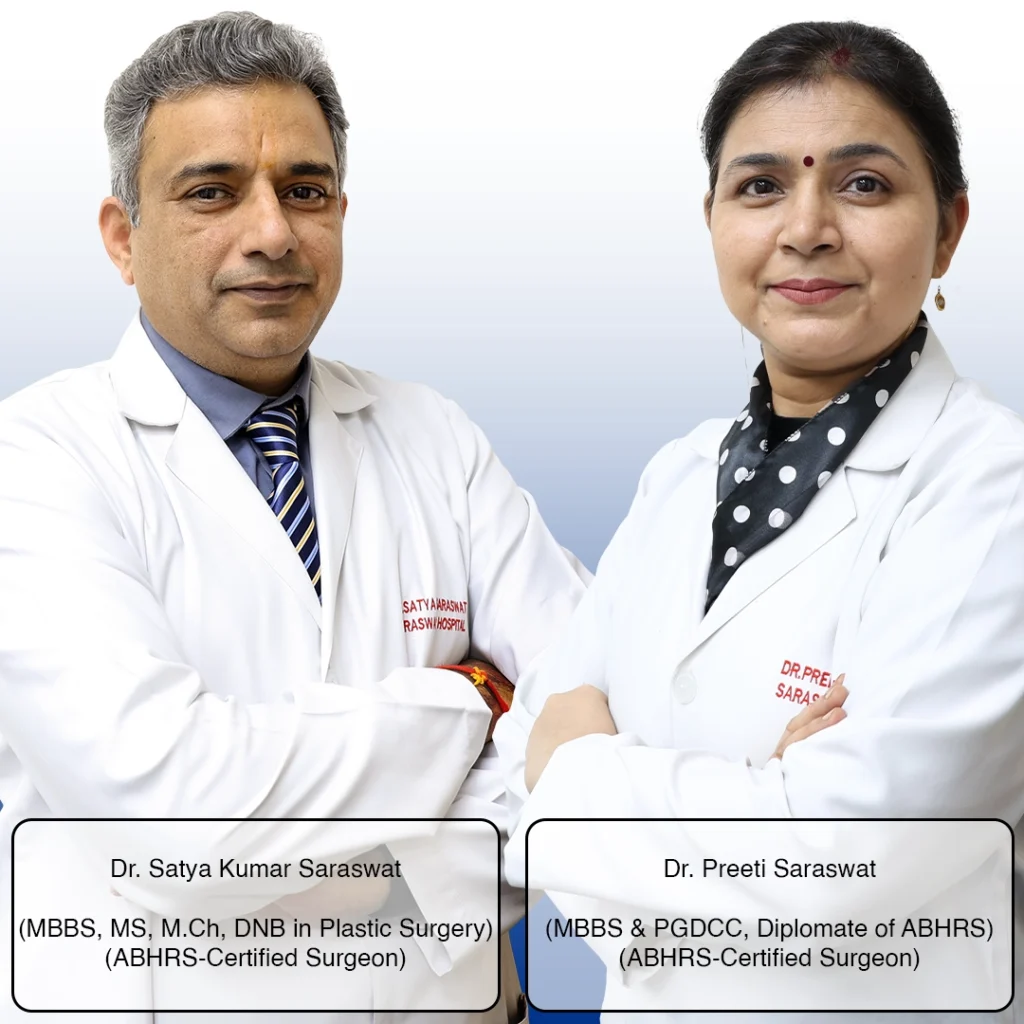
Dr. Satya Saraswat, MBBS, MS, MCh, DNB (Gold Medalist)

Dr. Satya Saraswat, MBBS, MS, MCh, DNB (Gold Medalist), FISHRS, is a cosmetic and plastic surgeon with an experience of over 20+ years and has performed 17,000+ cosmetic and plastic surgeries. He is a Diplomate of the American Board of Hair Restoration Surgery (ABHRS) and Fellow of ISHRS, as he has been continuously attending the International conferences and adopting the latest advancements in hair restoration science, and he has also submitted his research papers. His hands-on involvement ensures a natural hairline and high graft survival.

Articles by Dr. Satya Saraswat, MBBS, MS, MCh, DNB (Gold Medalist)

Best Country for Hair Transplant
Medically Reviewed By Dr. Satya Saraswat, MBBS, MS, MCh, DNB (Gold Medalist) | Last updated: April 16, 2026

Hair Transplantation is one of the newest and most efficient ways of dealing with baldness. With the advancements in technology and techniques, individuals can now undergo this process in different parts of the world. However, people want the best place for their hair transplant. Cost, expertise, quality care, and post-operative support are all different factors that determine the perfect destination. In this blog, we are going to discuss some of the frontrunner destinations that would help you reach a conclusion on the best country for hair transplant and enlighten you on why India is increasingly becoming a place to be taken seriously in this sphere. 

How to Evaluate Global Hair Restoration Standards?

The surgeon’s specialization and clinic accreditation are the primary predictors of graft survival. Patients must prioritize clinics that utilize microscopes for graft dissection and maintain a 1:5 technician-to-patient ratio to ensure follicular integrity. While cost is a variable, the clinical standard requires a minimum of 2,000 to 3,000 grafts for significant Norwood Scale correction. These benchmarks provide the foundation for comparing specific international destinations.

Best Hair Treatment: Factors that Matter

When deciding upon the best country for hair transplant worldwide, the following essential factors must be considered: 

Cost

The cost of hair transplants differs significantly from country to country. The best country that provides quality services at affordable rates would be the best destination for hair transplants.

Experience and Expertise of Surgeons

A nation with experienced hair transplant surgeons and a success rate in hair transplantation would be the best destination.

Quality of Facilities

The best medical facilities and advanced technology are essential in the successful completion of hair transplantation.

Post-Operative Care

Aftercare plays a vital role in recovery and the success of the transplant as a whole. Countries offering far superior post-operative care may be more favorable. 

Travel and Accommodation

Ease of access, ease of travel, and accommodation arrangements can also contribute to choosing the ideal country where one can have a hair transplant. 

Best Country for Hair Transplant Surgery 

There are several of the best countries for hair transplant worldwide. Those places include:

Turkey

Which is the Best Country for Hair Transplant?

Due to its affordability combined with high-quality services, Turkey is considered globally one of the best destinations for hair transplantation. The country has been attracting thousands of patients who want good value for their money, and as the years progress, it gains more popularity with growing numbers of clinics competing with each other by lowering prices but still using highly professional surgeons.

India

Which is the Best Country for Hair Transplant?

India is rapidly emerging as one of the best countries for hair transplants. The country gains a good reputation for medical tourism owing to reasonable prices, competent surgeons, and advanced facilities. Indian clinics, such as Saraswat Hospital, offer the latest hair transplant procedures for a fraction of the cost compared to other Western countries; thus, India becomes very attractive for anyone seeking quality treatment without high expenses. 

United States 

Best Country for Hair Transplant?

The United States is one of the most technically advanced places for hair transplants worldwide. Clinics within the country also boast about using the latest technology and having the most skilled surgeons. However, the cost of hair transplantation in the USA is considered pretty high and can, therefore, be pricey to such an extent. 

Thailand

Best Country for Hair Transplant?

Thailand has become a popular destination for hair transplant surgery due to its good surgeons, fully equipped facilities, and relatively lower cost. Recovery can also be spent in a comfortable and relaxing environment since many clinics are located in tourist-friendly areas.

Mexico

Best Country for Hair Transplant?

Mexico is one of the best places for hair transplants worldwide. Due to its relatively low cost and proximity to the United States, it is becoming increasingly more accessible for many Americans. With this said, prospective patients will need to research and carefully select a reputable clinic for hair restoration. 

Which Countries Lead in ABHRS-Accredited Procedures?

CountryAverage Cost per Graft (USD)Primary TechniqueRegulation Body
India$0.50 – $1.50FUE / DHT / FUTNABH / ABHRS
Turkey$0.80 – $2.00FUE / Sapphire FUEMinistry of Health
USA$5.00 – $12.00ARTAS / FUEABHRS
Mexico$2.00 – $4.00FUECSMC

India provides the highest density of American Board of Hair Restoration Surgery (ABHRS) certified doctors outside of North America. Turkey remains the highest volume destination, though patients must differentiate between technician-led and doctor-led clinics to avoid donor area depletion. The United States maintains the highest regulatory oversight but carries a price premium that often exceeds $15,000 for a standard 2,500-graft procedure. Mexico serves as a regional hub for North Americans seeking proximity, though clinical infrastructure varies widely between border cities and medical districts. Technical expertise in these regions directly influences the growth of medical tourism in South Asia.

Why Does India Lead in Advanced FUE Outcomes?

Indian hair restoration centers have a 90% to 95% success rate in utilizing the Follicular Unit Excision (FUE) method for Asian and Caucasian hair types. Surgeons in India frequently utilize the Long Hair Transplant technique, which allows for immediate visual assessment of the hairline without shaving the donor area. The integration of Regenerative Medicine, such as Platelet-Rich Plasma (PRP) and Exosomes, is standard protocol in Indian clinics to accelerate donor site healing. Hair transplant cost in India remains low due to lower operational overhead, not a reduction in medical technology or sterile standards. This infrastructure supports a highly structured patient experience from the initial assessment.
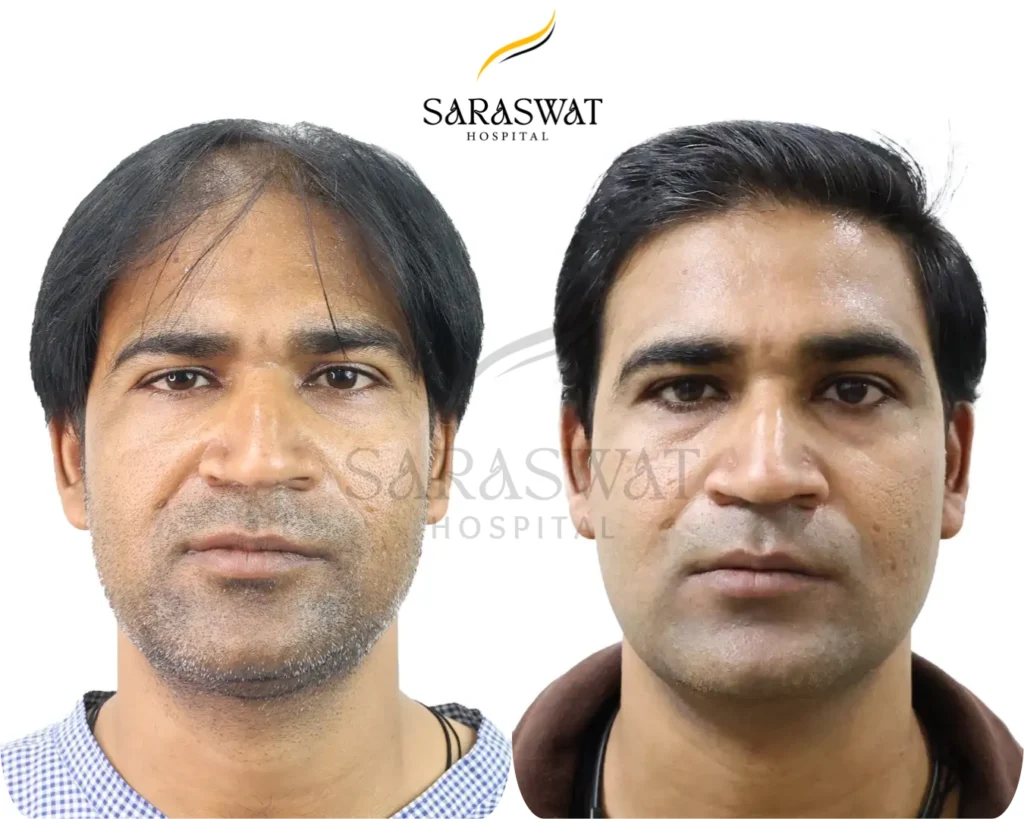
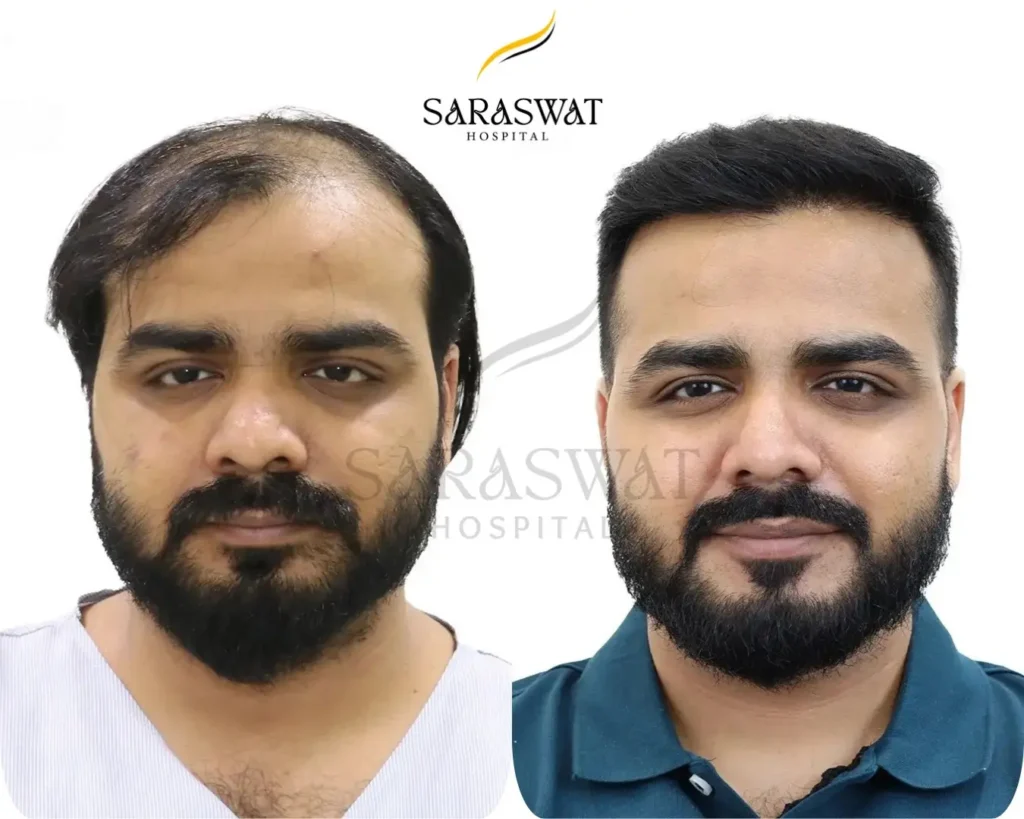
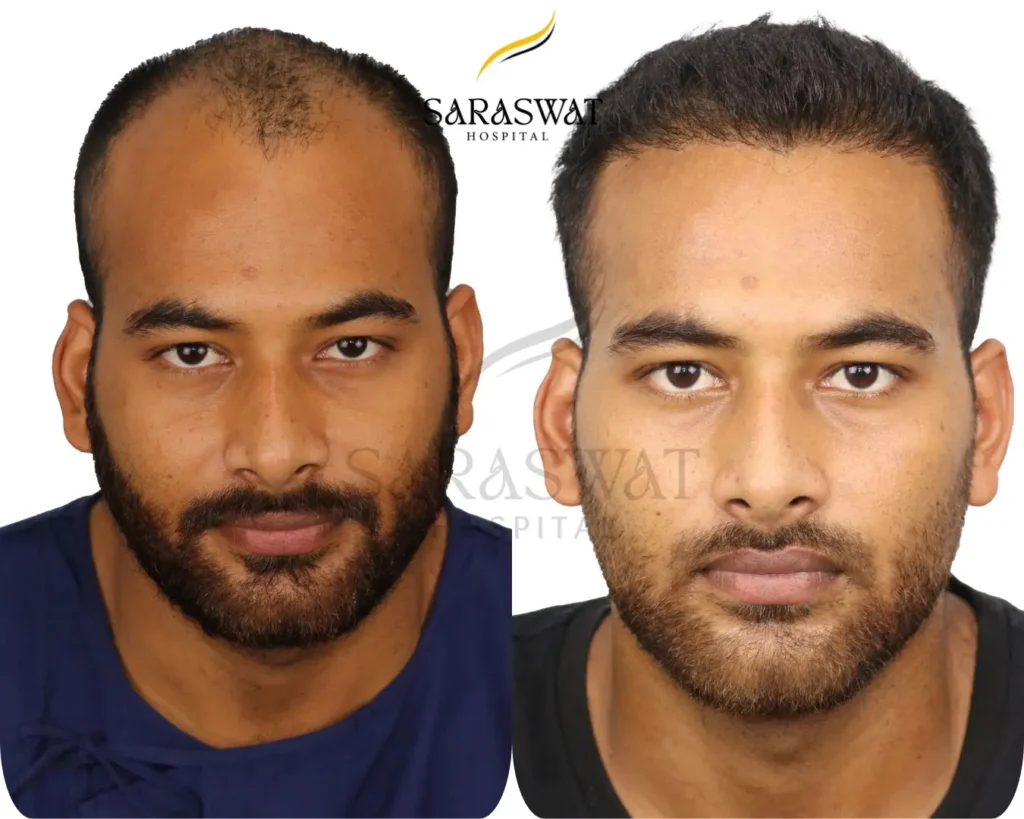
Hair Transplant Before and After Result

View more hair transplant results

What is the Standard Clinical Protocol in India?

  • The surgical process begins with a computerized trichoscopic analysis to measure donor density and calculate the exact number of extractable grafts.

  • Local anesthesia is administered using “painless” delivery systems to ensure patient comfort during the 4 to 8-hour procedure.

  • Post-operative care includes a 7-day antibiotic course and specific graft-wash protocols to prevent crusting and infection.

  • Follow-up consultations are conducted for international patients to monitor follicular maturation over 12 months.

Conclusion

While selecting the best country, one should look at the cost, expertise, and post-operative care. Turkey, India, Thailand, Mexico, and the USA are the best destinations, and since India provides an affordable option, the patient’s selection will be India. Book an appointment with our team and get a customized plan for your hair transplant.

Follow us on:- Facebook, Instagram, Pinterest, YouTube

Read More:- 7 Interesting Hair Transplant Facts You Need to Know, Best Hair Transplant in India

Medical Disclaimer →

This article is for informational purposes only and does not constitute medical advice. Plastic, cosmetic, and laser treatments — including AI-assisted previews such as those generated by the Peek AI™ app — carry risks and results vary by individual. Always consult a licensed medical professional before undergoing any procedure.

Side Effects of Hair Transplant
Medically Reviewed By Dr. Satya Saraswat, MBBS, MS, MCh, DNB (Gold Medalist) | Last updated: April 16, 2026

Hair transplantation has gained immense popularity over time owing to its effectiveness in solving hair loss-related issues. However, being a medical activity, it does have some probable side effects. A proper understanding of the after-effects or side effects of hair transplant is essential for patients who are going to undergo such treatment. This ultimate guide will talk about the risks that may be involved, the factors that affect them, and how one can minimize these factors to ensure a smooth and safe hair transplant surgery.

How Do Modern Hair Transplant Techniques Work?

Follicular Unit Extraction (FUE) and Follicular Unit Transplantation (FUT) involve the physical harvesting of live tissue. In FUE, individual 0.8mm to 1.0mm punches extract units, while FUT involves a linear strip of skin. These grafts are then implanted into micro-incisions in the balding region. This tissue transfer triggers an inflammatory response necessary for wound healing. This initial inflammatory phase leads directly to the most common post-operative symptom: oedema.

Why Does Post-Op Scalp Oedema Occur?

Post-operative oedema occurs in 42.47% of patients due to the infiltration of local anaesthesia and the trauma of micro-incisions (1). Swelling typically migrates from the hairline down to the forehead and peri-orbital area (eyes) within 3 to 5 days. Surgeons often prescribe a short course of Prednisolone to mitigate this fluid accumulation. While oedema is transient, the subsequent formation of scabs introduces the risk of pruritus.

Managing Post-Transplant Pruritus and Scalp Sensitivity

Pruritus, or intense itching, affects many patients during the first week of recovery after a hair transplant. Itching is caused by the release of histamines as the body repairs the thousands of tiny extraction and implantation sites. Patients must use a sterile saline spray or specialized copper peptide lotions to soothe the area without mechanical scratching. Scratching can dislodge newly implanted grafts before they have established a blood supply. Maintaining graft stability is the primary defense against localized infection.

Identifying Clinical Signs of Recipient Site Infection

Infection rates in hair restoration remain exceptionally low, documented at less than 1.0% in sterile clinical environments (2). The scalp’s high vascularity allows for rapid delivery of immune cells to the surgical site. Clinical signs of infection include persistent throbbing pain, localized heat, and purulent discharge (pus) after the third day. If these symptoms manifest, immediate antibiotic intervention is required to prevent graft loss. Beyond infection, patients may also notice a lack of sensation in the donor or recipient zones.

Duration of Post-Surgical Scalp Paresthesia

1. Scalp paresthesia (numbness): It is a frequent side effect resulting from the disruption of small cutaneous nerve branches during graft harvesting.

2. Surgical Prevalence: This sensation is more prevalent in FUT surgeries due to the linear incision, but also occurs in high-density FUE cases.

3. Regeneration Timeline: Most patients experience a full return of sensation within 3 to 6 months as peripheral nerves regenerate.

4. Concurrent Effects: While the scalp regains sensation, the hair itself may undergo a temporary shedding phase known as shock loss.

Why do Telogen Effluvium and Shock Loss Occur?

Telogen effluvium, commonly called shock loss, is a frequent and temporary side effect that occurs after a hair transplant surgery. This condition results in the temporary shedding of both transplanted and existing native hair. It is a physiological response where follicles enter a resting phase before restarting the growth cycle. Within 4 months, 98% of these follicles return to the anagen (growth) phase. If shedding persists or if small bumps appear, it may indicate a different rare complication.

Clinical Management of Folliculitis and Cysts

Post-transplant folliculitis or epidermal inclusion cysts can occur when a graft is implanted too deeply or when a new hair struggles to break through the skin surface. These present as small, red pustules similar to acne and typically resolve with warm compresses or minor clinical drainage. In rare cases, keloid scarring may occur in patients with a genetic predisposition, particularly in the donor area of FUT patients. Proper screening of skin types is a mandatory component of clinical protocols to reduce these risks.

What are the Clinical Protocols to Reduce Post-Op Risks?

The reduction of surgical risk is directly correlated to the surgeon’s adherence to ISHRS and ABHRS standards. Patients should verify that their surgeon is a Diplomate of the American Board of Hair Restoration Surgery (ABHRS) to ensure advanced technical competency.

Risk FactorPrevention ProtocolRecovery Timeframe
OedemaSleeping at a 45° angle; steroid taper.3–7 Days
Graft LossAvoidance of friction/scratching for 10 days.Permanent after 10 days
InfectionPost-op antibiotic course and sterile saline.7–14 Days
Shock LossMinoxidil or Finasteride (if prescribed).3–4 Months

Following these protocols ensures the highest rate of graft survival and the most natural aesthetic outcome.

Tips to Minimize Side Effects

  • Choose an Experienced Surgeon: You must select a qualified and experienced surgeon who will easily perform the hair transplantation. You can refer to the history of the surgeon regarding successful operations concerning hair transplantations.
  • Follow the Guidelines on Post-Operative Care: You must follow the post-operative guidelines that your surgeon is going to provide, as this improves the possibility of recovery and, at the same time, minimizes complications.

How to Choose the Right Hair Transplant Clinic in India?

Selecting the proper hair transplant center will go a long way in reducing the risks. Some points to consider are:

  • Research: The credentials and experience of the surgeon performing the operation should be considered.
  • Consultation: A proper consultation regarding the procedure, outcome, and risks associated with the hair transplant should be done.
  • Technology and Technique: The latest technology and techniques of hair transplant should be used by the center.

Conclusion

Although the side effects of hair transplants seem alarming, you can easily manage most of them by taking proper care. You can minimize the risks by choosing a reputable hair transplant center and following the surgeon’s advice. Always balance the potential side effects and enter the treatment with open eyes. Being fully prepared and understanding all of the possible hair transplantation side effects will enable you to make an informed decision about whether or not this is the proper treatment for you.

Sources:

(1) Post-operative oedema occurs in 42.47% of patients due to the infiltration of local anaesthesia and the trauma of micro-incisions. (PubMed Central)

(1) Infection rates in hair restoration remain exceptionally low, documented at less than 1.0% in sterile clinical environments. (PubMed Central)

FAQs

1. What are the most common side effects of a hair transplant?
Common side effects include swelling, itching, infection, and temporary numbness of the scalp.

2. Is hair transplant surgery painful?
It is usually not painful because it is under local anesthesia. During the periods of recovery, there can be a little discomfort.

3. How long do the side effects last after a hair transplant?
Most of the common side effects, such as swelling and itching, disappear within a week, whereas it takes a longer time in the case of numbness.

4. Can side effects be prevented?
Not all side effects can be prevented, but their severity can be minimized. It is possible by choosing the right operating surgeon, following recommendations for post-operative care, and living a healthy life.

5. What should I do if there are infection signs and symptoms following a hair transplant?
If these signs are present, such as redness, swelling, or pus, then you must consult your surgeon immediately for proper treatment.

Follow us on:- Facebook, Instagram, Pinterest, YouTube

Read More:- What is the Best Age For Hair Transplant?, What Happens 20 Years After a Hair Transplant?

Medical Disclaimer →

This article is for informational purposes only and does not constitute medical advice. Plastic, cosmetic, and laser treatments — including AI-assisted previews such as those generated by the Peek AI™ app — carry risks and results vary by individual. Always consult a licensed medical professional before undergoing any procedure.
Can a Hair Transplant Fail?
Medically Reviewed By Dr. Satya Saraswat, MBBS, MS, MCh, DNB (Gold Medalist) | Last updated: April 16, 2026

Hair transplant procedures are becoming quite common to solve the problem of hair loss. However, many folks ask the question about the chances of failure of a hair transplant. This is generally a pretty reliable treatment that will not work as well in some cases. In this blog, we review reasons for the failure of a hair transplant, prevention, and what to expect. Knowing these elements will be important for anyone looking to have this procedure done.

Why Do Hair Transplants Fail?

Hair transplant surgery maintains a clinical success rate of 90%+ in the overall world (1). However, at Saraswat Hospital, the success rate falls between 95% to 98%. Failure is defined clinically as the inability of transplanted follicles to survive the transition or the achievement of a density lower than the patient’s physiological potential. Results are typically categorized as failed if there is no visible growth 12 to 15 months post-procedure. Understanding these benchmarks requires a deep look into the biological environment of the scalp.

What Causes Hair Transplant Graft Failure?

Graft Desiccation: The drying out of follicular units is a primary biological cause of transplant failure during the out-of-body phase.

Environmental Sensitivity: Follicles are highly sensitive to temperature and hydration; they will die before implantation if not stored in a specialized tissue solution at low temperatures.

Mechanical Trauma: Improper tweezer handling can cause physical trauma, potentially crushing the delicate bulb of the follicle.

Technical Variable: These biological risks identify the choice of surgical technique as a critical factor in overall graft survival.

How Does Surgical Technique Affect Success?

FUE procedures currently account for more than 75% of all global hair restorations (2). High transection rates—where the follicle is accidentally cut during extraction—directly reduce the available donor supply and lead to sparse results. Advanced methods utilize low-torque machines to minimize this mechanical damage. This precision ensures that the spotting of failure is a rarity rather than a rule.

Recognizing the Signs

It is important to note that before undergoing hair transplantation surgery, one should keep in mind that the results will not show up on the same day. In fact, within several months, new hair grows. However, if even after one year, there is no noticeable improvement, this might hint at the failure of hair transplantation surgery. The following are some of its symptoms:

  • Patchy Hair Growth: The most common symptom is patchy or thin hair growth.
  • Poor Design of Hairline: A hair transplant usually fails because the hairline comes out unnatural.
  • Scarring or Infection: Scarring and infection could be possible just because of poor surgical technique and poor post-surgical care.

How to Ensure High Graft Survival?

Stopping nicotine use at least four weeks before surgery is mandatory to prevent vasoconstriction that starves new grafts of oxygen. Post-operative compliance involves strictly avoiding strenuous activity for 10–14 days to prevent graft dislodgement. Surgeons at Saraswat Hospital utilize Trichoscopy analysis to assess donor density before the first incision is made. This clinical preparation is backed by global data regarding patient outcomes.

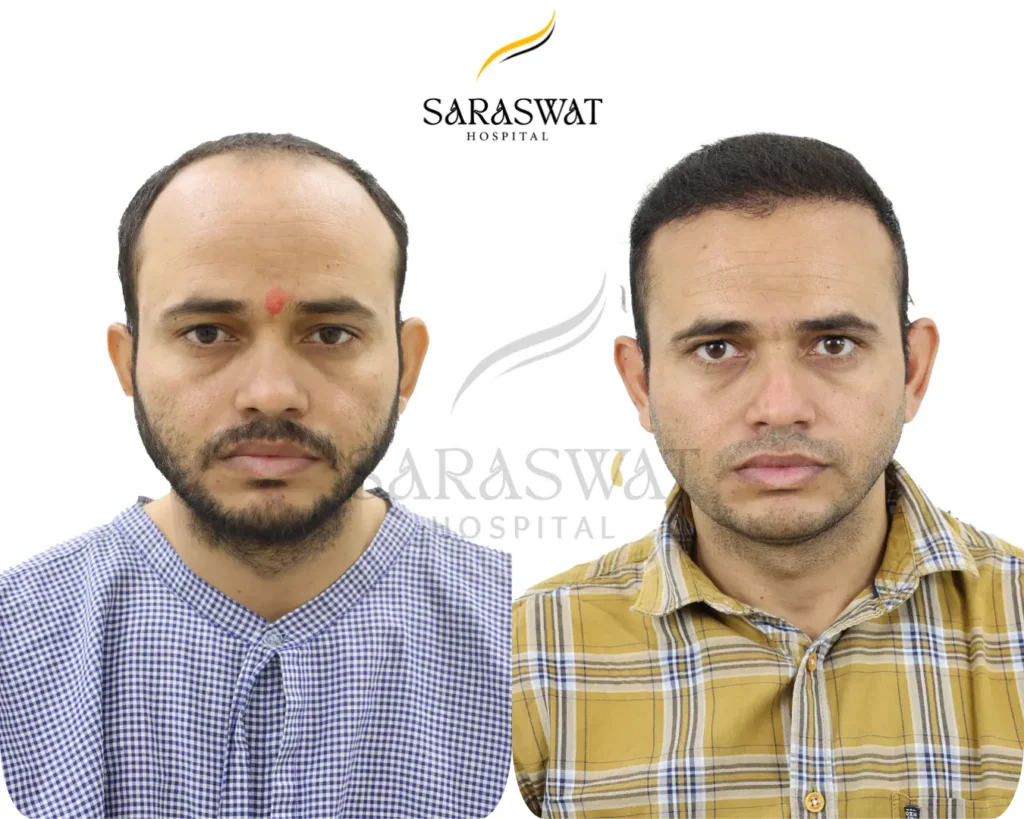
Hair Transplant Before and After Result

Advanced Techniques

The use of advanced techniques such as Follicular Unit Extraction (FUE) with a low torque, low rpm machine, thus offering more chances of graft survival, therefore, has better results. This reduces the failure rate. The graft counter on the FUE machine serves as great transparency regarding the number of grafts harvested.

What Does ISHRS Data Say About Failure?

The 2025 ISHRS Practice Census reveals that repair cases for black market transplants have increased to 10% of all global procedures (3). These failures are predominantly caused by unlicensed technicians performing surgery without physician oversight. Specialized doctors are now seeing an influx of patients requiring corrective surgery due to these illegal clinics. When surgery is not an option for repair, patients must look toward medical alternatives.

What are Non-Surgical Hair Restoration Options?

  • Primary Defense: FDA-approved medical treatments like Minoxidil and Finasteride remain the standard for slowing native hair loss.
  • Adjuvant Treatments: Platelet-Rich Plasma (PRP) and low-level laser therapy (LLLT) are increasingly utilized to boost graft survival rates following surgical intervention.
  • Clinical Safety Net: These non-invasive options provide a critical fallback for patients presenting with insufficient donor density.
  • Prognosis: The integration of these therapies contributes significantly to the overall trajectory of long-term procedural success.

What is the Long-term Success Rate?

Two-thirds of all patients achieve their desired aesthetic result after a single, well-executed session. Success is a permanent outcome because the transplanted follicles are harvested from the safe donor zone, which is genetically resistant to DHT. While native hair may continue to thin, the transplanted hair should remain for the duration of the patient’s life. Maintaining this result requires a partnership between the patient and a qualified clinical team.

Real-Life Examples

There are lots of stories about patients who had their hair transplant fail. Most of them belong to people who have not done enough research on the clinic or surgeon they decided to go for, which led to disappointing results in the end.

Long-Term Maintenance and Follow-Up

Hair transplantation results are long-term but need follow-up and care. Follow-up with the surgeon is necessary after the initial healing is complete to evaluate the results and make modifications if necessary. This will also give the surgeon a better view of the healthy growth of the transplanted hair follicles and maintenance of good hair growth.

Ongoing care of the scalp, with follow-through as needed for any treatment or medication prescribed by a physician, can help to ensure that the transplant results last as long as possible. Failure to do so can compromise the outcome of the procedure as well and may result in failure of the Hair Transplantation.

Psychological Impact and Support

Many people identify themselves with hair; hence, failure of the transplant can emotionally deplete or lessen one’s self-esteem. Counseling or support groups enable dealing with such negative feelings and staying positive. Let’s not forget that hair restoration is a journey, and setbacks along the way are possible.

Conclusion

Yes, a hair transplant can fail, but these chances can be further minimized by several aspects: selection of a good and skillful surgeon, following the instructions for post-operative care, and having realistic expectations. The consequences of a hair transplant may thus fail; with knowledge about what contributes to failure, you may make informed decisions and probably try to avoid hair transplant failure. Book an online consultation with our team and find out how many grafts you will need to get your desired result.

Sources:

(1) Hair transplant surgery maintains a clinical success rate of 90%+ in the overall world. (Review of Factors Affecting the Growth and Survival of Follicular Grafts, Journal of Cutaneous and Aesthetic Surgery)
(2)
FUE procedures currently account for more than 75% of all global hair restorations. (ISHRS 2025 Practice Census)
(3)
The 2025 ISHRS Practice Census reveals that repair cases for black market transplants have increased to 10% of all global procedures. (ISHRS 2025 Practice Census)

FAQs

1. What are the common signs that a hair transplant has failed?
Signs would include bad distribution of hair growth, poor hairline design, visible scarring, and no improvement at all after one year.

2. Can a failed hair transplant be redone?
Yes, most of the time, the second procedure can fix the problems from the first; however, this is based on the recipient’s available donor hair and the reasons behind the failure.

3. How can I prevent a hair transplant failure?
You need to select a qualified surgeon, follow all the post-operative instructions, and also take care of any pre-existing medical conditions.

4. Is hair transplant failure a common occurrence?
Hair transplant failure is not a very common occurrence if performed by a qualified and experienced surgeon, but it can happen.

5. Are there other alternatives to a hair transplant?
There are some treatments available for hair loss, such as medications, laser treatment, exosomes, GFC, and PRP treatment for the existing hair on the scalp. For the balding areas, the only solution is a hair transplant.

Follow us on:- Facebook, Instagram, Pinterest, YouTube

Read More:- Do Hair Transplant Results Last Forever?

Medical Disclaimer →

This article is for informational purposes only and does not constitute medical advice. Plastic, cosmetic, and laser treatments — including AI-assisted previews such as those generated by the Peek AI™ app — carry risks and results vary by individual. Always consult a licensed medical professional before undergoing any procedure.
Does Donor Hair Grow Back?
Medically Reviewed By Dr. Satya Saraswat, MBBS, MS, MCh, DNB (Gold Medalist) | Last updated: April 16, 2026

Hair transplantation is one of the major treatments for hair loss, wherein hair follicles are transferred from one part of the body to another. Still, one of the most frequently asked questions is Will my donor hair grow back or not? Understanding this is an essential part of hair transplantation. The simple reason is that the entire success ratio of the transplantation depends upon the availability and quality of donor hair.

In this guide, we will cover what happens to the donor’s hair once it has been transplanted. Whether or not it regrows and how different methods of hair transplantation are conducted, such as the FUE hair transplant method versus the FUT hair transplant method.

What is the Permanent Zone Donor Site?

The donor area is a specific region at the back and sides of the scalp that is genetically resistant to Dihydrotestosterone (DHT). This permanent zone serves as the primary reservoir for grafts because the hair moved from here will retain its growth characteristics in the recipient site. Clinical guidelines dictate that only follicles within these specific boundaries should be harvested to ensure long-term survival. Surgeons must evaluate the Safe Donor Zone (SDZ) before a hair transplant to avoid extracting hairs that are susceptible to future loss. Understanding these boundaries clarifies why natural regrowth is limited by physiological constraints.

Physiological Limits of Follicle Regeneration

Clinical studies confirm that human hair follicles have zero capacity for self-regeneration once the dermal papilla is excised. During a transplant, the surgeon extracts the complete biological engine of the hair to ensure it survives in its new location. If a follicle were to regrow in the donor site, it would mean the extraction was unsuccessful, or the follicle was damaged. Modern restoration focuses on donor management rather than regeneration to preserve scalp aesthetics. The method of extraction significantly impacts how these limits manifest visually.

Variables that Impact the Donor Area?

  • Donor Hair Density: This serves as the primary metric for determining the maximum number of follicles that can be harvested without causing visible thinning.
  • High Follicular Density: Patients with robust density can sustain a higher volume of graft extraction, as the remaining surrounding hair provides ample cosmetic coverage.
  • Low Follicular Density: These cases require a more conservative extraction strategy to avoid a “moth-eaten” appearance or patchy donor site.
  • Healing Capacity and Scalp Laxity: These physiological traits dictate the skin’s ability to recover and the final visibility of the extraction points.
  • Surgical Technique: All aforementioned variables are managed through specific adjustments in the chosen surgical method (FUE vs. FUT).

Comparing FUE vs. FUT Harvest Methods

FeatureFollicular Unit Excision (FUE)Follicular Unit Transplantation (FUT)
Extraction MethodIndividual units via punch (< 1 mm)A thin strip of tissue
ScarringDispersed punctate (dot) scarsSingle linear scar
Recovery Time3–5 days10–14 days
Graft YieldLimited by donor densityHigh yield for large sessions

FUE involves removing individual units, leaving tiny circular gaps that are virtually invisible when surrounded by healthy hair. FUT hair transplant involves removing a strip of scalp, which is then sutured, potentially leaving a thin line that requires longer hair to conceal. Both methods result in a permanent reduction of total hair count in the donor region. These techniques are executed with high precision in specialized clinical hubs.

Hair Transplant Before and After

Clinical Benefits of Treatment in India

India has established a global standard for hair restoration by integrating advanced robotic assistance and high-magnification trichoscopy. Surgeons in leading centers like Saraswat Hospital utilize Long Hair FUE, FUT, and DHT (Direct Hair Transplant) techniques to maximize graft viability. The cost-to-quality ratio in India allows patients to access specialized care that meets international standards. Rigorous clinical protocols ensure that donor hair reserves are preserved for potential future needs. This long-term planning prevents the premature depletion of hair resources.

Techniques in Hair Transplant

Understanding the technique underlying hair transplantation will make it clear why donor hair does not grow back. Let’s take a closer look at the two primary methods:

  • FUE (Follicular Unit Excision): Involves removing individual units, leaving tiny circular gaps that are virtually invisible when surrounded by healthy hair.
  • FUT (Follicular Unit Transplantation): Involves removing a strip of scalp, which is then sutured, potentially leaving a thin line that requires longer hair to conceal.

Both methods result in a permanent reduction of total hair count in the donor region. These techniques are executed with high precision in specialized clinical hubs.

Hair Transplant Advantages in India

A hair transplant has several advantages, some of which include:

  • Cost-Effective: The most important advantage is the cost-effectiveness of hair transplant in India compared to other countries in the West.
  • Surgeon’s Expertise: Certified surgeons always perform hair transplants with the latest technologies and equipment, which helps in getting the best results.
  • Advanced Techniques: All clinics in India are well-equipped with the most advanced technologies that guarantee the success rate of the surgery.

Post-Operative Care for Optimal Healing

Patients must avoid direct UV exposure and strenuous physical activity for at least 14 days to ensure the extraction sites heal without significant scarring. Keeping the donor area clean and hydrated with saline or prescribed ointments prevents crusting and potential infection. Sleeping in an elevated position reduces edema, which can otherwise put pressure on the newly transplanted follicles. Mechanical trauma, such as scratching or wearing tight hats, must be avoided to prevent graft dislodgment. Proper care clarifies the truth behind common misconceptions regarding hair recovery.

Some Misconceptions About Follicle Regrowth

1. Marketing Claims: Misleading marketing often suggests that certain topical serums or stem cell injections can trigger the regrowth of excised donor hair.

2. Scientific Reality: Science confirms that while these treatments can strengthen existing hair, they cannot create a new follicle where one has been surgically removed.

3. Resource Myths: Another common myth is that donor hair is unlimited if body hair is used as a secondary source.

4. BHT Limitations: While body hair (BHT) is a viable supplement, it has different growth cycles and textures than scalp hair.

Summary of Donor Site Viability

Donor hair does not grow back because the transplant process involves moving the entire biological unit. Natural results depend on the surgeon’s ability to harvest grafts without compromising the overall density of the donor area. Patients should focus on choosing experienced surgeons who use advanced diagnostic tools to map the safe donor zone. Long-term satisfaction is the result of strategic graft management rather than follicular regeneration.

FAQs

1. Does the hair of the donor grow back?
No, the hair of the donor does not regrow in the spot from which it was harvested. However, once it is transplanted, the hair will start growing normally in its new spot.

2. In how many months does the transplanted hair grow?
Generally, the transplanted hair starts growing at 3 to 4 months. Slowly, it thickens and grows longer, and by the time it reaches one year, it reaches its full length and thickness.

3. Is there a limitation to the number of hair transplantation surgeries?
Yes, however, the limitation in the number of surgeries largely depends on the availability of donor hair.

4. What is the difference between FUE and FUT?
FUE deals with the extraction of the individual follicles, and FUT involves taking a strip of scalp. Both have their advantages and disadvantages.

5. Is there any risk to the donor area?
Hardly any exists, and not at all if the procedure is done by an accomplished surgeon; however, you might see a little thinning and scarring.

Follow us on:- Facebook, Instagram, Pinterest, YouTube

Medical Disclaimer →

This article is for informational purposes only and does not constitute medical advice. Plastic, cosmetic, and laser treatments — including AI-assisted previews such as those generated by the Peek AI™ app — carry risks and results vary by individual. Always consult a licensed medical professional before undergoing any procedure.

Is Hair Transplant Painful?
Medically Reviewed By Dr. Satya Saraswat, MBBS, MS, MCh, DNB (Gold Medalist) | Last updated: April 17, 2026

Hair loss is one of the major concerns for many people, and hence, people try to seek effective and durable solutions. Among all the options, hair transplantation is considered one of the most reliable approaches. Knowing what to expect with the surgery will help dissipate apprehension, hence setting realistic expectations for anyone preparing for it.

What to Expect During a Hair Transplant Procedure?

First of all, before going deep into how painful a hair transplant procedure is, it becomes necessary to know what happens in the process. Hair transplants typically include the extraction of hair from one area of the body and transplanting it to the balding or thinned area. The whole procedure is generally performed under local anesthesia.

How Does Local Anesthesia Work in Hair Transplants?

Tumescent local anesthesia using a stabilized lidocaine-epinephrine solution is the clinical standard for ensuring a pain-free surgical field. This solution is injected into the subcutaneous layer, creating a “turgid” state that separates the scalp skin from the skull, protecting deep nerves and blood vessels. Patients typically feel a 2-to-5 second stinging sensation during the initial administration, after which the scalp remains fully desensitized for 4 to 6 hours. Modern clinics utilize vibration-assisted devices (VibraCool) to disrupt pain signaling during these initial injections. This foundational numbing allows for the high-precision extraction of follicles without patient distress.

Is the FUE Hair Transplant Extraction Process Painful?

Follicular Unit Extraction (FUE) utilizes micro-punches (0.7mm to 0.9mm) that result in shallow wounds, which do not require sutures or deep tissue manipulation. Because the anesthesia blocks the peripheral nerves, the patient experiences a sensation of dull pressure rather than sharp pain during the harvesting phase. Statistical data indicate that FUE patients report a lower intra-operative discomfort level compared to traditional strip surgery (1). The extraction phase is the most labor-intensive part of the day, yet most patients remain comfortable enough to watch media or sleep. The minimal trauma of FUE directly dictates the speed of the subsequent healing phase.

Post-Procedure Discomfort

What the patient cares about is the recovery period. One may feel a little discomfort, tightness, or soreness at the site of treatment. This discomfort, however, is usually mild and can be dealt with through over-the-counter pain relief medicines. The discomfort, in general, should disappear in a few days or within one week at most.

What is the Typical Hair Transplant Recovery Timeline?

Stabilization Period: Physical recovery follows a strict 7-to-10-day biological window essential for tissue stabilization.

The First 48 Hours: Donor and recipient sites undergo scab formation to provide a protective barrier for newly implanted grafts.

Day 4 Milestones: Micro-incisions from FUE procedures typically close, and residual soreness often transitions into a mild itching sensation.

Activity Resumption: Most patients are clinically cleared to resume non-strenuous office work within 72 hours of the surgery.

Long-Term Impact: Adhering to this timeline is vital for comparing the sensory outcomes and success rates of different surgical methods.

Factors That May Influence Pain Levels

While hair transplantation is generally a safe procedure, several variables can determine the sensation of pain for the patient during the procedure. These include:

  • Type of Procedure: The two major hair transplant techniques are the Follicular Unit Transplantation and the Follicular Unit Extraction. FUT can be relatively more painful after the surgery because of the stitches on the scalp, while FUE is less invasive with less pain and quicker recovery.
  • Expertise of Clinic: The best hair transplant clinic selected will have a huge impact on the pain level. Most of the top-rated clinics have highly qualified surgeons and use advanced technology, which offers less painful procedures.
Hair Trasplant Before and After Result

How to Manage Scalp Swelling after Hair Restoration?

Post-operative edema is a natural inflammatory response that typically peaks between day 2 and day 4. Patients must sleep with the head elevated at a 45-degree angle using a travel pillow to prevent fluid from migrating to the periorbital (eye) area. Cold compresses should be applied to the forehead for 15 minutes every hour, but never directly on the transplanted grafts. This mechanical drainage approach is often supplemented by prescribed pharmacological agents to ensure total comfort.

Tips for a Comfortable Hair Transplant Procedure

The following are some tips that may further ease discomfort and improve the overall experience:

  • Stay Hydrated & Well-Nourished: Staying hydrated and well-nourished before the surgery will ensure that your body can handle the surgery. Proper nutrition will ensure that you heal quickly and that discomfort is avoided after the surgery.
  • Take Rest After Surgery: You should prepare a comfortable place to rest in your home. Using soft pillows to elevate your head will help to reduce swelling and recover faster.
  • Pre-Surgical Preparation: Avoiding those things that the clinic recommends avoiding before surgery, such as alcohol or other medications, will ensure that there are no complications or discomfort.
  • Communicate with Your Surgeon: You can ask any questions that you may have or express your concerns about discomfort. Experienced surgeons will change their approach based on the comfort level of the patient and provide solutions for overcoming all types of discomfort.
  • Wear Loose, Comfortable Clothing: On the day of the procedure, wear clothes that do not need to be pulled over your head to avoid disturbing the treated area.

Conclusion

The answer to this is usually an encouraging “no” for the majority. This is because, firstly, advances in medical technology have eased discomfort. Secondly, only the right hair transplant clinics are capable of doing this. The recovery period following a hair transplant is relatively short, and the patients can resume daily activities within a few days. Thus, by following the process, desirable results can be achieved with comfort provided from start to finish.

Sources: 

(1) Statistical data indicate that FUE patients report a lower intra-operative discomfort level compared to traditional strip surgery. (PubMed Central)

FAQs

1. Is a hair transplant painful during the procedure?
The whole procedure is done under local anesthesia, so most of the time, the patients have no pain during the transplantation.

2. Time required for recovery after hair transplant?
Recovery time after a hair transplant mostly takes 2 to 6 days. But complete recovery and healing of the damage in the patient’s dermal layer takes a few weeks.

3. Can any pain relief medication help manage post-procedure discomfort?
Over-the-counter pain relievers are quite effective for any discomfort that might result from the procedure.

4. Is the intensity of pain different for FUT and FUE techniques?
Yes, FUT can be perceived to be more painful post-surgery as compared to FUE due to the nature of the surgery.

5. What is done to minimize pain and accelerate the recovery process?
Picking the right hair transplant clinic and following proper post-operative care will reduce pain and help speed recovery.

Follow us on:- Facebook, Instagram, Pinterest, YouTube

Read More:- Best Hair Transplant in India

Medical Disclaimer →

This article is for informational purposes only and does not constitute medical advice. Plastic, cosmetic, and laser treatments — including AI-assisted previews such as those generated by the Peek AI™ app — carry risks and results vary by individual. Always consult a licensed medical professional before undergoing any procedure.
Best Age For Hair Transplant
Medically Reviewed By Dr. Satya Saraswat, MBBS, MS, MCh, DNB (Gold Medalist) | Last updated: April 17, 2026

Selecting the best age for hair transplant is essential to enjoy long-term and the finest possible outcomes. Hair loss can affect people at different life stages. So, it’s important to know when to consider hair restoration techniques like FUE and FUT transplants. With the aid of this thorough guide, you will be able to ascertain the best age as well as the important considerations.

Understanding the Best Age for Hair Transplant

Depending on a person’s unique situation, there are several optimal hair transplant ages. Hair transplants are often advised for those who suffer from severe hair loss. Several factors should influence the choice to get a hair transplant. These are the following factors: the pattern of hair loss, overall health, and personal goals. The best age for a hair transplant is considered to be between 25 and 45 years old. During this phase, the pattern of hair loss has become more pronounced, making it easier for the surgeons to assess the stability of the hair loss and the plan for the hair transplant.

Why is age 25 the Surgical Threshold?

Androgenetic alopecia is a progressive condition that often does not reveal its final pattern until a patient reaches their mid-20s. Operating before this stability is reached makes it impossible for surgeons to accurately predict the future boundaries of the safe donor zone. Patients who undergo surgery prematurely risk a depleted donor supply that cannot cover future baldness. This biological uncertainty necessitates a conservative approach to hairline design. Establishing a stable baseline is the only way to prevent the formation of isolated islands of hair.

What are the Risks of Early-20s Transplants?

Deciding on the best age for a hair transplant is very confusing to many, especially in their early 20s. This hair loss phase might be very depressing. It would challenge one’s confidence and personality. However, there are a few important aspects to consider:

  • Hair Loss Progression: At this age, the pattern of hair loss may still be evolving. Hair loss is progressive. So, early intervention may not be needed if the pattern is not well established. This is because you may have to make adjustments much later as your own hair loss progresses.
  • Long-term Results: Hair restoration in the early twenties may need later surgeries to revise or supplement the results. Transplantations may be needed as this hair loss is progressive. It is important to maintain a natural hairline and get the best results. So, it is often advised not to start transplants until the alopecia has stabilized.

For younger people, results might differ significantly. Waiting for a consistent pattern of hair loss may yield better, long-term results.

However, we understand that there may be exceptional cases due to psychological and social factors. A thorough consultation with ABHRS diplomates Dr. Satya Saraswat & Dr. Preeti Saraswat may help you.

Hair Transplant Before and After Result

Why is the 30-year Mark Ideal for FUE?

The late 20s and early 30s represent the clinical sweet spot because hair loss patterns are typically fully established by this stage. Surgeons can differentiate between permanent hair and hair destined to fall out, allowing for a precise placement of FUE grafts. This age group also benefits from high skin elasticity, which facilitates faster healing and higher graft survival rates. Choosing an FUE hair transplant at this stage allows for a long-term aesthetic plan that accounts for natural aging. Proper planning now ensures the donor area is not over-harvested for the future.

MetricUnder 25Age 25–45Over 50
Pattern StabilityLowHighVery High
Graft SurvivalHighHighModerate
Primary GoalPreventionRestorationRefinement

How does Donor Density Change After 40?

Donor hair density begins a natural decline as a patient enters their 40s, reducing the total number of follicular units available for extraction. While the hair loss pattern is fully visible, the safe zone at the back of the head may shrink due to senile alopecia. Dr. Satya Saraswat utilizes high-magnification trichoscopy to measure this density before committing to a graft count. Patients in this age bracket often opt for a combination of FUT hair transplant and FUE to maximize graft yield from a thinning donor area. This strategic approach addresses both current baldness and future thinning.

Is Age 50 too Late for FUE?

  • Viability in Seniors: Hair transplantation remains a viable option for patients in their 50s and 60s, provided they maintain good cardiovascular health and sufficient donor reserves.
  • Aesthetic Focus: The primary goal for older patients is typically crown coverage or thickening a receding hairline, rather than the creation of a youthful, low hairline.
  • Recovery and Success: Healing times may be slightly extended due to reduced blood flow in the scalp; however, the success rate of the grafts remains high if the patient is medically cleared.
  • Preoperative Screening: Surgeons must strictly screen for medications, such as blood thinners, that could complicate the surgical procedure.

Men 50 years old or older can expect amazing hair transplant results from first-time hair transplantation (1).

Factors that Affect the Best Age

Family history and genetics: Genetics are an important factor in hair loss. If there is a strong family history of hair loss, an early consultation may be needed. This will prove to be helpful in the future for hair restoration.

Pattern and Progression of Hair Loss: It is necessary to understand the pattern and progression of hair loss.

Wellness and Way of Life: The results of a hair transplant are dependent on a patient’s expectations, lifestyle, and general health. For the greatest outcomes, it is essential to keep a healthy lifestyle and seek advice from an expert.

Cost and Considerations for Hair Transplantation

Some of the factors that may influence the cost of hair transplantation include the type of hair transplant (FUE or FUT), the size of the transplant, the number of grafts needed, and the location of the clinic. It is important to select a reliable clinic with competent personnel for the best outcome.

Conclusion

The best age for a hair transplant is determined after considering a number of factors, including the type of hair loss, overall health, and personal goals. Your choice of FUE or FUT hair transplants will greatly impact your hair restoration journey. So, the time and strategy you choose matter. Book an online consultation with our team and learn more about hair transplants, find out how many grafts are required in your case, and get a customized plan for a natural-looking hairline.

Sources:

(1) Men 50 years old or older can expect amazing hair transplant results from first-time hair transplantation. (ISHRS.org)

FAQs

1. At what age is a hair transplant the best?
The best age for a hair transplant is the late 20s to early 40s. This is due to more steady and predictable hair loss patterns. Nevertheless, every person’s circumstances are different.

2. Is it possible to get a hair transplant in your early 20s?
A hair transplant in your early 20s is possible. But it is usually not advised due to the risk of further hair loss. Waiting until hair loss patterns are more consistent is preferable.

3. How effective was a hair transplant in the 50s?
Yes, a hair transplant can work in a person’s 50s. They must be in excellent health and have reasonable expectations for the outcome.

4. Is a hair transplant 100% successful?
No, if anyone is telling you that a hair transplant is 100% successful, then they are wrong. However, with the latest advancements and choosing top surgeons, you can get a success rate of 95% to 98%.

5. Do hair transplant results look natural?
To achieve a natural look with your hair transplant, you must find a skilled and certified hair transplant surgeon. Placement of hairs in the thinning area, the implanting method, and the angle of hair at the time of implantation play a crucial role in getting a natural look.

Follow us on:- Facebook, Instagram, Pinterest, YouTube

Read more:- 5 Helpful Tips for a Quick Hair Transplant Recovery, Facelift: What You Need To Know

Medical Disclaimer →

This article is for informational purposes only and does not constitute medical advice. Plastic, cosmetic, and laser treatments — including AI-assisted previews such as those generated by the Peek AI™ app — carry risks and results vary by individual. Always consult a licensed medical professional before undergoing any procedure.
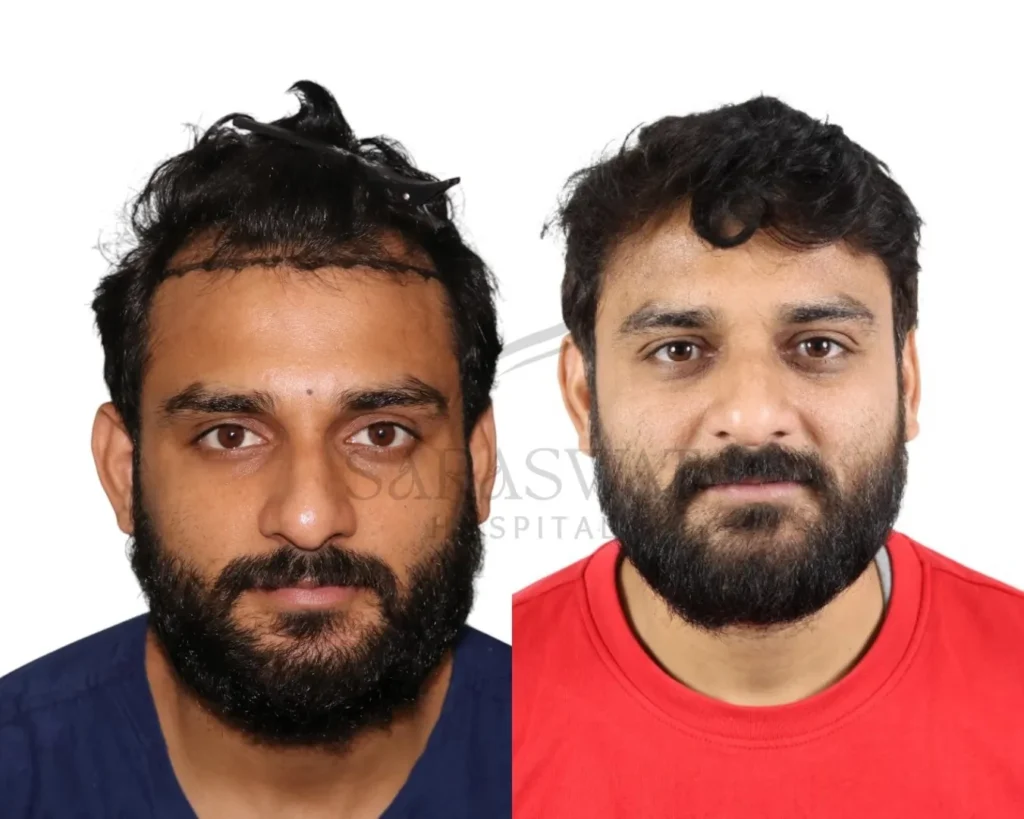
What Happens 20 Years After a Hair Transplant
Medically Reviewed By Dr. Satya Saraswat, MBBS, MS, MCh, DNB (Gold Medalist) | Last updated: April 17, 2026

Hair transplants are in demand to treat hair loss. They provide a fuller, more natural-looking head of hair. But the question remains: what about the longevity of a hair transplant after 20 years? This review looks at the long-term effects, benefits, and issues of hair transplants. It includes advice from experts.

Long-term Longevity of Hair Transplant

Transplanted hair follicles are genetically harvested from the permanent zone and remain viable for the duration of the patient’s life. This biological principle, known as donor dominance, ensures that hair taken from the back and sides of the scalp retains its resistance to Dihydrotestosterone (DHT) even when moved to balding areas. Clinical data suggest that several factors play a crucial role in achieving a graft survival rate over 90% (1). While the grafts themselves are permanent, the surrounding native hair remains susceptible to various biological changes.

Expectations about Hair Transplantation after 20 Years

When evaluating the result of a hair transplant after 20 years, a set of variables is taken into view:

  • Consistency: All things being equal, the hair transplant will keep on growing and thriving. If properly maintained and groomed, most patients enjoy the results for decades altogether.
  • Natural Aging: With age, the texture or thinning of the individual’s hair could still prevail. This can affect the look of everything, even while the transplanted hair remains healthy.
  • Maintenance Requirements: In some cases, the look of a hair transplant requires maintenance over time.

Psychological Impact of Permanent Restoration

Longitudinal studies indicate a sustained improvement in patient Quality of Life (QoL) metrics for over 15 years following successful hair restoration. Patients report higher levels of social confidence and reduced anxiety regarding their appearance in professional settings. The psychological stability provided by a permanent hairline often outweighs the minor maintenance required over the decades. Sustaining these hair transplant results requires a dedicated clinical preservation strategy.

Hair transplant result after 9 months
View Complete Details of this Amazing Hair Transplant Result After 9 Months

Post-Transplant Maintenance for Decadal Results

Clinical maintenance protocols are necessary to prevent the island effect, where transplanted hair remains while native hair behind it continues to recede. Surgeons typically prescribe DHT inhibitors to stabilize the existing non-transplanted hair population.

Maintenance TypePurposeFrequency
DHT InhibitorsPrevent native hair lossDaily
Low-Level LaserStimulate mitochondrial activity3x Weekly
PRP/GFC TherapyImprove scalp vascularityBiannually

Consistent adherence to these protocols ensures that the transition between transplanted and native hair remains seamless as the patient ages. Advanced scalp health also relies on the quality of topical interventions.

What You Can Do to Maintain Your Results After 20 Years

You can do a few practical things to preserve your results. They will ensure satisfaction for over 20 years:

Good quality shampoos and conditioners

Both natural and transplanted hair will benefit from biotin, keratin, and vitamin E. They are in some products. These products help reduce breakage, improve texture, and strengthen hair follicles. One may also consider scalp massages. They improve blood flow and stimulate hair growth.

Consult with Your Specialist

As hair restoration technology improves, patients must have regular follow-ups with their specialists. This is to assess their hair’s condition and adjust their treatment as needed. Sometimes, your specialist may recommend new products or techniques. They may help you maintain and improve your results.

Maintain a Healthy Lifestyle

Your general health is key to maintaining your hair transplant. A healthy diet, rich in vitamins and minerals, will benefit your hair. So will regular exercise and plenty of water. A healthy life and low stress may greatly improve your hair’s health and growth.

Recent hair loss should be addressed

There may be several reasons why new hair loss can occur even after twenty years. This needs to be looked at and sorted out right away. Regular consultations can preserve your transplanted hair and prevent more loss. Immediate action may be needed.

In other words, be proactive about hair care. This will help your hair transplant succeed, and your hair will grow long. Consult Dr. Satya Saraswat and Dr. Preeti Saraswat for advice.

Finasteride and Secondary FUE Procedures

  • Utilization & Timing: Secondary FUE (Follicular Unit Extraction) procedures are frequently performed 15 to 20 years after the initial transplant to refine the hairline or increase density in new areas of loss.
  • Patient Demographics: Approximately 28% of patients opt for a touch-up procedure to maintain their desired aesthetic as they reach their 50s and 60s.
  • Surgical Requirements: These secondary sessions depend entirely on the remaining donor density, which makes conservative initial planning by a specialist vital for long-term success.

Conclusion

It’s important to know what will happen to your hair 20 years after a hair transplant. It will also help you manage your expectations and ensure that you are satisfied in the long run. The recovery time for a hair transplant will depend on several factors. These factors will include your hair loss, maintenance practices, and your health. A hair transplant will give you success for many years. To maintain it, follow the experts’ advice and live a healthy lifestyle.

If you want to learn more about hair transplants, schedule an appointment with Dr. Satya Saraswat. Discuss your options and get hair care advice. To initiate the process, visit our website or call us today.

Sources:

(1) Clinical data suggest that several factors play a crucial role in achieving a graft survival rate over 90%. (PubMed Central)

Frequently Asked Questions

1. What happens to hair transplants over 20 years?
Natural hair loss may continue. But hair transplant longevity can last for 20 years after the surgery. The transplanted hair usually grows back and is very healthy. But it needs constant care.

2. How can the results of hair transplantation be maintained over time?
To maintain results, see a professional doctor. Practice good hair hygiene. Get further treatments if needed.

3. Are long-term outcomes of hair transplantation safe?
The transplanted hair is permanent. But natural hair loss or a change in texture may affect the overall look. Dr. Satya Saraswat and Dr. Preeti Saraswat advise regular grooming to minimize these issues.

4. Is a hair transplant risky for life?
Hair transplant is a safe procedure as it is a minimally invasive procedure with minor risks like infection or scarring, which are manageable under a qualified surgeon.

5. What are the disadvantages of a hair transplant?
Hair transplants can be costly, involve surgical risks like infections or scarring, it requires lengthy recovery to get the desired result. You may also need multiple sessions, and results are not always guaranteed if poorly performed.

Follow us on:- Facebook, Instagram, Pinterest, YouTube

Read More:- 6 Signs You May Need a Repair Hair Transplant

Medical Disclaimer →

This article is for informational purposes only and does not constitute medical advice. Plastic, cosmetic, and laser treatments — including AI-assisted previews such as those generated by the Peek AI™ app — carry risks and results vary by individual. Always consult a licensed medical professional before undergoing any procedure.

What is the Cost of 3000 Grafts Hair Transplant in India
Medically Reviewed By Dr. Satya Saraswat, MBBS, MS, MCh, DNB (Gold Medalist) | Last updated: April 17, 2026

Planning a transplant of 3000 hair grafts in India certainly calls for one to be sure of the cost. Charges vary depending on where the site location is, the level of expertise of the surgeon, and what methodology is used. The cost of 3000 grafts for a hair transplant typically reflects the extensive nature of the procedure, as it involves a significant number of individual hair follicles being transplanted to achieve the desired density and coverage.

Factors Affecting The Hair Transplant Cost

The cost of a hair transplant may be significantly influenced by a few variables. Understanding these variables will go a long way in assessing and consequently planning the budget for the procedure.

  • Location of the Clinic: The cost of hair transplantation may vary depending on the geographical location of the clinic. Clinic prices are higher in cities like Bangalore, Delhi, and Mumbai than in smaller towns. This could raise medical service prices. The high cost of living and operational costs in large cities are to blame.
  • Expertise of the physician: Hair transplant cost can also be dependent on the expertise and reputation that the physician brings. The specialists are highly experienced. The seasoned surgeons charge more for consultations and treatments. Their fees are directly proportional to the quality of their work, which is responsible for higher skill sets and a better success rate. Surveys show that patients want experienced surgeons. They have a history of delivering great, natural-looking results.
  • Methodology: The choice of hair transplant method, FUE or FUT, affects the cost. Follicular Unit Extraction (FUE) may cost more due to the high price of disposables and high-end torque, low-vibration FUE machines. Depending on the selected method and its complexity, the cost may vary accordingly.
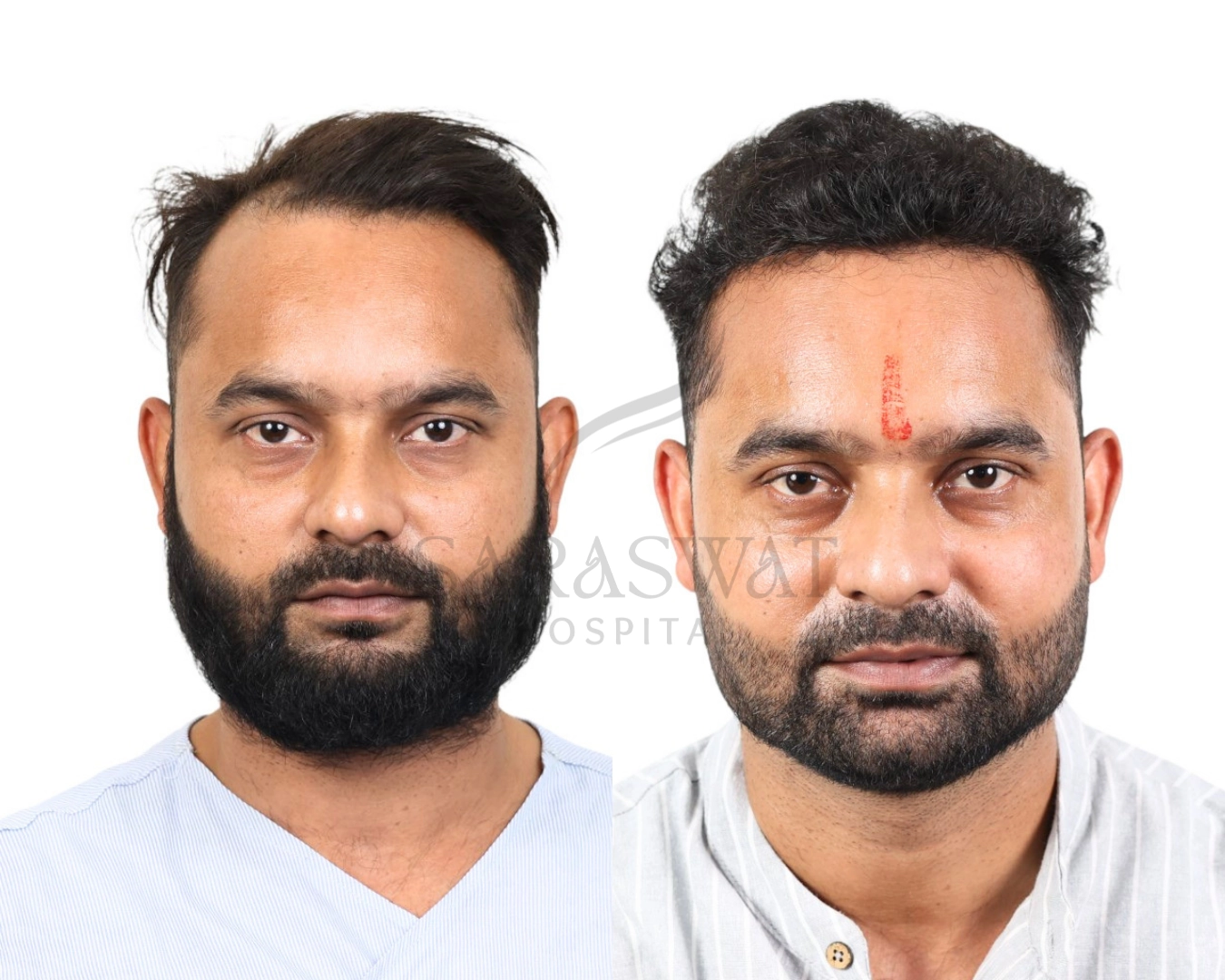
Hair transplant before and after

People should understand that the cost of a hair transplant can vary. They should consider and plan for these factors. This will ensure they get good value for their money.

Cost Comparison of Hair Transplant in Major Indian Cities

Comparing the cost can help set expectations for several of India’s main cities. The cost of 3000 grafts hair transplant in India typically ranges from ₹ 90,000 to ₹ 2,40,000 for the grafts themselves. The table below shows average prices from various sources.

CityAverage Cost of 3000 Grafts Hair Transplant
Mumbai₹90,000 – ₹2,40,000
Delhi₹90,000 – ₹2,20,000
Bangalore₹90,000 – ₹2,30,000
Chennai₹80,000 – ₹2,40,000
Hyderabad₹75,000 – ₹2,00,000
Kolkata₹80,000 – ₹2,00,000

Cost of Hair Transplant at Saraswat Hospital

Depending on the quantity of grafts needed, a 3000 hair graft transplant at Saraswat Hospital is reasonably priced compared to other major cities and clinics in India. If you want to know the final cost, schedule an appointment.

Additional Costs To Keep in Mind

The following additional costs must be taken into account while estimating the final cost:

  • Pre-Operative Testing: The cost of blood testing and other pre-surgery evaluations may add to the procedure.
  • Medication: After the surgery, medicines will be required to prevent any infection and may cost more.
  • Follow-Up Visits: Routine exams to track the transplant’s progress may affect the overall cost.

Advantages of Hair Transplant

Hair transplantation has numerous advantages other than hair restoration. Some of the additional benefits will make the worth of this procedure even more:

1. Organic look

It can be maintained through modern hair restoration methods, namely FUE and FUT. These methods use single hair follicles or units to merge into your hair. They create a realistic, natural look. These procedures will preserve your hair’s original growth pattern and hairline.

2. Permanent Solution

A key benefit of hair transplants is their permanent results. Hair transplantation is a long-term solution to hair loss. It is better than hairpieces, which are only short-term. Hair transplantation can cure baldness. The embedded hair roots will grow permanently in the balding area.

3. Improved self-esteem

Many hair transplant patients leave the treatment confident and positive. In rare cases, there may be big changes in appearance and hair density. This will greatly affect one’s feelings about themselves. Better self-esteem often leads to more social interactions and personal satisfaction. These factors greatly improve mental health.

4. Low Maintenance

The transplanted hair requires minimal maintenance after the initial healing period. Unlike non-surgical methods, which need ongoing treatment, the transplanted hair behaves like one’s own. It can be managed by grooming it like any other hair. This low-maintenance aspect boosts the long-term value of hair transplants.

Customizable Results of Choosing the Best Hair Transplant

Hair transplants let a person customize the results. They can meet their specific needs and preferences. Surgeons can change hairlines and adjust the density according to the given preference. This personalization can make the result very unique and satisfying.

Hair transplantation has some advantages. It will look natural and last long. It will fix hair loss and boost the person’s confidence. These advantages explain why most people believe a hair transplant can restore their hair. They think it will improve their quality of life.

The Most Economical Hair Transplant Cost

Finding the best hair transplant cost is a balance between the aspects of price versus quality. The lowest price doesn’t always promise the finest outcomes. You need to go to a trusted facility. They must have highly qualified surgeons. They must offer the best treatment and results.

Important Things to Think About

  • Quality of Service: Higher costs often come with better facilities and more skilled surgeons.
  • Aftercare Services: Check whether the cost includes follow-up care and after-surgery treatment.
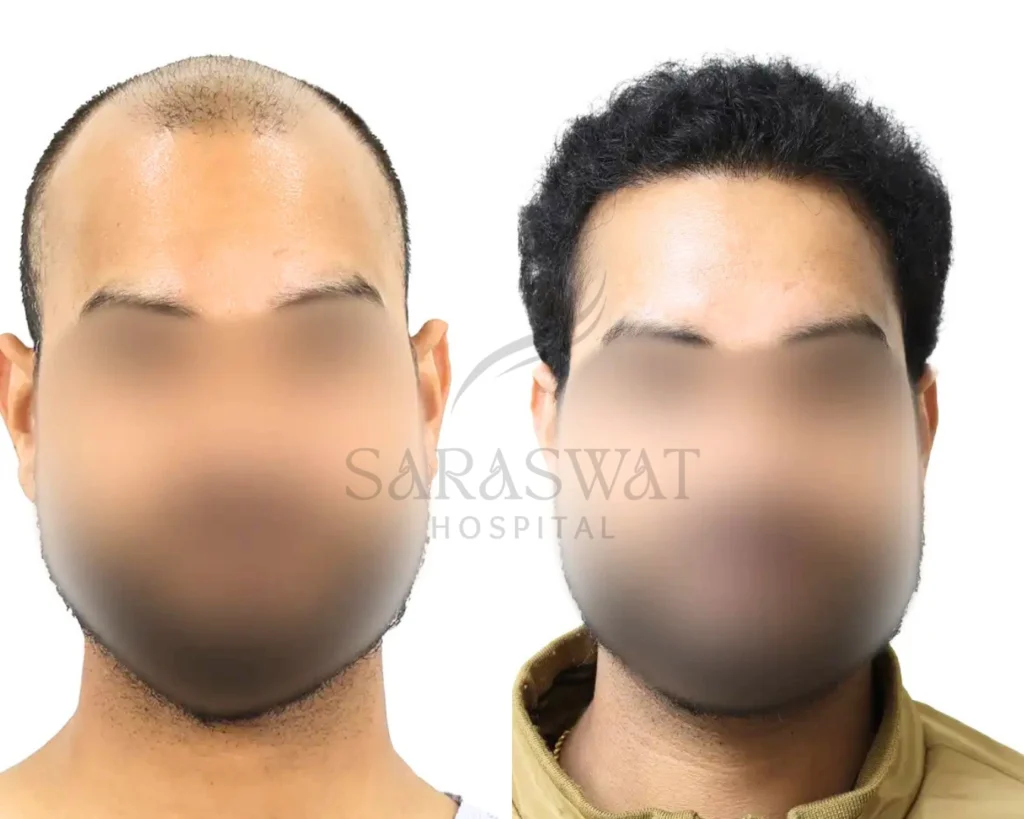
Hair transplant result

Conclusion

You would need to know the full cost of 3000 grafts of hair transplant when you plan your hair restoration option. You would be able to compare prices in different locations and account for additional charges so that you can plan better for the financial aspects of the surgery.

If you are considering hair transplantation and would like to learn more about the cost of hair transplant in India, schedule a consultation with Dr. Satya Saraswat or Dr. Preeti Saraswat. Feel free to contact us today.

FAQs

1. How much does it cost for a 3000 grafts hair transplant in India?
The average cost of a hair transplant for 3000 grafts in India usually ranges from ₹90,000 to ₹2,40,000, as it depends on the city and the clinic.

2. Do I have to pay any other charges for a hair transplant?
Yes, pre-surgery tests, medicines, and other small charges may add in hair transplant.

3. Are there any factors that influence the cost?
The cost depends on many factors such as the clinic’s location, the experience of the surgeon, and the technique for hair transplant.

4. What is the cost of a hair transplant in Saraswat Hospital compared with other clinics?
Saraswat Hospital is comparably lucrative because the cost of hair transplant in Agra is more affordable compared to most major cities in India. Contact our team to get the quote.

5. Is 25 too early for a hair transplant?
Yes, at 24 or 25, the hair loss may still be progressing. We recommend waiting until the late 20s or 30s when hair loss has stabilized for lasting results.

Follow us on:- Facebook, Instagram, Pinterest, YouTube

Learn More:- Demystifying Hair Transplant Cost Factors in India, A Guide to Preparing for Your Hair Transplant Surgery

Medical Disclaimer →

This article is for informational purposes only and does not constitute medical advice. Plastic, cosmetic, and laser treatments — including AI-assisted previews such as those generated by the Peek AI™ app — carry risks and results vary by individual. Always consult a licensed medical professional before undergoing any procedure.

Best Hair Transplant in india - Tips, Myths, Healing and Results
Medically Reviewed By Dr. Satya Saraswat, MBBS, MS, MCh, DNB (Gold Medalist) | Last updated: April 17, 2026

Are you troubled with issues related to hair loss and therefore in search of the best hair transplant in India? Look no further! Read on as this blog provides info at length about hair transplants in India. From the process involved to the best results, this blog has your back. Let’s explore hair restoration. It will show why India is a global hub for this life-changing procedure.

Why Think About Getting a Hair Transplant in India?

India is quickly becoming the venue for premium hair transplants. Patients from local and foreign countries find hair transplants in India quite an attractive option, as it showcases a blend of cost, high-end technology, and highly qualified doctors.

1. Pocket-Friendly Intervention

One of the paramount reasons is the affordability of hair transplants in India. It is possible to find experts in the field and finally get a hair transplant in India at a fraction of the cost they would spend in the West.

2. Expert Medical Professionals

Since the best hair transplant surgeons in the world are found in India, one can say that the result can be compared to others.

What Is A Hair Transplant?

Hair transplanting is the process of surgically moving hair follicles. Surgeons usually take them from the back or sides of the head. They then move the follicles to a place where the hair has fully grown back. This treatment has successfully treated cases of hair loss in women, male-pattern baldness, and even thinning hair.

Types Of Hair Transplants in India:

As India is a massive country with varied demands, there are also various hair transplant techniques. Here’s a brief synopsis of these techniques:

1. Follicular Unit Transplantation (FUT)

In the Follicular Unit Transplantation method, a strip of scalp is cut from the donor area and divided into small grafts. This transplant is then implanted in the balding area. Since this technique covers a lot of ground, it is usually best when you require a large area to cover.

FUT Hair Transplant in India | Follicular Unit Transplantation

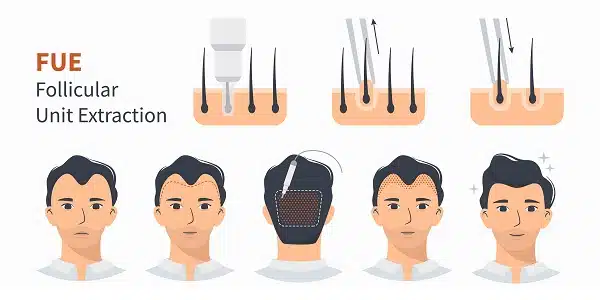
2. Follicular Unit Extraction (FUE)

In this procedure, hair follicles are extracted from the donor site, and then the graft is inserted into the balding area. This is a safer and more effective procedure, and the recovery time is also shorter.

FUE Hair Transplant in India

How to Find the Best Hair Transplant Clinic in India?

To get the desired hair transplant result, you need to keep the following factors in mind:

1. Credentials of the Surgeon

The surgeon should have the required expertise and credentials to perform a hair transplant, such as being a cosmetic and plastic surgeon, with years of experience, which is essential to get the desired outcome.

2. Equipment and Technology:

Before proceeding, do check if the clinic is using the latest tools and technologies. The usage of sterile and advanced equipment yields more desirable results and makes the process safer and more effective.

Understanding the Hair Transplant Process

This is the step-by-step program of what to expect from a hair transplant in India.

1. Consultation

The surgery starts with a consultation, an initial process. The surgeon studies your hair loss and discusses your expectations. His recommendation is for the best course of action so that you have the best hair transplant result.

2. Surgery Preparation

The surgeon marks the points where hair transplants will be done. A local anesthesia is given so that one goes through the process quite pleasantly.

3. Transplant Procedure

The hair follicles are removed from the donor area and implanted in the balding area. The number of grafts to be transplanted will determine the duration.

Healing and Results

Recovery time is, however, dependent on the surgery undertaken. Here are some expectations:

1. Immediately After Surgery

 There can be some swelling and even a bit of aching, but such effects wear off over a few days. It’s not unusual for the grafted hair to fall out some weeks following the surgery.

2. Long-Term Results

It normally starts regrowing new hair in about three to four months. It produces results that appear natural, and they keep on improving with time. Most patients can see significant improvement within six to twelve months.

Hair Transplant Result After 9 Months

Common Myths About Hair Transplant

There are many myths about hair transplant procedures. Let’s debunk a few of them:

Myth 1: Pain from Hair Transplantation

  • Another falsehood is that hair transplants are very painful; in fact, the degree of pain from hair transplants is quite minimal.
  • Because of local anesthesia, the majority of clients feel minimal or no pain.

Myth 2: The Results Are Immediate

  • A hair transplant is a very patient-dependent process.
  • Even though you have a hair transplant today, you might not see the final result for some months.

Additional Tips to Ensure Optimal Hair Transplant Results in India

Beyond choosing the right facility and surgeon, there’s more to getting the best hair transplant results in India. Here are a few more pointers to ensure that you land with the best results:

1. Make sure you follow pre- and post-operative instructions

Your surgeon will give you as much guidance as possible before and after the operation. It is in your best interest to follow all of the advice to get the best results, without a doubt. Advice will include not doing any heavy lifting, stopping smoking, and, most of all, maintaining a clean scalp.

2. Have a Healthy Lifestyle

Avoid stress, maintain a healthy diet, and drink an adequate amount of water. These factors are likely to enhance the result of your hair transplant and have an impact on the general health of your hair.

3. Be patient

It’s natural to see the result as soon as possible, but patience is the key here. New hair growth takes time as it is a natural process. You can start seeing visible growth after 3 to 6 months, and complete hair growth may take up to one year.

4. Avoid Sun Exposure

Refrain youeself from the sun exposure immediately after the procedure. UV radiation can damage your scalp and even affect healing. If you have to go outside, wear sunscreen or a hat.

What to Expect in the Long Run

1. Continuous Growth of Hair

Your new hair will grow just like your original hair once it starts to grow. It can be dyed, cut, and styled.

2. Low Maintenance

The hair transplant procedure does not require any maintenance as the hair grows naturally. You do not need to apply any cream or a special product to it.

Conclusion

The decision to have a hair transplant in India is huge and can be life-changing. The hair transplant results in India are possible when the appropriate facility and surgeon are chosen. Make well-researched decisions. Get the follow-up care. Have realistic expectations about the result. This is where you start your journey to full hair and self-esteem.

Book an online consultation with our team and learn more about hair transplant, find out how many grafts are required in your case, and get a customized plan for a natural-looking hairline.

FAQs

1. What is the duration of the procedure?
The duration of the procedure is three hours. On average, for the number of grafts, it takes 4 to 8 hours.

2. How long does a hair transplant last?
Yes, the transplanted hair does grow the same way as natural hair, and it is permanent.

3. Are transplants in females also possible?
Of course! Hair transplants work well on both genders.

4. How long will it take to recover from a hair transplant procedure?
Recovery times vary, but most patients can get back to work in about a week.

5. When can I see the results?
Hair growth is usually seen starting at 3–6 months, and full growth is shown at 9–12 months.

Follow us on:- Facebook, Instagram, Pinterest, YouTube

Learn More:- Discovering the Finest Hair Transplant Solutions in Agra, Can Grey Hair Be Transplanted?

Medical Disclaimer →

This article is for informational purposes only and does not constitute medical advice. Plastic, cosmetic, and laser treatments — including AI-assisted previews such as those generated by the Peek AI™ app — carry risks and results vary by individual. Always consult a licensed medical professional before undergoing any procedure.

Unlocking the Secrets of Successful Hair Transplant Surgery in India
Medically Reviewed By Dr. Satya Saraswat, MBBS, MS, MCh, DNB (Gold Medalist) | Last updated: April 18, 2026

Embarking on a journey towards restoring one’s hairline through hair transplant surgery in India is a significant decision. With the growing popularity of this procedure, understanding the secrets to its success becomes imperative. By delving into the intricacies of hair transplant surgery, individuals can unlock the key factors that contribute to favorable outcomes and achieve the desired results. In this article, we will find the secrets of a successful hair transplant.

Choosing the Right Surgeon

Selecting a skilled and experienced surgeon is paramount to the success of hair transplant surgery in India. A qualified surgeon will possess expertise in various techniques such as Follicular Unit Extraction (FUE) or Follicular Unit Transplantation (FUT), ensuring precise and natural-looking results. Researching the surgeon’s credentials, reviewing hair transplant before-and-after, and seeking recommendations can aid in making an informed decision.

ABHRS-Certified Doctors Dr. Satya Saraswat & Dr. Preeti Saraswat

Understanding Techniques and Technology

Advancements in medical technology have revolutionized surgery, offering patients a range of innovative techniques and tools. From robotic assistance to advanced graft harvesting methods, staying abreast of the latest developments can enhance the efficiency and effectiveness of the procedure.

Preparing for the Procedure

Prior to undergoing a hair transplant, patients must follow pre-operative instructions provided by their surgeon. This may include abstaining from certain medications, avoiding alcohol and tobacco, and maintaining a healthy lifestyle. By adhering to pre-operative guidelines, patients can optimize their health and prepare their scalp for the transplantation process.

Navigating the Surgical Process

During hair transplant surgery, the surgeon meticulously extracts hair follicles from donor areas and transplants them to recipient sites on the scalp. This process requires precision and artistry to ensure natural-looking results. Patients may experience minimal discomfort during the procedure, which is typically performed under local anesthesia to minimize discomfort.

Embracing Post-operative Care

Following proper post-operative care is essential for optimal healing and graft survival. Patients should adhere to post-operative instructions provided by their surgeon. Another thing is to avoid strenuous activities, protect the scalp from direct sunlight, and take prescribed medications as directed. Regular follow-up appointments allow the surgeon to monitor progress and address any concerns or complications.

Hair Transplant Before and After Result

Maintaining Long-term Results

While a hair transplant offers a permanent solution to hair loss, maintaining long-term results requires ongoing care and attention. Patients should follow a healthy lifestyle, avoid habits that may contribute to hair loss, and consider complementary treatments such as hair care products or medications.

Conclusion

In conclusion, unlocking the secrets of successful hair transplant surgery involves choosing the right surgeon, understanding techniques and technology, preparing for the procedure, navigating the surgical process with confidence, embracing post-operative care, and maintaining long-term results. Saraswat Hospital, renowned for its expertise in hair transplantation, offers comprehensive solutions tailored to individual needs. With a commitment to excellence and patient satisfaction, we continue to empower individuals to reclaim their confidence and achieve transformative results.

Book an online consultation with our team and learn more about hair transplants, find out how many grafts are required in your case, and get a customized plan for a natural-looking hairline.

FAQs

1. Which food stops hair fall?
Eggs, spinach, salmon, nuts, seeds, and sweet potatoes are great for hair health. These foods are rich in protein, iron, omega-3 fatty acids, and biotin, all of which feed the follicle and prevent hair loss.

2. At what age do men lose most hair?
The period when men usually lose their hair the most is between the ages of 30 to 40. Male pattern baldness may start even earlier, during late teenage or early twenties.

3. What is the biggest cause of hair loss in men?
Androgenetic alopecia, or male pattern baldness, is the leading cause, affecting most men. It’s driven by genetics and the hormone DHT, which shrinks hair follicles over time.

4. What vitamins help with hair loss?
Vitamins B7 (biotin), D, E, C, and Iron work best. These vitamins strengthen follicles, improve blood flow, decrease oxidative stress, and promote keratin synthesis to prevent hair loss.

5. Can too much vitamin D cause hair loss?
Yes, taking too much Vitamin D can lead to hair loss. Toxicity can impair the hair growth cycle, causing hair shedding. Taking the appropriate amount is important since either excess or deficiency can trigger hair loss. It is recommended to always consult a surgeon.

Follow us on:- Facebook, Instagram, Pinterest, YouTube

Medical Disclaimer →

This article is for informational purposes only and does not constitute medical advice. Plastic, cosmetic, and laser treatments — including AI-assisted previews such as those generated by the Peek AI™ app — carry risks and results vary by individual. Always consult a licensed medical professional before undergoing any procedure.
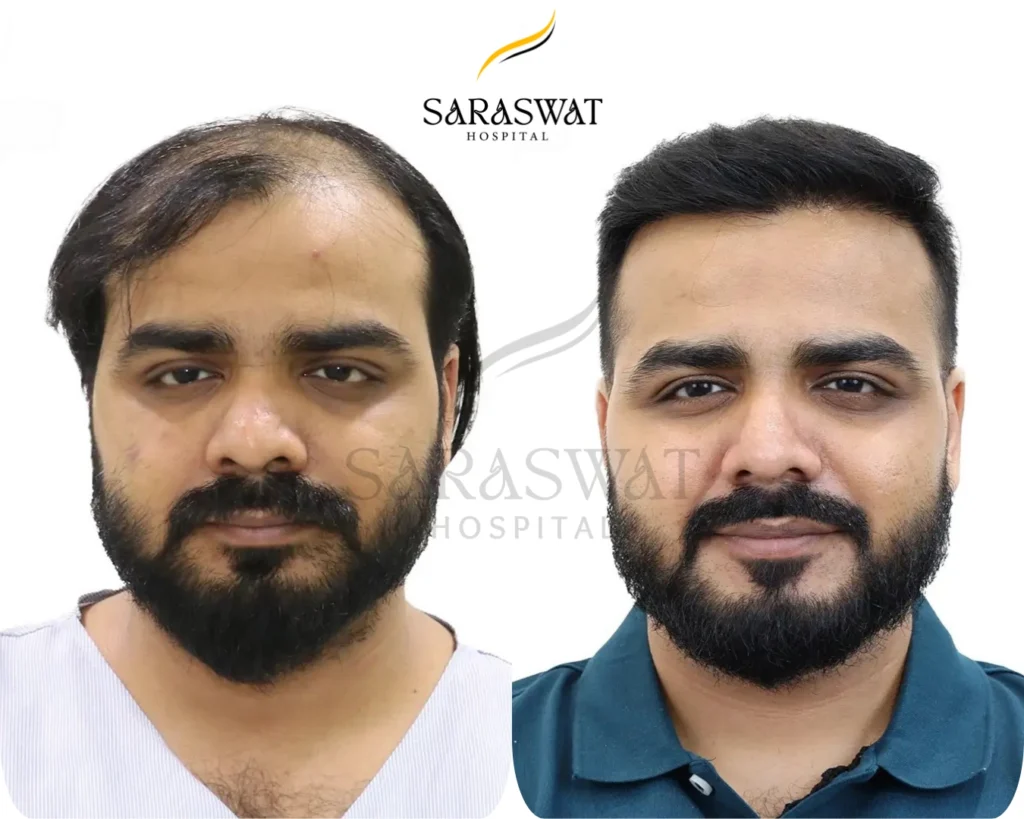
whatapp icon