Book an
Appointment
Dr. Satya Saraswat - Hair Transplant Surgeon

Dr. Satya Saraswat, MBBS, MS, MCh, DNB (Gold Medalist)

Dr. Satya Saraswat, MBBS, MS, MCh, DNB (Gold Medalist), FISHRS, is a cosmetic and plastic surgeon with an experience of over 20+ years and has performed 17,000+ cosmetic and plastic surgeries. He is a Diplomate of the American Board of Hair Restoration Surgery (ABHRS) and Fellow of ISHRS, as he has been continuously attending the International conferences and adopting the latest advancements in hair restoration science, and he has also submitted his research papers. His hands-on involvement ensures a natural hairline and high graft survival.

Articles by Dr. Satya Saraswat, MBBS, MS, MCh, DNB (Gold Medalist)

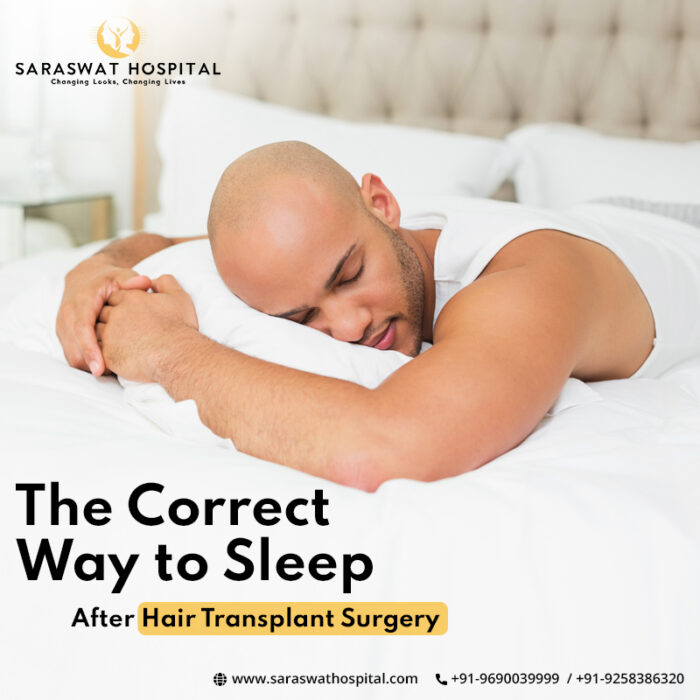
What is the Correct Way to Sleep after Hair Transplant Surgery?
Medically Reviewed By Dr. Satya Saraswat, MBBS, MS, MCh, DNB (Gold Medalist) | Last updated: July 24, 2026

Modern-day hair transplant surgeries are minimally invasive and an outpatient procedure where the patient is free to go home after the operation. If you choose the No. 1 hair transplant clinic in India, you get a safe, more effective surgery that leaves natural-looking results and a quicker healing process. However, from your end, the one thing that you would have to do to ensure that the recovery process is smooth is to maintain all the post-treatment instructions given to you by the professionals. One of the most important aspects of recovery is understanding the correct way to sleep after hair transplant surgery. Sleeping improperly can disrupt the healing process, damage newly transplanted grafts, or lead to complications. This blog will guide you through the best practices for sleeping after a hair transplant, ensuring optimal results.

Why Does Sleeping Position Matter After a Hair Transplant?

After a hair transplant, the scalp is highly sensitive, and the newly implanted hair follicles are delicate. Incorrect sleeping positions can cause pressure, friction, or swelling, which may dislodge grafts or hinder healing. Proper sleep posture helps:

Protect the grafts: Ensures the transplanted follicles remain secure.

Minimize swelling: Reduces fluid buildup in the scalp or face.

Promote healing: Allows proper blood circulation to the scalp.

Prevent discomfort: Reduces irritation or pain in the treated area.

By following the correct way to sleep after hair transplant surgery, you can significantly improve your recovery and the overall outcome of the procedure.

The Correct Way to Sleep After Hair Transplant Surgery

Here are the key guidelines to ensure you sleep correctly during the recovery phase:

1. Sleep with Your Head Elevated

For the first 7-10 days after surgery, it’s crucial to sleep with your head elevated at a 45-degree angle.

2. Sleep on Your Back

The correct way to sleep after a hair transplant is on your back, with your head facing upward.

3. Use a Clean, Soft Pillowcase

Hygiene is critical after a hair transplant to prevent infection. Use a clean, soft pillowcase made of cotton or a similar breathable material.

4. Avoid Touching the Transplanted Area

While sleeping, you may unconsciously touch or scratch your scalp. To prevent this:

  • Keep your hands clean and avoid touching the scalp unnecessarily.
  • Consider wearing a loose, breathable head covering (if recommended by your surgeon) to protect the area.
  • Use a neck pillow to limit head movement during sleep.

5. Follow Your Surgeon’s Instructions

Every hair transplant procedure is unique; therefore, your surgeon will provide specific guidelines based on the technique used, such as FUE or FUT, and your individual case. Consequently, you should always prioritize their advice to ensure the correct way to sleep after hair transplant surgery.

Tips for Better Sleep Post-Hair Transplant

  • Stay hydrated: Drink plenty of water to support overall healing.
  • Avoid alcohol and smoking: These can impair blood flow and slow recovery.
  • Use prescribed medications: Take any prescribed painkillers or anti-inflammatory drugs to manage discomfort and help you sleep better.
  • Maintain a calm sleep environment: Keep your bedroom cool, quiet, and dark to promote restful sleep without disturbances.

Additional Tips to Sleep after a Hair Transplant Procedure

The recovery period after undergoing a hair transplant is typically unproblematic as you maintain a thorough aftercare routine. The one common concern that most people share about the same, however, remains the best position to sleep in to ensure no hair follicles get damaged. You will have to ensure that there is no added pressure to the newly implanted follicles so that they can grow at their natural rate without any problem. If there is any pressure on the follicles, there is a high chance of you ending up with a botched-up transplant result. Now, let’s find out the top things you need to take care of as you go to sleep after the procedure:

Choose the Right Position

At least for a week after the surgery, you need to ensure that you sleep with your back and head slightly elevated above the rest of your body. The first few nights have the highest risk of swelling, and the elevation would speed up the recovery process. In case you are lying on your back, keep your head on top of a soft pillow, and try not to toss or turn much during sleep.

Maintain Cleanliness

Since you are undergoing a procedure on your scalp, you need to be extra careful with the way you clean your sheets, pillowcases, and even your bed to avoid any infection or other risks to the incision sites. To ensure that your scalp doesn’t get irritated or too sweaty, use comfortable materials for your sheets and pillowcases, and always wash them with a detergent that doesn’t have allergens.

Cover the Pillow with a Towel

In the post-operative phase, you might find some leakage from the scalp on the pillow or sheets. As you cover your pillow with a cloth or a soft towel, you can rest assured that the bedding won’t be spoiled by stains from the leakage.

As you undergo a hair transplant in Agra, you may have to wait for around 10 days before returning to your normal activities or routines. This is because the hair grafts and incisions require a minimum of 7 days to heal once operated on. To be on the safer side, however, you can give around 14 days for the newly transplanted grafts to be securely rooted to the recipient site before you move on to resuming your normal routine.

Conclusion

Mastering the correct way to sleep after hair transplant surgery is a vital part of ensuring a successful recovery and achieving the best possible results. One of the most important things that you would have to note about undergoing a hair transplant surgery is visiting an experienced doctor for the procedure. This would ensure that you have a qualified team of experts looking after your recovery time, thereby giving you the desired results. Saraswat Hospital has a team of professionals skilled to take care of your after-hair-transplant requirements. Book an appointment with the doctors to find the best solution for your hair and get the desired result.

Follow us on:- Facebook, Instagram, Pinterest, YouTube

Medical Disclaimer →

This article is for informational purposes only and does not constitute medical advice. Plastic, cosmetic, and laser treatments — including AI-assisted previews such as those generated by the Peek AI™ app — carry risks and results vary by individual. Always consult a licensed medical professional before undergoing any procedure.
Ideal Age for Hair Transplant Surgery in India
Medically Reviewed By Dr. Satya Saraswat, MBBS, MS, MCh, DNB (Gold Medalist) | Last updated: July 24, 2026

Hair loss can be considered to be one of the most common problems faced by men and women across age groups, all over the world. The cause of the same is typically genetics leading to Androgenetic Alopecia, and external conditions such as pollution, stress, or bad food habits can temporarily escalate the problem as well. The bald patches on your head and the thinning usually start becoming visible as early as the twenty-something age group, and there is nothing that you could blame for the same. Discover the ideal age for hair transplant in India. Learn why ages 25–45 offer the best results, and understand the benefits and factors to achieving natural and long-lasting results.

What is a Hair Transplant Surgery?

First off, to be on the same page before we move any further, let us talk about what hair transplant surgery is all about. In this surgery, safe donor hair follicles are extracted from a part of your body, which, more often than not, is the back of your head. These hair follicles are then harvested and implanted into the balding (recipient) area. Following the procedure, done using a myriad of techniques, depending on your current condition, patients face a period of shock loss, and the newly implanted hair starts growing in its natural rate.

Two of the most common techniques used for hair transplant surgery include Follicular Unit Excision (FUE) and Linear Excision Method or Follicular Unit Transplantation (FUT). In the former, a low-torque device with a low RPM is used to extract the donor follicles from the scar and then implanted into the pre-made incisions on the recipient site.

In the latter, a strip of scalp bearing healthy hair is taken from the donor area, which is then slivered into individual donor follicular grafts and then implanted into the recipient site. The donor site is then stitched in a Trichofiblic closure so that hair can grow around it. Along with these, hair transplant surgery can also be performed in a combination (FUT+FUE), Bio-FUE, Body Hair Transplant, Special Area Transplant, Repair Hair Transplant, and Long Hair Transplant techniques.

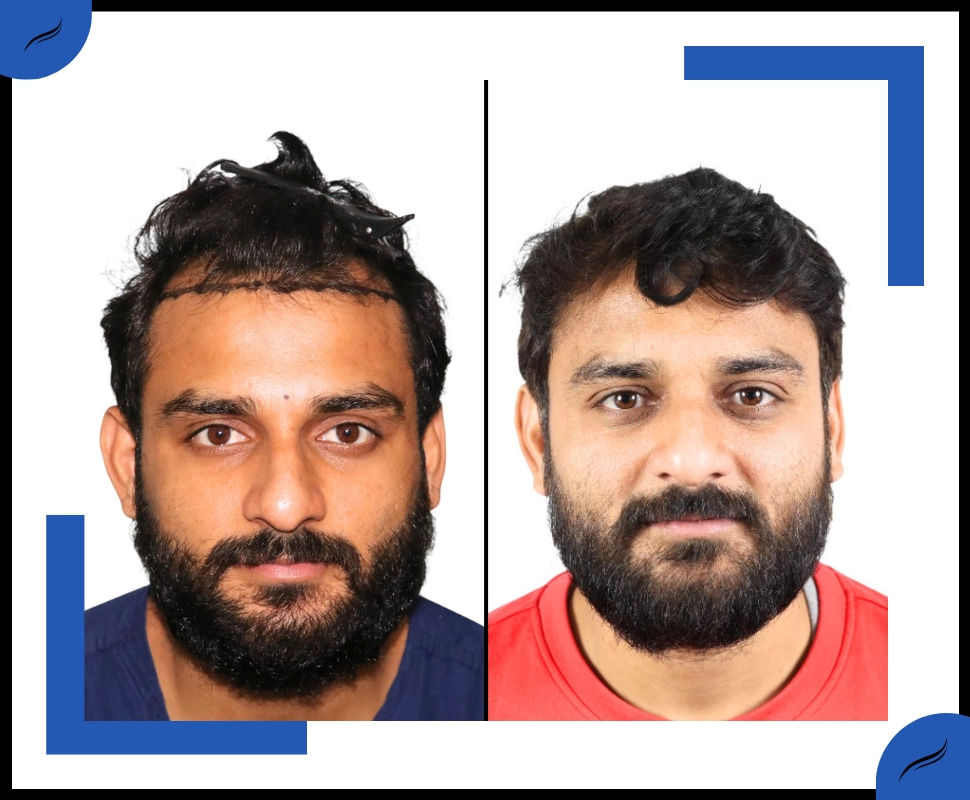
Hair Trasplant Before and After Result

What is the Ideal Age for Hair Transplant Surgery?

While there is no strict age limit, most surgeons agree that the ideal age for a hair transplant falls between 25 and 45 years. To put things simply, there is no specific age factor that is considered when it comes to hair transplant surgery. According to several studies, the results of the surgery are highly effective when the patient is above the age of forty because by then, the baldness has settled in, and there is no progression. However, if you are more than 20 years old and are rapidly losing hair, you can contact a doctor for an assessment. Even though the transplant surgery is a permanent procedure, young patients with progressing hair loss undergoing the same might have to opt for another session in a few years if they start seeing balding from a different part of the scalp.

Every patient, irrespective of their age, has to undergo a Trichoscopy Analysis, which is a computerized software-based procedure that determines factors such as:

  1. The number of grafts present on the scalp.
  2. The number of grafts that can be extracted from them.
  3. The area to be covered during the transplant surgery is in square centimeters.
  4. The number of grafts required to reach the desired density from the procedure.

Understanding the Basics of Hair Transplant

A hair transplant is a minimally invasive procedure in which hair follicles are extracted from the donor area (usually the back or sides of the scalp) and transplanted to balding or thinning areas. While this treatment can restore a fuller, more youthful appearance, the success depends on factors such as hair loss patterns, donor hair quality, and, most importantly, the ideal age for a hair transplant.

Why Age Matters in Hair Transplant Surgery

When it comes to surgical hair restoration, age plays a vital role. If the procedure is performed too early, when hair loss is still progressing, patients may face uneven results over time. On the other hand, waiting until the right stage ensures stability in the hair loss pattern, leading to better outcomes. This is why experts always highlight the significance of choosing the ideal age for a hair transplant.

Factors That Decide the Ideal Age for Hair Transplant

Apart from age, certain factors also influence whether a patient is ready for surgery:

  1. Extent of hair loss – The stability of the balding pattern.
  2. Donor hair availability – Quality and density of donor follicles.
  3. General health – Medical conditions and healing capacity.
  4. Expectations – Realistic goals about density and appearance.

Therefore, while the ideal age for a hair transplant is usually between 25 and 45, every individual should be assessed by an experienced surgeon.

Benefits of Choosing the Ideal Age for Hair Transplant

  • Natural-looking and lasting results.
  • Better planning for future hair loss.
  • Reduced chances of needing multiple corrective surgeries.
  • Higher satisfaction rates among patients.

Why Choose Saraswat Hospital?

Since the procedure is performed under local anaesthesia, patients face no pain during the surgery and are released from the clinic the same day. The only thing that you have to keep in mind is that you consult an international board-certified doctor for the procedure to avoid any side effects and get the most natural-looking results. Saraswat Hospital is one of the top clinics that offer hair transplant surgery in India and is run by American Board of Hair Restoration Surgery (ABHRS) certified doctors. With over 20+ years of experience, Dr. Satya Kumar Saraswat and Dr. Preeti Saraswat are aware of the recent additions to hair transplant surgery and strive to provide customized treatment plans for each patient.

Key Takeaways

Deciding the right time for surgery is just as important as the procedure itself. The ideal age for a hair transplant is generally between 25 and 45 years, but individual factors like hair loss stability and donor hair quality must be carefully evaluated.

The patient, when it comes to hair transplant surgery, should be in prime physical health and should not be smoking or consuming alcohol for around two weeks before the procedure to be eligible for the same. In case you want to know more, book an appointment with the team at Saraswat Hospital today.

FAQs

Q1. What is the minimum ideal age for hair transplant surgery?
The minimum ideal age for hair transplant is around 25 years, as hair loss patterns are more predictable by then.

Q2. Can someone younger than 25 undergo a transplant?
Yes, but only in rare cases. However, doctors usually recommend waiting until the ideal age for a hair transplant to avoid unpredictable results.

Q3. Is there a maximum ideal age for a hair transplant?
There is no strict upper limit. While the ideal age for hair transplant is between 25 and 45, many people above 50 still achieve good results.

Q4. Does the ideal age for hair transplant differ for men and women?
Not significantly. The ideal age for hair transplant applies to both men and women, depending on hair loss stability and donor hair availability.

Q5. How do I know if I have reached the ideal age for a hair transplant?
Consulting a qualified surgeon is the best way to determine if you are at the ideal age for a hair transplant. They will assess your hair loss pattern and overall suitability.

Follow us on:- Facebook, Instagram, Pinterest, YouTube

Medical Disclaimer →

This article is for informational purposes only and does not constitute medical advice. Plastic, cosmetic, and laser treatments — including AI-assisted previews such as those generated by the Peek AI™ app — carry risks and results vary by individual. Always consult a licensed medical professional before undergoing any procedure.
Things To Know Before Undergoing Rhinoplasty
Medically Reviewed By Dr. Satya Saraswat, MBBS, MS, MCh, DNB (Gold Medalist) | Last updated: July 24, 2026

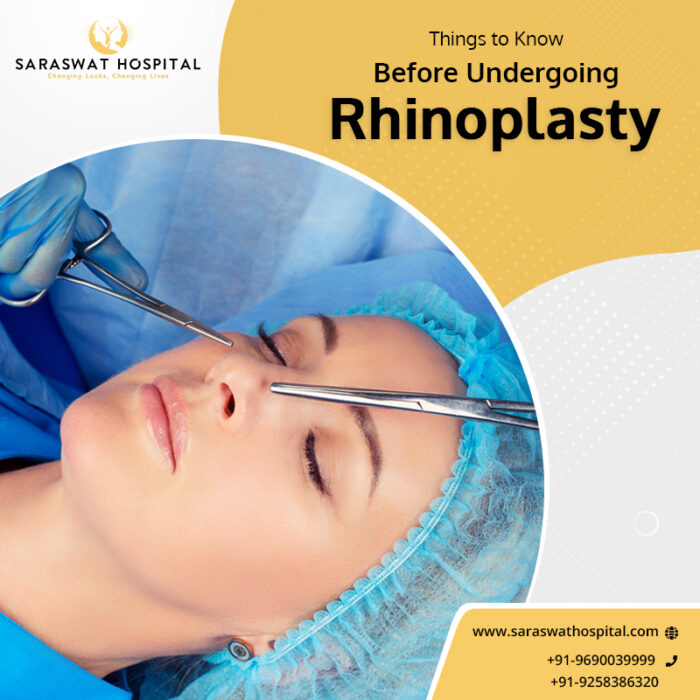
Rhinoplasty is a type of plastic surgery undergone by people who wish to alter their facial aesthetics by changing the shape of their nose. It can be undergone by those who have suffered from an accident, resulting in a bent nose, or those who are suffering from breathing difficulties. However, before choosing this surgical option, there are several things you should know before making the right decision for your health, appearance, and overall well-being.

In this blog, we’ll cover the essential points of rhinoplasty that will prepare you for the procedure and recovery journey.

Top Things to Know Before Rhinoplasty Surgery

As a popular plastic surgery procedure, rhinoplasty in India can take care of breathing problems, fix broken cartilage, and even change the shape of the nose when performed by professionals. Some of the most important things you need to take note of before you visit an expert for the surgery include:

Understand the Purpose of Rhinoplasty

One of the most important things to know is why you want the surgery. People undergo rhinoplasty either for cosmetic enhancement (reshaping the nose, refining the tip, correcting asymmetry) or for medical reasons (improving breathing issues caused by a deviated septum or nasal obstruction). Having clear goals will help you and your surgeon set realistic expectations.

Types of Rhinoplasty

Typically, you can undergo two types of Rhinoplasty surgeries, depending on the results you want to achieve through the same:

  1. Open: In this form of surgery, the incision is made across the narrow tissue strip called the columella, which helps separate the nostrils.
  2. Closed: In this form of surgery, the incisions are made inside the nose, hidden from the eyes, and thus cannot be seen.

Based on the nose structure, the surgeon can either change the bone or the nasal cartilage shape to get the desired results.

The Best Doctor for the Surgery

As you are opting for nose surgery in India, you need to first have clear expectations from the procedure and express the same to yourself and the consulting plastic surgeon. One of the vital things is that rhinoplasty requires precision and artistry. To do that, check for the years of experience the professional has, before and after pictures of previous Rhinoplasty patients treated by them, and the certification they have, along with the features and facilities of the hospital where you will be operated on.

Procedure Differs According to the Patient

Given the fact that patients undergo the surgery for different reasons and have separate requirements, the technique used also changes. If the change is small, you may be allowed to leave for home the same day in just a few hours, but if the change is large, you may be on the operating table for a long time. Some patients have a quicker recovery rate, while others who don’t follow the post-op instructions tend to find themselves with a longer recovery time.

Set Realistic Expectations

Many patients expect a completely transformed nose, but it is essential to remember that rhinoplasty enhances their natural features rather than creating a “perfect” nose. One of the critical things to know before undergoing rhinoplasty is that results depend on your facial structure, skin thickness, and healing ability. Discussing expectations with your surgeon beforehand will help avoid disappointment.

Consider the Recovery Period

A common concern patients overlook is recovery time. Among the key things to know before rhinoplasty is that recovery can take weeks to months. Swelling, bruising, and temporary breathing difficulties are normal in the initial phase. Following post-operative care instructions strictly will ensure faster healing and better results.

Aftercare is Important

Since we are already on the subject, a crucial factor that contributes to the success of the Rhinoplasty surgery is the aftercare. The consulting plastic surgeon will give you a list of instructions to follow once the procedure is complete, and you will have to follow all the points to get the best results out of the treatment. In case of any ignorance in following the aftercare instructions, you wouldn’t get to see the desired results anytime soon.

Long-Term Results and Patience

One of the final things to know before rhinoplasty is that results take time. While initial improvements may be visible within weeks, the final shape of your nose may take up to a year to settle. Patience is crucial during this process.

Why Visit Professionals at Saraswat Hospital for the Surgery?

Rhinoplasty surgery in India is a highly technical procedure that has an effect on the way a person looks, and that is why it should always be performed by experts. Saraswat Hospital, based in Agra, is one of the most efficient plastic surgery hospitals in India, run by two of the most renowned doctors, with seventeen years of experience in the field.

As a Gold Medalist Plastic Surgeon and the Medical Director of the hospital, Dr. Satya Kumar Saraswat has degrees such as MBBS, MS, M.Ch, and DNB (Plastic Surgery) to his name. He specializes in hair transplant, cleft lip and palate surgeries, and is one of the handpicked surgeons certified by several international boards renowned for the same.

As the Chief Clinical Cosmetologist of the hospital, Dr. Preeti Saraswat is an MBBS with a Post Graduate Diploma degree in Clinical Cosmetology from the University of Greifswald, Germany. She has a lifetime membership of the Indian Association of Cosmetic Laser Surgeons and is also a member of the Indian Medical Association.

Conclusion

Rhinoplasty can transform both your appearance and confidence, but being fully informed is key to a successful outcome. The most important thing is to choose the right surgeon, set realistic expectations, understand the recovery process, and be aware of risks. By preparing well and following your surgeon’s guidance, you can achieve safe and satisfying results. Book an appointment and get the best rhinoplasty treatment from the best professionals.

Follow us on:- Facebook, Instagram, Pinterest, YouTube

Medical Disclaimer →

This article is for informational purposes only and does not constitute medical advice. Plastic, cosmetic, and laser treatments — including AI-assisted previews such as those generated by the Peek AI™ app — carry risks and results vary by individual. Always consult a licensed medical professional before undergoing any procedure.
Hair Transplant Surgery in India during COVID
Medically Reviewed By Dr. Satya Saraswat, MBBS, MS, MCh, DNB (Gold Medalist) | Last updated: July 24, 2026

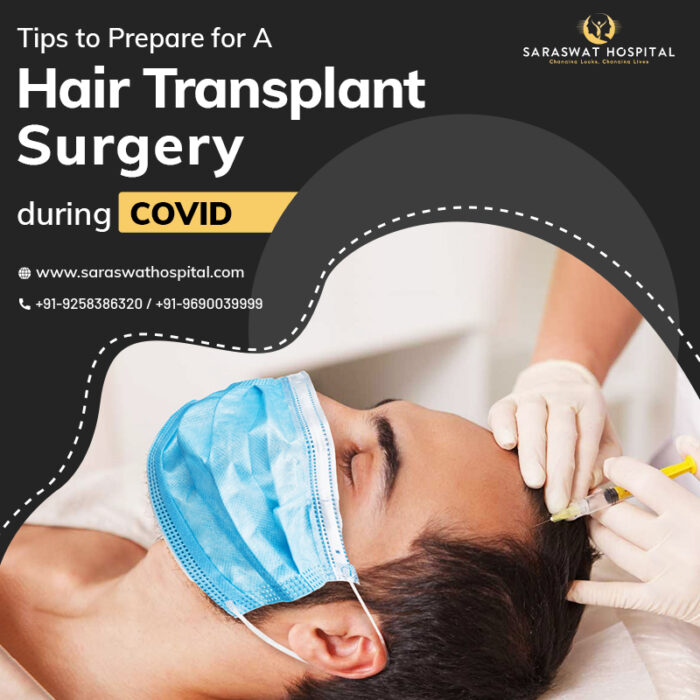
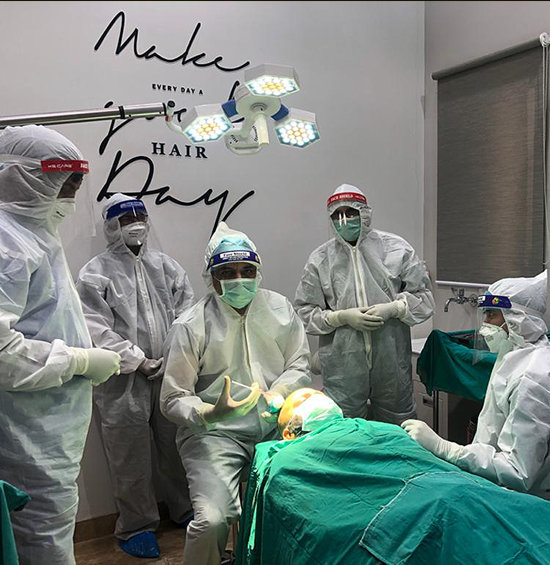
The Novel Coronavirus, or the COVID-19 pandemic, has led to disruption in health services and made most people wary of visiting hospitals and clinics even for the smallest of issues. While we all underwent a time when the ‘non-essential’ treatments were not being offered to the general public, we have emerged only stronger. Standing today, in 2021, the International Society of Hair Restoration Surgery (ISHRS) has cleared the possibility of performing hair transplant surgery in India safely, even during this time, if the hospitals take proper precautions. So, how should you, as a patient, be prepared for the same? Let’s find out!

Be Prepared for a Hair Transplant Surgery during COVID

In the middle of a pandemic, taking care of the patients and the doctors, along with the staff, becomes a top priority, especially when we talk about preventing infection. If you are considering undergoing hair transplant surgery during this time, here is a list of things you should keep in mind to be prepared for the same:

1. Monitor Your Health Status: As we all know by now, people above the age of sixty years or those with severe physical problems are more at risk of catching infections, and so, only opt for a hair transplant surgery if you are younger than that group and don’t have any pre-existing conditions. You can get in touch with an experienced professional and talk about your medical history in-depth before going ahead with the surgery.

2. Protect Yourself and Maintain Proper Protocols: It goes without saying that during the pandemic, we should care for our health above anything else. Following all the Government-mandated guidelines that include hand sanitizing, mask-wearing, and social distancing is crucial so that you don’t fall sick. If you are in the waiting room, ensure that you maintain a distance from any other patients sitting with you to be safe.

3. Pick a Clinic that Follows all COVID Guidelines: Hospitals are at the front line during this time, and an aesthetic clinic is no different. However, hospitals are advised to maintain the COVID guidelines presented by the Government for their safety. When you are choosing a hospital to get the surgery at, always choose one that regularly disinfects, cleans, and sterilizes its facility, equipment, and floors. Also, ensure that your surgery is being performed by a leading surgeon and not a technician.

4. Travel Safe, Especially After the Procedure: It is suggested that you always have someone with you during the hair transplant surgery who can drive you home after the procedure till the time your anaesthesia wears off. While you do that, make sure you travel in a well-sanitized private car. If you are travelling in public transport, follow all mandated guidelines and maintain a safe distance of at least six meters throughout. If you are travelling from abroad, you need to see if the hospital you are visiting provides Medical Tourism or not.

Why Can Saraswat Hospital Be a Safe Choice for Hair Transplant Surgery?

Keeping all of this in mind, you must consult a hospital that you can trust. Saraswat Hospital is known to be one of the most popular places for hair transplant surgery. Run by doctors who are certified by the American Board of Hair Restoration Surgery (ABHRS) and with over seventeen years of experience, the hospital uses modern equipment to treat patients across various surgical procedures.

Hair Transplant Clinic in India

Dr Satya Kumar Saraswat is the Medical Director of the hospital, who specializes in hair transplants and plastic surgeries with M.Ch, MBBS, DNB, and MS degrees. He was presented with a Gold Medal by the Health Minister of India for his exceptional performance in medicine.

Dr Preeti Saraswat is the Chief Clinical Cosmetologist of the hospital, with an MBBS and a PGD in Clinical Cosmetology from the University of Greifswald. She is a member of the Indian Medical Association and has a lifetime membership in the Indian Association of Cosmetic Laser Surgeons, ensuring excellent treatment in laser treatments.

Conclusion

Since a hair transplant is an aesthetic procedure that leaves a direct effect on the way you look, you must choose the best surgeon for the same. Given the times that we have all been having for the past year, choosing a clinic that has all the safety protocols in place is a no-brainer. Feel free to book an online consultation with our team and get a customised plan for your hair transplant and get long-lasting results.

Follow us on:- Facebook, Instagram, Pinterest, YouTube

Medical Disclaimer →

This article is for informational purposes only and does not constitute medical advice. Plastic, cosmetic, and laser treatments — including AI-assisted previews such as those generated by the Peek AI™ app — carry risks and results vary by individual. Always consult a licensed medical professional before undergoing any procedure.
Benefits of a Good Post-Op Gynecomastia Routine
Medically Reviewed By Dr. Satya Saraswat, MBBS, MS, MCh, DNB (Gold Medalist) | Last updated: July 24, 2026

Male breast enlargement has been the cause of several cases of underconfidence in a lot of men since their childhood. A Gynecomastia procedure can, however, be the perfect solution to the condition by getting rid of the excess fat tissue from the areola of the patient. When it comes to such plastic surgery, the practitioner has complete control over the operation and customizes it according to the patient’s requirements. However, the one thing that you, as a patient, would need to take care of to get the best results is the post-operative recovery time. In this article, we’ll explore the key benefits of a good post-op gynecomastia procedure, how it helps in achieving the desired masculine chest contour, and what steps patients can take to maintain lasting results.

Benefits of a Good Post-Op Gynecomastia Procedure?

A successful gynecomastia procedure not only helps in removing excess male breast tissue but also ensures lasting, natural-looking results when followed by a good post-operative care routine. Post-op care is an essential phase in the gynecomastia procedure as it supports healing, minimizes complications, and helps achieve the desired chest contour. Here are the key benefits of a good post-op gynecomastia procedure:

Faster and Safer Healing Process

One of the biggest benefits of a good post-op gynecomastia procedure is a smoother and quicker healing process. Proper care after surgery—such as following medication guidelines, wearing compression garments, and avoiding strenuous activities—reduces swelling and bruising.

Improved Aesthetic Results

Post-operative care plays a critical role in achieving the best visual outcomes from a gynecomastia procedure. By following your surgeon’s recommendations—such as using compression garments and avoiding unnecessary pressure on the chest—the skin adjusts naturally to the new contour. This results in a flatter, firmer, and more masculine-looking chest.

Reduced Risk of Complications

A successful gynecomastia procedure doesn’t end in the operating room—it continues with proper recovery management. Ignoring post-op instructions can lead to complications such as hematoma, seroma, or infection. Good post-operative care ensures that drains, if placed, are properly managed and that any signs of complications are identified early. This proactive approach prevents serious problems and ensures a smoother healing experience.

Long-Lasting Results

When patients follow post-surgery guidelines, the benefits of a gynecomastia procedure can last for many years. Maintaining a healthy lifestyle, eating a balanced diet, and avoiding weight fluctuations help preserve the results. With proper care, the sculpted chest achieved through the gynecomastia procedure remains well-defined, allowing patients to feel confident about their appearance for the long term.

Better Scar Healing and Skin Recovery

Proper post-op care, such as moisturizing, scar massage, and sun protection, enhances scar healing after a gynecomastia procedure. Following medical advice ensures that scars fade over time, blending naturally with the surrounding skin. Patients who are diligent during recovery tend to have smoother, less visible scars and tighter skin retraction over the chest area.

Why is Following a Post-Op Routine Important?

Recovery after undergoing gynecomastia is a very important period if you want to get the results out of the treatment. The professional who performs the procedure more often than not provides you with a complete list of instructions you need to follow for the same. Some of the ways a post-op routine can help are:

Returning to all Normal Activities

Similar to undergoing any surgery, the body will take time to return to regular activities because of the trauma exerted on it. However, when it comes to Gynecomastia, patients can take a few days off from their work before returning to daily activities. Any kind of strenuous activities that increase blood pressure should be avoided for at least two weeks after the surgery. You may also want to avoid any upper-body or chest workouts for four weeks post-treatment.

Fluid Intake and Compression Vest

Whenever you undergo a Gynecomastia surgery, you will know the importance of a compression vest. As a tool that helps the body adjust by providing support, facilitating skin retraction, and controlling swelling, this vest should be worn for at least four weeks after the surgery for the best results. Now, every time you intake fluids after the surgery, you need to be careful, especially after Gynecomastia. Elevated fluid intake can increase seroma formation in your chest, which can interfere with the recovery time. Contact your professionals to know how much fluid you can intake daily after the surgery.

Massaging of the Tissue

When the skin is recovering post-surgery, the tissue is malleable and soft. This is when you should massage the treated area with either a roller device or your hands to achieve the best results from the surgery. Starting from around three weeks after the surgery, this massaging can be done for twenty minutes several times a day for a few weeks to allow the skin to lay out evenly.

Good Posture

Last, but not least, a crucial part of the recovery period post-Gynecomastia is having the correct posture. With years of suffering from male breast enlargement, you have what is known as the “gyno hunch,” which is a physical manifestation of embarrassment, low self-esteem, and humiliation. But once the surgery is complete, it is time to change that. Roll your shoulders back and maintain a strong and tall posture that oozes confidence.

Why Visit Saraswat Hospital for the Procedure?

Saraswat Hospital is known to be the best place for male breast enlargement treatment in India. Run by ABHRS-certified doctors with over 20+ years of experience in the field, the hospital uses modern equipment to treat patients. The handpicked team of experts skillfully understands all hospital surgeries and actively assists doctors with their best judgment.

Conclusion

Male breast enlargement can be the source of mockery and low self-esteem, especially in younger adults. Saraswat Hospital and its excellent post-op routine after the Gynecomastia procedure in India ensure the patient gets the desired results without any side effects. You can get in touch with the team to book an appointment at Saraswat Hospital for your condition.

Follow us on:- Facebook, Instagram, Pinterest, YouTube

Medical Disclaimer →

This article is for informational purposes only and does not constitute medical advice. Plastic, cosmetic, and laser treatments — including AI-assisted previews such as those generated by the Peek AI™ app — carry risks and results vary by individual. Always consult a licensed medical professional before undergoing any procedure.
What Can You Expect After Undergoing Rhinoplasty?
Medically Reviewed By Dr. Satya Saraswat, MBBS, MS, MCh, DNB (Gold Medalist) | Last updated: July 28, 2026

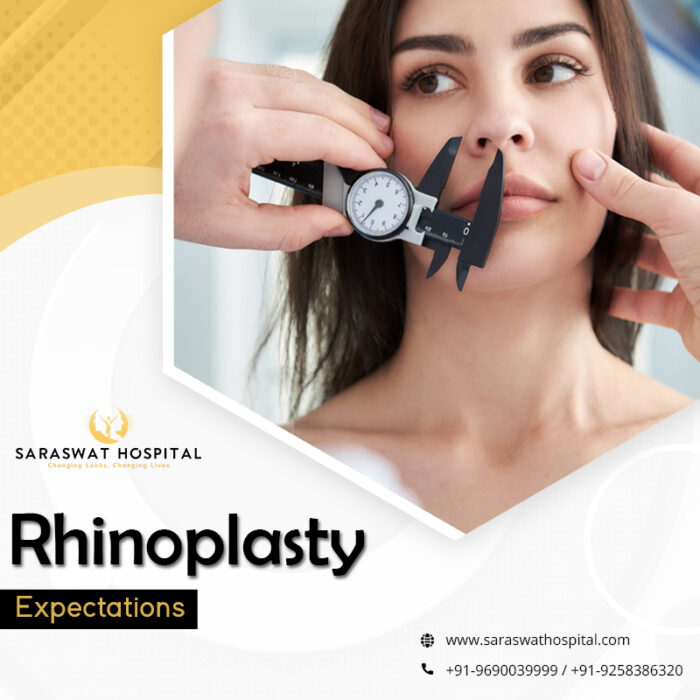
A nose job, also known as Rhinoplasty, is the ideal way used by professionals to alter the look and functions of your nose. If we look at the statistics, around 2,00,000 people and more are opting for the surgery yearly across the world, making Rhinoplasty one of the most sought-after plastic surgeries globally. Aside from changing the way your nose looks to meet facial aesthetic considerations, Rhinoplasty can also help you improve your breathing. This blog is meant to tell you everything there is to know about the rhinoplasty procedure. In this blog, we’ll walk you through what happens after rhinoplasty, including the recovery stages, results timeline, and essential post-operative care tips.

How is Rhinoplasty Performed?

First off, the rhinoplasty procedure is used to improve the appearance and even the proportions of your nose to enhance facial harmony in the process. It is performed in either a closed or an open procedure. In the former, the incisions are hidden inside the nose, and in the latter, the surgeons make the incisions across the narrow strip of tissue that separates the nostrils, also known as the columella.

Side By Side Comparison of Rhinoplasty

Who is the Right Candidate for a Rhinoplasty?

The most common reason for undergoing rhinoplasty is difficulty in breathing through the nose. Now, we all know that any sort of nasal obstruction can be problematic during exercise or sleep, thereby causing you to snore or suffer from sleep apnea. While nasal sprays can be a dependable option for many, they’re not permanent and might cause side effects in the long run.

The nasal surgery is typically customized to the underlying problem of the obstruction. If the midline wall of the cartilage that is responsible for dividing the nose into two, the septum, is deviated, you might be fine with a small surgery. However, if the issue is bigger and more severe than this, a proper nasal shape is required, and that can only be achieved through Rhinoplasty. The right candidate for the surgery is someone who has realistic expectations from the procedure and is of good health.

What are the Things one Must Know about Rhinoplasty surgery?

The first thing that you would have to know about Rhinoplasty is that the surgery is performed under general anaesthesia. In this procedure, a small incision is made along the base of the nose that isn’t noticeable when the skin heals. These incisions grant access to the bones and cartilage of the nose, adjustments to which allow the surgery enough space for nasal reshaping and improvement. The Rhinoplasty procedure leaves the bones intact unless the patient has suffered significant trauma to the area in the past.

What is the Recovery Process Like?

The recovery process after undergoing a Rhinoplasty India procedure is simple. You can take a few days off from your routine, during which you will be recommended a nasal cleaning regimen. The after-care from the hospital will also include pain medications. You may immediately have some difficulty breathing through the nose, but in a day or two, it becomes normal, and you will be able to breathe properly again.

The splints and cast are removed after one week of the surgery, following which you may return to work and also resume any cardio exercise like running or walking. To get the best results out of the treatment, it is suggested that you don’t go for any contact sports for at least a few months to avoid any stressful breathing.

Long-Term Results of Rhinoplasty

One of the greatest benefits of choosing rhinoplasty in India is the long-lasting outcome achieved through precise surgical expertise. Once the swelling completely subsides, your nose will settle into its final shape, enhancing your facial harmony.

Rhinoplasty Before and After

Whether it’s a cosmetic improvement or a functional correction, rhinoplasty can significantly boost confidence and breathing comfort. With advanced techniques and personalized care, the results are often natural-looking and permanent.

Post-Operative Care Tips for Better Results

To ensure the best recovery after rhinoplasty, follow these essential tips:

  • Avoid wearing glasses for at least a month to prevent pressure on the nose.
  • Stay hydrated and maintain a healthy diet to promote healing.
  • Protect your nose from direct sunlight to prevent discoloration.
  • Follow your surgeon’s aftercare instructions strictly.
  • Attend all follow-up visits for proper monitoring.

Why should one consult Saraswat Hospital for the procedure?

Saraswat Hospital is the hub of ethical and safe plastic and cosmetic surgeries performed by Dr Satya Saraswat and Dr Preeti Saraswat. With more than 20+ years of experience in the field and counting, both doctors are members of several international boards and thus are always updated about the recent additions to the surgeries performed at the hospital.

Conclusion

Undergoing rhinoplasty at Saraswat Hospital gives you, as a patient, the added advantage of being treated by the latest technology and the most recent advancements in the field by experienced doctors. This leaves you with absolutely natural results without any side effects. In case you want to know more about the subject, book an appointment with the team of experts today!

Follow us on:- Facebook, Instagram, Pinterest, YouTube

Medical Disclaimer →

This article is for informational purposes only and does not constitute medical advice. Plastic, cosmetic, and laser treatments — including AI-assisted previews such as those generated by the Peek AI™ app — carry risks and results vary by individual. Always consult a licensed medical professional before undergoing any procedure.
What Makes You Eligible for Hair Transplant India?
Medically Reviewed By Dr. Satya Saraswat, MBBS, MS, MCh, DNB (Gold Medalist) | Last updated: July 28, 2026

In an average lifespan, around 60% of men and women might suffer from some kind of hair loss or the other in the age group of 35-50 years. This can happen due to genetic conditions or simply as a sign of ageing. Undergoing hair transplant surgery, however, can act as an ideal option for those people to regain their hairline, get full hair, and even boost their self-confidence in the process. This procedure takes follicles from one part of the scalp (donor area) and then implants them into the balding site. Having said that, not all patients are ideal candidates for hair transplant in India, and so, this blog will take you through who can be eligible for hair transplant.

Characteristics that Make a Patient Eligible for Hair Transplant

Being the ideal candidate to undergo an FUE or FUT hair transplant is crucial to get the desired results without any side effects and yet have a quick recovery time. Consulting a professional who has several years of experience in the field will tell you if you are eligible for the same. Some of the things that are to be considered as eligibility factors include:

1. Age of the Patient:

Please note that there is no age limit when it comes to hair transplant, as such, but the ideal candidate is one who is above 21 years old. This age bracket is given so that the patients who are younger than this typically suffer from premature hair loss.

2. Type of Hair Loss:

The kind of hair loss the patient is suffering from plays a crucial role in determining their eligibility for a surgical restoration procedure. If you are suffering from Androgenetic Alopecia and have good donor hair, you can opt for the procedure. However, if you are suffering from any other kind of hair loss, such as Alopecia Areata, you are not eligible for the same.

3. The volume of Follicles:

Since the whole procedure for hair transplant depends upon extracting healthy follicles from one part of the scalp and then depositing them in the balding area, the volume of healthy follicles on your hair also makes you eligible for hair transplant. To be eligible for the same, you should have a high volume of donor hair follicles, which is required to reach the desired results.

4. Type or Texture of the Hair:

When it comes to the initial consultation, the surgeon performing the procedure will go for a complete computerized Trichoscopy Analysis, where every aspect of your hair will be examined. A patient with thick hair is generally preferred by the professional for the surgery.

5. Scalp Flexibility:

As a significant factor in the eligibility criteria, scalp laxity has to be measured before undergoing transplant surgery. A flexible or loose scalp has a higher chance of being eligible for the surgery because the surgeons can insert the new hair follicles without any trouble. A flexible scalp also ensures that the scar left by the FUT hair transplant procedure (strip surgery) is less visible.

Why Choose Saraswat Hospital?

As one of the top-most ethical and safe places that perform hair transplants in India, Saraswat Hospital has two of the most widely-known surgeons in the country – Dr Satya Saraswat and Dr Preeti Saraswat. With more than seventeen years of experience in the field, both surgeons are members of several international boards, such as the American Board of Hair Restoration Surgery (ABHRS), making them aware of the various updates in the procedure.

Dr Satya Saraswat is an MS, MBBS, DNB, and M.Ch. with a keen interest in hair transplant surgery. He is also the recipient of a Gold Medal in the field of Plastic Surgery from the Health Minister of India. He is one of the few doctors in India trained and eligible to perform the UGraft™ Punch method on patients for excellent results.

Dr Preeti Saraswat is an MBBS who has completed her Post Graduate Diploma from the University of Greifswald, Germany, in Clinical Cosmetology. As an esteemed member of the International Society of Hair Restoration Surgery (ISHRS), she is informed about the latest improvements in both surgical and non-surgical hair transplants.

Conclusion

Opting for an FUE or FUT hair transplant is a big decision, the effects of which are directly visible on the way you look. Consulting professionals for the surgery and undergoing the same only when you are eligible for it is crucial to avoid any botched results. Saraswat Hospital uses state-of-the-art technology and modern equipment to provide excellent results for each patient. Book an appointment for a customized plan with the experienced team of experts now.

Follow us on:- Facebook, Instagram, Pinterest, YouTube

Medical Disclaimer →

This article is for informational purposes only and does not constitute medical advice. Plastic, cosmetic, and laser treatments — including AI-assisted previews such as those generated by the Peek AI™ app — carry risks and results vary by individual. Always consult a licensed medical professional before undergoing any procedure.

Why Do You Need to Know Before Opting for Gynecomastia?
Medically Reviewed By Dr. Satya Saraswat, MBBS, MS, MCh, DNB (Gold Medalist) | Last updated: July 28, 2026

Gynecomastia is a condition that results in the enlargement of the male breast tissue. This ends up being a very big cause of embarrassment and shame, especially for young men. The best way to get rid of the same is by undergoing gynecomastia surgery by professionals. As a plastic surgery procedure, this procedure can improve the look of the chest by sucking out the fat from the tissue without any side effects. Having said that, not many are aware of all the aspects of gynecomastia and thus refrain from opting for the same. This blog will mention all those aspects in detail so that you can make your decision easier.

How to Identify if You Have Gynecomastia?

Typically occurring in both breasts, gynecomastia is also seen in patients with unilateral or asymmetric breasts. When patients undergo a breast self-exam, they may encounter a tender but firm, palpable, mobile, almost disc-like tissue mound located under the areola-nipple complex. This is the best sign that you are suffering from male breast enlargement or gynecomastia. You have to, however, be extremely careful to notice the mobile nature of the mound because when it is a fixed mound peripheral to the nipple and has discharge as well, you may have to undergo mammograms and an MRI to determine its cause and effects. That is why it is always suggested that you visit professional plastic surgeons before coming to a conclusion yourself.

What does Gynecomastia Surgery Include?

The gynecomastia condition brings with it lumps in the breasts, which might be with or without excess fat storage in the breasts. The gynecomastia surgery includes liposuction of the excess fat where suction is used, and surgical removal of the excess glandular breast tissue with the help of an incision placed in the margin of the nipple-areola complex.

As you are preparing for the surgery, you must make sure that you are someone who doesn’t smoke, is in good physical condition, and doesn’t take any medication, because all these factors can interfere with the recovery results post-surgery. Surgeons mostly perform the surgery under general or local anaesthesia, following which compression vests might be used to help control any pain or swelling.

How is the Recovery Process Post-Op Like?

The recovery time of a successful gynecomastia surgery is within a week or so if liposuction is used. However, if the professionals had to go for surgical removal of the breast tissue with the incision, you may have to give the incision site at least two weeks to heal before returning to your normal routine. Sweat-inducing activities such as hardcore exercises are forbidden till around four weeks after the surgery for the best results.

Why Should You Always Consult Professionals at Saraswat Hospital?

Saraswat Hospital, based in Agra, is an ethical and safe plastic surgery hospital that is run by two of the finest doctors in the country – Dr Satya Saraswat and Dr Preeti Saraswat. With 20+ years of experience in the field, both doctors are certified by the International Society of Aesthetic Plastic Surgery (ISAPS), making them constantly aware of the updates in the field.

Conclusion

Undergoing gynecomastia surgery in India by experts is a matter of personal choice, but every patient should be aware of all aspects of gynecomastia before opting for it. Saraswat Hospital uses modern technology to perform all plastic and aesthetic surgeries, rendering it one of the most sought-after hospitals for such treatments in India. In case you want to speak to the experts about your condition, book a consultation with the team.

Follow us on:- Facebook, Instagram, Pinterest, YouTube

Medical Disclaimer →

This article is for informational purposes only and does not constitute medical advice. Plastic, cosmetic, and laser treatments — including AI-assisted previews such as those generated by the Peek AI™ app — carry risks and results vary by individual. Always consult a licensed medical professional before undergoing any procedure.

How to Boost Hair Growth after Hair Transplant Surgery?
Medically Reviewed By Dr. Satya Saraswat, MBBS, MS, MCh, DNB (Gold Medalist) | Last updated: July 28, 2026

Hair transplant, as an aesthetic procedure, can not only get the hair back on your balding area but also help in making you feel confident all over again. The weeks following the procedure, however, can be anxious for the patient, as the waiting time is long. Having said that, the transplanted hair follicles grow back at the pace of your natural hair growth, and thus, you have to wait for a long time. Knowing how to boost hair growth after a hair transplant is essential to ensure strong, thick, and natural-looking hair regrowth.

In this blog, we’ll explore practical tips, post-operative care routines, and lifestyle habits that can significantly enhance hair growth after hair transplant surgery.

What Happens Right after the Hair Transplant?

Once the hair transplant surgery is complete, since it is an outpatient procedure, the team at the hospital will discharge you with a list of aftercare instructions that you will have to follow. Irrespective of the type of technique used, be it FUT (Linear Excision Method) or FUE (Follicular Unit Excision), you will face a phase called ‘shock loss.’

Don’t panic at the sight of hair fall during this phase because it is natural. The trauma post-surgery typically forces the hair follicles to directly go into the Telogen phase of the hair growth cycle, which leads to shedding. As soon as the procedure is over, you will find that you have less hair than you had before, but that is just for the beginning. Once the shock loss has settled in, new hair will grow from the follicles in no time.

How to Encourage New Hair Growth?

As you might already know, a hair transplant is about taking healthy hair follicles from one part of the scalp and implanting them in the balding area. It means that the hair transplant results depend on the natural hair growth cycle (Anagen-Catagen-Telogen). Treating your scalp gently for the first few weeks after the surgery is thus crucial if you want faster healing without any side effects. Some of the things you can do to encourage new hair growth are:

Don’t pick at the scalp and be gentle instead

The best way to help the recovery process along is by gently handling the scalp. You will return home with a post-op aftercare package that will have a spray bottle with saline water to wash your head with after a minimum of 48 hours. Try not to disturb the transplant area by rubbing it and pat or dab with a soft towel.

Maintain proper hydration and nutrition

One of the vital components of your hair is Keratin, and to boost its generation of this, you would have to eat a lot of protein-rich items. Talk to your doctor and come up with a high-quality protein diet that will have a lot of minerals, vitamins, and nutrition. Don’t forget to drink a lot of water to keep yourself hydrated and avoid processed food, no matter what.

Stimulate blood flow to the scalp

When the initial trauma of the surgery is over, and you are no longer in the shock-loss phase, you are allowed to gently massage your scalp. You may add essential oils for the massage because they stimulate the circulation of blood on the scalp for the natural hair transplant results. The healthier the follicle, the faster the new hair growth expectancy.

Follow Your Surgeon’s Post-Operative Instructions

The first and most important step in improving hair growth after a hair transplant is to strictly follow your surgeon’s aftercare guidelines. These instructions typically include when to wash your hair, how to sleep, and which products to avoid. Ignoring these directions can affect graft survival and slow down hair growth.

Eat a Nutrient-Rich Diet

A healthy diet is a key factor in promoting hair growth. Incorporate foods rich in vitamins A, C, D, and E, as well as iron, zinc, and biotin. Proteins like eggs, fish, and lean meat are also vital for faster follicle regeneration. A balanced diet ensures your newly transplanted hair receives the nutrients it needs to thrive.

Avoid Smoking and Alcohol

Smoking and alcohol can reduce blood flow to the scalp and restrict oxygen supply, negatively impacting hair growth after a hair transplant. It’s advisable to avoid these habits for at least a few weeks post-surgery to ensure proper follicle healing.

Use Mild, Doctor-Approved Hair Products

Harsh shampoos or chemical-laden styling products can damage new grafts. For better hair growth after hair transplant, always use gentle, sulfate-free shampoos and follow your doctor’s product recommendations.

Regular Scalp Massage

Once the transplanted area has healed, gentle scalp massages can enhance hair growth by improving blood circulation. Use natural oils like coconut or argan oil for extra nourishment.

Why visit Saraswat Hospital for the Procedure?

If you are looking for the best place for hair transplant surgery in India, you must consult the ABHRS (American Board of Hair Restoration Surgery) certified professionals at Saraswat Hospital, Agra. With more than 20+ years of experience in the field, both doctors have enough expertise to provide customized treatment plans for the patients for the best results.

Conclusion

Maximizing hair growth after a hair transplant involves a combination of medical guidance, healthy habits, and consistent care. Following your surgeon’s instructions, eating well, staying hydrated, and protecting your scalp can make a remarkable difference in your results. Remember — patience is key. With the right approach, you can enjoy dense, natural, and long-lasting hair growth after your transplant.

Book an appointment with the experts and discuss your condition before going for surgery. Feel free to contact Saraswat Hospital today.

FAQs

1. When does hair start growing after a hair transplant?
Typically, hair growth begins around the 3rd or 4th month after a hair transplant, with noticeable results by the 6th month.

2. Can I use hair growth oils after a hair transplant?
Yes, but only after your doctor approves. Using natural oils can improve hair growth, but timing and product choice are crucial.

3. How long should I avoid smoking after surgery?
To ensure proper growth of your hair after a hair transplant, avoid smoking for at least 2–3 weeks post-surgery.

4. What should I do if I notice slow hair growth after a transplant?
Consult your surgeon. Sometimes, hair growth may vary due to individual healing rates or underlying health factors.

Follow us on:- Facebook, Instagram, Pinterest, YouTube

Medical Disclaimer →

This article is for informational purposes only and does not constitute medical advice. Plastic, cosmetic, and laser treatments — including AI-assisted previews such as those generated by the Peek AI™ app — carry risks and results vary by individual. Always consult a licensed medical professional before undergoing any procedure.

What are the Factors that Enhance Cosmetic Surgery Results?
Medically Reviewed By Dr. Satya Saraswat, MBBS, MS, MCh, DNB (Gold Medalist) | Last updated: July 28, 2026

Cosmetic surgery is a very challenging procedure that has a direct relation to the way someone looks, and so, it has to be performed very carefully. Things such as how the candidate wants the results to be become extremely important to the surgeon, and he or she has to perform it with utmost care and confidence. Well, to get the desired cosmetic surgery results, you need to ensure that you have consulted the best cosmetic surgeon in Agra. This blog will take you through the various factors that enhance the results of cosmetic surgery.

Factors that Affect Cosmetic Surgery Results

Cosmetic surgery can be called a form of plastic surgery that deals with the appearance of the patient. All the procedures and techniques used for the same are focused on enhancing certain aspects of the body, and should always be performed by experts with years of experience in the field. When you consult a Cosmetic Surgeon, there are several factors that you need to keep in mind to achieve the best cosmetic surgery results because they leave a direct impact on the outcome of the procedure. Some of the top such factors include:

Choice of the Surgeon

As a patient, no one knows your expectations better than you, but you would have to find a surgeon with whom you are comfortable enough to share them. As you look for the best surgeon, do not forget to check the profile and see if the doctor is certified by international boards for plastic surgery or not. Any additional qualification in cosmetic or plastic surgery always gets the upper hand. Look for the success record of the doctor, and the testimonials previous patients have left to confirm the credibility.

Current Health Condition of the Patient

When it comes to cosmetic surgery, more often than not, the patients have to undergo more than one procedure to get the desired results. This is why checking the current health condition of the patient is crucial to see if he or she will be able to undergo all the procedures or not. If this step is skipped, unwanted complications might arise during the surgery, and the desired results might not be reached as well.

Expectations of the Patient and Doctor

Next is the fact that you need to have realistic expectations of the procedure. You cannot expect to come out of surgery looking like a new person and yet not have any serious effects. The surgeon creates a customized treatment plan after the first consultation to align your expectations with the doctor and ensure the desired surgical results. You need to ensure that you will embrace the realistic goals.

Pre-Surgery Health and Lifestyle

Your overall health significantly impacts your cosmetic surgery results. Maintaining a balanced diet, avoiding smoking, and limiting alcohol intake before surgery can enhance healing. Physically fit patients with stable body weight actively recover faster and maintain longer-lasting results.

Following Pre-Operative Instructions

Adhering to your surgeon’s pre-operative guidelines is essential for optimizing cosmetic surgery results. These may include avoiding certain medications, fasting before surgery, or undergoing necessary lab tests. Such precautions minimize risks and help ensure a smooth surgical process.

Post-Surgery Care and Recovery

Post-operative care is a critical factor that can make or break your cosmetic surgery results. Following your surgeon’s instructions—such as taking prescribed medications, attending follow-up appointments, and avoiding strenuous activities—helps in achieving optimal healing and desired results.

Using Advanced Surgical Techniques

Modern techniques and technologies play a major role in enhancing cosmetic surgery results. For instance, procedures that use minimally invasive methods, advanced imaging systems, and precision tools tend to provide better outcomes, reduced scarring, and quicker recovery. As a result, patients benefit from improved safety and satisfaction.

Maintaining Results Through Healthy Habits

After surgery, maintaining a healthy lifestyle ensures long-lasting cosmetic surgery results. For example, regular exercise, a balanced diet, adequate hydration, and sun protection can help preserve your improved appearance. Moreover, these habits can delay signs of aging, enhancing the overall outcome.

Follow-Up with Your Surgeon

Regular check-ups allow your surgeon to monitor progress and address any concerns early on. Consistent follow-up ensures your cosmetic surgery results continue to improve over time and remain as intended.

Why Choose Saraswat Hospital?

If you have been looking forward to visiting the best cosmetic surgeon in Agra for getting your treatment, you need to consult the experts at Saraswat Hospital. Certified by the American Board of Hair Restoration Surgery (ABHRS), Dr. Satya Saraswat and Dr. Preeti Saraswat are at the helm of all activities at the hospital. The place makes use of modern equipment to treat patients across lifestyles and give them natural-looking, side-effect-free results.

Conclusion

Achieving the best cosmetic surgery results is not just about undergoing a procedure—it’s about preparing your body, choosing the right surgeon, and committing to proper aftercare. As you find the best cosmetic surgeon in Agra, all you would need to do is the first consultation. It is through this consultation that the doctors would be able to create customized treatment plans to cater to your requirements as a patient. Book an appointment with the surgeons to get the best cosmetic results.

Follow us on:- Facebook, Instagram, Pinterest, YouTube

Medical Disclaimer →

This article is for informational purposes only and does not constitute medical advice. Plastic, cosmetic, and laser treatments — including AI-assisted previews such as those generated by the Peek AI™ app — carry risks and results vary by individual. Always consult a licensed medical professional before undergoing any procedure.

whatapp icon