

Book an
Appointment
Avatar photo

Dr. Satya Saraswat, MBBS, MS, MCh, DNB (Gold Medalist)

Dr. Satya Saraswat, MBBS, MS, MCh, DNB (Gold Medalist), FISHRS, is a cosmetic and plastic surgeon with an experience of over 20+ years and has performed 17,000+ cosmetic and plastic surgeries. He is a Diplomate of the American Board of Hair Restoration Surgery (ABHRS) and Fellow of ISHRS, as he has been continuously attending the International conferences and adopting the latest advancements in hair restoration science, and he has also submitted his research papers. His hands-on involvement ensures a natural hairline and high graft survival.

Articles by Dr. Satya Saraswat, MBBS, MS, MCh, DNB (Gold Medalist)

Best Age For Hair Transplant
Medically Reviewed By Dr. Satya Saraswat, MBBS, MS, MCh, DNB (Gold Medalist) | Last updated: April 17, 2026

Selecting the best age for hair transplant is essential to enjoy long-term and the finest possible outcomes. Hair loss can affect people at different life stages. So, it’s important to know when to consider hair restoration techniques like FUE and FUT transplants. With the aid of this thorough guide, you will be able to ascertain the best age as well as the important considerations.

Understanding the Best Age for Hair Transplant

Depending on a person’s unique situation, there are several optimal hair transplant ages. Hair transplants are often advised for those who suffer from severe hair loss. Several factors should influence the choice to get a hair transplant. These are the following factors: the pattern of hair loss, overall health, and personal goals. The best age for a hair transplant is considered to be between 25 and 45 years old. During this phase, the pattern of hair loss has become more pronounced, making it easier for the surgeons to assess the stability of the hair loss and the plan for the hair transplant.

Why is age 25 the Surgical Threshold?

Androgenetic alopecia is a progressive condition that often does not reveal its final pattern until a patient reaches their mid-20s. Operating before this stability is reached makes it impossible for surgeons to accurately predict the future boundaries of the safe donor zone. Patients who undergo surgery prematurely risk a depleted donor supply that cannot cover future baldness. This biological uncertainty necessitates a conservative approach to hairline design. Establishing a stable baseline is the only way to prevent the formation of isolated islands of hair.

What are the Risks of Early-20s Transplants?

Deciding on the best age for a hair transplant is very confusing to many, especially in their early 20s. This hair loss phase might be very depressing. It would challenge one’s confidence and personality. However, there are a few important aspects to consider:

  • Hair Loss Progression: At this age, the pattern of hair loss may still be evolving. Hair loss is progressive. So, early intervention may not be needed if the pattern is not well established. This is because you may have to make adjustments much later as your own hair loss progresses.
  • Long-term Results: Hair restoration in the early twenties may need later surgeries to revise or supplement the results. Transplantations may be needed as this hair loss is progressive. It is to maintain a natural hairline and get the best results. So, it is often advised not to start transplants until the alopecia has stabilized.

For younger people, results might differ significantly. Waiting for a consistent pattern of hair loss may yield better, long-term results.

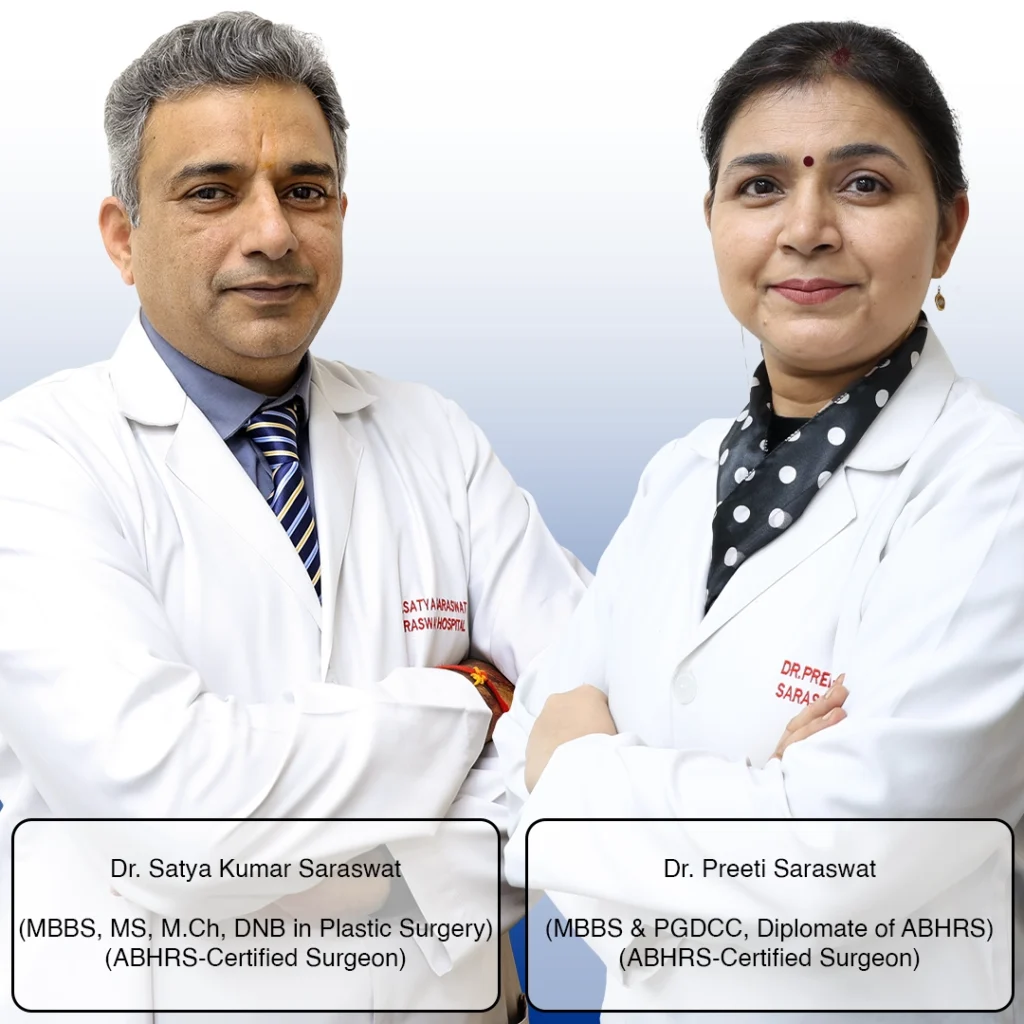
However, we understand that there may be exceptional cases due to psychological and social factors. A thorough consultation with ABHRS diplomates Dr. Satya Saraswat & Dr. Preeti Saraswat may help you.

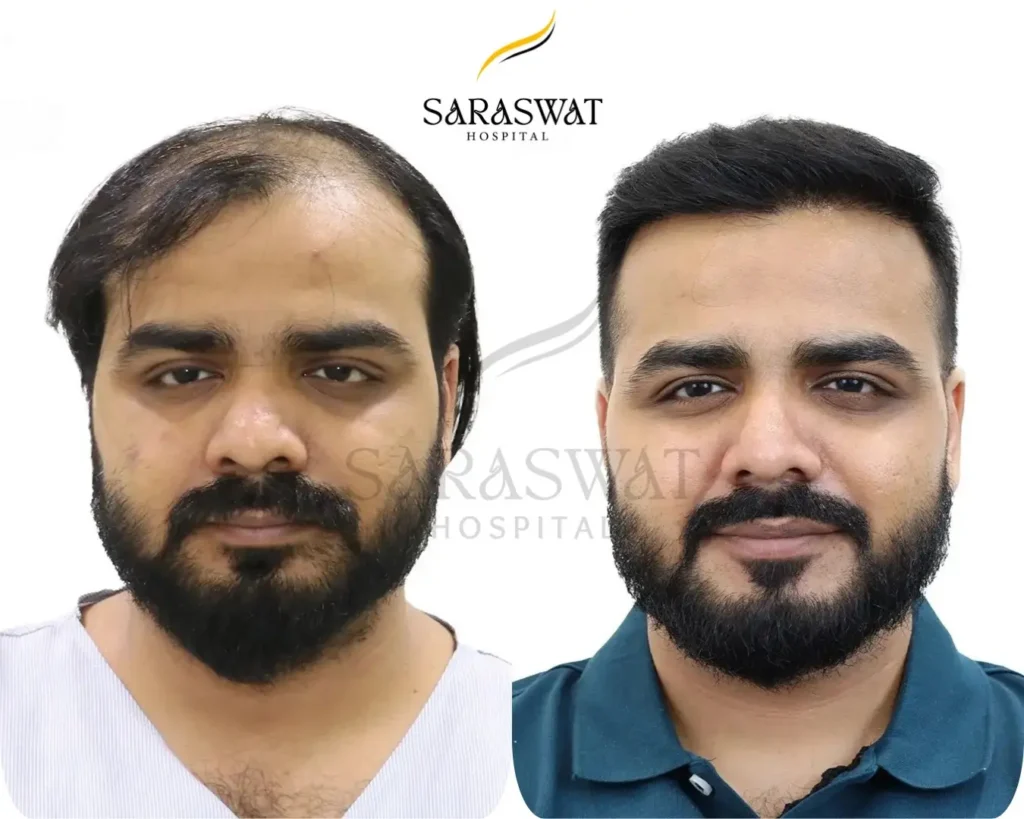
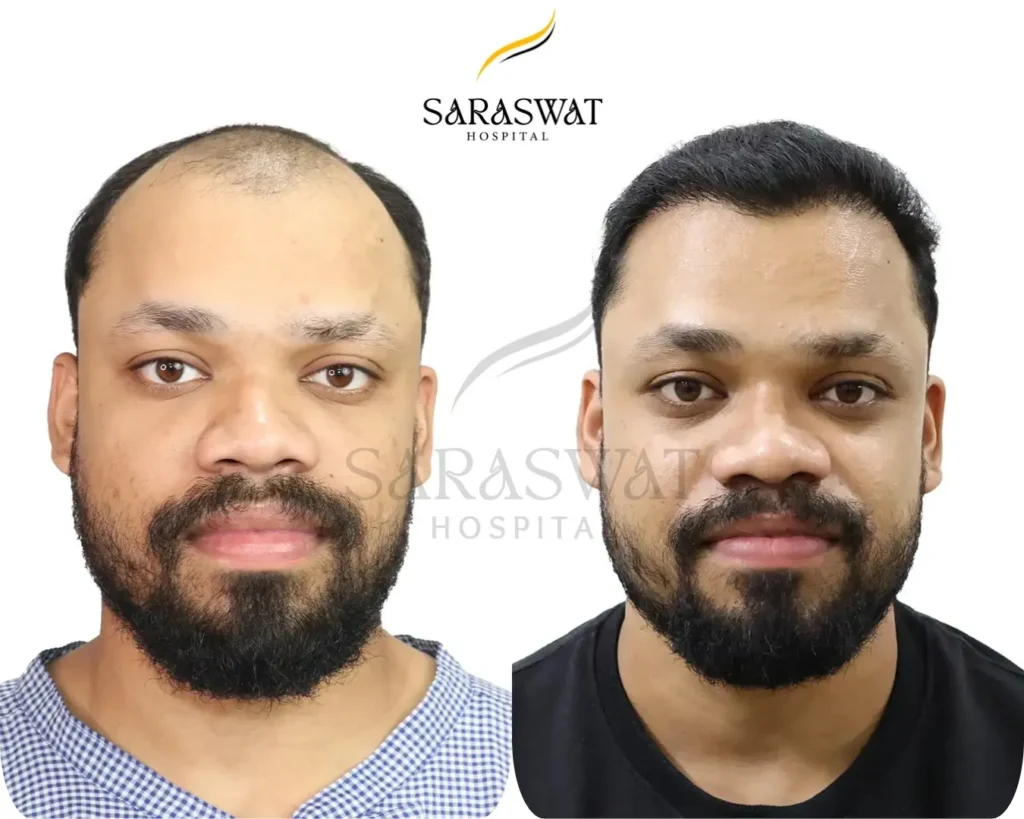
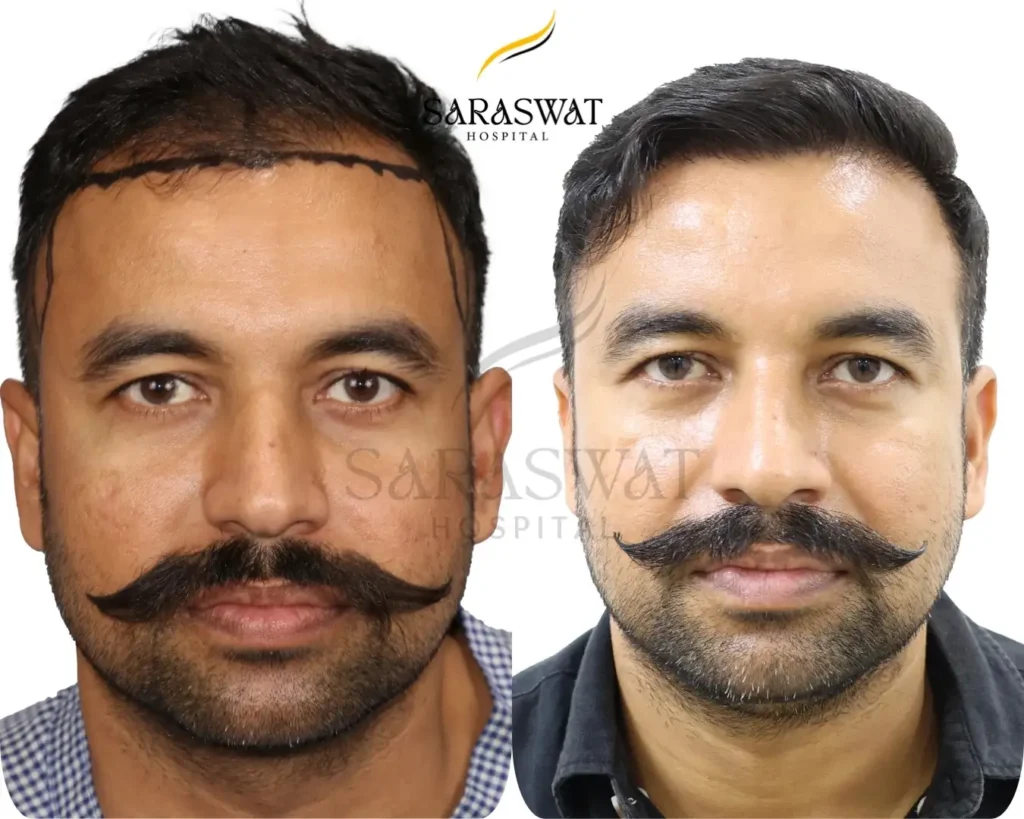
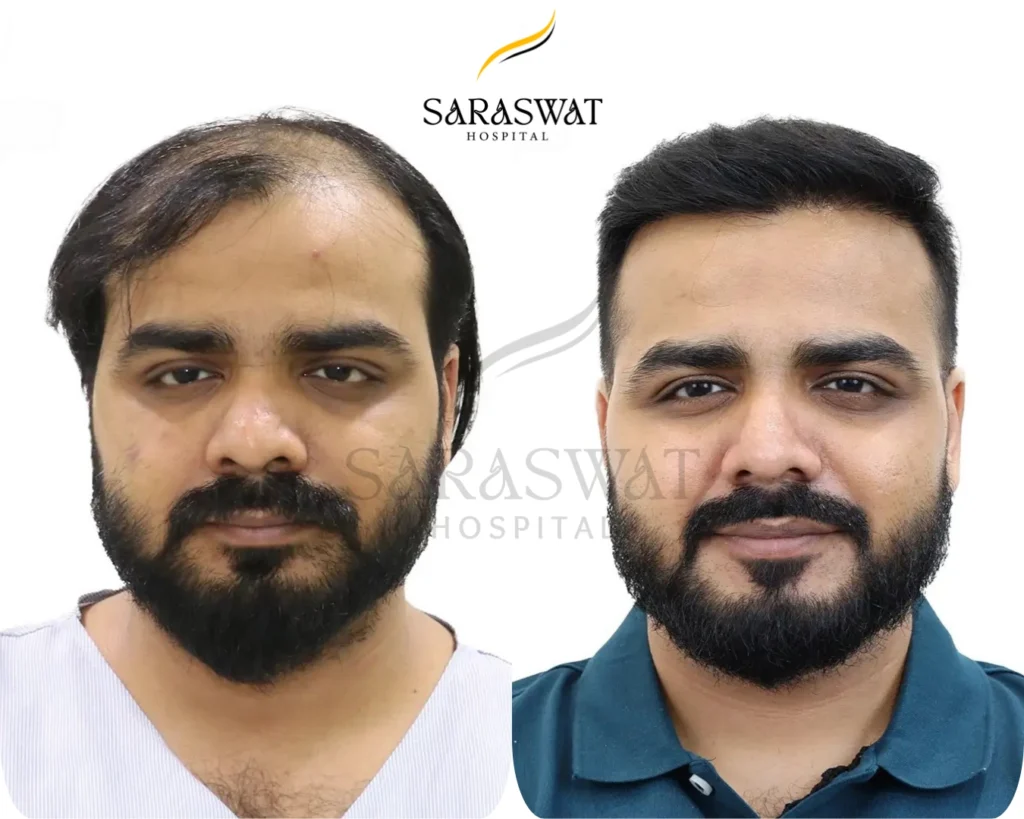
Hair Transplant Before and After Result

Why is the 30-year Mark Ideal for FUE?

The late 20s and early 30s represent the clinical sweet spot because hair loss patterns are typically fully established by this stage. Surgeons can differentiate between permanent hair and hair destined to fall out, allowing for a precise placement of FUE grafts. This age group also benefits from high skin elasticity, which facilitates faster healing and higher graft survival rates. Choosing an FUE hair transplant at this stage allows for a long-term aesthetic plan that accounts for natural aging. Proper planning now ensures the donor area is not over-harvested for the future.

MetricUnder 25Age 25–45Over 50
Pattern StabilityLowHighVery High
Graft SurvivalHighHighModerate
Primary GoalPreventionRestorationRefinement

How does Donor Density Change After 40?

Donor hair density begins a natural decline as a patient enters their 40s, reducing the total number of follicular units available for extraction. While the hair loss pattern is fully visible, the safe zone at the back of the head may shrink due to senile alopecia. Dr. Satya Saraswat utilizes high-magnification trichoscopy to measure this density before committing to a graft count. Patients in this age bracket often opt for a combination of FUT hair transplant and FUE to maximize graft yield from a thinning donor area. This strategic approach addresses both current baldness and future thinning.

Is Age 50 too Late for FUE?

  • Viability in Seniors: Hair transplantation remains a viable option for patients in their 50s and 60s, provided they maintain good cardiovascular health and sufficient donor reserves.
  • Aesthetic Focus: The primary goal for older patients is typically crown coverage or thickening a receding hairline, rather than the creation of a youthful, low hairline.
  • Recovery and Success: Healing times may be slightly extended due to reduced blood flow in the scalp; however, the success rate of the grafts remains high if the patient is medically cleared.
  • Preoperative Screening: Surgeons must strictly screen for medications, such as blood thinners, that could complicate the surgical procedure.

Men 50 years old or older can expect amazing hair transplant results from first-time hair transplantation (1).

Factors that Affect the Best Age

Family history and genetics: Genetics are an important factor in hair loss. If there is a strong family history of hair loss, an early consultation may be needed. This will prove to be helpful in the future for hair restoration.

Pattern and Progression of Hair Loss: It is necessary to understand the pattern and progression of hair loss.

Wellness and Way of Life: The results of a hair transplant are dependent on a patient’s expectations, lifestyle, and general health. For the greatest outcomes, it is essential to keep a healthy lifestyle and seek advice from an expert.

Cost and Considerations for Hair Transplantation

Some of the factors that may influence the cost of hair transplantation include the type of hair transplant (FUE or FUT), the size of the transplant, the number of grafts needed, and the location of the clinic. It is important to select a reliable clinic with competent personnel for the best outcome.

Conclusion

The best age for a hair transplant is arrived at after considering a number of factors, including the type of hair loss, overall health, and personal goals. Your choice of FUE or FUT hair transplants will greatly impact your hair restoration journey. So, the time and strategy you choose matter. Book an online consultation with our team and learn more about hair transplant, and find out how many grafts are required in your case, and get a customized plan for a natural-looking hairline.

Sources:

(1) Men 50 years old or older can expect amazing hair transplant results from first-time hair transplantation. (ISHRS.org)

FAQs

1. At what age is a hair transplant the best?

The best age for a hair transplant is the late 20s to early 40s. This is due to more steady and predictable hair loss patterns. Nevertheless, every person’s circumstances are different.

2. Is it possible to get a hair transplant in your early 20s?

A hair transplant in your early 20s is possible. But it is usually not advised due to the risk of further hair loss. Waiting until hair loss patterns are more consistent is preferable.

3. How effective was a hair transplant in the 50s?

Yes, a hair transplant can work in a person’s 50s. They must be in excellent health and have reasonable expectations for the outcome.

4. Is a hair transplant 100% successful?

No, if anyone is telling you that a hair transplant is 100% successful, then they are wrong. However, with the latest advancements and choosing top surgeons, you can get a success rate of 95% to 98%.

5. Do hair transplant results look natural?

To achieve a natural look with your hair transplant, you must find a skilled and certified hair transplant surgeon. Placement of hairs in the thinning area, the implanting method, and the angle of hair at the time of implantation play a crucial role in getting a natural look.

Follow us on:- FacebookInstagramPinterestYoutube

Read More of us:- 5 Helpful Tips for a Quick Hair Transplant Recovery, Facelift: What You Need To Know

Medical Disclaimer

This article is for informational purposes only and does not constitute medical advice. Plastic, cosmetic, and laser treatments — including AI-assisted previews such as those generated by the Peek AI app — carry risks and results vary by individual. Always consult a licensed medical professional before undergoing any procedure.

What Happens 20 Years After a Hair Transplant
Medically Reviewed By Dr. Satya Saraswat, MBBS, MS, MCh, DNB (Gold Medalist) | Last updated: April 17, 2026

Hair transplants are in demand to treat hair loss. They provide a fuller, more natural-looking head of hair. But the question remains: what about the longevity of hair transplant after 20 years? This review looks at the long-term effects, benefits, and issues of hair transplants. It includes advice from experts.

Long-term Longevity of Hair Transplant

Transplanted hair follicles are genetically harvested from the permanent zone and remain viable for the duration of the patient’s life. This biological principle, known as donor dominance, ensures that hair taken from the back and sides of the scalp retains its resistance to Dihydrotestosterone (DHT) even when moved to balding areas. Clinical data suggest that several factors play a crucial role in achieving a graft survival rate over 90% (1). While the grafts themselves are permanent, the surrounding native hair remains susceptible to various biological changes.

Expectations about Hair Transplantation after 20 Years

When evaluating the result of hair transplant after 20 years, a set of variables is taken into view:

  • Consistency: All things being equal, the hair transplant will keep on growing and thriving. If properly maintained and groomed, most patients enjoy the results for decades altogether.
  • Natural Aging: With age, the texture or thinning of the individual’s hair could still prevail. This can affect the look of everything, even while the transplanted hair remains healthy.
  • Maintenance Requirements: In some cases, the look of a hair transplant requires maintenance over time.

Psychological Impact of Permanent Restoration

Longitudinal studies indicate a sustained improvement in patient Quality of Life (QoL) metrics for over 15 years following successful hair restoration. Patients report higher levels of social confidence and reduced anxiety regarding their appearance in professional settings. The psychological stability provided by a permanent hairline often outweighs the minor maintenance required over the decades. Sustaining these hair transplant results requires a dedicated clinical preservation strategy.

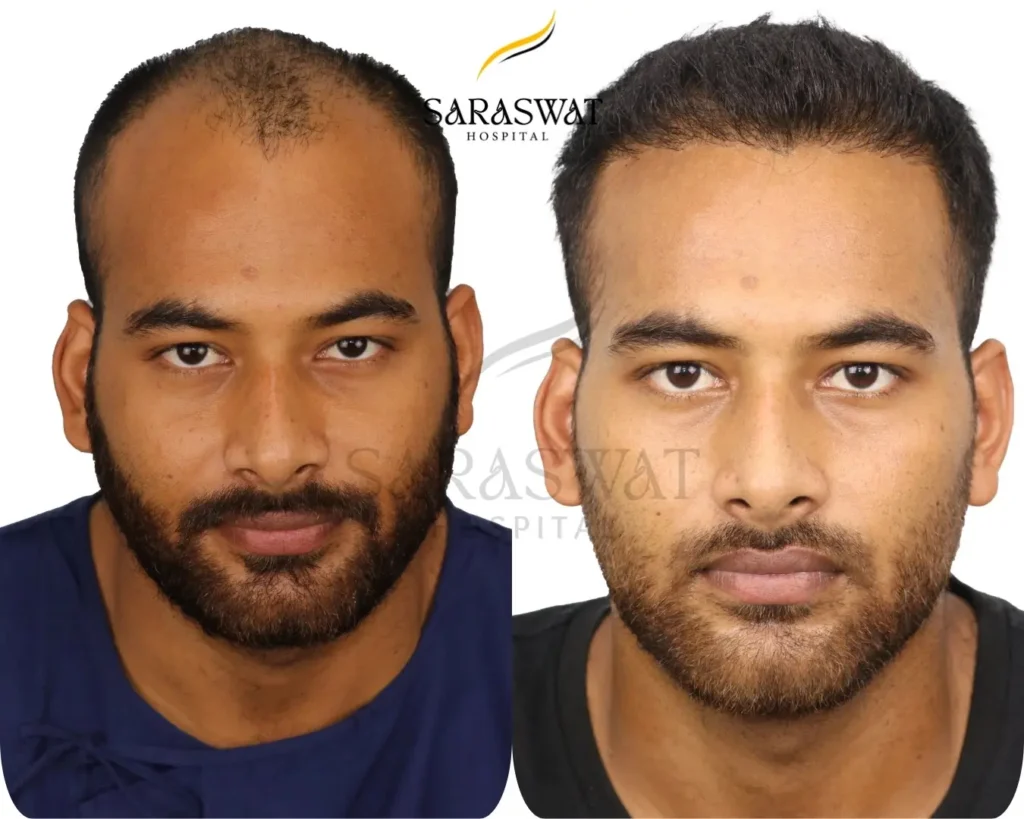
Hair transplant result after 9 months
View Complete Details of this Amazing Hair Transplant Result After 9 Months

Post-Transplant Maintenance for Decadal Results

Clinical maintenance protocols are necessary to prevent the island effect, where transplanted hair remains while native hair behind it continues to recede. Surgeons typically prescribe DHT inhibitors to stabilize the existing non-transplanted hair population.

Maintenance TypePurposeFrequency
DHT InhibitorsPrevent native hair lossDaily
Low-Level LaserStimulate mitochondrial activity3x Weekly
PRP/GFC TherapyImprove scalp vascularityBiannually

Consistent adherence to these protocols ensures that the transition between transplanted and native hair remains seamless as the patient ages. Advanced scalp health also relies on the quality of topical interventions.

What You Can Do to Maintain Your Results After 20 Years

You can do a few practical things to preserve your results. They will ensure satisfaction for over 20 years:

Good quality shampoos and conditioners

Both natural and transplanted hair will benefit from biotin, keratin, and vitamin E. They are in some products. These products help reduce breakage, improve texture, and strengthen hair follicles. One may also consider scalp massages. They improve blood flow and stimulate hair growth.

Consult with Your Specialist

As hair restoration technology improves, patients must have regular follow-ups with their specialists. This is to assess their hair’s condition and adjust their treatment as needed. Sometimes, your specialist may recommend new products or techniques. They may help you maintain and improve your results.

Maintain a Healthy Lifestyle

Your general health is key to maintaining your hair transplant. A healthy diet, rich in vitamins and minerals, will benefit your hair. So will regular exercise and plenty of water. A healthy life and low stress may greatly improve your hair’s health and growth.

Recent hair loss should be addressed

There may be several reasons why new hair loss can occur even after twenty years. This needs to be looked at and sorted out right away. Regular consultations can preserve your transplanted hair and prevent more loss. Immediate action may be needed.

In other words, be proactive about hair care. This will help your hair transplant succeed, and your hair will grow long. Consult Dr. Satya Saraswat and Dr. Preeti Saraswat for advice.

Finasteride and Secondary FUE Procedures

  • Utilization & Timing: Secondary FUE (Follicular Unit Extraction) procedures are frequently performed 15 to 20 years after the initial transplant to refine the hairline or increase density in new areas of loss.
  • Patient Demographics: Approximately 28% of patients opt for a touch-up procedure to maintain their desired aesthetic as they reach their 50s and 60s.
  • Surgical Requirements: These secondary sessions depend entirely on the remaining donor density, which makes conservative initial planning by a specialist vital for long-term success.

Conclusion

It’s important to know what will happen to your hair 20 years after a hair transplant. It will also help you manage your expectations and ensure that you are satisfied in the long run. The recovery time for a hair transplant will depend on several factors. These factors will include your hair loss, maintenance practices, and your health. A hair transplant will give you success for many years. To maintain it, follow the experts’ advice and live a healthy lifestyle.

If you want to learn more about hair transplant, schedule an appointment with Dr. Satya Saraswat. Discuss your options and get hair care advice. To initiate the process, visit our website or call us today.

Sources:

(1) Clinical data suggest that several factors play a crucial role in achieving a graft survival rate over 90%. (PubMed Central)

Frequently Asked Questions

1. What happens to hair transplants over 20 years?

Natural hair loss may continue. But hair transplant longevity can last for 20 years after the surgery. The transplanted hair usually grows back and is very healthy. But it needs constant care.

2. How can the results of hair transplantation be maintained over time?

To maintain results, see a professional doctor. Practice good hair hygiene. Get further treatments if needed.

3. Are long-term outcomes of hair transplantation safe?

The transplanted hair is permanent. But natural hair loss or a change in texture may affect the overall look. Dr. Satya Saraswat and Dr. Preeti Saraswat advise regular grooming to minimize these issues.

4. Is a hair transplant risky for life?

Hair transplant is a safe procedure as it is a minimally invasive procedure with minor risks like infection or scarring, which are manageable under a qualified surgeon.

5. What are the disadvantages of a hair transplant?

Hair transplants can be costly, involve surgical risks like infections or scarring, it requires lengthy recovery to get the desired result. You may also need multiple sessions, and results are not always guaranteed if poorly performed.

Follow us on:- FacebookInstagramPinterestYoutube

Read More:- 6 Signs You May Need a Repair Hair Transplant

Medical Disclaimer

This article is for informational purposes only and does not constitute medical advice. Plastic, cosmetic, and laser treatments — including AI-assisted previews such as those generated by the Peek AI app — carry risks and results vary by individual. Always consult a licensed medical professional before undergoing any procedure.
What is the Cost of 3000 Grafts Hair Transplant in India
Medically Reviewed By Dr. Satya Saraswat, MBBS, MS, MCh, DNB (Gold Medalist) | Last updated: April 17, 2026

Planning a transplant of 3000 hair grafts in India certainly calls for one to be sure of the cost. Charges vary depending on where the site location is, the level of expertise of the surgeon, and what methodology is used. The cost of 3000 grafts for a hair transplant typically reflects the extensive nature of the procedure, as it involves a significant number of individual hair follicles being transplanted to achieve the desired density and coverage.

Factors Affecting The Hair Transplant Cost

The cost of a hair transplant may be significantly influenced by a few variables. Understanding these variables will go a long way in assessing and consequently planning the budget for the procedure.

  • Location of the Clinic: The cost of hair transplantation may vary depending on the geographical location of the clinic. Clinic prices are higher in cities like Bangalore, Delhi, and Mumbai than in smaller towns. This could raise medical service prices. The high cost of living and operational costs in large cities are to blame.
  • Expertise of the physician: Hair transplant cost can also be dependent on the expertise and reputation that the physician brings. The specialists are highly experienced. The seasoned surgeons charge more for consultations and treatments. Their fees are directly proportional to the quality of their work, which is responsible for higher skill sets and a better success rate. Surveys show that patients want experienced surgeons. They have a history of delivering great, natural-looking results.
  • Methodology: The choice of hair transplant method, FUE or FUT, affects the cost. Follicular Unit Extraction (FUE) may cost more due to the high price of disposables and high-end torque, low-vibration FUE machines. Depending on the selected method and its complexity, the cost may vary accordingly.
Cost of 3000 grafts in India

People should understand that the cost of a hair transplant can vary. They should consider and plan for these factors. This will ensure they get good value for their money.

Cost Comparison of Hair Transplant in Major Indian Cities

Comparing the cost can help set expectations for several of India’s main cities. The cost of 3000 grafts hair transplant in India typically ranges from ₹ 90,000 to ₹ 2,40,000 for the grafts themselves. The table below shows average prices from various sources.

CityAverage Cost of 3000 Grafts Hair Transplant
Mumbai₹90,000 – ₹2,40,000
Delhi₹90,000 – ₹2,20,000
Bangalore₹90,000 – ₹2,30,000
Chennai₹80,000 – ₹2,40,000
Hyderabad₹75,000 – ₹2,00,000
Kolkata₹80,000 – ₹2,00,000

Cost of Hair Transplant at Saraswat Hospital

Depending on the quantity of grafts needed, a 3000 hair graft transplant at Saraswat Hospital is reasonably priced compared to other major cities and clinics in India. If you want to know the final cost, schedule an appointment.

Additional Costs To Keep in Mind

The following additional costs must be taken into account while estimating the final cost:

  • Pre-Operative Testing: The cost of blood testing and other pre-surgery evaluations may add to the procedure.
  • Medication: After the surgery, medicines will be required to prevent any infection and may cost more.
  • Follow-Up Visits: Routine exams to track the transplant’s progress may affect the overall cost.

Advantages of Hair Transplant

Hair transplantation has numerous advantages other than hair restoration. Some of the additional benefits will make the worth of this procedure even more:

1. Organic look

It can be maintained through modern hair restoration methods, namely FUE and FUT. These methods use single hair follicles or units to merge into your hair. They create a realistic, natural look. These procedures will preserve your hair’s original growth pattern and hairline.

2. Permanent Solution

A key benefit of hair transplants is their permanent results. Hair transplantation is a long-term solution to hair loss. It is better than hairpieces, which are only short-term. Hair transplantation can cure baldness. The embedded hair roots will grow permanently in the balding area.

3. Improved self-esteem

Many hair transplant patients leave the treatment confident and positive. In rare cases, there may be big changes in appearance and hair density. This will greatly affect one’s feelings about themselves. Better self-esteem often leads to more social interactions and personal satisfaction. These factors greatly improve mental health.

4. Low Maintenance

The transplanted hair requires minimal maintenance after the initial healing period. Unlike non-surgical methods, which need ongoing treatment, the transplanted hair behaves like one’s own. It can be managed by grooming it like any other hair. This low-maintenance aspect boosts the long-term value of hair transplants.

Customizable Results of Choosing the Best Hair Transplant

Hair transplants let a person customize the results. They can meet their specific needs and preferences. Surgeons could change hairlines and adjust the densities according to the given preference. This personalization can make the result very unique and satisfying.

Hair transplantation has some advantages. It will look natural and last long. It will fix hair loss and boost the person’s confidence. These advantages explain why most people believe a hair transplant can restore their hair. They think it will improve their quality of life.

The Most Economical Hair Transplant Cost

Finding the best hair transplant cost is a balance between the aspects of price versus quality. The lowest price doesn’t always promise the finest outcomes. You need to go to a trusted facility. They must have highly qualified surgeons. They must offer the best treatment and results.

Important Things to Think About

  • Quality of Service: Higher costs often come with better facilities and more skilled surgeons.
  • Aftercare Services: Check whether the cost includes follow-up care and after-surgery treatment.
Cost of 3000 grafts in India

Conclusion

You would need to know the full cost of 3000 grafts of hair transplant when you plan your hair restoration option. You would be able to compare prices in different locations and account for additional charges so that you can plan better for the financial aspects of the surgery.

If you are considering hair transplantation and would like to learn more about the cost of hair transplant in India, schedule a consultation with Dr. Satya Saraswat or Dr. Preeti Saraswat. Feel free to contact us today.

FAQs

1. How much does it cost for a 3000 grafts hair transplant in India?

The average cost of a hair transplant for 3000 grafts in India usually ranges from ₹90,000 to ₹2,40,000, as it depends on the city and the clinic.

2. Do I have to pay any other charges for a hair transplant?

Yes, pre-surgery tests, medicines, and other small charges may add in hair transplant.

3. Are there any factors that influence the cost?

The cost depends on many factors such as the clinic’s location, the experience of the surgeon, and the technique for hair transplant.

4. What is the cost of a hair transplant in Saraswat Hospital compared with other clinics?

Saraswat Hospital is comparably lucrative because the cost of hair transplant in Agra is more affordable compared to most major cities in India. Contact our team to get the quote.

5. Is 25 too early for a hair transplant?

Yes, at 24 or 25, the hair loss may still be progressing. We recommend waiting until the late 20s or 30s when hair loss has stabilized for lasting results.

Follow us on:- FacebookInstagramPinterestYoutube

Learn More:- Demystifying Hair Transplant Cost Factors in India, A Guide to Preparing for Your Hair Transplant Surgery

Medical Disclaimer

This article is for informational purposes only and does not constitute medical advice. Plastic, cosmetic, and laser treatments — including AI-assisted previews such as those generated by the Peek AI app — carry risks and results vary by individual. Always consult a licensed medical professional before undergoing any procedure.
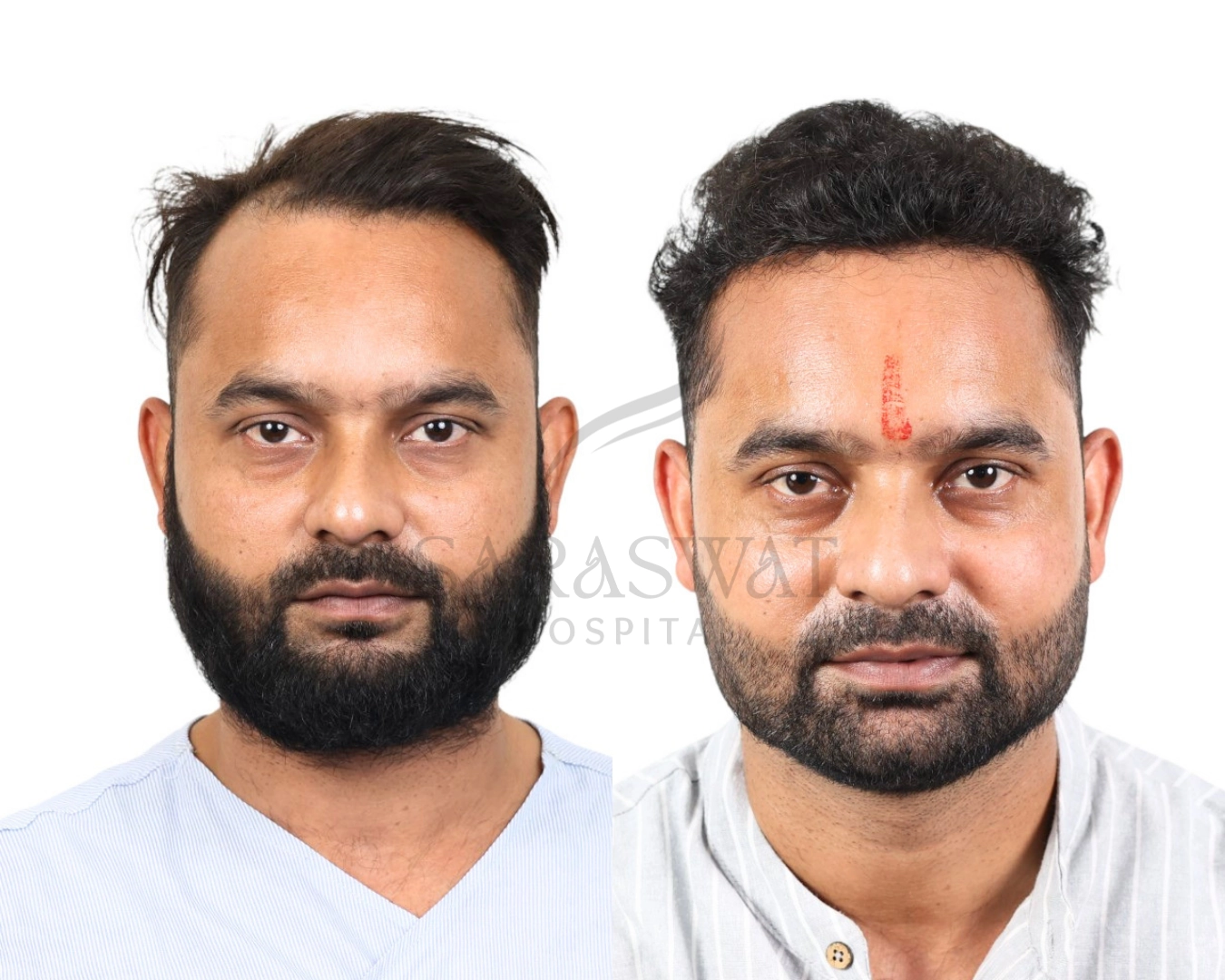
Best Hair Transplant in india - Tips, Myths, Healing and Results
Medically Reviewed By Dr. Satya Saraswat, MBBS, MS, MCh, DNB (Gold Medalist) | Last updated: April 17, 2026

Are you troubled with issues related to hair loss and therefore in search of the best hair transplant in India? Look no further! Read on as this blog provides info at length about hair transplants in India. From the process involved to the best results, this blog has your back. Let’s explore hair restoration. It will show why India is a global hub for this life-changing procedure.

Why Think About Getting a Hair Transplant in India?

India is quickly becoming the venue for premium hair transplants. Patients from local and foreign countries find hair transplants in India quite an attractive option, as it showcases a blend of cost, high-end technology, and highly qualified doctors.

1. Pocket-Friendly Intervention

One of the paramount reasons is the affordability of hair transplants in India. It is possible to find experts in the field and finally get the hair transplant in India at a fraction of the cost they would spend in the West.

2. Expert Medical Professionals

Since the best hair transplant surgeons in the world are found in India, one can say that the result can be compared to others.

What Is A Hair Transplant?

Hair transplanting is the process of surgically moving hair follicles. Surgeons usually take them from the back or sides of the head. They then move the follicles to a place where the hair has fully packed up. This treatment has successfully treated cases of hair loss in women, male-pattern baldness, and even thinning hair.

Types Of Hair Transplants in India:

As India is a massive country with varied demands, there are also various hair transplant techniques. Here’s a brief synopsis of these techniques:

1. Follicular Unit Transplantation (FUT)

In the FUT method, a strip of scalp is cut from the donor area and divided into small grafts. This transplant is then implanted in the balding area. Since this technique covers a lot of ground, it is usually best when you require a large area to cover.

FUT Hair Transplant in India | Follicular Unit Transplantation

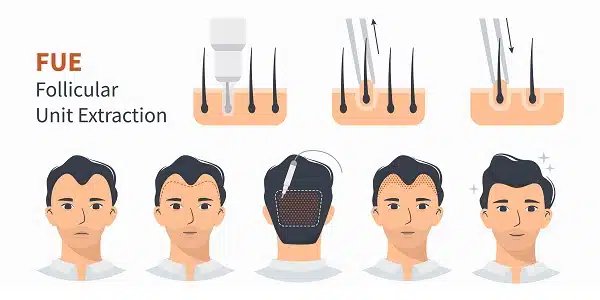
2. Follicular Unit Extraction (FUE)

In this procedure, hair follicles were extracted from the donor site, and then the graft was inserted into the balding area. This is a safer and more effective procedure, and the recovery time is also shorter.

FUE Hair Transplant in India

How to Find the Best Hair Transplant Clinic in India?

To get the desired hair transplant result, you need to keep the following factors in mind:

1. Credentials of the Surgeon

The surgeon should have the required expertise and credentials to perform a hair transplant, such as being a cosmetic and plastic surgeon, with years of experience, which is essential to get the desired outcome.

2. Equipment and Technology:

Before proceeding, do check if the clinic is using the latest tools and technologies. The usage of sterile and advanced equipment yields more desirable results and makes the process safer and more effective.

Understanding the Hair Transplant Process

This is the step-by-step program of what to expect from a hair transplant in India.

1. Consultation

The surgery starts with a consultation, an initial process. The surgeon studies your hair loss and discusses your expectations. His recommendation is for the best course of action so that you have the best hair transplant result.

2. Surgery Preparation

The surgeon marks the points where hair transplants will be done. A local anesthesia is given so that one goes through the process quite pleasantly.

3. Transplant Procedure

The hair follicles are removed from the donor area and implanted in the balding area. The number of grafts to be transplanted will determine the duration.

Healing and Results

Recovery time is, however, dependent on the surgery undertaken. Here are some expectations:

1. Immediately After Surgery

 There can be some swelling and even a bit of aching, but such effects wear off over a few days. It’s not unusual for the grafted hair to fall out some weeks following the surgery.

2. Long-Term Results

It normally starts regrowing new hair in about three to four months. The produces results that appear natural, and they keep on improving with time. Most patients can see significant improvement within six to twelve months.

Hair Transplant Result After 9 Months

Common Myths About Hair Transplant

There are many myths about hair transplant procedures. Let’s debunk a few of them:

Myth 1: Pain from Hair Transplantation

  • Another falsehood is that hair transplants are very painful; in fact, the degree of pain from hair transplants is quite minimal.
  • Because of local anesthesia, the majority of clients feel minimal or no pain.

Myth 2: The Results Are Immediate

  • A hair transplant is a very patient-dependent process.
  • Even though you have a hair transplant today, you might not see the final result for some months.

Additional Tips to Ensure Optimal Hair Transplant Results in India

Beyond choosing the right facility and surgeon, there’s more to getting the best hair transplant results in India. Here are a few more pointers to ensure that you land with the best results:

1. Make sure you follow pre- and post-operative instructions

Your surgeon will give you as much guidance as possible before and after the operation. It is in your best interest to follow all of the advice to get the best results, without a doubt. Advice will include not doing any heavy lifting, stopping smoking, and, most of all, maintaining a clean scalp.

2. Have a Healthy Lifestyle

Avoid taking stress, maintain a healthy diet, and drink an adequate amount of water. These factors are likely to enhance the result of your hair transplant and have an impact on the general health of your hair.

3. Be patient

It’s natural to see the result as soon as possible, but patience is the key here. New hair growth takes time as it is a natural process. You can start seeing visible growth after 3 to 6 months, and complete hair growth may take up to one year.

4. Avoid Sun Exposure

Refrain youeself from the sun exposure immediately after the procedure. UV radiation can damage your scalp and even affect healing. If you have to go outside, wear sunscreen or a hat.

What to Expect in the Long Run

1. Continuous Growth of Hair

Your new hair will grow just like your original hair once it starts to grow. It can be dyed, cut, and styled.

2. Low Maintenance

Hair transplant procedure does not require any maintenance as the hair grows naturally. You do not need to apply any cream or a special product to it.

Conclusion

The decision to have a hair transplant in India is huge and can be life-changing. The hair transplant results in India are possible when the appropriate facility and surgeon are chosen. Make well-researched decisions. Get the follow-up care. Have realistic expectations about the result. This is where you start your journey to full hair and self-esteem.

Book an online consultation with our team and learn more about hair transplant, and find out how many grafts are required in your case, and get a customized plan for a natural-looking hairline.

FAQs

1. What is the duration of the procedure?

The duration of the procedure is three hours. On average, for the number of grafts, it takes 4 to 8 hours.

2. How long does a hair transplant last?

Yes, the transplanted hair does grow the same way as natural hair, and it is permanent.

3. Are transplants in females also possible?

Of course! Hair transplants work well on both genders.

4. How long will it take to recover from a hair transplant procedure?

Recovery times vary, but most patients can get back to work in about a week.

5. When can I see the results?

Hair growth is usually seen starting at 3–6 months, and full growth is shown at 9–12 months.

Follow us on:- FacebookInstagramPinterestYoutube

Learn More:- Discovering the Finest Hair Transplant Solutions in Agra, Can Grey Hair Be Transplanted?

Medical Disclaimer

This article is for informational purposes only and does not constitute medical advice. Plastic, cosmetic, and laser treatments — including AI-assisted previews such as those generated by the Peek AI app — carry risks and results vary by individual. Always consult a licensed medical professional before undergoing any procedure.
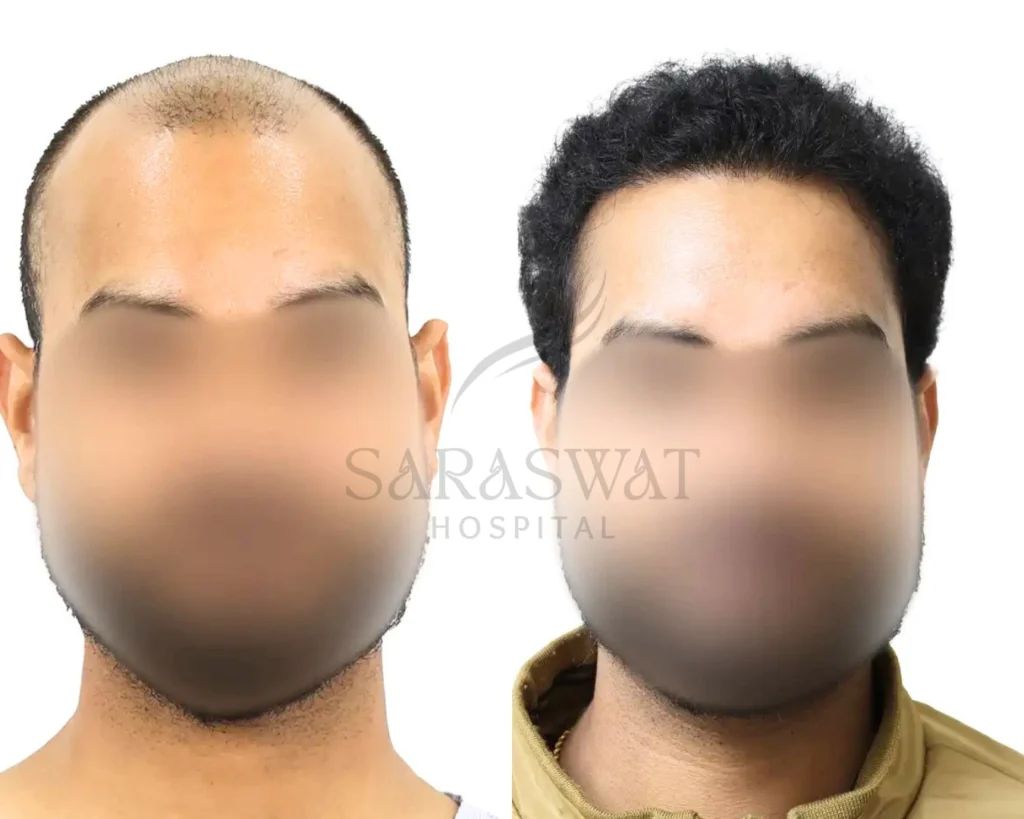
Unlocking the Secrets of Successful Hair Transplant Surgery in India

Embarking on a journey towards restoring one’s hairline through hair transplant surgery in India is a significant decision. With the growing popularity of this procedure, understanding the secrets to its success becomes imperative. By delving into the intricacies of hair transplant surgery, individuals can unlock the key factors that contribute to favorable outcomes and achieve the desired results. In this article, we will find the secrets of a successful hair transplant.

Choosing the Right Surgeon

Selecting a skilled and experienced surgeon is paramount to the success of hair transplant surgery in India. A qualified surgeon will possess expertise in various techniques such as Follicular Unit Extraction (FUE) or Follicular Unit Transplantation (FUT), ensuring precise and natural-looking results. Researching the surgeon’s credentials, reviewing hair transplant before-and-after, and seeking recommendations can aid in making an informed decision.

ABHRS-Certified Doctors Dr. Satya Saraswat & Dr. Preeti Saraswat

Understanding Techniques and Technology

Advancements in medical technology have revolutionized surgery, offering patients a range of innovative techniques and tools. From robotic assistance to advanced graft harvesting methods, staying abreast of the latest developments can enhance the efficiency and effectiveness of the procedure.

Preparing for the Procedure

Prior to undergoing a hair transplant, patients must follow pre-operative instructions provided by their surgeon. This may include abstaining from certain medications, avoiding alcohol and tobacco, and maintaining a healthy lifestyle. By adhering to pre-operative guidelines, patients can optimize their health and prepare their scalp for the transplantation process.

Navigating the Surgical Process

During hair transplant surgery, the surgeon meticulously extracts hair follicles from donor areas and transplants them to recipient sites on the scalp. This process requires precision and artistry to ensure natural-looking results. Patients may experience minimal discomfort during the procedure, which is typically performed under local anesthesia to minimize discomfort.

Embracing Post-operative Care

Following proper post-operative care is essential for optimal healing and graft survival. Patients should adhere to post-operative instructions provided by their surgeon. Another thing is to avoid strenuous activities, protect the scalp from direct sunlight, and take prescribed medications as directed. Regular follow-up appointments allow the surgeon to monitor progress and address any concerns or complications.

Maintaining Long-term Results

While a hair transplant offers a permanent solution to hair loss, maintaining long-term results requires ongoing care and attention. Patients should follow a healthy lifestyle, avoid habits that may contribute to hair loss, and consider complementary treatments such as hair care products or medications.

Conclusion: Achieving Success with Saraswat Hospital

In conclusion, unlocking the secrets of successful hair transplant surgery involves choosing the right surgeon, understanding techniques and technology, preparing for the procedure, navigating the surgical process with confidence, embracing post-operative care, and maintaining long-term results. Saraswat Hospital, renowned for its expertise in hair transplantation, offers comprehensive solutions tailored to individual needs. With a commitment to excellence and patient satisfaction, we continue to empower individuals to reclaim their confidence and achieve transformative results.

Follow us on:- FacebookInstagramPinterestYoutube

Strategies for Ensuring Hair Transplant Success in India

Ensuring a high hair transplant success rate requires careful consideration of various factors, from pre-operative preparation to post-operative care. By following strategic approaches, individuals can maximize the likelihood of successful outcomes and achieve desired results.

Understanding Hair Transplant Success

The hair transplant success rate is influenced by multiple factors, including the technique used, the surgeon’s expertise, and patient adherence to post-operative instructions. Achieving successful outcomes relies on a combination of meticulous planning and diligent aftercare.

Choosing the Right Clinic

Selecting a reputable clinic is paramount to ensuring the success of the procedure. Researching clinics based on their track record, patient testimonials, and surgeon credentials can provide valuable insights into the quality of care and expected outcomes.

Hair Transplant Before and After Result

Optimizing Pre-operative Preparation

Prior to undergoing a hair transplant procedure, patients should follow pre-operative guidelines provided by their clinic. This may include abstaining from certain medications, maintaining a healthy diet, and avoiding smoking or excessive alcohol consumption. By optimizing their health and following pre-operative instructions, patients can enhance the likelihood of getting the natural outcome.

Exploring Advanced Techniques

Advancements in hair transplant techniques have significantly improved the hair transplant success rate. Techniques such as Follicular Unit Extraction (FUE) offer precise and natural-looking results, increasing patient satisfaction.

Ensuring Proper Post-operative Care

After the hair transplant procedure, adhering to post-operative care instructions is crucial. This may include avoiding strenuous activities, protecting the scalp from direct sunlight, and taking prescribed medications as directed by the surgeon. Proper post-operative care can promote optimal healing and graft survival.

Monitoring Progress and Follow-up

Regular follow-up appointments with the surgeon allow for monitoring progress and addressing any concerns or complications promptly. These appointments are essential for ensuring the long-term success of the hair transplant and maximizing patient satisfaction.

Conclusion: Achieving Hair Transplant Success

Achieving hair transplant success in India requires a comprehensive approach that encompasses pre-operative preparation, advanced techniques, and diligent post-operative care. By choosing a reputable clinic, optimizing health before the procedure, and following post-operative instructions diligently, individuals can enhance the likelihood of successful outcomes. Saraswat Hospital, renowned for its expertise in hair transplantation, offers comprehensive solutions tailored to individual needs. With strategic planning and meticulous care, individuals can crack the code to successful hair transplants and regain confidence in their appearance.

Follow us on:- FacebookInstagramPinterestYoutube

Is Hair Transplant Cost in India Worth It?

Considering the hair transplant cost in India can be a crucial decision for those seeking to restore their hairline. With advancements in medical technology, the cost of hair transplants in India has become more competitive, attracting individuals from around the world. Understanding the cost per graft and its worth is essential before opting for the procedure.

Understanding Hair Transplant Cost

The hair transplant cost in India varies depending on multiple factors such as the extent of hair loss, the technique used, and the reputation of the clinic. Generally, clinics offer a range of packages to suit different budgets, making the cost of a hair transplant in India relatively affordable compared to Western countries.

Factors Influencing Cost

Several factors influence the cost. The first factor is the technique used for the procedure. Advanced techniques such as Follicular Unit Extraction (FUE) or Follicular Unit Transplantation (FUT) may incur higher costs due to their precision and effectiveness.

Another factor is the experience and expertise of the surgeon. Clinics with renowned surgeons may charge higher fees due to their track record of successful procedures. Additionally, the location of the clinic can affect the cost. Clinics located in metropolitan cities may have higher overheads, leading to higher prices.

Determining Affordability

When evaluating the hair transplant cost, it’s essential to consider the long-term benefits. While the initial investment may seem significant, the results of a successful hair transplant can be life-changing.

Moreover, comparing the cost per graft with that in other countries reveals significant savings. Individuals traveling from countries with expensive healthcare systems can benefit from the affordability of Indian clinics without compromising on quality.

Researching Clinics

Before deciding on a clinic, thorough research is necessary to ensure the clinic aligns with expectations. Reading reviews, checking before-and-after photos, and consulting with multiple clinics can provide valuable insights into the quality of service and results.

Additionally, it’s essential to inquire about hidden costs that may not be included in the initial quote. Factors such as post-operative care, medications, and follow-up appointments can contribute to the overall cost.

Considering Alternatives

Some individuals may explore alternative options such as hair loss medications or non-surgical treatments. Consulting with a dermatologist or trichologist can guide the most suitable approach based on individual needs and budget.

Conclusion

While affordability is a significant advantage, ensuring quality and desired results should be the primary focus. Saraswat Hospital, renowned for its expertise in hair transplantation, offers comprehensive solutions tailored to individual needs. Making an informed decision can lead to successful outcomes and renewed confidence in one’s appearance.

Follow us on:- FacebookInstagramPinterestYoutube

Best Hair Transplant Doctor in India

Hair loss is a common concern for many individuals, affecting their confidence and self-esteem. Fortunately, advancements in medical science have made hair transplant procedures a viable solution for restoring hair and regaining confidence. When considering hair transplant options, finding the best hair transplant doctor in India becomes paramount. With their expertise and skill, these doctors can provide effective solutions tailored to individual needs. Additionally, individuals in Agra can benefit from consulting the best hair doctor in the region for their hair transplant needs.

Expertise of the Best Doctor in Hair Transplantation

In the realm of hair transplantation, expertise plays a crucial role in achieving successful outcomes. The best hair transplant doctors in India are renowned for their extensive experience and specialized training in the field. These experts stay updated with the latest advancements in hair restoration techniques, ensuring that their patients receive the best possible care. Whether it’s Follicular Unit Transplantation (FUT) or Follicular Unit Extraction (FUE), these doctors employ advanced methods to deliver natural-looking results.

Personalized Treatment Approach

When it comes to hair transplant procedures, one size does not fit all. The surgeon understands the importance of personalized treatment plans tailored to each patient’s unique needs. They conduct thorough evaluations and consultations to assess factors such as hair loss pattern, donor hair availability, and individual preferences. By customizing treatment approaches, these doctors ensure that patients achieve optimal results and satisfaction.

Individuals residing in Agra have access to the best hair doctor in the region, who offers personalized solutions for their hair transplant needs. With a deep understanding of local demographics and cultural sensitivities, these doctors cater to the specific requirements of patients. By providing individualized care, they help patients achieve their desired hair restoration goals effectively.

State-of-the-Art Facilities

In addition to expertise and personalized care, it is important that the facilities are equipped with advanced technology and infrastructure. These facilities adhere to strict quality standards and safety protocols to ensure the well-being of patients throughout the treatment process. From comfortable consultation rooms to modern surgical suites, every aspect of the facility is designed to provide a seamless experience. When seeking the procedure, individuals often consider factors such as reputation, success rates, and patient testimonials. These doctors have earned accolades and recognition for their exceptional skills and contributions to the field of hair transplantation. By choosing a reputable and experienced doctor, patients can have confidence in the quality of care they receive and the results they achieve.

Conclusion

When it comes to addressing hair loss concerns, consulting the best hair transplant doctor in India is crucial for the best results. Similarly, individuals in Agra can benefit from seeking guidance from the best hair doctor for their hair transplant needs. Among the esteemed establishments in Agra is Saraswat Hospital, known for its commitment to excellence in hair transplantation. Patients can trust the expertise and dedication of the doctors at Saraswat Hospital to deliver personalized and effective solutions for their hair restoration journey.

Follow us on:- FacebookInstagramPinterestYoutube

Find Out How Saraswat Hospital is Suggested by Peoples

Are you seeking a reliable solution to your hair loss concerns? Look no further than our esteemed clinic. We pride ourselves on striving to be the No. 1 hair transplant clinic in India, offering unparalleled expertise and exceptional care to our valued patients. With a commitment to excellence and a dedication to delivering outstanding results, we have earned a reputation as the best hair transplant clinic in India.

Commitment to Excellence of Saraswat Hospital

At our clinic, excellence is not just a goal; it’s our standard. We strive to provide every patient with the highest quality of care and personalized attention. Our team of skilled surgeons and medical professionals is dedicated to delivering exceptional results, ensuring that each patient achieves their desired outcome.

Comprehensive Services

As a Hair Transplant Clinic in India, we offer a comprehensive range of services to address various hair loss concerns. Whether you’re experiencing pattern baldness, receding hairlines, or thinning hair, we have the expertise and resources to help. From Follicular Unit Transplantation (FUT) to Follicular Unit Extraction (FUE), we utilize the latest techniques to deliver natural-looking results that exceed our patients’ expectations.

Expertise and Experience

What sets us apart as the No. 1 Hair Transplant Clinic in India is our team of highly experienced and skilled professionals. Our surgeons have undergone rigorous training and possess years of experience in performing hair transplant procedures. With their expertise and meticulous attention to detail, they consistently achieve superior outcomes, earning the trust and confidence of our patients.

From the moment you step into our clinic, you’ll experience the difference that sets us apart. Our friendly staff will guide you through every step of the process, ensuring that you feel comfortable and confident.

Cutting-Edge Technology

As pioneers in hair transplantation, we actively lead in technology and innovation. We invest in the latest advancements in surgical techniques and equipment to ensure optimal results for our patients. From advanced imaging systems to precision instruments, we leverage cutting-edge technology to deliver superior outcomes that surpass industry standards.

Conclusion

If you’re looking for the best hair transplant clinic in India, look no further than Saraswat Hospital. We actively provide exceptional care and deliver outstanding results to our patients. With our commitment to excellence, comprehensive services, expertise, and cutting-edge technology, we have earned our reputation in the industry. Experience the difference for yourself and embark on your journey to hair restoration with confidence.

Follow us on:- FacebookInstagramPinterestYoutube

Discovering the Finest Hair Transplant Solutions in Agra

Hair loss can be a disheartening experience for many individuals, impacting their confidence and self-esteem. Fortunately, advancements in medical technology have paved the way for effective hair transplant solutions, providing hope to those seeking to restore their natural hairline. Among the various destinations offering such treatments, Agra, India, emerges as a prominent hub for individuals in search of the best hair transplant solutions in Agra.

Expertise in Hair Transplantation

Agra boasts a wealth of expertise in the field of hair transplantation, with skilled surgeons and state-of-the-art facilities. These experts possess extensive experience in performing hair transplant procedures, utilizing advanced techniques to achieve optimal results. Patients seeking hair transplants in India can benefit from the knowledge and proficiency demonstrated by the medical professionals in Agra.

The journey to finding the best hair transplant in India often leads individuals to explore different options available in various cities. Agra, renowned for its historical significance, also shines brightly as a destination for top-quality hair transplant procedures. With its blend of rich cultural heritage and modern medical facilities, Agra offers a unique experience for solutions to hair loss.

Cost-Effective Hair Transplant Solutions in Agra

One of the key advantages of choosing Agra for hair transplant surgery is its cost-effectiveness. Compared to many other cities, the cost of a hair transplant is relatively affordable without compromising on quality. Patients can undergo high-quality treatments at a cost they might incur in other locations, making Agra an attractive destination.

Advanced Techniques for Hair Transplant

In Agra, patients have access to a wide range of advanced techniques for hair transplantation, including Follicular Unit Transplantation (FUT) and Follicular Unit Extraction (FUE). These techniques, performed by skilled surgeons using state-of-the-art equipment, ensure precise and natural-looking results. Whether opting for FUT or FUE, patients can expect excellent outcomes that enhance their appearance and confidence.

The quest for the best hair transplant in Agra leads patients to reputable clinics and hospitals equipped with world-class facilities. These facilities adhere to stringent quality standards, ensuring the safety and comfort of patients throughout their treatment journey. With their focus on patient-centric care and cutting-edge technology, these establishments set the benchmark for excellence in hair transplantation.

Conclusion

Agra stands out as a premier destination for individuals seeking the finest hair transplant solutions. With its skilled surgeons, cost-effective treatments, and advanced techniques, Agra offers a compelling choice for patients looking to address hair loss effectively. Among the notable establishments in Agra is Saraswat Hospital, known for its commitment to excellence in hair transplantation. Patients embarking on their journey to hair restoration can place their trust in the expertise of medical professionals in Agra.

Follow us on:- FacebookInstagramPinterestYoutube

whatapp icon