Dr. Satya Saraswat, MBBS, MS, MCh, DNB (Gold Medalist)
Dr. Satya Saraswat, MBBS, MS, MCh, DNB (Gold Medalist)
Dr. Satya Saraswat, MBBS, MS, MCh, DNB (Gold Medalist), FISHRS, is a cosmetic and plastic surgeon with an experience of over 20+ years and has performed 17,000+ cosmetic and plastic surgeries. He is a Diplomate of the American Board of Hair Restoration Surgery (ABHRS) and Fellow of ISHRS, as he has been continuously attending the International conferences and adopting the latest advancements in hair restoration science, and he has also submitted his research papers. His hands-on involvement ensures a natural hairline and high graft survival.
Articles by Dr. Satya Saraswat, MBBS, MS, MCh, DNB (Gold Medalist)
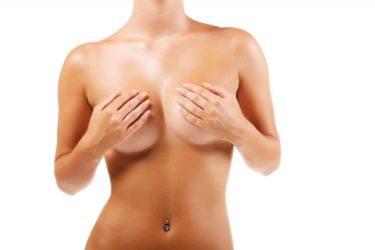
Breast Lift surgery is a cosmetic procedure that has helped countless women rejuvenate the appearance of their breasts. Many women feel self-conscious when their breasts begin to sag. Breast sagging is a natural part of the aging process, though it can be accelerated or exaggerated due to a number of factors such as genetics, weight loss, and pregnancy and nursing. The breast lift procedure is designed to life the breasts to a more youthful and perky positioning. It is important to note that the breast lift procedure alone will not enhance breast size. Many women wish to both lift and enhance their breasts at the same time and to achieve this they may opt for a combination of breast augmentation with a breast lift.
If you are interested in learning more about the breast lift procedure, and to find out if it may be right for you, schedule an online consultation with us today.
Gynecomastia is a fairly common condition that causes the over-development of breast tissue in men. Gynecomastia may occur due to a number of factors, from changes in hormones to obesity, heredity, or the use of certain drugs. Many men with gynecomastia feel very self-conscious of their chest and wish they had a more traditional, masculine chest appearance. For some men, the gynecomastia may go away over time, while other men may only get rid of it through surgical intervention. The male breast reduction surgery reduces excess breast tissue to create a flatter, more masculine chest contour.
If you are self-conscious of excess fat in your chest and are interested in learning more about male breast reduction, contact our office to schedule your consultation today. Ideal candidates are in good mental and physical health, non-smokers and non-drug users, at a healthy weight, and have realistic expectations for the procedure and potential results.
Saraswat Hospital- the leading provider of Hair Transplant and Cosmetic surgeries, has been voted BEST HAIR TRANSPLANT AND COSMETIC SURGERY CENTRE IN UP. The award was presented to Saraswat Hospital by famous cricketer Rohit Sharma at the International Healthcare Awards’2017, held at Hyatt Regency, Mumbai, recently. The International Healthcare Awards brings together participants from the same industry to honour the key players in the Hair Transplant and Cosmetic Surgery field.
Saraswat Hospital has continually distinguished itself by maintaining the quality of the results and always working towards client satisfaction. Dr Satya Saraswat has significantly contributed to the hair transplant industry with his knowledge and skills. We are pleased that Saraswat Hospital has been recognised as the best brand for all Cosmetic Surgery & Hair Transplant need under one roof.
Book an appointment to fix your consultation and get the treatment from the best in the field.
Provides a more harmonious appearance to the face.
Procedure
Facial implants are solid, pre-shaped, three-dimensional objects used to improve the size and appearance of different areas including the chin, jaw, nose, cheeks and beside the nose (paranasal). Facial implant surgery provides a more harmonious appearance to the face. There are different types of implant material used to achieve these contour changes. There are also different shapes of implants according to the area to be enhanced.
Length
Approximately one and a half hours.
Anesthesia
General anesthesia or intravenous sedation and local anesthesia are commonly used.
Inpatient/Outpatient
This is an outpatient procedure.
Possible Side Effects
Temporary discomfort and swelling, mild bruising.
Risks
The implant may need to be removed and/or replaced to treat problems including: implant rupture, infection and implant misplacement. Implant rejection is a risk but is extremely rare.
Recovery
The patient can return to work and normal activities within in few days. The patient should not consume alcohol after surgery. Bruising and swelling should have disappeared after several weeks.
Results
The outcome varies from patient to patient, but results are essentially permanent. The overall effect is an enhancement of the deficient contours of the face with an improved appearance.
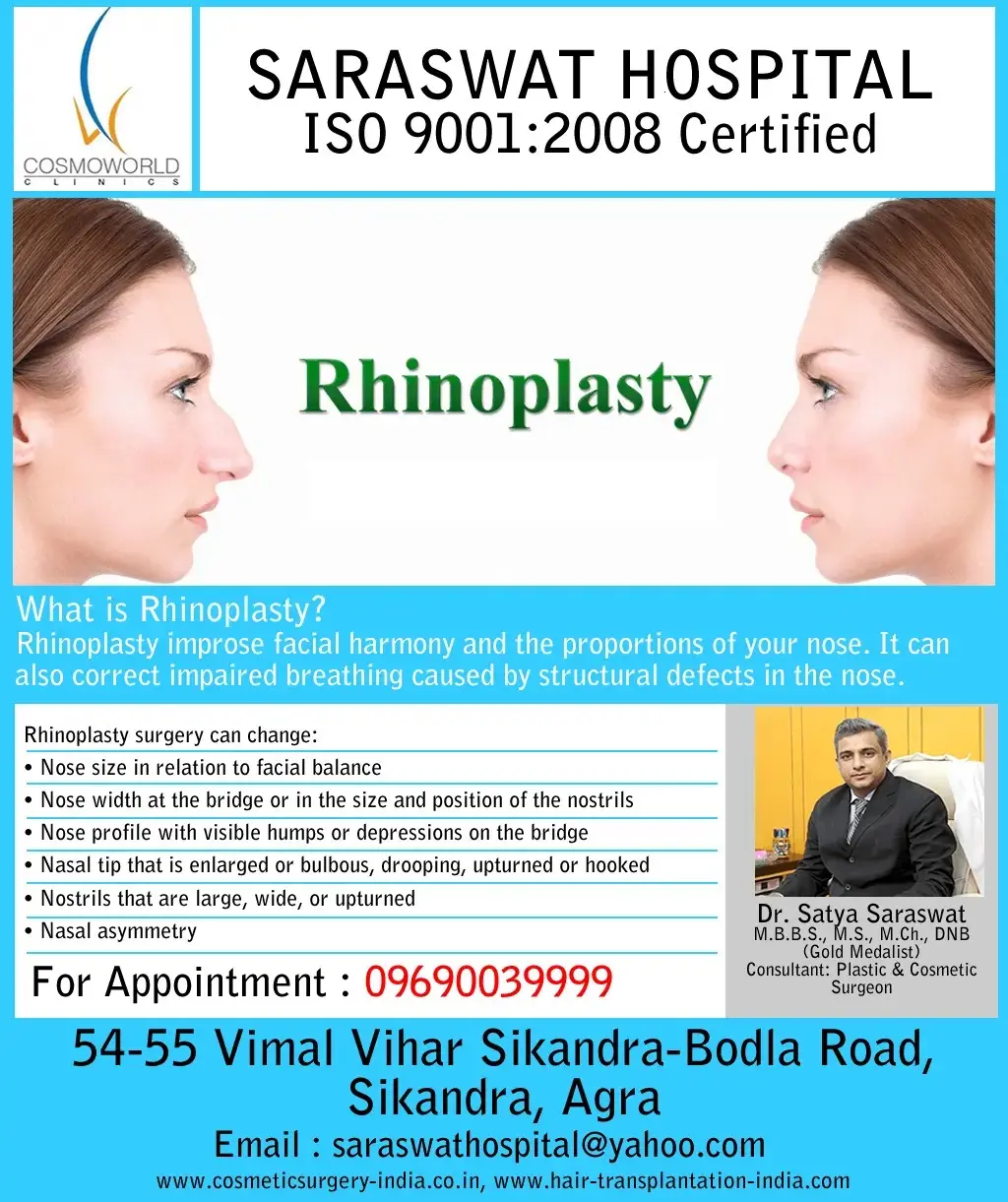
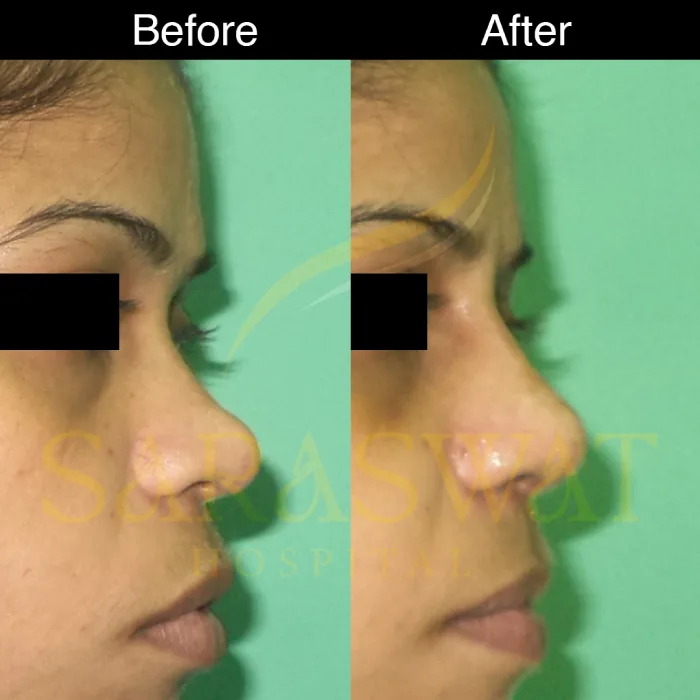
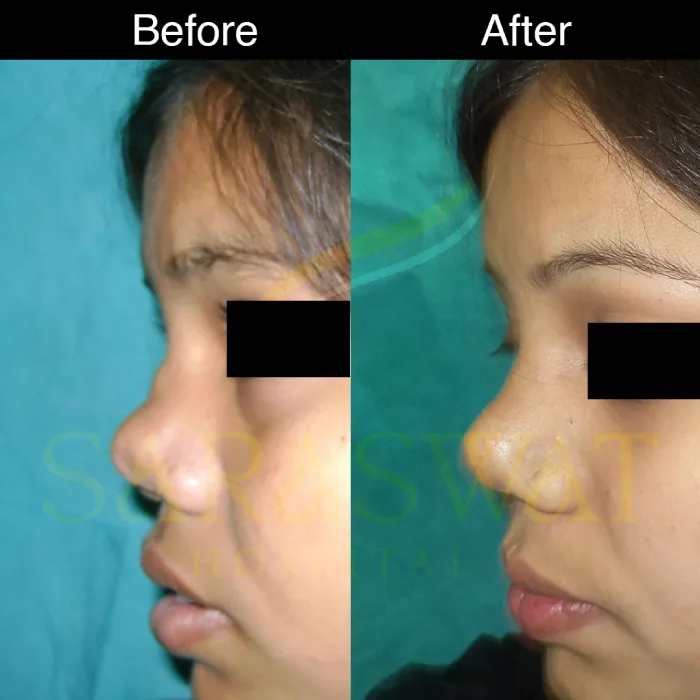
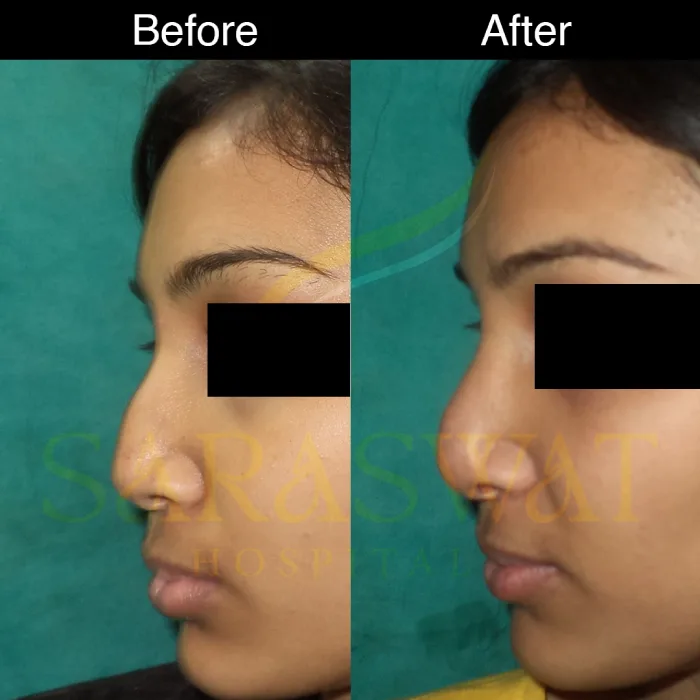
Rhinoplasty (more commonly referred to as a nose job) is a surgical procedure that reshapes or resizes the nose. It’s performed for a variety of reasons, including a visible bump on the nasal bridge, a nasal tip that’s droopy or enlarged, a nose that is off-center or crooked, or a previous injury that’s made the nose asymmetrical.
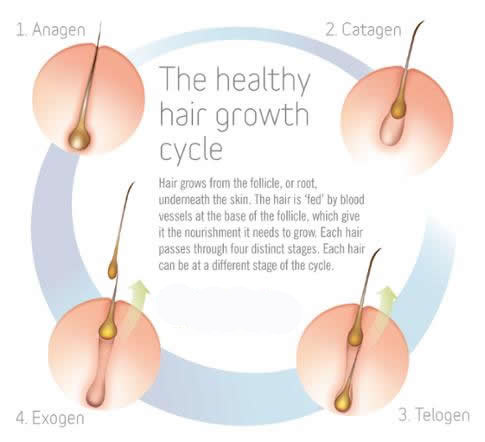
From infancy to old age, everyone loses hair every day as hair follicles go through their normal cyclic activity of anagen (growth phase), catagen (shedding phase), and telogen (resting phase). A full anagen-catagen-telogen cycle can take years to complete. Each follicle goes through the complete cycle 10 to 20 times over a normal human lifetime. At any given time, about 1% or fewer of scalp follicles are in the shedding phase, which takes place when a new telogen (growth) phase begins. The average number of scalp hairs lost every day from a “full head of hair” due to normal catagen activity is variable, ranging up to 100 or more. Substantially more than 100 hairs lost per day is unusual and may indicate an abnormal shift in cycling activity. Each follicle is an independent unit, not acting in coordination with neighboring follicles, but responding to the same growth control signals as neighboring follicles.
Hair loss due to normal anagen-catagen-telogen cycling activity is usually recognized as normal by the individual man or woman; it is the amount of lost hair he or she is accustomed to seeing. Over the course of several cycles, this normal hair loss is recognized as temporary, the lost hair replaced by new growth from follicles that shift from telogen (resting) into anagen (growth) phase.
If an unusually large number of lost hairs begin to appear in the course of grooming, or on one’s pillow or clothing, the “temporary” nature of the hair loss may be questionable. The person may begin to ask: “Am I beginning to lose hair permanently. Am I going bald?” The question may be especially stressful for men who have close male relatives with hair loss. Androgenetic alopecia (called male-pattern hair loss when it occurs in men) has a genetic basis-that is, it “runs in the family”.
A man who knows he has a family history of androgenetic alopecia may worry about the daily loss of more hair than he is accustomed to observing. While a man who has a family history of male-pattern hair loss is at higher risk for androgenetic alopecia, a man cannot be sure that the hair loss he observes is an initial sign of male-pattern hair loss. In fact, many men do not begin to notice hair shedding until they begin to notice hair thinning on the scalp. Androgenetic alopecia is known to have a genetic basis, but the patterns of genetic inheritance have not been worked out with precision. A man may carry the gene or genes for androgenetic alopecia; it is difficult to predict whether he will experience balding. If a relatively large daily loss of scalp hair continues over time, it becomes more likely that the man is developing the visible signs of male pattern baldness.
A man in this position need not wait for evidence of a substantial permanent hair loss to seek advice or begin treatment. He can benefit from a consultation with a physician hair restoration specialist. The physician will diagnose the cause of hair loss and may recommend a medical treatment to slow or reverse hair loss at the earliest stage.
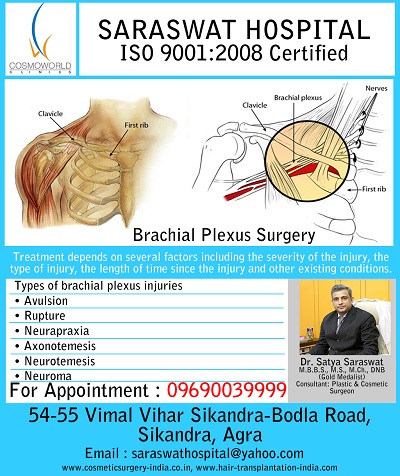
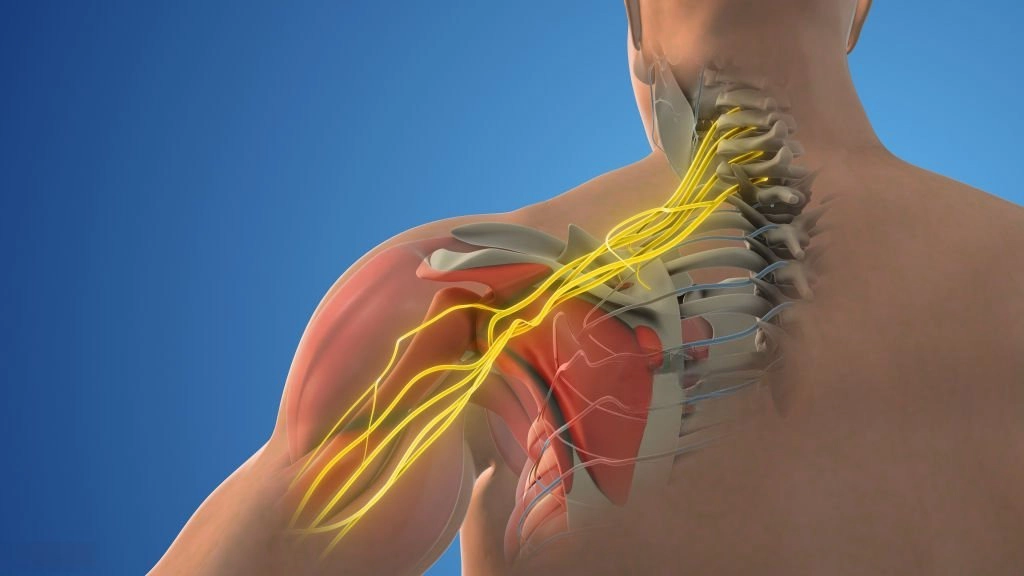
The brachial plexus is a group of 5 nerves that come from the spinal cord in the neck and travel down the arm. These nerves control the muscles of the shoulder, elbow, wrist, and hand, as well as provide feeling in the arm. Rarely, brachial plexus injuries are minor and completely recover in 4-8 weeks (called neuropraxia). Other injuries are severe enough and could cause some permanent disability in the arm.