
Book an
Appointment
Avatar photo

Dr. Satya Saraswat, MBBS, MS, MCh, DNB (Gold Medalist)

Dr. Satya Saraswat, MBBS, MS, MCh, DNB (Gold Medalist), FISHRS, is a cosmetic and plastic surgeon with an experience of over 20+ years and has performed 17,000+ cosmetic and plastic surgeries. He is a Diplomate of the American Board of Hair Restoration Surgery (ABHRS) and Fellow of ISHRS, as he has been continuously attending the International conferences and adopting the latest advancements in hair restoration science, and he has also submitted his research papers. His hands-on involvement ensures a natural hairline and high graft survival.

Articles by Dr. Satya Saraswat, MBBS, MS, MCh, DNB (Gold Medalist)

Fractional CO2 Laser Acne Scar Treatment

Acne can become the bane of existence for those who suffer from it. Almost every teenager in this world has to go through a terrible phase of acne during puberty. But for some people, especially those with oily skin, acne can be a lifelong condition. When the skin pores get clogged due to dead skin cells and high sebum production, it can lead to a nasty case of acne. This further results in pimples, whiteheads, and blackheads. No one likes to see their face marked by ugly scars. This is why you should opt for advanced acne scar treatment to get clear, flawless skin.

What is Fractional CO2 Laser Treatment?

Laser treatment is one of the most effective ways to deal with acne scars. The fractional CO2 laser shoots microbeams on the acne-affected area of the skin to create tiny puncture wounds. These are then allowed to heal through the natural process for new skin to develop. The body produces collagen and epithelium to heal wounds naturally. As the wounds get covered by a new layer of skin, the acne marks get visibly reduced or completely gone. The new skin that grows has a glowing and healthier look. The fractional CO2 laser technique is one of the best acne scar treatments.

Advantages of Fractional CO2 Laser Acne Scar Treatment

  • Destroys the acne-causing bacteria

Since the fractional CO2 laser directly targets the acne-affected area, the high temperature of the beam completely destroys the acne-causing bacteria under the skin layers. This ensures that the acne will not come back again in the future.

  • Gets rid of deep scarring

The fractional CO2 laser acne scar treatment gives you guaranteed results within just a few sessions. The microbeams get deep into your skin to jumpstart the collagen production, which significantly reduces the visible scars on your skin. Additionally, it also gives you firmer and radiant skin.

  • Painless and Quick procedure

Laser treatments on the skin are completely safe, painless, and a quick procedure. The fractional CO2 laser targets only the affected area without harming the surrounding skin tissues. The intensity of the laser is customized as per the patient’s individual skin type, skin tone, and the severity of the condition. It is a quick process without any serious side effects.

  • Suitable for everyone

Fractional CO2 laser treatments are suitable for everyone, irrespective of their age, skin type, and acne condition. Anyone who is 18 years of age or above is eligible for the procedure. But to get the best results from your acne scar treatment, it is advised to get a professional consultation from an experienced skin doctor.

Choose Saraswat Hospital for the Best Acne Scar Treatment

Saraswat Hospital in Agra is run by a team of international board-certified doctors with a combined experience of 20+ years. The clinic uses the latest technology to provide customizable acne scar treatment to all patients and deliver exceptional results.

Dr. Preeti Saraswat is the Chief Clinical Cosmetologist with an MBBS and a Post Graduate Diploma in Clinical Cosmetology from the University of Greifswald, Germany. She is a member of the American Academy of Aesthetic Medicine (AAAM), the Indian Medical Association, and the Indian Association of Cosmetic Laser Surgeons. She specialises in various laser treatment techniques, skin rejuvenation, facial rejuvenation, and acne scars.

Dr. Satya Kumar Saraswat is the Medical Director of the clinic. He is an MBBS with MS, M.Ch, and DNB (Plastic Surgery) degrees to his credit, and he also received a Gold Medal in Plastic Surgery for his exceptional work in the field. He specializes in the use of modern treatment techniques to provide patients with the best care possible.

Follow us on:- FacebookInstagramPinterestYoutube

How Much Does 2000 Hair Grafts Cost for Hair Transplant in India?

Wondering how much 2000 hair grafts cost in India? You’re not alone! Hair transplants have become one of the most sought-after solutions for hair loss, and knowing the price is crucial before you book your procedure. In this guide, we’ll break down everything about the 2000 hair grafts cost, factors affecting it, city-wise pricing, and tips to make sure you get the best results without overpaying.

Hair transplants give a permanent solution to hair loss problems with natural-looking results. For people who are suffering from Androgenetic Alopecia, a hair transplant can offer some great results. But there are many patients who feel daunted by the high cost of hair transplant in India. Below, we take a closer look at the various factors affecting hair transplant cost in India.

Understanding Hair Grafts

What is a Hair Graft?

A hair graft is a tiny tissue containing 1–4 hair follicles. During a transplant, these grafts are moved from the donor area (usually the back of your scalp) to the thinning or balding areas.

2000 Hair Grafts Cost in India – An Overview

In India, 2000 hair grafts cost generally falls between ₹60,000 – ₹1,40,000, depending on the clinic, city, and technique. Most clinics charge ₹30 – ₹150 per graft for FUE and slightly lower for FUT.

Factors Affecting 2000 Hair Grafts Cost

Credentials of the Doctor

When you decide to get a hair transplant done, it is important to choose a doctor who is skilled, qualified, and experienced. Nowadays, there are plenty of clinics offering hair transplant surgeries, but you should always first take a look at the professional credentials of the doctor. Consult with surgeons who are associated with reputed international boards such as the American Board of Hair Restoration Surgery (ABHRS) or the International Society of Hair Restoration Surgery (ISHRS). These doctors earn their international certifications on the basis of their skills and experience and can be trusted to do good work. They also attend various international conferences where they get the chance to keep updated with the latest research and technologies happening in the field. When you choose a doctor with such high credentials, the cost of hair transplant in Agra might increase slightly. But the end results will be worth every penny.

Credibility of the Doctor

When you visit a hair transplant doctor, take a note of their approach towards your treatment. As an expert in their field, it is their responsibility to inform you about the available options, explain different techniques of the transplant, and offer you a customized treatment plan best-suited for your condition. When you’re worrying about the cost of hair transplant in India, take some time out and check the online reviews and patient testimonials of the hair transplant clinic you’re visiting. This will give you an idea about the credibility of the doctor and his approach to treating patients.

Trichoscopy Analysis

The hair transplant cost per graft in India is calculated by the cost of each graft multiplied by the number of grafts used in the transplant process. To get an approximate estimate on this cost, it is recommended to get a Trichoscopy Analysis done. It is an advanced software-based machine that lets you know the characteristics of your hair. It reveals the natural thickness and density of your hair, the number of follicular grafts available in your safe donor area, and also helps to calculate the approximate number of grafts needed to cover your recipient area. Getting the analysis done will help the surgeon to predict the results of the hair transplant. But a Trichoscopy machine is costly, and hence can increase the final cost of the procedure.

Type of FUE Machine Used

To ensure the successful extraction of hair grafts, it is advised to use an FUE machine that has a low Rotation Per Minute (RPM). High-speed rotation machines can result in the hair follicles being destroyed. An ideal FUE machine has low RPM between 600-1200, and they are specifically used for hair transplants only. An FUE machine should also come with a counter feature so that you get a simultaneous count of the number of hair grafts being extracted during the process. This keeps the surgical procedure completely transparent and also helps in calculating the hair transplant cost per graft in India.

Always Get the Proper Receipt

When visiting a hair transplant clinic for the first time, ask around to enquire about their payment processing system. You must make sure that the clinic gives you a proper receipt that shows the 18% GST levied on your final payment. If you’re looking for ways to cut down hair transplant cost in India, not asking for a receipt can help you save some money as the clinic gets exempted from paying its share of taxes. But do not take this route. Firstly, because it is illegal and unethical. And secondly, without a receipt, you will have no record of your treatment at the clinic.  If a situation arises where there are any complications or side effects, the clinic can refuse to take any responsibility.

How to Choose the Right Clinic for 2000 Grafts

  • Look for Certifications: ABHRS or ISHRS-certified surgeons are a safer choice
  • Read Reviews: Patient testimonials give insights into quality and service

What is the Estimated Cost of a Hair Transplant in India?

Depending on all the factors mentioned above, the hair transplant cost in India can vary from clinic to clinic. On average, the cost per graft can vary between Rs. 10 to 15 and go up to Rs. 100 to 150. When choosing a clinic for your procedure, do not only go for the cheapest cost, but also take into consideration all the other factors we have discussed here.

Visit the Hair Transplant Experts in Agra

Saraswat Hospital in Agra offers affordable hair transplant in Agra without compromising on the quality. Led by a team of ABHRS-certified doctors, it is one of the most well-known hair transplant clinics in India.

Conclusion

The 2000 hair grafts cost in India is far more affordable than in many other countries, but it still depends on several factors like city, surgeon’s expertise, and the technique used. If you do proper research, compare clinics, and prioritize quality, you can get excellent results that look natural and last a lifetime. Book an appointment now to find the cost and best hair solution for you.

FAQs

Q1: Is 2000 grafts enough for a full hairline?
Yes, for moderate hair loss, 2000 grafts are usually enough to restore a natural-looking hairline.

Q2: How long does a 2000 graft hair transplant take?
It usually takes 5–7 hours in a single session.

Q3: Is the cost of 2000 grafts the same for men and women?
Yes, pricing is usually similar, but women may require a slightly different approach depending on the pattern of hair loss.

Q4: How soon can I see results after 2000 grafts?
New hair growth starts around 3–4 months post-surgery, with full results visible in 9–12 months.

Follow us on:- FacebookInstagramPinterestYoutube

Does Donor Hair Grow Back after FUE Hair Transplant in India?

A receding hairline causes much distress among men and women of all ages. For those who are suffering from androgenetic alopecia, getting a hair transplant procedure offers them a permanent solution to all hair loss problems. For patients who are considering the option of undergoing an FUE hair transplant in India, the first question that comes to mind is whether donor hair grow back after FUE hair transplant or not. The short answer: Yes, you will.

What is Donor Hair?

In a hair transplant surgery, healthy hair follicles are extracted from your donor area and implanted onto the recipient area. In most cases, the donor hairs are taken from the back portion of your head, as it usually has a thick density of hair. The techniques of extracting the hair follicles differ in an FUE hair transplant and an FUT hair transplant.

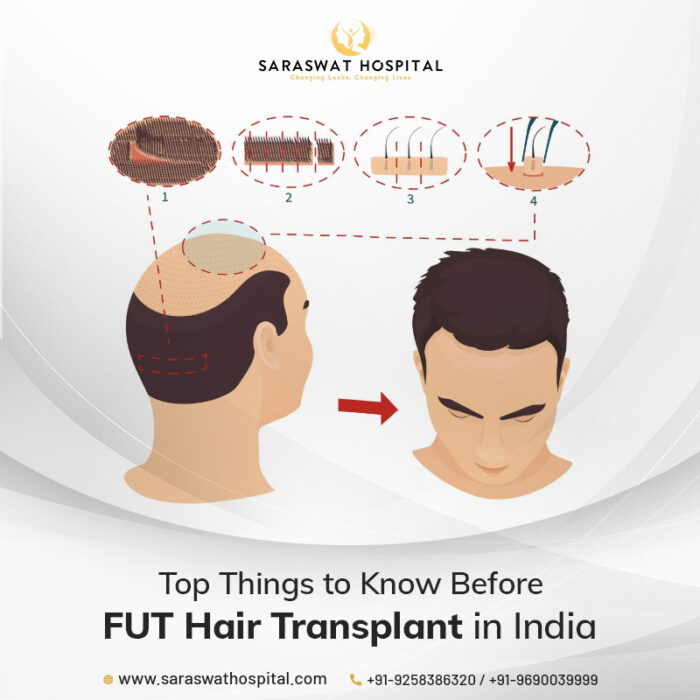
FUT Hair Transplant in India

In the FUE method, hair follicles are cherry-picked in groups of 1 to 4 hairs by strategically spreading out the donor area. This ensures that the hair follicles that get extracted are not too noticeable.

In the FUT method, hair follicles are extracted surgically, like removing a strip of skin. This usually leaves a scar, but the incisions made are long and thin, so they are not easily visible.

When Does Donor Hair Grow Back?

To be fully honest, the hair follicles that are extracted will not grow back. But the hairs in the rest of the donor site will come back as per the patient’s natural hair growth cycle. On average, it takes between 2 to 3 months after the hair transplant procedure for all the hairs in your donor site to grow back completely.

With an FUE hair transplant, once the donor hairs are back to your normal length, it becomes fairly impossible to distinguish the extracted hair follicles in a head full of hair. And when it comes to FUT hair transplants, the regrown hairs in your donor site help cover any incision marks left behind from the extraction process.

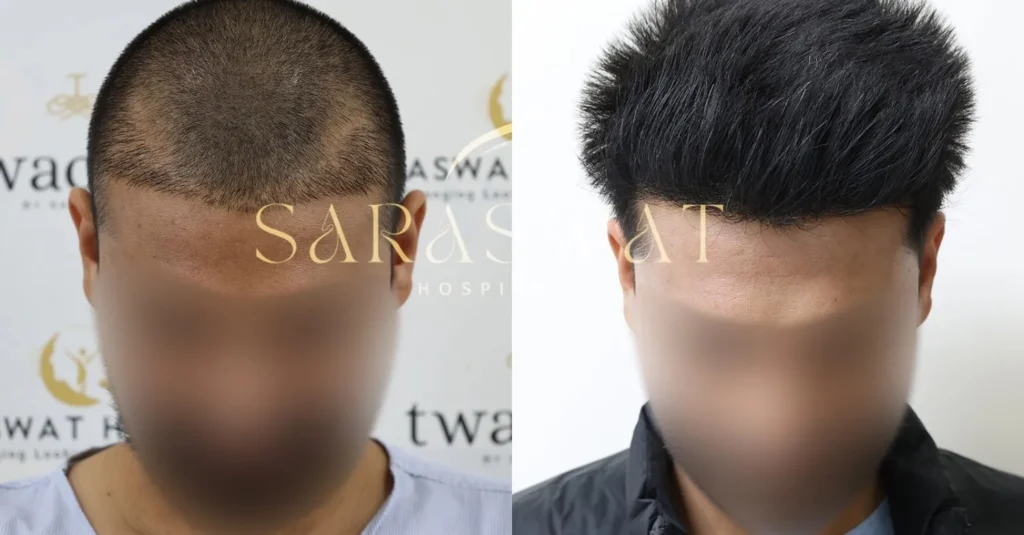
Watch This Amazing Hair Transplant Result

If you want to experience successful hair transplant results, always check the credibility of the doctor first. Saraswat Hospital in Agra is led by a team of doctors certified by the American Board of Hair Restoration Surgery (ABHRS). It is one of the most sought-after hair transplant clinics in India, offering customizable treatment plans based on the patient’s needs.

Dr. Satya Kumar Saraswat has an MBBS with MS, M.Ch, and DNB (Plastic Surgery) degrees to his credit. As a member of several international boards, Dr. Saraswat has left his mark on the plastic surgery sector. He is known to specialize in various kinds of hair restoration surgeries and has also presented his take on a modified FUT technique at the 24th World Congress of ISHRS.

Follow us on:- FacebookInstagramPinterestYoutube

4 Tips for Skin Care After Laser Hair Removal

Unwanted body hair is a turn-off for many people. While waxing and shaving are common ways to get rid of it, both methods give short-term results that don’t feel satisfactory.  This is why more people are now opting for laser hair reduction to eliminate unwanted body hair permanently. Your skin is exposed to a high-powered laser beam that destroys the hair follicles in that area forever, thus giving you permanent hair removal results. It is a quick, easy, and painless procedure with no side effects involved. Below, take a look at 4 tips for skin care after laser hair removal treatment.

Skin Care After Laser Hair Removal

Proper skin care after laser hair removal is crucial to ensure optimal healing, minimize side effects, and maintain smooth, healthy skin. Laser hair removal treatments can leave the skin sensitive, so following a tailored skin care routine is essential. Here are key steps for effective skin care after laser hair removal:

1. Avoid Sun Exposure

The sun’s harmful UV rays can irritate the skin on your treated area, and hence, exposure to the sun must be avoided. Refrain from going out in the sun for at least a week after the hair removal session. If indeed you need to step out, make sure you apply sunscreen generously all over your skin. Also, wear clothes or scarves that cover up your skin and protect you from direct exposure.

2. Avoid Make-up and Other Chemical Products

After a laser hair removal procedure, your skin is still sensitive and undergoing a healing process. For the next 24 hours after each session, do not apply any harsh makeup or chemical beauty products that might irritate your skin when it’s still vulnerable. This includes body scrubs and deodorants. Following these after-care tips will ensure the best laser hair removal benefits for you.

3. Avoid Hot Showers

Getting exposed to a high temperature can cause irritation in your treated area. For the next 48 hours after a session, avoid taking any hot showers or getting into hot tubs and saunas. Cool showers are advised after a laser hair removal treatment.

4. Don’t go for a swim

Most swimming pools use chlorine water that can cause irritation to the skin in the treated area. Hence, it is best to avoid taking a dip in the swimming pool for at least a week after the procedure.

A few people may experience laser hair removal side effects. Check out what Dr. Preeti Saraswat is saying about side effects and how to avoid them in this video:

Seek Treatment from Laser Hair Removal Experts at Saraswat Hospital

Saraswat Hospital is one of the most advanced clinics for laser hair removal in Agra. It is run by international board-certified surgeons who offer highly personalised laser hair removal treatments as per the client’s needs. The team uses modern technology to provide customised laser hair removal treatments and get the best results.

As the Chief Clinical Cosmetologist of the hospital, Dr. Preeti Saraswat is an MBBS with a Post Graduate Diploma degree in Clinical Cosmetology from the University of Greifswald, Germany. She has a lifetime membership of the Indian Association of Cosmetic Laser Surgeons and is also a member of the Indian Medical Association, ensuring that she stays updated with all the latest developments in the field to provide the best results to her patients.

Dr. Satya Kumar Saraswat has an MBBS with MS, M.Ch, and DNB (Plastic Surgery) degrees to his credit. As a member of several international boards, Dr. Saraswat has left his mark on the plastic surgery sector. He is known to specialize in various kinds of hair restoration surgeries and has also presented his take on a modified FUT technique at the 24th World Congress of ISHRS.

Conslusion

In conclusion, implementing diligent skin care after laser hair removal is crucial for achieving optimal results and maintaining healthy skin. First, by soothing the treated area, you can reduce discomfort effectively. Additionally, protecting and hydrating the skin helps enhance the procedure’s effectiveness while preventing irritation. Moreover, avoiding irritants is essential to minimize potential complications. Therefore, always follow your technician’s advice and prioritize gentle, consistent skin care. As a result, you can enjoy long-lasting, smooth, and radiant skin.

Follow us on:- FacebookInstagramPinterestYoutube

Is Hair Transplant Recommended for a 22 Year Old

Hair loss can happen to both men and women at any age. There are certainly many young adults who suffer from severe hair loss problems. The easiest solution for anyone who is 21 years old or above is to opt for a hair transplant procedure. But the question is, can a 22 year old have a hair transplant? At Saraswat Hospital in Agra, you have ABHRS-certified doctors who provide customized hair restoration treatments based on the needs of each patient.

When is the Best Time to Get a Hair Transplant?

  • Age

There is no such thing as a ‘best age’ or ‘ideal age’ to get a hair transplant. Different stages of life manifest your hair loss condition in different ways, and the transplant treatment is devised accordingly to suit your current age. In your early 20s, the hair loss may not be stabilized yet. In your 30s, the hair loss condition usually stabilizes. As you reach your 40s, you may face an advanced case of hair loss with a smaller donor area. Additionally, there might also be health concerns like diabetes, hypertension, etc.

  • Long-term medical treatment

Patients need to be ready to commit to long-term medical therapy to be able to flaunt a head full of hair for a long time to come. A hair transplant gives incredible results for the balding portion of your head, but those areas from where the follicles were grafted can still be susceptible to hair loss. Hence, patients need to agree to long-term treatment to avoid patchy hair growth.

  • Severity of hair loss condition

The extent of your hair loss usually determines when you should get a hair transplant surgery done. Getting a Trichoscopic Analysis will let the doctor know where you fall in the Norwood Hamilton hair loss scale and also reveal the thickness and density of your hair follicles in the donor area, and guide the surgeon in determining which areas are the most suitable for a successful hair transplant.

  • Social factors

A receding frontal hairline or hair loss at the top of the head makes a person look older than their actual biological age. As a result, the person may be subjected to family pressure, social pressure, or be fuelled by potential marriage proposals to go ahead with a hair transplant in India.

  • Psychological factors

Plenty of hair loss patients go through a lack of confidence and self-esteem due to severe hair loss and hair thinning problems. In some cases, this might even lead to suicidal tendencies. People who are going through extreme mental distress over their hair loss condition should get a hair transplant done immediately.

Seek Consult from the Hair Transplant Experts

For those suffering from androgenetic alopecia, Saraswat Hospital is the best hair transplant clinic in India. Led by a group of ABHRS-certified doctors with more than 20+ years of experience, the clinic offers personalized hair restoration treatment.

Conclusion

If you have been thinking, can a 22 year old have a hair transplant in India, then the answer is you need to be 21 years or above to be eligible. This is because hair loss conditions are progressive, and getting a transplant done at an early age will give you unnatural results. As your baldness increases with age, you might need to undergo a second hair transplant procedure. This is why experts recommend waiting till you turn 21 before getting a hair transplant done.

Follow us on:- FacebookInstagramPinterestYoutube

Which are the Best Fruits to Stop Hair Fall?

Losing your hair prematurely can put a big dent in someone’s confidence. It goes more than just looks; your hair gives you a sense of identity. Hair fall is a serious concern faced by many young men and women. Androgenetic Alopecia, or genetic factors, is one of the most common causes of hair loss. Stress, hormonal imbalance, and bad lifestyle habits could be a few other reasons. Discover the best fruits to stop hair fall naturally. Boost hair growth with guava, papaya, banana, berries & more for healthy, strong hair.

But before you decide to go ahead with a hair transplant in India, it is advisable to try other non-invasive ways to manage your hair loss. The first thing you can do is to make substantial changes to your diet. Nutritional deficiency can be one of the causes of hair fall, and you must add plenty of fruits to your daily diet to overcome this.

Why Fruits Are Important for Hair Health

Fruits are a powerhouse of vitamins, minerals, antioxidants, and natural sugars that nourish your hair follicles from within. They improve blood circulation in the scalp, fight free radical damage, and boost collagen production, which strengthens hair roots. Consuming the right fruits regularly can also promote hair growth and prevent breakage.

Best Fruits to Stop Hair Loss

Here’s a detailed list of the top best fruits to stop hair loss and improve overall hair health:

Strawberries

Strawberries are loaded with essential minerals like magnesium, copper, and manganese. It is also a rich source of Vitamin C that prevents hair fall, Vitamin B5 that helps repair hair, and antioxidants that protect your hair follicles against damage from the growth of free radicals. Strawberries also encourage iron absorption and collagen production, both of which promote natural hair growth.

Avocados

Avocados are a powerhouse of vitamins, minerals, and healthy fats. It is a rich source of Vitamin B3, Vitamin B5, Vitamin B7, Vitamin C, Vitamin E, Vitamin K, iron, magnesium, copper, potassium, and many other nutritional benefits. The Vitamin E present helps fight oxidative stress and protects your hair follicles from damage. Avocados also have a high content of essential fatty acids, which makes hair healthier and stronger.

Best Fruits to Stop Hair Fall

Banana

Bananas are loaded with potassium, natural oils, and vitamins that improve scalp health. They hydrate and nourish the scalp, making hair less prone to breakage and split ends.

Tip: Add bananas to your breakfast bowl or make a banana-honey smoothie for a hair-healthy treat.

Papaya

Papaya is a rich source of Vitamin A, Vitamin C, potassium, folic acid, copper, magnesium, antioxidants, and many other essential nutrients and minerals. Eating the fruit in its raw form can help treat baldness. Vitamin A nourishes and strengthens your hair follicles, Vitamin C prevents hair fall, and the powerful antioxidants help neutralize the free radicals and prevent oxidative stress. The folic acid and other enzymes present promote sebum production in your scalp, which promotes healthy hair growth.

Oranges

Oranges and other citrus fruits are excellent for improving iron absorption, which is essential to prevent hair thinning. They are also rich in antioxidants that protect the hair from damage.

Best Fruits to Stop Hair Fall

Making healthy changes to your diet can certainly help with hair loss problems if it is caused by external factors. But for those suffering from Androgenetic Alopecia, a hair transplant is the most effective solution. Saraswat Hospital in Agra offers the best hair transplant in India thanks to its incredible team of doctors headed by ABHRS-certified surgeons.

Conclusion

If you’re looking for the best fruits to stop hair fall, include guava, papaya, banana, apples, berries, oranges, and avocados in your diet. These fruits are rich in vitamins, minerals, and antioxidants that promote scalp health, strengthen hair follicles, and reduce hair fall naturally. Pair this fruit-rich diet with proper hair care, adequate hydration, and stress management for the best results.

To get a consultation from the best hair loss treatment doctor in India, contact the team at Saraswat Hospital.

FAQs

Q1: Can eating fruits alone stop hair fall completely?
Not entirely. While fruits provide essential nutrients, you also need a balanced diet with proteins, healthy fats, and proper hair care routines to see the best results.

Q2: How long does it take to see results from eating these fruits?
It may take 2–3 months of consistent consumption to notice visible improvements in hair thickness and reduced hair fall.

Q3: Can I eat all these fruits together?
Yes! You can create a fruit salad or smoothie with a combination of these fruits to get a nutrient boost.

Q4: Are there any fruits I should avoid for hair health?
Generally, most fruits are good for hair, but avoid consuming fruits preserved with excess sugar or chemicals. Fresh and organic is always better.

Q5: Can applying fruits topically help with hair fall?
Yes. Hair masks with banana, avocado, or papaya can nourish your hair externally, but for long-term results, eating them is more effective.

Follow us on:- FacebookInstagramPinterestYoutube

Effective Ways to Get Clear Skin with the Best Acne Scar Treatment

Simply explained, acne is caused by the build-up of bacteria, excess oil, and dead skin at the opening of your skin pores. The reason why acne is so hated by everyone is that even after they are gone, they leave stubborn scars on the face and other affected skin. But with advanced acne scar treatment available today, you can say goodbye to all your blemishes and get clear, flawless skin. Below, we take a look at the best acne scar treatment.

Fractional CO2 Laser

Fractional Carbon Dioxide laser is a non-surgical procedure and the most advanced acne scar treatment method. A laser shoots microbeams on the skin to create mini wounds, which are then left to heal naturally. The body produces collagen and epithelium during the healing process. The new layers of skin that appear during the natural healing process have a much more radiant and healthier look. Simultaneously, acne marks are greatly reduced or completely gone with the new layer of the skin. The fractional CO2 laser is a popular method used by cosmetologists because it causes zero discomfort and is a quick process.

CO2 Laser

The CO2 laser goes deeper into your skin, compared to the fractional CO2 laser, and it shrinks the collagen in a specific way. This method is typically applied in cases with severe acne scarring, sun damage, and heavy wrinkles. For a patient to be eligible for the CO2 laser treatment, they must be in the 40 to 70 age group.

Subsicion with Dermarollers / Dermapen

This is one of the most trusted acne scar treatment methods. During the eruption process of the acne, fibrous bands are formed between its base and the dermal tissue. In this kind of procedure, the fibrous bands are broken using a special needle. A haematoma is formed by this process, elevating the base of the acne scars, and fibrous tissues are formed, which shallows the pits permanently. Dermapens or Dermarollers are used to create microscopic holes in the skin. As the skin naturally heals, the rest of the skin also gets rejuvenated at the same time.

Choose Saraswat Hospital for the Best Acne Scar Treatment

Saraswat Hospital in Agra is one of the leading cosmetic clinics in India. Led by a team of American Board-certified doctors, customised acne scar treatment plans are offered at affordable rates.

As the Chief Clinical Cosmetologist of the hospital, Dr. Preeti Saraswat is an MBBS with a Post Graduate Diploma degree in Clinical Cosmetology from the University of Greifswald, Germany. She is a member of the Indian Association of Cosmetic Laser Surgeons, the Indian Medical Association, and the American Academy of Aesthetic Medicine (AAAM). She has advanced medical training in laser treatments and specialises in skin rejuvenation treatments, facial rejuvenation, and acne scars.

Dr. Satya Kumar Saraswat has an MBBS with MS, M.Ch, and DNB (Plastic Surgery) degrees to his credit. He also received a gold medal in his area of speciality from the Honorable Health Minister of India in 2007. One of the best cosmetic surgeons in India, he specialises in hair transplant, facial rejuvenation, rhinoplasty, body contouring, breast surgery, and Vitiligo.

Conclusion

If you’re suffering from stubborn acne scars that refuse to go away, book an online consultation and seek the best acne scar treatment at Saraswat Hospital in Agra. Their team of experts suggests customized treatment plans based on the patient’s skin condition.

Follow us on:- FacebookInstagramPinterestYoutube

How Can You Stop Hair Loss?

We all would love a scalp full of thick hair till our ripe old age, but unfortunately, hair loss is a sad reality faced by scores of men and women across the world. Now, first understand that losing about 40 to 60 strands of your hair daily is normal. Whether it’s due to genetics, stress, or lifestyle factors, understanding how can you stop hair loss is key to addressing the issue effectively. Each strand of hair on your head comes with a certain life cycle between two to five years. Once that is over, the old hair falls, and new hair will grow in its place. This is the natural cycle of hair growth. But if you experience acute hair loss, like losing more than 100 hair strands daily, it becomes a matter of concern.

The first step in every hair loss treatment is to identify the underlying cause of your hair loss. It can be due to several reasons, such as genetic factors, poor lifestyle choices, stress, bad diet, and more. Depending on what factor is causing hair loss, further treatment is planned.

In this blog, we take a look at some of the common preventive measures that are followed by experts to prevent hair loss.

Understanding Hair Loss: Why Does It Happen?

Before diving into solutions for how can you stop hair loss, it’s important to understand its causes. Hair loss, or alopecia, can stem from various factors, including:

  • Genetics: Androgenetic alopecia (male or female pattern baldness) is the most common cause.
  • Hormonal Changes: Conditions like pregnancy, menopause, or thyroid imbalances can trigger hair thinning.
  • Stress: Chronic stress can push hair follicles into a resting phase, leading to shedding.
  • Nutritional Deficiencies: Lack of essential nutrients like iron, biotin, or zinc can weaken hair.
  • Medical Conditions: Scalp infections, autoimmune disorders, or medications may contribute.
  • Lifestyle Factors: Poor diet, excessive styling, or environmental damage can worsen hair health.

How Can You Stop Hair Loss? Practical Solutions

Here are actionable strategies to address how can you stop hair loss and promote stronger, healthier hair:

1. Adding more protein to your diet

Studies have been conducted revealing that people experiencing hair loss also suffer from nutritional deficiencies, such as low protein and amino acids. Since our hair follicles are mostly made of a protein called keratin, a low protein count can result in slower hair growth. As such, eating a protein-rich diet may help prevent hair loss. Choose foods such as eggs, fish, chicken, nuts, beans, and dairy products.

2. Antioxidants rich diet

Oxidative stress on your scalp can be one of the reasons that cause damage to your hair follicles. To prevent this, follow a diet that’s rich in antioxidants. This means adding more fruits & vegetables beans, spinach, kale, strawberries, and blueberries to your everyday diet. The things that should be avoided are processed fats, sugar, preservatives, and alcohol, as these can add to oxidative stress.

3. Taking multivitamin supplements

Several studies have determined a direct relationship between nutritional deficiency and hair loss. Vitamins A, B, C, D, iron, zinc, niacin, and selenium are some important nutrients that help with hair growth and retention. You can ask your local physician to prescribe these multivitamins to you.

4. Manage Stress Effectively

Chronic stress can trigger telogen effluvium, a condition where hair prematurely enters the shedding phase. To combat stress:

  • Practice mindfulness techniques like meditation or yoga.
  • Engage in regular physical activity to reduce cortisol levels.
  • Prioritize sleep to support overall health and hair recovery.

5. Hair Transplant

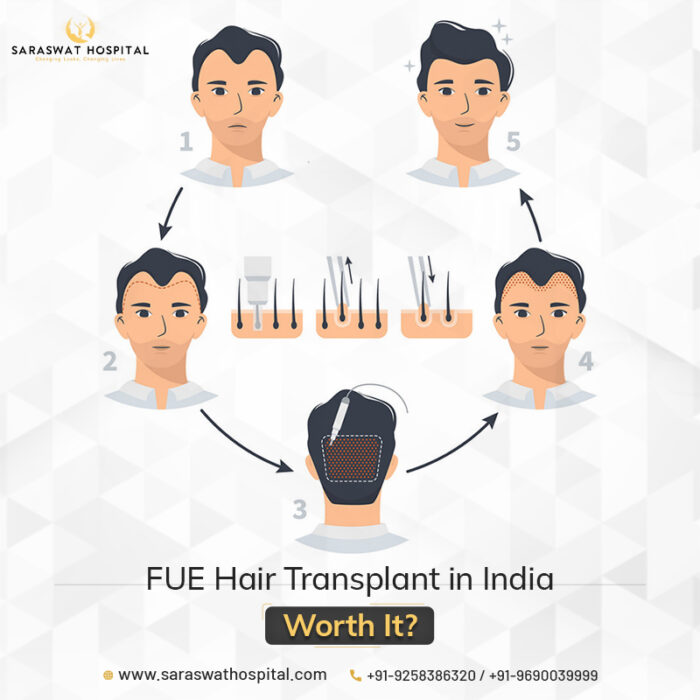
Hair transplant surgery is the best hair loss treatment for those suffering from Androgenetic Alopecia (hair loss due to genetic factors). It is an outpatient procedure where healthy hair grafts are extracted from a part of the scalp that is untouched by the hair loss condition, and these hair grafts are then implanted into the bald portion of the head. Follicular Unit Extraction (FUE) and Follicular Unit Transplantation (FUT) are the two procedures used for hair transplants. Both surgeries are performed under local anaesthesia.

Lifestyle Changes to Prevent Hair Loss

In addition to the above strategies, making small lifestyle adjustments can go a long way in answering how can you stop hair loss:

  1. Quit Smoking: Smoking reduces blood flow to the scalp, hindering hair growth.
  2. Stay Hydrated: Proper hydration supports overall scalp and hair health.
  3. Limit Alcohol: Excessive alcohol can deplete essential nutrients needed for hair.
  4. Protect Your Hair: Use hats or scarves to shield hair from UV rays and pollution.

Consult the Hair Transplant Experts

Saraswat Hospital is one of the most sought-after places for  hair loss treatment in Agra. Headed by a team of ABHRS-certified doctors, this hospital offers the best treatment for hair transplant surgeries in India.

Conclusion

Figuring out how can you stop hair loss starts with understanding its cause and adopting a holistic approach. While making changes to your diet and taking multivitamins can help you fight hair loss, hair transplant surgery offers a permanent solution. Book an appointment today to get the hair loss treatment.

Follow us on:- FacebookInstagramPinterestYoutube

Does Medical Insurance Cover Hair Transplant in India?

Hair transplant surgery has become a popular solution for those dealing with hair loss, offering a permanent way to restore confidence and appearance. However, one of the most common questions people have is, “Does medical insurance cover hair transplant surgery in India?” Hair loss, however, is mostly caused by genetic reasons, also known as Androgenetic Alopecia. Since genetic balding cannot be stopped, the cost of hair loss treatment is, in most cases, not covered by insurance. Today, let’s take a look at this subject in vivid detail.

Understanding Hair Transplant Surgery

Hair transplant surgery involves moving hair follicles from one part of the body (usually the back or sides of the scalp) to areas experiencing hair loss. It’s a specialized procedure performed by dermatologists or cosmetic surgeons and is typically considered a cosmetic procedure rather than a medical necessity. This classification plays a significant role in determining whether medical insurance covers hair transplant surgery in India.

Does Medical Insurance Cover Hair Transplant in India?

When it comes to insurance coverage, the company would only pay to treat the medical condition that has caused the hair loss in the first place and not the hair loss concern in itself. Since hair loss is often viewed as a cosmetic concern rather than a medical one, medical insurance coverage for hair transplants is usually excluded.

Androgenetic Alopecia is caused in men and women due to a chemical called Dihydrotestosterone or DHT attacking the hair follicles. Men exhibit symptoms in the form of a receding hairline, and women show signs like a widening part. The best measure for hair loss is the Norwood-Hamilton scale. Medical concerns such as sudden or severe weight loss, after-effects of strong medication, PCOS (polycystic ovarian syndrome) in women, lack of protein or iron, and thyroid, among others, can also cause hair loss.

The one thing that you have to note is that hair transplant surgery leaves visible aesthetic results, so you should always look for ABHRS (American Board of Hair Restoration Surgery) certified doctors to treat your condition. Since the results of the surgery are permanent, you can think of hair transplant surgery as a one-time investment that would give you returns in the long run without having to spend a penny more on the maintenance of the same upon full recovery.

The hair transplant cost in India is calculated at the rate per graft, the procedure performed, the extent of hair loss you’re suffering from (which is different for every patient), and the results you expect from the treatment, among several factors, all of which would be broken down transparently in the final bill.

Why Consult the Experts at Saraswat Hospital for the Surgery?

Saraswat Hospital in Agra has two ABHRS certified doctors at the helm who provide customized solutions along with a thorough first consultation to make the most of your treatment at the best rate.

Conclusion

In most cases, medical insurance does not cover hair transplant surgery in India because it is considered a cosmetic procedure. However, exceptions exist for cases where hair loss is due to medical conditions like burns or trauma. Saraswat Hospital has the best surgeons who provide hair transplant surgery in India at the best rate. The hospital has medical tourism facilities that ensure that even when you visit India for the surgery, all your requirements during your stay are taken care of by professionals. If this makes you intrigued, feel free to get in touch with the hospital today to book an appointment.

Follow us on:- FacebookInstagramPinterestYoutube

Do Hair Transplant Results Last Forever?

Hair loss can be a distressing experience, prompting many to explore solutions like hair transplants. A common question people ask is, Do hair transplant results last? Hair thinning and subsequent baldness can take a major toll on your self-confidence level and make you extremely conscious about the way you look. While you might have the urge to opt for wigs or hair recovery off-the-counter products, they leave temporary results. The good news is that with the advancement of medical technology, you get a permanent fix for your problem.

If you’re suffering from a receding hairline, hair loss, or balding in the form of Androgenetic Alopecia (genetic baldness), the best solution would be to opt for hair transplant surgery. Having said that, it is quite natural for you to have questions regarding the longevity of hair transplant results. In India, the surgery is taken care of by ABHRS (American Board of Hair Restoration Surgery) certified doctors at Saraswat Hospital who ensure you are aware of the entire process right from the first consultation.

Understanding Hair Transplants

A hair transplant is a surgical procedure where hair follicles are moved from a donor area (usually the back or sides of the scalp) to areas experiencing hair loss. The two primary techniques are Follicular Unit Transplantation (FUT) and Follicular Unit Extraction (FUE). Both methods aim to restore hair in balding areas, but the question remains: do hair transplant results last?

Do Hair Transplant Results Last Forever?

The short answer is that yes, hair transplant results can be long-lasting, but they are not entirely “forever” in every case. Hair transplant is an outpatient surgery that extracts healthy hair grafts from the sides or back of the head (also known as the donor area) through two major techniques and then implants them in the balding zone or the recipient area. The donor area, situated at the back and sides of the head, is chosen for the extraction process due to the fact that the follicles in the zone are untouched by the hormones and thus are immune to Androgenetic Alopecia.

Now, when the follicles are extracted from that donor area, the properties of the follicles are transplanted along with them. This ensures that when the transplanted hair starts growing, it retains its permanent properties, making the results permanent. At this point, you also need to note that the newly implanted hair would grow as per your normal hair growth cycle.

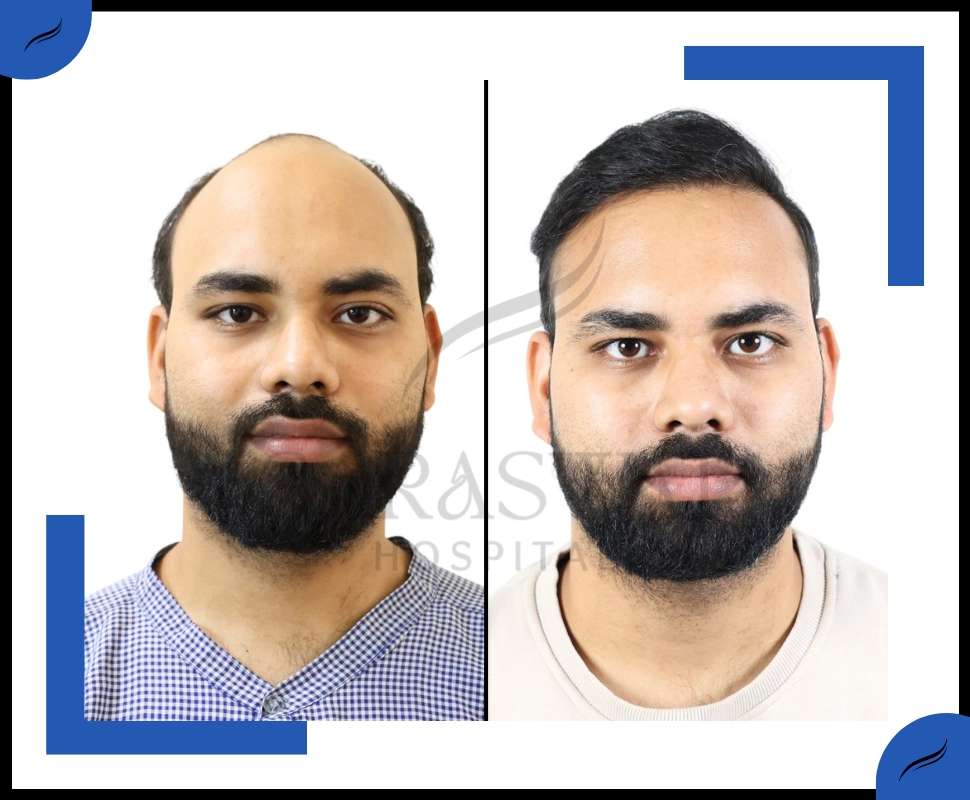
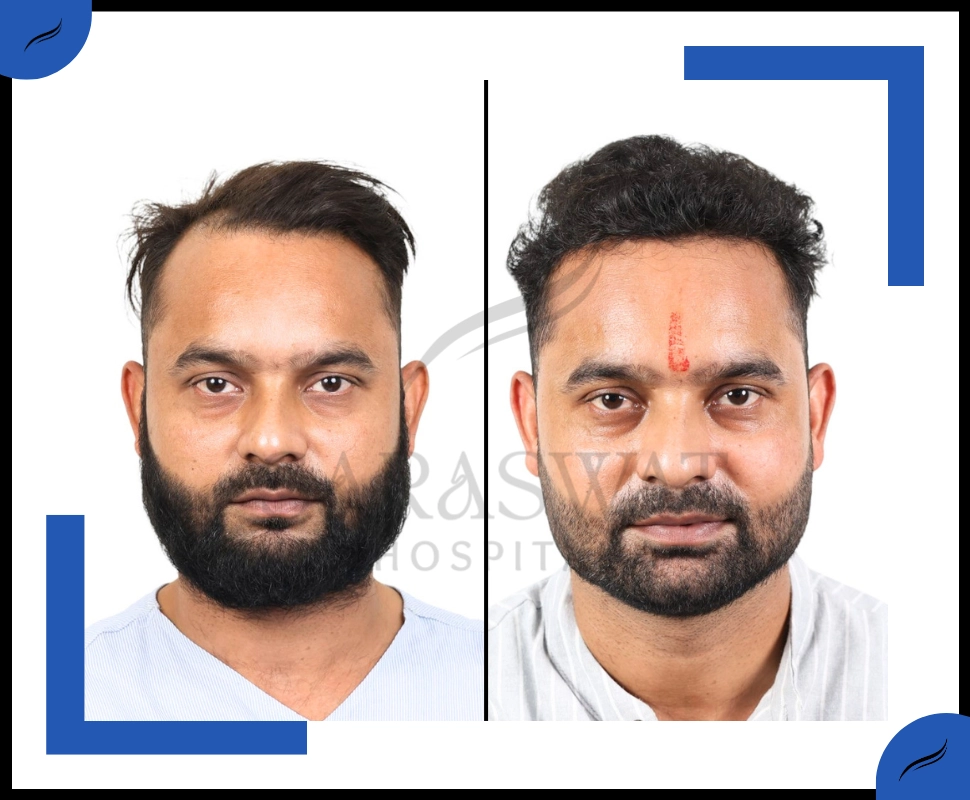
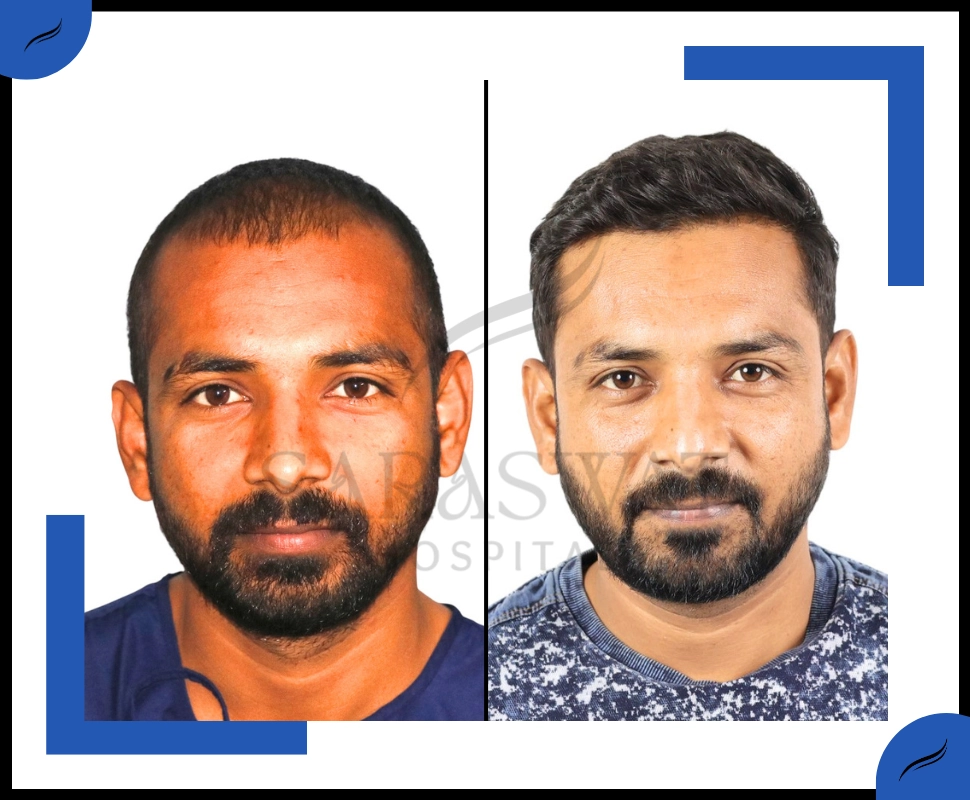
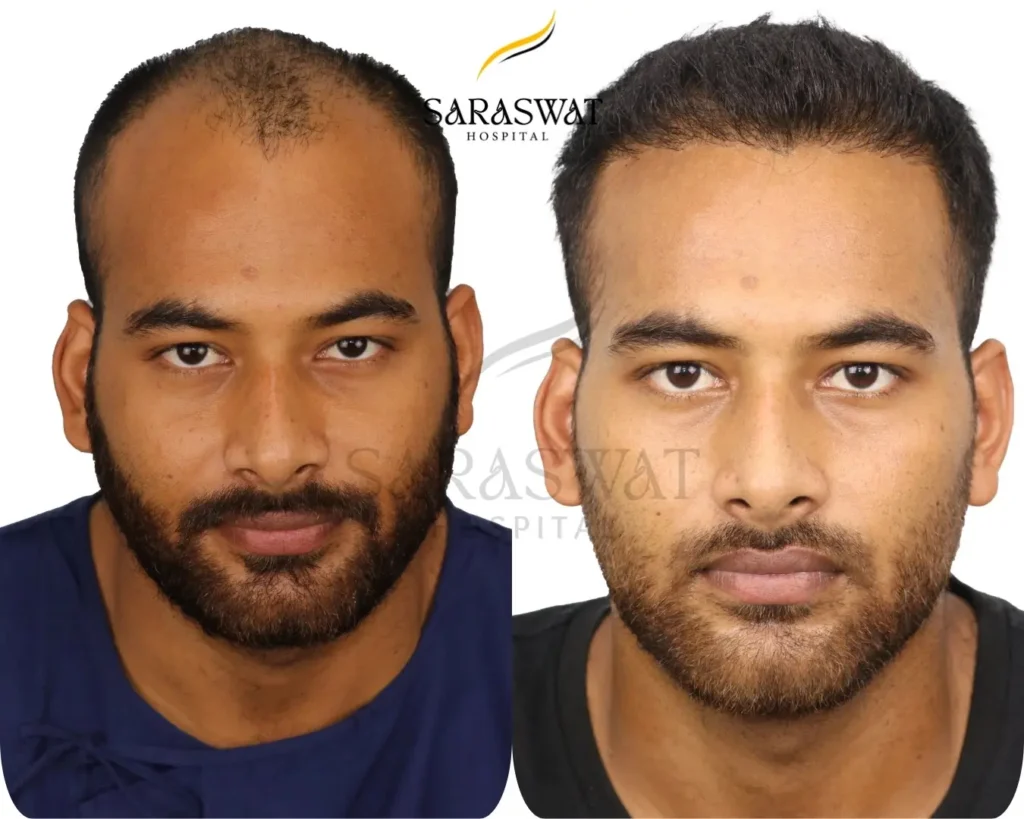
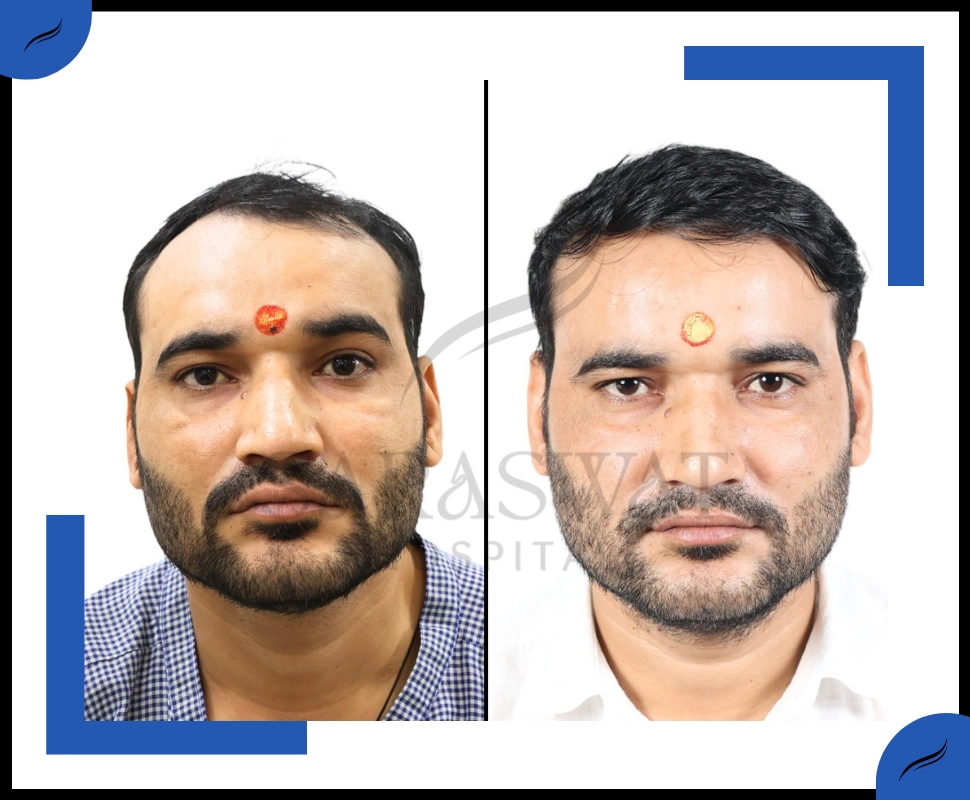
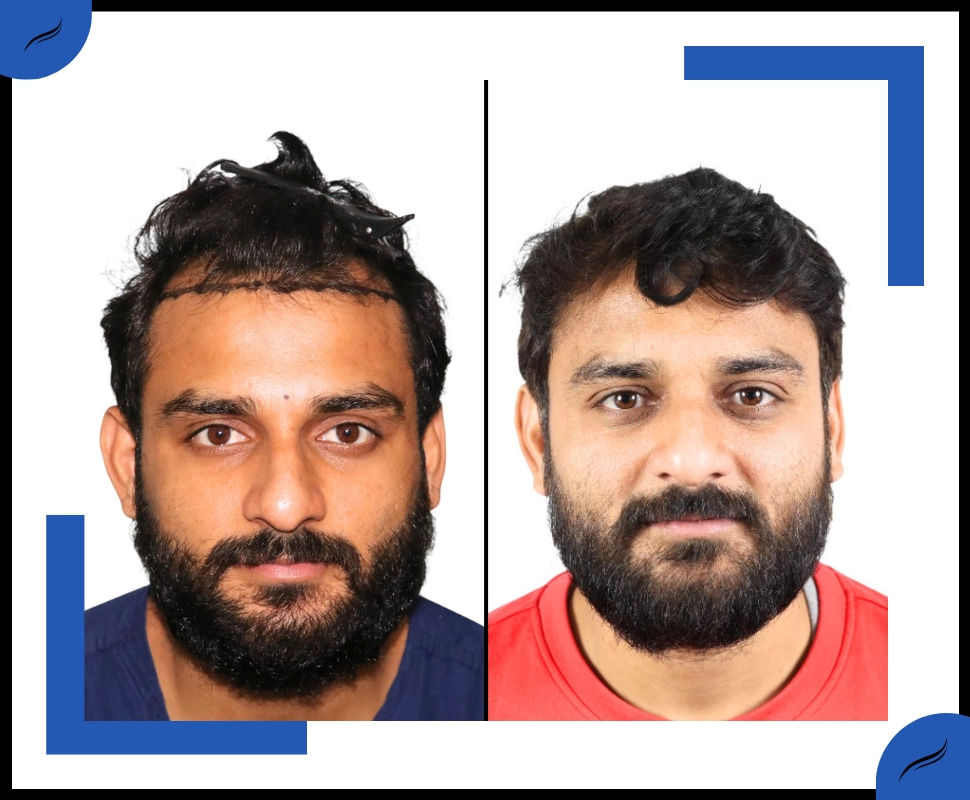
Click to check out hair transplant before and after results.

Would You Need Another Hair Transplant Surgery?

Since one session of hair transplant surgery from the finest experts in the field would ensure you get permanent results, you would not need another session. However, undergoing the surgery, especially when you’re suffering from genetic hair loss, doesn’t mean that the area that hasn’t been touched during the first surgery wouldn’t show symptoms. That is when you might have to undergo another surgery in the future, in a different part of the scalp.

Why Should One Consult Saraswat Hospital for Hair Transplant?

Saraswat Hospital is one of the most sought-after places for hair transplants. With a team of experts certified by the American Board of Hair Restoration Surgery (ABHRS) and over 20+ years of experience at the helm, the doctors at the hospital ensure customized services based on the patient’s requirements and needs.

Conclusion

So, do hair transplant results last? In most cases, the transplanted hair is permanent, offering a long-term solution for hair loss. Hair transplant surgery can be defined as a path-breaking technique used by ABHRS-certified, experienced doctors to treat Androgenetic Alopecia that leaves excellent results without any side effects. If you want to know more about the subject, book an online consultation with the experts.

Follow us on:- FacebookInstagramPinterestYoutube

whatapp icon