
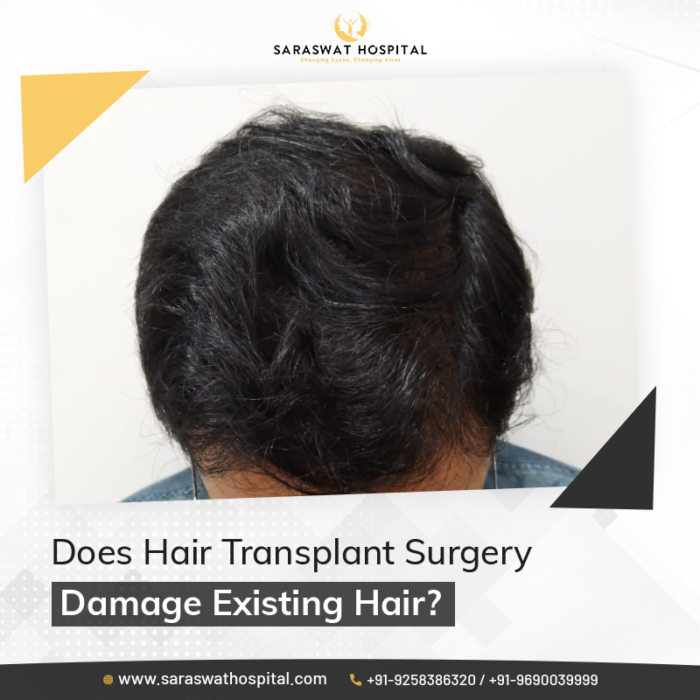
The whole thought of undergoing a life-changing surgical process, such as a hair transplant, might be extremely overwhelming. Not knowing how it would turn out and the consequences can also bring a lot of stress to the patient. You can rest assured, though. The medical and technological advancements in the field have ensured higher success rates and natural results for both FUE and FUT hair transplants. Hair loss can be a distressing experience, prompting many to consider hair transplant surgery as a solution. However, a common concern among potential candidates is whether hair transplant surgery damage to existing hair is a significant risk. Today, let’s take a look at the process and see if the surgery can damage your already existing.
Understanding Hair Transplant Surgery
Hair transplant surgery is a procedure where hair follicles are moved from a donor area (typically the back or sides of the scalp) to areas experiencing hair loss. Techniques like Follicular Unit Transplantation (FUT) and Follicular Unit Extraction (FUE) are the most common methods. While these techniques are advanced, the fear of hair transplant surgery damage to existing hair persists among prospective patients.
Does Hair Transplant Surgery Damage Existing Hair?
The short answer is that hair transplant surgery does not damage existing hair when performed by a skilled surgeon. However, there are scenarios where temporary or, in rare cases, some damage can occur.
- Shock Loss (Telogen Effluvium)
- Improper Surgical Technique
- Overharvesting in the Donor Area
- Infection or Complications
- Pre-existing Hair Conditions
What is the Natural Hair Cycle Like?
Hair typically grows from the hair follicles present in the skin. The protein cells present at the bottom of the follicles are where the hair growth happens. These follicles are supplied with blood vessels that promote the healthy growth of hair to maintain the natural cycle. This cycle we are talking about is divided into 4 major stages: Anagen (Growth), Catagen (Transition), Telogen (Resting), and Exogen (Shedding).
When the hair starts to slowly grow from the follicles, it starts to pierce through several layers of the skin before it becomes visible. These follicles are supplied with sebaceous glands that supply the essential oils to keep them lubricated. There are moments when, due to genetic predisposition, aggravated by lifestyle issues, the follicles are damaged permanently. This prevents hair growth from the follicle and thereby results in hair thinning or baldness.
What Happens to the Existing Hair During the Surgery?
Hair across the scalp is not affected by hair loss at the same time, but when they are hit by genetic baldness, the results are striking. The best solution to Androgenetic Alopecia (genetic hair loss) is through a permanent FUT or FUE hair transplant. In India, this procedure is performed by experts at Saraswat Hospital to provide natural-looking results without any side effects.
Through this surgery, healthy hair follicles are first extracted from the donor area and then implanted into the balding or thinning area. The existing hair present in the balding area (recipient zone) undergoes something known as miniaturization. To get the best results, professionals perform the implantation through miniaturized hair.
This condition typically occurs when working on the recipient site where the grafts have been implanted, as it cuts the circulation around the scalp, and the miniaturized hair starts falling (during the shedding phase). Once that period is over, the new hair follicles go back to their growth cycle, and you can start seeing results. The one thing doctors have to keep in mind is the proper placement of the grafts to ensure they stay in place throughout the recovery period.
When Might Your Existing Hair Be Damaged?
While the shedding period is a common sight post a hair transplant procedure, it is when you see prolonged hair damage that you should realize that the surgery wasn’t successful. Some of the most common reasons that your existing hair has been damaged from the surgery include:
- Lack of Expertise: Hair transplant is known as an aesthetic procedure that should be performed by experienced doctors with steady hands. If you get it done by someone who isn’t experienced in the domain, you might experience sustained hair thinning, permanent scarring, and hair fall.
- Trauma to the Follicles: Since hair transplant is an outpatient procedure where the patients are allowed to go home post-treatment, it is the after-care that plays a vital role in getting successful results. While the doctors provide a list of instructions to follow once you get home, if you aren’t careful, the results might be adverse.
If you’re witnessing massive hair loss even after the hair transplant surgery, the reason might be an unprecedented reaction to the medication. In this case, consulting the doctor is the first step you should take.
Factors That Minimize Hair Transplant Surgery Damage
To reduce the risk of hair transplant surgery damage, several factors are crucial:
Choosing a Qualified Surgeon: A board-certified surgeon with experience in hair restoration minimizes complications. Researching credentials and patient reviews is essential.
Advanced Technology: Clinics using state-of-the-art tools, like robotic FUE systems, enhance precision and lower the chances of hair transplant surgery damage.
Post-Operative Care: Following the surgeon’s aftercare instructions, such as avoiding harsh shampoos or excessive touching of the scalp, protects both transplanted and existing hair.
Healthy Lifestyle: Proper nutrition and stress management support hair regrowth and reduce the risk of complications post-surgery.
Why the Concern About Hair Transplant Surgery Damage?
The concern about hair transplant surgery damage often stems from misinformation or outdated techniques. Earlier methods were less precise, leading to visible scarring or harm to existing hair. However, advancements in hair transplant technology have significantly reduced these risks. By choosing a reputable clinic and following proper protocols, the likelihood of hair transplant surgery damage is minimal.
Why Contact the ABHRS Certified Surgeons for Hair Transplant Surgery?
Saraswat Hospital is run by a team of experts certified by ABHRS (American Board of Hair Restoration Surgery) that provides the best hair transplant in India using the latest equipment and modern technologies.
Conclusion
Hair transplant surgery is a safe and effective solution for hair loss when performed by a skilled professional. While concerns about hair transplant surgery damage are valid, modern techniques and proper care significantly reduce risks. Going through a hair transplant surgery might be a very stressful situation for a lot of you, but when you are investing as much money into this aesthetic procedure, you should always get in touch with professionals for the same. For more information, book a consultation with the experts today.
Follow us on:- Facebook, Instagram, Pinterest, Youtube