Low-Level Laser Therapy For Hair Loss
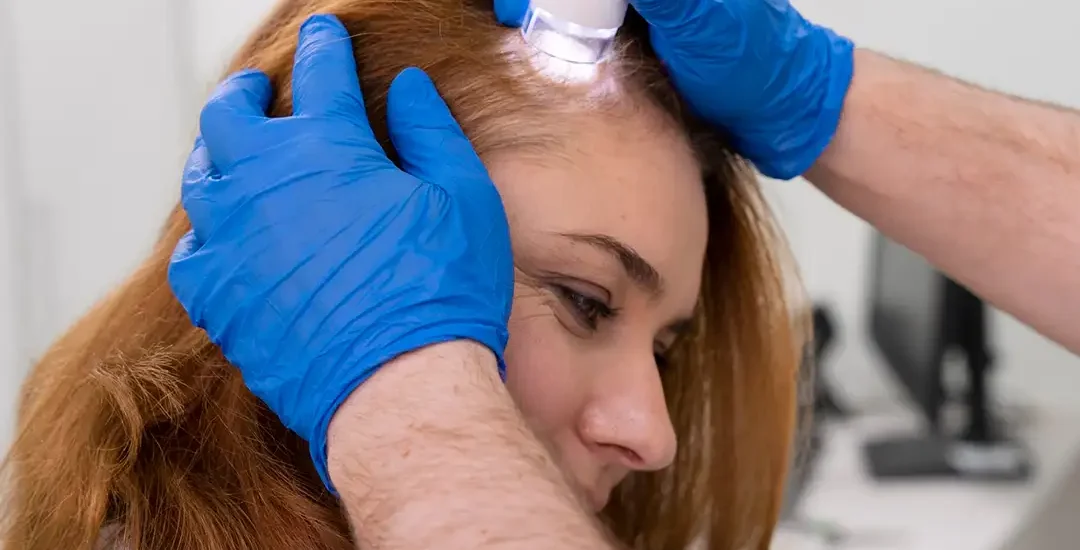
Low-Level Laser Therapy is one of the most effective therapies to treat hair loss. iGrow Low-Level Laser Therapy, which is considered to be the best Laser therapy for hair growth. LLLT is US FDA-approved for treating patients with hair loss. It should be noted that LLLT has been adopted by those in pursuit of a safe solution for thinning and beginning baldness. This therapy is also called red light therapy, cold laser therapy, and photobiomodulation. Currently, it is an accepted treatment for both men and women who suffer from balding.
What is Low-Level Laser Therapy?
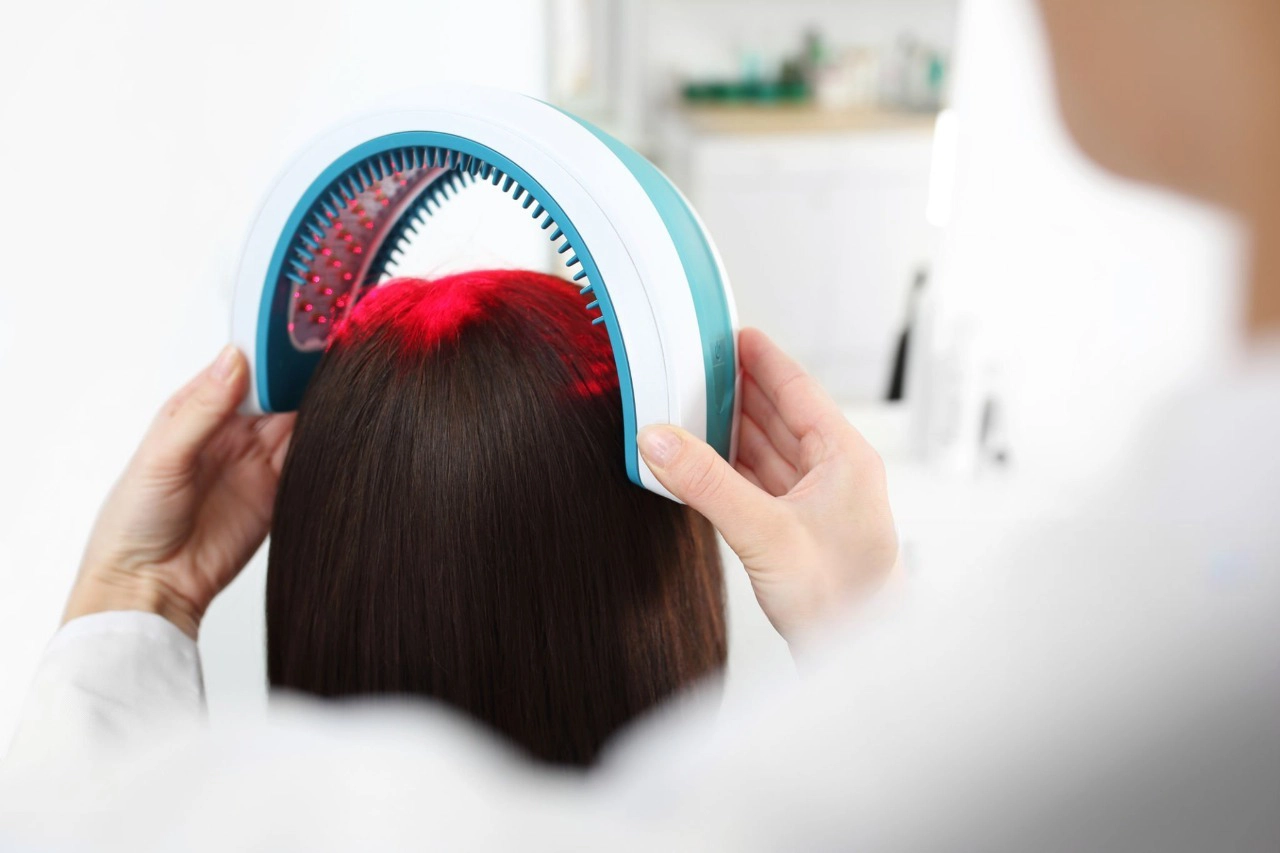
Low Level Laser Therapy is a medical treatment which uses low intensity laser light, with a wavelength between 630 and 680 nanometers, to stimulate hair follicles on a cellular level. They are also called “cold lasers,” because unlike other lasers used for surgery, they don’t burn or cut. The light energy travels into the scalp and is absorbed by cells located at the hair follicle locations, enhancing the activity of the cells and causing dormant follicles to become active again.
How Does LLLT Work for Hair Growth?
This therapy works through a process called photobiomodulation. It is a scientific word meaning light-induced stimulation. Here’s how the inside of the scalp works:
- Blood flow increases: Laser treatment stimulates increased microcirculation, thus promoting better supplies of oxygen and nutrients to the hair follicle.
- Cellular Energy Boost: It will stimulate the mitochondria (the powerhouse of each cell) to produce more energy.
- Activation of Dormant Follicles: The dormant follicles during the resting phase are stimulated back into the growth phase.
- Reduced Inflammation: Helps soothe scalp inflammation that causes hair fall.
- Prolonged Anagen Phase: This extends the active growth phase.
Conditions Treated with LLLT
- Male and female hair loss
- Hair thinning
- Hair loss in early stage
- Hair shedding due to stress
Types of LLLT Devices
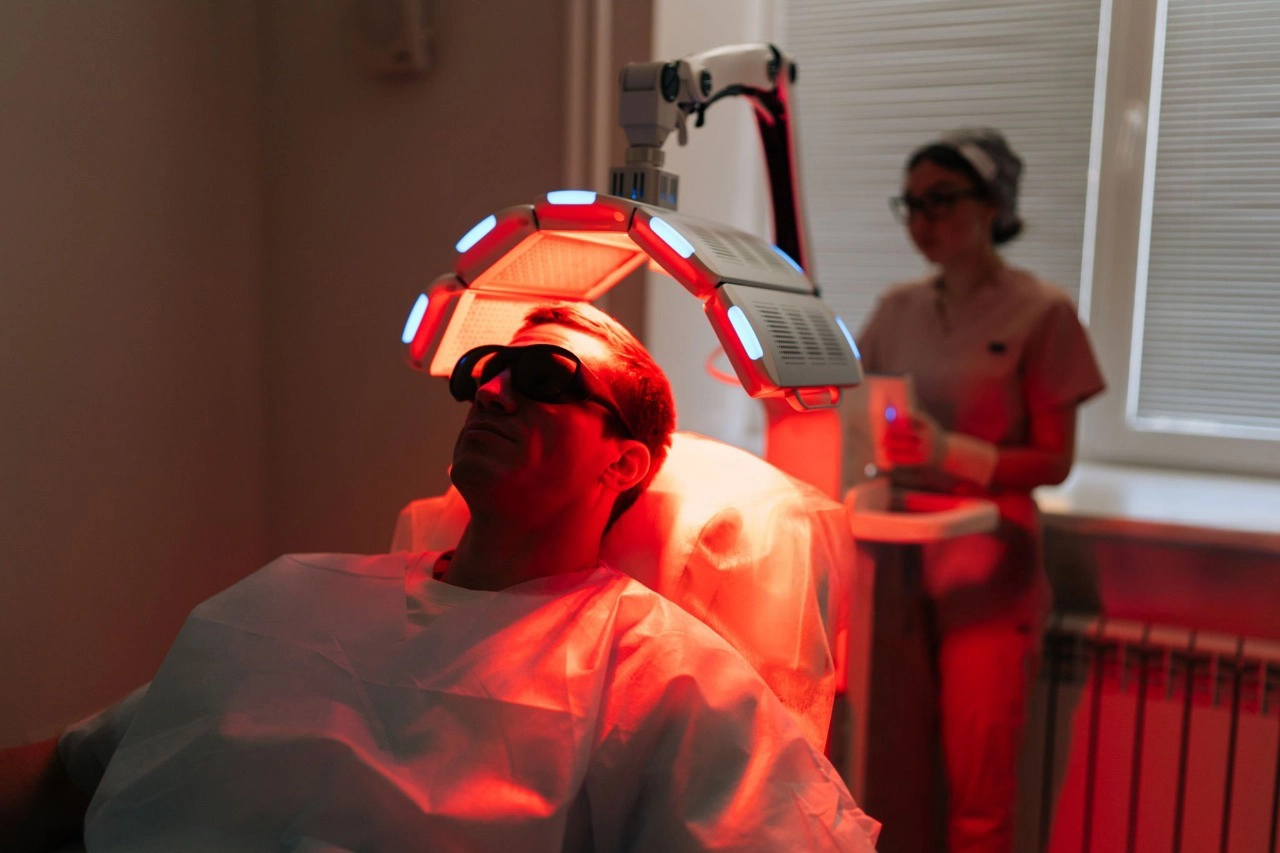
- Used in clinics by doctors for greater precision and stronger outcomes.
- FDA-approved home use devices such as:
- Laser Caps
- Laser helmets
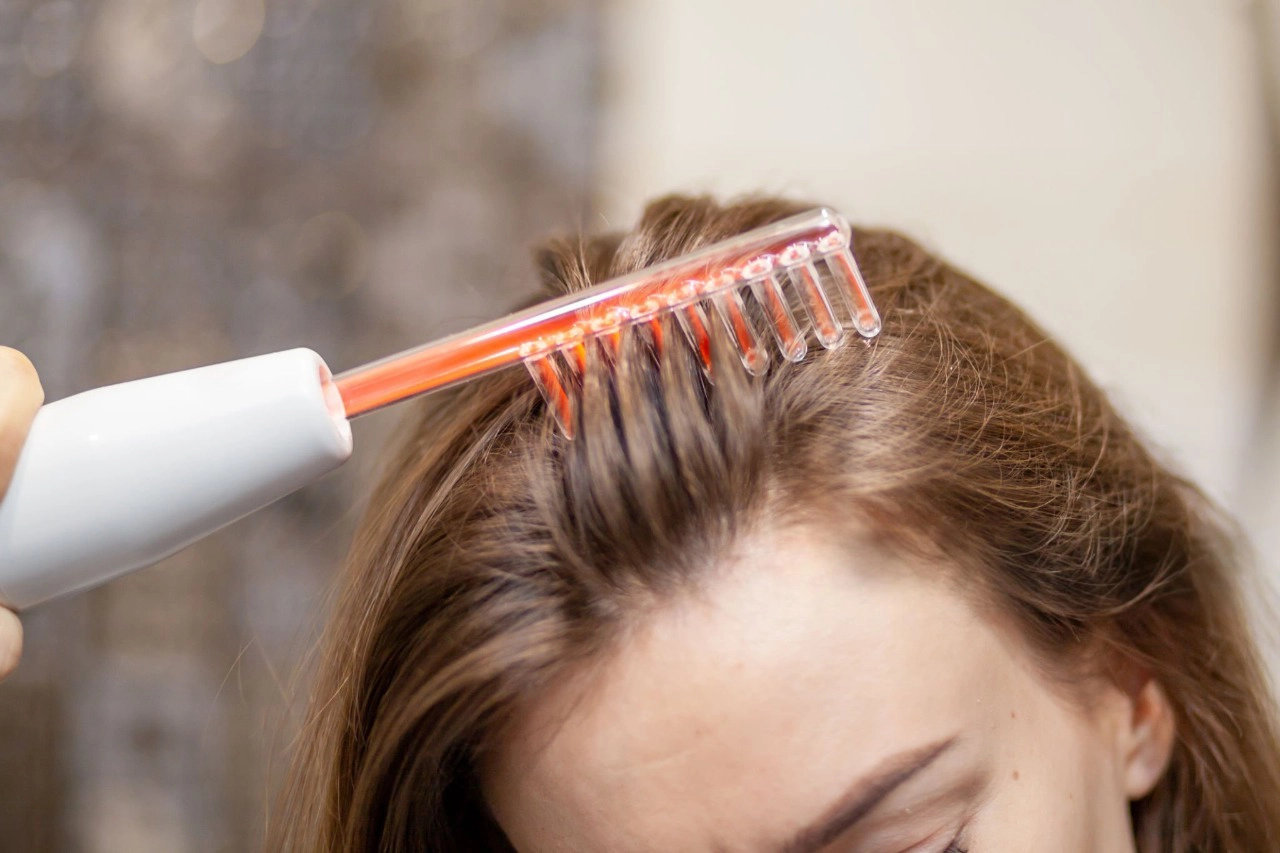
- Laser Combs
- Laser bands
How Many Sessions Are Required?
Stage | Recommendation |
Initial phase | 3–4 sessions/week |
Duration | 3–6 months |
Maintenance | 1-2 sessions/week |
Visible results | 8–12 weeks |
Best results | 4–6 months |
Ideal Candidate for LLLT?
You can choose laser therapy if:
- You are at early stage of hair loss
- Still have visible hair thinning
- Hair follicles are alive but weak
- You don't want a surgical option
Who May Not Benefit Much?
LLLT may be less effective in cases where:
- A person have complete bald patches
- Hair follicles are completely dead
- Hair loss results from scarring alopecia
- You want to see instant results without being consistent
Is LLLT Effective? What Does Science Say?
Several studies have supported the effectiveness of LLLT:
- A study published in the Journal of Clinical and Aesthetic Dermatology found significant improvements in hair density in men and women.
- A study published in the National Institute of Health showed a hair count increase after using LLLT for 24 weeks.
- The Food and Drug Administration in the United States has cleared some devices on the market for LLLT and their use in the treatment of hair loss.
LLLT Defined
Lasers are widely used in medicine and also throughout a variety of industries, in a multitude of varying capacities. The laser energy used to stimulate hair growth is visible in the red light spectrum. The laser light used in promoting hair growth is defined as Low-Level Laser Therapy (LLLT). LLLT is sometimes included under a broader definition of ‘Phototherapy’ called Low-Level Light Therapy, where the light-emitting device may be a laser and/or light-emitting diode (LED).
LLLT at Work
Light from a laser in a specific wavelength has an effect on your body when it is applied for a sufficient length of time. It is theorized that when the laser light is absorbed by target tissue molecules, the energy level of the molecules is increased and the molecules respond by ‘working off’ the excess energy with adaptive changes. These changes may be chemical or physical, and they may have biological effects on the target tissue or surrounding tissues.
Because the changes in the molecules are brought about by phototherapy, chemical changes are said to be due to ‘photochemistry’ and physical changes to ‘photophysics.’ As a result, the biological effects on tissue are called photobiomodulation.
Treatment of Male Pattern Hair Loss via “Photobiomodulation”
There are many hypotheses, which address how LLLT photobiomodulation may stimulate new hair growth. It is hypothesized that LLLT initiates the chemical reaction in the cells that make up the follicle’s epithelial matrix causing the proliferative activity.
Much evidence points out that follicular apoptosis (programmed cell death) is reversed via the application of laser energy. Observations of wavelength stimulation of optimal hair growth have shown precisely what wavelengths, power, and intensity are necessary for optimal effect in stimulating new hair growth.
It is important to note that heat is not associated with the photochemical and photo-therapeutic effects of LLLT. LLLT is a low-wattage ‘cold light’ laser, and while there are visible red wavelengths, there is no sensation on the skin of persons undergoing treatment. Cold lasers are safe and universally accepted as such by medical authorities, worldwide. Also significant is the fact that there are no side effects associated with the use of LLLT.
The Discovery of LLLT’s Origin in Stimulating Hair Growth In 1967, a Hungarian scientist studying the use of lasers for other purposes in mice, discovered that visible red laser light may stimulate hair growth. The hair on the backs of the mice was shaved in the area to receive treatment. One group of mice received laser treatments, and one group did not. The hair within the shaven area grew back more quickly in the mice treated with laser.
Who May Benefit from the Therapy?
Medical experts who specialize in treating hair loss agree that treatment should be based on the correct diagnosis of its cause. Hair loss physicians and medical experts agree that LLLT is a highly viable option for growing hair in those afflicted with androgenetic alopecia, inherited male pattern hair loss. It is not intended to treat hair loss due to other factors. In treating androgenetic alopecia with LLLT, physicians have found that LLLT is most effective in persons with minimal to moderate hair loss. Individual responses to LLLT differ, and results do vary from person to person.
Is LLLT Effective in Hair Restoration?
The vast majority of physicians and medical experts agree that LLLT can be effective in growing hair in those with male pattern hair loss. Experts have also observed and noted that the overall health and condition of hair may be improved in an LLLT-treated area.
LLLT vs Other Hair Loss Treatments
Treatment | Invasiveness | Results | Side Effects |
LLLT | Non-invasive | Moderate | None |
Minoxidil | Topical | Moderate | Scalp irritation |
Finasteride | Oral | Good | Hormonal effects |
PRP | Minimally invasive | Good | Mild pain |
Hair Transplant | Surgical | Permanent | Surgical risks |
Duration for LLLT Treatment to be Effective?
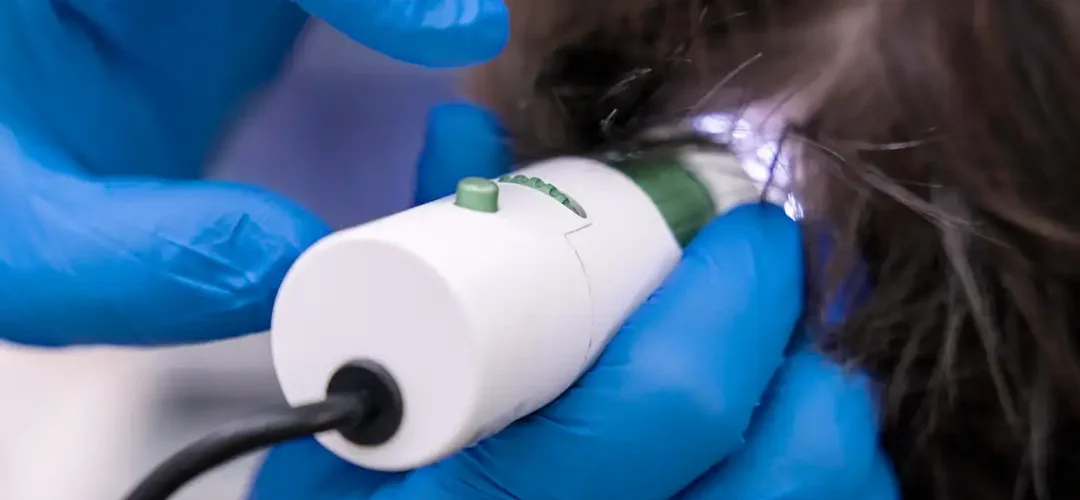
Hair growth using LLLT is not a one-time ‘fix’ for hair loss. It must be repeated at intervals to maintain results. Typically 3 to 4 sessions per week for 20 to 25 minutes is the suggested treatment frequency, and results usually take approximately 4 to 6 months. Once hair growth is achieved, an ongoing ‘maintenance’ schedule of 1 to 2 sessions per week is strongly recommended to maintain new growth and keep the hair looking healthier, fuller, and more vibrant.
The igrow model is adaptable to iPod and other music listening devices so a person taking this doesn’t feel bored.
The other helmet for LLLT we have is Theradome which uses diodes for the laser. Although the machine is very costly, Saraswat Hospital, Agra is committed to providing all forms of hair loss treatments.
Cost of Low-Level Laser Therapy in India
The cost of low-level laser therapy in India typically ranges from ₹1,500/session to ₹4,500/session. The final cost depends on various factors such as the clinic’s reputation and the surgeon’s expertise. For complete information, book an appointment and learn about the therapy.
Certifications & Partnerships








The Saraswat Hospital Credentials

17000 +
Happy Clients

20 +
Years of Experience

98%
Hair Growth Rate
1500 +
Cases of Grade 5/6

4.9
Google Ratings
EXCELLENTTrustindex verifies that the original source of the review is Google. The results look natural and I am very happy with the outcome.Posted onTrustindex verifies that the original source of the review is Google. Very professional doctor consultation. The doctor explained everything clearly and suggested the right treatment.Posted onTrustindex verifies that the original source of the review is Google. Best decision choosing doctor for hair treatment. Honest advice and noticeable improvement in a short time. Truly cares about patients and their results.Posted onTrustindex verifies that the original source of the review is Google. Doctor is excellent for prp treatment. Very knowledgeable, professional, and explains everything clearly. The procedure was smooth and I'm already seeing great results.Posted onTrustindex verifies that the original source of the review is Google. Excellent service. The consultantion was thorough and all my questions were answered clearly.Posted onTrustindex verifies that the original source of the review is Google. Great consultation experience. Very professional, clear explanations and I felt comfortable the entire time.Posted onTrustindex verifies that the original source of the review is Google. Highly satisfied with the consultation. The doctor was patient, explained everything clearly and suggested practice solution. Truly worth it.Posted onTrustindex verifies that the original source of the review is Google. Great clinic, clean environment, and skilled doctors. My confidence is back thanks to this amazing team.Posted onTrustindex verifies that the original source of the review is Google. So happy with my hair transplant results. Staff was friendly and the whole process was smooth and comfortable.Verified by TrustindexTrustindex verified badge is the Universal Symbol of Trust. Only the greatest companies can get the verified badge who has a review score above 4.5, based on customer reviews over the past 12 months. Read more