
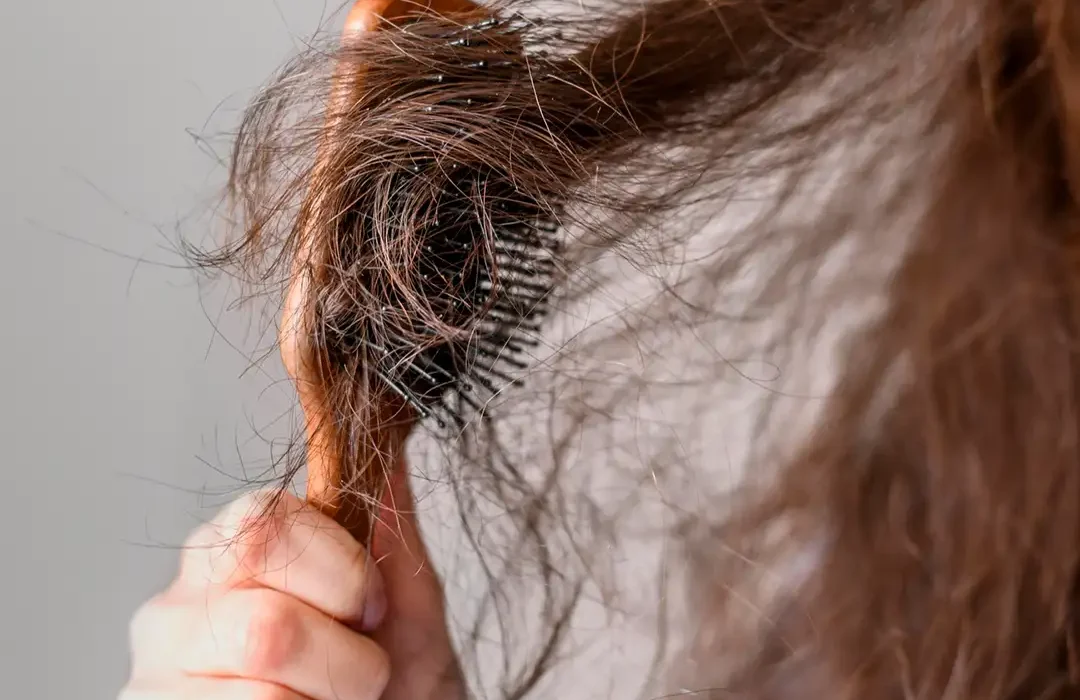
Hair Loss Treatment
Different people have different expectations of hair loss treatment. Many people think that a hair transplant means undergoing medical treatment & yet others believe that it is the same as putting on a wig. As a hair restoration doctor, we must guide you about the complete range of treatments for hair loss:
Firstly, it should be understood that hair transplantation is an outpatient technique performed by licensed surgeons and an experienced team that moves individual hair follicles from a part of your body, known as the ‘donor site’, and implants them on a transformation part of your body, which is the ‘recipient site’. We usually take hair follicles from the back of the head, also known as the “Occipital region” and transfer them to the top of your head. This procedure is performed under local anesthesia and ensures a comfortable experience. The duration of surgery may vary from 4 to 8 hours, depending on the number of grafts to be transplanted. The hair grows in a group of one to four hairs, known as a follicular unit.
In hair transplant surgery, hair restoration doctors transplant these follicular units using FUE or FUT methods. These state-of-the-art hair transplantation techniques are designed to achieve a seamless appearance that looks identical to how your hair used to look. This is what we’re known for around the world and why our hair loss treatment in Agra for men and women is considered by many experts to be the best around.
What is a Hair Transplant?
A Hair transplant is a treatment to address the problem of hair loss. Here, hair follicles are removed from the ‘donor site’, typically at the back of the head, and transplanted to the ‘recipient site’, typically at the front of the scalp. It comprises of majorly two procedures – Linear Excision Method (previously, Follicular Unit Transplantation) or Follicular Unit Excision (FUE).
What is a Hair Loss Treatment?
Hair loss treatment is a treatment to address the problem of hair loss. Here, hair follicles are removed from the ‘donor site’, typically at the back of the head, and transplanted to the ‘recipient site’, typically at the front of the scalp. It comprises mainly two procedures – Linear Excision Method (previously, Follicular Unit Transplantation) or Follicular Unit Excision (FUE).
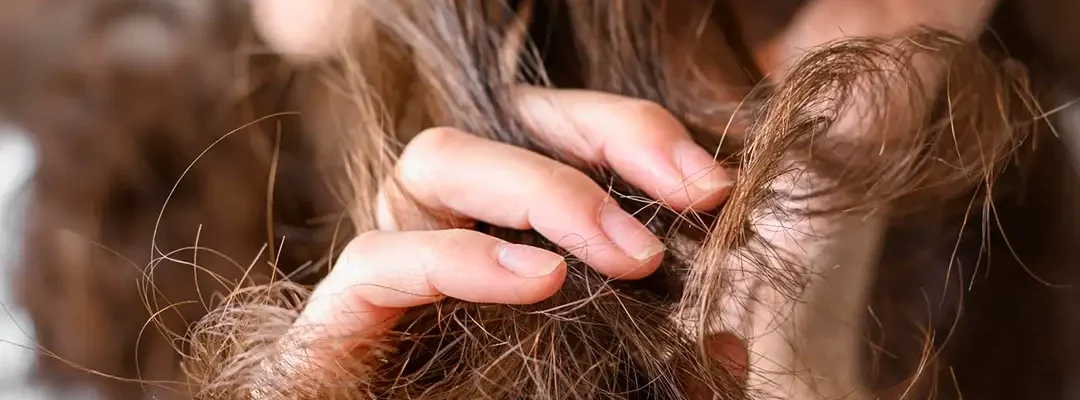
Hair Growth Cycles
Anagen Phase (Growth Phase)
The anagen phase, called the active growth phase of the hair cycle, is the most important stage. On average, 1 to 1.5 cm of hair growth may be seen every month in this stage. At any moment in time, about 85–90% of the hair on your scalp will be in the anagen phase. This phase may extend from a period between 2 to 7 years.
Catagen Phase (Transition Phase)
This is a very short transition phase marking the end of the active growth of hair. In this phase, the hair stops growing when the follicle starts to shrink in size and begins to detach its attachment to its blood supply. It typically lasts about 10 to 14 days and is crucial for the transition of the hair into its final stage of resting before the process results in the shedding of the hair.
Telogen Phase (Resting Phase)
The Telogen phase is also known as the resting and shedding phase of hair growth. In this phase, the hair is said to have stopped growing, though it is still attached to the hair follicle. It is expected that 10-15% of the hair on the head is normally in the Telogen phase. In this phase, the hair stays for 3 to 4 months, after which there is shedding to pave the way for the growth of a new hair growth cycle.
Exogen Phase (Shedding Phase)
There is also an additional stage, exogen, which refers to the actual shedding of the hair. This stage is, therefore, an extension of the previous stage of telogen. It is the stage in the hair growth cycle where the hair strand is shed from the individual’s head. In this phase, new hair pushes the old one out.
Types of Hair Loss
- Male Pattern Baldness: Gradual hair loss from the temples and the crown.
- Female Pattern Hair Loss: This condition involves the thinning of the scalp hair and enlargement of the hair part.
- Telogen Effluvium: Sudden hair loss or shedding due to stress, illness, or surgery.
- Alopecia Areata: Scattered hair loss caused by an autoimmune disease.
- Traction alopecia: Hair loss due to styles that pull on the hair, such as ponytails and braids.
Problems Faced by Hair Loss Patients
Hair loss is an emotionally, socially, and psychologically distressing disease that can cause the following pain to patients:
- Loss of confidence
- Anxiety and depression
- Aversions to going bald
- Wasting money and buying ineffective products
- Confusion over treatment options
- Unrealistic expectations
Hair Loss Treatments Available at Saraswat Hospital

1. Oral Medication
This medication works for both men and women. It has received approval from the FDA to treat male pattern hair loss. The medication’s effectiveness depends upon the type of hair loss and its location. Oral medication does not work well on receding hairlines. Also, men who have thin wisps of hair are unlikely to have positive results because the hair follicles may not be salvageable. Men who have moderate thinning at the back or top of the head have a better chance of obtaining some visible benefit, but only for as long as they continue taking the medication.
2. Topical Hair Solution (Minoxidil)
This solution works for both men and women. The only direct hair growth stimulator currently FDA-approved to address hair loss is topical minoxidil. It comes under common names such as Mintop lotion or Amexidil sprays. A 5 percent solution, foam, and spray have been approved for men and a 2 percent solution for women. Using this is simple: twice a day, you apply the liquid or foam to your scalp. The one drawback is that if you stop using the treatment, any benefits achieved from this particular hair loss treatment for men will eventually be lost. You have to stay with it, or your hair will revert to its previous loss pattern.
Oral Multivitamins are also prescribed for you to be taken regularly.
3. PRP Therapy
PRP Therapy, which stands for Platelet Rich Plasma Therapy, has proved to be an effective non-surgical treatment for solving hair loss problems while naturally promoting hair growth. This process of hair treatment involves the use of patient's blood that has a platelet-rich derivative that contains a significant amount of platelets. These platelets are inserted deep into the organ of the hair. PRP Therapy has been identified as a non-surgical hair treatment that poses minimal risks to patients. This treatments is being used by the expert doctors since 1980s.
4. GFC Therapy
GFC stands for Growth Factor Concentrate, which is an advanced and more refined or developed form of the PRP method of hair gain treatment. GFC therapy aims at concentrating a higher amount of growth factors that act as a potent hair gain agent. They are injected directly into the scalp after extraction from the patient's blood as a means of stimulating hair follicles in the scalp in a more effective and faster manner. GFC has been regarded as a Hair Gain treatment that offers effective results as opposed to PRP and other Hair Gain treatments, particularly for those with moderate hair loss.
5. Mesotherapy
Mesotherapy means injecting something into the mesoderm. Initially used rampantly for fat reduction (lipolysis) and has come into use for the treatment of hair loss.
The scientific basis for Mesotherapy
To provide nourishment in the form of vitamin boosters and growth factors to hair roots to increase the rate of hair growth. This specific treatment is part of the overall hair restoration procedures that transform weak roots into healthy ones to produce healthy hair. The quality of hair is also enhanced by using various cocktails of serums.
How to give Mesotherapy?
Nappage Technique
This is done with a 1 ml syringe. Various growth factors, hair vitalisers, and vitamins, such as biotin and vitamin H, are deposited in the scalp near the hair roots in a shorter period within a larger area.
Popular Technique
An anesthetic gel may be applied before the procedure (the doctor will explain the protocol and procedure to you). This technique is very good for depositing serums, vitamins, etc., in a bolus amount adjacent to the hair roots.
After Derma Rollers
The basic serums and solutions that are used in Nappage and popular techniques are applied to the scalp after the procedure of derma rollers as explained below.
6. Derma Rollers
Dermarollers are microneedles on small roller tools. The length of these needles varies from 0.25 mm to 2.00 mm. When used in the condition of hair loss (thinning of hair), the 0.5 or 0.75 mm rollers are used over the scalp with a determined direction and hold.
Micro-needling triggers hair growth through a physical mechanism and special cocktails of serums and vitamins that are applied after the rollers are removed.
7. Laser Therapy (igrow):
The laser comb or laser cap is the first and only home-use medical laser device that has been clinically proven and FDA cleared for men and women to stimulate their scalp and promote hair growth. The device is a hand-held instrument that you’ll need to use for 10-15 minutes a day, three times a week. It is cordless and comes with easy-to-use features, providing the convenience of hair restoration services for men.
8. Hair Transplantation
This is the most effective way to restore hair loss in the advanced stages of the Norwood scale for both men and women. A hair transplant helps when a receding hairline or thinning hair becomes an issue. For those suffering from genetic hair loss, such as male and female patterns, other treatments might slow down the loss of hair, but they cannot combat it entirely. In fact, out of all the hair loss remedies available out there, hair transplantation is the well-known solution to restore hair. The success rates may vary from one individual to another, but hair transplantation is most often the final option for many suffering from hair loss. Are you interested in learning more about our hair loss? Contact us today to speak with our counselor at 09258386320 or email us your photographs at saraswathospitalagra@gmail.com about your hair loss remedy plan.
Why Choose Saraswat Hospital?
There are various reasons why people choose Saraswat Hospital for their hair loss treatment. Some of these reasons include:
- The hospital is led by Dr. Satya Saraswat and Dr. Preeti Saraswat, ABHRS-certified doctors. They have extensive experience in treating hair loss problems.
- The hospital is committed to providing the best hair care solutions. We believe in no false promises, only achieving results that are achievable.
- With the experience of 20+ years in hair care, we have a proven track record of thousand satisfied patients with natural results.
- Honest and affordable cost structure is one more thing which makes hair loss treatment much more accessible.
Have Questions About Hair Loss?
Do you have further questions? Book an online consultation with us for questions that many people have had regarding hair loss treatment. To know more about the patients who have undergone hair restoration surgery at the Saraswat Hospital, Agra, India, please take a look at our hair transplant before and after patient testimonials.
Apart from any hair transplantation procedure, for those who are looking for a short-term hair loss remedy, there are medically approved options:
Certifications & Partnerships








The Saraswat Hospital Credentials

17000 +
Happy Clients

20 +
Years of Experience
98%
Hair Growth Rate
1500 +
Cases of Grade 5/6

4.9
Google Ratings
EXCELLENTTrustindex verifies that the original source of the review is Google. The results look natural and I am very happy with the outcome.Posted onTrustindex verifies that the original source of the review is Google. Very professional doctor consultation. The doctor explained everything clearly and suggested the right treatment.Posted onTrustindex verifies that the original source of the review is Google. Best decision choosing doctor for hair treatment. Honest advice and noticeable improvement in a short time. Truly cares about patients and their results.Posted onTrustindex verifies that the original source of the review is Google. Doctor is excellent for prp treatment. Very knowledgeable, professional, and explains everything clearly. The procedure was smooth and I'm already seeing great results.Posted onTrustindex verifies that the original source of the review is Google. Excellent service. The consultantion was thorough and all my questions were answered clearly.Posted onTrustindex verifies that the original source of the review is Google. Great consultation experience. Very professional, clear explanations and I felt comfortable the entire time.Posted onTrustindex verifies that the original source of the review is Google. Highly satisfied with the consultation. The doctor was patient, explained everything clearly and suggested practice solution. Truly worth it.Posted onTrustindex verifies that the original source of the review is Google. Great clinic, clean environment, and skilled doctors. My confidence is back thanks to this amazing team.Posted onTrustindex verifies that the original source of the review is Google. So happy with my hair transplant results. Staff was friendly and the whole process was smooth and comfortable.Verified by TrustindexTrustindex verified badge is the Universal Symbol of Trust. Only the greatest companies can get the verified badge who has a review score above 4.5, based on customer reviews over the past 12 months. Read more