Book an
Appointment
Dr. Satya Saraswat - Hair Transplant Surgeon

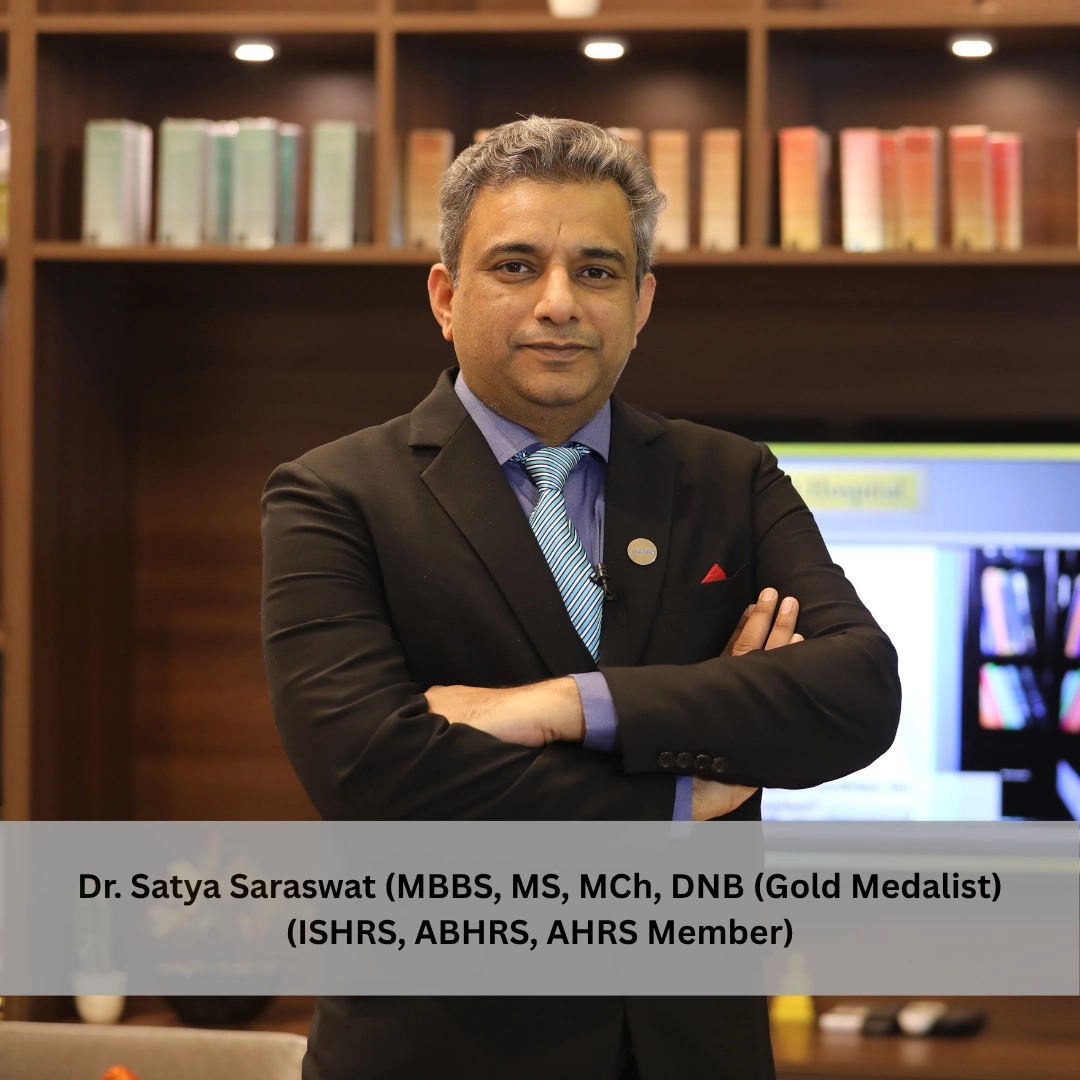
Dr. Satya Saraswat, MBBS, MS, MCh, DNB (Gold Medalist)

Dr. Satya Saraswat, MBBS, MS, MCh, DNB (Gold Medalist), FISHRS, is a cosmetic and plastic surgeon with an experience of over 20+ years and has performed 17,000+ cosmetic and plastic surgeries. He is a Diplomate of the American Board of Hair Restoration Surgery (ABHRS) and Fellow of ISHRS, as he has been continuously attending the International conferences and adopting the latest advancements in hair restoration science, and he has also submitted his research papers. His hands-on involvement ensures a natural hairline and high graft survival.

Articles by Dr. Satya Saraswat, MBBS, MS, MCh, DNB (Gold Medalist)

Guide for Choosing the Best Hair Transplant Clinic in India
Medically Reviewed By Dr. Satya Saraswat, MBBS, MS, MCh, DNB (Gold Medalist) | Last updated: April 11, 2026

Hair loss sometimes feels like a slow leak in confidence. It starts very slowly and suddenly becomes impossible to ignore. Therefore, choosing the best hair transplant clinic becomes a crucial decision. This complete guide will help you decide which is the best clinic for your hair loss problems. Every detail has been explained. The aim is to help you decide wisely and confidently. India offers the best hair transplant procedure, but you must select the best clinic with advanced technology.

How is Hair Loss Diagnosed Clinically?

Clinical diagnosis of hair loss requires a digital trichoscopy to measure hair shaft diameter and follicular unit density. This diagnostic tool differentiates between Telogen Effluvium and Androgenetic Alopecia by identifying the percentage of vellus vs. terminal hairs. Surgeons must evaluate the “Donor Area” to ensure the permanent zone has sufficient density for extraction without causing visible thinning. Accurate diagnosis prevents surgical failure in patients with active inflammatory scalp conditions. Diagnostic accuracy determines the specific surgical approach required for extraction.

Which Hair Transplant Technique is Best?

FUE (Follicular Unit Extraction) and FUT (Follicular Unit Transplantation) serve distinct clinical needs based on the patient’s scalp laxity and required graft count. FUE involves the individual extraction of follicles using punches smaller than 1.0mm, while FUT involves removing a thin strip of tissue to harvest grafts under a microscope.

FeatureFUE (Follicular Unit Extraction)FUT (Strip Method)
ScarringMicro-dot scars (nearly invisible)Linear scar (concealed by hair)
Recovery3–5 days10–14 days
Graft QualityHigh (with skilled surgeons)Excellent (maximized survival)
Best ForShort hairstyles; minor-to-moderate lossMaximum coverage; high-grade baldness

Why Choose ABHRS Certified Surgeons?

Board certification through the ABHRS ensures the surgeon has mastered both the aesthetic design of hairlines and the medical management of hair loss. Dr. Satya Saraswat (FISHRS) and Dr. Preeti Saraswat (ABHRS) operate under these international protocols to ensure every graft is handled according to strict clinical safety benchmarks. Membership in the International Society of Hair Restoration Surgery (ISHRS) requires a commitment to continuous medical education and ethical patient care. These high standards are maintained through the use of specialised surgical infrastructure.

What Technologies Improve Graft Survival?

Graft survival is significantly enhanced by the use of regenerative medicine and specialized holding solutions during the “out-of-body” phase. Saraswat Hospital utilizes advanced magnification and precise graft storage to maintain the metabolic health of the follicles before implantation. Utilizing a specialized FUE hair transplant ensures minimal trauma to the scalp tissue. Advanced technology must be paired with transparent financial planning to ensure patient satisfaction.

How to Calculate Hair Transplant Costs?

Hair transplant pricing in India is typically calculated on a “per-graft” basis, ensuring patients only pay for the exact volume of hair moved. Transparent clinics provide a full breakdown of hair transplant cost, including surgical fees, anesthesia, and post-operative kits during the initial consultation. Clinics offering “guaranteed results” at abnormally low prices often utilize unlicensed technicians rather than certified surgeons. Financial transparency is a key indicator of the overall safety standards maintained within the region.

Is Hair Transplant in India Safe?

India maintains a high safety profile for hair restoration due to the presence of NABH-accredited facilities and surgeons with global fellowships. International protocols ensure surgeons perform procedures like FUT hair transplants in sterile, hospital-grade environments. Mandatory pre-operative blood screenings and ECGs for older patients further strengthen these safety standards.

India, with skilled doctors, advanced techniques, and a cost advantage, attracts patients worldwide. Metropolitan cities and tourism zones offer world-class facilities. However, not every clinic follows ethical practices. Proper research is required, and the patient should be completely informed to achieve excellent outcomes.

Things to Look for While Choosing the Clinic

This guide for choosing the best hair transplant strongly emphasizes medical expertise, surgeon credentials, certificates, and memberships of the clinic. Among all of these, the role of a doctor is central. Delegation to technicians without supervision is a red flag. The following are some of the important prospects to look for before deciding on a clinic in India:

Importance of Surgeon Credentials

The surgeon should have specialised training in cosmetic or plastic surgery. Years of experience matter more than flashy advertising. International memberships such as ABHRS (American Board of Hair Restoration Surgery) or ISHRS (International Society of Hair Restoration Surgeons) and hair restoration certifications add credibility to the clinic’s reputation. Direct doctor involvement must be ensured during planning and execution.

Dr Satya Saraswat (MBBS, MS, MCh, FISHRS, DNB (Gold Medalist) and Dr Preeti Saraswat (MBBS, ABHRS) have years of experience in cosmetic and plastic surgery. As an active member of ABHRS (American Board of Hair Restoration Surgery) and ISHRS (International Society of Hair Restoration Surgeons), Dr Satya Saraswat has attended several international conferences in hair transplant restoration.

Infrastructure of the Clinic

A clinic with all the important equipment reflects the professionalism of the surgeon. Saraswat Hospital maintains all the safety and hygienic standards for a better experience for the patient.

Certifications and Memberships

Certifications and memberships show that the clinic is maintaining the standards of hair transplant set by medical regulatory bodies and international associations.

Technology and Equipment Used in Clinics

Latest technology helps in maintaining the graft survival rate, while outdated or poor methods affect the before-and-after hair transplant results. We use advanced and the latest techniques, and the clinic is equipped with all the national and international guidelines for hair transplant.

Authentic Reviews and Before-After Results

Authentic patient reviews, or testimonials, provide ground reality. Hair transplant before and after results should be consistent and unedited. Real patient journeys reflect clinic reliability and build trust between the patient and the clinic.

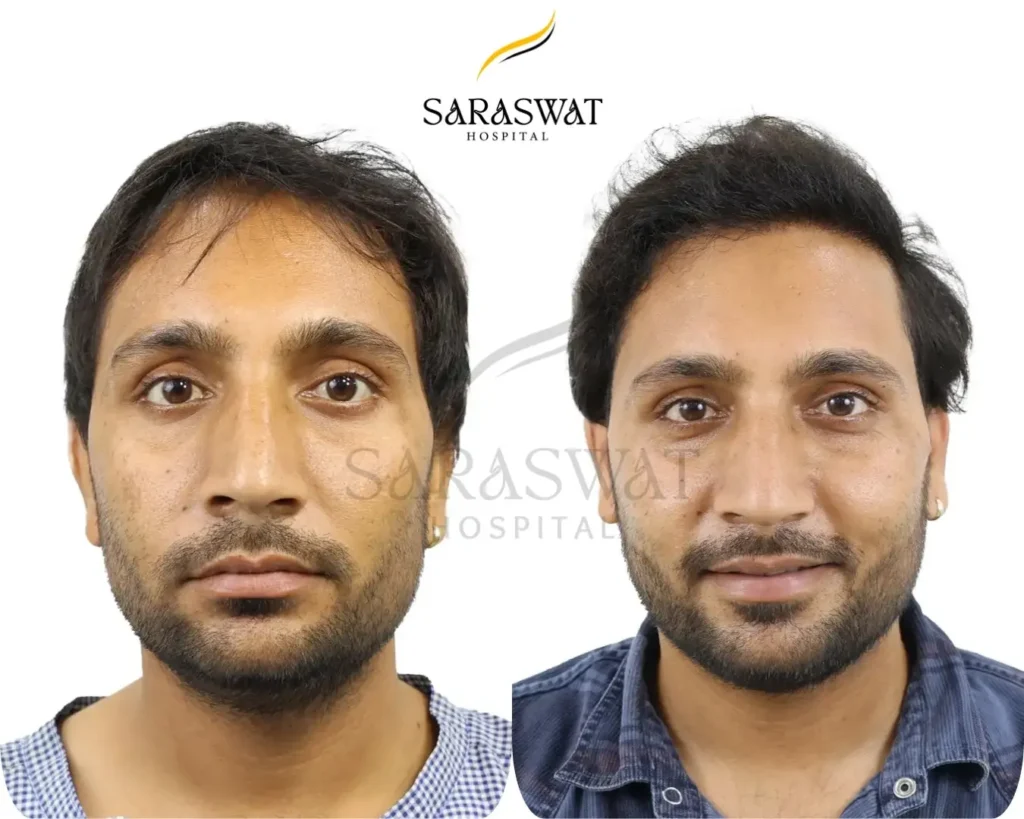
Hair Transplant Before and After

Why Patients Consider India a Global Leader in Hair Transplants

India leads the world in the current scenario by delivering the best hair transplant outcomes with affordability. Internationally certified surgeons from ABHRS (American Board of Hair Restoration Surgery) and ISHRS (International Society of Hair Restoration Surgeons) associations and advanced clinics with the latest and advanced techniques attract global trust. When chosen wisely, results match international standards.

Conclusion

You should never rush when selecting a hair transplant clinic. Instead, research thoroughly, proceed with patience, and seek clarity to achieve success. Therefore, choose wisely, and you will get your desired result. Book an appointment and let us guide you through your hair restoration journey.

Follow us on:- Facebook, Instagram, Pinterest, YouTube

Medical Disclaimer →

This article is for informational purposes only and does not constitute medical advice. Plastic, cosmetic, and laser treatments — including AI-assisted previews such as those generated by the Peek AI™ app — carry risks and results vary by individual. Always consult a licensed medical professional before undergoing any procedure.

Is Hair Transplant 100% Successful? - Risks, Tips & Success Rate
Medically Reviewed By Dr. Satya Saraswat, MBBS, MS, MCh, DNB (Gold Medalist) | Last updated: April 11, 2026

Clinical data indicate that no surgical procedure carries a guaranteed 100% success rate, though modern hair restoration achieves 95% to 98% graft survival. These high percentages depend on the viability of the harvested follicles and the surgical environment provided by the clinic. Patients must distinguish between “hair growth” and “aesthetic density,” as the former is nearly guaranteed while the latter depends on donor supply. Achieving these outcomes requires an understanding of how follicles behave once moved.

How Do Hair Follicles Survive Transplantation?

Donor dominance is the biological principle that allows transplanted hair to grow permanently in balding areas. Follicles taken from the back and sides of the scalp are genetically programmed to resist Dihydrotestosterone (DHT), the hormone responsible for androgenetic alopecia. Once integrated into the recipient site’s blood supply, these follicles continue their natural growth cycle indefinitely. This survival mechanism is the foundation of long-term restoration, yet its efficacy is influenced by external variables.

What Factors Determine Hair Transplant Success?

Donor hair density and the expertise of the surgical team are the primary determinants of a successful hair transplant outcome. Surgeons like Dr. Satya Saraswat, an ABHRS-certified diplomate, utilize microscopic dissection to ensure graft integrity during handling. High-quality donor hair provides better coverage, while poor donor management can lead to “over-harvesting,” which depletes future reserves. Following clinical protocol is essential to maintain these grafts, especially when choosing between extraction methods.

Is Hair Transplant 100% Successful?

FUE vs FUT Graft Survival Rates

Follicular Unit Extraction (FUE) and Follicular Unit Transplantation (FUT) offer distinct advantages regarding graft yield and scarring. FUE involves individual follicle harvesting, resulting in tiny circular scars and a faster recovery time for active patients. FUT involves a strip of tissue, often providing a higher volume of grafts for advanced stages of baldness. Both techniques achieve similar survival rates when transection—the accidental cutting of the follicle—is kept below 5%. This technical precision directly dictates the density visible during the final stages of growth.

FeatureFUE (Follicular Unit Extraction)FUT (Follicular Unit Transplantation)
Harvesting MethodIndividual unitsLinear strip
ScarringMinimal/Dot-likeLinear
Graft VolumeModerateHigh
Recovery Time3–5 Days10–14 Days

When Will I See Final Results?

The biological timeline for hair maturation requires 9 to 12 months for full aesthetic impact. Patients typically experience “shock loss,” where transplanted hairs shed within the first month, before entering the anagen (growth) phase around month four. Visible improvements in thickness and texture continue until the one-year mark. Understanding this timeline prevents premature concern regarding surgical efficacy.

What Are the Risks of Hair Restoration?

Post-operative complications are rare but may include temporary edema (swelling), folliculitis, or minor site infection. Adhering to a strict aftercare regimen, such as sleeping with the head elevated and avoiding strenuous exercise for 14 days, significantly reduces these risks. Patients should avoid smoking and alcohol during the initial healing phase to ensure optimal blood flow to the newly implanted grafts. High-level care post-surgery is the final step in ensuring the longevity of the procedure.

Key Factors That Influence Success Rates

Different factors affect the final outcome. A few major ones include:

  • Donor Area Health
  • Surgeon’s Experience
  • Patient Lifestyle and Expectations

How Modern Techniques Improve Outcomes

Today’s hair transplant techniques are far more advanced than older methods. They produce natural results. They also reduce healing time. Two major techniques include:

  • FUE (Follicular Unit Extraction) offers minimal scarring. Recovery is faster.
  • FUT (Follicular Unit Transplantation) is ideal for people who need more grafts.

Both methods deliver excellent success rates when performed correctly.

Find the Correct Answer

No, if anyone is telling you that a hair transplant is 100% successful, then they are wrong. However, with the latest advancements and by choosing top surgeons, you can get a success rate of 95% to 98%. For growth, patients generally start to see visible growth after 3-4 months, and the complete result will take about 12 months.

How to Get the Best Results?

People with stable hair loss often see the best results. A healthy donor area helps a lot. Early treatment leads to better coverage. Patients who follow aftercare instructions get the best hair transplant results.

Hair Transplant Before and After

Possible Risks and Limitations

Although safe, a hair transplant is still a medical procedure. Minor risks include:

  • Temporary swelling
  • Mild discomfort
  • Slight infection risk
  • Uneven growth in rare cases

How to Improve Your Success Rate

Patients can maximize their results by following these aftercare tips:

Aftercare Tips

  • Take medications that are prescribed.
  • Avoid touching your transplanted area.
  • Sleep with your head elevated.

What Patients Should Avoid

  • Avoid smoking.
  • Avoid alcohol for a few days.
  • Avoid heavy workouts.
  • Avoid sun exposure.

Conclusion

Hair transplant procedure is the most effective solution for hair loss. Still, most people remain doubtful about the result because everyone wants complete and guaranteed results. In medical treatment, no procedure can promise a perfect outcome.

Nevertheless, modern transplant methods in India consistently deliver natural-looking growth and exceptional outcomes. Thanks to highly skilled surgeons, the latest advanced technology, and proper aftercare, success rates are extremely high—typically above 95%.

FAQs

1. When can I see the full hair transplant result?

Full results usually appear within 12 months. Initial growth begins around 3–4 months.

2. Are hair transplant results permanent?

Yes. The transplanted follicles are resistant to DHT. They continue growing permanently.

3. Does the hair transplant procedure hurt?

Mild discomfort may occur for a couple of minutes as local anesthesia minimizes pain.

4. Can anyone get a hair transplant?

Most people qualify. However, donor area health must be evaluated before treatment. For a better assessment, consult a qualified hair transplant surgeon.

Follow us on:- Facebook, Instagram, Pinterest, YouTube

Medical Disclaimer →

This article is for informational purposes only and does not constitute medical advice. Plastic, cosmetic, and laser treatments — including AI-assisted previews such as those generated by the Peek AI™ app — carry risks and results vary by individual. Always consult a licensed medical professional before undergoing any procedure.

Top Hair Transplant Clinics in India
Medically Reviewed By Dr. Satya Saraswat, MBBS, MS, MCh, DNB (Gold Medalist) | Last updated: April 11, 2026

Hair loss has become a concern for millions of people across the world, which can affect confidence. Fortunately, the latest techniques offer long-lasting results. Many people are choosing India for hair transplants due to the skill and expertise of the surgeons and affordable treatment options compared to other countries. Whether you choose FUE, FUT, or any other technique, the top hair transplant clinics in India offer the best procedure to support your transformation. To help you make a better judgment, clinics also showcase their hair transplant before and after results.

Top Hair Transplant Clinics in India

Is a Hair Transplant Permanent?

Hair restoration results are considered permanent because transplanted follicles are harvested from the occipital “safe zone,” which is genetically resistant to Dihydrotestosterone (DHT). Modern techniques such as Follicular Unit Excision (FUE) and Follicular Unit Transplantation (FUT) maintain graft survival rates more than 95% (1). Patients often observe final growth patterns 9 to 12 months post-procedure, with individual hairs continuing their natural growth cycle indefinitely. High success depends on selecting a clinic that adheres to ISHRS-certified extraction and storage protocols. Precision in these early stages determines the specific candidacy for India’s leading medical facilities.

List of Top Hair Transplant Clinics in India (2025-2026)

1. Saraswat Hospital – Agra

Saraswat Hospital utilizes ABHRS-certified expertise and Artificial Intelligence to deliver high-density results with a 95-98% success rate. The clinic is led by Dr. Satya Saraswat (FISHRS) and Dr. Preeti Saraswat (ABHRS), focusing on artistic hairline design and strict sterilization protocols.

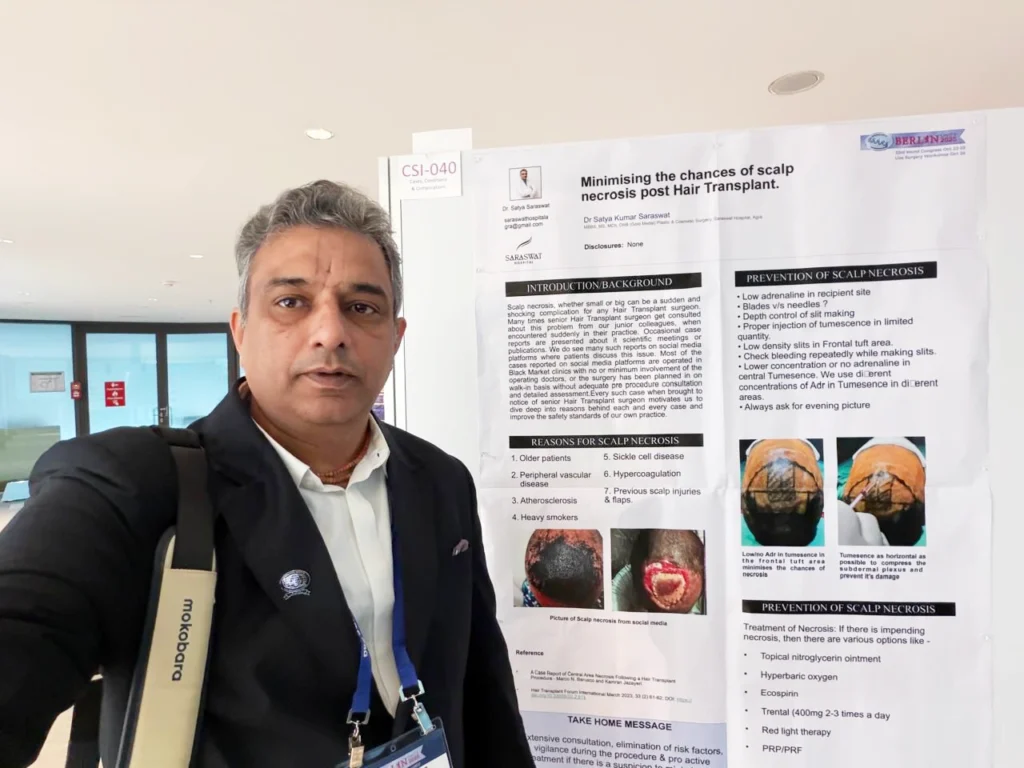
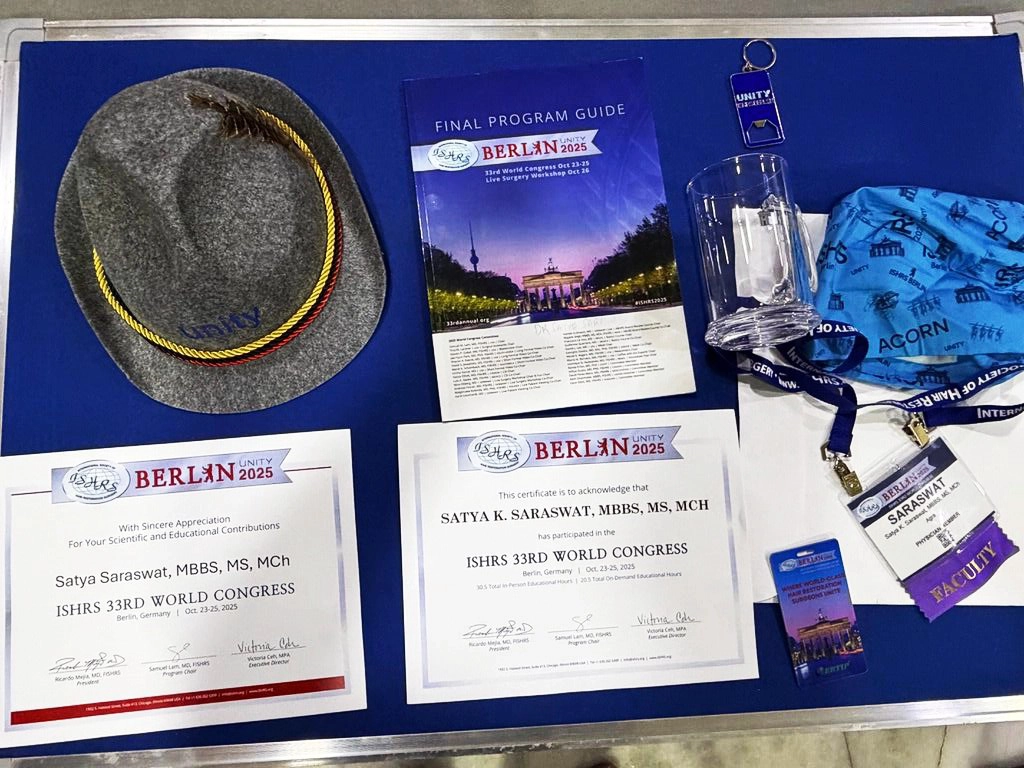
The hospital has a tool called the Saraswat Hospital Peek AI App, which you can download from the Google Play Store and iOS App Store. This application uses AI for the creation of before-and-after previews for the patients. It also consists of a hair quiz, which helps doctors understand the hair condition of the patient so that they can choose a suitable treatment option for the patient’s hair loss. Dr. Satya Saraswat recently attended the 33rd ISHRS World Congress on 23-25 October 2025, which was held in Berlin, Germany, where he represented India and presented his work on AI in hair transplantation.

2. Rejuvenate Hair Transplant Centre

Rejuvenate provides hair restoration through FUE and Body Hair Transplant (BHT) under the guidance of Dr. Anil Garg and Dr. Seema Garg. The center is recognized for its personalized approach to affordable hair restoration.

3. Chandra Hair Clinic

Chandra Hair Clinic focuses on high-precision graft placement and ethical surgical practices to achieve natural density. They prioritize detailed patient consultations to set realistic growth expectations.

4. Crown Hair Transplant, Delhi

Dr. Mayank Singh (FISHRS) leads this Delhi-based facility, which follows international safety protocols for premium hair restoration. The clinic is noted for its modern infrastructure and safety-first surgical environment.

5. Eugenix Hair Sciences

Eugenix Hair Sciences specializes in “Direct Hair Transplantation” (DHT) to ensure faster recovery and high-density results. Their methodology reduces the time grafts spend outside the body to maximize survival.

6. Enhance Clinics

Enhance Clinics, founded by Dr. Manoj Khanna, operates as a distinguished chain specializing in large-scale “mega sessions” for advanced hair loss. The group integrates cosmetic dermatology with surgical restoration.

7. AK Clinics

Dr. Kapil Dua, a past president of ISHRS, leads AK Clinics with a focus on minimally invasive methods and comprehensive patient support. The clinic is highly regarded for its evidence-based clinical outcomes and surgical training.

8. Medispa Hair Transplant Clinic – Delhi & Jaipur

Medispa is known for the “FUE + FUT” combination technique, which maximizes graft yield for patients with extensive baldness. Dr. Suneet Soni oversees refined hairline designing in hygienic operating theaters.

9. Venkat Center for Aesthetic Health, Bengaluru

Venkat Center is directed by FISHRS surgeon Dr. Venkatraman Mysore, offering advanced FUE and FUT treatments. The center maintains international standards of expertise in aesthetic health and hair restoration.

10. Darling Buds Clinic – Chandigarh

Dr. Tejinder Bhatti leads Darling Buds, a clinic specializing in the FUE technique and patient education via social media. The facility is a popular destination for both local and international patients seeking quality restoration.

These facilities utilize specific diagnostic technologies to predict the volume of donor follicles required for optimal coverage.


What is the Hair Transplant Cost in India?

The average cost of a hair transplant in India ranges from ₹35,000 to ₹3,90,000, depending on the total graft count and technique used. Extraction complexity determines the total price, with per-graft rates typically ranging from ₹30 to ₹120. Comparative data shows that India remains a primary destination for medical tourism as costs are approximately 70-80% lower than in the US or UK.

No. of GraftsCost in ₹ & $
1500₹35,000 – ₹1,40,000 ($395 – $1571)
2000₹60,000 – ₹1,90,000 ($675 – $2135)
2500₹65,000 – ₹2,10,000 ($730 – $2357)
3000₹90,000 – ₹2,40,000 ($1010 – $2695)
3500₹1,05,000 – ₹2,50,000 ($1179 – $2806)
4000₹1,20,000 – ₹3,20,000 ($1347 – $3590)
4500₹1,35,000 – ₹3,50,000 ($1515 – $3929)
5000₹1,50,000 – ₹3,90,000 ($1685 – $4377)

How to Verify Clinic Safety Standards?

Patients must verify that the operating surgeon is certified by the International Society of Hair Restoration Surgery (ISHRS) or the American Board of Hair Restoration Surgery (ABHRS). Ethical clinics ensure that a qualified doctor, not a technician, performs the critical steps of graft extraction and site creation. Verification of sterilization protocols and the use of advanced graft storage media are essential for preventing infections and ensuring high survival rates.

Dr. Saraswat’s Choice for the Clinics (Apart from ourselves):

1. Rejuvenate Hair Clinic

2. ⁠Enhance Hair Clinic by Dr. Manoj Khanna 

3. ⁠Eugenix Hair Sciences

4. ⁠AK Clinic 

5. ⁠Medilinks 

6. ⁠Medispa 

7. ⁠Chandra Hair Clinic

Conclusion

People choose the hair transplant clinics in India because they use the best technology and deliver consistent, natural outcomes. Whether you are choosing Saraswat Hospital in Agra, Medispa, Enhance, or Darling Buds, each clinic should provide you with the best possible care. Before choosing, research thoroughly, compare options, and consult with the certified surgeons. For more info about hair transplants, book a consultation with us.

Sources:

(1) Modern techniques such as Follicular Unit Excision (FUE) and Follicular Unit Transplantation (FUT) maintain graft survival rates more than 95%. (PubMed Central)

Follow us on:- Facebook, Instagram, Pinterest, YouTube

Medical Disclaimer →

This article is for informational purposes only and does not constitute medical advice. Plastic, cosmetic, and laser treatments — including AI-assisted previews such as those generated by the Peek AI™ app — carry risks and results vary by individual. Always consult a licensed medical professional before undergoing any procedure.
33rd ISHRS World Congress in Berlin | Saraswat Hospital
Medically Reviewed By Dr. Satya Saraswat, MBBS, MS, MCh, DNB (Gold Medalist) | Last updated: April 11, 2026

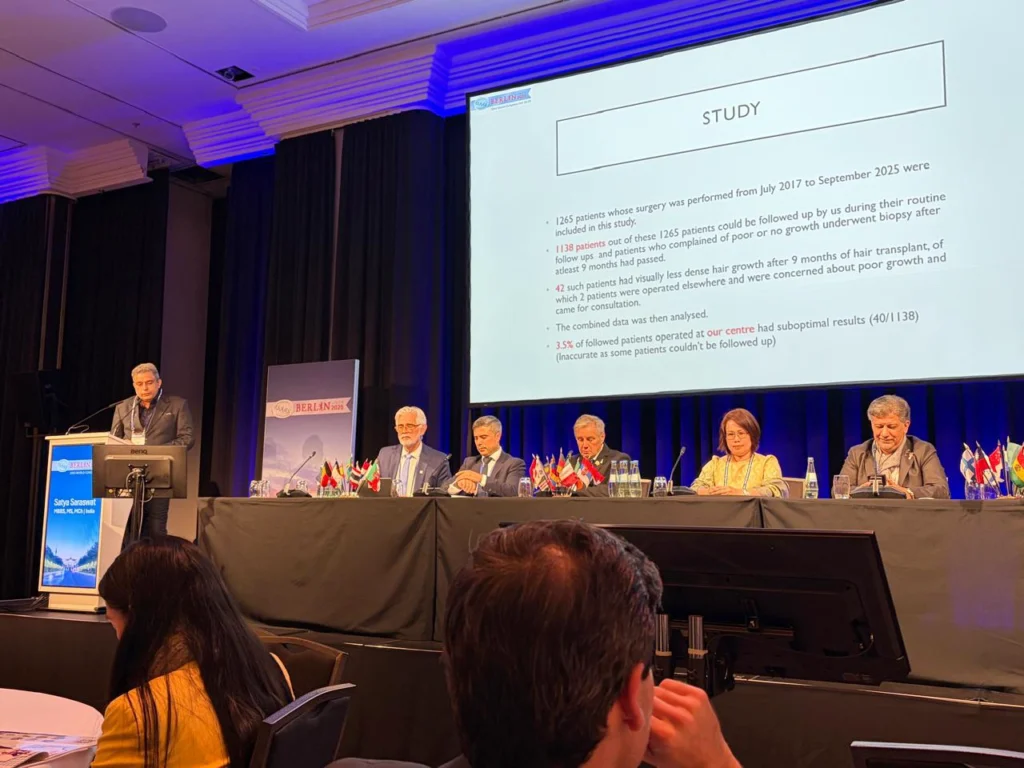
When the 33rd ISHRS World Congress was held in Berlin, Germany, on October 23-25, 2025, the global hair restoration community converged to share their insights, new inventions, and their experiences to elevate the science of hair transplantation. Among the distinguished and respected delegates, the only delegate to represent India was Dr. Satya Saraswat of Saraswat Hospital, who presented multiple high-impact presentations, such as a study on “AI in Hair Transplantation” and leadership contributions.

What Happened at ISHRS Berlin 2025?

The 33rd ISHRS World Congress convened 972 hair restoration specialists from 71 countries in Berlin between October 23 and 25, 2025. This international assembly focused on the theme of “Unity,” utilizing AI-driven live translation for over 60 languages to facilitate global knowledge sharing. Clinical sessions emphasized evidence-based protocols and standardized surgical outcomes across different ethnicities.

Global collaboration at this scale ensures that surgical techniques remain uniform, leading to the specific involvement of leading surgeons from Southeast Asia.

Who Represented India at ISHRS 2025?

Dr. Satya Saraswat served as the sole representative from India invited to present multiple scientific studies at the 33rd ISHRS World Congress. His contributions included leadership of specialized “Coffee Table” sessions and the presentation of peer-reviewed posters regarding surgical safety. His presence confirms India’s position as a primary contributor to global hair restoration standards. Scientific contributions by national representatives often focus on high-technology integrations such as machine learning and automation.

Dr. Satya Saraswat’s Contributions at the ISHRS World Congress 2025

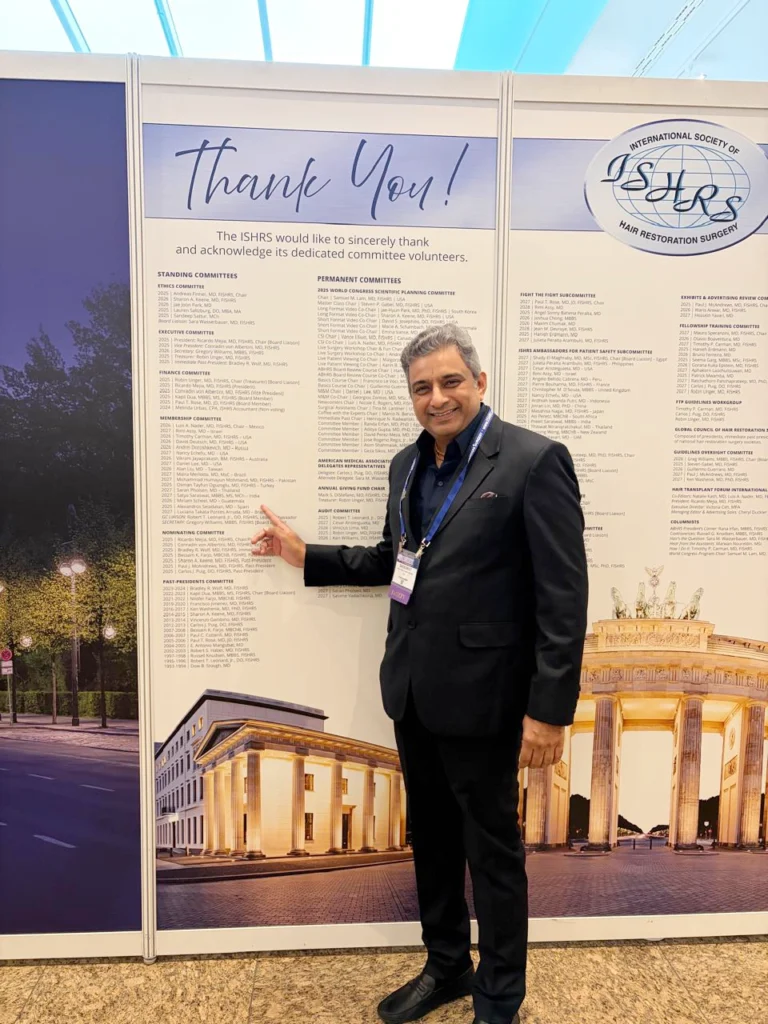
Dr. Satya Saraswat at 33rd ISHRS World Congress in Berlin,

1. How Does AI Improve Hair Transplants?

Artificial Intelligence (AI) in hair restoration currently assists surgeons in calculating donor density and optimizing graft distribution patterns. Dr. Satya Saraswat delivered a formal study in Berlin regarding the implementation of AI in hair transplantation to improve precision. These technologies reduce human error and improve the predictability of the final hairline density.

Dr. Satya Saraswat at 33rd ISHRS World Congress in Berlin, Germany
Dr. Satya Saraswat Presenting Study on AI in Hair Transplantation

2. Co-leader of the Coffee Table Session on AI

In addition to his Study on AI in hair transplantation, Dr. Saraswat was also the Co-leader of the Coffee Table Session, which is also on “AI in hair transplantation”.

Dr. Satya Saraswat Was the Co-leader of the Coffee Table Session on AI in 33rd ISHRS Berlin.
33rd ISHRS World Congress

3. Why Perform Biopsies for Poor Growth?

Histopathological biopsy is a required diagnostic step when a patient experiences suboptimal hair growth 9 to 12 months after a transplant. Dr. Saraswat presented a scientific paper on the “Role of Biopsy in Suboptimal Growth After Hair Transplant” at the congress, highlighting how biopsy can identify underlying inflammatory conditions that hinder graft survival.

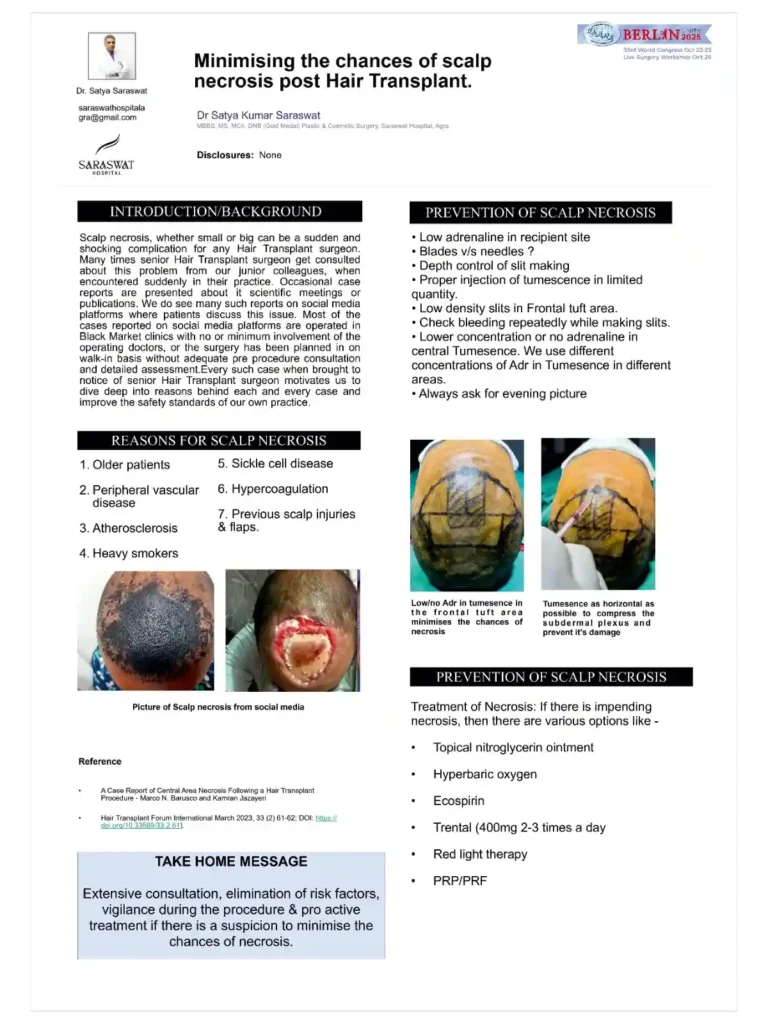
He also presented A poster on “Minimising the chances of Scalp Necrosis post Hair Transplant”.

Dr. Satya Saraswat
Dr. Saraswat presented a poster on how to prevent scalp necrosis in hair transplant

4. Fellowship of ISHRS (FISHRS)

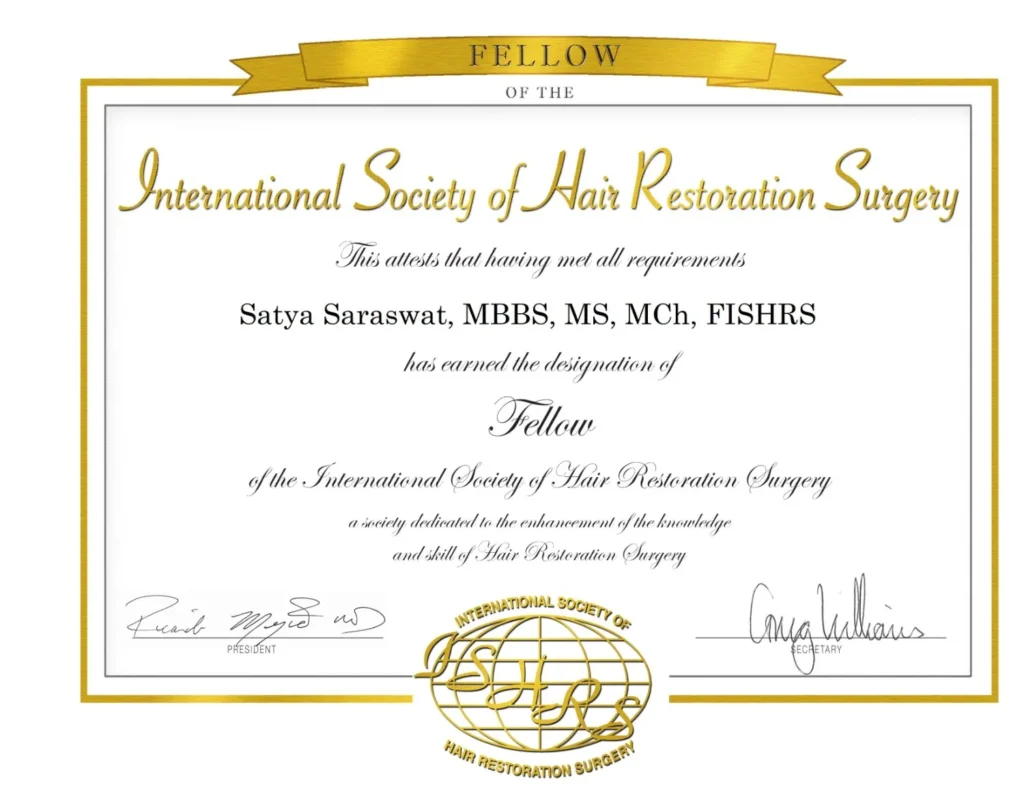
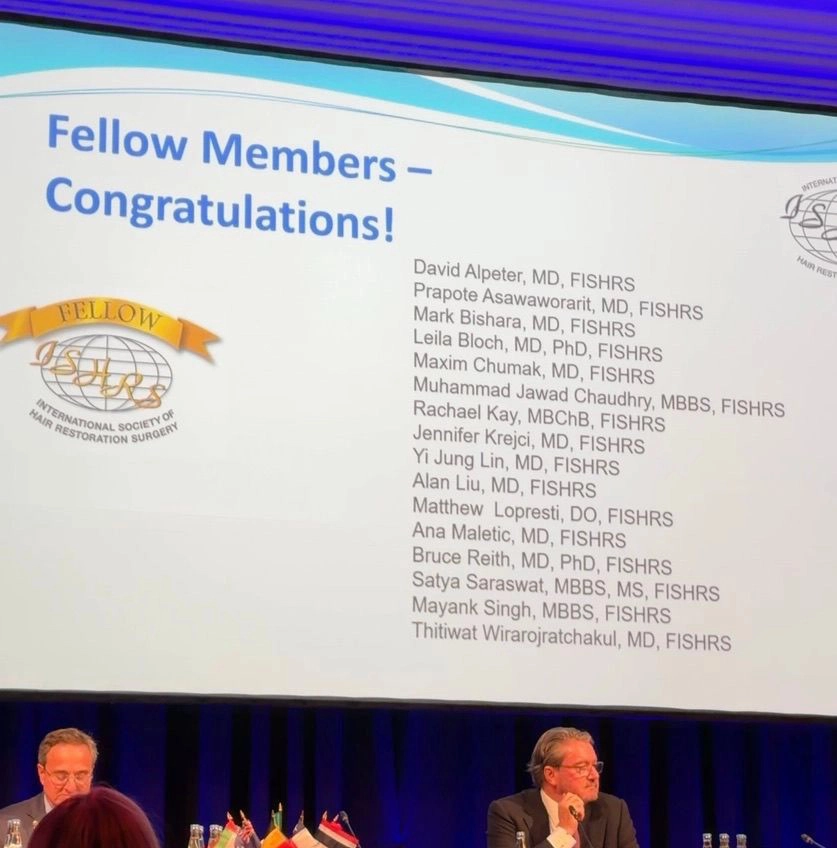
Dr. Saraswat has also earned a prestigious recognition as a Fellow of the ISHRS (FISHRS), which is currently held by only 141 surgeons worldwide.

Fellow of the International Society of Hair Restoration Surgery (FISHRS) | Dr. Satya Saraswat

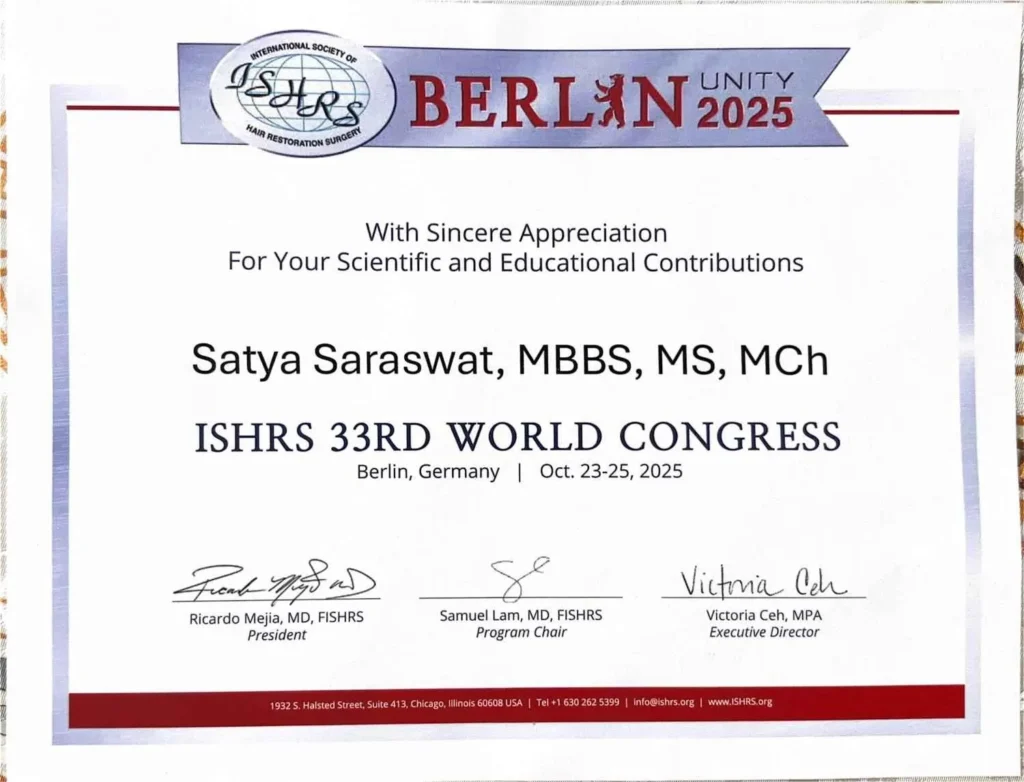
5. Certification of Participation and Appreciation

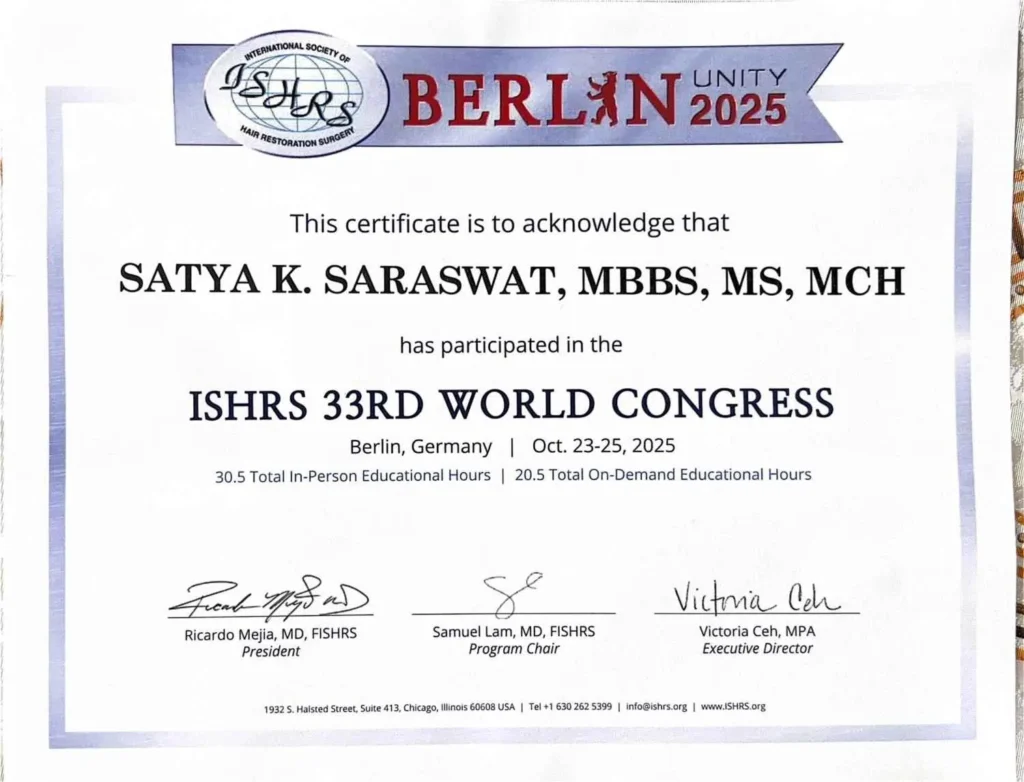
Dr. Satya Saraswat was also acknowledged with the Certificate of Participation at the 33rd ISHRS World Congress in Berlin, Germany.

Certification of Participation at 33rd ISHRS world Congress in Berlin
Certification of Appreciation at 33rd ISHRS world Congress in Berlin

View More Participation and Certification of Dr. Satya Saraswat

What is a Fellow of the ISHRS?

The FISHRS (Fellow of the International Society of Hair Restoration Surgery) is a prestigious designation currently held by only 141 surgeons worldwide. This title requires a consistent record of scientific publications, leadership in the field, and adherence to strict ethical standards.

How to Prevent Scalp Necrosis in Surgery?

Scalp necrosis prevention depends on maintaining adequate blood supply to the recipient site through controlled graft spacing and vascular monitoring. Dr. Satya Saraswat presented a poster in Berlin detailing surgical maneuvers that minimize pressure on the scalp tissue during high-density packing. These protocols are essential for patient safety in large-session hair restorations.

Why this Conference Matters For Doctors Worldwide

More Natural Outcomes

The conference helped the surgeons get more information, the latest technologies, and different strategies that help in delivering natural results to the patients.

India on the Global Map

Dr. Satya Saraswat’s active representation in several ISHRS world congress conferences shows his dedication to hair transplantation. Dr. Saraswat’s presence at the world congress shows that India is not just a destination for tourism but also a contributor to global hair transplant excellence. Patients looking for the best hair transplant surgeon in India can look at Dr. Satya Saraswat and take confidence. 

Clinic Advantage for Saraswat Hospital

Such conferences not only promote the exchange of knowledge but also strengthen the bond between the patient and doctors. We continue to integrate international expertise with the latest technologies. This ensures that the patients get the best hair transplant in India.

Future Insights from the Conference

As a result, these experiences translate into immediate, tangible benefits for patients seeking advanced hair restoration treatments.

Nearly a thousand specialists from over seventy countries gathered together. This vibrant marketplace of ideas is now establishing groundbreaking standards. Evidence-based protocols and enduring collaborative networks will profoundly shape the future of hair transplant care worldwide in the coming years.

Dr. Satya Saraswat (MBBS, MS, FISHRS)

Conclusion

The 33rd ISHRS World Congress in Berlin marked a significant milestone for global hair restoration. It brings together experts, techniques, and technologies under one roof. Dr. Satya Saraswat’s active participation — as study presenter, session co-leader, paper and poster author, and fellow of ISHRS — reinforces his reputation. Book an appointment to learn more about the use of AI in hair transplantation.

Follow us on:- Facebook, Instagram, Pinterest, YouTube

Medical Disclaimer →

This article is for informational purposes only and does not constitute medical advice. Plastic, cosmetic, and laser treatments — including AI-assisted previews such as those generated by the Peek AI™ app — carry risks and results vary by individual. Always consult a licensed medical professional before undergoing any procedure.
Standard Guidelines for Hair Transplants in India For Clinics
Medically Reviewed By Dr. Satya Saraswat, MBBS, MS, MCh, DNB (Gold Medalist) | Last updated: April 11, 2026

Hair restoration has become more prominent nowadays. Therefore, patient safety becomes the priority, and for that, we must follow standard guidelines for hair transplants in India. The authorities have set some medical and surgical guidelines that every clinic and surgeon should maintain for better patient outcomes.

Purpose of the Guidelines for Hair Transplants

The only purpose of these guidelines for hair transplants is to make clinics adopt a structured approach. These rules ensure that each hair transplant clinic provides the best service to the patient at each step, from consultation to post-procedure care. It also helps clinics to avoid any complications and achieve natural outcomes. By following these sets of rules, clinics maintain an international standard of care.

The National Medical Commission (NMC) of India mandates that hair transplantation be treated as a major surgical procedure requiring a sterile operating theater environment. These regulations serve to standardize patient safety across all hair restoration clinics by requiring life-saving equipment, such as crash carts and defibrillators, to be present during the procedure. These safety protocols are initiated long before the surgery begins through rigorous diagnostic screening.

What Clinical Screening Ensures Transplant Safety?

Surgeons use trichoscopy and blood chemistry panels to identify contraindications like Alopecia Areata or Lichen Planopilaris. Clinical guidelines require a detailed assessment of the Donor-to-Recipient ratio to ensure that the patient has sufficient lifetime follicles for future thinning. This data-driven assessment determines the eligibility of the patient and informs the legal requirement for surgeon credentials.

Who is Legally Qualified for Hair Transplant Surgery?

Indian law strictly dictates that hair restoration must be performed by a board-certified Plastic Surgeon (MCh/DNB) or a Dermatologist (MD/DNB) (1). The guidelines prohibit technicians or non-medical staff from performing the “surgical” aspects of the procedure, including slit-making or graft extraction. Beyond the surgeon’s degree, the environment where they operate must meet specific sterility benchmarks to ensure graft viability.

Does OT Sterilization Impact Graft Survival?

Maintaining a sterile field and a controlled temperature for harvested grafts is critical to preventing ischemia-reperfusion injury. Grafts stored in specialized holding solutions like HypoThermosol show significantly higher survival rates than those kept in standard saline (2). Precise sterilization of punches and forceps further reduces the risk of folliculitis, which is essential for preserving the donor area’s health.

How to Avoid Donor Area Overharvesting?

Surgical guidelines recommend extracting no more than 20% to 25% of the available follicular units in the permanent donor zone to avoid visible thinning (3). Overharvesting leads to permanent “moth-eaten” scarring and eliminates the possibility of a second procedure if hair loss progresses (4). Protecting the donor area is a core ethical pillar that influences how clinics present their pricing and graft counts.

FeatureGuideline StandardRisk of Non-Compliance
Extraction Limit<25% of donor densityPermanent donor scarring
Graft Storage4 degree celcius in ATP/SalineLow graft survival/Yield
Surgeon DegreeMCh or MD (Derm)Legal penalties/Patient risk

How is Hair Transplant Pricing Regulated?

Ethical guidelines require clinics to provide an all-inclusive, transparent breakdown of hair transplant costs per graft or per session before the patient signs the consent form. This transparency prevents “hidden” charges for post-operative medications or necessary follow-up sessions. Clear financial planning ensures that the patient focuses entirely on the clinical recovery and long-term results.

Learn more about our lead hair transplant surgeons

Other Important Guidelines for Hair Transplants

Surgeons must follow these ethical and legal parameters in addition to the hair transplant guidelines:

  • The Clinic has to be registered under the relevant medical authority.
  • All the equipment should be used by trained professionals.
  • Clinics need to use real results in their advertisement.
  • Information and images of patients can be used only after written consent.

Adherence to these guidelines for hair transplantation upholds integrity in this professional field and provides the best possible experience for the patients.

Influence of These Guidelines on Patient Satisfaction

If clinics adhere to the principles of hair transplantation, then these clinics are able to maintain a higher degree of satisfaction amongst their patients. The successful hair transplant before and after results are proof that the clinic is following all the above guidelines.

Guidelines for Hair Transplants in India

Conclusion 

These are the essential guidelines for hair transplants in India. If a clinic and surgeon follow these guidelines, you can get a safe procedure and the best results for your hair transplant. We achieve the desired level of excellence and lasting confidence through these standards, from the initial consultation to after-surgery care.

Sources:

(1) Indian law strictly dictates that hair restoration must be performed by a board-certified Plastic Surgeon (MCh/DNB) or a Dermatologist (MD/DNB). (The National Medical Commission of India)
(2)
Grafts stored in specialized holding solutions like HypoThermosol show significantly higher survival rates than those kept in standard saline. (ISHRS FORUM)
(3)
Surgical guidelines recommend extracting no more than 20% to 25% of the available follicular units in the permanent donor zone to avoid visible thinning. (PubMed Central)
(4)
Overharvesting leads to permanent “moth-eaten” scarring and eliminates the possibility of a second procedure if hair loss progresses. (ISHRS FORUM)

FAQs

1. How important are these hair transplant guidelines?

Following these guidelines ensures the safety of the patient. Another thing, they also help maintain professional ethics and avoid surgical complications.

2. What are the rules for hair transplant in India?

Indian law strictly dictates that hair restoration must be performed by a board-certified Plastic Surgeon (MCh/DNB) or a Dermatologist (MD/DNB).

3. Do guidelines affect the final outcome?

Yes. Adherence to the guidelines concerning the transplant of hair ensures natural design, graft survival, and long-lasting results, meeting patient expectations.

4. What happens 20 years after a hair transplant?

You may face hair loss, but hair transplant longevity can last for 20 years after the surgery. The transplanted hair usually grows back and is very healthy. The transplanted hair requires constant care.

5. What are the signs of infection after a hair transplant?

You should watch out for redness, swelling, excessive crusting, or unusual warmth around the grafts. Consult your surgeon immediately if you face any of the following signs.

Follow us on:- Facebook, Instagram, Pinterest, YouTube

Medical Disclaimer →

This article is for informational purposes only and does not constitute medical advice. Plastic, cosmetic, and laser treatments — including AI-assisted previews such as those generated by the Peek AI™ app — carry risks and results vary by individual. Always consult a licensed medical professional before undergoing any procedure.
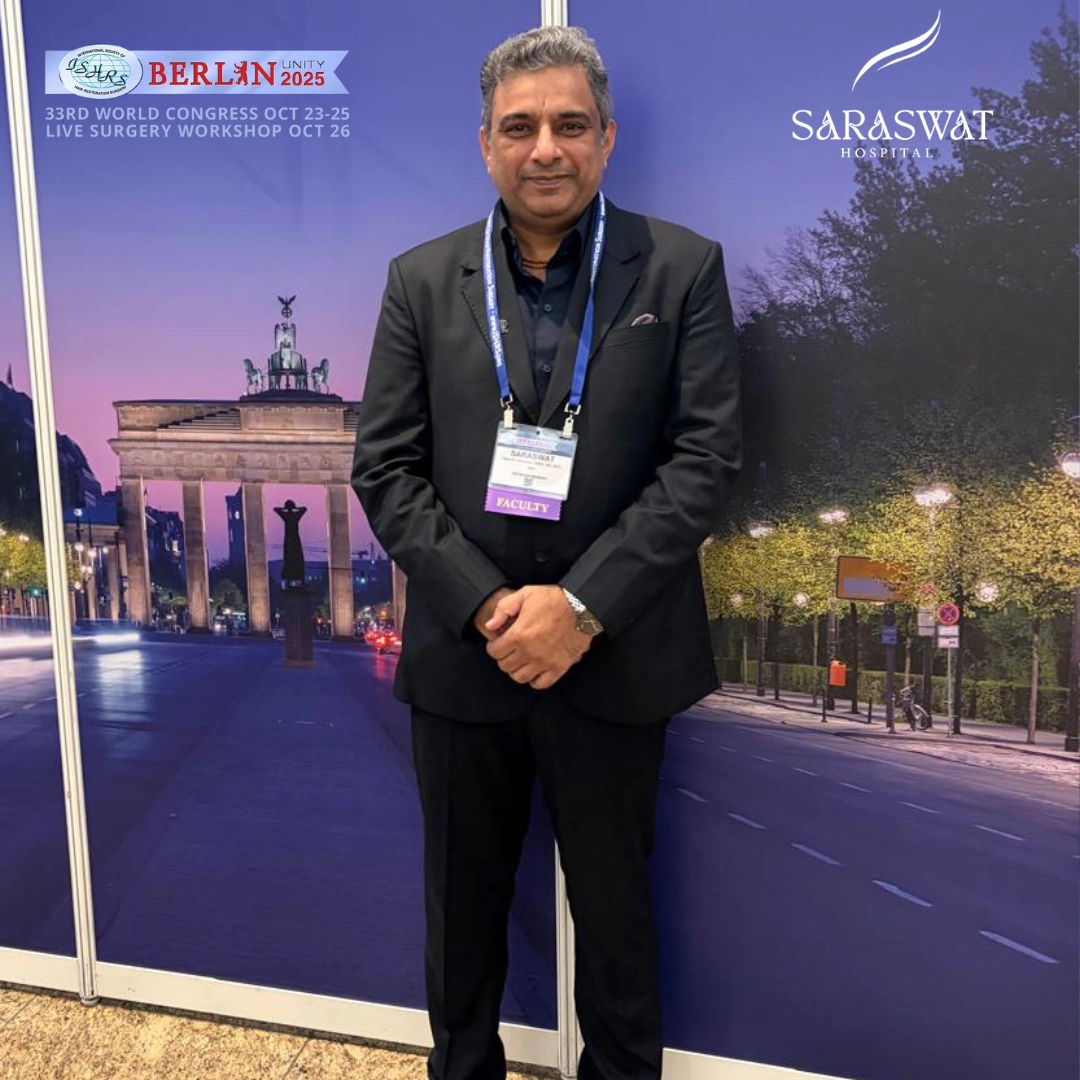
Leading ISHRS & AHRS Hair Transplant Association India Member
Medically Reviewed By Dr. Satya Saraswat, MBBS, MS, MCh, DNB (Gold Medalist) | Last updated: April 13, 2026

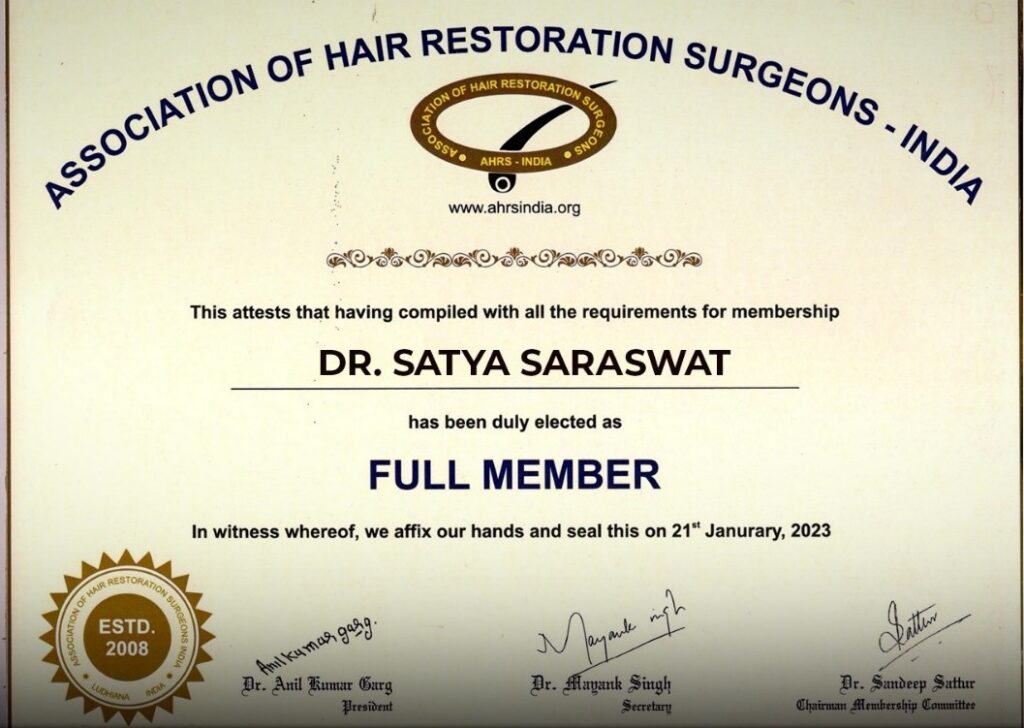
When it comes to world-class hair restoration, finding a trusted and qualified surgeon is crucial. One surgeon who is reputed in the Indian hair restoration community is Dr. Satya Saraswat (MBBS, MS, MCh, FISHRS, DNB (Gold Medalist). He is a leading member of the Association of Hair Restoration Surgeons (AHRS).

Why Choose an ABHRS Diplomate?

Board certification through the American Board of Hair Restoration Surgery (ABHRS) represents the highest level of professional credentialing in the field. This designation requires surgeons to pass comprehensive written and oral examinations that test clinical knowledge and surgical judgment. Patients selecting a Diplomate receive care from a practitioner who adheres to internationally recognized safety protocols and ethical standards. This foundation of excellence is personified by the leadership at Saraswat Hospital.

Qualifications of Dr. Satya Saraswat

Dr. Satya Saraswat is a Diplomate of the American Board of Hair Restoration Surgery and a Fellow of the International Society of Hair Restoration Surgery (FISHRS). He holds an MBBS, MS, MCh, and DNB (Gold Medalist) in Plastic Surgery, ensuring a deep understanding of facial anatomy and aesthetic proportions. His status as a FISHRS member signifies a career-long commitment to research and the education of fellow surgeons globally. These academic milestones define the clinical rigor applied to every AHRS-sanctioned procedure.

What is AHRS India Membership?

Membership in the Association of Hair Restoration Surgeons (AHRS) India indicates that a surgeon is committed to the advancement of hair restoration science within the country. The AHRS acts as a regulatory body that promotes the exchange of technical data and the maintenance of high surgical standards among its members. Surgeons within this association are required to participate in continuous medical education to stay current with global technological shifts. This membership serves as a primary indicator of a surgeon’s dedication to evolving extraction techniques.

Association of Hair Restoration Surgeons Member | Dr. Satya Saraswat

Advancing FUE and FUT Techniques

Recent clinical data suggest that follicular unit excision (FUE) remains the most sought-after technique due to its minimally invasive nature and rapid recovery times. Dr. Satya Saraswat utilizes advanced graft handling protocols that maintain follicular viability outside the body, leading to higher success rates. His research contributions focus on optimizing donor area management to prevent over-harvesting while maximizing recipient site density. These technical refinements are integrated into the daily operations of his specialized facility.

Specialized Care at Saraswat Hospital

Saraswat Hospital operates as a multidisciplinary center for hair restoration and plastic surgery, established in 2006. The facility is equipped with specialized trichology labs and high-magnification microscopes essential for precise graft dissection. Every treatment plan is evidence-based, utilizing the patient’s specific hair loss classification to determine the most effective surgical or non-surgical intervention. The integration of advanced diagnostic tools ensures that patients receive a predictable outcome based on their unique donor density.

Review the full credentials of our medical team

Clinical Excellence and Global Awards

  • He received the Gold Medal in DNB Plastic Surgery, awarded by the Health Minister of India.
  • Honored by the Governor of Sikkim for his humanitarian work, performing over 50 cases with clefts, burn contractures, hand deformities, and other correctable Plastic surgery deformities.
  • Accredited by Smile Train India for offering free cleft lip and palate surgeries to underprivileged children.
  • Diplomate: American Board of Hair Restoration Surgery (ABHRS)
  • Member of the International Society of Hair Restoration Surgeons (ISHRS)
  • Association of Plastic Surgeons of India (APSI)
  • Indian Medical Association (IMA)
  • Indian Association of Cosmetic Laser Surgeons (IACLS)
  • International Confederation of Cleft Lip & Palate (ICCP)
  • Indian Society for Reconstructive Microsurgery (ISRM)
  • American College of Phlebology (ACP)
  • Association of Surgeons of India (ASI)
  • Diplomate of the National Board of Examinations (Gold Medalist)

Benefits of Board-Certified Surgeons

Certified surgeons provide patients with a lower risk of post-operative complications and higher aesthetic satisfaction. Procedures performed by board-certified specialists have a significantly lower incidence of donor-site scarring compared to those performed by non-specialists. Patients benefit from transparent pricing, ethical consultation processes, and long-term follow-up care. Choosing an experienced AHRS and ISHRS member ensures the use of FDA-approved equipment and sterile surgical environments.

Saraswat Hospital – A Center of Excellence

The hospital was founded by Dr. Satya Saraswat and Dr. Preeti Saraswat in 2006, and is also evolving as one of the best clinics in India for hair restoration and cosmetic procedures.

Best Hair Transplant Clinic in India

Consult a Hair Restoration Expert

Personalized treatment plans at Saraswat Hospital are designed to address the root cause of androgenetic alopecia and other thinning conditions. Dr. Satya Saraswat combines artistic hairline design with medical precision to deliver high-density results that appear natural. The clinic’s adherence to ISHRS and AHRS standards ensures that every patient receives a clinical-grade experience from the initial assessment to the final result.

Conclusion

As a distinguished Association of Hair Restoration Surgeons (AHRS) member, Dr. Satya Saraswat exemplifies surgical precision, compassion, and dedication to excellence. Under his guidance, Saraswat Hospital is reaching global patients due to his continuous innovation in hair restoration. Fill out the online consultation form to learn more about hair transplants.

FAQs

1. What is the Hair Transplant Association of India?

It is the association of the AHRS India, an organization for upholding the highest standards for hair transplants.

2. Why choose a Hair Transplant Association India Member?

A member of any association always maintains strict safety standards and provides real results.

3. What techniques does Dr. Satya Saraswat specialize in?

He specializes in FUE, FUT, and combined FUE + FUT.

4. How much do 3,000 hair grafts cost in India?

The cost of 3000 grafts in India typically costs between ₹90,000 and ₹2,40,000, as it also depends on the clinic and the doctor’s expertise.

5. Can I touch my grafts after 7 days?

One should wait at least 12-14 days after the hair transplant before touching their hair grafts.

Follow us on:- Facebook, Instagram, Pinterest, YouTube

Medical Disclaimer →

This article is for informational purposes only and does not constitute medical advice. Plastic, cosmetic, and laser treatments — including AI-assisted previews such as those generated by the Peek AI™ app — carry risks and results vary by individual. Always consult a licensed medical professional before undergoing any procedure.
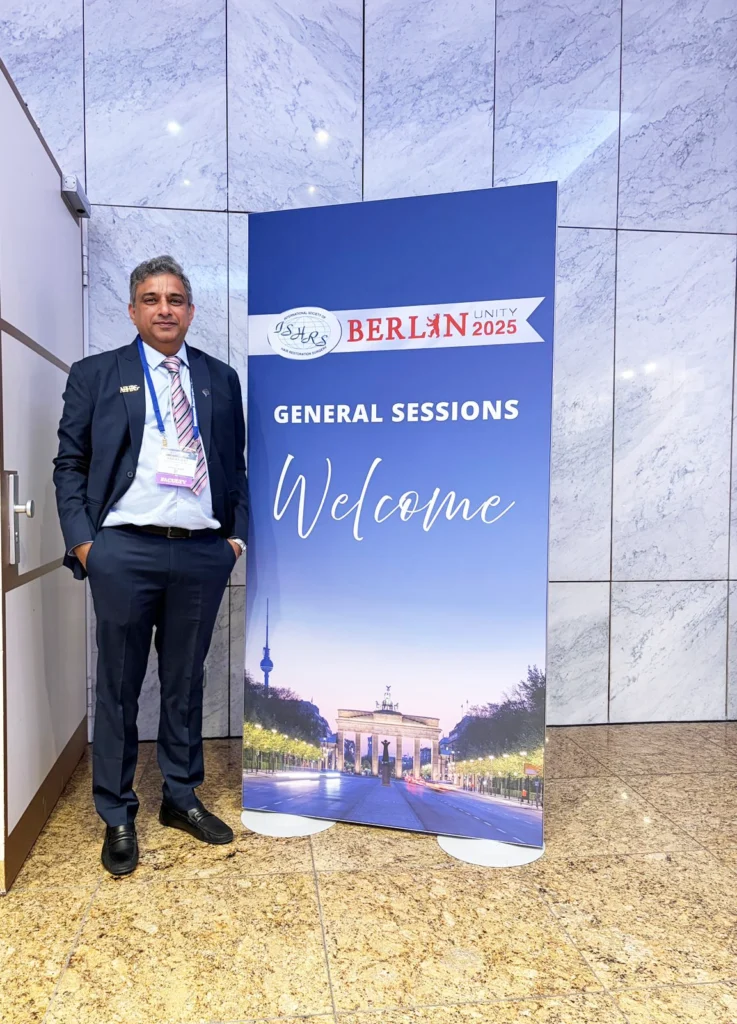
Best Hair Transplant Surgeon in India | Dr. Satya Saraswat (ISHRS)
Medically Reviewed By Dr. Satya Saraswat, MBBS, MS, MCh, DNB (Gold Medalist) | Last updated: April 13, 2026

India is a country with skilled and top hair transplant surgeons, and Dr. Satya Saraswat is one of the respected figures in the hair restoration community. As a cosmetic and plastic surgeon, he has performed thousands of cosmetic and hair transplant procedures. One thing which make his apart from other surgeons is his ethical and patient-centric approach, with the use of advanced equipment, which is the key to providing the best and most natural outcomes.

What Defines a Top Hair Restoration Surgeon?

Board certification and international fellowships serve as the primary indicators of a surgeon’s technical proficiency and ethical standing. Dr. Satya Saraswat holds the Diplomate status from the American Board of Hair Restoration Surgery (ABHRS), a credential held by only a small fraction of practitioners globally. This certification ensures that the surgeon adheres to rigorous safety protocols and stays updated on the latest surgical advancements. Selecting a surgeon with these credentials minimizes the risk of follicular transection and poor aesthetic outcomes. Understanding these qualifications is essential when evaluating specific surgical methods.

How do FUE and FUT Techniques Differ?

Follicular Unit Extraction (FUE) involves the individual removal of follicles, whereas Follicular Unit Transplantation (FUT) requires the excision of a narrow strip of scalp tissue. FUE is preferred for patients who wish to keep their hair short, as it results in microscopic “dot” scars rather than a linear scar. FUT remains a viable option for patients requiring a high volume of grafts in a single session due to its efficiency in donor harvesting. The choice between these methods depends on the patient’s scalp laxity and the required graft count.

FeatureFUE (Follicular Unit Extraction)FUT (Follicular Unit Transplantation)
ScarringDiscrete circular scarsLinear scar in the donor area
Recovery3–5 days for surface healing10–14 days for suture removal
Graft YieldHigh, but time-intensiveMaximum yield for large sessions
SuitabilityBest for small/medium areasBest for advanced baldness

Determining the right technique requires a formal diagnosis of the underlying cause of hair loss.

When is Hair Transplantation Medically Indicated?

Surgical intervention is indicated when non-surgical therapies like Minoxidil or Finasteride fail to arrest hair loss or provide sufficient density. Clinical guidelines suggest that candidates should have a stable donor area and realistic expectations regarding the density of the recipient site. Surgery is often recommended for patients with Grade III to Grade VII hair loss on the Norwood Scale. A thorough consultation rules out temporary conditions like alopecia areata to confirm the patient’s candidacy for hair restoration. These medical indications are directly linked to the biological triggers of thinning.

What Triggers Androgenetic Alopecia and Thinning?

  • DHT-Induced Miniaturization: The primary driver of hair thinning is the sensitivity of follicles to Dihydrotestosterone (DHT), which triggers a progressive reduction in follicle size.
  • Genetic Predisposition: Both maternal and paternal lineages dictate the specific pattern of loss and the chronological age of onset.
  • Secondary Pathological Factors: Hormonal fluctuations, chronic stress-induced cortisol spikes, and clinical deficiencies in iron or protein further exacerbate thinning.
  • Early Diagnostic Value: Prompt identification of these triggers enables a more effective integration of medical and surgical treatment modalities.
  • Specialized Oversight: The complexity of these biological triggers necessitates a surgeon with specialized international training to manage long-term restoration.

Why do FISHRS and ABHRS Credentials Matter?

The Fellow of the International Society of Hair Restoration Surgery (FISHRS) title is a recognition of a surgeon’s long-term commitment to the field and clinical excellence. Dr. Satya Saraswat (MBBS, MS, MCh, FISHRS, DNB (Gold Medalist) achieved this fellowship at the 33rd ISHRS World Congress in Berlin in 2025, marking him as a leader in global hair restoration standards. These organizations mandate continuous medical education (CME), ensuring the surgeon uses the latest evidence-based techniques. Patients benefit from lower complication rates and more natural-looking results when treated by such specialists. Modern clinics now augment this expertise with computational diagnostics.

Fellow of the International Society of Hair Restoration Surgery (FISHRS) | Dr. Satya Saraswat

How Does AI Improve Hair Transplant Planning?

Dr. Satya Saraswat has introduced an application called the Saraswat Hospital Peek AI App. You can download this application from the Google Play Store and the iOS App Store. This app uses artificial intelligence and generates before-and-after hair transplant previews for the patients to visualize their hairline and transformation.

Dr. Satya Saraswat and Dr. Preeti Saraswat have also actively attended various ABHRS and ISHRS conferences, held in different countries, where surgeons from all over the world share their experience and talk about new inventions and technology in hair restoration.

Why Choose Surgery for Hair Restoration?

Medications and therapies can reduce hair loss, but hair transplant surgery can offer you long-term results with a natural-looking hairline. The surgeon performs the procedure under local anaesthesia, making it safe. An experienced and skilled hair transplant surgeon uses the latest and advanced tools, such as the Choi Implanter Pen, for a safe and precise hair transplant procedure.

What is the Postoperative Hair Recovery Timeline?

The recovery process follows a clinical timeline that requires patience and strict adherence to post-operative protocols:

  • Days 12-15: You will experience shedding of hair after 12-15 days of the hair transplant.
  • Weeks 2–4: The initial shedding phase, medically termed telogen effluvium, occurs as transplanted follicles enter a temporary resting state.
  • Months 3–4: New hair shafts typically begin to emerge from the transplanted follicles, marking the start of visible regrowth.
  • Month 6: Patients can expect significant density improvements as the hair count increases and the shafts thicken.
  • Month 12: Final aesthetic results stabilize, revealing the full outcome of the restoration.
  • Graft Survival: Absolute adherence to post-operative care—specifically avoiding strenuous exercise and direct UV exposure—is vital to ensure the long-term viability of the grafts.

Conclusion

Choosing the best hair transplant surgeon and following all the post-procedure care is very crucial for achieving natural and long-term results. An experienced and internationally recognized surgeon will always ensure patient safety and provide you with all the information about hair transplantation. Book an online consultation with our team to learn more about hair transplant and find out how many grafts are required in your case, and get a personalized plan.

Follow us on:- Facebook, Instagram, Pinterest, YouTube

Medical Disclaimer →

This article is for informational purposes only and does not constitute medical advice. Plastic, cosmetic, and laser treatments — including AI-assisted previews such as those generated by the Peek AI™ app — carry risks and results vary by individual. Always consult a licensed medical professional before undergoing any procedure.

How Do I Get The Best Hair Transplant Result? - Key Takeaways
Medically Reviewed By Dr. Satya Saraswat, MBBS, MS, MCh, DNB (Gold Medalist) | Last updated: April 13, 2026

Anyone who considers a hair transplant wants the best result for themselves. However, it requires several points to keep in mind, such as choosing a well-known, experienced surgeon and following the aftercare routine. Patients often look to match their existing hair growth and enhance its appearance. You will get to learn about the key points and factors to get the best hair transplant result possible.

Optimizing Hair Transplant Success Rates

Clinical success in hair restoration is measured by graft survival rates exceeding 90% and the achievement of natural-looking density. High-yield results depend on a combination of surgeon precision, graft hydration, and the physiological health of the recipient’s scalp. Identifying a clinic that prioritizes these clinical metrics is the first step toward long-term restoration.

Evaluating Surgeon Credentials and ABHRS Certification

Board certification by the American Board of Hair Restoration Surgery (ABHRS) or the International Society of Hair Restoration Surgery (ISHRS) ensures that a surgeon has undergone rigorous evaluation of their clinical skills and ethical standards. Patients should prioritize surgeons like those at Saraswat Hospital, where Dr. Satya Saraswat and Dr. Preeti Saraswat maintain ABHRS credentials. Verified credentials correlate directly with lower complication rates and more precise hairline design.

FUE vs. FUT: Selecting Optimal Techniques

Patients seeking a minimally invasive approach without linear scarring choose Follicular Unit Extraction (FUE), while Follicular Unit Transplantation (FUT) defines the gold standard for high-volume graft requirements. Surgeons tailor the technique to the patient’s donor density and scalp elasticity to maximize total graft harvesting. Preparing the scalp for these specific methods requires strict adherence to pre-surgical clinical protocols.

Pre-Operative Protocols for Graft Survival

Patients must cease smoking and the consumption of alcohol at least two weeks prior to surgery to ensure optimal blood oxygenation for the grafts. Nicotine acts as a vasoconstrictor, which can starve newly transplanted follicles of the blood supply necessary for immediate survival. These systemic preparations set the foundation for the critical post-operative healing window.

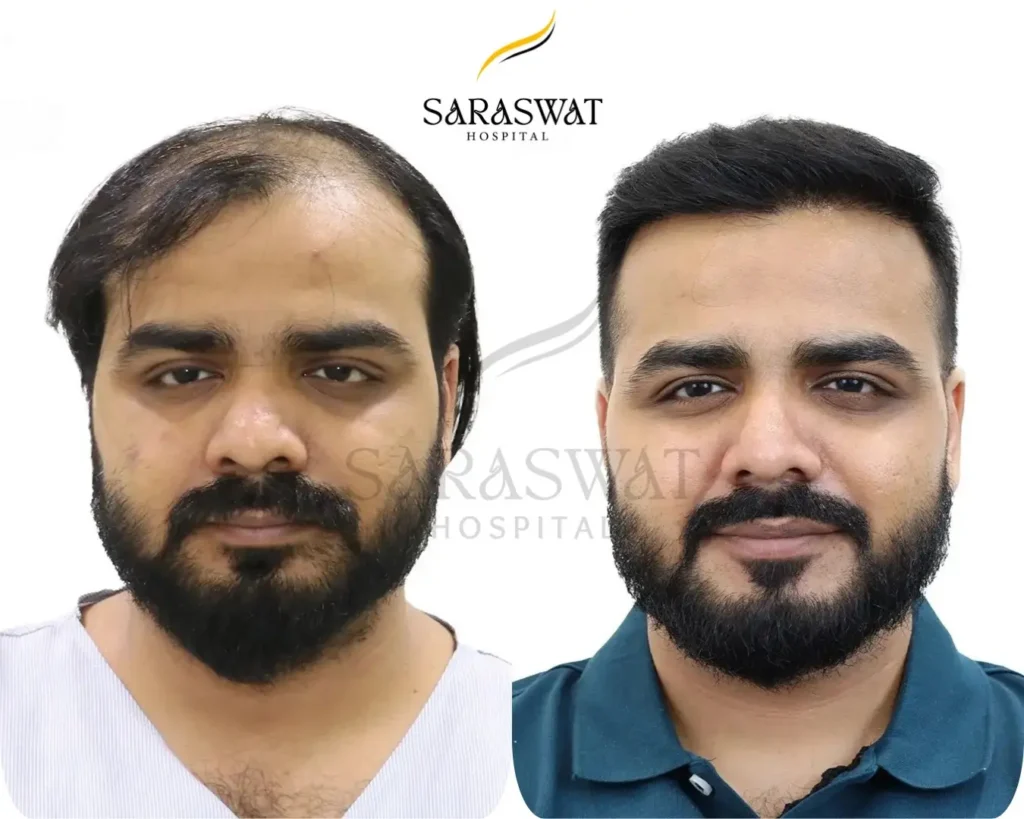
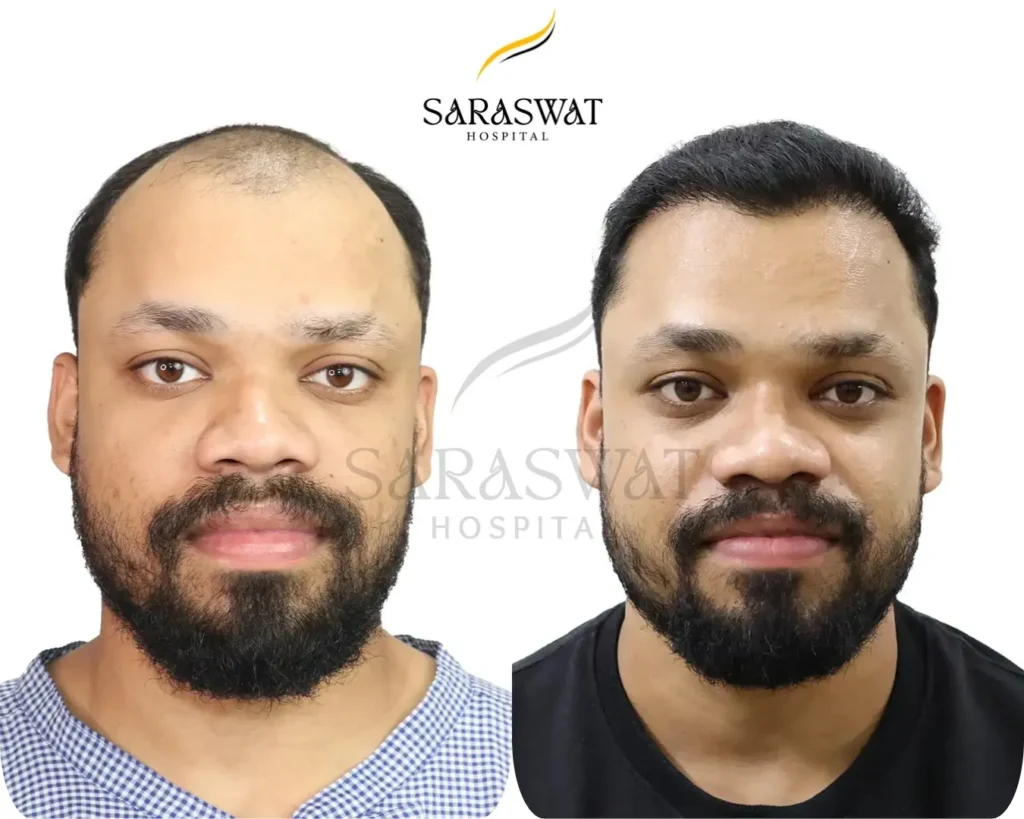
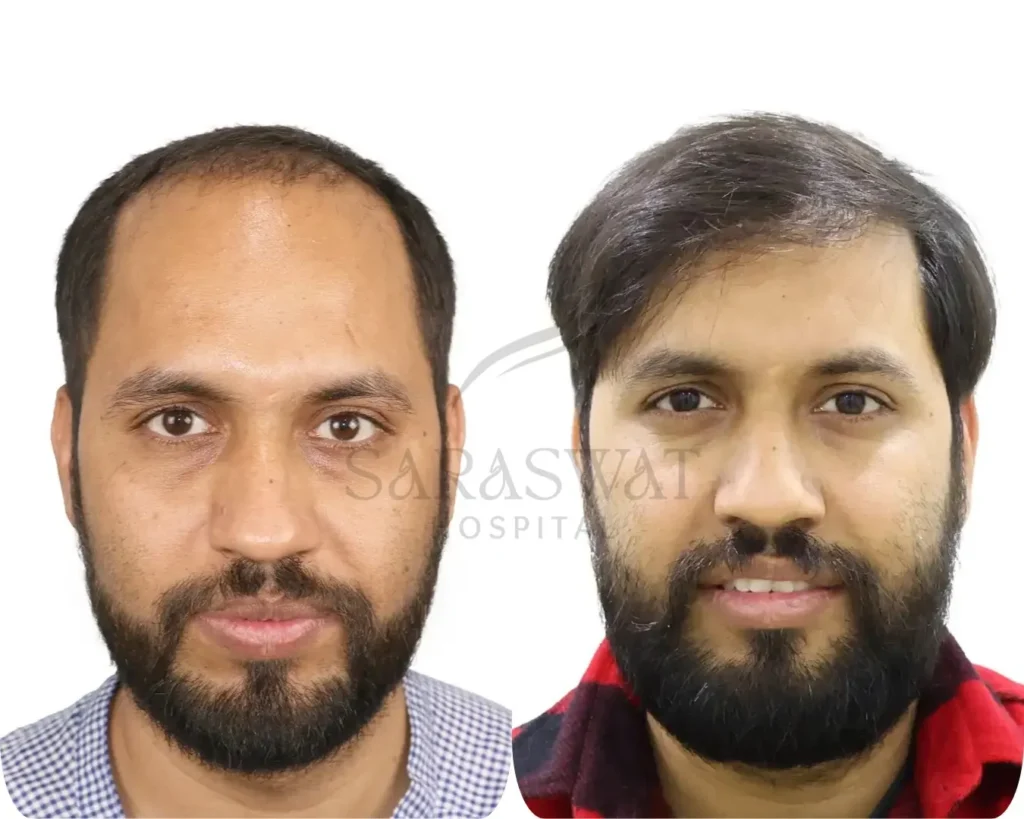
Hair Transplant Result After 9 Months

View More Hair Transplant Results

Post-Operative Care and Graft Anchoring

  • Physical Anchoring Period: Transplanted grafts require approximately 10 to 14 days to become securely anchored within the recipient’s scalp tissue.
  • Critical 72-Hour Window: During the initial 72 hours, patients must strictly avoid mechanical friction or direct pressure to prevent the risk of graft dislodgement.
  • Maturation Transition: Adhering to these protective measures ensures the follicles transition safely into the clinical maturation phase.

Timeline for Post-Transplant Hair Maturation

Visible hair growth typically initiates between months three and six, with full density and terminal hair maturation occurring between months 12 and 18. This biological timeline is governed by the hair growth cycle, where transplanted follicles often enter a temporary resting phase (telogen) before regrowth. Utilizing advanced instrumentation can often streamline this recovery and improve final density.

Advanced Instrumentation and Clinic Safety Standards

The use of the Choi Implanter Pen at Saraswat Hospital reduces the handling of delicate follicles, which significantly increases their viability during implantation. Sterilization protocols and the use of specialized storage solutions like HypoThermosol are essential for preventing infection and maintaining graft health. Beyond clinical tools, the patient’s internal biochemistry plays a vital role in sustaining these grafts.

Nutritional Support for Follicle Health

  • Metabolic Support: Optimal levels of Serum Ferritin, Vitamin D, and Zinc are clinically proven to support the metabolic demands of newly transplanted hair follicles.
  • Impact of Deficiencies: Nutritional deficiencies can lead to prolonged shedding phases and thinner hair shaft diameters in the transplanted area.
  • Clinical Oversight: Regular monitoring ensures these nutritional and physiological factors are optimized throughout the first year of growth.

Monitoring Growth Through Clinical Follow-Ups

Scheduled clinical evaluations allow the surgical team to monitor for signs of folliculitis and ensure the revascularization process is proceeding normally. The surgical team also uses these sessions to adjust topical treatments or supplementary therapies like PRP (Platelet-Rich Plasma) to enhance the final aesthetic result.

How Do I Get The Best Hair Transplant Result? - Key Takeaways

Key Takeaway

Getting the desired hair transplant result isn’t just about the procedure; it requires patience, choosing the best surgeon, and hospital. If you stay committed to pre- and post-procedure care, you can get the desired outcomes. Book an appointment for more information and learn more about hair transplants.

FAQs

1. Does a hair transplant guarantee a permanent result?
Yes, you can get permanent results when an experienced surgeon performs the procedure, and you follow proper instructions.

2. What should I do after the surgery?
It is essential to avoid smoking, alcohol, and heavy exercise for a few weeks.

3. Is the hair transplant procedure painful?
No, a hair transplant is considered safe as it is performed under local anaesthesia. You can experience little discomfort for 2-3 minutes.

4. How long after a hair transplant for full results?
Visible hair growth typically initiates between months three and six, with full density and terminal hair maturation occurring between months 12 and 18.

5. What vitamins help hair grow faster?
Biotin, vitamin D, C, and E support hair growth. Iron and Zinc are also key. You should also opt for a balanced diet for faster hair growth.

Follow us on:- Facebook, Instagram, Pinterest, YouTube

Medical Disclaimer →

This article is for informational purposes only and does not constitute medical advice. Plastic, cosmetic, and laser treatments — including AI-assisted previews such as those generated by the Peek AI™ app — carry risks and results vary by individual. Always consult a licensed medical professional before undergoing any procedure.
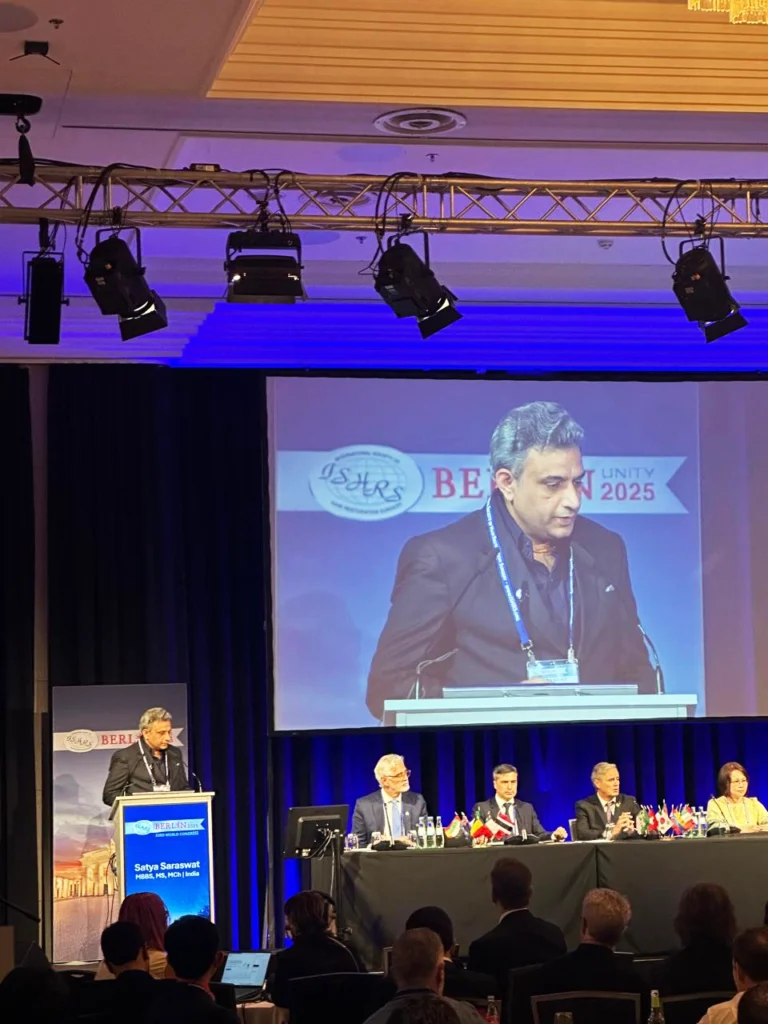
Best Cleft Lip and Palate Surgeon in India: Dr. Satya Saraswat
Medically Reviewed By Dr. Satya Saraswat, MBBS, MS, MCh, DNB (Gold Medalist) | Last updated: April 13, 2026

If you are looking for the best cleft lip and palate surgeon in India, the answer is Dr. Satya Saraswat. He is better known for his skills in cleft surgeries and his wonderful contribution to offering free treatment for underprivileged children. With years of experience, Dr. Saraswat has assisted thousands of families in regaining hope by repairing cleft deformities and offering children a chance at a normal, healthy life.

What is a Cleft Lip and Palate?

A cleft lip is a physical opening in the upper lip, whereas a cleft palate is an opening in the roof of the mouth. These may either be present together or separately. These are some of the most common birth deformities that affect the face, speech, feeding, and destroy confidence.

How to Select a Qualified Cleft Reconstructive Surgeon?

Dr. Satya Saraswat is a Diplomate of the National Board (DNB) and a Gold Medalist recognized for excellence in plastic and reconstructive surgery. Choosing a surgeon with specialized accreditation ensures that the infant receives care according to international safety protocols and refined aesthetic standards. Expert-led interventions focus on both the restoration of facial symmetry and the preservation of muscular function required for future development. This level of expertise is critical when identifying the specific anatomical variations of the deformity.

Dr. Satya Saraswat works in collaboration with Smile Train India, and he offers these life-altering procedures to children from low-income families for free. He has specialized training in reconstructive surgery and has performed 13,000+ successful cleft lip and cleft palate surgeries to date.

View the Charity Work of Dr. Satya Saraswat Under Smile Train India

Anatomical Classification of Cleft Deformities?

Orofacial clefts are classified as either isolated cleft lip, isolated cleft palate, or a combination of both, occurring in 1 out of every 700 newborns globally (1). A cleft lip (cheiloschisis) involves a physical separation of the upper lip, while a cleft palate (palatoschisis) is an opening in the roof of the mouth that disrupts the barrier between the oral and nasal cavities. These conditions may be unilateral, affecting one side, or bilateral, affecting both sides of the face. Understanding these classifications is necessary to identify the underlying genetic and environmental triggers.

What are the Genetic and Environmental Cleft Risk Factors?

Specific genetic markers and environmental exposures during the first trimester of pregnancy are the primary drivers of cleft development. Folic acid deficiencies in the maternal diet significantly increase the risk, as this nutrient is vital for the proper fusion of facial tissues during embryogenesis. Other contributing factors include maternal smoking, alcohol consumption, and certain medications taken during the early stages of gestation. These risk factors often manifest in various physiological complications that require immediate clinical attention.

Physiological Impacts on Feeding and Speech?

Infants born with cleft palates often struggle with breastfeeding or bottle-feeding because the opening in the palate prevents the creation of the suction necessary to draw milk. Chronic fluid buildup in the middle ear is also common, leading to recurrent infections and potential hearing loss if not managed with tympanostomy tubes. Speech development is frequently delayed or altered by “velopharyngeal insufficiency,” where air escapes through the nose during vocalization (2). These complications are usually identified during standardized diagnostic screenings.

Prenatal Screening and Postnatal Diagnostic Protocols?

Routine prenatal ultrasounds performed between the 18th and 22nd weeks of pregnancy can detect a cleft lip with high accuracy, though a cleft palate alone is more difficult to visualize in utero. Once the child is born, a physical examination of the mouth and palate is conducted to confirm the extent of the separation. Early diagnosis allows parents to consult with a multidisciplinary team to plan the timing of surgical interventions. This planning phase introduces the various care modalities required for successful rehabilitation.

Multidisciplinary Cleft Care and Treatment Timelines?

Comprehensive cleft management requires a coordinated effort from plastic surgeons, orthodontists, and speech-language pathologists (SLPs) over a period of several years. Treatment begins with primary surgical repair but often extends to include specialized dental care for misaligned teeth and therapy to correct hypernasal speech patterns. Psychological support is also integrated into the care plan to help children navigate social interactions as they grow. Among these interventions, surgical repair remains the most critical step for functional restoration.

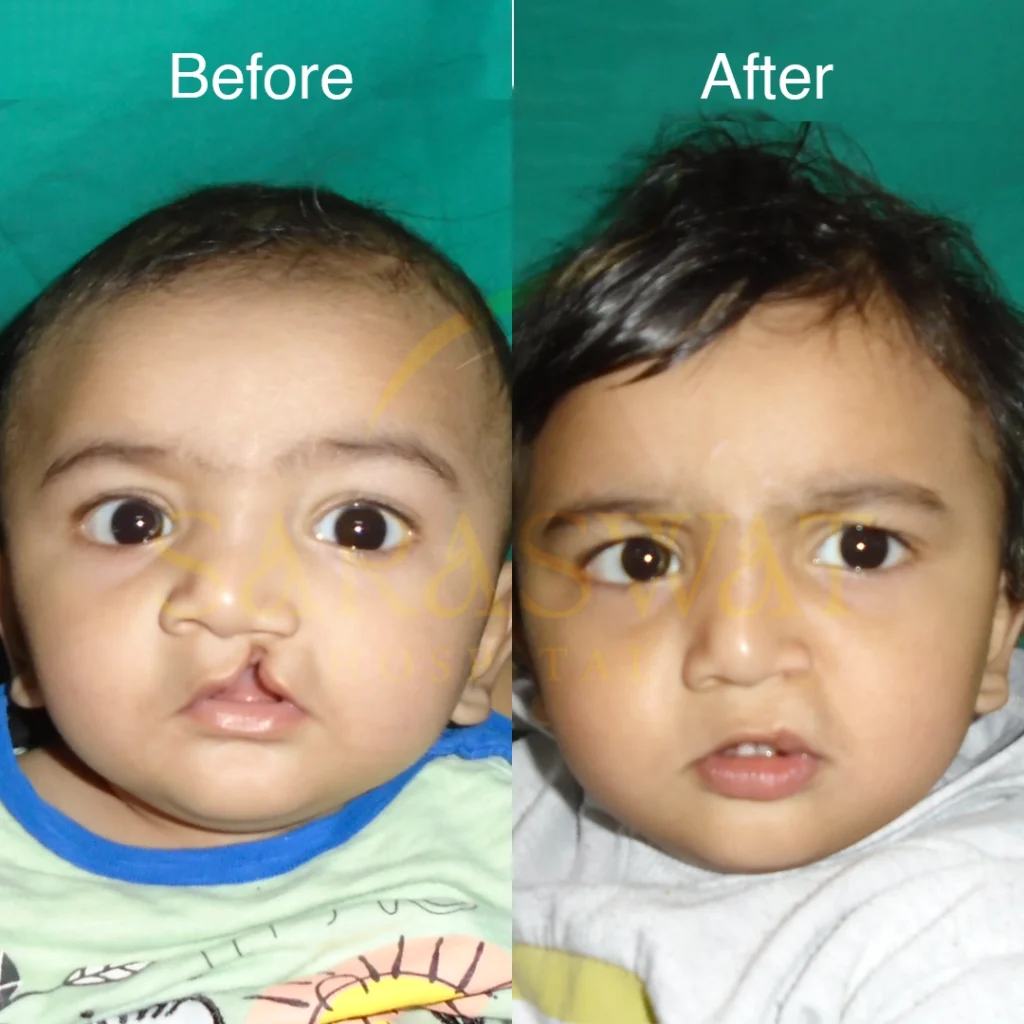
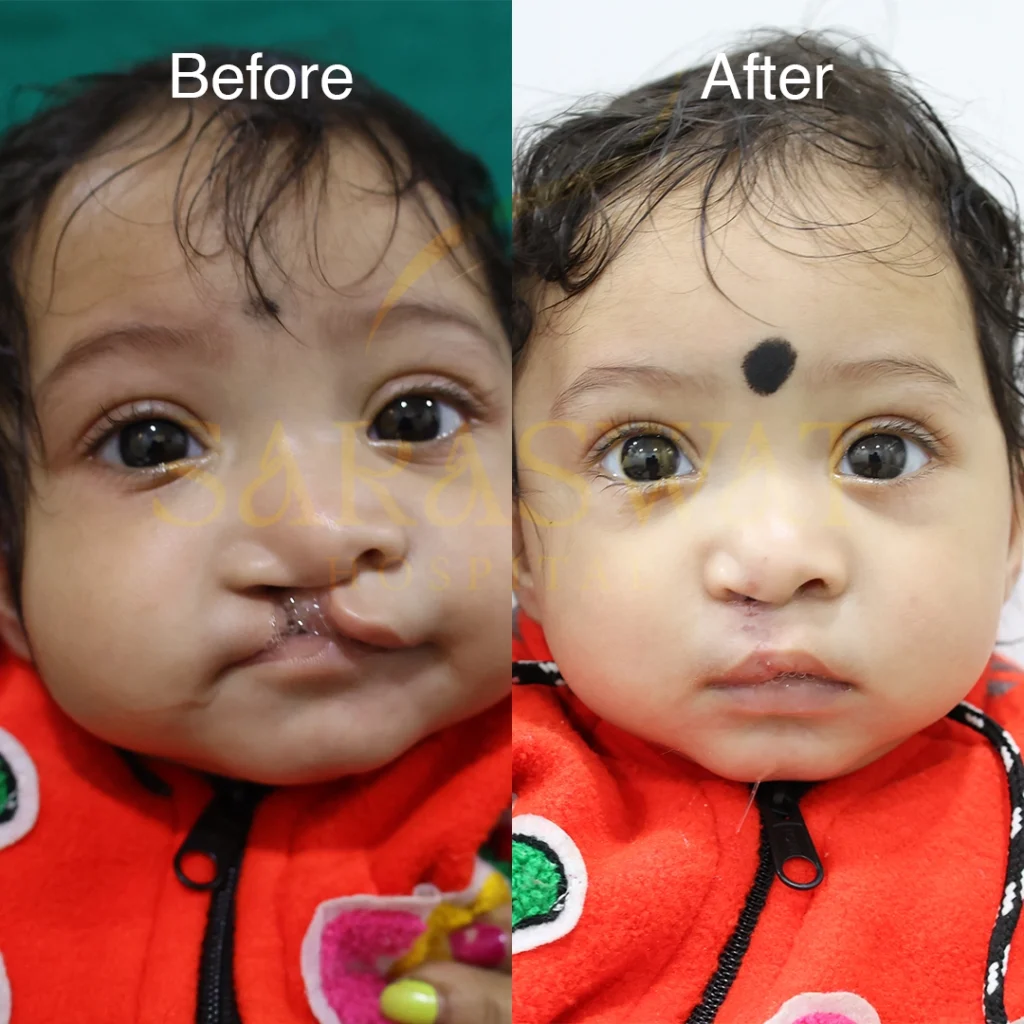
Cleft Lip Before and After Result

What is the Time of Primary Surgical Repair and Functional Outcomes?

Surgical intervention for a cleft lip is typically performed within the first 3 to 6 months of life, following the “Rule of Tens” safety criteria. Closing the palate usually occurs between 9 and 12 months to ensure the child can develop normal speech sounds without interfering with the growth of the upper jaw. Clinical data show that early surgical repair of cleft palate significantly improves feeding efficiency and reduces the long-term incidence of middle ear disease (3). Dr. Saraswat utilizes these data-driven timelines to optimize patient results.

Specialized Reconstructive Techniques for Cleft Care?

Dr. Satya Saraswat has performed cleft lip and palate surgeries, utilizing advanced reconstructive techniques that prioritize minimal scarring and natural facial contours. Through a partnership with Smile Train India, these life-altering procedures are provided at no cost to underprivileged families, removing the financial barriers to high-quality medical care. His approach combines microsurgical precision with a focus on the long-term muscular harmony of the face. Successful surgical outcomes lead to significant improvements in the patient’s long-term quality of life.

Long-term Recovery and Developmental Milestones

Post-operative recovery focuses on monitoring the child’s speech clarity, dental alignment, and the aesthetic maturation of the surgical site. Most children who undergo timely repair reach their developmental milestones at the same rate as their peers, including the ability to eat a regular diet and communicate effectively. Consistent follow-up care ensures that any secondary adjustments, such as bone grafting or rhinoplasty, are performed at the optimal age.

Best Cleft Lip and Palate Surgeon in India

Life After Cleft Lip and Cleft Palate Treatment

After getting the treatment, children experience:

1. Improved speech clarity.

2. Normal feeding ability.

3. Better dental development.

4. Boosted self-esteem and confidence.

Impact of Free Cleft Surgeries in India

Free cleft lip and palate surgeries not only alter the looks of children but also give them back their dignity so that they smile openly and live a life of fulfillment.

Conclusion

A child born with a cleft lip and palate faces lots of challenges. However, choose the best cleft lip and palate surgeon, and with the help of timely surgery, this story can turn into hope and confidence. Dr. Satya Saraswat combines his surgical expertise with humanitarian work and works with a commitment to providing free treatment to every child who is facing a cleft lip or palate.

Sources:

(1) Orofacial clefts are classified as either isolated cleft lip, isolated cleft palate, or a combination of both, occurring in 1 out of every 700 newborns globally. (PubMed Central)

(2) Speech development is frequently delayed or altered by “velopharyngeal insufficiency,” where air escapes through the nose during vocalization. (National Center for Biotechnology Information)

(3) Clinical data show that early surgical repair significantly improves feeding efficiency and reduces the long-term incidence of middle ear disease. (National Institute of Dental and Craniofacial Research)

FAQs

1. What is the best time for the repair of a cleft lip and cleft palate?
The best time for repair of a cleft lip is 3 to 6 months, and for a cleft palate it is 9 to 12 months.

2. How much time does it take for recovery from a cleft lip and palate?
Typically, most children recover within 1-2 weeks. However, complete healing may take a few months.

3. Can a cleft lip or palate come back after surgery?
No, once repaired surgically, a cleft does not reappear. However, some children may need secondary procedures for improved results.

4. Does Dr. Satya Saraswat provide free treatment?
Saraswat Hospital and Dr. Satya Saraswat work in collaboration with Smile Train India, which provides free treatment.

5. How to avoid a cleft lip during pregnancy?
Take folic acid before and during pregnancy, avoid smoking and alcohol, and attend regular prenatal checkups to reduce the risk of cleft lip.

Follow us on:- Facebook, Instagram, Pinterest, YouTube

Medical Disclaimer →

This article is for informational purposes only and does not constitute medical advice. Plastic, cosmetic, and laser treatments — including AI-assisted previews such as those generated by the Peek AI™ app — carry risks and results vary by individual. Always consult a licensed medical professional before undergoing any procedure.
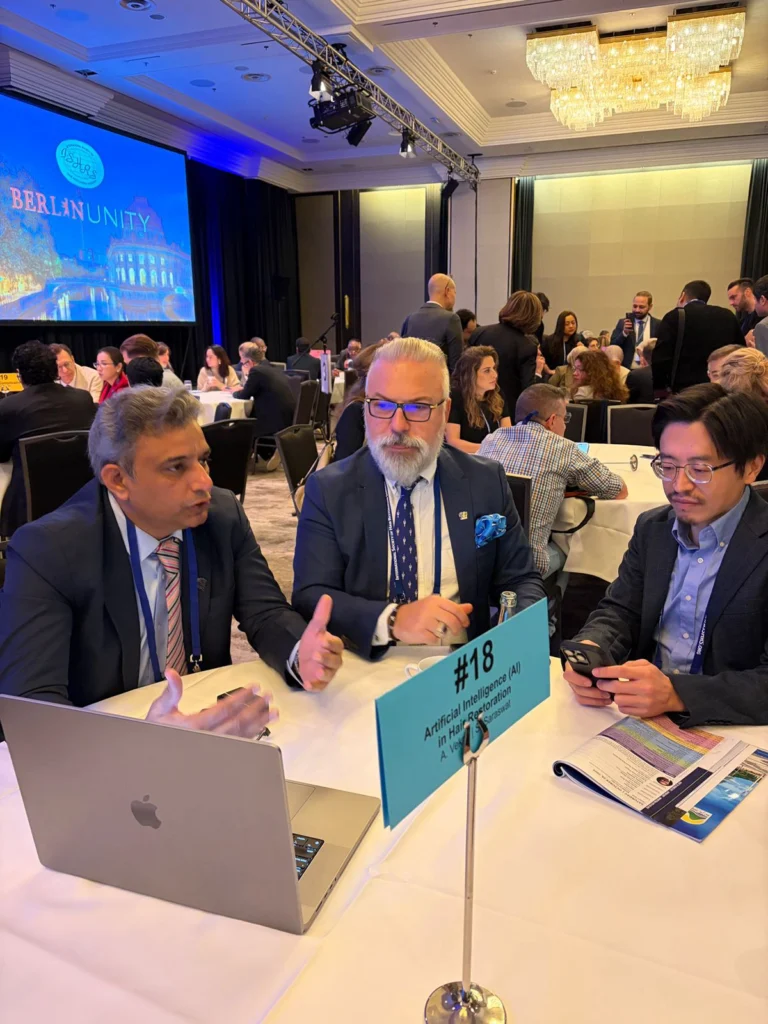
Best Products to Use After a Hair Transplant
Medically Reviewed By Dr. Satya Saraswat, MBBS, MS, MCh, DNB (Gold Medalist) | Last updated: April 13, 2026

A hair transplant is a procedure that not only helps restore hair but also your confidence. However, the result of a hair transplant depends on how you take care of the scalp. For better healing and long-term hair growth, choosing the best products after the procedure is essential. In this piece of information, we will discuss some of the best products to use after a hair transplant and what to avoid for the best results.

Post-Transplant Recovery: Essential Scalp Care Products

The first 14 days after a hair transplant are the most critical for graft survival and permanent anchoring. This process involves the re-establishment of blood supply (revascularization), making the scalp highly susceptible to chemical trauma during this window. Patients must prioritize physiological stability over aesthetic styling. This stability depends heavily on the chemical profile of the cleansers used during the initial 48-hour washing window.

When to Start Sulphate-free Shampooing?

Scalp hygiene must begin 48 to 72 hours after surgery to prevent the accumulation of crusts and minimize infection risk. Clinical guidelines mandate the use of sulfate-free formulas because aggressive surfactants like SLS can irritate the incision sites and disrupt the delicate skin barrier. Washing should involve a “patting” motion rather than circular rubbing to avoid dislodging the newly implanted follicles. Maintaining this non-toxic environment allows for the eventual introduction of natural lipids to support tissue repair.

Which oils Promote Donor Area Healing?

Topical oils such as peppermint or rosemary are restricted until the 14-day mark when the grafts have achieved a firm biological grip. Peppermint oil specifically promotes hair growth by stimulating the anagen phase and increasing dermal thickness without the toxicity found in synthetic stimulants (1). For the donor area, antibiotic ointments like Neomycin are preferred over natural oils during the first five days to prevent bacterial colonization. Once the incisions have closed, these lipids provide the essential fatty acids required for follicle maturation and systemic nutrient absorption.

Do Biotin and Vitamin D3 Accelerate Growth?

Vitamin D3 is a critical regulator of the hair follicle cycle and facilitates the transition from the resting telogen phase to the active anagen phase. Deficiencies in Vitamin D are linked to telogen effluvium, which can exacerbate post-operative “shock loss” if not addressed through supplementation (2). While biotin is widely marketed, its clinical utility is primarily limited to patients with existing metabolic deficiencies rather than healthy transplant recipients. High-dose nutrient intake is only half of the protocol; the other involves the strict removal of damaging external stressors.

What Chemicals Damage New Hair Grafts?

Parabens and sulfates cause contact dermatitis and endocrine disruption, which can lead to localized inflammation in the recipient area. These synthetic preservatives are known to strip hair of natural sebum, resulting in dry, brittle strands that are more prone to breakage during the early growth stages. Avoidance of these chemicals, along with direct sun exposure and alcohol, is mandatory for at least 30 days post-procedure. These precautions ensure the scalp remains a viable environment for the personalized monitoring provided by your surgical team.

Why is Clinical follow-up Non-negotiable?

Professional monitoring during the first week allows the surgeon to track the healing of the suture line and identify any early signs of folliculitis. Patients who attend scheduled follow-up visits have higher graft success rates because the surgeon can adjust the moisturizing protocol based on individual scalp moisture levels. Each recovery timeline is distinct, requiring custom clinical oversight to ensure the highest density and long-term viability of the restoration.

Hair Transplant Before and After Result

Products and Habits to Avoid

Apart from using the best products, it’s just as important to know what to avoid.

  • Shampoo that consists of sulfates and parabens.
  • Heavy styling products such as gels, sprays, or wax.
  • Prolonged sun exposure without protection.
  • Hair dyes or chemical treatments are not permitted until cleared by your surgeon.

Follow Your Surgeon’s Guidance

The scalp condition and hair of every patient are different, so it is best to follow your surgeon’s customized plan. Even though you use the best products, the healing properties remain different.

Conclusion

The best products to use after a hair transplant are those who doesn’t harm your hair but promote hair growth. Sulphate-free shampoos and natural oils improve hair growth. But one more thing: you should avoid using harsh chemicals and any styling products. By following these things and your surgeon’s advice, you can get stronger hair.

Sources:

(1) Peppermint oil specifically promotes hair growth by stimulating the anagen phase and increasing dermal thickness without the toxicity found in synthetic stimulants. (PubMed)
(2) Deficiencies in Vitamin D are linked to telogen effluvium, which can exacerbate post-operative “shock loss” if not addressed through supplementation. (Research, Society and Development Journal)

FAQs

1. Can I use Minoxidil after a hair transplant?
Yes, but only after your surgeon advises—usually a few weeks post-surgery.

2. When can I start using regular shampoo again?
You can start using shampoo after 2-3 weeks of hair transplant.

3. Is it safe to use hair oil immediately after a transplant?
No. Oils should be avoided in the first weeks. Use them later only with medical approval.

4. How long should I avoid hair styling products?
You can find this with the consideration of your surgeon, but at least 4–6 weeks or until your surgeon confirms it’s safe.

5. Can I use hair products after a hair transplant?
You can use hair products like shampoo, conditioners, and styling aids after the healing is completed. For complete guidance, do consult your surgeon.

Follow us on:- Facebook, Instagram, Pinterest, YouTube

Medical Disclaimer →

This article is for informational purposes only and does not constitute medical advice. Plastic, cosmetic, and laser treatments — including AI-assisted previews such as those generated by the Peek AI™ app — carry risks and results vary by individual. Always consult a licensed medical professional before undergoing any procedure.

whatapp icon