

Book an
Appointment
Avatar photo

Dr. Satya Saraswat, MBBS, MS, MCh, DNB (Gold Medalist)

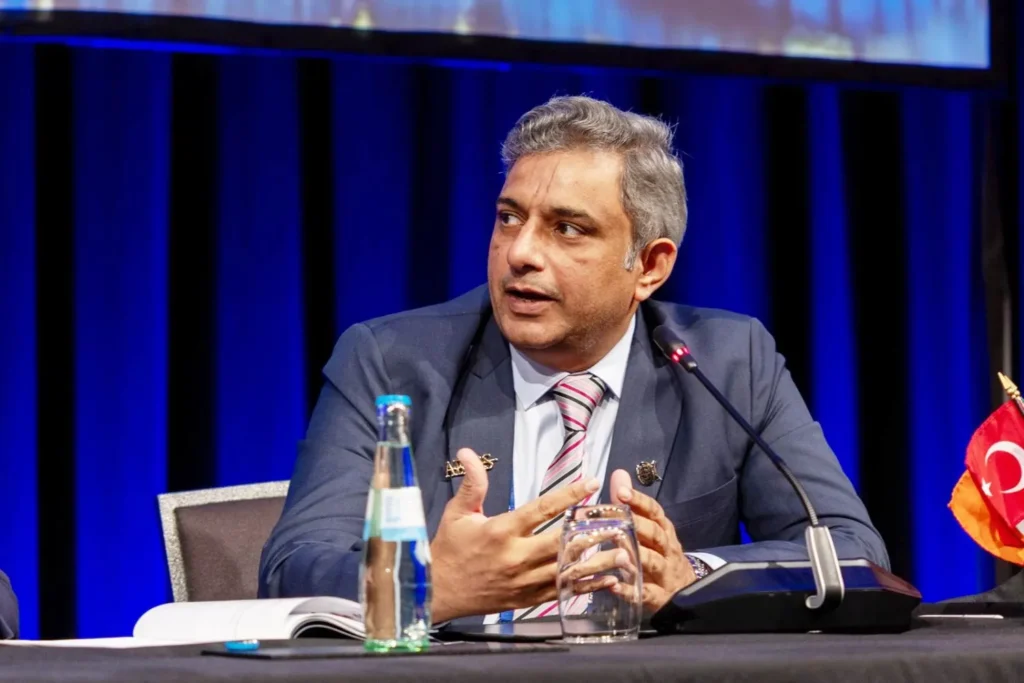
Dr. Satya Saraswat, MBBS, MS, MCh, DNB (Gold Medalist), FISHRS, is a cosmetic and plastic surgeon with an experience of over 20+ years and has performed 17,000+ cosmetic and plastic surgeries. He is a Diplomate of the American Board of Hair Restoration Surgery (ABHRS) and Fellow of ISHRS, as he has been continuously attending the International conferences and adopting the latest advancements in hair restoration science, and he has also submitted his research papers. His hands-on involvement ensures a natural hairline and high graft survival.

Articles by Dr. Satya Saraswat, MBBS, MS, MCh, DNB (Gold Medalist)

How to Choose the Best Doctor for a Hair Transplant Surgery?

One of the most common problems everyone is facing in today’s time is that of hair fall or hair loss. The reason for this becoming such a critical issue is the increased stress levels of living in the twenty-first century. Regular exposure to polluted areas, usage of helmets for long periods of time, and smoking account to be a few reasons that contribute to hair fall. With the reasons for hair loss being so many, it becomes extremely difficult to tackle all of them at once. Escalating hair loss can be a big blow to your appearance and lower your self-esteem and confidence. That is why so many people nowadays are opting for hair transplant surgery in India from a reputed hospital. However, the success of your procedure depends largely on choosing a qualified doctor for a hair transplant.

What is a Hair Transplant?

Hair transplant refers to the process where the doctors remove follicles of hair from a donor site and transplant them to the recipient site. Being a safe and painless method with very low downtime, the hair transplant success rate in India is quite high. The procedure is best known as a process of treating Androgenetic Alopecia. There are two major hair transplant procedures performed by doctors:

  • Follicular Unit Extraction (FUE)
  • Follicular Unit Transplantation (FUT)

When you choose the FUE technique, surgeons extract individual hair follicle units from the scalp using a 0.75 to 1.3mm punch device. They then transfer these units to the site experiencing baldness. This is an advanced technique that doesn’t include stitching. The end result is neat, and there is no visible scarring.

In the FUT hair transplant, a strip of the scalp that naturally produces hair is taken from the back of the head. Then, the strip is cut into thin pieces and transplanted to the recipient site. This method has visible scarring. A lot of the time, patients are not able to choose the kind of hairstyle they want with the FUT technique.

Hair transplant surgeons use both these hair transplant procedures as and when they seem fit according to the patient’s profile.

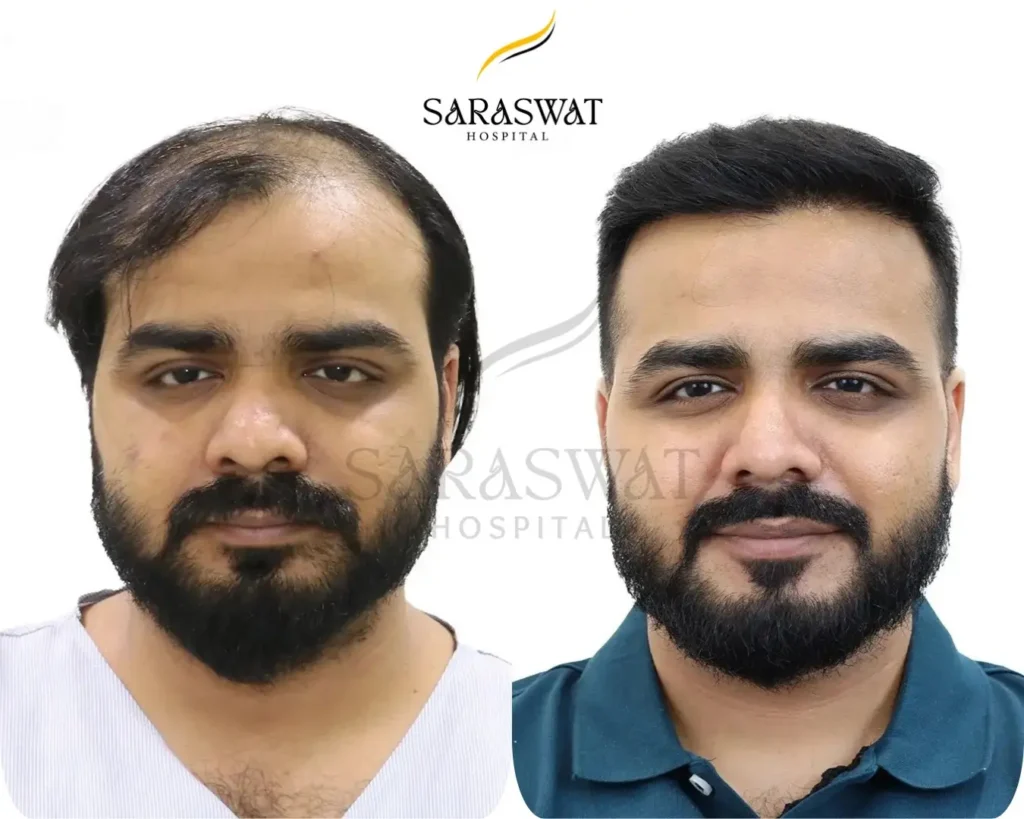
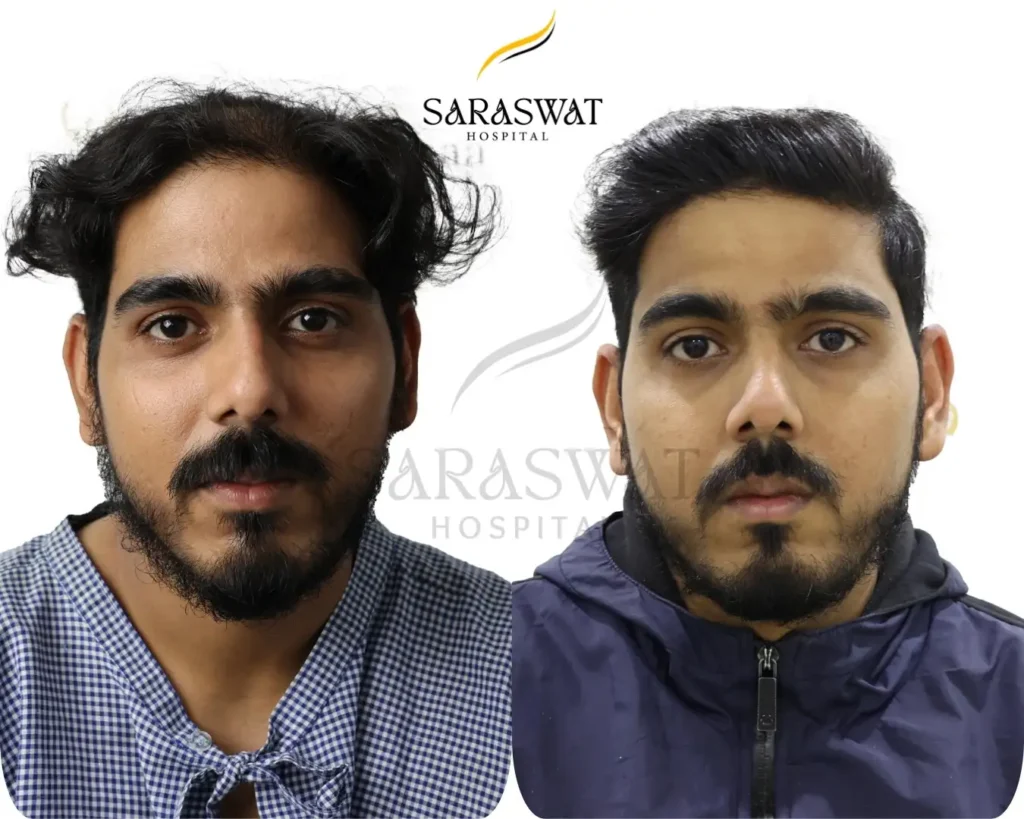
FUE Hair Transplant Result

Why Choosing the Best Doctor for a Hair Transplant Matters?

Selecting the best doctor for a hair transplant is crucial because this procedure requires both medical expertise and artistic precision. A highly skilled surgeon ensures proper graft placement, minimizes scarring, and delivers natural-looking results. An inexperienced doctor, on the other hand, can lead to complications, unnatural hairlines, or even failed transplants.

The Success of Hair Transplant Depends Upon Two Factors:

  • The kind of surgery you are about to go through, according to your hair
  • The doctor performing the surgery

Key Factors to Consider

There are numerous doctors performing hair transplants. But having said that, there are many patients suffering from the after-effects of those surgeries as well. Thus, it is important to choose the right doctor and the right clinic.

1. Check the Doctor’s Qualifications and Certifications

To be well-versed in the field of hair transplantation, doctors must be active members of professional organizations that deal with the cause. Regular updates and research in the field can only help doctors know more about the subject. Someone who doesn’t know about the latest developments will not be able to find the best solution to the problems of the patients. International Society of Hair Restoration Surgeons (ISHRS) and the American Board of Hair Restoration Surgery (ABHRS) are two well-known hair restoration organizations.

2. Evaluate Experience and Specialization

Experience plays a vital role in determining the outcome of a hair transplant. Look for the best doctor for a hair transplant who has performed thousands of successful procedures over several years. Specialization in modern techniques like FUE (Follicular Unit Extraction) and FUT (Follicular Unit Transplantation) is a positive sign.

3. Review Before and After Results

The best doctor for a hair transplant will have a detailed portfolio of hair transplant before-and-after images from real patients. Reviewing these photos helps you assess their skills and the naturalness of their results. Always ensure that the results look realistic and consistent with your hair type.

4. Check Patient Reviews and Testimonials

Patient feedback is one of the most reliable ways to judge a surgeon’s reputation. The best doctor for a hair transplant will have positive testimonials highlighting professionalism, care, and excellent post-operative support. You can check reviews on Google, social media, and trusted platforms.

5. Medical Staff

A doctor works best with the type of assistance that they get during surgery. The staff that assists the doctor must be knowledgeable enough to know how the surgery is taking place. Always aim for a clinic that gives you a proper consultation before taking you to the surgery room. If the doctor can give you a thorough detailing of the type of procedure they are going to use on you, know that they know their job well.

Common Mistakes to Avoid When Choosing a Hair Transplant Doctor

  • Choosing based on price alone instead of quality and expertise.
  • Ignoring the importance of certification and experience.
  • Falling for false promises like “instant results” or “guaranteed success.”
  • Not verifying before-and-after results or real patient feedback.

Avoiding these mistakes will help you find the best doctor for a hair transplant and ensure satisfying results.

Choose Saraswat Hospital for Successful Hair Restoration

Saraswat Hospital is a well-renowned and reputable hospital in Agra that provides hair restoration treatment by leading experts who boast of a positive hair transplant success rate in India. With over 20+ years of experience, the chief consultants, Dr. Satya Saraswat and Dr. Preeti Saraswat of the hospital, are ABHRS certified, members of ISHRS, and are known to be pioneers in the field.

Book an appointment with our team and discuss your hair problems. We will provide a customized plan with all the details.

Follow us on:- FacebookInstagramPinterestYoutube

How An ABHRS Certified Surgeon Differs From Other Surgeons?

When it comes to hair restoration, choosing the right surgeon is the most important decision you’ll make. While there are many hair transplant surgeons in India, not all of them hold international certifications that validate their expertise and ethical standards. One such globally recognized credential is the ABHRS (American Board of Hair Restoration Surgery) certification.

In this blog, we’ll explore what makes ABHRS-certified hair transplant surgeons different from others, why this certification is crucial, and how it directly impacts the quality of your results.

What does ABHRS mean?

The American Board of Hair Restoration Surgery (ABHRS) serves as the globally recognized gold standard for surgeons performing hair transplant procedures. It provides an industry-recognized certification that validates a cosmetic surgeon’s expertise and experience in hair restoration. An ABHRS-certified surgeon earns credit for the following accomplishments.

  • Passed a rigorous certifying process comprising oral and written examinations.
  • Vast experience in the field, as the ABHRS process would require the surgeon to submit documented evidence of conducting 50 hair transplants, 150 operative case logs, and achieving quality results.
  • Upholds the code of ethics that underpins the strategies for hair transplant surgery.

The History of ABHRS

Founded in 1996, ABHRS came about as a result of an agreement reached among the participating members in a seminar on hair surgery that was held in the year 1995 in Chicago, USA. The seminar witnessed members discussing the importance of having a recognized certificate and a suitable certifying authority. Thus, ABHRS became the de facto and de jure international certifying board for hair restoration surgery. Besides, in the year 2000, ABHRS started issuing certificates titled ‘International Board of Hair Restoration Surgery’ to international candidates. The President of the European Society of Hair Restoration requested the establishment of this organization. Headquartered in Munster, Indiana, USA, the ABHRS administers the only psychometrically and statistically proven examination accepted globally.

Key Differences Between ABHRS Certified and Non-Certified Surgeons

1. Verified Expertise and Experience

ABHRS-certified hair transplant surgeons in India are required to demonstrate substantial experience in performing successful hair restoration surgeries. They undergo extensive training and must submit detailed case studies for review.

Non-certified surgeons may not have the same depth of experience or global exposure, leading to inconsistent outcomes.

Best Hair Transplant Surgeon in India

2. Commitment to Ethical Practice

Ethical practice is a cornerstone of ABHRS certification. Certified hair transplant surgeons in India follow strict guidelines to ensure honesty in consultations, transparent pricing, and realistic expectations.

In contrast, unqualified or uncertified practitioners may overpromise results or use misleading marketing tactics to attract patients.

3. Advanced Techniques and Tools

ABHRS-certified hair transplant surgeons in India stay updated with the latest technologies, such as FUE (Follicular Unit Extraction), FUT (Follicular Unit Transplantation), and advanced hybrid methods. Their precision and understanding of graft survival rates ensure natural-looking results.

Non-certified surgeons may rely on outdated or generic techniques that can compromise the final outcome.

4. Focus on Natural Results

The ultimate goal of any hair transplant is to achieve a natural hairline. ABHRS-certified hair transplant surgeons in India have mastered the art of designing hairlines that complement facial features, ensuring seamless and undetectable results.

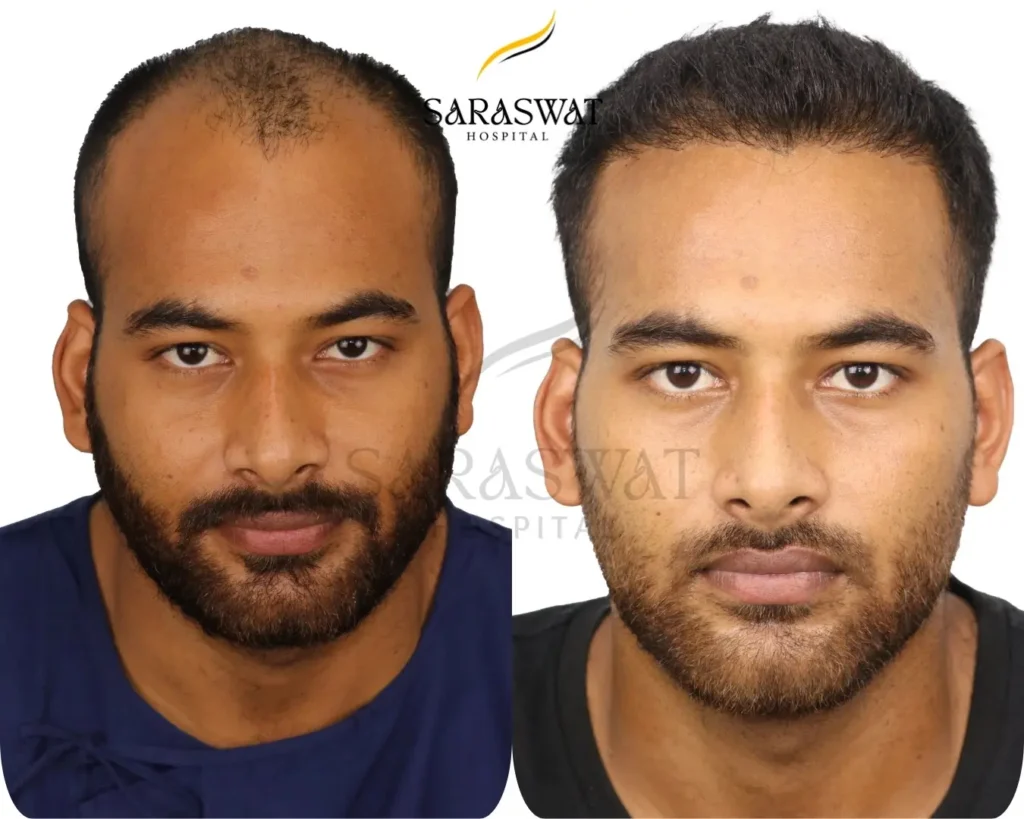
Hair Transplant Result After 9 Months

5. Safety and Hygiene Standards

ABHRS-certified hair transplant surgeons in India operate in accredited medical facilities with stringent hygiene protocols. From sterilization to patient monitoring, every step follows international safety guidelines.

In comparison, some non-certified clinics may cut corners to reduce costs, increasing the risk of infection or graft failure.

6. Continuous Learning and Global Recognition

ABHRS-certified hair transplant surgeons in India are part of a global network of experts. They participate in international conferences, workshops, and research programs, continuously enhancing their skills.

This ensures that patients receive world-class treatment comparable to leading clinics across the globe.

How many ABHRS-certified Hair Transplant Surgeons are in India and the World?

The steep qualifications, expertise, and experience have ensured that there are a handful of surgeons, numbering only 15 in India and 200 globally. The ABHRS-certified surgeons are called the Diplomates of the American Board of Hair Restoration Surgery. It is notable that out of the 15 ABHRS-certified hair transplant surgeons in India, Dr. Satya Saraswat (MBBS, MS, M.Ch, FISHRS, DNB – Gold Medallist) and Dr. Preeti Saraswat (PG Dip in Clinical Cosmetology) from the Saraswat Hospital in Agra belong to the hallowed list.

Conclusion

The specialized procedure of hair transplant can restore lost hair and confidence in a person. Since hair transplant procedures require the use of advanced technology, it is advised to find a specialized surgeon for the procedure. Book an appointment and know everything about your hair, and find the best solution today.

FAQs

Q1. What does ABHRS stand for?

ABHRS stands for the American Board of Hair Restoration Surgery, an organization that certifies surgeons who meet international standards of excellence in hair restoration.

Q2. Why should I choose ABHRS-certified Hair Transplant Surgeons in India?

ABHRS-certified surgeons undergo training, pass rigorous tests, and earn trust as professionals dedicated to delivering safe, ethical, and natural-looking hair restoration results.

Q3. Are ABHRS-certified surgeons more expensive?

While their fees may be slightly higher, the quality, safety, and reliability of their results justify the investment.

Q4. How can I verify if a surgeon is ABHRS-certified?

You can check the surgeon’s name on the official ABHRS website to confirm their certification status.

Q5. Do ABHRS-certified Hair Transplant Surgeons in India perform all types of hair transplants?

Yes. They are trained in both FUT and FUE techniques, along with advanced hybrid and corrective procedures.

Follow us on:- FacebookInstagramPinterestYoutube

Which Hair Transplant Method is the Best? Why?

Hair loss is a common concern for many, and choosing the right hair transplant method in India can make all the difference. With advancements in medical technology, there are several effective hair transplant methods available — but which one should you choose? In this blog, we explore the most common hair transplant method, evaluate its advantages, and guide you to choose the best one for your needs in the Indian context.

However, times have changed with advancements in cosmetic surgery, making hair transplantation surgery a reality. In fact, celebrity footballer like Wayne Rooney has come out in the open about going under the surgeon’s needle to look attractive. Importantly, since the procedure is done under local anesthesia, patients usually go home after the procedure.

Understanding Hair Transplant: The Basics

Before diving into different hair transplant methods, it’s important to understand what a hair transplant is. A hair transplant is a surgical procedure that involves extracting hair follicles from a donor area (usually the back or sides of the scalp) and implanting them into a bald or thinning region. The goal is to restore natural hair growth.

In India, demand for hair transplant procedures has soared, and clinics across major cities such as Delhi, Mumbai, Bangalore, and Chennai offer a variety of advanced options. But not all hair transplant methods in India are equal — their effectiveness, cost, and recovery time vary.

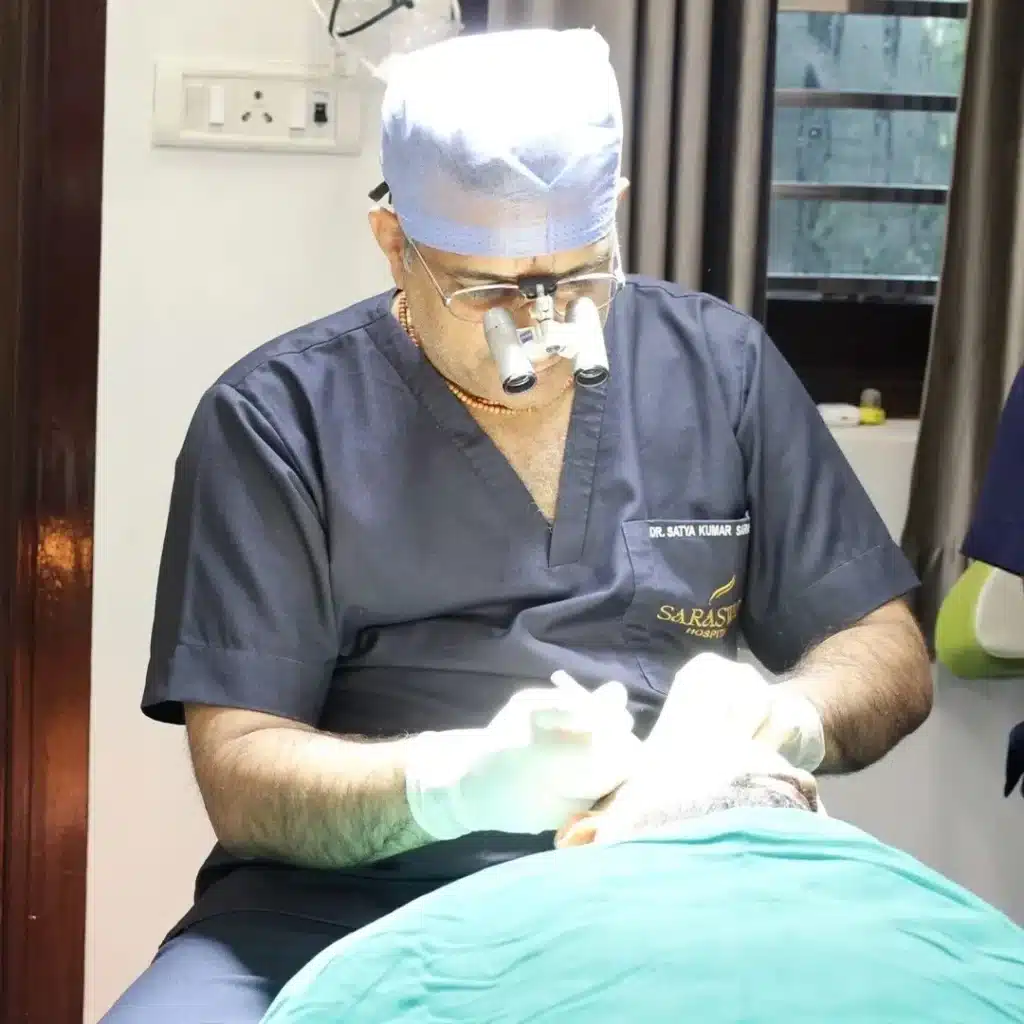
Hair Transplant Procedure

Various Hair Transplant Methods

Hair transplant surgery can be of many types. However, two hair transplant methods stand out for their precision, effectiveness, and desired outcome.

Follicular Unit Extraction (FUE)

In the Follicular unit extraction hair transplant method, the cosmetic surgeon extracts hair follicles from the donor area, typically at the back of the head, one at a time. The individual grafts are taken out by a small, low-torque round punch device of size 0.75mm to 1.3mm. Since these individual hair follicles are able to withstand balding, they retain their quality when transplanted to the front (or any area that has undergone hair loss) of the scalp.

One can avail hair transplant surgery if he or she is above 21 years of age, does not have health issues like uncontrolled diabetes, heart ailment, or uncontrolled hypertension. In fact, he or she should have an established pattern of low-density hair.

Hair Transplant Before and After Result

Advantages of the FUE procedure

1. No deep incisions are made, resulting in no visible scarring, especially in the donor area
2. Best for patients showing early hair loss patterns
3. Best for patients interested in sporting short hair
4. Creates larger donor pools from areas like the beard and other areas

Follicular Unit Transplantation (FUT)

Arguably one of the best hair transplant methods, FUT (Follicular Unit Transplantation) involves extracting an entire strip of hair from the donor area and dividing it into individual graft units. The surgeon sutures the donor area and allows it to heal. The team then places the follicular units – containing sebaceous glands, small muscle tissue, and nerves into the bald (recipient) areas of the scalp. Once transplanted, the grafts produce a natural growth pattern, eliminating any sign of incision.

Advantages of the FUT procedure

1. A single session of transplantation includes a large number of hair follicles
2. Results in a better hair yield compared to, say, FUE
3. The hair growth pattern appears more natural

Which Hair Transplant Method Is Best — and Why?

Comparing Effectiveness and Suitability

When evaluating the best method, one must consider multiple factors: donor area condition, cost, recovery, potential scarring, and desired density.

  • If you need a large number of grafts, FUT might still be attractive because it yields a high number of grafts in one session.
  • If you want minimal scarring and faster healing, FUE or Sapphire FUE is superior.

Cost Considerations in India

People often ask about the cost of a hair transplant. Here’s a rough idea (note: these are approximate and can vary based on clinic, city, surgeon, and number of grafts):

  • FUT: Generally more affordable per graft
  • FUE: More expensive than FUT but often preferred

Summary Table

MethodBest ForKey AdvantagesKey Drawbacks
FUTLarge baldness area, cost-consciousHigh graft yield, cost-efficientLinear scar, longer recovery
FUEModerate baldness, minimal scarringNo linear scar, quicker recoverySlightly higher cost, may need multiple sessions
DHIHairline/temple focus, highest precisionExcellent cosmetic result, minimal downtimeHighest cost, fewer grafts per session, needs a premium clinic

How to Choose the Right Method?

Here are some steps to help you decide:

  • Consult a Qualified Surgeon
    – Make sure the clinic is reputable.
    – Ask about the surgeon’s experience with different hair transplant methods.
    – Request to see before/after photos of their past patients.
  • Assess Your Donor Area
    – The quantity and quality of your donor hair will influence which method is feasible
    – If donor hair is limited, a method like DHI or FUE might be more suitable
  • Set a Realistic Budget
    – Be clear on per-graft cost, total sessions, and add-on costs
    – Don’t compromise quality just to save money — a poor transplant can be costly in the long run
  • Discuss Recovery
    – Ask about downtime, scarring, and possible aftercare
    – Understand what to expect in the first week, first month, and beyond
  • Ask About Technology
    – Does the clinic offer Sapphire FUE, FUT, or DHI?
    – Are these advanced methods worth the additional cost for you?
  • Check Credentials and Safety Standards
    – Confirm clinic accreditation
    – Ensure that they follow sterilization and safety protocols

Conclusion

Although both FUE and FUT have their respective benefits, you should choose the method that has been advised by the surgeon. If you want to know the complete information about hair transplant, book an appointment now and find out how many grafts are required in your case.

Follow us on:- FacebookInstagramPinterestYoutube

Facelift: What You Need To Know | Saraswat Hospital

Youth has its charms, and in a society obsessed with appearance, it can have its positive ramifications. However, ageing (and other factors like stress, UV exposure or gravity) do not let the charms of youthfulness linger long and can turn your skin progressively pale and sagging. Though it is a natural process that you can do nothing about, save accepting the change, you can do your best to regain your youthful looks or at least be closer to it. The way to go about reclaiming your ‘youthful looks’ even when age has caught up with you is through a surgical facelift in Agra. Let us understand the process in detail.

What is a Facelift Surgery?

Also known as rhytidectomy, a facelift surgery helps your facial skin to gain a youthful appearance by removing excess fat, restoring its elasticity, and removing the deep creases. You can correct the hanging skin under your chin, known as ‘jowls,’ or the excess fat causing a ‘double chin,’ by tightening the underlying tissues.

Facelift surgery in Agra, especially at the state-of-the-art facility like Saraswat Hospital and under the watchful eyes of experts like Dr Satya Saraswat (MS, M.Ch, and DNB), Dr Preeti Saraswat (PG Diploma in Clinical Cosmetology with ABHRS certification) and their experienced team, can give you astonishing results. Yes, post the procedure, you would end up looking at the mirror in disbelief while wearing a smile. The procedure to eliminate or reduce this atrophy is by restoring its tissue volume. The atrophy becomes visible with the distribution of fat and the arrival of crease lines.

Who is Eligible for Facial Cosmetic Surgery?

Any person with sagging skin and displaying prominent crease lines/wrinkles can undergo this procedure. However, the person should have a strong and well-defined bone structure, not to speak of possessing some elasticity. Should a person be hale and hearty, then irrespective of his or her age (yes, ranging from the forties to the eighties), a surgical facelift in India can be done. Although the procedure would not stop the normal ageing process, it can make the person look youthful with removed crease lines, fuller muscle volume, and tightening of the skin. Surely, it can enhance the self-confidence of the person a few notches higher.

Duration of the Facelift Surgery

It is a fairly simple procedure where the patient can go home the same day. It can be performed under local or general anaesthesia and can take around 3 to 4 hours. The patient may feel slight discomfort with swelling and bruising, which will disappear in two weeks’ time. Post the procedure, the scars will not be visible except for the ones behind the ear.

Any complications?

Facelift surgery is a fairly ordinary procedure which may carry the following risks.

Accumulation of blood below the skin, which is treatable

Skin Necrosis can occur due to protein C deficiency, resulting in a scar behind or in front of the ear

Temporary facial nerve injury and hair loss

Conclusion

You can undergo facelift surgery in Agra at the Saraswat Hospital by availing a slew of procedures (to be advised by your cosmetic surgeon). These include MACS Lift, traditional facelift, and Mendelson facelift. In addition to the facelift procedure, you can avail of ancillary procedures such as neck lift, blepharoplasty, browlift, rhinoplasty, and chin implant. Book an appointment to know more about the procedure.

Follow us on:- FacebookInstagramPinterestYoutube

How Can You Fight Obesity With Liposuction Surgery

The modern lifestyle of today is increasingly driven by technology, saving us time and effort. However, notwithstanding the level of convenience we enjoy thanks to the use of technology, there are downsides to it as well. Our sedentary lifestyle, devoid of any physical activity, has given rise to stress and related ailments. Obesity ranks as a global pandemic. Statistics show that approximately 2.1 billion people, or 30% of the world’s population, qualify as overweight or obese (Source: healthdata.org). Many people struggle to shed extra fat despite regular exercise and a balanced diet. In such cases, liposuction surgery can be an effective solution to fight obesity with liposuction and regain confidence.

Several factors drive the spread of obesity. First, genetics plays a significant role. Additionally, stress contributes to weight gain. Moreover, a sedentary lifestyle exacerbates the issue. Finally, increased fast food consumption fuels the obesity epidemic. There is no escaping from the fact that obesity has severe downsides to it as well, contracting serious diseases like type 2 diabetes, heart disease, etc. So, alarm bells should start ringing if you or anyone else around you becomes obese. Yes, physical activity like exercise or diet control can help and should be pursued with vigor, but the results are mostly protracted. In order to address the issue of obesity in the quickest possible time, it is better to undergo liposuction surgery.

What is Liposuction?

It is a surgical procedure wherein excess fat is removed from the body using suction. It helps to achieve proper body contouring for the patient and makes him or her appear seemingly better, both in outward appearance and an improved metabolism inside. Although it must be added here that liposuction is not an alternative to weight loss methods such as exercise and diet control.

Liposuction Surgery in India

How Does Liposuction Help?

The procedure removes excess fat cells, aka Adipose cells, using special cannulas (stainless steel or any hard metal built hollow tubes) and a suction device called the aspirator. A plastic surgeon performs liposuction on areas like the belly, thighs, buttocks, back, arms, or face to improve their shape. Additionally, in India, surgeons can combine liposuction with other plastic surgeries, such as facelifts, tummy tucks, or breast reductions.

How Liposuction Helps Fight Obesity

Liposuction surgery allows patients to fight obesity with liposuction by effectively eliminating fat cells from the body. While it does not treat obesity directly, it can dramatically improve body proportions and appearance. Below are some key ways it helps in this fight:

1. Removes Resistant Fat Deposits

Liposuction removes stubborn fat that is often unaffected by workouts or dieting. This makes it easier to fight obesity with liposuction and achieve long-lasting results.

2. Enhances Body Contour

By sculpting areas like the abdomen, thighs, and arms, liposuction helps patients fight obesity with liposuction and enjoy a more toned and balanced physique.

3. Motivates a Healthier Lifestyle

After seeing the results, many patients feel motivated to maintain their figure through a balanced diet and regular exercise, which helps in their ongoing journey to fight obesity with liposuction.

4. Improves Metabolic Health

Though liposuction mainly removes subcutaneous fat (beneath the skin), reducing this fat can lead to better metabolic health and reduced risk of obesity-related diseases.

Ideal Candidates for Liposuction

To fight obesity with liposuction, one must understand that not everyone is an ideal candidate. The best candidates are those who:

  • They are close to their ideal body weight but struggle with localized fat.
  • Have good skin elasticity.
  • They are in good overall health.
  • Have realistic expectations about the results.

Recovery and Aftercare

Recovery after liposuction is crucial for maintaining results. Patients are advised to:

  • Wear compression garments to minimise swelling.
  • Stay hydrated and eat a healthy diet.
  • Avoid strenuous exercise for a few weeks.
  • Follow up regularly with the surgeon.

By following these steps, patients can continue to fight obesity with liposuction and maintain a sculpted figure for years to come.

Liposuction Before and After

Benefits of Liposuction in Fighting Obesity

  • Immediate fat reduction and contour improvement
  • Enhanced self-esteem and confidence
  • Long-lasting results with healthy habits
  • Better mobility and comfort
  • Reduced risk of obesity-related health issues

These benefits show how one can successfully fight obesity with liposuction while improving both physical and mental well-being.

Precautions to be Taken

To begin with, consult a surgeon and weigh the benefits, risks, and costs. In the run-up to surgery, you may be asked to steer clear of smoking and restrict your alcohol consumption. It is better to let the surgeon know about the allergies you may have and the medications you take. The doctor might ask you to stop or regulate the intake of blood thinners and painkillers. Because it involves surgery, only accredited centers should perform it, and an expert plastic surgeon must carefully oversee the procedure.

Is the Procedure Safe?

Like any other surgical procedure, the safety of liposuction surgery depends on the amount of fat extracted, the anesthetic agent used, and the patient’s health. The procedure used in patients suffering from heart ailments, diabetes, and other medical issues can be risky. Also, in aged people with less elastic skin, the results of liposuction may not be ideal.

State-of-the-art Facility

To achieve optimal liposuction results, a skilled surgeon must perform the procedure in a cutting-edge facility, such as Saraswat Hospital in Agra. The hospital restricts itself to extracting a maximum of 5 litres of fat and keeps it stored in syringes to meet irregularities, if any. Saraswat Hospital corrects irregular contouring (imbibed from other facilities) using syringe liposuction to cause minimal damage to the harvested fat cells.

Conclusion

Liposuction is a powerful surgical procedure to render one’s body and skin fit and elastic. To achieve excellent results, an experienced surgeon like Dr. Satya Saraswat, MBBS, MS, M.Ch, DNB (gold medallist), should perform the procedure at a specialized facility like Saraswat Hospital. Book an appointment and remove stubborn fat today.

Follow us on:- FacebookInstagramPinterestYoutube

All About Hair Transplant in India

We usually take our locks for granted until they are gone. Hair transplant is gaining in popularity among people to reverse the trend of untimely hair fall, to alter the hairlines, or get a new look mane.

However, before you undergo the treatment, it is important to talk to your doctor about what the procedure is like and learn about hair transplants. There are some renowned doctors available for hair transplantation at the Saraswat Hospital.

What Is a Hair Transplant?

A hair transplant is a procedure in which a plastic surgeon moves hair that already exists in an area of the head to another area that has thin or no hair.

Since the 1950s, surgeons in the US have practiced hair transplants, but recently, they have significantly refined the technique. The procedure for hair transplant typically occurs in the doctor’s office under local anesthesia. The procedure consists of the surgeon cleaning the scalp and injecting a numbing medicine into the back of the head.

Types of Hair Transplant

There are two types of hair transplant procedures available – the Follicular Unit Strip Surgery FUSS/FUT and the Follicular unit extraction or FUE.

FUSS/FUT or Follicular Unit Transplantation consists of the removal of a 6-10 inch long strip of skin from the back of the head and keeping it aside. First, the plastic surgeon sutures the stripped scalp with fine stitches, using a trichophytic closure technique to ensure the scar remains minimally visible and soon blends with the surrounding hair. Then, the surgeon divides the removed scalp strip into follicular units, each containing 1-4 hairs. The hair type, color, quality, and the size of the area for transplant determine the number and type of grafts available.

Hair Transplant Before and After

In FUE or Follicular Unit Extraction, the team performing the procedure shaves the back of the scalp and removes the hair follicles, one at a time. The small dots that remain in the areas are filled with the existing hair.

Then onwards, the steps are the same with both FUSS/FUT and FUE. After preparing the grafts, the surgeon cleans the area designated for hair growth and injects a numbing medicine. Then, using a needle or scalpel, the surgeon creates holes or slits in the area. Finally, the surgeon delicately places a single graft into each hole. Depending on the area requiring a hair transplant, the procedure takes between 4 to 8 hours. There may be a need for another hair transplant if the hair continues to thin or you decide on thicker hair.

Expectations and Recovery

Soon after undergoing a hair transplant, your scalp may become tender. Initially, the doctor prescribes pain-relieving medicine for a few days, and you must wear bandages over the donor area for one or two days. Additionally, the doctor prescribes antibiotics or anti-inflammatory medicine to take for several more days. Most people who have undergone a hair transplant in India can return to work in 2 to 5 days after the procedure.

The transplanted hair starts falling out within 2 to 3 weeks after surgery, and in its place, new hair growth takes place within a few months. In the majority of cases, people who have undergone a hair transplant will see new hair growth within 6 to 9 months.

Hair Transplant Before and After Result

Risks and Cost of Treatment

The cost of a hair transplant depends mostly on the area of scalp hair that is being moved. Most insurance plans do not have coverage for hair transplants.

The risks involved with hair surgery include bleeding, infection, and scarring in certain cases. There are even instances of inflammation or infection taking place, called folliculitis, during the time new hair strands start appearing. Doctors can effectively treat the problems with antibiotics and compresses.

It is important to talk to your doctor about the expected outcome and the realistic expectations from the surgery. Book an appointment and get additional information on hair transplant and other details.

Follow us on:- FacebookInstagramPinterestYoutube

The Face Lift procedure, also called a Rhytidectomy, is performed to refresh and rejuvenate the appearance of the lower portion of the face. While there are many non-surgical procedures available today to reverse common signs of aging, these non-surgical options are often not an option for those with more advanced signs of aging, particularly when there is excess, sagging skin. The Face Lift procedure can create a significant, yet still natural-looking rejuvenation of the lower portion of the face and into the neck. Sometimes the facelift is performed in combination with other facial rejuvenation procedures such as a brow lift or eyelid lift.

Ideal candidates for the face lift procedure are in good health, non-smokers, with signs of aging that can’t be reversed through less invasive methods. Ideal candidates should have realistic expectations for the procedure, the recovery process, and the potential results. To learn more about the facelift, contact us now or schedule your online consultation today.

Liposuction

Liposuction is a cosmetic body contouring procedure that targets and removes stubborn pockets of fat that have not been responsive to diet and exercise. It is important to understand that liposuction is not a tool for weight loss or a replacement for healthy eating and exercise. Liposuction can be used in a limited capacity (typically the average amount of fat removed is around 5 kg) in a specific area that has not responded to traditional weight loss methods. Many of us struggle with one area of our body, whether it is the mid-section, the back, the buttocks, the thighs, or arms…liposuction can be performed on virtually any area of the body.

The liposuction procedure is performed through tiny incisions in the specified area through which a long, skinny cannula is inserted, and the fat is suctioned out. If you are interested in learning more about the liposuction procedure and recovery process, and to find out if it may be right for you, contact our office to schedule your online consultation today.

Breast Augmentation

Breast Augmentation is a popular cosmetic surgery procedure performed to enhance the fullness of the breasts. There are a variety of reasons women may choose to seek out breast augmentation, whether they feel their breasts are disproportionately small or their breasts have decreased in size after weight loss, pregnancy, or nursing. Breast augmentation is performed through breast implants, which may be filled with silicone gel or a saline solution. Breast implants come in a variety of sizes, shapes, textures and may be placed above or under the muscle.

There are a number of decisions to make in your breast augmentation journey, but the most important decision is choosing the right plastic surgeon. To learn more about the breast augmentation procedure and recovery process, and to find out if it may be right for you, schedule an online consultation today.

Brow Lift

The Brow Lift is a popular procedure performed on both men and women to rejuvenate the appearance of the brow. Today, there are more non-surgical treatments available than ever before when it comes to wiping off years of aging from the forehead. That said, sometimes the best and most effective options for an individual may still be cosmetic surgery. While fine lines and creases caused by repetitive facial muscle movements and other types of lines and creases caused by a loss of volume may be treated with dermal fillers, more advanced signs of aging, such as sagging and deeper wrinkles and creases, may need a Brow Lift. The Brow Lift is typically performed using one or two different types of incisions. In a traditional brow lift, the incision is made along the inside of the hairline from ear to ear, while in an endoscopic brow lift (or mini-brow lift), the incision is much smaller, though still hidden in the hairline.

If you are tired of feeling self-conscious about the signs of aging in your forehead and are interested in learning what types of rejuvenation are available to you, the pros and cons of each, and which may be best suited to your individual needs and goals, contact our office to schedule your online consultation today. Ideal candidates are in good physical and mental health, non-smokers, with realistic expectations for the procedure process, recovery process, and potential results.

whatapp icon