
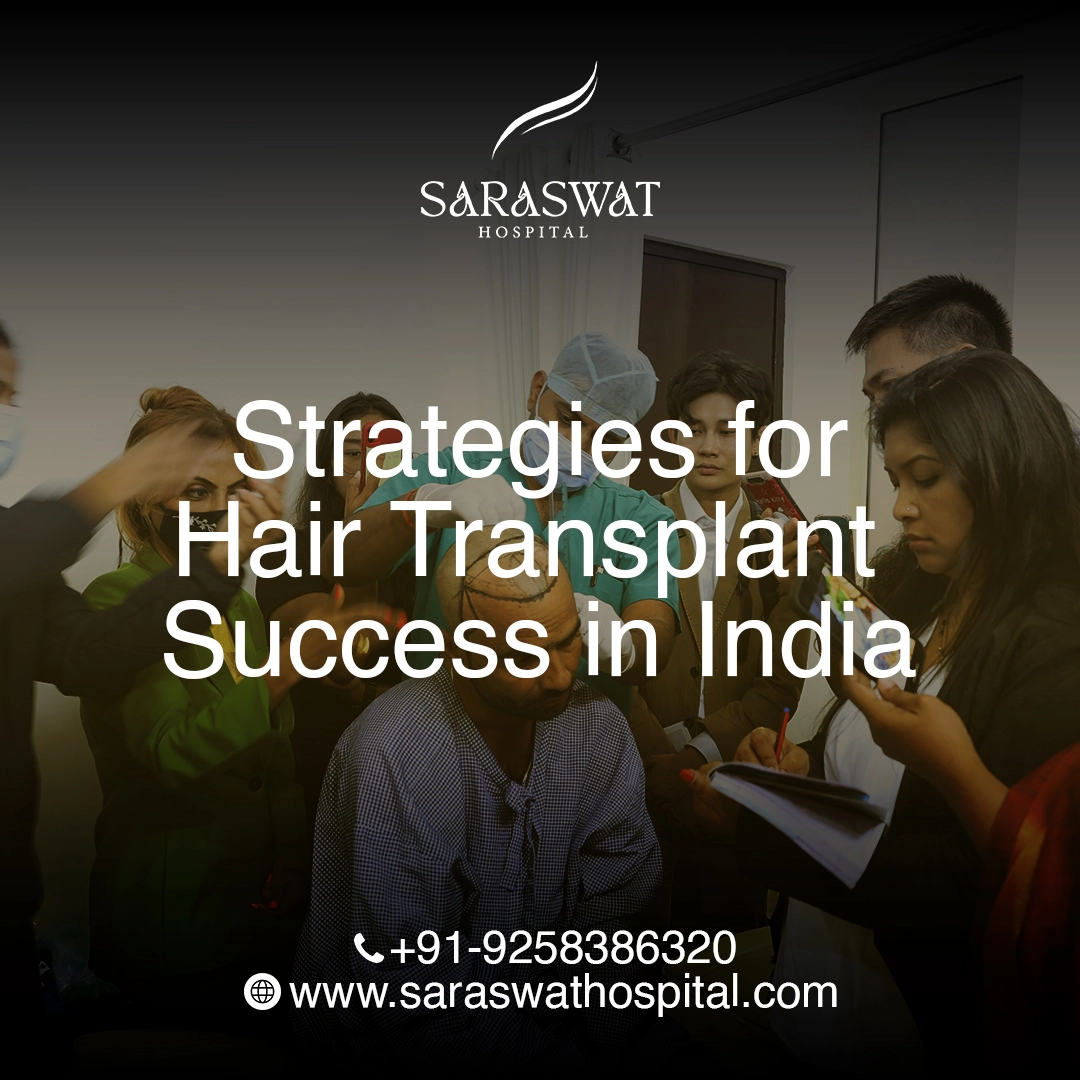
Ensuring a high hair transplant success rate requires careful consideration of various factors, from pre-operative preparation to post-operative care. By following strategic approaches, individuals can maximize the likelihood of successful outcomes and achieve desired results.
Understanding Hair Transplant Success
The hair transplant success rate is influenced by multiple factors, including the technique used, the surgeon’s expertise, and patient adherence to post-operative instructions. Achieving successful outcomes relies on a combination of meticulous planning and diligent aftercare.
Choosing the Right Clinic
Selecting a reputable clinic is paramount to ensuring the success of the procedure. Researching clinics based on their track record, patient testimonials, and surgeon credentials can provide valuable insights into the quality of care and expected outcomes.

View More Hair Transplant Results
Optimizing Pre-operative Preparation
Prior to undergoing a hair transplant procedure, patients should follow pre-operative guidelines provided by their clinic. This may include abstaining from certain medications, maintaining a healthy diet, and avoiding smoking or excessive alcohol consumption. By optimizing their health and following pre-operative instructions, patients can enhance the likelihood of getting the natural outcome.
Exploring Advanced Techniques
Advancements in hair transplant techniques have significantly improved the hair transplant success rate. Techniques such as Follicular Unit Extraction (FUE) offer precise and natural-looking results, increasing patient satisfaction.
Ensuring Proper Post-operative Care
After the hair transplant procedure, adhering to post-operative care instructions is crucial. This may include avoiding strenuous activities, protecting the scalp from direct sunlight, and taking prescribed medications as directed by the surgeon. Proper post-operative care can promote optimal healing and graft survival.
Monitoring Progress and Follow-up
Regular follow-up appointments with the surgeon allow for monitoring progress and addressing any concerns or complications promptly. These appointments are essential for ensuring the long-term success of the hair transplant and maximizing patient satisfaction.
Conclusion
Achieving hair transplant success in India requires a comprehensive approach that encompasses pre-operative preparation, advanced techniques, and diligent post-operative care. By choosing a reputable clinic, optimizing health before the procedure, and following post-operative instructions diligently, individuals can enhance the likelihood of successful outcomes. Saraswat Hospital, renowned for its expertise in hair transplantation, offers comprehensive solutions tailored to individual needs. With strategic planning and meticulous care, individuals can crack the code to successful hair transplants and regain confidence in their appearance.
Book an online consultation with our team and learn more about hair transplants, find out how many grafts are required in your case, and get a customized plan for a natural-looking hairline.
FAQs
1. How do I make sure my hair transplant is successful?
Follow post-transplant instructions strictly — avoid sun, sweating, and scratching. Elevate your head while sleeping, take all medication prescribed by your doctor, and keep follow-up appointments. Be patient — the final outcome will be visible after 12 months.
2. Which technique is best for hair transplant in India?
FUE (Follicular Unit Extraction) is the preferred choice in India due to less scarring and quicker recovery time. However, it all depends on the severity and type of hair loss and the skills of the surgeon.
3. Which is better, GFC or PRP?
GFC (Growth Factor Concentrate) is superior to PRP (Platelet-Rich Plasma) since it provides higher levels of growth factors with reduced infection risks. Both treatments help hair growth, but GFC generally produces quicker results, while PRP offers long-term benefits.
4. Can I touch my grafts after 7 days?
After 7 days, grafts are usually stable; however, scratching and rubbing should be avoided. You can clean your grafts using your fingers. Please consult your surgeon before touching your scalp or using any other products.
5. What should I avoid 7 days post-transplant?
Stay away from direct sun exposure, strenuous activities, swimming, drinking alcohol, and smoking. Refrain from wearing tight hats and scratching your scalp. Avoid taking any medication that may cause bleeding.
Follow us on:- Facebook, Instagram, Pinterest, YouTube
This article is for informational purposes only and does not constitute medical advice. Plastic, cosmetic, and laser treatments — including AI-assisted previews such as those generated by the Peek AI™ app — carry risks and results vary by individual. Always consult a licensed medical professional before undergoing any procedure.