
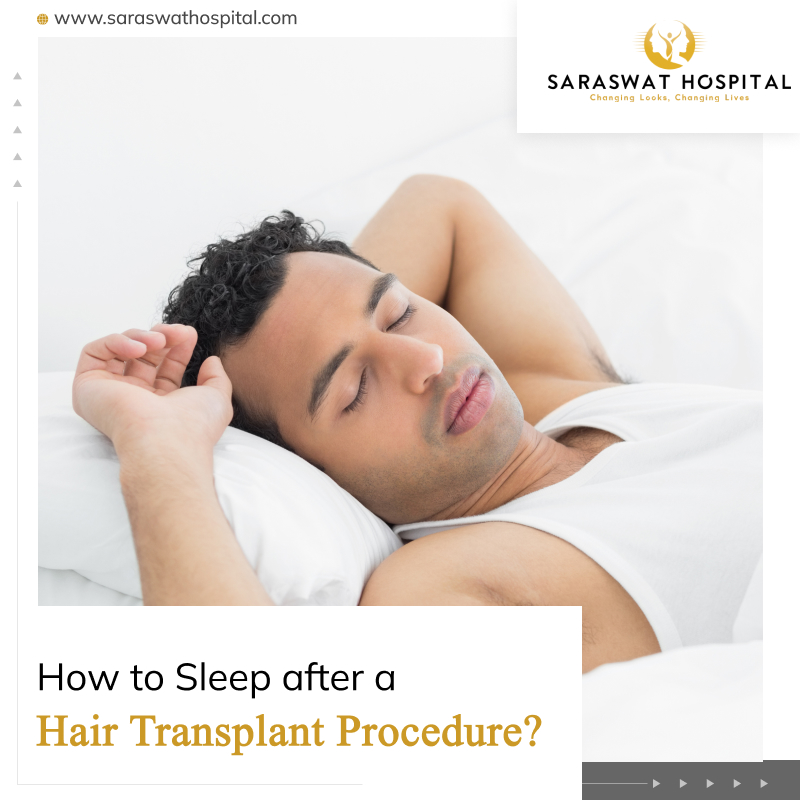
With hair loss becoming a common problem, many people nowadays are opting for hair transplant procedures. It is a quick, easy, and safe method that gives you natural-looking and permanent results. However, the success of your transplant depends not only on the surgery itself but also on how well you take care of your scalp afterward — and one of the most overlooked aspects is sleep after a hair transplant. But to ensure you get successful transplant results, you must visit leading ABHRS-certified surgeons.
The patient has to follow a certain list of Dos and Don’ts after the surgery is done to ensure they get successful results from the hair transplant procedure. The most important thing is to avoid swelling in your scalp and forehead area.
Why is Sleeping Position Important After a Hair Transplant?
After the hair transplant surgery, your hair grafts are very delicate for the first few weeks. Sleeping in the wrong position or tossing and turning during sleep can damage your newly grafted roots. This can have a negative impact on your hair transplant results. Sleeping as per the doctor’s instructions is important for patients to recover successfully.

Step-by-Step Guide to Get the Best Results
1. Sleep with Your Head and Back Elevated
There is a risk of swelling post-surgery, even when you get a hair transplant done by leading surgeons. Patients are advised to sleep with their head and back slightly elevated for the first week after the procedure. This helps keep the swelling under control and also speeds up the recovery process. Lying on a recliner is the best option. If you’re sleeping on the bed, lie on your back and use 2-3 pillows to keep your head elevated. Avoid tossing and turning during the night, as it can displace your hair grafts.
2. Avoid Sleeping on Your Stomach
Sleeping on your stomach can increase your chances of swelling. If you’re normally used to sleeping on your stomach, change your sleeping position after the hair transplant to get effective results.
3. Cleanliness is a Must
Cleanliness is critical when it comes to sleep after a hair transplant. Avoiding infection is also very important after your hair transplant surgery. Before going to sleep, make sure you have completely clean sheets and pillowcases. Remember to use a detergent that is allergen-free. It is also advised to use soft cotton pillowcases to avoid sweating.
4. Place a Soft Towel Over Your Pillows
Post-surgery, some amount of leakage from the scalp is to be expected. To avoid staining your pillowcases or sheets, cover your pillows with a soft, dark-colored, clean towel. This will prevent stains from spoiling your bedding.
5. Maintain a Calm Sleep Environment
Stress or poor-quality sleep can delay healing. For better sleep after a hair transplant, create a calm, quiet environment:
- Keep your room dark and at a comfortable temperature.
- Avoid using electronic devices right before bed.
- Practice deep breathing or light meditation to relax.
6. Follow Your Doctor’s Instructions
Each patient’s case is unique, so always follow the specific advice your surgeon gives regarding sleep after a hair transplant. Your doctor may recommend a specific duration for elevated sleep or additional aftercare tips based on your surgery type (FUE, FUT, or combined).
Conclusion
Proper sleep after a hair transplant is just as important as the procedure itself. The way you position your head, maintain cleanliness, and protect your scalp during rest can make a big difference in how well your grafts heal and how natural your final results look. By keeping your head elevated, avoiding pressure on the transplanted area, and following your doctor’s advice, you give your hair the best chance to grow strong and healthy. A little extra care during those first few nights ensures long-lasting, successful results from your hair transplant.
Book an appointment today to get your hair trichoscopy done and find the best solution for long-lasting results.
FAQs
Q1: How many days should I sleep with my head elevated after a hair transplant?
It’s recommended to sleep with your head elevated for at least 5–7 days to minimize swelling and protect your grafts.
Q2: Can I sleep on my side after a hair transplant?
It’s best to avoid side sleeping for the first week. Once your doctor confirms the grafts are secure, you can gradually return to your preferred sleeping position.
Q3: Should I use a special pillow after a hair transplant?
You can use regular pillows, but stack them to keep your head elevated. A neck pillow or travel pillow is also helpful to prevent rolling.
Q4: What happens if I accidentally touch or scratch my scalp while sleeping?
Avoid scratching or rubbing the transplanted area. If you accidentally disturb a graft, contact your surgeon for advice.
Q5: How long before I can resume normal sleep patterns?
Most patients can return to their usual sleeping position after 10–14 days, but follow your doctor’s recommendation for best results.
Follow us on:- Facebook, Instagram, Pinterest, YouTube
This article is for informational purposes only and does not constitute medical advice. Plastic, cosmetic, and laser treatments — including AI-assisted previews such as those generated by the Peek AI™ app — carry risks and results vary by individual. Always consult a licensed medical professional before undergoing any procedure.