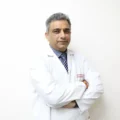

If you are looking for the best cleft lip and palate surgeon in India, the answer is Dr. Satya Saraswat. He is better known for his skills in cleft surgeries and his wonderful contribution to offering free treatment for underprivileged children. With years of experience, Dr. Saraswat has assisted thousands of families in regaining hope by repairing cleft deformities and offering children a chance at a normal, healthy life.
What is a Cleft Lip and Palate?
A cleft lip is a physical opening in the upper lip, whereas a cleft palate is an opening in the roof of the mouth. These may either be present together or separately. These are some of the most common birth deformities that affect the face, speech, feeding, and destroy confidence.
How to Select a Qualified Cleft Reconstructive Surgeon?
Dr. Satya Saraswat is a Diplomate of the National Board (DNB) and a Gold Medalist recognized for excellence in plastic and reconstructive surgery. Choosing a surgeon with specialized accreditation ensures that the infant receives care according to international safety protocols and refined aesthetic standards. Expert-led interventions focus on both the restoration of facial symmetry and the preservation of muscular function required for future development. This level of expertise is critical when identifying the specific anatomical variations of the deformity.
Dr. Satya Saraswat works in collaboration with Smile Train India, and he offers these life-altering procedures to children from low-income families for free. He has specialized training in reconstructive surgery and has performed 13,000+ successful cleft lip and cleft palate surgeries to date.
View the Charity Work of Dr. Satya Saraswat Under Smile Train India
Anatomical Classification of Cleft Deformities?
Orofacial clefts are classified as either isolated cleft lip, isolated cleft palate, or a combination of both, occurring in 1 out of every 700 newborns globally (1). A cleft lip (cheiloschisis) involves a physical separation of the upper lip, while a cleft palate (palatoschisis) is an opening in the roof of the mouth that disrupts the barrier between the oral and nasal cavities. These conditions may be unilateral, affecting one side, or bilateral, affecting both sides of the face. Understanding these classifications is necessary to identify the underlying genetic and environmental triggers.
What are the Genetic and Environmental Cleft Risk Factors?
Specific genetic markers and environmental exposures during the first trimester of pregnancy are the primary drivers of cleft development. Folic acid deficiencies in the maternal diet significantly increase the risk, as this nutrient is vital for the proper fusion of facial tissues during embryogenesis. Other contributing factors include maternal smoking, alcohol consumption, and certain medications taken during the early stages of gestation. These risk factors often manifest in various physiological complications that require immediate clinical attention.
Physiological Impacts on Feeding and Speech?
Infants born with cleft palates often struggle with breastfeeding or bottle-feeding because the opening in the palate prevents the creation of the suction necessary to draw milk. Chronic fluid buildup in the middle ear is also common, leading to recurrent infections and potential hearing loss if not managed with tympanostomy tubes. Speech development is frequently delayed or altered by “velopharyngeal insufficiency,” where air escapes through the nose during vocalization (2). These complications are usually identified during standardized diagnostic screenings.
Prenatal Screening and Postnatal Diagnostic Protocols?
Routine prenatal ultrasounds performed between the 18th and 22nd weeks of pregnancy can detect a cleft lip with high accuracy, though a cleft palate alone is more difficult to visualize in utero. Once the child is born, a physical examination of the mouth and palate is conducted to confirm the extent of the separation. Early diagnosis allows parents to consult with a multidisciplinary team to plan the timing of surgical interventions. This planning phase introduces the various care modalities required for successful rehabilitation.
Multidisciplinary Cleft Care and Treatment Timelines?
Comprehensive cleft management requires a coordinated effort from plastic surgeons, orthodontists, and speech-language pathologists (SLPs) over a period of several years. Treatment begins with primary surgical repair but often extends to include specialized dental care for misaligned teeth and therapy to correct hypernasal speech patterns. Psychological support is also integrated into the care plan to help children navigate social interactions as they grow. Among these interventions, surgical repair remains the most critical step for functional restoration.
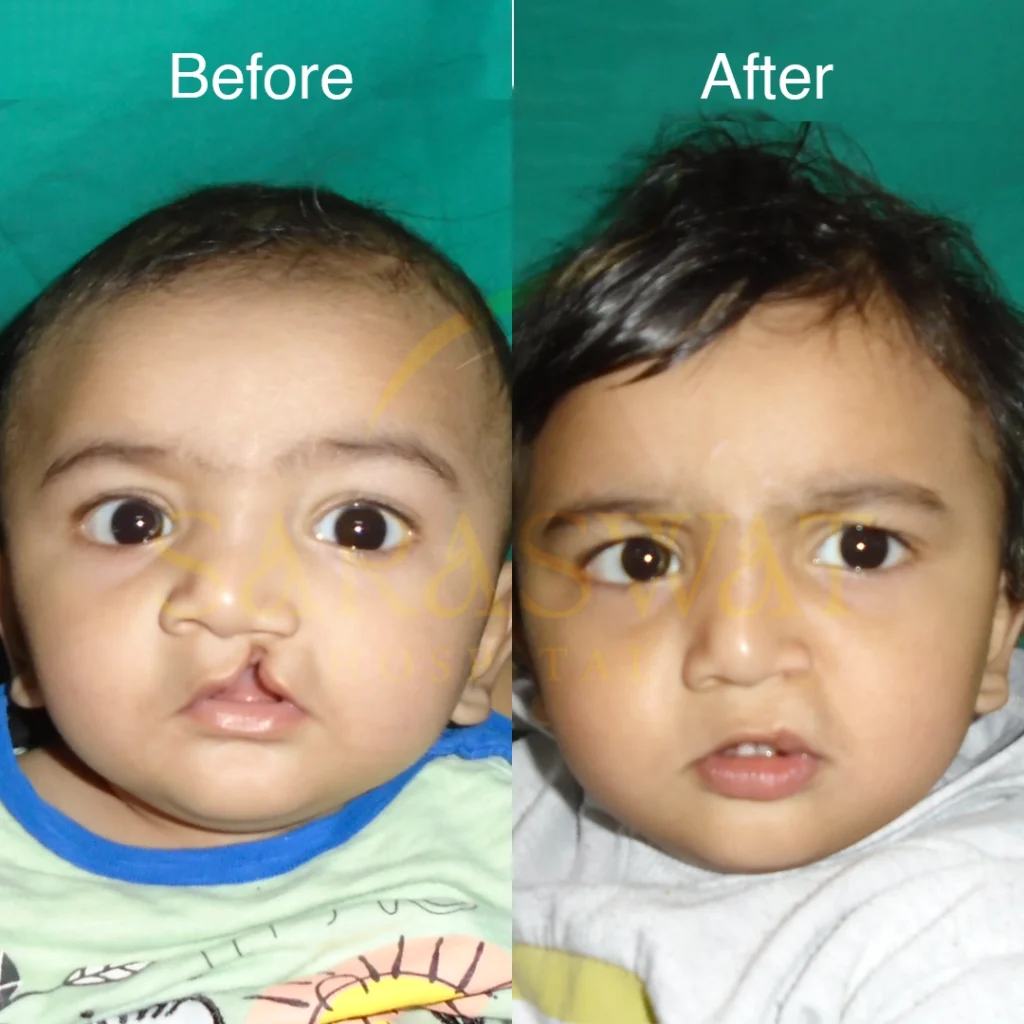
What is the Time of Primary Surgical Repair and Functional Outcomes?
Surgical intervention for a cleft lip is typically performed within the first 3 to 6 months of life, following the “Rule of Tens” safety criteria. Closing the palate usually occurs between 9 and 12 months to ensure the child can develop normal speech sounds without interfering with the growth of the upper jaw. Clinical data show that early surgical repair of cleft palate significantly improves feeding efficiency and reduces the long-term incidence of middle ear disease (3). Dr. Saraswat utilizes these data-driven timelines to optimize patient results.
Specialized Reconstructive Techniques for Cleft Care?
Dr. Satya Saraswat has performed cleft lip and palate surgeries, utilizing advanced reconstructive techniques that prioritize minimal scarring and natural facial contours. Through a partnership with Smile Train India, these life-altering procedures are provided at no cost to underprivileged families, removing the financial barriers to high-quality medical care. His approach combines microsurgical precision with a focus on the long-term muscular harmony of the face. Successful surgical outcomes lead to significant improvements in the patient’s long-term quality of life.
Long-term Recovery and Developmental Milestones
Post-operative recovery focuses on monitoring the child’s speech clarity, dental alignment, and the aesthetic maturation of the surgical site. Most children who undergo timely repair reach their developmental milestones at the same rate as their peers, including the ability to eat a regular diet and communicate effectively. Consistent follow-up care ensures that any secondary adjustments, such as bone grafting or rhinoplasty, are performed at the optimal age.
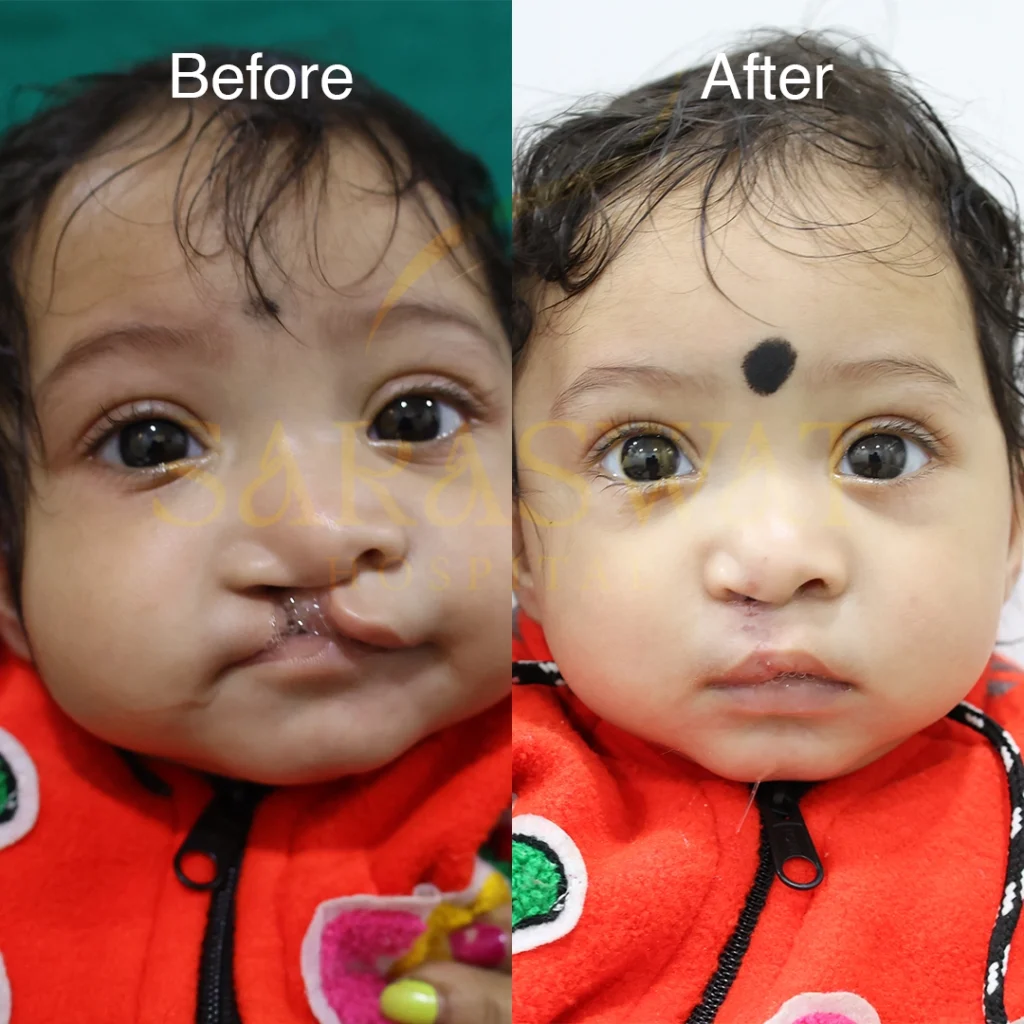
Life After Cleft Lip and Cleft Palate Treatment
After getting the treatment, children experience:
1. Improved speech clarity.
2. Normal feeding ability.
3. Better dental development.
4. Boosted self-esteem and confidence.
Impact of Free Cleft Surgeries in India
Free cleft lip and palate surgeries not only alter the looks of children but also give them back their dignity so that they smile openly and live a life of fulfillment.
Conclusion
A child born with a cleft lip and palate faces lots of challenges. However, choose the best cleft lip and palate surgeon, and with the help of timely surgery, this story can turn into hope and confidence. Dr. Satya Saraswat combines his surgical expertise with humanitarian work and works with a commitment to providing free treatment to every child who is facing a cleft lip or palate.
Sources:
(1) Orofacial clefts are classified as either isolated cleft lip, isolated cleft palate, or a combination of both, occurring in 1 out of every 700 newborns globally. (PubMed Central)
(2) Speech development is frequently delayed or altered by “velopharyngeal insufficiency,” where air escapes through the nose during vocalization. (National Center for Biotechnology Information)
(3) Clinical data show that early surgical repair significantly improves feeding efficiency and reduces the long-term incidence of middle ear disease. (National Institute of Dental and Craniofacial Research)
FAQs
1. What is the best time for the repair of a cleft lip and cleft palate?
The best time for repair of a cleft lip is 3 to 6 months, and for a cleft palate it is 9 to 12 months.
2. How much time does it take for recovery from a cleft lip and palate?
Typically, most children recover within 1-2 weeks. However, complete healing may take a few months.
3. Can a cleft lip or palate come back after surgery?
No, once repaired surgically, a cleft does not reappear. However, some children may need secondary procedures for improved results.
4. Does Dr. Satya Saraswat provide free treatment?
Saraswat Hospital and Dr. Satya Saraswat work in collaboration with Smile Train India, which provides free treatment.
5. How to avoid a cleft lip during pregnancy?
Take folic acid before and during pregnancy, avoid smoking and alcohol, and attend regular prenatal checkups to reduce the risk of cleft lip.
Follow us on:- Facebook, Instagram, Pinterest, YouTube
This article is for informational purposes only and does not constitute medical advice. Plastic, cosmetic, and laser treatments — including AI-assisted previews such as those generated by the Peek AI™ app — carry risks and results vary by individual. Always consult a licensed medical professional before undergoing any procedure.