

Hair loss is a common concern for many, and choosing the right hair transplant method in India can make all the difference. With advancements in medical technology, there are several effective hair transplant methods available — but which one should you choose? In this blog, we explore the most common hair transplant method, evaluate its advantages, and guide you to choose the best one for your needs in the Indian context.
However, times have changed with advancements in cosmetic surgery, making hair transplantation surgery a reality. In fact, celebrity footballer like Wayne Rooney has come out in the open about going under the surgeon’s needle to look attractive. Importantly, since the procedure is done under local anesthesia, patients usually go home after the procedure.
Understanding Hair Transplant: The Basics
Before diving into different hair transplant methods, it’s important to understand what a hair transplant is. A hair transplant is a surgical procedure that involves extracting hair follicles from a donor area (usually the back or sides of the scalp) and implanting them into a bald or thinning region. The goal is to restore natural hair growth.
In India, demand for hair transplant procedures has soared, and clinics across major cities such as Delhi, Mumbai, Bangalore, and Chennai offer a variety of advanced options. But not all hair transplant methods in India are equal — their effectiveness, cost, and recovery time vary.
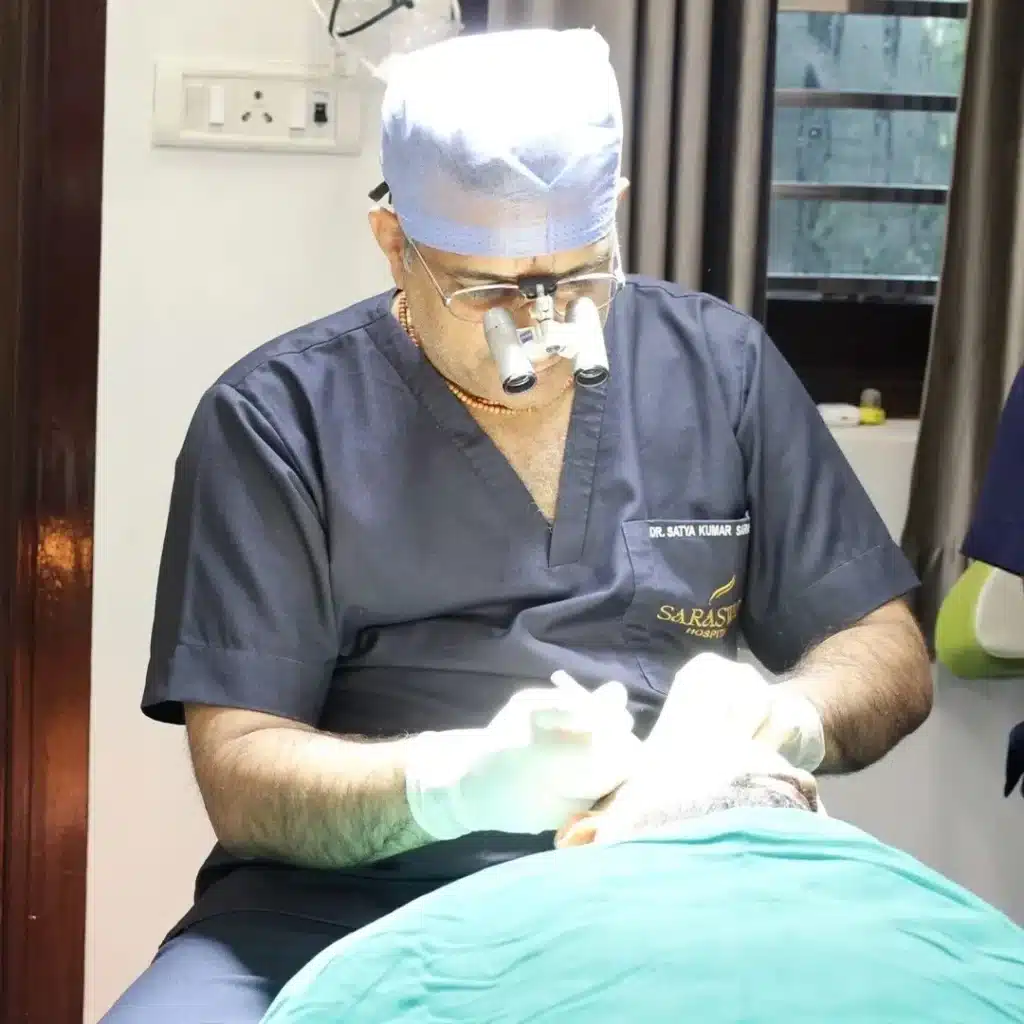
Various Hair Transplant Methods
Hair transplant surgery can be of many types. However, two hair transplant methods stand out for their precision, effectiveness, and desired outcome.
Follicular Unit Extraction (FUE)
In the Follicular unit extraction hair transplant method, the cosmetic surgeon extracts hair follicles from the donor area, typically at the back of the head, one at a time. The individual grafts are taken out by a small, low-torque round punch device of size 0.75mm to 1.3mm. Since these individual hair follicles are able to withstand balding, they retain their quality when transplanted to the front (or any area that has undergone hair loss) of the scalp.
One can avail hair transplant surgery if he or she is above 21 years of age, does not have health issues like uncontrolled diabetes, heart ailment, or uncontrolled hypertension. In fact, he or she should have an established pattern of low-density hair.
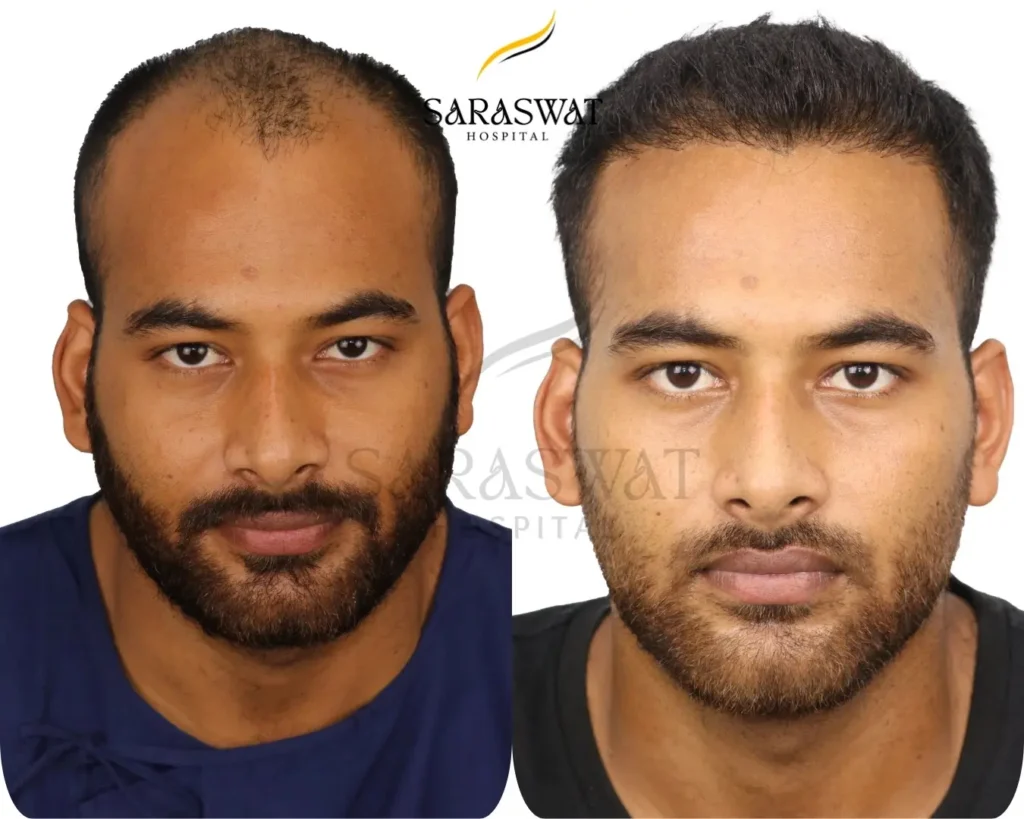
Advantages of the FUE procedure
1. No deep incisions are made, resulting in no visible scarring, especially in the donor area
2. Best for patients showing early hair loss patterns
3. Best for patients interested in sporting short hair
4. Creates larger donor pools from areas like the beard and other areas
Follicular Unit Transplantation (FUT)
Arguably one of the best hair transplant methods, FUT (Follicular Unit Transplantation) involves extracting an entire strip of hair from the donor area and dividing it into individual graft units. The surgeon sutures the donor area and allows it to heal. The team then places the follicular units – containing sebaceous glands, small muscle tissue, and nerves into the bald (recipient) areas of the scalp. Once transplanted, the grafts produce a natural growth pattern, eliminating any sign of incision.
Advantages of the FUT procedure
1. A single session of transplantation includes a large number of hair follicles
2. Results in a better hair yield compared to, say, FUE
3. The hair growth pattern appears more natural
Which Hair Transplant Method Is Best — and Why?
Comparing Effectiveness and Suitability
When evaluating the best method, one must consider multiple factors: donor area condition, cost, recovery, potential scarring, and desired density.
- If you need a large number of grafts, FUT might still be attractive because it yields a high number of grafts in one session.
- If you want minimal scarring and faster healing, FUE or Sapphire FUE is superior.
Cost Considerations in India
People often ask about the cost of a hair transplant. Here’s a rough idea (note: these are approximate and can vary based on clinic, city, surgeon, and number of grafts):
- FUT: Generally more affordable per graft
- FUE: More expensive than FUT but often preferred
Summary Table
| Method | Best For | Key Advantages | Key Drawbacks |
| FUT | Large baldness area, cost-conscious | High graft yield, cost-efficient | Linear scar, longer recovery |
| FUE | Moderate baldness, minimal scarring | No linear scar, quicker recovery | Slightly higher cost, may need multiple sessions |
| DHI | Hairline/temple focus, highest precision | Excellent cosmetic result, minimal downtime | Highest cost, fewer grafts per session, needs a premium clinic |
How to Choose the Right Method?
Here are some steps to help you decide:
- Consult a Qualified Surgeon
– Make sure the clinic is reputable.
– Ask about the surgeon’s experience with different hair transplant methods.
– Request to see before/after photos of their past patients. - Assess Your Donor Area
– The quantity and quality of your donor hair will influence which method is feasible
– If donor hair is limited, a method like DHI or FUE might be more suitable - Set a Realistic Budget
– Be clear on per-graft cost, total sessions, and add-on costs
– Don’t compromise quality just to save money — a poor transplant can be costly in the long run - Discuss Recovery
– Ask about downtime, scarring, and possible aftercare
– Understand what to expect in the first week, first month, and beyond - Ask About Technology
– Does the clinic offer Sapphire FUE, FUT, or DHI?
– Are these advanced methods worth the additional cost for you? - Check Credentials and Safety Standards
– Confirm clinic accreditation
– Ensure that they follow sterilization and safety protocols
Conclusion
Although both FUE and FUT have their respective benefits, you should choose the method that has been advised by the surgeon. If you want to know the complete information about hair transplant, book an appointment now and find out how many grafts are required in your case.
Follow us on:- Facebook, Instagram, Pinterest, Youtube