
Facing severe hair fall issues? Your regular vitamin intake might be responsible for that. You should maintain a proper lifestyle and diet for healthy hair growth. To know more, read the article till the end to know which vitamin deficiency causes hair loss and what will be the best option for you to reverse the hair loss problem.
Which Vitamins Support Hair Follicle Cycling?
Vitamin D3 receptor (VDR) activity is essential for the maintenance and renewal of keratinocyte stem cells located in the hair follicle bulge. A deficiency in serum Vitamin D3 disrupts the natural hair cycle, preventing follicles from transitioning from the resting phase back to the active growth phase (PMC, 2024. Clinical evaluations typically categorize levels below 20 ng/mL as a deficiency that correlates strongly with female pattern hair loss and diffuse thinning (1). These nutrients assist in the cellular metabolism required for hair protein synthesis. This biological foundation determines whether your scalp can sustain healthy density or if micro-nutrient imbalances will trigger premature shedding.
How Do Micro-Nutrient Levels Impact Alopecia?
Low serum ferritin and hemoglobin levels are statistically significant biomarkers directly linked to the pathophysiology of hair shedding. Iron is a critical cofactor for ribonucleotide reductase, the enzyme involved in DNA synthesis within the hair matrix; inadequate levels impair oxygen transport to rapidly dividing cells. While zinc is an essential cofactor for many enzymes, recent 2025 data suggest that minor zinc deficiencies often lack the clinical significance required to justify them as a primary diagnostic test (2).
| Micronutrient | Clinical Role in Hair | Deficiency Symptom |
| Vitamin D3 | Stem Cell Differentiation | Follicle Miniaturization |
| Ferritin (Iron) | Matrix Cell Proliferation | Telogen Effluvium |
| B12 | Red Blood Cell Production | Reduced Oxygen to the Root |
| Biotin | Keratin Synthesis | Brittle, Fragile Strands |
High-dose biotin supplements can interfere with laboratory results for thyroid function and cardiac biomarkers, despite the lack of evidence for their efficacy in non-pathological hair loss. When these internal nutritional markers are balanced, yet hair loss persists, external stressors must be examined.
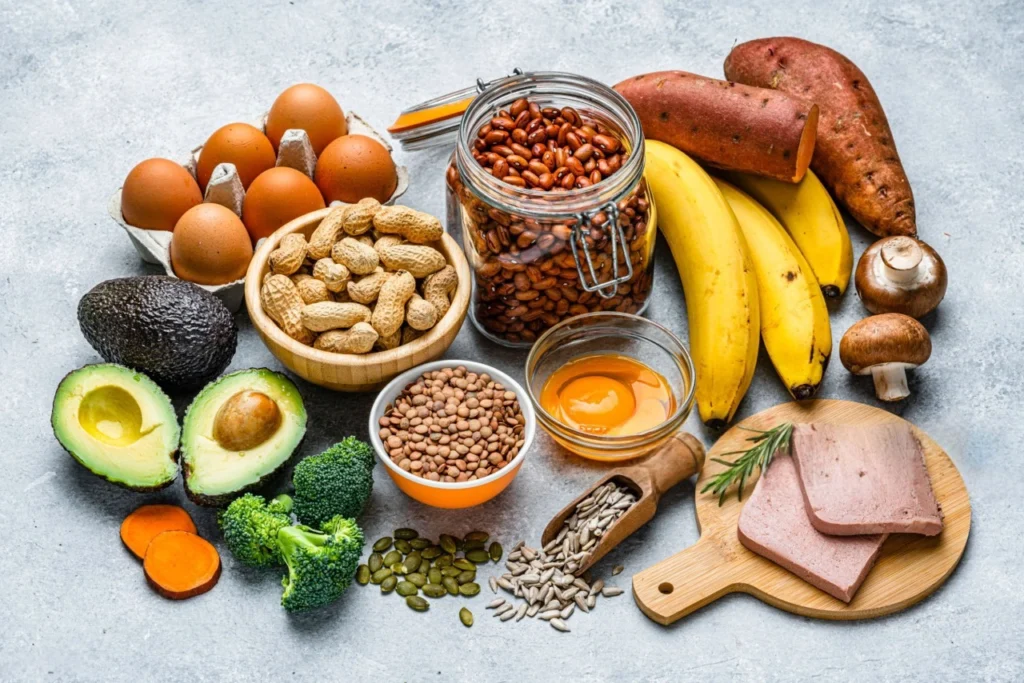
Learn about the role of vitamins and minerals in hair loss
Other Causes of Hair Fall
Now you know the reasons for hair loss. Vitamin D deficiency is the most common culprit of hair loss. But it is not the only one; there could be other reasons that are responsible for hair loss, such as:
● Genetic: You are likely to develop hair loss problems if any of your family members have the same history. Excessive DHT hormone makes the hair follicle shrink, leading to thin hair or hair loss.
● Stress: When you are under stress, your body will release the cortisol hormone that disrupts hair growth. Stress could be another red flag that causes hair to fall.
● Your Medical condition: Apart from the other reasons, you are likely to develop hair loss issues if you suffer from thyroid disorders or autoimmune diseases such as alopecia areata. Anemia, too, should be checked for!
● Hairstyling and Grooming: You should avoid hairstyles such as ponytails, braids, and buns to maintain your hair’s health. These hairstyles put excessive tension on hair follicles, so they easily get uprooted.
These are all the other causes of hair loss. Hopefully, these will help you to take the necessary steps to prevent hair loss. If you are suffering from a severe hair-fall issue or hair shedding, then you can go for a hair transplant.
Is FUE or FUT the Best Choice for Norwood 6?
Follicular Unit Transplantation (FUT) yields a higher follicle survival rate of approximately 86% compared to 61-70% for Follicular Unit Excision (FUE) in cases requiring high graft counts for extensive baldness (3). While FUE is popular due to its dot-like, minimally invasive extraction, FUT remains the gold standard for maximizing donor density in a single session. Modern advancements at Saraswat Hospital utilize both techniques to achieve natural-looking, high-density results tailored to the patient’s specific Norwood grade. Deciding between these methods depends on the surgeon’s ability to balance surgical precision with aesthetic artistry.
Hair Transplant Treatment Option
You can follow several hair loss treatments. Depending upon your condition, your doctor can choose the best available option for you. These options are :
- Laser hair regrowth therapy
- PRP
- GFC
- Transplantation.
How To Choose The Best Surgeon?
The hair transplant process is a bit difficult and costly, so choose an expert for the same treatment. Read more to choose the best doctor for a hair transplant :
- Qualification: Check whether the doctor holds good credentials to perform a hair transplant procedure. He/She should be a plastic or cosmetic surgeon, an ABHRS-certified surgeon, a member of ISHRS, AHRS, and so on.
- Experience: Another important factor in choosing the best doctor is to check their experience. In that case, you can look for the number of years of experience in the field and various testimonials.
- Skill of the Surgeon: The hair transplant process involves 60% artistic skill and the rest through a scientific approach.
Key Takeaway
Hope you have got the idea about the vitamins that cause hair loss. Vitamins A, B, B12, and biotin are all important to maintaining healthy hair growth. If these supplements do not fetch you a better result, then consider opting for a hair transplant. Seek out the help from Saraswat Hospital with an online consultation to ensure that your hair gets the tender care and nourishment.
Sources
(1) Clinical evaluations typically categorize levels below 20 ng/mL as a deficiency that correlates strongly with female pattern hair loss and diffuse thinning.
(2) 2025 data suggest that minor zinc deficiencies often lack the clinical significance required to justify them as a primary diagnostic test.
(3) Follicular Unit Transplantation (FUT) yields a higher follicle survival rate of approximately 86% compared to 61-70% for Follicular Unit Excision (FUE) in cases requiring high graft counts for extensive baldness.
FAQs
1. Does vitamin D deficiency cause hair fall?
Yes, a low level of vitamin D is linked with hair loss. People with alopecia areata should include this in their regular diet.
2. What are some foods that prevent hair loss?
To prevent hair loss, you should eat foods that are rich in antioxidants, vitamin D, vitamin B-12, biotin, and vitamin E. The sources of these foods are eggs, green vegetables, etc.
3. Can vitamins help recover from the hair loss situation?
There are many reasons behind hair loss, and a lack of vitamins is one of them. If you don’t have genetic issues, then taking vitamin supplements can reverse the situation.
4. How do I know if I am the right fit for a hair transplant?
If vitamin supplements don’t work for you, then you can contact the doctor for further assistance. In that case, you might need further check-ups.
5. Mention the best treatment available for hair loss.
Increase the intake of your regular vitamin supplements along with other medications.
Follow us on:- Facebook, Instagram, Pinterest, Youtube