
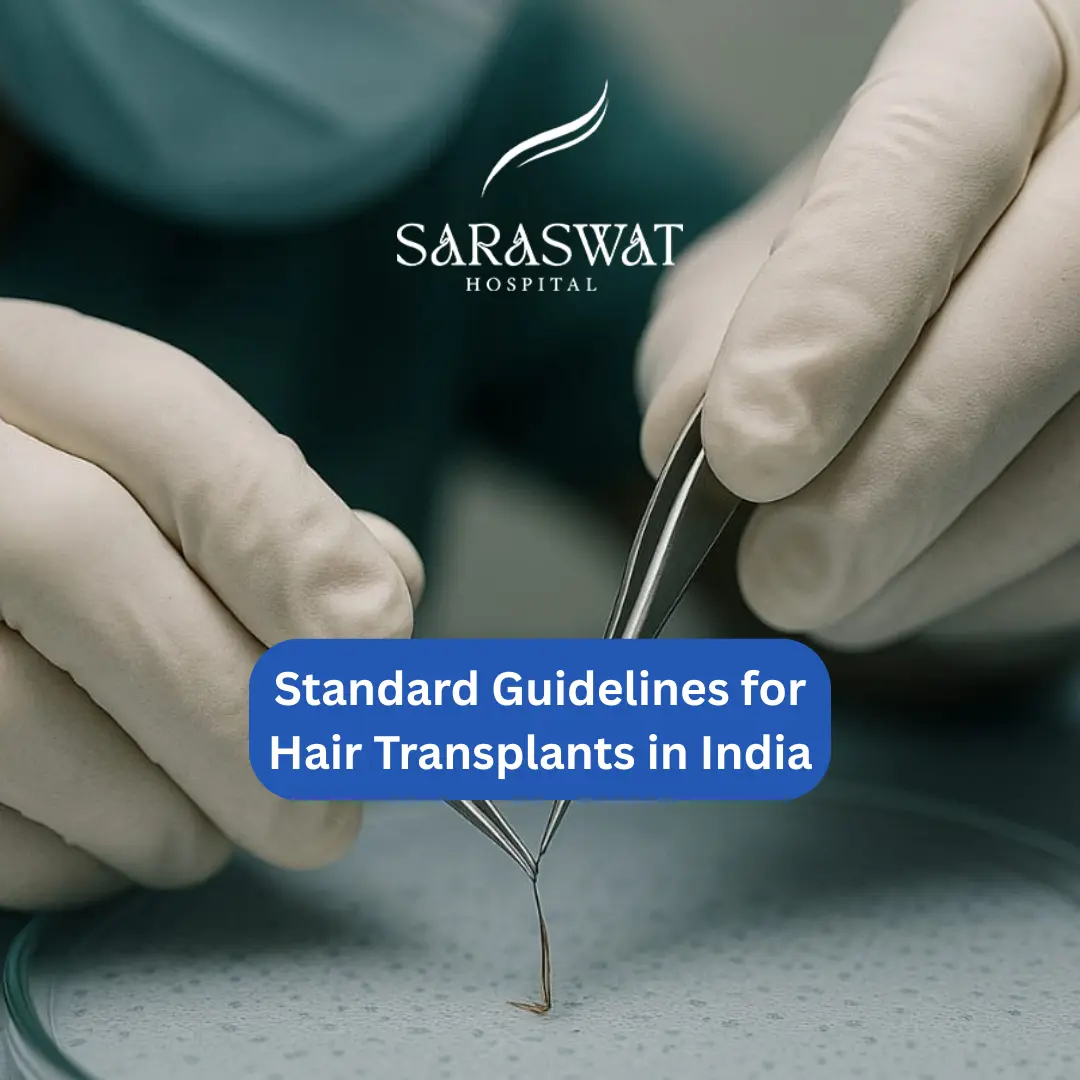
Hair restoration has become more prominent nowadays. Therefore, patient safety becomes the priority, and for that, we must follow standard guidelines for hair transplant in India. The authorities have set some medical and surgical guidelines that every clinic and surgeon should maintain for the better outcome of the patient.
Purpose of the Guidelines for Hair Transplants
The only purpose of these guidelines for hair transplants is to make clinics adopt a structured approach. These rules ensure that each hair transplant clinic provides the best service to the patient at each step, from consultation to post-procedure care. It also helps clinics to avoid any complications and achieve natural outcomes. By following these sets of rules, clinics maintain a inernational standard of care.
The National Medical Commission (NMC) of India mandates that hair transplantation be treated as a major surgical procedure requiring a sterile operating theater environment. These regulations serve to standardize patient safety across all hair restoration clinics by requiring life-saving equipment, such as crash carts and defibrillators, to be present during the procedure. These safety protocols are initiated long before the surgery begins through rigorous diagnostic screening.
What Clinical Screening Ensures Transplant Safety?
Surgeons use trichoscopy and blood chemistry panels to identify contraindications like Alopecia Areata or Lichen Planopilaris. Clinical guidelines require a detailed assessment of the Donor-to-Recipient ratio to ensure that the patient has sufficient lifetime follicles for future thinning. This data-driven assessment determines the eligibility of the patient and informs the legal requirement for surgeon credentials.
Who is Legally Qualified for Hair Transplant Surgery?
Indian law strictly dictates that hair restoration must be performed by a board-certified Plastic Surgeon (MCh/DNB) or a Dermatologist (MD/DNB) (1). The guidelines prohibit technicians or non-medical staff from performing the “surgical” aspects of the procedure, including slit-making or graft extraction. Beyond the surgeon’s degree, the environment where they operate must meet specific sterility benchmarks to ensure graft viability.
Does OT Sterilization Impact Graft Survival?
Maintaining a sterile field and a controlled temperature for harvested grafts is critical to preventing ischemia-reperfusion injury. Grafts stored in specialized holding solutions like HypoThermosol show significantly higher survival rates than those kept in standard saline (2). Precise sterilization of punches and forceps further reduces the risk of folliculitis, which is essential for preserving the donor area’s health.
How to Avoid Donor Area Overharvesting?
Surgical guidelines recommend extracting no more than 20% to 25% of the available follicular units in the permanent donor zone to avoid visible thinning (3). Overharvesting leads to permanent “moth-eaten” scarring and eliminates the possibility of a second procedure if hair loss progresses (4). Protecting the donor area is a core ethical pillar that influences how clinics present their pricing and graft counts.
| Feature | Guideline Standard | Risk of Non-Compliance |
| Extraction Limit | <25% of donor density | Permanent donor scarring |
| Graft Storage | 4 degree celcius in ATP/Saline | Low graft survival/Yield |
| Surgeon Degree | MCh or MD (Derm) | Legal penalties/Patient risk |
How is Hair Transplant Pricing Regulated?
Ethical guidelines require clinics to provide an all-inclusive, transparent breakdown of hair transplant costs per graft or per session before the patient signs the consent form. This transparency prevents “hidden” charges for post-operative medications or necessary follow-up sessions. Clear financial planning ensures that the patient focuses entirely on the clinical recovery and long-term results.
Learn more about our lead hair transplant surgeons
Other Important Guidelines for Hair Transplants
Surgeons must follow these ethical and legal parameters in addition to the hair transplant guidelines:
- The Clinic has to be registered under the relevant medical authority.
- All the equipment should be used by trained professionals.
- Clinics need to use real results in their advertisement.
- Information and images of patients can be used only after written consent.
Adherence to these guidelines for hair transplantation upholds integrity in this professional field and provides the best possible experience for the patients.
Influence of These Guidelines on Patient Satisfaction
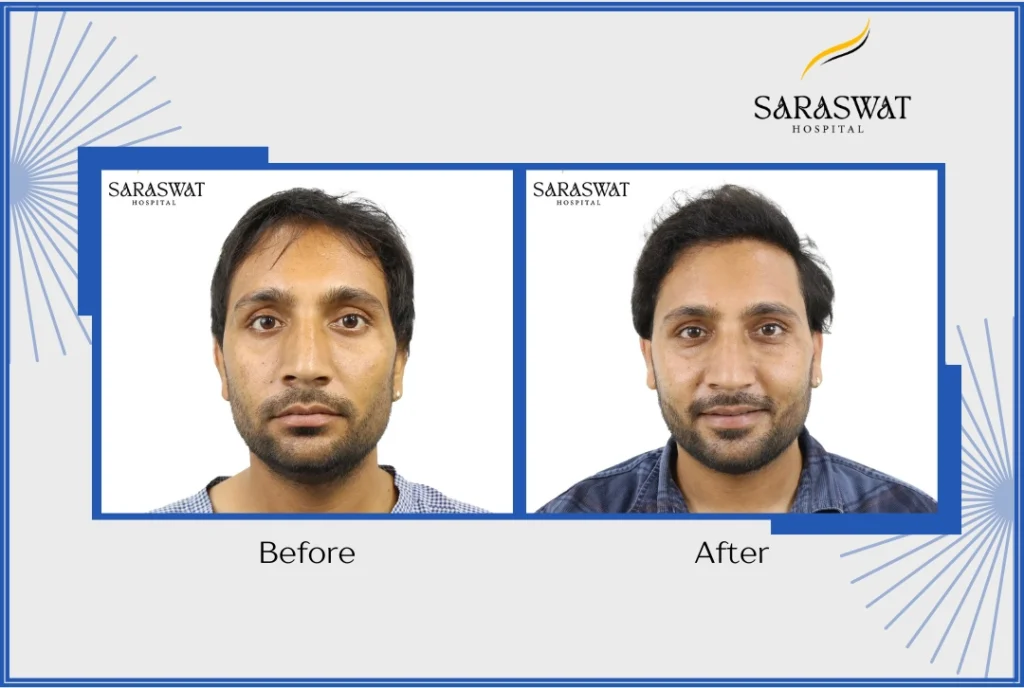
If clinics adhere to the principles of hair transplantation, then these clinics are able to maintain a higher degree of satisfaction amongst their patients. The successful hair transplant before and after results are proof that the clinic is following all the above guidelines.
Conclusion
These are the essential guidelines for hair transplants in India. If a clinic and surgeon follow these guidelines, you can get a safe procedure and the best results for your hair transplant. We achieve the desired level of excellence and lasting confidence through these standards, from the initial consultation to after-surgery care.
Sources
(1) The National Medical Commission issued a directive that only M.CH. Plastic and Cosmetic Surgeons and M.D. Dermatologists can perform hair transplantation surgery.
(2) Grafts stored in specialized holding solutions like HypoThermosol show significantly higher survival rates than those kept in standard saline.
(3) Surgical guidelines recommend extracting no more than 20% to 25% of the available follicular units in the permanent donor zone to avoid visible thinning.
(4) Overharvesting leads to permanent “moth-eaten” scarring and eliminates the possibility of a second procedure if hair loss progresses.
FAQs
1. How important are these guidelines?
Following these guidelines ensure safety of the patient. Another thing they also help in maintaining professional ethics and avoiding surgical complications.
2. Which surgeon can perform a hair transplant procedure in India?
Under the guidelines of the National Medical Commission (NMC), a qualified plastic surgeon can perform a hair transplant in India.
3. Do guidelines affect the final outcome?
Yes. Adherence to the guidelines concerning the transplant of hair ensures natural design, graft survival, and long-lasting results, meeting patient expectations.
Follow us on:- Facebook, Instagram, Pinterest, Youtube