
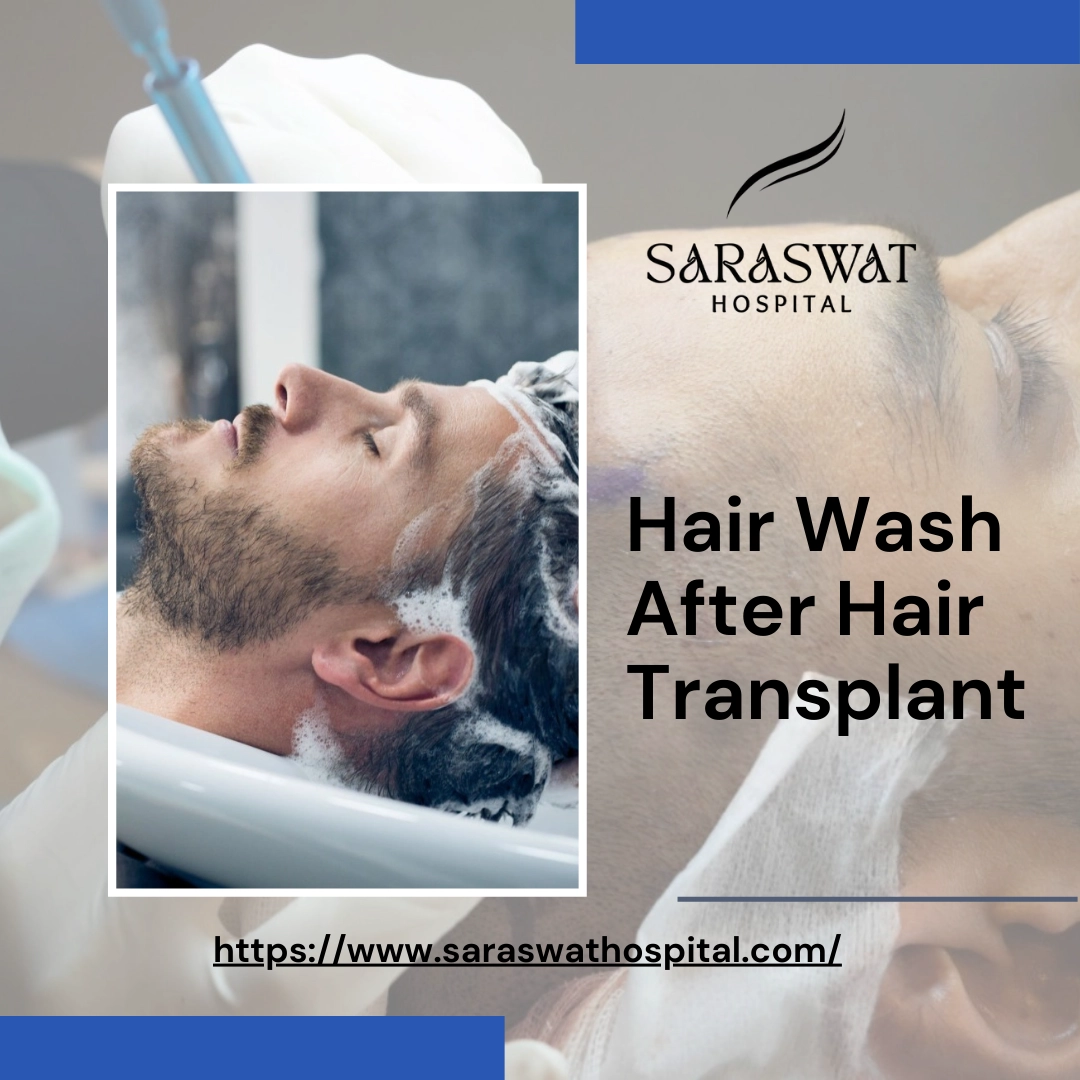
Many men and women prefer to have a hair transplant. First and foremost, there are some significant aspects of hair transplant aftercare, particularly hair wash after hair transplant, that can make or break your hair transplant. Here in this guide, we will understand some important points and tricks for washing hair after hair transplant surgery.
What is a Hair Transplant?
A hair transplant is a popular procedure in which surgeons take hair follicles from the donor area (such as the back or side of the scalp) and transplant the follicles to the recipient area. People who are suffering from hair loss, baldness, or thinning hair for various reasons can aim to restore their natural hair via hair transplantation. This is a complex procedure, which should be done by certified doctors only. The patient is given local anesthesia before the treatment. Thus, the hair transplant procedure is safe and comfortable with minimal discomfort to the patients. Remember, it is not a one-time treatment; it may require multiple sessions based on the patient’s progress on the Norwood scale of baldness.
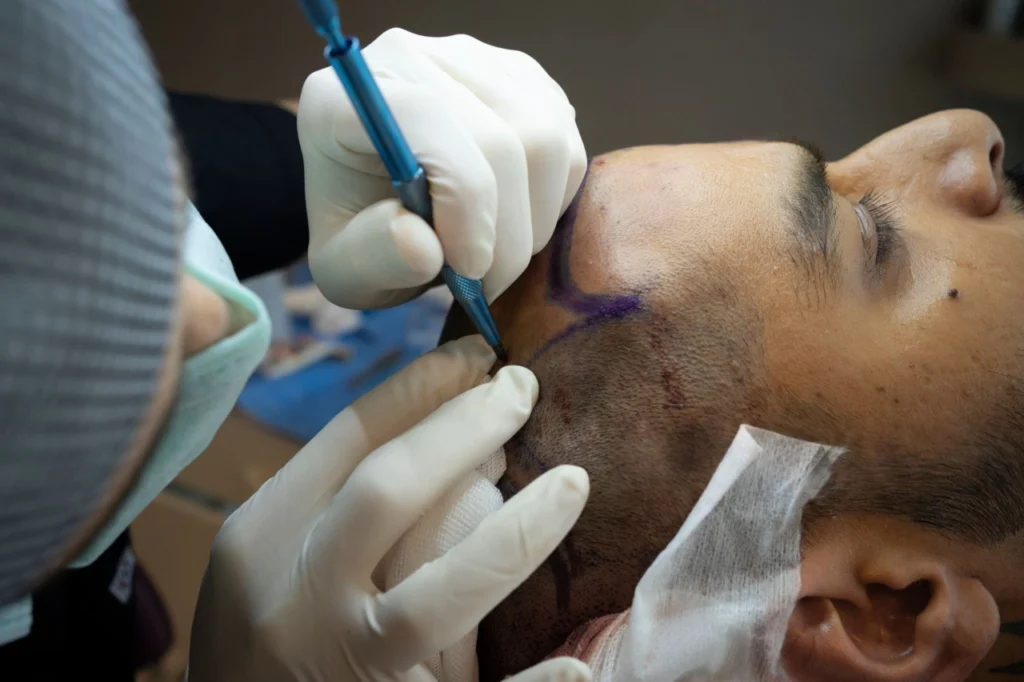
How do FUE and FUT Graft Anchor?
Follicular unit grafts are secured in the recipient sites by natural fibrin adhesion within the first 48 hours following surgery. During this window, the grafts are susceptible to mechanical displacement because the physical connection between the follicle and the surrounding tissue is purely superficial. Data suggests that by day 8, the grafts fully integrate into the dermal blood supply, making accidental dislodgement nearly impossible. This biological timeline dictates why the first few washes require extreme precision to avoid “popping” the grafts out of their incisions. Understanding this anchoring phase is essential before addressing the role of hygiene in scalp recovery.
Learn more about FUE hair transplant
Why is Biofilm Management Critical Post-op?
Daily cleansing prevents the accumulation of dried blood and exudate, which otherwise form a thick crust or “biofilm” that can trap bacteria. If left unwashed, these crusts can lead to perifolliculitis, an inflammatory condition that compromises the survival rate of the newly implanted follicles. Gentle irrigation ensures that the scalp remains oxygenated and free from pathogens that cause localized infections. Strategic washing also minimizes the intense itching associated with the healing of donor and recipient sites. This cleanliness is the foundation for the specific timing of the first intervention.
What is the 48-Hour Graft Window?
Patients must wait a minimum of 24 to 48 hours before the first scalp irrigation to allow the initial healing of the micro-incisions. It is recommended that a professional “first wash” at the clinic whenever possible to demonstrate the correct pressure and technique. After the 48-hour mark, the risk of graft desiccation (drying out) becomes a concern, making hydration via washing a clinical necessity. Initiating care during this window ensures that scabs remain soft and easy to shed naturally over the following week. Selecting the correct chemical agents is the next step in this sterile protocol.
See How Hair Wash After Hair Transplant Supports Healing
The general wash of hair post-hair transplant is not merely about washing hair but about the health of the scalp as well as the grafts. Here’s how washing your hair correctly contributes to healing and hair growth:
- Prevents Infection: This reduces the build-up of dirt, oil, and bacteria, which cause infections on the skin surface.
- Minimizes Scalp Irritation: A gentle wash is also done to mainly help relax the scalp and further minimize and or prevent any common irritation that may arise after the transplant.
- Promotes Hair Growth: By washing the scalp, one promotes a good environment for hair follicles to grow and produce healthy hair.
When getting back to your hair care procedure after the transplant, it is wise to find the best hair clinic. Our team of professionals at Saraswat Hospital gives you professional recommendations on how to take care of your hair once you leave the hospital to facilitate its growth. There are certain measures that a patient has to follow to get the best results from a hair transplant.

How to Prevent Mechanical Graft Dislodgement?
1. Water Pressure Warning: Direct high-pressure water from a showerhead can exert enough force to physically eject a graft from the recipient site during the first five days of recovery.
2. The Approved Method: Patients should instead use a “pour and pat” method, utilizing a cup or a low-pressure spray bottle to saturate the area.
3. Friction Restrictions: Rubbing, scratching, or massaging the scalp is strictly prohibited for the first 10 days to prevent friction-based graft loss.
4. Application Logic: Instead, apply a diluted shampoo foam and allow it to sit for two minutes before rinsing with lukewarm water.
What Factors Impact Long-term Graft Survival?
The ultimate success of a hair restoration procedure depends on both the surgical execution and the patient’s adherence to a strict 14-day hygiene protocol. At Saraswat Hospital, the use of FUE and Long Hair Transplant techniques ensures minimal trauma, but how well the patient manages post-op crusting significantly influences the ‘yield.’ While the cost of a hair transplant in India is competitive, clinical-grade aftercare achieves the high survival rate of the grafts, which provides the true value. Maintaining a clean, infection-free scalp is the most cost-effective way to ensure a lifetime of natural hair growth.
Conclusion
Hair washing after a hair transplant may not be complex, but you must do it correctly to allow the newly transplanted hair follicles to grow correctly. This guide provides useful advice on how to aid your scalp in the healing process and promote hair regrowth where necessary.
FAQs
1. When is it safe to wash hair after hair transplantation?
After 2-3 days, you can start washing your hair gently, but do not rub and do not use hot water.
2. What shampoo is appropriate to use after a hair transplant?
The one to choose should be a mild, sulfate-free shampoo that will not cause any inflammation of the head.
3. Is it possible to swim after a hair transplant?
Clinical guidelines encourage patients to wait at least one month for no water submersion, including swimming pools and hot tubs, after a hair transplant.
4. How soon after the transplanted hair begins to grow?
The hair should start regrowing after 2-3 months, and it can take up to 12-18 months to see the best results of the treatment.
5. How much will it cost me to have hair transplant surgery in India?
The cost depends on the specific procedure, but overall, India has competitively priced hair restoration surgery among other countries. For complete details of the cost, book an appointment.
Follow us on:- Facebook, Instagram, Pinterest, Youtube