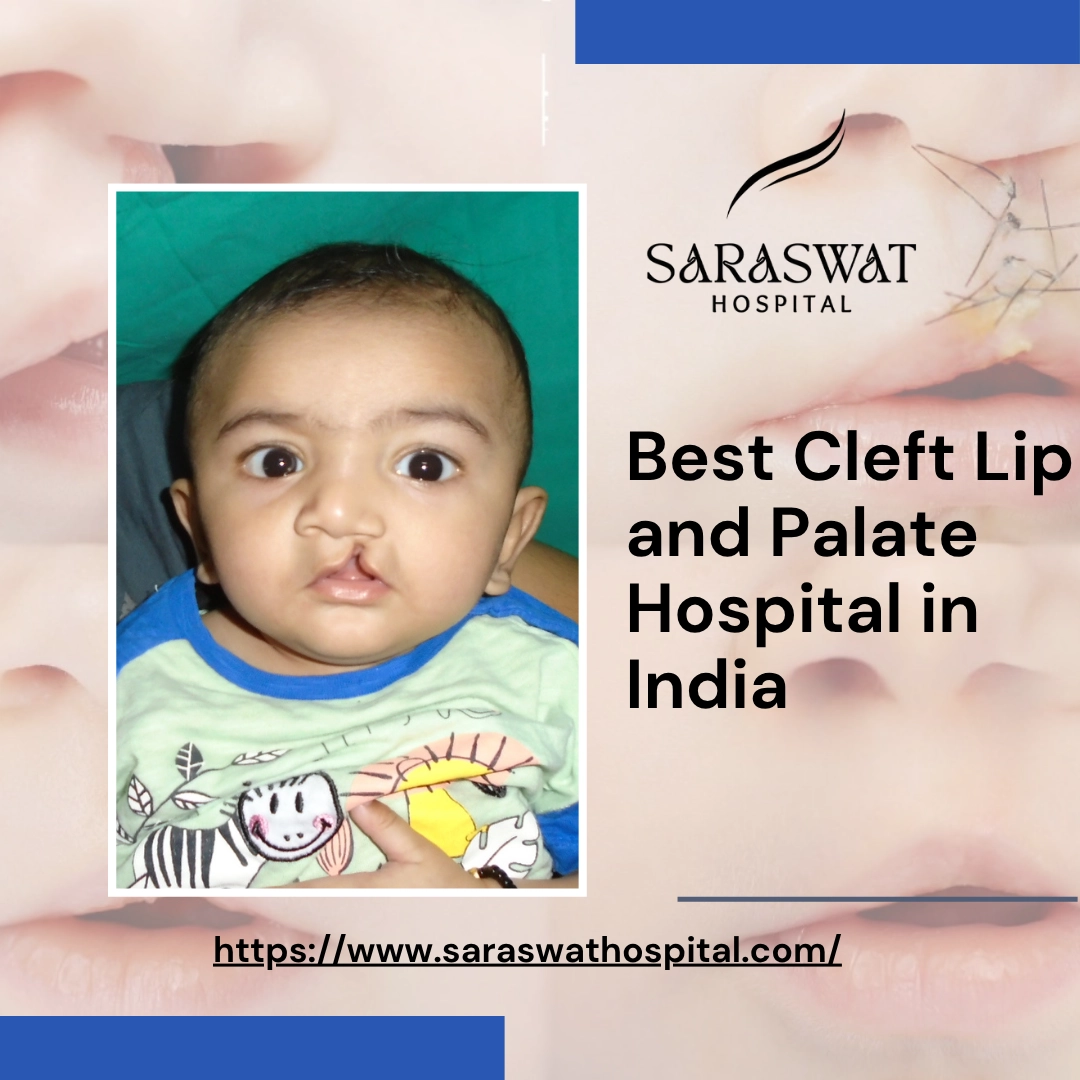
Cleft lip and palate are some of the most common congenital defects, with a prevalence that has been estimated to occur in 1 in 700 live births globally. However, fortunately, advancements in medical technology and knowledge by professional surgeons have made such defects quite correctable.
For those in need of the best hospitals providing treatments for cleft lip and palate, we suggest considering Saraswat Hospital in Agra, India, where we provide absolutely free surgeries for patients with cleft lip and palate.
What Defines Cleft Lip and Palate?
Orofacial clefts are congenital anomalies involving the failure of facial structures to fuse during early embryonic development. A cleft lip occurs when the tissues forming the upper lip do not join completely before birth, while a cleft palate involves an opening in the roof of the mouth that can affect both the hard and soft palate. Current 2024 data show that these conditions affect 1 in 700 births worldwide (1), necessitating early multidisciplinary intervention. This structural disruption requires precise surgical reconstruction to restore normal feeding and speech functions. Identifying the underlying etiology of these defects is the next step in clinical management.
Causes of Cleft Lip and Palate
The causes of cleft lip and palate are not completely known, but some research points to genetic and environmental factors. Research from 2025 highlights that specific gene mutations, such as those in the IRF6 gene, significantly increase the risk of non-syndromic orofacial clefts (2). These factors distort the normal development of facial anatomy during the 6th to 11th week of pregnancy. Here are some of the primary factors that cause cleft lip and palate :
1. Genetic Factors
Genes are an important factor in cleft lip and palate. If a parent or any sibling historically had a cleft, then the chances of occurrence increase. There are certain syndromes, like Van der Woude syndrome or Pierre Robin sequence, that inherit these conditions.
2. Environmental Triggers
Another important factor is the environmental factor, which influences the risk during pregnancy. These include:
- Maternal smoking or alcohol use: Smoking and alcohol consumption during pregnancy can lead to cleft lip and palate.
- Medications: Some medicines, like anticonvulsants (e.g., phenytoin), increase the risk.
- Nutritional deficiencies: The absence of essential nutrients in your diet is generally related to cleft formation.
- Diabetes: Women with badly managed diabetes before or during pregnancy have a risk of having a baby with a cleft.
3. Unknown Factors
In some cases, the cause of cleft lip and palate remains unidentified, and the condition emerges instinctively. However, researchers continue to explore the unknown factors to understand and prevent cleft lip and palate.
Is Free Cleft Surgery Available in India?
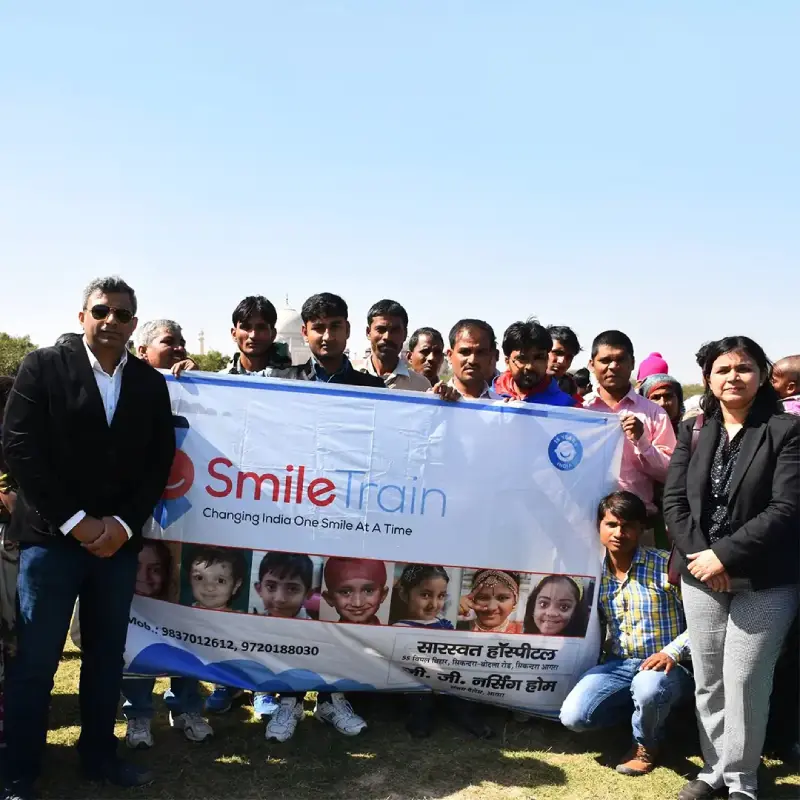
Saraswat Hospital in Agra provides 100% free cleft lip and palate surgeries through its long-standing partnership with Smile Train. This collaboration ensures that patients from all socio-economic backgrounds receive clinical-grade surgical care, nutritional support, and post-operative follow-ups at no cost. Smile Train has funded over 2 million+ surgeries globally, maintaining rigorous safety and quality standards (3). The accessibility of these procedures is made possible by the presence of highly credentialed surgeons.
Who are India’s Leading Cleft Surgeons?
Dr. Satya Saraswat leads the cleft care unit at Saraswat Hospital with over two decades of combined experience. He is a Gold Medalist in Plastic Surgery and a Diplomate of the American Board of Hair Restoration Surgery (ABHRS), ensuring a high level of aesthetic and reconstructive precision. Dr. Preeti Saraswat, with a Post Graduate Diploma in Clinical Cosmetology from the University of Greifswald, Germany, provides specialized expertise in aesthetic outcomes. Their surgical expertise is supported by advanced medical infrastructure and a dedicated outreach team.
Saraswat Hospital is accredited by Smile Train, the World’s largest cleft charity organization, as Dr. Saraswat has been performing cleft lip and palate surgeries free of cost for over a decade.
What Makes Saraswat Hospital the Best Cleft Lip and Palate Hospital?
- Comprehensive Care: We provide complete care to all patients, covering nutritional and post-operative guidance.
- Advanced Technology: The hospital is equipped with advanced and cutting-edge medical equipment that enables safe and effective treatment and minimizes the recovery time to give natural-looking results.
- Charitable Mission: The mission of providing free cleft lip and palate repairs makes our institution stand out from other organizations.
- Proven Track Record: The level of quality delivered does not require any certification in the form of awards or recognitions in the field of plastic and cosmetic surgery.
Why Choose Saraswat Hospital for Cleft Repair?
Saraswat Hospital has successfully treated over 13,000+ cleft patients, utilizing cutting-edge medical technology to minimize recovery times. The hospital’s outreach program actively identifies children in remote regions of India to ensure they receive the necessary corrective surgery. This comprehensive care model includes nutritional counseling to ensure infants are healthy enough for general anesthesia. Determining the correct surgical window is essential for achieving the best functional results.
The Impact of Cleft Lip and Palate Surgery
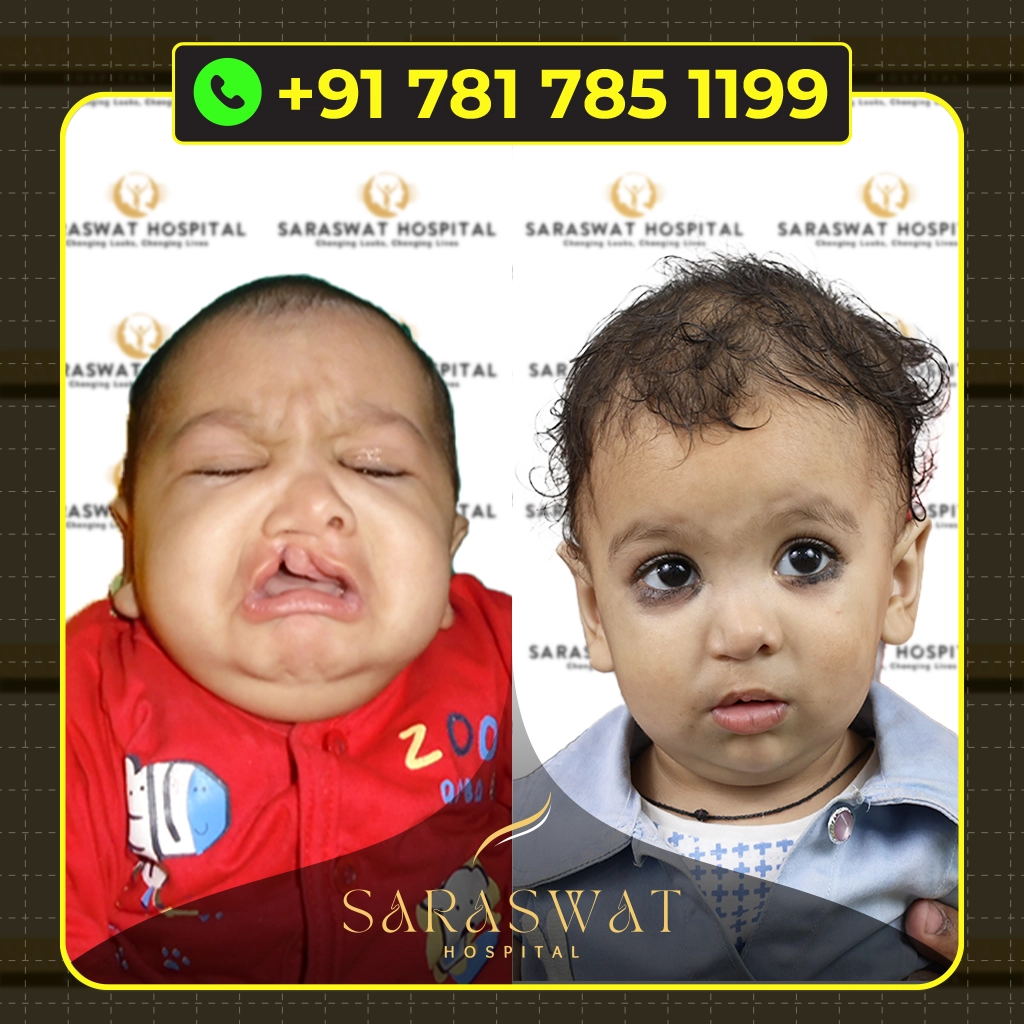
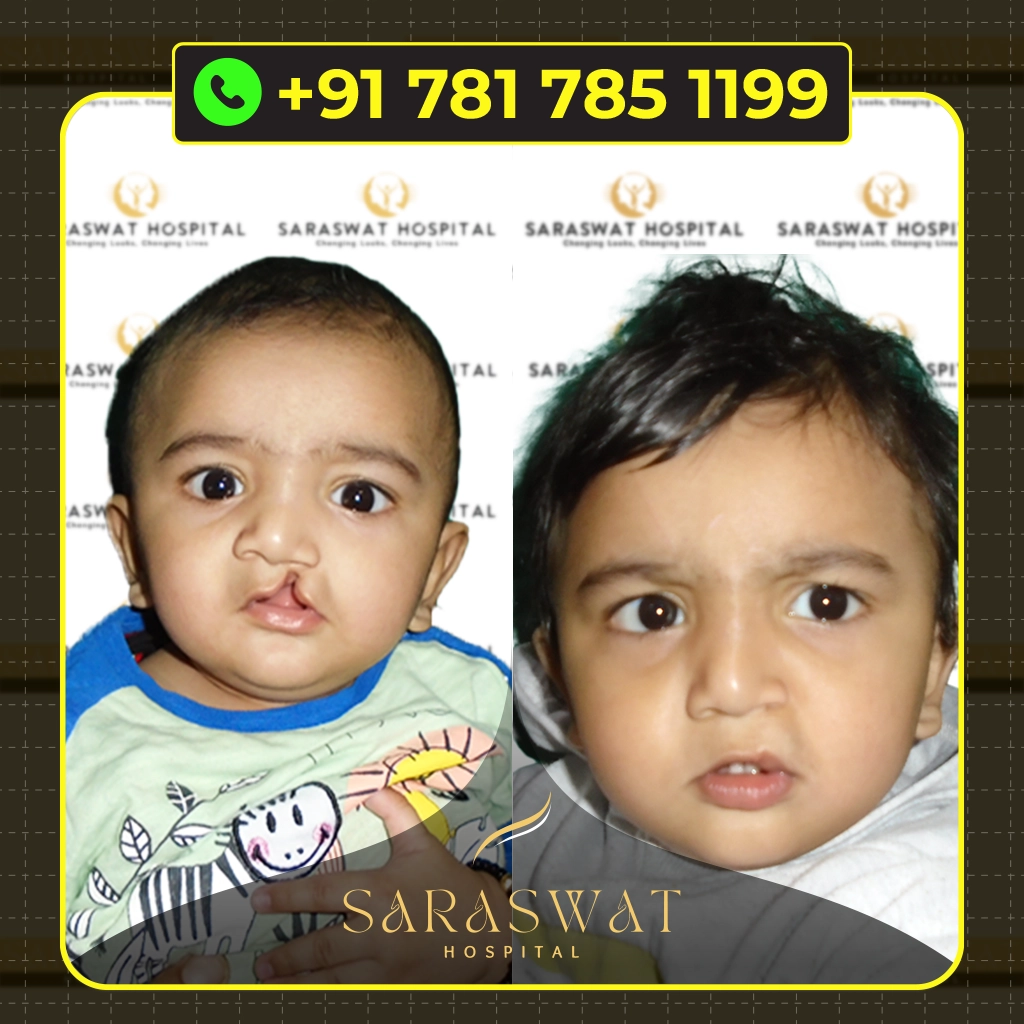
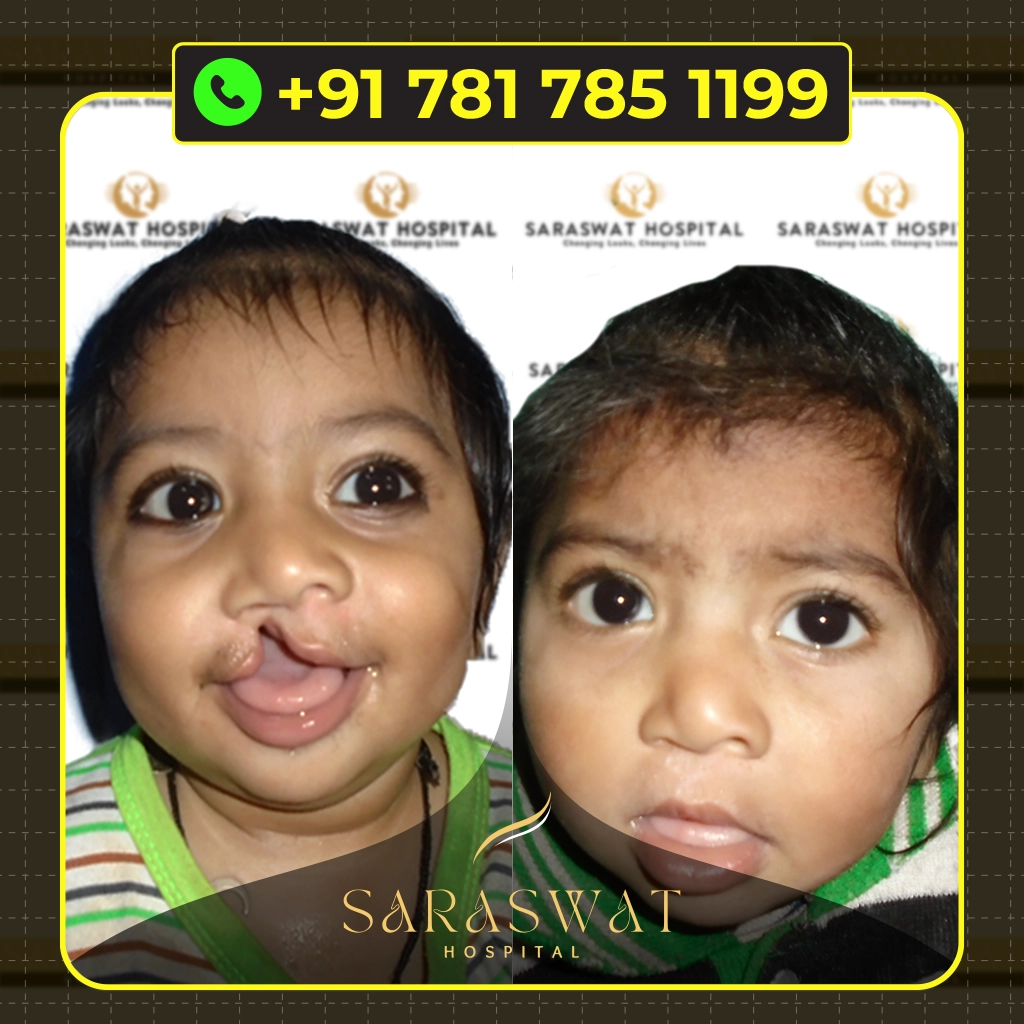
Anyone familiar with cleft lip and palate knows its impact and the challenges it can cause. Newborn babies generally face problems with feeding, and the result is malnutrition; on the other hand, older children may experience speech difficulties. Therefore, surgery at the right time—typically a minimum of 3 months for cleft lip and a minimum of 9 months for cleft palate can address these issues effectively.
Conclusion
In the field of cleft lip and palate, Saraswat Hospital stands out as a guiding force and a true leader with its history and proven track record. With the latest technology and evolution in the medical field, cleft lip and palate are treatable. If you or someone you know is looking for the treatment of their children, Saraswat Hospital is a place where we provide free treatment that transforms the lives of children and their families. Book an appointment or contact us at +917817851199 to get the best treatment.
Sources
(1) Current 2024 data show that these conditions affect 1 in 700 births worldwide.
(2) Research from 2025 highlights that specific gene mutations, such as those in the IRF6 gene, significantly increase the risk of non-syndromic orofacial clefts.
(3) Smile Train has funded over 2 million+ surgeries globally, maintaining rigorous safety and quality standards.
FAQs
1. Can we prevent cleft lip and palate?
Although not all cases can be prevented, ensuring complete nutrition and avoiding harmful substances during pregnancy reduces the risk.
2. Is a cleft lip or palate hereditary?
Yes, genetic factors play a major role in the formation of cleft lip and palate.
3. Do all babies with a cleft palate need surgery?
Yes, most babies need surgery, as it is the primary option to close the gap and restore function.
4. How long does cleft palate surgery take?
The surgery for a cleft palate generally takes 2-3 hours, followed by a recovery period.
5. Will my child have a speech problem after surgery?
In some cases, children need speech therapy; however, most children develop normal speech after treatment.
Follow us on:- Facebook, Instagram, Pinterest, Youtube