

Book an
Appointment
Avatar photo

Dr. Satya Saraswat, MBBS, MS, MCh, DNB (Gold Medalist)

Dr. Satya Saraswat, MBBS, MS, MCh, DNB (Gold Medalist), FISHRS, is a cosmetic and plastic surgeon with an experience of over 20+ years and has performed 17,000+ cosmetic and plastic surgeries. He is a Diplomate of the American Board of Hair Restoration Surgery (ABHRS) and Fellow of ISHRS, as he has been continuously attending the International conferences and adopting the latest advancements in hair restoration science, and he has also submitted his research papers. His hands-on involvement ensures a natural hairline and high graft survival.

Articles by Dr. Satya Saraswat, MBBS, MS, MCh, DNB (Gold Medalist)

Which is the Best Cleft Lip and Palate Hospital in India?
Medically Reviewed By Dr. Satya Saraswat, MBBS, MS, MCh, DNB (Gold Medalist) | Last updated: April 16, 2026

Cleft lip and palate are some of the most common congenital defects, with a prevalence that has been estimated to occur in 1 in 700 live births globally. However, fortunately, advancements in medical technology and knowledge by professional surgeons have made such defects quite correctable.

For those in need of the best hospitals providing treatments for cleft lip and palate, we suggest considering Saraswat Hospital in Agra, India, where we provide absolutely free surgeries for patients with cleft lip and palate.

What Defines Cleft Lip and Palate?

Orofacial clefts are congenital anomalies involving the failure of facial structures to fuse during early embryonic development. A cleft lip occurs when the tissues forming the upper lip do not join completely before birth, while a cleft palate involves an opening in the roof of the mouth that can affect both the hard and soft palates. Current 2024 data show that these conditions affect 1 in 700 births worldwide (1), necessitating early multidisciplinary intervention. This structural disruption requires precise surgical reconstruction to restore normal feeding and speech functions. Identifying the underlying etiology of these defects is the next step in clinical management.

Causes of Cleft Lip and Palate

The causes of cleft lip and palate are not completely known, but some research points to genetic and environmental factors. Research from 2025 highlights that specific gene mutations, such as those in the IRF6 gene, significantly increase the risk of non-syndromic orofacial clefts (2). These factors distort the normal development of facial anatomy during the 6th to 11th week of pregnancy. Here are some of the primary factors that cause cleft lip and palate :

1. Genetic Factors

Genes are an important factor in cleft lip and palate. If a parent or any sibling historically had a cleft, then the chances of occurrence increase. There are certain syndromes, like Van der Woude syndrome or Pierre Robin sequence, that inherit these conditions.   

2. Environmental Triggers

Another important factor is the environmental factor, which influences the risk during pregnancy. These include:

  • Maternal smoking or alcohol use: Smoking and alcohol consumption during pregnancy can lead to cleft lip and palate.
  • Medications: Some medicines, like anticonvulsants (e.g., phenytoin), increase the risk.
  • Nutritional deficiencies: The absence of essential nutrients in your diet is generally related to cleft formation. 
  • Diabetes: Women with badly managed diabetes before or during pregnancy have a risk of having a baby with a cleft.

3. Unknown Factors

In some cases, the cause of cleft lip and palate remains unidentified, and the condition emerges instinctively. However, researchers continue to explore the unknown factors to understand and prevent cleft lip and palate. 

Is Free Cleft Surgery Available in India?

Saraswat Hospital in Agra provides 100% free cleft lip and palate surgeries through its long-standing partnership with Smile Train. This collaboration ensures that patients from all socio-economic backgrounds receive clinical-grade surgical care, nutritional support, and post-operative follow-ups at no cost. Smile Train has funded over 2 million+ surgeries globally, maintaining rigorous safety and quality standards (3). The accessibility of these procedures is made possible by the presence of highly credentialed surgeons.
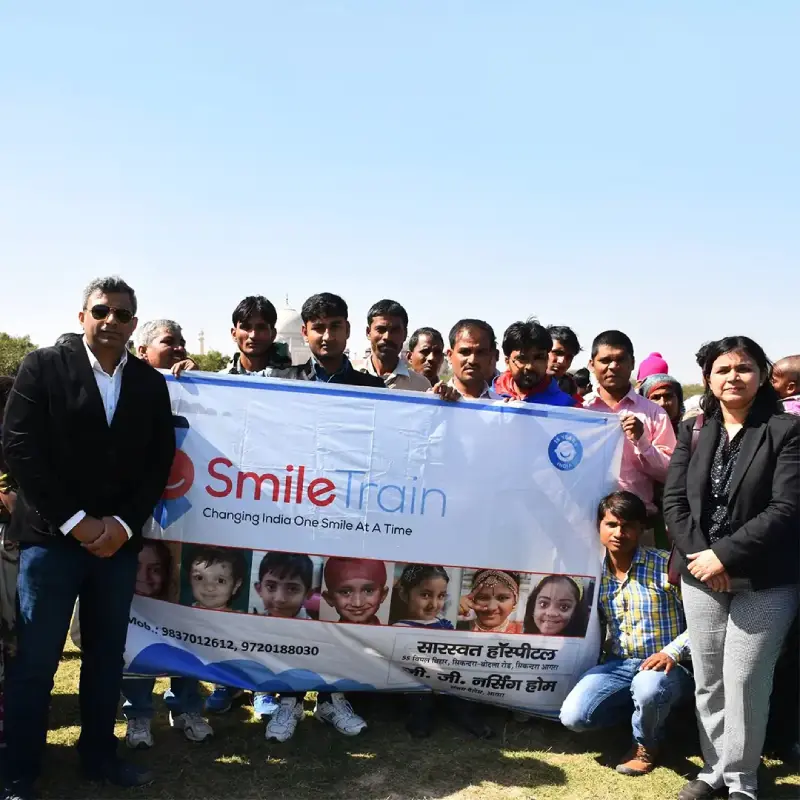
Best Cleft Lip and Palate Hospital in India

Who are India’s Leading Cleft Surgeons?

Dr. Satya Saraswat leads the cleft care unit at Saraswat Hospital with over two decades of combined experience. He is a Gold Medalist in Plastic Surgery and a Diplomate of the American Board of Hair Restoration Surgery (ABHRS), ensuring a high level of aesthetic and reconstructive precision. Dr. Preeti Saraswat, with a Post Graduate Diploma in Clinical Cosmetology from the University of Greifswald, Germany, provides specialized expertise in aesthetic outcomes. Their surgical expertise is supported by advanced medical infrastructure and a dedicated outreach team.

Saraswat Hospital is accredited by Smile Train, the World’s largest cleft charity organization, as Dr. Saraswat has been performing cleft lip and palate surgeries free of cost for over a decade.

What Makes Saraswat Hospital the Best Cleft Lip and Palate Hospital?

  1. Comprehensive Care: We provide complete care to all patients, covering nutritional and post-operative guidance. 
  2. Advanced Technology: The hospital is equipped with advanced and cutting-edge medical equipment that enables safe and effective treatment and minimizes the recovery time to give natural-looking results.
  3. Charitable Mission: The mission of providing free cleft lip and palate repairs makes our institution stand out from other organizations.
  4. Proven Track Record: The level of quality delivered does not require any certification in the form of awards or recognitions in the field of plastic and cosmetic surgery.

Why Choose Saraswat Hospital for Cleft Repair?

Saraswat Hospital has successfully treated over 13,000+ cleft patients, utilizing cutting-edge medical technology to minimize recovery times. The hospital’s outreach program actively identifies children in remote regions of India to ensure they receive the necessary corrective surgery. This comprehensive care model includes nutritional counseling to ensure infants are healthy enough for general anesthesia. Determining the correct surgical window is essential for achieving the best functional results.  

The Impact of Cleft Lip and Palate Surgery 

Anyone familiar with cleft lip and palate knows its impact and the challenges it can cause. Newborn babies generally face problems with feeding, and the result is malnutrition; on the other hand, older children may experience speech difficulties. Therefore, surgery at the right time—typically a minimum of 3 months for cleft lip and a minimum of 9 months for cleft palate can address these issues effectively.
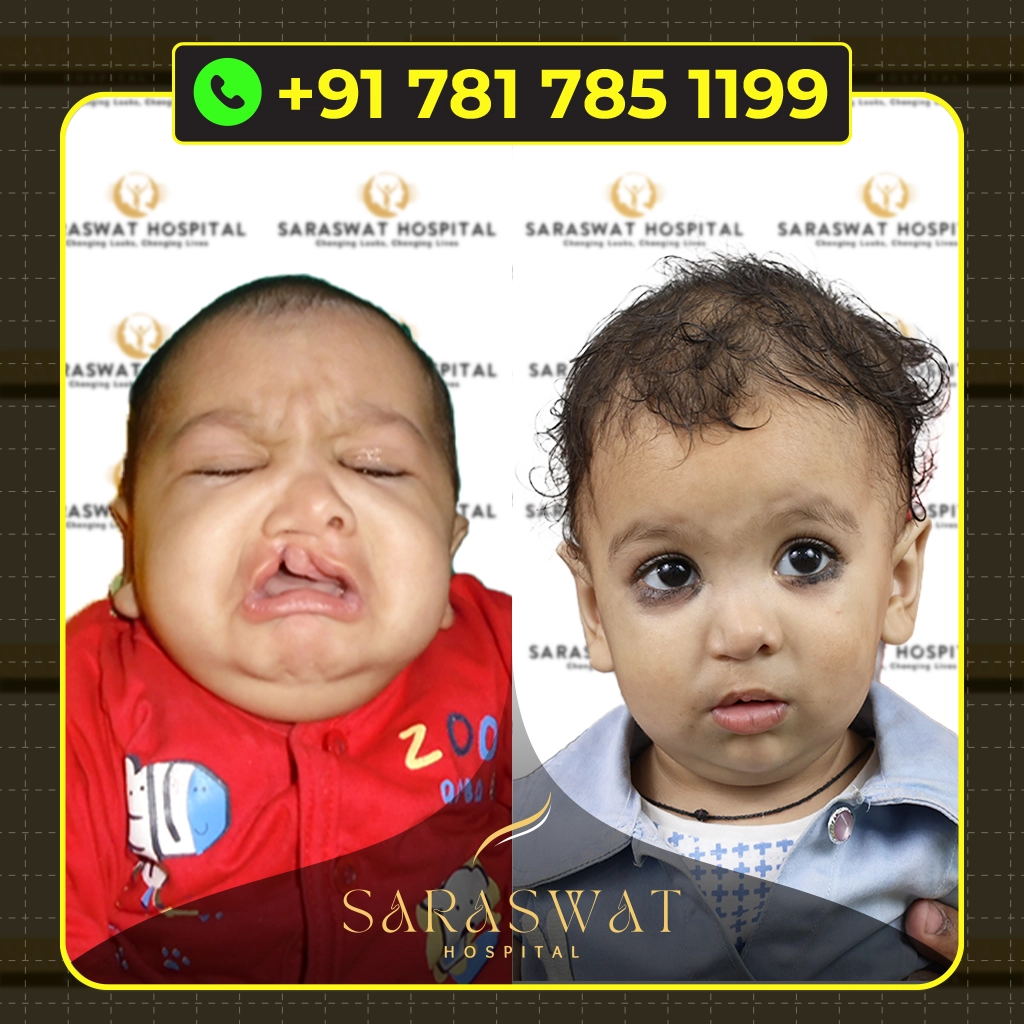

Conclusion

In the field of cleft lip and palate, Saraswat Hospital stands out as a guiding force and a true leader with its history and proven track record. With the latest technology and evolution in the medical field, cleft lip and palate are treatable. If you or someone you know is looking for the treatment of their children, Saraswat Hospital is a place where we provide free treatment that transforms the lives of children and their families. Book an appointment or contact us at +917817851199 to get the best treatment.

Sources:

(1) Current 2024 data show that these conditions affect 1 in 700 births worldwide. (PubMed Central)
(2) Research from 2025 highlights that specific gene mutations, such as those in the IRF6 gene, significantly increase the risk of non-syndromic orofacial clefts. (Science Direct)
(3) Smile Train has funded over 2 million+ surgeries globally, maintaining rigorous safety and quality standards. (Smile Train)

FAQs

1. Can we prevent cleft lip and palate?

Although not all cases can be prevented, ensuring complete nutrition and avoiding harmful substances during pregnancy reduces the risk. 

2. Is a cleft lip or palate hereditary?

Yes, genetic factors play a major role in the formation of cleft lip and palate.

3. Do all babies with a cleft palate need surgery?

Yes, most babies need surgery, as it is the primary option to close the gap and restore function.

4. How long does cleft palate surgery take?

The surgery for a cleft palate generally takes 2-3 hours, followed by a recovery period.

5. Will my child have a speech problem after surgery?

In some cases, children need speech therapy; however, most children develop normal speech after treatment.

Follow us on:- FacebookInstagramPinterestYoutube

Medical Disclaimer

This article is for informational purposes only and does not constitute medical advice. Plastic, cosmetic, and laser treatments — including AI-assisted previews such as those generated by the Peek AI app — carry risks and results vary by individual. Always consult a licensed medical professional before undergoing any procedure.

Cleft Lip and Cleft Palate: Causes, Symptoms | Free Treatment
Medically Reviewed By Dr. Satya Saraswat, MBBS, MS, MCh, DNB (Gold Medalist) | Last updated: April 16, 2026

Cleft lip & cleft palate are the most common congenital deformities affecting newborn children worldwide. These are the types of congenity involving openings or splits in the upper lip, palate, or both. However, with timely treatment and concern, children with cleft lips and cleft palates can easily live a healthy life like normal ones.

What Are Cleft Lip & Cleft Palate?

Cleft lip & cleft palate are openings in a child’s upper lip or the roof of their mouth. These deformities occur very early in pregnancy, while the fetus is developing inside the mother’s uterus. A cleft lip is a physical split of two sides of the upper lip that may extend to the nose, while a cleft palate is a split or opening in the roof of the mouth.

A cleft palate can occur as either a hard (bony front portion of the roof of the mouth) or soft (the soft portion of the roof of the mouth) palate. The impact brought about by both conditions will be able to affect an individual’s physical appearance, hinder feeding and speech, and even impair their emotional well-being.

Causes of Cleft Lip & Palate

The causes of cleft lip and cleft palate are multifactorial, involving a mixture of genetic and environmental factors. Although the exact cause is not identifiable, research points to various factors:

  • Genetic Mutations: Variants in the IRF6 and VAX1 genes contribute to approximately 30% of non-syndromic cleft lip and palate cases.
  • Environmental Triggers: Exposure to maternal smoking, pre-existing diabetes, and specific anti-seizure medications during the first trimester significantly elevates developmental risk.
  • Maternal Smoking Impact: Clinical research confirms that smoking increases the likelihood of an orofacial cleft by nearly 50%.
  • Syndromic Associations: Clefts can manifest as a primary feature of larger genetic syndromes, such as Van der Woude syndrome.
  • Developmental Trajectory: These combined factors lead to specific physiological and developmental hurdles for the infant during the early stages of life.

How Do Clefts Impact Infant Health?

Infants with a cleft palate struggle to create the negative pressure necessary for effective suction during breastfeeding or bottle-feeding. Specialized feeding equipment, such as the Haberman Feeder, is required to prevent malnutrition and reduce the risk of milk entering the nasal cavity. Over 90% of children with a cleft palate suffer from persistent fluid buildup in the middle ear, which can lead to permanent hearing loss if untreated (1). Misalignment of the alveolar ridge often results in dental complications, including missing or malformed permanent teeth. Addressing these health challenges requires adherence to a strict, multi-stage surgical timeline.

Treatment Available

This procedure requires early intervention of a skilled surgeon. The surgical procedure tends to start right from birth and goes up to early childhood. Below are the treatments available:

  • Surgical Repair: Surgery is also a treatment form for someone with a cleft lip & palate condition. Cleft lip surgery is usually carried out when the child is between 3-6 months old, whereas the procedure of cleft palate repair occurs when the child is between 9-12 months old.
  • Speech Therapy: Speech therapy may also be needed to correct articulation and nasal speech.
  • Orthodontic Care: Orthodontists address the misalignment of teeth and bony defects at the alveolar ridge. This can be achieved by using braces and a bone graft at around the age of 8 years.
  • Auditory Aids: The use of ear tubes prevents fluid from building up and reduces the rate of hearing loss.
  • Prosthodontic Care: It is considered a dental bridge for the improvement of speech and chewing in children.

Where to Find Free Cleft Surgery?

Saraswat Hospital provides free cleft lip and palate reconstructive surgeries for eligible pediatric patients in Agra and the surrounding regions. The surgical team, led by ABHRS-certified specialists, employs advanced techniques to minimize scarring and restore facial symmetry. This outreach program includes comprehensive diagnostic evaluations and long-term follow-up care at no cost to the family. By removing the financial barrier of multiple surgeries, the hospital ensures that every child can access life-changing medical intervention. While treatment is effective, understanding prevention remains a key component of prenatal health.

Cleft Lip and Palate: Causes, Symptoms, and Treatment

Located in Agra, Saraswat Hospital combines the latest technology with the best facilities, empowering children to get a new facial appearance. Our outreach program raises awareness about cleft care. By removing financial barriers, we also aim to give every child the chance to smile with confidence.

How to Reduce Cleft Risk?

1. Folic Acid Supplementation: Daily intake of 400 micrograms of folic acid before conception and through the first trimester reduces the risk of cleft deformity (2).

2. Teratogen Avoidance: Pregnant women must avoid tobacco, alcohol, and unprescribed medications to minimize exposure to known environmental triggers.

3. Genetic Counseling: Professional consultation is recommended for parents with a family history of clefting to accurately calculate recurrence risks for future pregnancies.

4. Chronic Condition Management: Managing conditions such as maternal obesity and diabetes via strict medical supervision significantly improves fetal development outcomes.

Conclusion

Cleft lip and palate are complex conditions; however, with early diagnosis and care, the children affected by them can grow up healthy and joyous. We feel proud at Saraswat Hospital as we get to play a part in this journey by offering free-of-cost surgeries to such children. Reach out to our team at this number +91 7817851199 to learn how we help transform lives.

Sources:

(1) Over 90% of children with a cleft palate suffer from persistent fluid buildup in the middle ear, which can lead to permanent hearing loss if untreated. (National Center for Biotechnology Information)
(2) Daily intake of 400 micrograms of folic acid before conception and through the first trimester reduces the risk of cleft deformity. (PubMed Central)

Frequently Asked Questions (FAQs)

1. What causes cleft lip & cleft palate?
It occurs because of the incomplete closure of the facial structures during fetal development. This might result from gene interactions as well as external factors such as smoking, exposure to alcohol, or the intake of certain medications during the gestation period. Additionally, some patients may present with a genetic syndrome.

2. Can cleft lip and palate be detected before birth?
Yes, prenatal ultrasounds, particularly 3D, can identify a cleft lip as early as thirteen weeks of gestation. It is much more difficult to diagnose a cleft palate by itself, though it may be possible later in the pregnancy.

3. What is the treatment timeline for cleft procedures?
Typically, a minimum of 3 months for cleft lip and a minimum of 9 months for cleft palate can address these issues effectively.
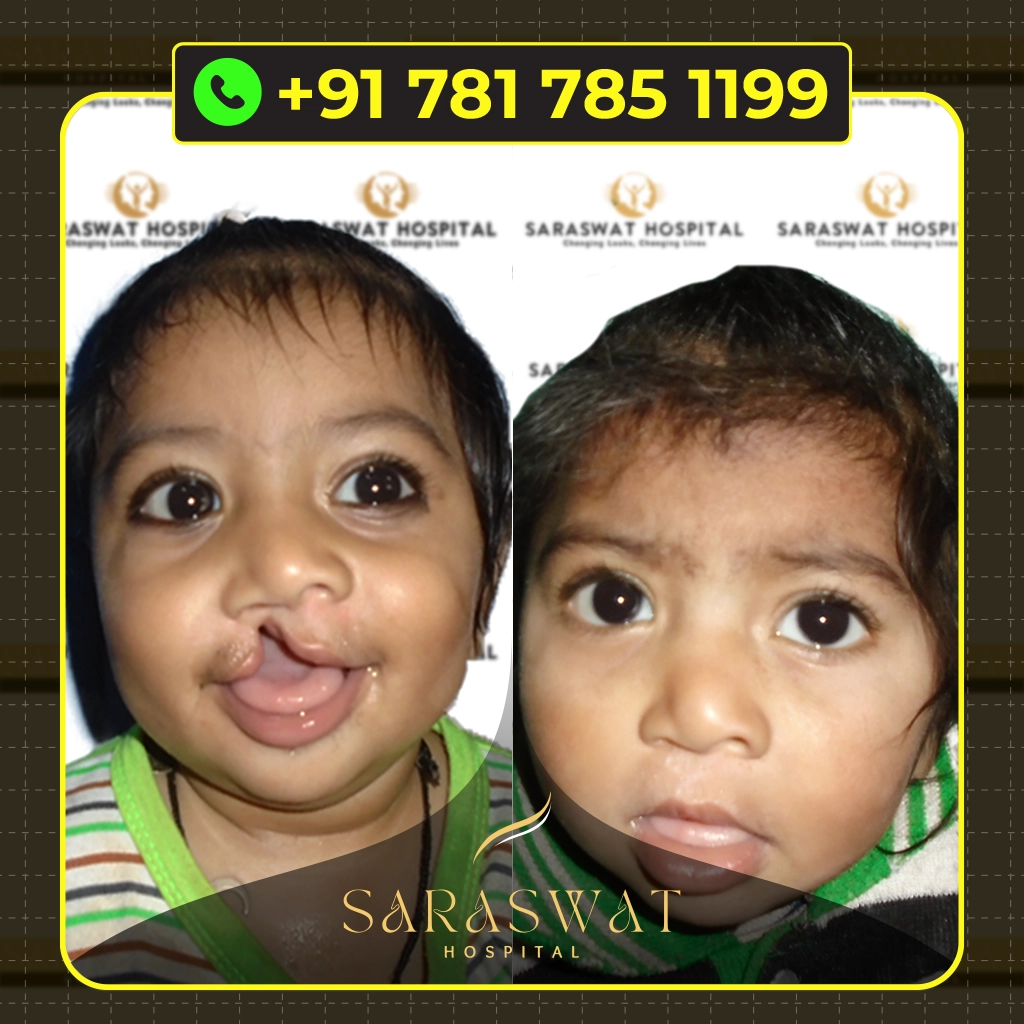
4. How does Saraswat Hospital support families with cleft conditions?
Saraswat Hospital provides free cleft lip and cleft palate surgeries, medications, and proper aftercare for the best outcome for children in collaboration with Smile Train India.

5. Are there long-term complications from cleft lip and cleft palate?
Complications can occur if the cleft lip and cleft palate are treated poorly, but with proper treatment and care, most children have minimal complications.

Follow us on:- FacebookInstagramPinterestYoutube

Medical Disclaimer

This article is for informational purposes only and does not constitute medical advice. Plastic, cosmetic, and laser treatments — including AI-assisted previews such as those generated by the Peek AI app — carry risks and results vary by individual. Always consult a licensed medical professional before undergoing any procedure.

Hair Wash After Hair Transplant: Essential Tips and Techniques
Medically Reviewed By Dr. Satya Saraswat, MBBS, MS, MCh, DNB (Gold Medalist) | Last updated: April 16, 2026

Many men and women prefer to have a hair transplant. First and foremost, there are some significant aspects of hair transplant aftercare, particularly hair wash after hair transplant, that can make or break your hair transplant. Here in this guide, we will understand some important points and tricks for washing hair after hair transplant surgery. 

What is a Hair Transplant?

A hair transplant is a popular procedure in which surgeons take hair follicles from the donor area (such as the back or side of the scalp) and transplant the follicles to the recipient area. People who are suffering from hair loss, baldness, or thinning hair for various reasons can aim to restore their natural hair via hair transplantation. This is a complex procedure, which should be done by certified doctors only. The patient is given local anesthesia before the treatment. Thus, the hair transplant procedure is safe and comfortable with minimal discomfort to the patients. Remember, it is not a one-time treatment; it may require multiple sessions based on the patient’s progress on the Norwood scale of baldness.

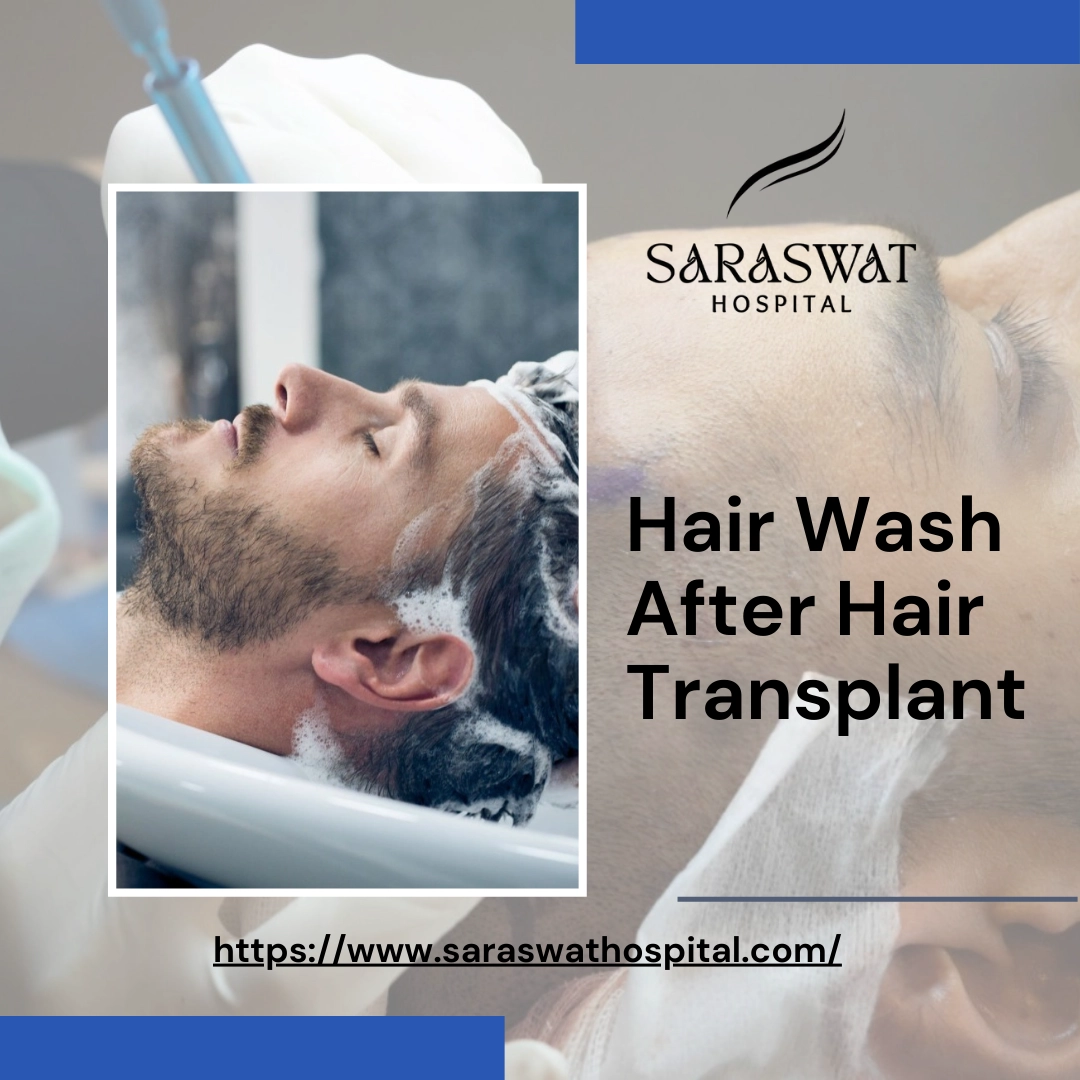
Hair Wash After Hair Transplant

How do FUE and FUT Graft Anchor?

Follicular unit grafts are secured in the recipient sites by natural fibrin adhesion within the first 48 hours following surgery. During this window, the grafts are susceptible to mechanical displacement because the physical connection between the follicle and the surrounding tissue is purely superficial. Data suggests that by day 8, the grafts fully integrate into the dermal blood supply, making accidental dislodgement nearly impossible. This biological timeline dictates why the first few washes require extreme precision to avoid “popping” the grafts out of their incisions. Understanding this anchoring phase is essential before addressing the role of hygiene in scalp recovery.

Learn more about FUE hair transplant

Why is Biofilm Management Critical Post-op?

Daily cleansing prevents the accumulation of dried blood and exudate, which otherwise form a thick crust or “biofilm” that can trap bacteria. If left unwashed, these crusts can lead to perifolliculitis, an inflammatory condition that compromises the survival rate of the newly implanted follicles. Gentle irrigation ensures that the scalp remains oxygenated and free from pathogens that cause localized infections. Strategic washing also minimizes the intense itching associated with the healing of donor and recipient sites. This cleanliness is the foundation for the specific timing of the first intervention.

What is the 48-Hour Graft Window?

Patients must wait a minimum of 24 to 48 hours before the first scalp irrigation to allow the initial healing of the micro-incisions. It is recommended that a professional “first wash” at the clinic whenever possible to demonstrate the correct pressure and technique. After the 48-hour mark, the risk of graft desiccation (drying out) becomes a concern, making hydration via washing a clinical necessity. Initiating care during this window ensures that scabs remain soft and easy to shed naturally over the following week. Selecting the correct chemical agents is the next step in this sterile protocol.

See How Hair Wash After Hair Transplant Supports Healing

The general wash of hair post-hair transplant is not merely about washing hair but about the health of the scalp as well as the grafts. Here’s how washing your hair correctly contributes to healing and hair growth:

  • Prevents Infection: This reduces the build-up of dirt, oil, and bacteria, which cause infections on the skin surface.
  • Minimizes Scalp Irritation: A gentle wash is also done to mainly help relax the scalp and further minimize and or prevent any common irritation that may arise after the transplant.
  • Promotes Hair Growth: By washing the scalp, one promotes a good environment for hair follicles to grow and produce healthy hair.

When getting back to your hair care procedure after the transplant, it is wise to find the best hair clinic. Our team of professionals at Saraswat Hospital gives you professional recommendations on how to take care of your hair once you leave the hospital to facilitate its growth. There are certain measures that a patient has to follow to get the best results from a hair transplant.

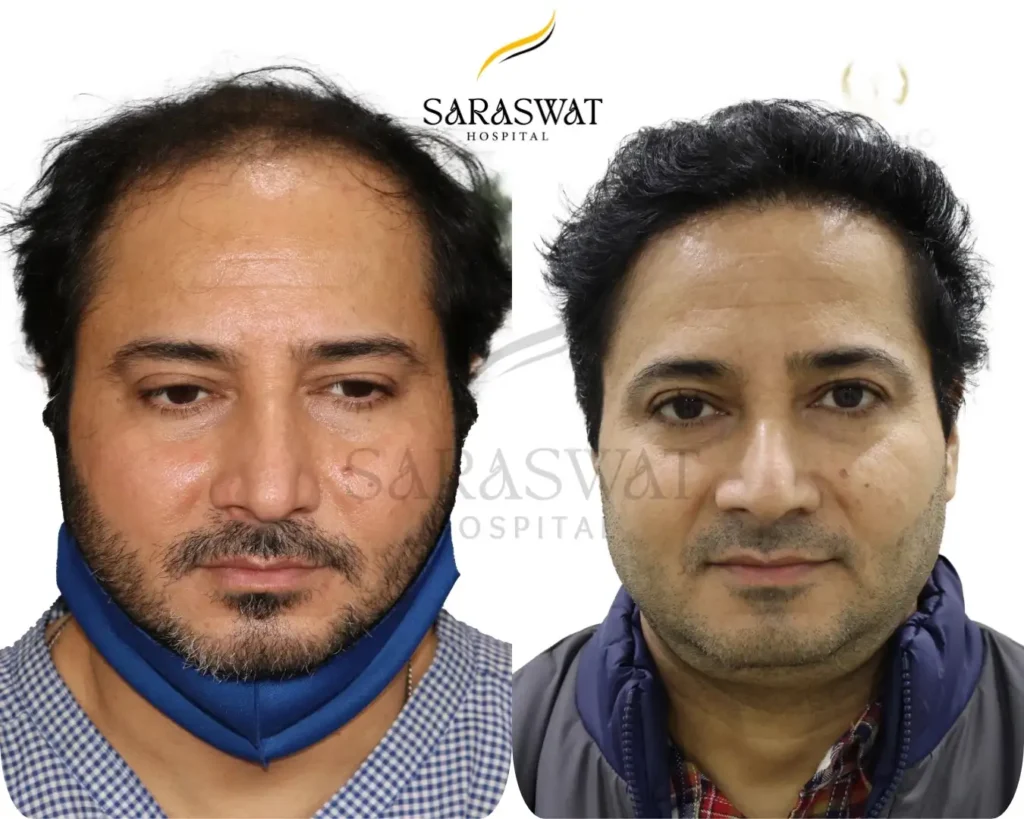
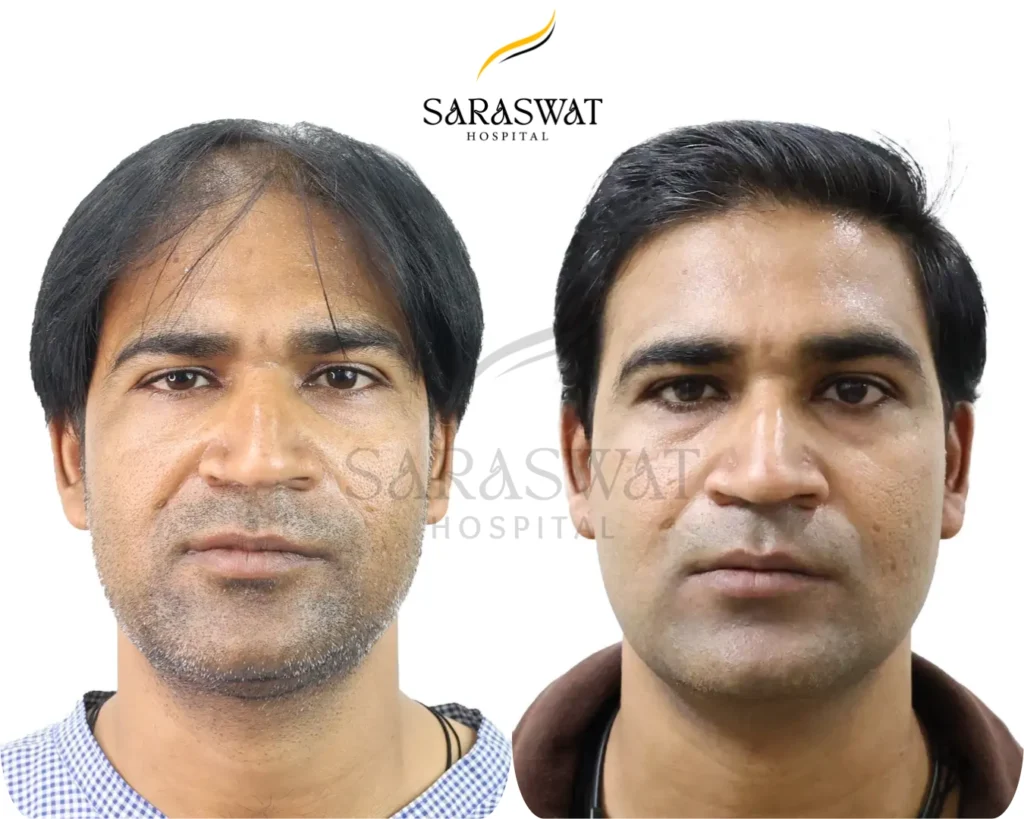
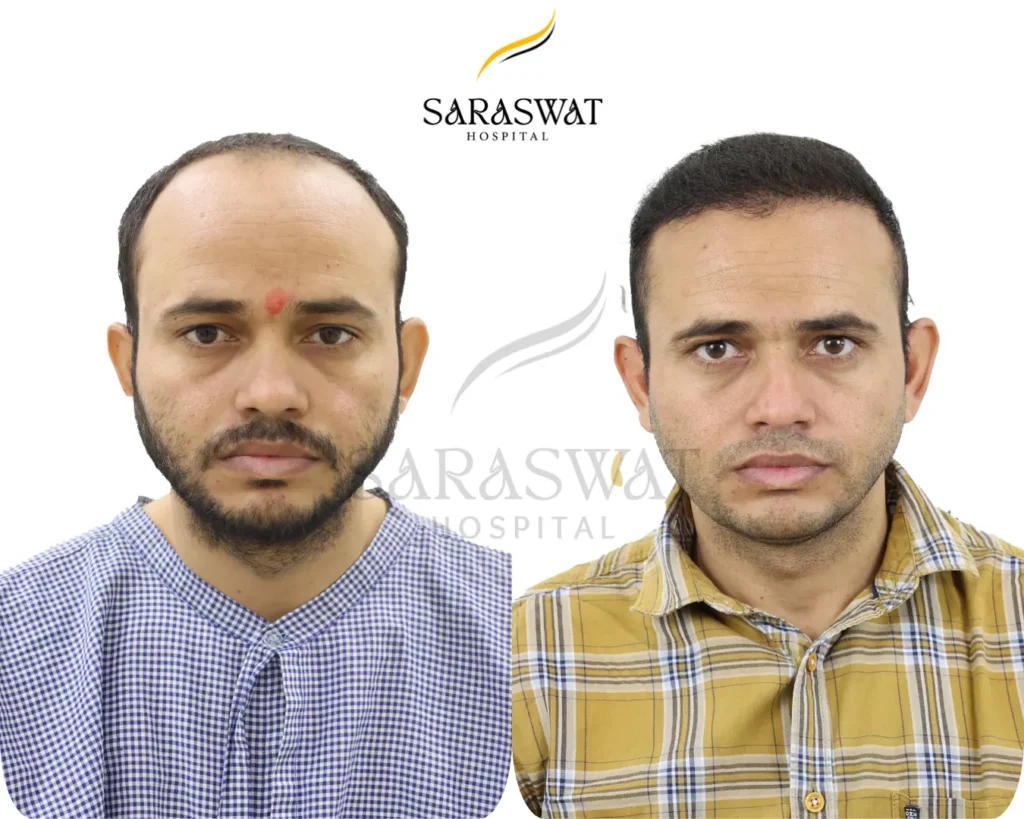
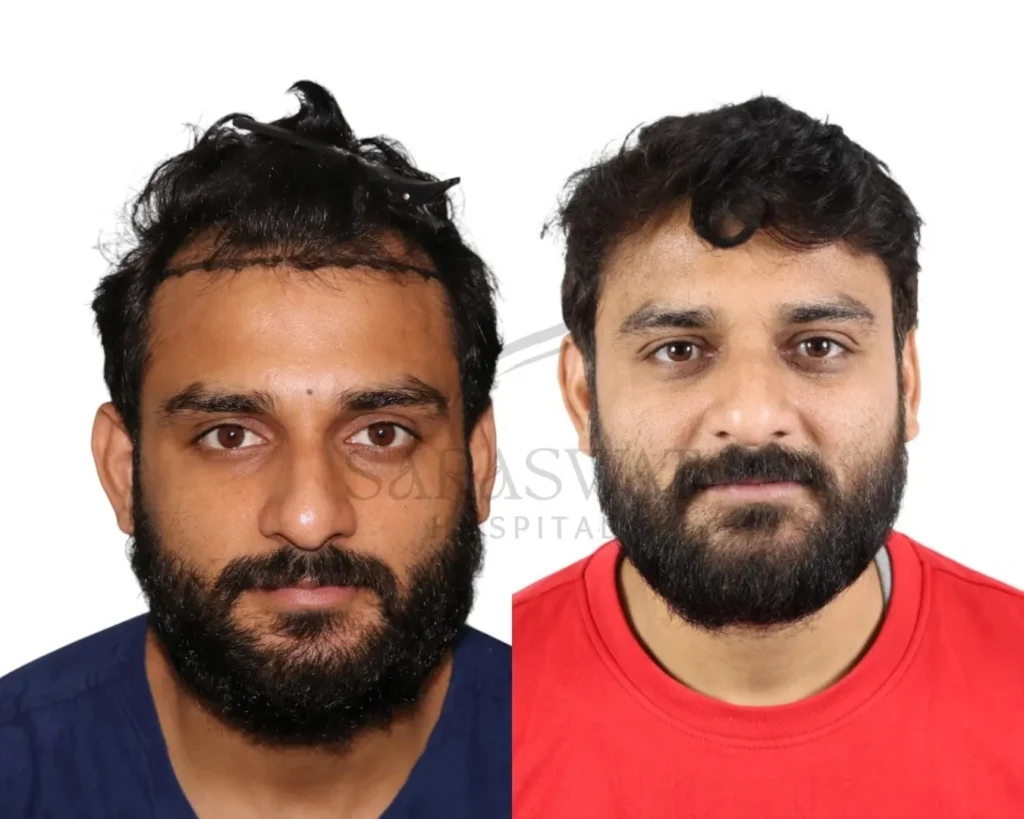
Hair Transplant Before and After

How to Prevent Mechanical Graft Dislodgement?

1. Water Pressure Warning: Direct high-pressure water from a showerhead can exert enough force to physically eject a graft from the recipient site during the first five days of recovery.

2. The Approved Method: Patients should instead use a “pour and pat” method, utilizing a cup or a low-pressure spray bottle to saturate the area.

3. Friction Restrictions: Rubbing, scratching, or massaging the scalp is strictly prohibited for the first 10 days to prevent friction-based graft loss.

4. Application Logic: Instead, apply a diluted shampoo foam and allow it to sit for two minutes before rinsing with lukewarm water.

What Factors Impact Long-term Graft Survival?

The ultimate success of a hair restoration procedure depends on both the surgical execution and the patient’s adherence to a strict 14-day hygiene protocol. At Saraswat Hospital, the use of FUE and Long Hair Transplant techniques ensures minimal trauma, but how well the patient manages post-op crusting significantly influences the ‘yield.’ While the cost of a hair transplant in India is competitive, clinical-grade aftercare achieves the high survival rate of the grafts, which provides the true value. Maintaining a clean, infection-free scalp is the most cost-effective way to ensure a lifetime of natural hair growth.

Conclusion

Hair washing after a hair transplant may not be complex, but you must do it correctly to allow the newly transplanted hair follicles to grow correctly. This guide provides useful advice on how to aid your scalp in the healing process and promote hair regrowth where necessary. Book an appointment with our team and find the best treatment for your hair, and get a customized plan.

FAQs

1. When is it safe to wash hair after hair transplantation?

After 2-3 days, you can start washing your hair gently, but do not rub and do not use hot water.

2. What shampoo is appropriate to use after a hair transplant?

The one to choose should be a mild, sulfate-free shampoo that will not cause any inflammation of the head.

3. Is it possible to swim after a hair transplant?

Clinical guidelines encourage patients to wait at least one month for no water submersion, including swimming pools and hot tubs, after a hair transplant.

4. How soon after the transplanted hair begins to grow?

The hair should start regrowing after 2-3 months, and it can take up to 12-18 months to see the best results of the treatment.

5. How much will it cost me to have hair transplant surgery in India?

The cost depends on the specific procedure, but overall, India has competitively priced hair restoration surgery among other countries.

Follow us on:- FacebookInstagramPinterestYoutube

Medical Disclaimer

This article is for informational purposes only and does not constitute medical advice. Plastic, cosmetic, and laser treatments — including AI-assisted previews such as those generated by the Peek AI app — carry risks and results vary by individual. Always consult a licensed medical professional before undergoing any procedure.
Which Vitamin Deficiency Causes Hair Loss?
Medically Reviewed By Dr. Satya Saraswat, MBBS, MS, MCh, DNB (Gold Medalist) | Last updated: April 16, 2026

Facing severe hair fall issues? Your regular vitamin intake might be responsible for that. You should maintain a proper lifestyle and diet for healthy hair growth. To know more, read the article till the end to know which vitamin deficiency causes hair loss and what will be the best option for you to reverse the hair loss problem.

Which Vitamins Support Hair Follicle Cycling?

Vitamin D3 receptor (VDR) activity is essential for the maintenance and renewal of keratinocyte stem cells located in the hair follicle bulge. A deficiency in serum Vitamin D3 disrupts the natural hair cycle, preventing follicles from transitioning from the resting phase back to the active growth phase (PMC, 2024. Clinical evaluations typically categorize levels below 20 ng/mL as a deficiency that correlates strongly with female pattern hair loss and diffuse thinning (1). These nutrients assist in the cellular metabolism required for hair protein synthesis. This biological foundation determines whether your scalp can sustain healthy density or if micro-nutrient imbalances will trigger premature shedding.

How Do Micro-Nutrient Levels Impact Alopecia?

Low serum ferritin and hemoglobin levels are statistically significant biomarkers directly linked to the pathophysiology of hair shedding. Iron is a critical cofactor for ribonucleotide reductase, the enzyme involved in DNA synthesis within the hair matrix; inadequate levels impair oxygen transport to rapidly dividing cells. While zinc is an essential cofactor for many enzymes, recent 2025 data suggest that minor zinc deficiencies often lack the clinical significance required to justify them as a primary diagnostic test (2).

MicronutrientClinical Role in HairDeficiency Symptom
Vitamin D3Stem Cell DifferentiationFollicle Miniaturization
Ferritin (Iron)Matrix Cell ProliferationTelogen Effluvium
B12Red Blood Cell ProductionReduced Oxygen to the Root
BiotinKeratin SynthesisBrittle, Fragile Strands

High-dose biotin supplements can interfere with laboratory results for thyroid function and cardiac biomarkers, despite the lack of evidence for their efficacy in non-pathological hair loss. When these internal nutritional markers are balanced, yet hair loss persists, external stressors must be examined.

Which Vitamin Causes Hair Loss

Learn about the role of vitamins and minerals in hair loss

Other Causes of Hair Fall

Now you know the reasons for hair loss. Vitamin D deficiency is the most common culprit of hair loss. But it is not the only one; there could be other reasons that are responsible for hair loss, such as:

Genetic: You are likely to develop hair loss problems if any of your family members have the same history. Excessive DHT hormone makes the hair follicle shrink, leading to thin hair or hair loss.

Stress: When you are under stress, your body will release the cortisol hormone that disrupts hair growth. Stress could be another red flag that causes hair to fall.

Your Medical condition: Apart from the other reasons, you are likely to develop hair loss issues if you suffer from thyroid disorders or autoimmune diseases such as alopecia areata. Anemia, too, should be checked for!

Hairstyling and Grooming: You should avoid hairstyles such as ponytails, braids, and buns to maintain your hair’s health. These hairstyles put excessive tension on hair follicles, so they easily get uprooted.

These are all the other causes of hair loss. Hopefully, these will help you to take the necessary steps to prevent hair loss. If you are suffering from a severe hair-fall issue or hair shedding, then you can go for a hair transplant.

Is FUE or FUT the Best Choice for Norwood 6?

Follicular Unit Transplantation (FUT) yields a higher follicle survival rate of approximately 86% compared to 61-70% for Follicular Unit Excision (FUE) in cases requiring high graft counts for extensive baldness (3). While FUE is popular due to its dot-like, minimally invasive extraction, FUT remains the gold standard for maximizing donor density in a single session. Modern advancements at Saraswat Hospital utilize both techniques to achieve natural-looking, high-density results tailored to the patient’s specific Norwood grade. Deciding between these methods depends on the surgeon’s ability to balance surgical precision with aesthetic artistry.

Hair Transplant Treatment Option

You can follow several hair loss treatments. Depending upon your condition, your doctor can choose the best available option for you. These options are :

  • Laser hair regrowth therapy 
  • PRP
  • GFC
  • Transplantation.

How To Choose The Best Surgeon?

The hair transplant process is a bit difficult and costly, so choose an expert for the same treatment. Read more to choose the best doctor for a hair transplant :

  1. Qualification: Check whether the doctor holds good credentials to perform a hair transplant procedure. He/She should be a plastic or cosmetic surgeon, an ABHRS-certified surgeon, a member of ISHRS, AHRS, and so on.
  2. Experience: Another important factor in choosing the best doctor is to check their experience. In that case, you can look for the number of years of experience in the field and various testimonials.
  3. Skill of the Surgeon: The hair transplant process involves 60% artistic skill and the rest through a scientific approach.

Key Takeaway

Hope you have got the idea about the vitamins that cause hair loss. Vitamins A, B, B12, and biotin are all important to maintaining healthy hair growth. If these supplements do not fetch you a better result, then consider opting for a hair transplant. Seek help from Saraswat Hospital with an online consultation to ensure that your hair gets the tender care and nourishment. 

Sources:

(1) Clinical evaluations typically categorize levels below 20 ng/mL as a deficiency that correlates strongly with female pattern hair loss and diffuse thinning. (Research Gate)
(2) 2025 data suggest that minor zinc deficiencies often lack the clinical significance required to justify them as a primary diagnostic test. (Research Gate)
(3) Follicular Unit Transplantation (FUT) yields a higher follicle survival rate of approximately 86% compared to 61-70% for Follicular Unit Excision (FUE) in cases requiring high graft counts for extensive baldness. (ISHRS Hair Transplant Forum)

FAQs

1. Does vitamin D deficiency cause hair fall?

Yes, a low level of vitamin D is linked with hair loss. People with alopecia areata should include this in their regular diet.

2. What are some foods that prevent hair loss? 

To prevent hair loss, you should eat foods that are rich in antioxidants, vitamin D, vitamin B-12, biotin, and vitamin E. The sources of these foods are eggs, green vegetables, etc.

3. Can vitamins help recover from the hair loss situation?

There are many reasons behind hair loss, and a lack of vitamins is one of them. If you don’t have genetic issues, then taking vitamin supplements can reverse the situation.

4. How do I know if I am the right fit for a hair transplant?

If vitamin supplements don’t work for you, then you can contact the doctor for further assistance. In that case, you might need further check-ups.

5. Mention the best treatment available for hair loss. 

Increase the intake of your regular vitamin supplements along with other medications.

Follow us on:- FacebookInstagramPinterestYoutube

Medical Disclaimer

This article is for informational purposes only and does not constitute medical advice. Plastic, cosmetic, and laser treatments — including AI-assisted previews such as those generated by the Peek AI app — carry risks and results vary by individual. Always consult a licensed medical professional before undergoing any procedure.
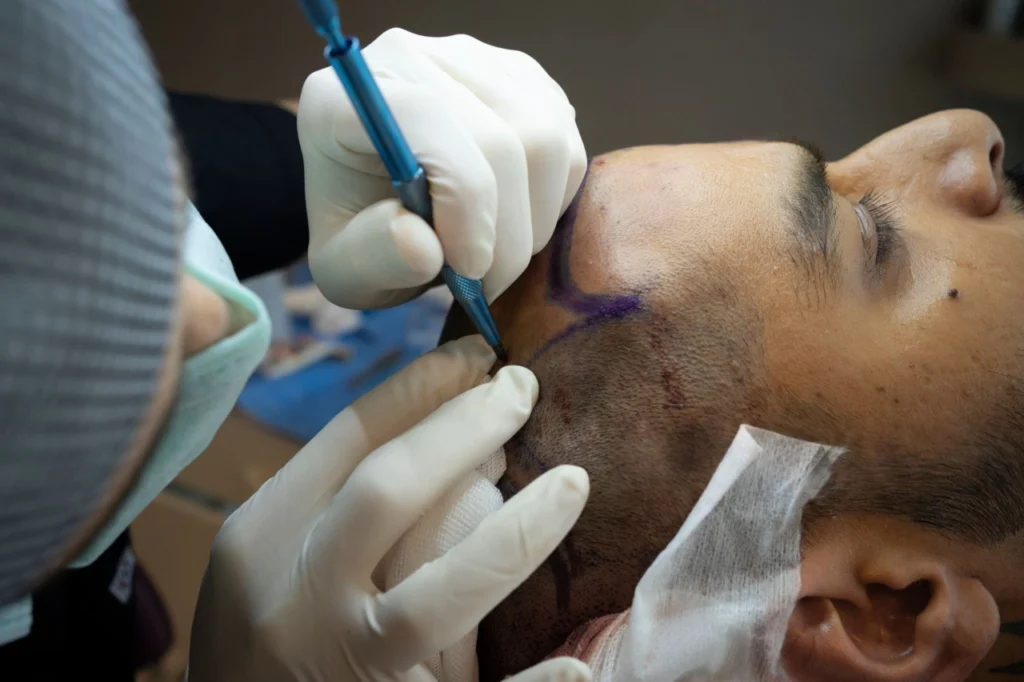
Best Hair Transplant Method
Medically Reviewed By Dr. Satya Saraswat, MBBS, MS, MCh, DNB (Gold Medalist) | Last updated: April 16, 2026

Hair fall is extremely depressing, with self-esteem and blows to confidence being attached to it. However, again on a positive note, hair transplant methodologies provide very viable solutions for victims of baldness and thinning of hair. Yet again, the availability of different kinds of transplant methodologies has made the best choice in India. In the current times, it has become very tough to select the best hair transplant technique. This guide will help you gain a very deep understanding of the several techniques of hair transplantation surgery.

What Defines a Modern Hair Transplant?

A hair transplant is a popular procedure in which surgeons take hair follicles from the donor area (such as the back or side of the scalp) and transplant the follicles to the recipient area. People who are suffering from hair loss, baldness, or thinning hair for various reasons can aim to restore their natural hair via hair transplantation. 

Surgeons prioritize graft survivability by maintaining follicles in specialized storage solutions to prevent desiccation during the out-of-body phase. Effective results rely on the strategic placement of these grafts to mimic the natural exit angle of native hair. This mechanical foundation leads directly into the specific harvesting methods used to acquire these follicles.

What are the Primary Graft Harvesting Techniques?

Clinicians currently utilize two primary surgical methods for harvesting donor hair: Follicular Unit Transplantation (FUT) and Follicular Unit Excision (FUE). In 2024, approximately 76.8% of global procedures were performed using FUE, reflecting a clear patient preference for minimally invasive options. While both methods move the same biological units, the extraction technique significantly impacts the donor area’s appearance and the patient’s recovery timeline. Each method offers distinct advantages based on the patient’s degree of baldness and scalp laxity. Understanding the mechanics of FUT is the first step in determining suitability for high-graft-count cases.

Is FUT Still the Gold Standard?

Follicular Unit Transplantation (FUT) remains a respected clinical choice for patients requiring high graft volumes because it allows for the harvest of a large number of follicles in a single session. This strip method yields a transection rate as low as 1% to 2% when performed under high-powered microscopic dissection. While it leaves a fine linear scar, the technique is often preferred by female patients or men who keep their hair at a longer length to conceal the donor site. It provides an efficient way to address advanced Norwood Grade 5 or 6 hair loss. This high-yield efficiency contrasts with the localized, individual approach found in FUE.

FUT Hair Transplant in India | Follicular Unit Transplantation

How Does FUE Achieve Scarless Results?

Follicular Unit Excision (FUE) achieves a natural appearance by using micro-punches (typically 0.7mm to 1.0mm) to extract individual follicles directly from the scalp. These tiny extraction sites heal as nearly invisible white dots, allowing patients to wear very short hairstyles without visible evidence of surgery. The procedure is less invasive than FUT, resulting in a faster return to strenuous activity within 3 to 7 days. Because there are no sutures, the post-operative discomfort is significantly reduced. These benefits directly influence how a patient evaluates the overall survival of their transplanted hair.

FUE Hair Transplant in India

Which Technique Yields Better Graft Survival?

Graft survival rates are largely comparable between FUT and FUE when performed by experienced surgeons, with modern techniques reaching 90% to 95% success. However, a 2024 study showed that the addition of Platelet-Rich Plasma (PRP) can further boost high-density survival in FUE patients, compared to FUE alone (1). FUT historically maintains a slight edge in hair yield because the follicles are protected by more surrounding tissue during the dissection phase. Choosing between these survival rates requires a precise clinical evaluation of the patient’s current hair density.

Comparing Hair Transplant Methods: FUT vs FUE

It is time to compare these two famous techniques to understand which is the best method for you:

FeatureFUTFUE
TechniqueStrip harvestingIndividual follicle extraction
ScarringLinear scar at the donor siteTiny, dot-like scars
Recovery TimeLongerQuicker
Pain LevelModerate to highLow
CostLowerHigher
Graft YieldModerate
When FUT and FUR are combined, the graft yield becomes the maximum
Moderate to high
Transection1% – 2% (Very Low)5% – 10% (Moderate)

How is Patient Donor Density Assessed?

Surgical planning begins with a Trichoscopy report to measure follicular unit density and hair shaft diameter in the permanent donor zone. At Saraswat Hospital, clinicians use tools like the Peek AI™ app to simulate results and calculate the exact number of grafts needed based on donor availability. Surgeons may advise patients with low donor density to combine FUE with body hair transplantation (BHT) to achieve full coverage. This diagnostic phase ensures that clinicians tailor the surgical plan to the patient’s biological capacity. This clinical accuracy is only as reliable as the surgeon’s specialized certifications.

FUE Hair Transplant Result

What Credentials Ensure Surgical Success Rates?

Successful hair restoration is dependent on the surgeon’s board certification and specific experience in hair-related microsurgery. Dr. Satya Saraswat holds a Fellowship with the International Society of Hair Restoration Surgery (FISHRS) and a Diplomate status with the ABHRS, credentials that establish globally recognized benchmarks for surgical excellence. These qualifications minimize the risk of moth-eaten donor areas or poor graft growth.

How to Choose the Best Hair Transplant Method?

The best method for hair transplantation is selected based on several factors. Some of the key considerations for decision-making are given as follows:

  • Degree of Hair Loss: Determine the degree of your hair loss. Surgeons typically combine FUT and FUE for patients with advanced hair loss, while they utilize standalone FUE for those with mild to moderate thinning.
  • Cost: Both methods deliver effective results, but FUT costs less than other techniques since it doesn’t involve using an FUE machine.

Growing Popularity of Hair Transplant Procedure in India

With advancements in technology, skilled surgeons, and competitive pricing, India is fast emerging as one of the leading destinations for a hair transplant. Most of the patients throughout the world prefer a hair transplant in India due to the availability of world-class services at competitively reasonable rates. There are several well-known clinics, such as Saraswat Hospital, Agra, India, that will help one get natural-looking results with the least downtime.

Factors Contributing to a Successful Hair Transplant

The right choice of the clinic and surgeon is of paramount importance if it is to yield the best result. Here are a few tips that may ensure a hair transplant goes successfully: 

  • Research on the Clinic: Mingle with those clinics known to perform successful hair transplant surgeries. Reviews and testimonials from patients who have undergone such surgery will be very important in providing insights.
  • Verify the Surgeon’s Qualifications: The surgeon should be certified and must have performed a sizable number of hair transplants.  
  • Prepare for the Recovery: Follow all types of post-operative care instructions as prescribed by your surgeon with great detail to enhance recovery for good results. 

Conclusion

FUT and FUE are both extremely effective methods. The best hair transplant method depends on hair loss severity, budget, preference, and the surgeon’s advice in India. These consultations are important to get to the right decision that suits your needs.

Understanding the difference between FUT and FUE, along with assessing your specific situation, allows you to confidently choose the right hair transplant method and restore your hair effectively.

Sources:

(1) A 2024 study showed that the addition of Platelet-Rich Plasma (PRP) can further boost high-density survival in FUE patients, compared to FUE alone. (Journal of Medicine in Scientific Research, Volume 7 (2), Article 6)

FAQs

1. What is the best hair transplant method for a natural look? 

The best hair transplant method includes FUT and FUE. Both have the capability of producing natural-appearing results; the degree to which transplanted hair will appear natural upon a person’s head is, for the most part, left up to the skill of the operating surgeon.

2. Are there any big differences in the cost of FUE vs FUT?

Yes, generally, FUE is more expensive than FUT because the FUE machine and punches cost more.

3. Can I have hair restoration surgery if I have a medical condition?

It all depends on the medical condition. You have to consult a hair transplant surgeon to discuss possible health issues and determine if you are a suitable candidate for the surgery.

4. How long after a hair transplant can you expect to see results?

Hair growth will begin three months after the surgery, although the results may take 6 to 12 months to be visible. Complete results may take as long as 15 months.

5. Does a hair transplant hurt? 

Surgeons perform both FUT and FUE using local anesthesia, ensuring patients experience minimal pain during the procedure. Patients manage any post-operative discomfort effectively with medication.

Follow us on:- FacebookInstagramPinterestYoutube

Read More:- Understanding Hair Transplant Cost Per Graft in India, Can a Hair Transplant Fail?

Medical Disclaimer

This article is for informational purposes only and does not constitute medical advice. Plastic, cosmetic, and laser treatments — including AI-assisted previews such as those generated by the Peek AI app — carry risks and results vary by individual. Always consult a licensed medical professional before undergoing any procedure.

Best Country for Hair Transplant
Medically Reviewed By Dr. Satya Saraswat, MBBS, MS, MCh, DNB (Gold Medalist) | Last updated: April 16, 2026

Hair Transplantation is one of the newest and most efficient ways of dealing with baldness. With the advancements in technology and techniques, individuals can now undergo this process in different parts of the world. However, people want the best place for their hair transplant. Cost, expertise, quality care, and post-operative support are all different factors that determine the perfect destination. In this blog, we are going to discuss some of the frontrunner destinations that would help you reach a conclusion on the best country for hair transplant and enlighten you on why India is increasingly becoming a place to be taken seriously in this sphere. 

How to Evaluate Global Hair Restoration Standards?

The surgeon specialization and clinic accreditation are the primary predictors of graft survival. Patients must prioritize clinics that utilize microscopes for graft dissection and maintain a 1:5 technician-to-patient ratio to ensure follicular integrity. While cost is a variable, the clinical standard requires a minimum of 2,000 to 3,000 grafts for significant Norwood Scale correction. These benchmarks provide the foundation for comparing specific international destinations.

Best Hair Treatment: Factors that Matter

When deciding upon the best country for hair transplant worldwide, the following essential factors must be considered: 

Cost

The cost of hair transplants differs significantly from country to country. The best country that provides quality services at affordable rates would be the best destination for hair transplants.

Experience and Expertise of Surgeons

A nation with experienced hair transplant surgeons and a success rate in hair transplantation would be the best destination.

Quality of Facilities

The best medical facilities and advanced technology are essential in the successful completion of hair transplantation.

Post-Operative Care

Aftercare plays a vital role in recovery and the success of the transplant as a whole. Countries offering far superior post-operative care may be more favorable. 

Travel and Accommodation

Ease of access, ease of travel, and accommodation arrangements can also contribute to choosing the ideal country where one can have a hair transplant. 

Best Country for Hair Transplant Surgery 

There are several of the best countries for hair transplant worldwide. Those places include:

Turkey

Which is the Best Country for Hair Transplant?

Due to its affordability combined with high-quality services, Turkey is considered globally one of the best destinations for hair transplantation. The country has been attracting thousands of patients who want good value for their money, and as the years progress, it gains more popularity with growing numbers of clinics competing with each other by lowering prices but still using highly professional surgeons.

India

Which is the Best Country for Hair Transplant?

India is rapidly emerging as one of the best countries for hair transplants. The country gains a good reputation for medical tourism owing to reasonable prices, competent surgeons, and advanced facilities. Indian clinics, such as Saraswat Hospital, offer the latest hair transplant procedures for a fraction of the cost compared to other Western countries; thus, India becomes very attractive for anyone seeking quality treatment without high expenses. 

United States 

Best Country for Hair Transplant?

The United States is one of the most technically advanced places for hair transplants worldwide. Clinics within the country also boast about using the latest technology and having the most skilled surgeons. However, the cost of hair transplantation in the USA is considered pretty high and can, therefore, be pricey to such an extent. 

Thailand

Best Country for Hair Transplant?

Thailand has become a popular destination for hair transplant surgery due to its good surgeons, fully equipped facilities, and relatively lower cost. Recovery can also be spent in a comfortable and relaxing environment since many clinics are located in tourist-friendly areas.

Mexico

Best Country for Hair Transplant?

Mexico is one of the best places for hair transplants worldwide. Due to its relatively low cost and proximity to the United States, it is becoming increasingly more accessible for many Americans. With this said, prospective patients will need to research and carefully select a reputable clinic for hair restoration. 

Which Countries Lead in ABHRS-Accredited Procedures?

CountryAverage Cost per Graft (USD)Primary TechniqueRegulation Body
India$0.50 – $1.50FUE / DHT / FUTNABH / ABHRS
Turkey$0.80 – $2.00FUE / Sapphire FUEMinistry of Health
USA$5.00 – $12.00ARTAS / FUEABHRS
Mexico$2.00 – $4.00FUECSMC

India provides the highest density of American Board of Hair Restoration Surgery (ABHRS) certified doctors outside of North America. Turkey remains the highest volume destination, though patients must differentiate between technician-led and doctor-led clinics to avoid donor area depletion. The United States maintains the highest regulatory oversight but carries a price premium that often exceeds $15,000 for a standard 2,500-graft procedure. Mexico serves as a regional hub for North Americans seeking proximity, though clinical infrastructure varies widely between border cities and medical districts. Technical expertise in these regions directly influences the growth of medical tourism in South Asia.

Why Does India Lead in Advanced FUE Outcomes?

Indian hair restoration centers have a 90% to 95% success rate in utilizing the Follicular Unit Excision (FUE) method for Asian and Caucasian hair types. Surgeons in India frequently utilize the Long Hair Transplant technique, which allows for immediate visual assessment of the hairline without shaving the donor area. The integration of Regenerative Medicine, such as Platelet-Rich Plasma (PRP) and Exosomes, is standard protocol in Indian clinics to accelerate donor site healing. Hair transplant cost in India remains low due to lower operational overhead, not a reduction in medical technology or sterile standards. This infrastructure supports a highly structured patient experience from the initial assessment.

Hair Transplant Before and After Result

View more hair transplant results

What is the Standard Clinical Protocol in India?

  • The surgical process begins with a computerized trichoscopic analysis to measure donor density and calculate the exact number of extractable grafts.

  • Local anesthesia is administered using “painless” delivery systems to ensure patient comfort during the 4 to 8-hour procedure.

  • Post-operative care includes a 7-day antibiotic course and specific graft-wash protocols to prevent crusting and infection.

  • Follow-up consultations are conducted for international patients to monitor follicular maturation over 12 months.

Conclusion

While selecting the best country, one should look at the cost, expertise, and post-operative care. Turkey, India, Thailand, Mexico, and the USA are the best destinations, and since India provides an affordable option, the patient’s selection will be India. Book an appointment with our team and get a customized plan for your hair transplant.

Follow us on:- FacebookInstagramPinterestYoutube

Read More:- 7 Interesting Hair Transplant Facts You Need to Know, Best Hair Transplant in India

Medical Disclaimer

This article is for informational purposes only and does not constitute medical advice. Plastic, cosmetic, and laser treatments — including AI-assisted previews such as those generated by the Peek AI app — carry risks and results vary by individual. Always consult a licensed medical professional before undergoing any procedure.

Side Effects of Hair Transplant
Medically Reviewed By Dr. Satya Saraswat, MBBS, MS, MCh, DNB (Gold Medalist) | Last updated: April 16, 2026

Hair transplantation has gained immense popularity over time owing to its effectiveness in solving hair loss-related issues. However, being a medical activity, it does have some probable side effects. A proper understanding of the after-effects or side effects of hair transplant is essential for patients who are going to undergo such treatment. This ultimate guide will talk about the risks that may be involved, the factors that affect them, and how one can minimize these factors to ensure a smooth and safe hair transplant surgery.

How Do Modern Hair Transplant Techniques Work?

Follicular Unit Extraction (FUE) and Follicular Unit Transplantation (FUT) involve the physical harvesting of live tissue. In FUE, individual 0.8mm to 1.0mm punches extract units, while FUT involves a linear strip of skin. These grafts are then implanted into micro-incisions in the balding region. This tissue transfer triggers an inflammatory response necessary for wound healing. This initial inflammatory phase leads directly to the most common post-operative symptom: oedema.

Why Does Post-Op Scalp Oedema Occur?

Post-operative oedema occurs in 42.47% of patients due to the infiltration of local anaesthesia and the trauma of micro-incisions (1). Swelling typically migrates from the hairline down to the forehead and peri-orbital area (eyes) within 3 to 5 days. Surgeons often prescribe a short course of Prednisolone to mitigate this fluid accumulation. While oedema is transient, the subsequent formation of scabs introduces the risk of pruritus.

Managing Post-Transplant Pruritus and Scalp Sensitivity

Pruritus, or intense itching, affects many patients during the first week of recovery after a hair transplant. Itching is caused by the release of histamines as the body repairs the thousands of tiny extraction and implantation sites. Patients must use a sterile saline spray or specialized copper peptide lotions to soothe the area without mechanical scratching. Scratching can dislodge newly implanted grafts before they have established a blood supply. Maintaining graft stability is the primary defense against localized infection.

Identifying Clinical Signs of Recipient Site Infection

Infection rates in hair restoration remain exceptionally low, documented at less than 1.0% in sterile clinical environments (2). The scalp’s high vascularity allows for rapid delivery of immune cells to the surgical site. Clinical signs of infection include persistent throbbing pain, localized heat, and purulent discharge (pus) after the third day. If these symptoms manifest, immediate antibiotic intervention is required to prevent graft loss. Beyond infection, patients may also notice a lack of sensation in the donor or recipient zones.

Duration of Post-Surgical Scalp Paresthesia

1. Scalp paresthesia (numbness): It is a frequent side effect resulting from the disruption of small cutaneous nerve branches during graft harvesting.

2. Surgical Prevalence: This sensation is more prevalent in FUT surgeries due to the linear incision, but also occurs in high-density FUE cases.

3. Regeneration Timeline: Most patients experience a full return of sensation within 3 to 6 months as peripheral nerves regenerate.

4. Concurrent Effects: While the scalp regains sensation, the hair itself may undergo a temporary shedding phase known as shock loss.

Why does Telogen Effluvium and Shock Loss Occur?

Telogen effluvium, commonly called shock loss, is a frequent and temporary side effect that occurs after a hair transplant surgery. This condition results in the temporary shedding of both transplanted and existing native hair. It is a physiological response where follicles enter a resting phase before restarting the growth cycle. Within 4 months, 98% of these follicles return to the anagen (growth) phase. If shedding persists or if small bumps appear, it may indicate a different rare complication.

Clinical Management of Folliculitis and Cysts

Post-transplant folliculitis or epidermal inclusion cysts can occur when a graft is implanted too deeply or when a new hair struggles to break through the skin surface. These present as small, red pustules similar to acne and typically resolve with warm compresses or minor clinical drainage. In rare cases, keloid scarring may occur in patients with a genetic predisposition, particularly in the donor area of FUT patients. Proper screening of skin types is a mandatory component of clinical protocols to reduce these risks.

What are the Clinical Protocols to Reduce Post-Op Risks?

The reduction of surgical risk is directly correlated to the surgeon’s adherence to ISHRS and ABHRS standards. Patients should verify that their surgeon is a Diplomate of the American Board of Hair Restoration Surgery (ABHRS) to ensure advanced technical competency.

Risk FactorPrevention ProtocolRecovery Timeframe
OedemaSleeping at a 45° angle; steroid taper.3–7 Days
Graft LossAvoidance of friction/scratching for 10 days.Permanent after 10 days
InfectionPost-op antibiotic course and sterile saline.7–14 Days
Shock LossMinoxidil or Finasteride (if prescribed).3–4 Months

Following these protocols ensures the highest rate of graft survival and the most natural aesthetic outcome.

Tips to Minimize Side Effects

  • Choose an Experienced Surgeon: You must select a qualified and experienced surgeon who will easily perform the hair transplantation. You can refer to the history of the surgeon regarding successful operations concerning hair transplantations.
  • Follow the Guidelines on Post-Operative Care: You must follow the post-operative guidelines that your surgeon is going to provide, as this improves the possibility of recovery and, at the same time, minimizes complications.

How to Choose the Right Hair Transplant Clinic in India?

Selecting the proper hair transplant center will go a long way in reducing the risks. Some points to consider are:

  • Research: The credentials and experience of the surgeon performing the operation should be considered.
  • Consultation: A proper consultation regarding the procedure, outcome, and risks associated with the hair transplant should be done.
  • Technology and Technique: The latest technology and techniques of hair transplant should be used by the center.

Conclusion

Although the side effects of hair transplants seem alarming, you can easily manage most of them by taking proper care. You can minimize the risks by choosing a reputable hair transplant center and following the surgeon’s advice. Always balance the potential side effects and enter the treatment with open eyes. Being fully prepared and understanding all of the possible hair transplantation side effects will enable you to make an informed decision about whether or not this is the proper treatment for you.

Sources:

(1) Post-operative oedema occurs in 42.47% of patients due to the infiltration of local anaesthesia and the trauma of micro-incisions. (PubMed Central)

(1) Infection rates in hair restoration remain exceptionally low, documented at less than 1.0% in sterile clinical environments. (PubMed Central)

FAQs

1. What are the most common side effects of a hair transplant?

Common side effects include swelling, itching, infection, and temporary numbness of the scalp.

2. Is hair transplant surgery painful?

It is usually not painful because it is under local anesthesia. During the periods of recovery, there can be a little discomfort.

3. How long do the side effects last after a hair transplant?

Most of the common side effects, such as swelling and itching, disappear within a week, whereas it takes a longer time in the case of numbness.

4. Can side effects be prevented?

Not all side effects can be prevented, but their severity can be minimized. It is possible by choosing the right operating surgeon, following recommendations for post-operative care, and living a healthy life.

5. What should I do if there are infection signs and symptoms following a hair transplant?

If these signs are present, such as redness, swelling, or pus, then you must consult your surgeon immediately for proper treatment.

Learn More About Us On:- FacebookInstagramPinterestYouTube

Read More:- What is the Best Age For Hair Transplant? What Happens 20 Years After a Hair Transplant?

Medical Disclaimer

This article is for informational purposes only and does not constitute medical advice. Plastic, cosmetic, and laser treatments — including AI-assisted previews such as those generated by the Peek AI app — carry risks and results vary by individual. Always consult a licensed medical professional before undergoing any procedure.

Can a Hair Transplant Fail?
Medically Reviewed By Dr. Satya Saraswat, MBBS, MS, MCh, DNB (Gold Medalist) | Last updated: April 16, 2026

Hair transplant procedures are becoming quite common to solve the problem of hair loss. However, many folks ask the question about the chances of failure of a hair transplant. This is generally a pretty reliable treatment that will not work as well in some cases. In this blog, we review reasons for the failure of hair transplant, prevention, and what to expect. Knowing these elements will be important for anyone looking to have this procedure done.

Why Do Hair Transplants Fail?

Hair transplant surgery maintains a clinical success rate of 90%+ in the overall world (1). However, at Saraswat Hospital, the success rate falls between 95% to 98%. Failure is defined clinically as the inability of transplanted follicles to survive the transition or the achievement of a density lower than the patient’s physiological potential. Results are typically categorized as failed if there is no visible growth 12 to 15 months post-procedure. Understanding these benchmarks requires a deep look into the biological environment of the scalp.

What Causes Hair Transplant Graft Failure?

Graft Desiccation: The drying out of follicular units is a primary biological cause of transplant failure during the out-of-body phase.

Environmental Sensitivity: Follicles are highly sensitive to temperature and hydration; they will die before implantation if not stored in a specialized tissue solution at low temperatures.

Mechanical Trauma: Improper tweezer handling can cause physical trauma, potentially crushing the delicate bulb of the follicle.

Technical Variable: These biological risks identify the choice of surgical technique as a critical factor in overall graft survival.

How Does Surgical Technique Affect Success?

FUE procedures currently account for more than 75% of all global hair restorations (2). High transection rates—where the follicle is accidentally cut during extraction—directly reduce the available donor supply and lead to sparse results. Advanced methods utilize low-torque machines to minimize this mechanical damage. This precision ensures that the spotting of failure is a rarity rather than a rule.

Recognizing the Signs

It is important to note that before going through hair transplantation surgery, one should keep in mind that the results will not show up on the same day. In fact, within several months, new hair grows. However, if even after one year, there is no noticeable improvement, this might hint at the failure of hair transplantation surgery. The following are some of its symptoms:

  • Patchy Hair Growth: The most common symptoms are patchy or thin hair growth.
  • Poor Design of Hairline: A hair transplant usually fails because the hairline comes out unnatural.
  • Scarring or Infection: Scarring and infection could be possible just because of poor surgical manners and poor post-surgical care.

How to Ensure High Graft Survival?

Stopping nicotine use at least four weeks before surgery is mandatory to prevent vasoconstriction that starves new grafts of oxygen. Post-operative compliance involves strictly avoiding strenuous activity for 10–14 days to prevent graft dislodgement. Surgeons at Saraswat Hospital utilize Trichoscopy analysis to assess donor density before the first incision is made. This clinical preparation is backed by global data regarding patient outcomes.

Hair Transplant Before and After Result

Advanced Techniques

The use of advanced techniques such as Follicular Unit Extraction (FUE) with a low torque, low rpm machine, thus offering more chances of graft survival, therefore, has better results. This reduces the failure rate. The graft counter on the FUE machine serves great transparency regarding the number of grafts harvested.

What Does ISHRS Data Say About Failure?

The 2025 ISHRS Practice Census reveals that repair cases for black market transplants have increased to 10% of all global procedures (3). These failures are predominantly caused by unlicensed technicians performing surgery without physician oversight. Specialized doctors are now seeing an influx of patients requiring corrective surgery due to these illegal clinics. When surgery is not an option for repair, patients must look toward medical alternatives.

What are Non-Surgical Hair Restoration Options?

  • Primary Defense: FDA-approved medical treatments like Minoxidil and Finasteride remain the standard for slowing native hair loss.
  • Adjuvant Treatments: Platelet-Rich Plasma (PRP) and low-level laser therapy (LLLT) are increasingly utilized to boost graft survival rates following surgical intervention.
  • Clinical Safety Net: These non-invasive options provide a critical fallback for patients presenting with insufficient donor density.
  • Prognosis: The integration of these therapies contributes significantly to the overall trajectory of long-term procedural success.

What is the Long-term Success Rate?

Two-thirds of all patients achieve their desired aesthetic result after a single, well-executed session. Success is a permanent outcome because the transplanted follicles are harvested from the safe donor zone, which is genetically resistant to DHT. While native hair may continue to thin, the transplanted hair should remain for the duration of the patient’s life. Maintaining this result requires a partnership between the patient and a qualified clinical team.

Real-Life Examples

There are lots of stories about patients who had their hair transplant fail, before and after pictures. Most of them belong to people who have not done enough research on the clinic or surgeon they decided to go for, which led to disappointing results in the end.

Long-Term Maintenance and Follow-Up

Hair transplantation results are long-term but need follow-up and care. Follow-up with the surgeon is necessary after the initial healing is complete to evaluate the results and make modifications if necessary. This will also give a better view to the surgeon about the healthy growth of the transferred hair follicles and maintenance of good hair growth.

Ongoing care of the scalp, with follow-through as needed for any treatment or medication prescribed by a physician, can help to ensure that the transplant results last as long as possible. Failure to do so can compromise the outcome of the procedure as well and may result in failure of the Hair Transplantation.

Psychological Impact and Support

Many people identify themselves with hair; hence, failure of the transplant can emotionally deplete or lessen one’s self-esteem. Counseling or support groups enable dealing with such negative feelings and staying positive. Let’s not forget that hair restoration is a journey, and setbacks along the way are possible.

Conclusion

Yes, a hair transplant can fail, but these chances can be further minimized by several aspects: selection of a good and skillful surgeon, following the instructions for post-operative care, and having realistic expectations. The consequences of a hair transplant may thus fail, though, with knowledge about what contributes to failure, you may make informed decisions and probably try to avoid hair transplant failure. Book an online consultation with our team and find out how many grafts you will need to get your desired result.

Sources:

(1) Hair transplant surgery maintains a clinical success rate of 90%+ in the overall world. (Review of Factors Affecting the Growth and Survival of Follicular Grafts, Journal of Cutaneous and Aesthetic Surgery)
(2)
FUE procedures currently account for more than 75% of all global hair restorations. (ISHRS 2025 Practice Census)
(3)
The 2025 ISHRS Practice Census reveals that repair cases for black market transplants have increased to 10% of all global procedures. (ISHRS 2025 Practice Census)

FAQs

1. What are the common signs that a hair transplant has failed?

Signs would include bad distribution of hair growth, poor hairline design, visible scarring, and no improvement at all after one year.

2. Can a failed hair transplant be redone?

Yes, most of the time, the second procedure can fix the problems from the first; however, this is based on the recipient’s available donor hair and the reasons behind the failure.

3. How can I prevent a hair transplant failure?

You need to select a qualified surgeon, follow all the post-operative instructions, and also take care of any pre-existing medical conditions.

4. Is hair transplant failure a common occurrence?

Hair transplant failure is not a very common occurrence if performed by a qualified and experienced surgeon, but it can happen.

5. Are there other alternatives to a hair transplant?

There are some treatments available for hair loss, such as medications, laser treatment, and PRP treatment for the existing hair on the scalp. For the balding areas, the only solution is a hair transplant.

Follow us on:- FacebookInstagramPinterestYoutube

Read More:- Do Hair Transplant Results Last Forever?

Medical Disclaimer

This article is for informational purposes only and does not constitute medical advice. Plastic, cosmetic, and laser treatments — including AI-assisted previews such as those generated by the Peek AI app — carry risks and results vary by individual. Always consult a licensed medical professional before undergoing any procedure.

Does Donor Hair Grow Back?
Medically Reviewed By Dr. Satya Saraswat, MBBS, MS, MCh, DNB (Gold Medalist) | Last updated: April 16, 2026

Hair transplantation is one of the major treatments for hair loss, wherein hair follicles are transferred from one part of the body to another. Still, one of the most frequently asked questions is will my donor hair grow back or not? Understanding this is an essential part of hair transplantation. The simple reason is that the entire success ratio of the transplantation depends upon the availability and quality of donor hair.

In this guide, we will cover what happens to the donor’s hair once it has been transplanted. Whether or not it regrows, and how different methods of hair transplantation are conducted, such as the FUE hair transplant method versus the FUT hair transplant method.

What is the Permanent Zone Donor Site?

The donor area is a specific region at the back and sides of the scalp that is genetically resistant to Dihydrotestosterone (DHT). This permanent zone serves as the primary reservoir for grafts because the hair moved from here will retain its growth characteristics in the recipient site. Clinical guidelines dictate that only follicles within these specific boundaries should be harvested to ensure long-term survival. Surgeons must evaluate the Safe Donor Zone (SDZ) before a hair transplant to avoid extracting hairs that are susceptible to future loss. Understanding these boundaries clarifies why natural regrowth is limited by physiological constraints.

Physiological Limits of Follicle Regeneration

Clinical studies confirm that human hair follicles have zero capacity for self-regeneration once the dermal papilla is excised. During a transplant, the surgeon extracts the complete biological engine of the hair to ensure it survives in its new location. If a follicle were to regrow in the donor site, it would mean the extraction was unsuccessful or the follicle was damaged. Modern restoration focuses on donor management rather than regeneration to preserve scalp aesthetics. The method of extraction significantly impacts how these limits manifest visually.

Variables that Impact the Donor Area?

  • Donor Hair Density: This serves as the primary metric for determining the maximum number of follicles that can be harvested without causing visible thinning.
  • High Follicular Density: Patients with robust density can sustain a higher volume of graft extraction, as the remaining surrounding hair provides ample cosmetic coverage.
  • Low Follicular Density: These cases require a more conservative extraction strategy to avoid a “moth-eaten” appearance or patchy donor site.
  • Healing Capacity and Scalp Laxity: These physiological traits dictate the skin’s ability to recover and the final visibility of the extraction points.
  • Surgical Technique: All aforementioned variables are managed through specific adjustments in the chosen surgical method (FUE vs. FUT).

Comparing FUE vs FUT Harvest Methods

FeatureFollicular Unit Excision (FUE)Follicular Unit Transplantation (FUT)
Extraction MethodIndividual units via punch (<1mm)A thin strip of tissue
ScarringDispersed punctate (dot) scarsSingle linear scar
Recovery Time3–5 days10–14 days
Graft YieldLimited by donor densityHigh yield for large sessions

FUE involves removing individual units, leaving tiny circular gaps that are virtually invisible when surrounded by healthy hair. FUT hair transplant involves removing a strip of scalp, which is then sutured, potentially leaving a thin line that requires longer hair to conceal. Both methods result in a permanent reduction of total hair count in the donor region. These techniques are executed with high precision in specialized clinical hubs.

Hair Transplant Before and After

Clinical Benefits of Treatment in India

India has established a global standard for hair restoration by integrating advanced robotic assistance and high-magnification trichoscopy. Surgeons in leading centers like Saraswat Hospital utilize Long Hair FUE, FUT, and DHT (Direct Hair Transplant) techniques to maximize graft viability. The cost-to-quality ratio in India allows patients to access specialized care that meets international standards. Rigorous clinical protocols ensure that donor hair reserves are preserved for potential future needs. This long-term planning prevents the premature depletion of hair resources.

Techniques in Hair Transplant

Understanding the technique underlying hair transplantation will make it clear why donor hair does not grow back. Let’s take a closer look at the two primary methods:

  • FUE (Follicular Unit Excision): Involves removing individual units, leaving tiny circular gaps that are virtually invisible when surrounded by healthy hair.
  • FUT (Follicular Unit Transplantation): Involves removing a strip of scalp, which is then sutured, potentially leaving a thin line that requires longer hair to conceal.

Both methods result in a permanent reduction of total hair count in the donor region. These techniques are executed with high precision in specialized clinical hubs.

Hair Transplant Advantages in India

A hair transplant has several advantages, some of which include:

  • Cost-Effective: The most important advantage is the cost-effectiveness of hair transplant in India compared to other countries in the West.
  • Surgeon’s Expertise: Certified surgeons always perform hair transplants with the latest technologies and equipment, which helps in getting the best results.
  • Advanced Techniques: All clinics in India are well-equipped with the most advanced technologies that guarantee the success rate of the surgery.

Post-Operative Care for Optimal Healing

Patients must avoid direct UV exposure and strenuous physical activity for at least 14 days to ensure the extraction sites heal without significant scarring. Keeping the donor area clean and hydrated with saline or prescribed ointments prevents crusting and potential infection. Sleeping in an elevated position reduces edema, which can otherwise put pressure on the newly transplanted follicles. Mechanical trauma, such as scratching or wearing tight hats, must be avoided to prevent graft dislodgment. Proper care clarifies the truth behind common misconceptions regarding hair recovery.

Some Misconceptions About Follicle Regrowth

1. Marketing Claims: Misleading marketing often suggests that certain topical serums or stem cell injections can trigger the regrowth of excised donor hair.

2. Scientific Reality: Science confirms that while these treatments can strengthen existing hair, they cannot create a new follicle where one has been surgically removed.

3. Resource Myths: Another common myth is that donor hair is unlimited if body hair is used as a secondary source.

4. BHT Limitations: While body hair (BHT) is a viable supplement, it has different growth cycles and textures than scalp hair.

Summary of Donor Site Viability

Donor hair does not grow back because the transplant process involves moving the entire biological unit. Natural results depend on the surgeon’s ability to harvest grafts without compromising the overall density of the donor area. Patients should focus on choosing experienced surgeons who use advanced diagnostic tools to map the safe donor zone. Long-term satisfaction is the result of strategic graft management rather than follicular regeneration.

FAQs

1. Does the hair of the donor grow back?

No, the hair of the donor does not regrow in the spot from which it was harvested. However, once it is transplanted, the hair will start growing normally in its new spot.

2. In how many months does the transplanted hair grow?

Generally, the transplanted hair starts growing at 3 to 4 months. Slowly, it thickens and grows longer, and by the time it reaches one year, it reaches its full length and thickness.

3. Is there a limitation to the number of hair transplantation surgeries?

Yes, however, the limitation in the number of surgeries largely depends on the availability of donor hair.

4. What is the difference between FUE and FUT?

FUE deals with the extraction of the individual follicles, and FUT involves taking a strip of scalp. Both have their advantages and disadvantages.

5. Is there any risk to the donor area?

Hardly any exists, and not at all if the procedure is done by an accomplished surgeon; however, you might see a little thinning and scarring.

Follow us on:- FacebookInstagramPinterestYoutube

Medical Disclaimer

This article is for informational purposes only and does not constitute medical advice. Plastic, cosmetic, and laser treatments — including AI-assisted previews such as those generated by the Peek AI app — carry risks and results vary by individual. Always consult a licensed medical professional before undergoing any procedure.

Is Hair Transplant Painful?
Medically Reviewed By Dr. Satya Saraswat, MBBS, MS, MCh, DNB (Gold Medalist) | Last updated: April 17, 2026

Hair loss is one of the major concerns for many people, and hence, people try seeking effective and durable solutions. Among all the options, hair transplantation is considered one of the most reliable approaches. Knowing what to expect with the surgery will help in dissipating apprehension, hence setting realistic expectations for anyone preparing for it.

What to Expect During a Hair Transplant Procedure?

First of all, before going deep into how painful a hair transplant procedure is, it becomes necessary to know what happens in the process. Hair transplants typically include the extraction of hair from one area of the body and transplanting it to the balding or thinned area. The whole procedure is generally performed under local anesthesia.

How Does Local Anesthesia Work in Hair Transplants?

Tumescent local anesthesia using a stabilized lidocaine-epinephrine solution is the clinical standard for ensuring a pain-free surgical field. This solution is injected into the subcutaneous layer, creating a “turgid” state that separates the scalp skin from the skull, protecting deep nerves and blood vessels. Patients typically feel a 2-to-5 second stinging sensation during the initial administration, after which the scalp remains fully desensitized for 4 to 6 hours. Modern clinics utilize vibration-assisted devices (VibraCool) to disrupt pain signaling during these initial injections. This foundational numbing allows for the high-precision extraction of follicles without patient distress.

Is the FUE Hair Transplant Extraction Process Painful?

Follicular Unit Extraction (FUE) utilizes micro-punches (0.7mm to 0.9mm) that result in shallow wounds, which do not require sutures or deep tissue manipulation. Because the anesthesia blocks the peripheral nerves, the patient experiences a sensation of dull pressure rather than sharp pain during the harvesting phase. Statistical data indicate that FUE patients report a lower intra-operative discomfort level compared to traditional strip surgery (1). The extraction phase is the most labor-intensive part of the day, yet most patients remain comfortable enough to watch media or sleep. The minimal trauma of FUE directly dictates the speed of the subsequent healing phase.

Post-Procedure Discomfort

What the patient cares about is the recovery period. One may feel a little discomfort, tightness, or soreness at the site of treatment. This discomfort, however, is usually mild and can be dealt with through over-the-counter pain relief medicines. The discomfort, in general, should disappear in a few days or within one week at most.

What is the Typical Hair Transplant Recovery Timeline?

Stabilization Period: Physical recovery follows a strict 7-to-10-day biological window essential for tissue stabilization.

The First 48 Hours: Donor and recipient sites undergo scab formation to provide a protective barrier for newly implanted grafts.

Day 4 Milestones: Micro-incisions from FUE procedures typically close, and residual soreness often transitions into a mild itching sensation.

Activity Resumption: Most patients are clinically cleared to resume non-strenuous office work within 72 hours of the surgery.

Long-Term Impact: Adhering to this timeline is vital for comparing the sensory outcomes and success rates of different surgical methods.

Factors That May Influence Pain Levels

While hair transplantation is generally a safe procedure, several variables can determine the sensation of pain for the patient during the procedure. These include:

  • Type of Procedure: The two major hair transplant techniques are the Follicular Unit Transplantation and the Follicular Unit Extraction. FUT can be relatively more painful after the surgery because of the stitches on the scalp, while FUE is less invasive with less pain and quicker recovery.
  • Expertise of Clinic: The best hair transplant clinic selected will have a huge impact on the pain level. Most of the top-rated clinics have highly qualified surgeons and use advanced technology, which offers less painful procedures.

How to Manage Scalp Swelling after Hair Restoration?

Post-operative edema is a natural inflammatory response that typically peaks between day 2 and day 4. Patients must sleep with the head elevated at a 45-degree angle using a travel pillow to prevent fluid from migrating to the periorbital (eye) area. Cold compresses should be applied to the forehead for 15 minutes every hour, but never directly on the transplanted grafts. This mechanical drainage approach is often supplemented by prescribed pharmacological agents to ensure total comfort.

Tips for a Comfortable Hair Transplant Procedure

The following are some tips that may further ease discomfort and improve the overall experience:

  • Stay Hydrated & Well-Nourished: Staying hydrated and well-nourished before the surgery will ensure that your body can handle the surgery. Proper nutrition will ensure that you heal quickly and that discomfort is avoided after the surgery.
  • Take Rest After Surgery: You should prepare a comfortable place to rest in your home. Using soft pillows to elevate your head will help to reduce swelling and recover faster.
  • Pre-Surgical Preparation: Avoiding those things that the clinic recommends avoiding before surgery, such as alcohol or other medications, will ensure that there are no complications or discomfort.
  • Communicate with Your Surgeon: You can ask any questions that you may have or express your concerns about discomfort. Experienced surgeons will change their approach based on the comfort level of the patient and provide solutions for overcoming all types of discomfort.
  • Wear Loose, Comfortable Clothing: On the day of the procedure, wear clothes that do not need to be pulled over your head to avoid disturbing the treated area.

Conclusion

The answer to this is usually an encouraging “no” for the majority. This is because, firstly, advances in medical technology have eased discomfiture. Secondly, only the right hair transplant clinics are capable of doing this. The recovery period following a hair transplant is relatively short, and the patients can resume daily activities within a few days. Thus, by following the process, desirable results can be achieved with comfort provided from start to finish.

Sources: 

(1) Statistical data indicate that FUE patients report a lower intra-operative discomfort level compared to traditional strip surgery. (PubMed Central)

FAQs

1. Is a hair transplant painful during the procedure?

The whole procedure is done under local anesthesia, so most of the time, the patients have no pain during the transplantation.

2. Time required for recovery after hair transplant?

Recovery time after a hair transplant mostly takes 2 to 6 days. But complete recovery and healing of the damage in the patient’s dermal layer takes a few weeks.

3. Can any pain relief medication help manage post-procedure discomfort?

Over-the-counter pain relievers are quite effective for any discomfort that might result from the procedure.

4. Is the intensity of pain different for FUT and FUE techniques?

Yes, FUT can be perceived to be more painful post-surgery as compared to FUE due to the nature of the surgery.

5. What is done to minimize pain and accelerate the recovery process?

Picking the right hair transplant clinic and following religious post-operative care will reduce pain and help speed recovery.

Follow us on:- FacebookInstagramPinterestYoutube

Read More:- Best Hair Transplant in India

Medical Disclaimer

This article is for informational purposes only and does not constitute medical advice. Plastic, cosmetic, and laser treatments — including AI-assisted previews such as those generated by the Peek AI app — carry risks and results vary by individual. Always consult a licensed medical professional before undergoing any procedure.
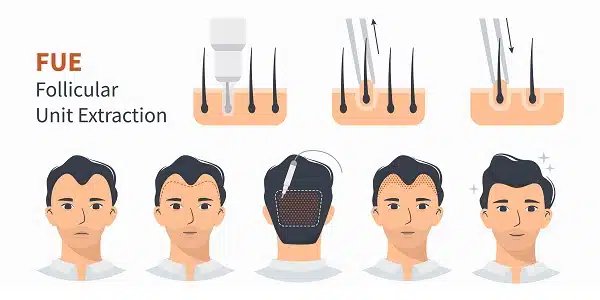
whatapp icon